A Cold Welcome
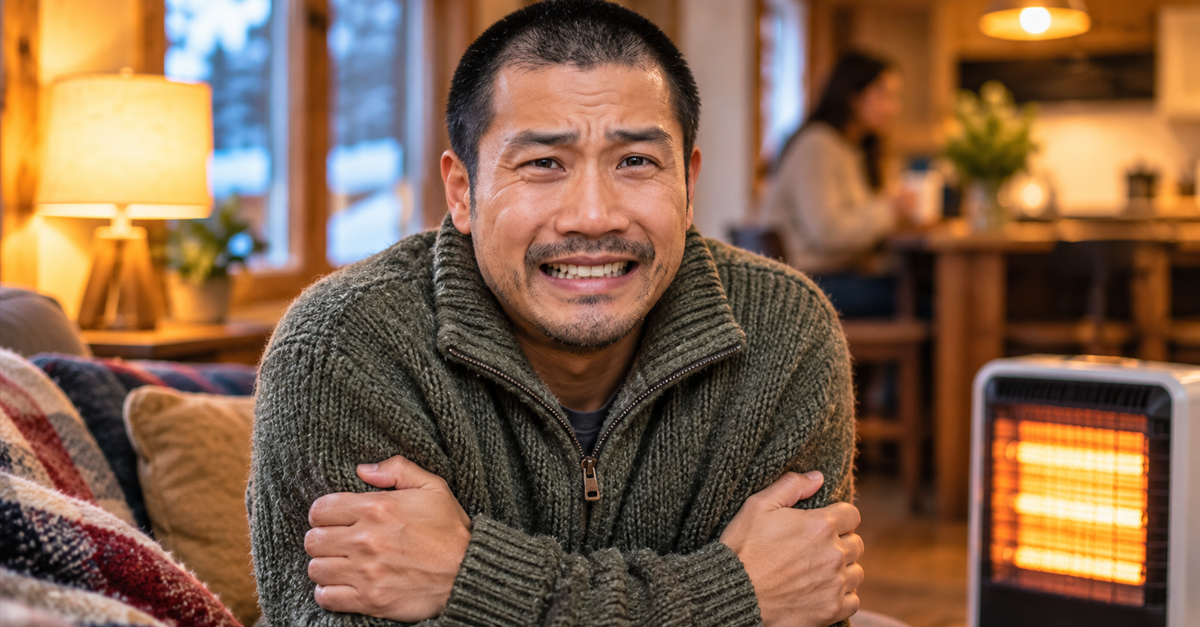
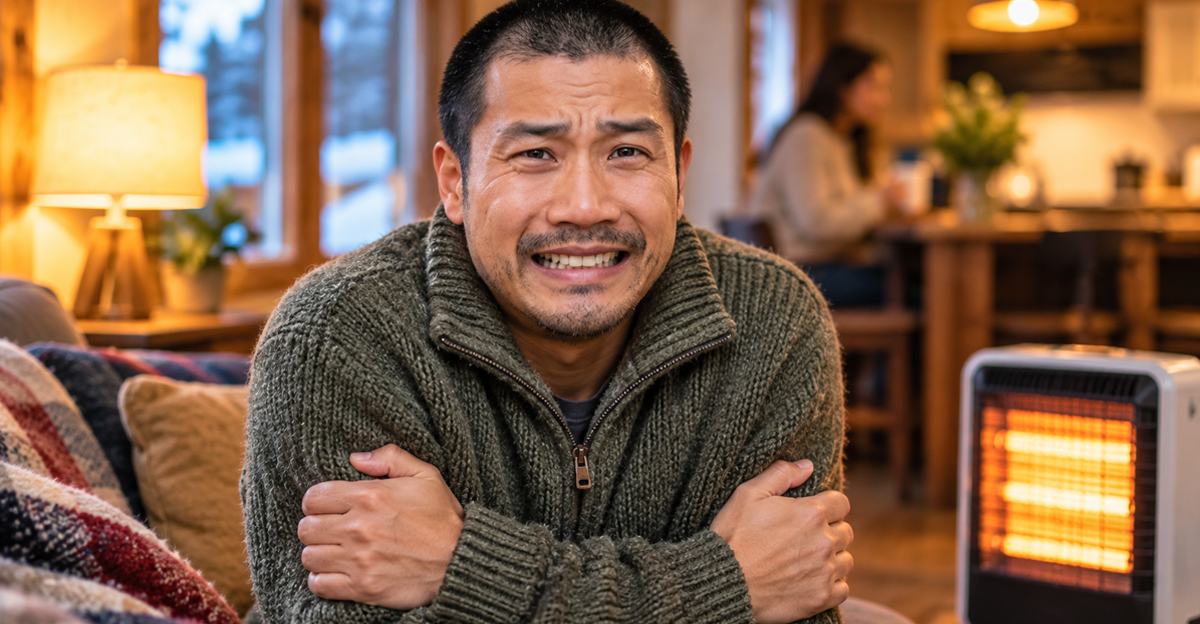
You arrive at your Airbnb expecting a cozy getaway, but the place is freezing. You switch on the electric heater, only for the host to tell you it costs extra. Suddenly, your affordable vacation comes with a surprise bill for something you assumed was included.
Can an Airbnb host really charge you just to stay warm?
You Thought Heating Was Included
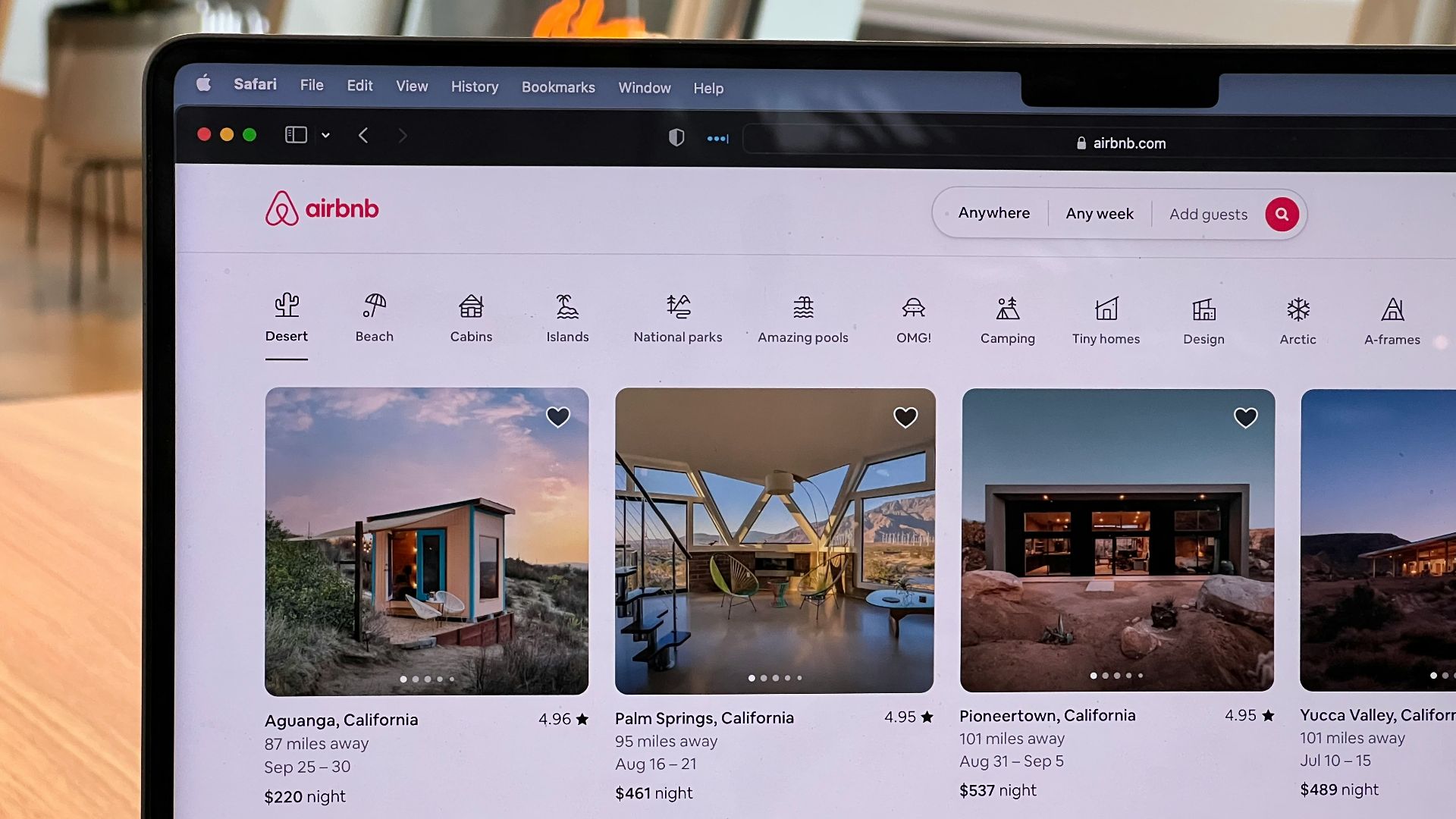
When you book an Airbnb, you expect the advertised amenities to be available. You probably aren't calculating electricity costs every time you turn on a heater. But not every rental includes the same amenities or utility arrangements. Whether you owe extra depends largely on what the host disclosed before booking.
 Oberon Copeland @veryinformed.com, Unsplash
The Host Blames Rising Electricity Costs
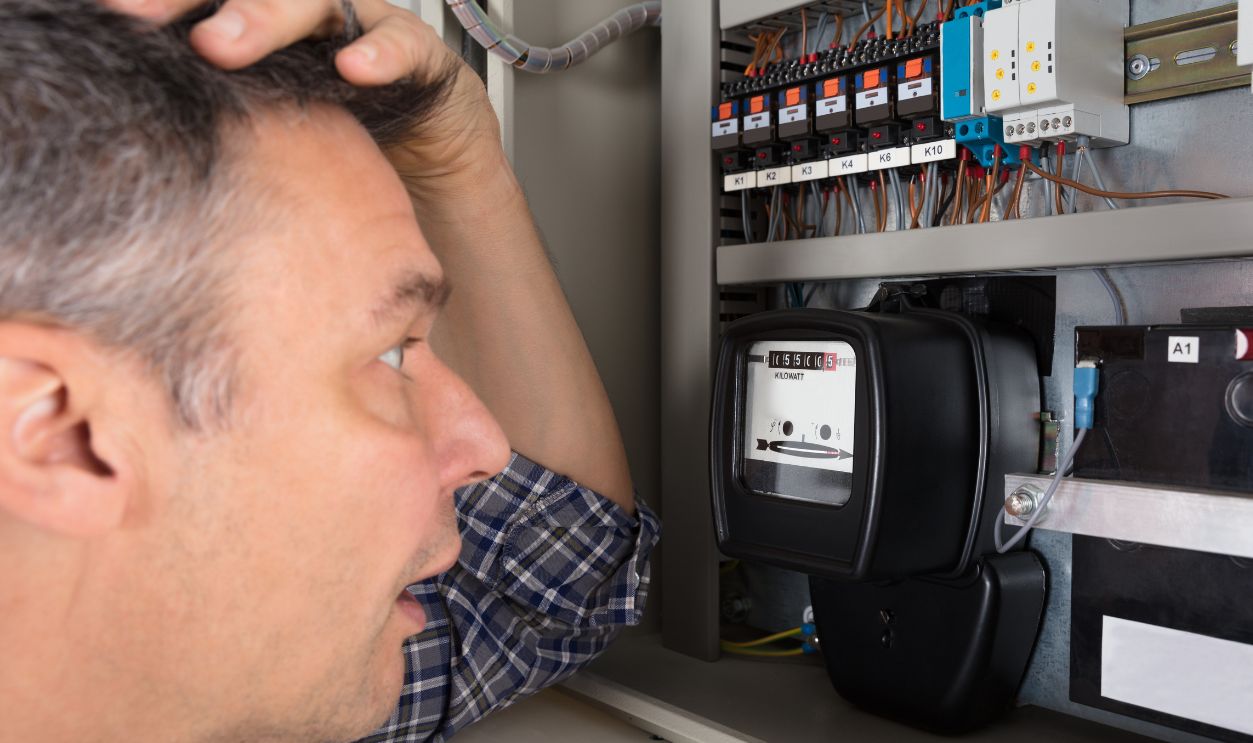
Your host might explain that electric heaters are expensive to run, especially during winter. That's a legitimate expense, but it doesn't automatically justify charging you more. Airbnb has rules governing how hosts disclose and collect utility fees. Those rules matter more than the host's electricity bill.
Airbnb Actually Allows Heating Charges
Here's the surprise: Airbnb doesn't prohibit all separate heating or electricity charges. However, mandatory fees must be included in the nightly rate or appropriate pricing field. The price you see before booking should account for these charges. Hosts generally can't introduce new mandatory fees after you've booked.
Check The Original Listing
Before arguing with your host, revisit the listing. Was heating advertised, and were any restrictions mentioned? Airbnb requires accurate amenity descriptions and disclosure of limitations. If heating was promised without restrictions, you have stronger grounds to challenge the charge.
 https://kaboompics.com/, Pexels
House Rules Don't Override Everything
Your host might claim the surcharge was buried in the house rules. However, Airbnb requires mandatory fees to appear in the appropriate pricing field or nightly rate. Mentioning an unavoidable charge in the description generally isn't sufficient. Fine print doesn't automatically make the fee acceptable.

But Some Rentals Don't Include Heating
Not every Airbnb has central heating, particularly in warmer destinations. Hosts can offer different amenities as long as their listings accurately describe them. If heating isn't advertised, you shouldn't assume it's included. The real problem arises when the property doesn't match what was promised.

Is Heating Considered An Essential Amenity?
Surprisingly, Airbnb's essential amenities list doesn't specifically include heating. It covers basics like soap, toilet paper, towels, pillows, and bed linens. Heating is addressed separately under listing accuracy and refund policies. Its absence isn't automatically a violation, although misleading listings or unsafe conditions may be another matter.
What If The Heater Is Your Only Option?
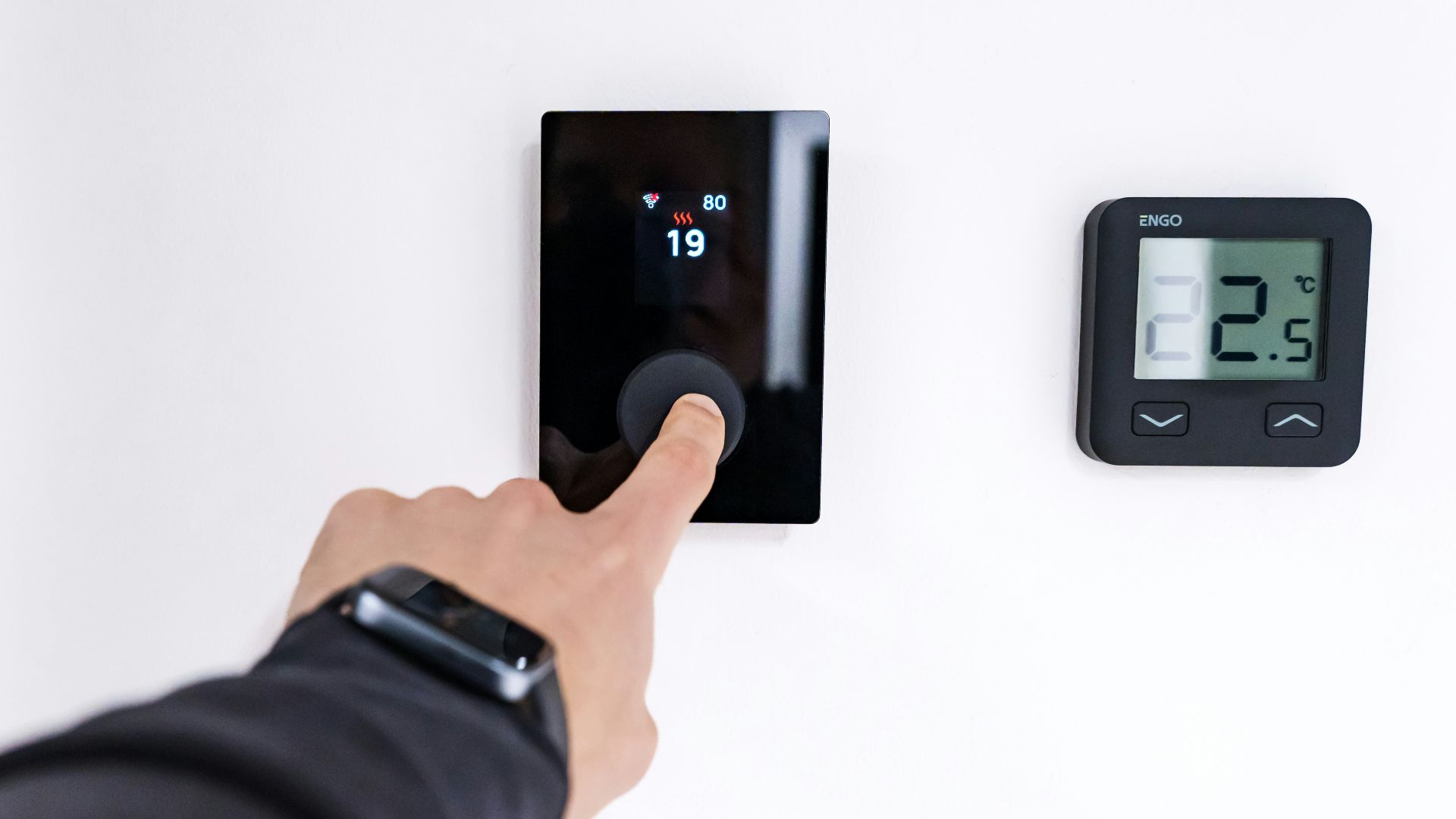
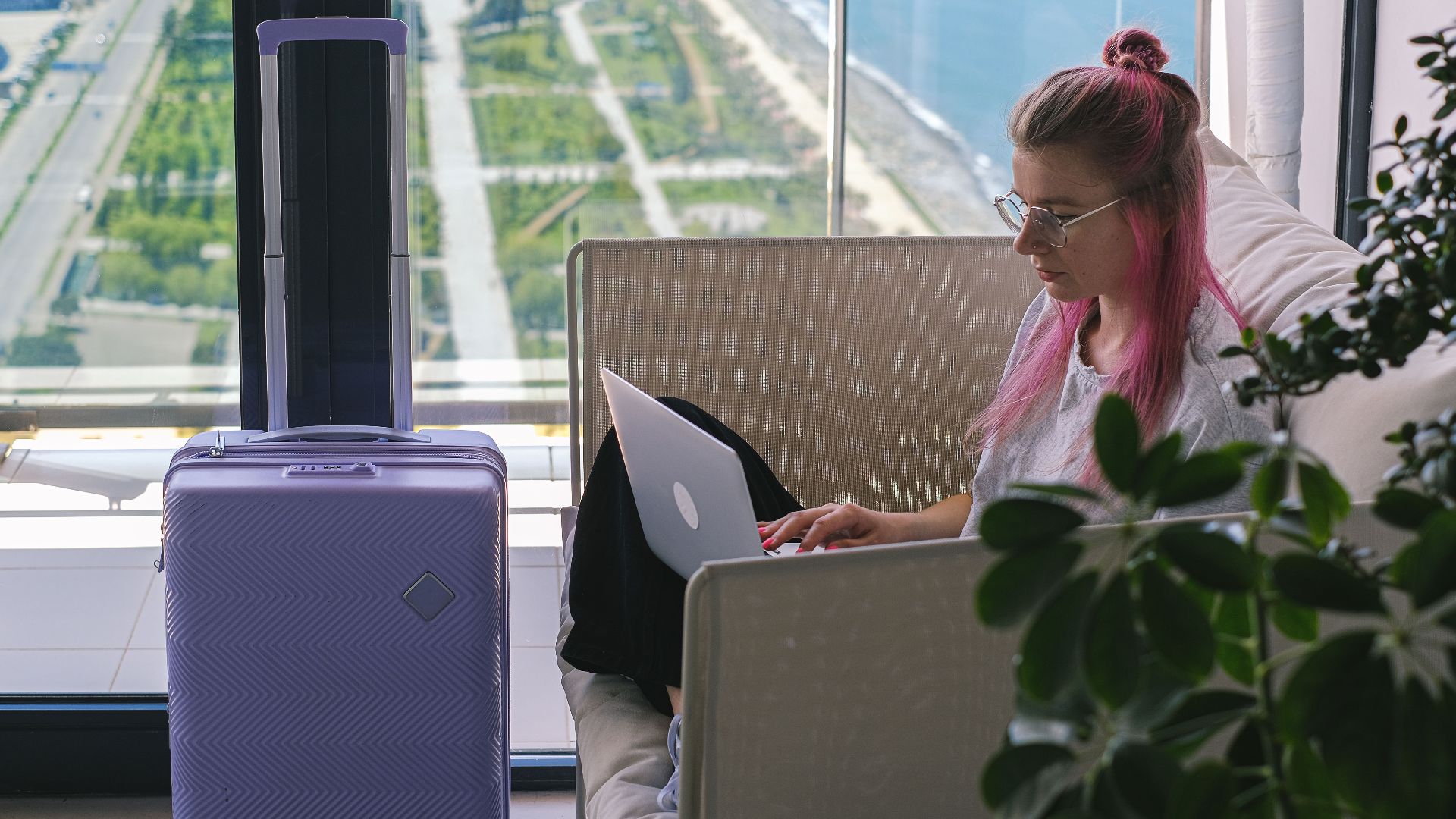
Imagine the electric heater is your only practical source of warmth. Without it, you're left shivering unless you pay an unexpected fee. That's more than an ordinary utility dispute. If the rental can't provide adequate warmth, you may have grounds to seek Airbnb's help.

Airbnb Takes Broken Heating Seriously
AirCover specifically identifies broken heating in winter as a serious accommodation problem. Qualifying guests may receive rebooking assistance or a refund. An undisclosed heating charge isn't automatically equivalent to broken heating. But if you can't effectively warm the property, the actual conditions matter.
There's A Difference Between Heating And Luxury Extras
Some Airbnb properties charge extra for optional amenities, such as heated swimming pools. Those services aren't necessarily comparable to heating your accommodation. Keeping a rental comfortably warm can be a basic practical need. What matters is whether the fee was disclosed and the service was genuinely optional.

Can Your Host Demand Cash?
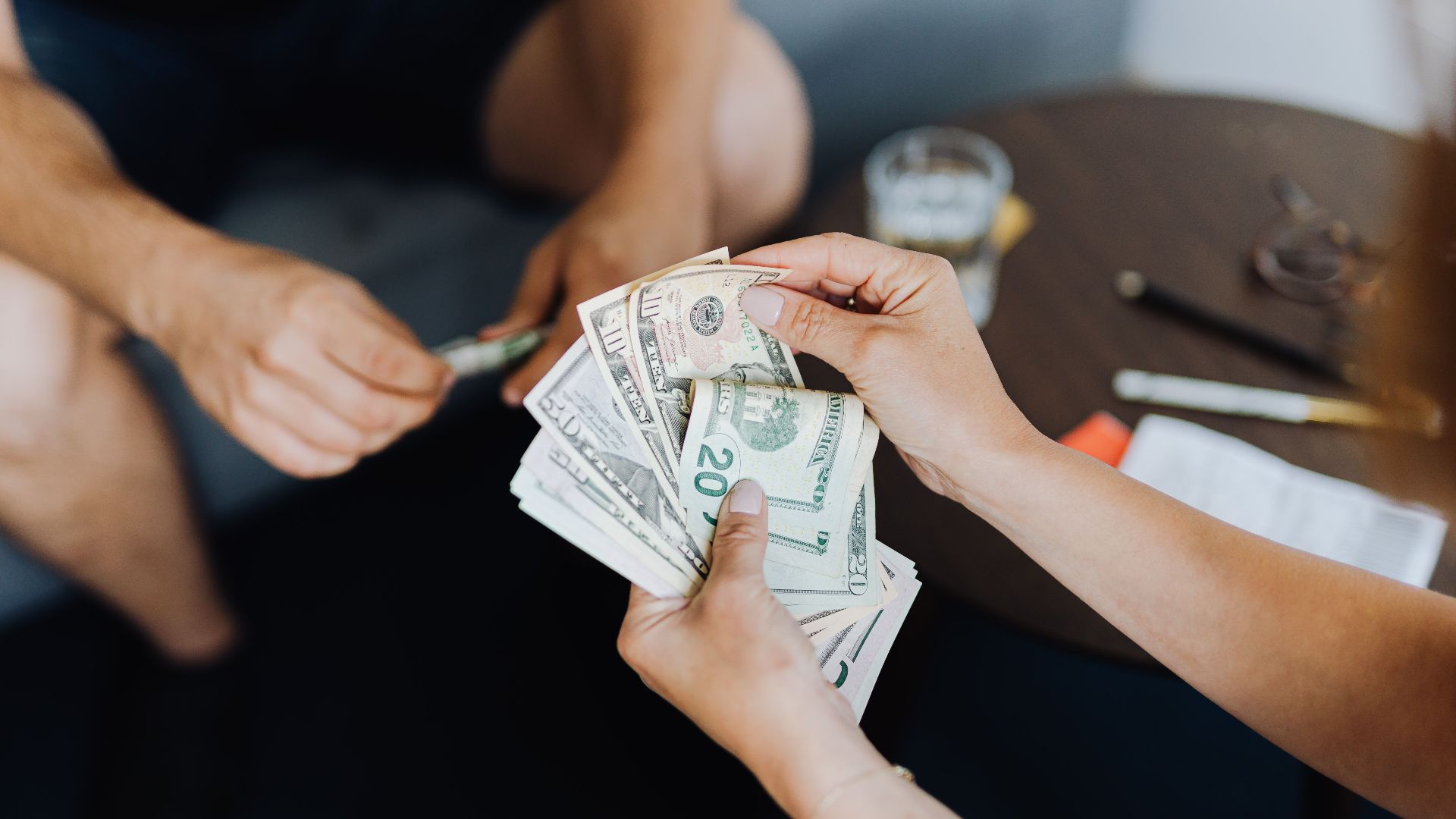
Suppose your host requests cash or a bank transfer for the heater. Airbnb generally prohibits collecting mandatory reservation fees outside its platform, with limited exceptions. Authorized charges still need proper advance disclosure. An unexpected cash demand should raise questions about whether the host is following the rules.
 https://kaboompics.com/, Pexels
What If The Host Sends A Payment Request?
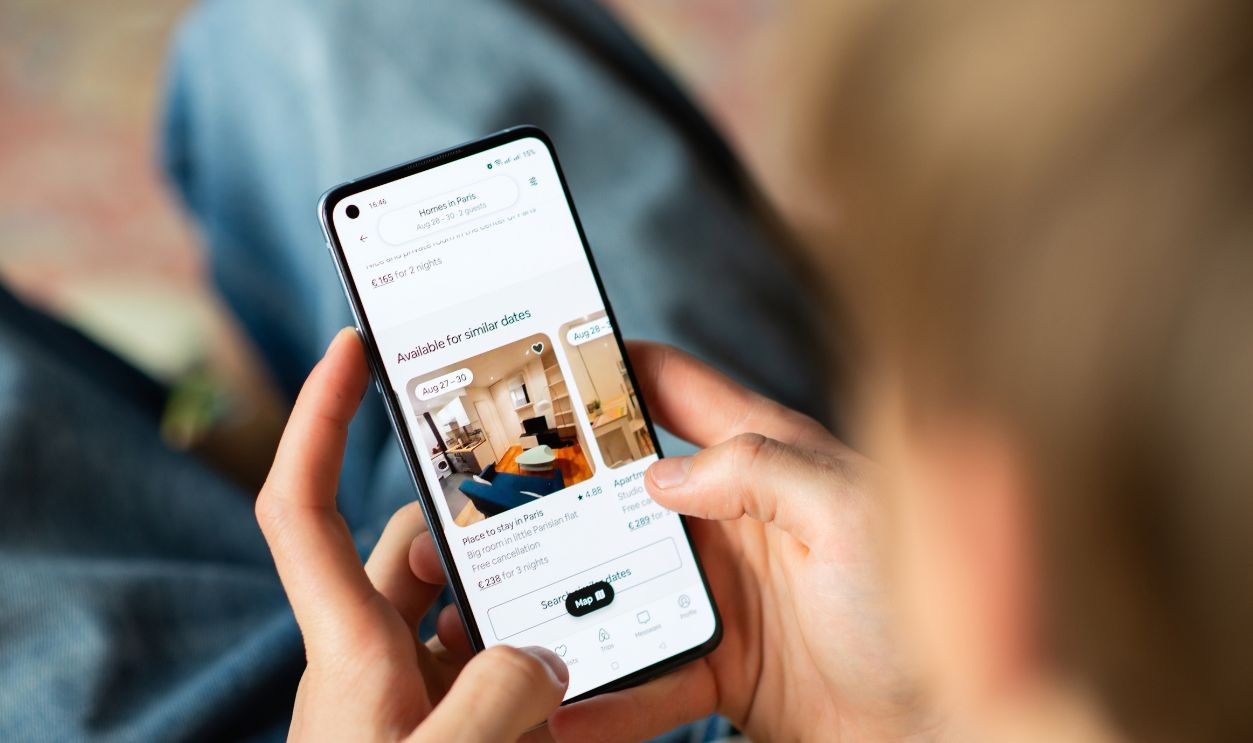
Your host might request money through Airbnb's Resolution Center. The platform allows eligible additional payment requests, including certain optional services. But receiving a request doesn't automatically mean you owe anything. You can dispute the charge and ask Airbnb to review it.
The Host Can't Simply Rewrite Your Booking
Once your reservation is accepted, the host generally needs your agreement to change its price. Airbnb's rules address changes to confirmed booking details. Your host can't simply impose a higher price because electricity costs have increased. If you didn't agree to the charge, you have reason to challenge it.

What If The Host Threatens To Turn Off The Heat?
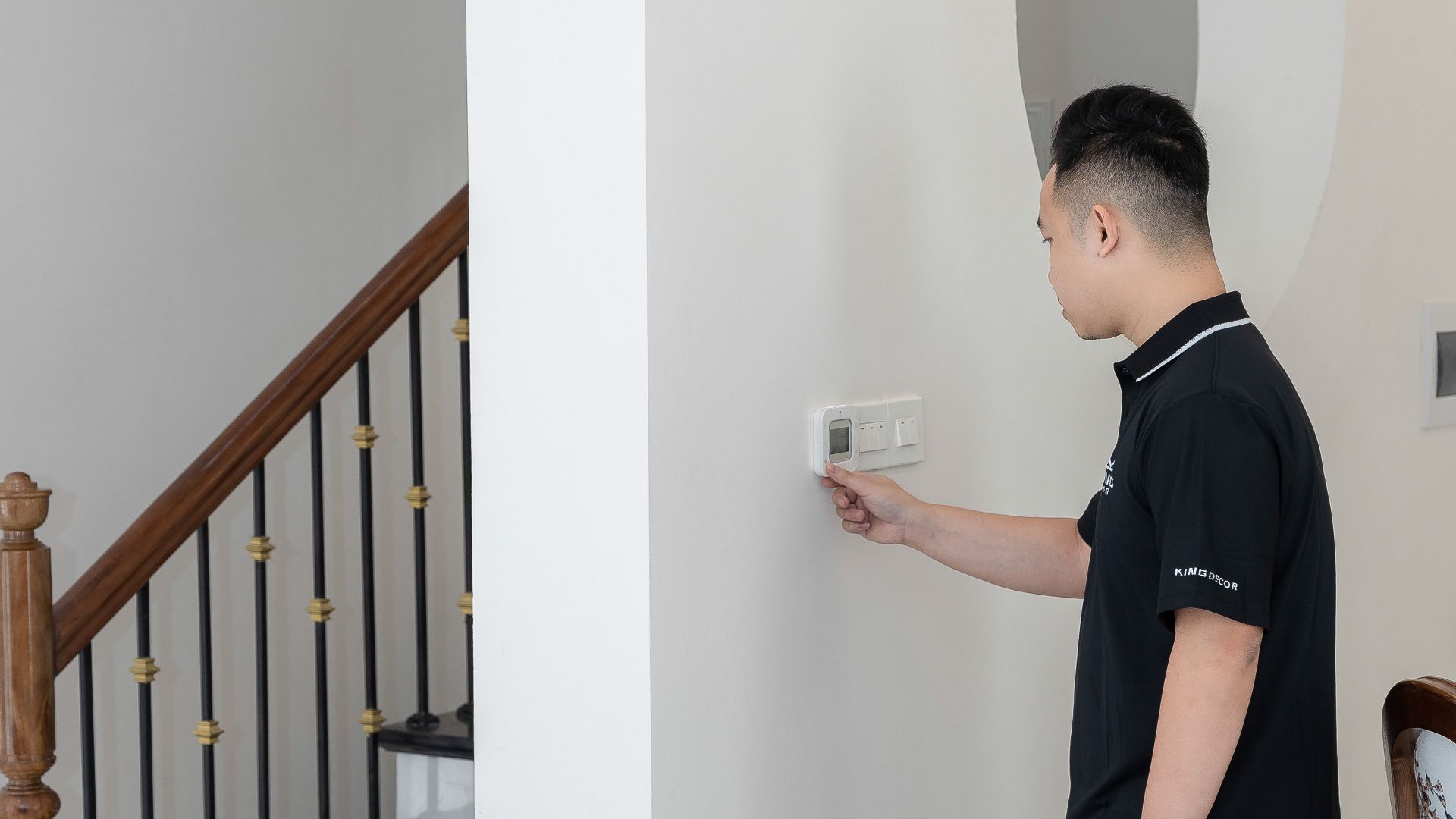
Things become more serious if your host refuses heating unless you pay. Document the demand and explain that the property may no longer match your booking. Airbnb expects hosts to honor advertised amenities. If the cold presents an immediate safety risk, prioritize finding somewhere safe.
Save The Evidence Before Anything Changes
If you believe the charge is unfair, start collecting evidence. Screenshot the listing, amenities, house rules, and original price breakdown. Save the host's messages and photograph the thermometer or heating equipment. These records can help Airbnb assess both the unexpected charge and the property's conditions.

Give The Host A Chance To Fix It
Contact your host through Airbnb's messaging system. Explain that the rental is too cold and ask where the surcharge was disclosed. Request access to any heating advertised in the listing without unexpected fees. Keeping everything on Airbnb creates a record of the conversation.

Don't Miss Airbnb's 72-Hour Deadline
Don't spend your vacation arguing with an uncooperative host. Airbnb generally requires qualifying reservation problems to be reported within 72 hours of discovery. You should contact the host or Airbnb promptly, especially if the issue remains unresolved. Waiting could complicate your request for assistance.

AirCover Could Help You
Every Airbnb home booking includes AirCover for guests. It offers support for certain serious problems, including qualifying heating failures or significantly inaccurate listings. Depending on the circumstances, Airbnb may help you rebook or provide a refund. Eligibility depends on the severity of the problem and your evidence.
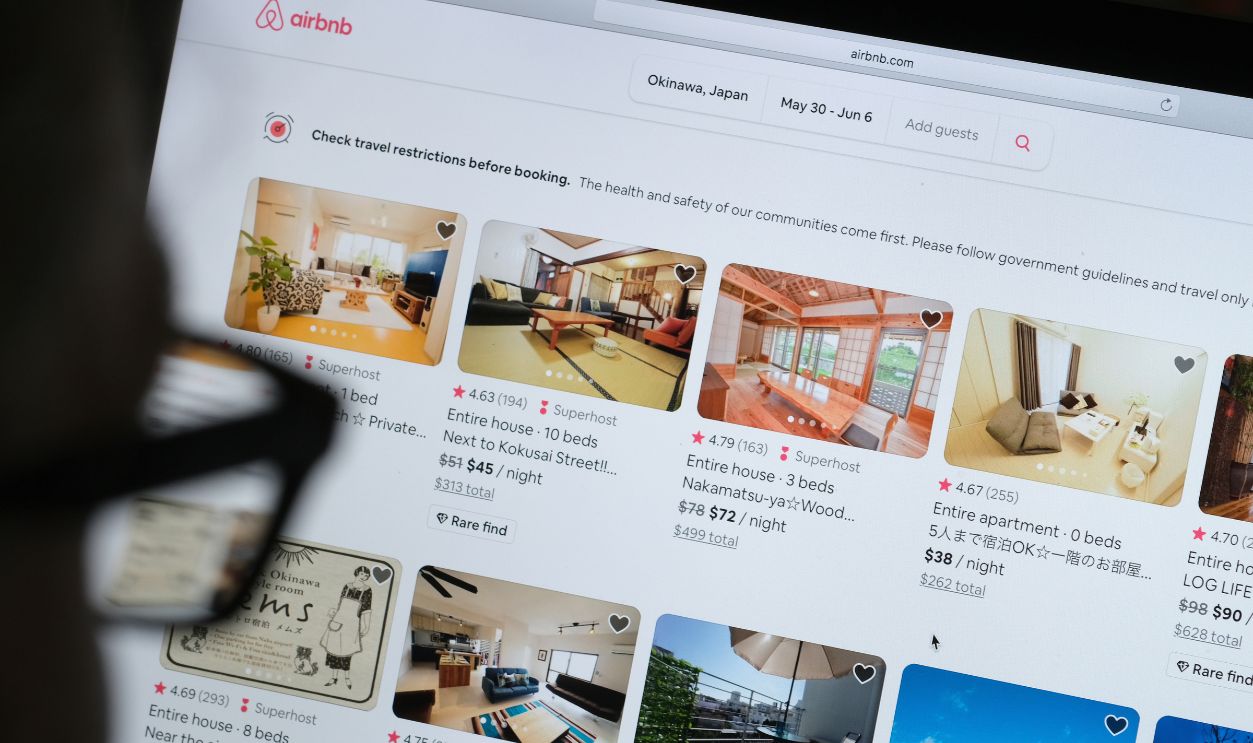
But A Full Refund Isn't Guaranteed
Even if Airbnb agrees something went wrong, a full refund isn't automatic. Its policy considers the problem's severity, its impact on your stay, and your evidence. Whether you left the property can also matter. A completely unusable rental may justify a different outcome from a minor heating inconvenience.

What If You Decide To Leave?
If the property remains unbearably cold, staying might not be practical. Airbnb can help eligible guests find alternative accommodation when serious reservation problems arise. Availability and comparable pricing can affect your options. Contact Airbnb before leaving when possible to clarify what assistance is available.
Don't Cancel Without Checking First
You might be tempted to cancel immediately and find somewhere warmer. However, ordinary cancellations generally follow the reservation's cancellation policy. Airbnb's refund protections can override those terms for qualifying problems, but approval isn't automatic. Contact support before canceling to understand your options.

What If You Already Paid The Charge?
Perhaps you paid because you simply needed to get warm. That doesn't necessarily prevent you from challenging an improperly disclosed fee. You can provide Airbnb with payment records, the original listing, and the host's messages. Reimbursement depends on the booking terms and circumstances.
You Can Request A Refund After Checkout
Airbnb's Resolution Center generally accepts payment requests for up to 60 days after checkout. This provides a way to pursue certain disputes after leaving. But that window doesn't replace the 72-hour reporting requirement for qualifying reservation problems. Report heating issues during your stay whenever possible.

What About Longer Airbnb Stays?
If you're staying for several weeks or months, utility costs deserve extra attention. Some rentals have separate electricity arrangements, but mandatory fees still require proper disclosure. Before booking, confirm whether heating is included and how any additional costs are calculated. Local rental regulations may also affect longer stays.
Local Laws Could Also Matter
Airbnb's policies aren't necessarily the only rules protecting you. Local laws may impose additional heating, safety, or habitability requirements, depending on the destination and rental type. These protections vary widely between jurisdictions. Checking local regulations could reveal options beyond Airbnb's complaint process.

So, Can Your Host Really Charge Extra For Heating?
Yes, Airbnb hosts can sometimes charge separately for heating, but they generally can't spring undisclosed mandatory fees on you after booking. If heating was advertised without restrictions, you have good reason to challenge the surcharge. Check your reservation, document the conditions, and contact Airbnb promptly if the host won't cooperate. A budget getaway shouldn't come with a surprise bill just to stay warm.

You May Also Like:
My Airbnb host says I owe for "excessive electricity use." Can they charge extra after the stay?