Two Hours Should Be Plenty, Right?
You've checked in online, packed your bags, and arrived at the airport exactly two hours before your flight. Everything seems under control. Then you see the security line stretching halfway across the terminal. Suddenly, those two hours don't seem nearly enough. Here's why the familiar two-hour rule can sometimes leave travelers scrambling to catch their flights.
Where The Rule Came From
For years, travelers have been advised to arrive at least two hours before domestic flights and three hours before international departures. These remain useful planning guidelines, but they're not guarantees. Airports, airlines, and destinations have different requirements, and the time needed to get from the terminal entrance to your departure gate can vary dramatically.
The Check-In Deadline Trap
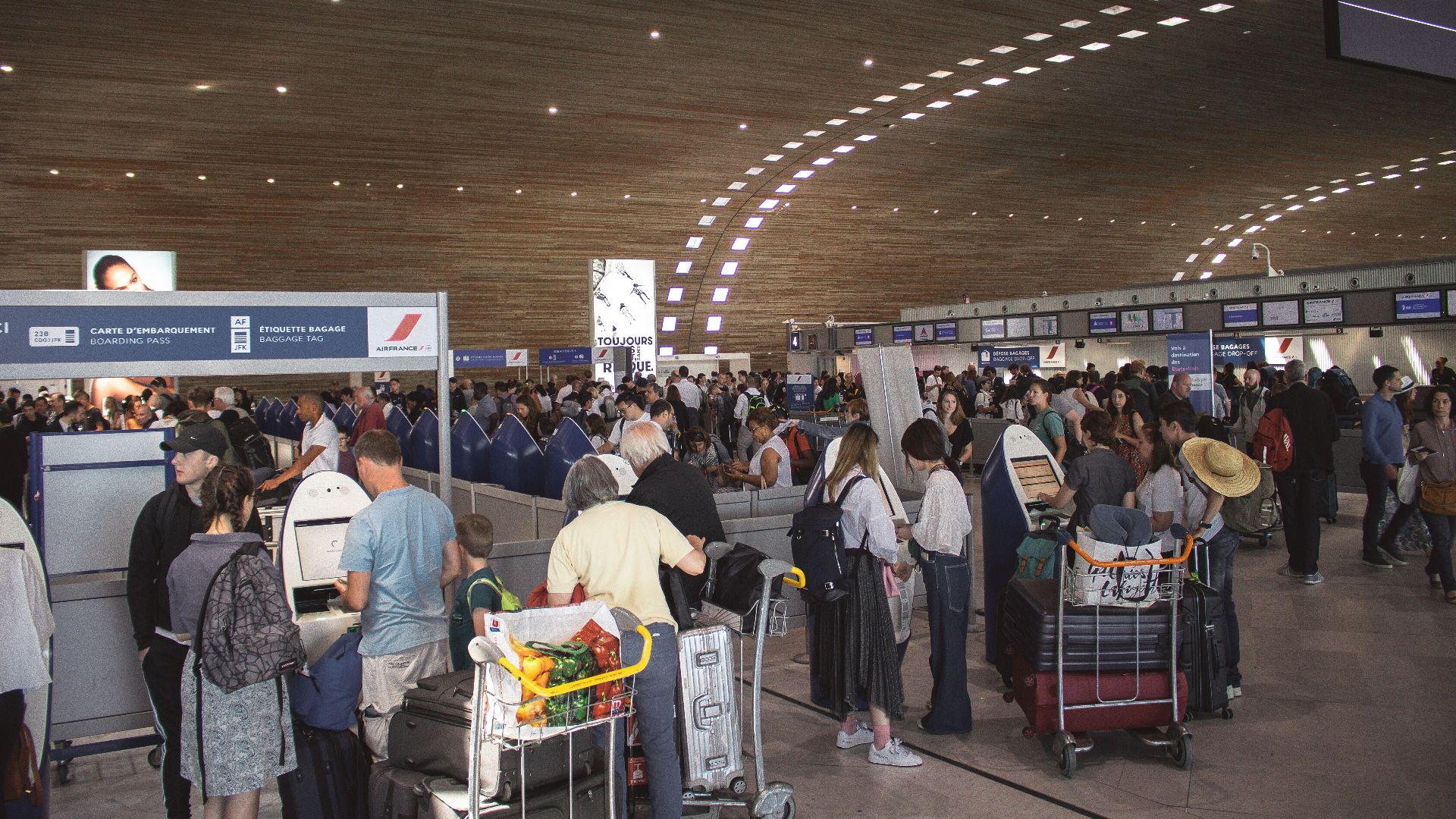
One detail many travelers overlook is that airlines have strict check-in and baggage acceptance deadlines. Some carriers stop accepting checked bags 45 or 60 minutes before departure, sometimes earlier for international flights. Arriving at the airport two hours early doesn't help much if you spend most of that time waiting in a check-in line that barely moves.
Security Can Be Unpredictable
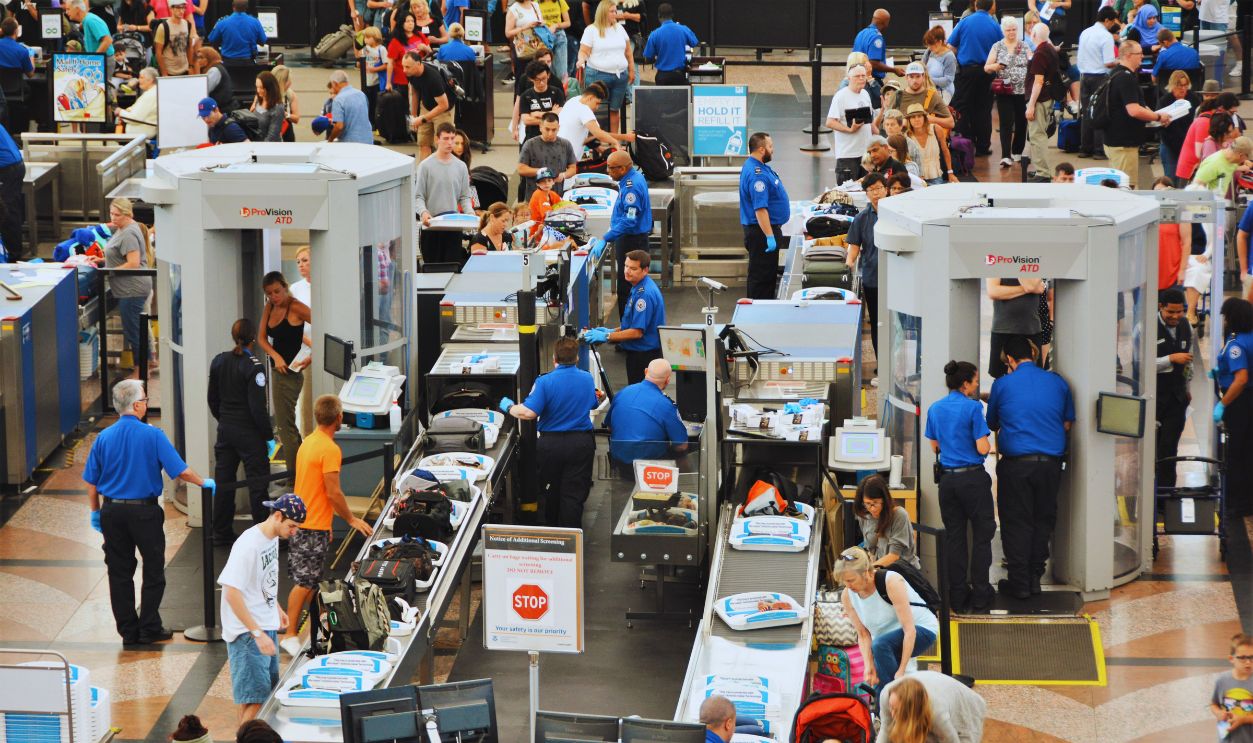
Airport security is another major variable. On a quiet Tuesday afternoon, you might clear security in ten minutes. During a busy holiday weekend, the same checkpoint could take considerably longer. Staffing shortages, equipment problems, and unusually heavy passenger traffic can create delays that even experienced travelers struggle to anticipate. Expedited screening programs help, but they don't eliminate the possibility of long waits.
International Flights Need More Time
International travel introduces additional complications, including passport checks, visa verification, and sometimes extra security screening. Some airports also conduct immigration procedures before departure. For example, passengers flying from certain Canadian airports to the United States clear American immigration and customs before boarding. That's another reason the standard recommendation for international flights is generally three hours rather than two.
Big Airports Mean Long Walks
Even after clearing security, your journey isn't necessarily over. Large airports can have multiple terminals, satellite concourses, and gates requiring shuttle trains or lengthy walks. A gate that looks close on an airport map might actually take 20 minutes to reach. Travelers with young children, mobility limitations, or heavy carry-on luggage should allow extra time for these journeys.
Your Plane Won't Wait
Another common misunderstanding involves the departure time printed on your ticket. That's when your aircraft is scheduled to leave, not when you should arrive at the gate. American Airlines, for example, generally ends boarding 15 minutes before departure. Arriving at the gate with ten minutes to spare could mean watching your plane leave without you, even though it's still parked outside.
Some Days Are Much Worse
Airport congestion isn't distributed evenly throughout the week or year. Thanksgiving, Christmas, spring break, and other peak travel periods can produce extraordinary crowds. Early mornings can also be surprisingly busy when numerous flights depart around the same time. A schedule that works perfectly during a quiet weekday might be hopelessly optimistic during a major holiday travel rush.
When Should You Arrive?
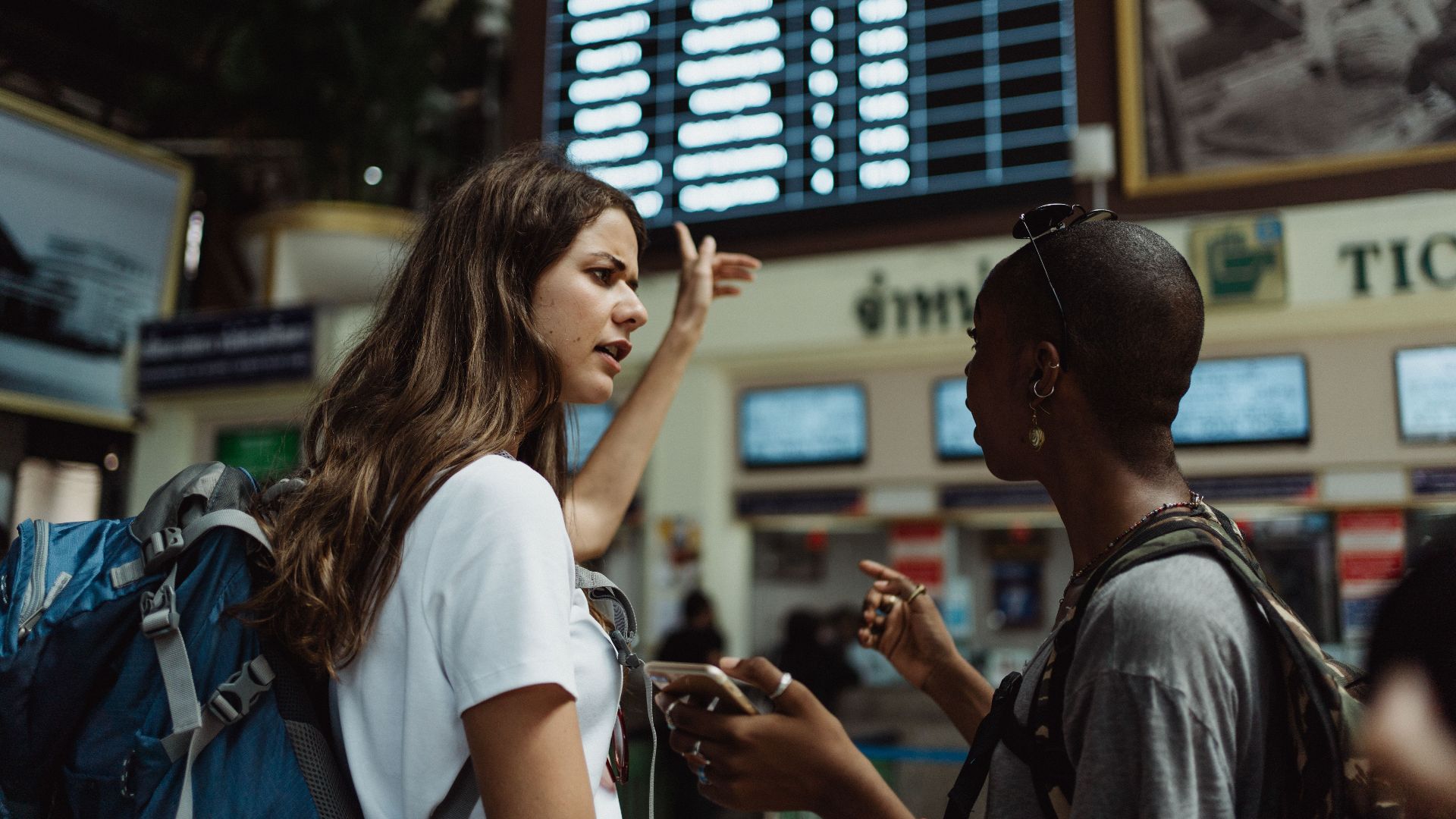
For an ordinary domestic flight, two hours remains a reasonable starting point. For international travel, three hours is generally safer. But consider adding another 30 to 60 minutes if you're checking bags, traveling during a holiday, departing from an unfamiliar airport, or accompanying someone who needs extra assistance. Always check your airline's specific guidance, since requirements vary.
The Better Airport Strategy
The smartest approach isn't simply arriving as early as possible. It's working backward from your flight's boarding and baggage deadlines, accounting for security, terminal transfers, and potential delays. Check your airline's app and airport advisories before leaving home. An extra hour spent reading at the gate might seem inconvenient, but it's considerably better than losing an entire vacation day because you missed your flight.
You May Also Like:
The Simple Airport Mistake That Can Turn A Cheap International Flight Into An Expensive One
Flight Attendants Say They Hate It When Passengers Do These Things—So Don’t Do Them
Latest Data Ranks The World’s Best And Worst Airports—What You Need To Know