The Seat Fee That Drives Parents Crazy
Few travel hassles are more infuriating than seeing your family scattered around the cabin, then being told you have to pay extra to fix it. Parents have complained for years that airlines sometimes seat young children away from adults unless someone buys seat selection. At this point, the question is not just whether that is annoying. It is whether airlines should be allowed to do it at all.
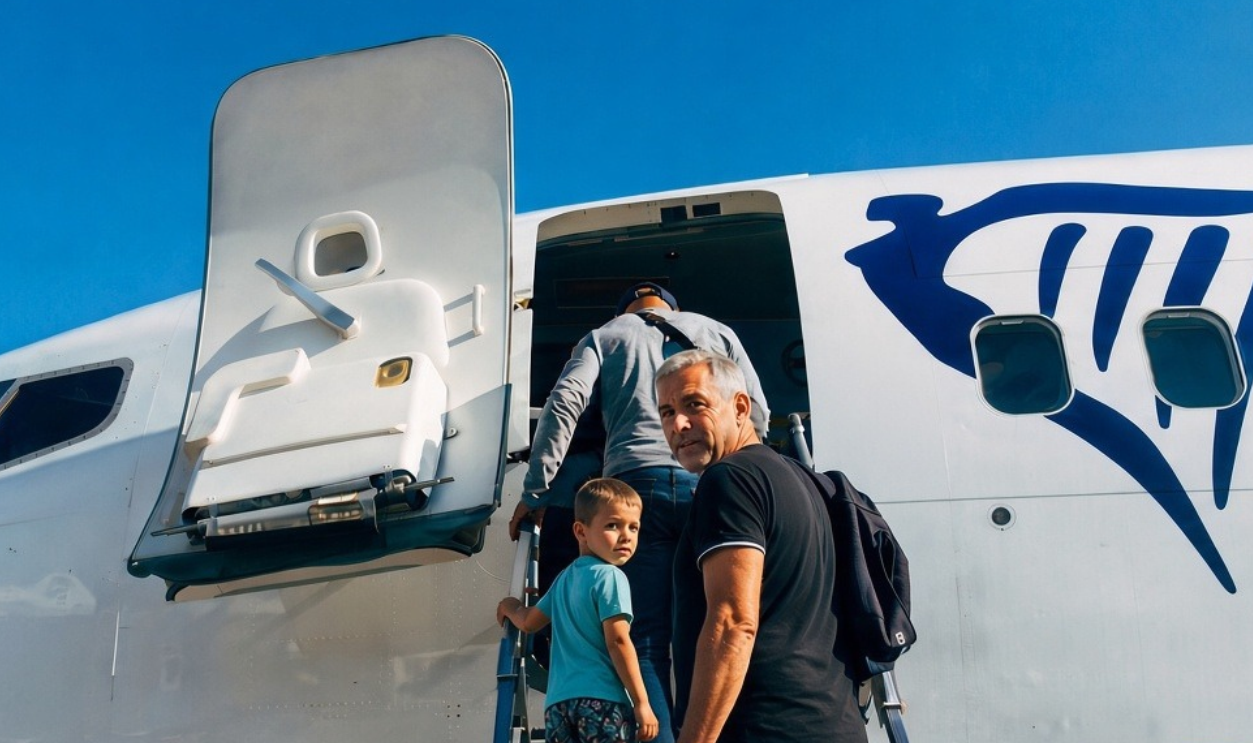 Markus Winkler, Pexels, Modified
A Real Policy Fight, Not Just A Travel Annoyance
This is bigger than a bad moment at the gate. In recent years, U.S. regulators and lawmakers have pushed airlines on family seating after repeated complaints from passengers. The issue touches safety, fairness, and the growing list of airline add-on fees. It also sits right in the middle of the budget travel era.
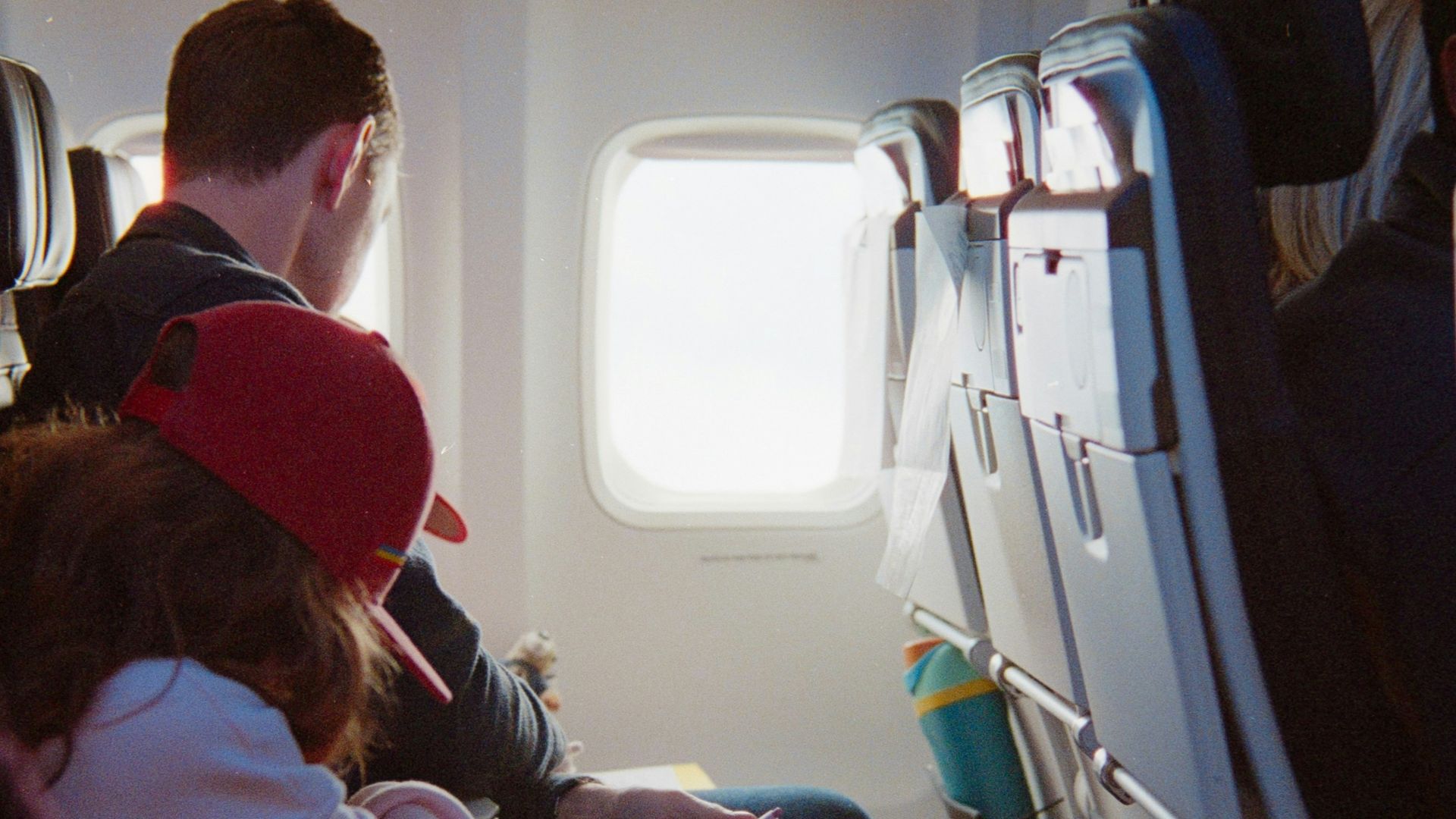
What Family Seating Actually Means
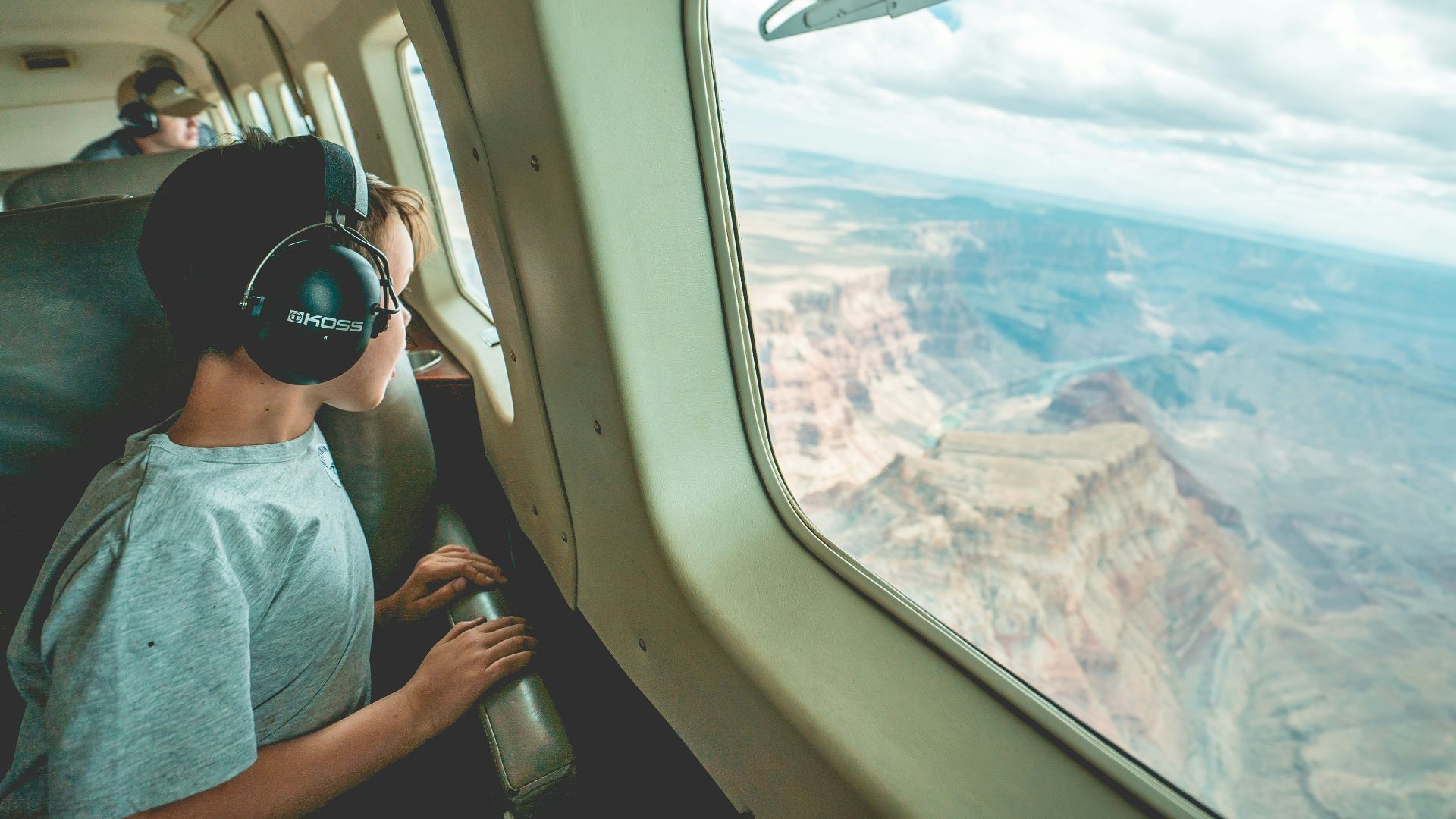
In simple terms, family seating means a young child can sit next to, or very near, an adult traveling with them without the parent paying an extra fee. The U.S. Department of Transportation has focused on children age 13 and under in its family seating dashboard. That age cutoff matters because airline policies are not all the same. For parents flying with an 8-year-old, this is exactly the issue.
 Westwind Air Service, Unsplash
The Government Finally Put Up A Scoreboard
In March 2024, the U.S. Department of Transportation launched a Family Seating Dashboard showing which airlines promise fee-free adjacent seats for children 13 and under and an accompanying adult. The department said the dashboard was meant to give travelers clear, easy-to-compare information while pushing airlines to improve their policies. Transportation Secretary Pete Buttigieg said the goal was to help families avoid getting nickeled-and-dimed. For frustrated parents, it was the first real public measuring stick.
Which Airlines Made The List
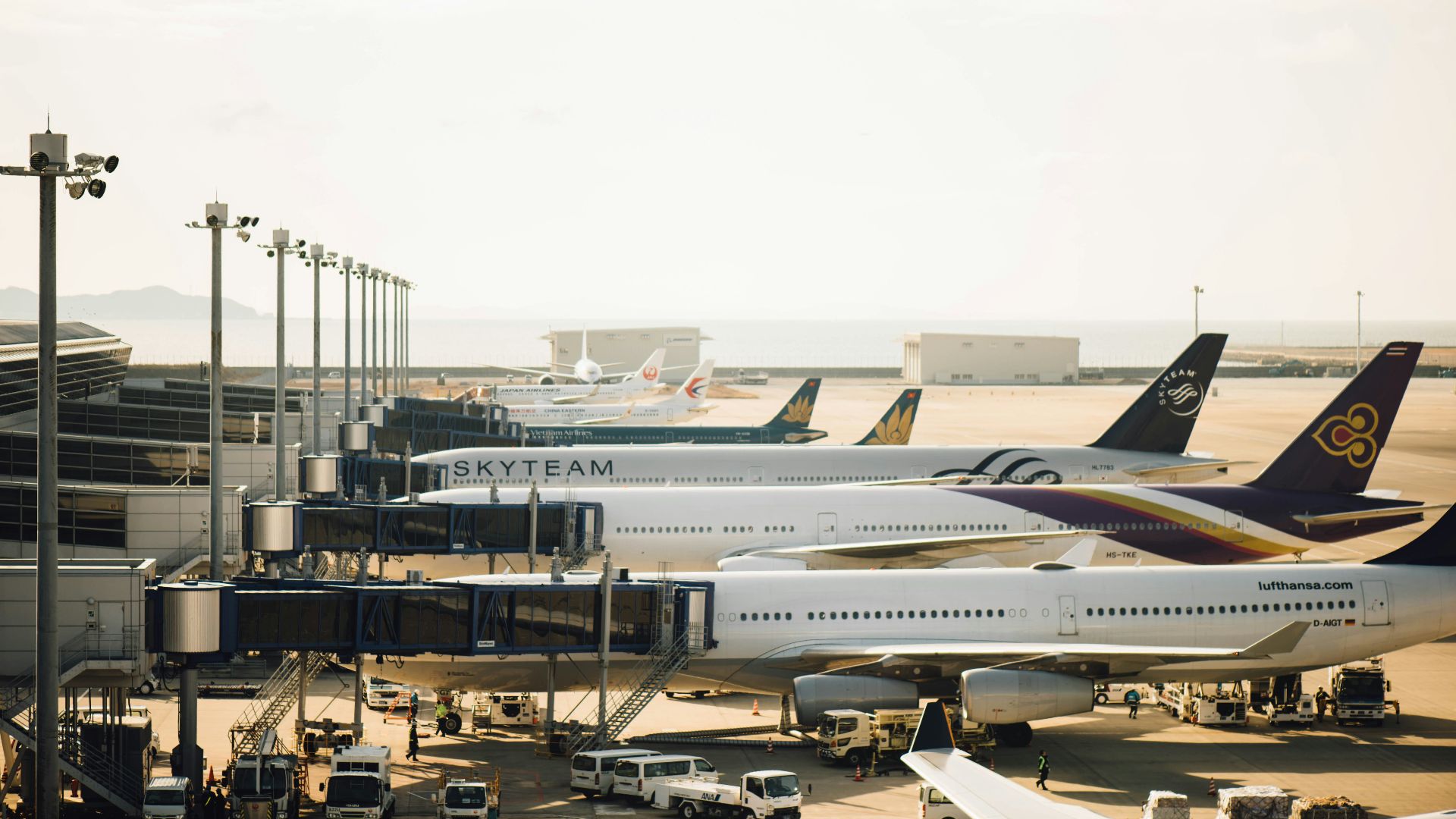
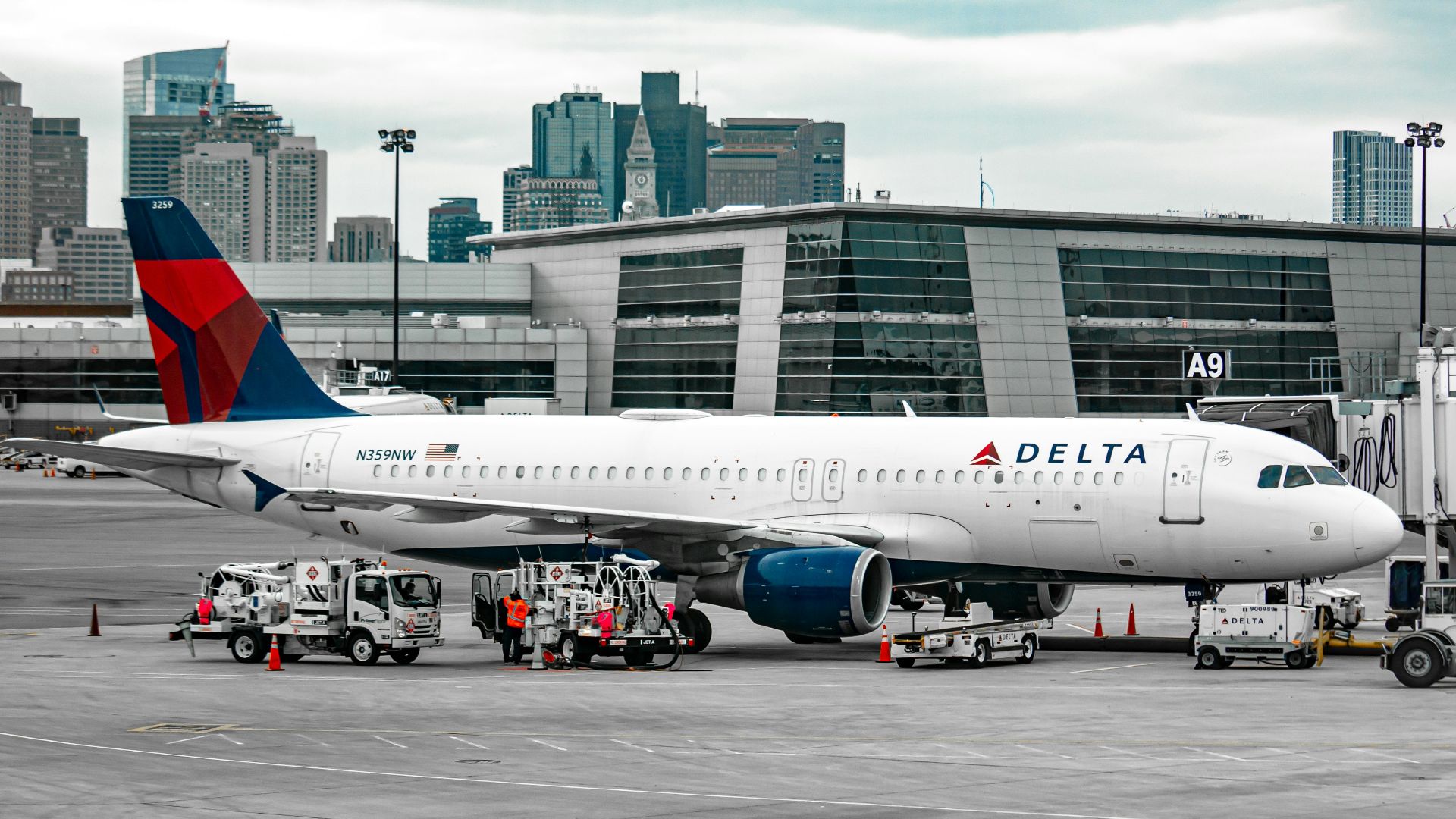
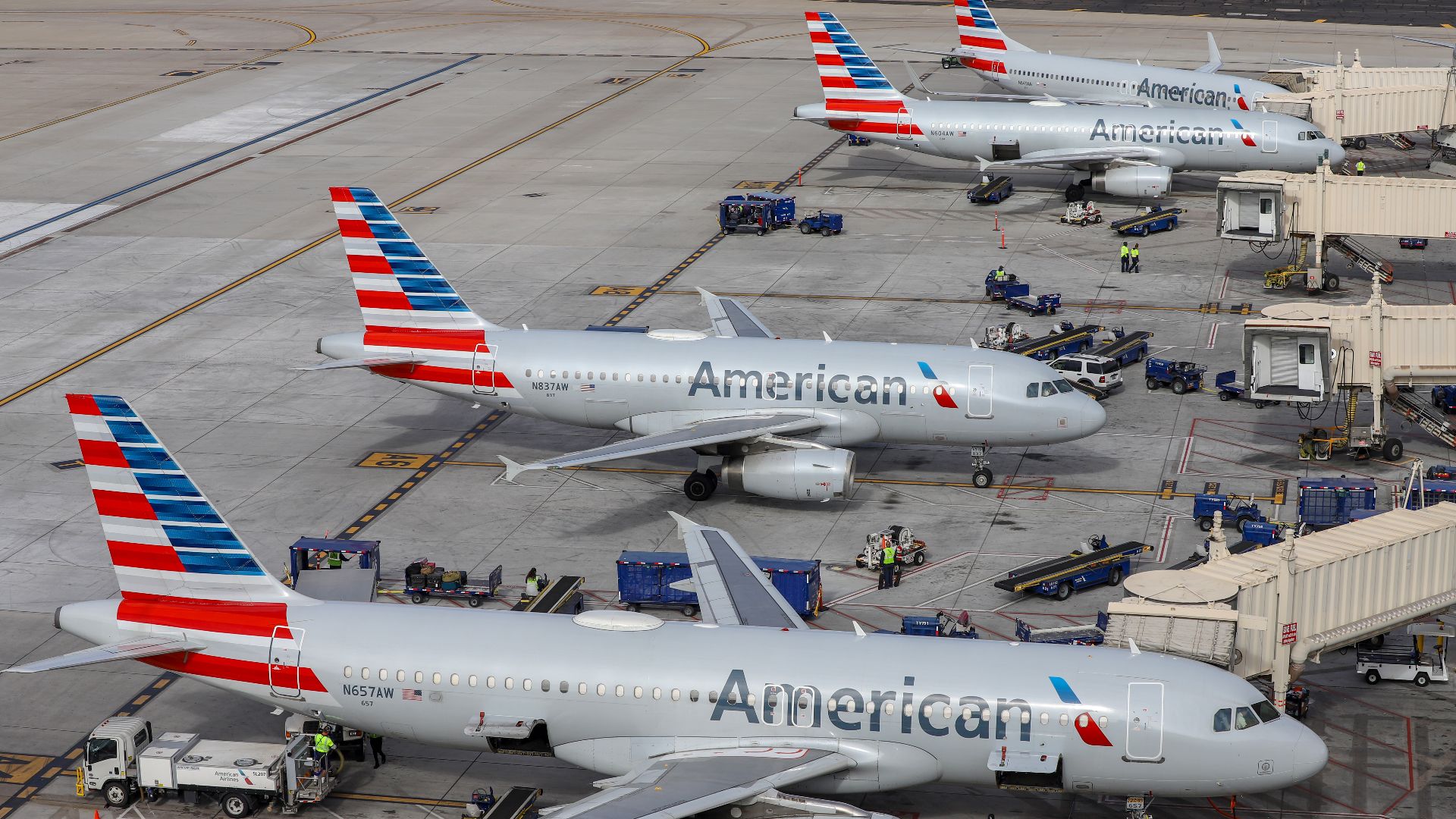
When the dashboard launched, DOT highlighted several airlines that guaranteed family seating without extra fees in qualifying situations, including Alaska Airlines, American Airlines, Frontier Airlines, JetBlue Airways, and Hawaiian Airlines. More carriers were added later as they made similar commitments. Even so, the fine print still matters. These guarantees can depend on when you book, whether seats are still open, and how many adjacent seats are left at the time of purchase. A promise helps, but it cannot create space on a packed flight.
Not Every Airline Signed On At First
Part of the reason the dashboard got attention is that it showed the gaps. Some major airlines were not initially listed as offering the kind of fee-free family seating guarantee DOT wanted to highlight. That public pressure was the point. It turned a private frustration into a visible consumer issue.
Why Families Get Split Up
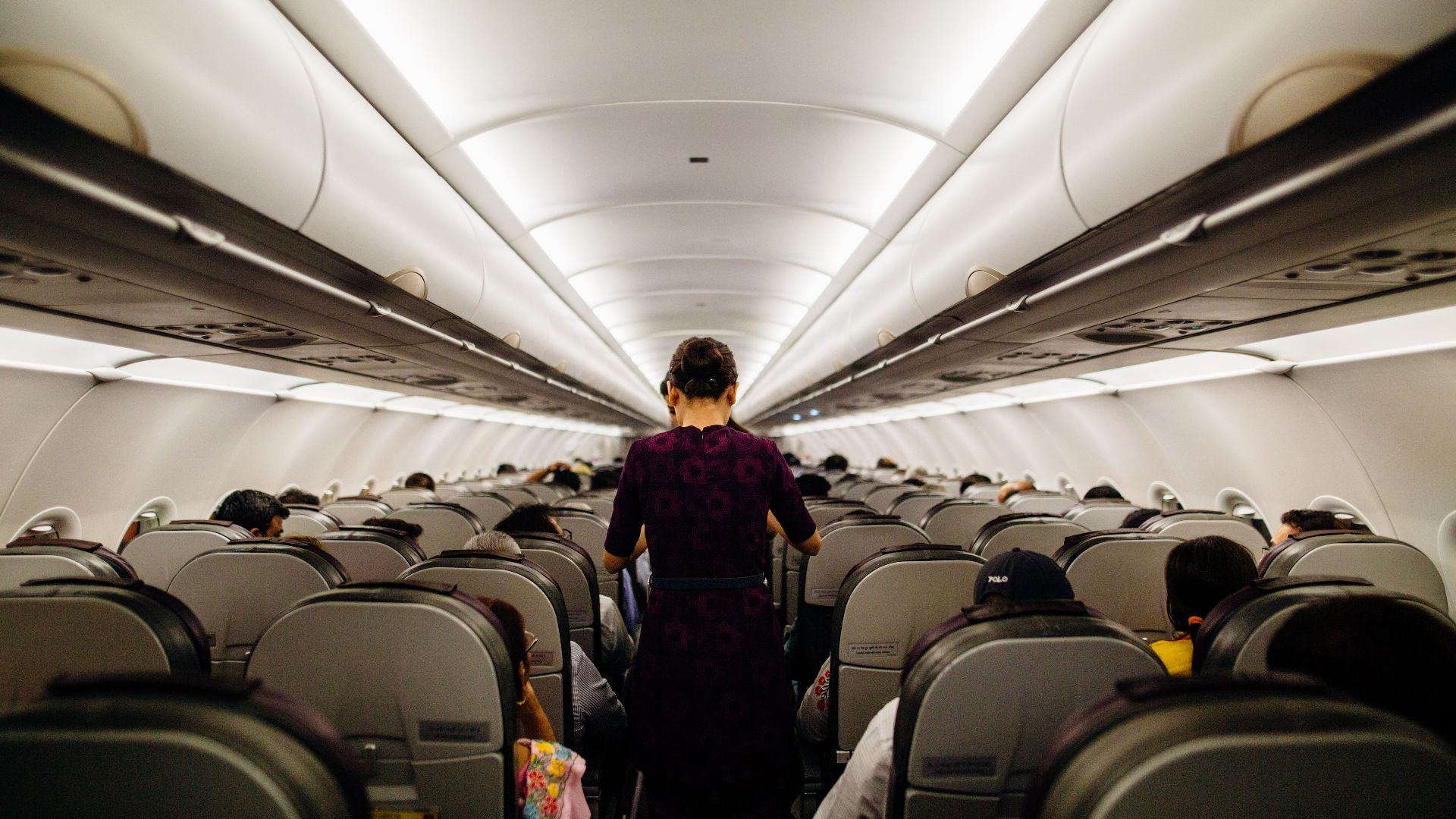
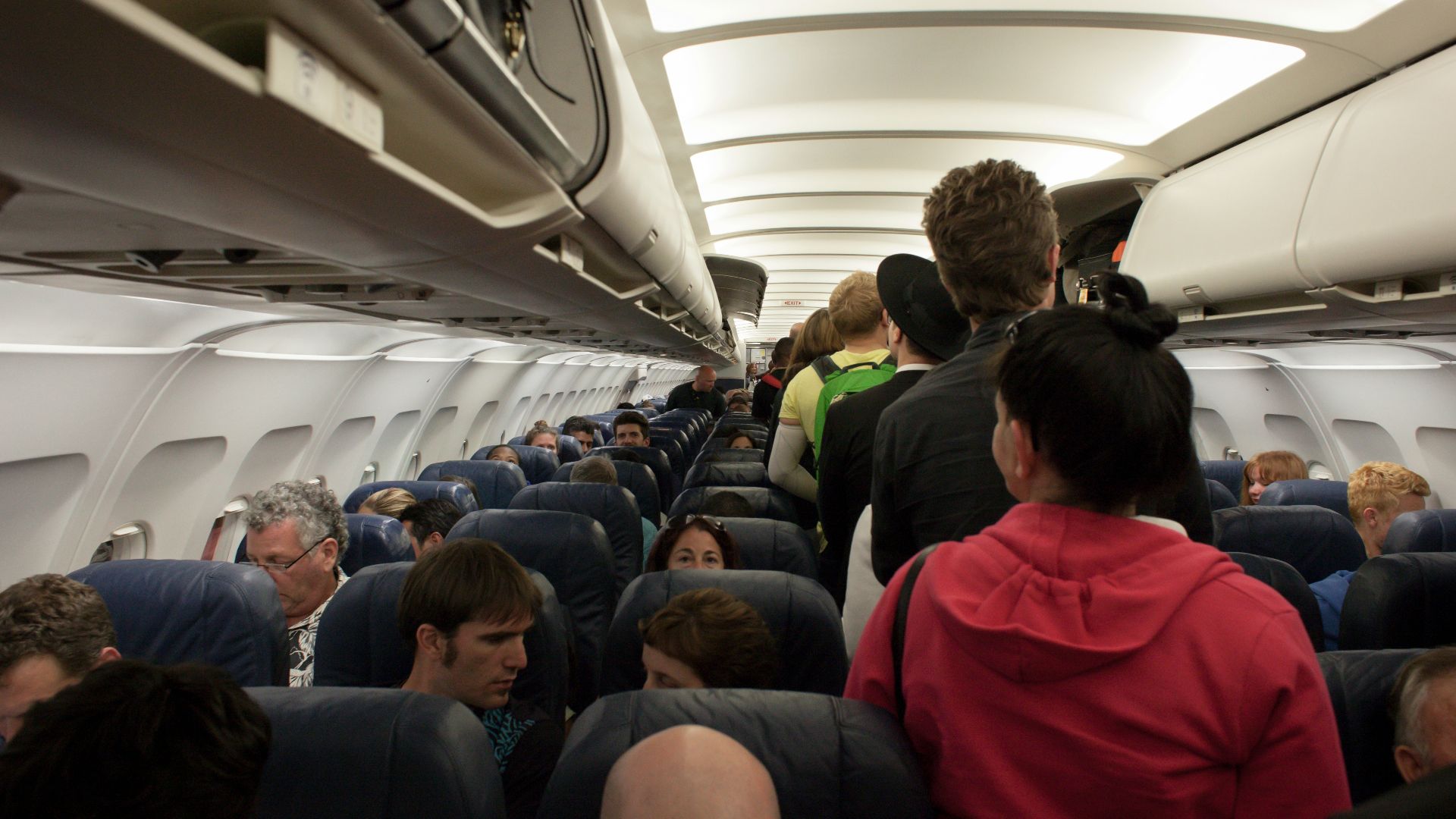
There usually is not some grand plan behind these seat assignments. Airlines sell many of the most desirable seats ahead of time, and travelers who do not pay seat selection fees may get auto-assigned whatever is left. On a full flight, that can leave a parent in one row and a child several rows away. What feels outrageous to families can look, from the airline side, like the result of a chopped-up seat map and a business built around extra fees.
The Bigger Story Is Add-On Fees
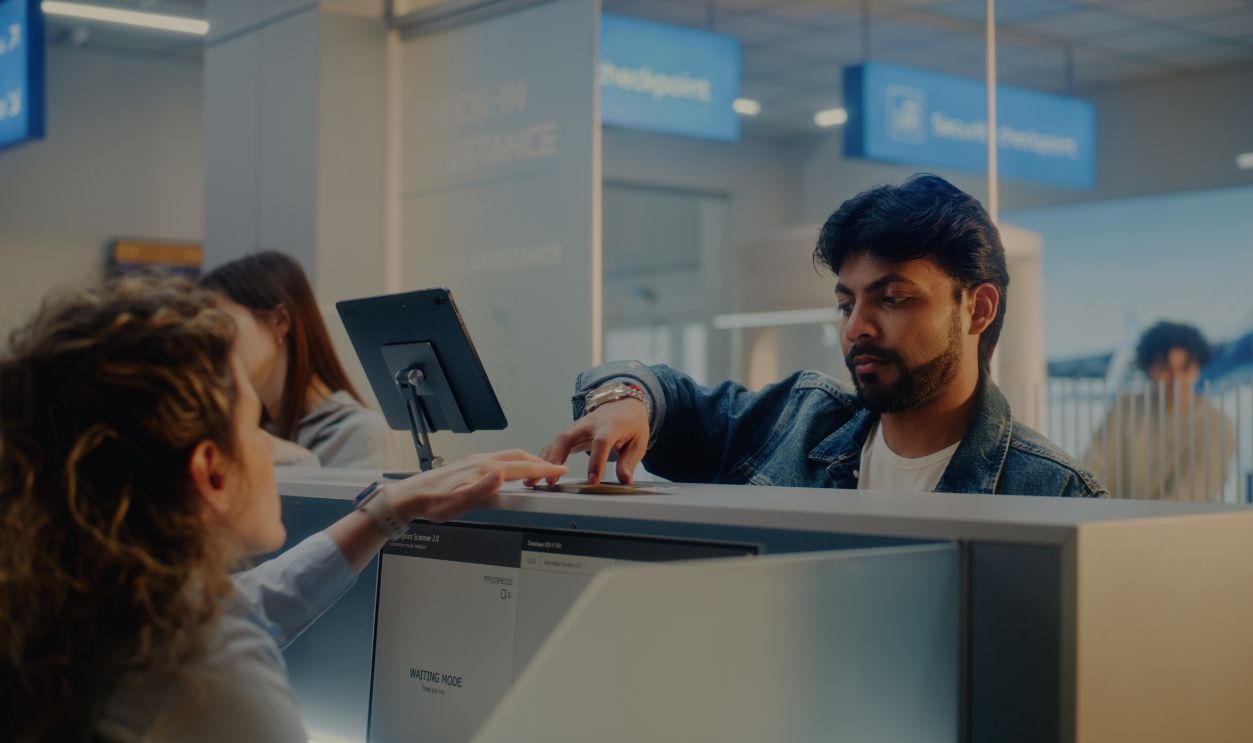
Seat assignment fees are part of a larger airline strategy that became standard over the past decade. Budget carriers helped make it normal to charge separately for things that used to come with the ticket, and bigger airlines followed in different ways. For travelers, the cheap fare they see at the start of a search can look a lot worse by checkout. Family seating fights are one of the clearest examples because the extra charge often does not feel optional at all.
 Frame Stock Footage, Shutterstock
Congress Started Pressing The Issue Years Ago
Lawmakers did not suddenly discover this problem in 2024. The Federal Aviation Administration Reauthorization Act of 2018 told the Department of Transportation to review airline policies and, if appropriate, create a policy directing airlines to seat a young child next to a family member over age 13 to the maximum extent practicable, at no extra charge. That stopped short of a full ban on seat fees for families. Still, it showed Congress understood the problem years before the dashboard appeared.
A Formal Rule Was Proposed In 2022
In July 2022, DOT proposed a rule that would require U.S. airlines to seat young children next to an accompanying adult at no extra cost. The proposal covered children age 13 or younger. The department said the rule would apply when adjacent seats are available at the time of booking in the same class of service. That timing matters because it limits what airlines would have to do once a flight is already packed.
 OhanaUnitedTalk page, Wikimedia Commons
Why Safety Keeps Coming Up
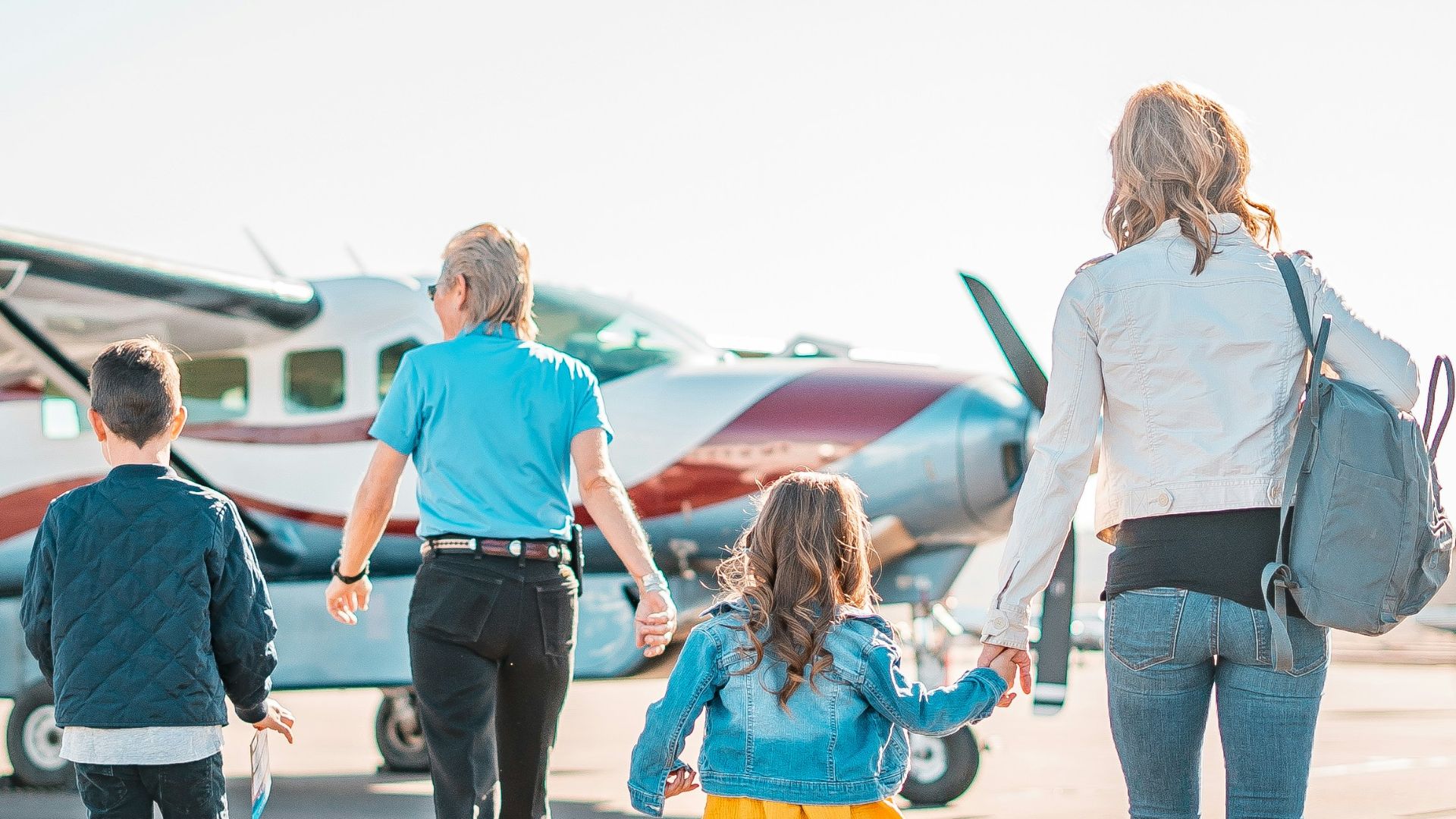
Parents often see this as basic common sense, but regulators have also tied it to safety and day-to-day cabin management. A separated young child may need help with a seat belt, an oxygen mask, or just following crew instructions during an emergency. Flight attendants can help, but they are not a replacement for a parent sitting somewhere else. The easiest way to avoid that problem is to stop the separation before it happens.
 Westwind Air Service, Unsplash
Complaints Helped Push This Forward
The Department of Transportation has repeatedly pointed to family seating complaints as a reason to act. Parents have reported being told to pay extra to sit next to young children or to hope other passengers will switch seats after boarding. Sometimes that works. Sometimes it creates awkward tension and leaves families depending on strangers. Regulators plainly decided the market was not handling this well on its own.
What The Airline Industry Says
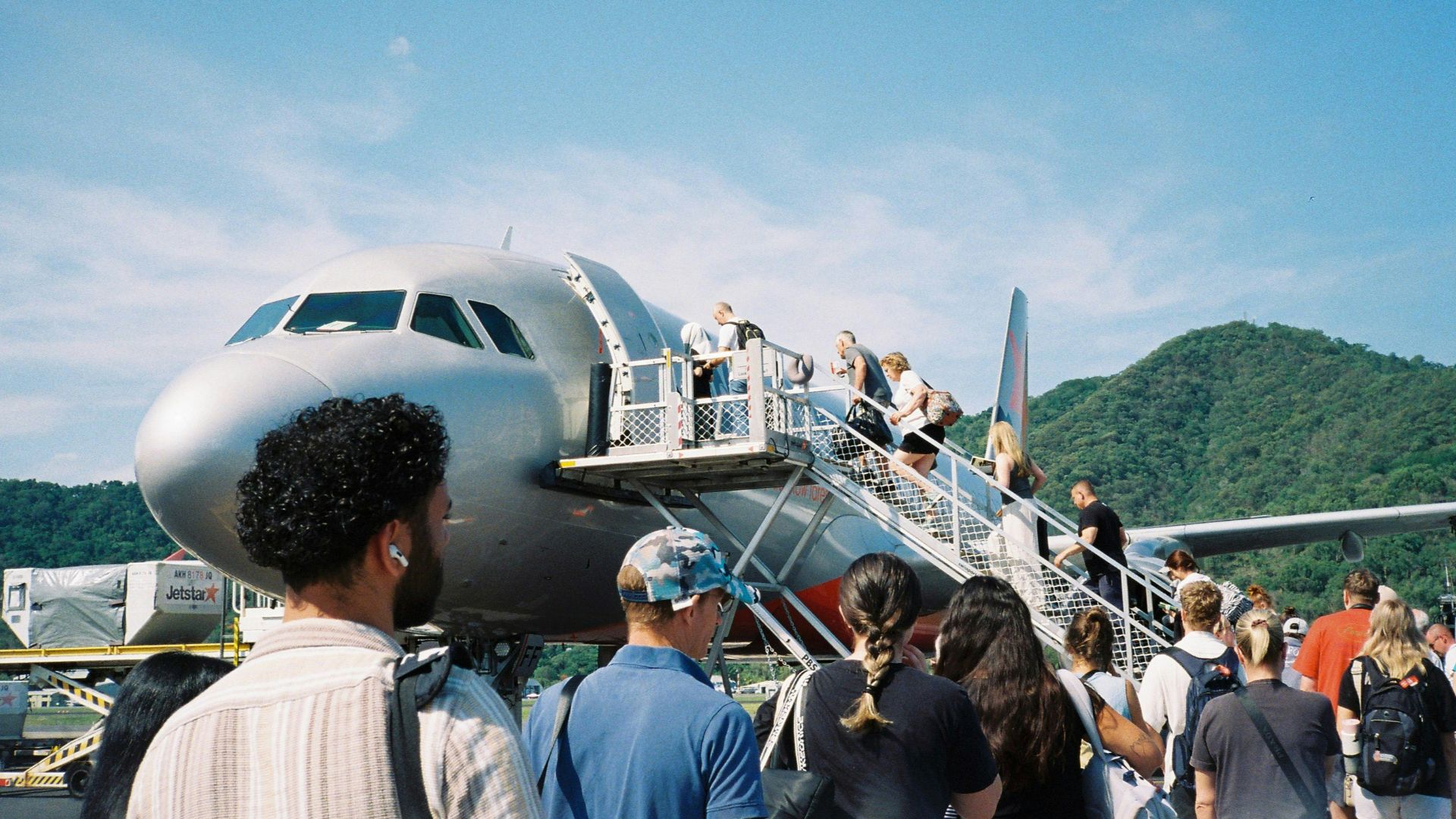
Airlines for America, the trade group for major U.S. carriers, has said airlines try to seat young children with accompanying adults whenever possible. The group has also argued that carriers already use tools and procedures to help families and that airlines need flexibility in real operations. In other words, airlines do not like the idea that every bad seating story proves they do not care. But families tend to judge the system by the moments when it breaks down.
 Quintin Soloviev, Wikimedia Commons
The Dashboard Changed The Pressure
Once DOT published a public chart, family seating became much easier to compare while booking. That matters because travelers can now see which airlines have made formal promises. A public dashboard creates a kind of pressure that private complaints never could. For airlines, looking stingy can quickly become a business problem.

Yes, Gate Agents Sometimes Save The Day
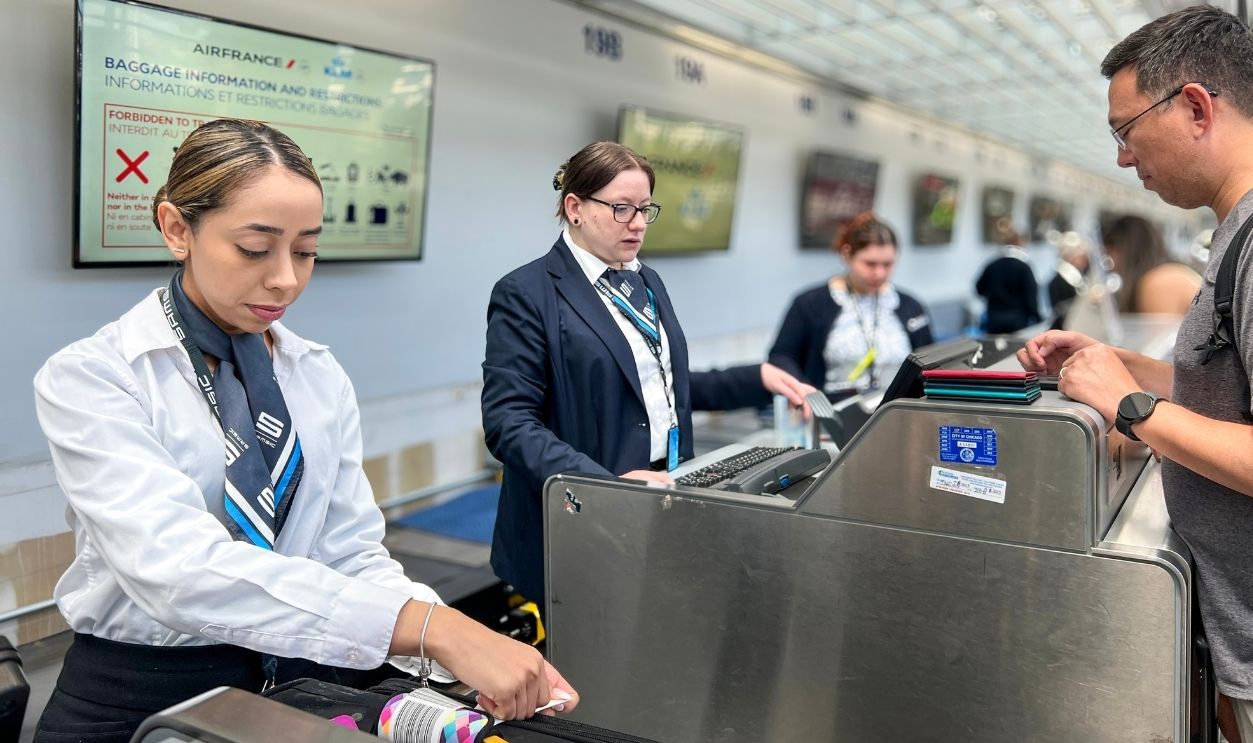
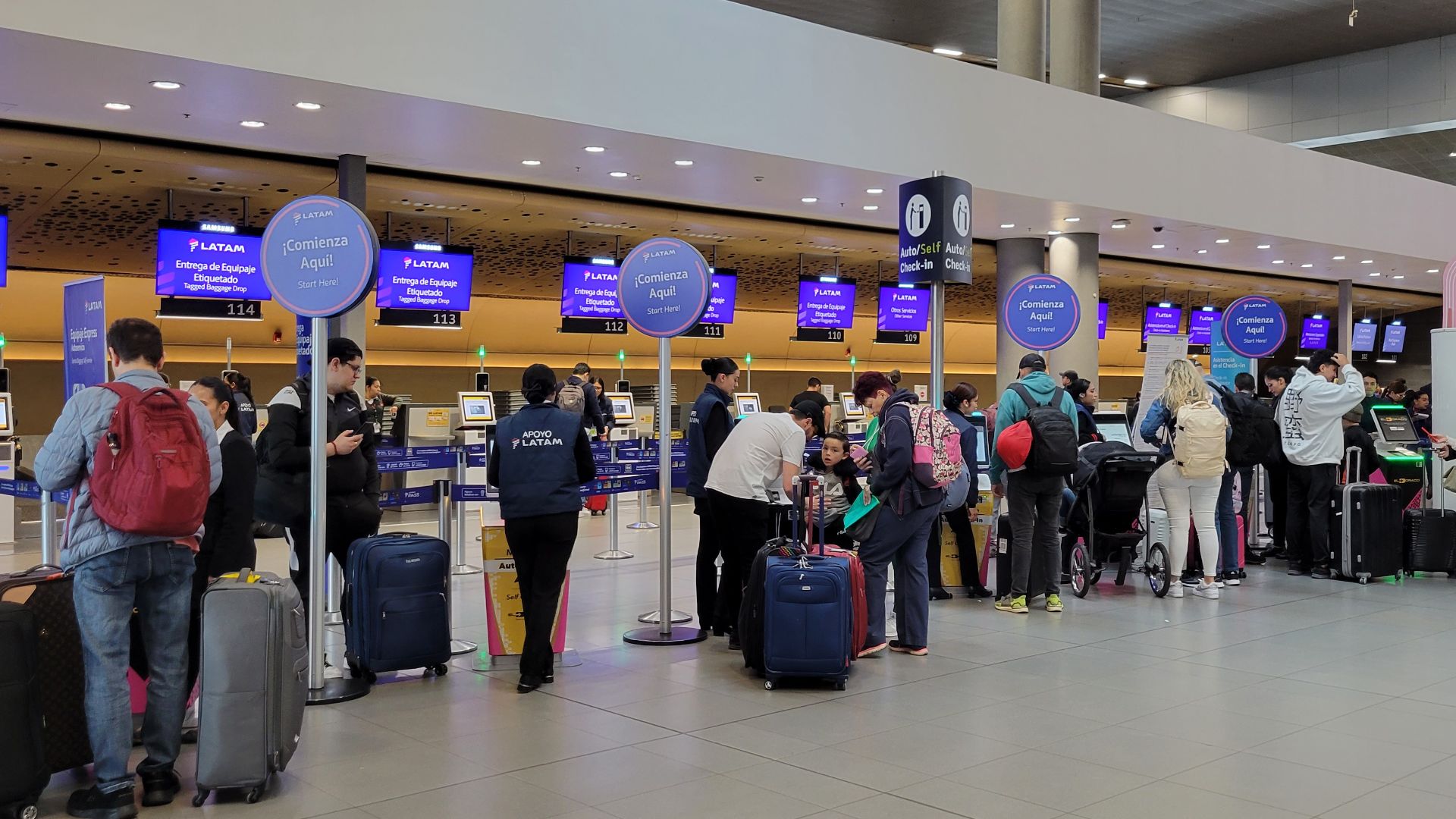
Anyone who flies often has seen gate agents scramble to fix seating for separated families right before boarding. Sometimes they pull it off. Sometimes the flight is too full, too messy, or too locked in by other seat assignments to make it work. Counting on a last-minute fix is not really a policy. It is a gamble.
 U.S. Department of Homeland Security (DHS), Wikimedia Commons
Why Paying The Fee Feels So Bad
This is where the frustration really hits. Some parents say they pay seat selection fees not because they want extra legroom or a better view, but because they feel cornered into paying to avoid being separated from a child. That changes the whole feel of the charge. It does not feel like an upgrade. It feels like a penalty for traveling as a family.

How The White House Turned Up The Heat
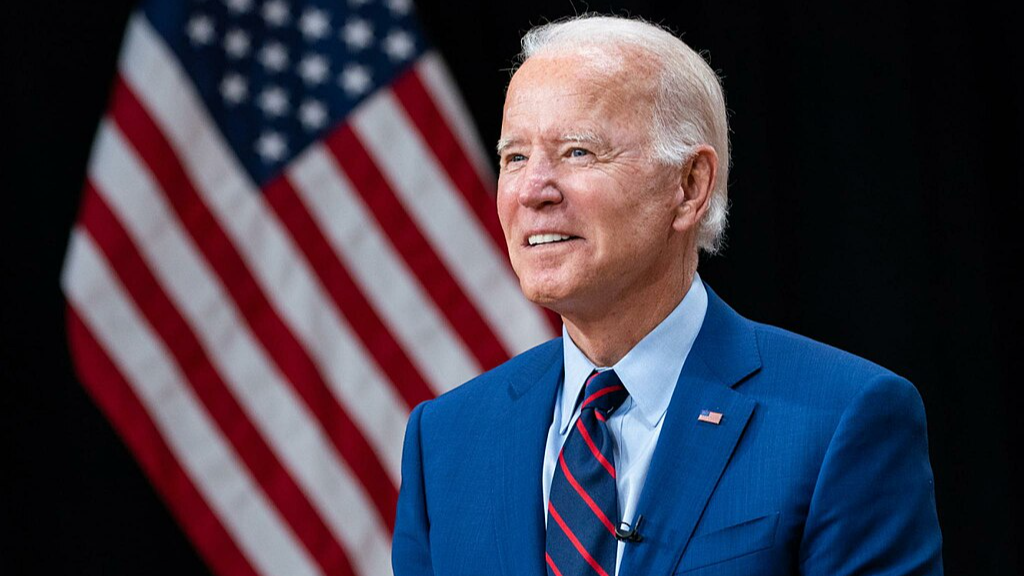
The Biden administration made so-called junk fees a broader consumer issue, and family seating became part of that push. In 2023 and 2024, officials publicly praised airlines that offered fee-free family seating and urged others to do the same. That framing mattered because it put family seat fees alongside other unpopular add-on charges. Once that happened, airlines had a harder time brushing the issue aside.
 The White House, Wikimedia Commons
Not All Airline Promises Are The Same
Even among carriers listed on the family seating dashboard, the exact rules are not identical. Some promises depend on adjacent seats being open when the reservation is made. Others note that if only one adjacent seat is left, families may be placed across the aisle instead of directly side by side. Parents should read the airline's policy before they buy, not after something goes wrong.
The Child's Age Matters
An 8-year-old falls well inside the age range regulators have focused on. That matters because most official discussions center on younger passengers who clearly need an adult nearby. The case for mandatory fee-free seating is strongest when the child is plainly too young to handle a flight alone. That is why stories about elementary school-age kids tend to spark such strong reactions.

Should Parents Have To Pay
If you are asking the practical question rather than the legal one, many consumer advocates would say no. When a child is young enough that sitting together is a basic caregiving need, charging extra starts to look less like a choice and more like a family tax. DOT's dashboard and rulemaking both point that way. The government has not treated this like a simple preference.
 CBP Photography, Wikimedia Commons
The Main Counterargument
Airlines and some market-minded critics can argue that unbundled pricing gives travelers lower base fares and lets them pay only for what they want. Under that logic, seat selection is just another optional add-on. The weakness in that argument shows up fast when the traveler is responsible for an 8-year-old. Sitting together is not really a luxury in that situation.
What Parents Can Do Before Booking
The best move is still to act early. Book as far ahead as possible, avoid basic economy fares when family seating protections are weaker, and check the airline's family seating policy before buying. If the website does not seat your child next to an adult, do not assume it will sort itself out later. Contact the airline right away and keep a record of what you were told.

What To Do If The Airline Tries To Charge You
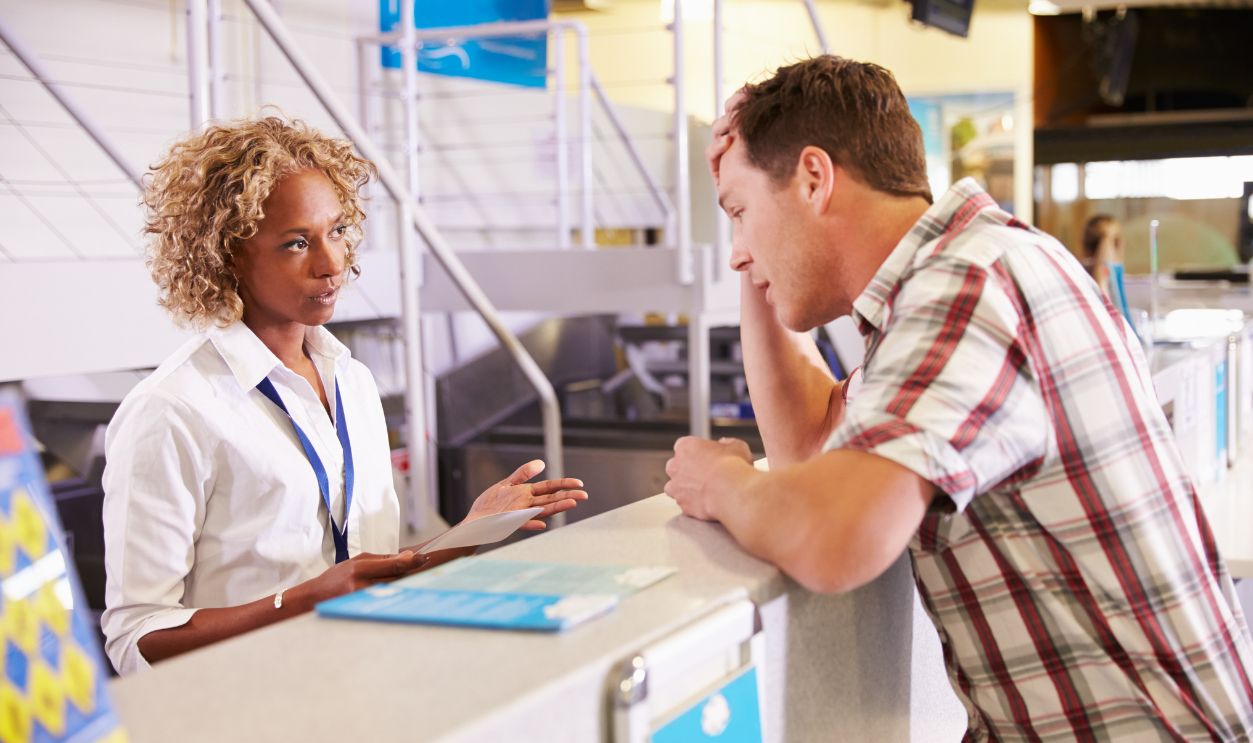
Stay calm and ask the agent to note that the booking includes a child and an accompanying adult who need adjacent seats. Point to the airline's published family seating policy if it has one, and ask whether the fee can be waived. If the issue is not fixed, ask for a written record or save chat logs and emails. That paper trail can matter later if you file a complaint.
How To Escalate A Complaint
In the United States, travelers can submit an air travel service complaint to the Department of Transportation. Complaints help regulators spot patterns, and this issue has moved in part because families kept reporting it. If you paid a seat fee under pressure to sit with a young child, include the child's age, the flight date, the booking class, and screenshots if you have them. Specific details carry more weight than a general rant.
 Monkey Business Images, Shutterstock
There Has Been Progress, But It Is Uneven
The good news is that family seating now gets far more attention than it did a few years ago. The bad news is that the experience still depends a lot on which airline you pick and when you book. Public promises have improved things, but they do not remove every risk on a full flight or an odd seat layout. Parents are right to feel the system is still inconsistent.
What This Means For Your Next Trip
If your airline seated you away from your 8-year-old and then tried to charge you to sit together, your frustration is tied to a much bigger national fight. Regulators have acknowledged the problem, Congress flagged it years ago, and some airlines now clearly promise fee-free family seating in many cases. But the protections are still not universal or automatic. Until they are, parents need to compare carefully, book early, and know exactly what the airline has promised.
The Bottom Line For Families
Should parents have to pay to sit beside their children? Based on the direction of federal policy and the basic reality of caring for a young child on a flight, the strongest answer is no. Airlines may love add-on fees, but family seating is one place where many travelers, and increasingly the government, see a clear line. For now, knowing the rules can save families money, stress, and a nasty surprise at the airport.