My Airbnb Host Says I Owe For "Excessive Electricity Use." Can They Charge Extra After The Stay?
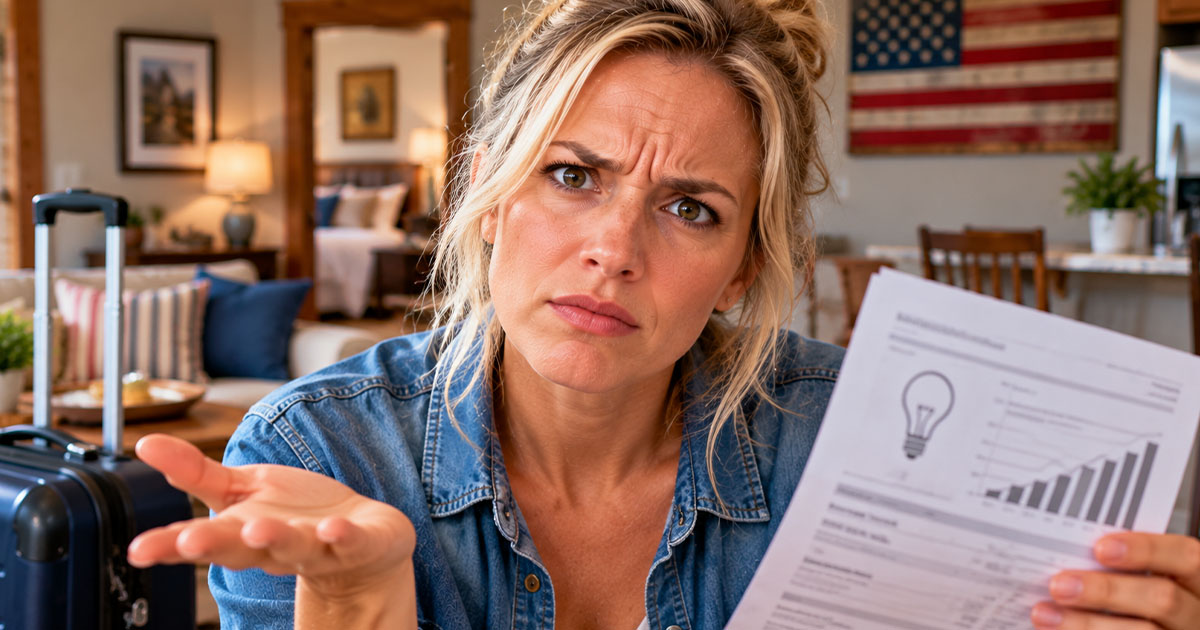
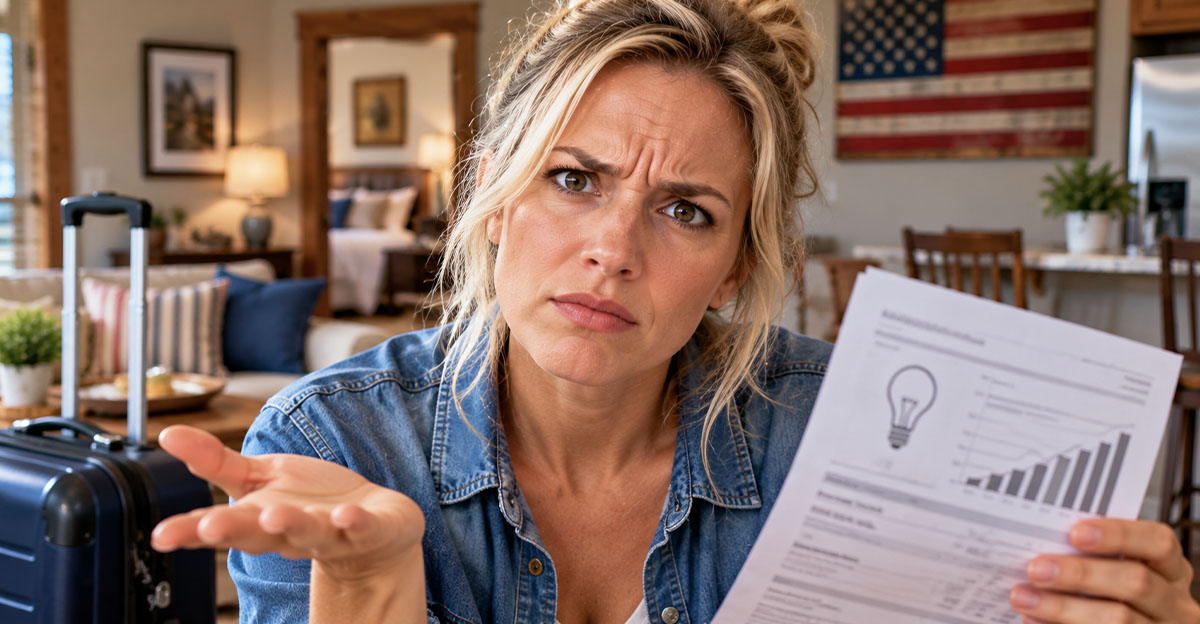
You had a great stay at an Airbnb, checked out on time, and thought everything was finished. Then, a few days later, the host sent you a message saying your electricity use was "far above normal" and demanded extra money. Maybe you ran the air conditioning during a heat wave, charged an electric vehicle, or worked remotely all week. It naturally raises the question: Can a host add an electricity bill after you've already left?
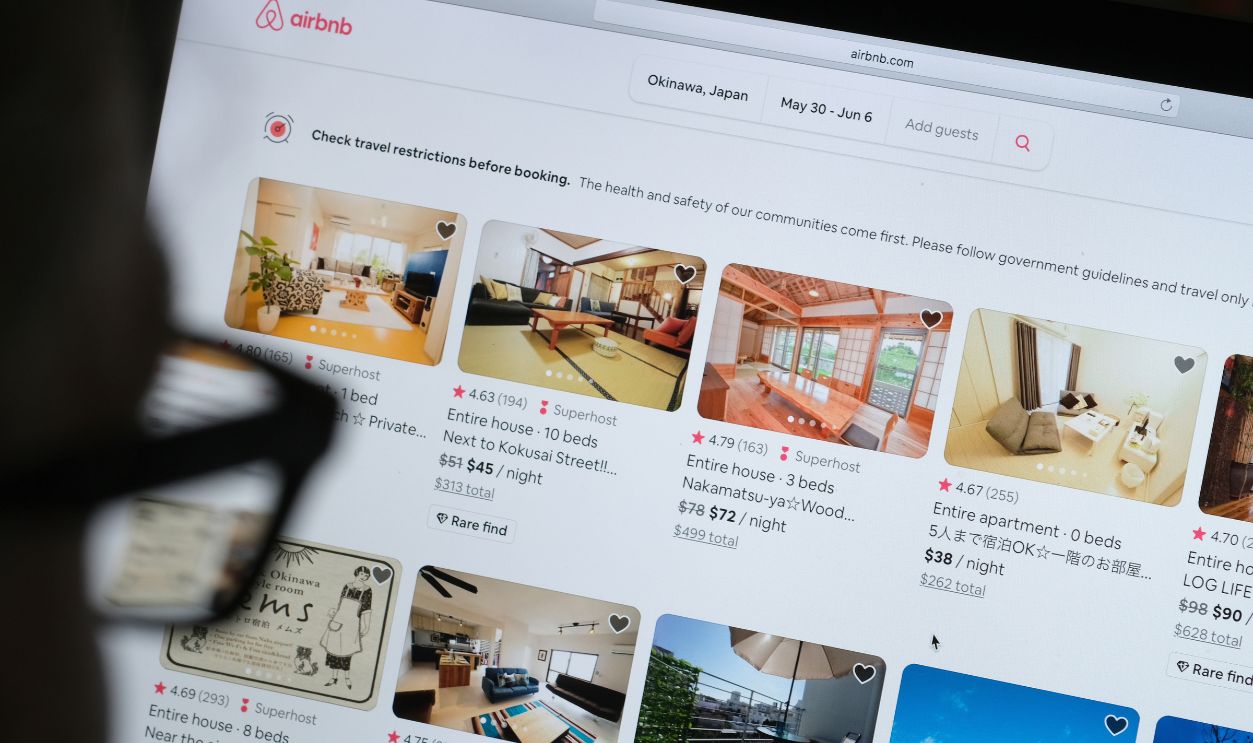
Most Airbnb Prices Are Supposed To Be Upfront
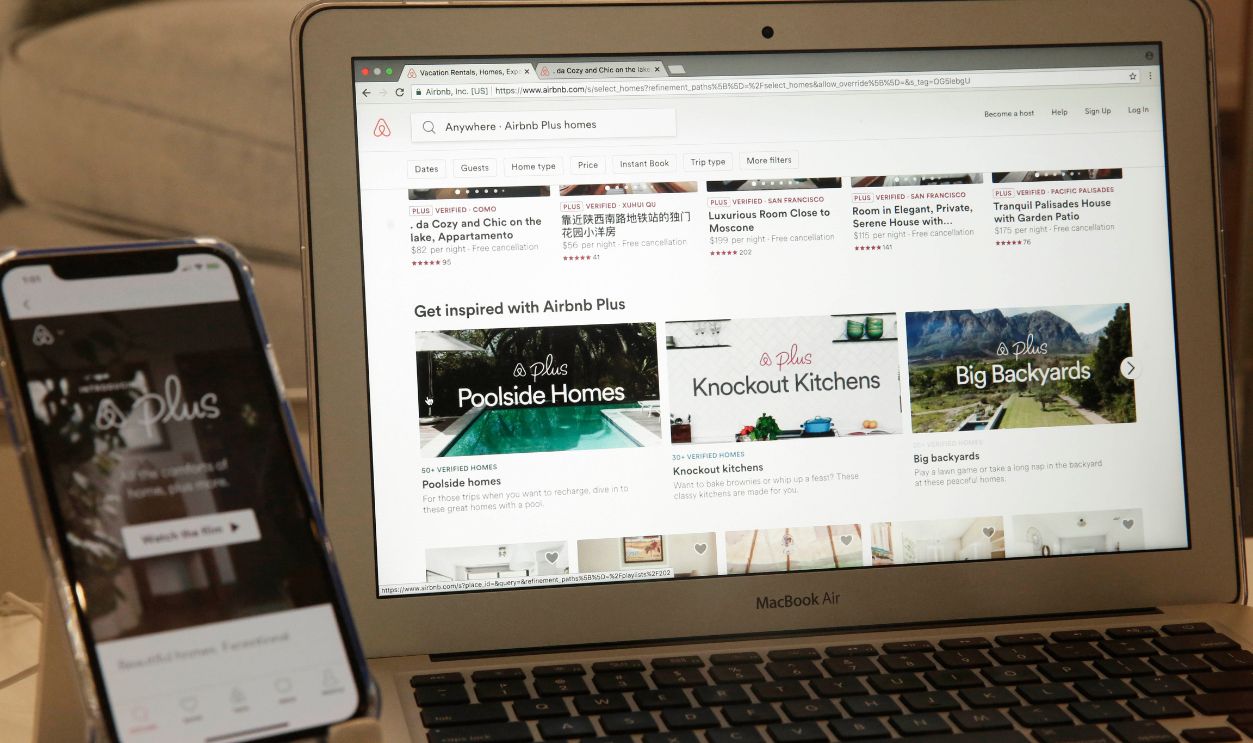
One of Airbnb's biggest selling points is price transparency. Guests generally expect the amount they see at checkout to cover the cost of the stay, aside from taxes and any clearly disclosed optional charges. Surprise bills after checkout tend to catch people off guard.
Electricity Is Usually Included
For most short-term Airbnb stays, electricity, water, heat, and air conditioning are included in the nightly rate. Guests are generally free to use the property's normal amenities without worrying about receiving a separate utility bill afterward.

Some Listings Do Charge Utility Fees
There are exceptions. Certain long-term stays or specialized properties may charge utility fees, but Airbnb says mandatory utility fees generally need to be disclosed as part of the listing and price breakdown before you book.
The Listing Matters
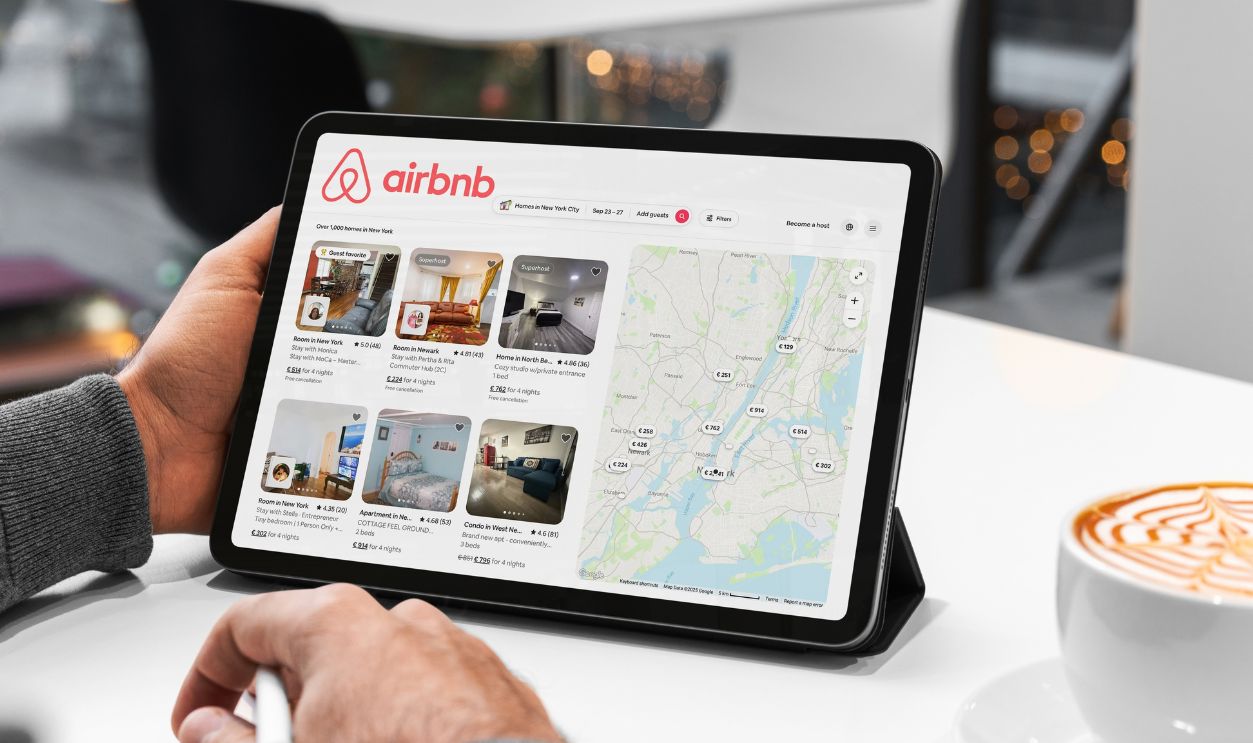
The first thing to check is your reservation confirmation and the original listing. If the listing clearly explained that unusually high electricity use could result in additional charges, the situation may be different than if the subject was never mentioned at all.

House Rules Aren't Always Enough
Simply mentioning a possible electricity charge deep within the house rules may not be sufficient if it's a mandatory fee that wasn't properly disclosed through Airbnb's pricing system. Airbnb's policies generally require mandatory fees to be presented before booking.
 Fernanda da Silva Lopes, Pexels
What Counts As "Excessive"?
That's where many disputes begin. Running the air conditioner on a hot day, charging phones, watching television, and cooking meals are all normal parts of using a vacation rental. A host should be able to explain why they believe your usage was far beyond what an ordinary guest would reasonably consume.
 Glenn Carstens-Peters, Unsplash
Sometimes There Really Is Unusual Usage
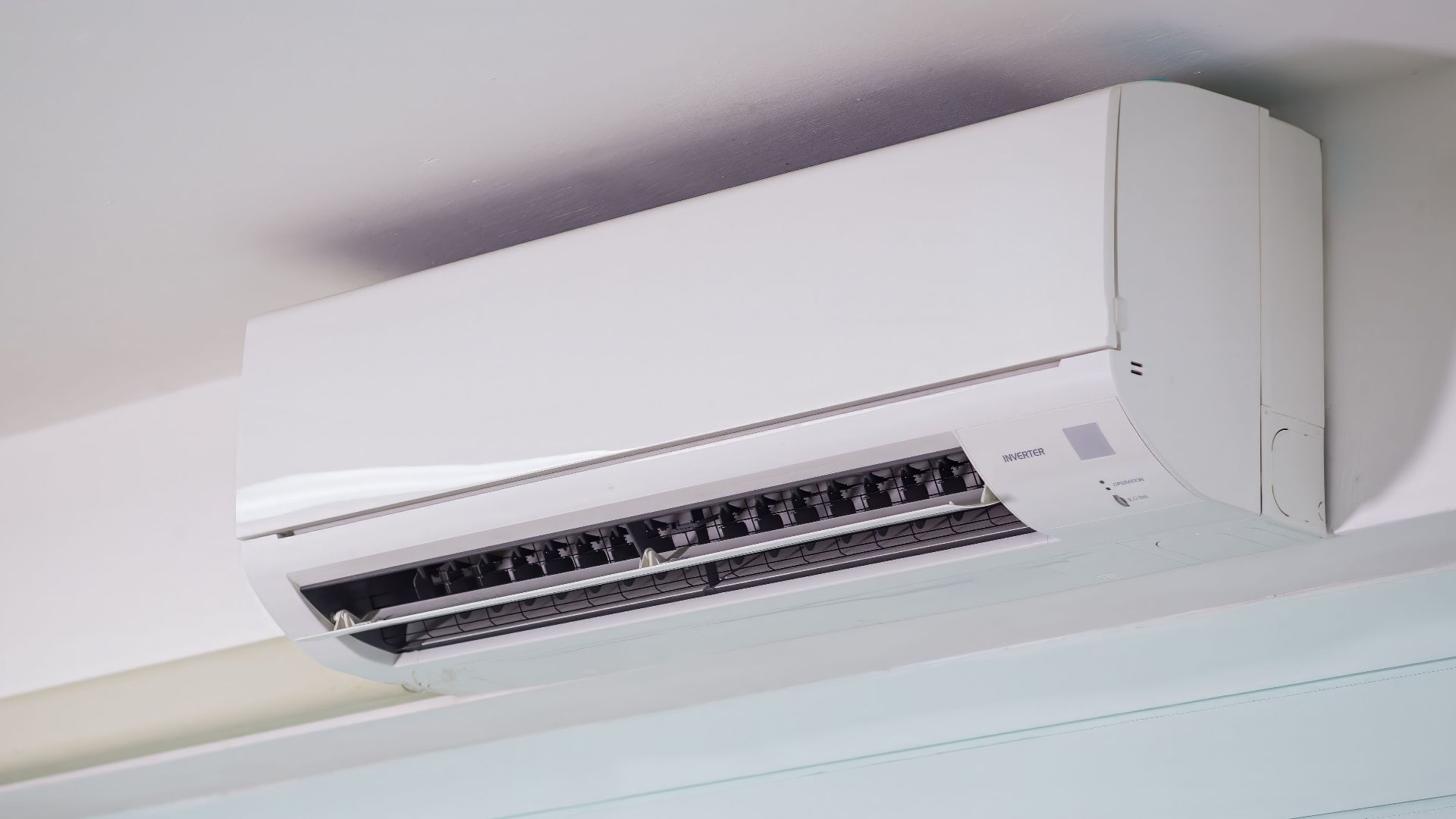
There are situations where utility bills spike dramatically. Leaving doors open while blasting the air conditioning, running electric heaters continuously, charging multiple EVs every day, or operating power-hungry equipment could produce unusually high consumption.
Hosts Need More Than A Guess
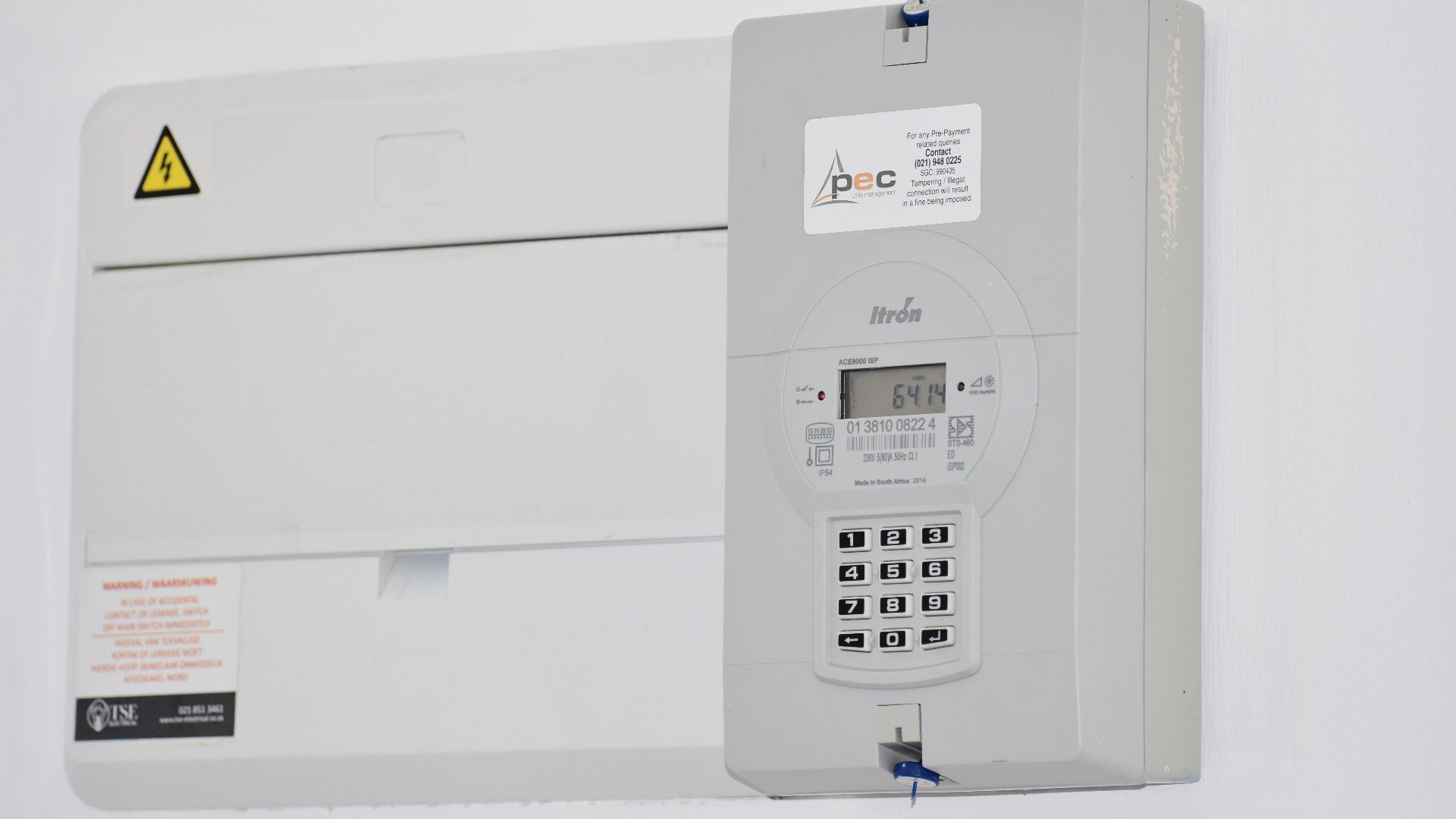
If a host claims excessive electricity use, they should generally be prepared to provide evidence. That could include utility records, smart meter readings, or other documentation showing unusual consumption during your stay if they're asking Airbnb to support the claim.
They Can't Simply Charge Your Card
A host can't usually decide on their own to charge your credit card after checkout for a newly invented fee. If they're requesting additional payment, it normally goes through Airbnb's Resolution Center, where you'll have the opportunity to review and respond.

You Don't Have To Automatically Agree
Receiving a payment request doesn't mean you must immediately pay it. You can review the claim, ask questions, request supporting evidence, or decline if you believe the charge isn't justified. If the parties can't agree, Airbnb may review the matter.
 https://kaboompics.com/, Pexels
Long-Term Rentals Can Be Different
Monthly or extended stays sometimes work differently than weekend vacations. Some long-term rentals clearly state that utilities are included only up to a certain amount, after which guests may be responsible for additional usage.

Weather Can Affect Utility Bills
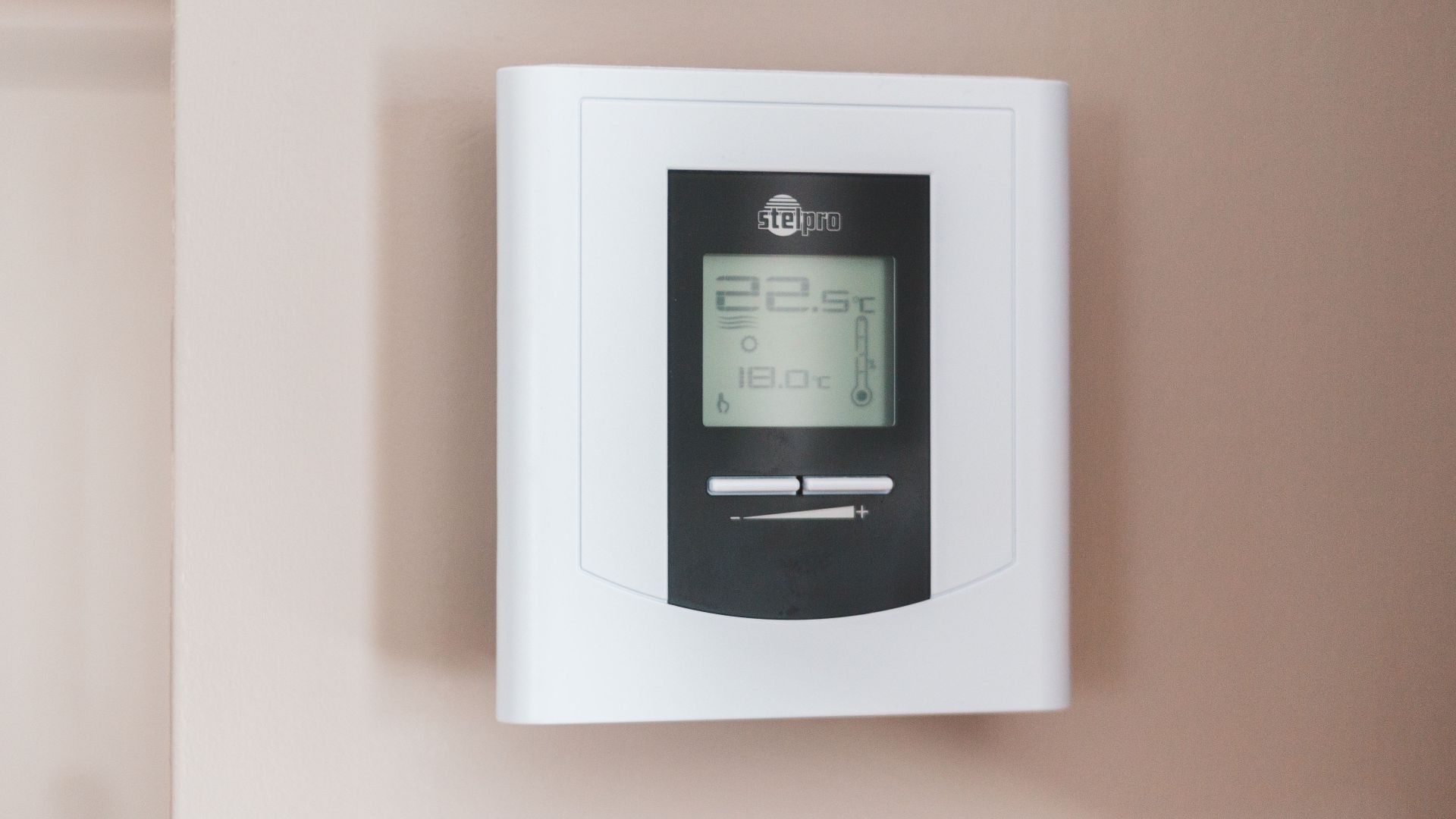
Electricity usage naturally rises during heat waves and cold snaps. If temperatures were unusually extreme during your stay, that context may help explain why consumption increased without necessarily meaning anyone behaved unreasonably.
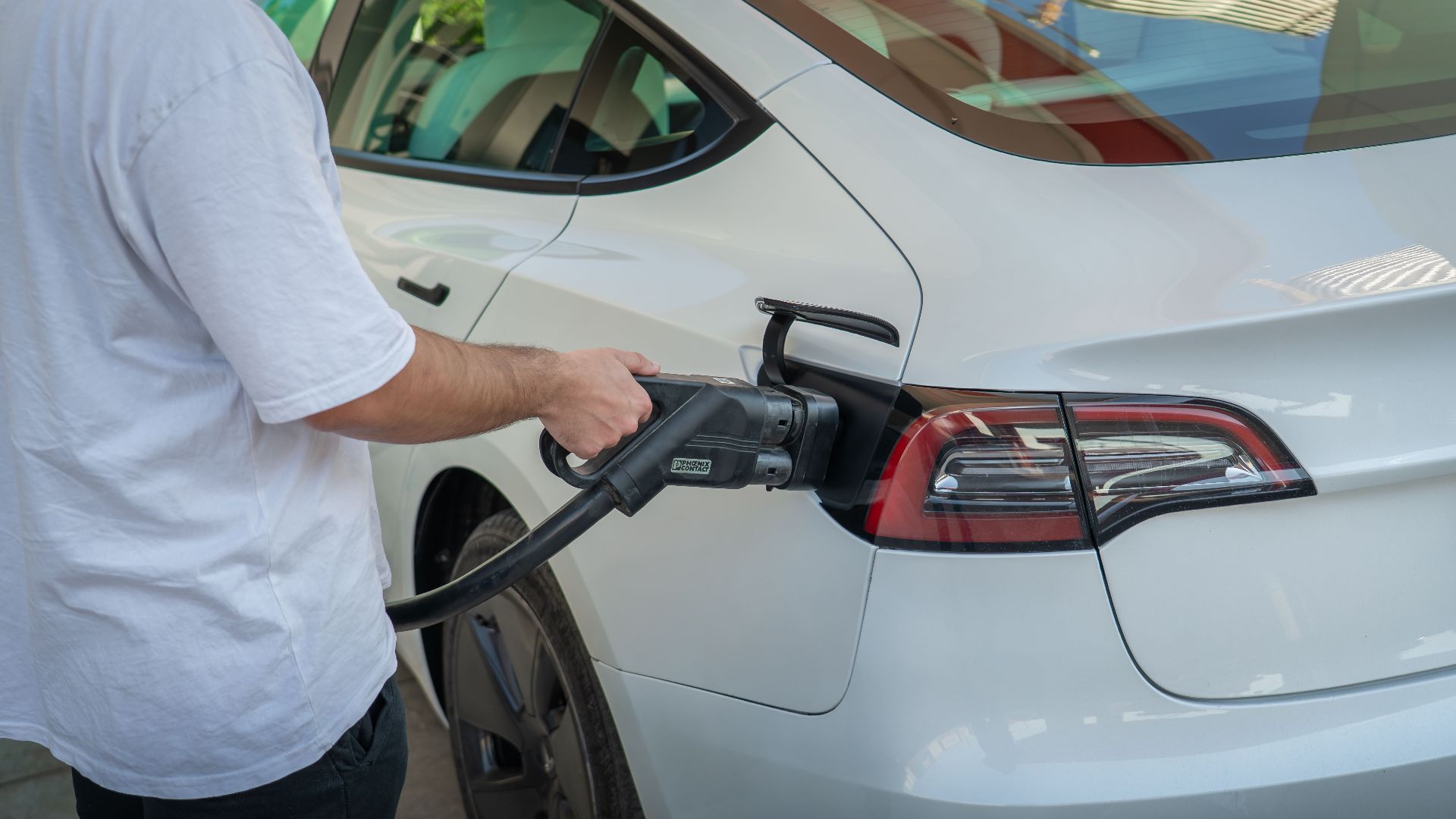
Electric Vehicle Charging Should Be Disclosed Too
If the property allows EV charging but intends to charge extra for it, that expectation should be communicated clearly before booking. Surprise charges after checkout often lead to avoidable disputes.
Communication Can Resolve Many Problems
Sometimes a host simply wants an explanation. Perhaps they noticed an unusually high bill and are trying to understand what happened before assuming the guest did something wrong.

Airbnb Reviews Evidence
If the dispute reaches Airbnb, both sides may be asked to provide supporting information. Airbnb can review documentation and determine whether the requested payment appears consistent with its policies.
Don't Ignore The Request
Even if you disagree completely, it's usually better to respond through Airbnb rather than ignoring the message. Explaining your position politely and asking for documentation creates a clear record if Airbnb later reviews the dispute.

Here's The Question That Really Matters
Was the possibility of additional electricity charges clearly disclosed before you booked, or is the host trying to add a new fee after the fact? That distinction often determines how Airbnb evaluates these situations.
 https://kaboompics.com/, Pexels
So... Can They Charge Extra After The Stay?
Sometimes—but not automatically. If additional utility charges were properly disclosed before booking or were part of the agreed reservation terms, the host may be able to request payment. If the fee wasn't properly disclosed and simply appears after checkout as a surprise, Airbnb's policies generally favor upfront pricing and transparent disclosure. Any dispute is typically handled through the Resolution Center, where both sides can present evidence.
 San Francisco Chronicle/Hearst Newspapers, Getty Images
A Few Extra Words In The Listing Could Prevent A Big Dispute
Most guests don't mind paying legitimate, clearly disclosed costs. What frustrates people is being surprised after the vacation is over. Clear pricing, clear expectations, and good communication help hosts avoid conflicts—and help guests enjoy their stay without wondering whether another bill is waiting in their inbox.

You May Also Like: