
The Family Vacation Problem
Your mother-in-law loves family vacations, but there is one catch: she expects everyone to share the same rental. You would happily pay more for your own hotel room or apartment. Does choosing privacy over togetherness make you antisocial, or just more realistic about how you enjoy traveling?
Privacy Has Real Value
Privacy isn't an extravagance just because someone else is comfortable without it. Having your own bedroom, bathroom, morning routine, and place to decompress can materially change a vacation. Paying extra for those things is a legitimate travel preference, just like paying extra for a nonstop flight.

Vacations Aren't Sleepovers
A family trip doesn't necessarily require everyone to live together. You can eat meals, visit attractions, take excursions, and spend most of the day together while sleeping in separate accommodations. Staying elsewhere doesn't automatically mean you're rejecting the family or refusing to participate in the vacation.

Families Travel Differently
The disagreement may partly come from different definitions of a family vacation. Your mother-in-law may genuinely believe sharing a house is part of the experience. You may consider accommodations private space that you return to after spending the day together. Neither preference requires bad intentions.

Culture Can Matter
Ideas about privacy aren't universal. Cross-cultural research has found substantial differences in expectations surrounding personal space, family relationships, and individual autonomy. In some cultures and families, multigenerational closeness is strongly valued. In others, maintaining greater physical and personal independence is considered perfectly normal.

Avoid Easy Stereotypes
Culture can help explain expectations, but be careful about turning it into a rule about ethnicity or nationality. Two families from the same background can have completely different attitudes toward privacy. Age, income, family traditions, personality, housing experience, and simple habit can matter just as much.

Money Changes Things
Shared rentals have an obvious advantage: dividing one property's cost among several adults can make an expensive destination dramatically more affordable. A large house may also provide a kitchen and gathering space that several separate hotel rooms cannot. That explains why group rentals remain appealing even when privacy suffers.
 Yuganov Konstantin, Shutterstock
Privacy Costs More
If you're the person asking for separate accommodations, you should generally expect to pay the additional cost yourself. It becomes much harder for relatives to argue that you're making the vacation unaffordable when you're saying, essentially, “I'll cover the premium because this matters to me.”

Speak Up Before Booking
Timing matters enormously. Don't wait until your mother-in-law has booked a six-bedroom house based on receiving your contribution. Tell everyone that you'll be staying separately while plans are still being made. That lets the group choose a smaller property and calculate everyone's costs accurately.

Don't Pay Twice
If you've clearly opted out before anything is reserved, there is usually little reason you should automatically pay an equal share of bedrooms you're not using. You can still contribute toward genuinely shared expenses, such as groceries or a group rental vehicle, if everyone agrees ahead of time.

Agreements Still Matter
Things change if you already committed to sharing the rental and relatives booked it relying on your contribution. Walking away afterward could leave everyone else unexpectedly paying more. Even without a formal contract, fairness may mean honoring your original commitment or helping cover the resulting shortfall.

Know Who Booked
With vacation rentals, the person who makes the reservation usually accepts the platform's booking terms and house rules. Airbnb also requires guests to respect approved guest numbers and says guests should be truthful about who is coming. Don't casually add relatives to a property that wasn't booked for them.
 YAKOBCHUK VIACHESLAV, Shutterstock
Don't Assume Hotel Access
Booking your own hotel doesn't necessarily mean the entire family can use its amenities. Hotels may restrict pools, breakfasts, lounges, parking, or other facilities to registered guests. If relatives plan to gather at your hotel, check its visitor policies instead of assuming your room effectively comes with family privileges.

Consider Two Nearby Properties
Separate doesn't have to mean distant. Two apartments in the same building, neighboring vacation rentals, or a hotel near the family's Airbnb can provide an excellent compromise. You preserve privacy while remaining close enough for breakfast, sightseeing, dinners, and spontaneous plans without turning transportation into a daily headache.

Bathrooms Become Battlegrounds
People often focus on bedrooms and forget bathrooms. Six adults sharing two bathrooms can mean queues, wet towels, competing morning schedules, and negotiations over showers. If you're accustomed to having your own bathroom, paying more for one can eliminate a surprisingly large source of vacation friction.

Kitchens Create Conflict
A shared kitchen sounds wonderful until several households bring different routines with them. One person cooks at 6 a.m., another leaves dishes overnight, and someone else fills the refrigerator. Before booking a large rental, discuss meals, groceries, cleanup, and whether everyone actually wants communal cooking.

Quiet Time Matters
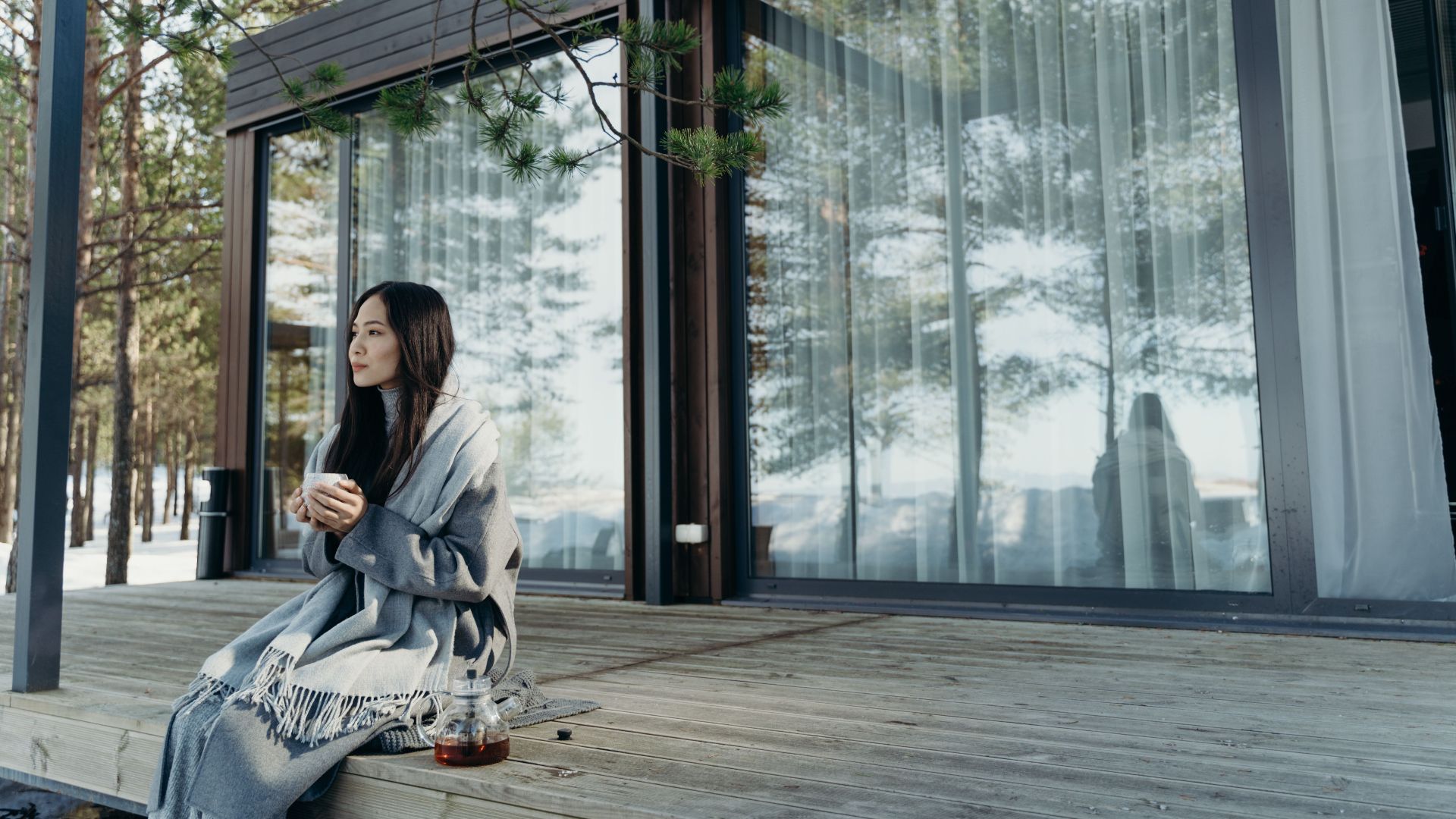
Travel can be tiring even when everything goes perfectly. After navigating airports, crowds, unfamiliar cities, and constant conversation, some people genuinely need solitude. Wanting an hour alone isn't necessarily hostility. Building downtime into a group vacation can actually make you more enthusiastic about rejoining everyone afterward.
Couples Need Space
Traveling with extended family doesn't erase the fact that you and your spouse or partner are also taking a vacation together. A private room gives you time to talk, sleep according to your own schedule, and occasionally make plans as a couple without holding a family conference first.

Children Change The Equation
Sharing becomes more complicated when children are involved. Early bedtimes, nighttime waking, noise, toys, and morning routines affect everyone in a house. Parents may love the help that comes with multigenerational accommodations, while child-free travelers may prefer somewhere quieter. Discuss those expectations rather than discovering them after arrival.
Separate Your Transportation
If you stay separately, think about transportation before choosing accommodations. A cheaper hotel 30 minutes from the family rental may become inconvenient once you factor in taxis, parking, transit schedules, or a second rental car. Sometimes paying slightly more to stay nearby produces the better compromise.

Europe Adds Complications
European family trips can make large shared rentals tempting, particularly in expensive destinations. But historic apartments may have fewer bathrooms, smaller common spaces, limited elevators, and stricter occupancy rules than Americans expect. Read the listing carefully rather than assuming a large bedroom count guarantees comfortable group living.

Establish Gathering Times
Separate accommodations work best when everyone knows when they'll reconnect. Agree that you'll meet for breakfast at nine, leave for sightseeing at ten, or gather for dinner at seven. A little structure reassures relatives that getting your own room doesn't mean disappearing from the vacation whenever you please.

Frame It Carefully
How you explain the decision can prevent unnecessary hurt feelings. Avoid cataloguing everything you dislike about sharing a house with your in-laws. Instead, make it about how you travel best: you sleep better with privacy, enjoy having your own bathroom, and are willing to pay for it.

Make It Consistent
Boundaries are easier to understand when they're consistent. If you routinely book separate accommodations when traveling with your own parents, siblings, and friends too, your mother-in-law is less likely to interpret the decision as a personal rejection. It simply becomes how your household prefers to travel.
Your Vacation Counts Too
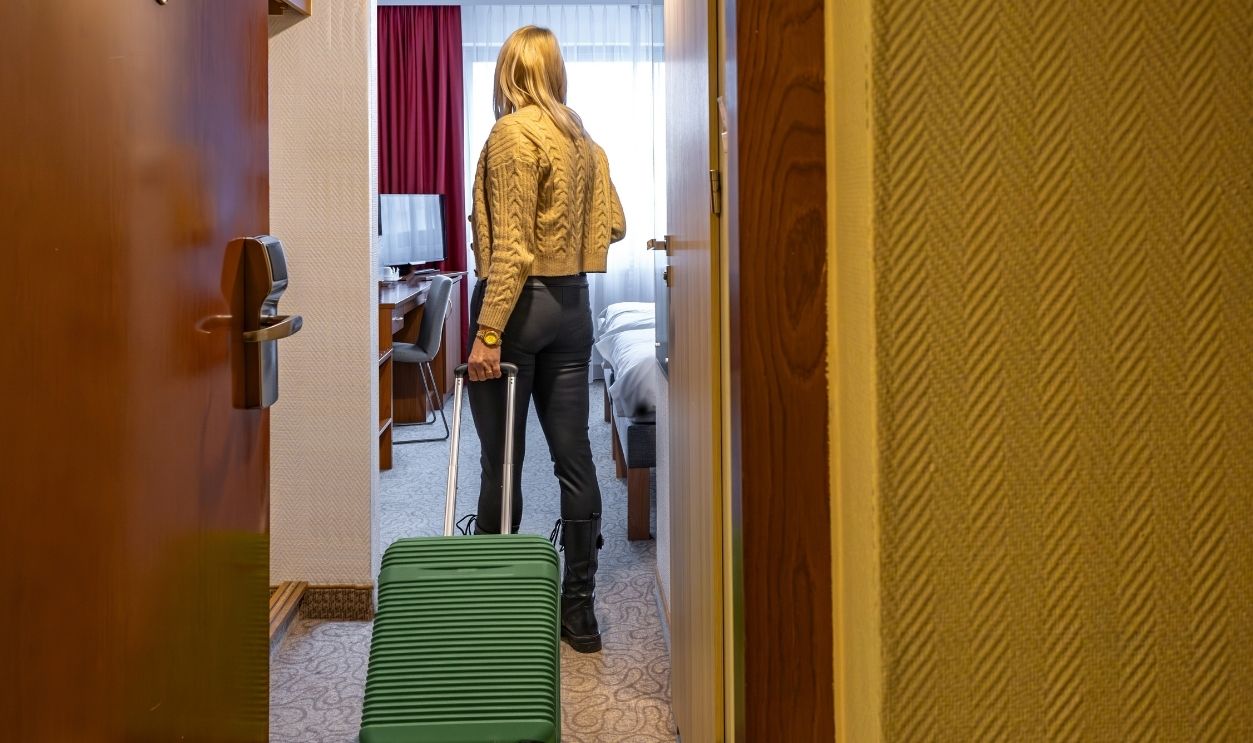
You're not required to maximize togetherness just because the trip involves family. If you're paying your own way, communicating early, honoring existing commitments, and still participating in shared activities, choosing private accommodations can be a perfectly reasonable compromise. Sometimes a little distance makes everyone better traveling companions.
 ShotPrime Studio, Shutterstock
You May Also Like: