
The Voucher Trap Nobody Wants To Fall Into
You asked for your money back, but the airline sent a voucher instead. Then the airline collapsed, and that digital promise suddenly looked pretty useless. It is a rough travel mess, but depending on how you paid and where you booked, you may still have ways to get at least some of your money back.

Why This Gets Messy Fast
A refund puts cash back in your pocket. A voucher is usually just a promise for future travel with that same airline. If the airline goes bankrupt before you use it, you often end up as an unsecured creditor, which is a much weaker spot than having the charge still sitting on your credit card bill.

When Airlines Started Pushing Vouchers
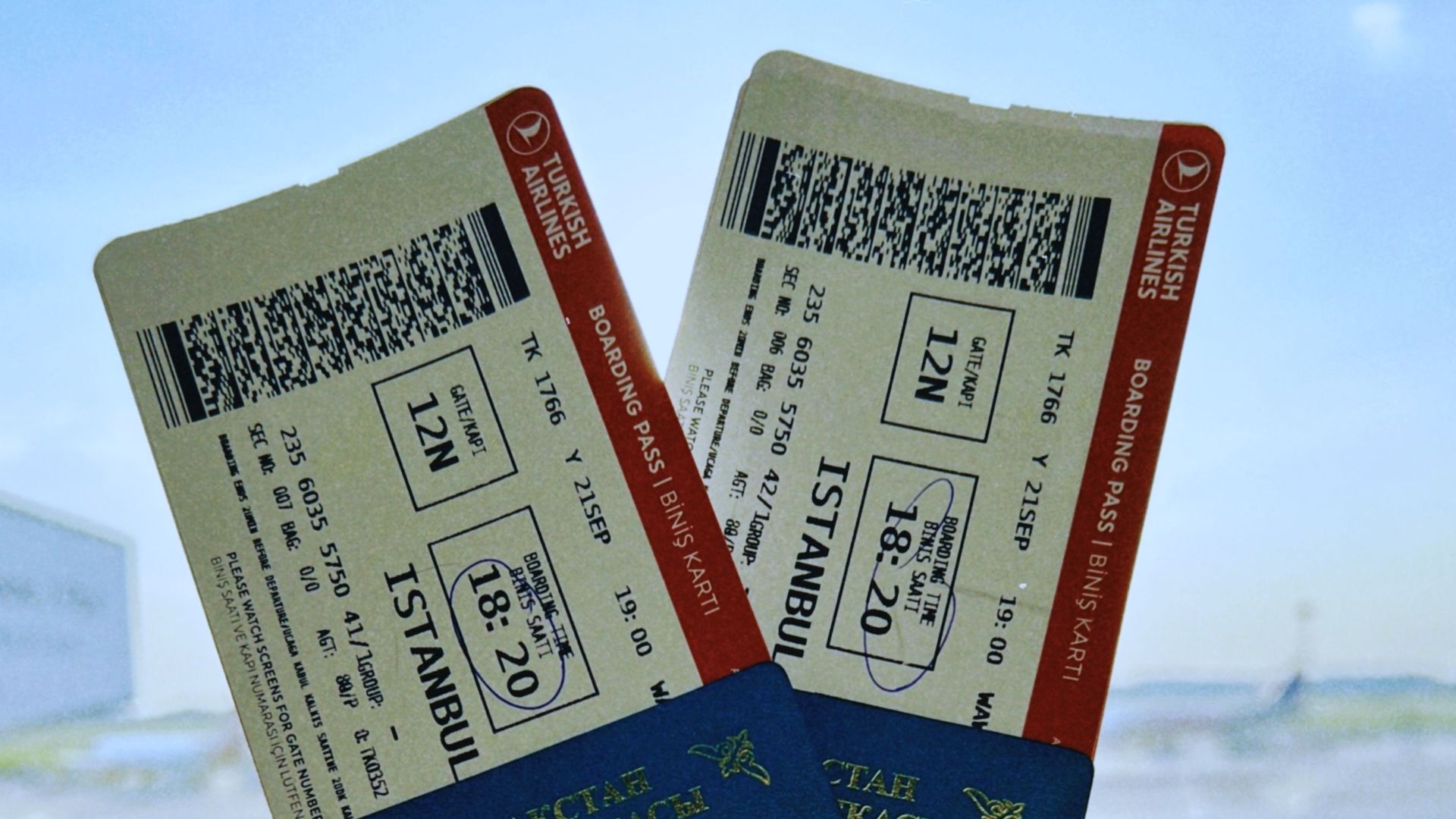
During the pandemic, many airlines offered vouchers or rebooking instead of refunds when flights were canceled. In the United States, the Department of Transportation said the old rules still applied: if an airline canceled or significantly changed a flight and the passenger chose not to travel, a refund was still required. That mattered because a lot of travelers were pushed toward credits they never really wanted.
The Key Rule In The United States
The DOT has made it clear that if your flight to, from, or within the United States is canceled or significantly changed and you do not accept the alternative offered, you are entitled to a prompt refund. The department repeated that policy in a notice issued in April 2020. It later tightened the rules again in a final rule announced in April 2024.

Why Accepting The Voucher Changes Everything
Once you agree to take a voucher, the situation can change in a big way. Instead of a claim for a cash refund tied to a canceled flight, you may now just have a voucher controlled by the airline’s own terms. If the company later files for bankruptcy, your rights can shrink fast and become much harder to enforce.

Bankruptcy Can Turn You Into A Creditor Overnight
When a company goes into bankruptcy, customer claims get sorted into a long line. Travelers with unused tickets or vouchers are often unsecured creditors, which means they fall behind secured lenders and other higher-priority claims. In simple terms, that can mean there is little or nothing left by the time your turn comes.
Silver Airways Is A Fresh Warning
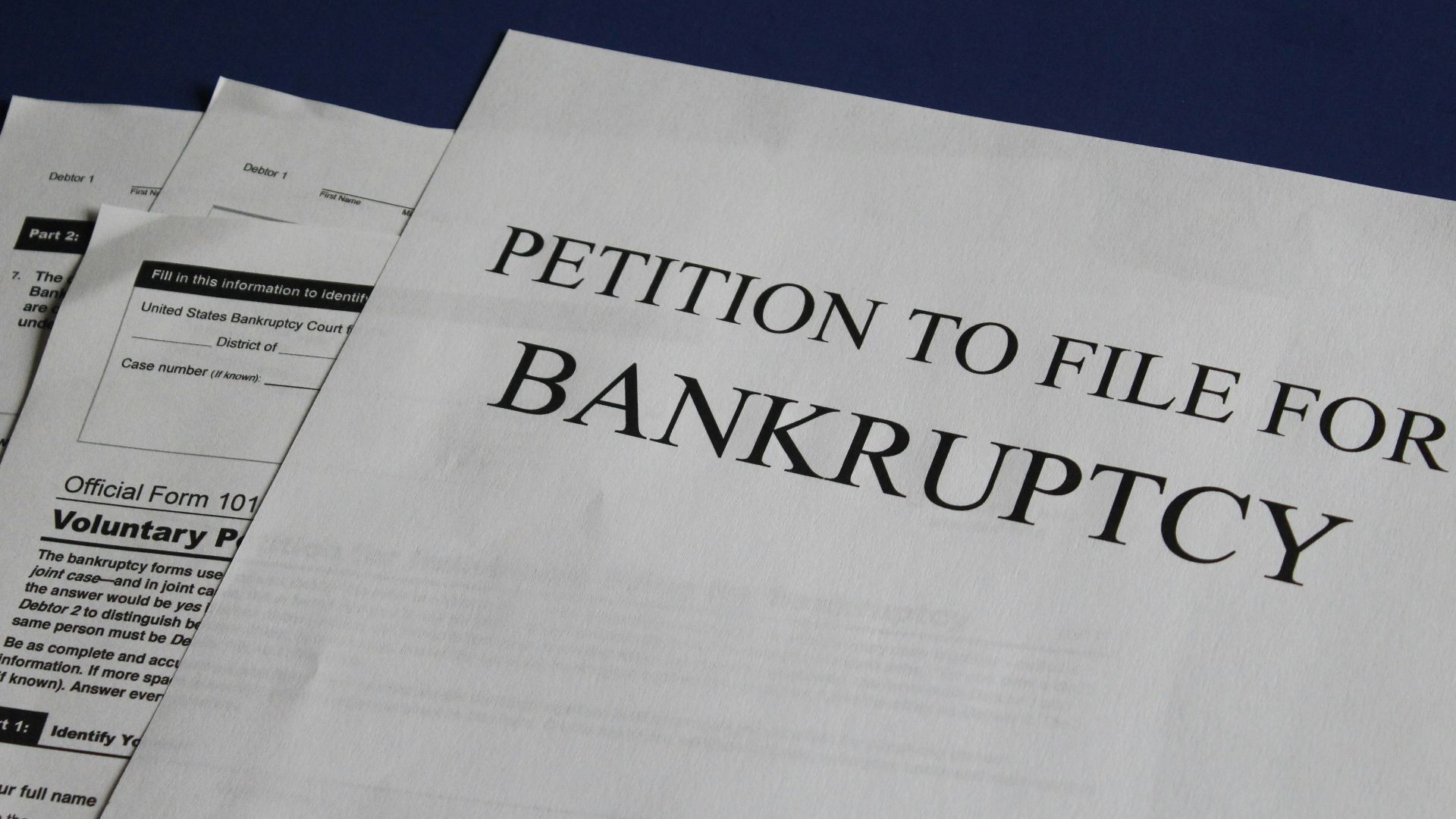
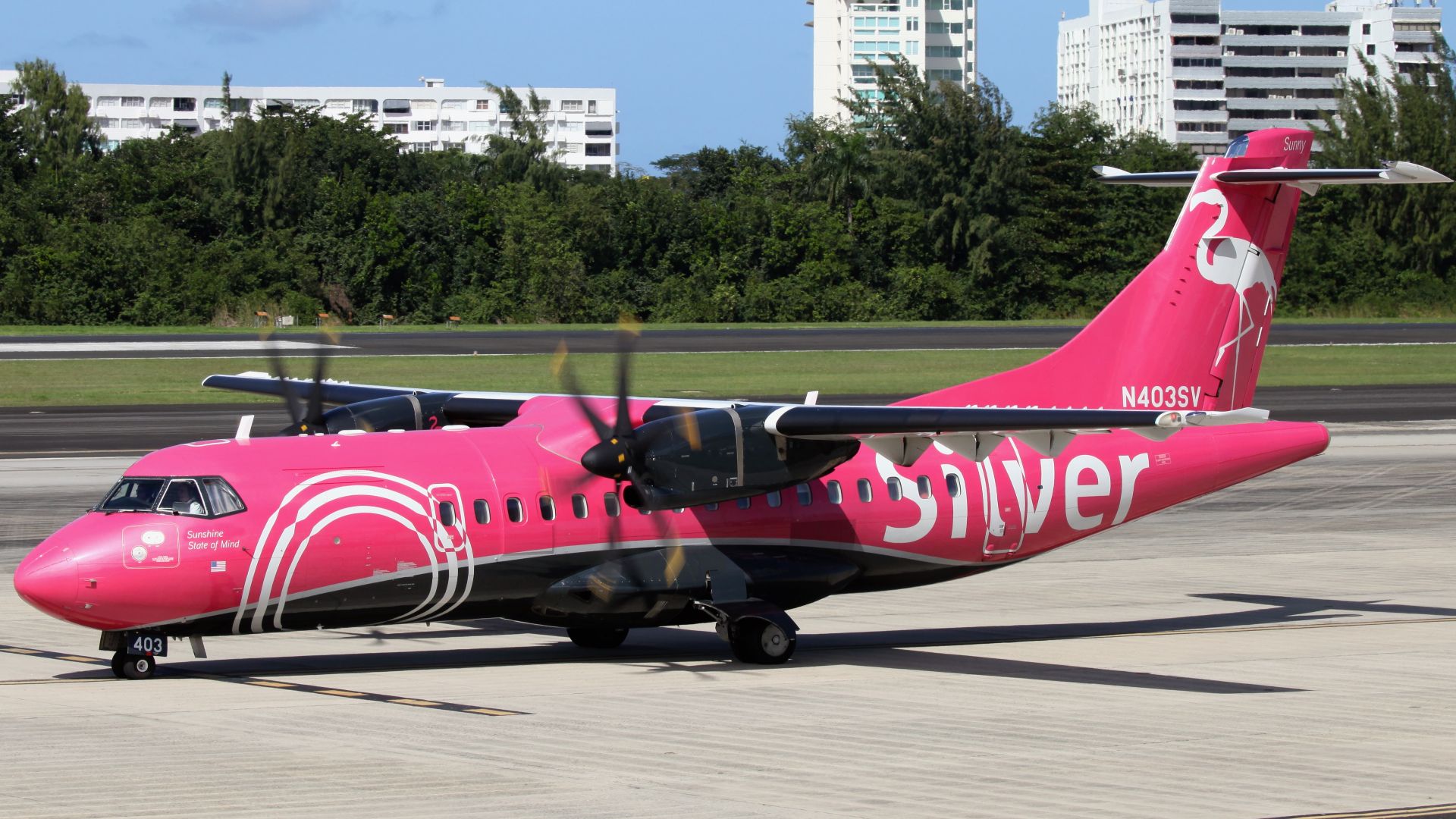
Florida-based Silver Airways filed for Chapter 11 bankruptcy protection on December 30, 2024. At the time, the airline said it planned to keep operating and that tickets would remain valid during restructuring. That may have sounded reassuring, but ongoing flights did not mean voucher holders were safe if the airline later failed.

Then Operations Stopped
Silver Airways abruptly halted operations on June 11, 2025, according to the company’s public statement. The airline said it had entered into a deal to sell assets to another holding company, but that buyer chose not to keep flying in Florida, the Bahamas, and the Caribbean. For stranded travelers, that was the moment a bankruptcy story turned into a scramble to recover money.
 Colin Cooke Photo, Wikimedia Commons
What Silver Told Customers
In its June 11, 2025 statement, Silver Airways told customers not to go to the airport and to seek refunds through their credit card companies or travel agencies. That wording matters. It shows the airline itself was pointing people toward chargebacks and third-party help instead of promising to pay them back directly.

If You Paid By Credit Card, Start There
Your best shot may be the credit card you used to buy the ticket. The Fair Credit Billing Act gives consumers dispute rights for certain credit card billing problems, and card networks may also allow chargebacks for services not provided. If the flight was canceled and you never got the transportation you paid for, that is the heart of your argument.

Timing Matters More Than Most People Think
Federal billing law has deadlines, and card issuers have their own time limits for disputes and chargebacks. Even so, it is still worth filing if an airline has shut down and clearly told customers to contact card issuers. Keep copies of the cancellation notice, the voucher email, and any statement from the airline saying it stopped operating.

Can You Still Dispute The Charge If You Took The Voucher
Possibly, but it gets harder. Your bank may ask whether you accepted another form of compensation instead of a refund. If you did, be ready to explain that the voucher became useless because the airline later stopped operating, and include proof that the carrier can no longer honor it.

Debit Card Users Have Fewer Protections
If you paid with a debit card, contact your bank right away and ask about a chargeback for services not received. Debit cards can still come with dispute rights through payment networks, but those protections are usually weaker than what credit cards offer. Speed matters because bank deadlines can be short.

Travel Agents And Booking Sites May Matter
If you booked through an online travel agency or a traditional travel agent, contact them too. In some cases, the agency may have issued the voucher, processed the ticket, or have its own customer help process. Silver Airways specifically told customers to seek refunds through travel agencies where that applied, so that path is worth checking.
 Summit Art Creations, Shutterstock
Travel Insurance Is Worth A Careful Look
Some travel insurance policies include supplier financial default coverage, but many do not. This is one of those details buried in the fine print that suddenly becomes a big deal after something goes wrong. Check whether your policy covered airline insolvency and whether there were exclusions, conditions, or approved-supplier lists.

Package Holiday Rules Can Offer Stronger Protection
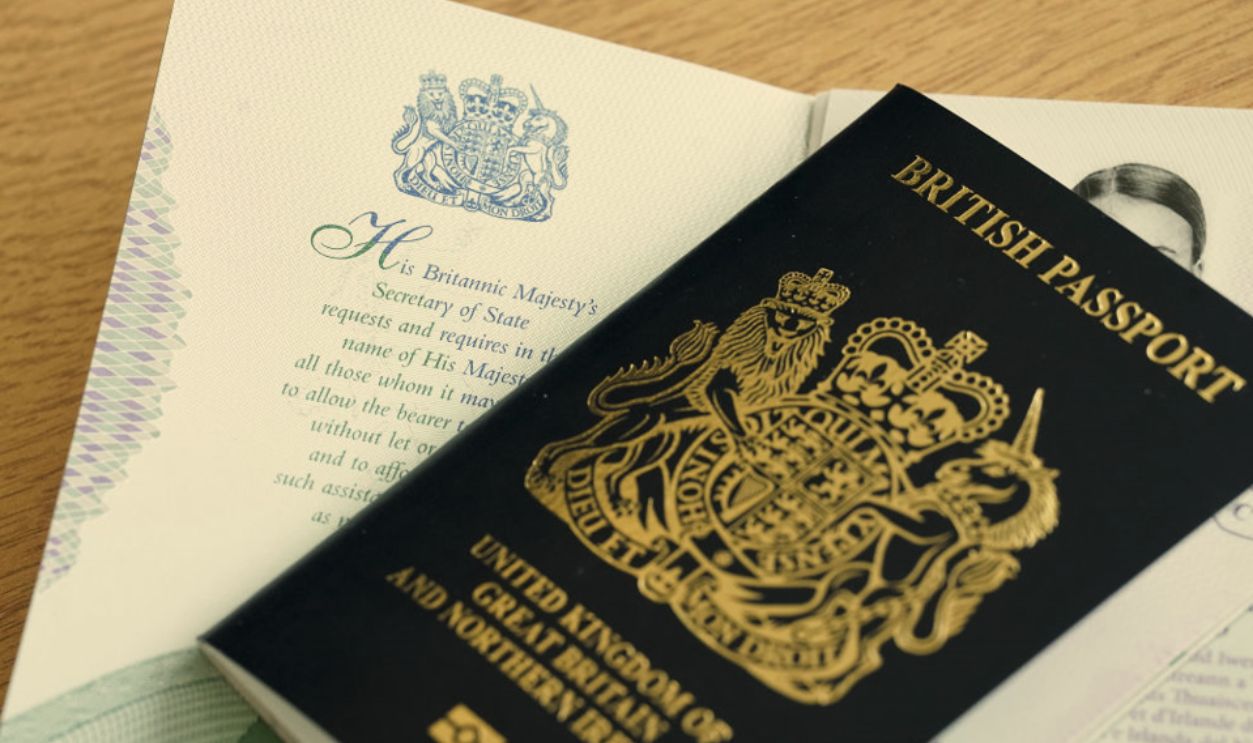
If your flight was part of a package holiday, your rights may be better than if you booked a stand-alone ticket. In the United Kingdom, for example, ATOL protection can cover certain package bookings and some flight-inclusive holidays if the travel company fails. The Civil Aviation Authority says protected travelers should not lose money or be stranded abroad because of the company’s failure.

ATOL Does Not Cover Everything
ATOL is strong protection, but it does not apply to every booking. It generally covers protected package holidays and certain flight bookings sold by UK businesses with ATOL protection, not every airline ticket bought anywhere in the world. That is why travelers should check whether they received an ATOL certificate at the time of booking.
 Jordan Pettitt - PA Images, Getty Images
European Refund Rules Help, But Bankruptcy Is Different
In the European Union, passenger rights rules can require refunds when flights are canceled. But those rules do not create money after an airline becomes insolvent. If the carrier has no funds left, a paper right to a refund can still run straight into the reality of bankruptcy.
 dimitrisvetsikas1969, Wikimedia Commons
What Consumer Advocates Have Warned About
Consumer groups have long warned travelers not to accept vouchers unless they truly want them and understand the risk. During the pandemic, that warning got a lot more urgent because some passengers felt boxed into taking credits instead of cash. The reason is simple: cash in your account is safer than a promise from a struggling airline.

If The Airline Is In Chapter 11, Do Not Assume All Is Lost
Chapter 11 in the United States is a reorganization process, not automatic liquidation. Some airlines keep flying and later come out of bankruptcy. That means voucher holders should watch court notices and company updates closely, because the picture can change depending on whether the carrier restructures or shuts down for good.
 Vitalii Vodolazskyi, Shutterstock
But If Flights Stop, The Clock Starts
Once an airline stops flying, your practical options usually start narrowing fast. File disputes with your card issuer, contact the booking middleman, and gather every record you have. Waiting around for a later company email can cost you precious time if dispute deadlines are closing in.
 Hotelstvedi, Wikimedia Commons
What To Keep In Your Evidence Folder
Save the original booking confirmation, receipt, card statement, cancellation notice, voucher terms, and any messages showing the airline shut down. If the company posted a public shutdown notice, save a screenshot with the date showing. The better your paper trail, the easier it is to show that you paid for transportation that was never actually provided.

Should You File A Bankruptcy Claim Too
Yes, if a formal claims process opens and you are eligible, but keep your expectations in check. Unsecured creditor claims may lead to only partial payment or nothing at all. Filing a claim is often worth doing as a backup, but it is usually not the fastest or strongest way to recover money.
What If The Voucher Came After The Airline Canceled The Flight
That can help your case with a card issuer or regulator. If the airline should have given you a cash refund under the rules and pushed a voucher instead, you may have a stronger argument that the replacement remedy failed. Proof that you asked for a refund at the time can be especially helpful.

What Regulators Can And Cannot Do
Regulators can enforce refund rules, investigate patterns, and sometimes penalize airlines. But they usually do not act as your personal debt collector when an insolvent company has no money left. That is why credit card disputes and protected booking programs often matter more in the real world than filing a complaint by itself.

The Hard Truth About Your Chances
If you accepted a voucher and the airline later went bankrupt, your chances are not gone, but they are weaker than if you had gotten a cash refund right away. Credit card users often have the best chance, especially when the airline has stopped operating and publicly told customers to seek chargebacks or agency refunds. Bankruptcy claims may still be worth filing, but they are usually the long shot.

How To Protect Yourself Next Time
Pay by credit card when you can, think twice before accepting a voucher, and read the terms before clicking accept. If an airline cancels your flight and the law gives you the right to a refund, push for cash unless you genuinely want a credit and trust the airline’s finances. It is not the glamorous side of travel, but a little caution when booking can save you a very expensive headache later.