
The Airbnb Problem You Did Not Agree To
You booked a shared place with one person, not a revolving door of strangers. If your travel buddy keeps bringing random people back to your Airbnb without asking, it makes sense to be upset. Basic roommate manners and Airbnb’s own rules both suggest your concern is real, not petty.

Why It Feels So Off
An Airbnb is not a hotel lobby where people come and go. It is your temporary home, with your luggage, passport, medication, electronics, and personal space inside. When someone brings outsiders in without checking with you, they are changing the deal after the trip has already started.

Your Reaction Is Normal
Feeling uneasy about unfamiliar people in a private rental is a normal response. Safety advice often stresses limiting who has access to where you are staying, because the risk goes up when you do not know who is coming in. Being upset is not about being controlling. It is about shared boundaries and basic consent.

What Airbnb Says About Visitors
Airbnb’s Help Center says hosts can set rules about whether guests may invite visitors, and guests are expected to follow those house rules. That matters because many listings put clear limits on extra visitors, quiet hours, and parties. If your friend is bringing people back casually, they may be putting your stay at risk of breaking the booking terms.
House Rules Are Part Of The Deal
Airbnb requires guests to follow the host’s house rules as part of the booking agreement. Those rules can include limits on unregistered guests, overnight visitors, noise, and occupancy. If your buddy ignores them, it is not just rude to you. It can also create problems with the host or even lead to cancellation.

Why Airbnb Got Stricter
Airbnb announced a global ban on parties in June 2022 after earlier temporary restrictions during the pandemic. The company said the move grew out of steps that began in 2020 and was meant to cut down on disruptive and unsafe gatherings. That policy shift shows Airbnb knows extra unplanned people in a rental can turn into a real problem fast.

Extra People Mean Extra Risk
Every unapproved visitor brings some uncertainty. You do not know whether they will be respectful, drunk, loud, or likely to invite even more people over. In a shared Airbnb, that uncertainty lands right in the place where you are supposed to sleep and keep your things.
Privacy Slips Away Quickly
Even if nothing clearly dangerous happens, your privacy has already taken a hit. You may stop feeling comfortable showering, sleeping, changing clothes, or leaving valuables out. That low-level stress can ruin a trip pretty quickly, especially when the rental is supposed to be the place where you can relax.
There Can Be Liability Issues Too
Airbnb’s rules and many host policies draw a line between booked guests and unapproved visitors. If something is damaged, stolen, or disrupted, responsibility can get messy in a hurry. Your travel buddy may think they are just being social, but they could be creating financial and booking problems for both of you.

Hosts Usually Care More Than Guests Think
Many hosts are strict about occupancy because they have insurance limits, lease rules, HOA restrictions, or local laws to follow. A casual extra guest can lead to noise complaints, security issues, or fines. So your friend’s choice is not just affecting you. It can affect the host’s property and your ability to stay there.

At Heart, This Is About Consent
The simplest point is also the biggest one. Shared travel means shared decisions, especially when it comes to who gets access to your lodging. If your buddy is skipping that conversation, the real issue is not just strangers. It is that you were cut out of a choice that affects your comfort and safety.

Travel Etiquette Is On Your Side
Major travel advice outlets often stress setting expectations before a trip, especially around sleep, spending, socializing, and personal space. So this is not just one awkward night. It is a mismatch in travel style that should have been talked through before anyone checked in.

What To Say Before You Snap
It helps to deal with this directly and calmly. Try something simple like, “I am not comfortable with people coming back here unless we both agree first.” That keeps the focus on boundaries instead of turning the talk into a personal attack.

Be Clear About The Boundary
Vague complaints usually go nowhere. Tell your travel buddy whether your rule is no visitors at all, no overnight guests, or no one without talking about it first. Clear rules are easier to follow and harder to pretend were misunderstood.

Read The Listing Together
Pull up the Airbnb listing and go over the house rules together. If the host bans visitors or limits occupancy, the issue becomes a lot less subjective. It is no longer just your preference. It is also a rule attached to the reservation.

If You Feel Unsafe, Take It Seriously
If unknown people are entering the rental and you genuinely feel unsafe, do not brush it off. Lock up your valuables, consider leaving for a while, and contact the host through the Airbnb app if needed. Airbnb’s safety guidance encourages users to report situations that feel unsafe or break the rules.
When The Host Needs To Know
If your friend keeps doing this after you asked them to stop, the host may need to be told. That is especially true if the listing bans unregistered visitors or if there is noise, crowding, or possible damage. It may feel awkward, but it is better than waiting until the situation gets worse.

What Airbnb Says About Safety Support
Airbnb has a Safety Center and a process for reporting issues tied to a reservation. The company also points travelers to urgent support options for immediate safety concerns. Those tools exist for a reason: fights over who is allowed in a rental can go from annoying to serious very quickly.

Do Not Let “Being Chill” Decide This
Sometimes the most frustrating part is being made to feel uptight for caring. But being easygoing does not mean giving up your boundaries in a private place where you are sleeping. A respectful travel partner can still have fun without overruling your right to feel safe.
One Question Says A Lot
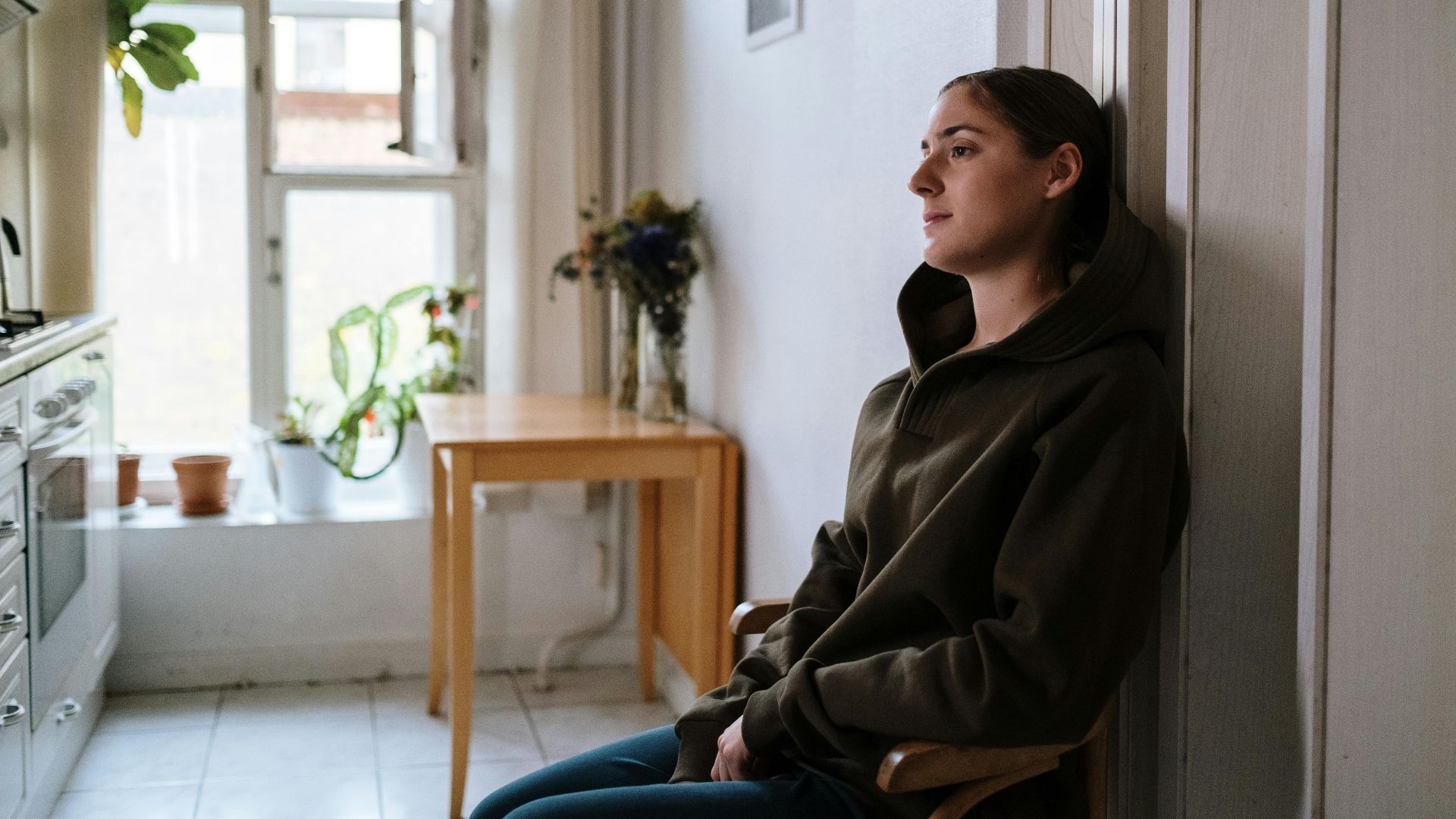
Would you have agreed to this trip if you knew the Airbnb would double as an after-party spot or hookup lounge? If the honest answer is no, then your frustration makes complete sense. The trip you agreed to is not the trip you are getting.

There Is A Difference Between Planned And Random
A friend stopping by briefly after everyone talks about it is not the same as repeated surprise visitors. Context matters, timing matters, and your comfort matters. The issue gets much bigger when it happens often, late at night, or alongside drinking and impulsive decisions.

Overnight Guests Change The Situation
If these strangers are not just visiting but staying the night, the problem becomes more serious. Overnight stays may break occupancy rules, create more noise, and leave you sharing close quarters with someone you never agreed to host. That is a very reasonable line to draw.

Your Belongings Matter Too
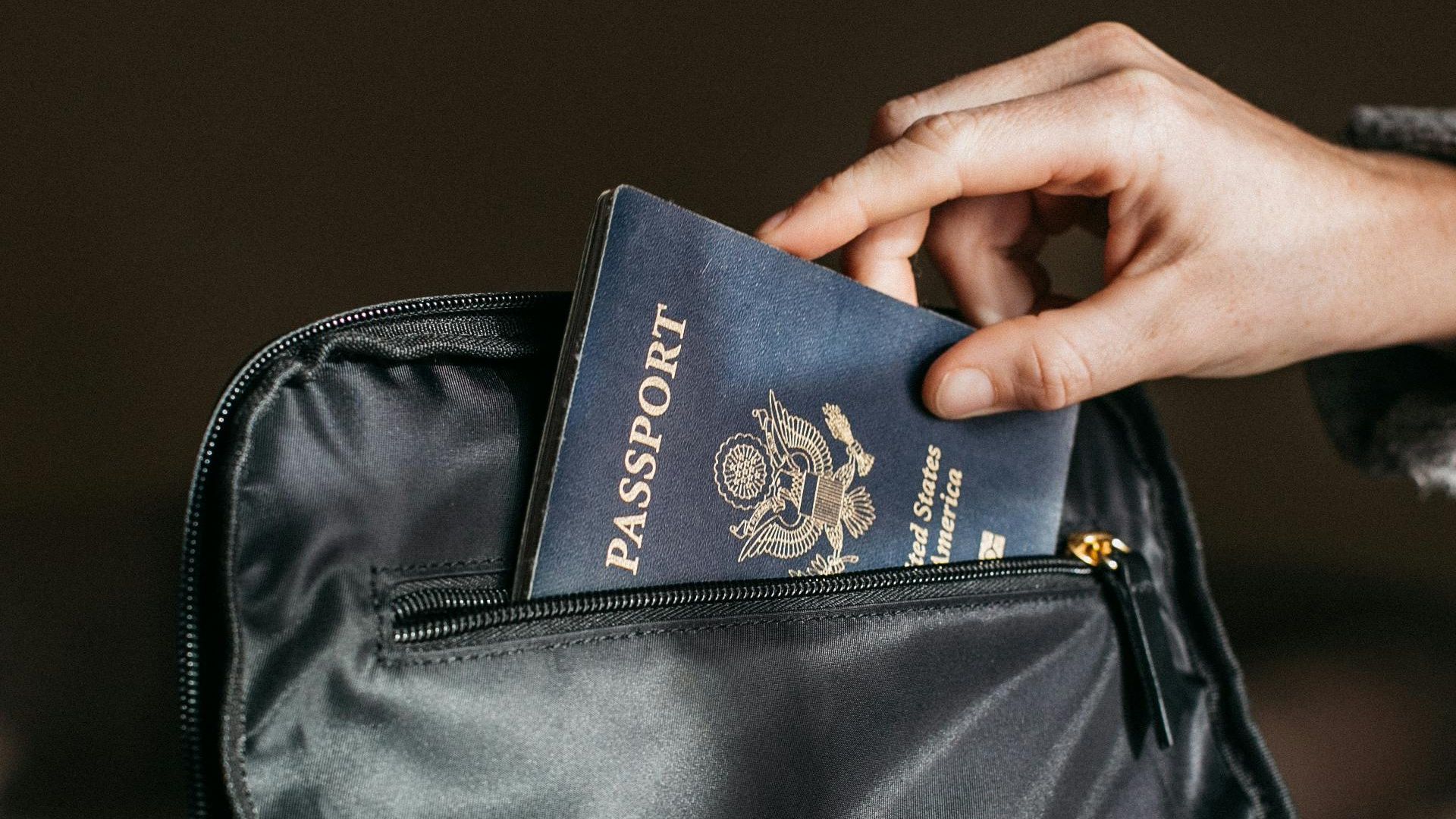
Travelers often carry passports, wallets, cameras, work laptops, medication, and sentimental items. Every unexpected visitor raises the chance of something being lost, mixed up, or stolen, even if no harm was intended. Protecting your stuff in a shared rental is practical, not paranoid.
 Vinta Supply Co. | NYC, Pexels
It Can Hurt The Friendship
Trips have a way of revealing habits people gloss over at home. A friend who keeps inviting strangers into a shared Airbnb without asking is showing bad judgment and weak respect for boundaries. That does not automatically end the friendship, but it does tell you something useful about future trips.

The Best Outcome Is A Reset
If your travel buddy listens, apologizes, and agrees to ask first going forward, the situation may be fixable. Good travel companions do not have to agree on everything. They just have to respect each other enough to make shared decisions about the space.

If Nothing Changes, Change The Plan
If your friend keeps brushing this off or continues doing it, think about switching rooms, booking separate places, or skipping future trips together. You should not have to keep negotiating for basic consideration. Sometimes the smartest travel move is realizing someone is fun at dinner but a terrible roommate.
The Bottom Line
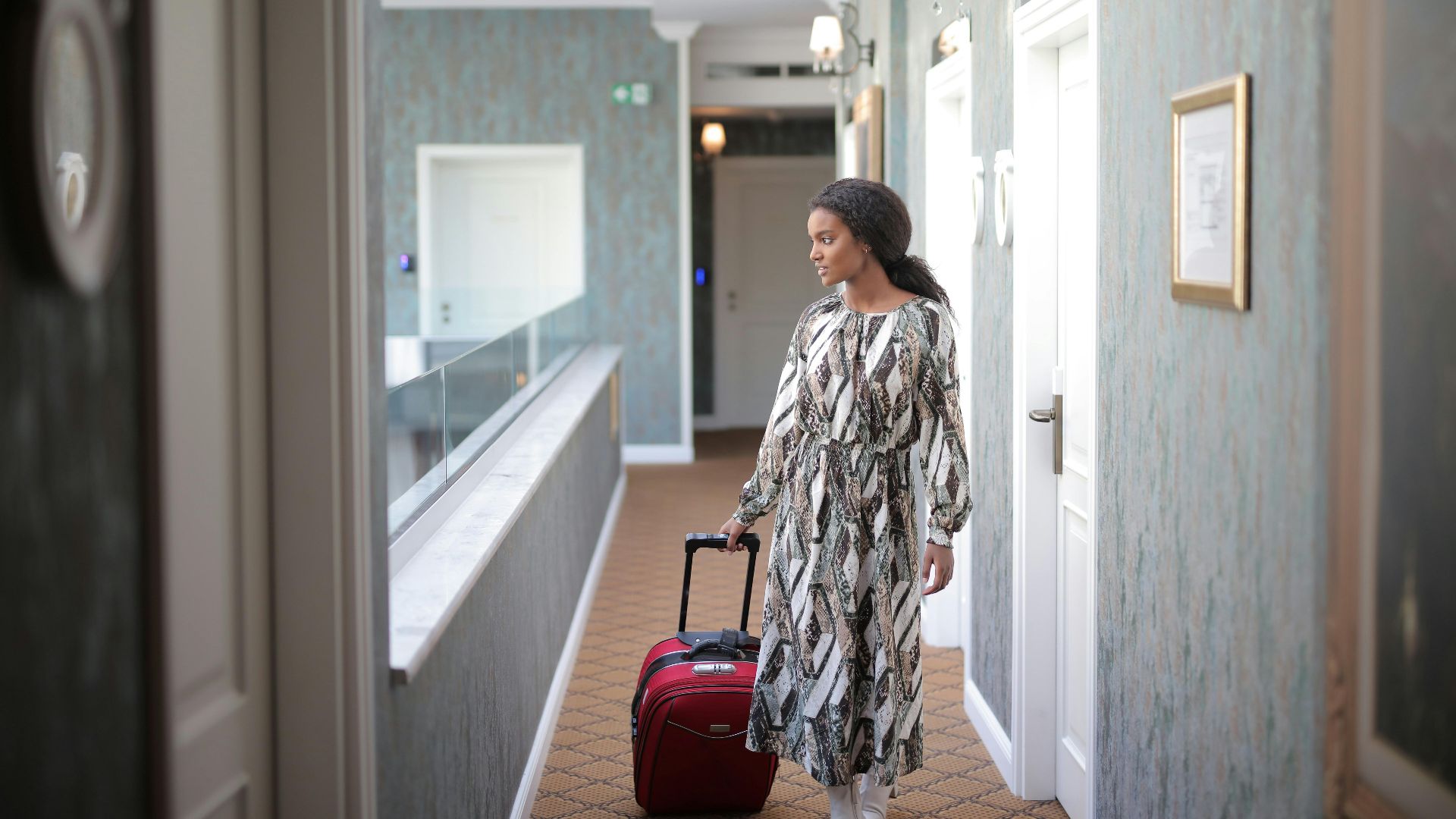
No, it is not unreasonable to be upset. Bringing random people back to a shared Airbnb without asking crosses a clear line on consent, privacy, and safety, and it may also break the host’s rules. On a trip full of moving parts, your lodging should not be the place where your comfort gets ignored.