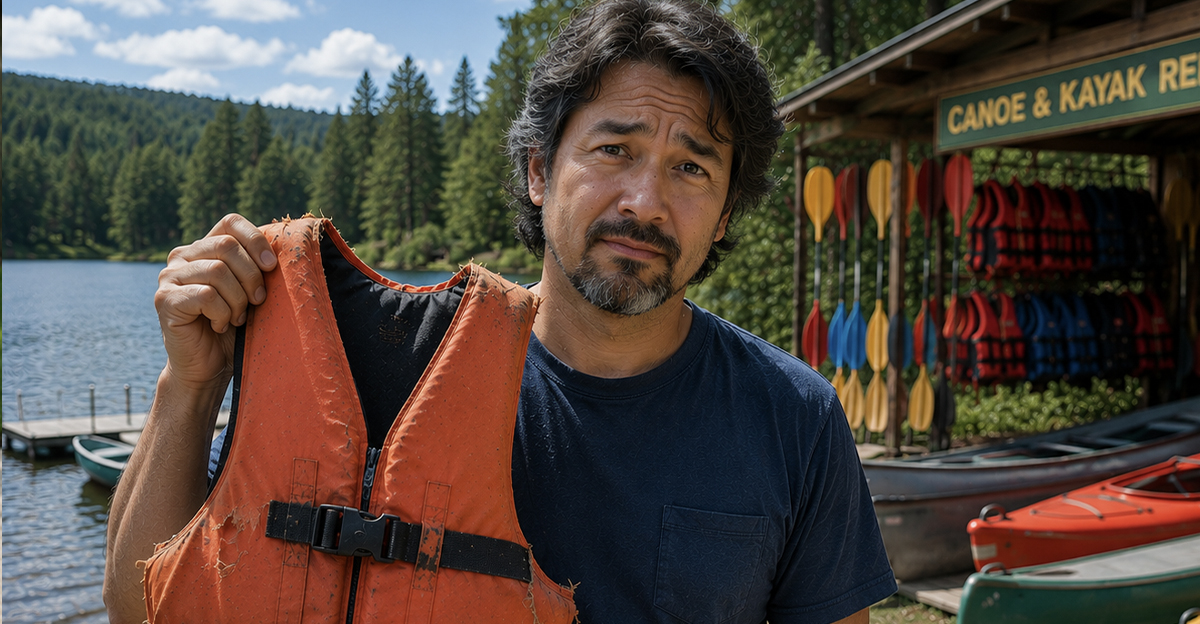
They Wanted A Signature Before I Even Saw The Gear
Renting camping equipment can save money, luggage space, and the hassle of traveling with bulky gear. But what if the outfitter asks you to sign the rental agreement before letting you inspect said equipment?
Most Outfitters Have Rental Agreements
Rental agreements are standard in the outdoor recreation industry. They typically explain rental periods, deposits, damage responsibility, cleaning requirements, late fees, and liability rules. Signing paperwork before taking possession of equipment isn't unusual. The more important question is whether you're given a fair opportunity to verify the equipment's condition afterward.

Inspection Protects Everyone
A pre-rental inspection benefits both the customer and the outfitter. It documents existing scratches, tears, broken parts, missing accessories, and normal wear before the equipment changes hands. Without that inspection, disagreements become much harder to resolve. That's why many experienced renters insist on checking gear before leaving.

Some Businesses Have Good Reasons
Not every outfitter is trying to hide something. Busy rental operations sometimes prepare paperwork before retrieving equipment from storage. Others may process contracts first because of insurance or reservation procedures. The key issue isn't necessarily the order of events, but whether you're ultimately allowed to inspect everything before accepting responsibility.

Don't Feel Pressured To Rush
If employees seem impatient or other customers are waiting, it can be tempting to sign quickly and move on. That's often when important details get missed. A few extra minutes spent reviewing the agreement and checking the equipment can prevent much larger problems later. Most reputable outfitters understand why customers want to be careful.

Read The Damage Clause Carefully
Many rental agreements explain exactly what renters are responsible for. Some cover only damage caused during the rental period, while others include cleaning fees, lost equipment, or excessive wear. Before signing, make sure you understand what could result in additional charges. If the wording seems unclear, ask questions before committing.

Ask To Inspect Before Accepting The Equipment
Even if the paperwork comes first, politely ask whether you can inspect the equipment before officially taking possession. Many outfitters will accommodate that request without hesitation. If they refuse entirely, consider why they're unwilling to let customers verify the condition of expensive gear.

Check More Than The Tent
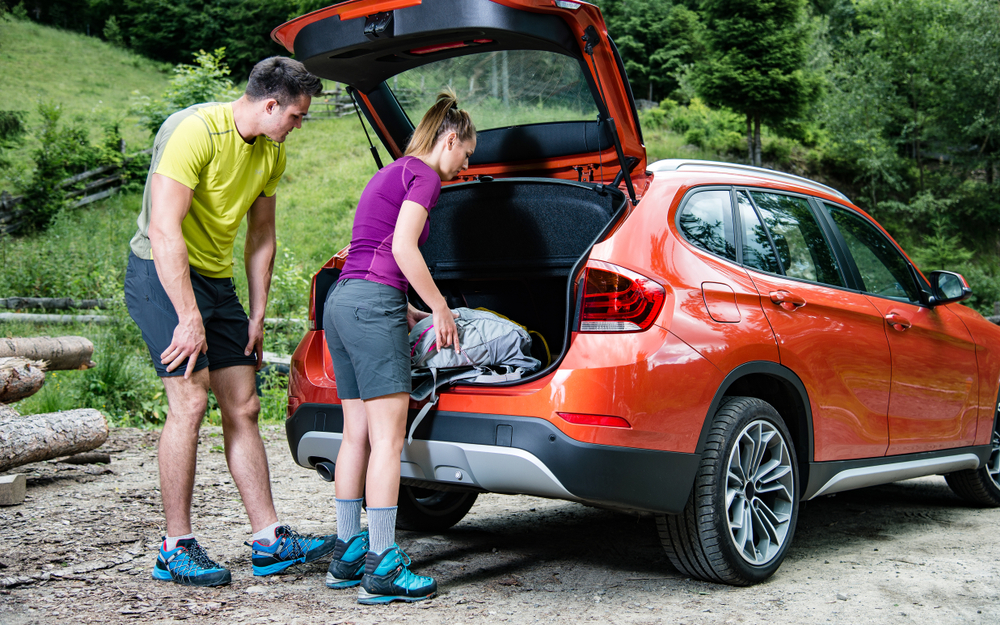
If you're renting an entire camping package, inspect every item individually. Look at sleeping bags, sleeping pads, backpacks, cooking gear, lanterns, trekking poles, coolers, and anything else included in the rental. Missing or damaged accessories can become expensive if they aren't documented beforehand.
Look For Obvious Damage
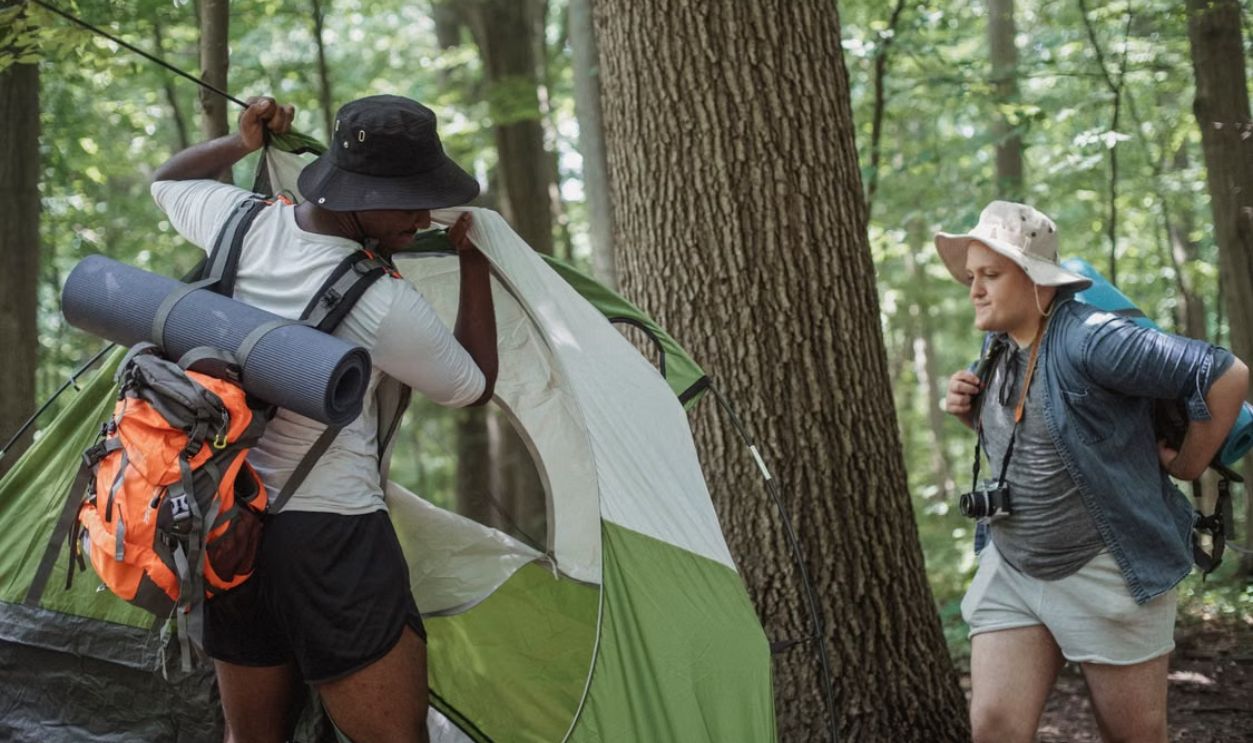
You don't need to perform a detailed engineering inspection. Instead, check for torn fabric, broken zippers, cracked poles, damaged buckles, missing stakes, bent cookware, leaking fuel bottles, worn straps, and other visible problems. If something doesn't seem right, point it out immediately.
 Radoslaw Grzybowski, Shutterstock
Set Up The Tent If Possible
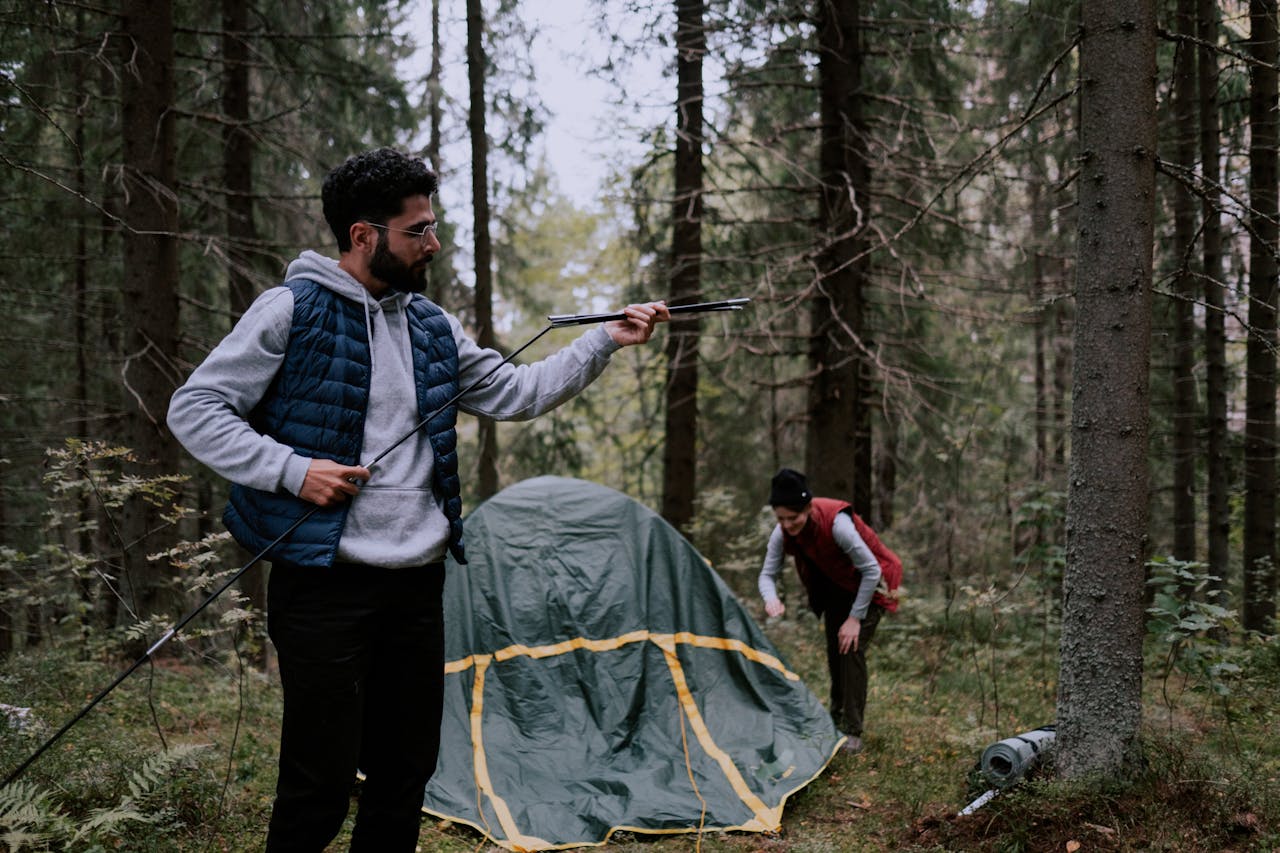
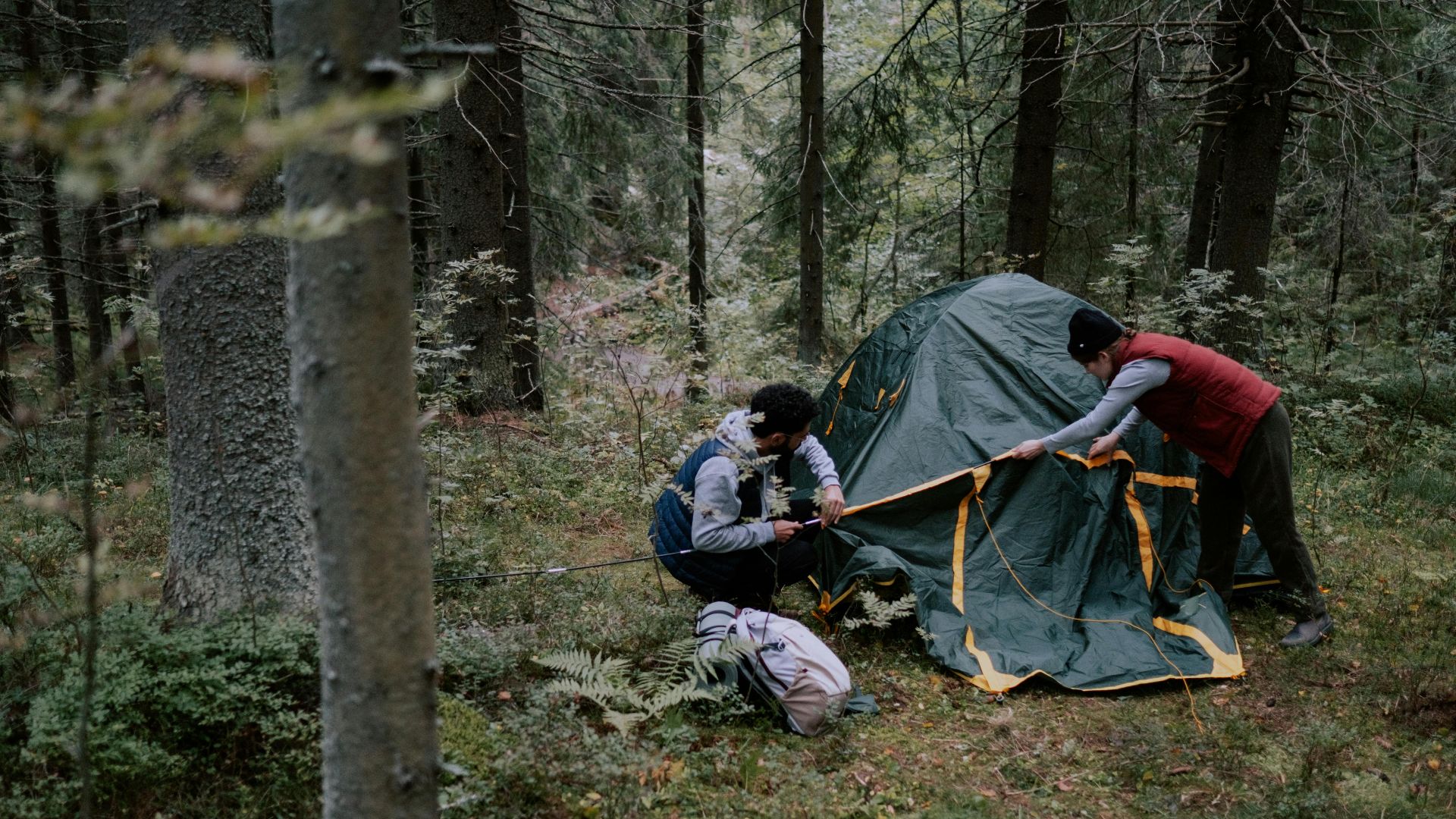
If space allows, ask whether you can partially or fully set up the tent before leaving. Small tears, broken poles, damaged rainflies, and faulty zippers often aren't obvious while everything remains packed in its storage bag. Discovering those problems at the campsite is much less convenient.
Take Photos Before You Leave
Smartphone photos provide excellent documentation. Photograph each piece of equipment, existing damage, serial numbers if applicable, and the overall condition before departing. Time-stamped images can be extremely helpful if questions arise when you return the gear.

Make Sure Existing Damage Is Written Down
Verbal assurances aren't always enough. If you discover scratches, dents, stains, or worn components, ask the outfitter to note them on the rental agreement. Having both parties acknowledge pre-existing damage reduces the chances of future misunderstandings.

Confirm What's Included
Camping kits sometimes contain dozens of individual items. Verify that stakes, guy lines, fuel bottles, cooking utensils, repair kits, stuff sacks, and other accessories are actually present. Missing pieces discovered later may otherwise appear to be your responsibility.
Ask About Emergency Support
Equipment occasionally fails despite everyone's best efforts. Before leaving, ask what happens if something breaks during your trip. Some outfitters offer replacement gear, repair advice, emergency phone support, or nearby exchange locations. Knowing your options ahead of time can reduce stress later.
Weather Can Affect Equipment
Outdoor gear naturally experiences wear over time. Waterproof coatings degrade, tents become sun-faded, and sleeping bags lose insulation after years of use. Some cosmetic wear is perfectly normal. The question is whether the equipment remains safe and functional for the trip you've planned.
Deposits Deserve Extra Attention
Many camping rentals require a security deposit. Before handing one over, understand when it will be refunded, what deductions may apply, and how damage disputes are handled. A clear explanation upfront helps avoid unpleasant surprises after the trip.

Reviews Can Reveal Patterns
If you're unsure about an outfitter's practices, check recent customer reviews. Multiple complaints involving unexpected damage charges, poor equipment condition, or refusal to allow inspections may indicate a recurring problem. One isolated complaint is different from a consistent pattern.

Credit Cards May Offer Better Protection
Paying with a credit card rather than cash or debit may provide additional dispute options if billing problems arise later. While chargebacks shouldn't be your first solution, they can offer some protection if an outfitter charges for damage you genuinely didn't cause.

Don't Ignore Your Instincts
If something feels unusually secretive or rushed, pay attention to that feeling. Professional rental businesses are generally proud of their equipment and willing to answer reasonable questions. An unwillingness to explain policies or allow any inspection deserves careful consideration.

Walking Away Is Sometimes The Best Choice
If the outfitter absolutely refuses to let you inspect the equipment before holding you responsible for its condition, you may decide the risk isn't worth it. Losing a reservation is frustrating, but it may be better than facing a costly damage dispute after the trip. Trustworthy businesses usually understand why customers want transparency.

Compare Policies Before Booking
Not all outfitters handle rentals the same way. Some advertise detailed inspections, maintenance records, and customer walkthroughs as part of their service. Comparing policies before making a reservation can help you choose a company with procedures that inspire confidence.

Keep Copies Of Everything
Save the signed agreement, receipts, inspection notes, photographs, and any messages exchanged with the outfitter. If a dispute arises later, organized documentation can make resolving the issue much easier. Good records protect both sides.

Return The Equipment Promptly
When your trip ends, return the equipment on time and, if possible, ask an employee to inspect it while you're present. That gives both of you an opportunity to discuss any concerns immediately rather than days later. If everything checks out, ask for confirmation that the return was accepted without issues.

Most Outfitters Want Happy Customers
The vast majority of outdoor outfitters rely on positive reviews and repeat business. They understand that quality equipment and fair rental practices build trust. If a misunderstanding occurs, many businesses are willing to resolve it reasonably when customers communicate respectfully and provide good documentation.

A Little Caution Can Prevent A Big Headache
If a camping outfitter won't let you inspect the equipment before signing a rental agreement, you don't necessarily have to walk away immediately, but you should proceed carefully. Ask questions, request an inspection before accepting responsibility, document everything with photos, and make sure existing damage is recorded. If the business refuses every reasonable request for transparency, finding another outfitter may be the safest choice. A few extra minutes before your adventure can save you from a much bigger problem afterward.
You May Also Like:
I arrived at a national park only to learn my reservation didn’t guarantee parking. Is that normal?