
I Paid For Premium Internet, But Didn’t Get It
Cruise lines love advertising premium Wi-Fi packages and improved connectivity at sea. So it's understandable to expect that paying extra should allow something as basic as a video call. Then reality hits. The video freezes, the audio cuts out, and the call drops entirely. Cruise internet has improved dramatically in recent years, but the ocean still creates challenges that even premium packages can't completely overcome.
Cruise Ships Are Still Far From Traditional Internet Infrastructure
When you're at home, your internet connection probably relies on fiber, cable, or cellular networks connected to massive land-based infrastructure. Cruise ships don't have that luxury. Once they're hundreds of miles offshore, they must rely primarily on satellite connections. Even with major advances in satellite technology, delivering reliable internet in the middle of the ocean remains far more complicated than serving a neighborhood on land.
Premium Doesn't Mean Unlimited Performance
One of the biggest misconceptions is that "premium" internet means the same thing on a cruise ship that it does at home. In many cases, premium packages simply provide higher speeds, higher priority, or access to activities like streaming and video calls. They don't guarantee that those services will work perfectly at all times. You're still sharing a limited connection with thousands of other passengers.
Thousands Of People Are Sharing The Same Network
A modern cruise ship can carry several thousand guests along with a large crew. Many passengers are streaming videos, posting photos, making video calls, checking social media, downloading updates, and browsing the web simultaneously. Even with major upgrades, that shared demand can overwhelm available bandwidth during peak periods. The more people online at once, the harder it becomes to maintain consistent performance.

Video Calls Are More Demanding Than Many People Realize
Browsing websites and sending messages requires relatively little bandwidth. Video calls are different. They require steady download speeds, steady upload speeds, low latency, and minimal packet loss. If any one of those factors becomes unstable, the call quality suffers. That's why a connection that seems fine for email can still perform terribly during a Zoom or FaceTime call.

Latency Remains A Major Challenge
Speed gets most of the attention, but latency often causes the biggest problems. Latency is the delay between sending and receiving data. Satellite signals must travel enormous distances between the ship, satellites, and ground stations. Even modern systems can experience delays that create awkward pauses, audio lag, and frozen video during calls.
Satellite Technology Has Improved Significantly
The good news is that cruise internet today is generally much better than it was just a few years ago. Many cruise lines have adopted newer low-Earth-orbit satellite systems, including Starlink, which operate closer to Earth than traditional satellites. These systems often reduce latency and improve speeds considerably. However, they haven't completely eliminated connectivity problems.

New Technology Doesn't Fix Everything
Some passengers hear that a cruise line uses Starlink and assume internet performance will be identical to what they experience at home. In reality, the ship still needs onboard networking equipment, antennas, bandwidth management systems, and thousands of users competing for resources. Better satellites help, but they don't solve every bottleneck.
 Emilio Sanchez Hernandez, Pexels
Weather Still Matters
Satellite signals can be affected by weather conditions. Heavy rain, storms, rough seas, and dense cloud cover may interfere with communication between the ship and satellite network. Modern systems are more resilient than older ones, but weather-related disruptions haven't disappeared entirely.
 Vinicius A. Nascimento, Pexels
Geography Can Affect Performance
Not all cruise routes provide the same connectivity. Ships operating near heavily populated regions may have better access to supporting infrastructure than vessels crossing remote ocean areas. Routes through isolated regions sometimes face greater connectivity challenges simply because of their location.
Peak Usage Times Can Be Brutal
Internet performance often varies dramatically throughout the day. Early mornings, evenings, and sea days tend to be the busiest periods because passengers spend more time onboard. During these windows, even premium users may notice slower speeds and reduced call quality. Timing can sometimes matter almost as much as the package you purchase.

Streaming Uses Enormous Amounts Of Data
Modern passengers consume far more data than travelers did a decade ago. Streaming movies, uploading videos, cloud backups, social media feeds, and video calls all compete for limited resources. A few thousand people using high-bandwidth applications simultaneously can place tremendous strain on the ship's network.
Cruise Lines Prioritize Different Types Of Traffic
Many cruise operators manage network traffic actively. Certain activities may receive higher priority than others during busy periods. Messaging apps, web browsing, and essential services may be favored over bandwidth-heavy applications. This helps maintain general connectivity but can sometimes affect video-call performance.
 Rockwell branding agency, Pexels
The Ship Itself Is A Technical Challenge
A cruise ship is essentially a floating city. Thousands of cabins, restaurants, theaters, pools, casinos, crew areas, and public spaces all require network coverage. Providing consistent wireless service throughout a massive steel structure presents unique technical challenges that don't exist in typical buildings.
Older Ships May Lag Behind
Not every vessel in a cruise line's fleet receives upgrades at the same time. Newer ships often feature more advanced antennas, networking equipment, and satellite systems. Older vessels may still rely on previous-generation technology. That can create noticeable differences between ships within the same company.
The Marketing Isn't Always Wrong
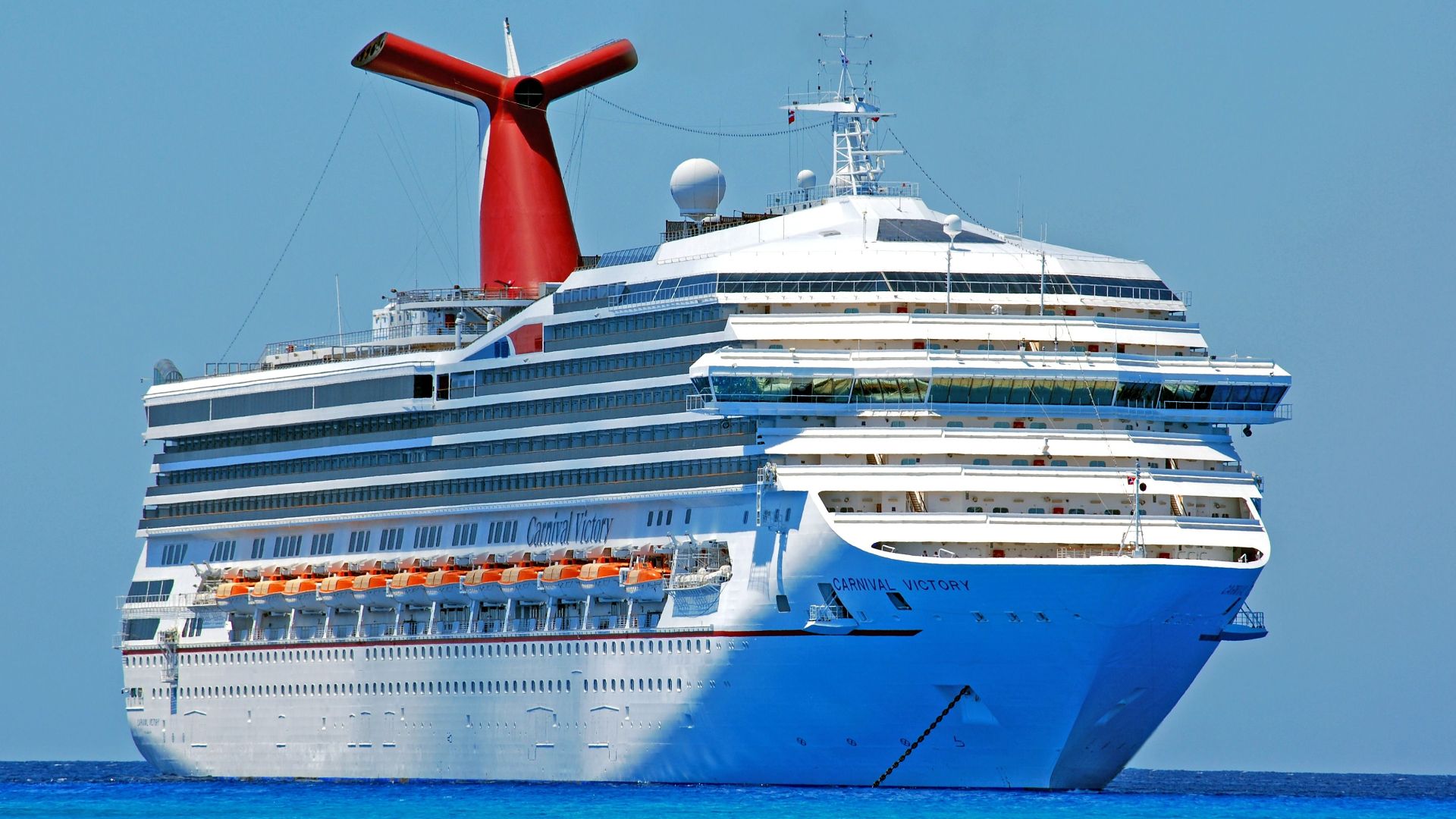
Many passengers feel misled when premium internet doesn't perform as expected. However, cruise lines often advertise internet relative to historical cruise standards rather than land-based broadband. Compared to cruise Wi-Fi from ten years ago, today's premium internet is remarkably better. Compared to home fiber internet, the comparison is less flattering.
Work-From-Sea Expectations Have Changed
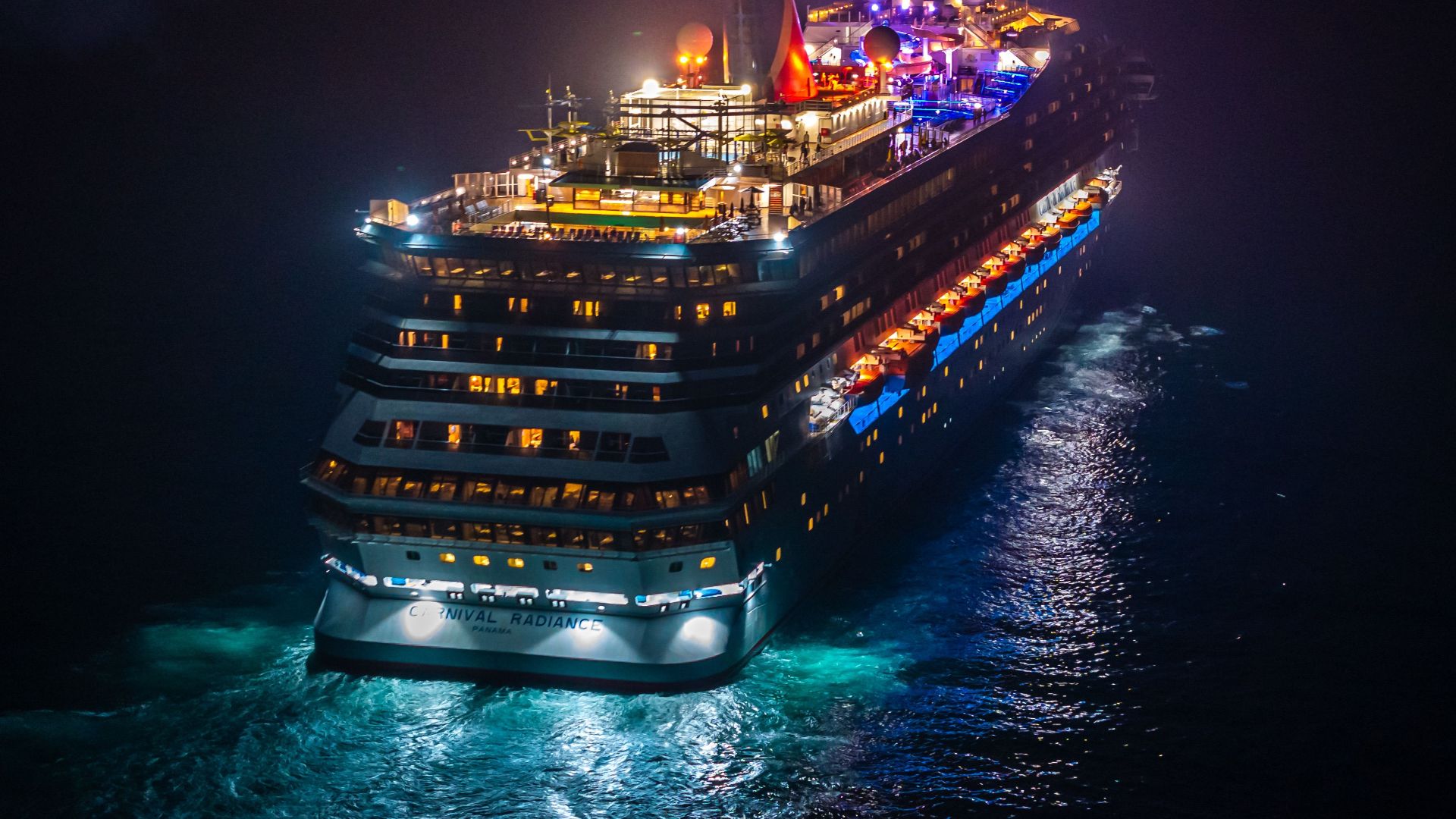
More travelers now work remotely and expect to remain productive while traveling. Video meetings, file sharing, cloud applications, and collaboration tools have become part of everyday life. Cruise internet has improved, but passenger expectations have risen even faster. That gap often contributes to disappointment.
Some Activities Work Better Than Others
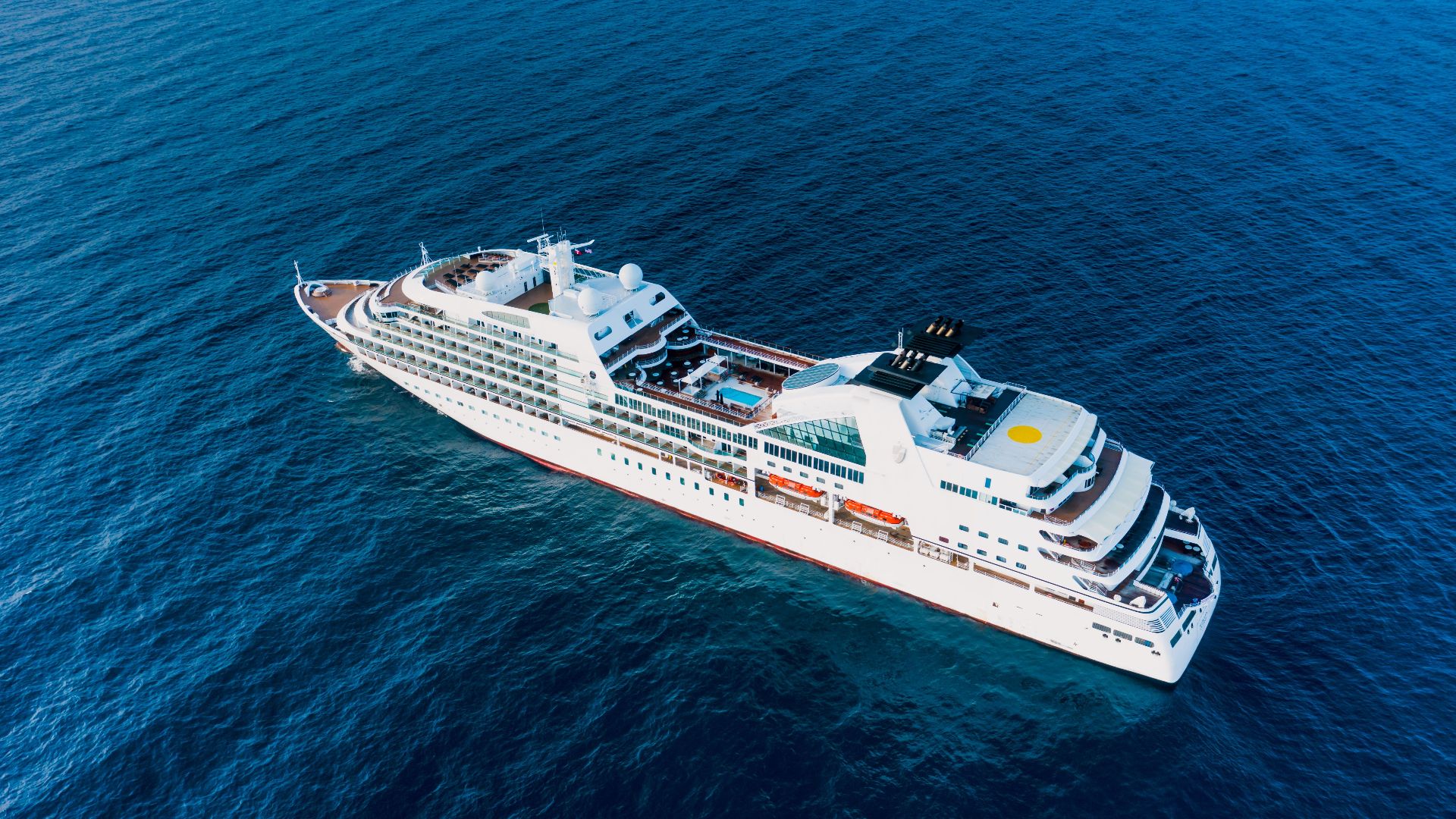
Many passengers report excellent experiences with messaging apps, email, browsing, and social media. Problems tend to become more noticeable with video conferencing, live streaming, gaming, and other latency-sensitive activities. Understanding these limitations can help set more realistic expectations.
Location On The Ship Can Matter
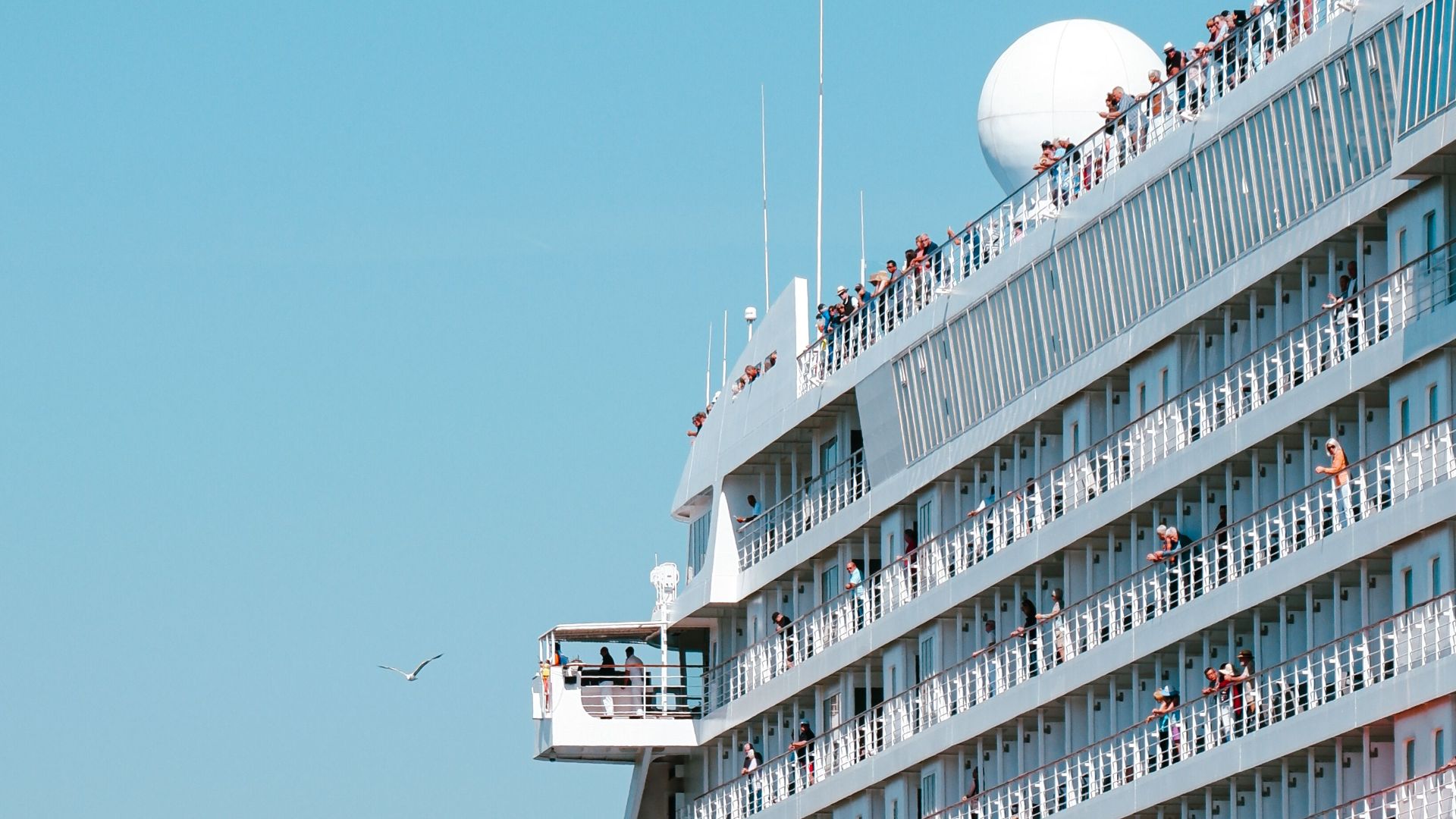
Wi-Fi performance sometimes varies depending on where you are onboard. Certain cabins, interior areas, and crowded public spaces may experience weaker signals than others. Moving closer to a strong access point occasionally improves performance even when the underlying internet connection remains unchanged.
Download Before You Sail
One of the best strategies is downloading important files, videos, movies, maps, and work materials before departure. The less you depend on the ship's internet for large transfers, the more pleasant the experience tends to be. Preparation can reduce a lot of frustration later.
Schedule Important Calls Carefully
If a video call is absolutely critical, try to schedule it during less congested periods. Early mornings and port days sometimes offer better performance than evenings or sea days. While there's no guarantee, avoiding peak demand can improve your chances of a successful call.

Consider Audio Calls Instead
When internet quality becomes questionable, audio-only calls often perform much better than video calls. Removing video dramatically reduces bandwidth requirements and may produce a more stable conversation. It's not ideal, but it can be an effective backup plan.

The Industry Is Moving In The Right Direction
The encouraging news is that cruise internet continues improving rapidly. Cruise lines are investing heavily in satellite upgrades, onboard networking equipment, and expanded bandwidth capacity. Many passengers who cruise regularly report noticeable improvements compared to just a few years ago.
The Ocean Still Doesn't Care About Technology
At the end of the day, cruise ships are still floating in some of the most remote places on Earth. No matter how advanced the technology becomes, delivering perfect internet service across vast stretches of ocean remains difficult. Physics, geography, weather, and shared bandwidth continue to impose limitations.

It's Better Than Before, But Not Quite Home Yet
If your premium cruise internet struggled to support video calls, you're not alone. While cruise connectivity in 2026 is far better than it once was, it still faces challenges that land-based internet doesn't. Premium packages can improve your experience, but they can't eliminate satellite latency, network congestion, or the realities of serving thousands of users from the middle of the ocean. The technology is improving quickly, and future cruises will likely be better still, but for now, a little patience remains part of the package.
You May Also Like:
My Airbnb host asked us to leave a positive review before we even checked in. Is that a red flag?