
The Allure Of A “Private Beach”
Few hotel phrases sell a trip faster than “private beach.” It brings to mind quiet loungers, smaller crowds, and a stretch of sand that feels set aside for guests. But in many places, that phrase means something far less clear than travelers expect.

Why The Term Confuses So Many Travelers
A hotel can list a “private beach” on its website, in a brochure, or on a booking platform, and the meaning can seem obvious. Then guests arrive and find a beach full of locals, vendors, and day-trippers. That gap between the promise and the reality is where the confusion starts.
What You Need To Know About Beach Ownership
In many destinations, a hotel cannot legally own the whole beach the way people assume. Public access laws, shoreline rules, and ownership limits often keep at least part of the beach open to everyone. So a hotel may control chairs, umbrellas, or an entry path without actually having exclusive rights to the sand.

What “Private Beach” Usually Means
Sometimes the phrase just means the beach sits next to the hotel and is mostly used by guests, not that it is legally closed to the public. In other cases, the hotel may own or lease land up to a certain point, while the wet sand or shoreline remains public. That difference matters when a beach that looked exclusive in the photos turns out to be shared.
Florida Shows How Messy This Can Get
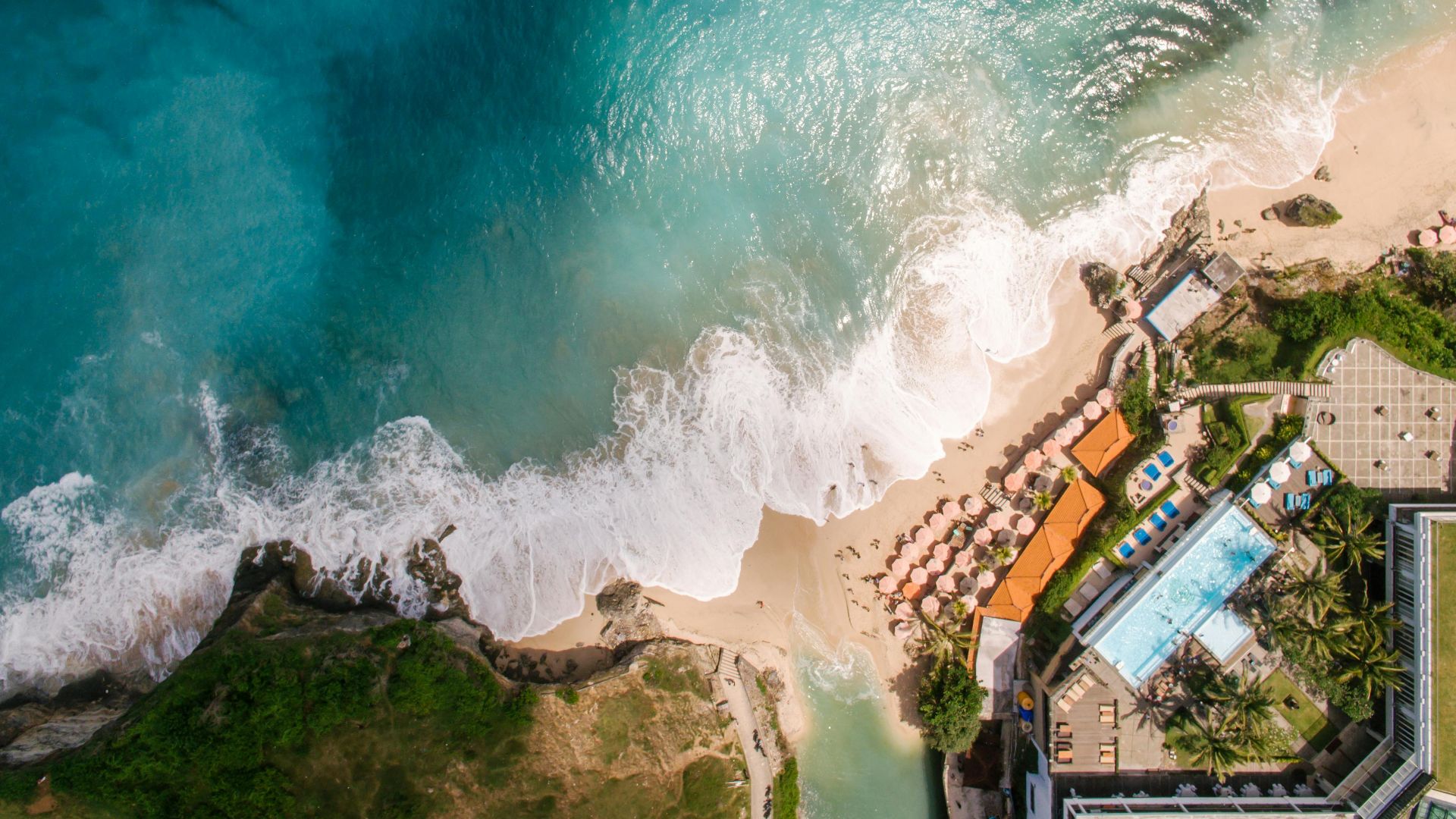
Florida is a good example because beach access fights there are well known. The Florida Constitution protects public access to beaches below the mean high-water line, while private ownership can reach the dry sand in some spots. So a hotel may have some private rights, but not the fully private beach experience its ads seem to promise.
Why The Mean High-Water Line Matters
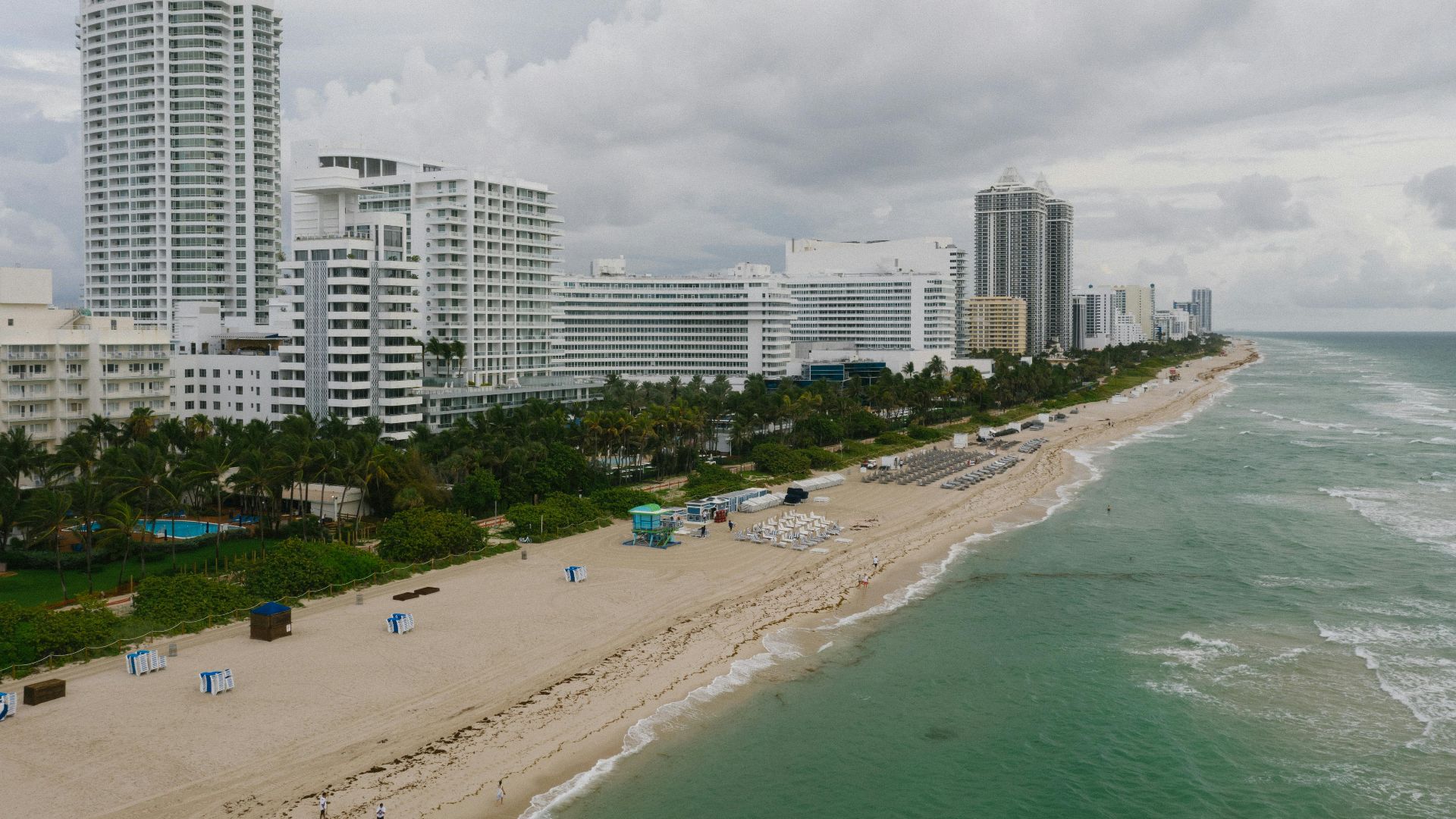
The mean high-water line is a key legal boundary in many beach disputes. In Florida, public rights generally apply seaward of that line. For travelers, that helps explain why a hotel can talk about a private beach area while members of the public still have every right to be near the water.

California Is Even Stronger On Public Access
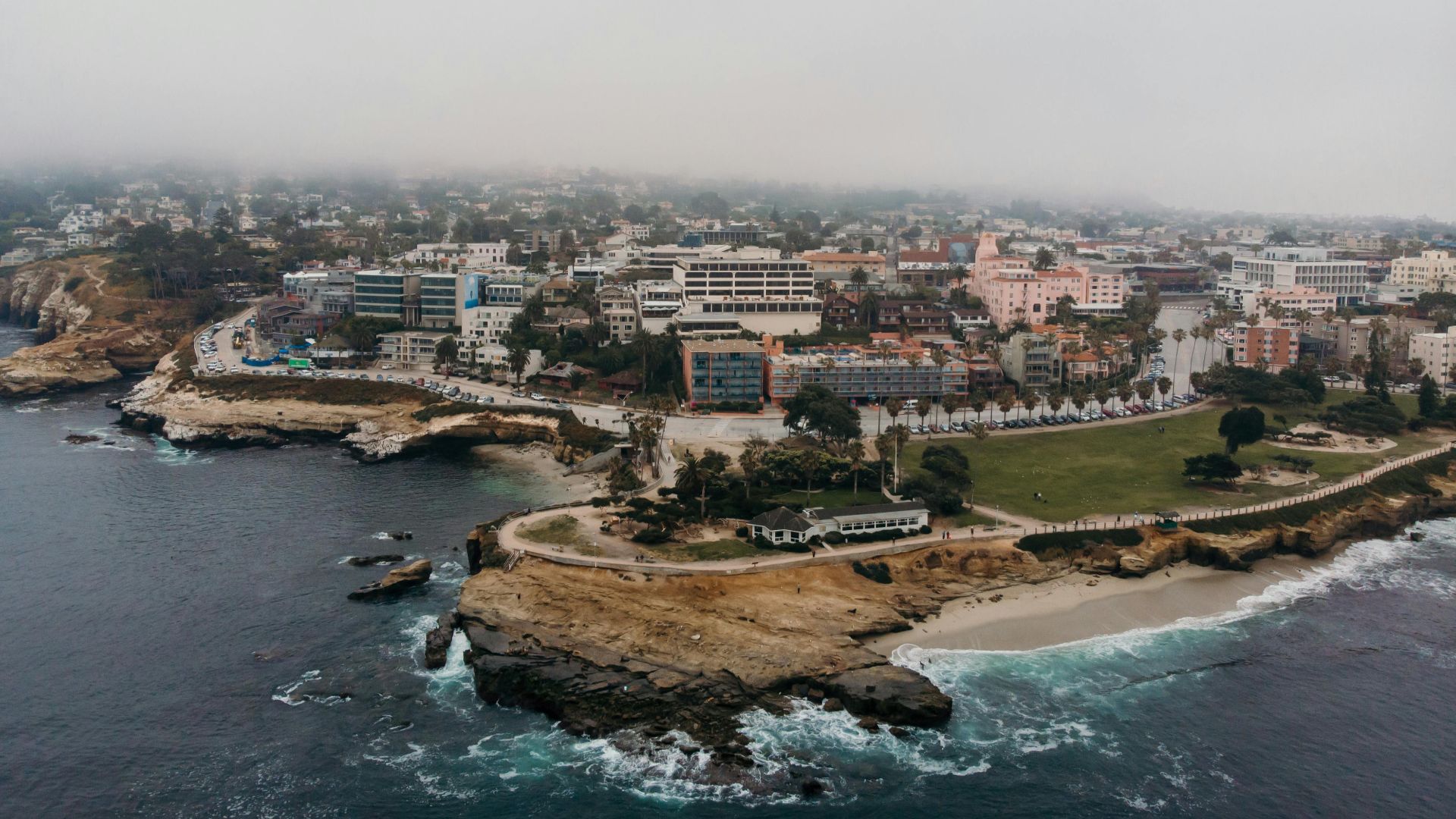
California takes a tougher approach to public coastal access. The California Coastal Commission says beaches up to the mean high tide line are public, and coastal access is a major state policy. So if a hotel in California makes it sound like the whole beach is off-limits to everyone else, that claim deserves a closer look.
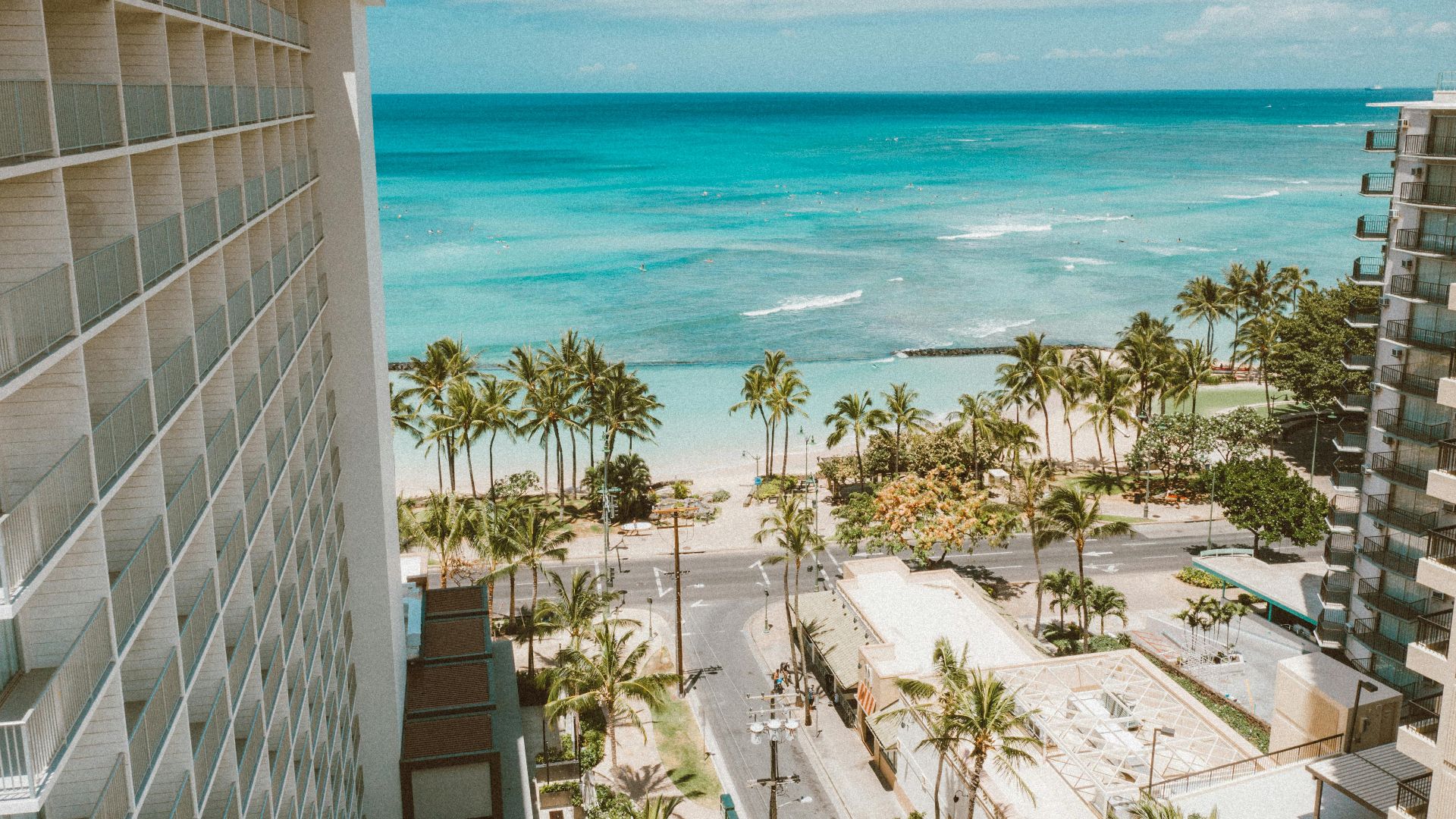
Hawaii Makes Its Position Clear
Hawaii is also known for strong shoreline access rules. The Hawaii Department of Land and Natural Resources says all beaches in Hawaii are public up to the vegetation line or the wash of the waves. That means “private beach” marketing in Hawaii usually points to location, amenities, or a quieter feel, not true legal control over the beach itself.
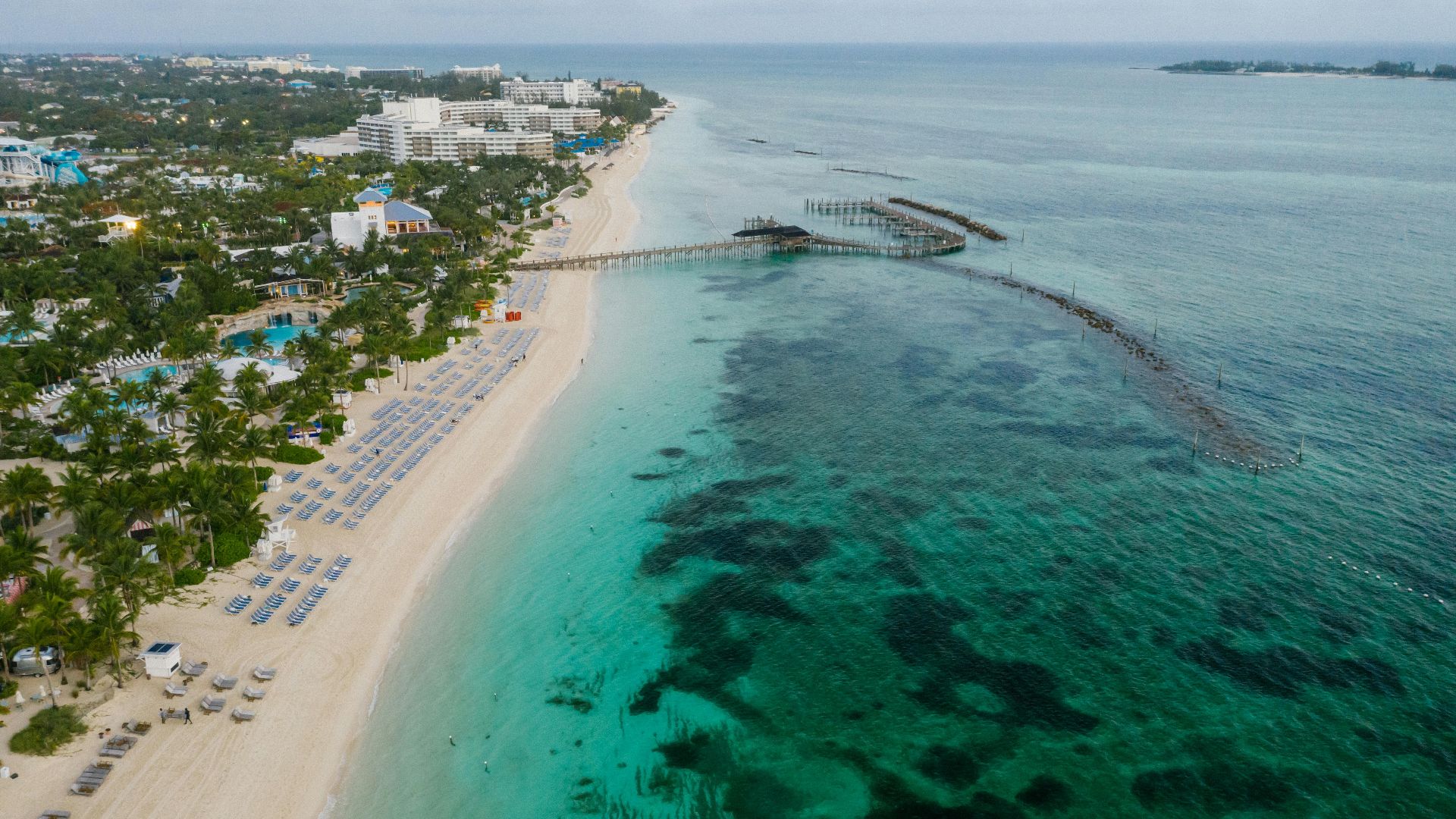
The Bahamas Has Its Own Rules
Not every destination follows the same legal setup as U.S. states. In The Bahamas, for example, beaches are generally public up to the high-water mark. A resort may feel tucked away and mostly used by guests, but that does not automatically mean the shore is closed to outsiders.
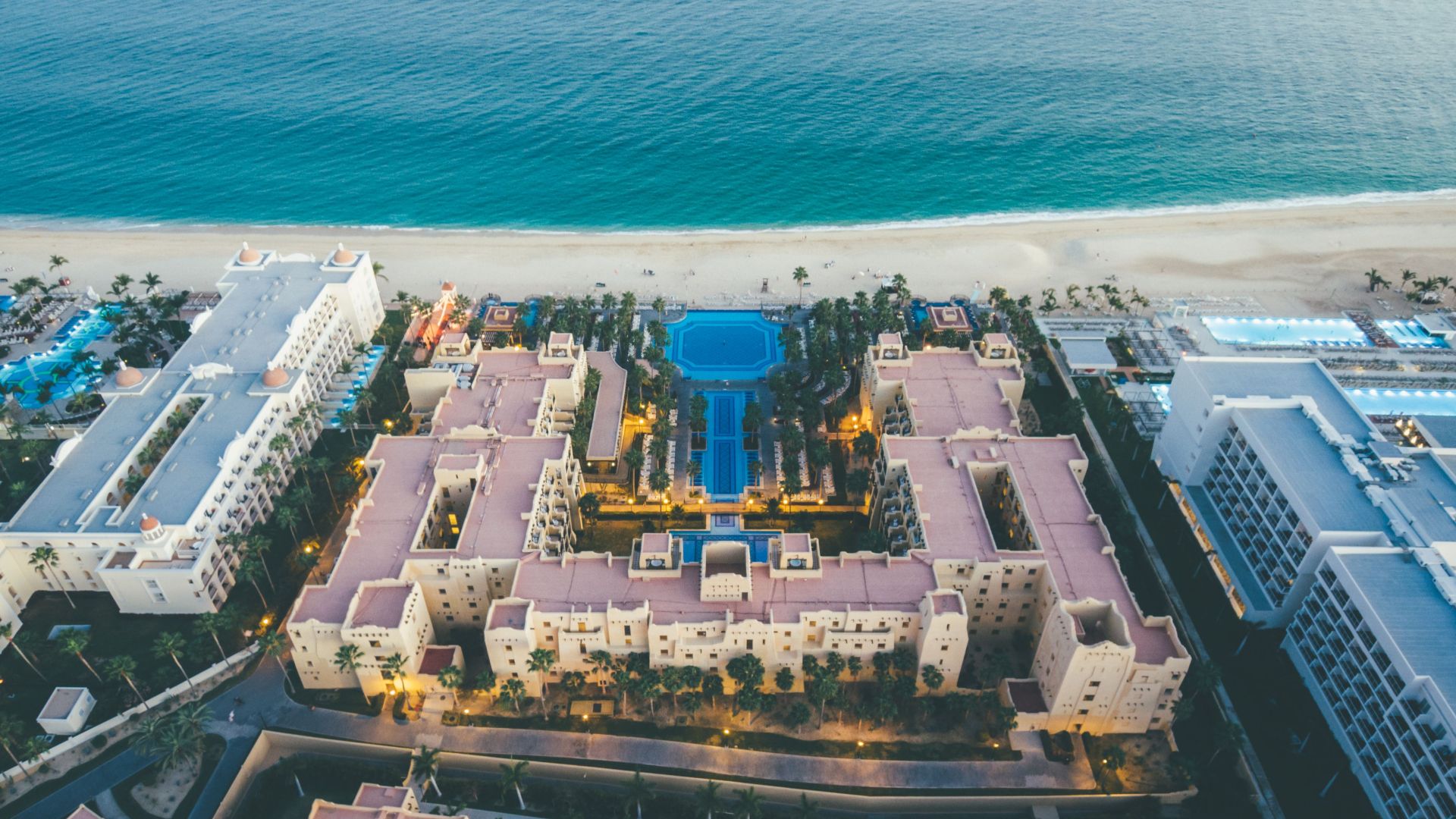
Mexico Adds Another Twist
Mexico also has strong public-access rules for beaches. Federal maritime zone laws generally keep beaches public even when resorts line the coast. That is why travelers in major Mexican beach destinations often find public beachgoers sharing shoreline space near resorts that sound far more exclusive in ads.
So Is The Hotel Being Misleading
That depends on what the hotel actually promised and how a normal traveler would read it. If the ad strongly suggests exclusivity, controlled entry, or no public access, and the beach is actually open and crowded, that could be misleading. If the hotel used “private beach” more loosely to describe a guest-focused stretch of sand, the issue is murkier, but still frustrating.
What Advertising Law Looks At
Consumer protection law does not just focus on technical wording. Regulators often care about the overall impression an ad gives an ordinary consumer. The Federal Trade Commission says advertising must be truthful, not misleading, and backed up when needed, which is a useful standard even when travel disputes involve state law or foreign destinations.

Why Fine Print May Not Fix The Problem
If a flashy listing says “private beach” but the reality is “public beach with a reserved seating area,” a buried disclaimer may not be enough. The FTC has long said disclosures need to be clear and easy to notice. In plain terms, a small asterisk hidden deep in the booking process may not undo a misleading headline.

Booking Sites Can Make Things Worse
Many travelers never book directly with the hotel, and that creates another layer of confusion. Listings on major booking platforms often shrink complicated beach access details into labels like “private beach area” or “beachfront.” If that shorthand oversells the experience, travelers may feel misled even if the hotel says the wording is standard industry language.

Terms Worth Reading Carefully
Be careful with phrases like “private beach access,” “beach club,” “exclusive beach area,” or “reserved beachfront.” They do not all mean the same thing. “Private beach access” may only mean the path to the beach is private, not the beach itself.

A Reserved Area Is Not A Private Beach
Some hotels really do have a restricted section with guest-only loungers, cabanas, or controlled entry points. That can be a nice perk, but it is not the same as saying the whole beach is private. If the surrounding sand is still open to the public, the bigger claim can still give guests the wrong idea.

Photos Matter Too
Travelers often book based on calm images of empty sand and neatly spaced umbrellas. If those photos suggest a quiet, guest-only shoreline but the beach is usually crowded and open to the public, the pictures may add to a misleading overall message. In ad disputes, visuals can matter just as much as words.

What To Check Before Booking
Read the exact wording on the hotel’s own site and compare it with what appears on booking platforms. Search recent reviews for words like “public,” “crowded,” “vendors,” “locals,” or “shared beach.” If beach access is a deal-breaker, email the hotel and ask whether the shoreline itself is legally private or whether only the seating area is reserved for guests.

The Best Questions To Ask
Ask whether non-guests can legally use the sand in front of the property. Ask whether the hotel controls only loungers and umbrellas or the whole beach area. It also helps to ask whether day-pass visitors, cruise passengers, or members of the public commonly use the beach during busy times.

How To Document A Misleading Claim
If you arrive and the beach does not match the ad, start collecting proof right away. Save screenshots of the booking page, the hotel’s amenities list, and any emails that mention a private beach. Then take photos and short videos showing signs, crowd levels, public entry points, and anything staff say about who can use the beach.
 Les comptoirs mitoyens, Pexels
What To Do At The Hotel First
Bring the issue to the front desk or guest relations team as soon as you can. Stay calm and point to the exact wording you relied on when booking. Then ask for a fix that matches the problem, such as a room credit, a resort-fee refund, a move to another area, or a penalty-free cancellation.

When It Makes Sense To Escalate
If the hotel refuses to deal with what looks like a materially misleading amenity claim, you may want to take the next step. Depending on how you booked, that could mean filing a complaint with the booking platform, contacting your credit card issuer, or reaching out to a consumer protection agency. The more proof you have of the original claim and the actual conditions, the stronger your case.

Why Local Law Still Matters
Your chances in a complaint may depend on the destination’s beach-access laws and the exact wording used in the ad. In a place where beaches are clearly public by law, a broad “private beach” claim may be harder to defend if guests were led to expect exclusivity. In places with mixed public and private shoreline rights, the fight may come down to whether the wording was vague or truly deceptive.

A Busy Beach Does Not Always Mean The Hotel Lied
There is a real difference between a public beach and a beach that is simply crowded with hotel guests. A hotel can honestly offer a private beach area and still have it feel packed during holidays or peak season. The key question is whether the public had access despite a claim that suggested they would not.
What Hotels Should Say Instead
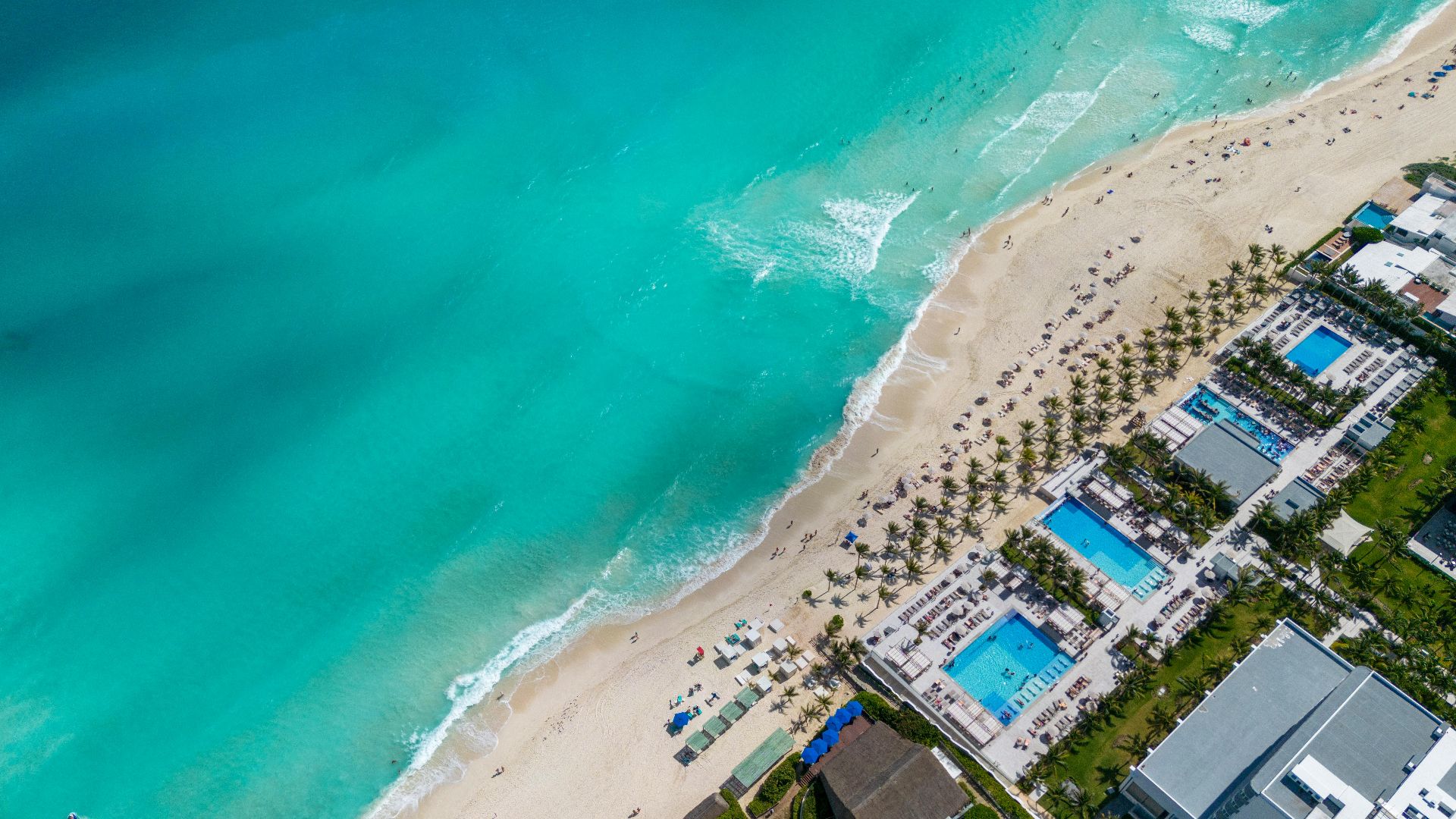
The clearest wording would be much more helpful. Hotels could say “guest-only beach chairs on a public beach” or “direct access to a beach shared with the public.” That may sound less glamorous than “private beach,” but it would spare travelers a lot of disappointment.

The Bottom Line
If your hotel advertised a private beach and you found a shoreline crowded with the public, your frustration makes sense and the claim may well be misleading. Whether it crosses a legal line depends on the wording, the overall impression, and the local rules on beach access. The safest move is to find out exactly what “private” means before you book, because on many coastlines, that one word is doing a lot of heavy lifting.