
The Vacation Fight So Many Families Recognize
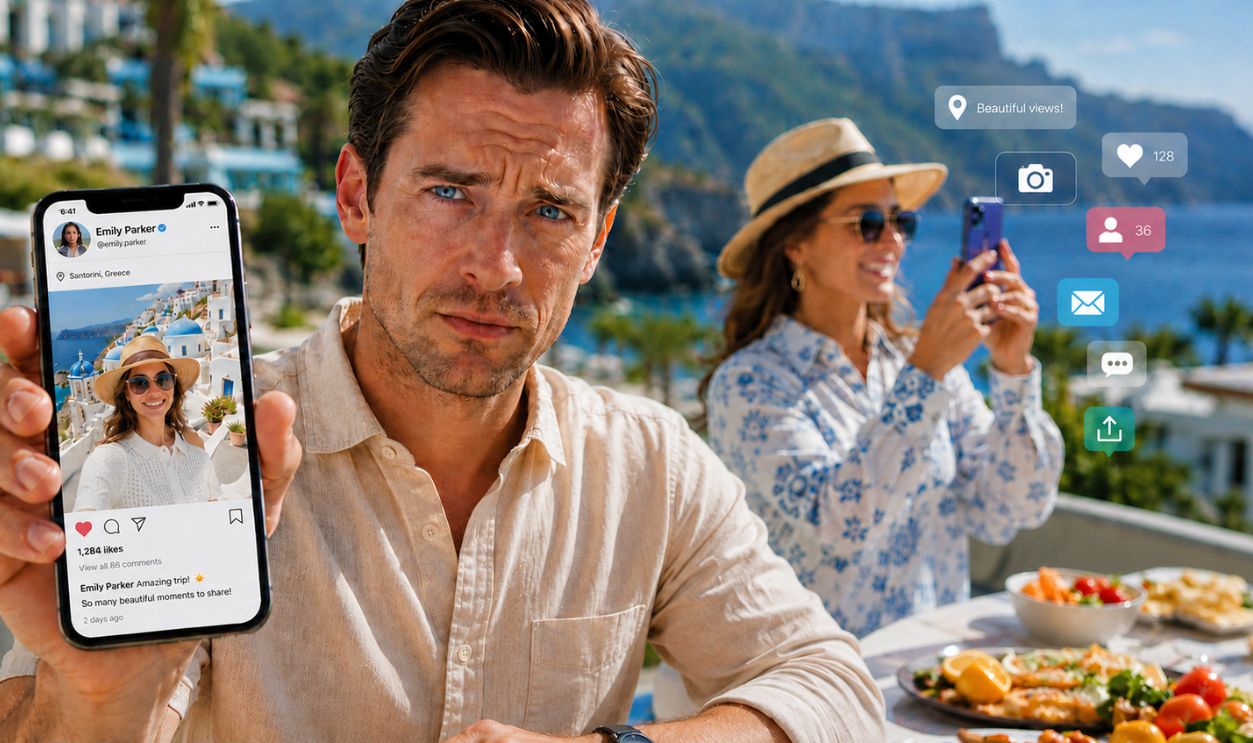
You finally get everyone on the same trip, the views are great, and then your sister turns the whole vacation into a live feed. If you asked her to stop posting every detail and she kept going, it makes sense that you would be upset. Privacy, consent, and family expectations tend to crash into each other hardest when people are traveling. But that doesn't make what comes next any easier.
Why This Feels Bigger Than Just A Few Photos
A vacation post may seem harmless to the person sharing it, but it can feel invasive to the person in it. Travel often shows where you are, who you are with, and when you are away from home. That is why this is not just about being camera shy. It is about having control over your own personal information.

Social Media Sharing Has Real Privacy Stakes
The U.S. Federal Trade Commission warns that geotagging and location sharing can expose sensitive information about where you are in real time. On vacation, that can reveal your hotel, your routine, and the fact that your home may be empty. When a relative shares that after being asked not to, it can feel like they are ignoring both your wishes and a real safety issue.

Location Tags Can Give Away More Than People Realize
The National Cybersecurity Alliance advises people to limit location sharing and think carefully before posting while traveling. A beach selfie can also reveal the exact resort, the restaurant you are at, or the neighborhood where you are staying. For someone who values privacy, that is enough to make nonstop posting feel deeply uncomfortable.

It Is Not Just About You Being Sensitive
Research from the Pew Research Center shows that Americans regularly take steps to manage their digital privacy and worry about how their data is collected and used. In other words, wanting boundaries online is normal, not dramatic. If your sister treats every moment as content, your frustration may reflect a very common concern about online exposure.

Consent Matters Even In Families
People often act like family members get a free pass to post anything, but that is a bad default. Privacy experts routinely recommend asking before posting photos or personal details about other people. If you clearly said no and she kept going, the issue is not only the posts themselves. It is also the lack of respect for your boundary.

Travel Photos Often Include More Data Than A Smile
A picture from a vacation can reveal names on boarding passes, hotel key cards, children’s faces, or identifying landmarks in the background. The National Cybersecurity Alliance has long urged people to think before posting images that expose personal details. What looks like harmless oversharing can quickly turn into a digital breadcrumb trail.

The Emotional Side Is Just As Important
Being posted online against your wishes can make you feel watched during what was supposed to be a relaxing getaway. It can also create pressure to perform happiness for an audience. That loss of ease is one reason your anger may feel intense even if your sister insists she is only trying to share memories.

There Is Also A Safety Angle
The FTC has warned that social posts can reveal routines and travel absences, which can create security risks. Experts often suggest posting after you get home instead of in real time. If your sister is uploading every stop as it happens, your concern is grounded in practical advice, not paranoia.

Different Generations And Habits Can Clash Fast
Some people see social media as a scrapbook, while others see it as public broadcasting. That mismatch shows up on family trips all the time because one person wants to document everything and another wants to stay mostly offline. Neither preference is automatically wrong, but ignoring a clear boundary is.

What Makes Her Behavior Especially Frustrating
The key detail here is that you already asked her not to do it. Once that request is clear, this stops being a misunderstanding and starts looking like a choice to prioritize posting over your comfort. That is a solid reason to feel hurt and angry.
You Are Allowed To Want An Offline Vacation
Not everyone wants their holiday turned into a running travel diary for friends, coworkers, or strangers. Some travelers want to be present without worrying about how they look in someone else’s feed. That preference is valid, and it does not make you anti-fun or controlling.

Why Travel Magnifies The Problem
Trips create lots of highly shareable moments in a short span of time, which can tempt frequent posters to upload nonstop. At the same time, travel often means close quarters, fatigue, and less privacy than usual. That combination can turn a small digital boundary issue into a full family blowup.

What Reasonable Boundaries Can Look Like
A fair compromise might mean no posting photos of you at all, no tagging your location in real time, and no sharing details about flights or accommodations. Another option is asking that all posting wait until the trip is over. Clear rules work better than vague requests because they leave less room for excuses.

Try Being Extremely Specific
Saying “please stop posting everything” can mean different things to different people. It may help to say, “Do not post photos of me, do not tag our location until we are home, and ask me before sharing anything I am in.” Specific boundaries are easier to follow and easier to enforce.

Pick The Right Moment To Talk
It is usually better to bring this up in a calm moment rather than right after spotting a new post. A direct private conversation can lower the chance that the issue turns into a public sibling showdown. The goal is not to win an argument but to protect the rest of the trip.

Use Safety And Privacy, Not Just Emotion
If your sister thinks you are overreacting, grounding your request in privacy and cybersecurity advice may help. The FTC and the National Cybersecurity Alliance both advise caution around location sharing and posting while away from home. That gives you a factual basis for your boundary beyond “I just do not like it.”

Ask For Immediate Changes
If posts are already live, you can ask her to remove photos of you, delete location tags, and stop posting in real time. That is a practical reset rather than a vague plea to do better. If she still wants to share later, suggest a delayed album after everyone is back home.

Know What The Platforms Allow
Most major social platforms offer ways to untag yourself, limit who can see content, or report images in certain situations. Those tools are not perfect, especially if the account belongs to a family member, but they can help reduce the spread of unwanted posts. They are worth exploring if talking alone is not working.

Consider The Home Security Issue
Travel content can signal that a house is empty, especially when posts include exact timing or long itineraries. The FTC has specifically advised consumers to be careful about what they share online while away. If your sister is posting every hotel check-in and excursion, your concern has a very practical side.

This Is Also About Trust
Family trips depend on a basic sense that people will look out for one another. When someone ignores a simple request about online sharing, that trust can weaken fast. You may be upset not only because of the posts, but because your sister is acting as if your comfort matters less than her audience.

Compromise Is Possible If She Actually Listens
Some siblings can meet in the middle by agreeing to landscapes only, group shots with permission, or end-of-trip posting. Others set a rule that no one posts until everyone in the photo approves. The exact arrangement matters less than the respect behind it.

If She Calls You Dramatic, Stay Grounded
People who love posting often downplay how exposed others feel online. You do not need to match that energy or defend your personality. Calmly repeating that you do not consent to being posted and that real-time location sharing raises privacy concerns is enough.

What Experts Generally Support
Consumer protection and cybersecurity guidance consistently favors limiting unnecessary personal exposure online, especially around location data. Research from Pew also shows that many adults care deeply about how much of their lives is visible digitally. Taken together, those facts support the idea that your reaction is understandable.

When The Best Move Is Stepping Back
If she refuses to stop, you may need to limit your time in her photos, stay out of the background, or split up for certain activities. That is not ideal, but it can protect your peace for the rest of the trip. Sometimes the most practical travel advice is simply to reduce the chances for conflict.

The Bottom Line On Whether You Are Unreasonable
No, it is not unreasonable to be upset if your sister keeps posting every detail of your vacation after you asked her not to. Your reaction lines up with widely recognized privacy and safety concerns, especially around real-time travel sharing. At its core, this is a consent issue, and your boundary deserves to be taken seriously.