
When Adventure Comes With Fine Print
Renting sports gear on vacation sounds simple enough. You pick out a kayak, snowboard, paddleboard, bike, or jet ski, sign a form, and head off to have a good time. Then you glance at the paperwork and suddenly it feels like you are signing away half your life just to go down a hill or paddle around a lake. The language can be intense, especially when it starts talking about serious injury, equipment damage, and responsibility. Still, the paperwork is not there because every rental is a disaster waiting to happen. It is there because outdoor sports do involve real risks, and rental companies want those risks spelled out before anyone gets started.
 Mariano Gobbi, Shutterstock Images
Why Rental Companies Use Liability Waivers
Rental companies use liability waivers because sports equipment is often tied to activities where injuries can happen, even when everyone is being careful. Skiing, kayaking, biking, snowboarding, and water sports all involve movement, weather, terrain, other people, and gear that has to be used properly. A waiver is the company’s way of saying, “Please understand what you are getting into before you participate.” It also helps the business limit some exposure if someone gets hurt during an activity that already comes with known risks.

The Phrase “Assumption Of Risk” Matters
“Assumption of risk” sounds like something only a lawyer could love, but it is pretty important. In plain English, it means you understand the activity has hazards and you are choosing to do it anyway. That does not mean you expect to get hurt. It means you know that things like falls, crashes, rough water, icy slopes, or equipment issues are possible. A lot of rental agreements use this phrase because the activity itself, not just the company, carries some built-in danger.
Dangerous Does Not Mean Unreasonably Dangerous
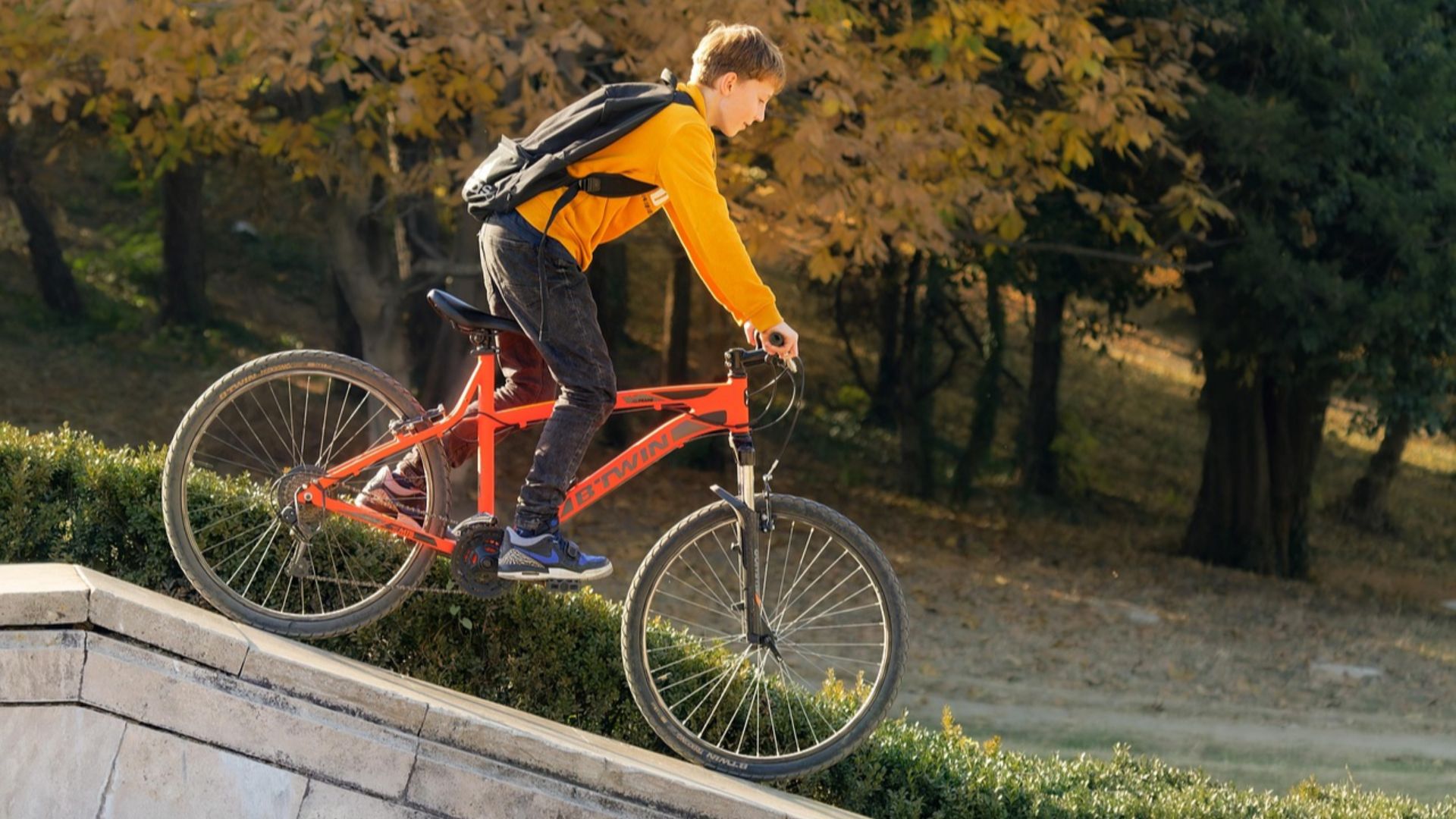
This is where things can get confusing. Yes, sports rentals can be risky, but that does not automatically make them reckless or unsafe. A snowboard, kayak, or mountain bike can be perfectly reasonable to rent if the equipment is maintained, the renter gets basic instructions, and the activity matches their skill level. The danger usually comes from the mix of speed, terrain, weather, water, inexperience, and other people. In other words, it is not usually the rental counter that is scary. It is what happens after you leave it.

Ski And Snowboard Rentals Come With Big Warnings
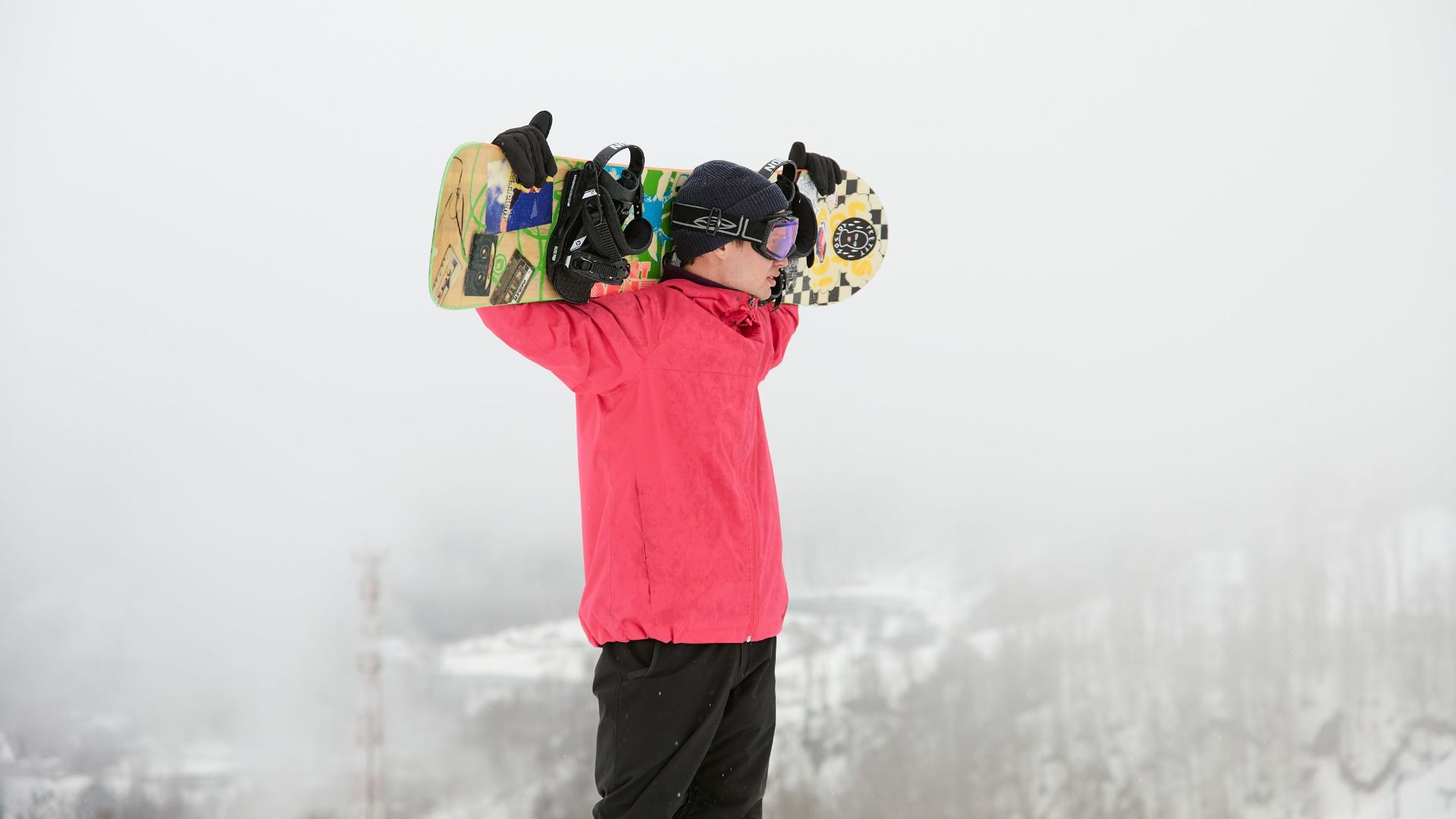
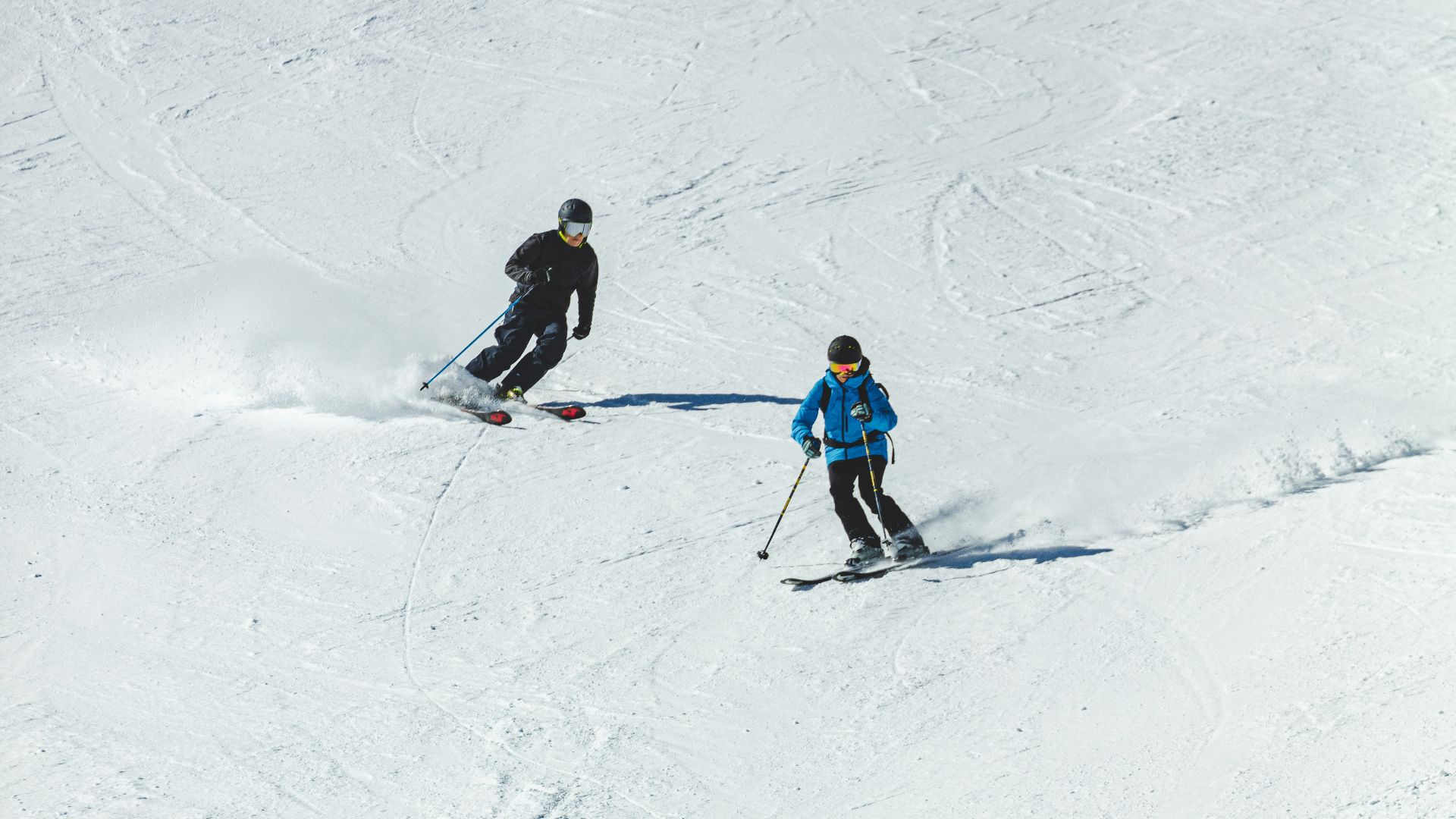
Ski and snowboard paperwork can be especially dramatic. That is because resorts know these sports can lead to serious injuries. Rental forms often mention collisions, changing snow conditions, bad weather, falls, lift issues, and equipment problems. It can feel a little shocking when you only came in for boots and poles. Still, those warnings are there because skiing and snowboarding happen in a fast-moving outdoor environment where conditions can change quickly.
Water Sports Have Their Own Risks
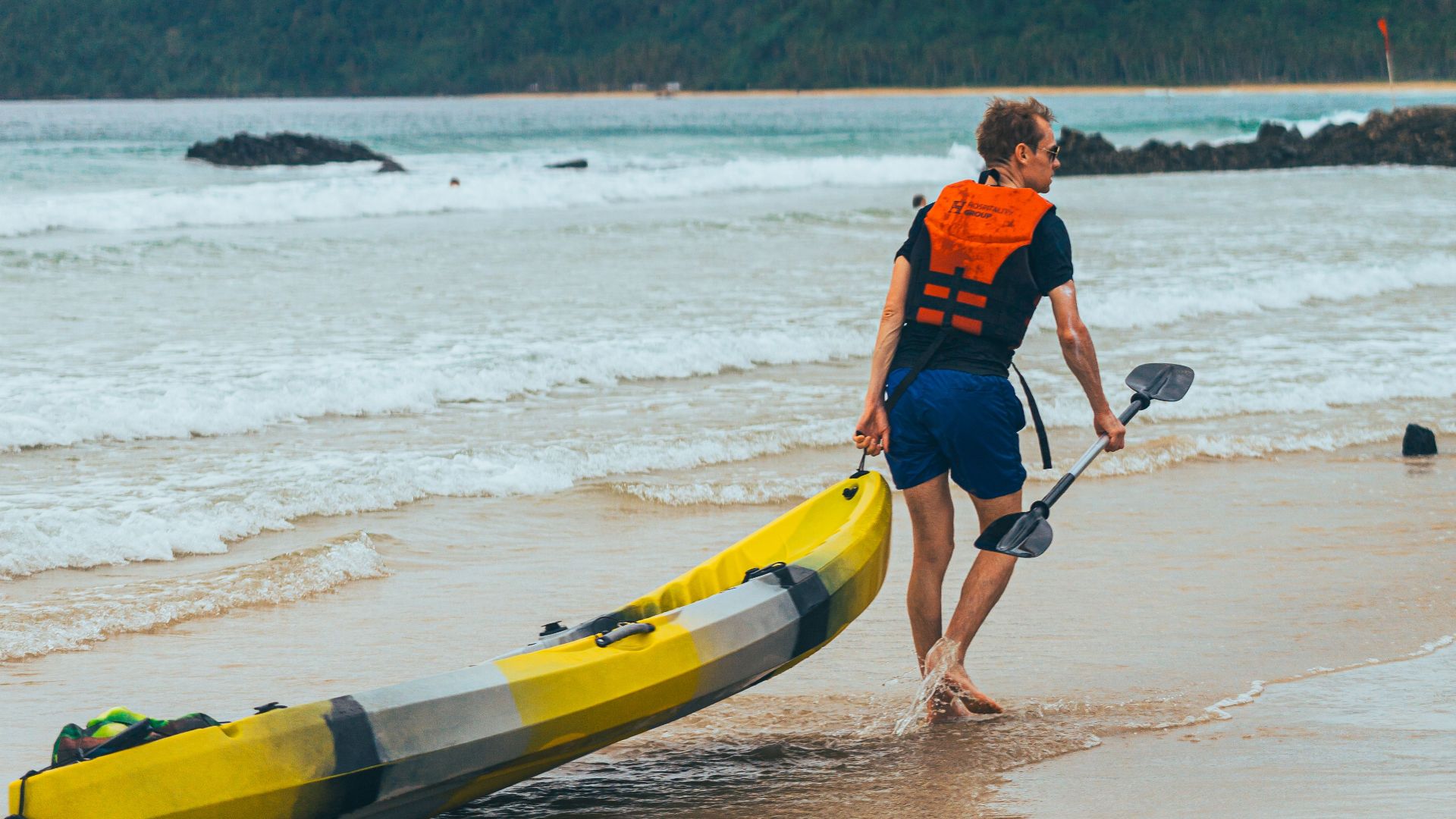
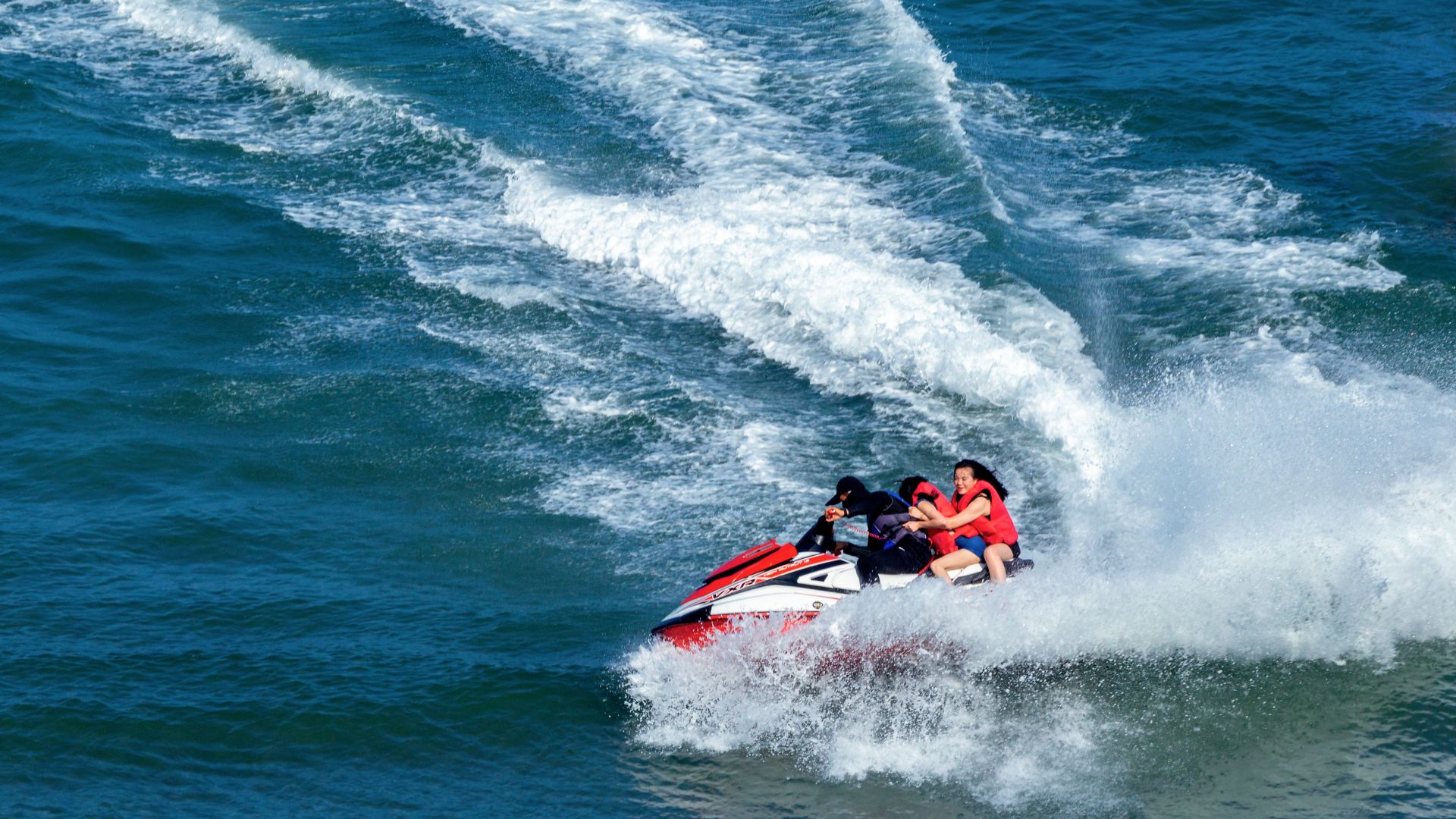
Kayaks, canoes, paddleboards, and jet skis may look pretty harmless from the dock, but water changes everything. Rental agreements often warn about drowning, changing weather, fatigue, currents, collisions, and accidents involving other boats or riders. Even a calm-looking lake or shoreline can become tricky if the wind picks up or someone overestimates their ability. That is why life jackets, instructions, and weather awareness matter so much with water rentals.
Signing A Waiver Does Not Erase Every Right
A waiver can sound final, but it does not always shut the door on every possible court claim. Whether a waiver holds up depends on where you are, how the agreement is written, and what actually happened. Courts may look at whether the language was clear and whether the incident involved ordinary risks or something more serious. So, while a waiver is important, it is not a magic shield that automatically protects a business from every situation.

Equipment Failure Can Get Complicated
Rental agreements often warn that equipment can fail or may not prevent every injury. Ski bindings, for example, are designed to release in certain situations, but they cannot protect someone from every possible fall or twist. That kind of language can seem alarming, but it reflects how sports gear actually works. Equipment can reduce risk, but it cannot remove risk entirely. That is why checking gear before using it is always worth the extra minute.
Most People Do Not Read The Whole Form
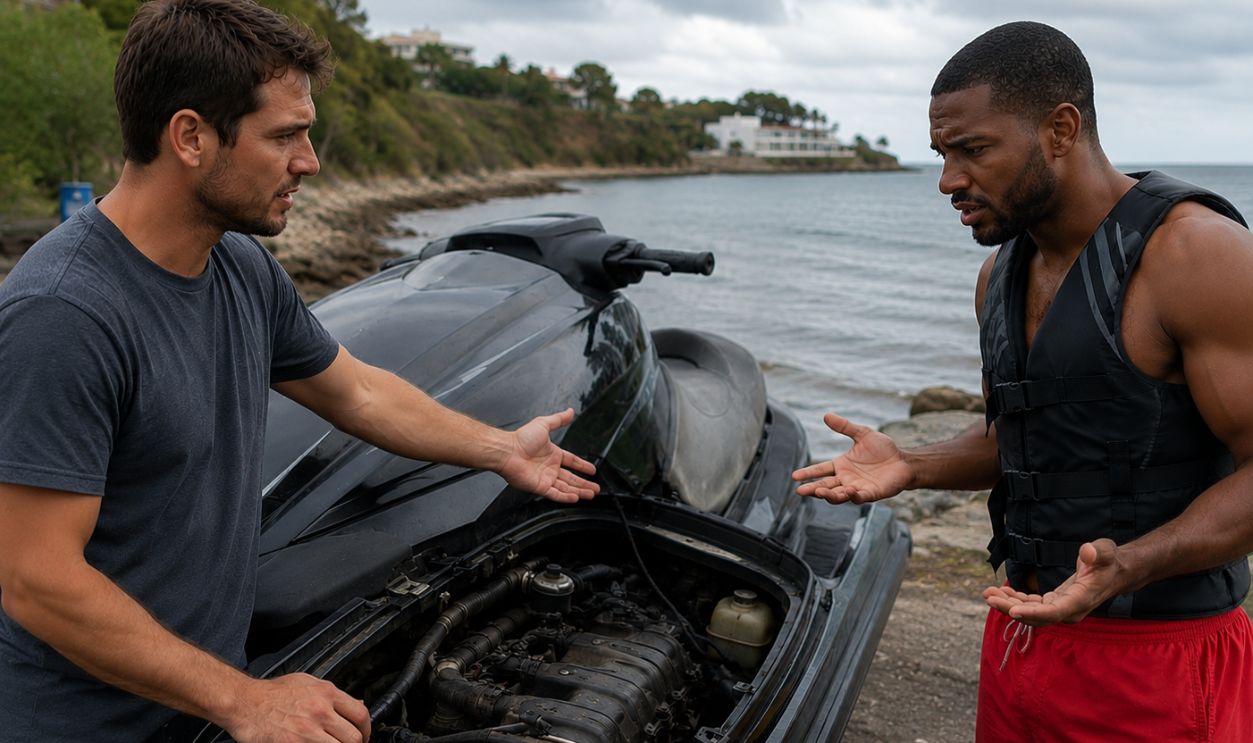
Let’s be honest. A lot of vacationers do not read every line before signing. They are excited, the group is waiting, and the activity is about to start. But those forms often include important details about damage fees, late returns, safety rules, age limits, restricted areas, and what happens if the equipment is lost. Reading the fine print may not be thrilling, but it can save you from a very annoying surprise later.

You May Be Responsible For Damage
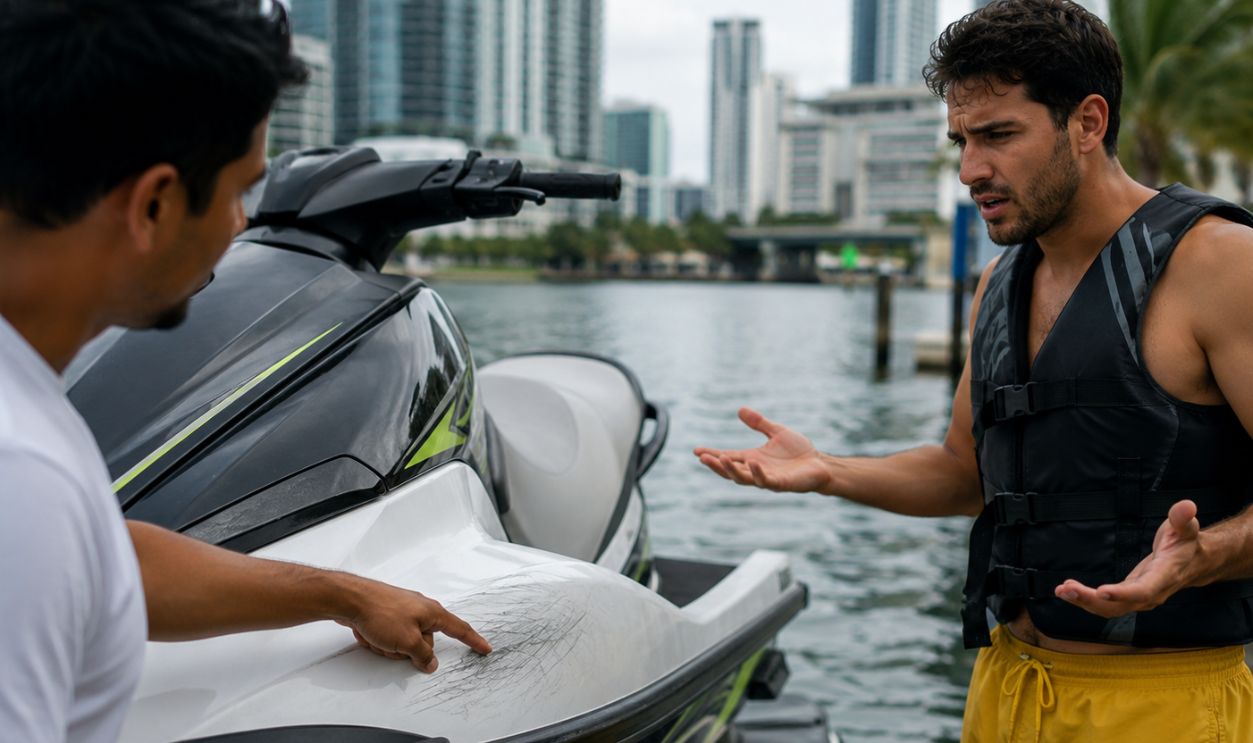
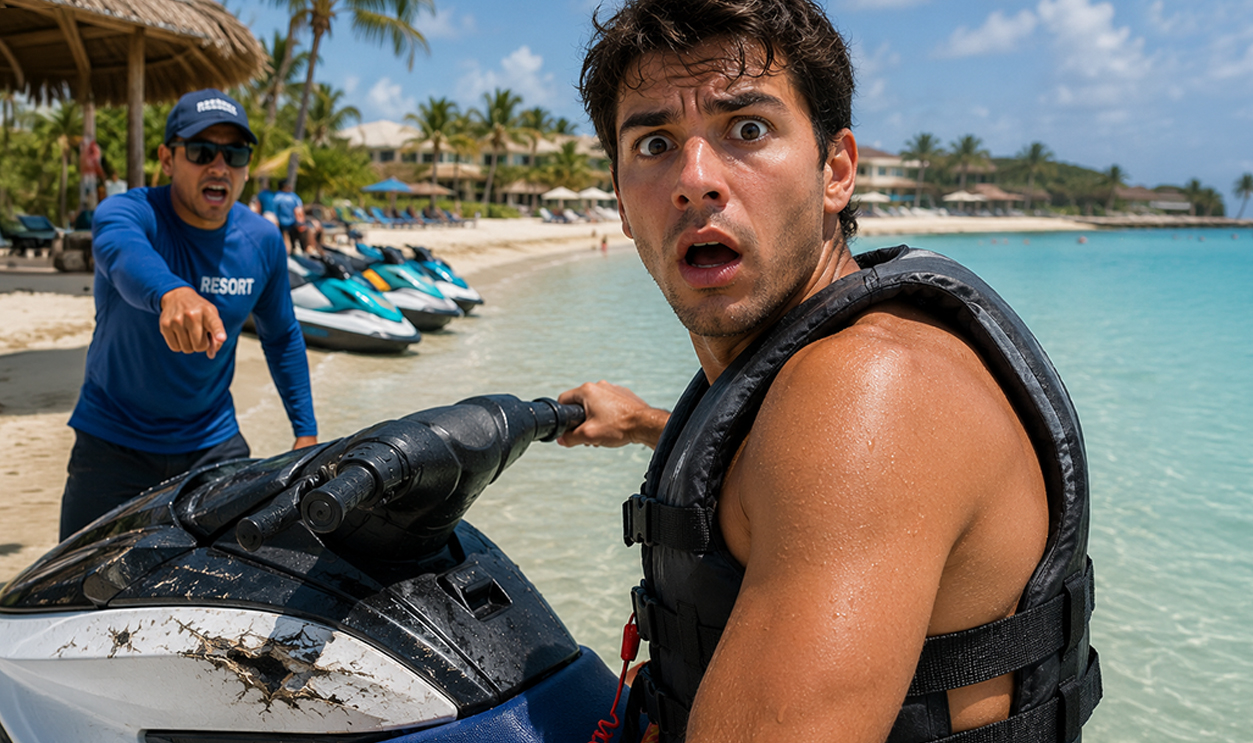
Many rental contracts make the renter responsible for returning the equipment in good condition. That can include damage, loss, theft, or late returns, depending on the agreement. This is one part of the paperwork that catches people off guard because they assume the rental fee covers everything. It usually does not. If you crack a paddleboard, lose a helmet, or return skis damaged beyond normal wear, you may be charged for it.
Safety Gear Is Not Just For Looks
Helmets, life jackets, and other protective gear may feel optional when everyone is trying to look cool on vacation, but they matter. Rental companies often recommend or require safety equipment because it can reduce the chance of serious injury. Some waivers even mention that customers were advised to use protective gear. That detail matters because refusing safety gear can affect both your personal risk and how an incident is viewed afterward.
Instruction Is Offered For A Reason
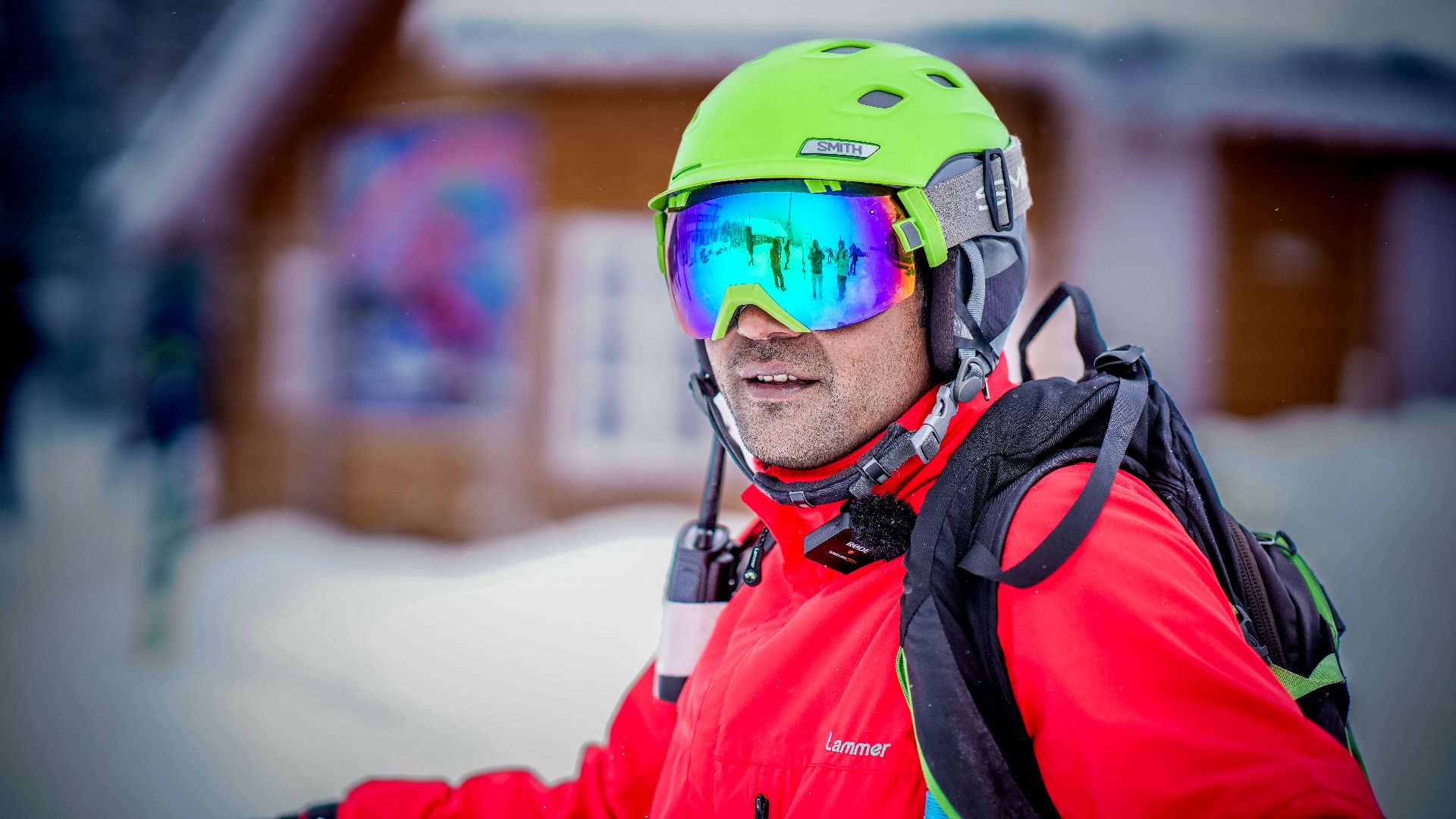
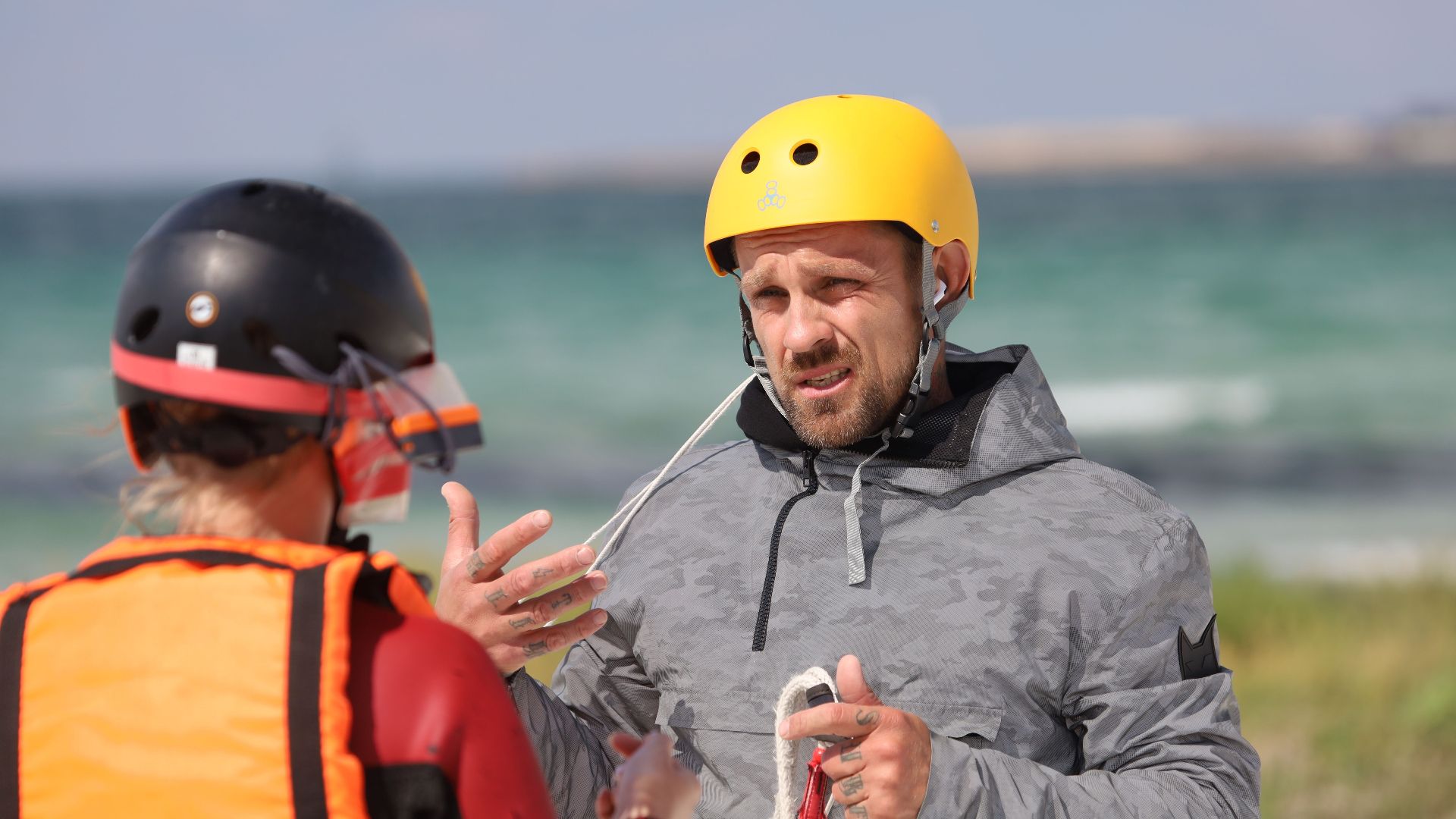
If a rental company offers a quick lesson or safety briefing, take it. Even if the activity looks easy, there may be details you would not know as a first-timer. A paddleboard may feel simple until the wind shifts. A mountain bike trail may look manageable until the first steep turn. Instructions are not just formalities. They are often the difference between having fun and spending the rest of the trip explaining what went wrong.
Fitness And Health Can Change The Risk
Some activities are harder on the body than they look. Kayaking, skiing, biking, snowboarding, and snowmobiling can involve balance, endurance, strength, and quick reactions. Rental agreements sometimes warn that physical exertion can make existing health conditions worse. That is not meant to scare everyone away. It is a reminder to be honest about your limits, especially when vacation excitement is doing the decision-making.

Weather Can Change Things Fast
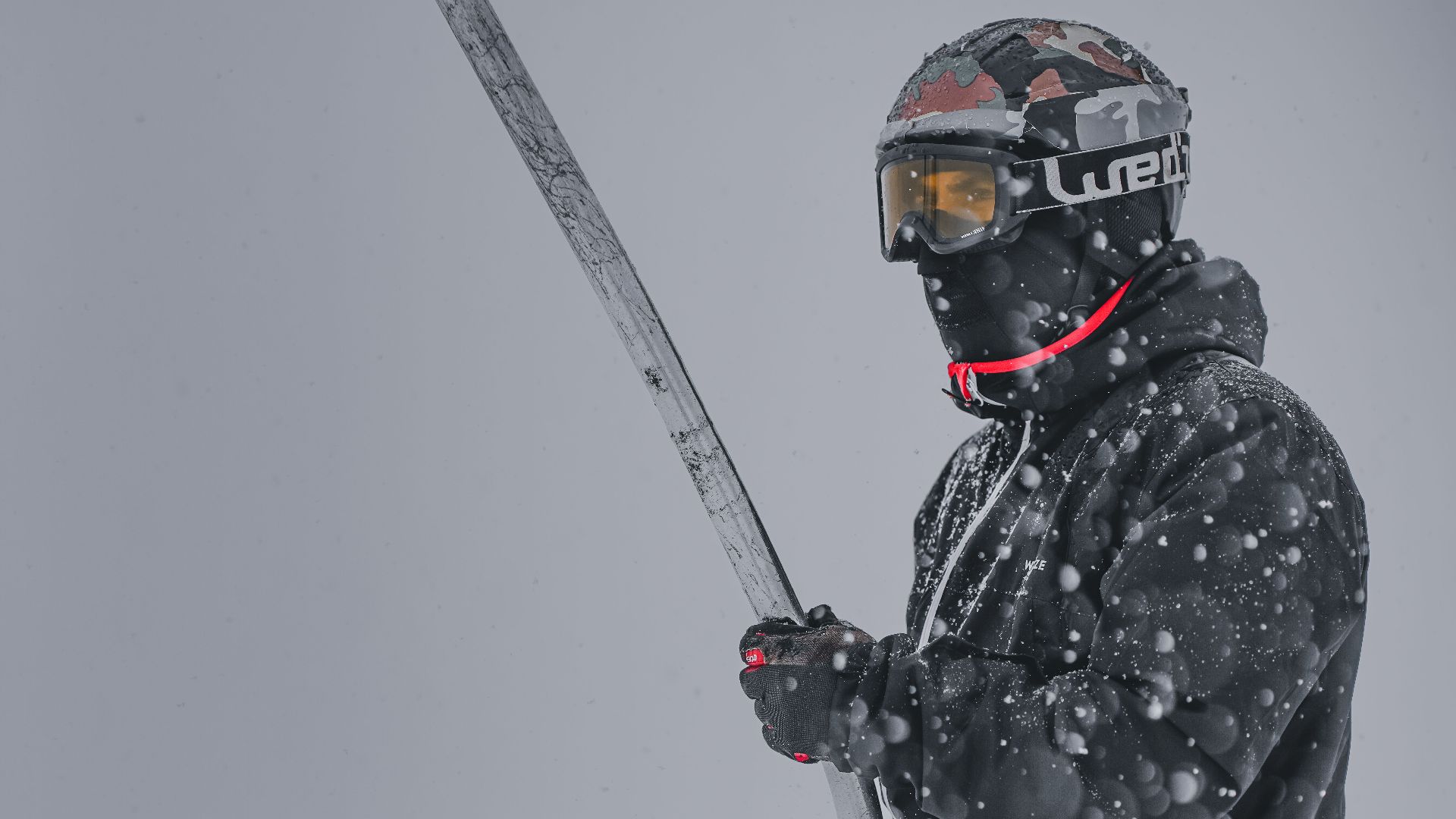
Outdoor sports are always partly at the mercy of the weather. Snow can turn icy. Visibility can drop. Wind can make paddling harder. Lightning can create serious danger. Rental agreements often mention storms, poor visibility, changing surfaces, and other environmental hazards because they can completely change the experience. A calm morning can become a very different afternoon, especially on mountains or open water.
Other People Can Be Part Of The Problem
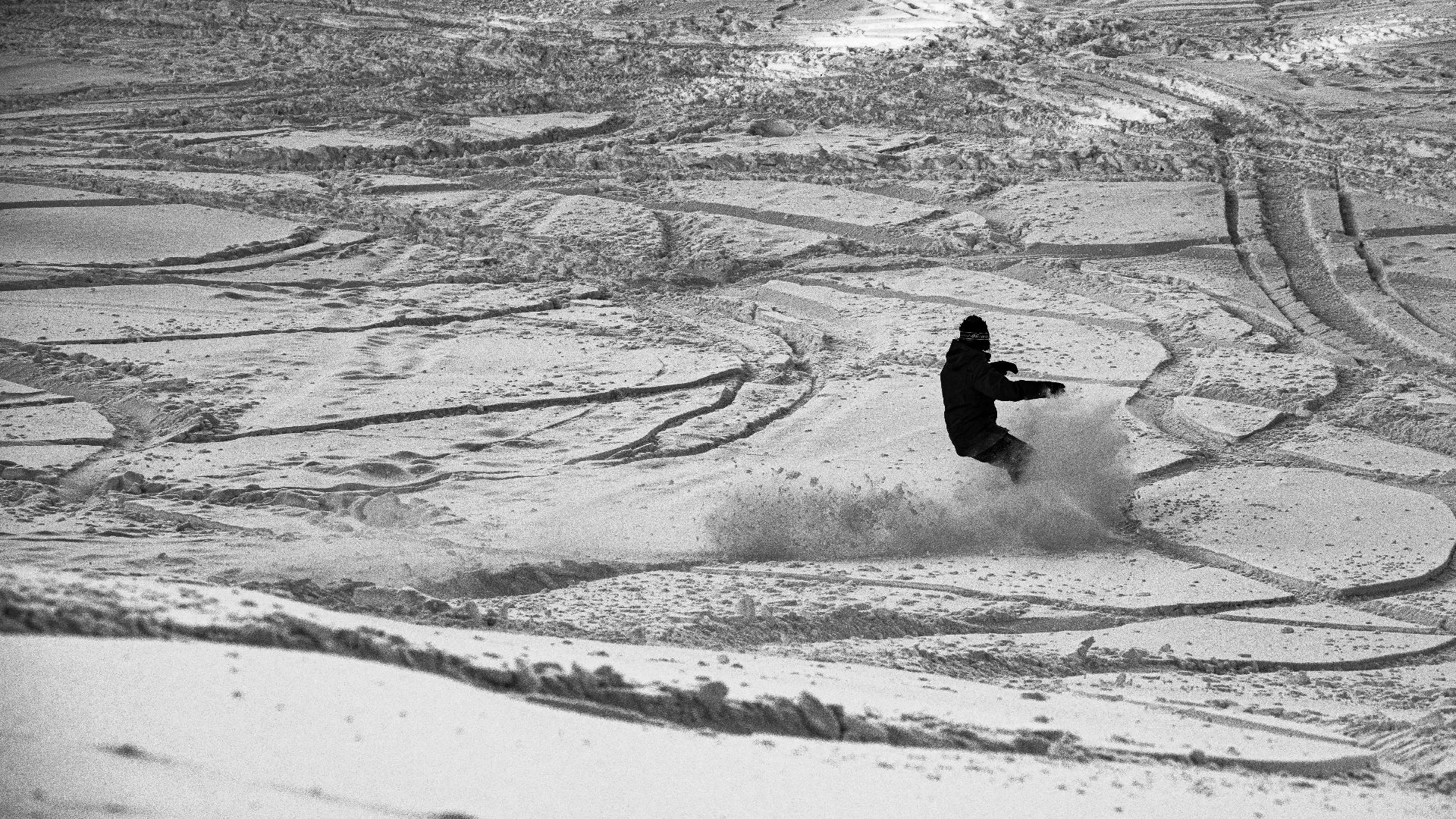
Not every accident is caused by bad gear or bad conditions. Sometimes the biggest risk is another person. Skiers collide. Jet skis cross paths. Cyclists misjudge turns. Paddleboarders drift into busy areas. Rental documents often mention other participants because recreation spaces are shared, unpredictable places. Even if you are careful, someone else may not be.
Parents Usually Sign For Kids
When minors rent equipment or join an activity, a parent or guardian is usually the one signing the paperwork. These forms often say that the adult understands the risks on the child’s behalf. That can feel like a lot of responsibility, because it is. Parents should read the waiver, ask questions, and make sure the activity is actually appropriate for the child’s age, size, skill level, and confidence.

Do Not Let Someone Else Use Your Rental
Some rental agreements say only the listed renter is allowed to use the equipment. That means handing your rented kayak, bike, skis, or board to a friend may violate the agreement. It may seem harmless, especially if everyone is in the same group, but it can create problems if the equipment is damaged or someone gets hurt. The company rented the gear to you, not to the entire vacation crew.
Product Safety Still Matters
Even though renters accept some risk, equipment safety is still important. Consumer safety agencies track product hazards, recalls, and safety concerns because gear can sometimes have defects or design problems. A waiver does not mean companies can ignore unsafe equipment. Renters should still expect gear to be reasonably maintained and suitable for its intended use.
No Company Can Remove Every Hazard
Even a careful rental company cannot control everything. It cannot flatten every ski slope, calm every wave, stop every storm, or predict every mistake a customer might make. That is why many agreements openly say that certain risks are part of the activity. Good procedures and proper equipment help, but they do not turn outdoor sports into risk-free experiences.
Ask Questions Before You Sign
If something in the waiver seems confusing, ask about it before signing. Ask what happens if the equipment breaks, whether safety gear is included, where you are allowed to use the equipment, and whether beginners should avoid certain areas. It is much easier to get answers at the counter than to argue about charges or responsibility after something goes wrong.

The Paperwork Is Usually Scarier Than The Rental
For most vacationers, renting sports equipment ends exactly how they hoped it would: they have fun, return the gear, and move on with the trip. The waiver often feels more intense than the actual activity because it has to cover the worst-case possibilities. So, is it really that dangerous? Sometimes it can be, depending on the sport, conditions, and your experience level. But for many people, the smartest move is not panic. It is reading the form, using the right gear, knowing your limits, and treating the activity with a little respect.

You May Also Like:
I rented a jet ski on vacation and now they’re claiming I caused damage. How do I prove I didn’t?
Sources: 1