The Trip Looked Perfect On Paper
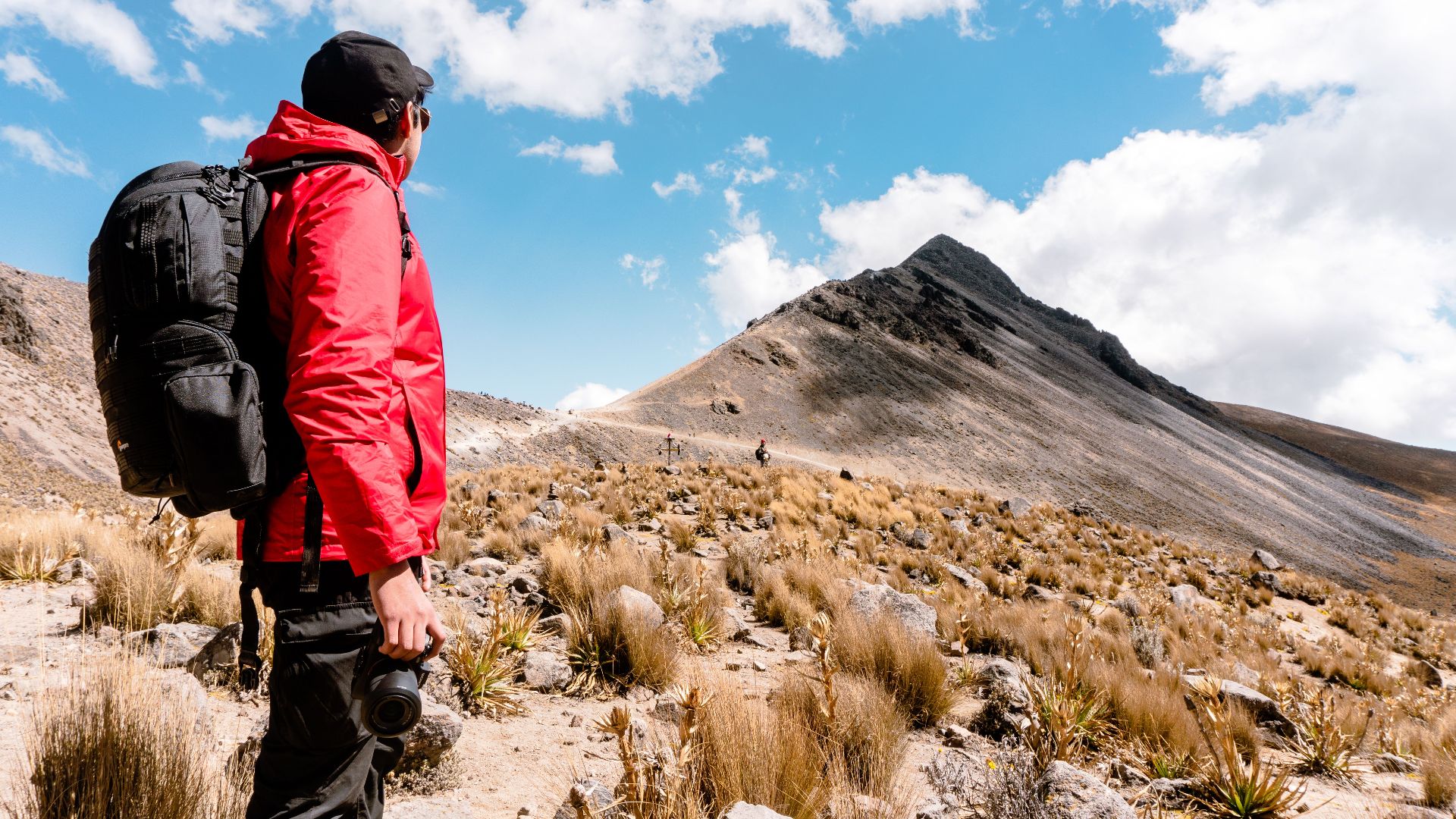
You know that the best vacations include waterfalls, wildlife, reefs, forests, cliffs, or empty trails. But lately, you're noticing more permits and closures for conservation efforts than ever before.That can feel frustrating, especially when nature was the whole reason you booked. But in the modern world, to put it simply, this is the new normal.
This Is Becoming More Common
Conservation-related limits really are becoming more prevalent at nearly all popular nature destinations. But that definitely doesn't mean every place is closing down or getting worse every year. It means popular sites are trying to manage crowds before damage becomes permanent. The old model of “show up and explore freely” is quickly fading in most of the world's most fragile places.
Travel Has Bounced Back Hard
International tourism recovered to about pre-pandemic levels in 2024, according to UN Tourism. Arrivals kept rising in 2025, and early 2026 data still showed growth. That rebound matters because fragile parks, islands, reefs, and trails often have fixed space. When more people want the same views, managers usually reach for permits, caps, and timed entry.
Nature Has A Carrying Capacity
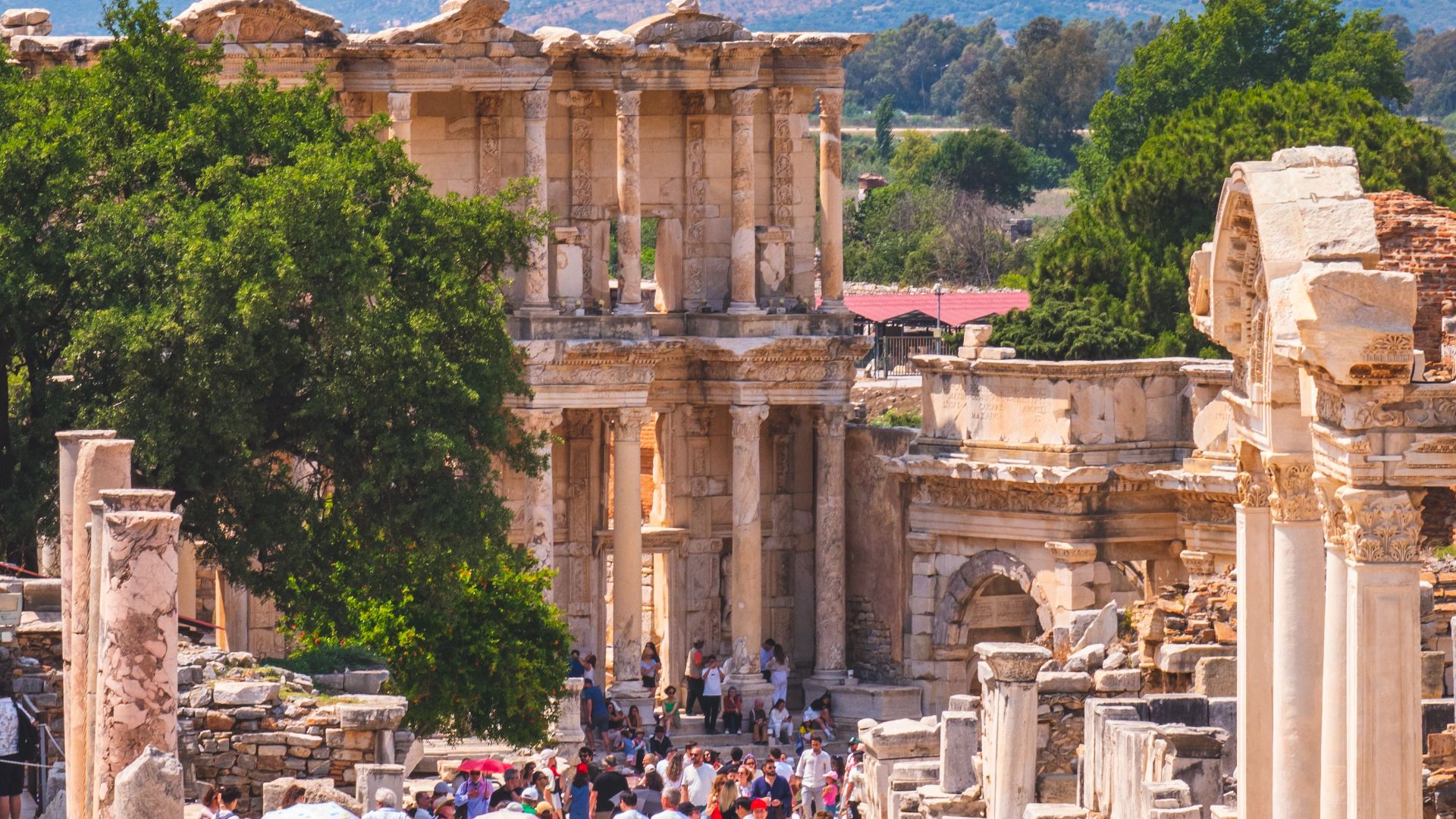
A forest trail can only absorb so many boots before erosion spreads. A reef can only handle so many boats, anchors, fins, and sunscreen clouds before stress shows. Wildlife can only tolerate so much noise and close contact before behavior changes. Conservation limits are usually a response to those physical limits.
The Rules Are Not Always About Keeping People Out
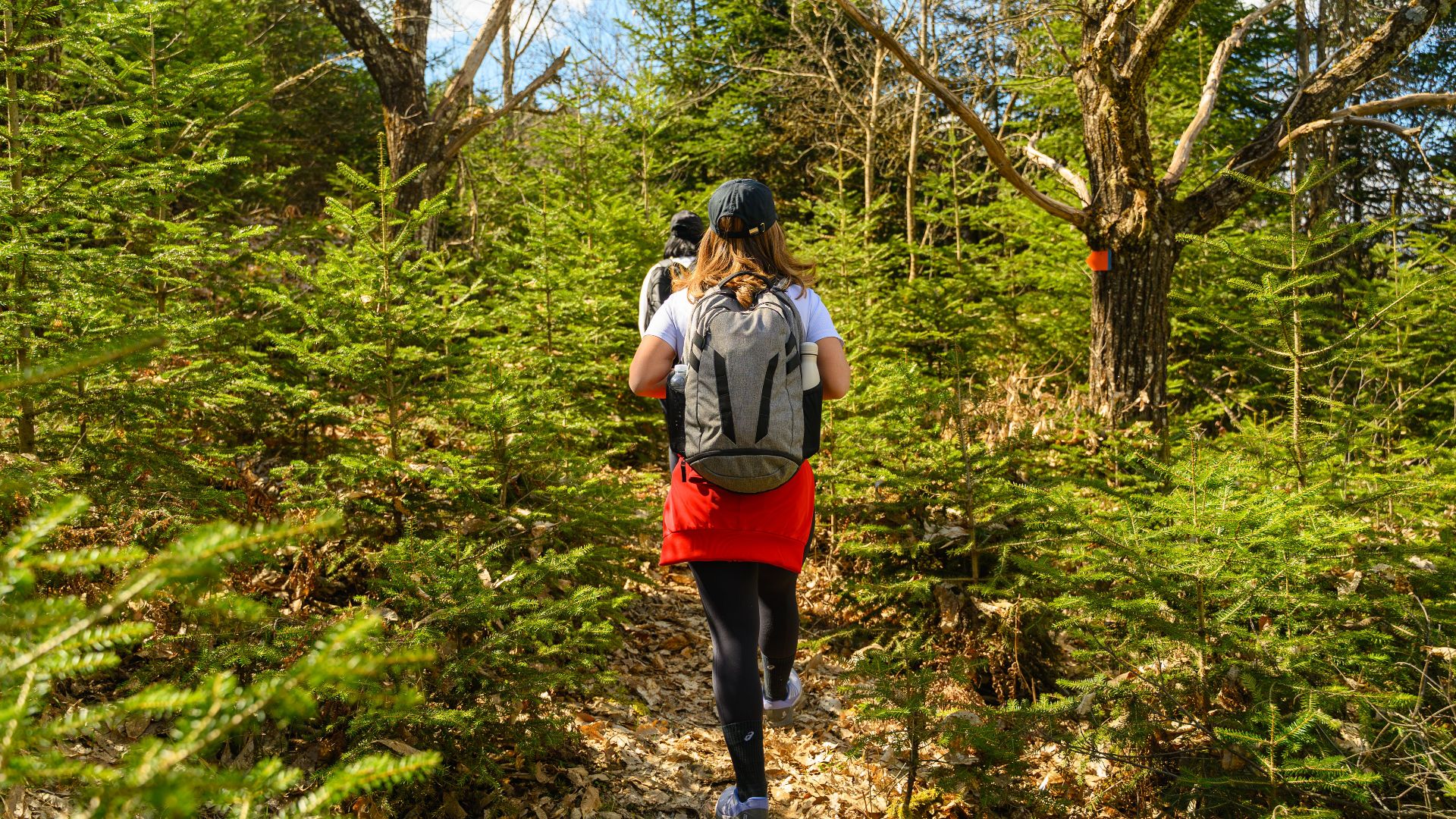
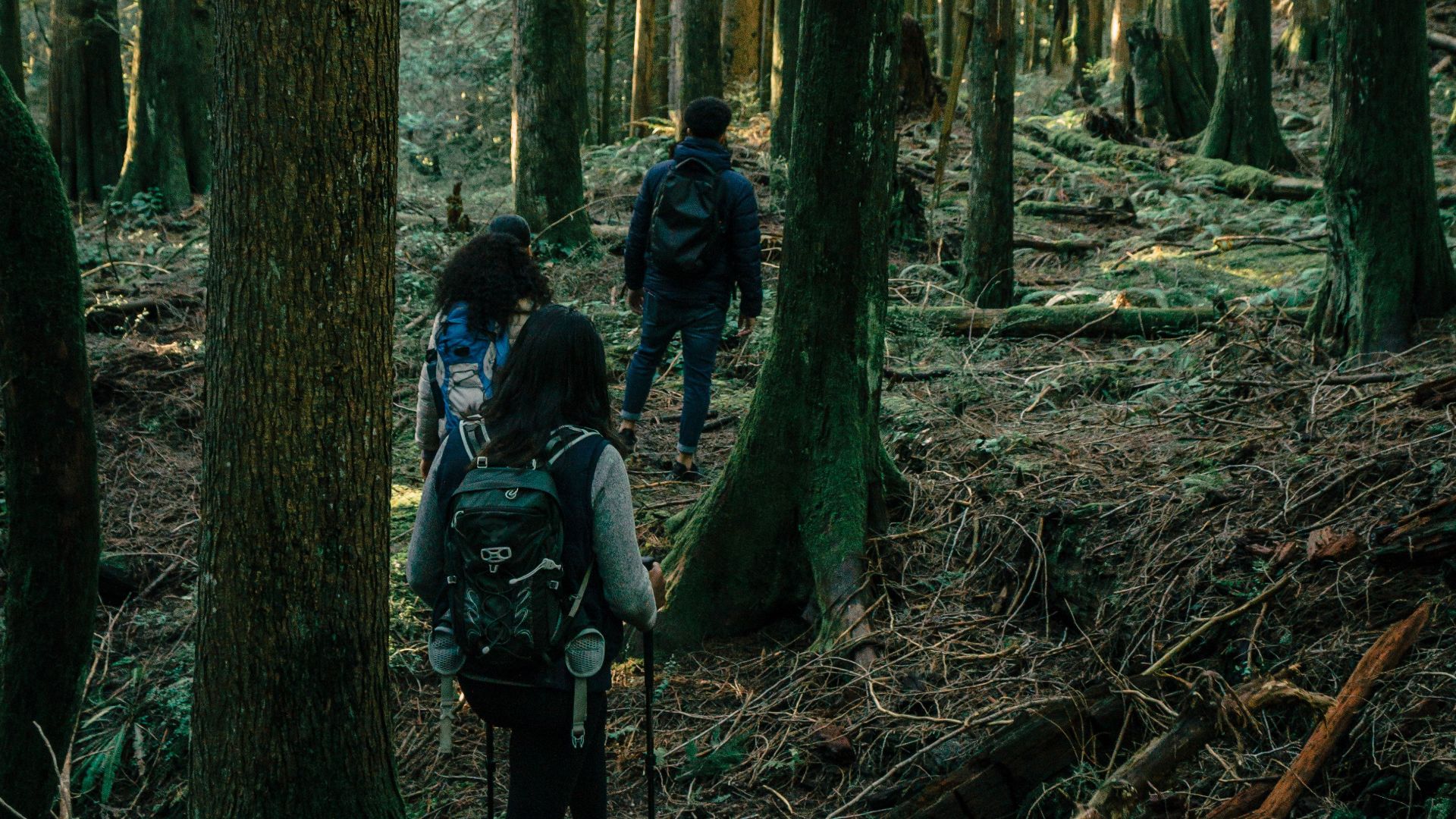
Many restrictions are designed to spread visitors across time, routes, or seasons. Timed entry can reduce traffic jams at park gates and parking lots. Trail permits can keep narrow routes safer and less crowded. Activity bans can give wildlife, coral, dunes, or vegetation room to recover.
The United States Is A Clear Example
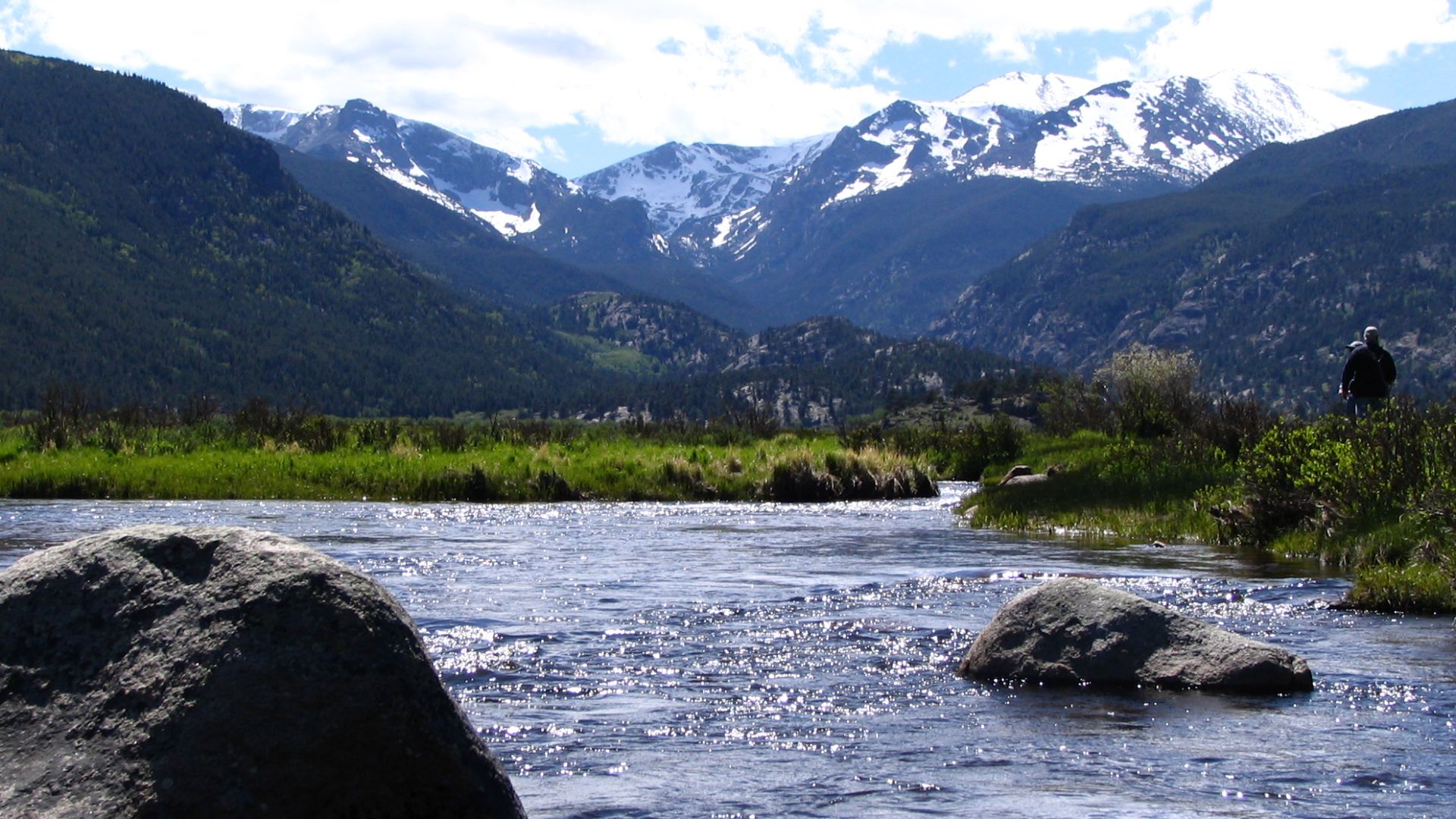
Several major U.S. national parks have used reservation or permit systems to manage heavy visitation. Rocky Mountain National Park is using timed entry in 2026 to protect resources and maintain visitor experience. Zion requires permits for Angels Landing because crowding created safety and visitor-use concerns. Arches used timed-entry pilots for several years, although it lifted advance timed-entry requirements for 2026.
![Rocky Mountains, National Park
U.S. Fish and Wildlife Service [1]
Title: WO1902 Rocky Mountains, National Park
Source: WO-Scenic-1902](https://www.factinate.com/storage/app/media/splashtravels/2026/6/27/1782567989b241d1a669f8ee0d12ac470a70e182a2da87ccd4.jpg) Williams, Jim - U.S. Fish and Wildlife Service, Wikimedia Commons
Williams, Jim - U.S. Fish and Wildlife Service, Wikimedia Commons
Arches Shows The Push And Pull
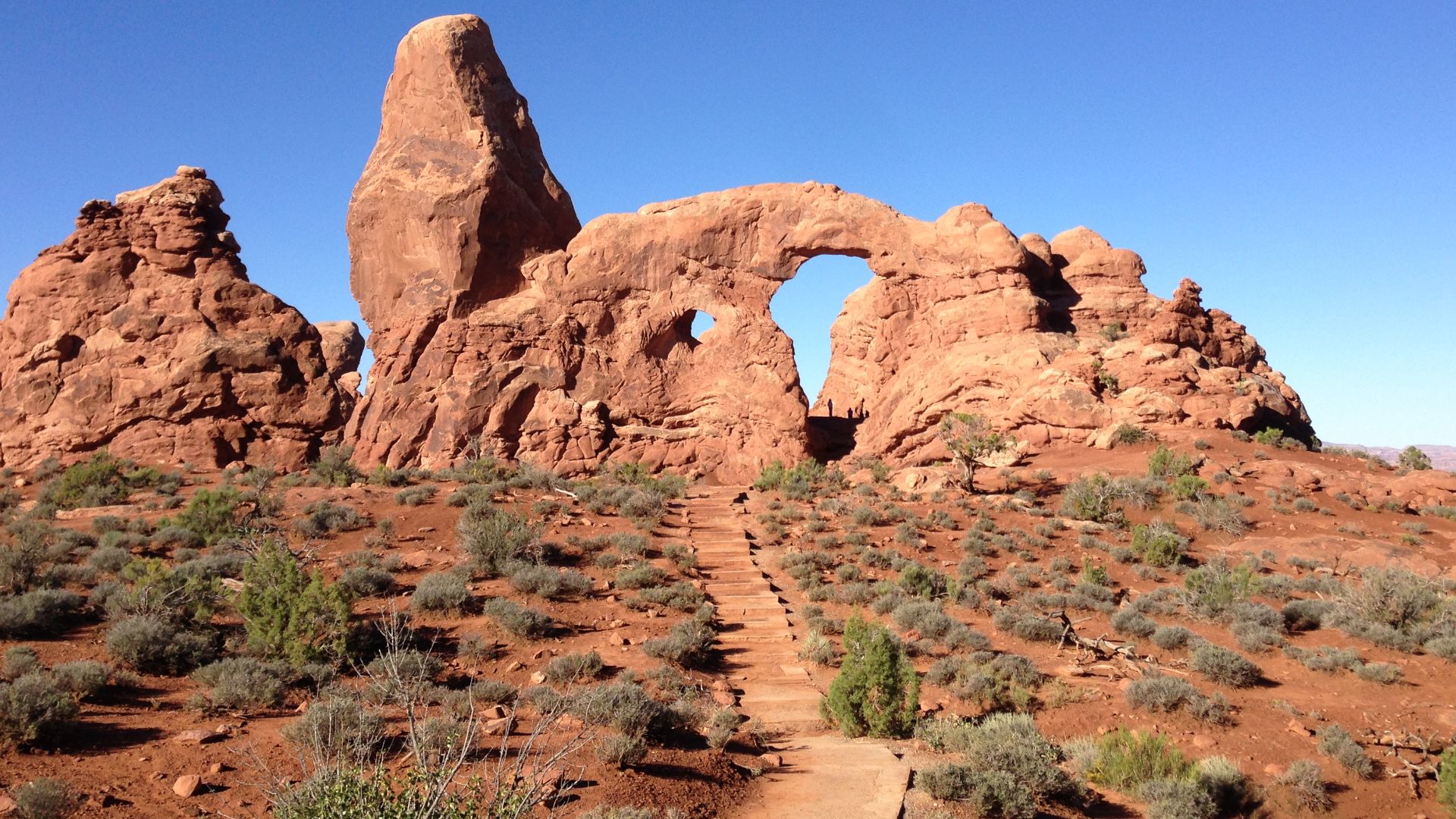
Arches National Park said visitation grew sharply over the past decade and caused congestion, reduced visitor enjoyment, and resource damage. Its timed-entry pilots were meant to reduce those problems and make access more predictable. In 2026, the park dropped advance timed entry but still warned that vehicles may be diverted when areas are too congested. That shows restrictions can change, but the pressure behind them often remains.
Rocky Mountain Still Requires Planning
Rocky Mountain National Park’s timed-entry program is now part of its broader day-use visitor access plan. The park says the system is meant to protect resources, improve visitor experience, support safety, and help daily operations. For travelers, that means spontaneous peak-season visits are harder. For the park, it means crowding can be managed before it damages the experience and the landscape.
Zion Limits One Iconic Hike
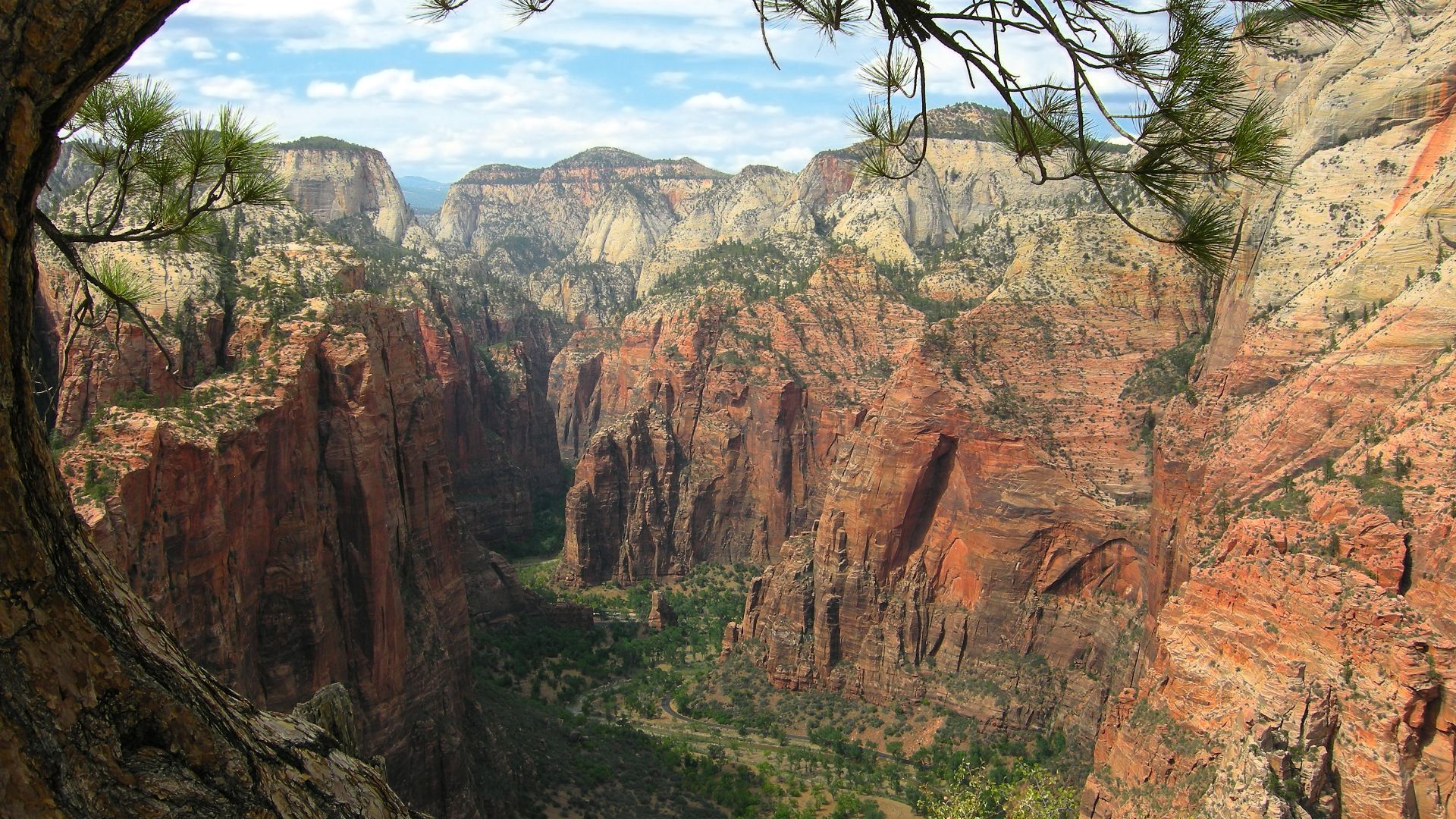
Zion does not require a reservation to enter the park, but Angels Landing is different. Everyone who hikes Angels Landing needs a permit. The National Park Service says the permit program responds to crowding, congestion, and safety risks on a steep, narrow trail. This is a useful reminder that restrictions often target specific pressure points, not entire destinations.
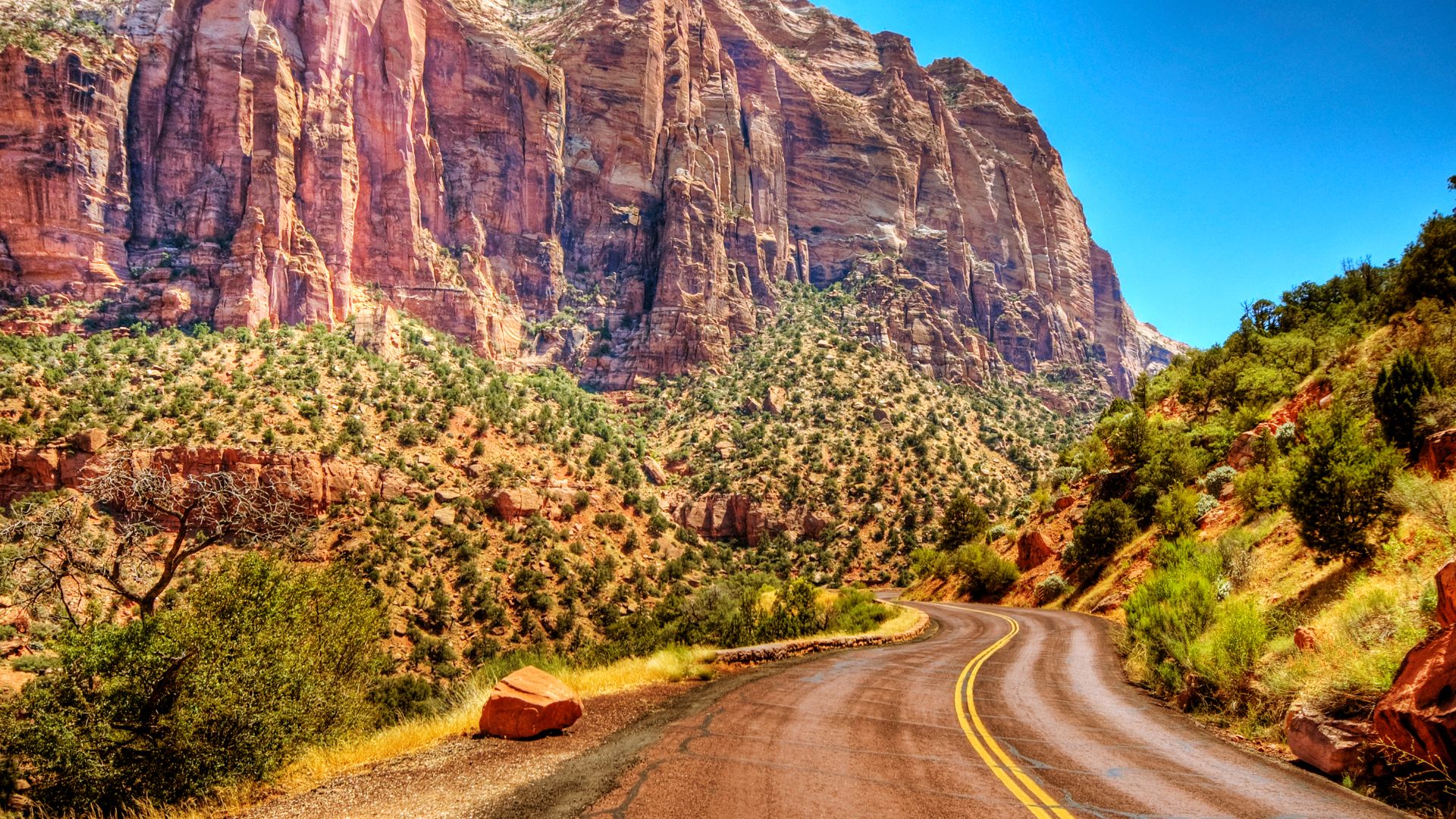 Wolfgang Staudt from Saarbruecken, Germany, Wikimedia Commons
Machu Picchu Has Become More Structured
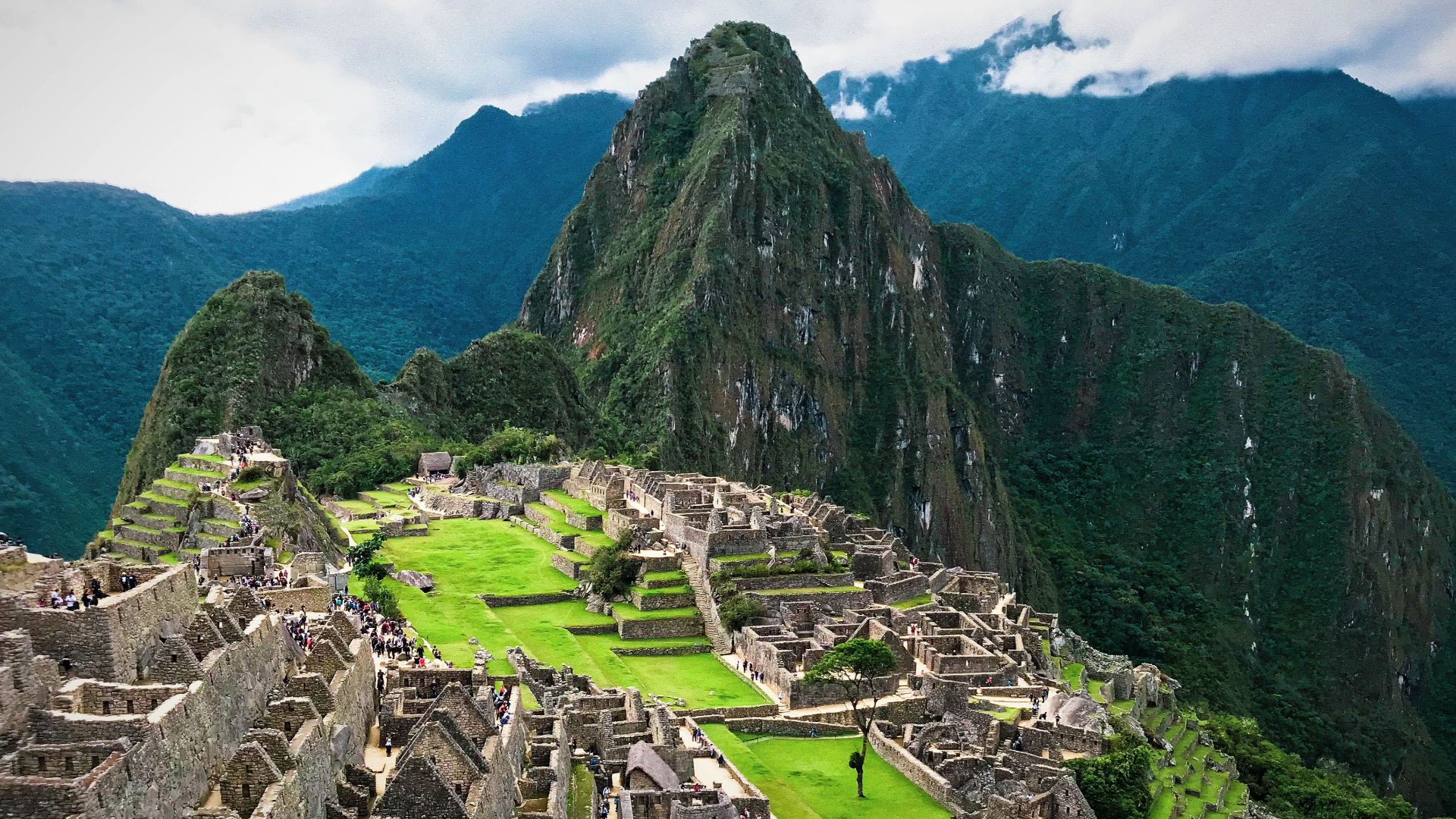
Machu Picchu now operates with visitor caps, entry times, and designated circuits. UNESCO documents describe visitor-route reorganization, differentiated routes, entry-time changes, and restrictions on vulnerable areas. Recent reporting has also noted daily visitor quotas and efforts to reduce congestion at the site. Travelers can still visit, but the experience is more controlled than it once was.
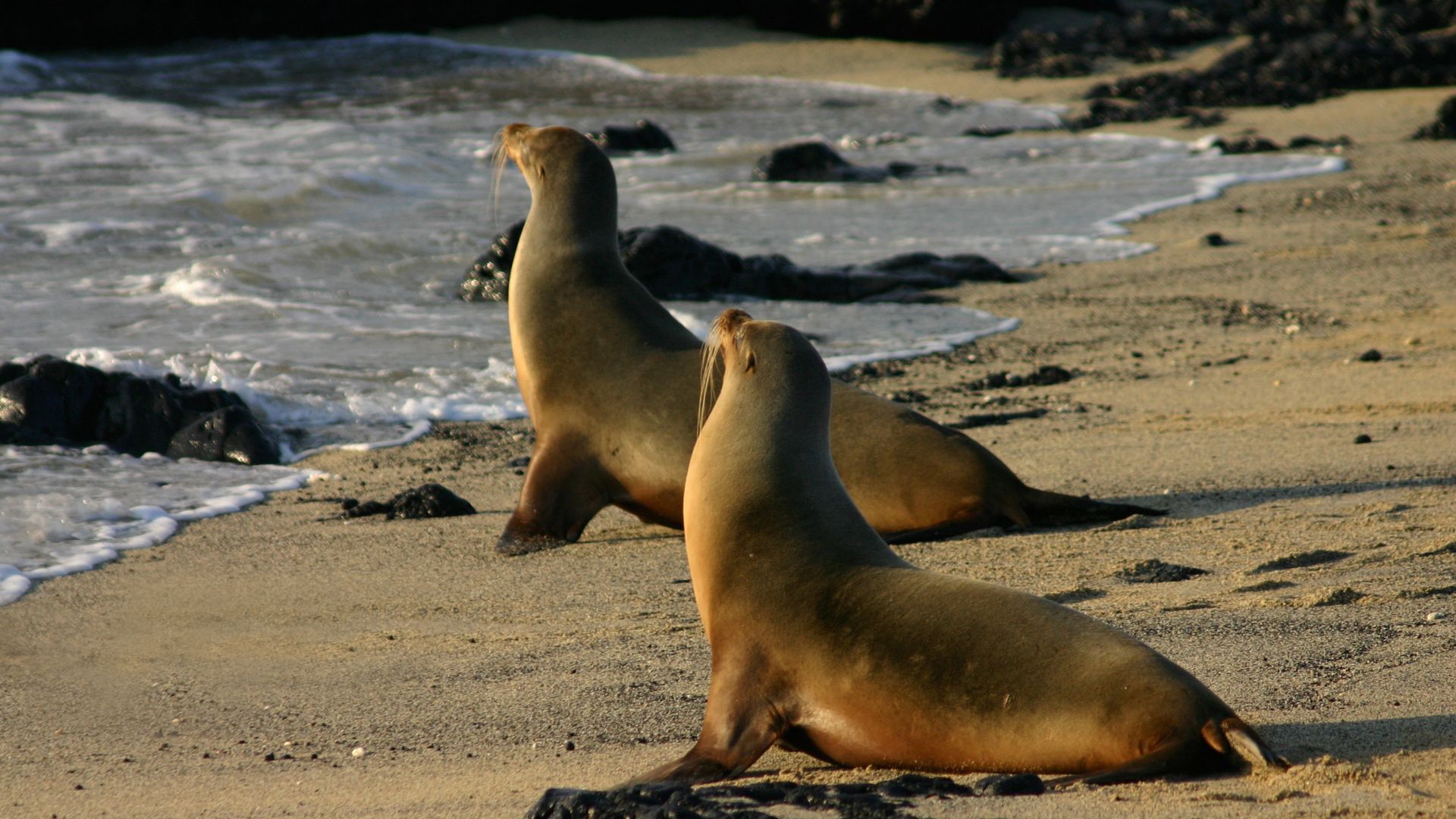
The Galápagos Has Long Been Strict
The Galápagos Islands are famous partly because they are so carefully managed. Visitors must follow park rules, stay on marked trails, and use authorized operators in protected areas. Ecuador’s Galápagos authorities also use a Transit Control Card system to monitor visitors’ time in the islands. In 2024, Galápagos entry fees increased to support conservation and protected-area management.
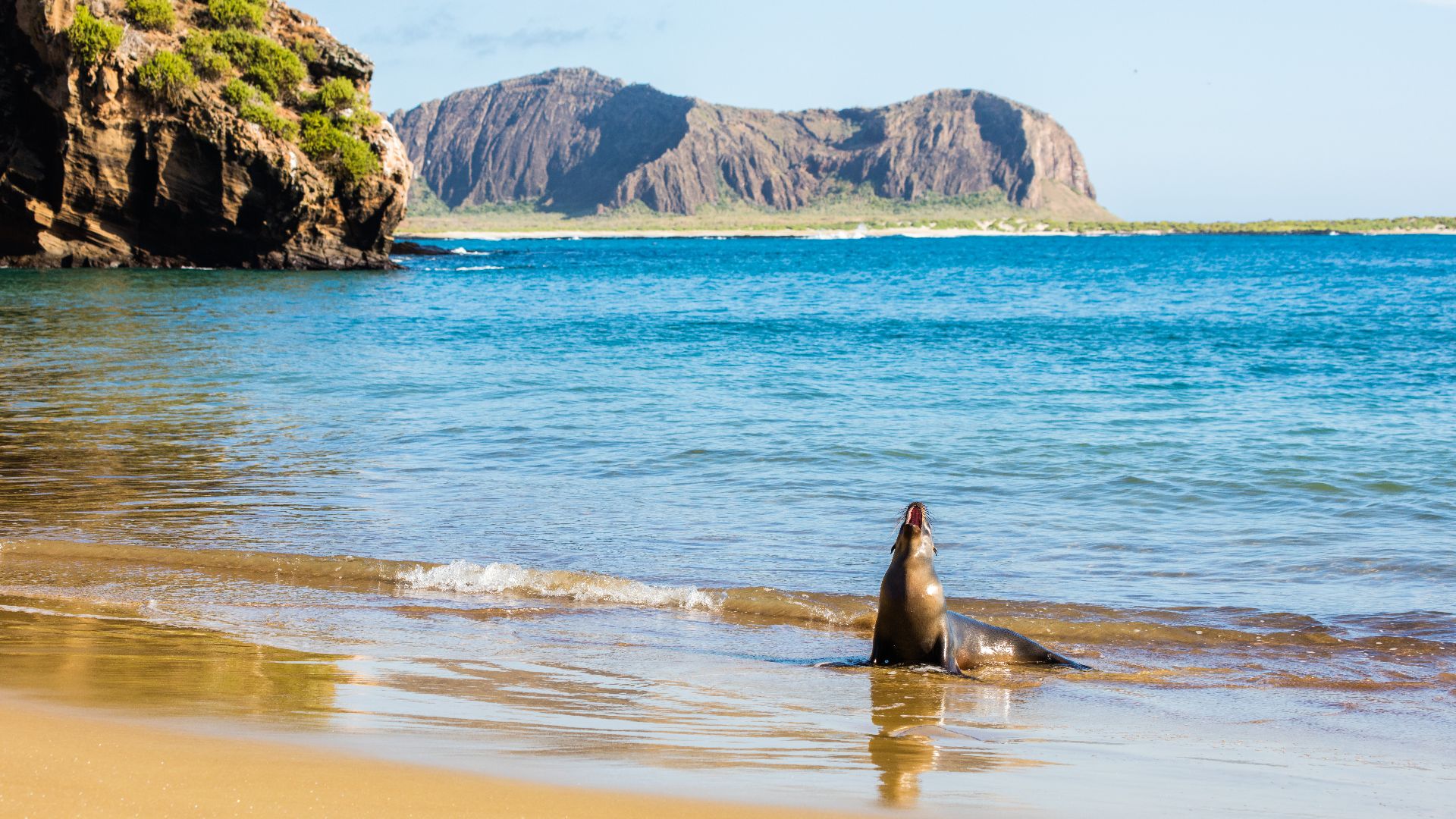 Diego Delso, Wikimedia Commons
More Rules Can Mean Better Nature
A permit can feel like a barrier, but it can also protect the thing travelers came to see. The Galápagos model shows that strict rules can coexist with world-class wildlife tourism. The experience is less free-form, but it is also less damaging. In fragile ecosystems, that tradeoff is often unavoidable.
 Charles J. Sharp, Wikimedia Commons
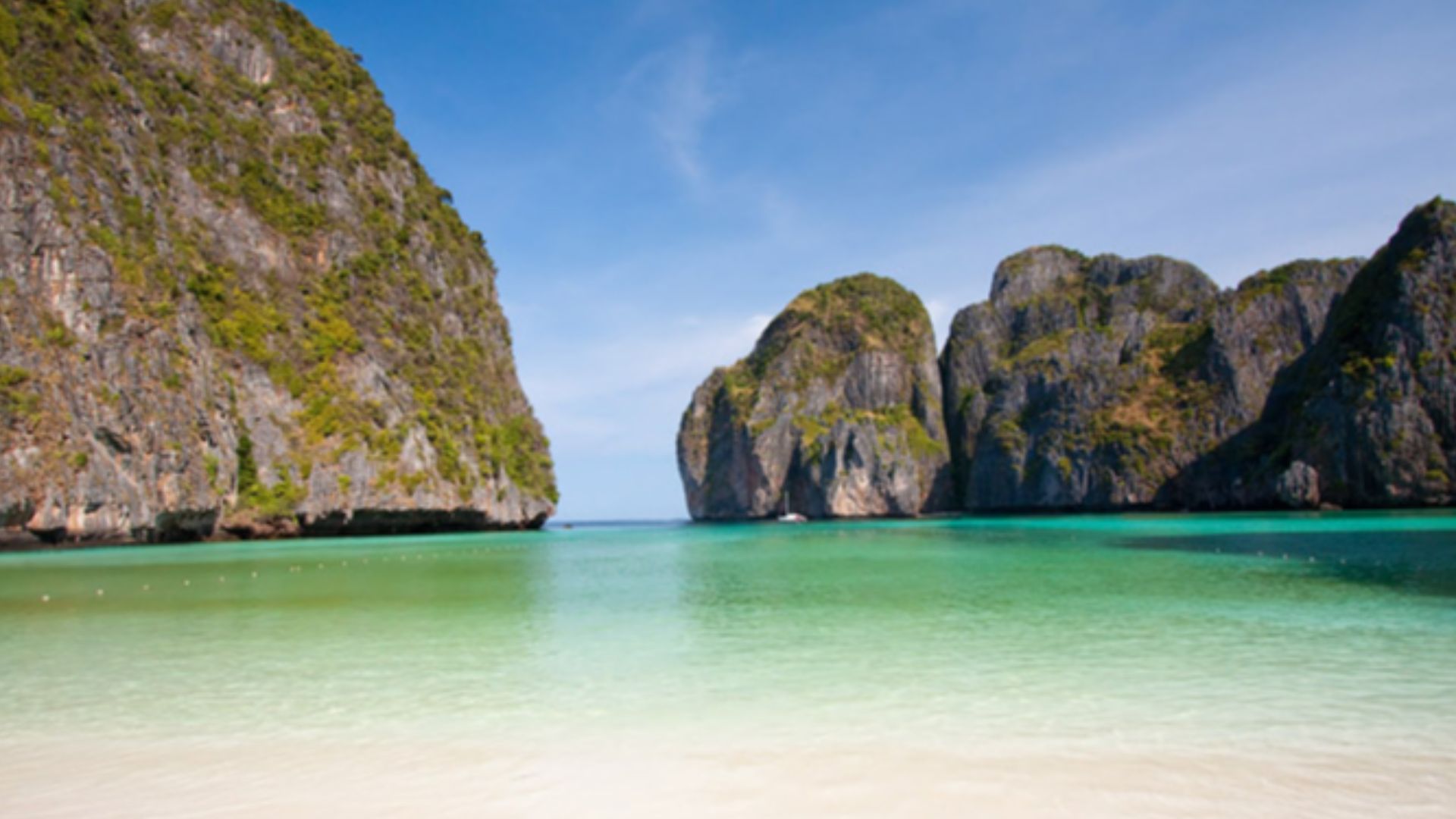
Maya Bay Is The Cautionary Tale
Thailand’s Maya Bay became a global symbol of overtourism after severe damage from mass visitation. Authorities closed it for ecological recovery, and later reopened it with tighter controls. Seasonal closures have continued as part of marine recovery efforts. The lesson is simple: if limits arrive too late, destinations may need full closures instead of small adjustments.
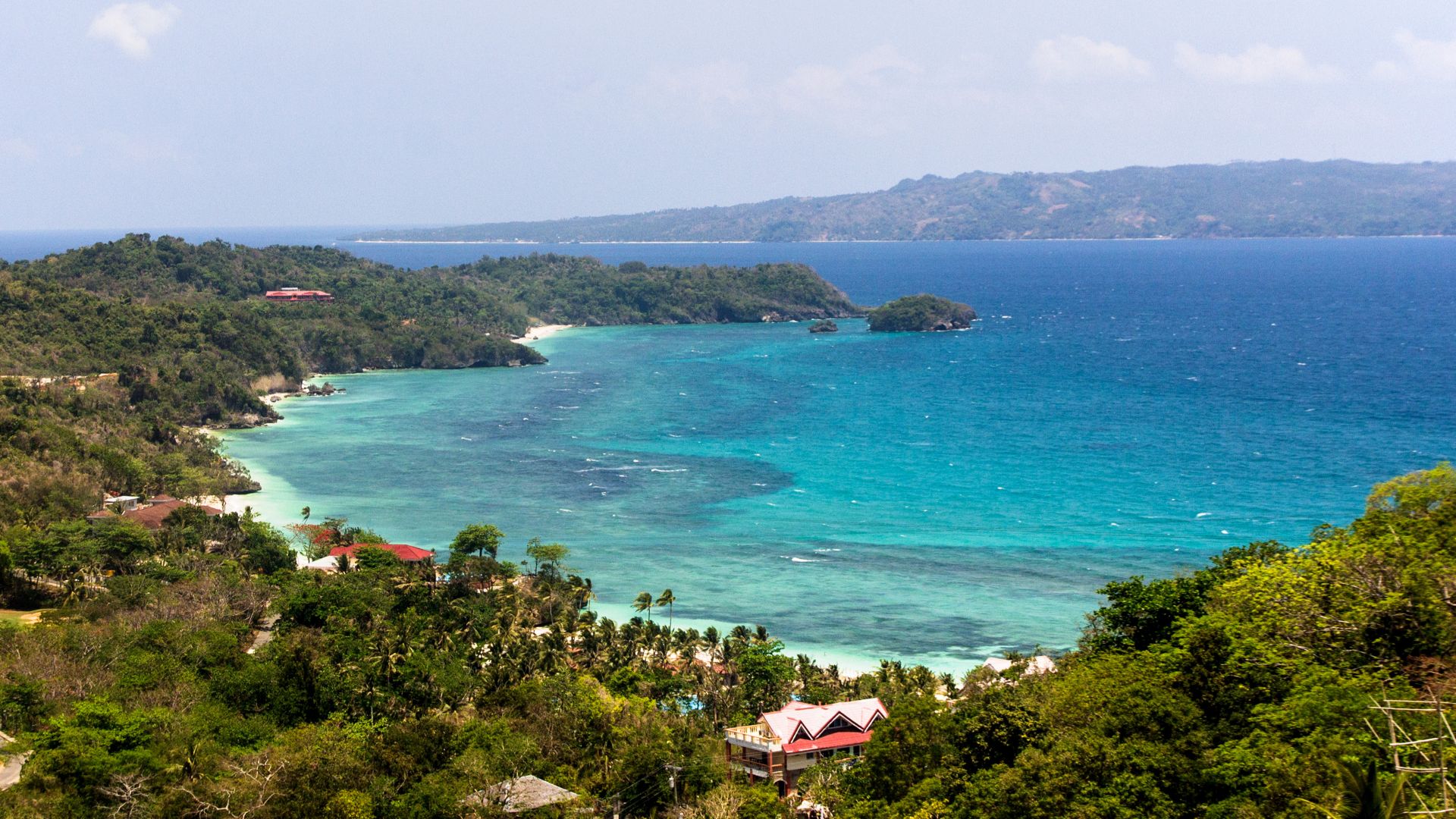
Boracay Shows What Happens When Problems Pile Up
The Philippine island of Boracay was closed for six months in 2018 for rehabilitation. The closure followed years of sewage, development, and overcrowding problems. When the island reopened, new rules limited some beach behavior and tightened environmental compliance. That was not a minor inconvenience; it was a reset after unmanaged growth went too far.
 Alexey Komarov, Wikimedia Commons
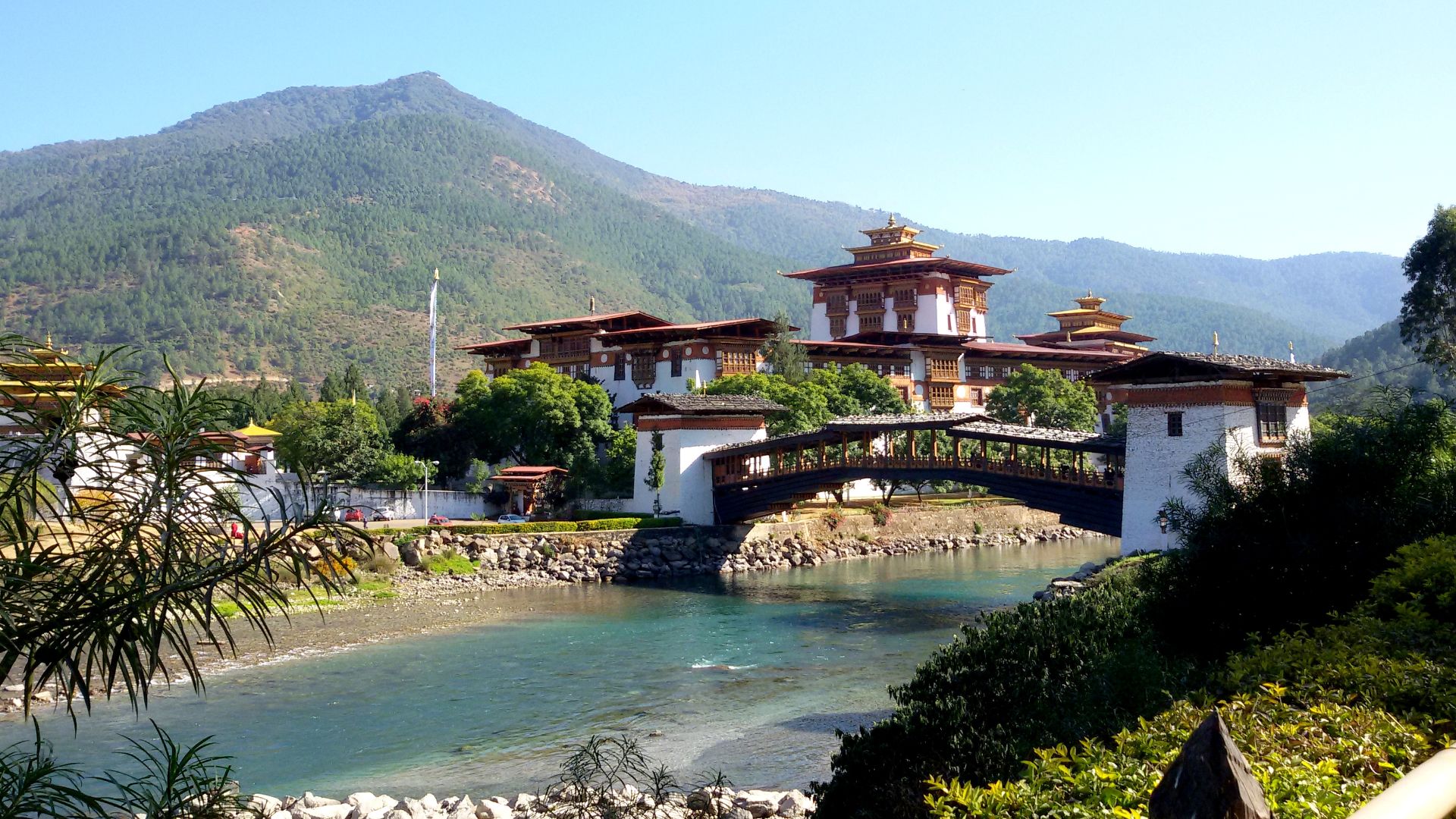
Some Destinations Use Price As A Filter
Bhutan has long promoted a “High Value, Low Impact” tourism policy. Its Sustainable Development Fee is part of that model, and the official tourism site frames it as a way to support the country’s cautious approach to tourism. This approach does not close nature to visitors, but it does make travel more deliberate. Price-based conservation is controversial, but it is increasingly part of the global toolkit.
Trails Are Becoming Reservation Products
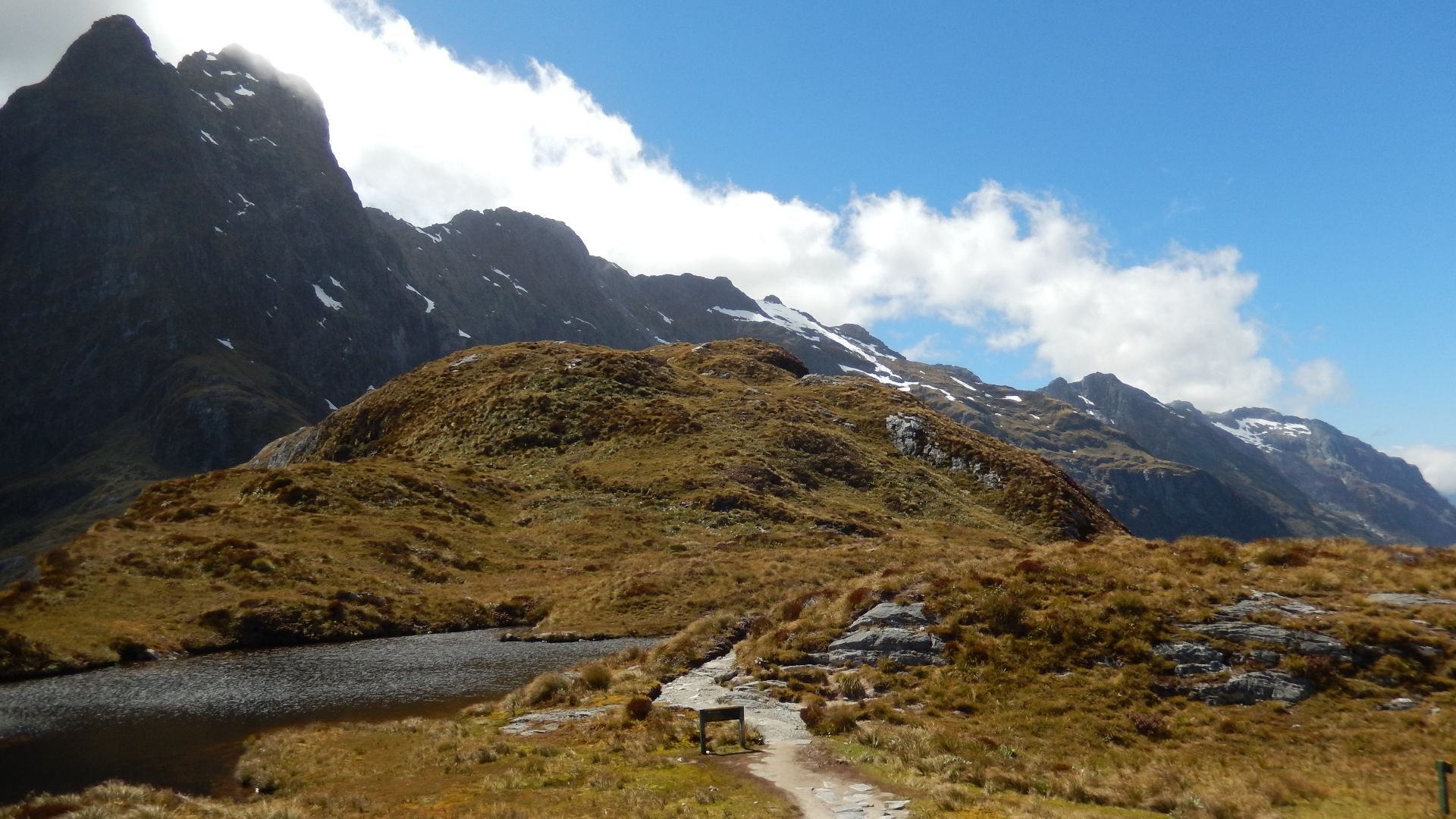
New Zealand’s Great Walks, including the Milford Track, require advance bookings during the main season. These systems help manage hut capacity, trail use, and visitor flow. For travelers, that means booking early and treating famous hikes like limited inventory. The upside is a better chance that the trail does not become overcrowded beyond repair.
Marine Destinations Face Extra Pressure
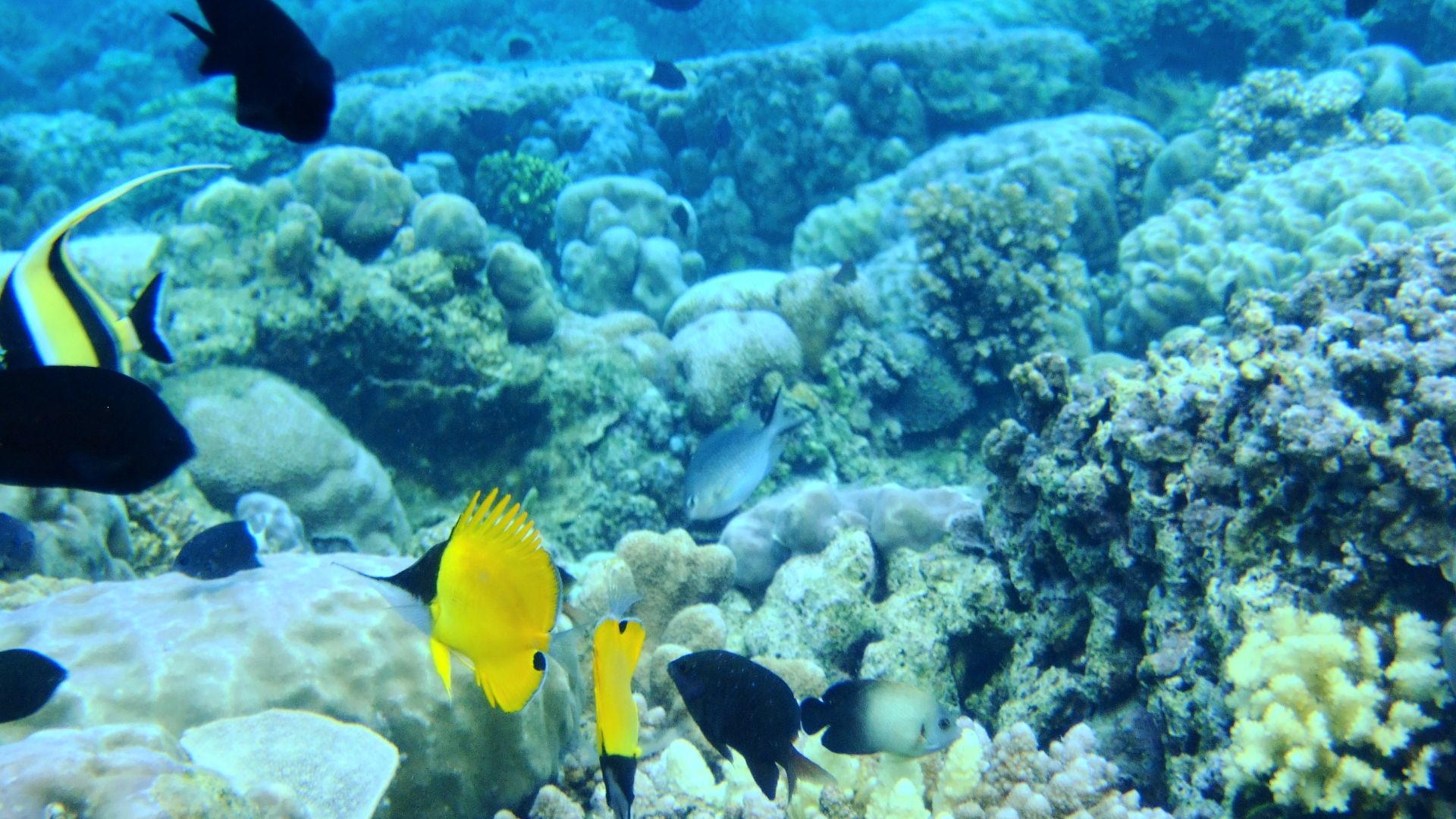
Reefs, bays, beaches, and islands are especially vulnerable because damage can happen underwater and out of sight. Boats, sunscreen, touching coral, wildlife disturbance, and waste all add pressure. That is why marine parks often regulate where boats land, where people swim, and when sites close. A beautiful beach can need stricter rules than a busy city museum.
 Sakurai Midori, Wikimedia Commons
Wildlife Tourism Is Getting More Controlled
Destinations with rare animals often limit distance, time, and group size. These rules protect animals from stress, disease, feeding, habituation, and habitat disruption. They can also protect travelers from unsafe close encounters. The best wildlife experiences now often involve standing farther back than Instagram might suggest.

Climate Change Is Making This Harder
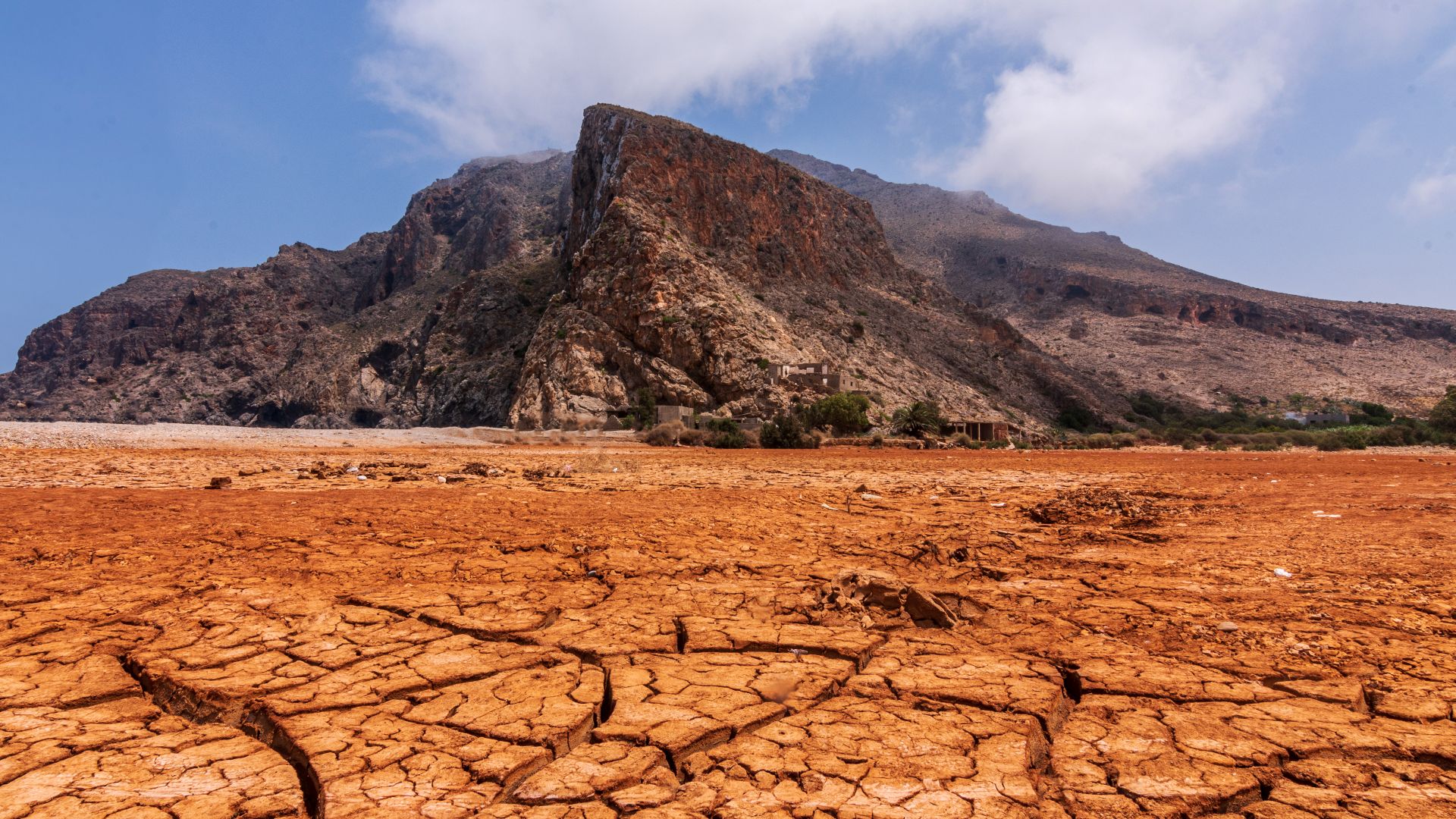
Conservation limits are not only about tourist numbers. Heat, drought, storms, coral bleaching, wildfires, and erosion can make sites more fragile. When climate stress rises, managers may restrict access sooner or close areas after damage. A trail that handled crowds ten years ago may not handle the same crowds after repeated extreme weather.
 Houssain tork, Wikimedia Commons
Social Media Adds Pressure Fast
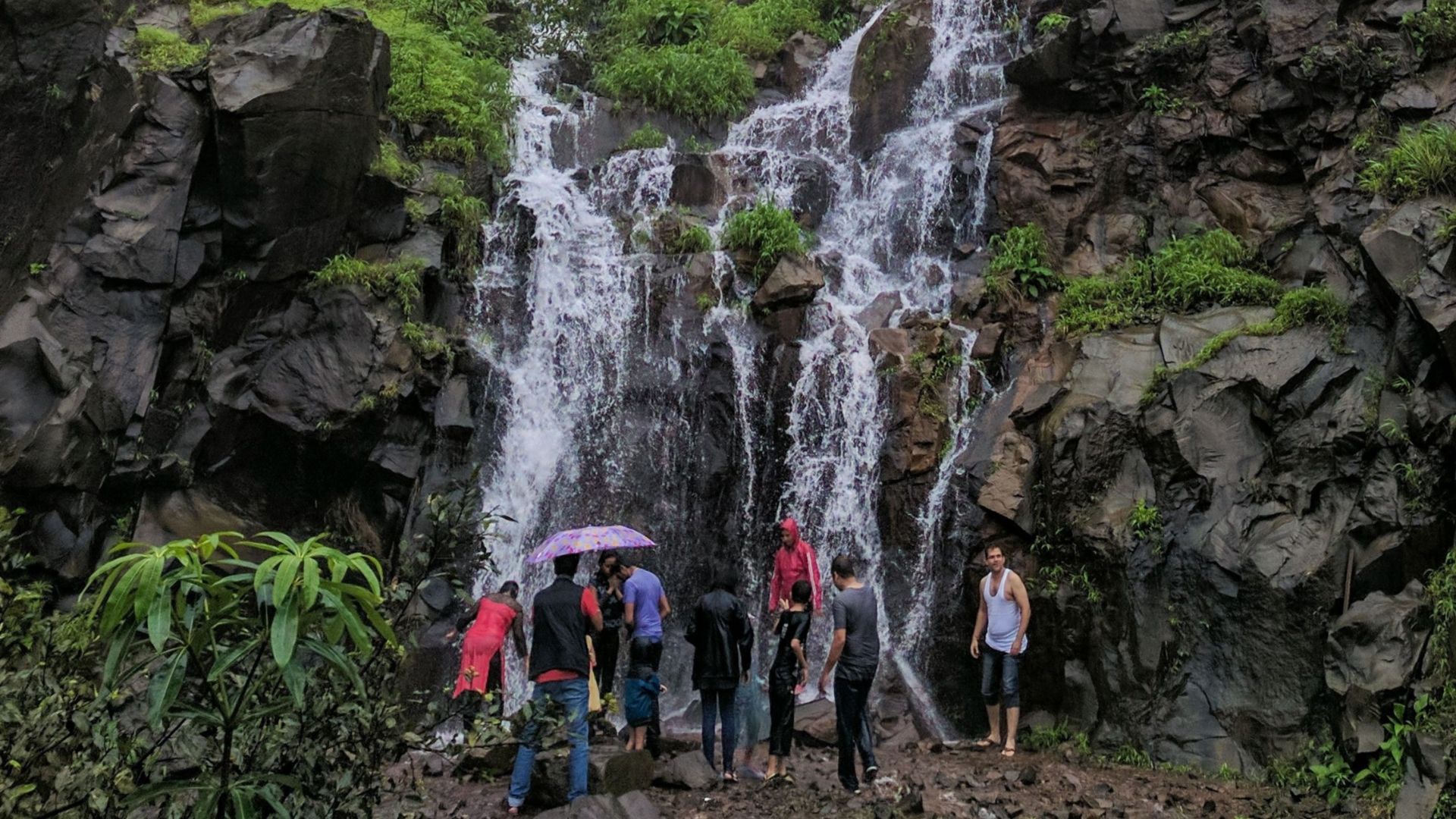
A single viewpoint, beach, or waterfall can become famous quickly. Many protected areas were not built for sudden surges of day-trippers chasing the same photo. Managers then have to react with parking limits, shuttle systems, barriers, or permits. The issue is not photography itself; it is concentrated pressure in small places.
Is It Getting Worse Every Year?
The honest answer is that it depends on the destination. Some places are tightening rules, while others are adjusting or even relaxing specific systems. Arches lifted advance timed-entry requirements for 2026, while Rocky Mountain kept timed entry and Zion kept Angels Landing permits. The broader trend is not constant closure, but more active visitor management.
The Biggest Change Is Predictability
In the past, travelers could often arrive and improvise. Now, famous nature trips increasingly require advance research. You may need timed entry, a guide, a shuttle, a trail lottery, a reef permit, or a seasonal workaround. The activity is not always banned, but it may be boxed into a narrower window.
This Can Improve The Trip
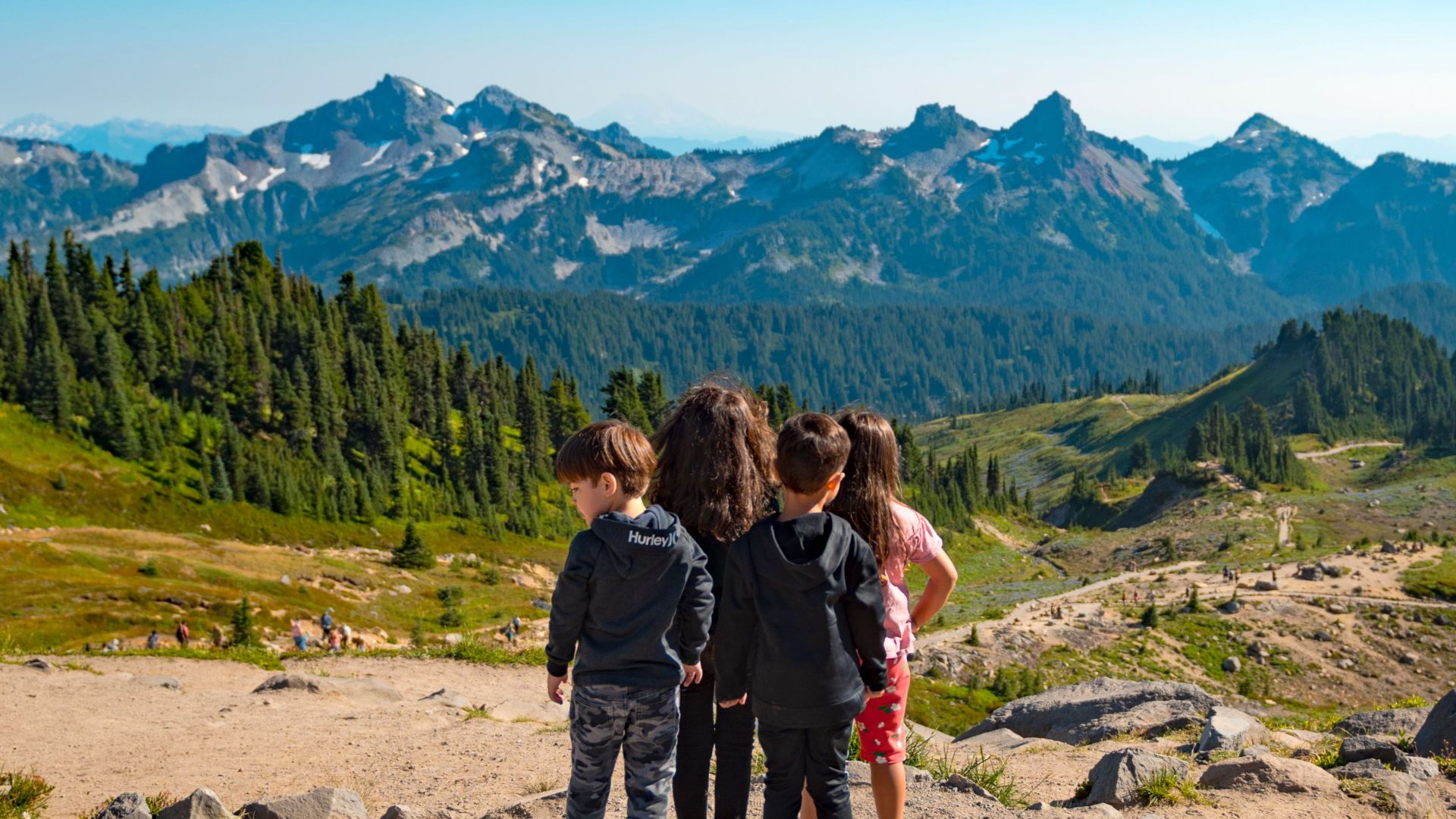
Crowd controls can make a destination feel calmer, safer, and more respectful. Timed entry can reduce traffic jams and parking chaos. Trail permits can make narrow hikes less stressful. Seasonal closures can mean healthier reefs, cleaner beaches, and better wildlife viewing later.
But It Can Also Feel Less Spontaneous
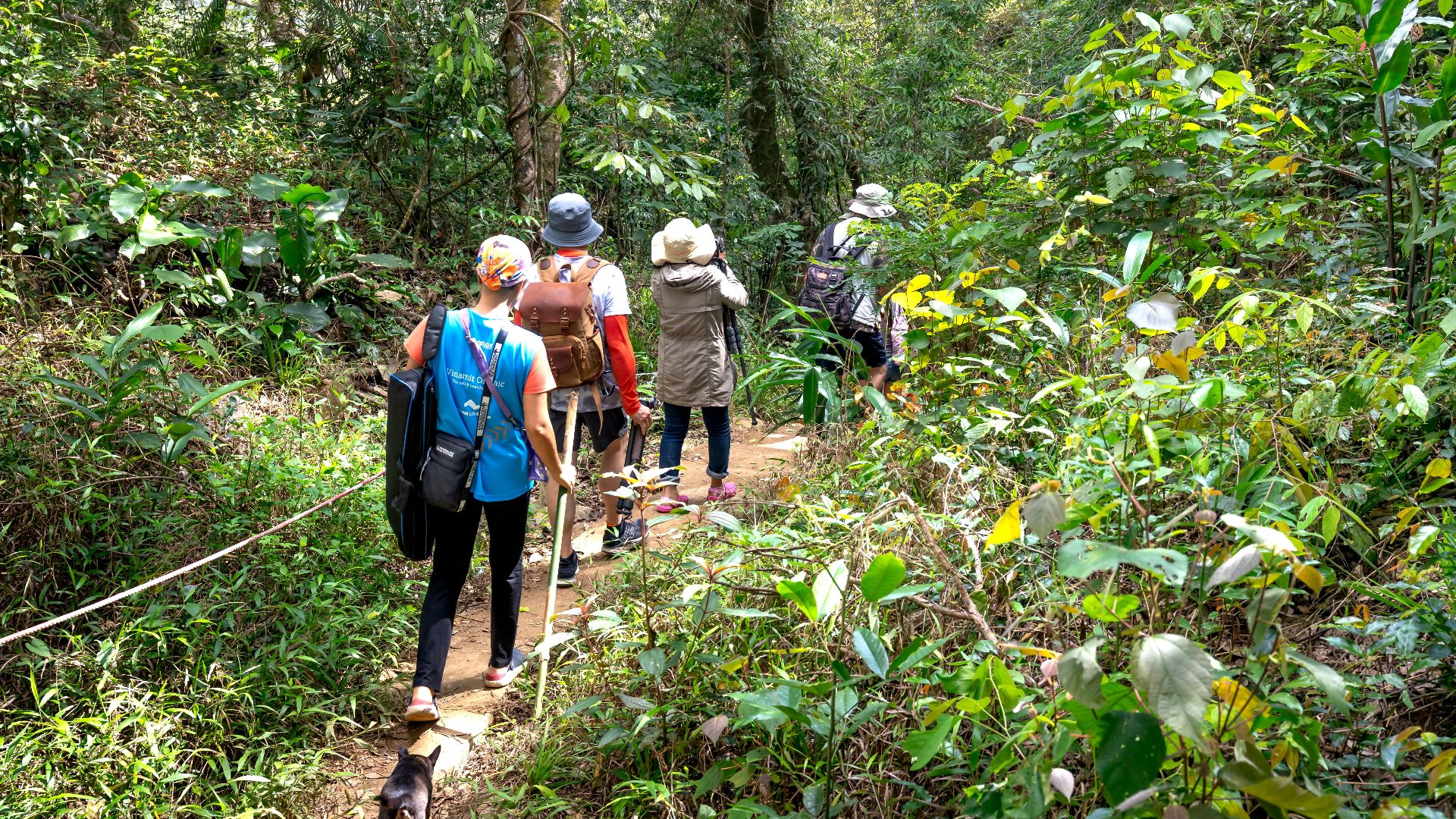
There is a real downside for travelers. Conservation systems can be confusing, expensive, and unforgiving if plans change. They can also make famous places feel more exclusive, especially when permits sell out quickly. Good visitor management should protect nature without turning public landscapes into puzzles only expert planners can solve.

How To Plan Around The New Reality
Start with the official park, government, or conservation authority website before booking flights or hotels. Check whether the activity you care about requires a permit, guide, shuttle, ticket, or seasonal opening. Build backup plans for nearby trails, lesser-known viewpoints, or shoulder-season dates. Treat access rules as part of the trip, not as an afterthought.

The Best Strategy Is Flexibility
Do not build the entire vacation around one fragile viewpoint or one famous trail. Pick a region with several good nature options. If one beach, reef, cave, or hike is closed, you still have a meaningful trip. Flexibility is now one of the most useful travel skills.

Responsible Travel Is Not Just A Slogan
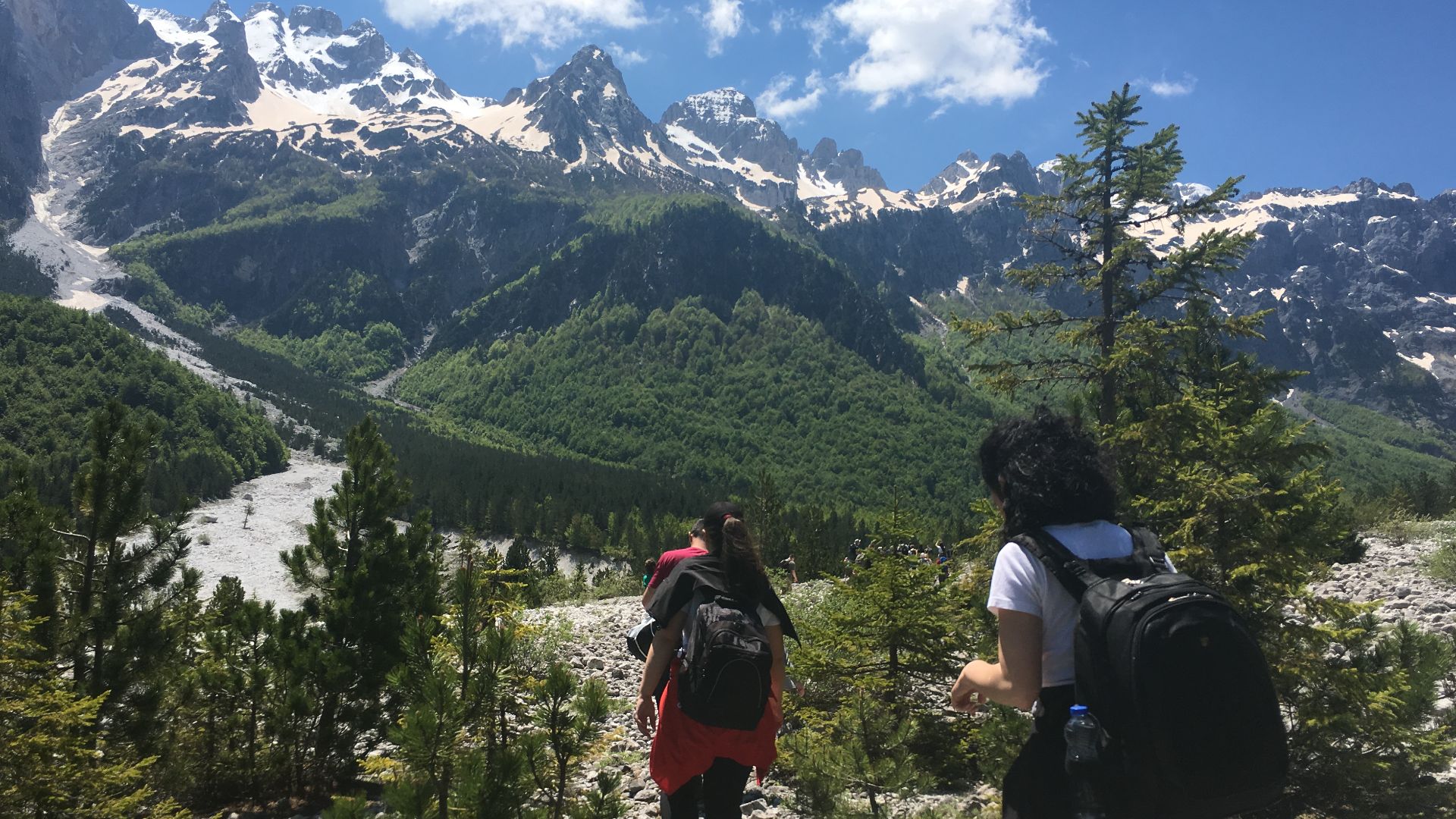
Stay on marked trails, keep distance from wildlife, follow guide instructions, and avoid entering closed areas. Do not treat barriers as suggestions. In many destinations, small individual choices add up quickly. The fewer problems visitors create, the less likely managers are to impose harsher limits.
 Petrit Bejdoni, Wikimedia Commons
The Bottom Line For Travelers
Conservation limits are not going away. In many famous nature destinations, they will likely become more precise, more seasonal, and more data-driven. That does not mean nature travel is over. It means the best trips will come from planning earlier, traveling more thoughtfully, and accepting that protecting the view is part of visiting it.