
My Road Trip Hit A Wall
I had mapped the route, booked the hotels, and pictured myself cruising across the border without a problem. Then I discovered that my rental agreement did not permit the car to leave the country. Suddenly, the most important part of the trip was in jeopardy, and I needed to know whether anything could still be saved.
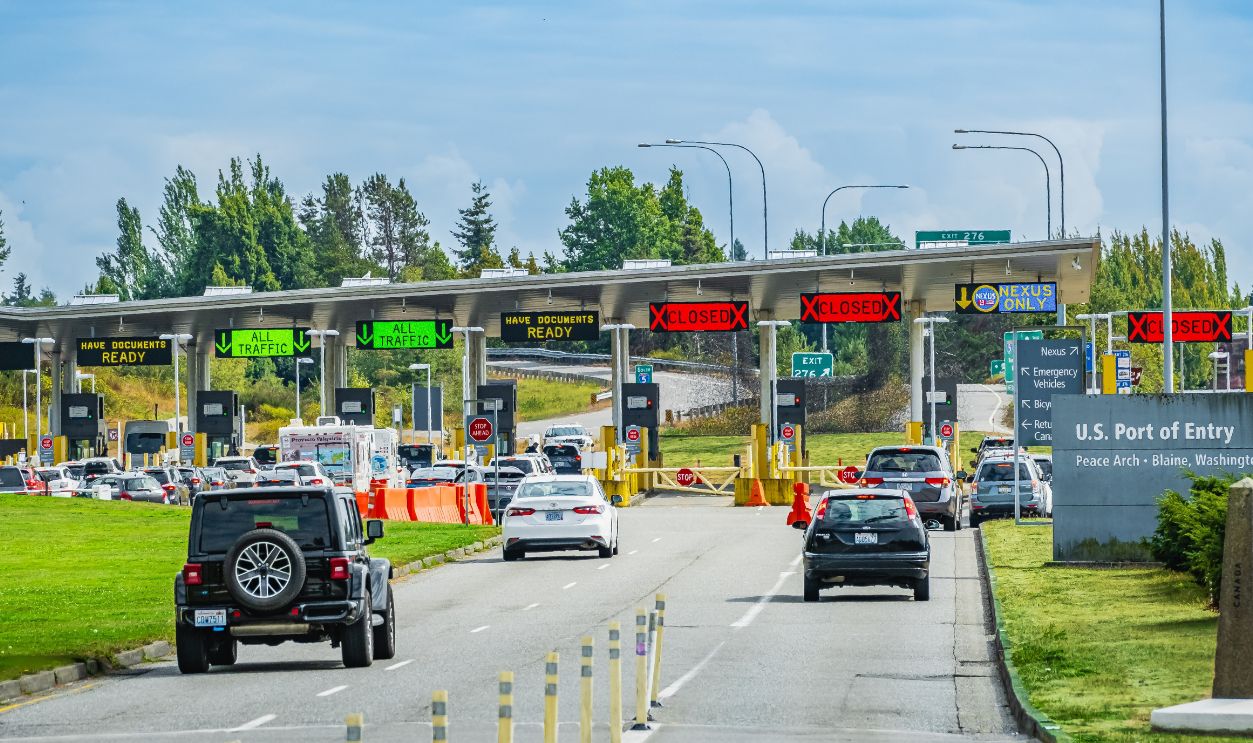
Crossing A Border Is Not Automatic
A rental car may be physically capable of crossing a border, but that does not mean the rental company has authorized it. The company owns the vehicle and can restrict where it is driven through the rental contract. Policies can vary by country, pickup location, destination, vehicle category, and even the specific rate booked.
 Elena_Alex_Ferns, Shutterstock
The Rule May Be Buried
Cross-border restrictions are often found in rental qualifications, location-specific terms, driving restrictions, or a separate border policy. They may not appear prominently beside the advertised price or vehicle photo. That can leave travelers feeling blindsided, even though the restriction was technically included somewhere in the booking documents.

The Booking Site Can Complicate Things
Many travelers reserve cars through airlines, travel websites, comparison tools, or brokers rather than directly with the rental company. In the European Union, official consumer guidance stresses that an intermediary makes the booking, while the rental company provides the vehicle. The broker’s summary may therefore be less detailed than the final rental company contract.

The Pickup Location Sets The Rules
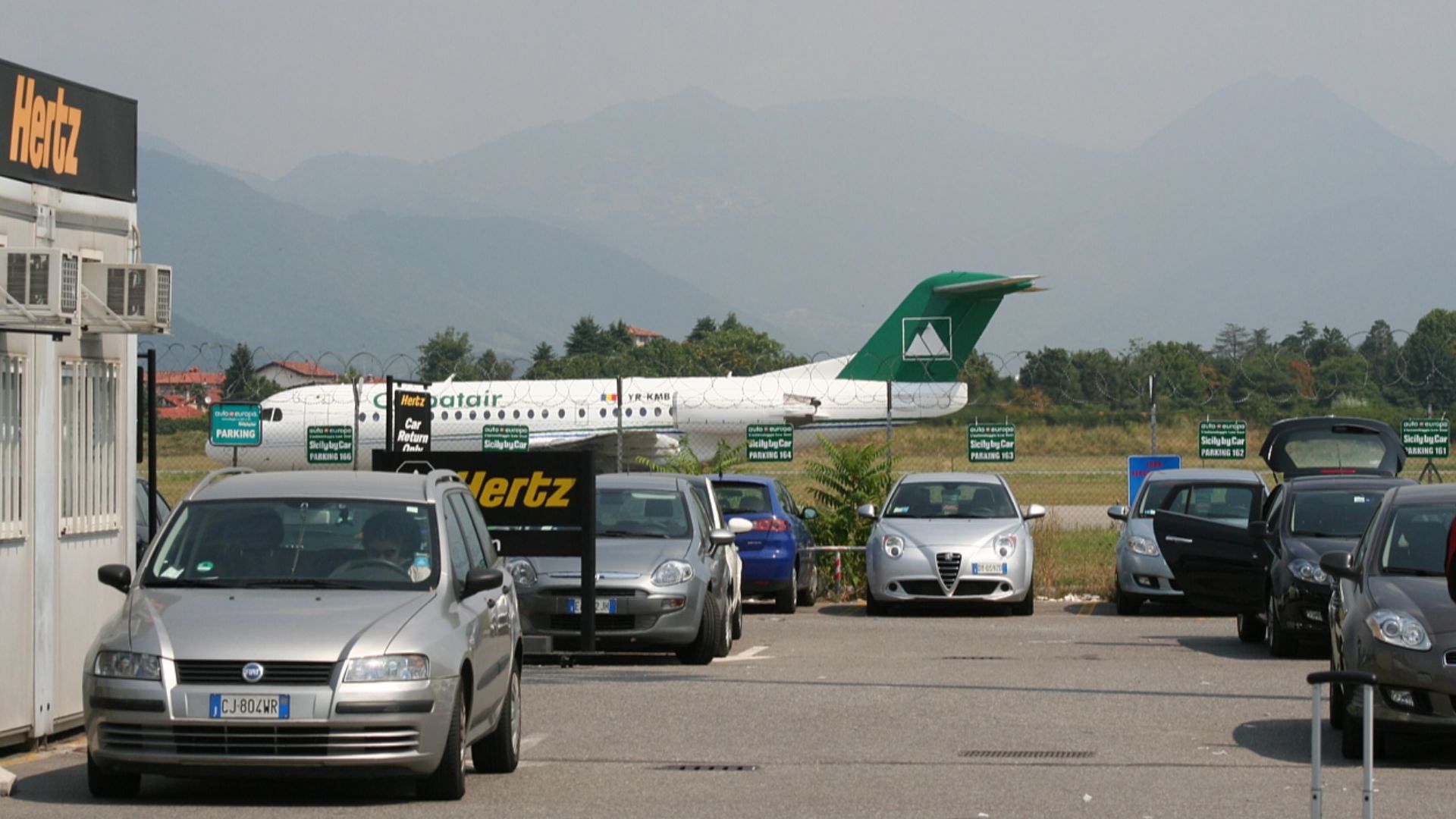
A familiar brand name does not guarantee one universal policy. Hertz, for example, publishes different driving restrictions for individual rental locations, with approved countries and cross-border fees varying considerably. The rules attached to the actual pickup branch matter more than a general assumption about the brand.
 Farragutful, Wikimedia Commons
Even The Vehicle Can Matter
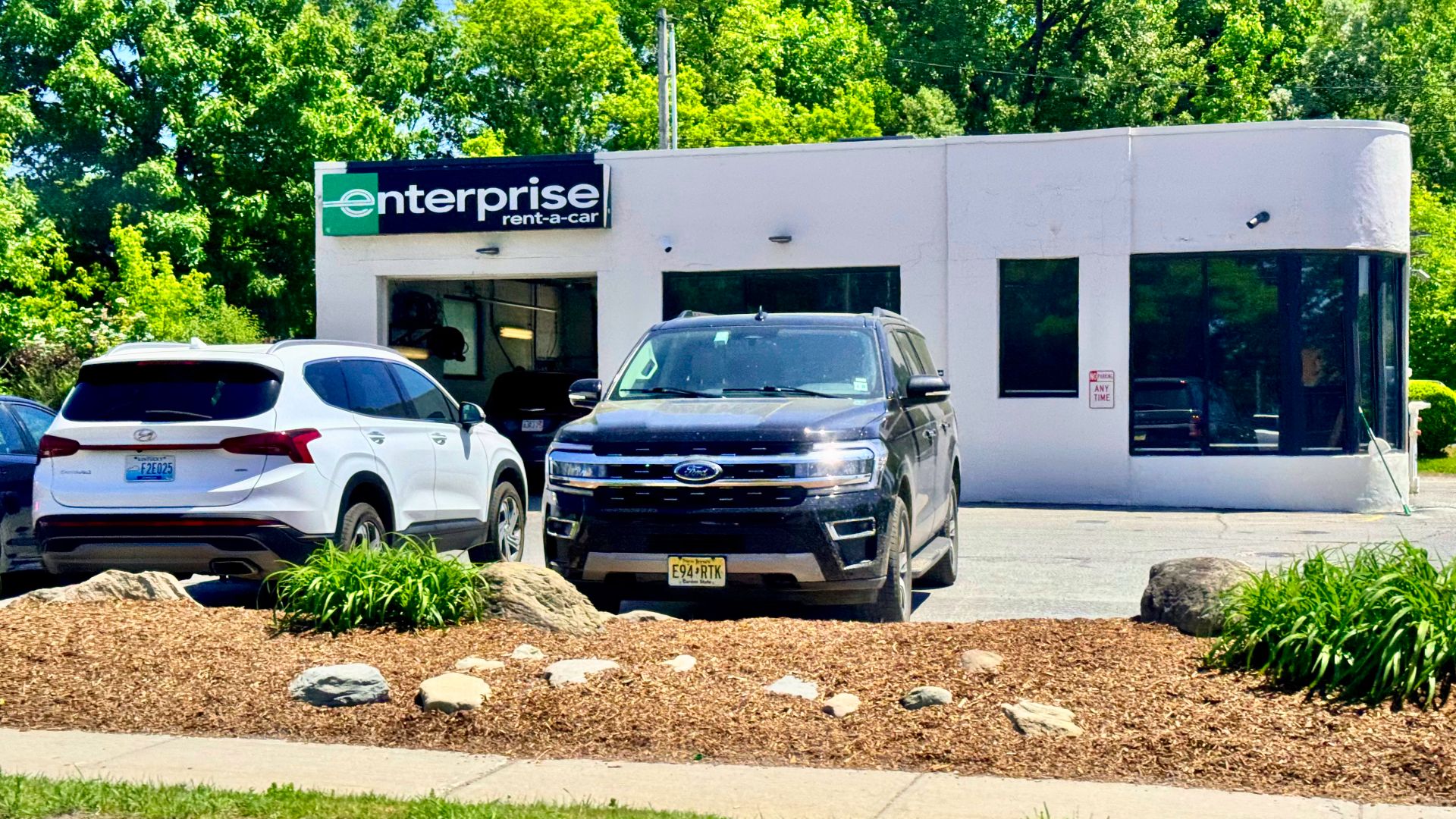
Some rental companies allow ordinary cars across certain borders but restrict specialty models. Enterprise says most vehicles rented in the United States can be driven into Canada, but some exotic cars, large passenger vans, cargo vans, and other specialty vehicles may be excluded. A traveler can therefore receive a different answer after changing vehicle classes.
 Harrison Keely, Wikimedia Commons
Permission May Still Be Required
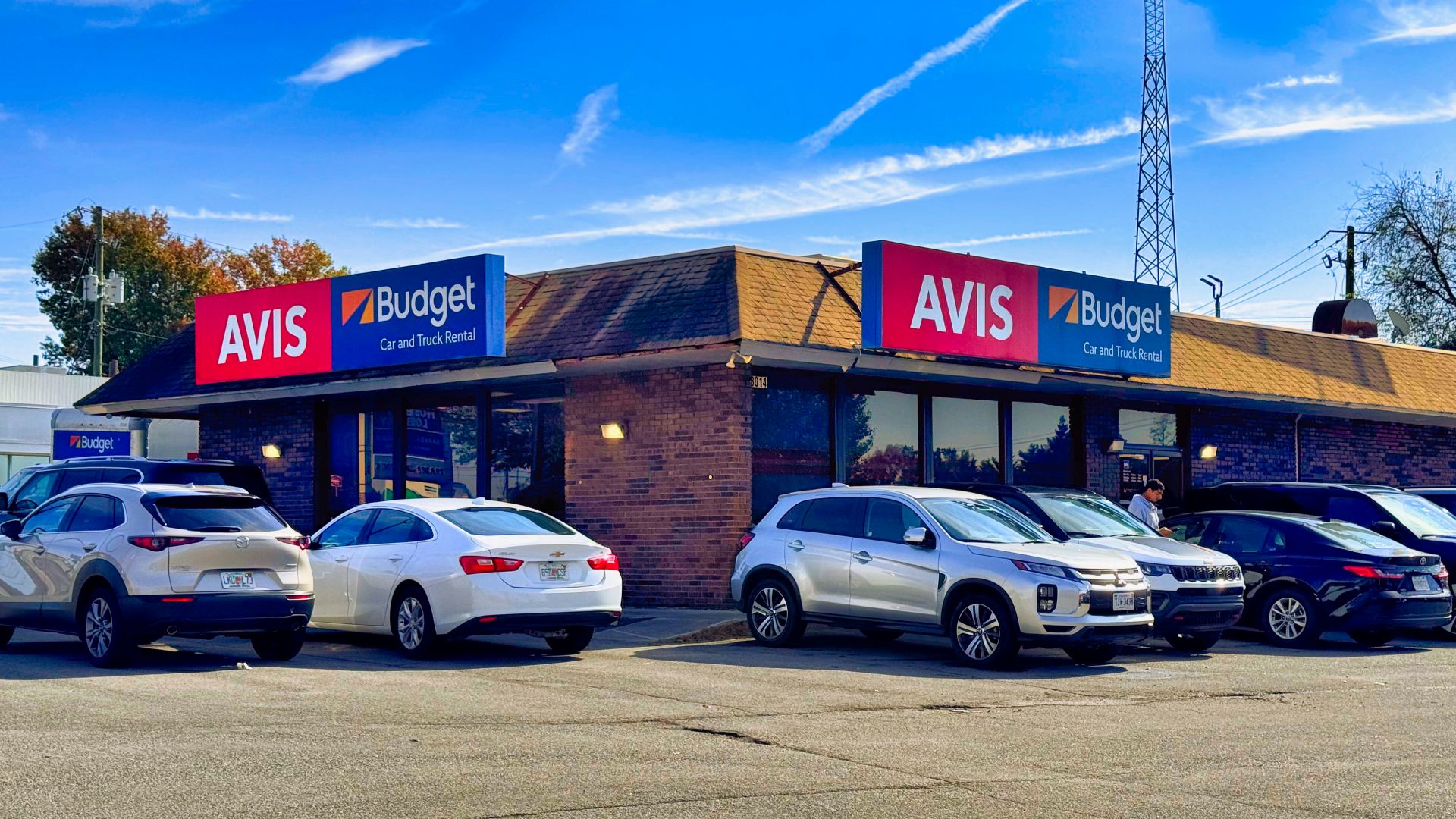
A border crossing can be generally allowed while still requiring advance arrangements. Avis says certain U.S. rentals may be driven into Canada when arrangements are made beforehand, and a Canadian non-resident insurance card may be needed. Simply arriving at the border with the keys is not always enough.
 Harrison Keely, Wikimedia Commons
Canada And Mexico Are Different Trips
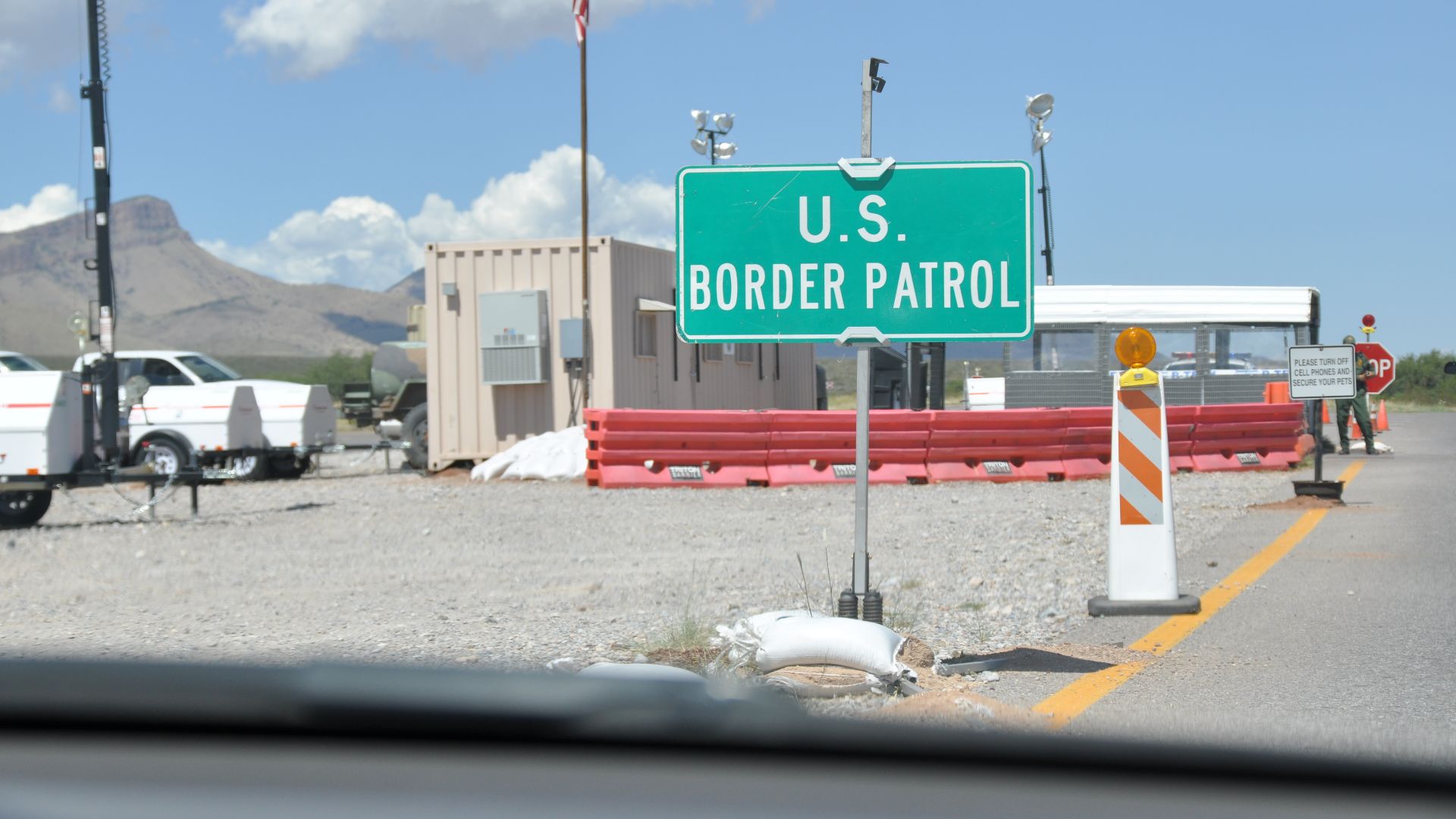
Travelers should never assume that permission for one neighboring country automatically applies to another. Policies for driving from the United States into Canada can be much more permissive than policies involving Mexico. The destination must be checked by name, not treated as a generic international crossing.
 Jonathan McIntosh, Wikimedia Commons
Europe Is Not One Rental Zone
Open borders within much of Europe can make an international drive feel like an ordinary regional trip. However, freedom of movement does not erase a private rental agreement or create a single EU-wide car-rental policy. European Union guidance says there are no specific EU rules governing car rental, so company terms and national requirements remain important.

Schengen Does Not Mean Permission
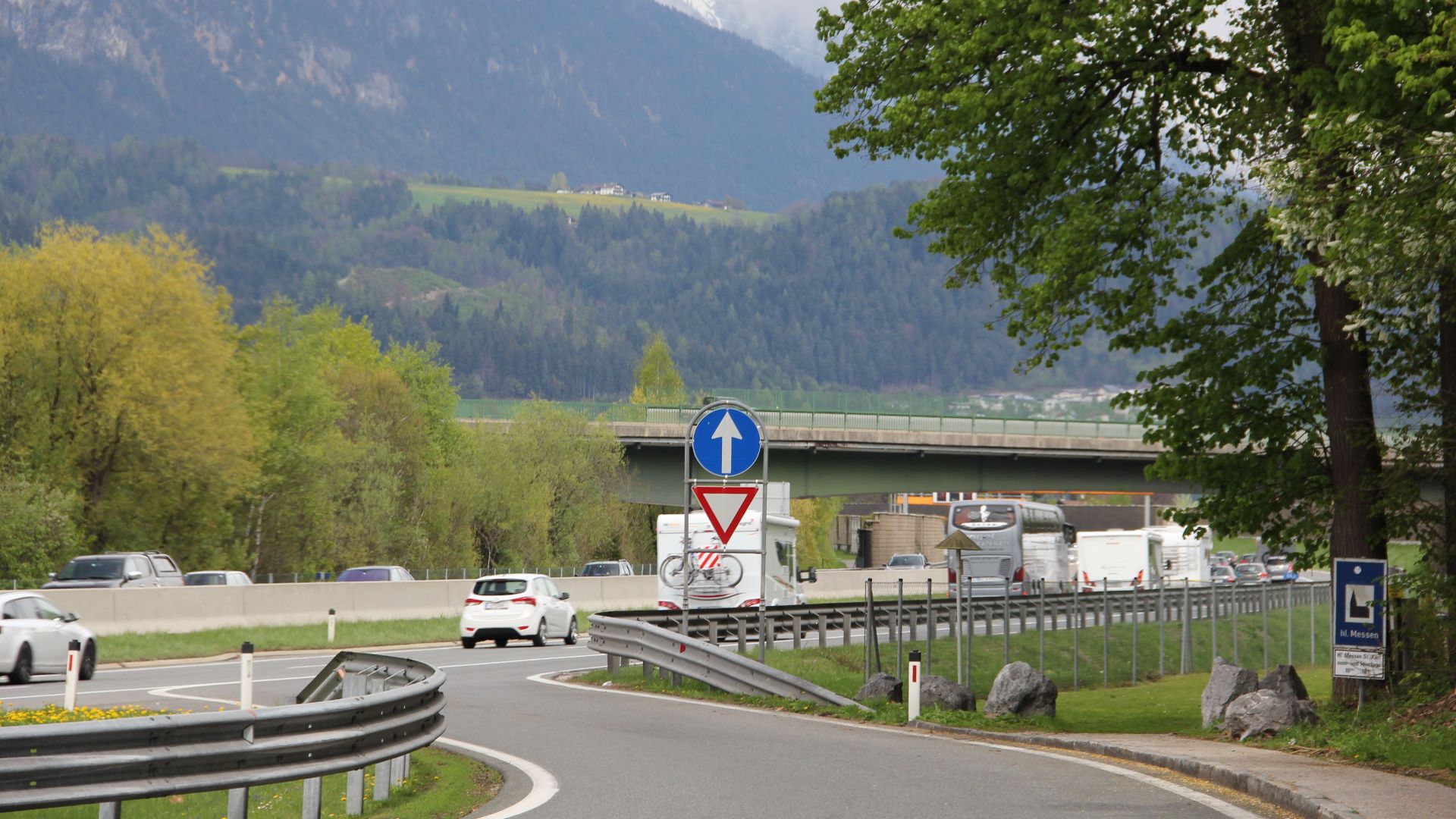
Drivers may pass between some European countries without encountering a routine border checkpoint. That does not mean the rental company has approved the vehicle’s presence there. A contractual violation can still matter if the car is damaged, stolen, ticketed, electronically tracked, or returned with evidence of travel.
Insurance Is The Bigger Risk
The most frightening consequence may not be a border officer ordering the car to turn around. It may be discovering after a collision or theft that a waiver or insurance protection does not apply because the vehicle was used outside the permitted territory. Government travel guidance advises renters to confirm that coverage applies in every country they intend to visit.

A Waiver Has Conditions
Collision damage waivers are not blanket promises to pay for anything that happens. The Federal Trade Commission notes that rental coverage can be canceled when contractual rules are broken, such as allowing an unauthorized person to drive. Territorial restrictions can create the same kind of contractual problem, depending on the wording of the agreement.

Roadside Assistance May Also Stop
A breakdown abroad can become especially expensive when the rental company never authorized the journey. Its roadside assistance provider may not operate in that country or may refuse costs outside the approved territory. Towing a foreign-registered rental car back across a border can be far more complicated than arranging an ordinary roadside repair.
 Karolina Grabowska www.kaboompics.com, Pexels
The Car Could Be Impounded
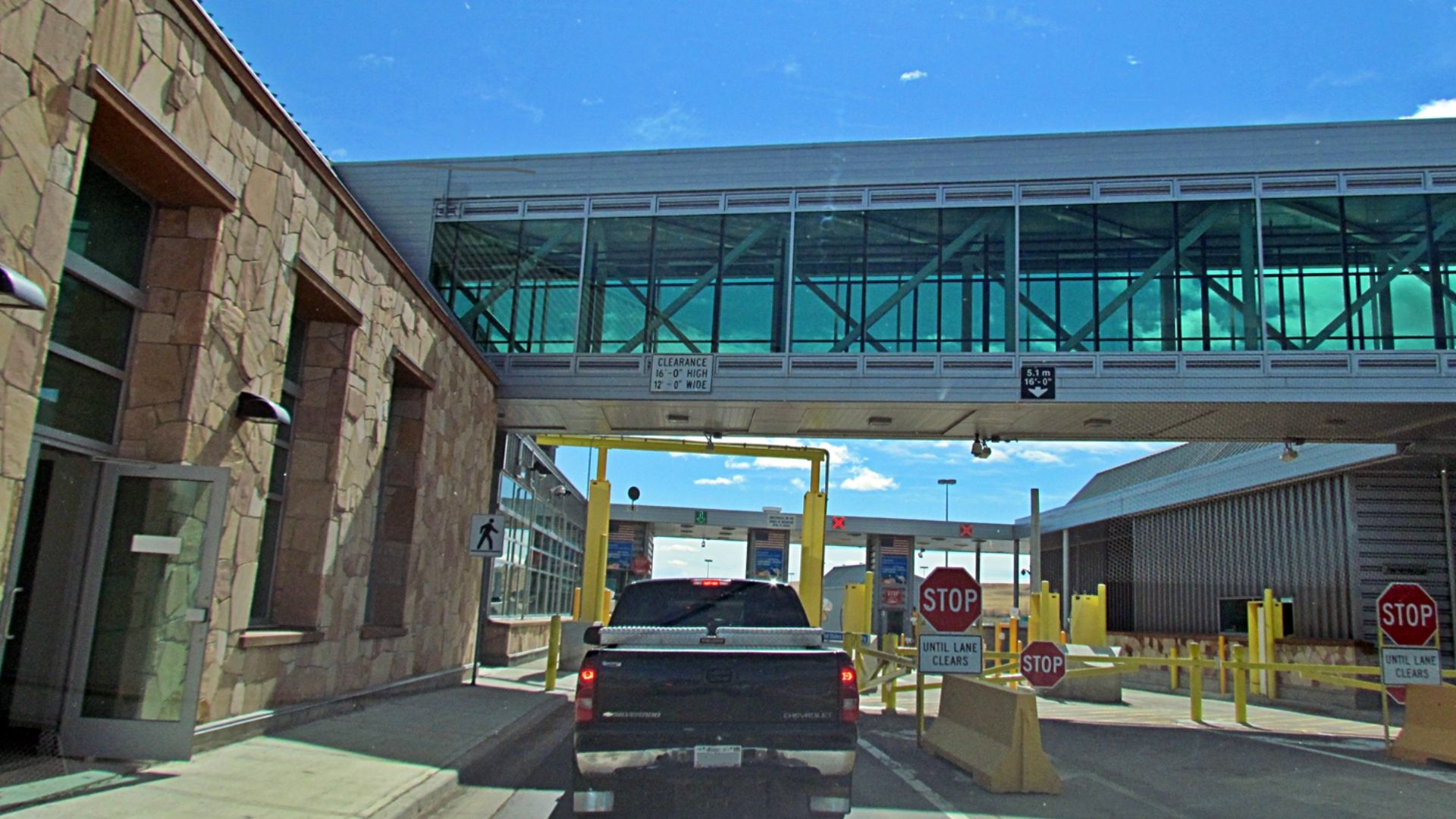
Border authorities, police, or customs agencies may scrutinize whether a driver has permission to use a vehicle owned by someone else. Some rental terms warn that the renter can remain responsible for border charges, fines, penalties, or impound-related expenses. That turns a contractual mistake into a potentially serious logistical and financial problem.
Do Not Cross And Hope
Once you discover the restriction, secretly continuing the trip is the riskiest option. The absence of a checkpoint does not change the rental agreement, insurance conditions, or local vehicle rules. A vacation inconvenience is usually easier to manage than an uninsured accident involving a car you were not permitted to take abroad.

Call The Actual Rental Branch
The best first move is to contact the location that released the vehicle, not only a central booking line. Ask whether the contract can be amended to include the destination and whether written authorization is available. Enterprise itself advises customers to contact the renting location regarding specific cross-border restrictions.

Be Precise About The Route
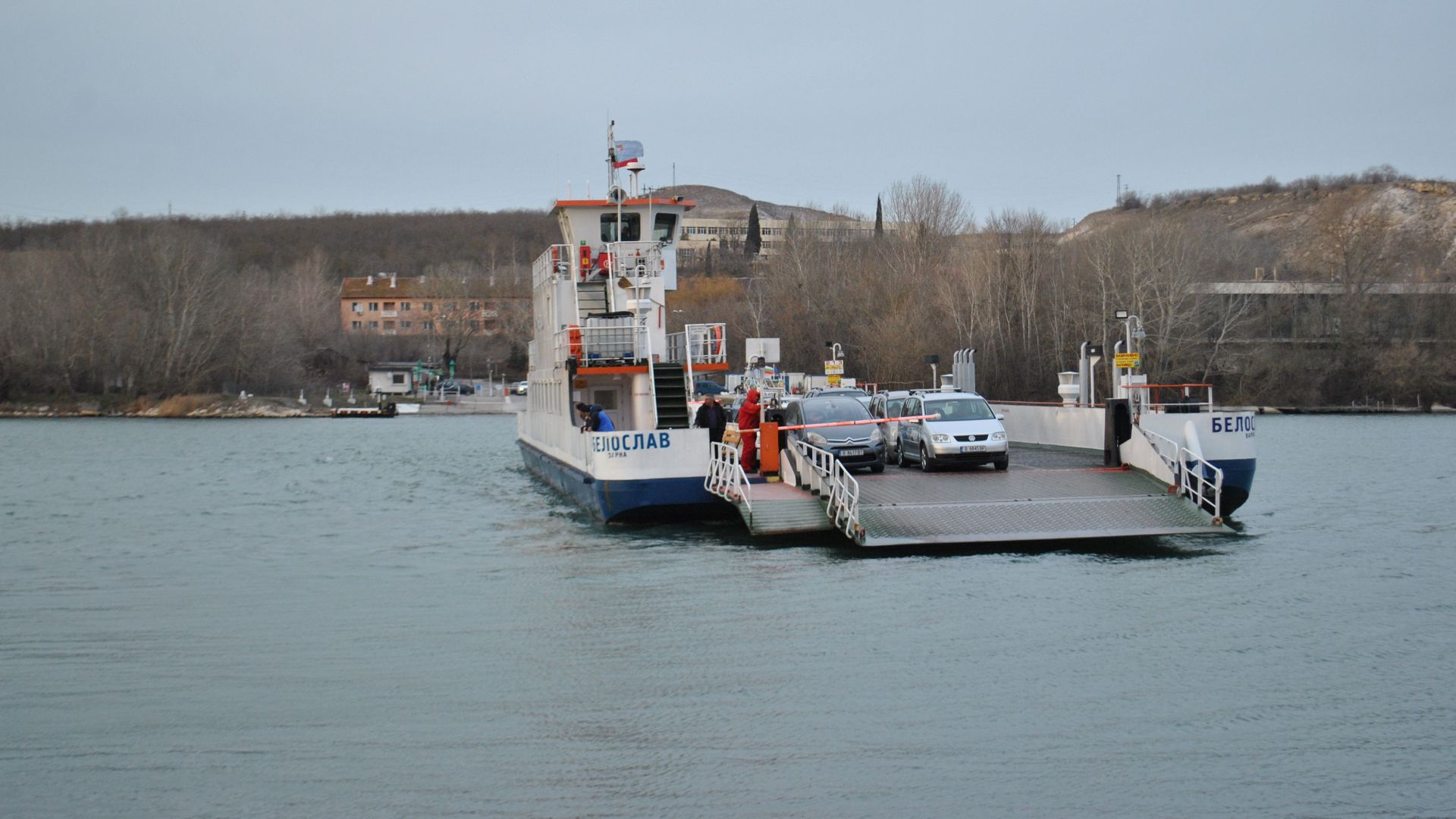
Do not merely ask whether international driving is allowed. Name every country you intend to enter, whether you will return to the original branch, and whether you will travel by ferry. Certain countries may be approved while neighboring ones are excluded, and an authorized round trip may not permit an international one-way return.
Ask About A Contract Amendment
The rental company may be able to add permission, charge a cross-border fee, supply an insurance document, or exchange the vehicle for an eligible class. Hertz location terms in several European markets show that cross-border travel can be available after paying a specified fee. An initial prohibition is therefore worth discussing before the entire trip is abandoned.
 Delyan Kovachev, Wikimedia Commons
Get The Answer In Writing
A verbal assurance from a busy counter employee is not ideal protection. Ask for an updated rental agreement, email confirmation, authorization letter, or other document that identifies the vehicle and approved countries. Keep a downloaded copy in case mobile service disappears at the border.

Ask What Documents You Need
Approved travel may require more than an amended contract. Hertz advises drivers entering Canada to carry identification, a valid license, and the rental agreement, while Avis notes that a non-resident insurance card may be required for some U.S. rentals entering Canada. Requirements depend on the route and rental provider.

Changing Cars May Save The Trip
If your current vehicle cannot cross, ask whether it can be exchanged for one that can. A standard sedan may qualify even when a specialty SUV, van, luxury model, or commercial vehicle does not. Any additional cost may be less painful than canceling hotels or rebuilding the entire itinerary.
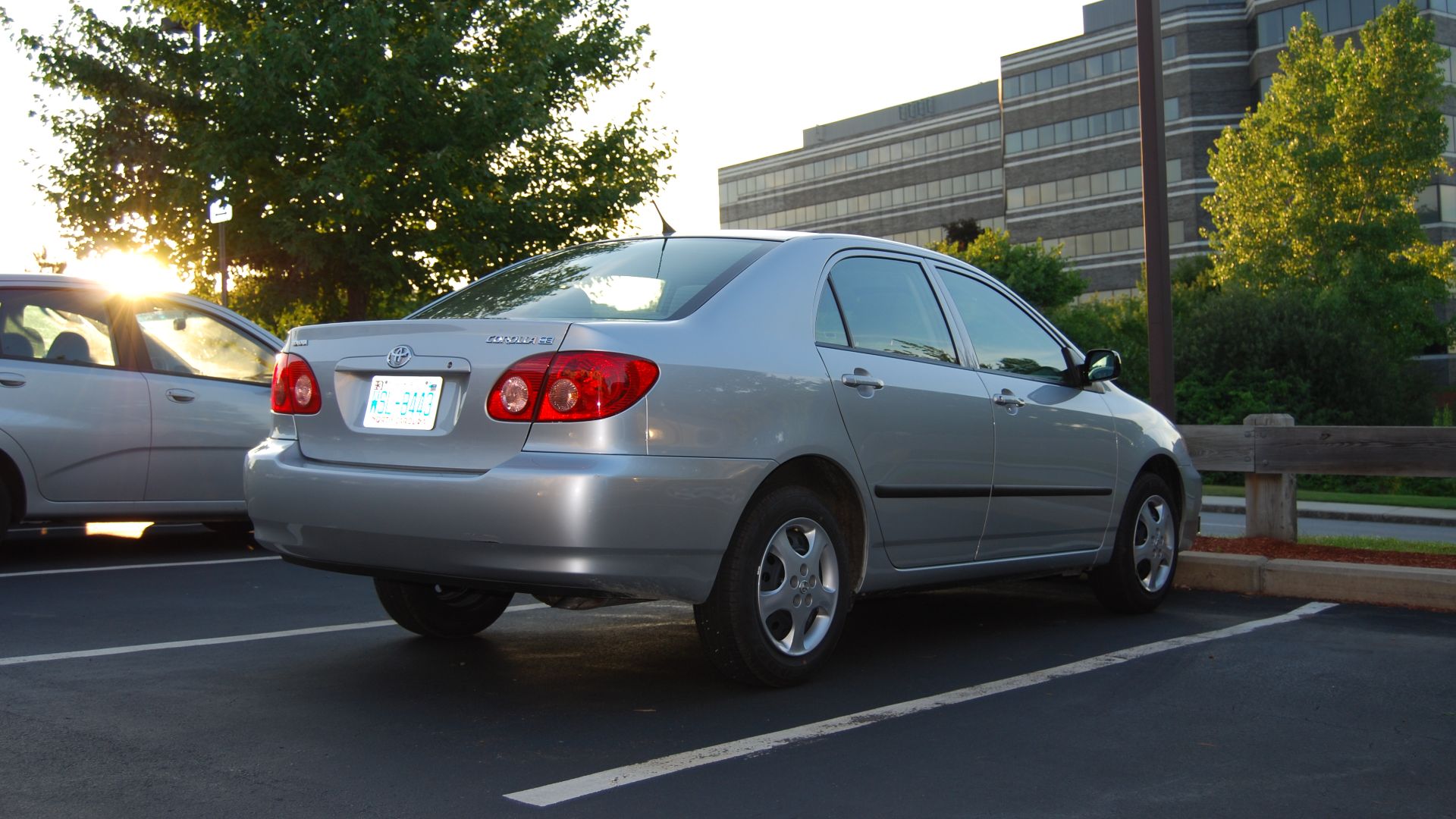
A Second Rental Is Another Option
Sometimes the cleanest solution is to return the original car before the border and rent another vehicle on the other side. This can create additional fees, transportation gaps, and luggage hassles, but it preserves the international portion of the trip. Check rental availability before surrendering the first vehicle.
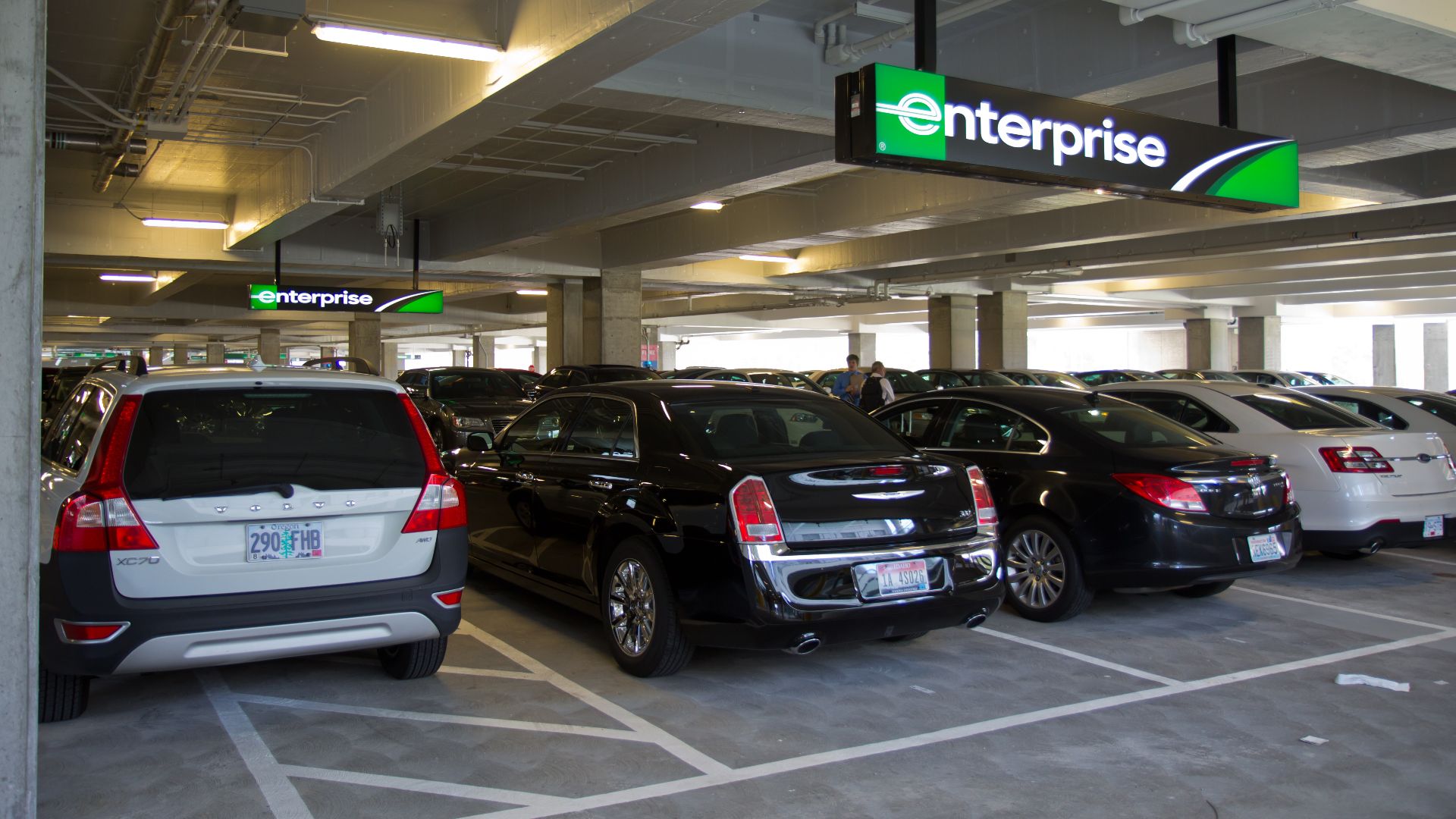 Atomic Taco from Seattle, WA, USA, Wikimedia Commons
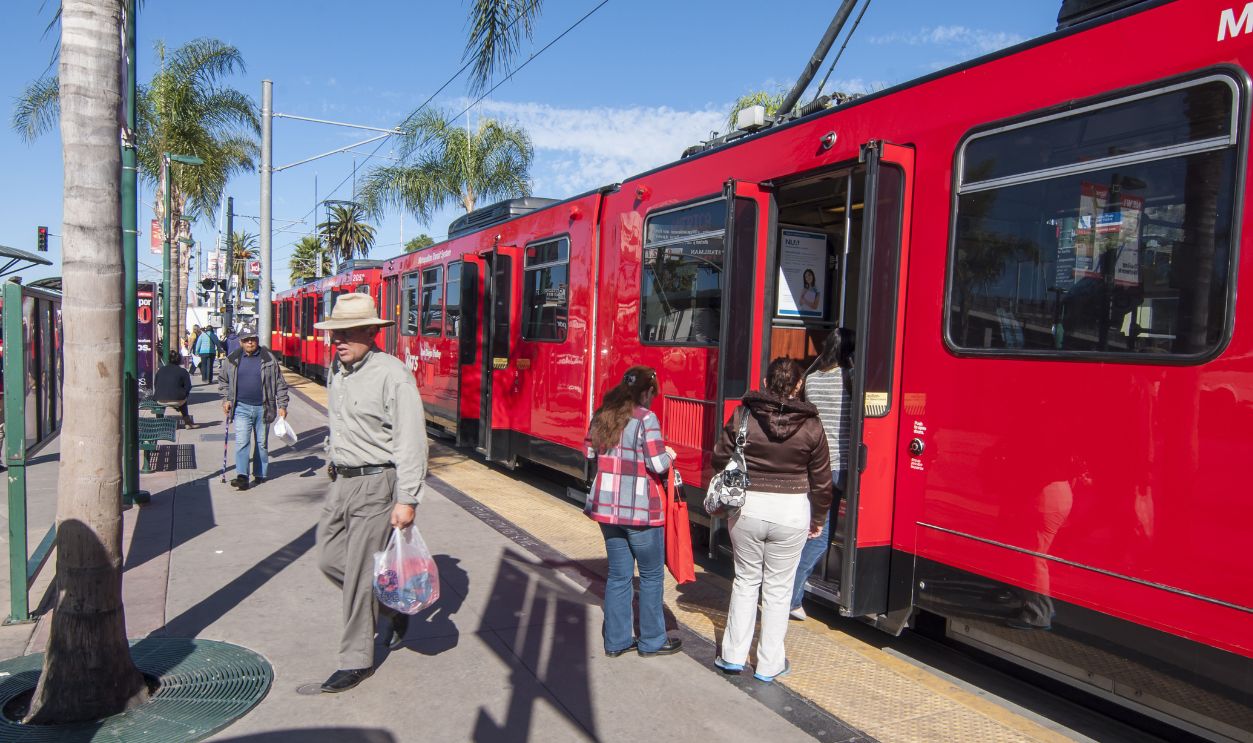
Public Transportation Can Bridge The Gap
A train, bus, ferry, or short flight may carry you across the border while leaving the prohibited rental behind. You can then begin a separate rental that is fully authorized in the destination country. This approach is less seamless, but it avoids knowingly breaching the agreement.
One-Way Rentals Need Extra Attention
Permission to drive into another country does not necessarily include permission to leave the car there. Transport Canada says U.S. rental vehicles may enter Canada, but the rental company’s consent is needed for one-way trips that end at a Canadian location. Return arrangements must be confirmed separately from border-crossing permission.
 Atomic Taco from Seattle, WA, USA, Wikimedia Commons
Document How The Rule Was Presented
If you believe the restriction was hidden or misrepresented, save the advertisement, booking page, confirmation email, contract, and any chat transcripts. Record where the rule appeared and what you were told before paying. This evidence will matter if you later ask for a refund, reimbursement, or fee waiver.

Complain To Both Companies
When a broker or travel website handled the reservation, contact both the intermediary and the rental provider. Ask each company to identify when the restriction was disclosed and which terms governed the booking. European consumer guidance specifically distinguishes the responsibilities of brokers from those of the company supplying the vehicle.

Request A Practical Remedy
A useful complaint should state what would resolve the problem. You might ask for a cancellation without penalty, a vehicle exchange, reimbursement of a duplicate rental, or permission to return the car early. Clear requests are easier for a company to evaluate than a general statement that the situation ruined the trip.

Consumer Rights Still Matter
Signing a contract does not automatically make every unclear or unfair term untouchable. European Union consumers have rights to clear information, fair contract terms, and access to alternative dispute resolution in qualifying disputes. However, whether a particular border restriction was inadequately disclosed depends on the booking process, jurisdiction, and exact documents.

Escalation May Be Available
If the company rejects a well-supported complaint, look for a national consumer agency, tourism regulator, trade association, ombudsman, or alternative dispute resolution service. The European Consumer Centres Network and other EU procedures can assist with some cross-border consumer disputes. Travelers elsewhere should consult the consumer authority serving the place where the rental was booked or supplied.

A Chargeback Is Not Automatic
A credit card dispute may be appropriate when a charge is unauthorized, incorrect, or different from what was agreed. It should not be treated as a guaranteed refund simply because the traveler overlooked a valid restriction. The FTC advises consumers to preserve records and follow the issuer’s required dispute process and deadlines.

Build Border Approval Into Future Bookings
On the next international road trip, make border permission a booking requirement from the beginning. Search the location-specific terms, identify every destination country, and contact the pickup branch before paying a nonrefundable rate. Save written approval alongside the reservation confirmation.
 CBP Photography, Wikimedia Commons
Check Again At Pickup
Policies, vehicle availability, and assigned car classes can change between reservation and collection. Tell the counter agent your complete route and ask them to point out the authorization in the final agreement. Do not leave the lot until the approved countries, fees, insurance, and return location are clear.
 GoToVan from Vancouver, Canada, Wikimedia Commons
The Trip May Still Be Salvageable
Discovering a border prohibition does not necessarily mean the entire vacation is lost. An amendment, eligible replacement vehicle, separate rental, or transit connection may preserve most of the itinerary. The key is to stop before crossing, create a written record, and solve the problem while your contractual and insurance protections are still intact.

You may also like:
I accidentally typed the wrong name on my airline ticket. Do I have to buy a new one?
Sources: 1, 2, 3, 4, 5, 6, 7, 8, 9, 10, 11, 12, 13, 14, 15, 16, 17, 18, 19, 20