
Sunshine Can Come With A Surprisingly Long List Of Bills
Spending January by the pool instead of shoveling snow sounds like an easy retirement upgrade. That is, until all the extra expenses get added together. Luckily, the biggest savings often come from changing the setup, not giving up the trip.
Don't Start By Buying A Second Home
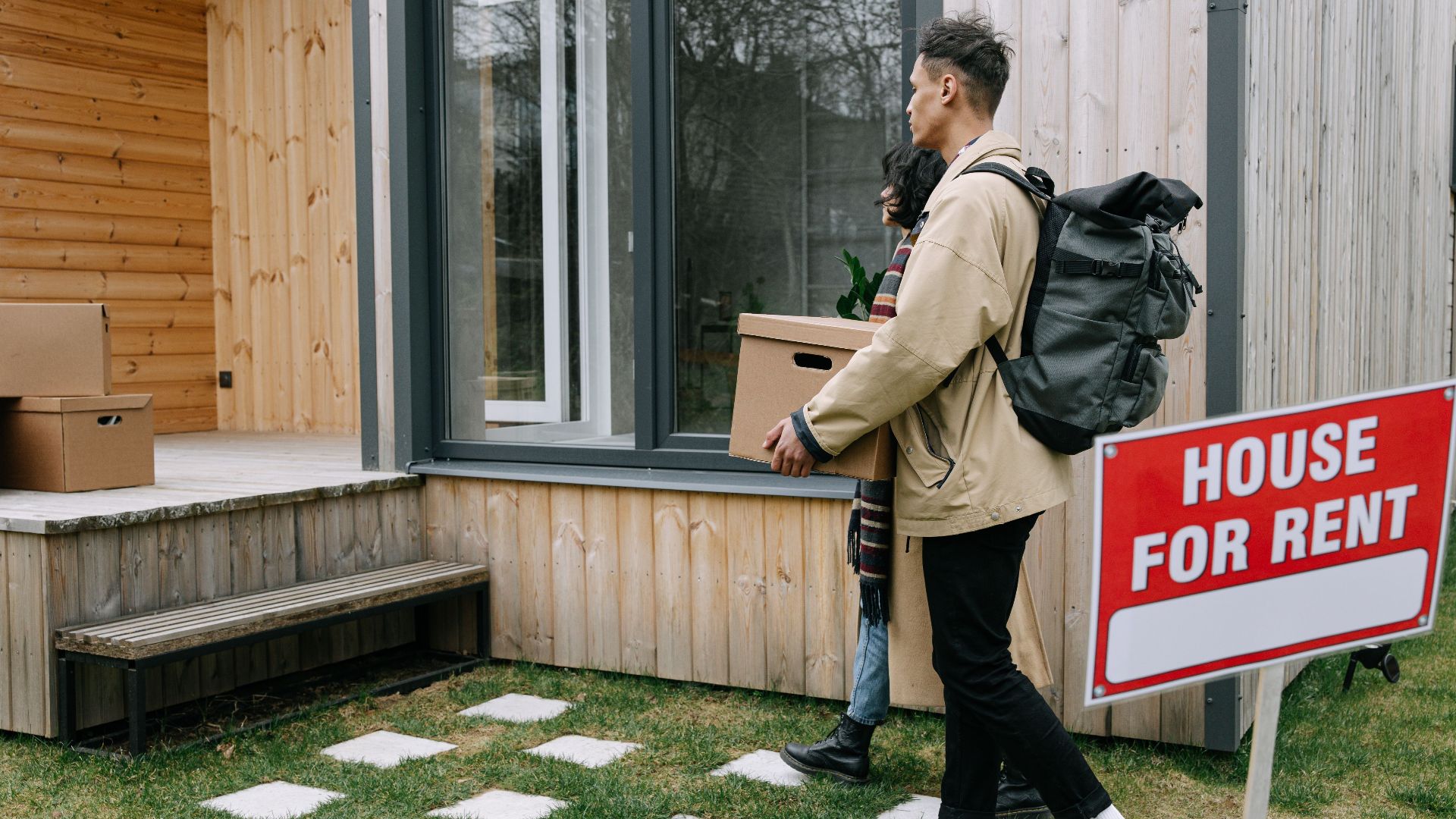
A warm-weather condo can feel like the natural first step, but ownership locks you into property taxes, insurance, maintenance, utilities, HOA fees, and repairs whether you visit for five months or five weeks. AARP recommends that prospective snowbirds consider renting first, particularly when they haven't already spent extended time in the destination. A winter rental lets you test both the location and the lifestyle without making a permanent commitment.
Rent In A Few Places Before Choosing Your Favorite
Loving somewhere during a one-week vacation doesn't necessarily mean you'll enjoy living there from December through March. Try a month in one town one winter and somewhere else the next. You may discover that the famous beachfront destination is too crowded, while a smaller town 30 miles inland offers better prices, easier parking, and exactly the sort of daily routine you wanted.

Look Beyond The Famous Snowbird Cities
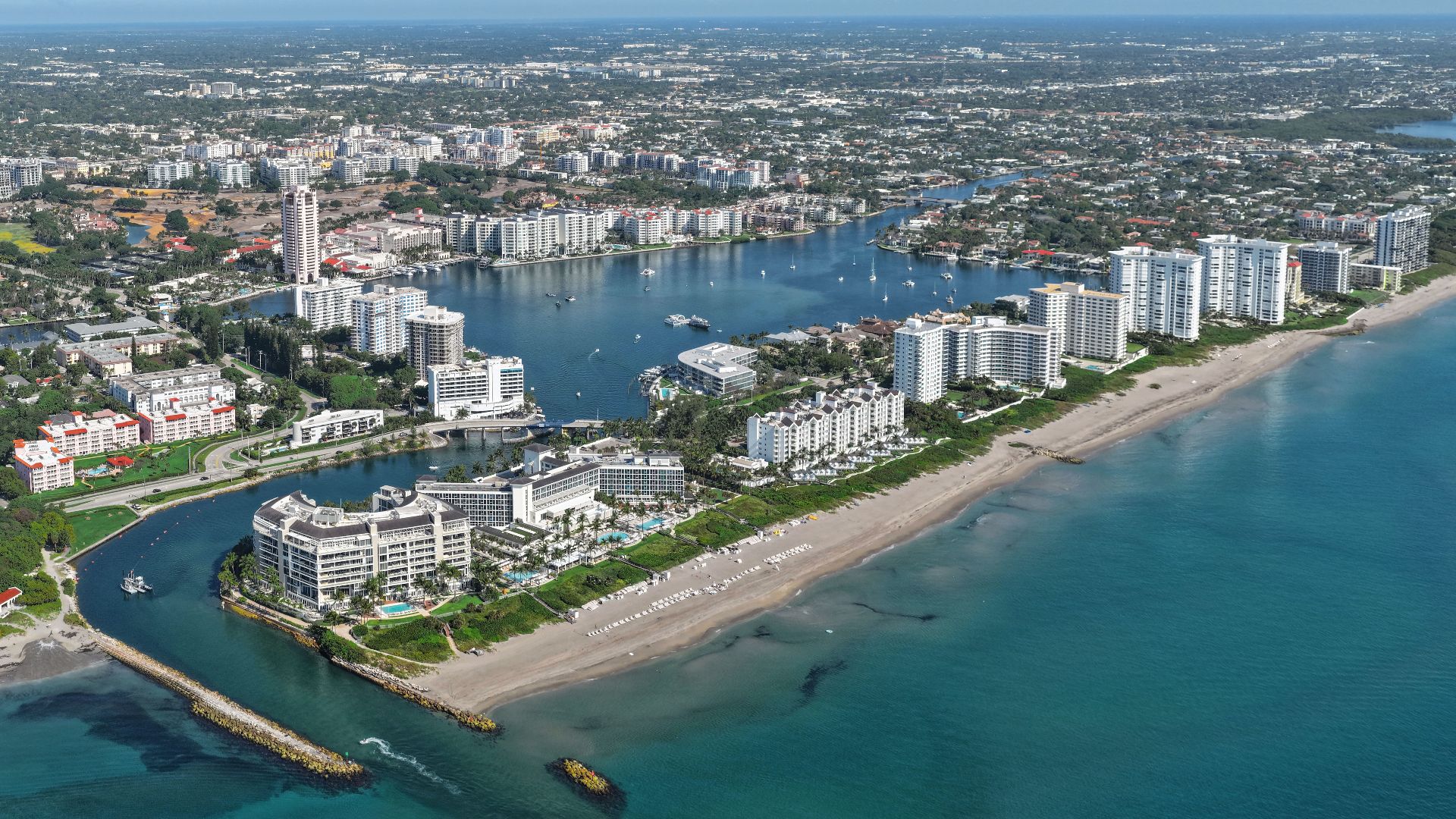
Naples, Palm Beach, Scottsdale, and other established winter destinations can command premium prices precisely because everyone knows about them. Warmer winters can also be found in smaller Florida communities, southern Arizona, coastal Alabama, parts of Texas, South Carolina, Georgia, and Louisiana. Recent travel research has highlighted places such as Brooksville, Sebring, Gulf Shores, Tucson, and smaller Gulf Coast communities as alternatives worth investigating.
 Quintin Soloviev, Wikimedia Commons
A Few Miles Inland Can Save A Lot
Beachfront living sounds wonderful, but the premium for being directly on the water can be substantial. Move inland and rents may fall while groceries, medical care, restaurants, and recreation remain nearby. For retirees who plan to spend most days exploring rather than staring at the ocean from the balcony, paying for proximity rather than an actual waterfront address can be a much better use of the travel budget.

Consider A Shorter Snowbird Season
There's no rule saying snowbirds have to disappear south for six months. Maybe the worst part of winter at home only lasts eight or ten weeks. Renting from mid-January through March can reduce housing, food, transportation, and utility costs dramatically while still skipping a large part of the cold season. A shorter stay also makes maintaining the primary home less complicated.

Shoulder Season Can Be A Sweet Spot
Retirement gives travelers something working families often don't have: flexibility. AARP notes that shoulder-season travel can bring lower prices and lighter crowds. Instead of automatically arriving during the most expensive holiday period, consider leaving after New Year's or returning before peak spring-break demand. A few weeks of date flexibility can matter enormously when renting for an extended stay.
Compare Monthly Rentals, Not Nightly Vacation Prices
Searching for a three-month winter stay as if it were a normal vacation can produce frightening totals. Look specifically for furnished monthly rentals, seasonal leases, extended-stay properties, or owners who discount longer bookings. A place charging $180 per night may have a very different monthly rate for someone staying 60 or 90 days and creating almost no turnover work for the owner.

Negotiate When You Are Staying For Months
Long-stay guests can be valuable because they reduce cleaning, vacancy, and booking uncertainty for property owners. If you're considering an extended rental, politely ask whether there's a lower rate for a multi-month stay, particularly outside the hottest destination or neighborhood. The advertised online price isn't always the final word when you're offering a reliable booking for a large portion of the winter.

Don't Automatically Rent A Two-Bedroom Home
Snowbirds sometimes duplicate their permanent home rather than asking what they actually need for three months. If visiting children will stay for only a week, renting an extra bedroom all season can be an expensive way to host them. A smaller condo plus a nearby hotel for occasional guests may cost considerably less over the entire winter.

Your Northern Home Doesn't Stop Costing Money
Leaving for winter doesn't suspend the mortgage, taxes, insurance, utilities, maintenance, snow removal, or repairs. That's why the real snowbird budget isn't simply the cost of the warm-weather residence. Add what the primary home continues to cost while you're away. Maintaining two fully operational properties is exactly where an appealing retirement plan can become surprisingly expensive.

Turn Down Costs At The Empty House
An unoccupied home doesn't need to operate as though four people are living there. Adjust heating appropriately, suspend services you won't use, unplug unnecessary electronics, place eligible subscriptions on hold, and reduce other recurring expenses where practical. Don't shut things down so aggressively that you create frozen pipes, humidity problems, or insurance issues, but look for expenses that can safely be reduced during your absence.
 МОБО Модульные Котельные, Pexels
Check Your Insurance Before Leaving For Months
Homeowners policies can contain conditions affecting homes left vacant or unoccupied for extended periods. AARP specifically warns that an unoccupied property can face additional risks, while specialized coverage may sometimes be necessary. Tell your insurer how long you'll be away and ask what inspections, temperature settings, security measures, or other precautions are required to keep coverage intact.

A House Watcher May Be Worth The Money
Paying someone to check the northern home can seem like another expense, but it may prevent a much larger one. A leaking pipe, failed furnace, storm-damaged roof, or break-in becomes far more serious when nobody notices for six weeks. A trusted neighbor, family member, or professional home-watch service can also collect mail, verify heat, and document that the property is being monitored.

Decide Whether You Really Need Two Cars
Transportation can quietly become one of the biggest snowbird costs. Some couples drive south in their own vehicle, while others fly and rent a car for months. Compare both approaches. Long-term rentals can be expensive, but so can a multi-day road trip once hotels, fuel, meals, and vehicle wear are included. In a walkable destination, occasionally using rideshares may cost less than either option.

Choose A Destination Where You Can Leave The Car Parked
A retirement community where every grocery trip requires a 20-mile drive can add more spending than expected. Look for warm-weather neighborhoods with supermarkets, restaurants, beaches, trails, golf, parks, libraries, and medical facilities nearby. A destination that supports walking, biking, or short drives can reduce fuel costs while making the winter feel more like an extended vacation.

Don't Turn Every Winter Day Into A Vacation Day
One reason seasonal living gets expensive is that retirees continue spending as if they're on a two-week trip. Restaurants every night, golf several times a week, paid attractions, cocktails, shopping, and visiting guests can make three months extraordinarily expensive. Once you're staying somewhere for a season, settle into ordinary routines: grocery shop, cook, use the library, walk the beach, and save splurges for particular days.
 Centre for Ageing Better, Pexels
Pick A Place With Free Things You Actually Enjoy
A warm destination becomes much easier to afford when the lifestyle itself doesn't require constant spending. Beaches, hiking trails, cycling paths, fishing, community events, parks, bird-watching, and outdoor markets can fill days inexpensively. If your ideal winter requires an expensive golf club, marina membership, and restaurant district, include those costs before deciding the housing seems affordable.

Watch The Cost Of Hosting Visitors
Once friends and relatives discover you have a warm place in February, the guest schedule may fill quickly. Extra groceries, restaurant meals, attraction tickets, airport pickups, and larger rental accommodations can all add up. Decide in advance what you're comfortable providing and whether visitors will pay their own travel and entertainment expenses rather than quietly absorbing every visit into the retirement budget.

Health Coverage Should Influence The Destination
A beautiful rental isn't much of a bargain if your health plan makes routine care difficult there. Original Medicare generally allows beneficiaries to use participating providers throughout the U.S., while Medicare Advantage networks and rules can vary considerably by plan. Before choosing a winter base, verify how doctors, prescriptions, urgent care, and emergencies are handled when you're away from your primary residence for months.

International Snowbirding Needs Another Layer Of Planning
Mexico, the Caribbean, and other international destinations can sometimes offer attractive winter living costs, but healthcare coverage becomes more complicated. Medicare generally doesn't cover medical care outside the United States except in limited circumstances. Travelers may need appropriate travel or international medical coverage, and longer stays can also introduce immigration, tax, banking, and vehicle considerations.

Be Careful About Changing Your Tax Residence Casually
Spending months in another state doesn't automatically make that state your official domicile, nor does spending 183 days somewhere always settle every residency question. Snowbirds with homes in two states can encounter complicated state tax rules involving domicile, time spent in each location, driver's licenses, voting, property, and other ties. If changing residency is part of the financial plan, get tax advice before assuming a calendar alone does the job.

Renting Out One Home Can Help, But It Adds Work
Some snowbirds offset costs by renting their primary or seasonal property while they're away. That can generate income, but it also brings cleaning, management, repairs, insurance, taxes, local rental restrictions, and the possibility of vacancies or difficult tenants. Don't build a retirement budget that only works if the property remains rented every available week.

Test The Lifestyle With One Winter Budget
Before making permanent changes, treat the first winter as an experiment. Track everything: rent, travel, gasoline, groceries, dining, entertainment, utilities at both homes, pet costs, home-watch services, and unexpected repairs. Compare that total with what you normally spend during winter at home. You'll quickly learn whether the lifestyle is affordable because of your assumptions or because the actual numbers support it.

The Most Affordable Snowbird Lifestyle May Not Include A Second Home
Spending winters somewhere warm doesn't require owning two houses indefinitely. Renting seasonally, staying for fewer months, choosing less famous destinations, traveling during cheaper periods, and keeping daily life simple can provide most of the snowbird experience without taking on another year-round property. The goal isn't to recreate your entire northern life somewhere with palm trees. It's to buy the part you actually wanted in the first place: a warmer winter without making the rest of retirement financially uncomfortable.

You May Also Like: