Sleeping Outside Doesn't Automatically Make A Vacation Cheap
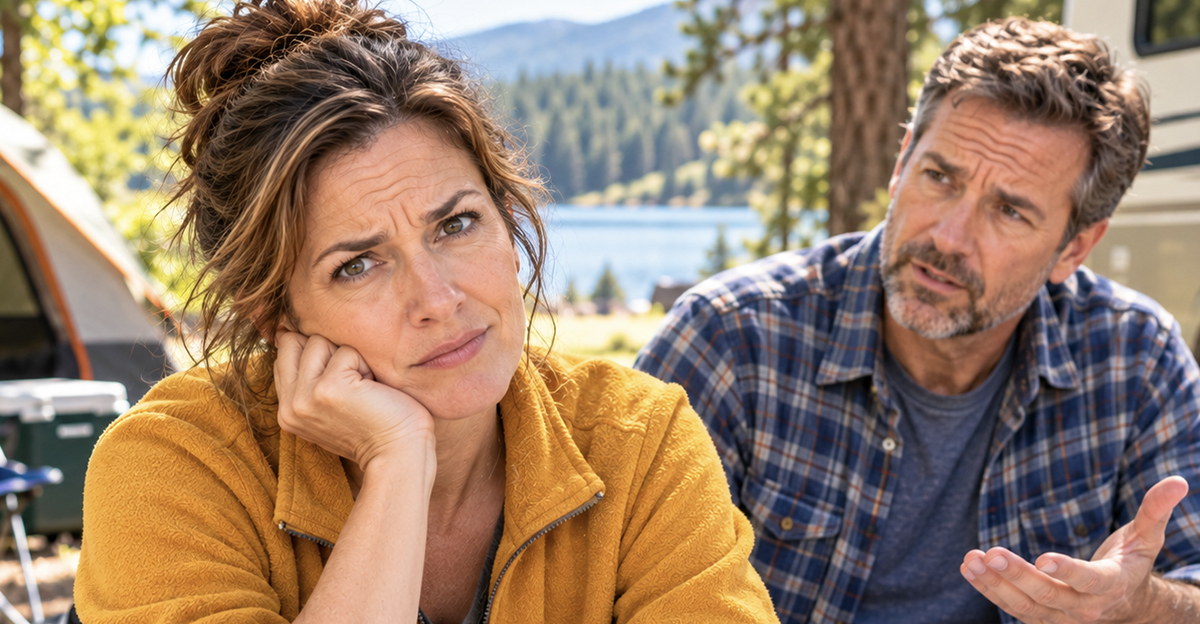
Few vacations sound more affordable than loading up the car and heading to a campground. Yet plenty of families come home wondering how a weekend outdoors managed to cost more than their last hotel stay. So where is all that extra money actually going?
Start With The Whole Trip, Not The Nightly Rate
The comparison often begins with a $35 campsite versus a $150 hotel room, which makes camping look like the obvious bargain. But lodging is only one category. Add transportation, equipment, food, park admission, activities, fuel, ice, supplies, and last-minute purchases to both trips. The only useful comparison is the total amount your family spends from leaving home until returning.
Camping Has Startup Costs Hotels Don't
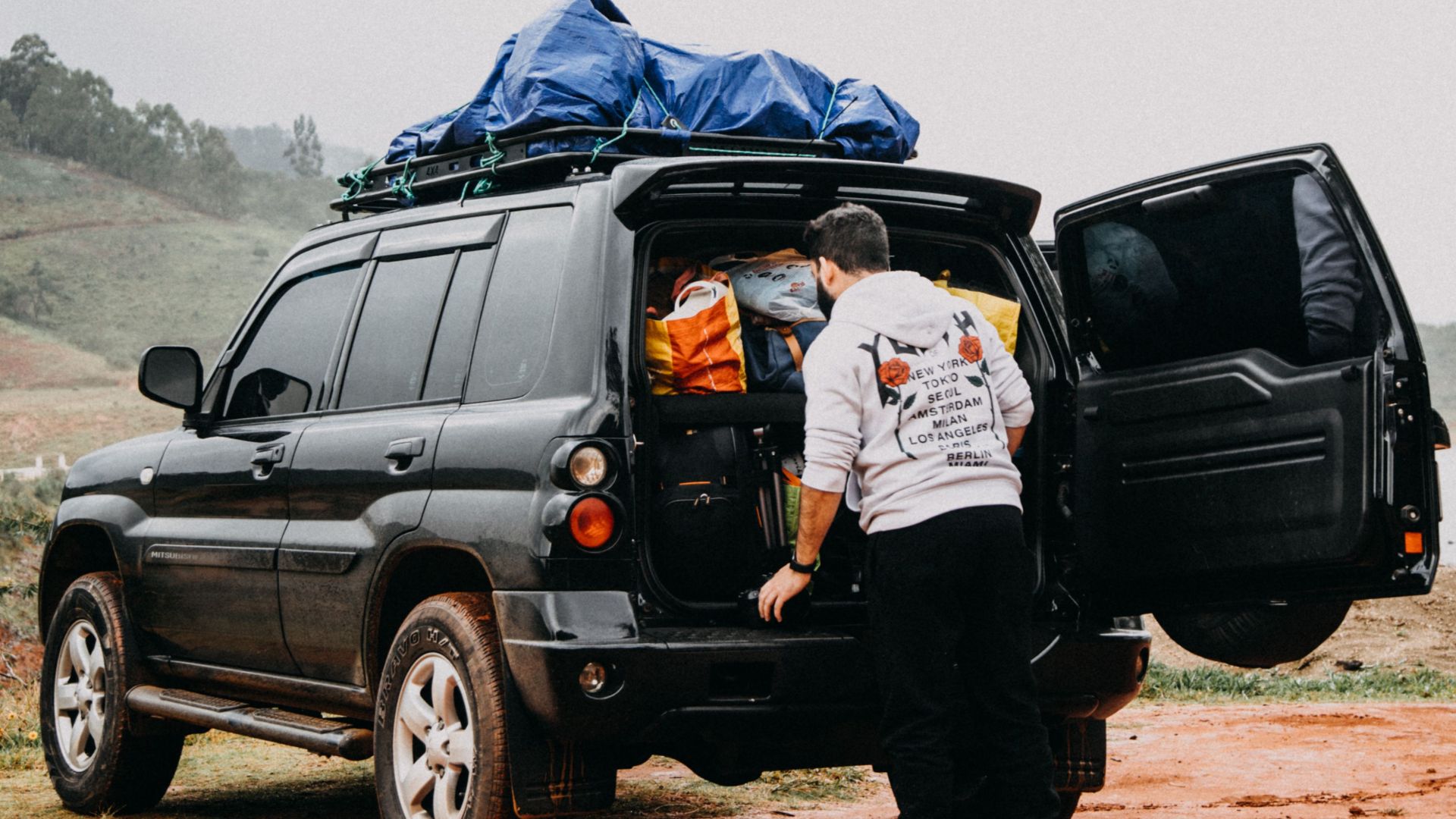
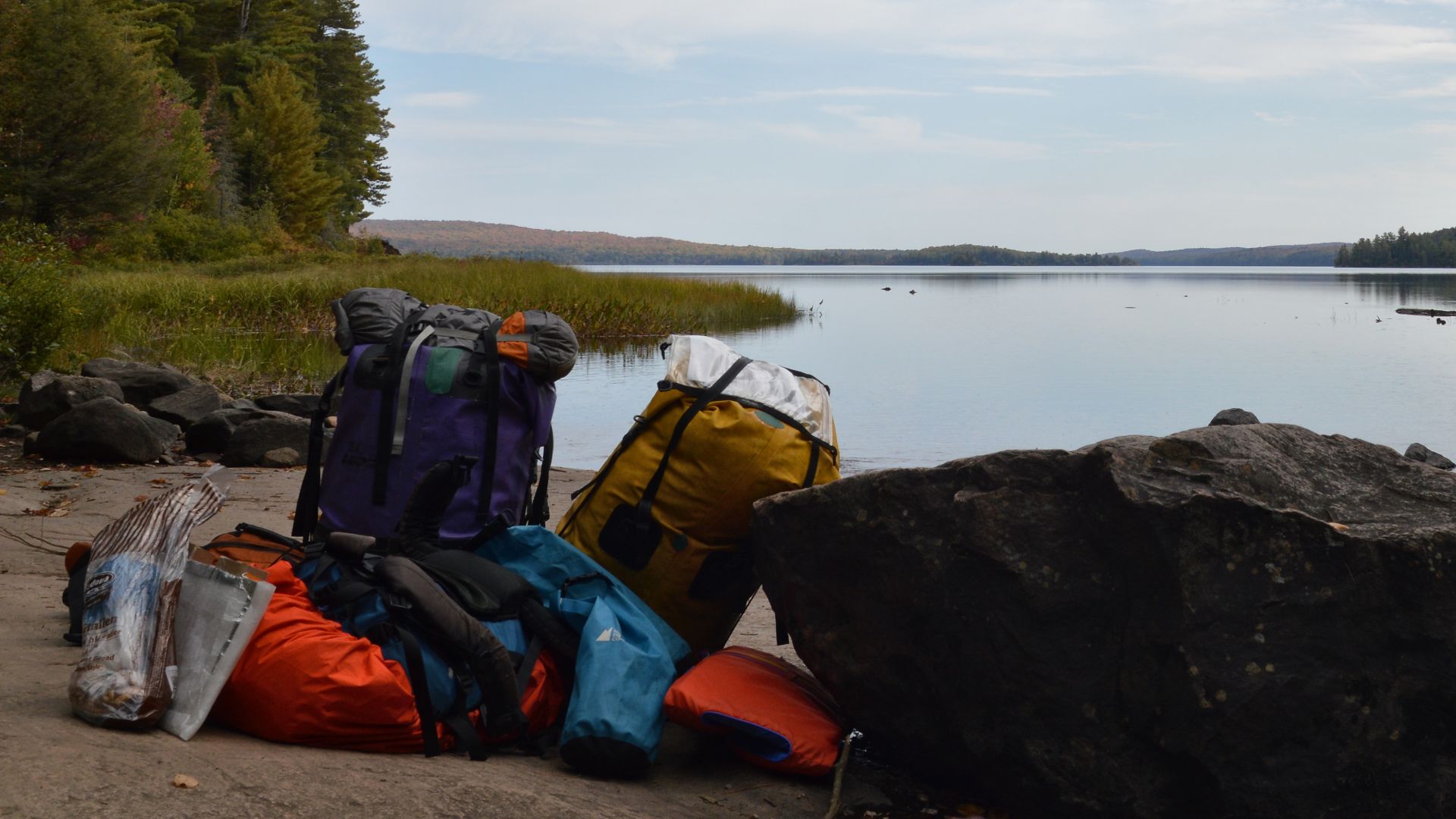
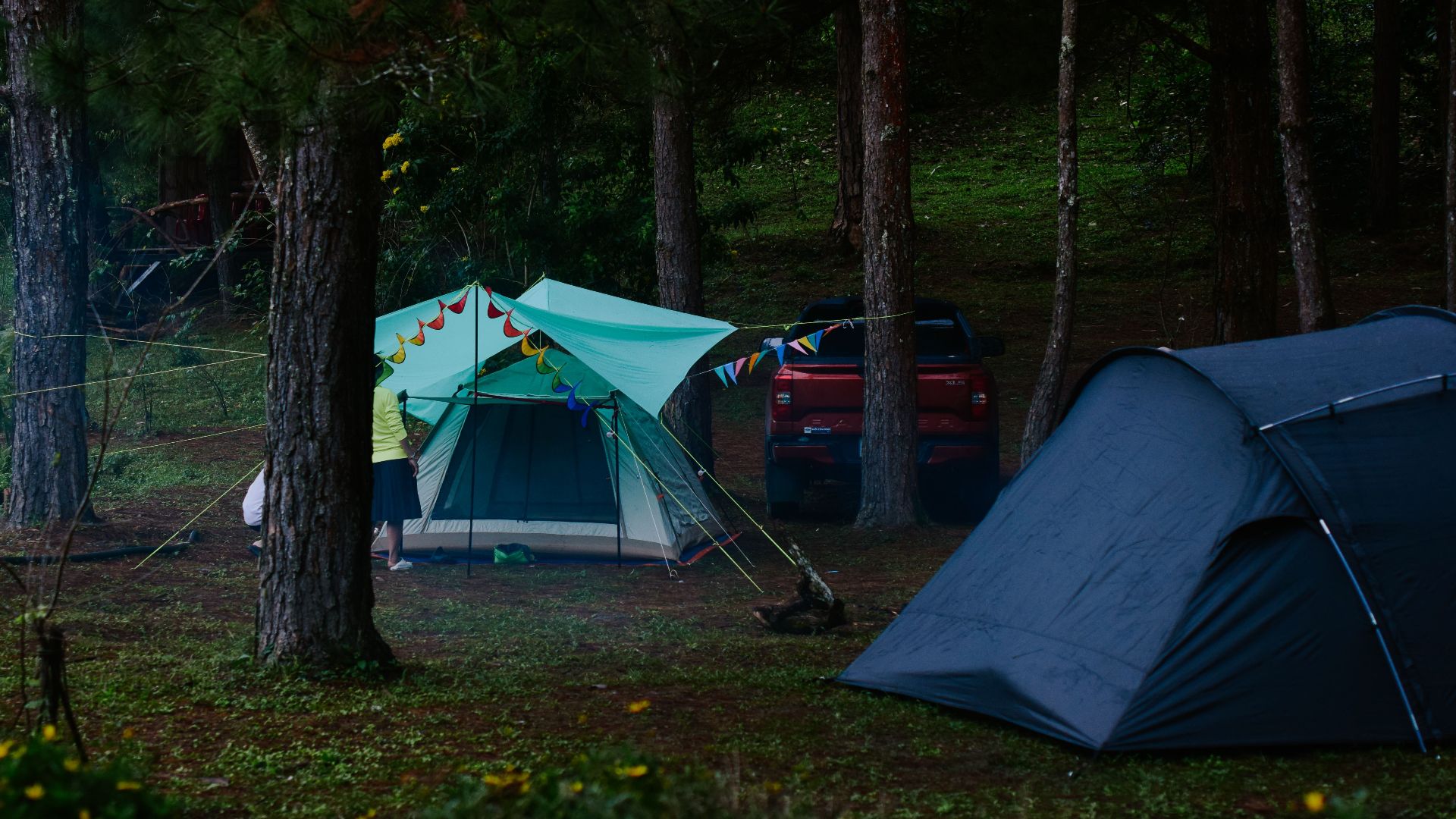
A hotel guest generally needs luggage and whatever they planned to bring anyway. A first-time camping family may need a tent, sleeping bags, pads, lanterns, chairs, coolers, cooking equipment, tarps, storage bins, and other supplies before the trip even begins. None of those purchases alone has to be enormous, but outfitting an entire family can easily turn an inexpensive campsite into an expensive first vacation.
 Ryan Hodnett, Wikimedia Commons
Gear Gets Cheaper The More You Use It
That initial investment shouldn't necessarily be charged entirely to one trip. A $300 tent used on 20 camping weekends effectively costs much less per trip than a $300 tent used twice before disappearing into the basement. Families who already own reliable equipment and camp regularly have a huge financial advantage over families who buy new gear for each occasional outing.
Public Campgrounds Can Be Extremely Affordable
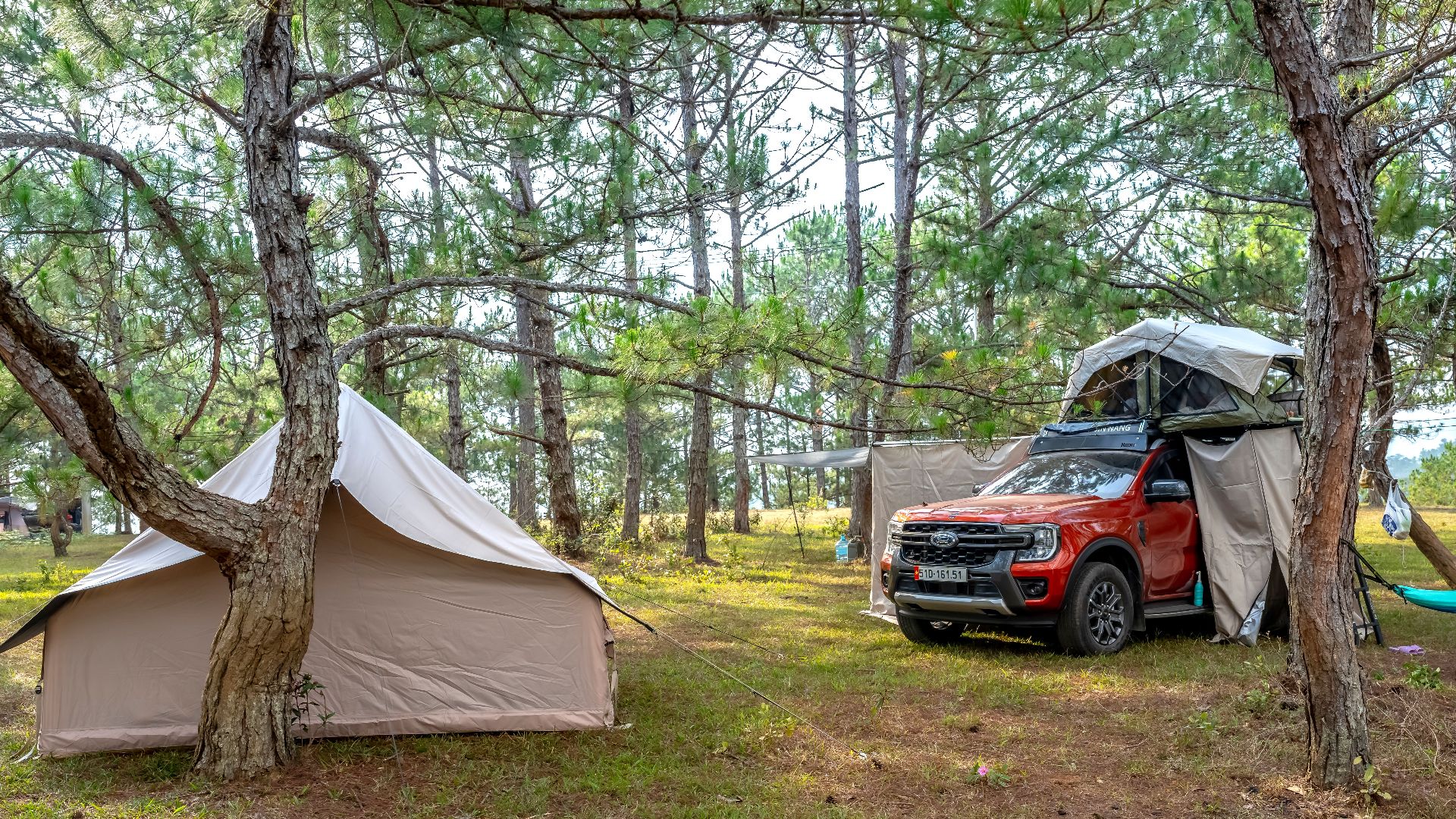
Government-operated campgrounds are one reason camping retains its low-cost reputation. National Park Service sites around the country can still cost dramatically less per night than typical hotel accommodations, with some primitive locations even offering free camping. Families willing to accept basic facilities can therefore keep lodging costs remarkably low.
Private Campgrounds Can Be A Completely Different Product
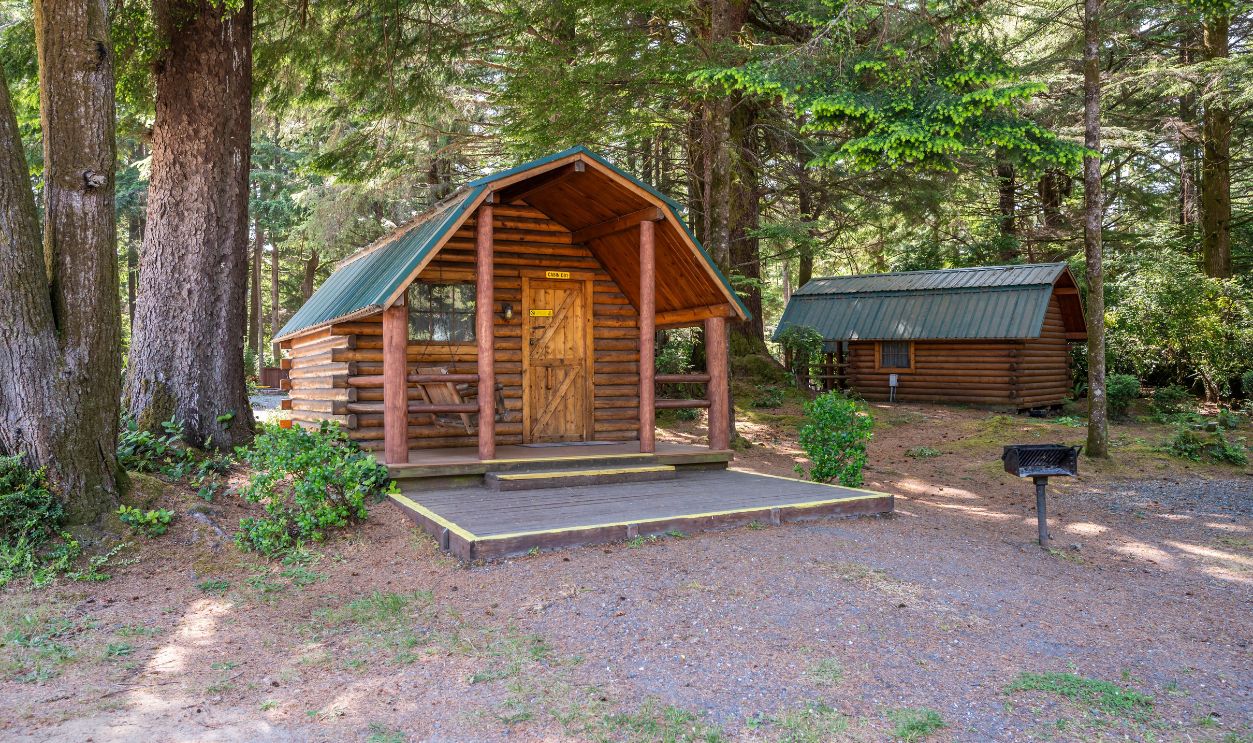
Not every campground is a patch of dirt and a picnic table. Private properties may offer pools, playgrounds, full RV hookups, Wi-Fi, organized activities, laundry facilities, stores, cabins, and other amenities. KOA notes that campground pricing can vary considerably depending on location and services. Once you're booking a premium site at a resort-style campground, comparing it with a hotel becomes much more reasonable.
Park Admission Can Be Separate From Camping
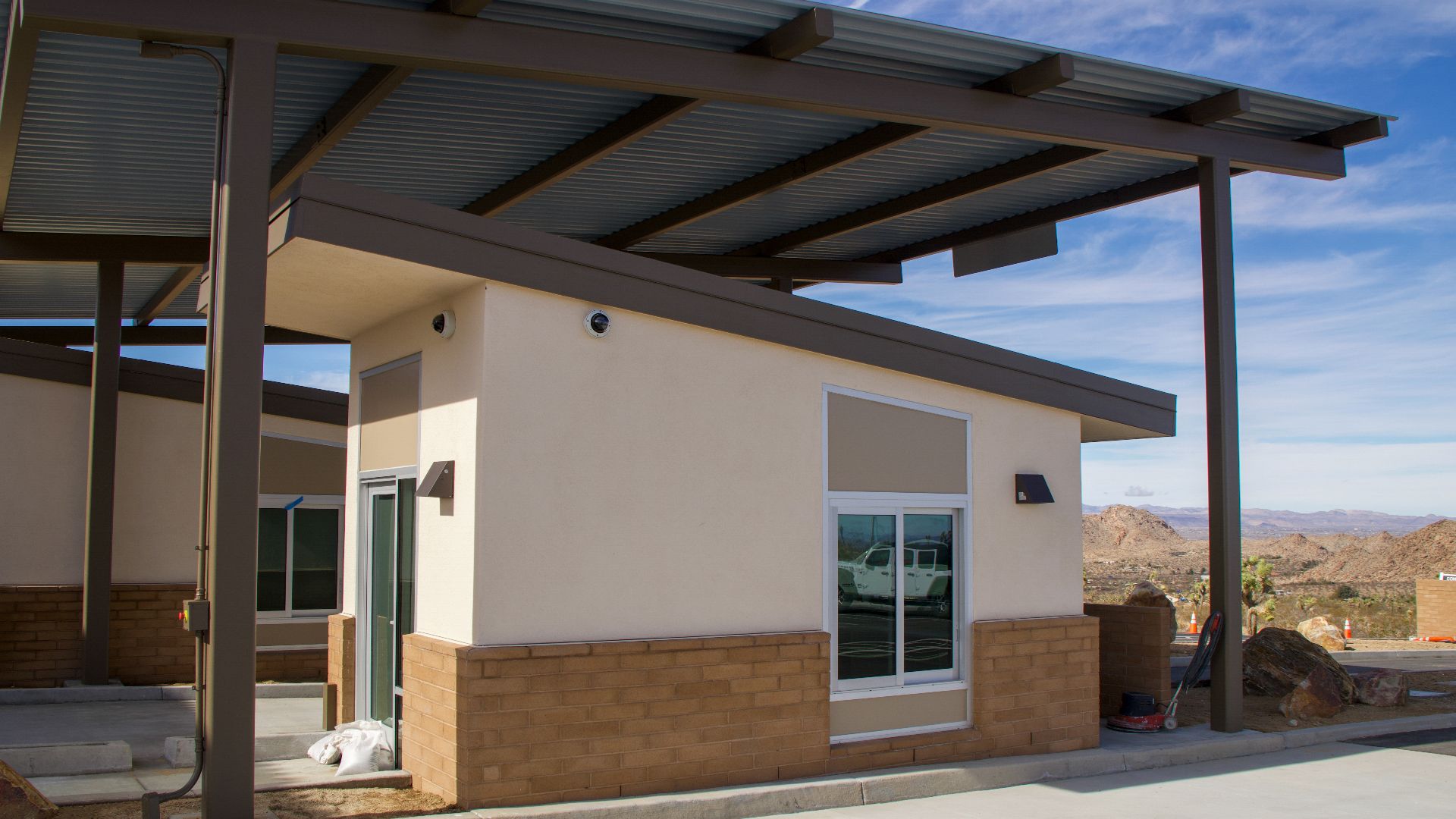
Paying for the campsite doesn't necessarily pay for everything else. Some parks charge entrance fees in addition to campground fees, and reservation or permit costs can apply as well. A family staying several nights may still get excellent value, but those extra charges belong in the vacation budget rather than being mentally separated because they weren't part of the campsite reservation.
 Joshua Tree National Park, Wikimedia Commons
Getting To The Campsite Can Cost More
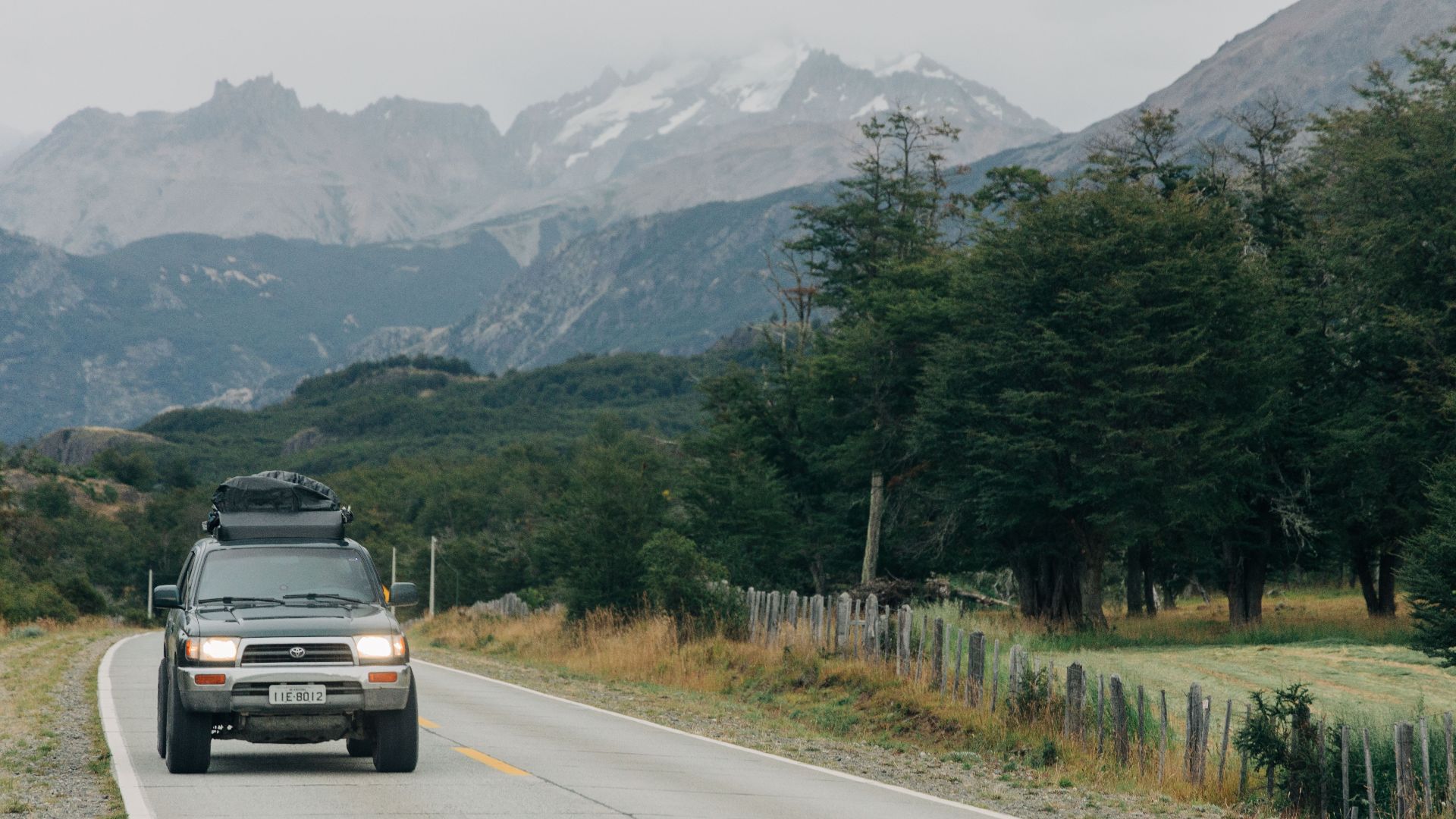
Families sometimes drive much farther for a camping vacation than they would for a simple hotel weekend. A favorite national park might be six hours away while a hotel getaway is only two. AAA notes that transportation can represent a major share of a family vacation budget. An inexpensive campsite loses some of its advantage when reaching it requires hundreds of additional miles of driving.
An RV Changes The Calculation Dramatically
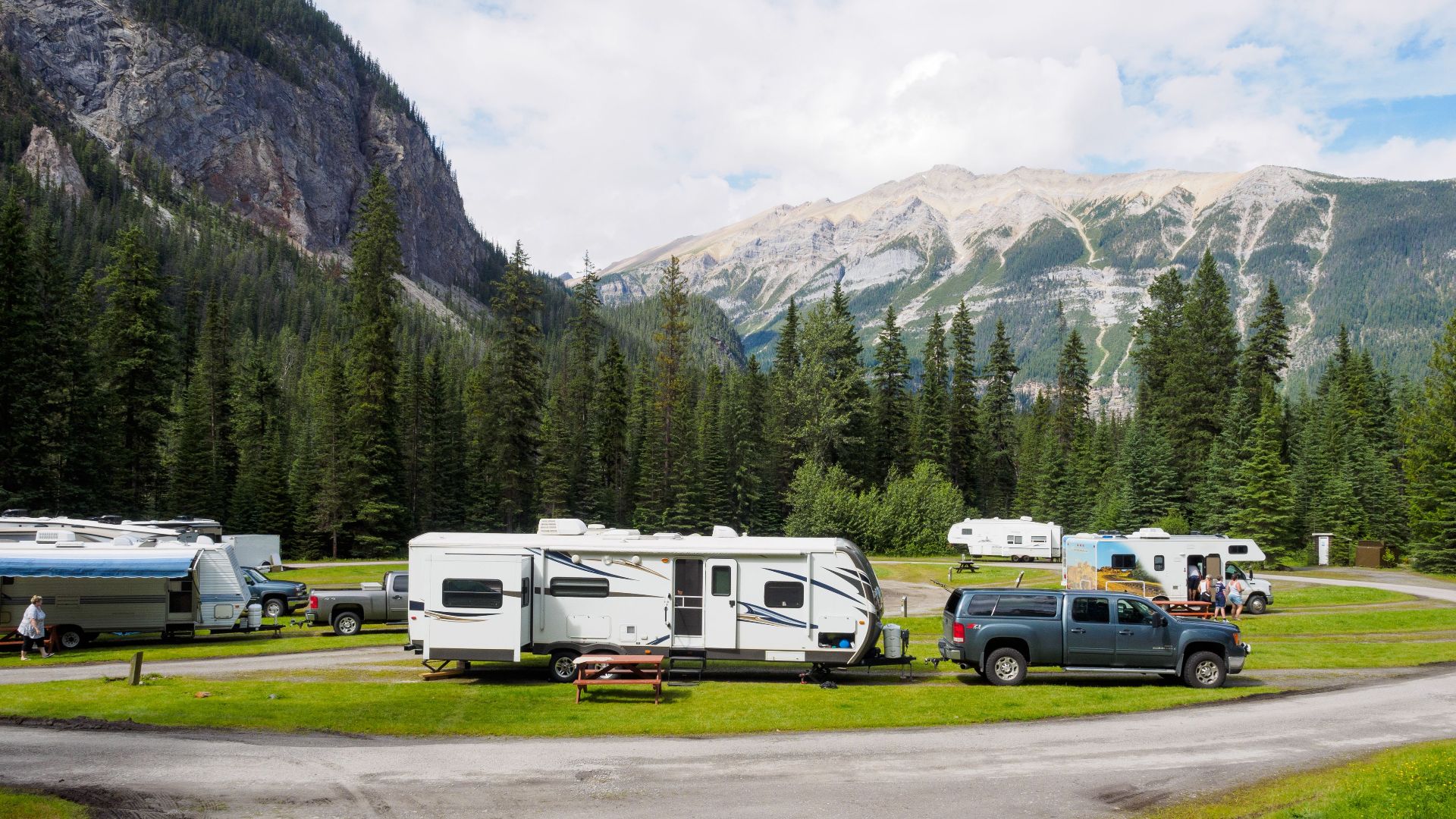
Tent camping and RV camping shouldn't be treated as financially interchangeable. An RV may involve a purchase payment, depreciation, insurance, maintenance, registration, storage, fuel, campground hookups, repairs, and possibly financing. Someone who already owns an RV may focus on the nightly campsite fee while forgetting the much larger fixed costs associated with having the vehicle available in the first place.
Towing Costs Fuel Too
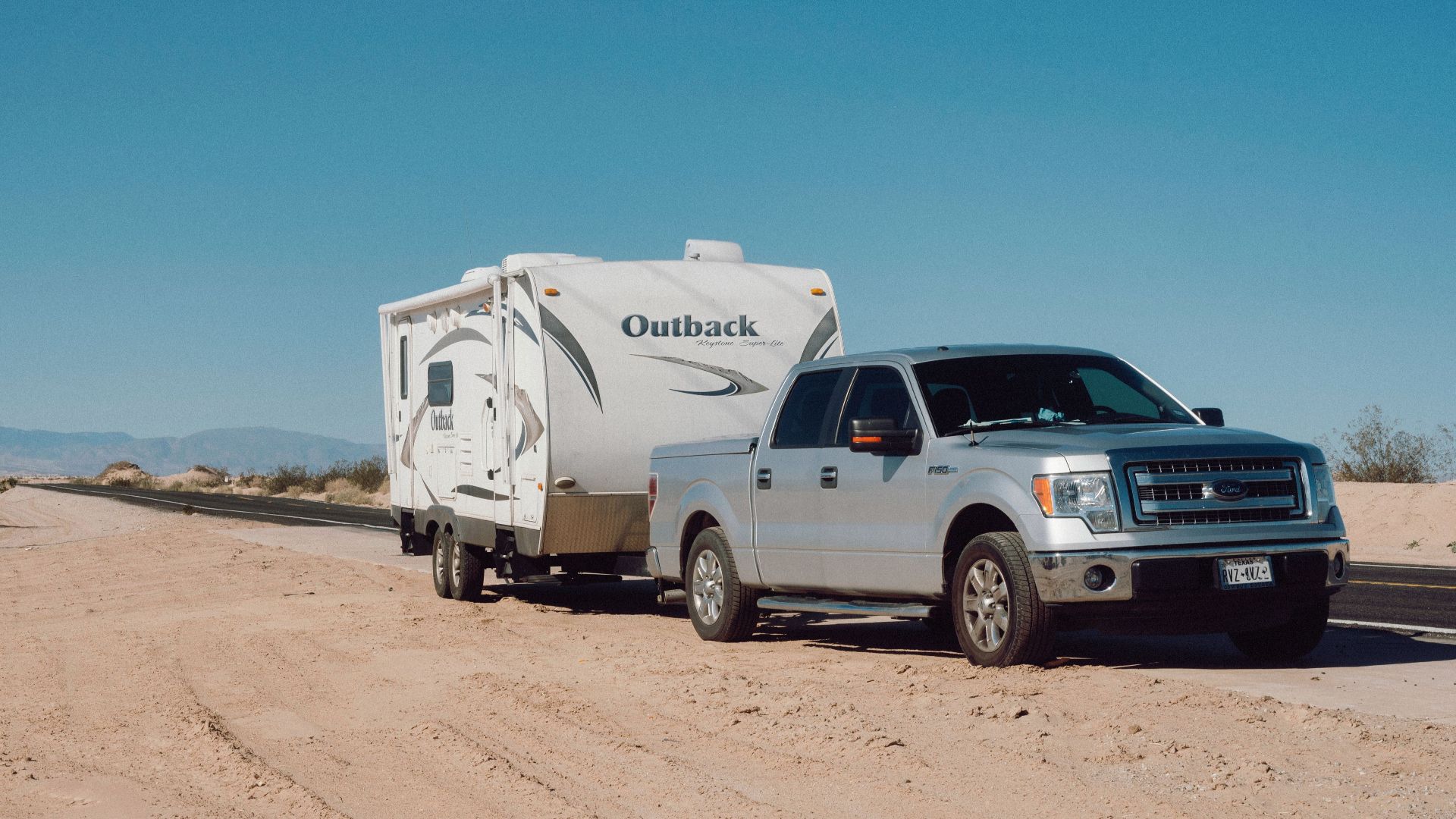
Even families who camp in a travel trailer rather than a motorhome may spend substantially more getting to the destination. Towing a heavy trailer generally increases fuel consumption, and a large tow vehicle may already cost more to operate than the family car used for hotel trips. Add several hundred highway miles and transportation can erase a significant portion of the campground savings.
Camping Food Can Be Very Cheap
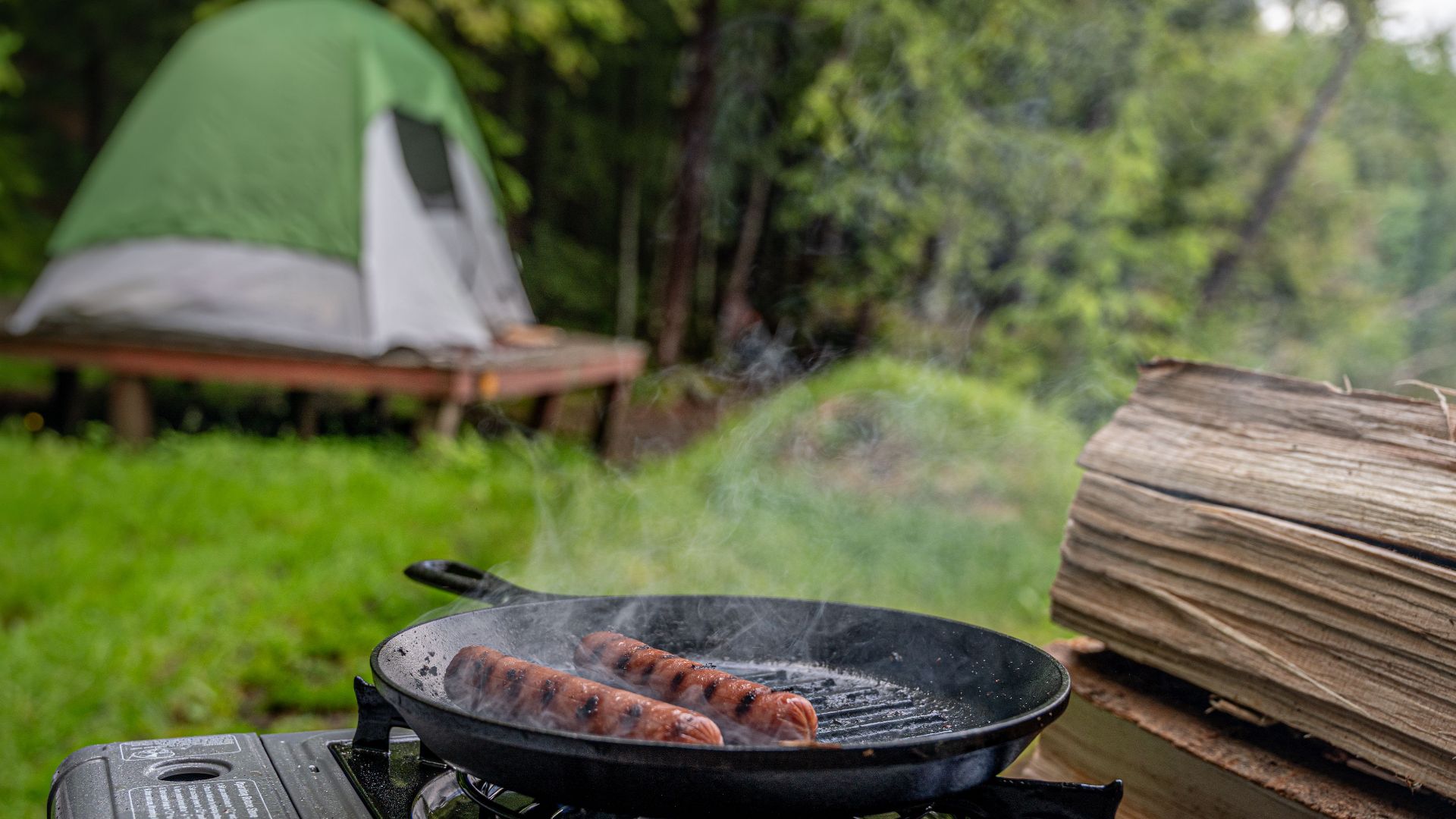
Cooking is one area where campers can save real money. Breakfast at the campsite, packed lunches, grilled dinners, and snacks from a grocery store can cost far less than feeding a family at restaurants several times per day. If your hotel trips involve restaurant breakfasts, lunches, and dinners, camping with thoughtfully planned meals can have a major financial advantage.
Or Camp Food Can Become An Event Of Its Own
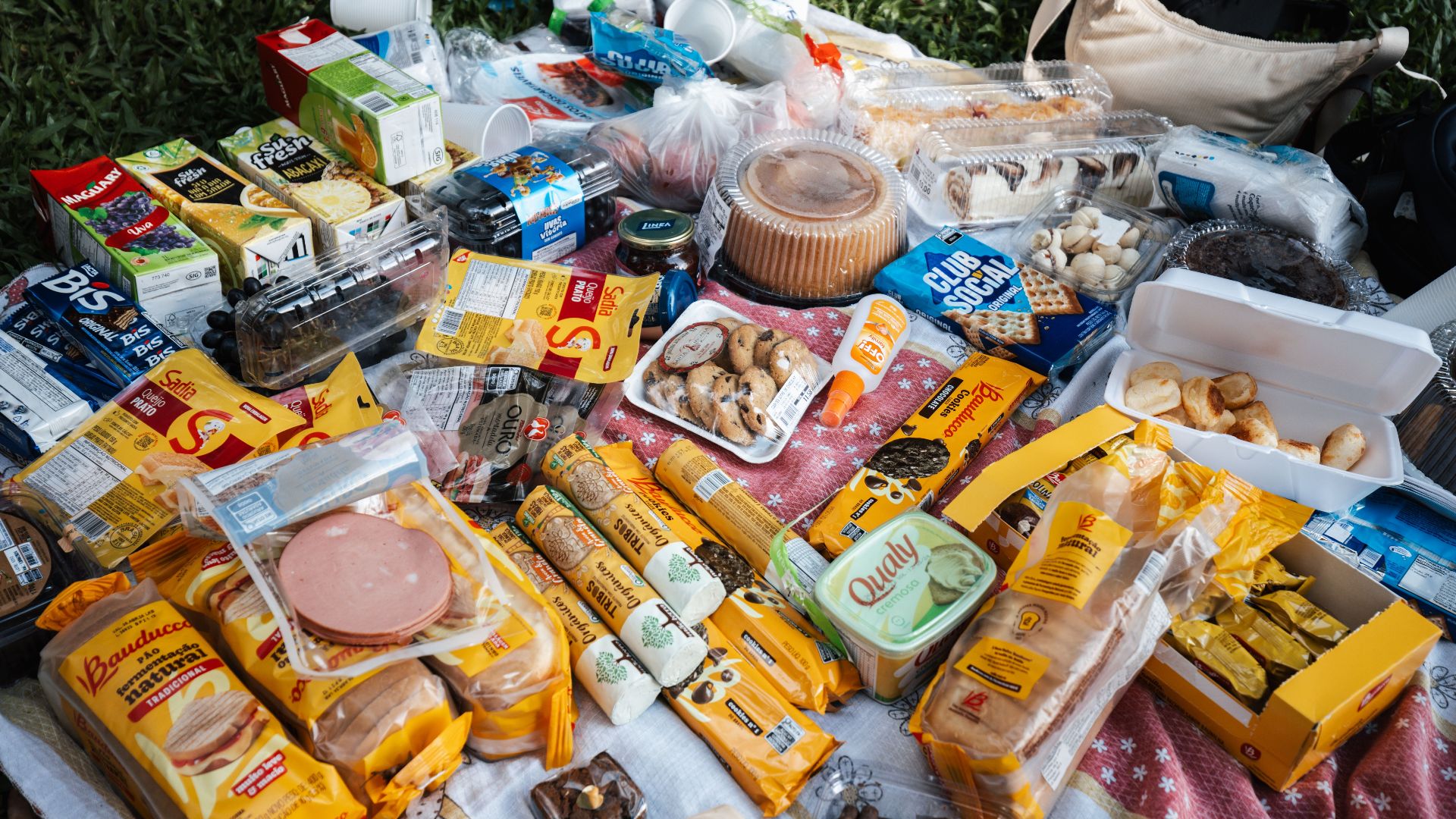
Camping groceries have a funny way of getting elaborate. Steaks, specialty snacks, individual drinks, marshmallows, chocolate, breakfast ingredients, packaged convenience foods, and "vacation treats" can produce a surprisingly large grocery receipt. If the family buys far more food for camping than it would normally eat at home, don't automatically classify all of that spending as savings because you're technically cooking yourselves.
Firewood, Ice, And Propane Add Up
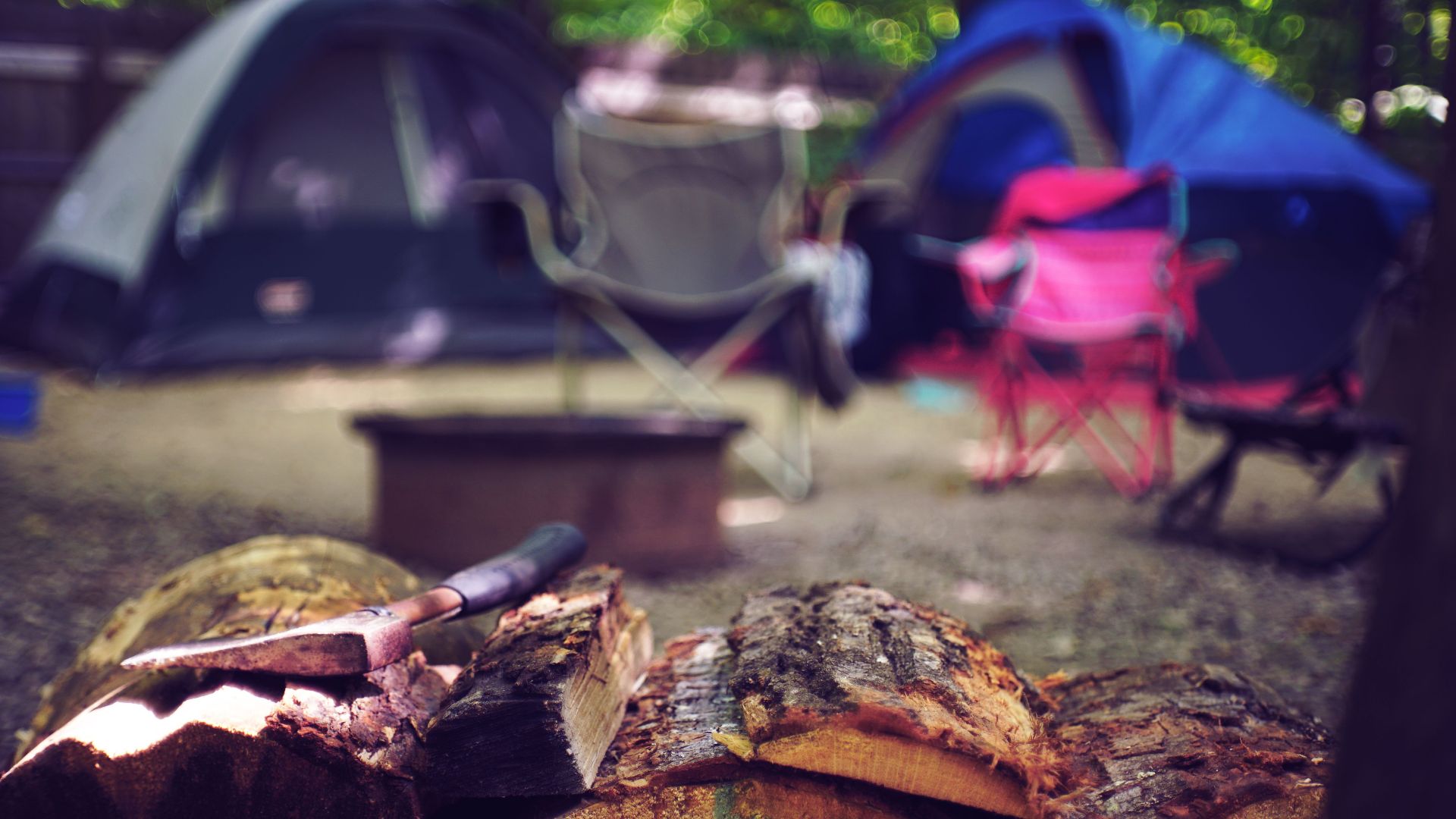
Some camping expenses barely register individually but appear over and over. Another bag of ice. Another bundle of firewood. More propane. Charcoal, lighter fluid, bottled water, batteries, bug spray, sunscreen, and forgotten toiletries. Campground stores are convenient precisely because you may have no alternative nearby, and convenience pricing can make a succession of small purchases surprisingly expensive.
Forgotten Gear Can Destroy The Budget
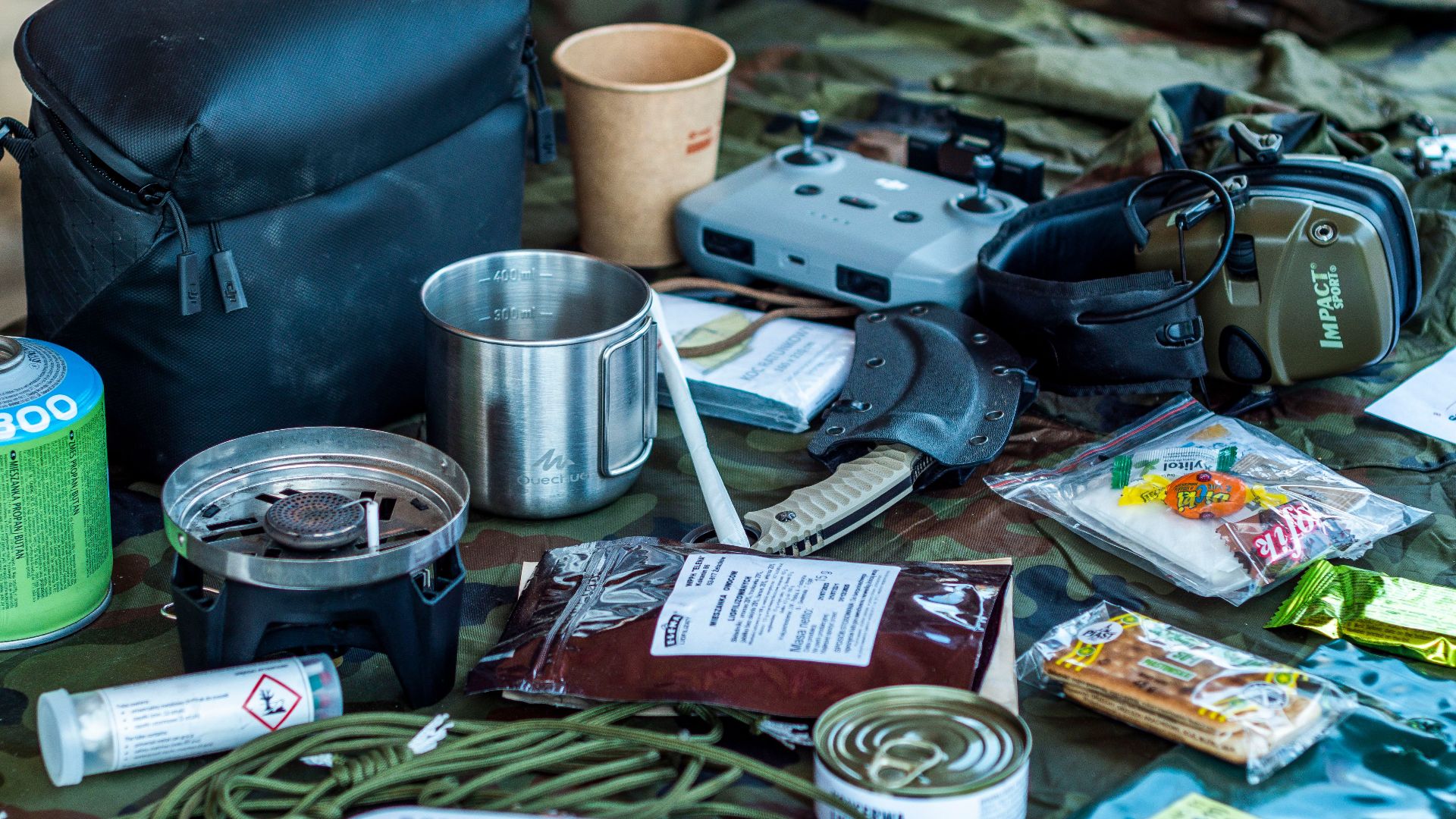
Leave a toothbrush at a hotel and there's probably a store nearby. Forget sleeping pads, rain gear, a stove component, or an essential piece of camping equipment and you may end up buying a replacement at the nearest outdoor retailer. Keeping a reusable packing checklist can prevent the same family from somehow purchasing its fourth lantern in three years.
Weather Can Turn Cheap Camping Into An Expensive Rescue Mission
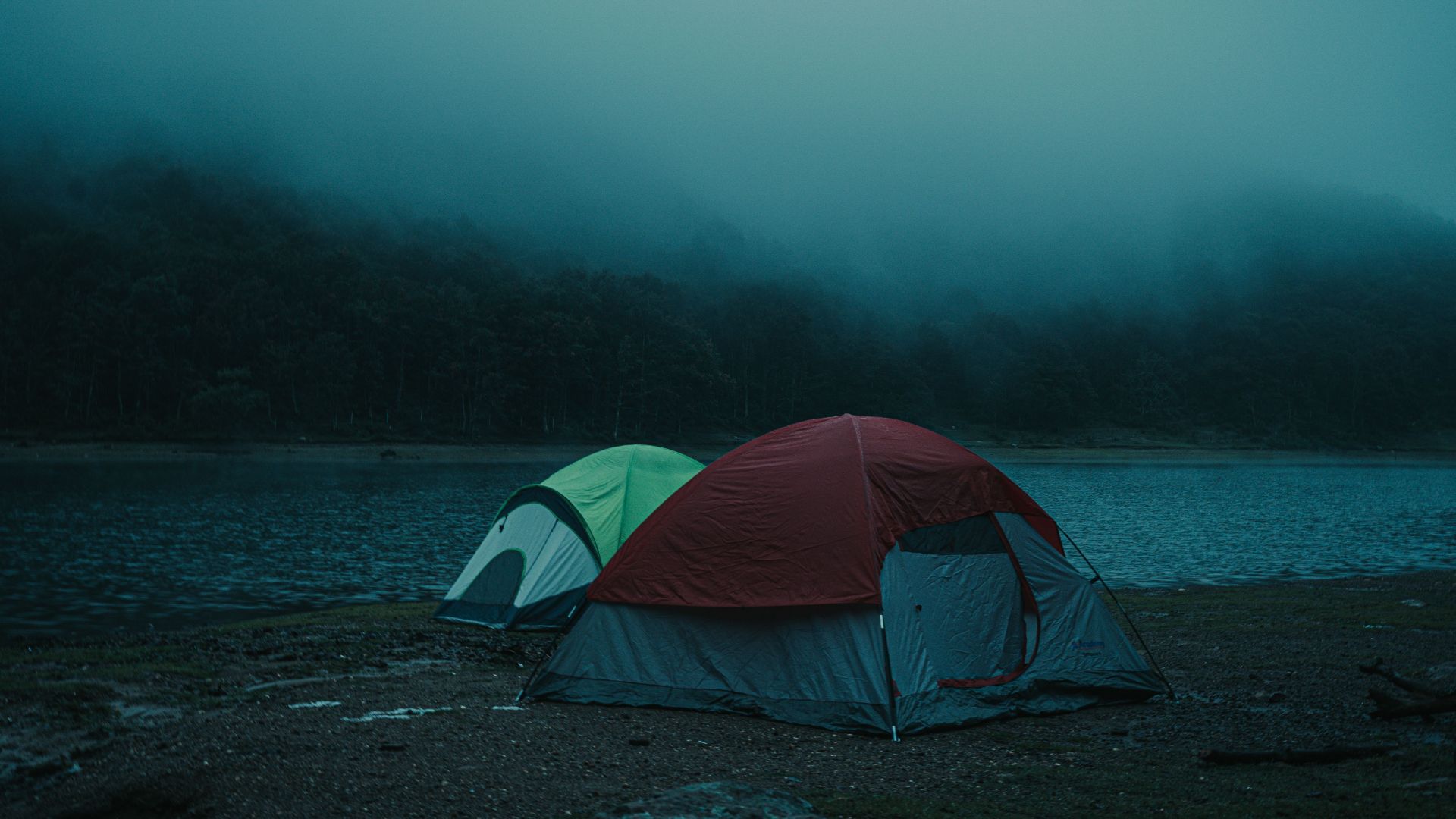
A rainy camping weekend can lead to extra tarps, waterproof clothing, restaurant meals, indoor entertainment, or even a last-minute hotel room. Extreme heat or cold can create similar problems. None of that means camping is a bad choice, but the financial advantage assumes conditions remain manageable enough that the family actually uses what it paid for.
Camping Can Make Entertainment Almost Free
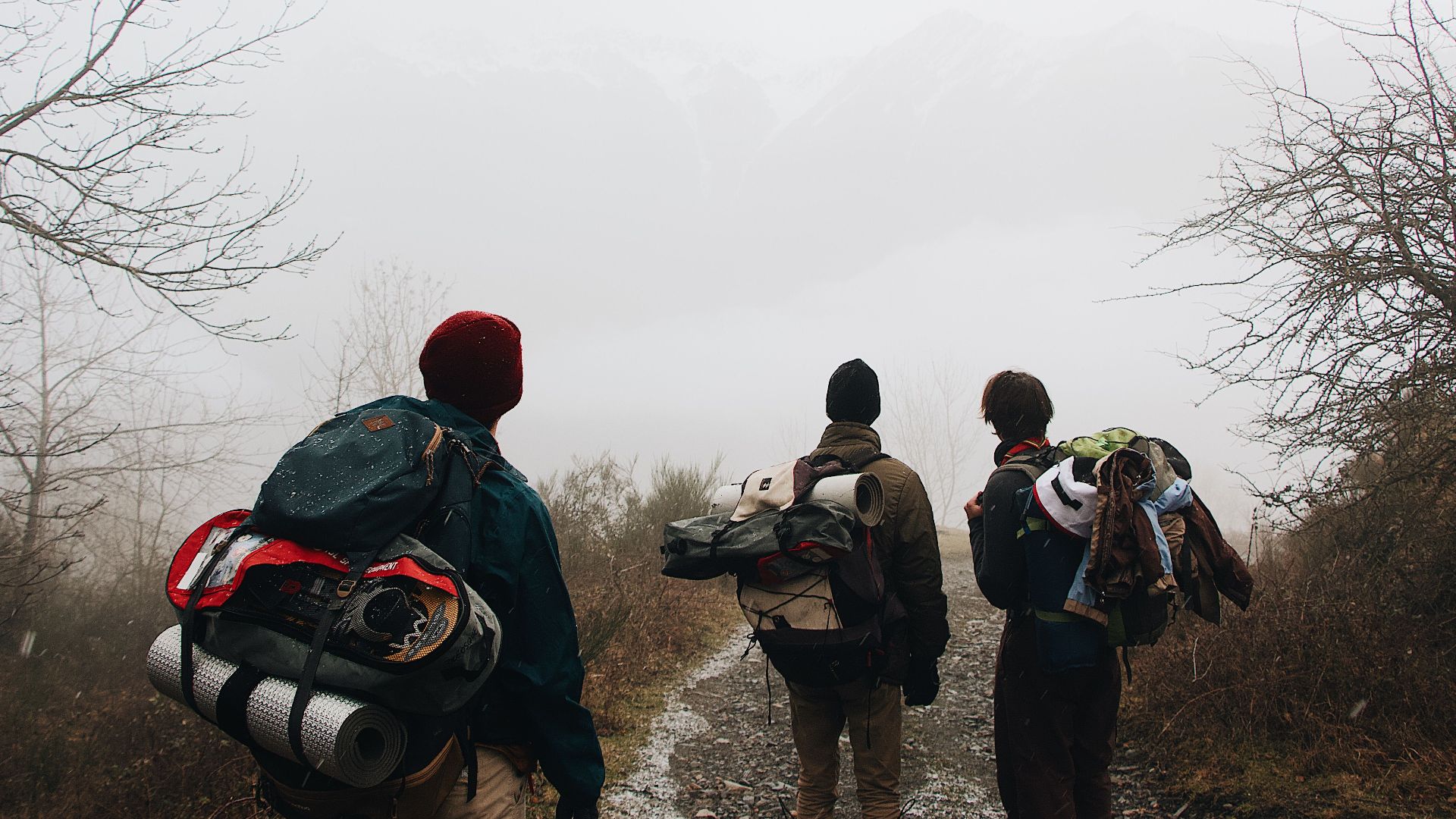
The economics improve when the campground itself is the activity. Hiking, swimming, fishing where permitted, biking, wildlife watching, campfires, and exploring trails can fill entire days without requiring separate attraction tickets. A hotel vacation built around theme parks, museums, tours, or paid entertainment may have a cheap room but an expensive itinerary.
Hotels Include Things Campers Supply Themselves
A hotel rate usually comes with a bed, climate control, plumbing, electricity, towels, showers, housekeeping, and shelter from bad weather. Some properties also include breakfast, Wi-Fi, pools, or parking. Campers may have to supply or pay separately for equivalents. That doesn't make the hotel cheaper automatically, but those included conveniences have economic value when comparing the two trips.
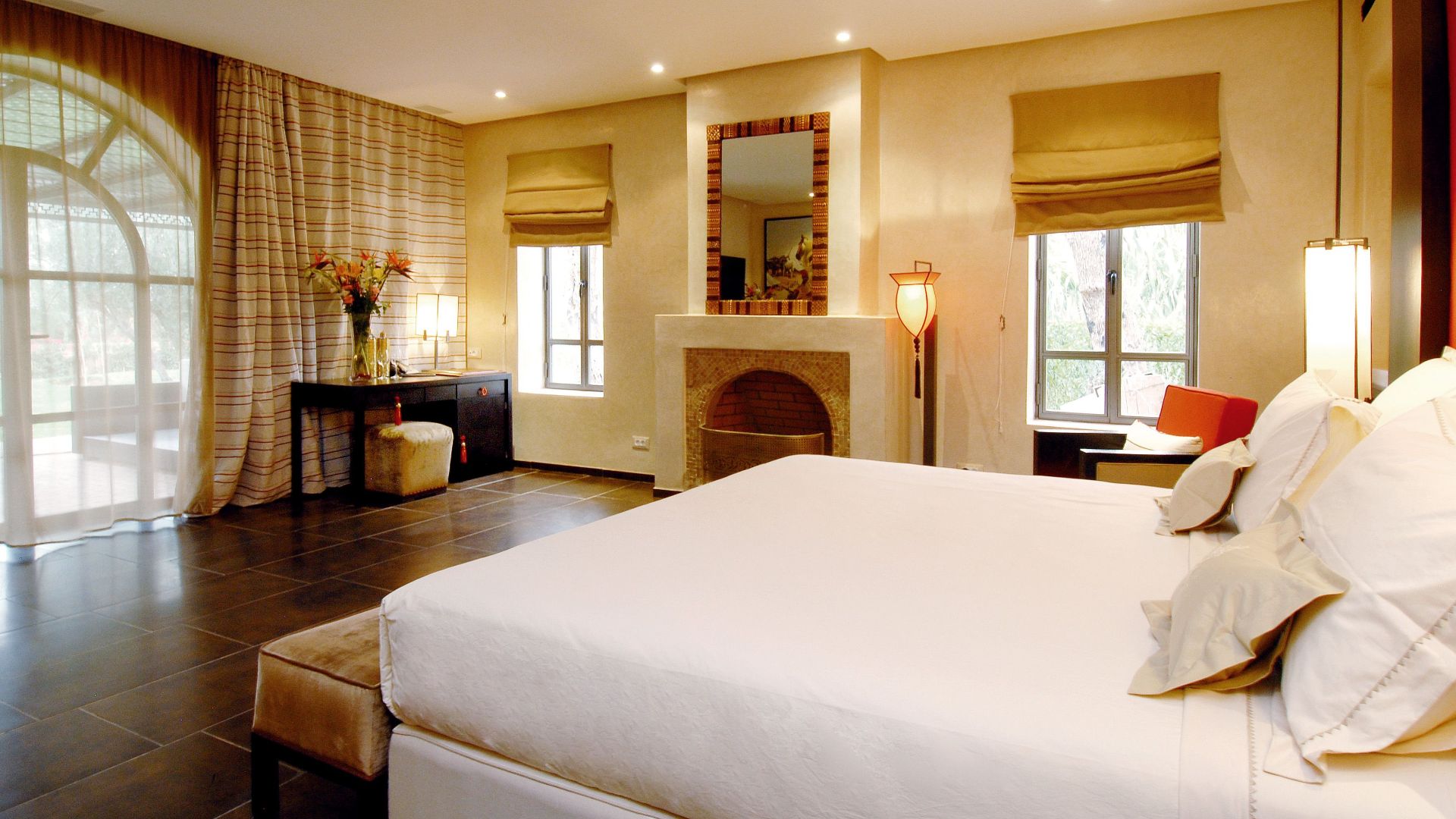
Hotels Have Their Own Extra Charges
The comparison should be fair in both directions. Hotels can add parking fees, destination or resort fees, pet charges, taxes, and other expenses beyond the advertised room rate. AAA advises travelers to look carefully at these extras when comparing accommodations. A $129 room can look much less attractive once the final checkout price is known.
 https://kaboompics.com/, Pexels
Family Size Can Tilt The Math Toward Camping
A family that comfortably fits in one hotel room may find the price difference surprisingly small. Once the family becomes large enough to require two rooms or a suite, camping can become far more competitive. Most campsites charge primarily for the site rather than requiring a second site simply because another child came along, although occupancy limits still apply.
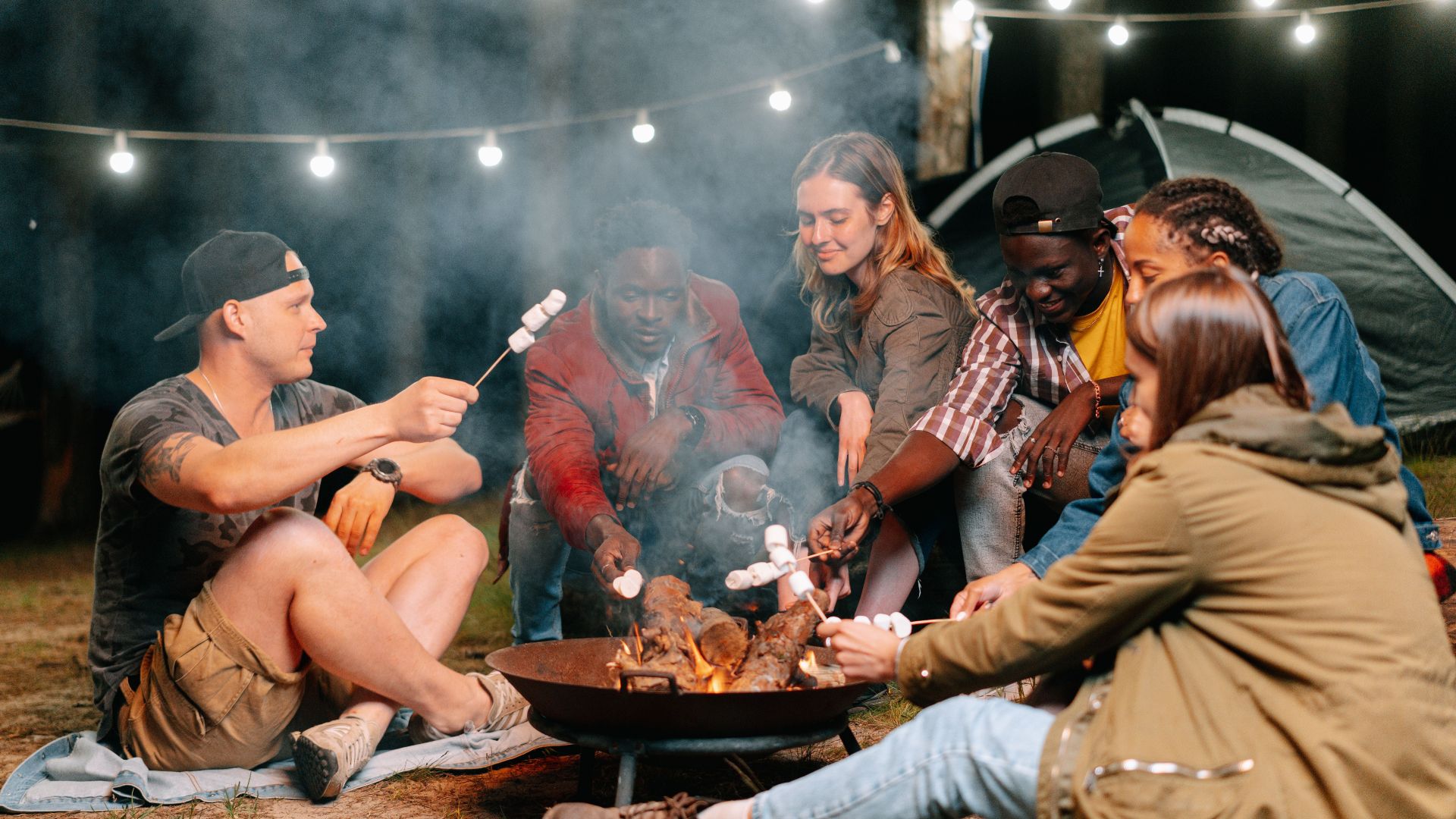
Camping Gets Better Financially With Repetition
The family that camps six weekends every summer can spread equipment costs across dozens of nights. The family that goes once every two years may repeatedly discover expired fuel, damaged equipment, outgrown sleeping bags, dead batteries, or things it no longer remembers owning. Camping tends to become more economical when it's a regular hobby rather than an occasional vacation requiring fresh purchases every time.
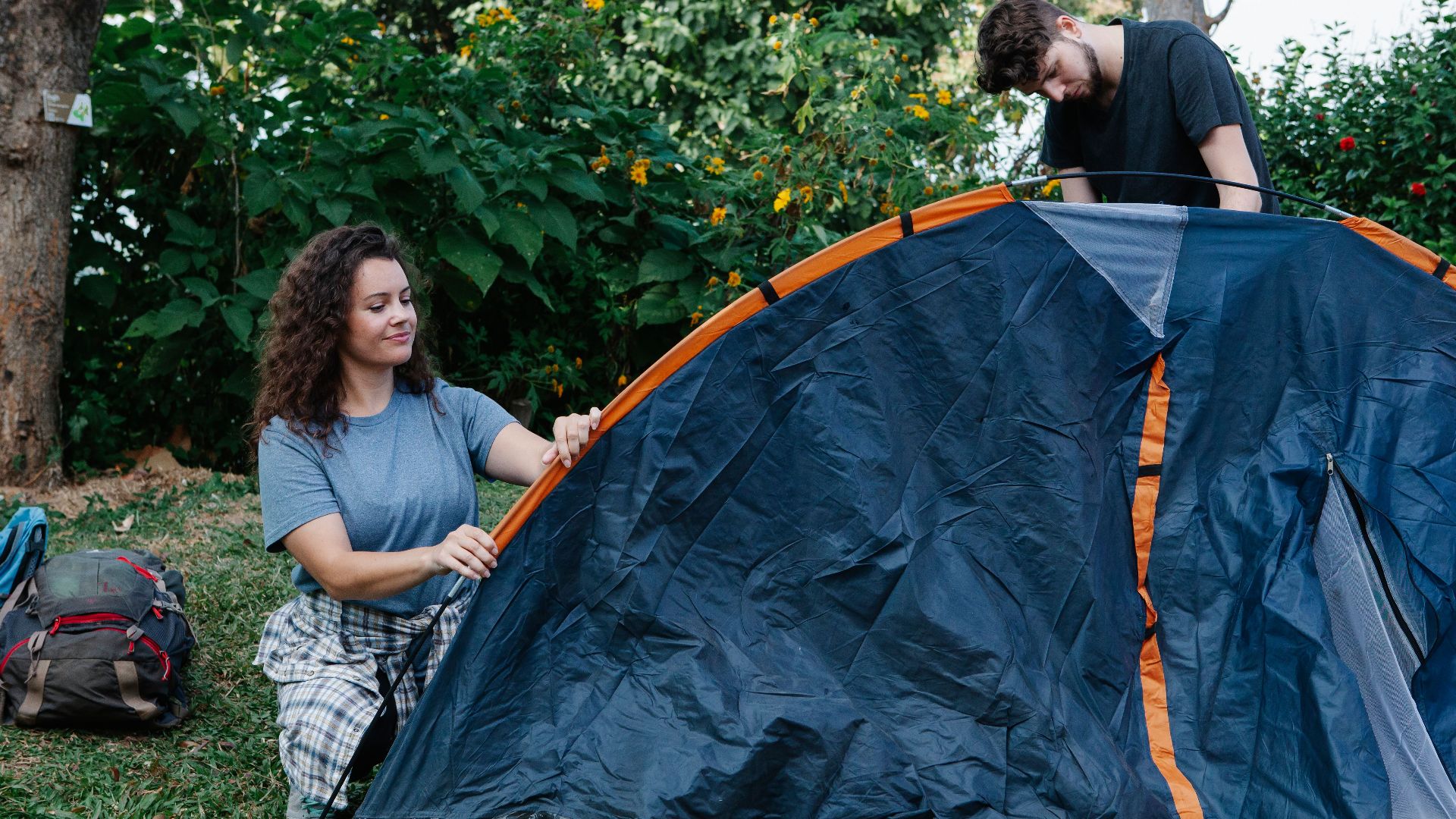
Short Trips Can Make Gear Costs Look Worse
Imagine spending $500 preparing for a two-night camping trip. Even with a very inexpensive campsite, those two nights don't look particularly cheap. Use that same equipment for 30 future nights and the calculation changes completely. Families debating whether camping "saves money" should decide whether they're evaluating one isolated trip or a long-term recreational habit.
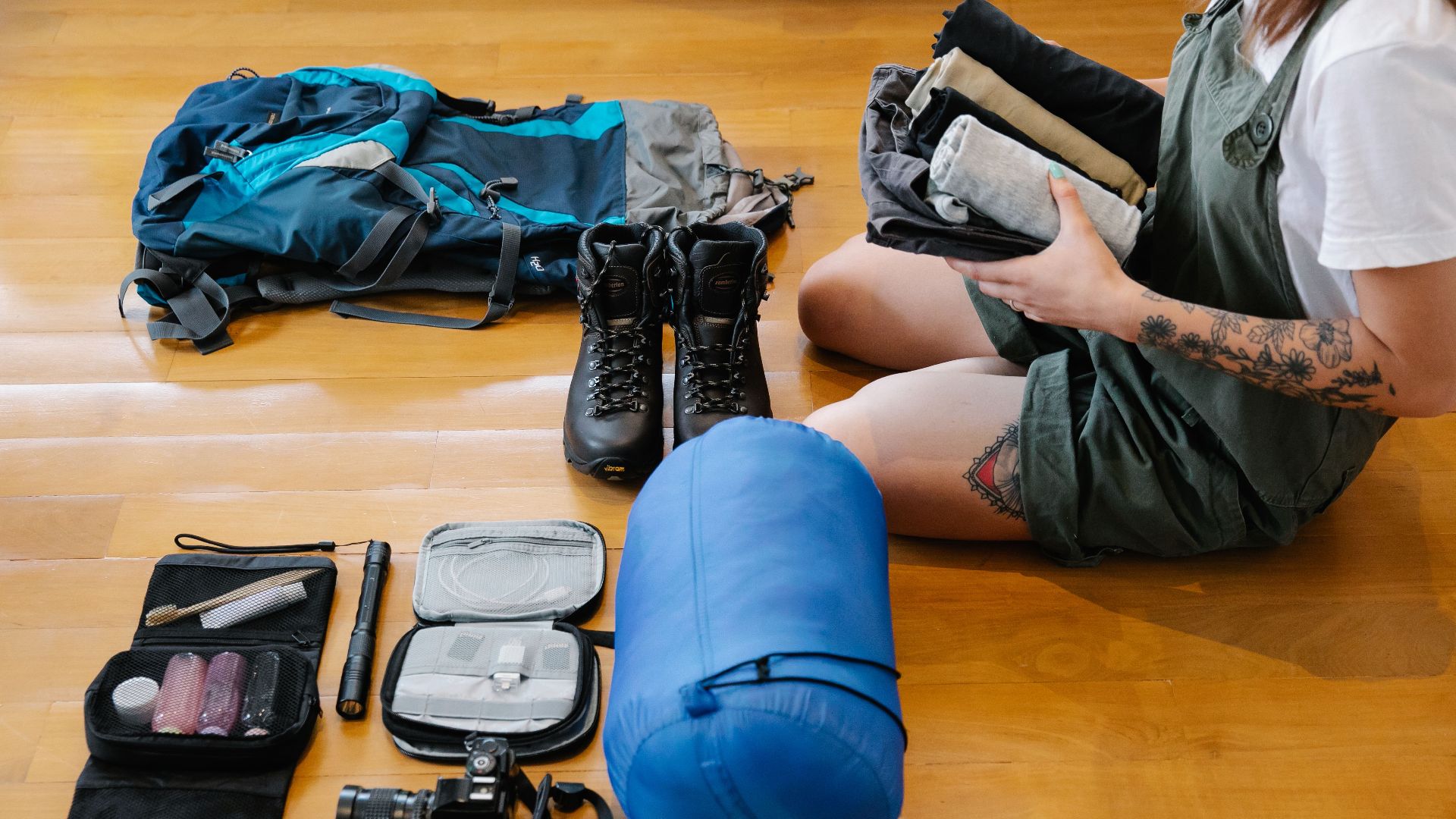
Cabins And Glamping Blur The Categories
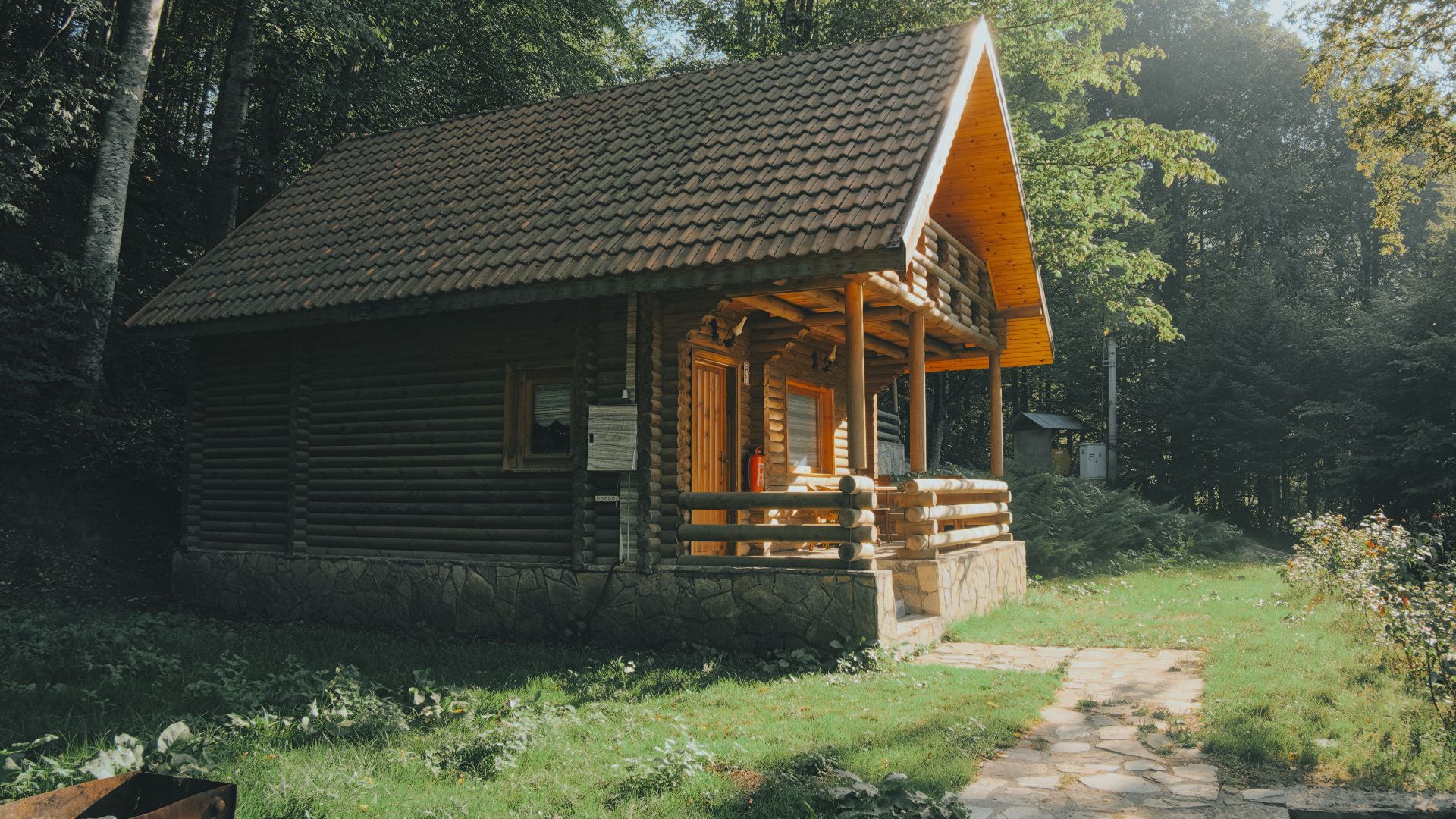
A campground cabin can sound like a middle ground between camping and hotels, but some popular properties charge hotel-like prices for cabins and luxury tents. Add linens, cleaning charges, activity fees, and food, and the traditional camping savings may disappear. That's perfectly fine if the experience is what the family wants, but sleeping inside a campground doesn't automatically turn an expensive vacation into a budget one.
Owning More Gear Isn't Always The Answer
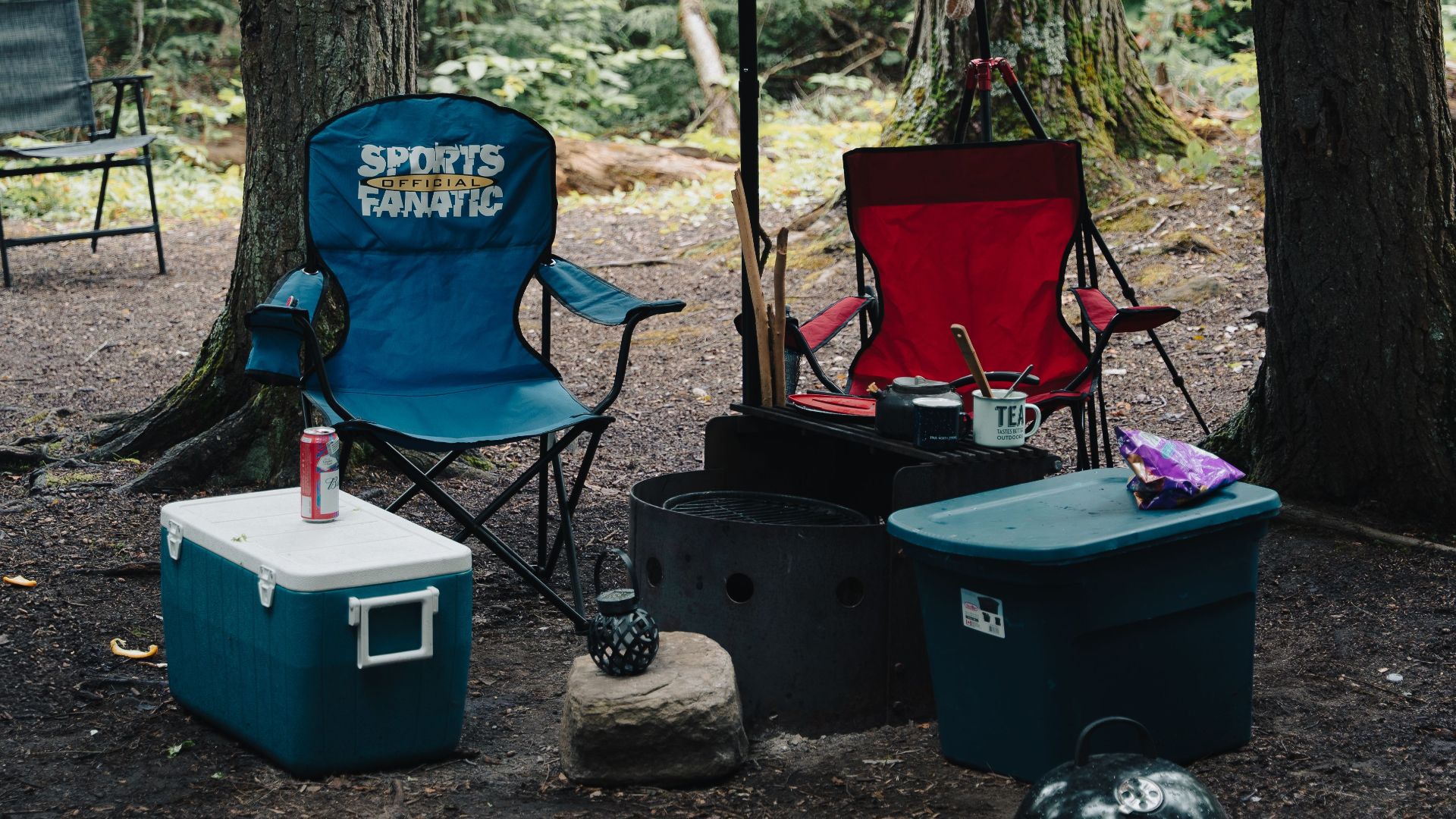
It's easy to respond to an expensive camping trip by buying something intended to make the next one better: a larger tent, premium cooler, roof box, camp kitchen, power station, portable fridge, or new trailer. Those purchases can make camping more comfortable, but they also create a moving financial target. Before buying another upgrade, calculate how many hotel nights the same money could purchase.
Build Two Real Vacation Budgets Side By Side
For the next trip, price both versions before booking anything. Include lodging or campsite fees, taxes, reservation charges, gasoline, equipment purchases, food, activities, parking, park admission, firewood, ice, and anything else your family typically buys. Also separate one-time gear purchases from normal recurring expenses. Once everything is on the same page, the argument stops being "camping feels cheaper" versus "hotels feel cheaper".

Camping Can Be Cheaper, But It Isn't A Law Of Nature
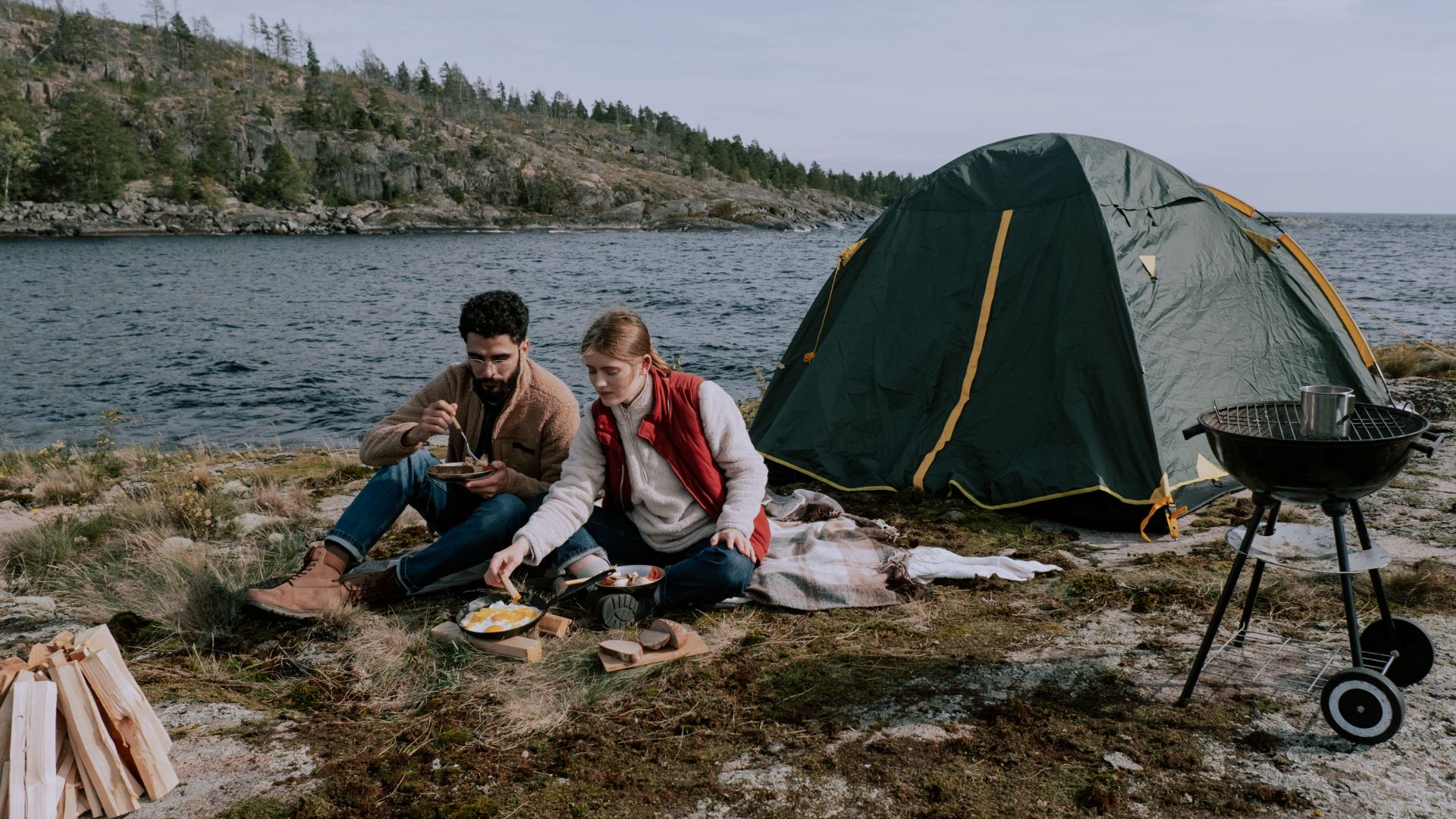
A family that owns its gear, camps close to home, chooses inexpensive public campgrounds, cooks simple meals, and spends its days enjoying free outdoor activities can vacation remarkably cheaply. A family towing an RV hundreds of miles to a premium campground while buying new equipment, firewood, restaurant meals, and paid activities can easily spend more than it would at a modest hotel. So the real question isn't whether camping is cheaper. It's whether the way your family likes to camp actually is.
You May Also Like: