When The Lake View Comes With A Catch
You booked a cabin imagining mornings on the dock, only to discover a private-property sign. Now your lakeside getaway feels less lakeside. Whether you have a complaint depends on what was promised.
 Daniel Megias, Shutterstock Images
Yes, You Can Raise The Issue
You do not need to prove deliberate deception before contacting the host. A meaningful mismatch between the listing and reality deserves an explanation. Compensation, however, depends on the evidence and booking terms.

Lake Access Does Not Automatically Mean Dock Access
Those phrases describe different things. A rental might offer a permitted path to the shoreline without including use of a nearby dock. The distinction becomes crucial when evaluating what you booked.
A Dock Is Its Own Feature
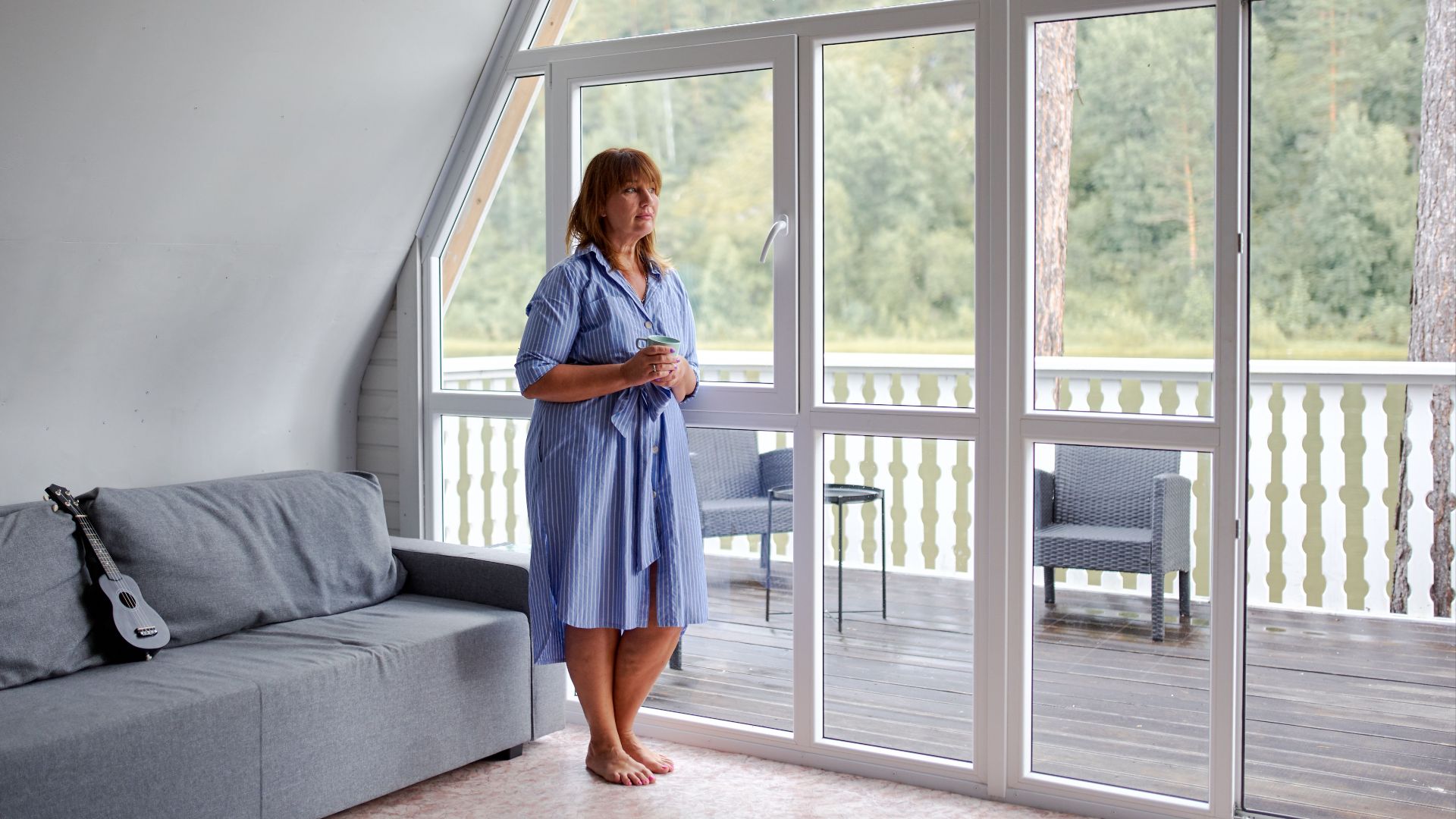
Docks are structures with their own ownership and usage rules. Simply seeing one beside a cabin does not establish guest permission to use it. Ask who controls it before setting foot on it.
Start With The Actual Route To The Water
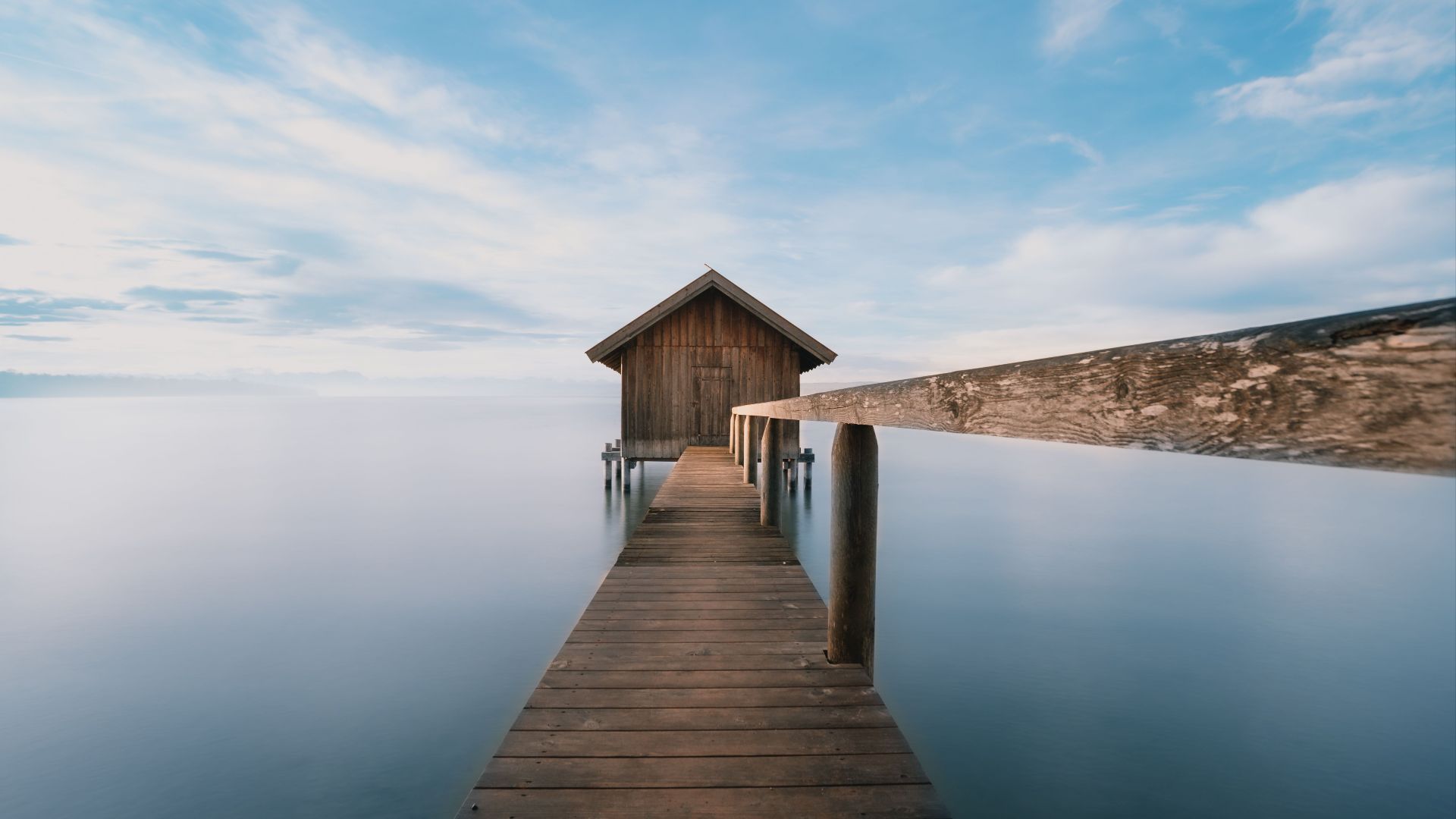
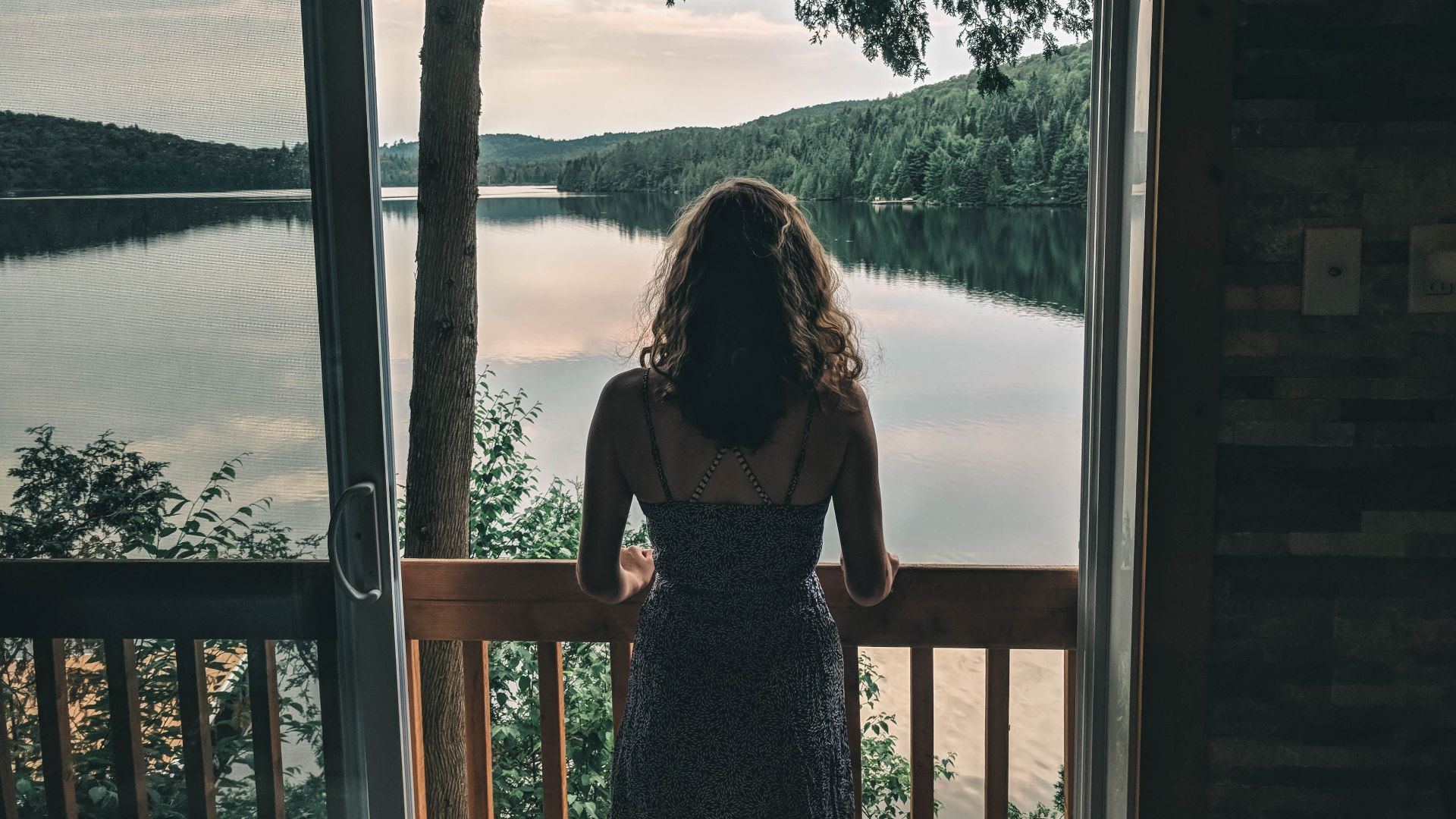
Could you reach the lake without crossing somebody else's land? If the advertised access requires an unavailable gate or forbidden path, that matters. A lovely water view does not solve an access problem.
Read The Listing Word For Word
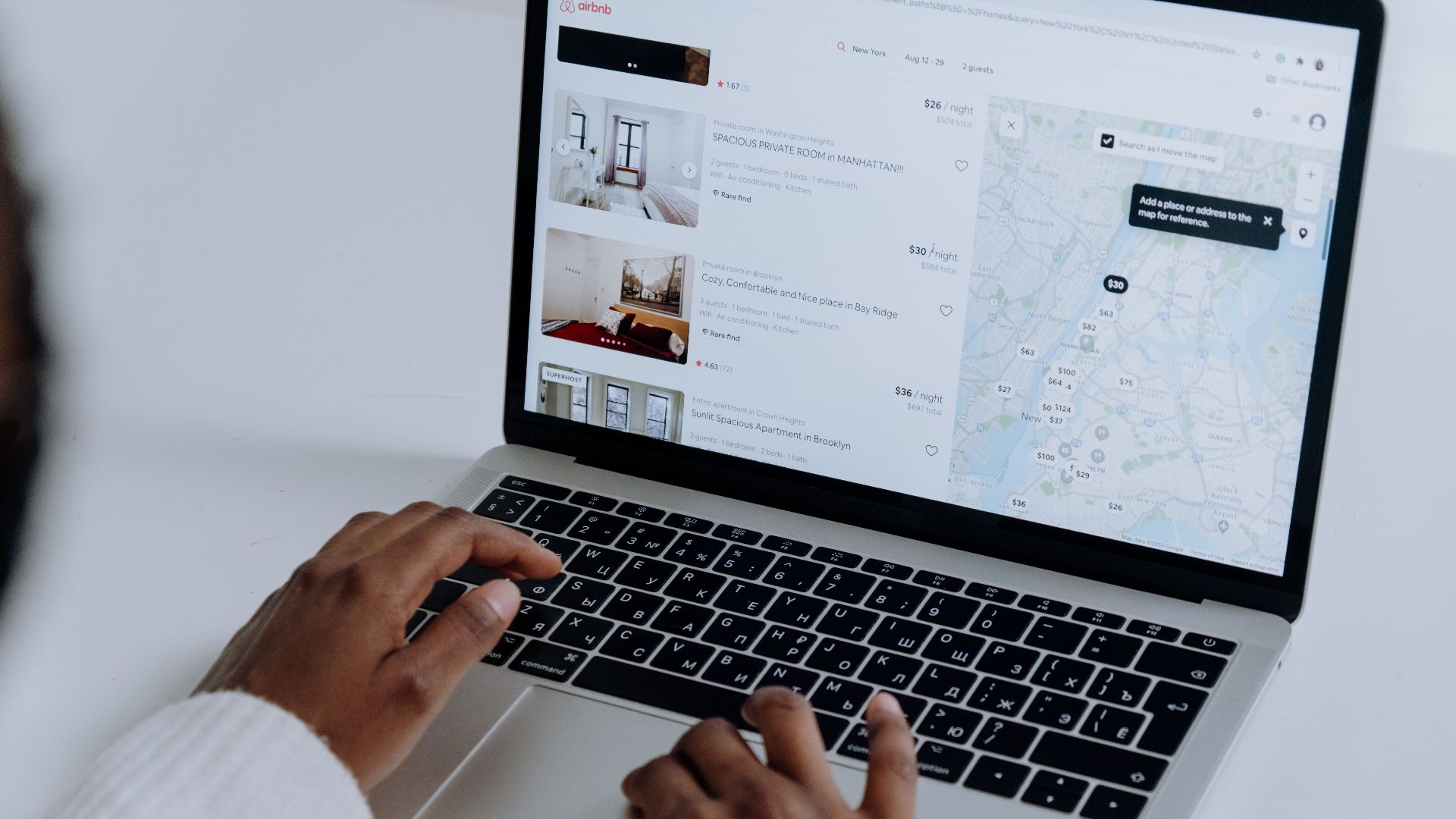
Compare descriptions such as "lakefront," "lake access," and "private dock." These are not interchangeable promises. Airbnb requires descriptions and photos to represent what guests can actually use during their reservation.
Pictures Can Shape Expectations
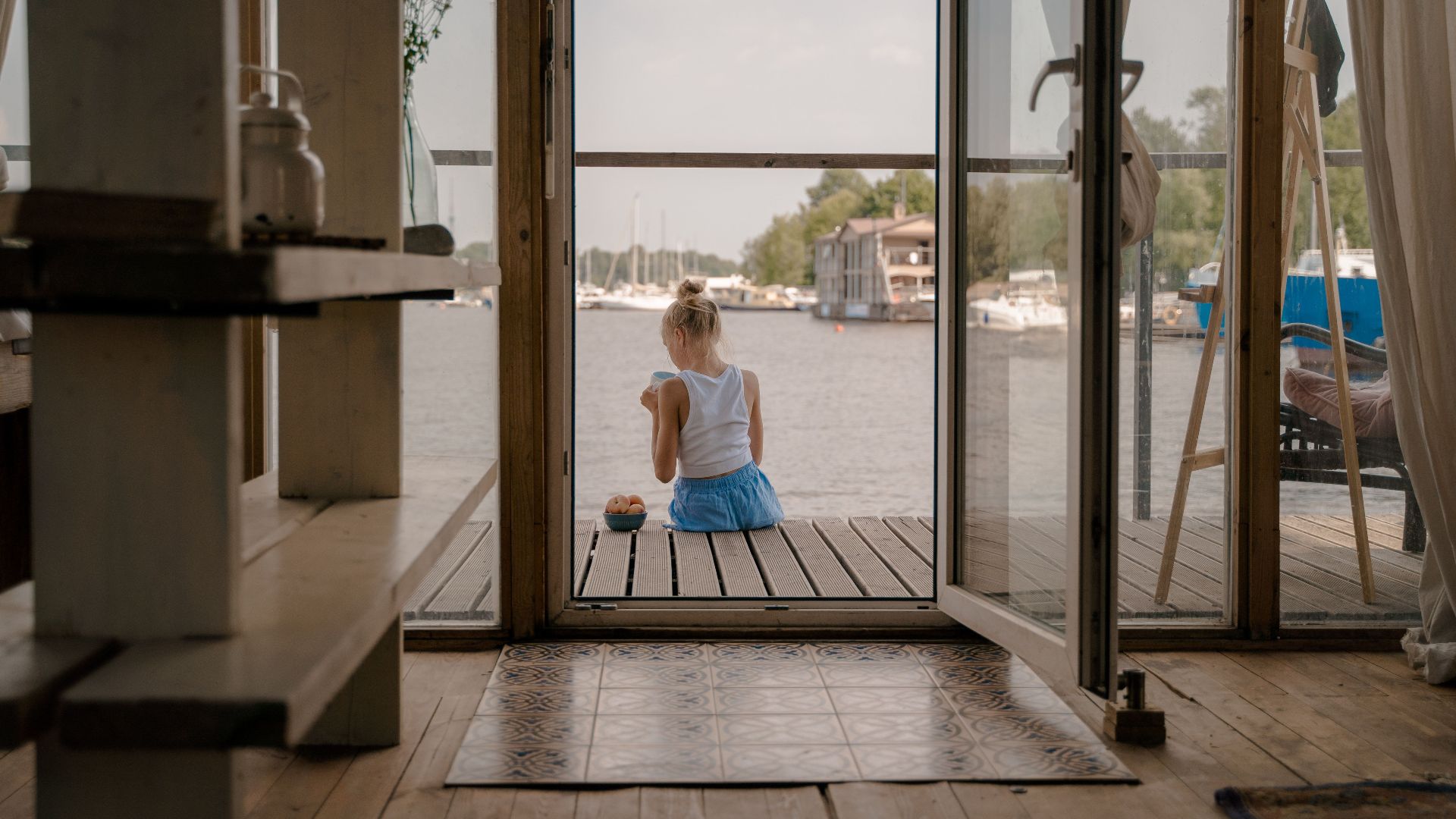
Did the listing prominently feature the dock, perhaps with chairs or kayaks on it? Save those images. Airbnb's accuracy rules also prohibit listing photos or content that misrepresent the accommodation.
An Explicit Dock Promise Is Strong Evidence
If the advertisement said "dock included" or "private dock for guests," the restriction directly contradicts that claim. This is a stronger complaint than assuming a photographed dock was part of the rental.
Check The Amenities Checklist
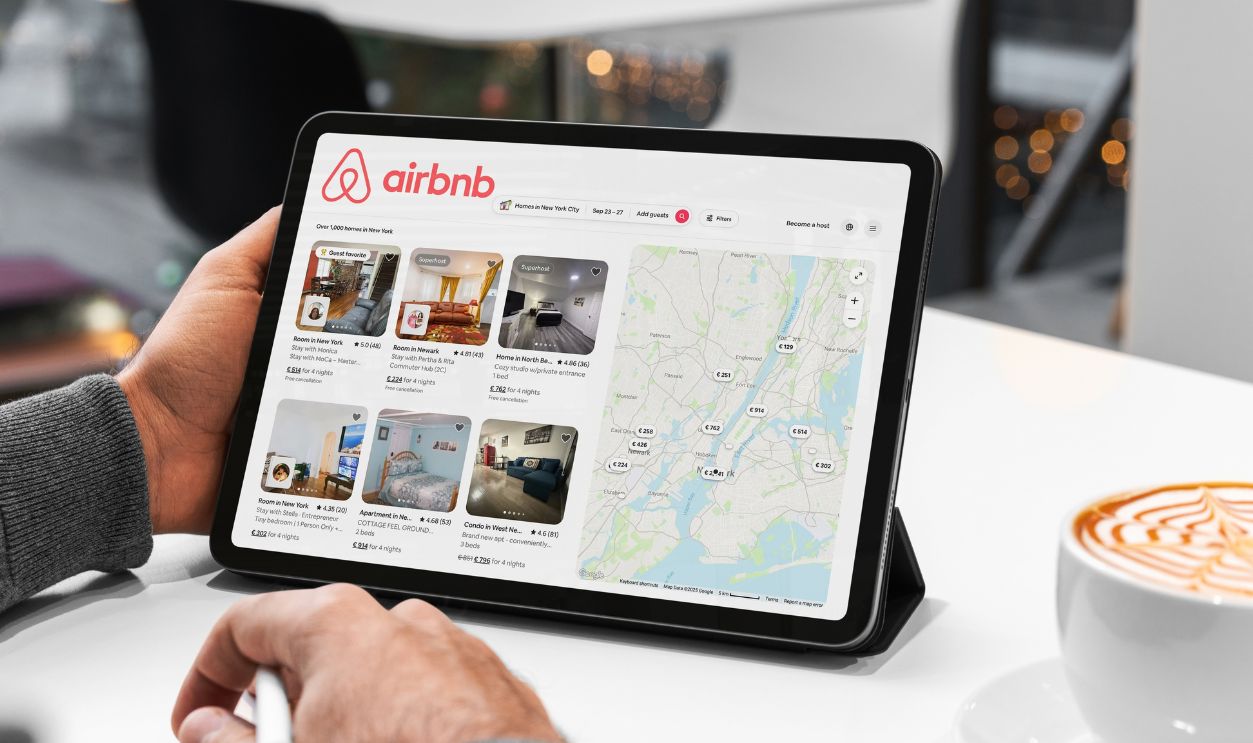
Look for dock, boat access, waterfront, or other advertised facilities. Vrbo tells hosts to select only amenities guests can access. An incorrectly checked feature could help establish a listing mismatch.

Look For Clearly Disclosed Restrictions
Maybe the listing mentioned seasonal dock closures or owner-only facilities. Airbnb specifically requires hosts to disclose restrictions on advertised amenity access. A restriction clearly stated before booking can weaken a complaint.
Check What The Host Told You
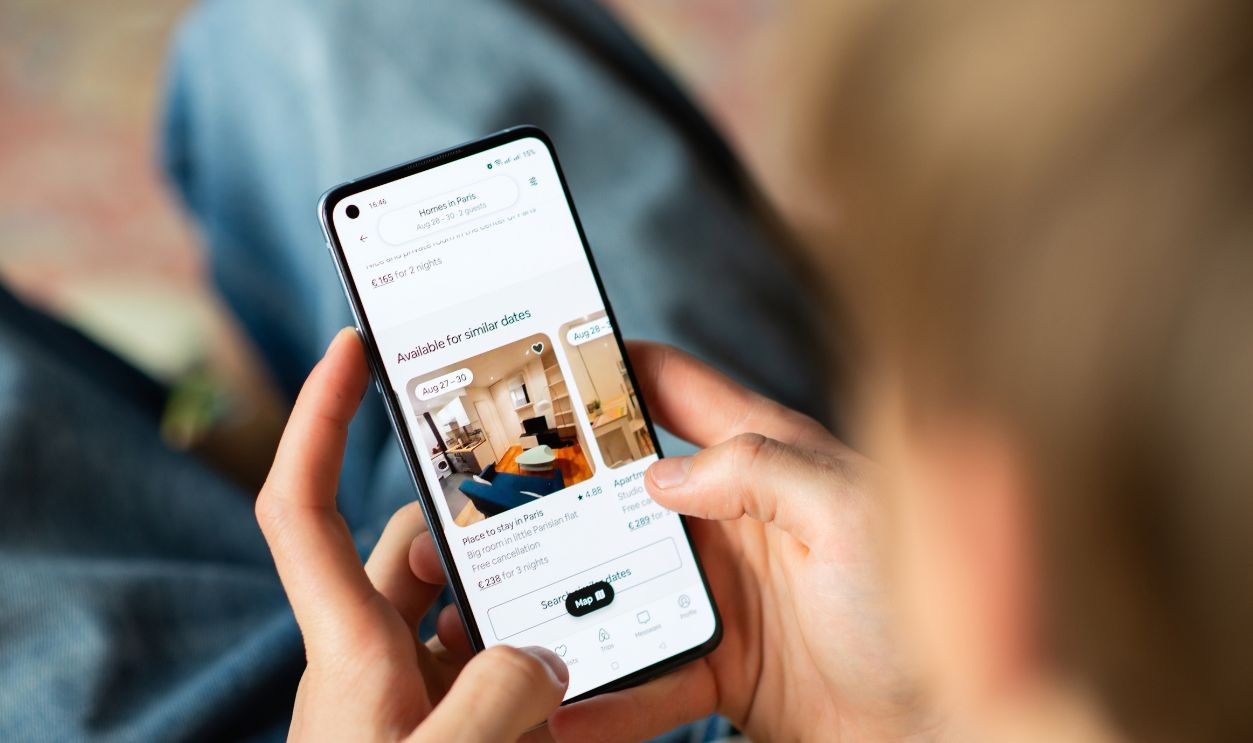
Did you ask about fishing, launching a kayak, or sitting on the dock before booking? Preserve the reply. Airbnb's listing-accuracy rules cover additional host statements, not just the main description.

Private Signs Deserve Respect
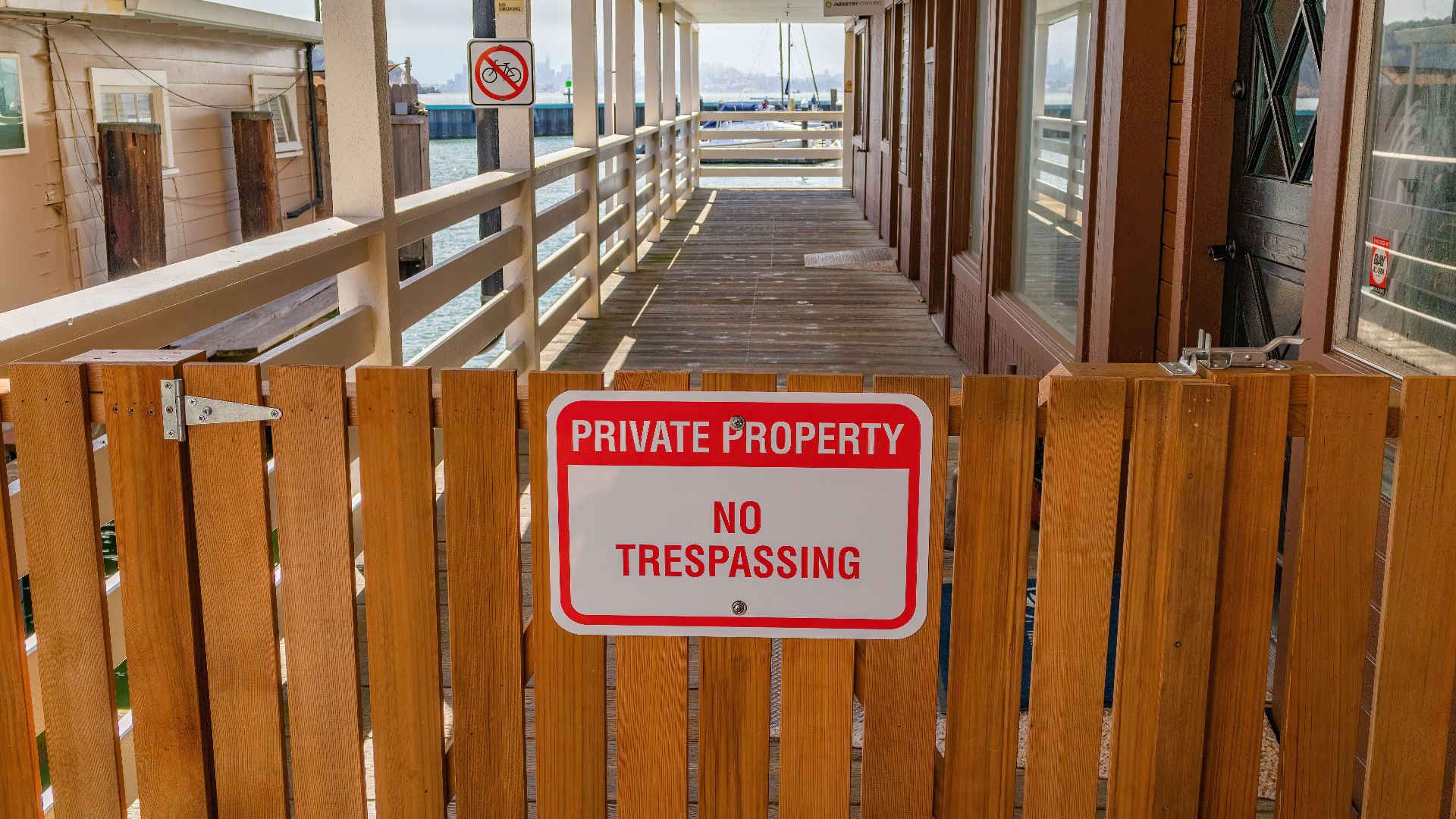
Do not treat public use of a lake as permission to cross private land or occupy a private dock. Wisconsin's natural-resources agency, for example, distinguishes public water recreation from permission to cross property.
Find Out Whether Other Access Exists
Ask where guests are authorized to enter the water. A nearby public launch might provide some access, but it may not serve your original plans. Distance and practicality are worth documenting.
Explain Why The Difference Matters
Perhaps you brought a canoe or booked specifically for shoreline fishing. Describe that purpose factually. Missing a key feature is more persuasive than saying the entire vacation was ruined.

The Important Word Is Material
U.S. consumer-advertising guidance focuses on omissions or statements likely to mislead reasonable buyers about important decisions. The central question is whether the dock limitation would have influenced your booking.
Save The Listing Before It Changes
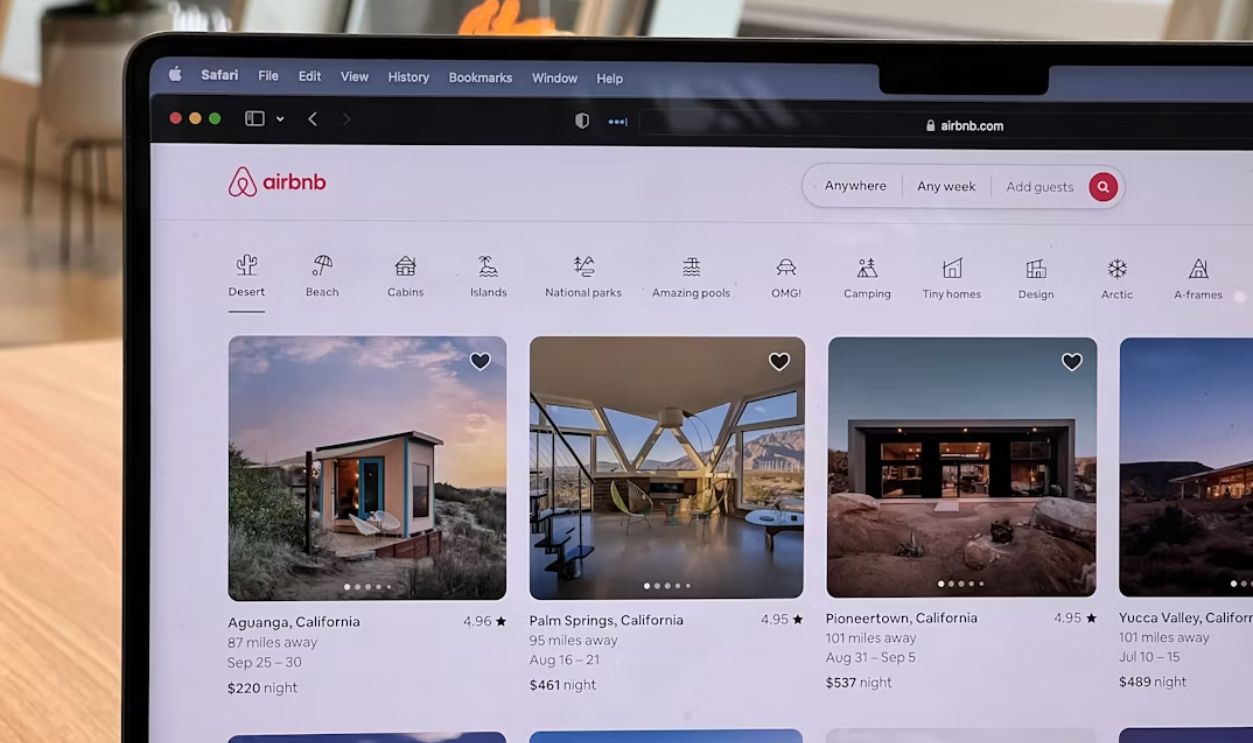
Take screenshots of the title, pictures, amenities, rules, and reservation confirmation. Record the date too. Airbnb allows hosts to update descriptions after booking, making your original records especially useful.
 Oberon Copeland @veryinformed.com, Unsplash
Photograph What You Found
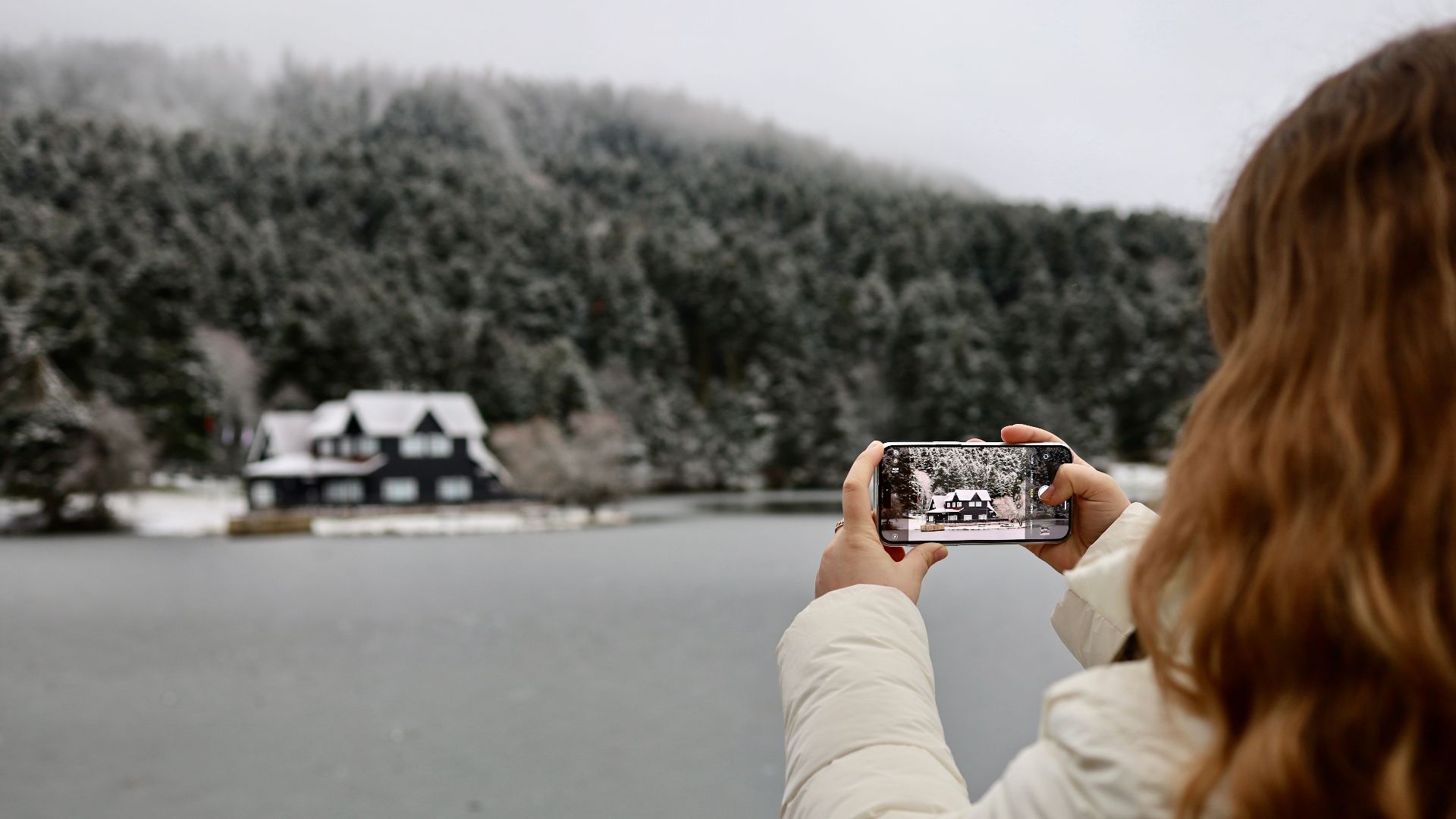
Capture the private-dock sign, locked gate, or blocked approach without trespassing. Include any alternative route offered. Airbnb recommends photos or video when reporting missing amenities or other reservation problems.
Ask The Host One Clear Question
Try asking whether the dock is included and exactly where guests may reach the lake. Keep the tone neutral. The answer may resolve a misunderstanding or confirm the restriction.

Keep The Conversation On The Platform
Use the booking service's messaging system when possible. Vrbo specifically recommends its secure message channel for communications. Written exchanges also make the sequence of events easier to explain later.

Propose A Fix Before A Fight
Ask for genuine access the host is authorized to provide, an appropriate alternative, or a reasonable price adjustment. A specific request gives the host something practical to consider.

A Partial Refund May Make More Sense
If the cabin was otherwise usable, losing dock access may not justify reimbursing the whole stay. Airbnb evaluates severity, impact, affected nights, and supporting evidence rather than promising every disappointed guest a full refund.

Airbnb Gives You A Reporting Window
For Airbnb home reservations, report a discovered reservation issue to the host or Airbnb within 72 hours. Its policy includes missing major advertised features. Do not save the complaint for checkout.
Airbnb May Offer More Than A Refund
For qualifying serious mismatches, Airbnb may arrange comparable rebooking or provide a full or partial refund. Availability and circumstances matter. Its protections do not mean every restricted amenity qualifies.

Vrbo Advises Even Faster Reporting
Vrbo's property-not-as-described guidance says contact the host first and report a significant mismatch to Vrbo within 24 hours of check-in. That is a shorter initial reporting period than Airbnb's.
VrboCare Is Not A Blanket Guarantee
VrboCare considers serious misrepresentation, including complete absence of a clearly promised key feature that substantially disrupts the stay. It excludes routine nonessential-amenity problems. Eligibility and available assistance depend on its terms.

Staying Can Complicate Your Argument
If you continue enjoying the cabin, explain precisely which promised activity remained unavailable. Platforms can consider the actual disruption and usable nights. Leaving early without discussing options can create additional complications.
Do Not Confuse Cancellation With A Complaint
A voluntary cancellation may trigger ordinary cancellation terms. Airbnb says qualifying reservation issues can take precedence, but you should report the discrepancy and seek guidance before assuming cancellation will bring reimbursement.

Escalate With Evidence, Not Anger
If the host cannot resolve the problem, contact platform support promptly. Submit the advertisement, messages, photographs, and your requested remedy. Ask for a written decision and retain the case details.

A Card Dispute Is Another Possible Route
If the seller refuses appropriate relief, ask your credit card issuer about a dispute. U.S. consumer guidance says chargebacks may be available, but outcomes vary. Certain billing-error claims have a 60-day written-notice deadline.

Leave A Useful Review And Ask Better Questions Next Time
Describe exactly what "lake access" meant at this cabin without exaggeration. Airbnb requires authentic, relevant reviews. Before your next booking, ask whether the dock, shoreline path, and boat launch are actually available to guests.

You May Also Like:
My hotel put us above a 24-hour loading dock. Is constant delivery noise grounds for a refund?