This Michigan Town Didn't Just Borrow A German Theme
Frankenmuth looks like the sort of place someone dreamed up for tourists, complete with timbered buildings, German restaurants, a glockenspiel, and Christmas decorations practically everywhere. But the Bavarian connection came first. German settlers founded the town in 1845, and generations later, Frankenmuth turned that heritage into one of Michigan's most unusual destinations.
Frankenmuth Began With Just 15 Settlers
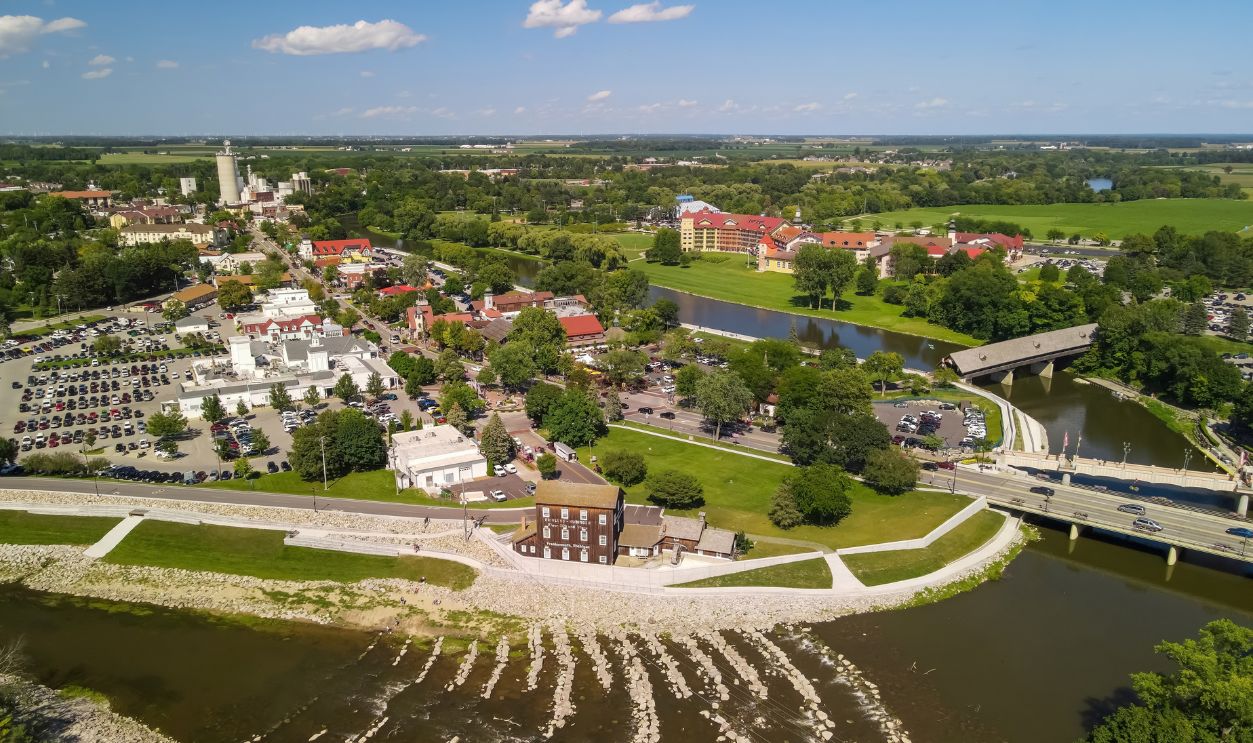
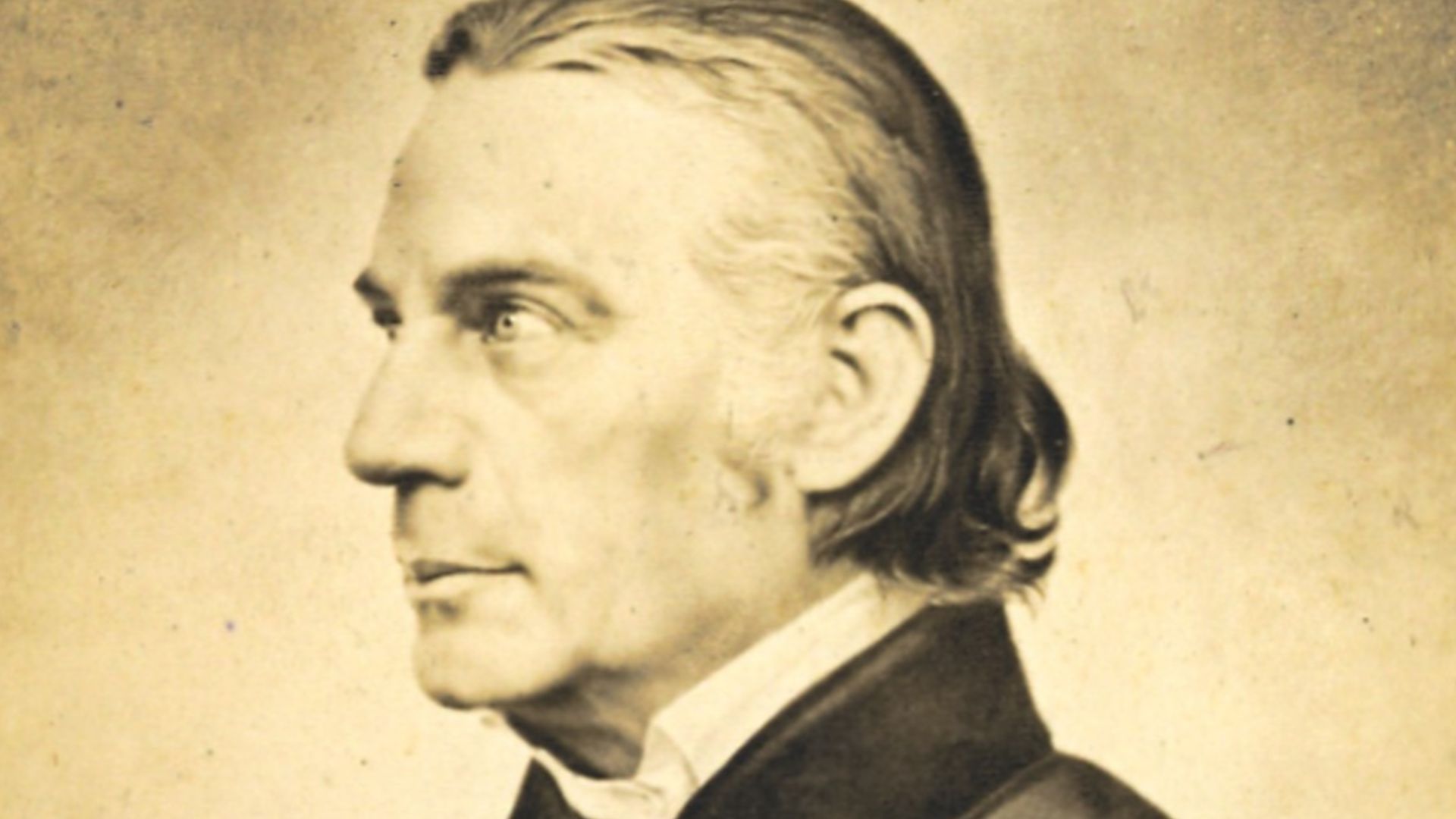
Frankenmuth traces its founding to 1845, when 15 German immigrants established a small colony along Michigan's Cass River. Most came from the Franconian region of Bavaria and arrived with Pastor August Craemer, who had been chosen to lead the settlement. What eventually became one of Michigan's busiest tourist towns began as a tiny religious community surrounded by forest, farmland, and very little of the infrastructure modern visitors see today.
The Name Literally Means “Courage Of The Franconians”
Even the town's name preserved the settlers' origins. "Franken" refers to Franconia, the region of Bavaria from which many of the founders came, while "Muth," an older spelling of the German word "Mut," means courage. Frankenmuth therefore translates roughly as "courage of the Franconians." It wasn't a Bavarian nickname invented by a tourism campaign decades later. The German identity was embedded in the settlement from its beginning.
 Crisco 1492, Wikimedia Commons
The Original Plan Was A Lutheran Mission Colony
Frankenmuth wasn't founded primarily as a resort town, farming colony, or commercial venture. German Lutheran pastor Wilhelm Loehe developed the idea of creating a religious settlement in Michigan that could minister to German immigrants already living in the Midwest while also carrying out missionary work among Indigenous people. The first colonists organized themselves around that religious purpose. Modern interpretations of the story understandably look more critically at nineteenth-century missionary attitudes, but religion was central to Frankenmuth's founding.
 Christian Schildknecht, Wikimedia Commons
St Lorenz And Frankenmuth Grew Up Together
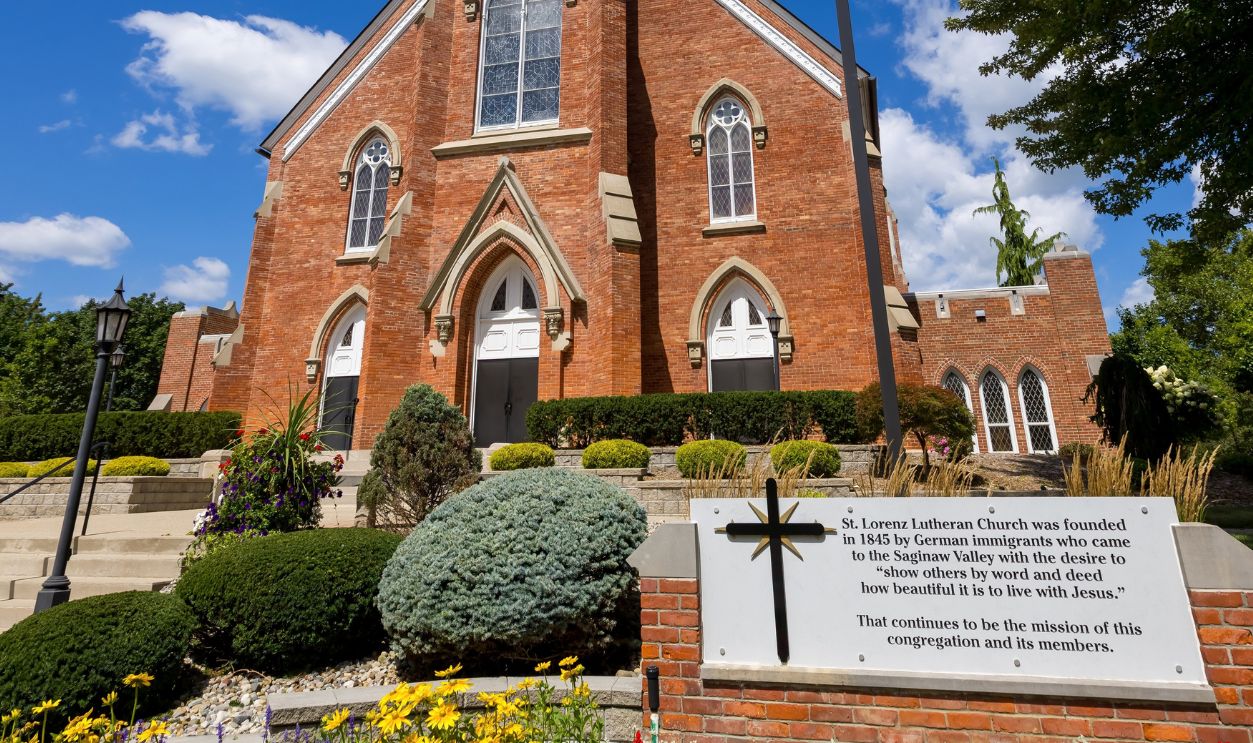
It's difficult to separate Frankenmuth's early history from St Lorenz Lutheran Church. The congregation was established alongside the settlement in 1845, and early buildings served several purposes at once, including worship, schooling, and housing for the pastor. A replica of an early church-school-parsonage structure now helps visitors picture how modest the settlement originally was. The present St Lorenz complex remains one of Frankenmuth's most historically significant landmarks.
More German Immigrants Quickly Followed
The first 15 settlers didn't remain alone for long. Nearly 100 additional immigrants arrived the following year from communities around Franconia, helping transform the tiny mission colony into a sustainable settlement. Throughout the nineteenth century, relatives, friends, craftsmen, farmers, and businesspeople continued arriving from German-speaking Europe. That meant German wasn't merely ceremonial. For generations, it was spoken in homes, churches, schools, businesses, and everyday community life.
Frankenmuth Was Once More Mill Town Than Tourist Town
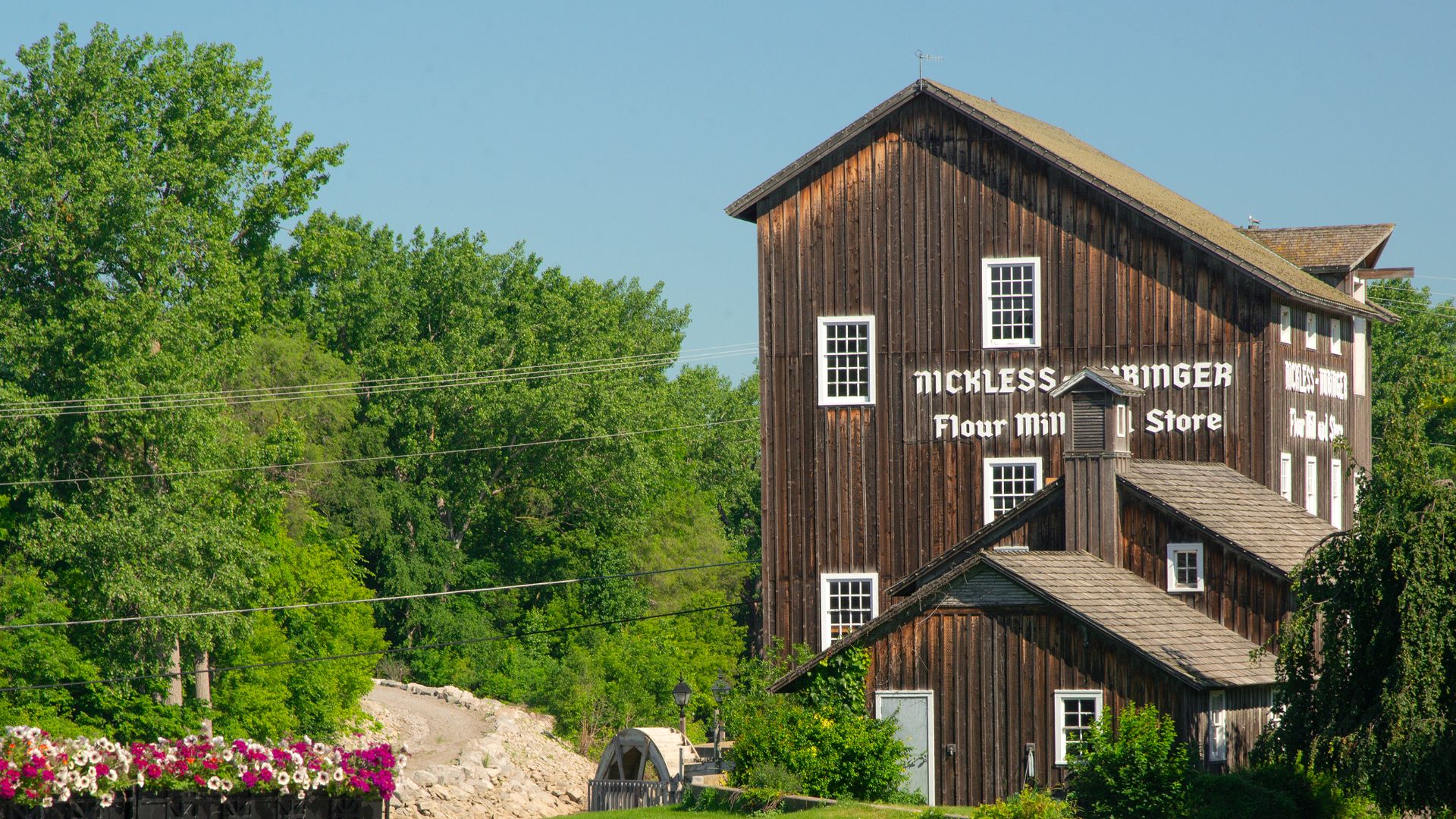
Long before buses of visitors arrived for chicken dinners, Frankenmuth's economy revolved around agriculture and industry. Sawmills processed timber cleared from the surrounding land, flour mills handled local grain, and woolen mills became part of the growing settlement. Brewing, cheese making, sausage production, and other trades followed. The Cass River helped support early industrial development, and businesses serving farmers and travelers turned Frankenmuth into an increasingly prosperous rural community.
 Peter K Burian, Wikimedia Commons
Brewing Has Been Part Of Town Life Since The 1800s
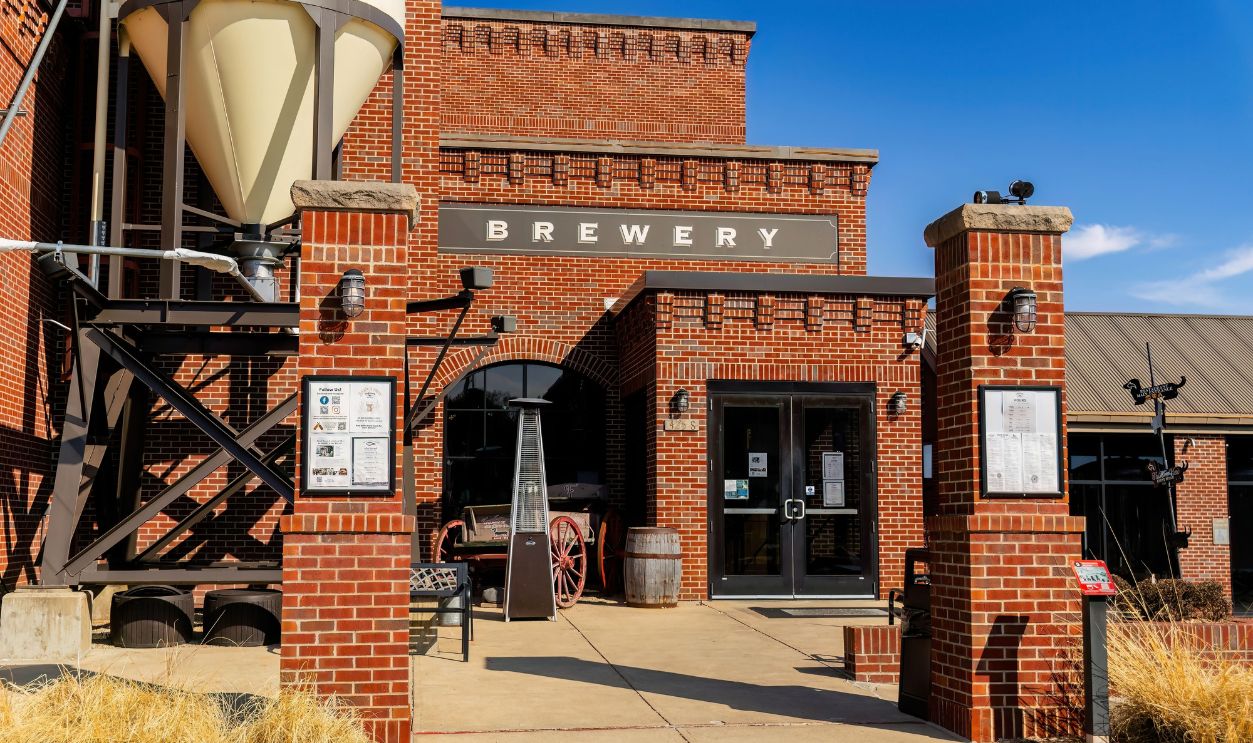
German heritage and ale were never going to remain strangers for long. The Cass River Brewery was established in Frankenmuth in 1862, beginning a local brewing tradition that survived numerous ownership changes, shutdowns, and reinventions. Today's Frankenmuth Brewery traces its history back to that nineteenth-century operation and markets itself around the town's long brewing story. Visitors can still order locally brewed ale within sight of the river that helped support Frankenmuth's early economy.
German Culture Survived Even As The Town Became More American
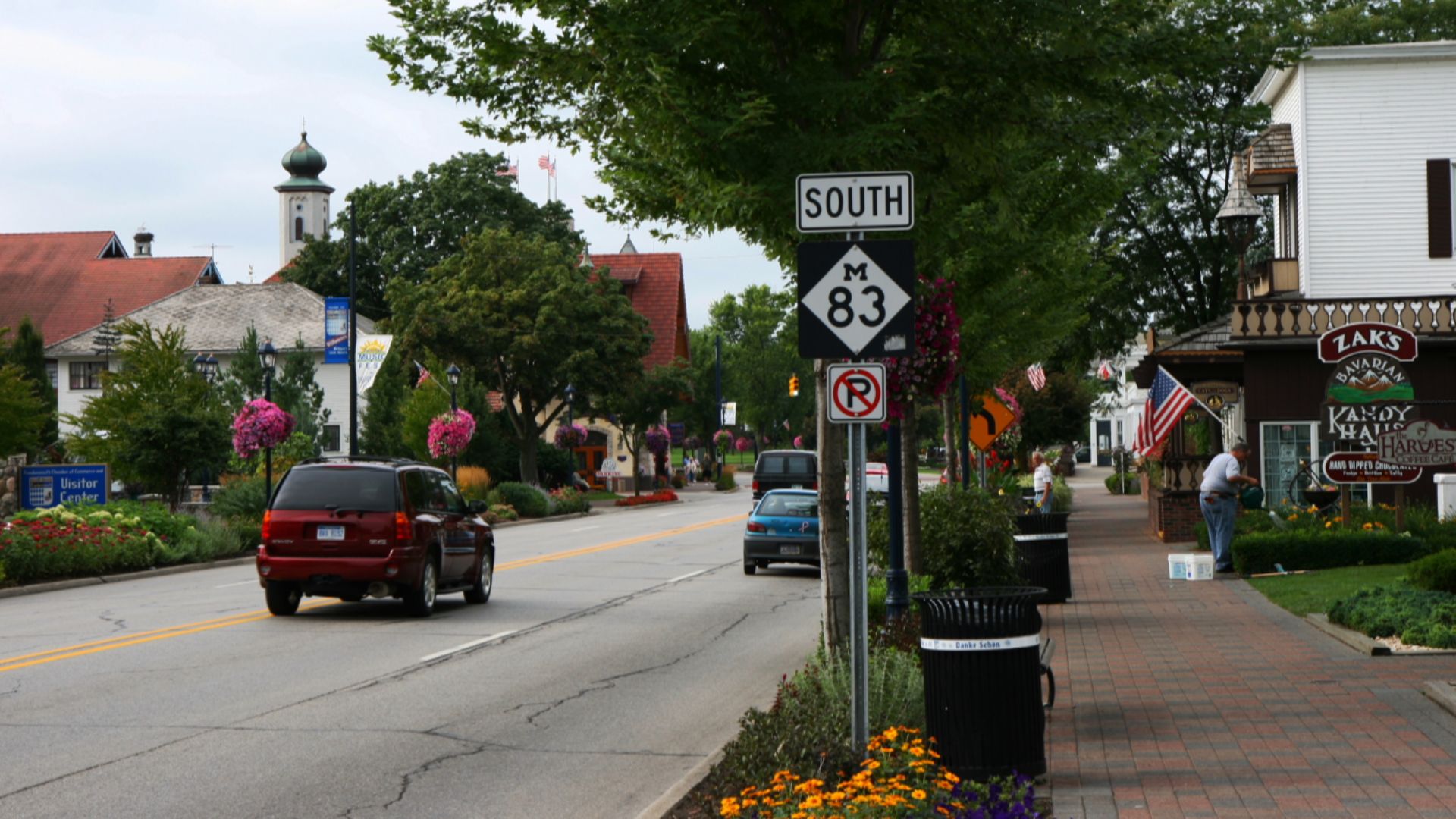
Like many German-American communities, Frankenmuth gradually became more culturally American over the generations. English became dominant, residents participated fully in American political and economic life, and the world wars complicated public expressions of German identity across the country. Yet food traditions, surnames, Lutheran institutions, local businesses, festivals, and family histories kept the German connection unusually visible. That foundation later gave Frankenmuth something other themed tourist towns couldn't manufacture quite as easily: an actual community history to build upon.
 Patrick Pelster, Wikimedia Commons
The “Little Bavaria” Look Came Much Later
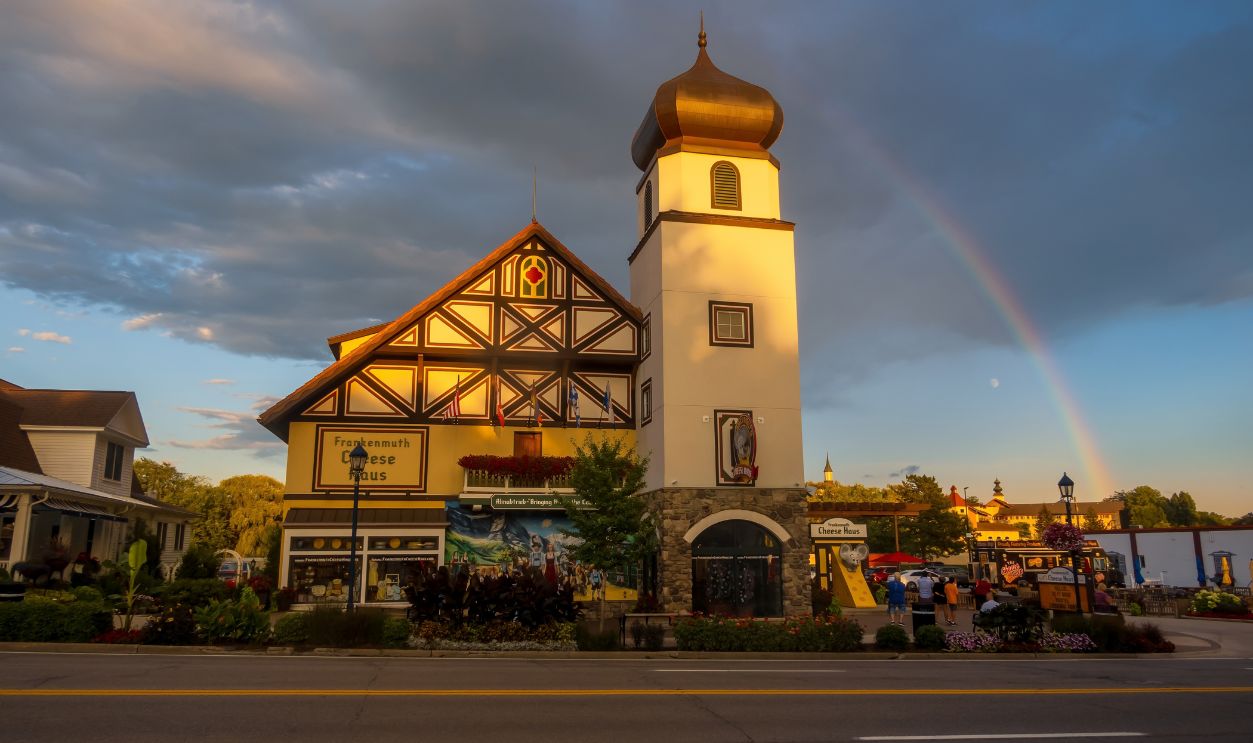
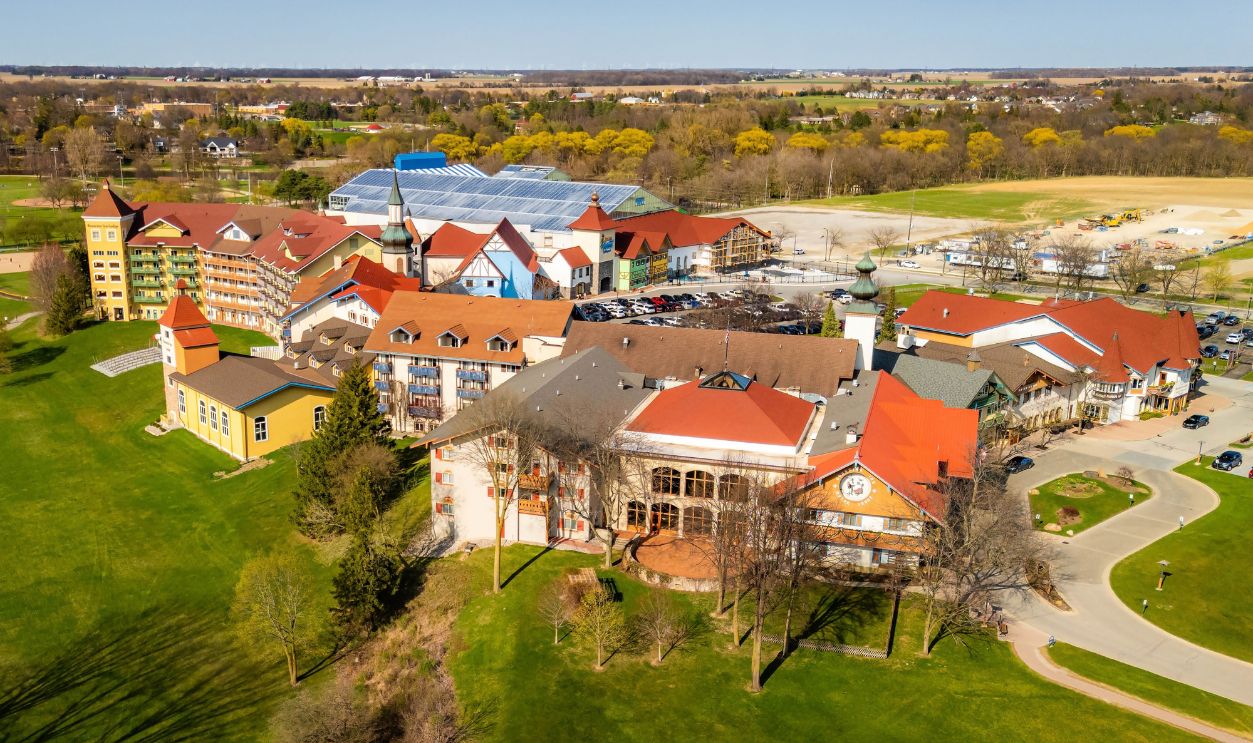
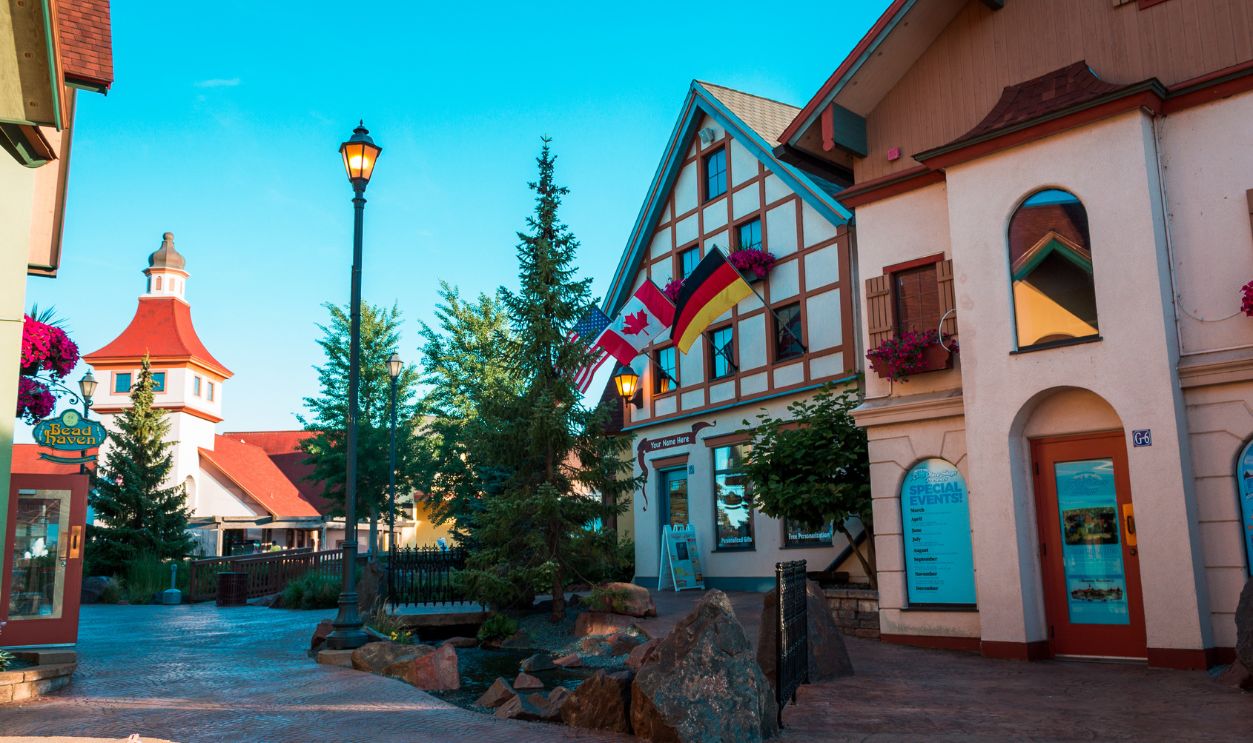
One of the most interesting things about Frankenmuth is that the architecture visitors associate with the town wasn't all inherited unchanged from nineteenth-century settlers. Much of its overt Bavarian appearance developed after World War II, particularly from the 1950s onward. Business owners realized the town's genuine German heritage could become an attraction and began remodeling buildings with stucco, timber details, balconies, flower boxes, steep roofs, and other designs inspired by Bavaria. Frankenmuth gradually turned its ancestry into a visual identity.
 Notorious4life (talk) (Uploads), Wikimedia Commons
Tiny Zehnder Helped Reinvent The Entire Town
William "Tiny" Zehnder Jr. became one of the key figures behind Frankenmuth's transformation. After his family purchased Fischer's Hotel in 1950, he helped remake the property into the Bavarian Inn, complete with increasingly elaborate German-inspired architecture and food. He also encouraged other businesses around town to embrace similar design ideas. What began as an effort to give one restaurant more atmosphere eventually helped establish a coherent visual style that visitors now immediately associate with Frankenmuth.
The Bavarian Inn Became One Of The Town's Anchors
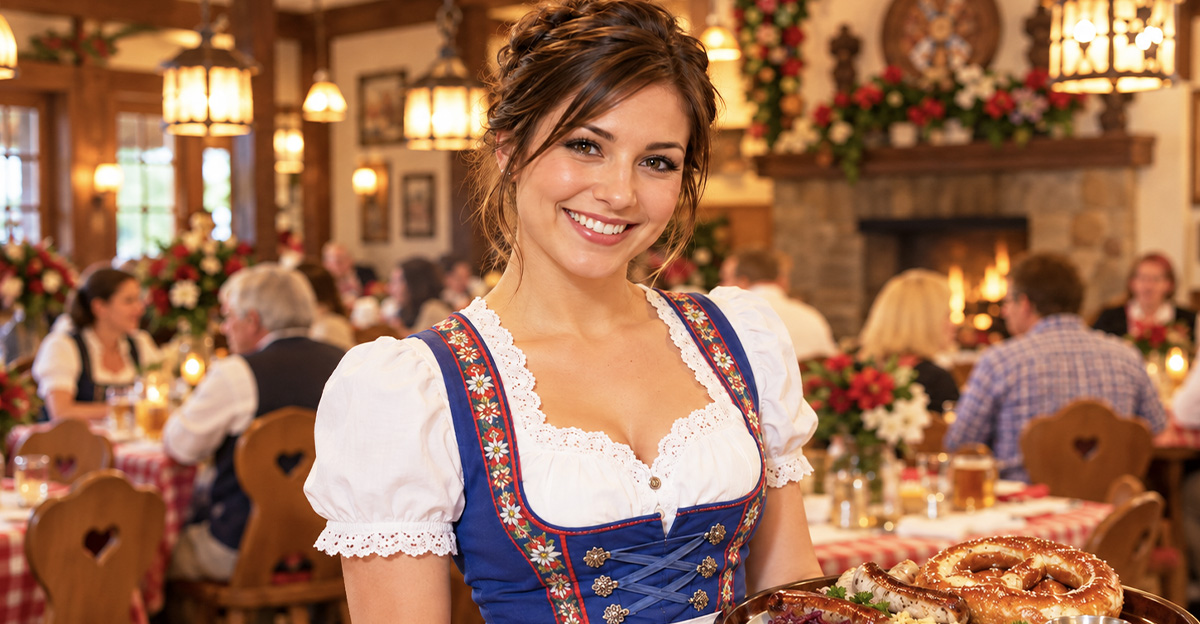
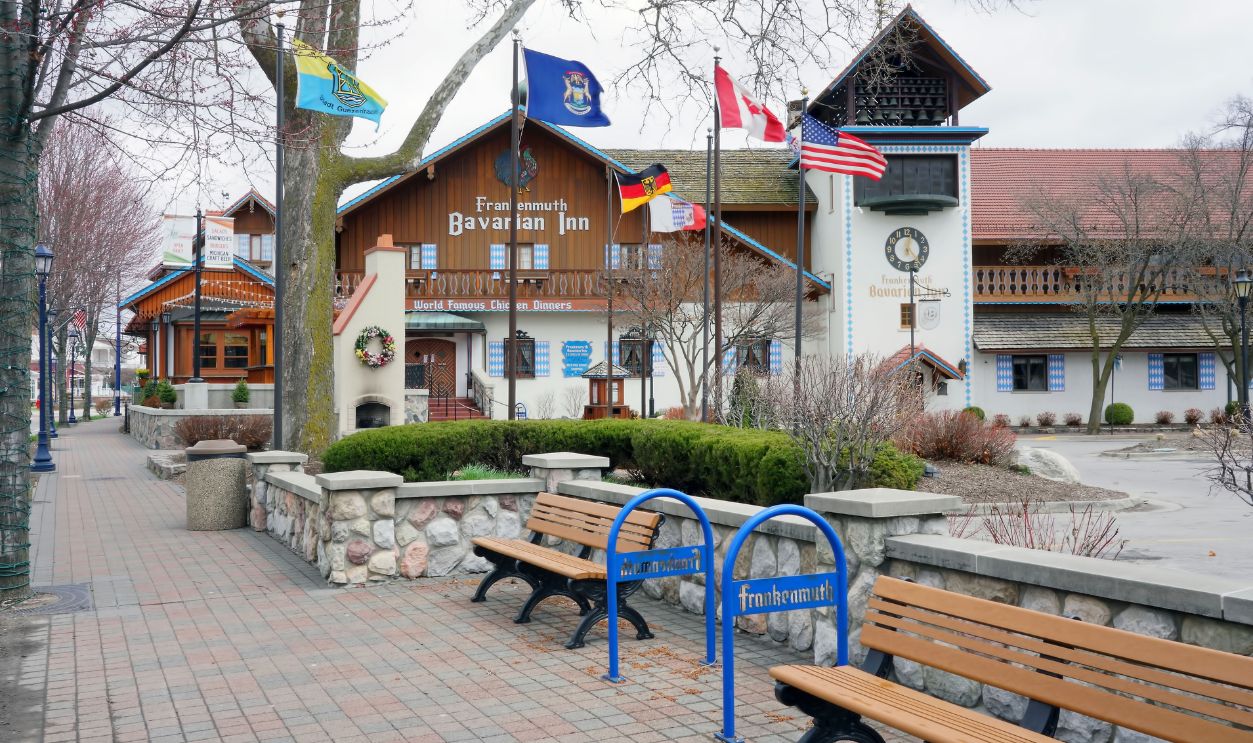
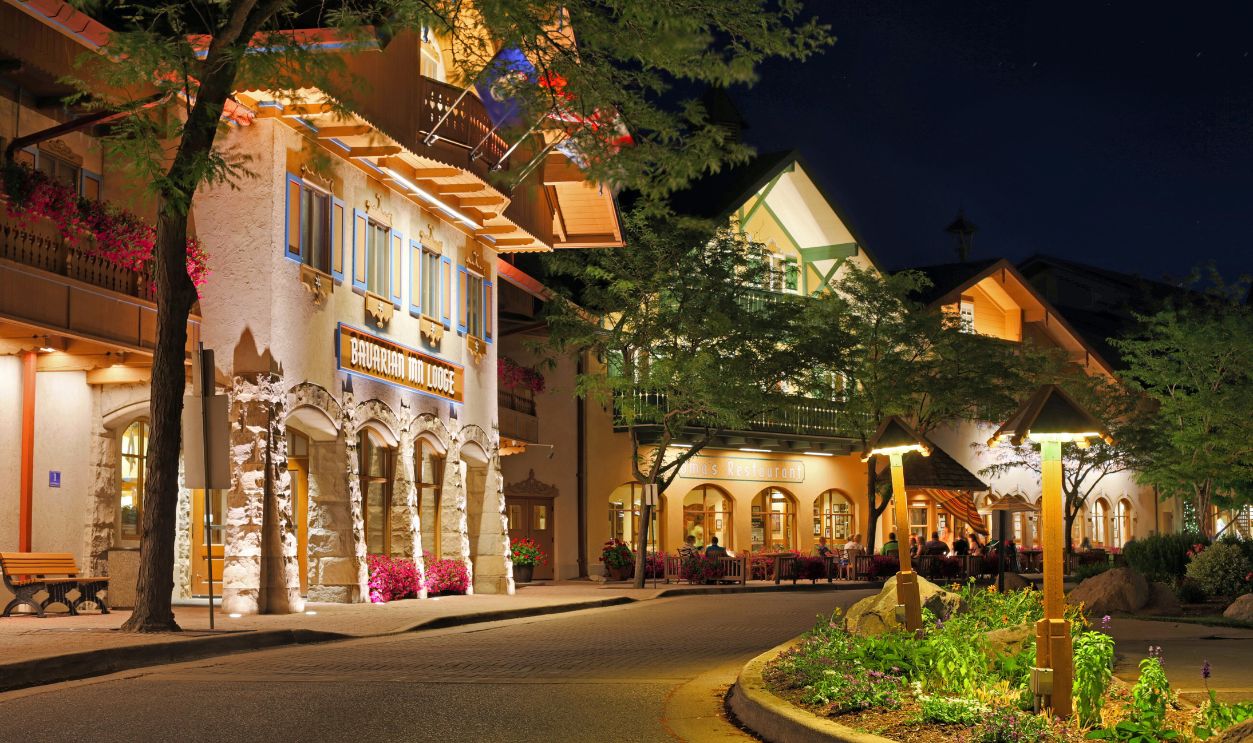
The building known today as the Bavarian Inn Restaurant began as the Union House Hotel in 1888 before becoming Fischer's Hotel. The Zehnder family purchased it in 1950 and gradually transformed it into a sprawling Bavarian-themed restaurant complex. German dishes, costumed servers, decorative woodwork, flower boxes, and elaborate dining rooms turned the restaurant itself into an attraction. It remains one of the places where Frankenmuth's history, tourist identity, and family-business culture all meet.
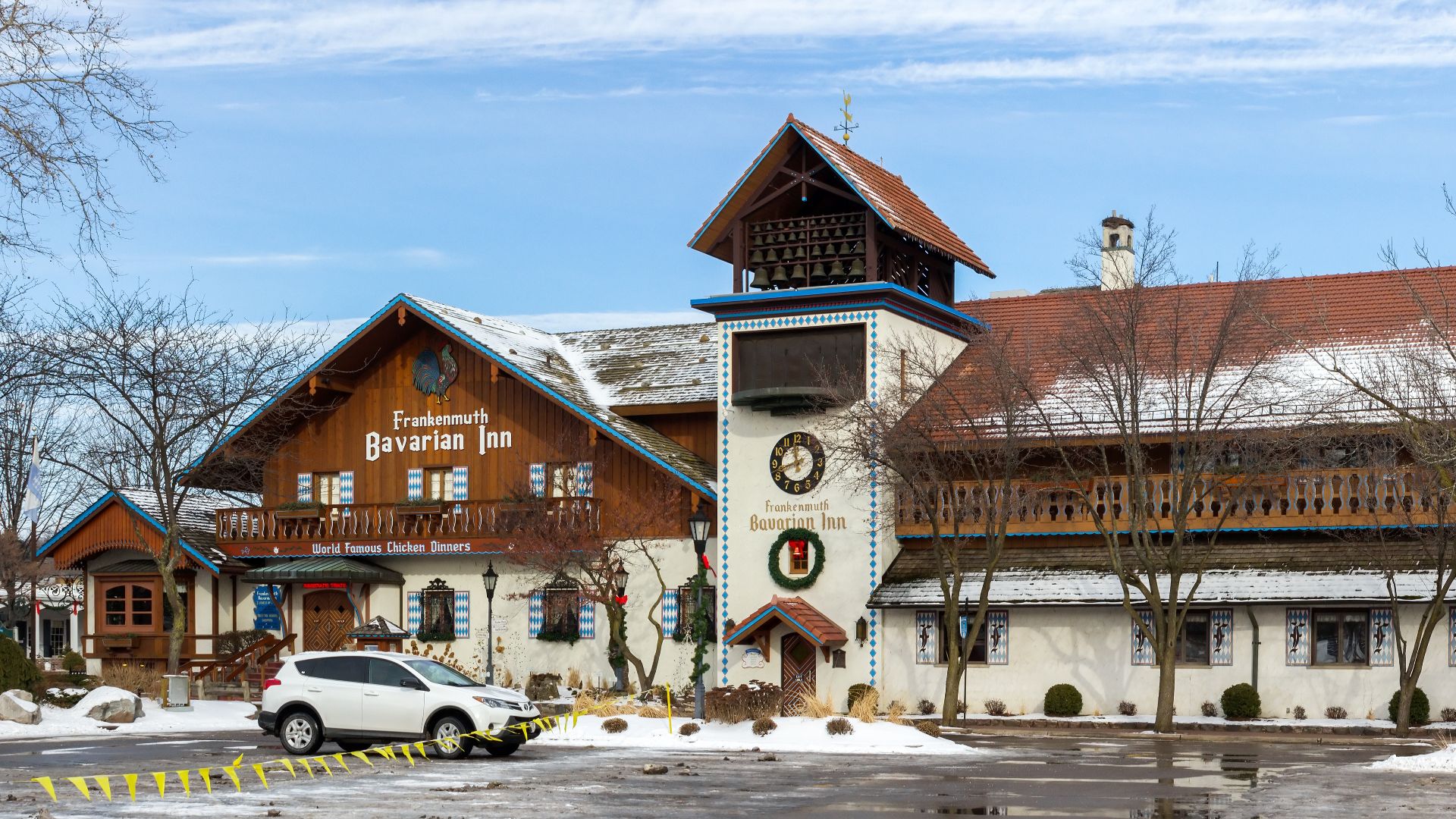 Crisco 1492, Wikimedia Commons
Its Glockenspiel Has Its Own Show
The Bavarian Inn added a 50-foot Glockenspiel tower in 1967, complete with a 35-bell carillon. Animated figures in the tower perform a version of the Pied Piper of Hamelin story, giving Main Street one of its most distinctive landmarks. It's exactly the sort of whimsical feature that makes Frankenmuth feel almost like a European-themed storybook village. Even visitors who aren't staying for the performance usually end up photographing the tower at some point.
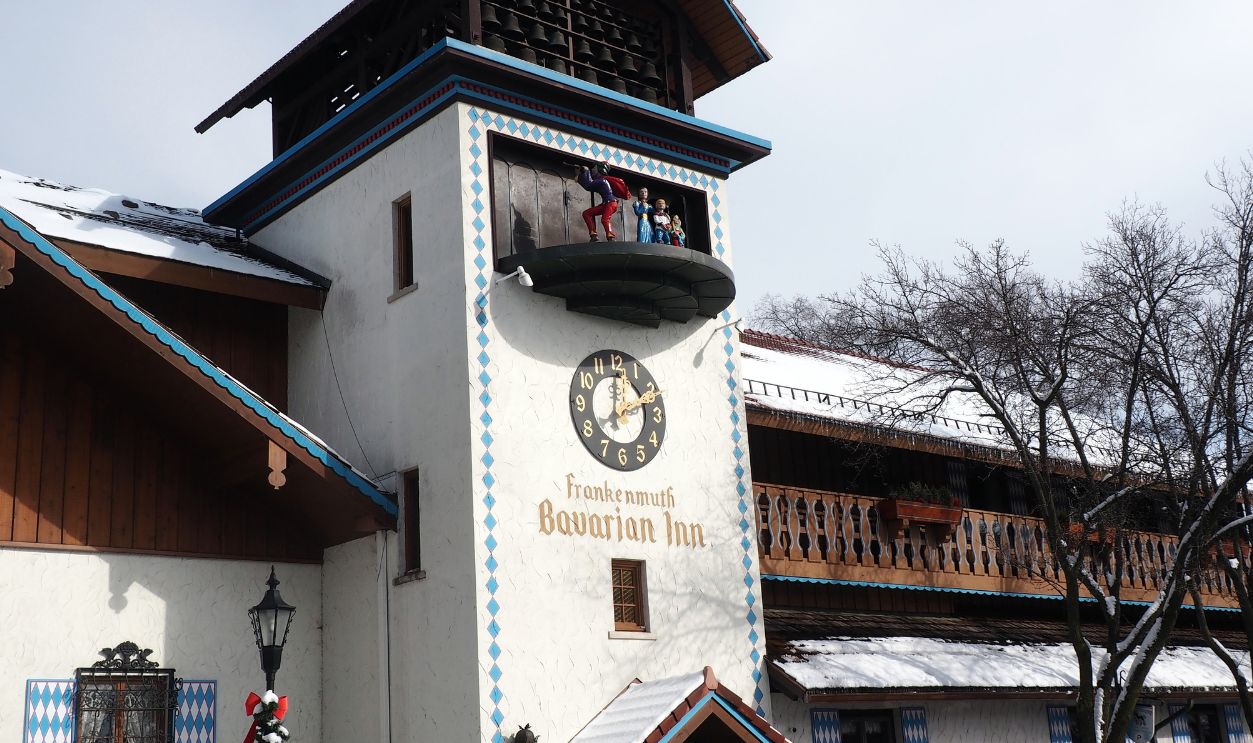
Zehnder’s Looks Completely Different Across The Street
Directly across Main Street, Zehnder's of Frankenmuth offers a wonderfully strange contrast. While the Bavarian Inn leans heavily into German architecture, Zehnder's exterior was remodeled with inspiration from George Washington's Mount Vernon. The Zehnder family purchased the former New Exchange Hotel in 1928 and reopened it in 1929. Today, it has become one of America's largest family restaurants, seating roughly 1,500 guests across its dining rooms.
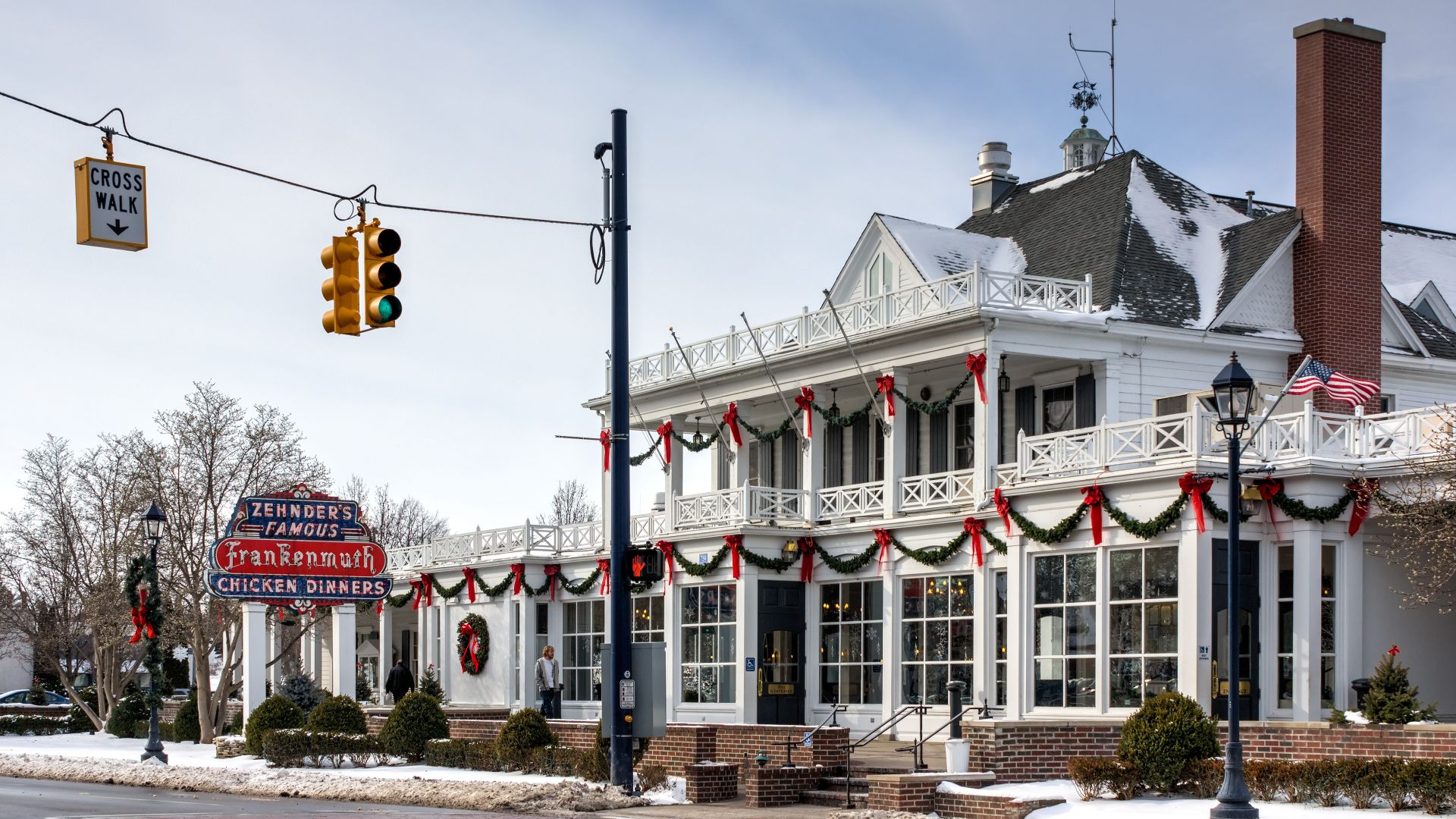 Crisco 1492, Wikimedia Commons
Chicken Somehow Became Frankenmuth's Signature Food
Ask many Michiganders what Frankenmuth means to them and "chicken" may come before Bavaria. The tradition developed around family-style meals at local hotels, where large platters suited both farm-family dining and groups of hungry travelers. Fischer's Hotel became especially associated with family-style chicken, while Zehnder's developed its own version across the street. Today, Zehnder's and the Bavarian Inn collectively serve enormous numbers of chicken dinners, accompanied by dishes such as mashed potatoes, noodles, bread, stuffing, and gravy.

The Famous Dinner Isn't Particularly Bavarian
That's one of the fun contradictions of Frankenmuth. Visitors may expect schnitzel and bratwurst to be the town's defining meal, yet fried chicken became its culinary calling card. German dishes certainly remain available, but the enormous family-style chicken dinners reflect the evolution of German-American food rather than a meal transplanted directly from Bavaria. That makes them arguably more representative of Frankenmuth itself: German roots transformed over generations into something distinctly Midwestern.
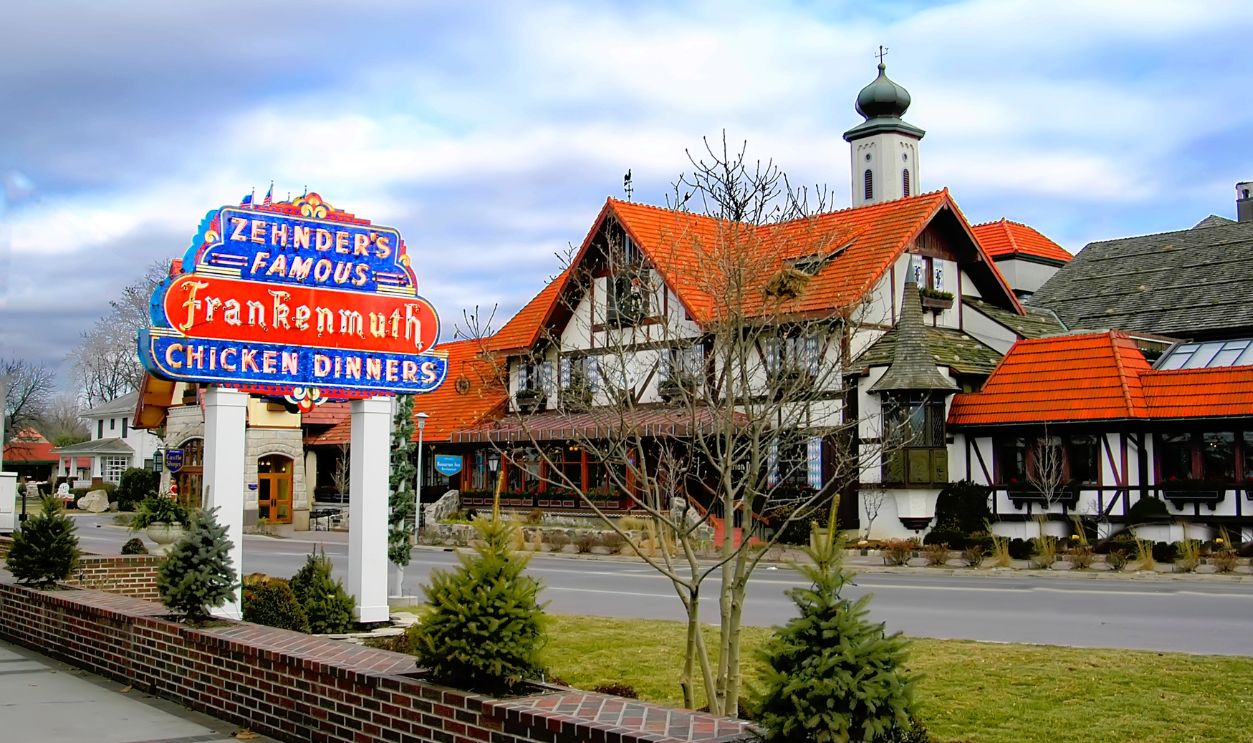 Dennis MacDonald, Shutterstock
Prohibition Once Got The Zehnders In Trouble
Frankenmuth's wholesome modern reputation hides a surprisingly mischievous chapter. During Prohibition, both Zehnder's and Fischer's Hotel continued selling booze to certain customers. Federal agents raided the businesses in July 1930, and members of the Zehnder and Fischer families were apprehended. The incident could hardly sound less like the family-friendly Frankenmuth marketed today, but it reflects how deeply ale and social drinking were embedded in the town's German-American culture.
The Covered Bridge Is Newer Than It Looks
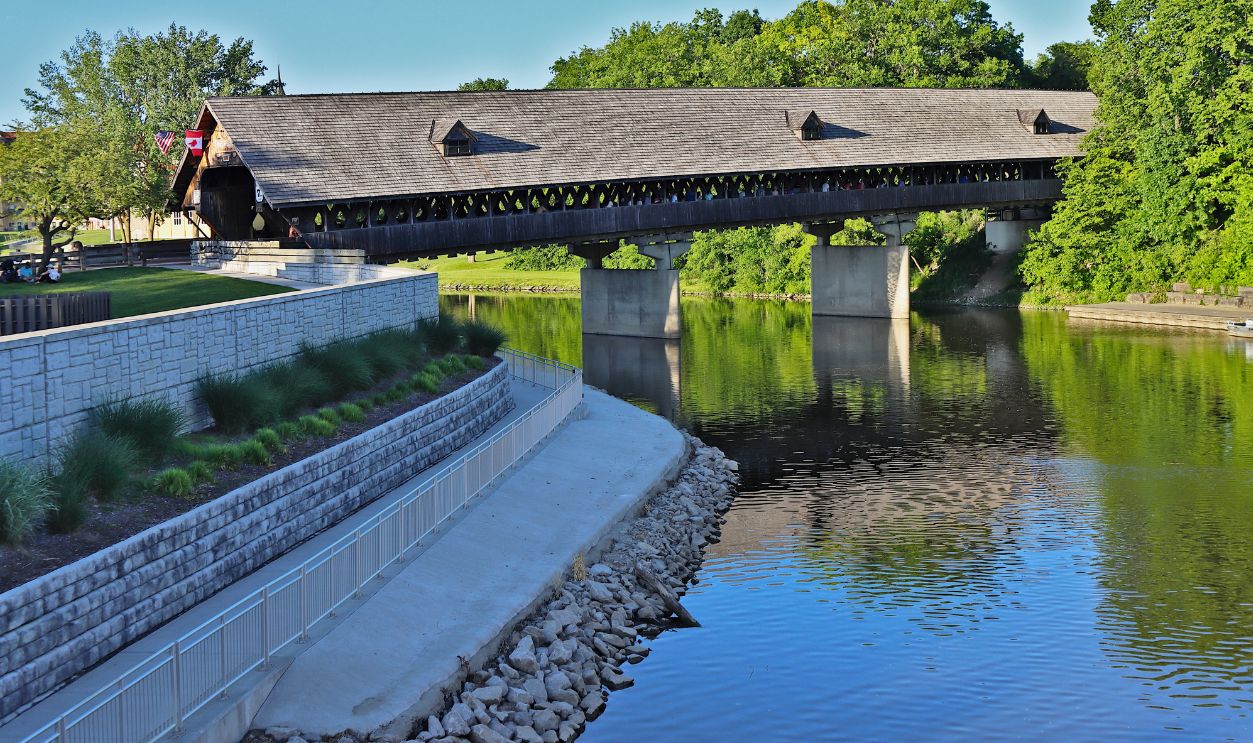
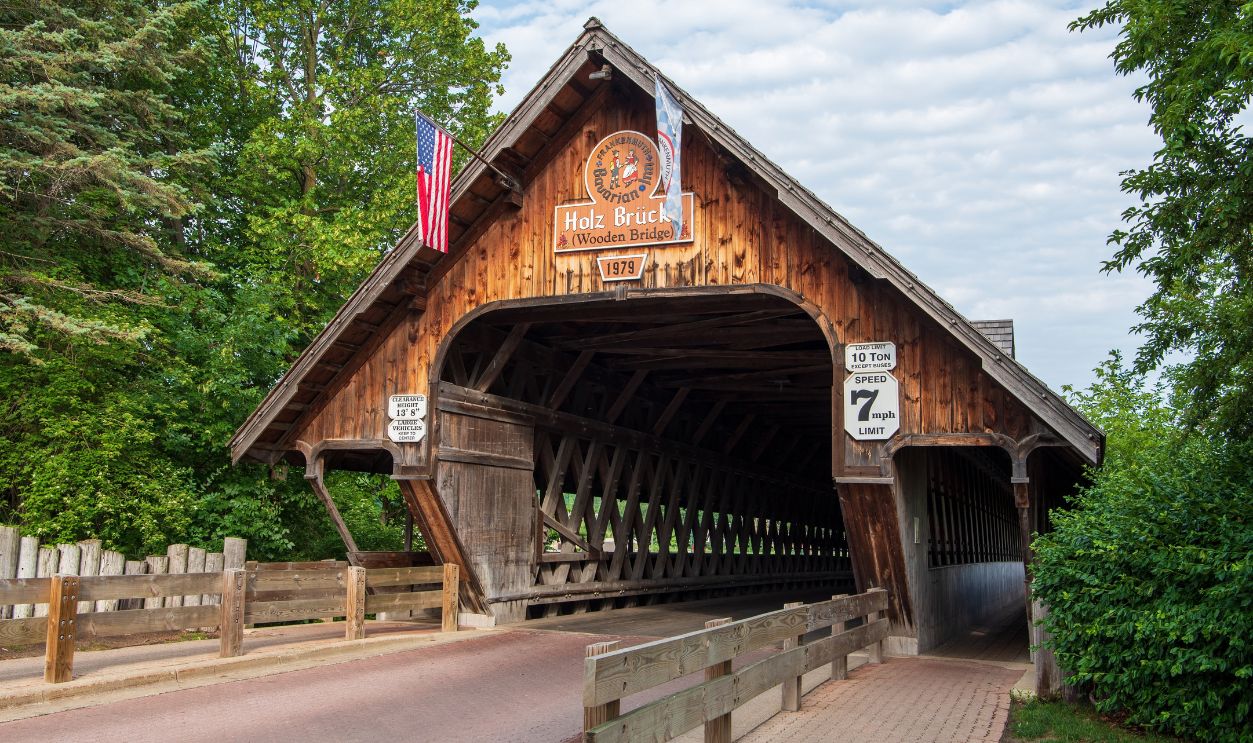
The Holz Brücke crossing the Cass River looks as though it should date from the horse-and-wagon era. It actually opened in 1980. Built largely using traditional covered-bridge techniques, the 239-foot wooden structure contains more than 163,000 board feet of lumber and originally carried roughly 25,000 cedar shingles. Even better, the completed bridge was moved into position by a team of oxen, creeping toward the river at only a few inches per minute.
You Can Still Drive Across The Holz Brücke
The bridge isn't merely decorative. Cars, pedestrians, and cyclists continue using it to cross the Cass River between the Main Street area and attractions on the opposite bank. Covered pedestrian passages run along its sides, providing views toward the water while traffic moves through the center. It has become one of Frankenmuth's most photographed structures, even though it's considerably younger than many of the historic buildings nearby.
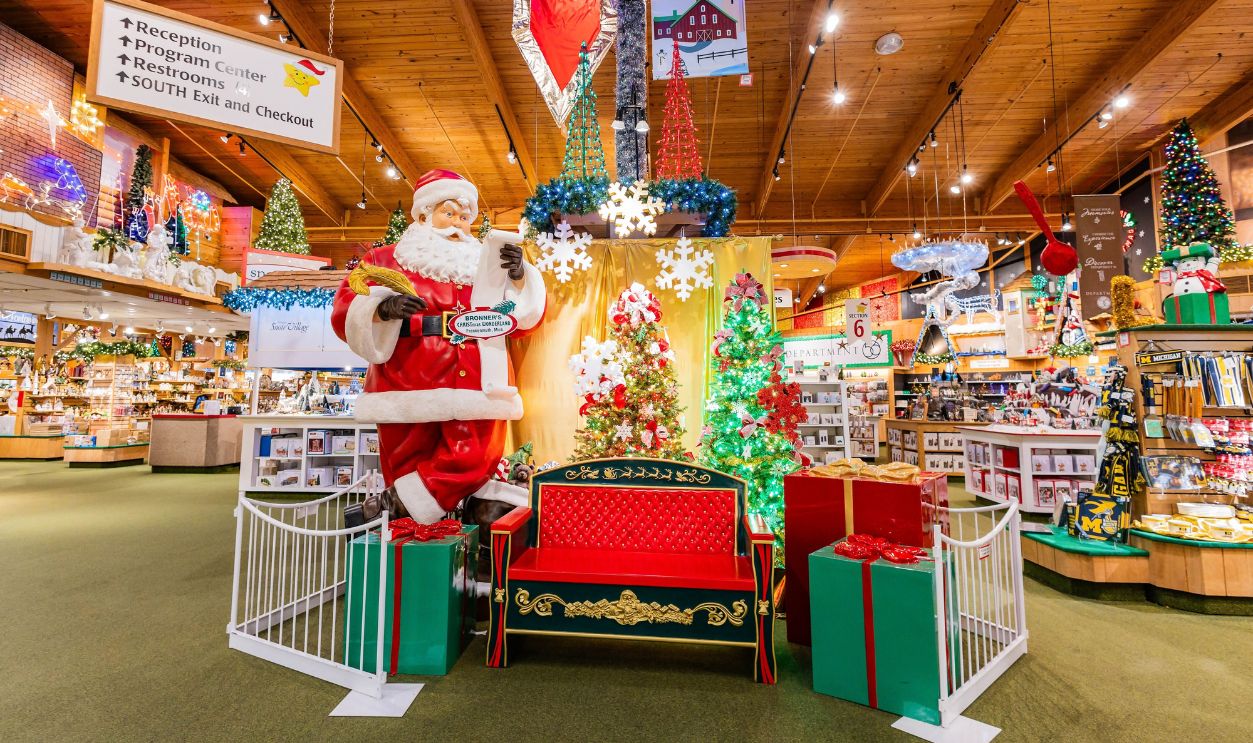
Bronner’s Turned Christmas Into A Year-Round Industry
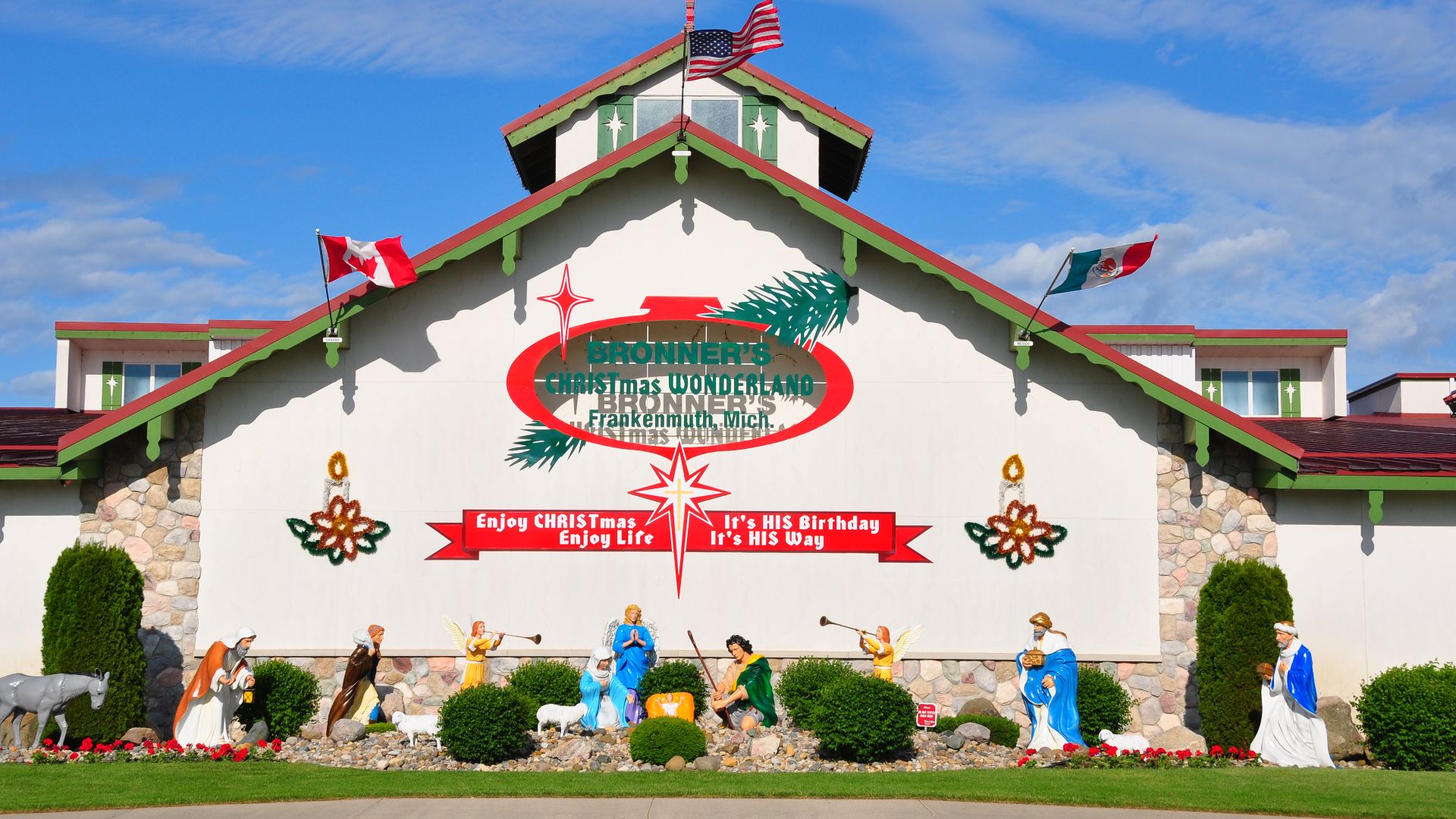
Nothing quite prepares first-time visitors for Bronner's CHRISTmas Wonderland. Wally Bronner began painting signs as a teenager and established his business in 1945. Christmas decorations gradually became the focus, and by 1977 the company had moved to the large property it occupies today. Bronner's now attracts visitors throughout the year, meaning someone can shop for ornaments, nativity scenes, Christmas lights, and personalized decorations in the middle of July without anyone finding it remotely strange.
 AndrewHorne, Wikimedia Commons
Christmas Is Practically A Second Identity For The Town
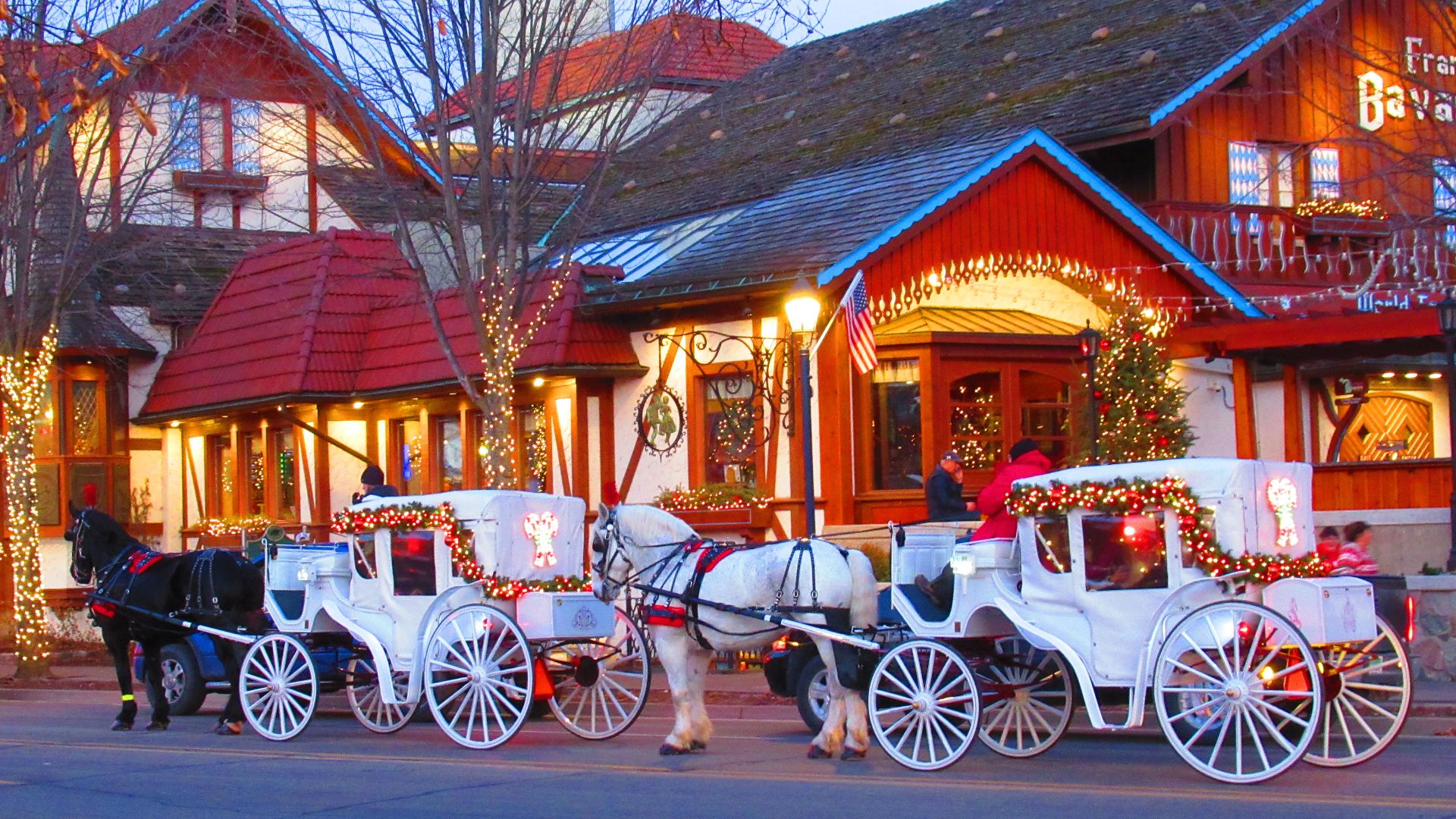
Bronner's helped ensure Frankenmuth would become associated not only with Bavaria but with Christmas itself. The town leans enthusiastically into the connection during the holiday season, when lights, decorated storefronts, carriage rides, seasonal events, and wintry Bavarian architecture make the entire place look built for a Christmas movie. Bronner's may be the giant attraction, but by December the holiday atmosphere spills across much of the town.
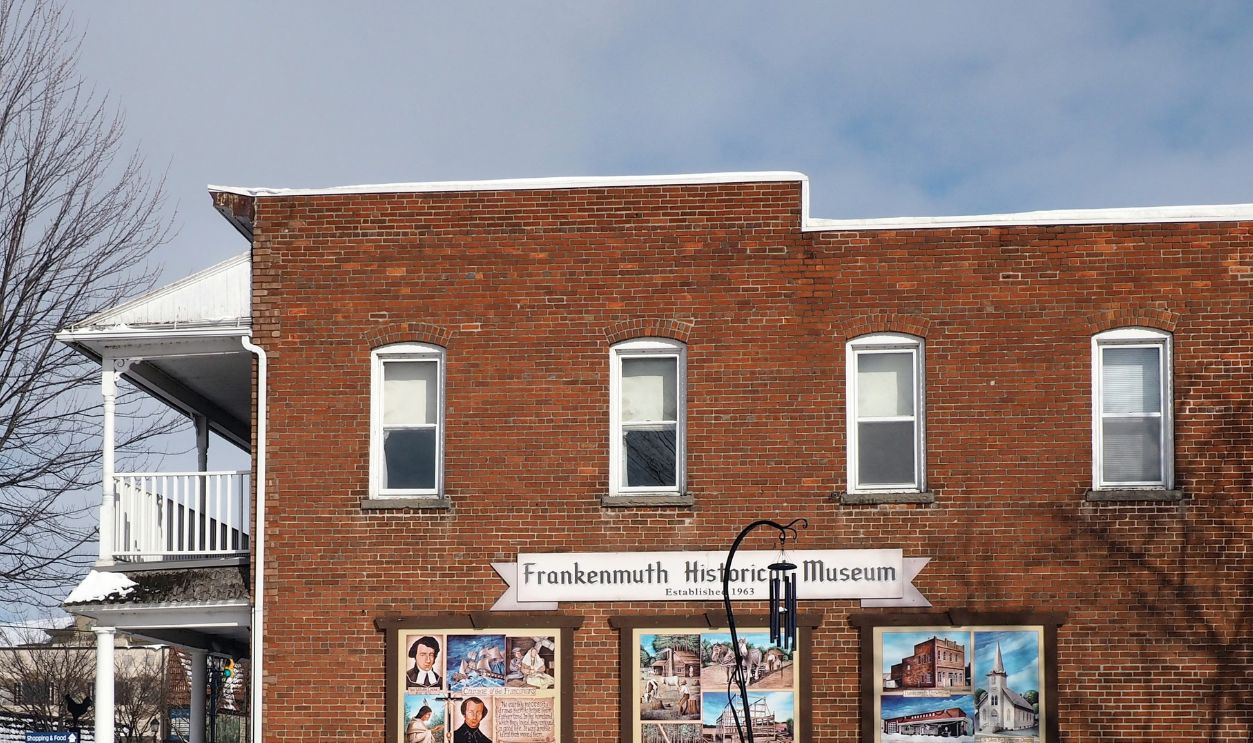
The Frankenmuth Historical Museum Explains What’s Real
Visitors wondering where authentic immigrant history ends and tourist Bavaria begins should stop at the Frankenmuth Historical Museum. Its permanent galleries trace the story of the original 15 settlers, their Atlantic journey, nineteenth-century life, local industry, the world wars, brewing, and Frankenmuth's transformation into a tourist destination. The museum occupies the former Kern Commercial House Hotel, itself dating to the early twentieth century, so even the building contributes to the story.
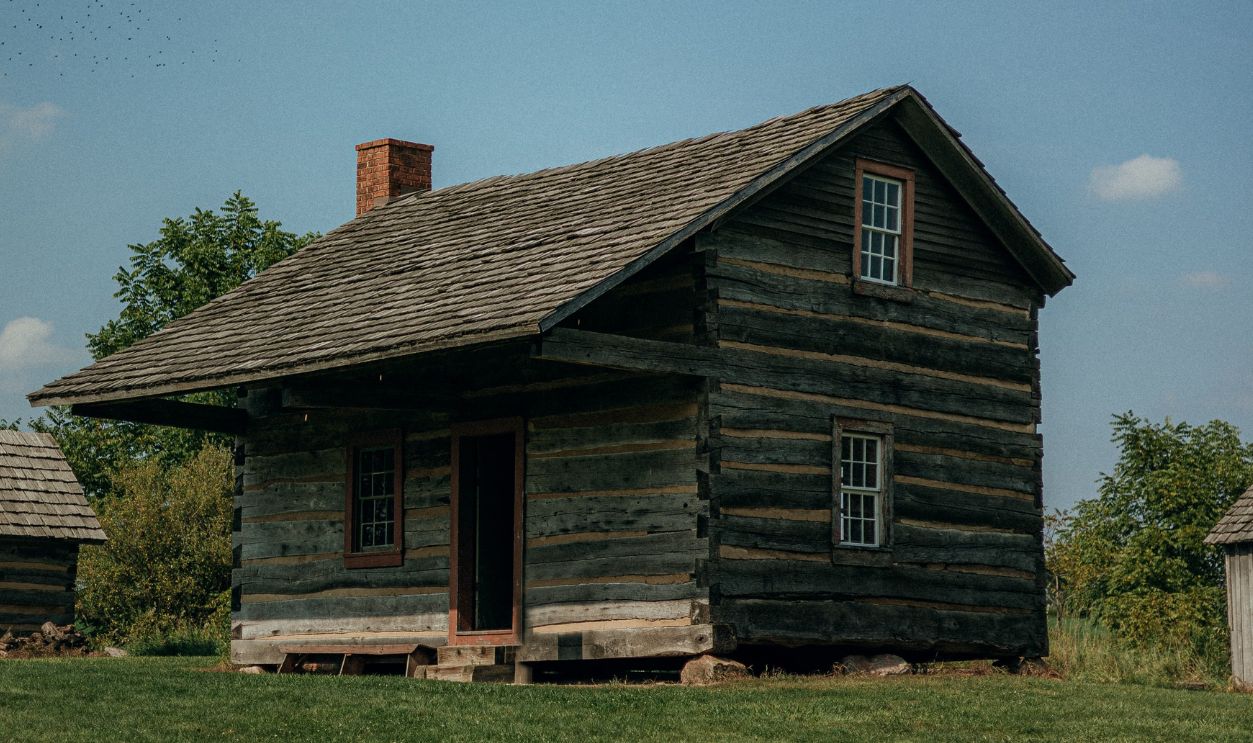
An Old Log House Shows How Different Early Life Was
The Frankenmuth Historical Association also interprets the Wolkensdoerfer Log House, an authentic nineteenth-century structure that helps strip away the polished modern image. Rather than elaborate balconies and decorative towers, early Frankenmuth involved cramped wooden buildings, difficult farming, harsh winters, and enormous amounts of physical labor. Seeing that side of the town makes the later Bavarian makeover more interesting because visitors can compare the tourist village with the settlement it grew from.
Frankenmuth Has One Of The More Unusual Military Museums Around
The Michigan Heroes Museum broadens the town's story beyond German settlement. Its exhibits focus on the wartime experiences of Michigan men and women and include an extensive collection relating to Medal of Honor recipients. It's easy to overlook amid the pretzels, Christmas ornaments, and Bavarian façades, but the museum gives visitors another reason to stay longer than a single lunch stop.
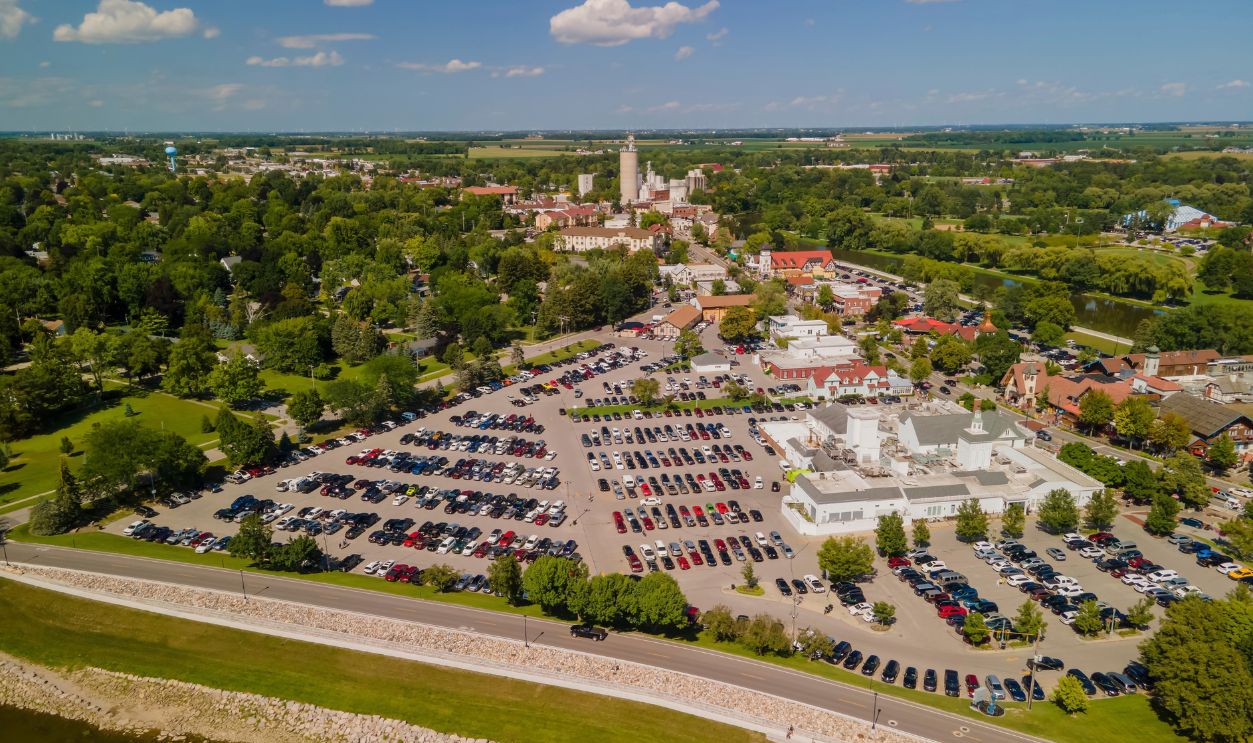
River Place Shops Turned Bavaria Into A Shopping District
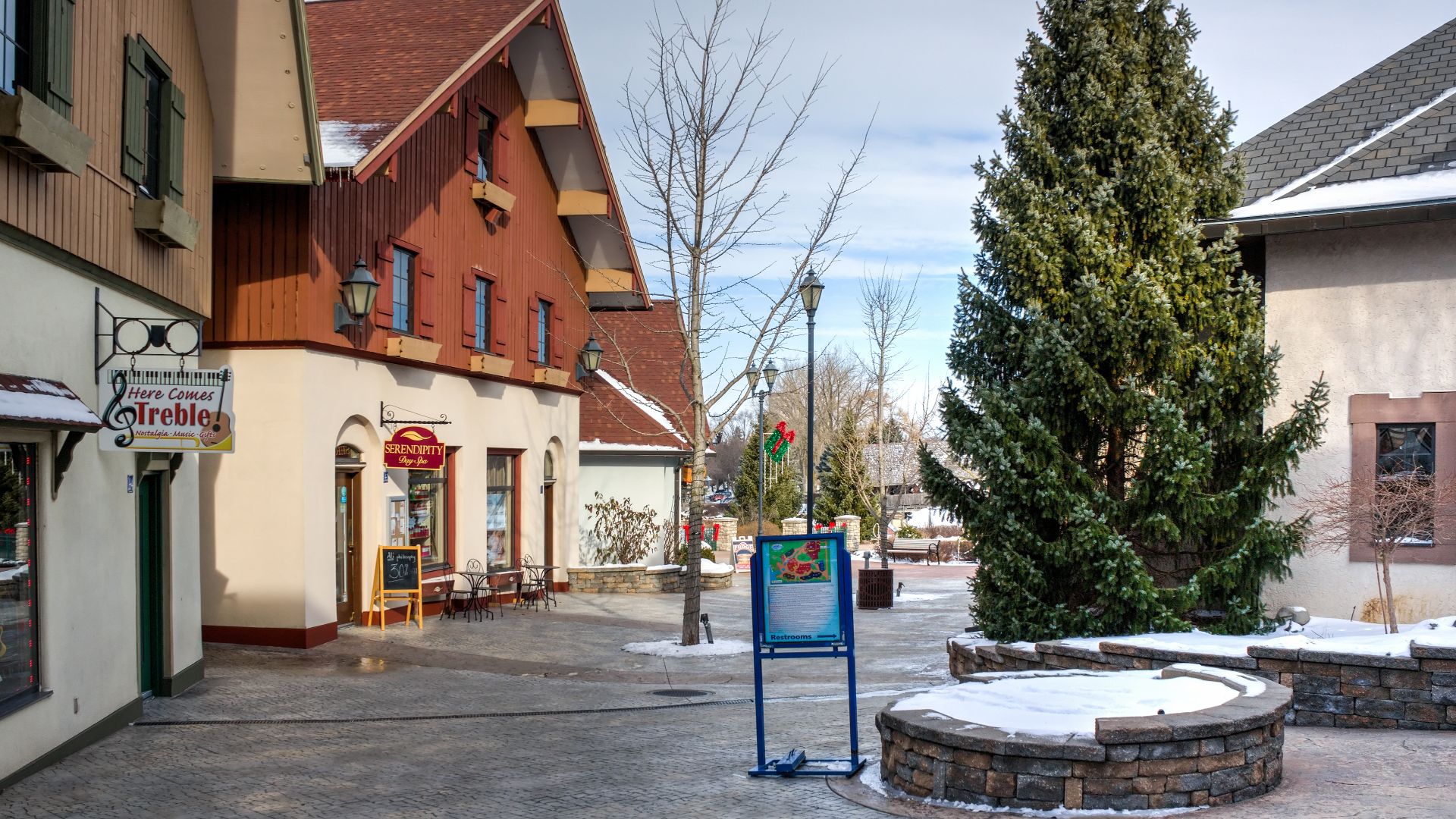
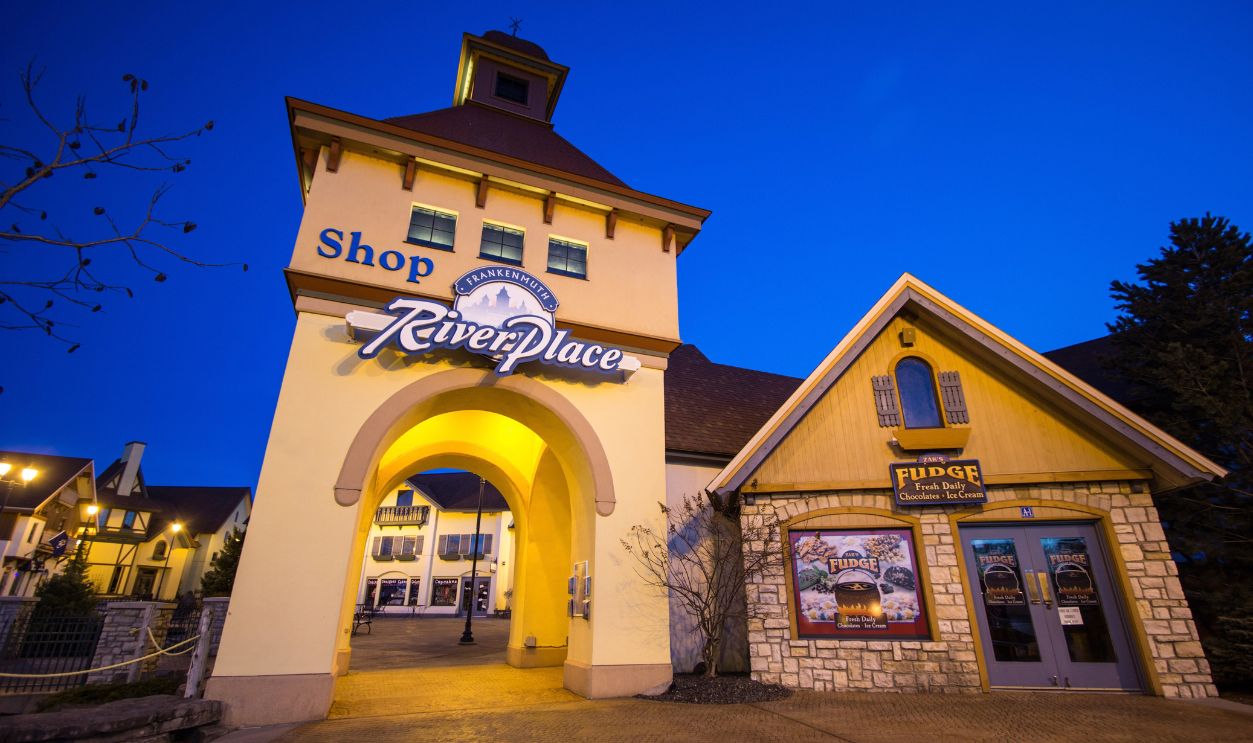
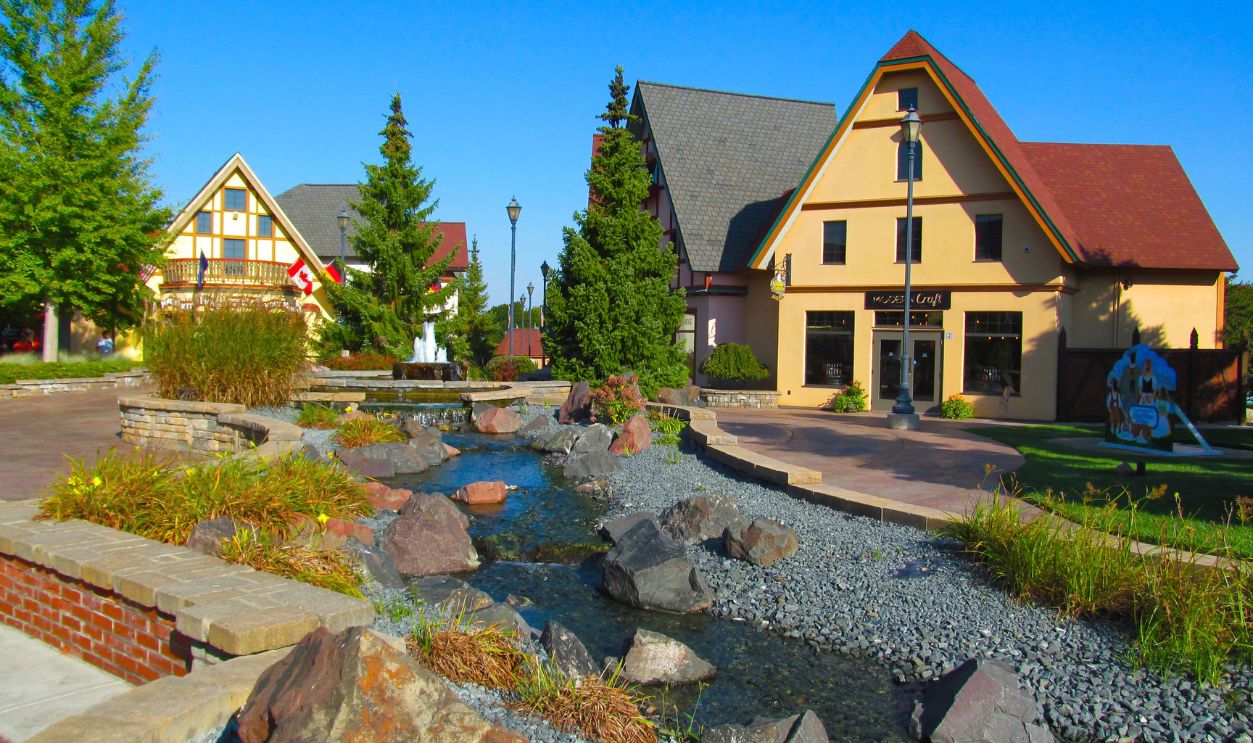
Frankenmuth River Place Shops takes the town's European look and pushes it even further. The pedestrian-oriented complex uses Bavarian-inspired façades, peaked roofs, courtyards, flowers, fountains, and decorative details to create a miniature shopping village. More than 40 shops and attractions occupy the complex, selling everything from gifts and clothing to candy and specialty foods. It's openly theatrical, but in Frankenmuth that theatricality is part of the fun rather than something anyone tries to hide.
Oktoberfest Has An Unexpected Connection To Munich
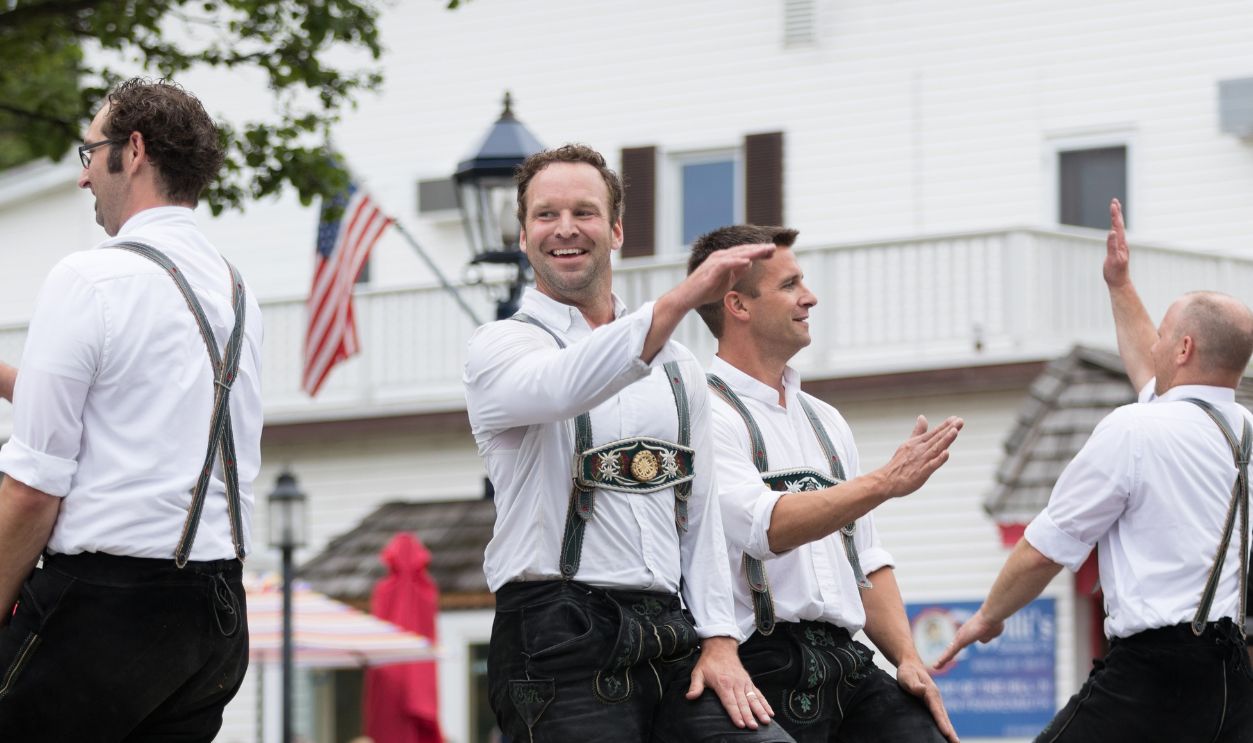
Frankenmuth's Oktoberfest isn't merely a generic fall festival with a German name. In 1996, Munich Lord Mayor Christian Ude and German officials formally sanctioned the event, and Hofbräu ale from Munich became connected with the celebration. Each September, Frankenmuth fills with German music, dancing, drinks, bratwurst, pretzels, lederhosen, and dirndls. For a town founded by Bavarian immigrants, Oktoberfest feels less like borrowing somebody else's festival than amplifying an identity that's been there for generations.
Festivals Keep The Town Busy Far Beyond Oktoberfest
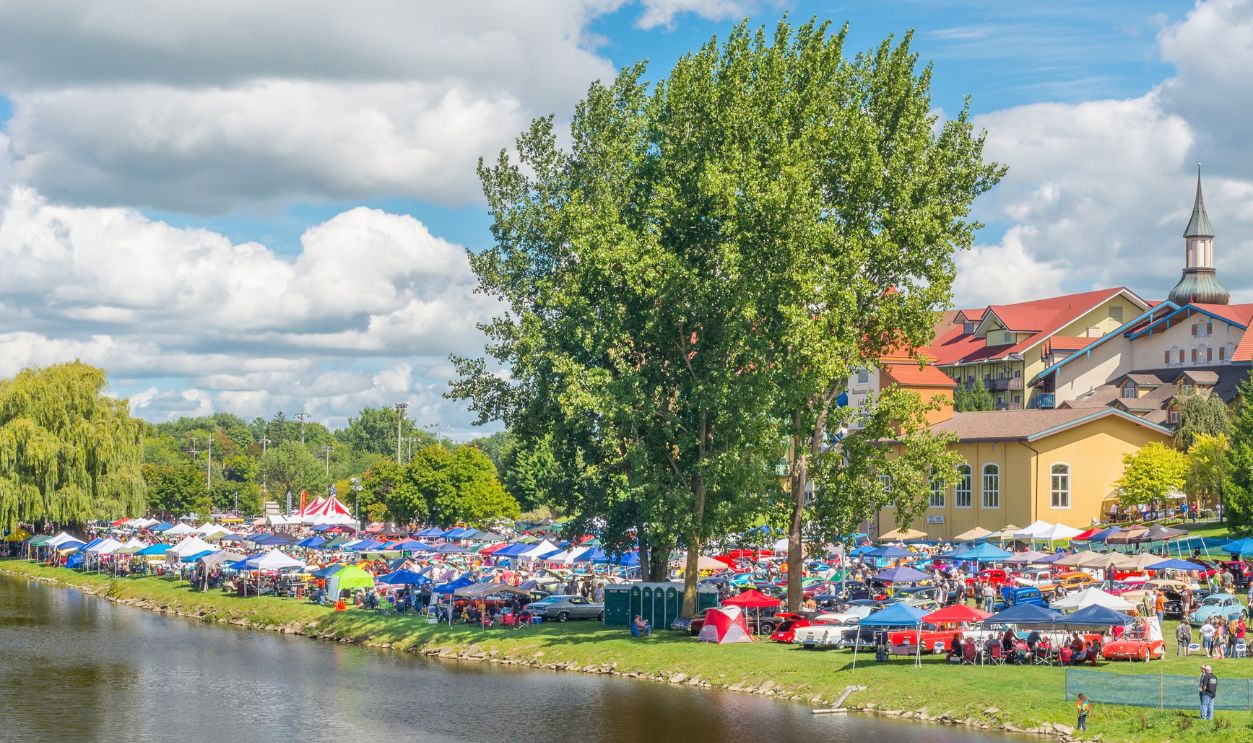
Frankenmuth has turned community events into a major part of its tourism calendar. Depending on the season, visitors may encounter the Bavarian Festival, car events, dog-focused festivals, food celebrations, holiday activities, ice carving, or gatherings in Heritage Park. That means the atmosphere can change dramatically from one weekend to another. Anyone hoping for a quiet visit should check the calendar before booking, while travelers who like festivals may want to plan their trip specifically around one.
The Cass River Gives Visitors A Different View Of Town
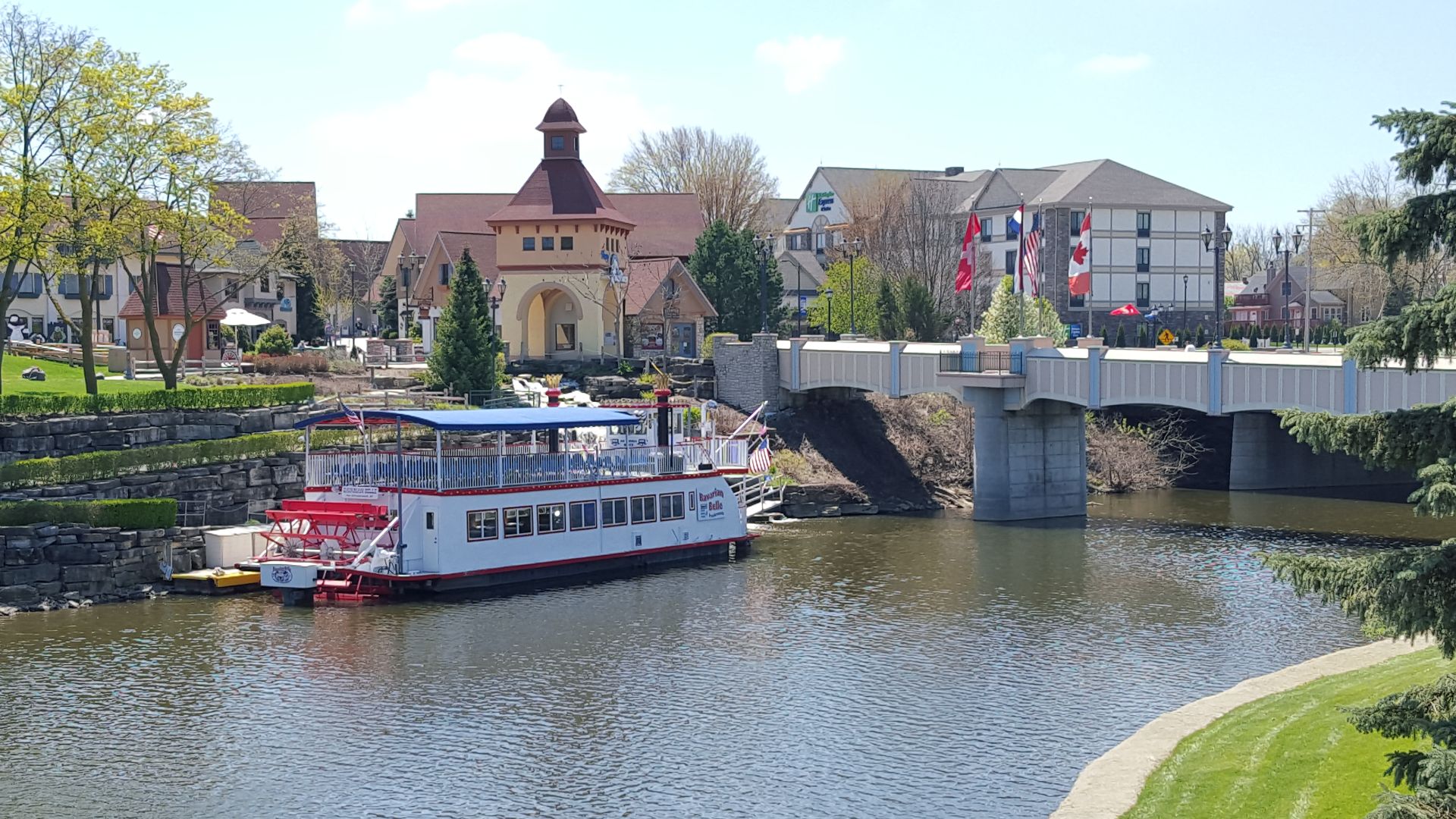
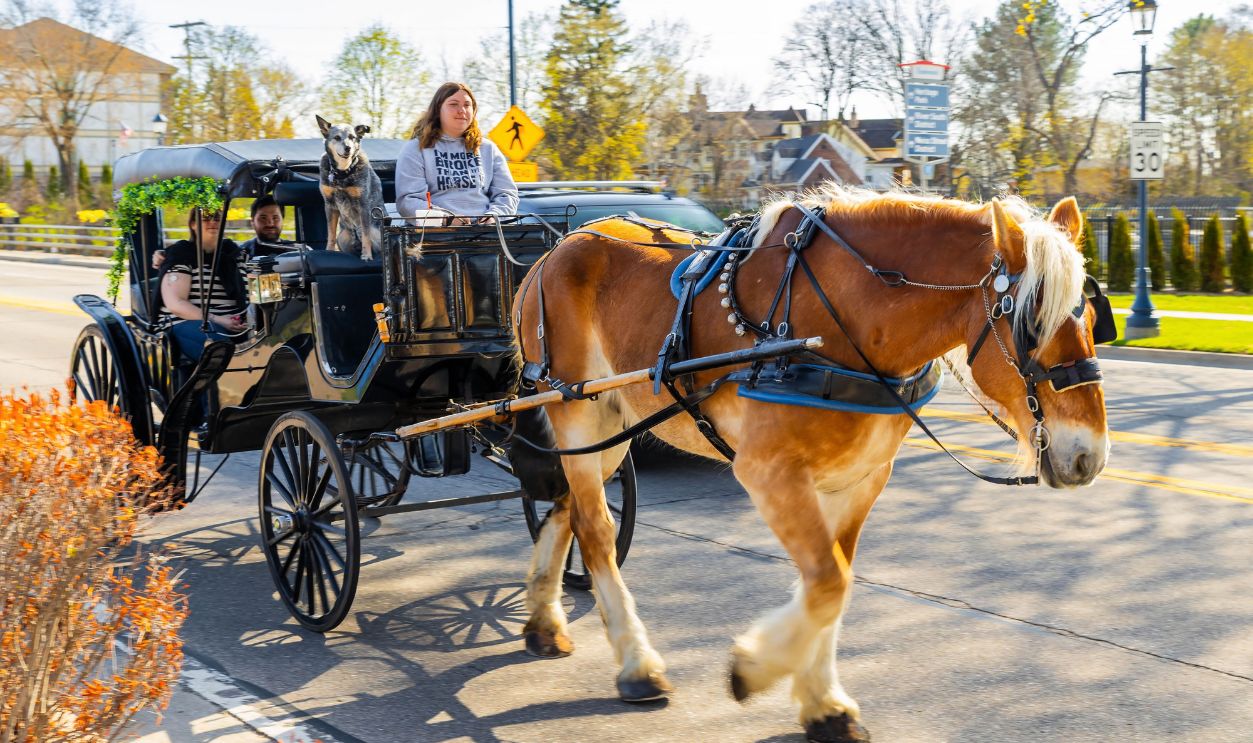
Main Street gets most of the attention, but the Cass River provides another way to experience Frankenmuth. Riverboat excursions operate seasonally, giving visitors views of the water and surrounding landscape away from the busiest sidewalks. Horse-drawn carriage rides provide another classic sightseeing option around town. Neither is essential, but both suit Frankenmuth's deliberately leisurely atmosphere, where the point is often to wander rather than race from attraction to attraction.
Frankenmuth Works Surprisingly Well As A Family Getaway
The town has built much of its modern tourism industry around families. Beyond restaurants and shopping, there are indoor waterpark attractions, miniature golf, arcade-style entertainment, seasonal events, carriage rides, parks, and plenty of sweets within walking distance. The Bavarian Inn Lodge and Zehnder's Splash Village have made Frankenmuth a destination where families can stay overnight rather than simply stop for dinner on the way somewhere else.
You Can Experience Most Of Downtown On Foot
One of Frankenmuth's practical advantages is its compact center. Many of the most recognizable attractions sit along or just off Main Street, including the Bavarian Inn, Zehnder's, the Historical Museum, River Place Shops, the covered bridge, shops, bakeries, and restaurants. Visitors can park once and spend hours walking between them. That helps preserve some of the village atmosphere even though Frankenmuth receives far more visitors than its modest population might suggest.
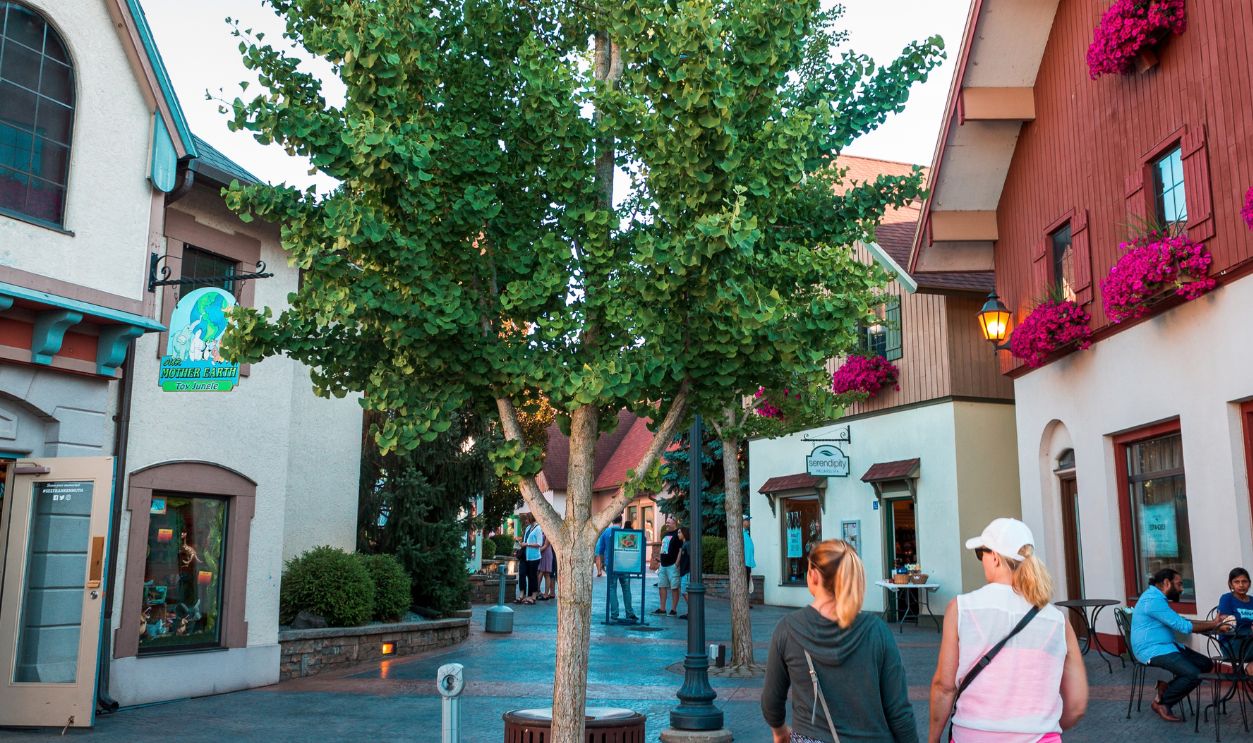
The Best Time To Visit Depends On Which Frankenmuth You Want
Summer brings flowers, festivals, outdoor dining, and easy walking weather. September adds Oktoberfest and early fall atmosphere. December is arguably Frankenmuth at its most theatrical, when Christmas decorations and lights turn "Little Bavaria" into a holiday destination. Winter after Christmas can be quieter while still delivering snow and Bavarian architecture, and spring tends to provide a calmer experience before the busiest summer period. Frankenmuth isn't really a one-season town because its tourist identity changes throughout the year.
It’s Worth Staying Longer Than A Lunch Stop
A lot of first-time visitors treat Frankenmuth as a place to arrive, eat chicken, visit Bronner's, and leave. That works, but it misses much of what makes the town interesting. An overnight stay gives visitors time to explore the historical museum, walk across the covered bridge, wander Main Street after day-trippers leave, sample local ale, shop without rushing, and actually look at the older buildings beneath all the Bavarian decoration. Two days is enough to experience the town at a much more relaxed pace.
 Alexander Sviridov, Shutterstock
The Bavarian Theme Is Only Half The Story
Frankenmuth would be easy to dismiss as an elaborate German-themed tourist attraction if it weren't for what sits underneath it. The first settlers really did come from Bavaria. German remained deeply embedded in community life for generations. The church, farms, mills, breweries, family restaurants, and surnames all predated the modern tourism industry. The timbered façades and glockenspiels may have been amplified later, but they were built around a real immigrant story. That's what makes Frankenmuth stranger, and more interesting, than a simple imitation of Bavaria.
You May Also Like:
The American Small Towns Travelers Say Are Worth A Detour On Your Next Road Trip
Things Americans Notice Immediately When They Visit A Canadian Small Town
Retirees Shared The Small Towns They'd Move To In A Heartbeat—Would You Live In Any Of Them?