A Midwest Road Trip Can Feel Familiar And Completely Different At The Same Time
For Canadians driving into the American Midwest, the first few hours can feel oddly familiar. There are open fields, small towns, cold-weather infrastructure, lakes, and plenty of pickup trucks. But keep driving and the differences start piling up.
The Roadside Attractions Get Delightfully Ridiculous
The Midwest has a particular affection for oversized things beside roads. There are giant balls of twine, giant animals, giant household objects, oversized food, bizarre museums, and fiberglass creatures whose original advertising purpose has long been forgotten. Minnesota's famous Darwin twine ball remains a pilgrimage stop for roadside-attraction fans, and similar oddities dot the region. None of them needs to exist, which is exactly why stopping to see them becomes so tempting.
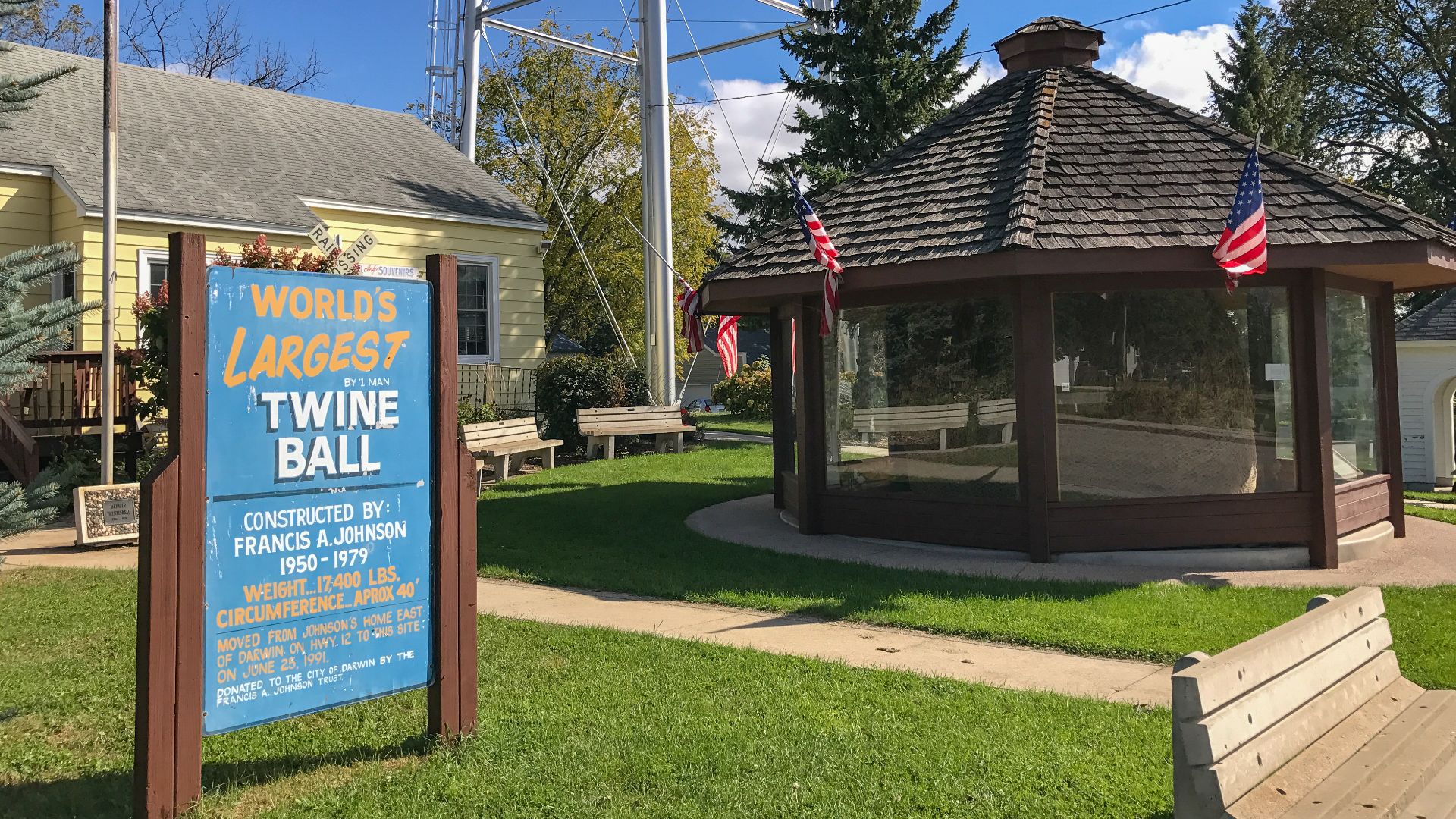 Tony Webster, Wikimedia Commons
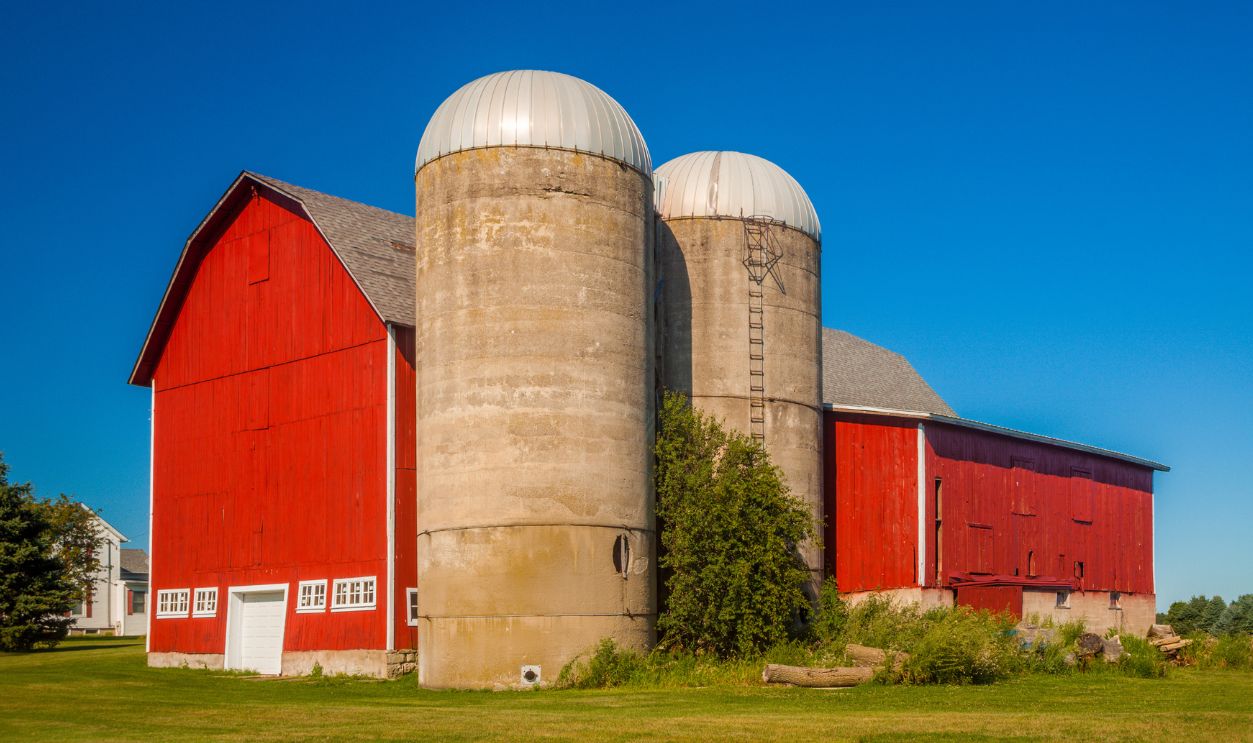
Red Barns And Silos Still Look Straight Out Of A Postcard
Modern Midwestern agriculture can be highly industrialized, but plenty of older visual landmarks remain. Weathered wooden barns, cylindrical silos, farmhouses surrounded by windbreaks, and rows of outbuildings still appear beside major roads. Some farms look generations old even when they're operating with modern equipment. It's one of the things that makes Midwest drives visually interesting despite the reputation for monotonous scenery.
The Farm Machinery Is Enormous
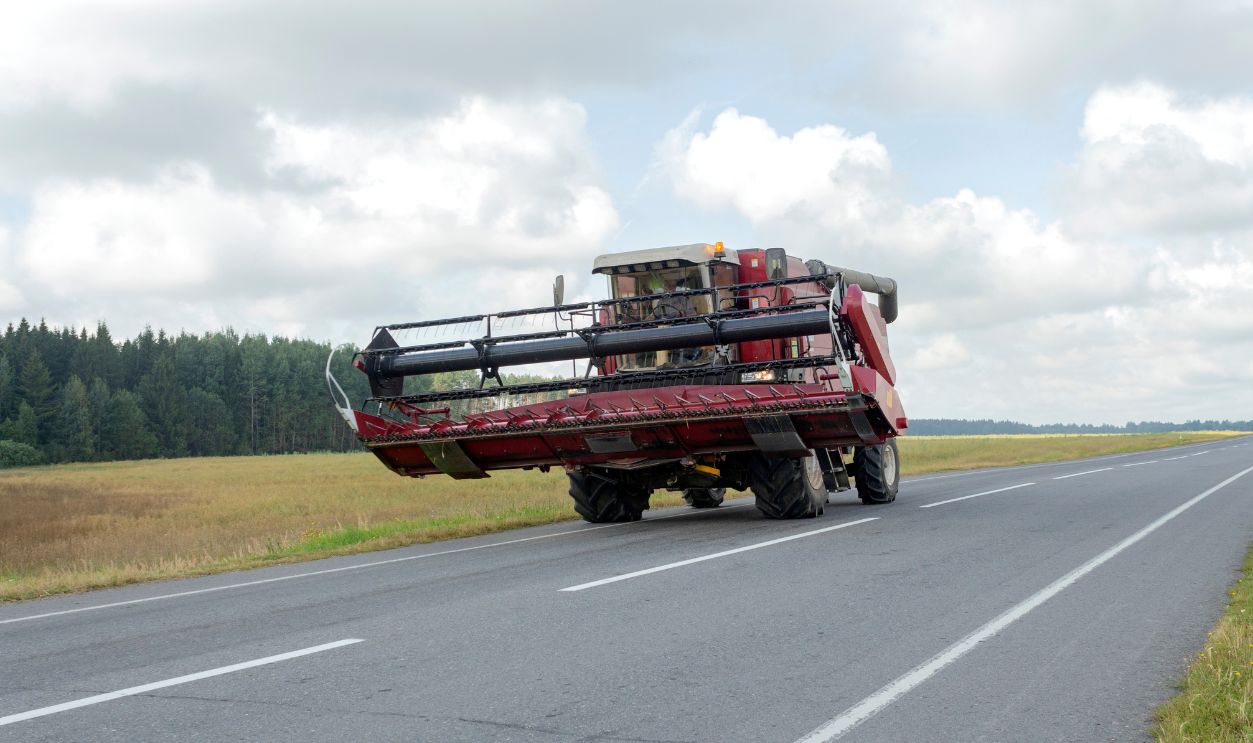
Seeing a combine in a photograph isn't quite the same as encountering one coming toward you on a two-lane road. Modern tractors, combines, planters, and other agricultural machines can be massive, sometimes occupying most of their lane and moving at a fraction of normal highway speed. During planting and harvest seasons, drivers regularly share rural roads with farm equipment moving between fields. For visitors, it's a quick reminder that the landscape isn't decorative. It's a working industrial-scale farm region.
Traffic Lights Can Look Slightly Wrong
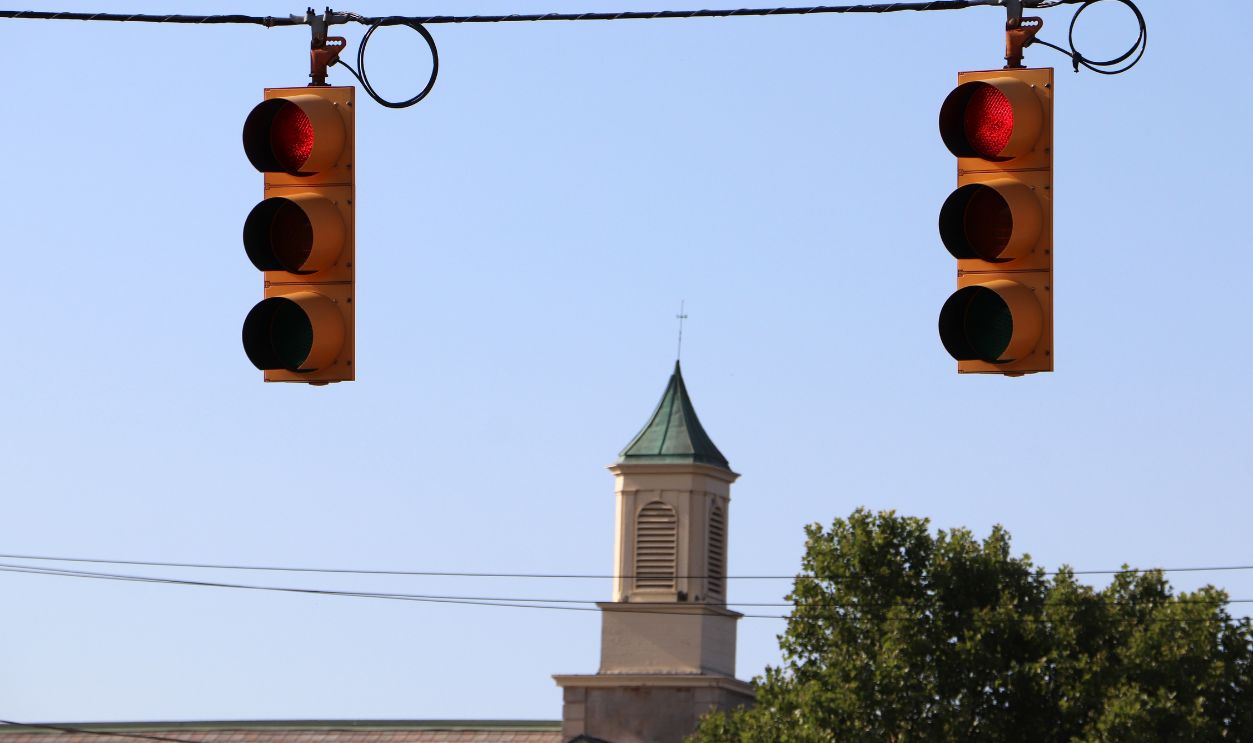
Canadians used to a particular traffic-light arrangement may notice that signals in Midwestern towns aren't always hung the way they expect. Vertical signals are common in many places, while elsewhere lights hang from cables stretched high across broad intersections. The difference is minor, but it's exactly the kind of thing that can make a familiar-looking town feel subtly foreign before you've consciously figured out why.
Rural Drivers Still Give The One-Finger Wave
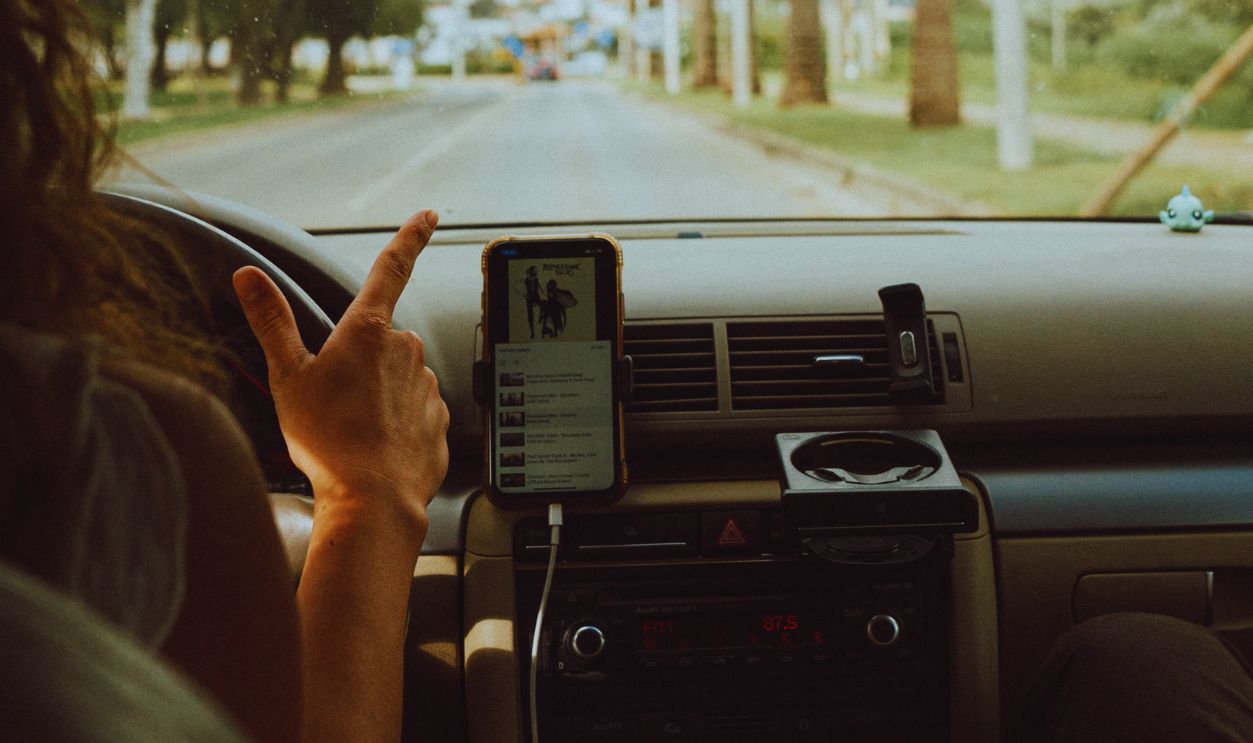
On quiet two-lane roads, a passing driver may briefly lift one or two fingers from the steering wheel in acknowledgment. Farmers do it, pickup drivers do it, and people who clearly have no idea who you are sometimes do it too. It isn't universal, but it's common enough in rural areas to catch visitors off guard. The gesture requires almost no effort and says roughly, "I see you, fellow person who is also inexplicably on this road".
You Start Measuring Distance By Cornfields
After a few hours, conventional landmarks can become scarce enough that your sense of distance changes. A turn might be described as being after the next grain elevator, past a certain farm, or several miles beyond a tiny crossroads. In summer, tall corn can also block views of surrounding roads and buildings. It creates a strange combination of enormous openness and surprisingly limited visibility whenever you're driving directly between fields.
The Roads Can Be Almost Impossibly Straight
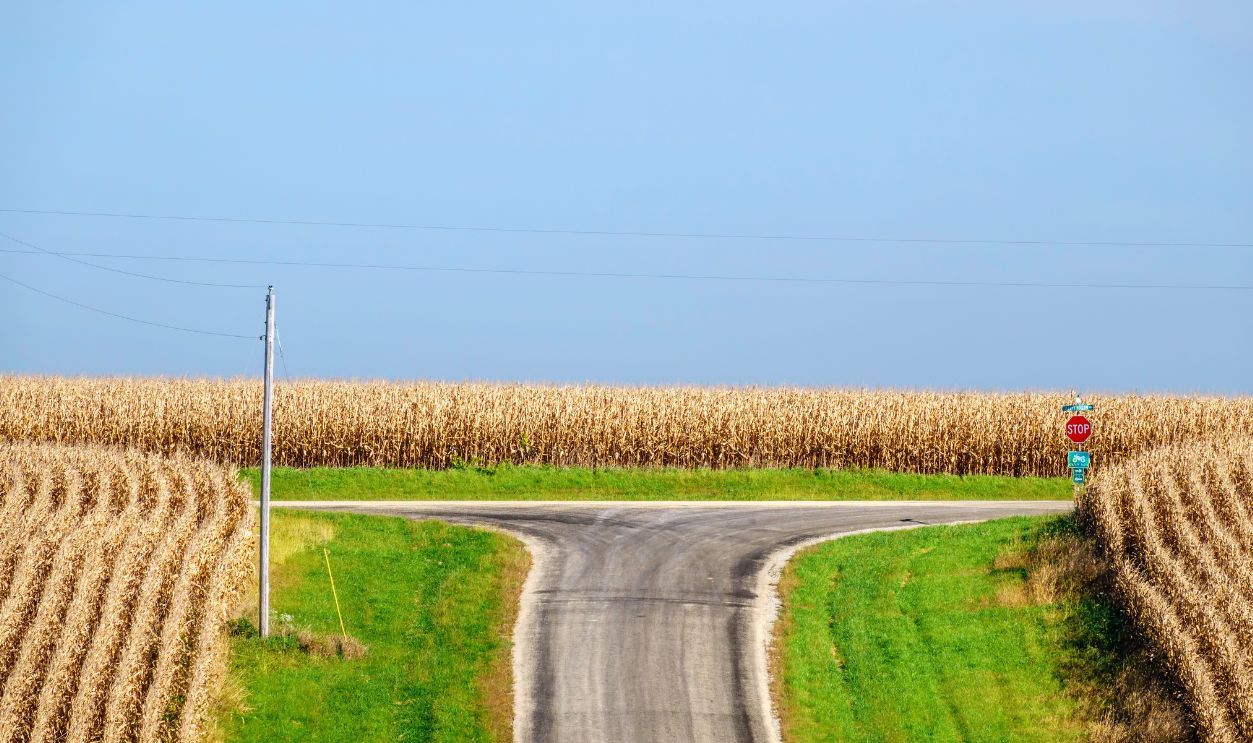
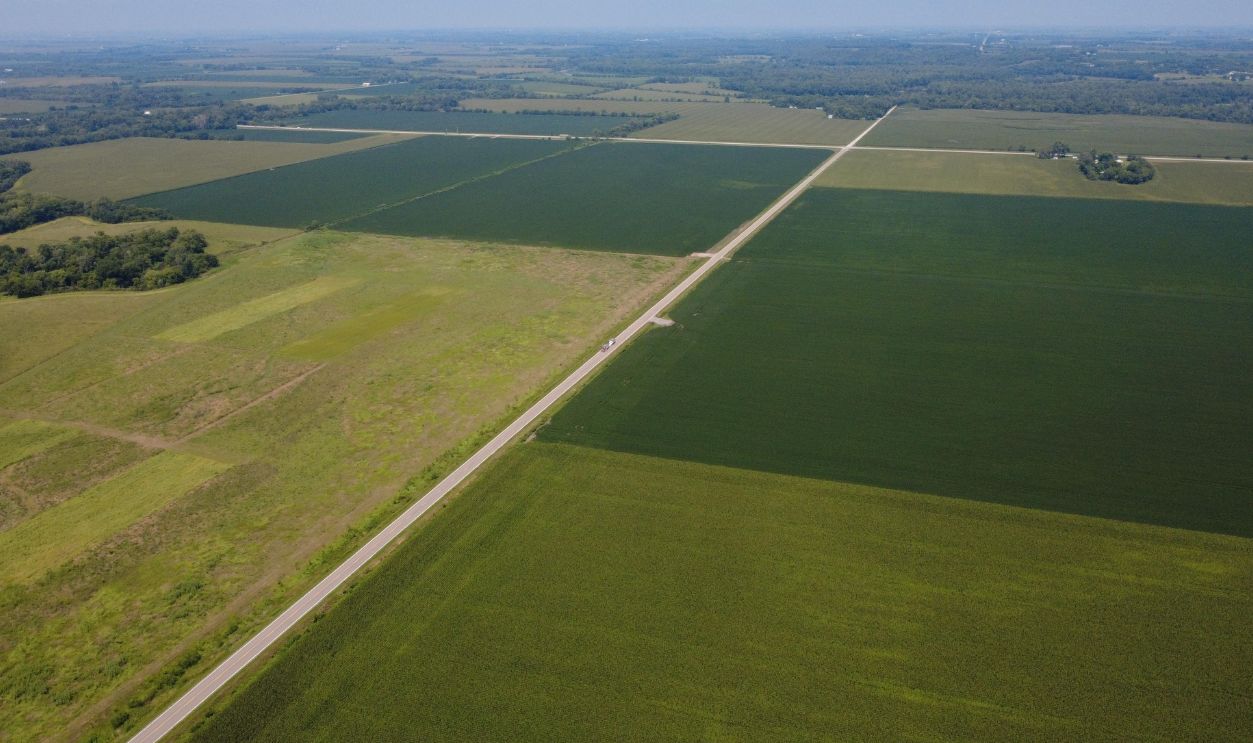
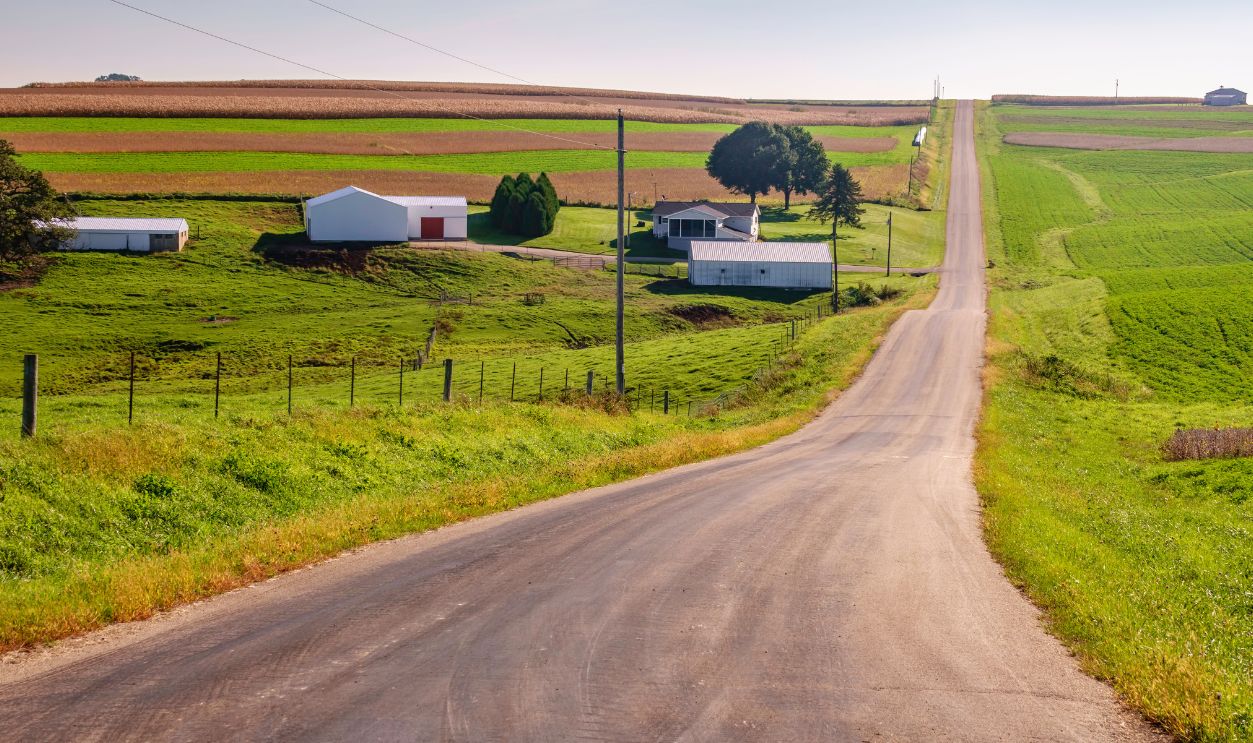
Rural Midwest driving often feels as though someone laid a ruler across a map and built the road underneath it. In heavily surveyed agricultural areas, county and township roads frequently follow a regular grid, intersecting one another at right angles for miles. You can sometimes see the next crossroads long before you reach it. For travelers used to roads bending around lakes, hills, or older settlement patterns, the geometry can feel almost exaggerated.
Grain Elevators Become Small-Town Skyscrapers
Long before you can see the houses, you'll often see the grain elevator. Huge concrete or metal silos rise above small communities throughout the agricultural Midwest, storing corn, soybeans, wheat, and other crops before they're shipped elsewhere. In a town without tall office buildings, they're frequently the most obvious objects on the skyline. Drive through enough farming country and grain elevators start functioning almost like church steeples once did, announcing that another town is coming.
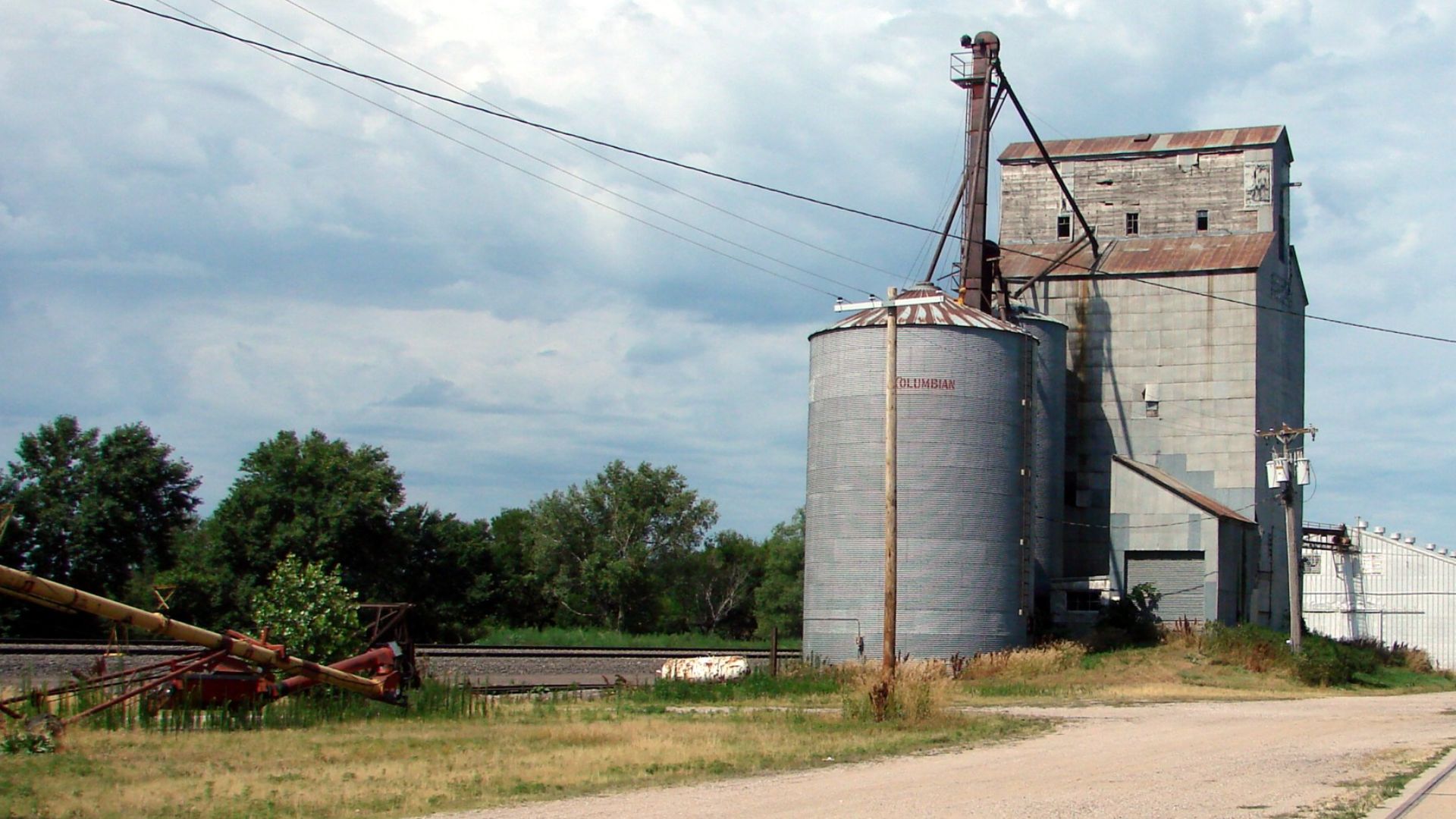 inkknife_2000 (7.5 million views +), Wikimedia Commons
Water Towers Seem To Introduce Every Town
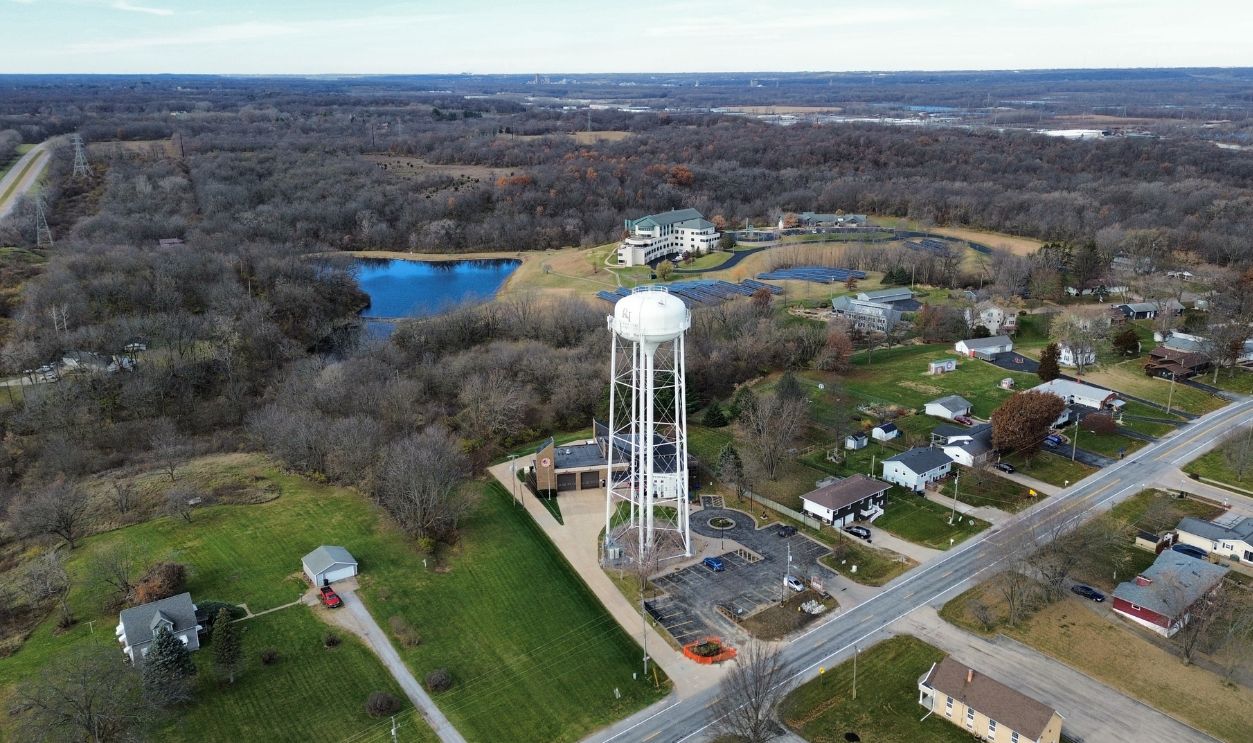
Another familiar silhouette is the elevated water tower. Many Midwestern communities display the town's name across the tank in letters large enough to read from the highway, essentially turning municipal infrastructure into a welcome sign. Some get much more creative, adding local colors, logos, slogans, or references to community identity. When the land is flat enough, that water tower can appear on the horizon several minutes before anything else does.
The Great Lakes Can Look Like An Ocean
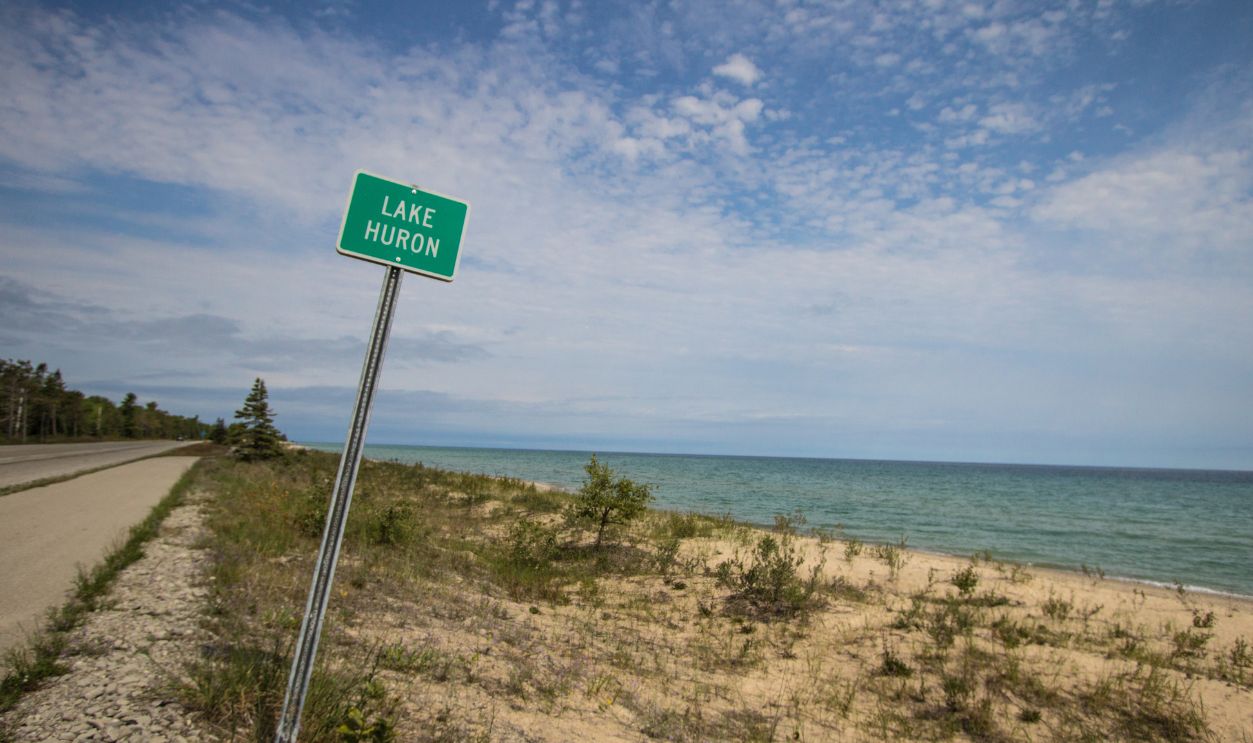
A traveler crossing Michigan, Wisconsin, northern Indiana, Illinois, or Ohio can suddenly emerge from inland farm country and find an enormous body of water stretching beyond the horizon. Lake Michigan, Superior, Huron, and Erie can look much more like seas than lakes, complete with beaches, dunes, lighthouses, waves, freighters, and waterfront towns. Canadians obviously aren't strangers to the Great Lakes, but experiencing their American shorelines can still radically change the mood of a Midwest drive.
Towns Can Go From Busy To Tiny Very Quickly
Midwest routes often move between sizable metropolitan areas and communities of only a few hundred people with very little transition. You might leave a major freeway, drive for half an hour, and suddenly be passing a post office, tavern, grain elevator, and handful of houses that appear to constitute most of the town. These places can feel surprisingly self-contained, particularly when the next community is another 15 or 20 miles down the road.
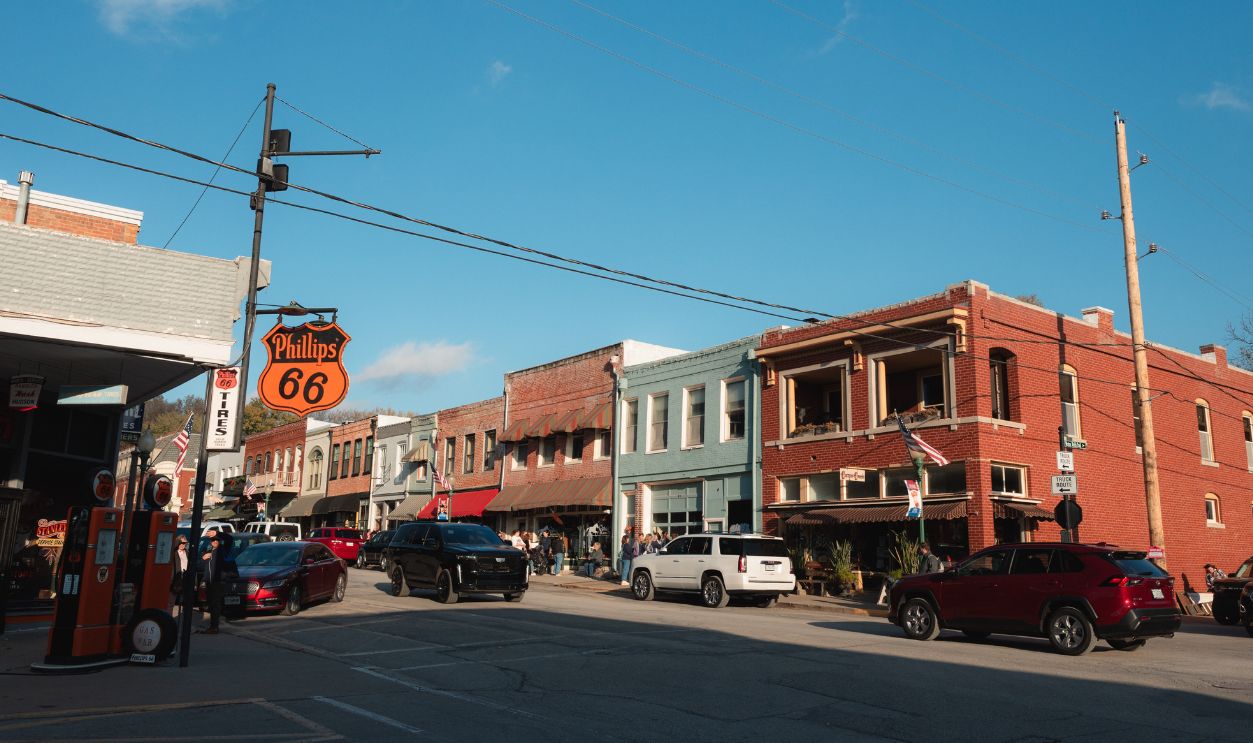
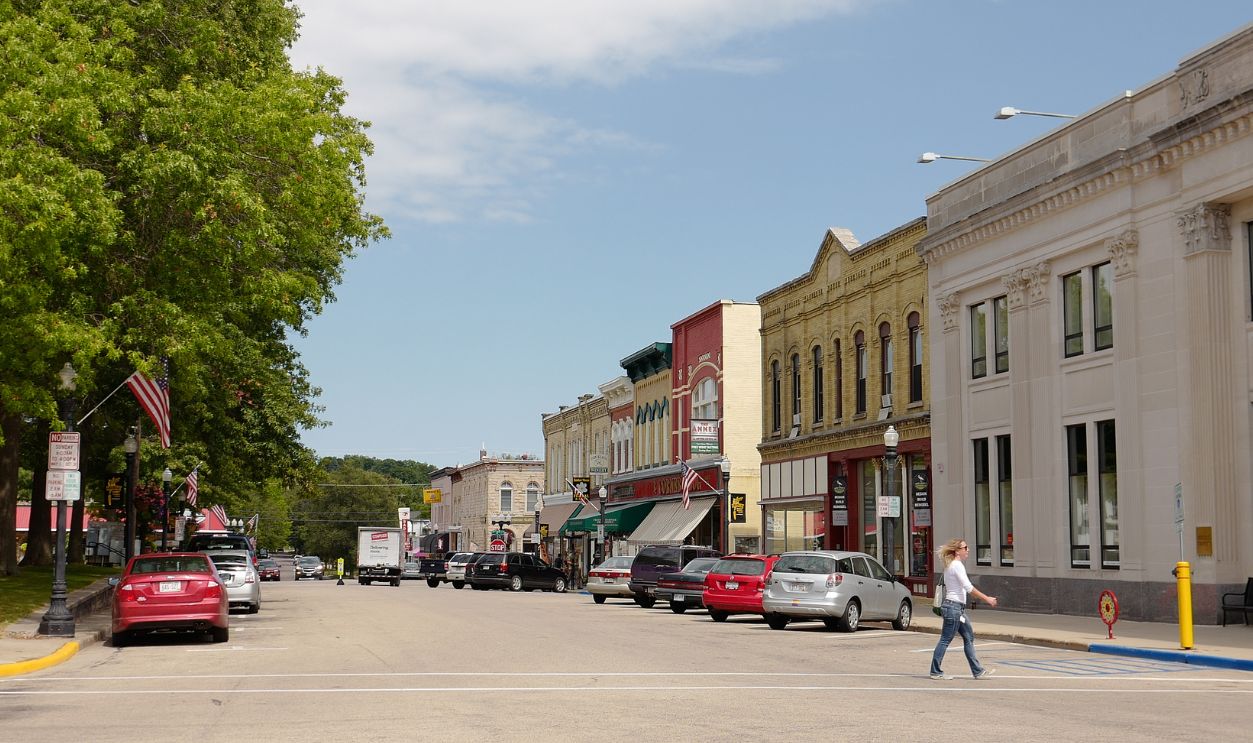
The Main Streets Look Familiar In A Very American Way
Small Midwestern downtowns often share a recognizable look: low brick storefronts, a bank on the corner, an old theater or civic building, broad streets, angled parking, and perhaps a courthouse looming nearby. Some are beautifully preserved, while others clearly lost businesses when shopping shifted toward highway strips and larger cities. For Canadian visitors, they're familiar enough to feel recognizable but different enough to look unmistakably American.
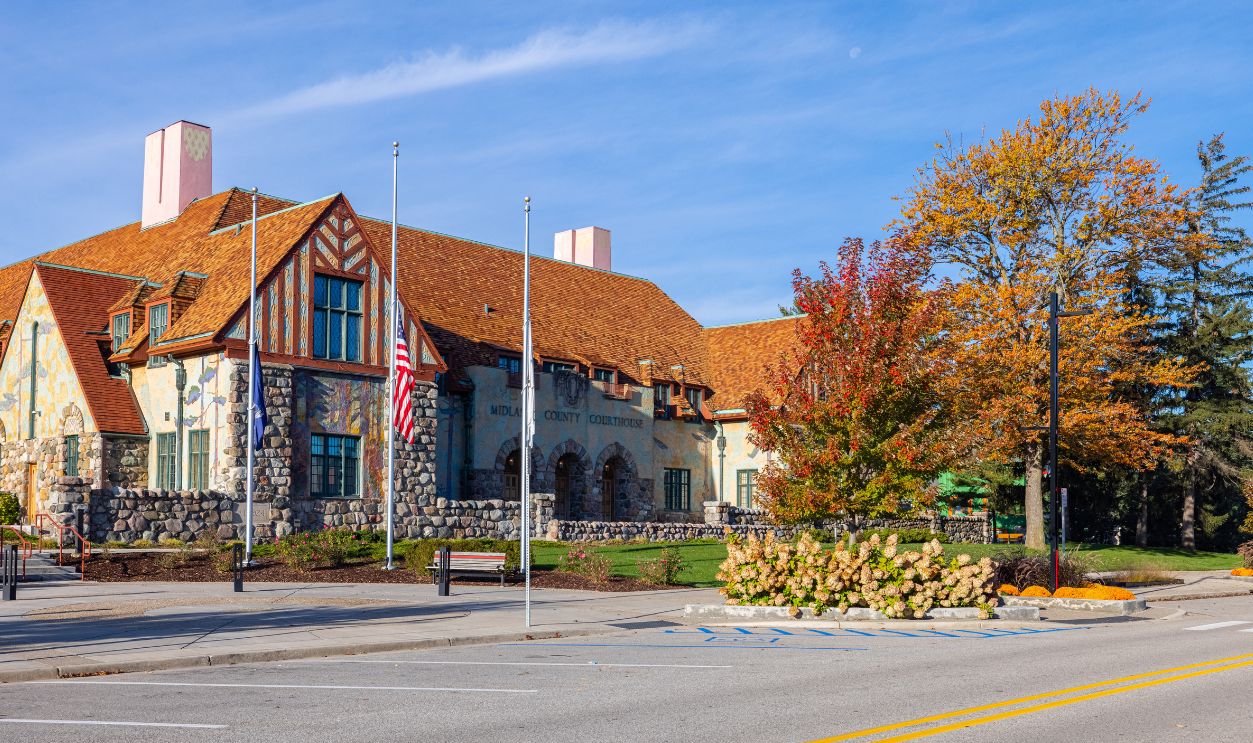
County Courthouses Can Be Shockingly Grand
Drive through an otherwise modest county seat and you may suddenly encounter an enormous nineteenth-century courthouse with a tower, dome, elaborate stonework, or Romanesque arches. Midwest communities invested heavily in these civic buildings when towns were growing during the nineteenth and early twentieth centuries. As a result, some of the region's most impressive architecture sits in places where a traveler might never expect to find it.
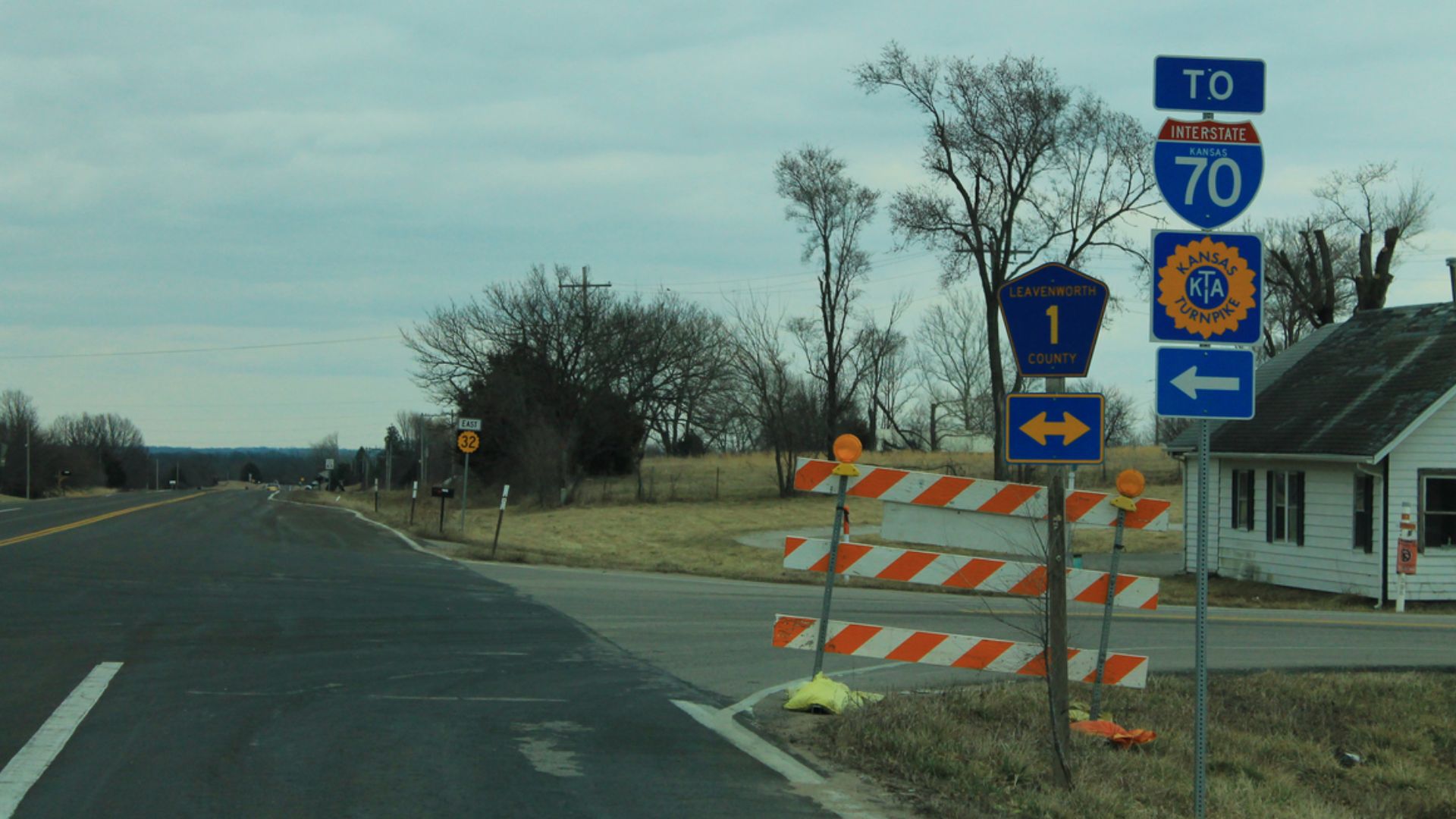
The Highway Signs Throw Around A Lot More State And County Names
Once you leave the interstate, local road designations can become their own language. County Highway K, County Road 17, State Route 23, Farm-to-Market roads, and numbered township roads all begin appearing. Some rural networks are wonderfully logical once you understand them, while others seem designed for someone who already knows exactly where they're going. The regular grid helps, but a road trip can still involve an impressive number of turns onto roads that barely seem to have names.
 formulanone, Wikimedia Commons
Pickup Trucks Are Everywhere
Pickup trucks are hardly rare in Canada, but in many agricultural and small-town parts of the Midwest they can seem to make up half the parking lot. Some are spotless daily drivers, while others are obviously work vehicles carrying tools, feed, equipment, or farm supplies. Their ubiquity makes more sense once you've driven through the surrounding countryside and realized how many people's lives involve farms, construction, towing, hunting, or other jobs where a truck isn't merely a fashion choice.
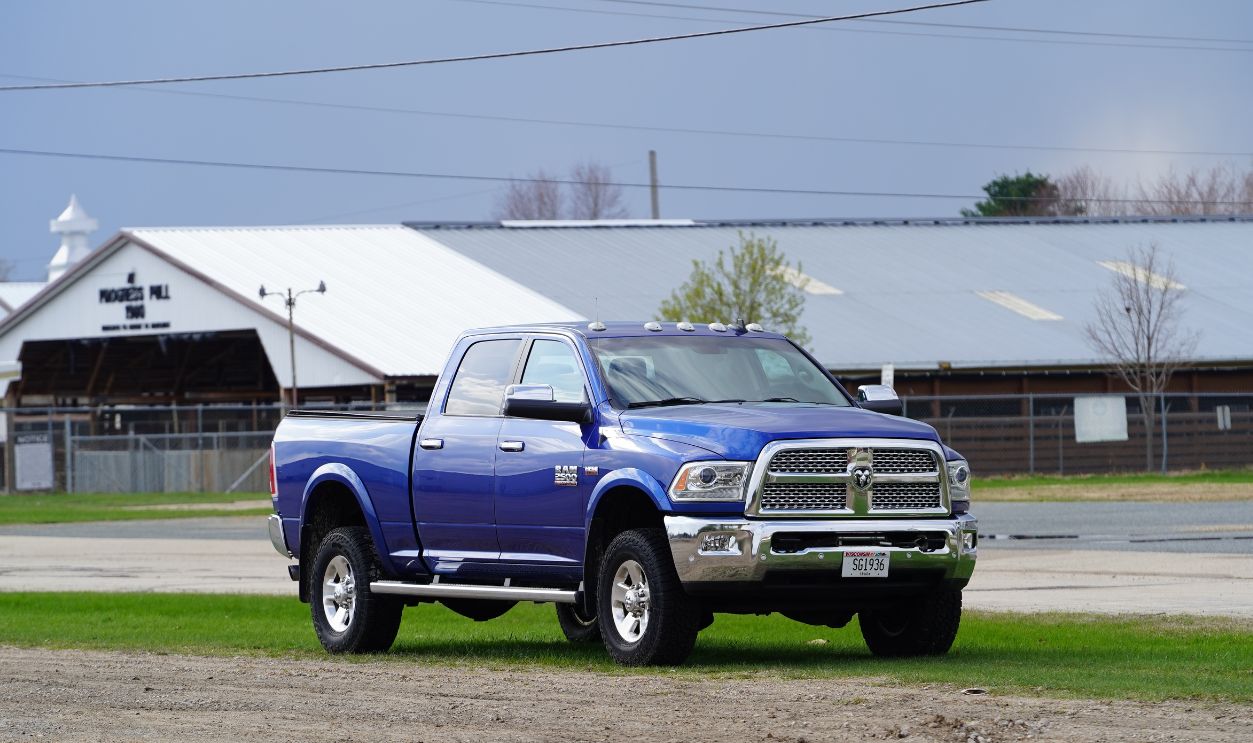 Aaron of L.A. Photography, Shutterstock
Roadside Produce Stands Suddenly Appear
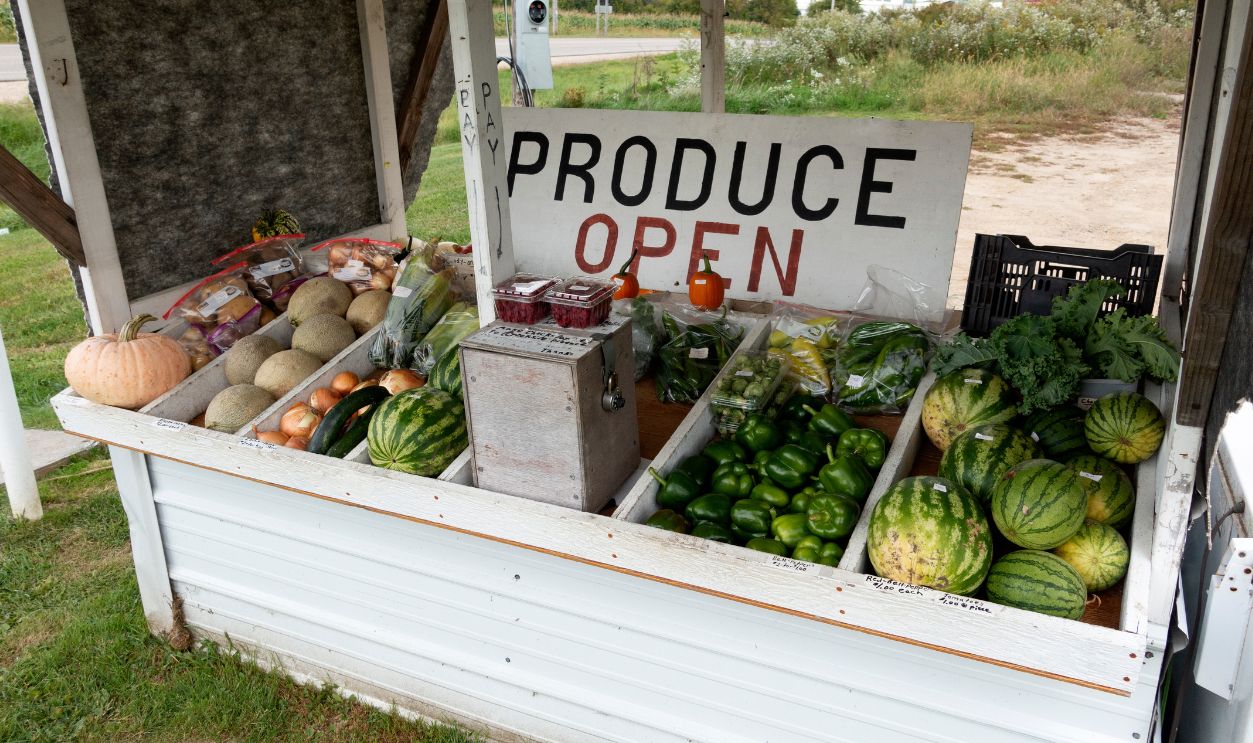
Depending on the season, a rural highway may produce handwritten signs advertising sweet corn, tomatoes, pumpkins, apples, peaches, or whatever happens to be ready. Some stands are fully staffed farm markets, while others amount to a table beside a driveway with a cash box or honor system. For a road-tripper, they're one of the easiest ways to turn a fuel stop into something considerably more interesting.
Diners Still Feel Like Actual Diners
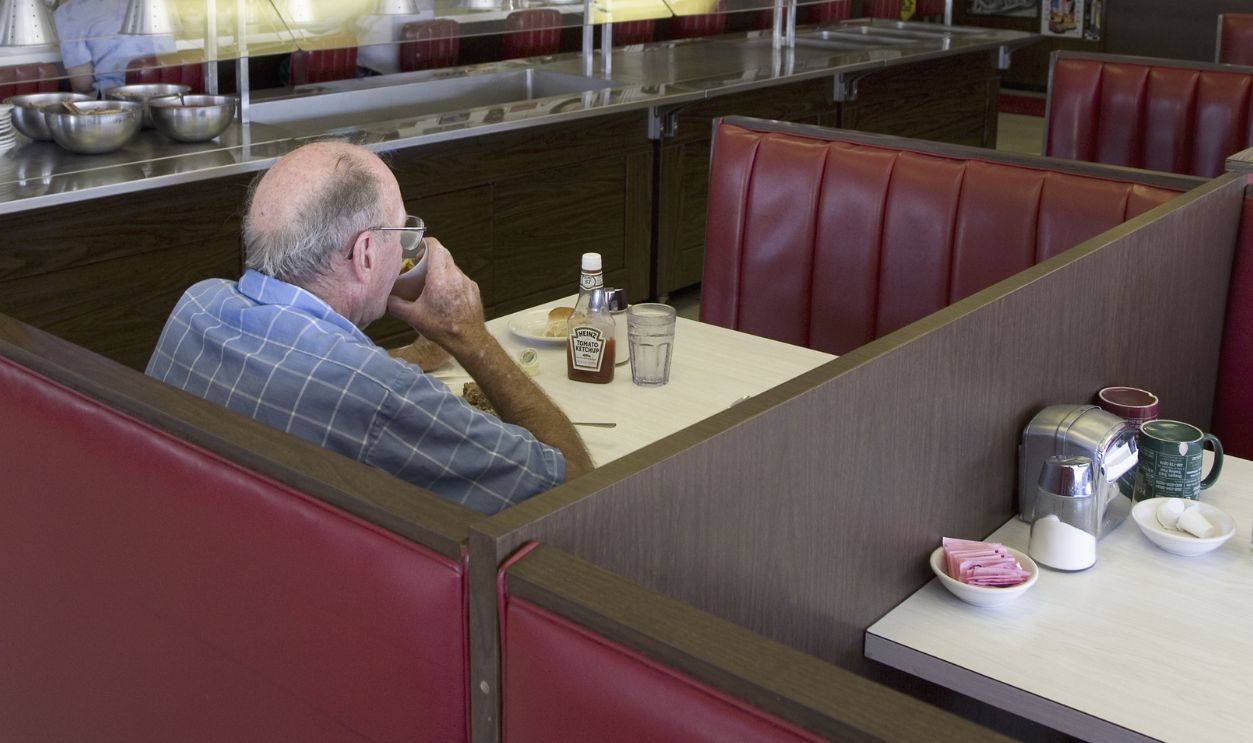
Away from major highways, travelers can still find restaurants that feel less like retro recreations and more like places that simply never stopped being diners. Expect big breakfasts, bottomless coffee, pie displays, burgers, hot sandwiches, and regulars who clearly occupy the same booth every week. The decor may not have changed much in 30 years, but that can be part of the appeal after hours on the road.
Wisconsin Supper Clubs Are Their Own Thing
Cross into Wisconsin and the evening meal can become a surprisingly specific ritual. The state's supper clubs are typically relaxed, old-school establishments built around drinks at the bar, hearty dinners, steaks, prime rib, seafood, and plenty of lingering rather than rushing through a meal. Travel Wisconsin describes more than 250 supper clubs around the state, making them less of a novelty than a genuine regional institution.
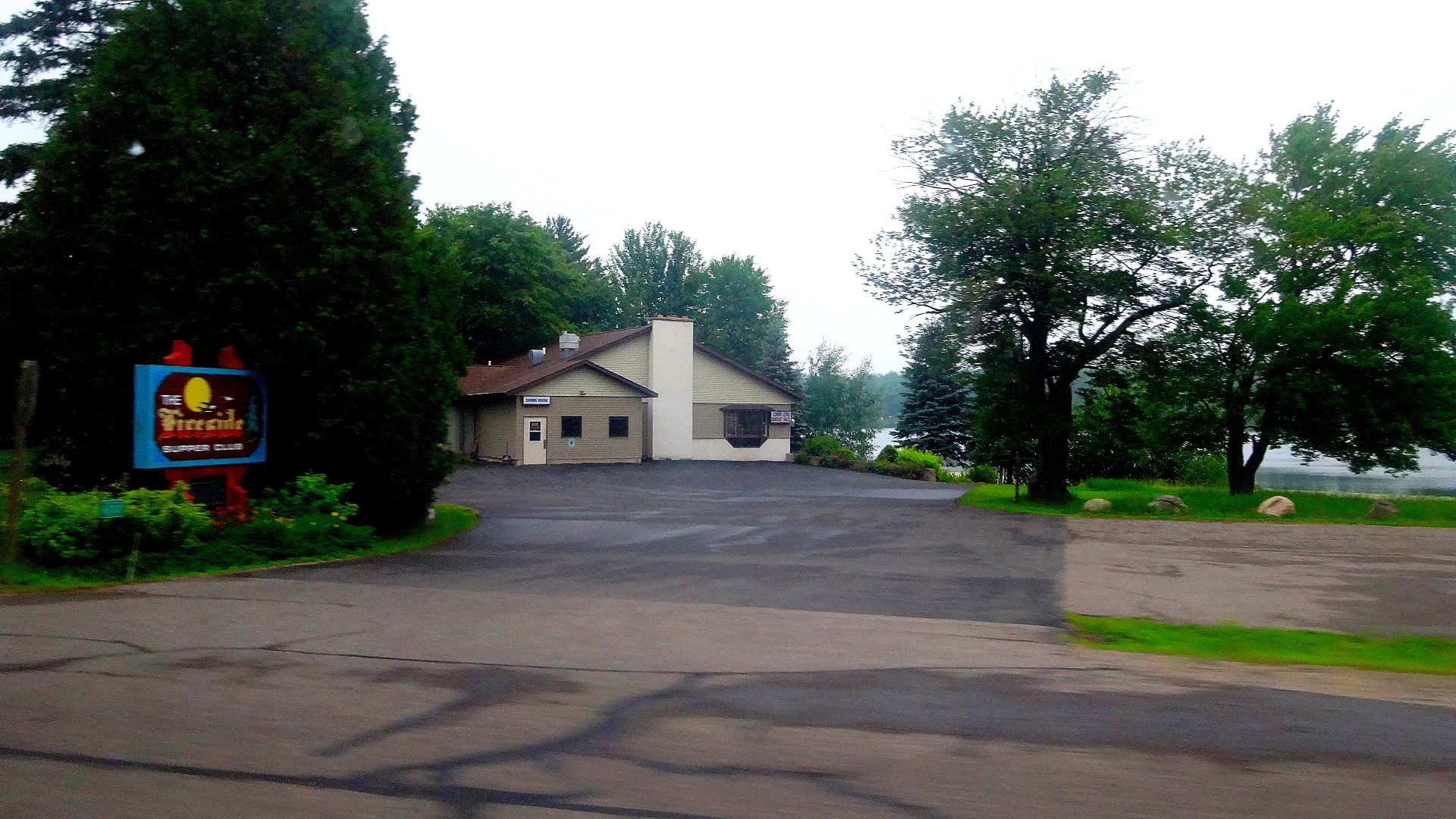 Corey Coyle, Wikimedia Commons
Friday Night Means Fish Fry
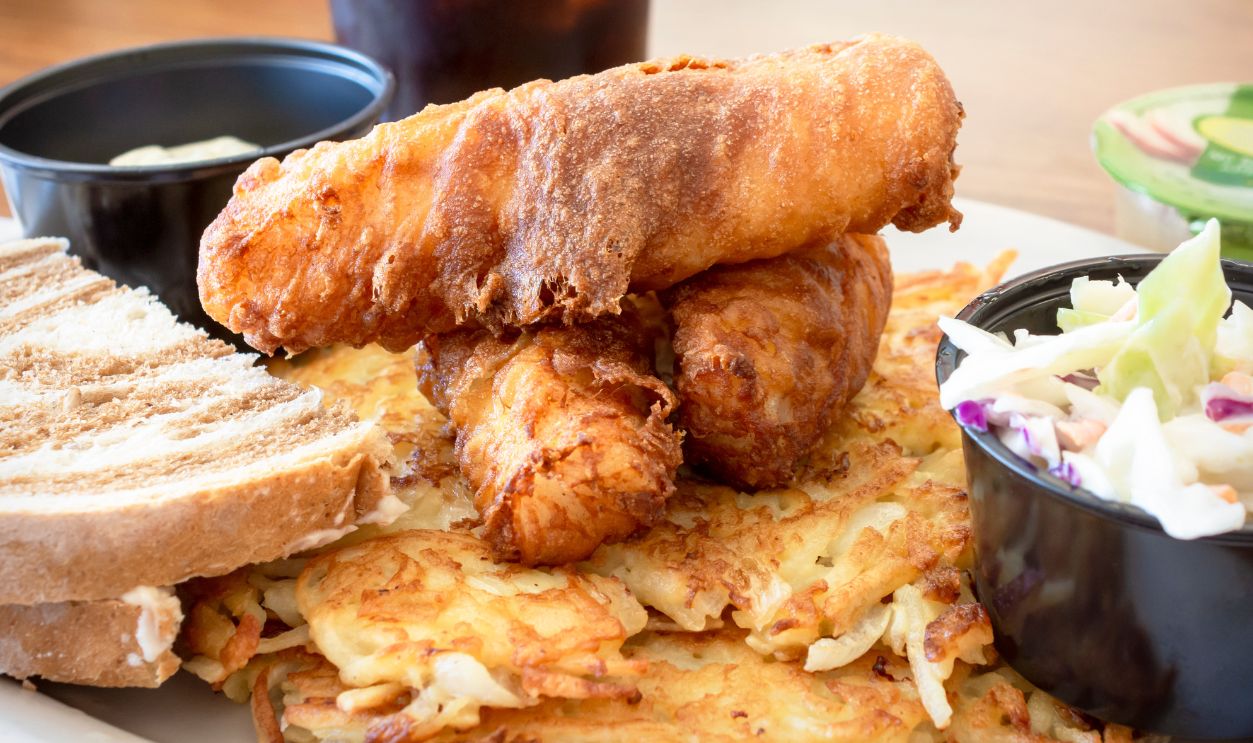
If a Wisconsin restaurant parking lot suddenly fills up on a Friday evening, there's a good chance fish has something to do with it. The state's Friday fish fry tradition developed through a combination of Catholic meatless-Friday customs, access to Great Lakes fish, and tavern culture. Cod, perch, walleye, or haddock commonly arrive with potatoes, coleslaw, rye bread, and tartar sauce. For visitors, it can feel surprisingly ritualized for what is essentially dinner.
Convenience Stores Can Be Regional Institutions
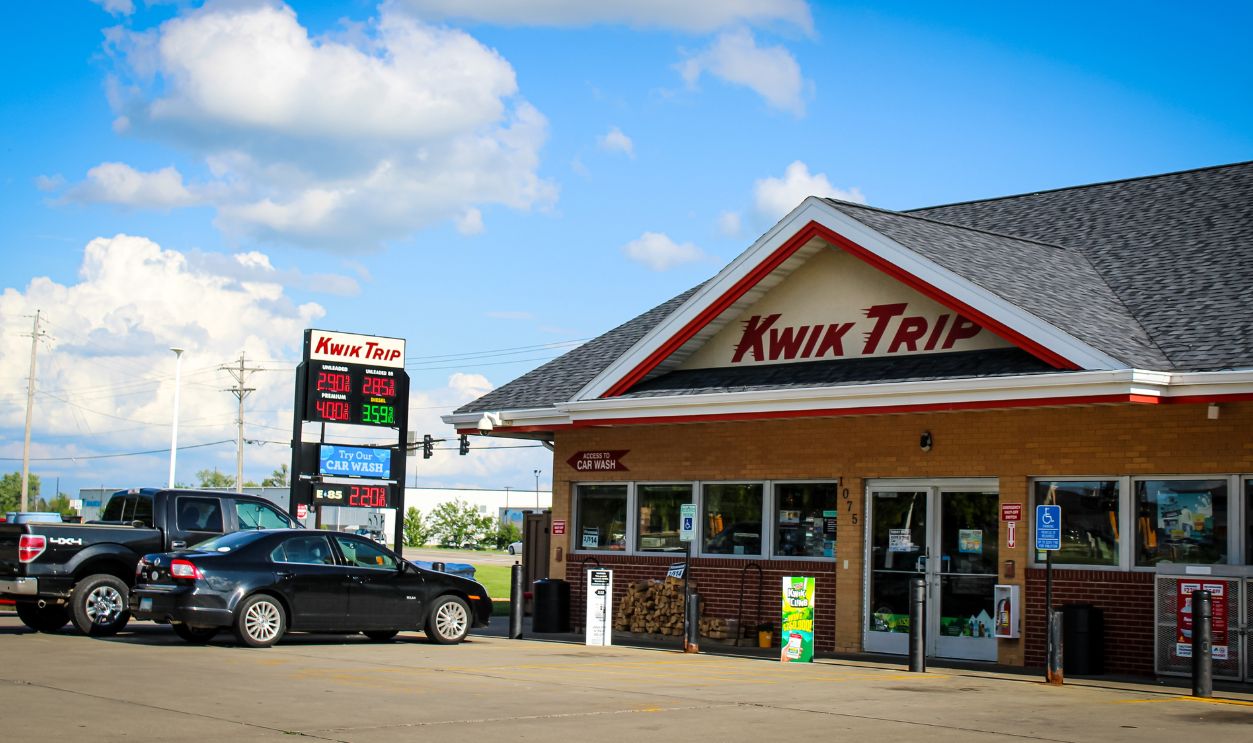
Canadian travelers expecting every fuel stop to feel interchangeable may notice that Midwestern convenience-store chains have intensely loyal followings. Depending on the state, names like Casey's, Kwik Trip, or Kum & Go appear repeatedly, and locals may have surprisingly strong opinions about which one has the best food or coffee. In rural stretches, these places can function as gas station, grocery stop, takeout counter, and informal community gathering place all at once.
Gas Stations Can Be Much Bigger Than Expected
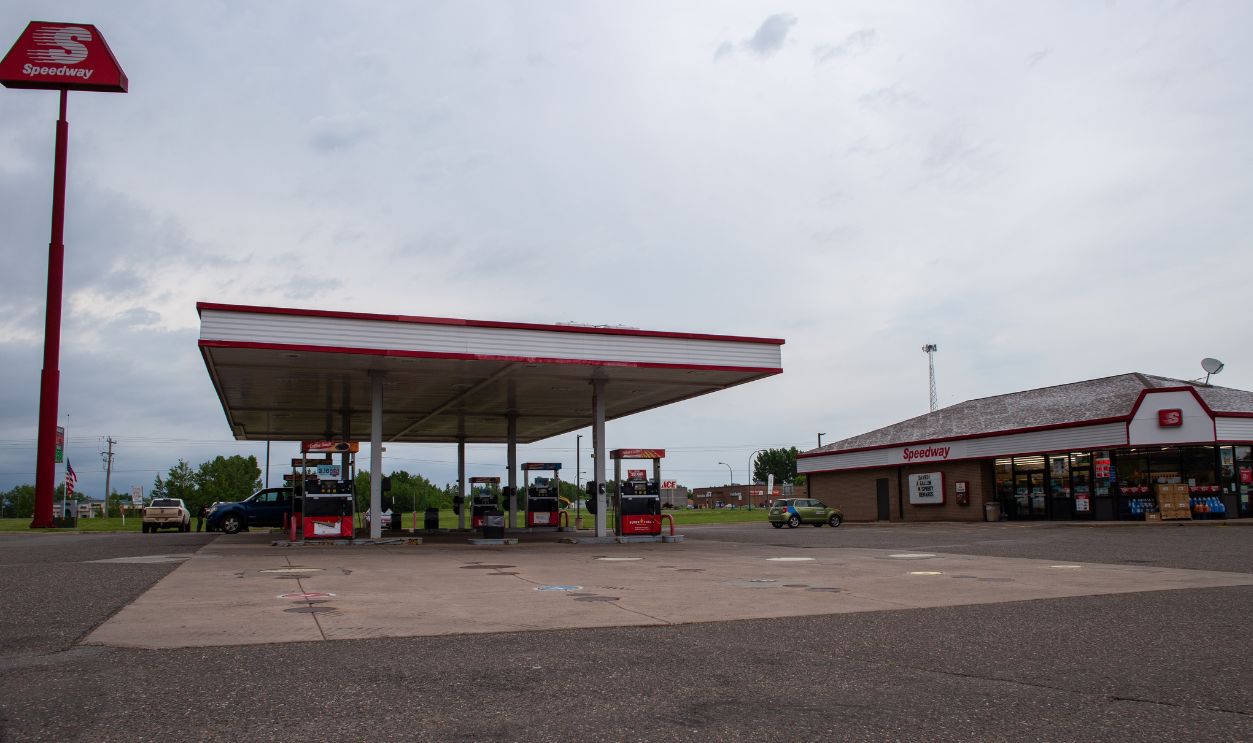
Near interstates and major trucking routes, "gas station" can undersell what's waiting at the exit. Large travel centers may have enormous fuel areas, restaurants, showers, convenience stores, truck facilities, and parking lots that seem built for a small stadium. For someone accustomed to pulling in, filling up, and leaving, the American interstate travel-stop model can feel almost like a roadside shopping complex.
Outdoor Stores Can Feel Like Tourist Attractions
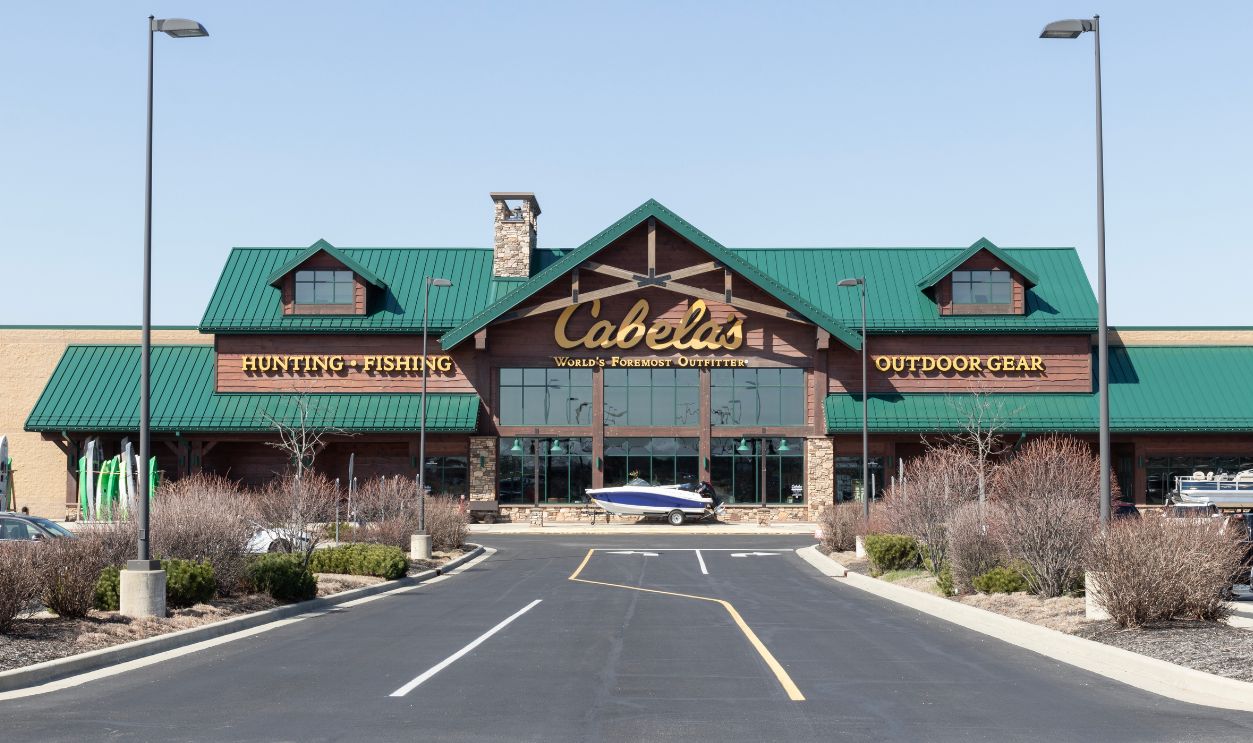
A Bass Pro Shops or Cabela's can be difficult to describe as merely a store. The largest locations may feature elaborate wildlife displays, aquariums, boats, hunting equipment, fishing gear, restaurants, and enough floor space to occupy visitors who weren't planning to buy anything. In areas where hunting, fishing, boating, and camping are deeply embedded in local culture, these giant outdoor stores can serve as highway landmarks in their own right.
Billboards Are Hard To Ignore
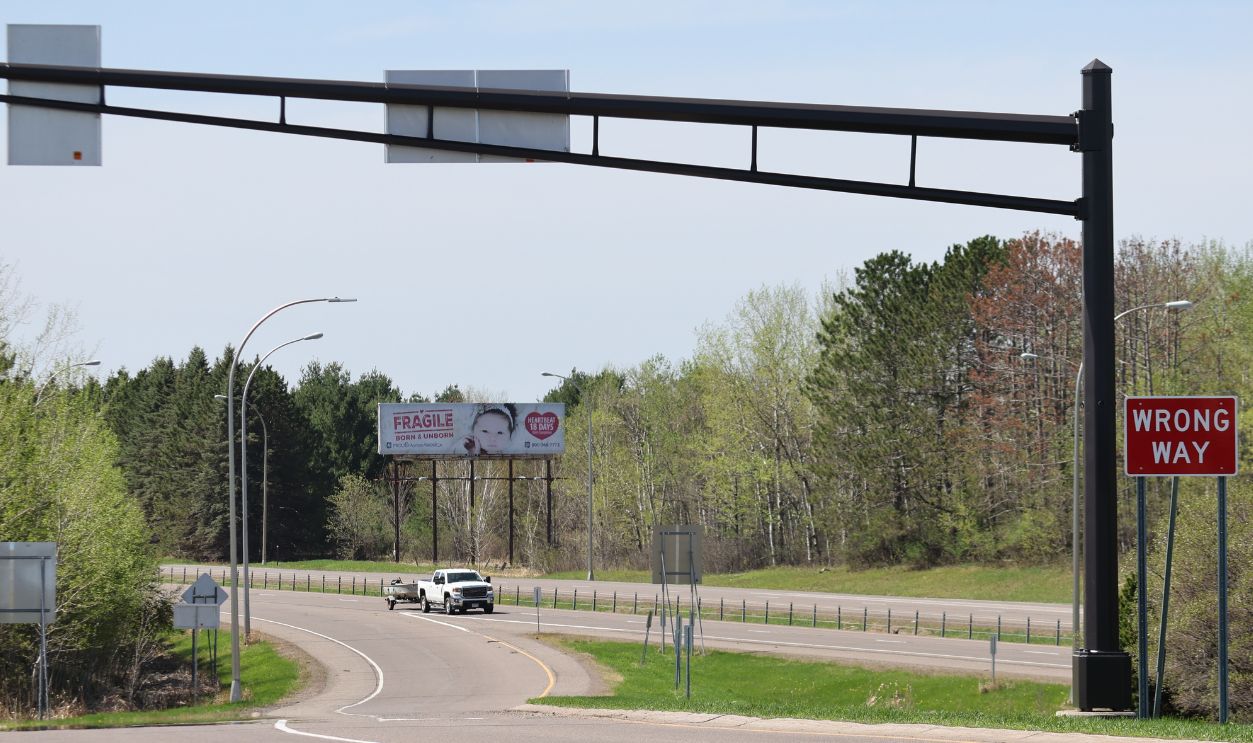
One of the more obvious differences for Canadians entering some American states is simply how many billboards line major roads. Restaurants announce themselves dozens of miles in advance, tourist attractions compete for attention, lawyers make enormous promises, and certain businesses seem to buy every available sign for an entire county. The open terrain can make them even more conspicuous because there isn't much else blocking the view.
 Rebekah Zemansky, Shutterstock
Some Highway Exits Feel Like Entire Commercial Towns
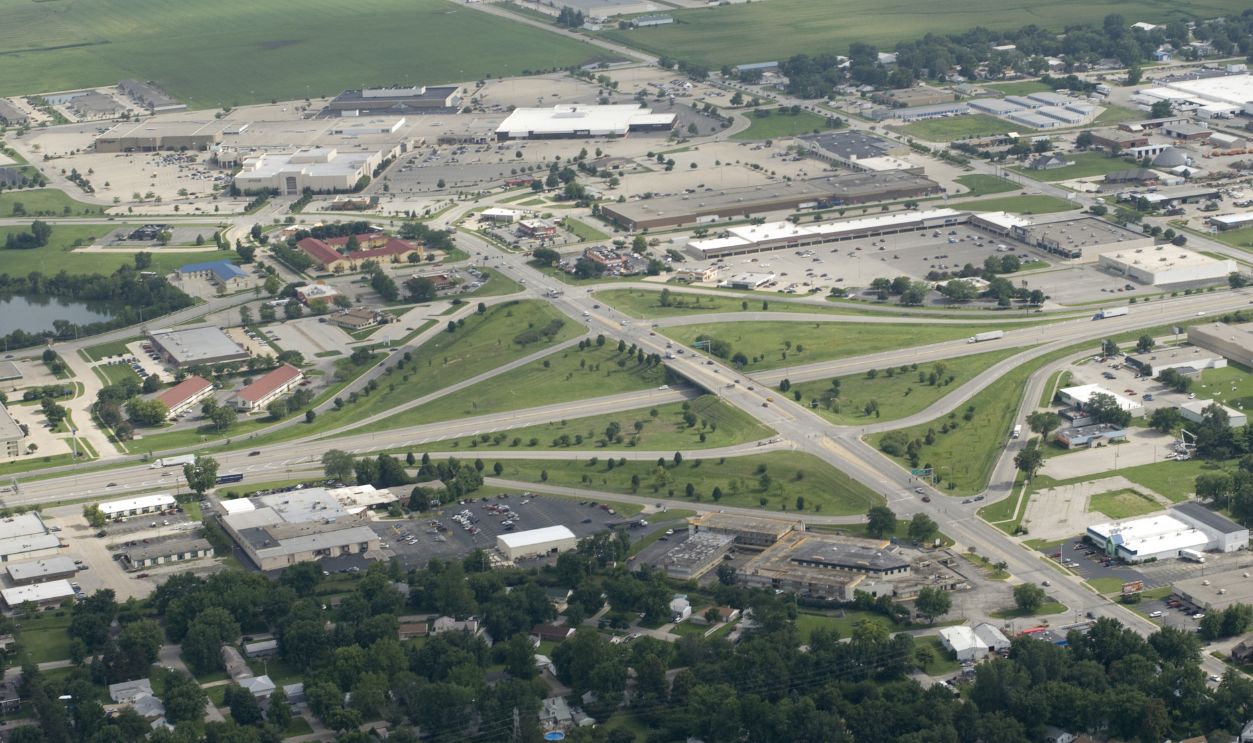
There are stretches of interstate where seemingly nothing appears for miles, followed by an exit containing several hotels, multiple fast-food restaurants, truck stops, fuel stations, and giant retail stores. Then, within minutes, you're back among fields. This clustered development creates a distinctive road-trip rhythm: long periods of agricultural scenery interrupted by intense little islands of commerce.
Railroad Tracks Are Everywhere
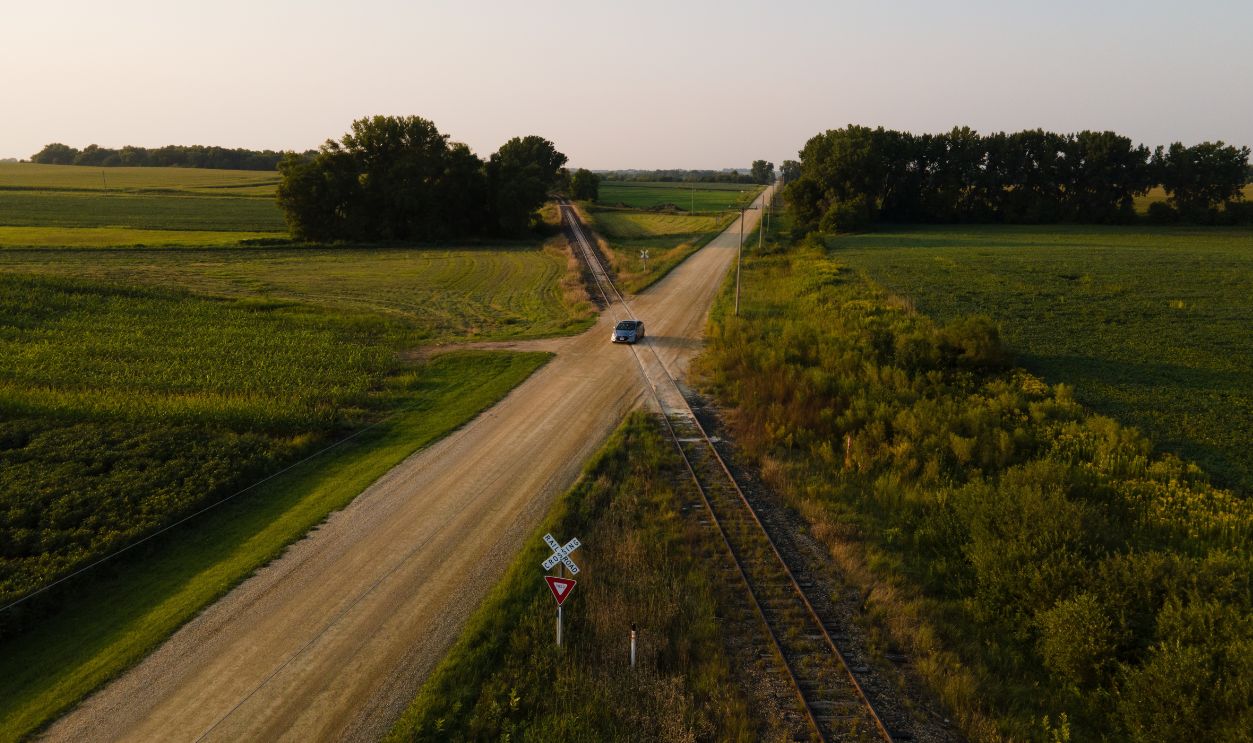
The Midwest's agricultural and industrial history is inseparable from railroads, and that remains obvious from the road. Tracks often cut directly through small downtowns, run beside highways, and lead toward huge grain elevators or industrial facilities. Long freight trains carrying grain, coal, automobiles, containers, or chemicals can stop traffic at crossings for several minutes, providing an involuntary chance to appreciate just how much freight still moves through the region by rail.
 Alejandro Diaz Manrique, Shutterstock
Wind Turbines Can Take Over The Horizon
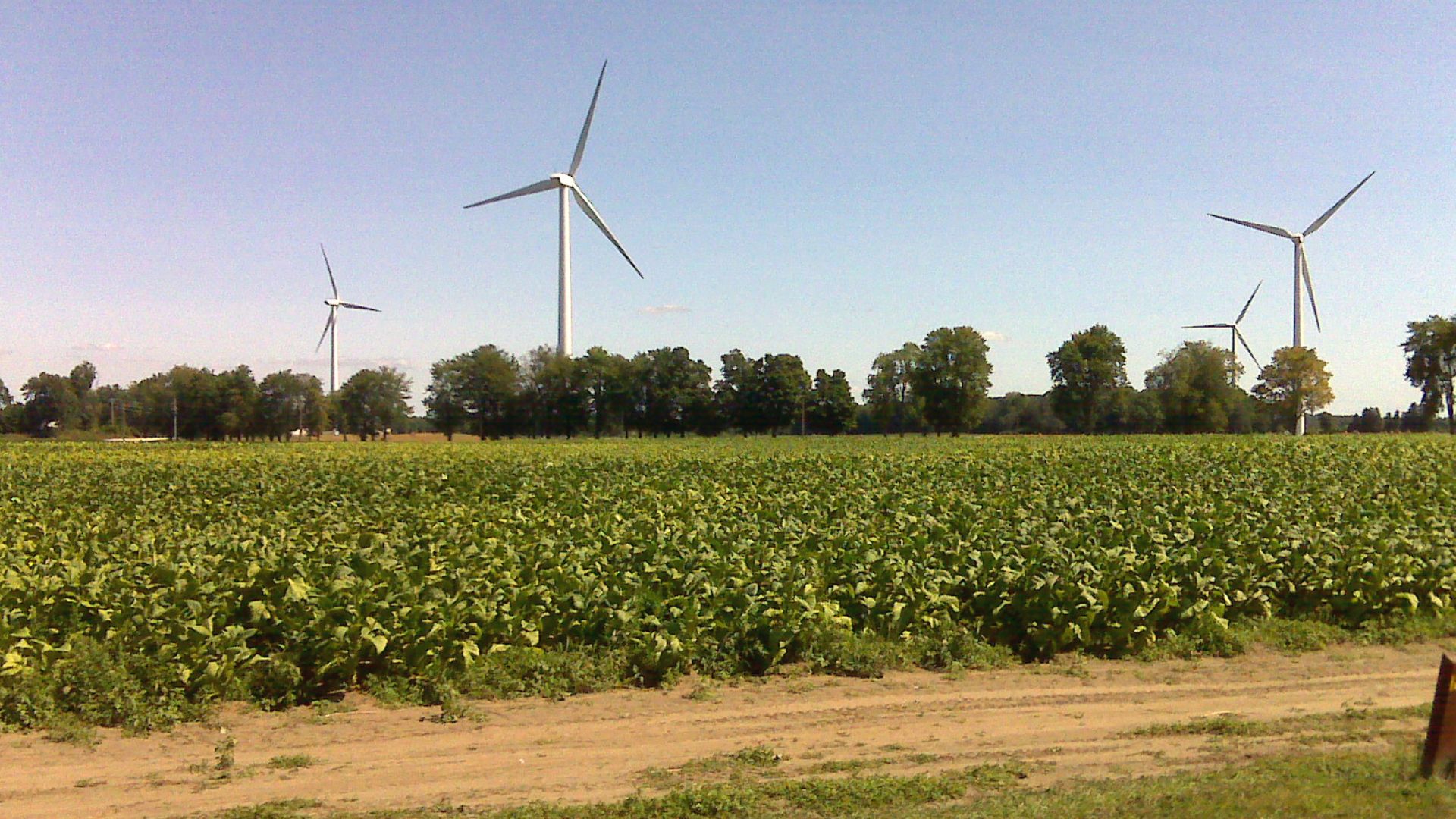
Traditional farm scenery increasingly shares space with huge wind farms, particularly across Iowa, Illinois, Indiana, Minnesota, Kansas, Nebraska, and the Dakotas. From a distance, dozens or even hundreds of turbines can appear at once, turning slowly above corn and soybean fields. They're so tall that they're often visible long before the farms or communities beneath them, adding a very modern layer to the classic Midwest landscape.
 U.S. Fish and Wildlife Service - Midwest Region, Wikimedia Commons
Tornado Sirens Are A Real Part Of Town Infrastructure
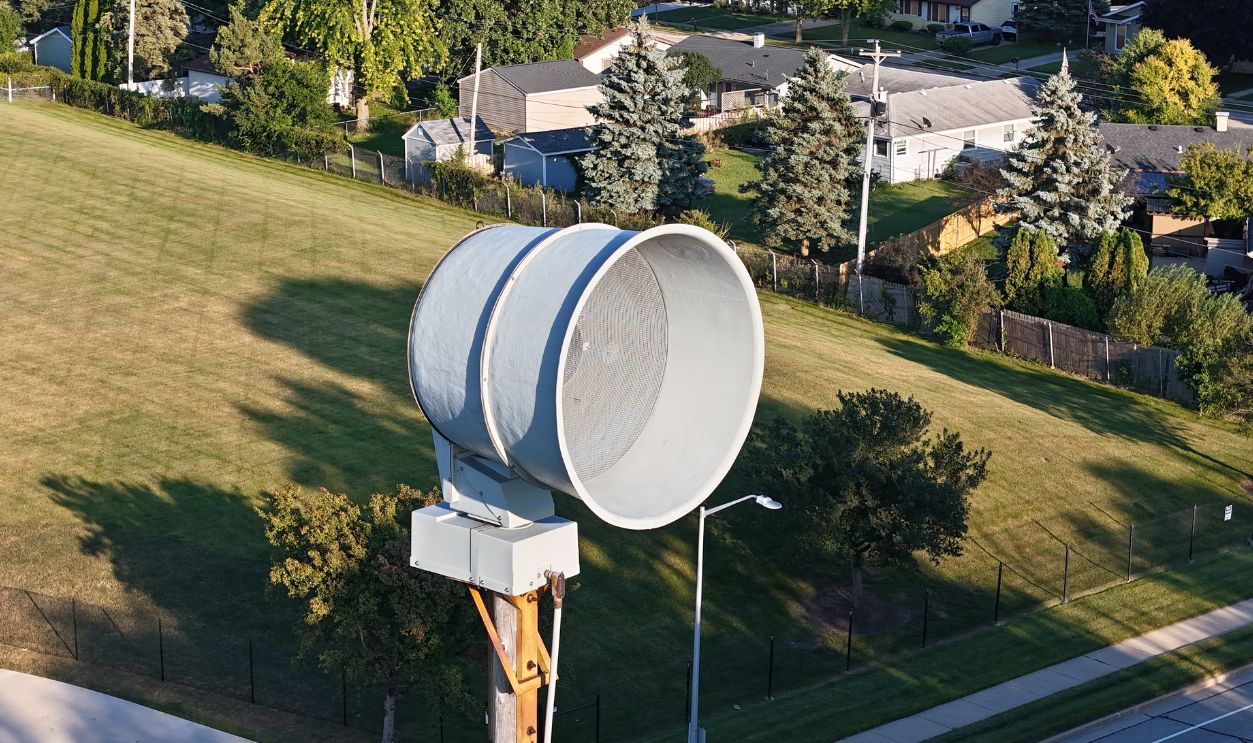
Tall outdoor warning sirens can be found in many Midwestern communities, especially across tornado-prone areas. Residents may barely notice them except during scheduled tests, but visitors can find them slightly ominous once they realize what they're for. Severe-weather awareness is built into everyday life in much of the region, and local radio stations, road signs, hotels, and campgrounds often take storm warnings very seriously.
The Weather Can Change Ridiculously Fast
A sunny drive across open farmland can turn into a wall of dark clouds, heavy rain, lightning, or strong wind in a surprisingly short time. The wide-open terrain also gives travelers an unusually clear view of weather approaching from miles away. Depending on the season, a Midwestern road trip can involve intense thunderstorms, oppressive heat, dense fog, lake-effect snow, or bitter cold, sometimes with very little landscape available to shelter you from any of it.
Sunsets Can Be Enormous
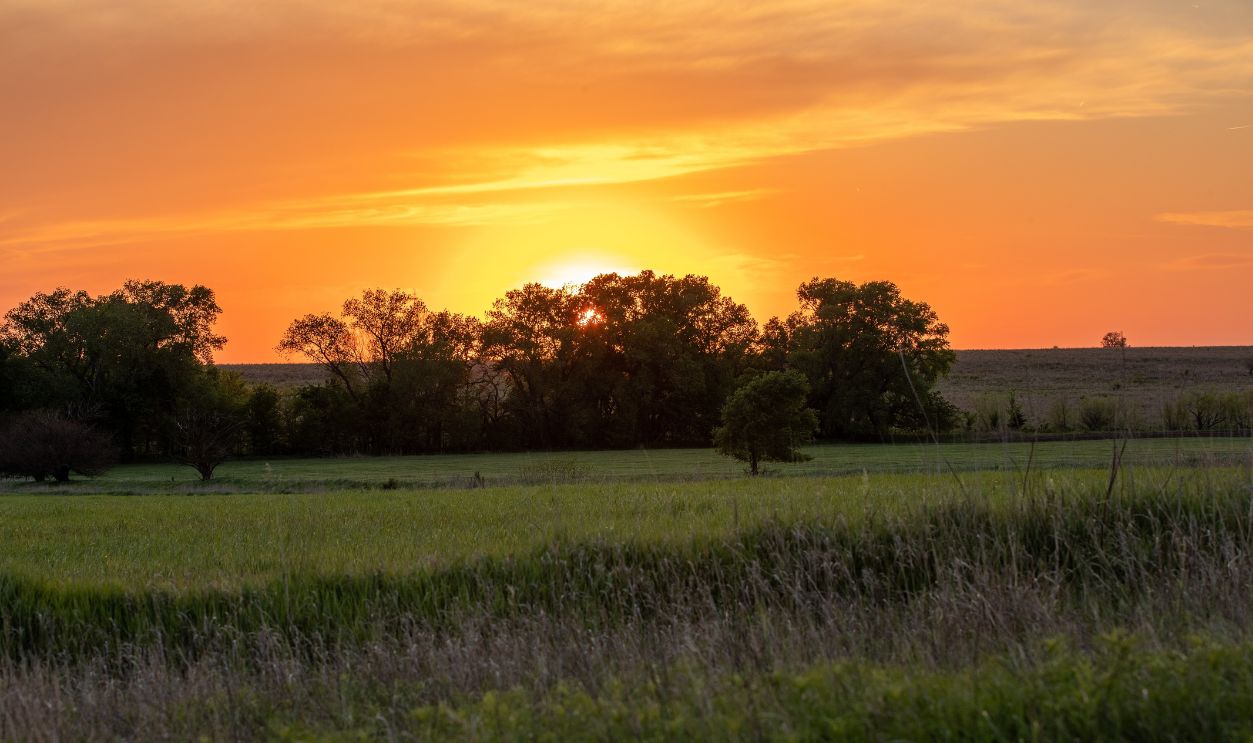
The same flatness that makes some people joke about the Midwest being boring creates spectacular sunsets. With few mountains or tall buildings blocking the horizon, the evening sky can occupy what feels like half your field of vision. Clouds catch colors for miles, farm silos turn into silhouettes, and roads seem to run directly toward the setting sun. After a full day of driving through fields, the landscape can suddenly become surprisingly dramatic.
The Midwest Feels Bigger From The Road
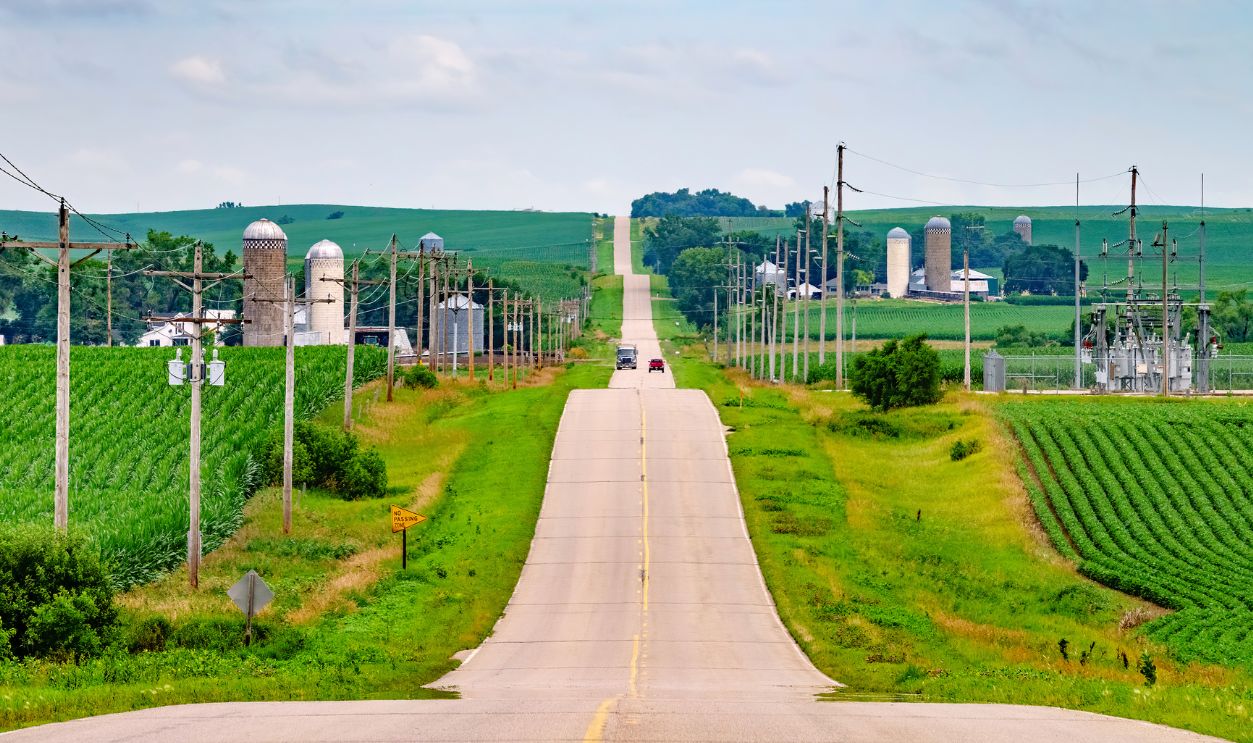
Perhaps the thing travelers notice most isn't any one attraction. It's scale. Cities are separated by huge stretches of farmland, lakes can look like oceans, roads run toward horizons that never seem to get closer, and a destination that appears nearby on a map may still be hours away. Canadians are hardly unfamiliar with enormous distances, but the Midwest expresses that size differently. Instead of forests and wilderness separating communities, much of the space is cultivated, inhabited, and intensely productive. You can drive for hundreds of miles without ever really leaving someone's backyard.
You May Also Like:
An American’s Guide To Canadian Food—Things Get Weird Surprisingly Fast Across The Border
Things Canadians Notice Immediately When They Visit America’s Suburbs