
Everything Feels Bigger.
American and Canadian suburbs share plenty of DNA, but many U.S. communities turn familiar suburban features up several notches. Wide roads, enormous parking lots, detached houses, drive-throughs, lawns, school buses, and car-centered errands can make an ordinary neighborhood feel surprisingly distinctive to a Canadian visitor.
The Car Seems To Run Everything
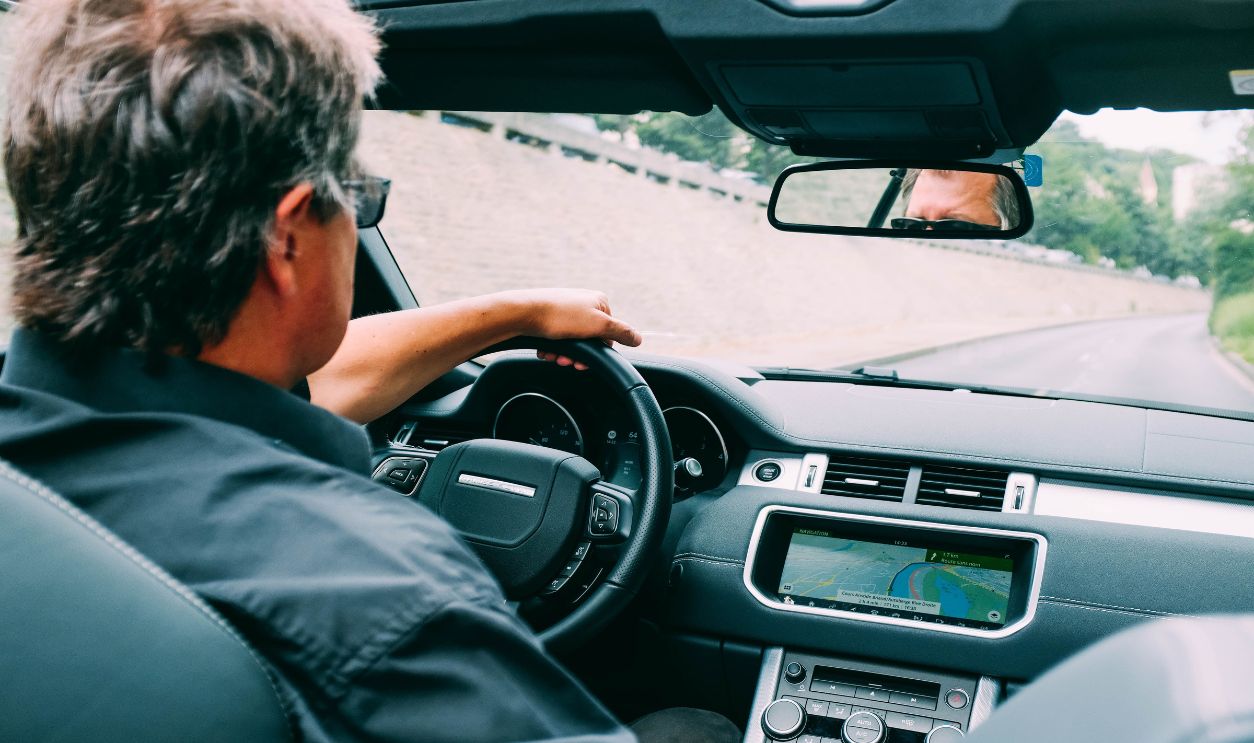
Driving quickly becomes the default for many everyday trips in American suburban areas. In 2024, 69.2 percent of U.S. workers drove alone to work, while only 3.7 percent used public transportation. That car dependence helps explain much of what visitors notice next, from parking lots to drive-through restaurants.
The Roads Can Feel Enormous
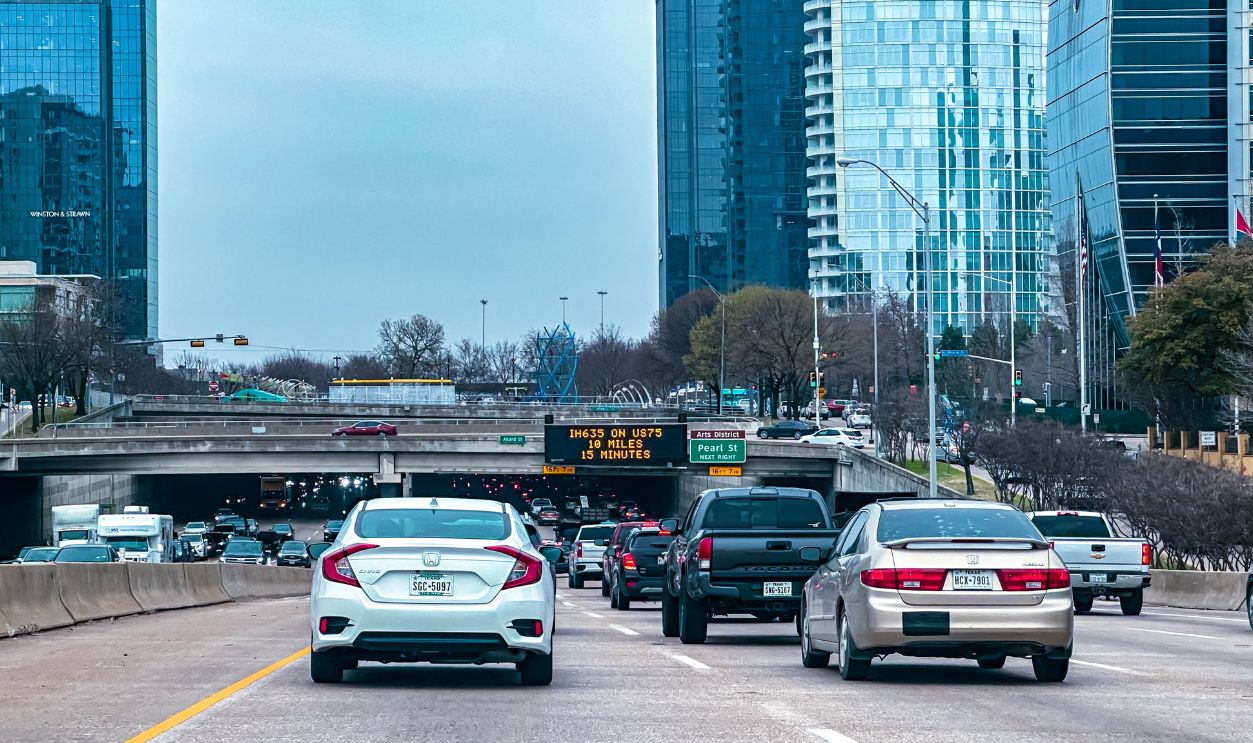
Suburban commercial roads often contain several traffic lanes, turn lanes, wide intersections, and generous parking access. Federal transportation guidance has long recognized suburban roads as environments where higher traffic speeds and long travel distances can make walking uncomfortable. A Canadian visitor may discover that a restaurant visible across the road is surprisingly awkward to reach without driving.
Parking Lots Become Part Of The Landscape
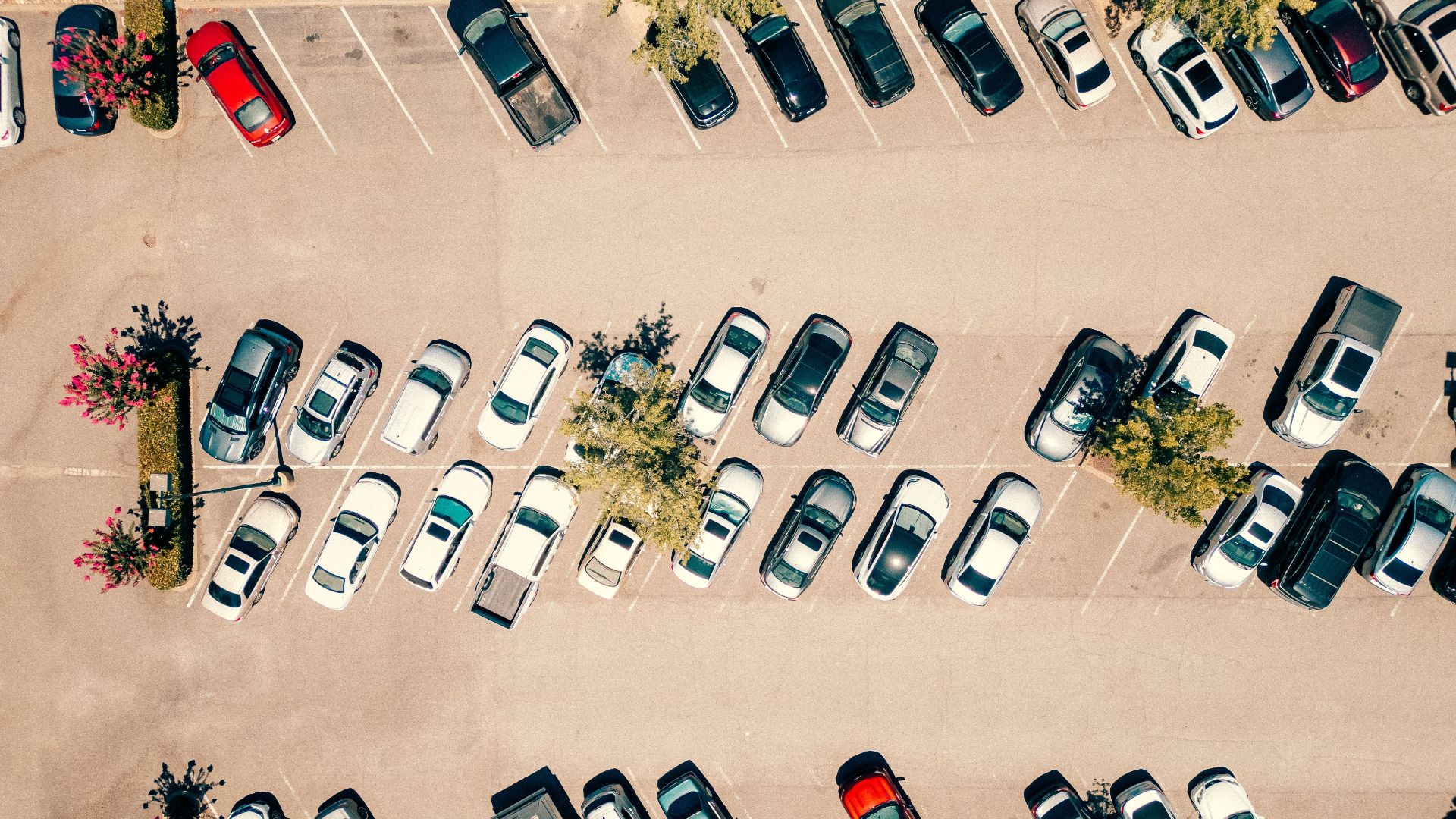
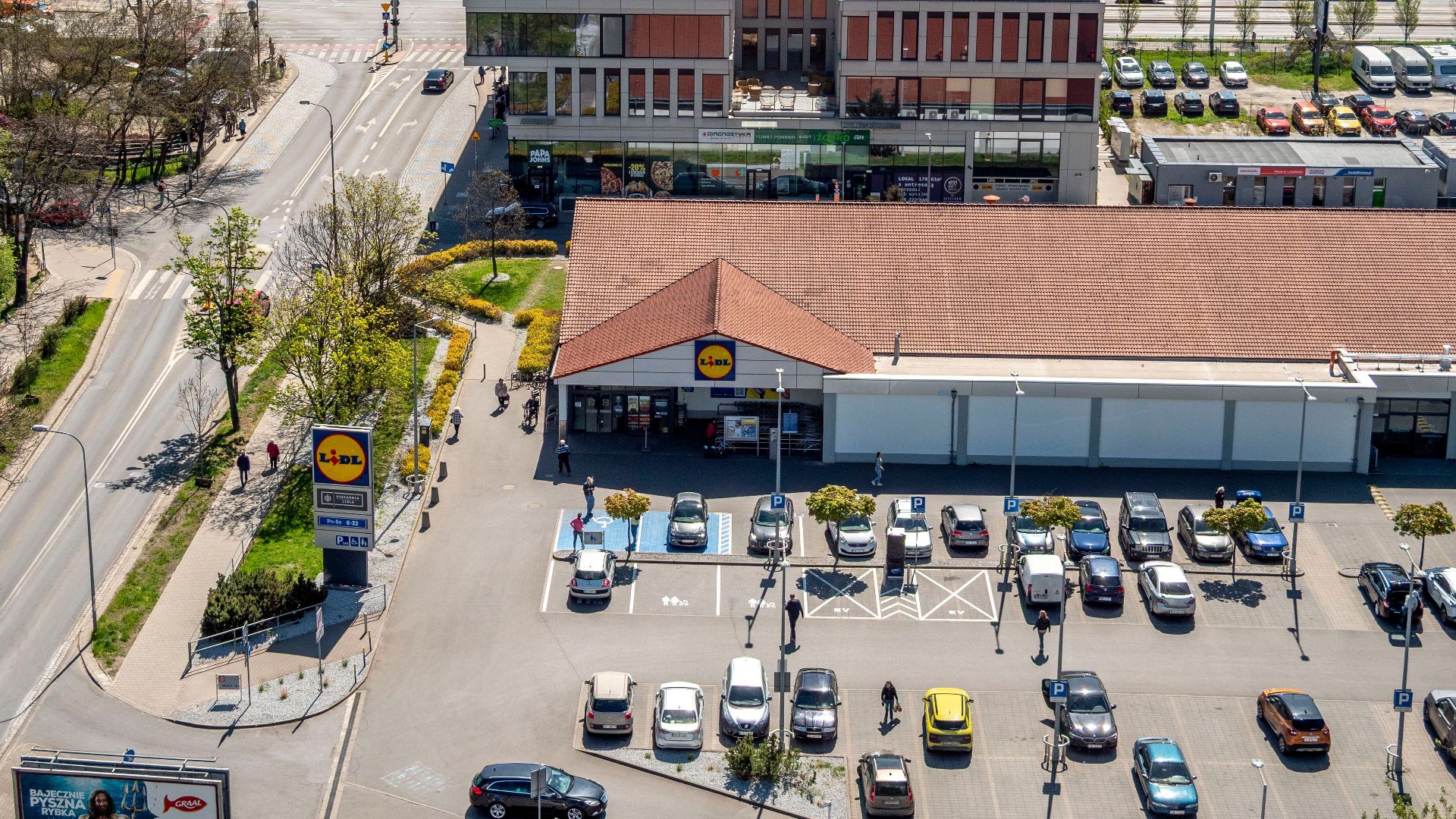
Shopping centers, restaurants, offices, and big-box stores can sit behind remarkable amounts of asphalt. The Environmental Protection Agency notes that conventional zoning rules have often produced excess off-street parking and large expanses of surface lots. Those spaces can separate destinations enough that driving between neighboring businesses feels completely normal.
Walking Across The Street Can Be An Expedition
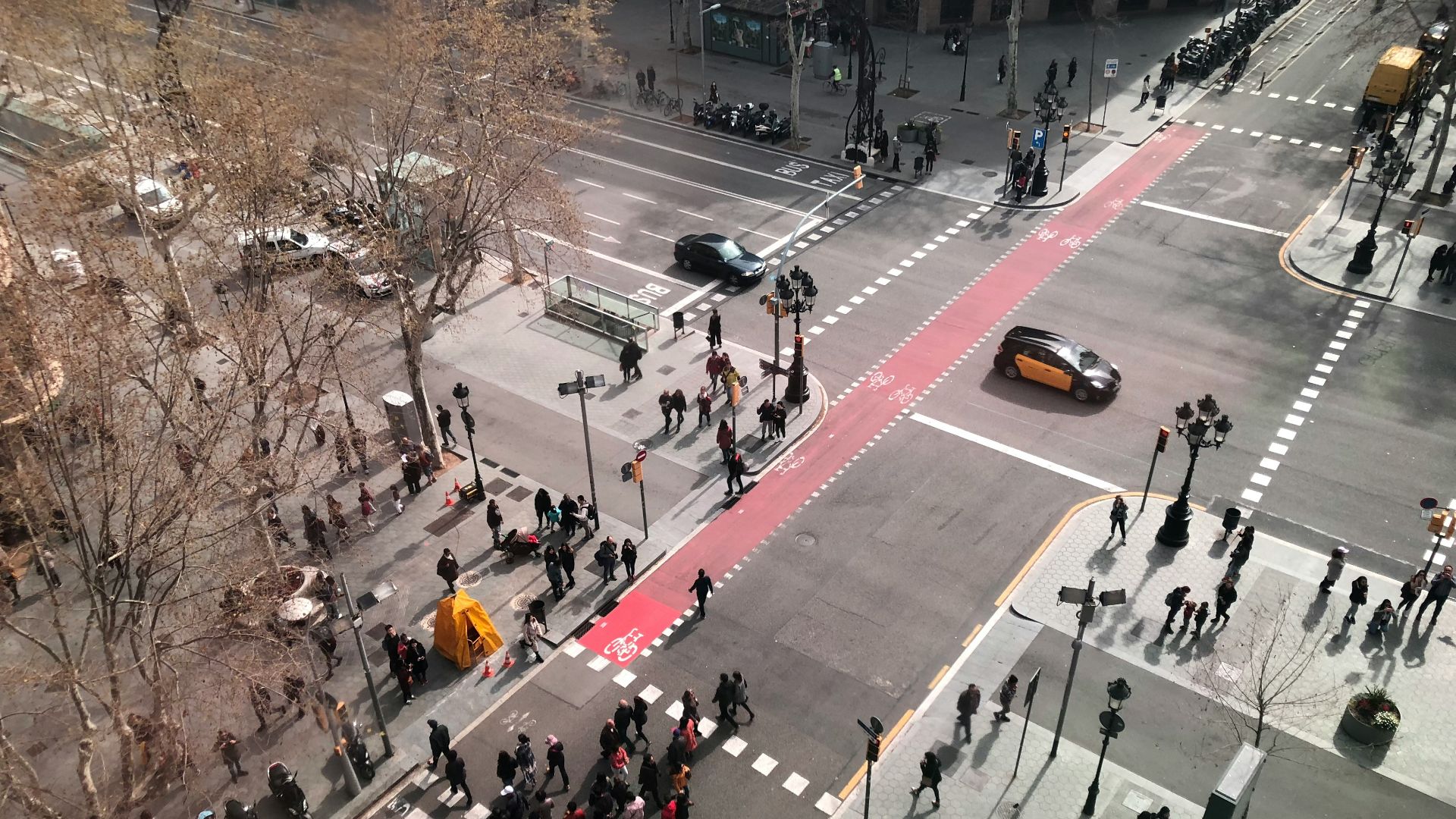
A short distance on a map does not always translate into an easy pedestrian trip. The Federal Highway Administration specifically identifies wide suburban streets without sidewalks as potentially hazardous environments for people on foot. Visitors accustomed to compact Canadian downtowns may find themselves calculating how to cross six lanes just to reach a coffee shop.
Sidewalks Can Suddenly Disappear
Some American suburbs have excellent walking paths, while others contain incomplete sidewalk networks or rely on shoulders beside the road. Federal guidance says connected pedestrian routes should avoid gaps, yet it also acknowledges that some suburban areas use roadway shoulders where sidewalks are not available. A casual evening walk can therefore require more route planning than expected.

The Houses Often Stand Alone
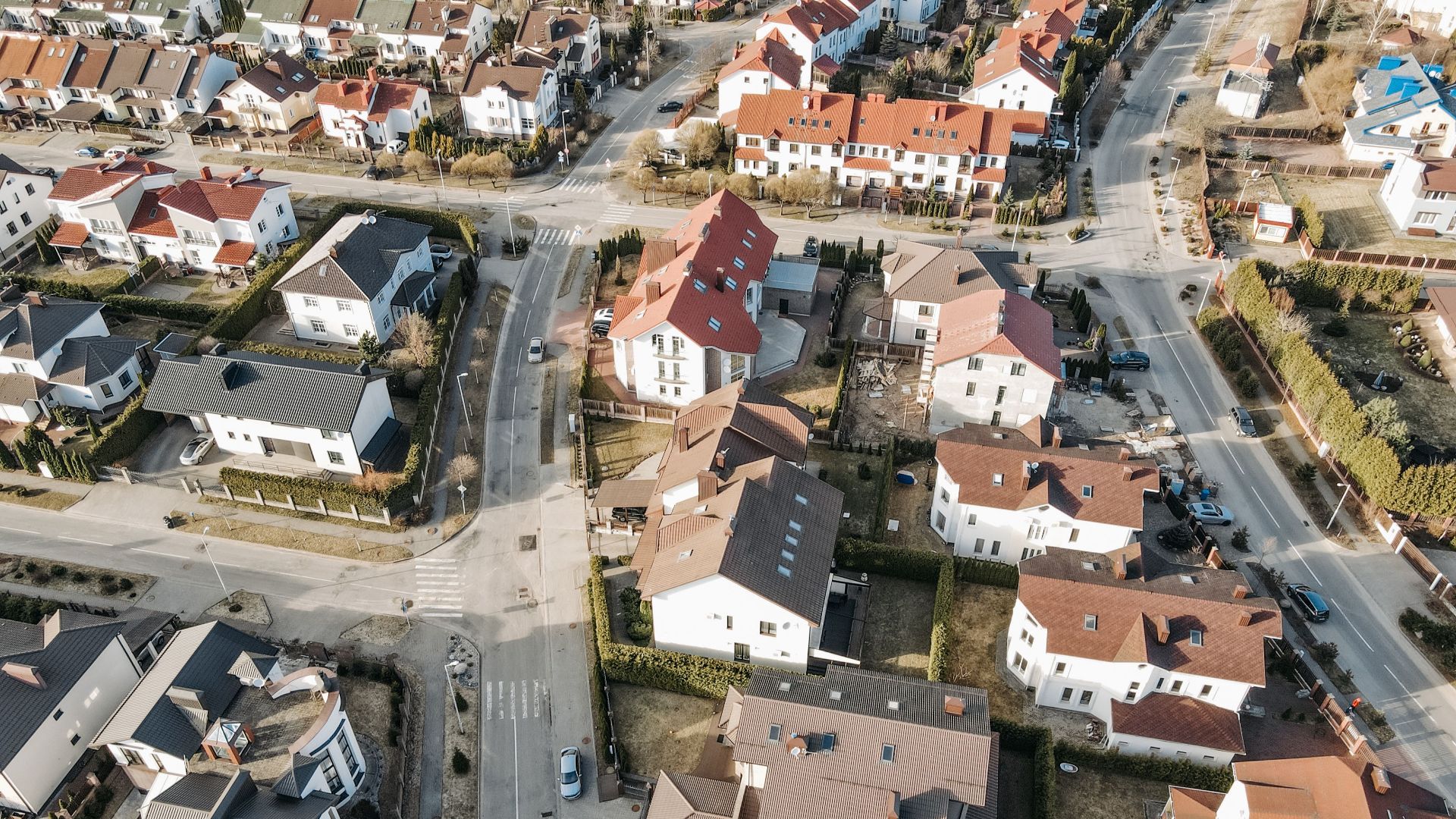
Detached houses dominate owner-occupied housing in much of the United States. Census Bureau research using 2024 data found that single-family detached homes accounted for more than 85 percent of owner-occupied housing in both central and outlying metropolitan counties in its analysis. Long streets of individual houses are therefore not merely a television stereotype.
Front Yards Have Serious Presence
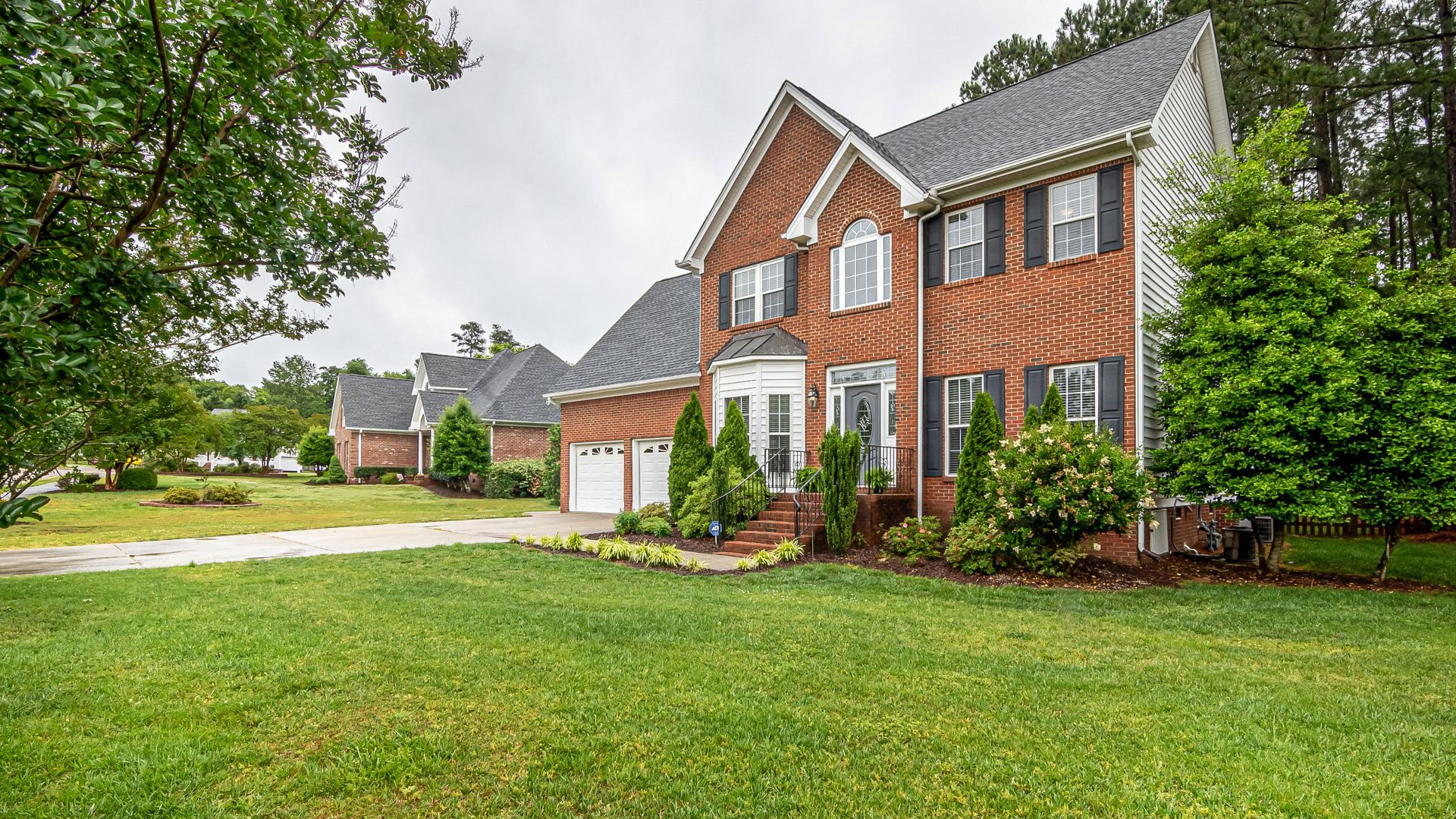
Grass-covered front yards are a major visual feature of American residential neighborhoods. U.S. Forest Service researchers describe managed lawns as the dominant land cover in many urban and suburban yards and estimate that lawns cover an enormous area nationally. The freshly cut lawn is both private property and part of the neighborhood streetscape.
Lawn Care Is A Real Chore
That green space requires work. Bureau of Labor Statistics data show that about one in ten Americans age 15 and older engaged in lawn or garden care on an average day in 2025. The sight of weekend mowing, edging, watering, and landscaping makes more sense once you realize how much residential land is covered by yards.

The Mailbox Sits By The Road
Rows of freestanding curbside mailboxes are another classic suburban image that turns out to be practical rather than decorative. U.S. Postal Service standards specifically regulate boxes designed to be served by carriers from vehicles. Placement rules are intended to let carriers deliver mail safely without leaving the vehicle.
 Philippe Murray-Pietsch, Unsplash
The Cul-De-Sac Is Everywhere
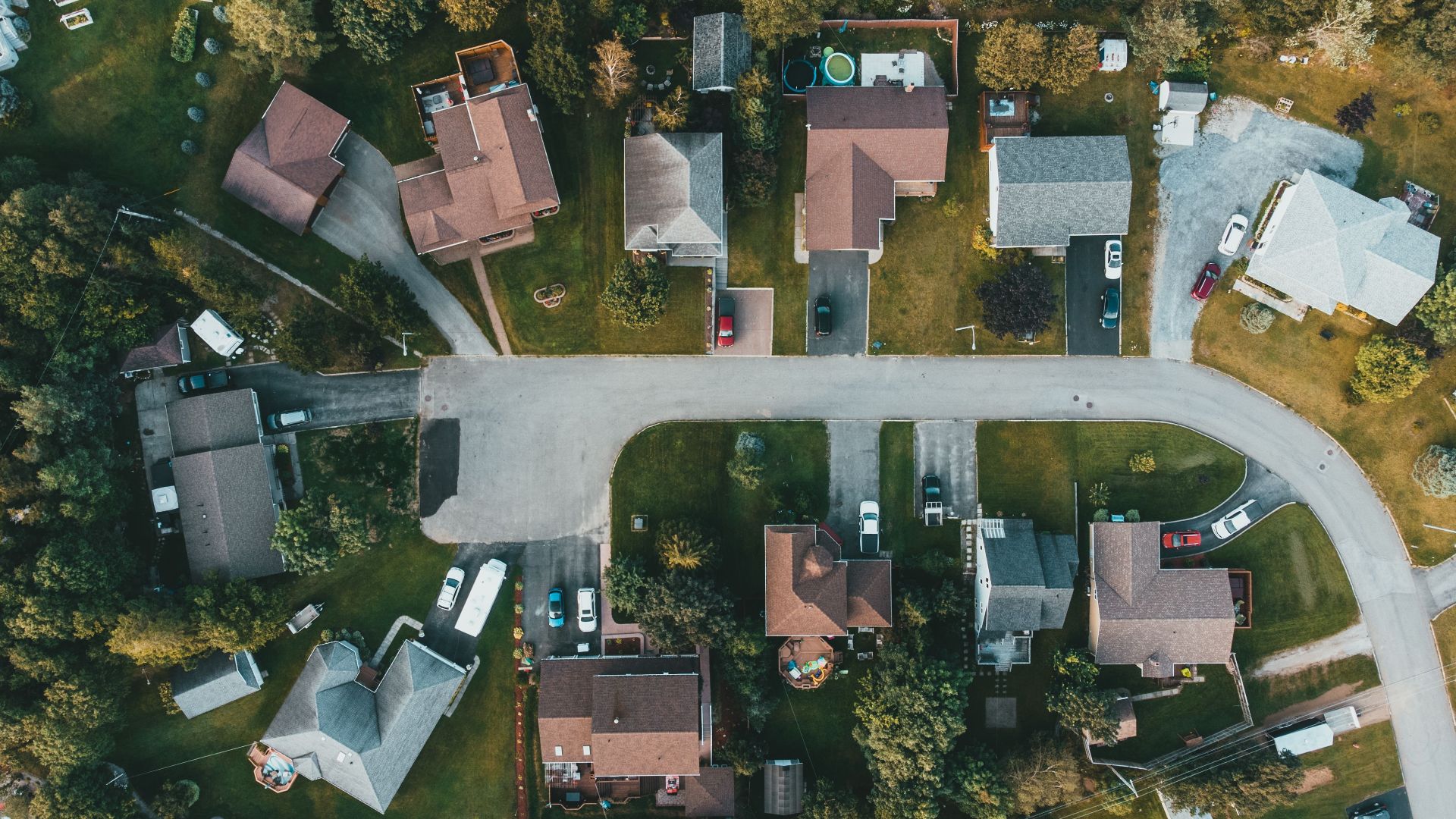
Curving residential roads and limited-access neighborhood streets have deep roots in American suburban planning. The National Park Service documents planned communities designed with winding roads, green space, and minimal highway access to discourage cut-through traffic. The result can feel peaceful inside the subdivision while making navigation surprisingly indirect.
Getting Out Can Take Longer Than Expected
A house may sit geographically close to a main road while requiring several turns through a subdivision before reaching it. Federal Highway Administration material notes that conventional suburban development can create long driving distances because internal spaces and street systems are not always well interconnected. Visitors quickly learn that straight-line distance is not the same thing as travel distance.

Two Cars In The Driveway Look Normal
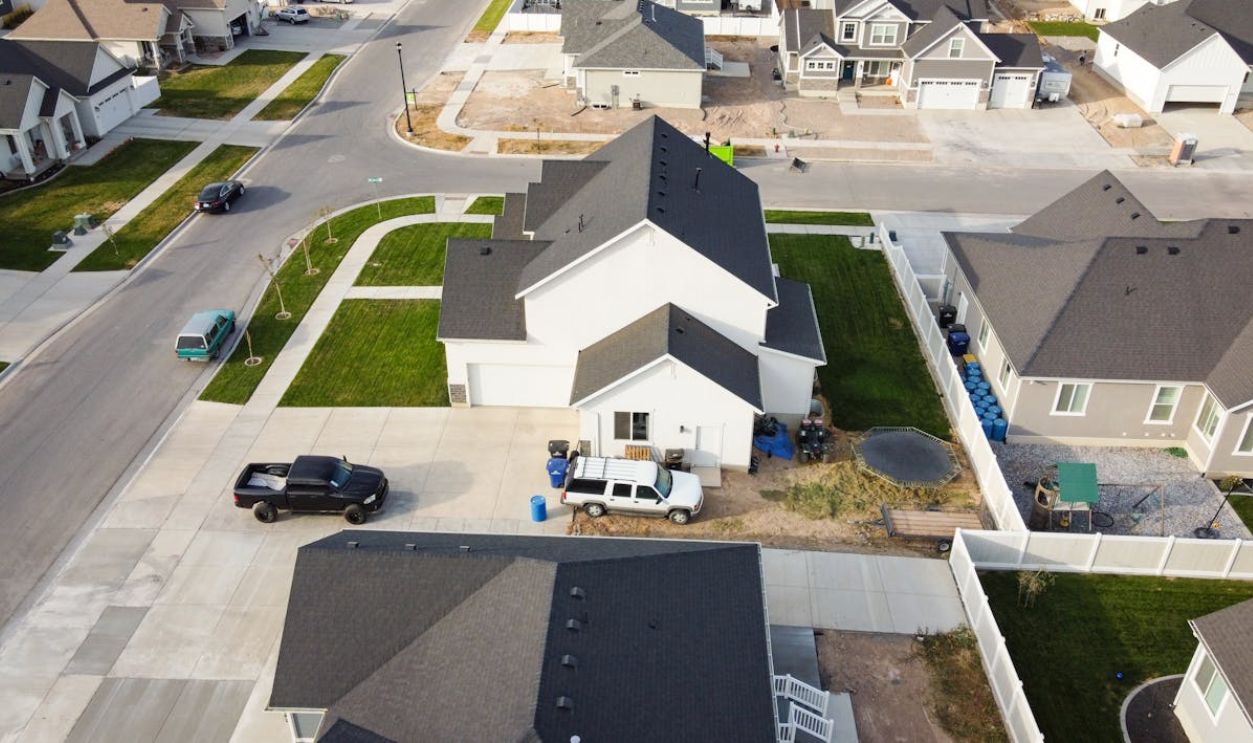
Vehicle ownership is deeply embedded in U.S. household life. Census data show that millions of households have two, three, or more vehicles available, while comparatively few have none. In car-oriented suburbs, multiple vehicles may be a practical response to adults commuting and completing daily errands in different directions.
The Commute Helps Explain The Garage
The U.S. Census Bureau reported that more than three-quarters of workers traveled to work by car, truck, or van in 2024. Homes built around automobile access naturally evolved alongside commuting patterns that rely heavily on private vehicles. The garage is therefore not merely storage because it can be essential household infrastructure.

School Buses Are Impossible To Miss
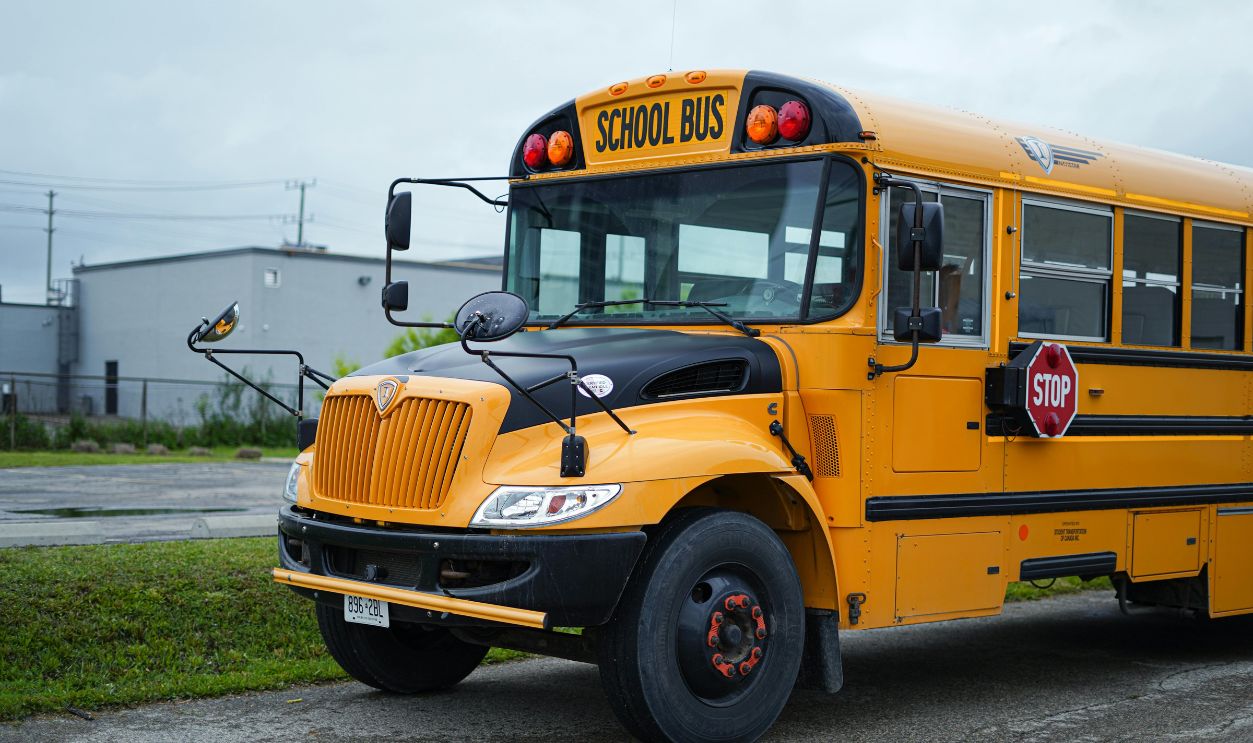
The yellow school bus may feel like a piece of American television until one pulls up in front of a suburban house. NHTSA says millions of children ride school buses and every state has laws protecting children around stopped buses. The agency also recommends the familiar National School Bus Glossy Yellow appearance that makes the vehicles instantly recognizable.

Everyone Stops For The Yellow Bus
A stopped school bus can temporarily control traffic on an entire suburban street. NHTSA says every state prohibits passing a school bus when its red lights are flashing and stop arm is extended, although specific rules can vary. Canadian drivers visiting the United States should take the signals seriously rather than simply following the car ahead.
Drive-Throughs Go Beyond Coffee
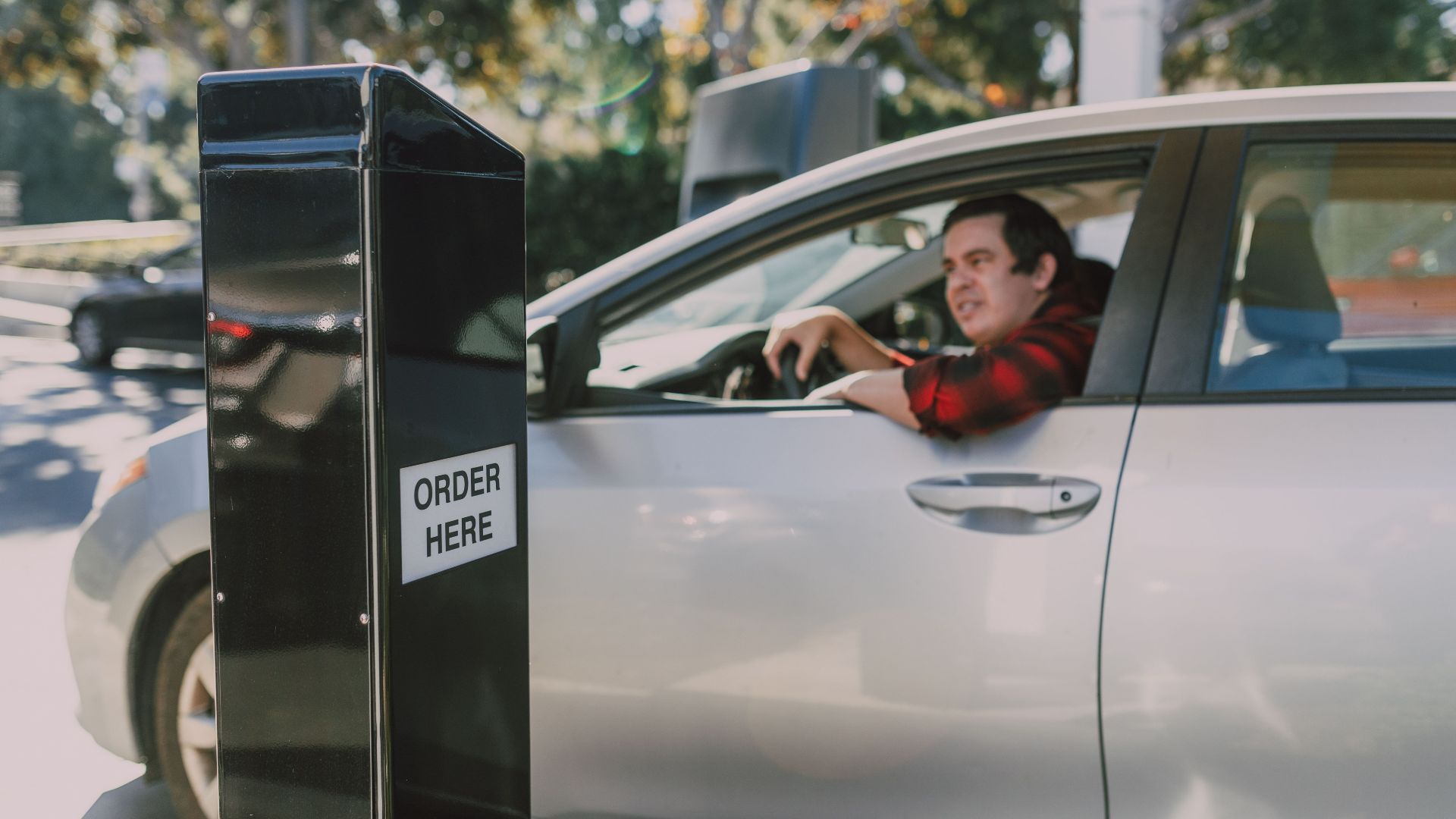
The American drive-through developed alongside the country’s love of automobiles and fast food. The Associated Press describes the format as an American icon whose history stretches back to the late 1940s and whose modern versions can contain multiple lanes and sophisticated ordering systems. In the suburbs, staying in the car while completing an errand can feel almost like a design principle.
Shopping Centers Were Built For Cars
The car-oriented shopping center is deeply connected to postwar suburban growth. The National Park Service identifies Washington state’s Uptown Shopping Center, opened in 1949, as one of the early car-oriented malls in the United States. Retail followed families outward from cities and increasingly provided the parking needed for customers arriving by automobile.
The Supermarket Can Feel Like A Warehouse
Postwar suburbanization also changed American grocery shopping. The National Park Service notes that larger supermarkets expanded alongside suburban housing and road networks, combining goods that previously required visits to several specialized stores. The one-stop shopping model remains especially visible in suburban commercial districts.

One-Stop Shopping Became A Philosophy
The logic extends well beyond groceries. Postwar shopping centers gathered multiple stores and services into places designed to be reached by car, and the concept became familiar enough that National Park Service planners later borrowed the language of “one-stop shopping” when designing visitor centers. American suburban convenience frequently means concentrating many choices in one large destination.
 William A. Morgan, Shutterstock
The Air Conditioning Can Be Powerful
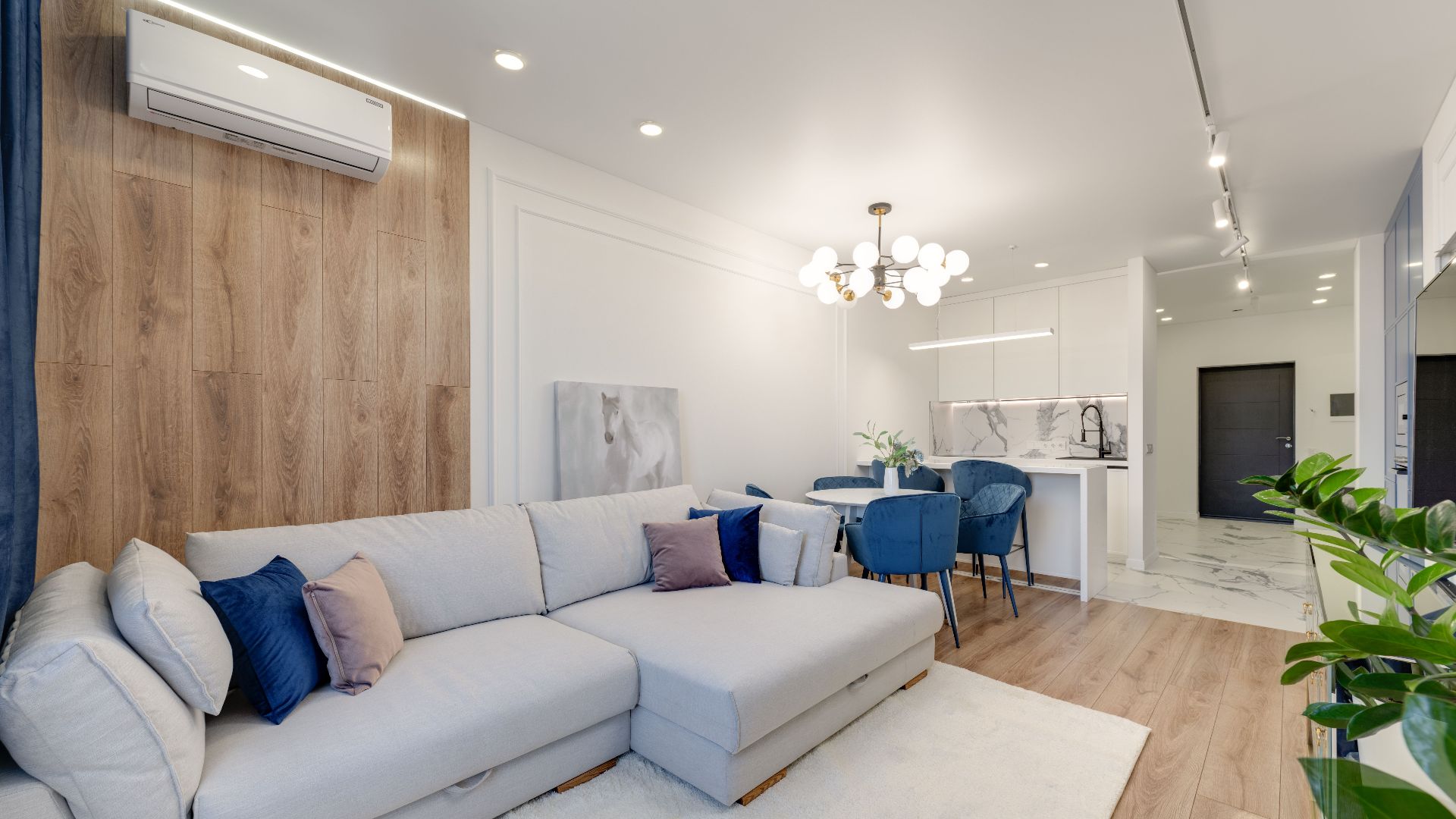
Canadian visitors arriving during a hot U.S. summer may notice how quickly the temperature drops after stepping indoors. The Energy Information Administration reported that about 89 percent of U.S. homes used air conditioning in 2020 and that 67 percent had central air. In many warm-climate suburbs, cooling is treated as a standard household system rather than an occasional luxury.
The Neighborhood May Have An Association
Some carefully landscaped developments come with another distinctly visible feature: the homeowners association. Census data show that roughly 21.6 million owner-occupied U.S. households paid a condo or HOA fee in 2024. HOAs commonly manage shared spaces and amenities, although their prevalence varies dramatically from one state to another.

The Landscaping May Have Rules
An immaculate subdivision is not always maintained entirely through informal neighborhood pride. Homeowners associations can collect fees to manage common areas and community amenities, and individual associations may also operate under covenants governing properties. Visitors should not assume every American homeowner belongs to an HOA, but planned communities can make the institution highly visible.

The Quiet Can Feel Almost Extreme
Many residential subdivisions deliberately separate homes from through traffic and commercial activity. Historic American suburban planning frequently emphasized winding roads, green space, and limited access from major highways. That design can create remarkably calm residential streets only minutes from noisy multilane commercial roads.
Then Everything Explodes At The Main Road
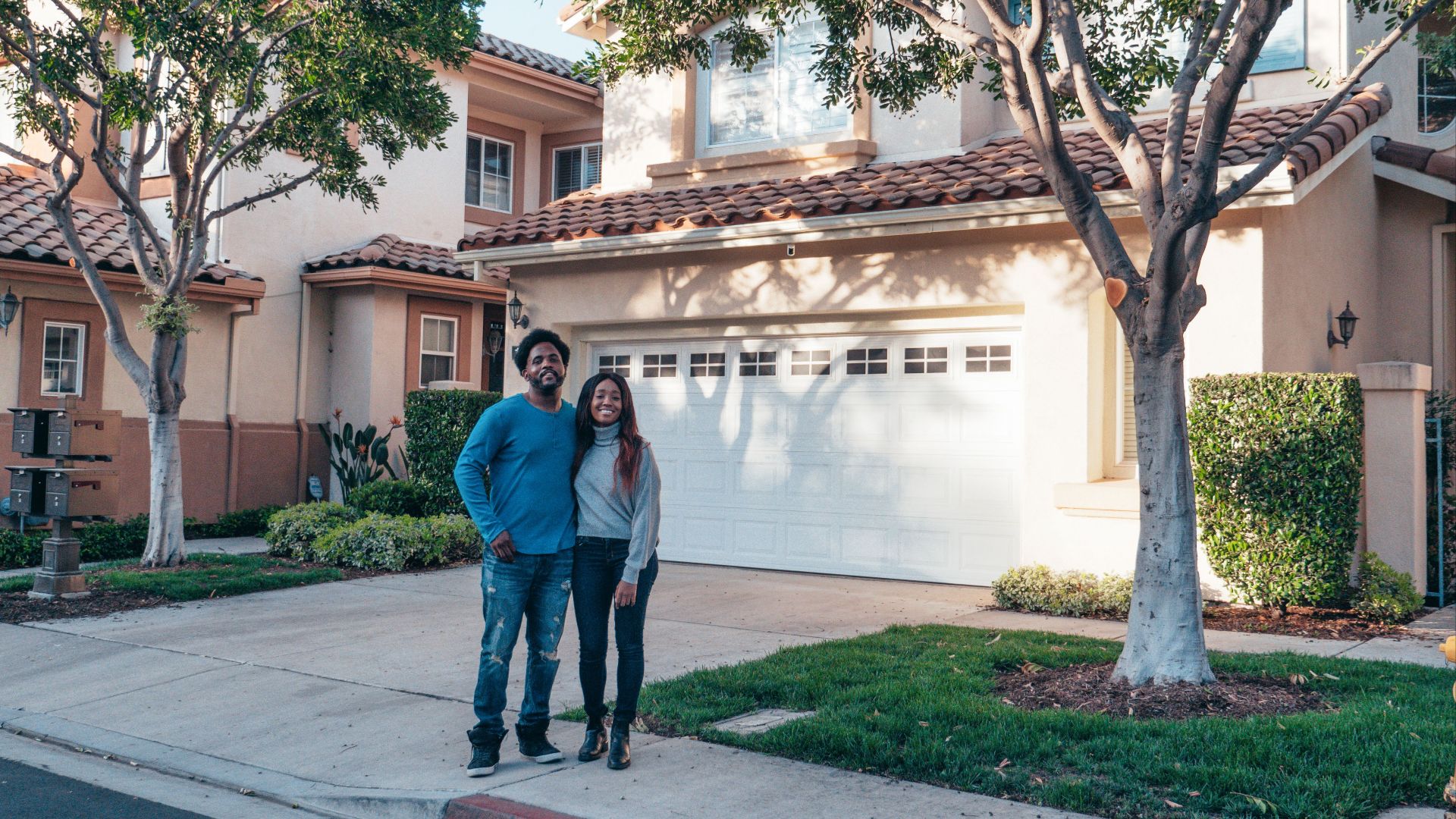
Leave a quiet subdivision and the landscape can change almost instantly. Houses give way to shopping centers, restaurants, gas stations, turning lanes, traffic signals, and extensive parking. This sharp separation reflects a development pattern in which residential and commercial uses have often been located apart rather than tightly mixed.
Errands Become A Driving Circuit
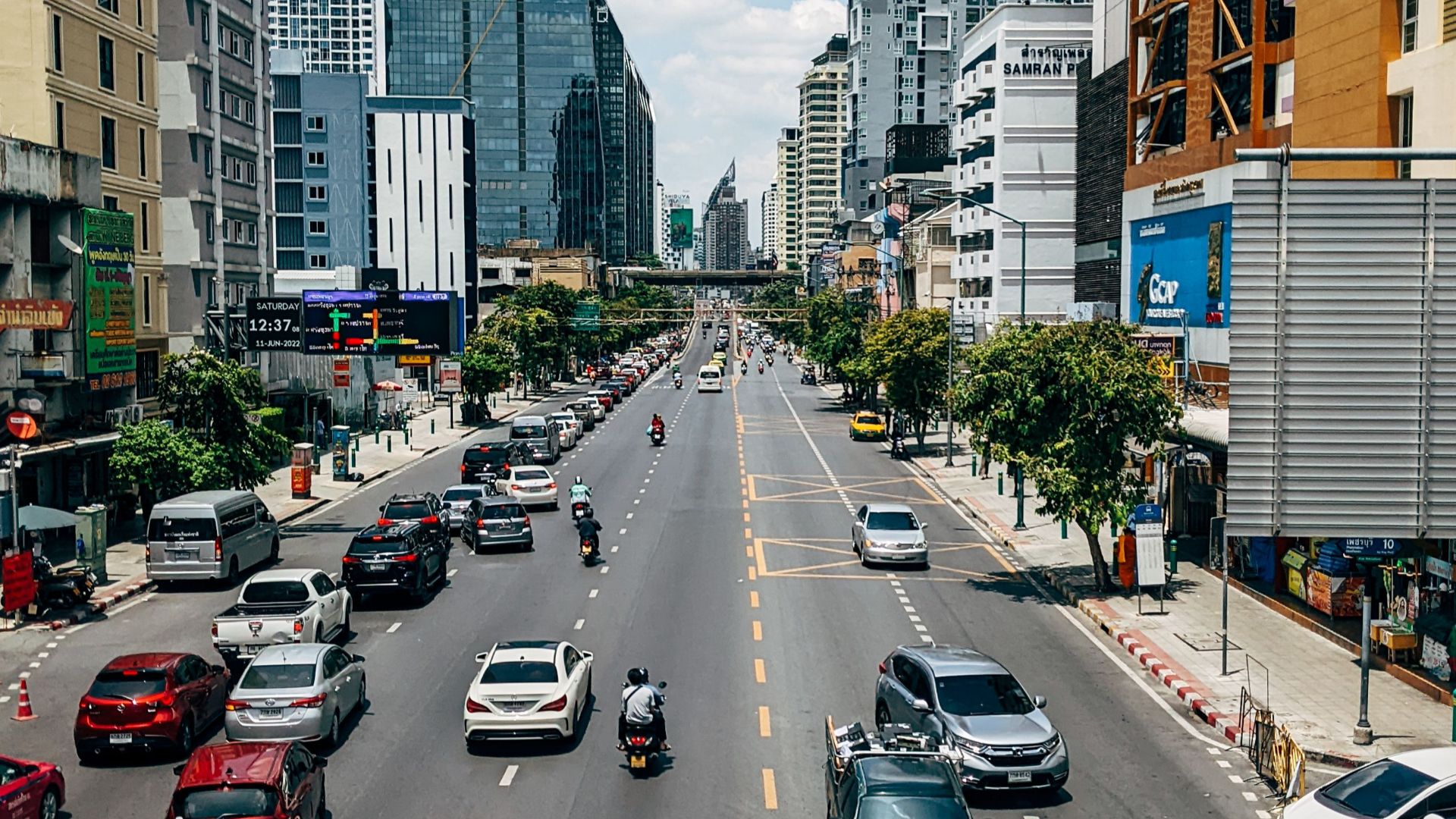
The pharmacy, supermarket, coffee shop, gym, and restaurant may all be nearby while still being inconvenient to reach on foot. EPA research notes that large parking areas and separated development patterns can discourage walking and make driving the practical transportation choice between destinations. A Saturday errand run may involve several drives of only a few minutes each.

Suburban Transit Can Require A Car Too
Public transportation does exist across American suburbs, but getting to it can be part of the challenge. Federal transportation teaching materials have noted the important role of automobile park-and-ride access in suburban transit. A visitor may therefore encounter the seemingly contradictory routine of driving a car in order to take a train.

Postwar History Is Still Visible
Modern American suburbia expanded dramatically after World War II. The National Park Service says car ownership increased sharply between the late 1940s and 1950s as planned suburban communities multiplied. Housing, roads, shopping centers, and automobile ownership developed together, leaving a physical pattern that remains recognizable today.
Levittown Changed The Template
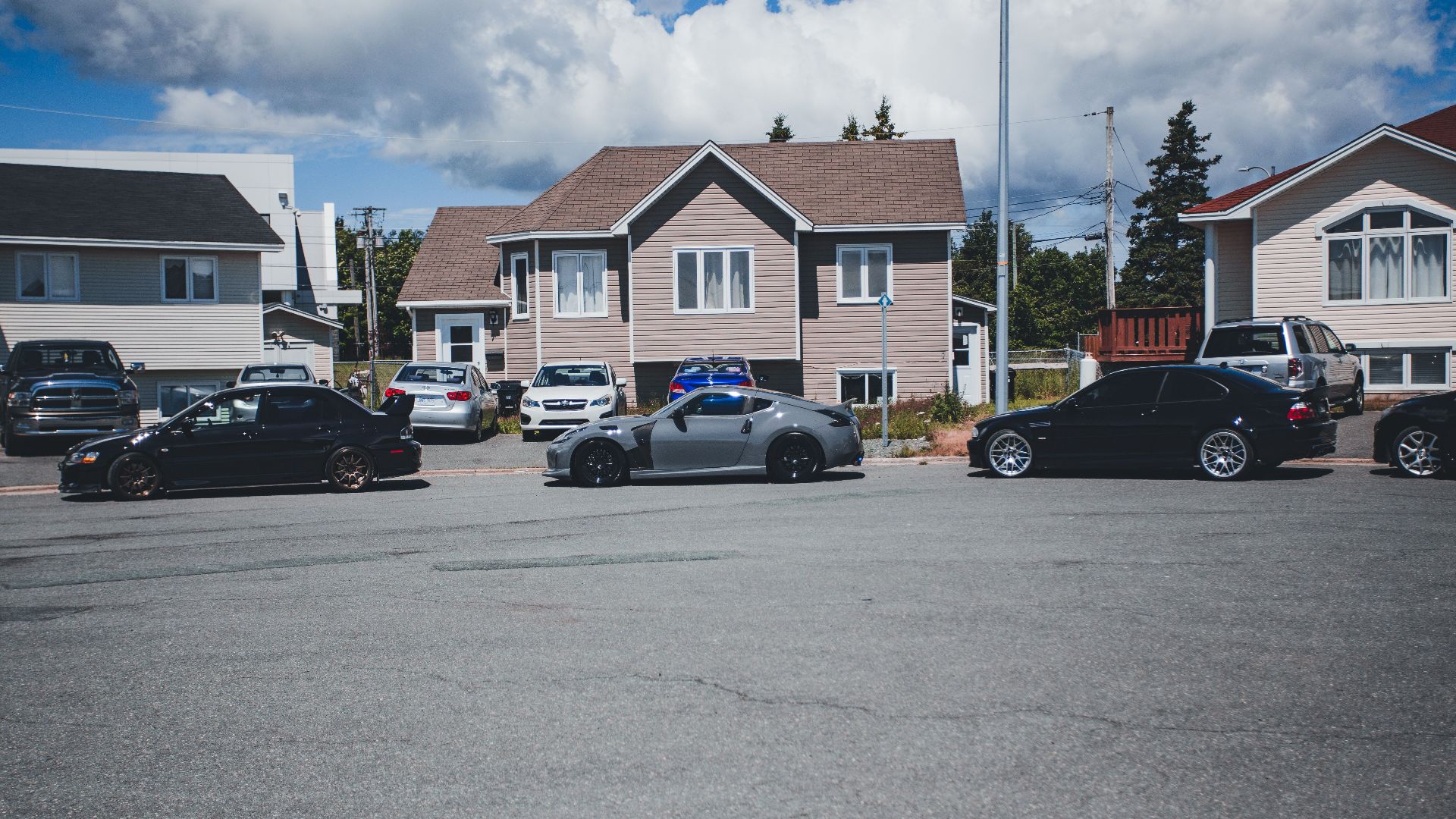
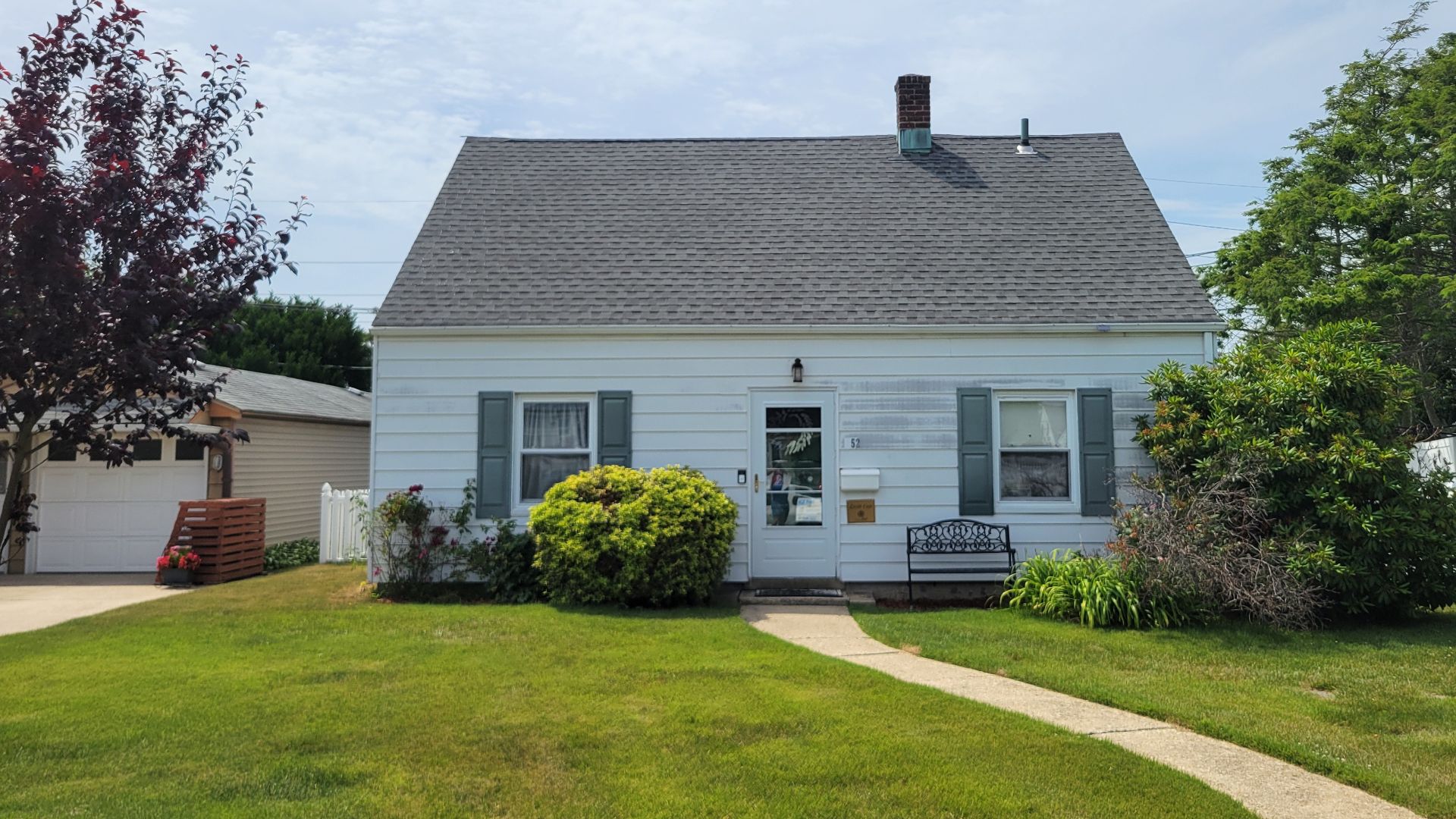
Levittown on Long Island became one of the most famous examples of mass-produced postwar suburbia. The National Park Service describes William Levitt’s use of assembly-line building techniques that allowed homes to be produced rapidly and influenced later developments. Repeated house styles and large planned neighborhoods became important parts of the American suburban image.
 Found5dollar, Wikimedia Commons
That History Also Has A Darker Side
The rise of U.S. suburbia was not equally accessible to everyone. The National Park Service documents how restrictive covenants, redlining, racial discrimination, and economic barriers excluded many Black, Asian, Latino, Jewish, and working-class families from developments including Levittown. The tidy postwar neighborhood therefore carries a social history that travel writing should not reduce to lawns and garages.
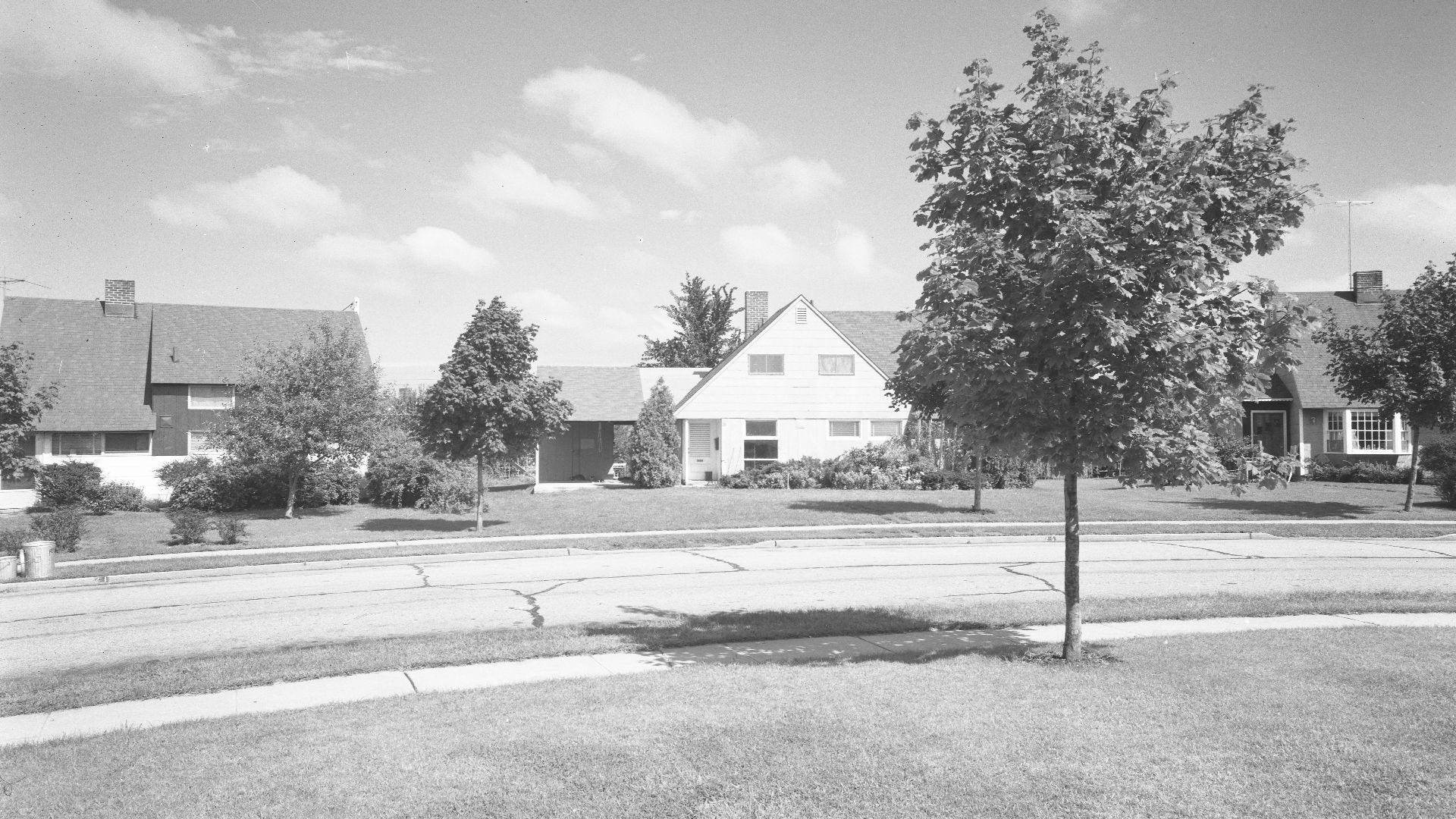 Gottscho-Schleisner Collection, Wikimedia Commons
No Two American Suburbs Are Exactly Alike
A suburb outside Boston can look very different from one outside Phoenix, Atlanta, Minneapolis, or Los Angeles. Climate, age, housing costs, local planning rules, transit, and regional history shape each community, and newer developments increasingly experiment with denser and more walkable designs. What Canadians notice most is not one universal American suburb, but how strongly decades of car-oriented growth still influence everyday life in many of them.
You May Also Like:
Things Europeans Notice Immediately When They Take An American Road Trip
Things Canadians Notice Immediately When They Visit Texas
10 Forbidden Places You're Not Allowed To Visit
Sources: 1, 2, 3, 4, 5, 6, 7, 8, 9, 10, 11, 12, 13, 14, 15, 16, 17, 18, 19, 20, 21, 22, 23, 24, 25, 26