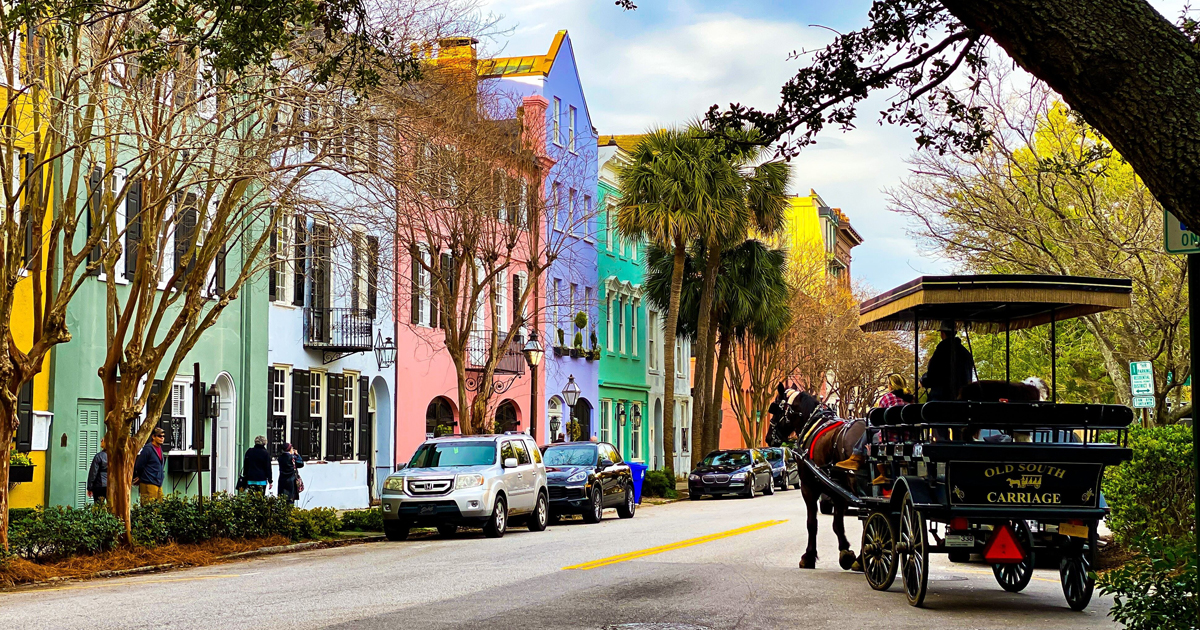
Take The Scenic Exit
America's interstates are brilliant at getting you somewhere quickly, but they can also whisk you past the good stuff. Travelers and travel publications keep singling out smaller communities where history, scenery, food and sheer personality reward an unscheduled exit. These towns make compelling arguments for slowing down.
Galena, Illinois
Galena's steep streets, preserved 19th-century buildings and Mississippi River country make it feel unusually removed from modern Illinois. Roughly 85 percent of the town lies within its historic district, while Ulysses S. Grant's former home provides an excellent excuse for history-minded travelers to linger.
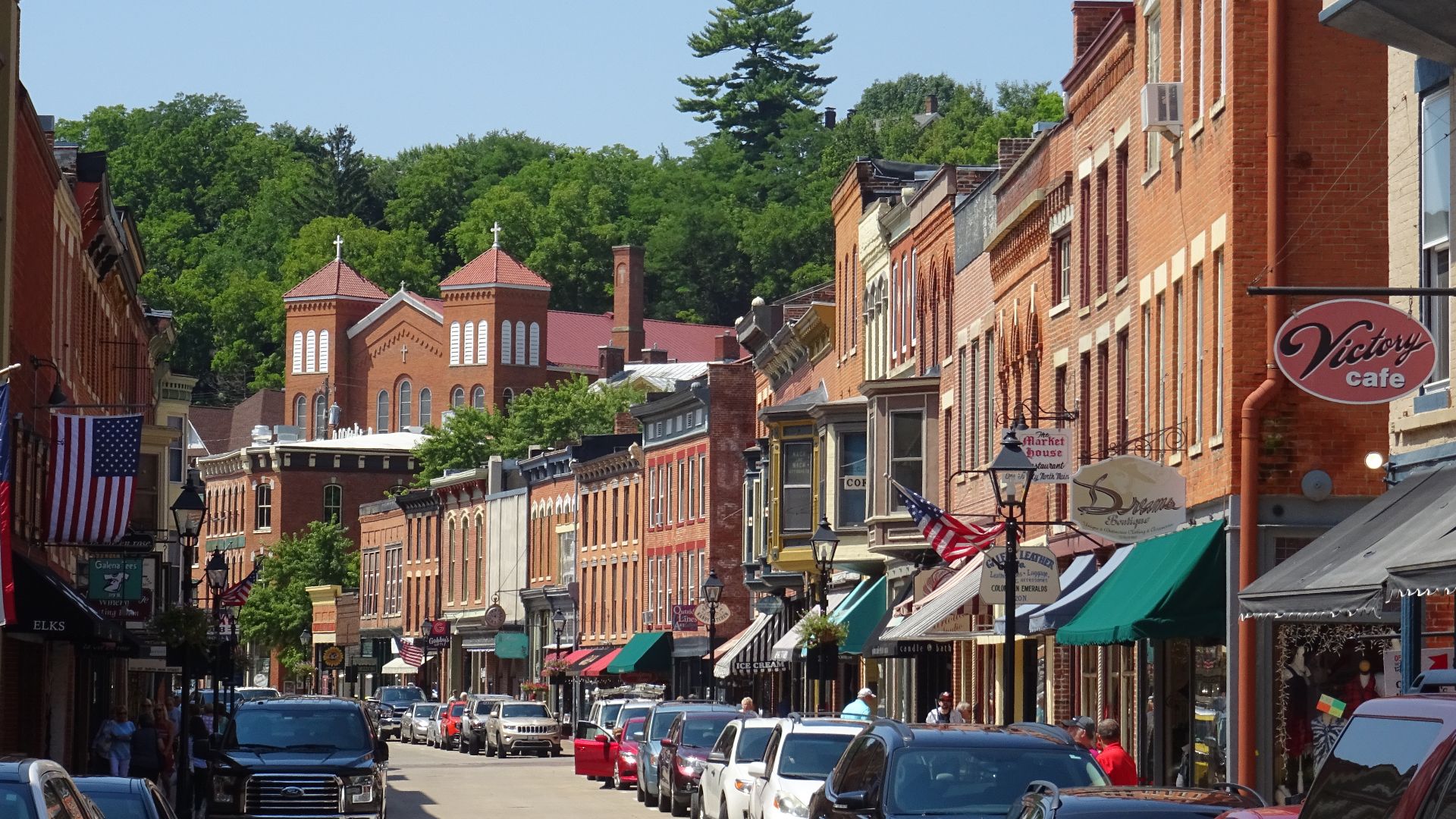 Julien.scavini, Wikimedia Commons
Jim Thorpe, Pennsylvania
Tucked into the Pocono Mountains, Jim Thorpe combines Victorian architecture, mountain scenery and an almost improbably photogenic downtown. Pennsylvania tourism calls it the "Little Switzerland of America," and autumn foliage makes the setting especially dramatic. The surrounding mountains also provide hiking, biking and scenic railway opportunities.
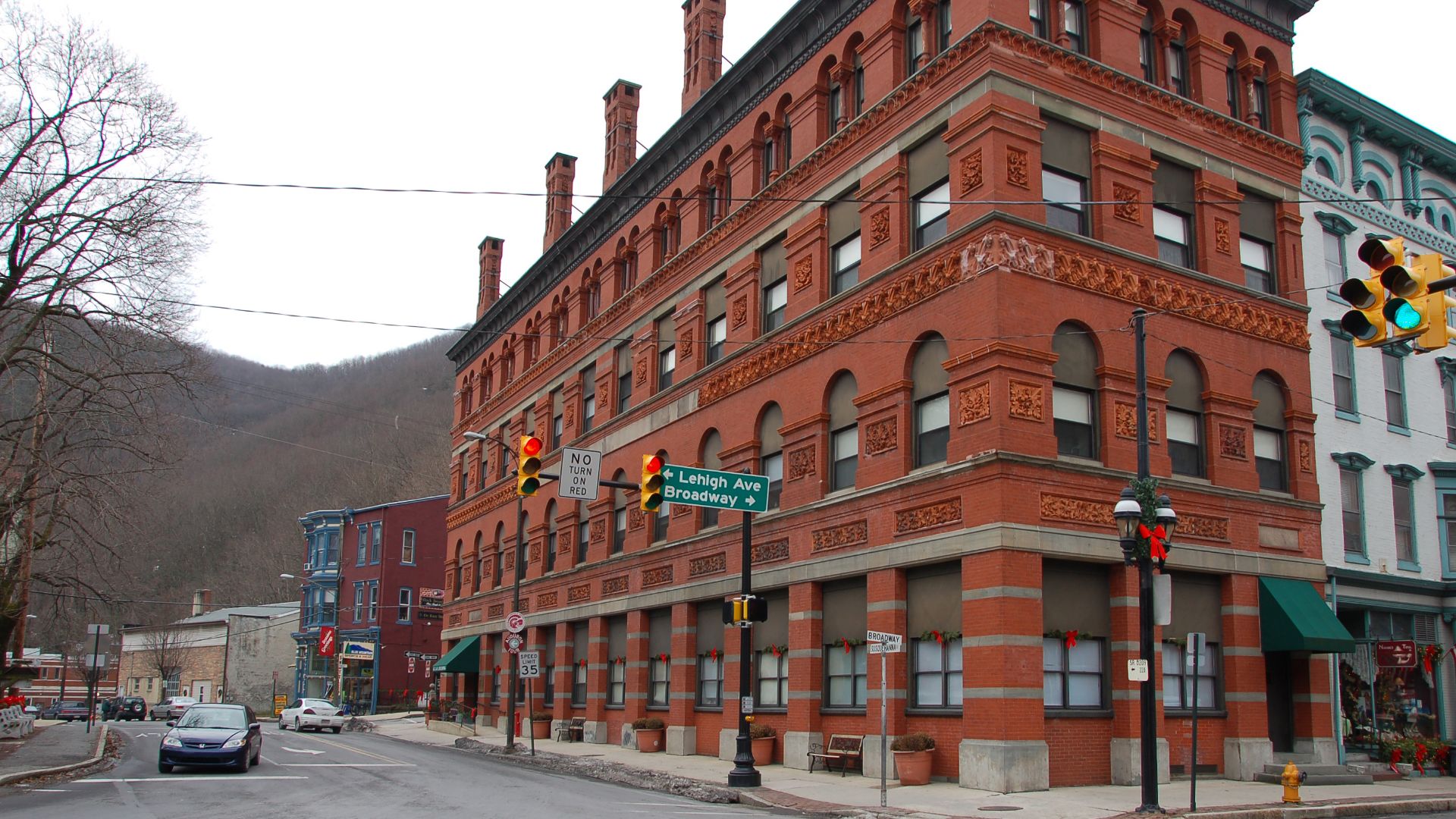 Photo by and (c)2008 Derek Ramsey (Ram-Man), Wikimedia Commons
Harpers Ferry, West Virginia
Few towns squeeze this much American history into such a compact landscape. Harpers Ferry sits where the Potomac and Shenandoah rivers meet, with John Brown's raid, Civil War history, Storer College and the Appalachian Trail all competing for your attention. The historic Lower Town is wonderfully walkable.
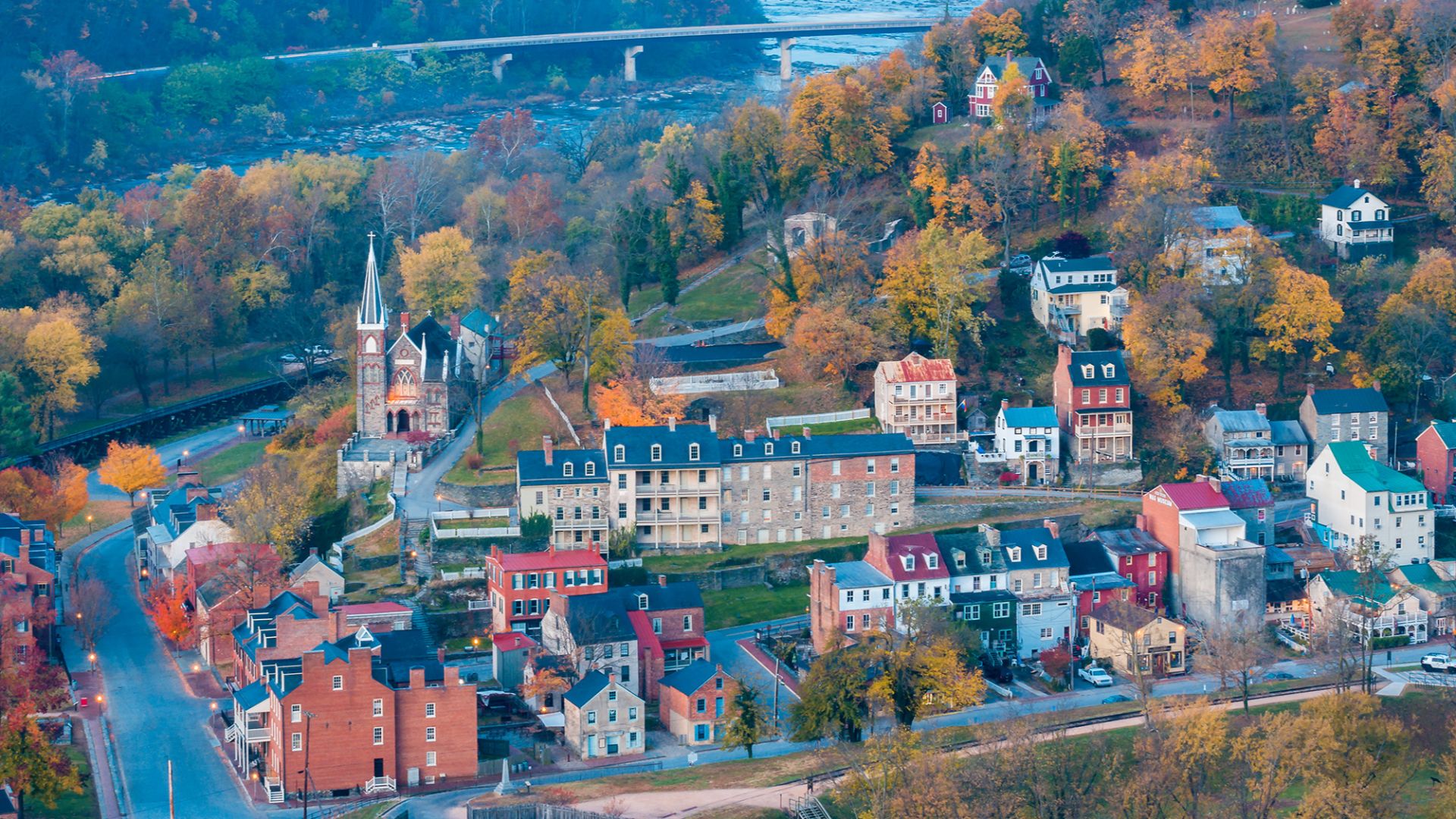 Jesse Lee Tucker, Wikimedia Commons
Beaufort, South Carolina
Beaufort delivers the moss-draped Lowcountry atmosphere travelers hope to find along the South Carolina coast. Historic streets lead toward the Beaufort River, while the surrounding area adds Reconstruction history, barrier-island scenery and salt marshes. It is the kind of place where simply walking around becomes part of the attraction.
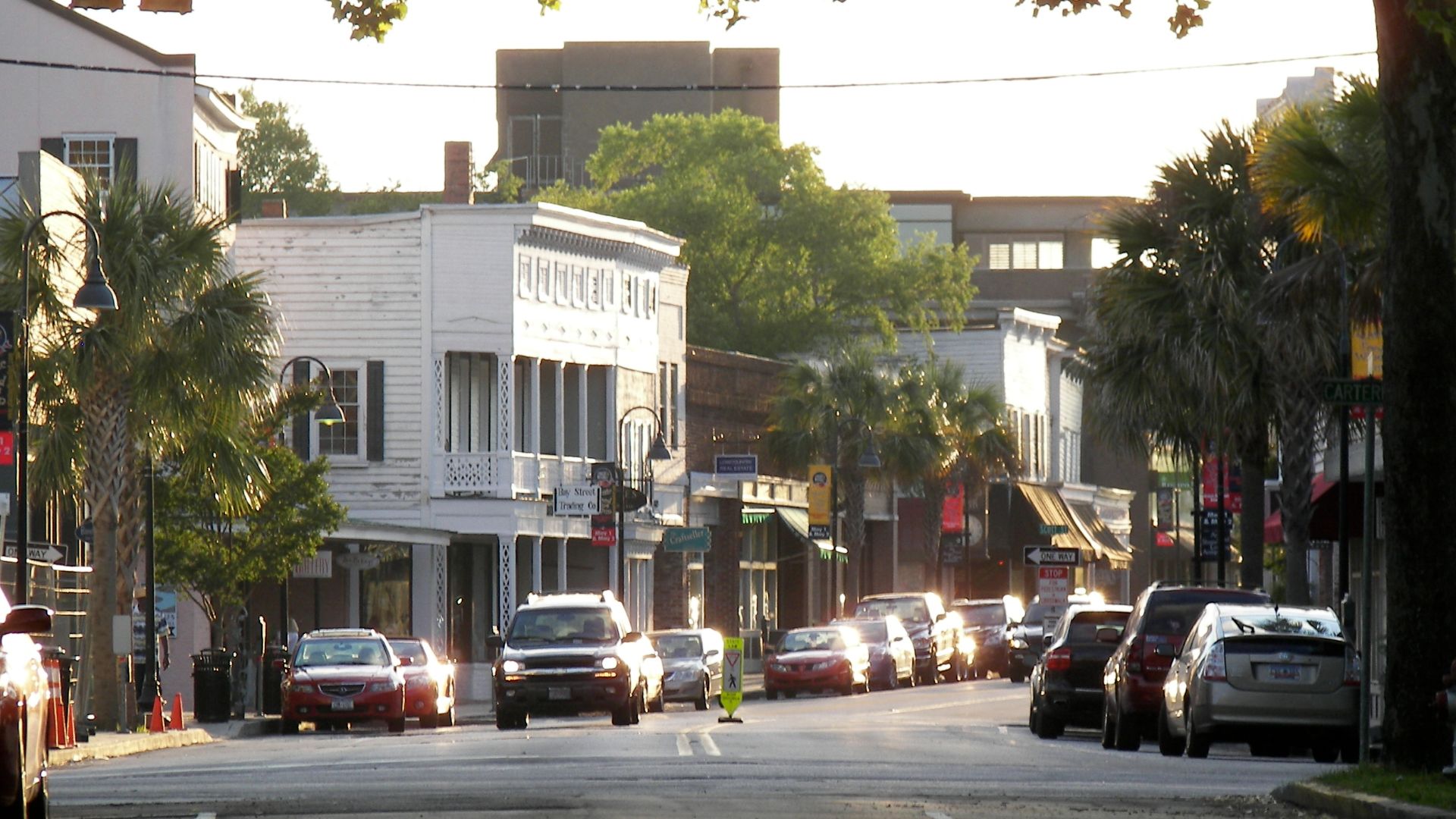 BeaufortTiger of English Wikipedia, Wikimedia Commons
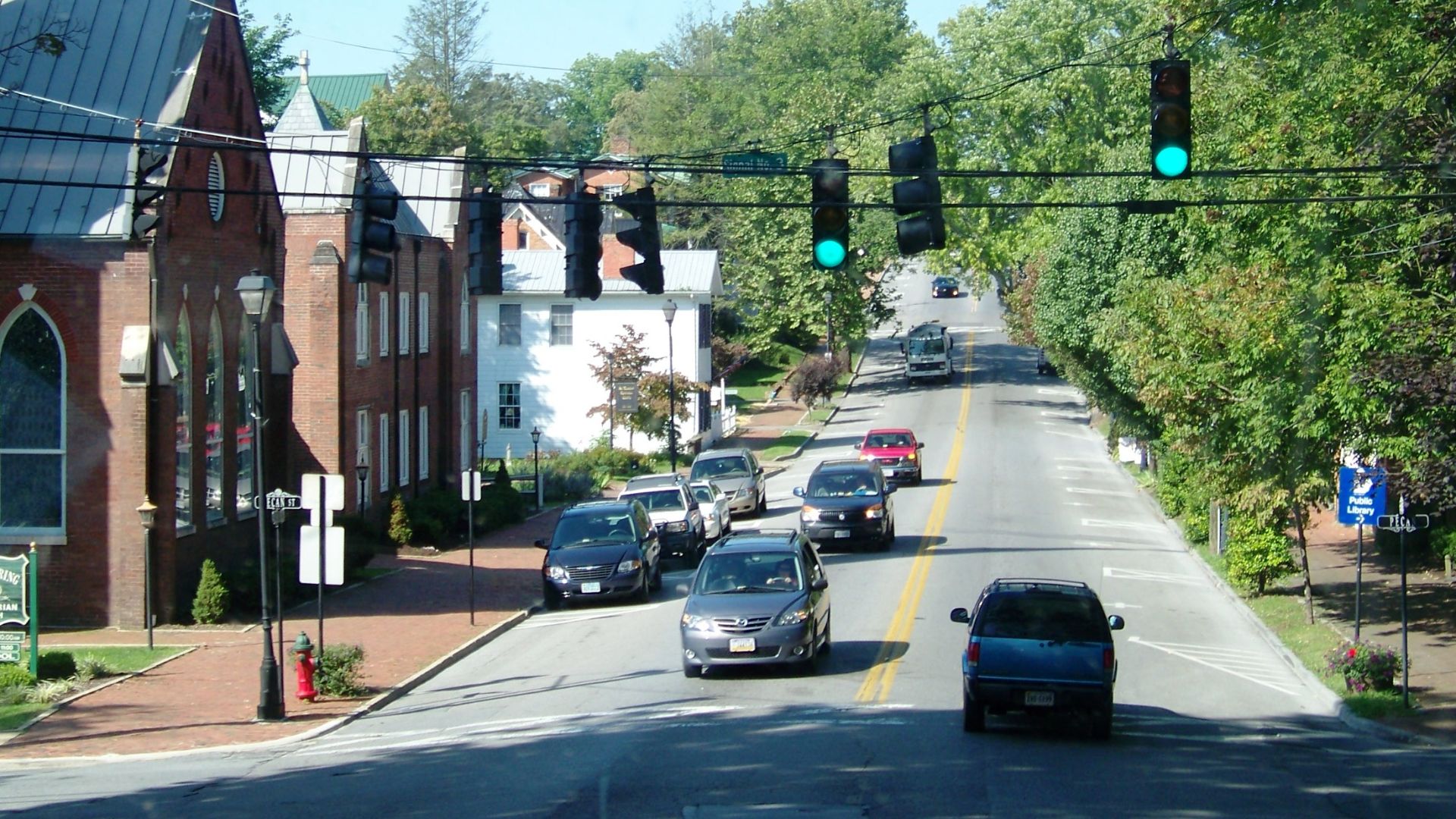
Abingdon, Virginia
Abingdon offers something unusual for a small Appalachian town: a genuinely significant theater tradition. The Barter Theatre opened during the Depression by allowing patrons to trade food for admission. Add a handsome historic center, galleries, regional crafts and nearby mountain scenery, and Interstate 81 suddenly deserves an exit.
Berea, Kentucky
Berea is an especially easy detour for travelers crossing Kentucky, but it rewards more than a quick stop. Known as Kentucky's Folk Arts and Crafts Capital, the town combines working studios and galleries with Berea College and hiking in the surrounding Appalachian foothills. Handmade souvenirs actually mean something here.
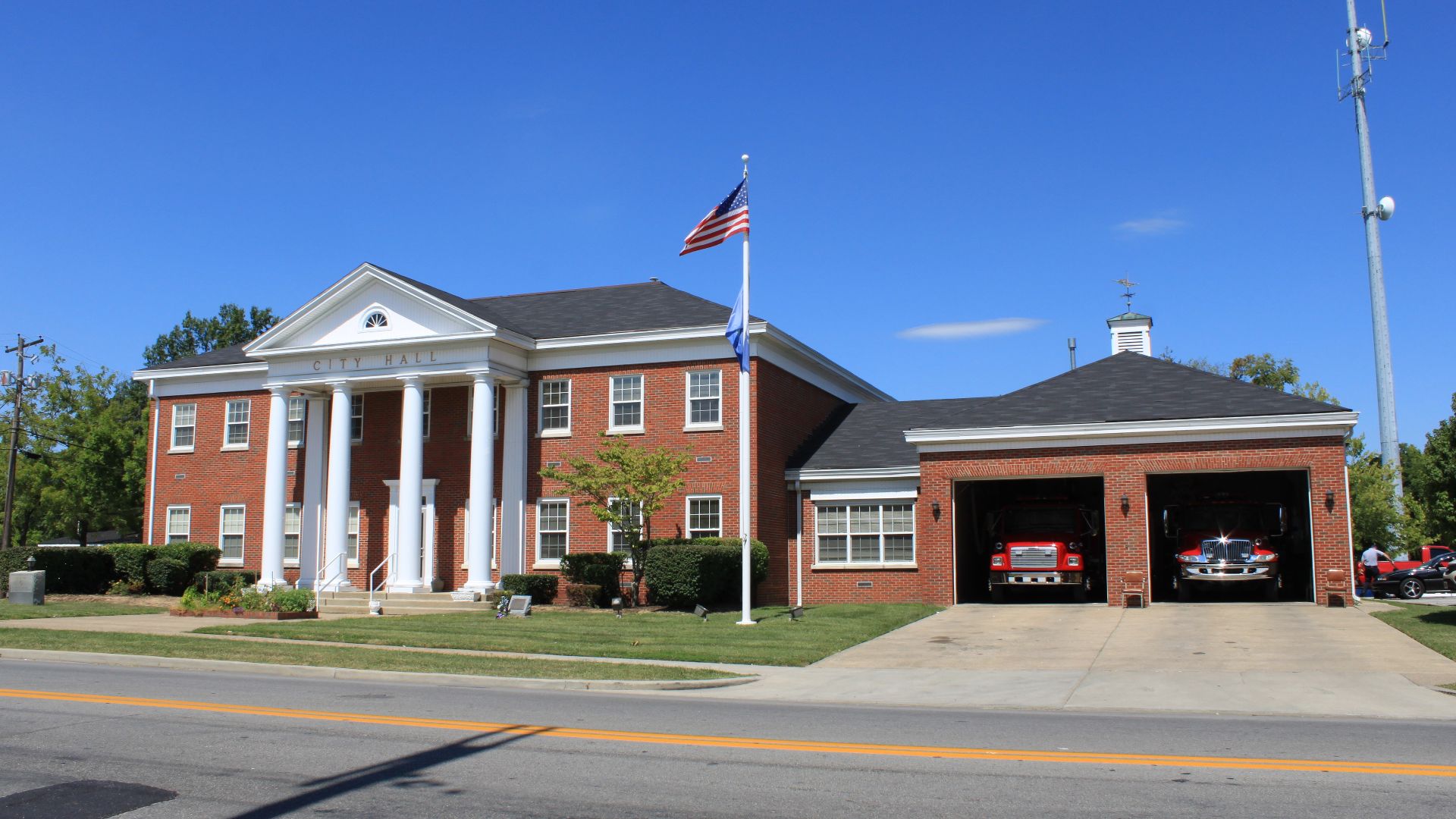 Dwight Burdette, Wikimedia Commons
Madison, Indiana
Set beside the Ohio River, Madison has the architectural payoff of a much more famous destination without feeling like one. Its enormous historic district contains Federal, Greek Revival and Italianate buildings, while nearby Clifty Falls State Park adds waterfalls and hiking. This is southern Indiana at its most unexpectedly picturesque.
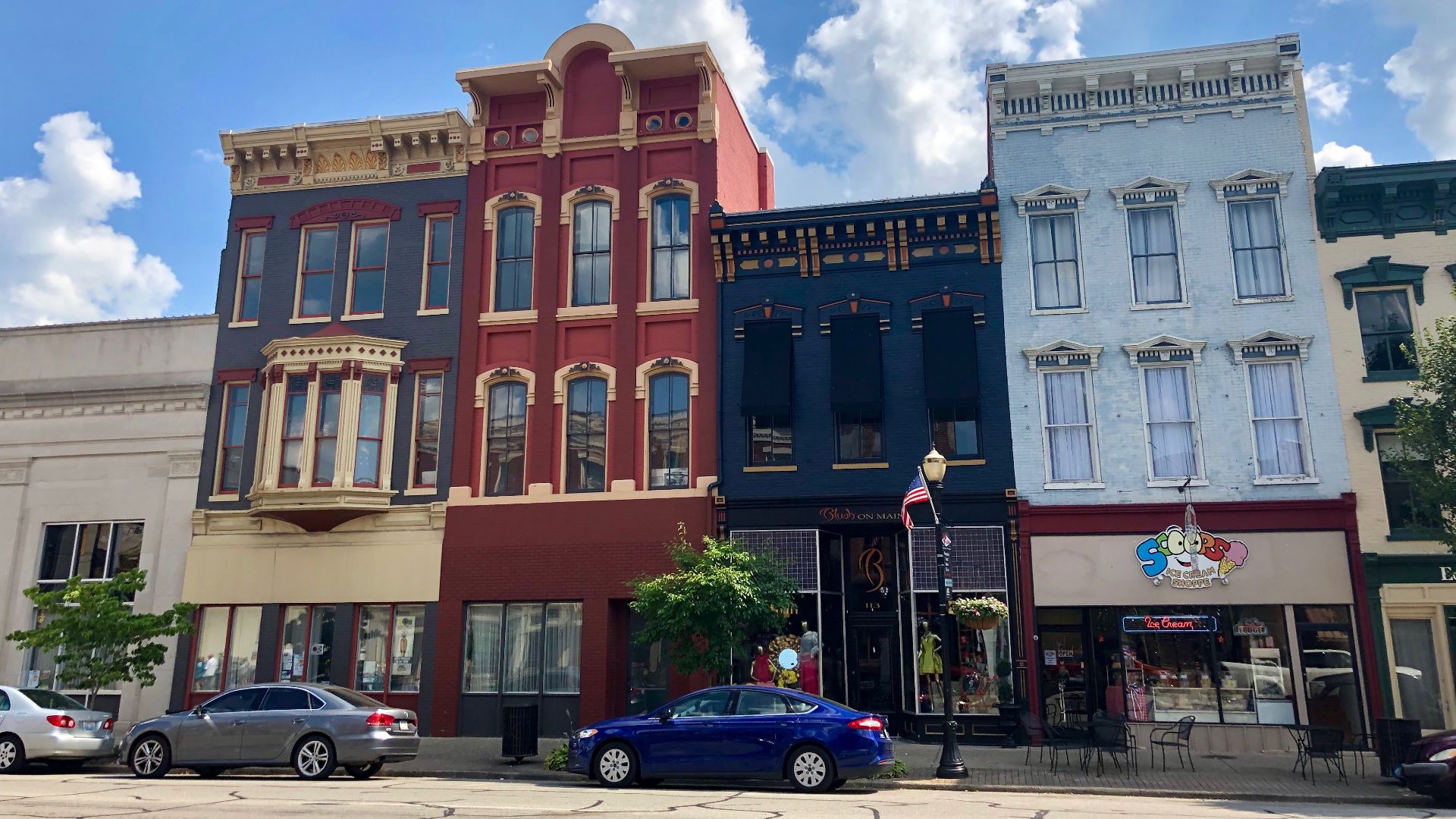 Warren LeMay from Cullowhee, NC, United States, Wikimedia Commons
Yellow Springs, Ohio
Yellow Springs feels considerably more eccentric than the average Midwestern small town. Independent shops, restaurants, galleries and a longstanding arts culture fill the compact center, while nearby Glen Helen Nature Preserve and John Bryan State Park provide trails and limestone scenery. It works particularly well as a spontaneous Ohio road-trip break.
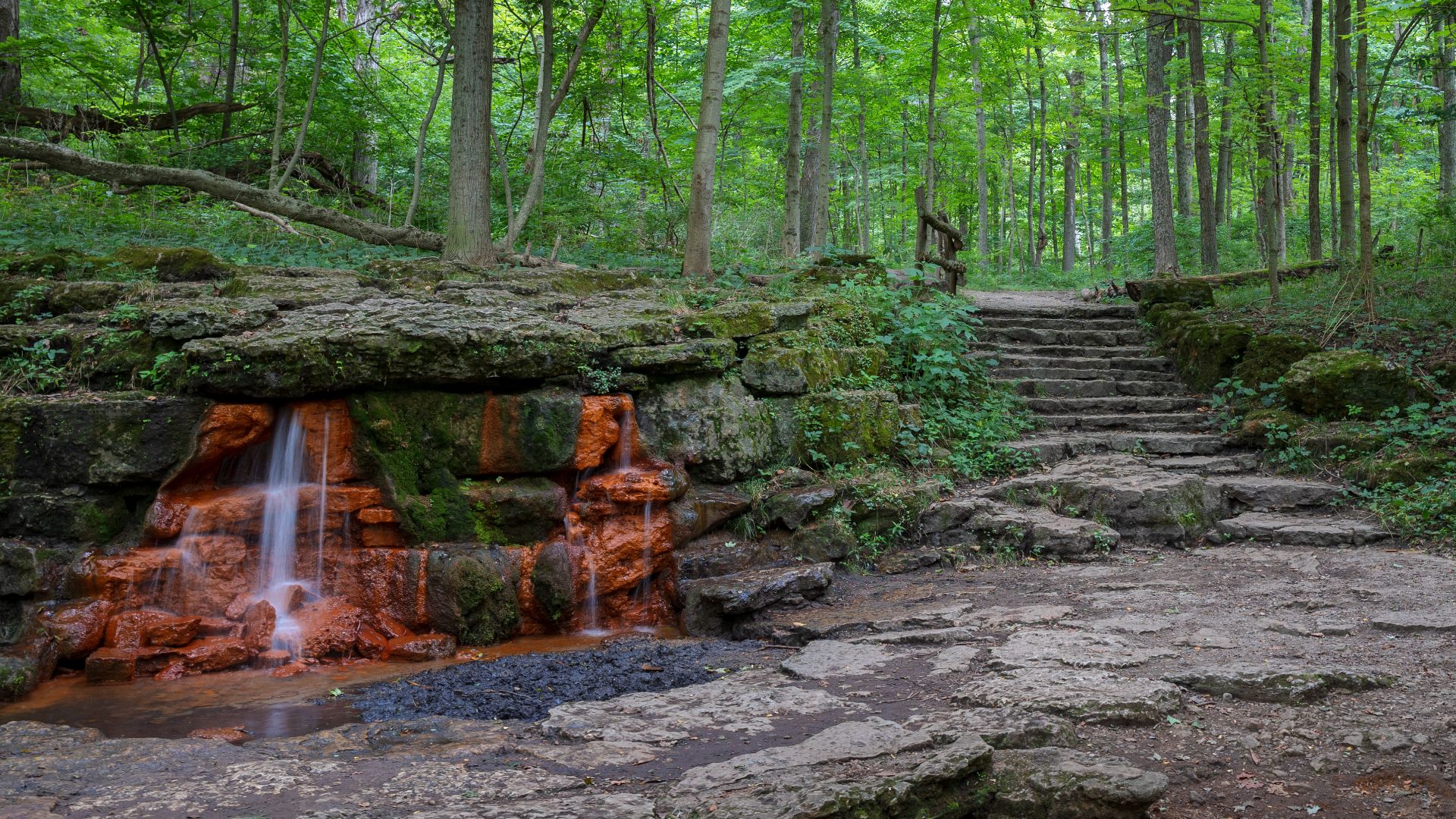 loganrickert, Wikimedia Commons
Lindsborg, Kansas
Drive through central Kansas and suddenly Sweden appears. Lindsborg's immigrant heritage remains visible in festivals, food, colorful Dala horses and Scandinavian-influenced attractions throughout town. Nicknamed "Little Sweden USA," it offers exactly what a worthwhile road-trip detour should: something distinctive that you probably were not expecting to encounter in Kansas.
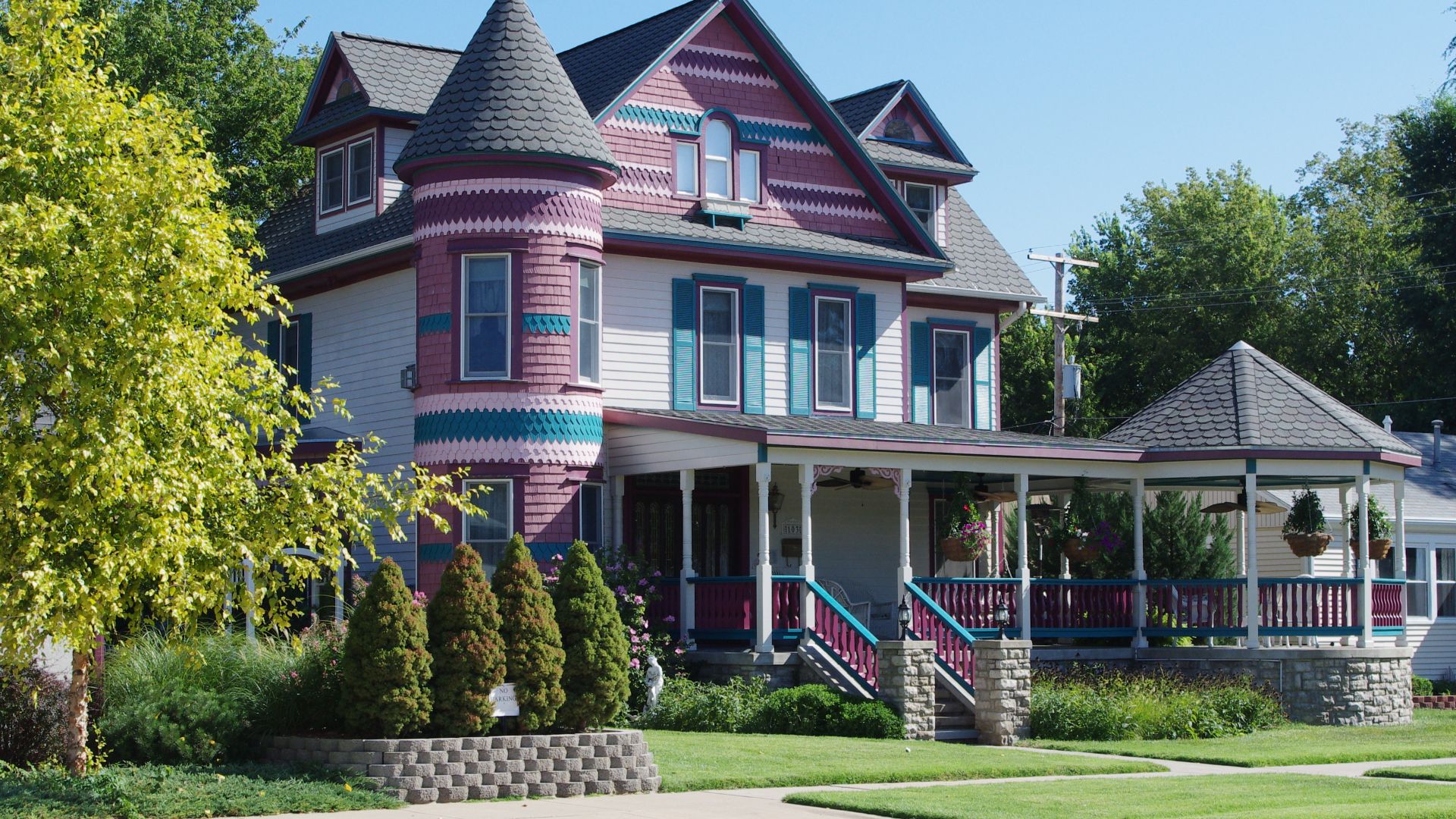 Anry skyhead, Wikimedia Commons
Pella, Iowa
Dutch heritage gives Pella one of the most distinctive downtowns in Iowa, complete with European-inspired architecture, bakeries, gardens and a working windmill. Spring brings its famous tulip celebration, but the town works outside festival season too. It is an appealing break from simply watching cornfields roll past the windshield.
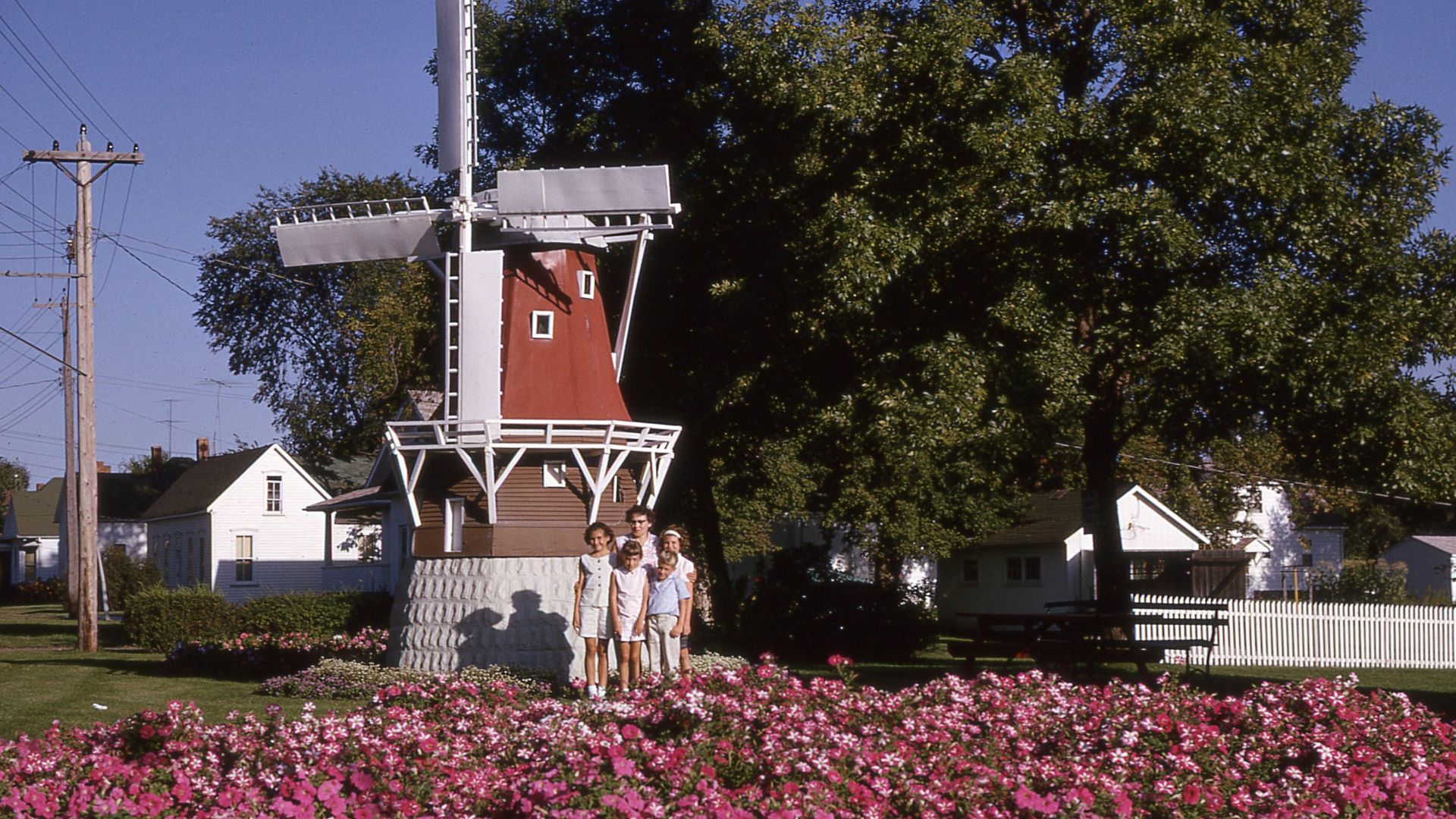 Susan J. Koscielak / FortepanIowa, Wikimedia Commons
Decorah, Iowa
Decorah combines Norwegian-American heritage with the wooded bluffs and limestone terrain of northeastern Iowa. The Vesterheim museum explores Norwegian immigration, while trails, waterfalls and a surprisingly lively downtown broaden the appeal. For travelers who picture Iowa as uniformly flat, the surrounding Driftless landscape provides a particularly enjoyable surprise.
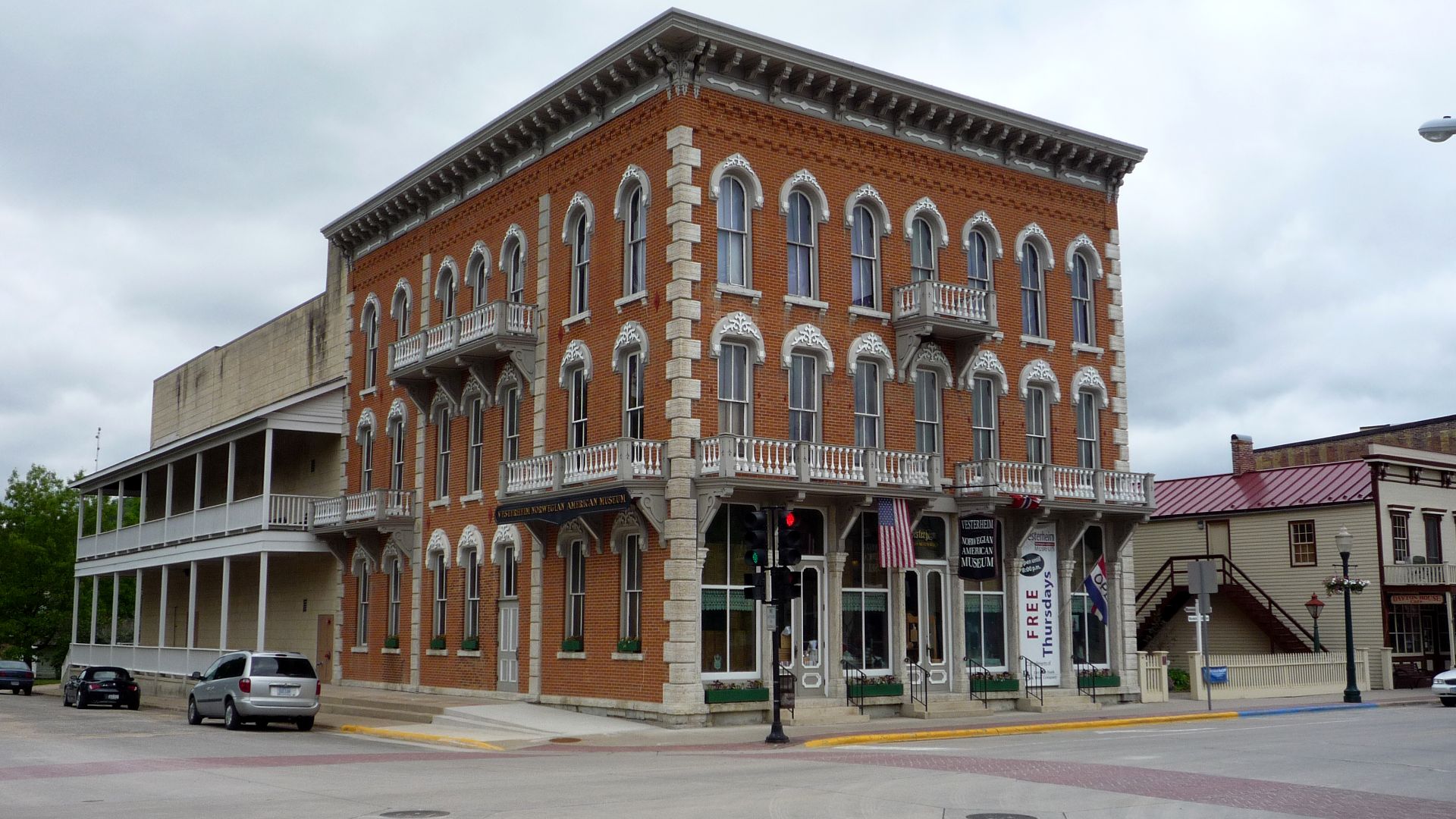 Bobak Ha'Eri, Wikimedia Commons
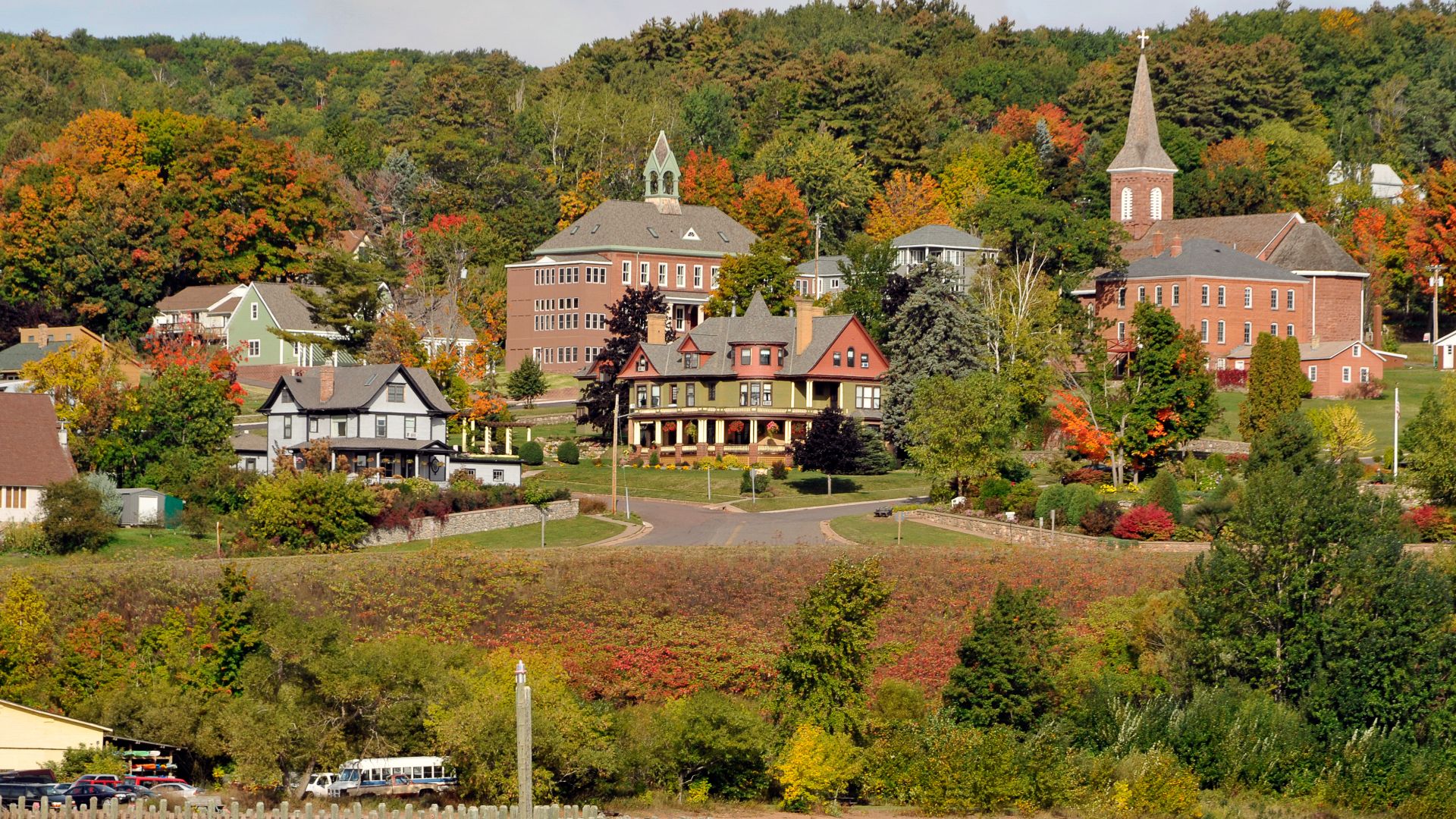
Bayfield, Wisconsin
Tiny Bayfield looks across Lake Superior toward the Apostle Islands, making it feel more like a maritime outpost than a Midwestern town. Travelers can browse the harbor and galleries, then use Bayfield as a launching point for ferries, sailing and kayaking among islands, sea caves and historic lighthouses.
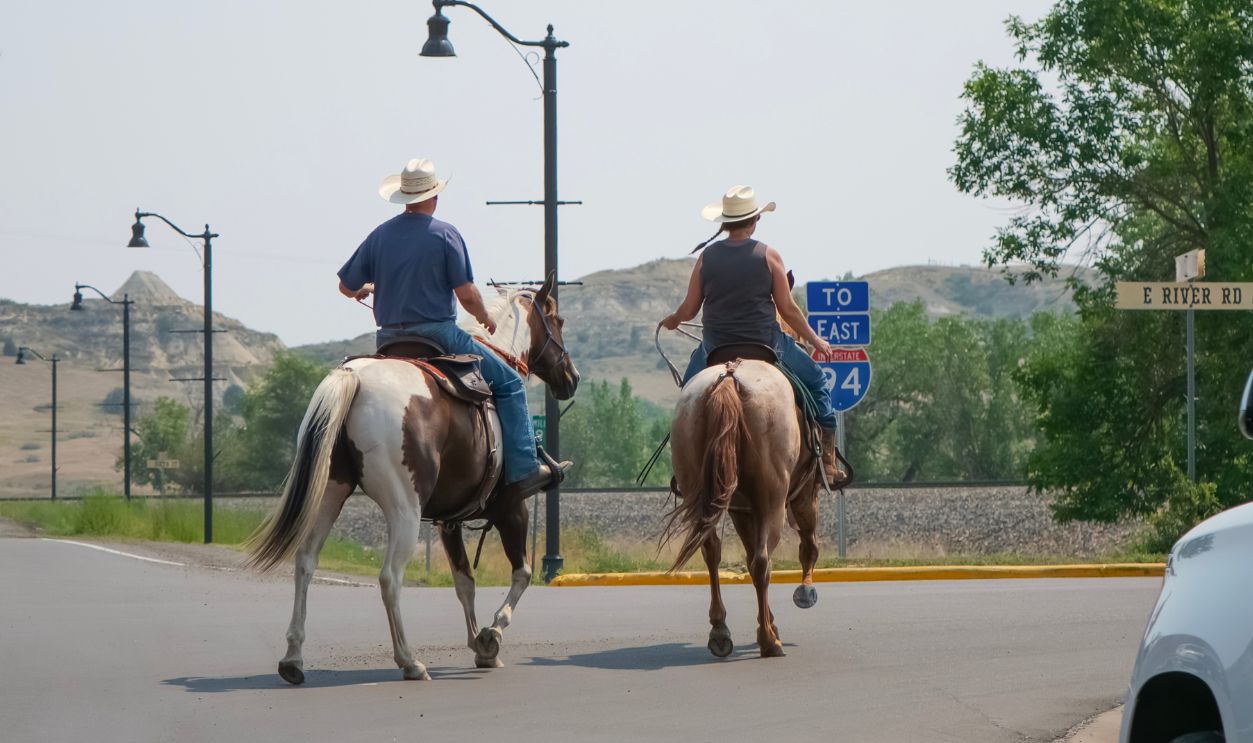
Medora, North Dakota
Medora makes a wonderfully theatrical entrance to the Badlands. Theodore Roosevelt first came to this region in 1883, and his ranching experiences profoundly influenced his life. Today, the tiny western town sits beside Theodore Roosevelt National Park, giving road-trippers history, colorful badlands and wildlife in one stop.
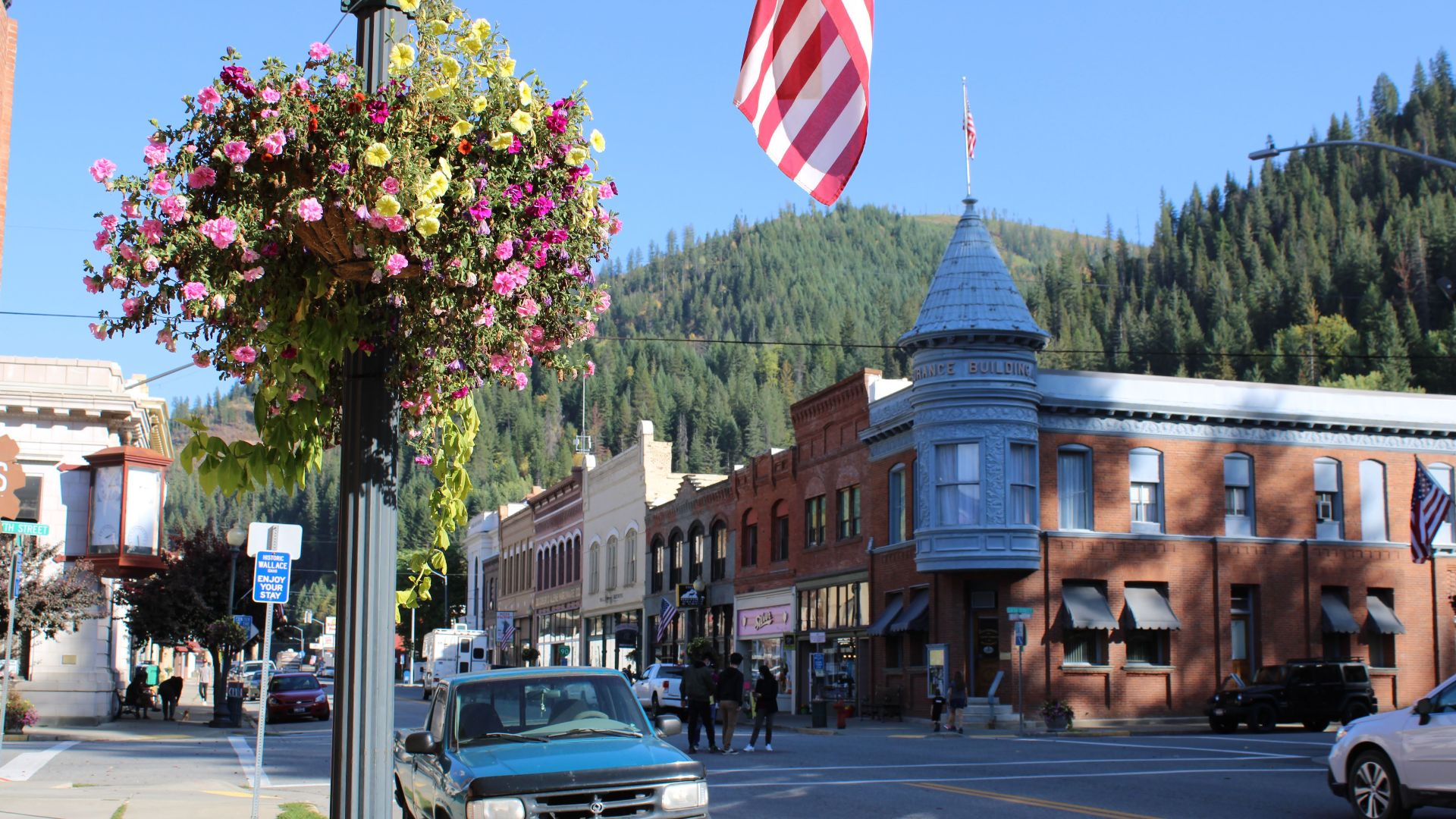
Wallace, Idaho
Wallace squeezed itself into a narrow Idaho mountain valley and then preserved almost everything. Its downtown buildings are listed on the National Register of Historic Places, reflecting a silver-mining boom that shaped the region. Mining museums, mountain scenery and nearby cycling make this far more than another Interstate 90 fuel stop.
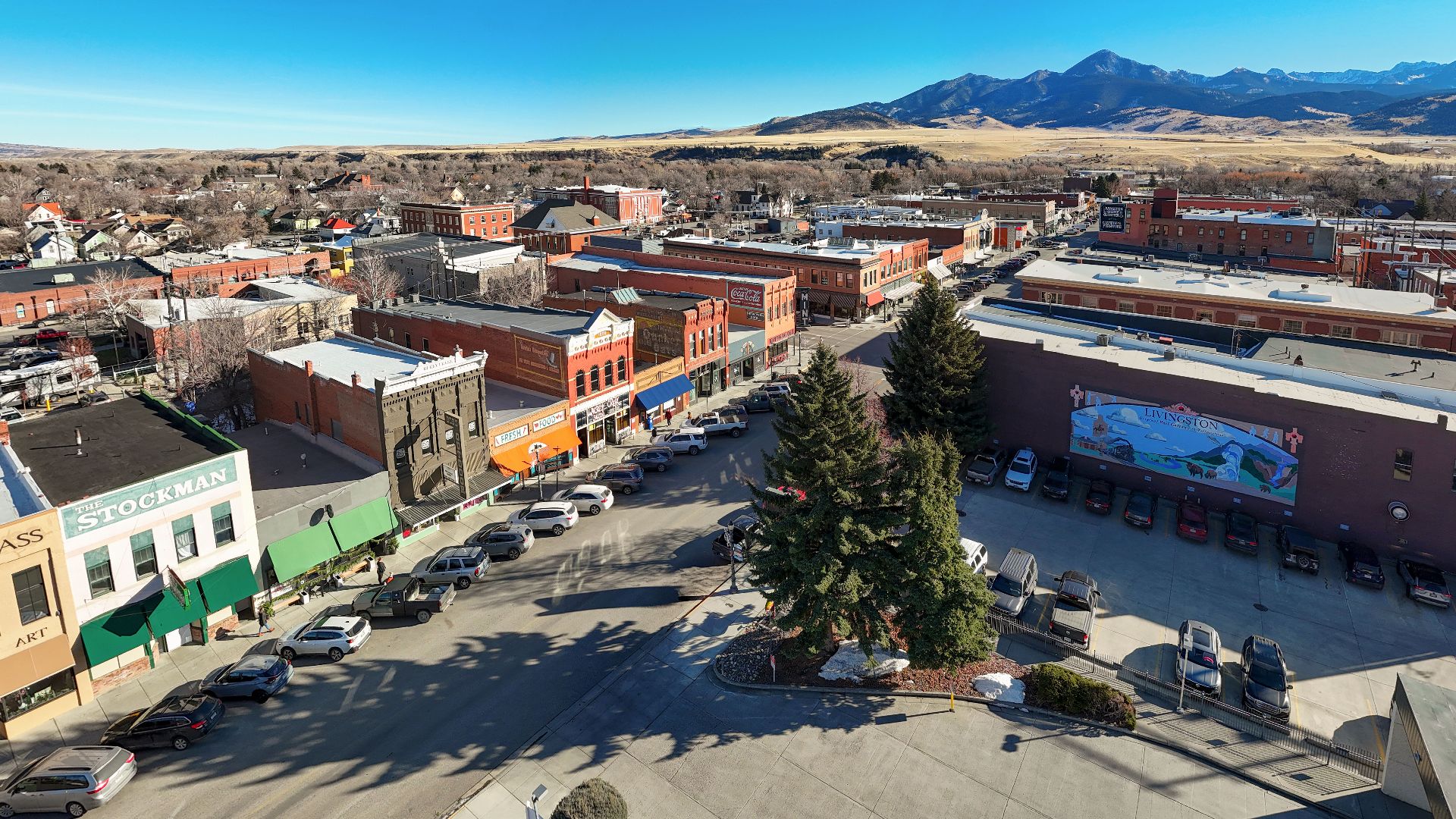
Livingston, Montana
Livingston grew as a railroad town and gateway to Yellowstone, but its appeal now extends well beyond either role. Historic brick buildings, galleries, fly-fishing culture and the surrounding mountains give it a rugged personality. It is polished enough for a weekend but still feels unmistakably like a working Montana town.
 Quintin Soloviev, Wikimedia Commons
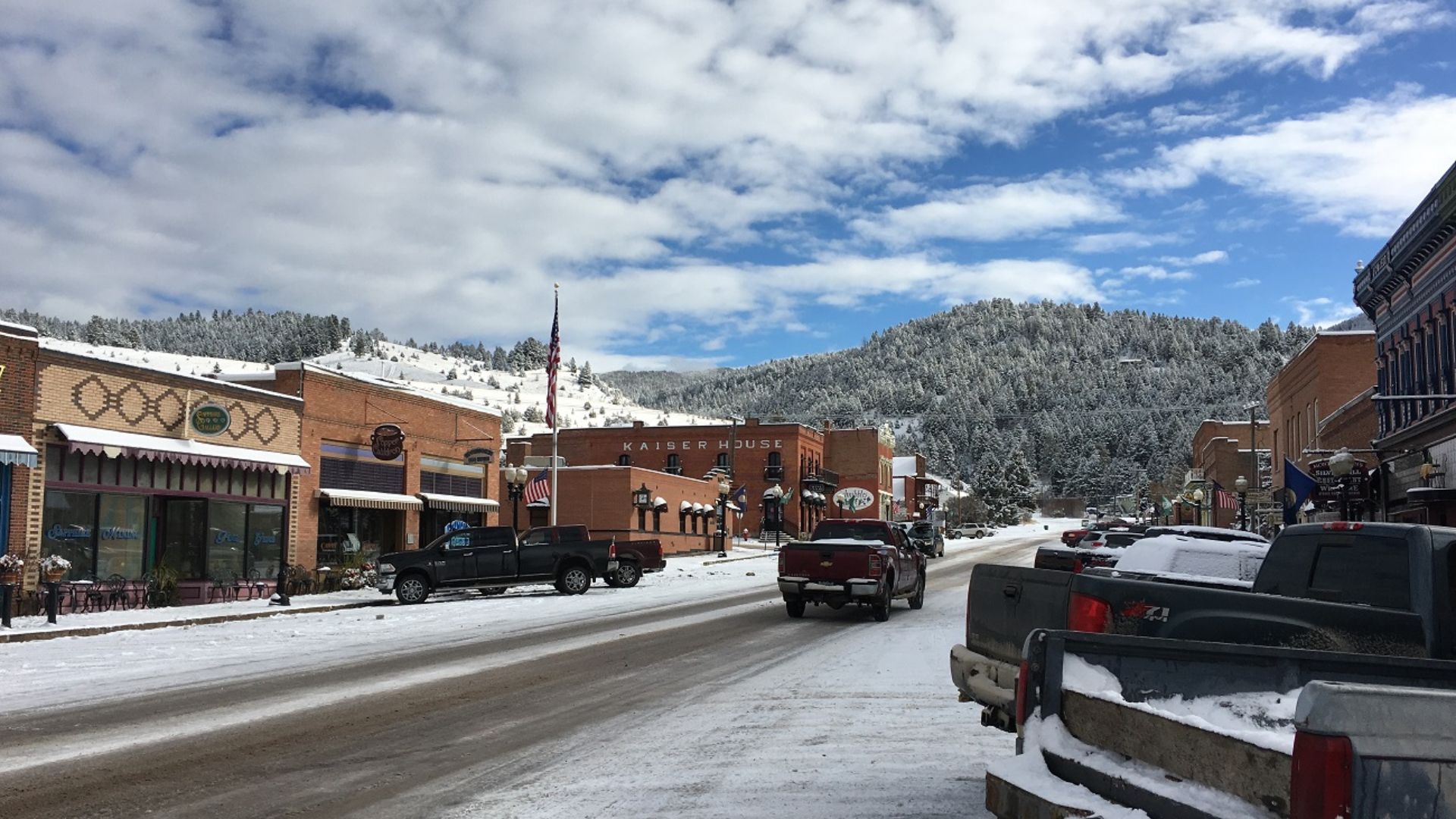
Philipsburg, Montana
Philipsburg is the sort of place road-trippers stumble upon and then wonder why nobody mentioned it. A colorful historic main street recalls its mining past, while sapphire hunting adds an only-in-Montana diversion. Mountain scenery surrounds everything, making the town an easy justification for abandoning the fastest route for the prettiest one.
 Jon Roanhaus, Wikimedia Commons
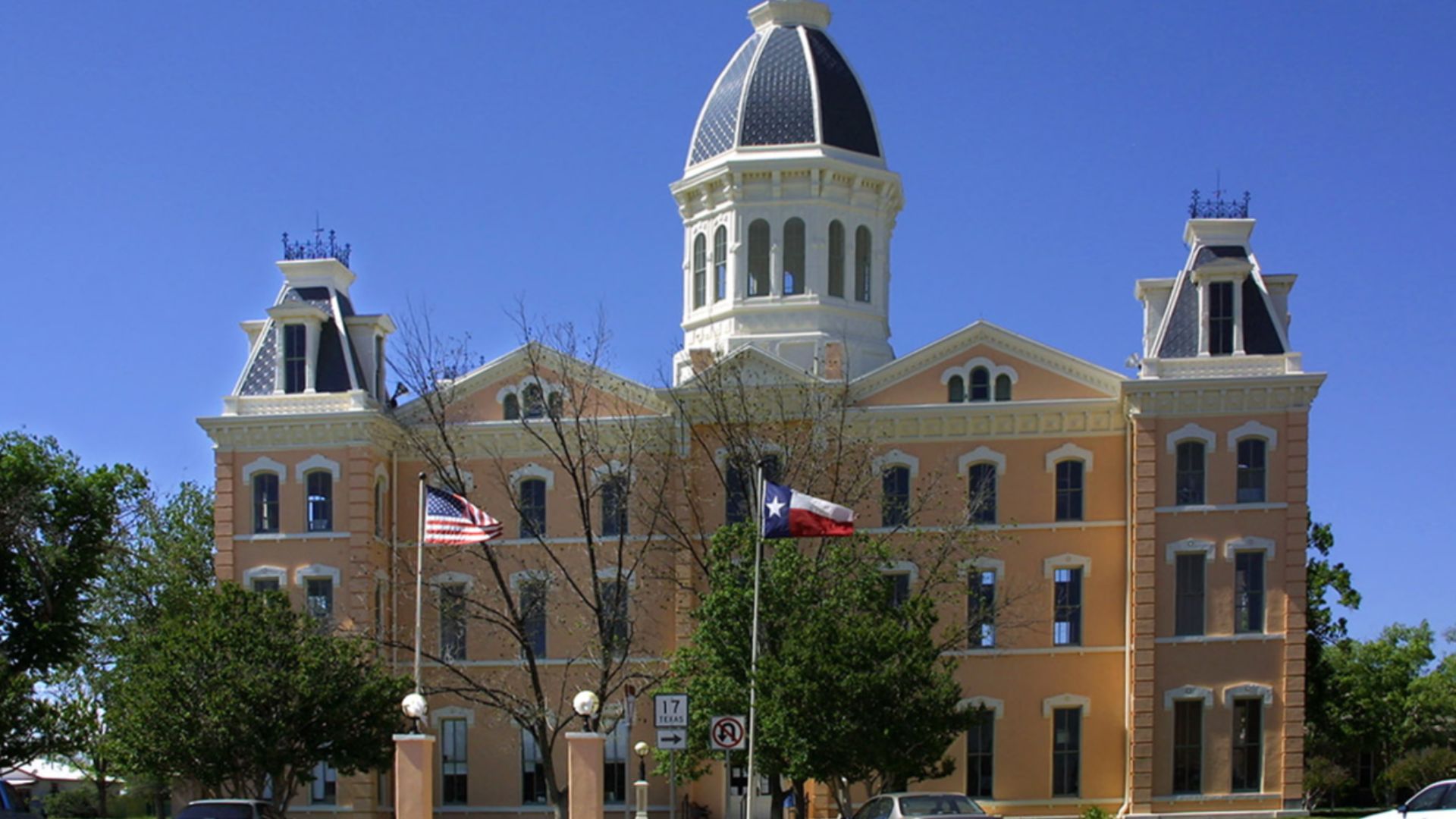
Marfa, Texas
Marfa is a tiny West Texas town with an international art reputation. Donald Judd's legacy anchors its galleries and monumental installations, while desert landscapes and the mysterious Marfa Lights provide completely different attractions after sunset. Its remoteness is not an inconvenience. In many ways, that is the whole point.
 The original uploader was Talshiarr at English Wikipedia., Wikimedia Commons
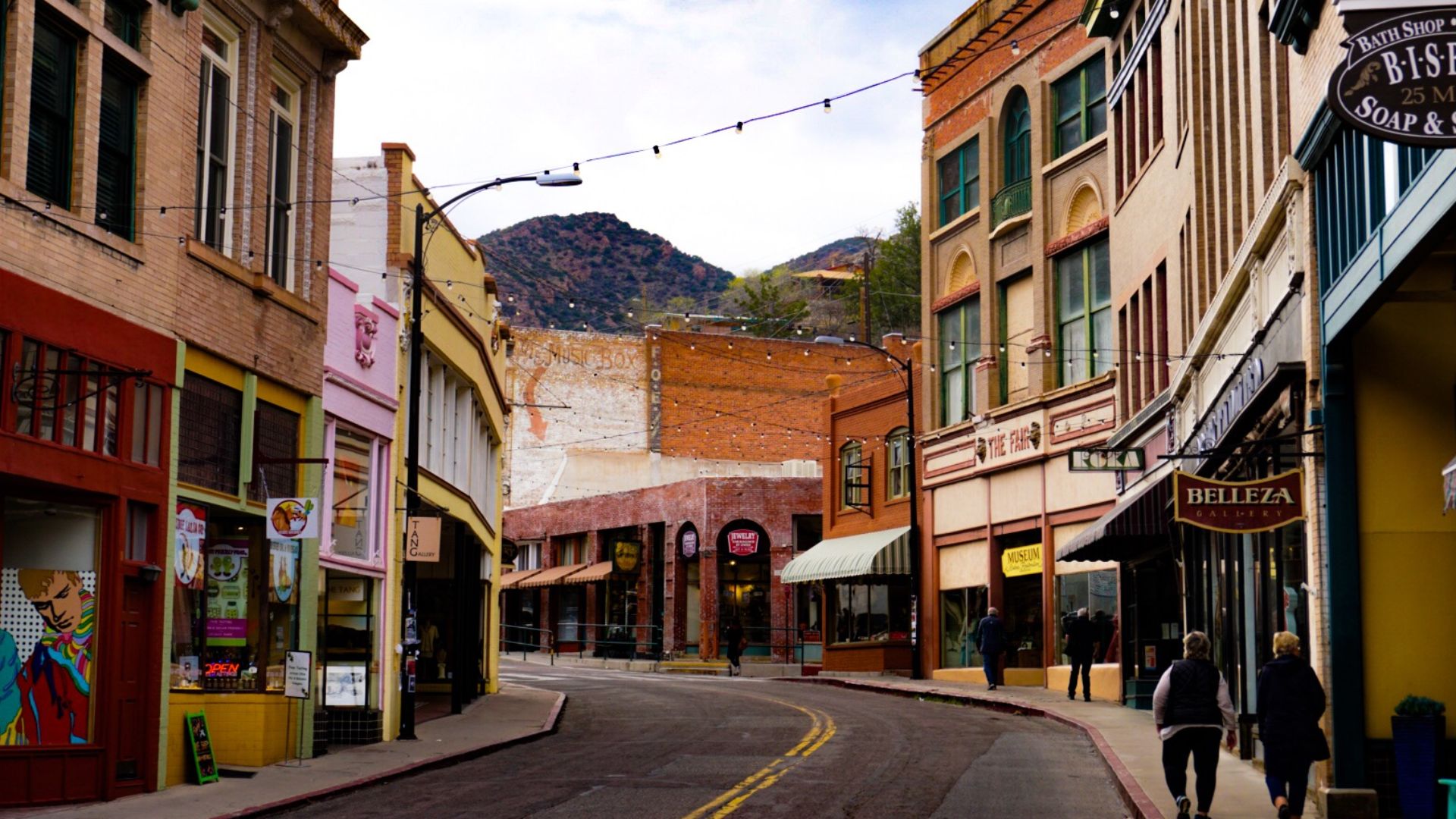
Bisbee, Arizona
Once a major copper-mining center, Bisbee reinvented itself without sanding away all its rough edges. Colorful houses climb the surrounding hills, galleries and shops occupy old buildings, and visitors can venture underground on the highly regarded Queen Mine Tour. Even the enormous Lavender Pit makes a memorable roadside stop.
 Chad Johnson, Wikimedia Commons
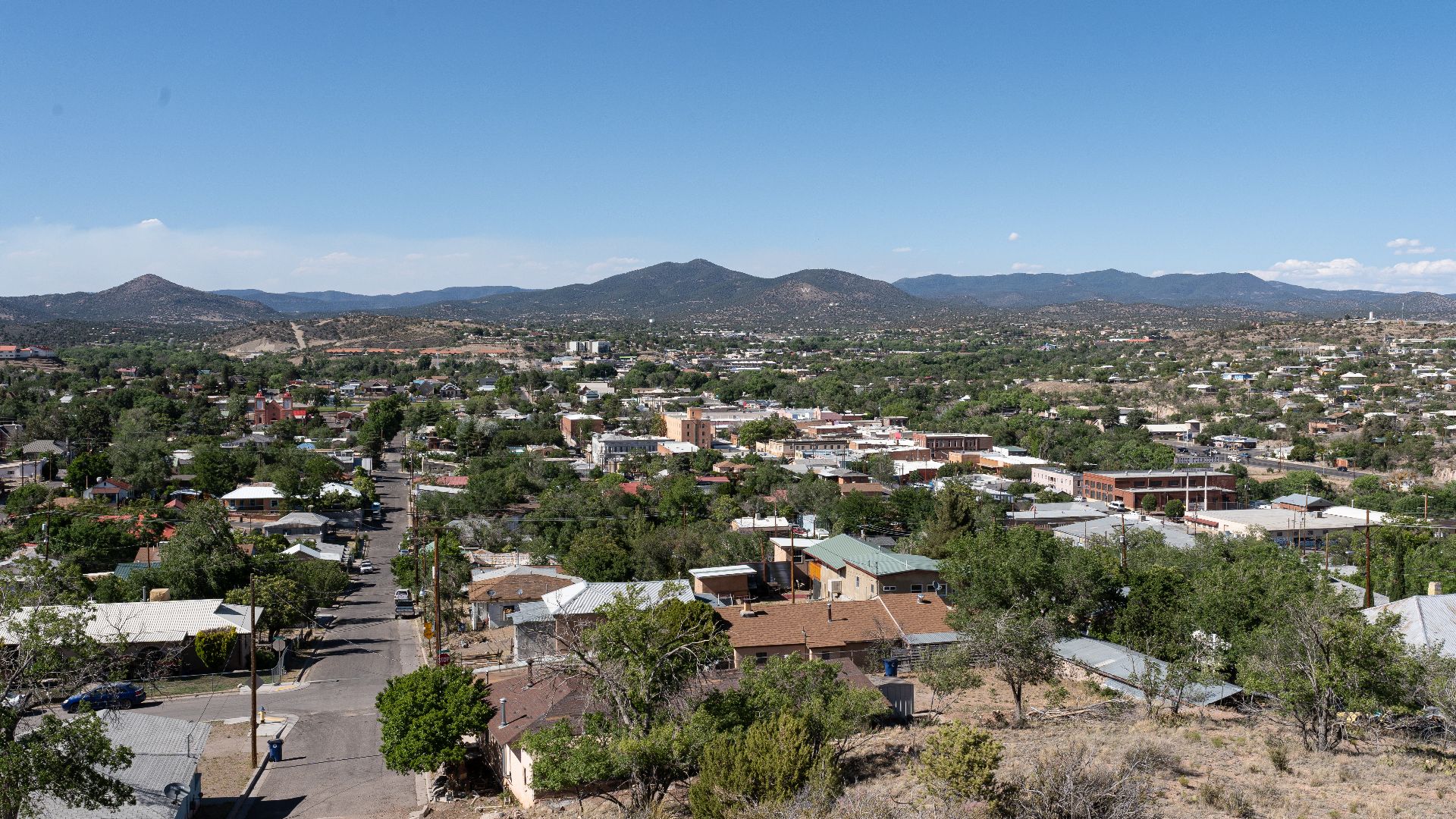
Silver City, New Mexico
Silver City's mining history is only part of its appeal. The compact downtown mixes historic architecture with galleries, restaurants and an independent arts scene, while the surrounding mountains open the door to outdoor exploration. It also makes a practical base for reaching the extraordinary Gila Cliff Dwellings farther north.
 Matthew.kowal, Wikimedia Commons
Taos, New Mexico
Taos is hardly unknown, yet it remains small enough to feel dramatically different from America's major destinations. Pueblo culture, adobe architecture, galleries and high-desert scenery converge beneath the Sangre de Cristo Mountains. For travelers crossing northern New Mexico, rushing past simply to save an hour would be difficult to justify.
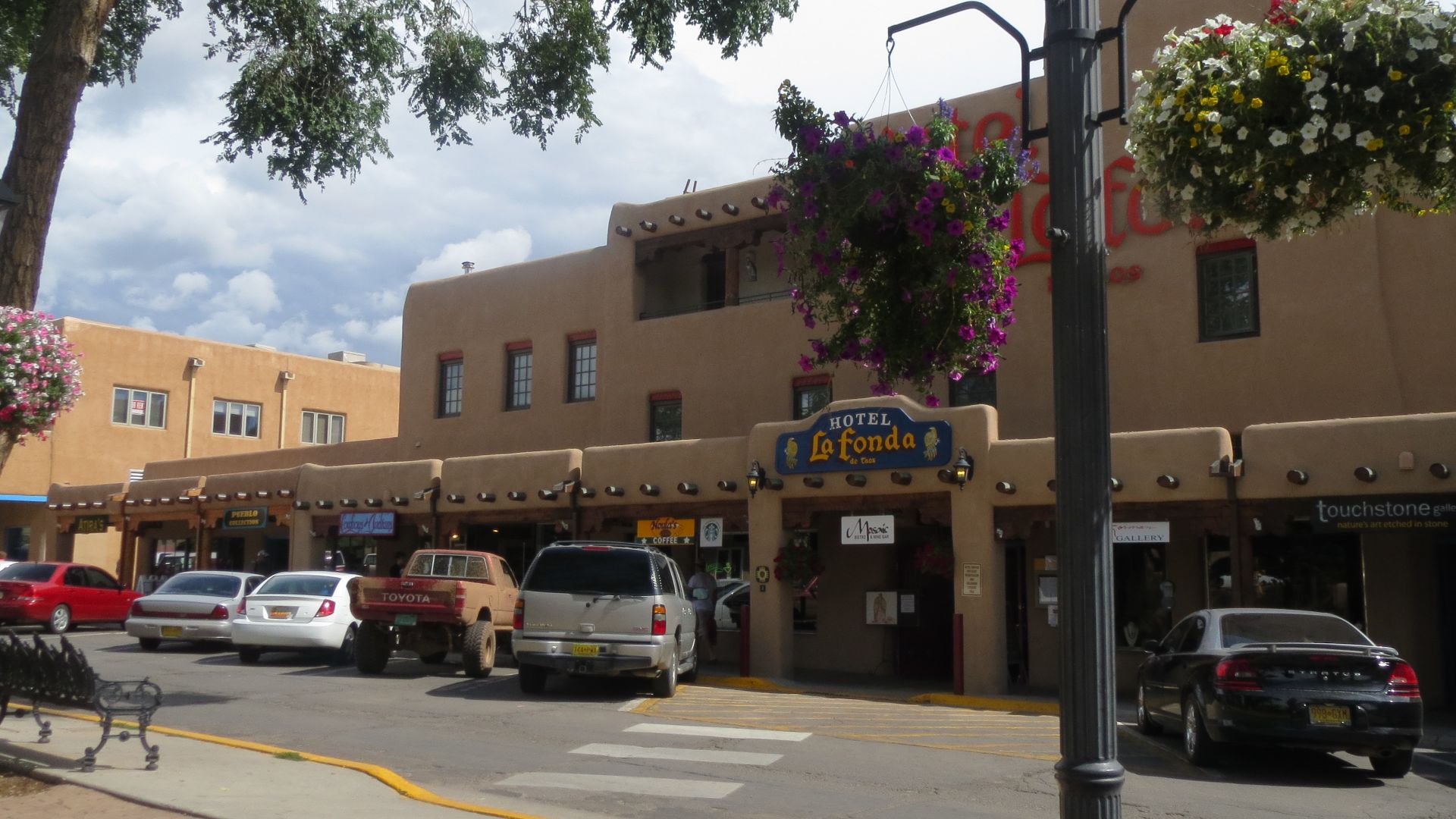 CaroleHenson, Wikimedia Commons
Trinidad, Colorado
Near Colorado's southern border, Trinidad offers a surprisingly handsome historic center surrounded by mountain country. Its coal-mining and railroad past remain visible in its architecture, while galleries and outdoor recreation have given the old commercial hub another life. Travelers speeding north toward Colorado's famous resorts can easily overlook it.
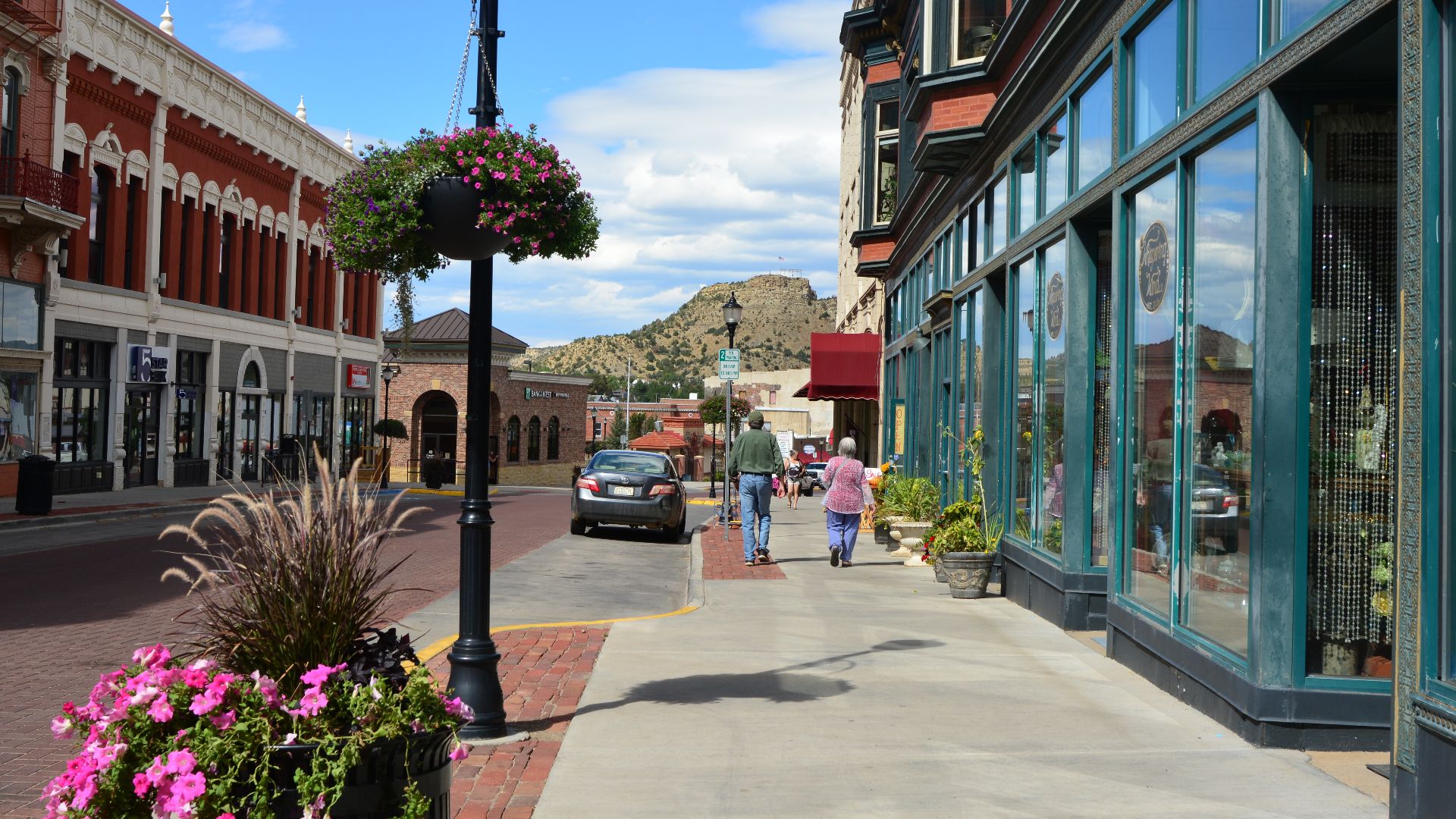
Medicine Park, Oklahoma
Medicine Park looks unlike almost anywhere else in Oklahoma. Many buildings incorporate rounded local red granite cobblestones, remnants of the town's early history as a resort. Medicine Creek runs through the community, and the Wichita Mountains rise nearby, making this tiny stop an appealing mixture of eccentric architecture and outdoor scenery.
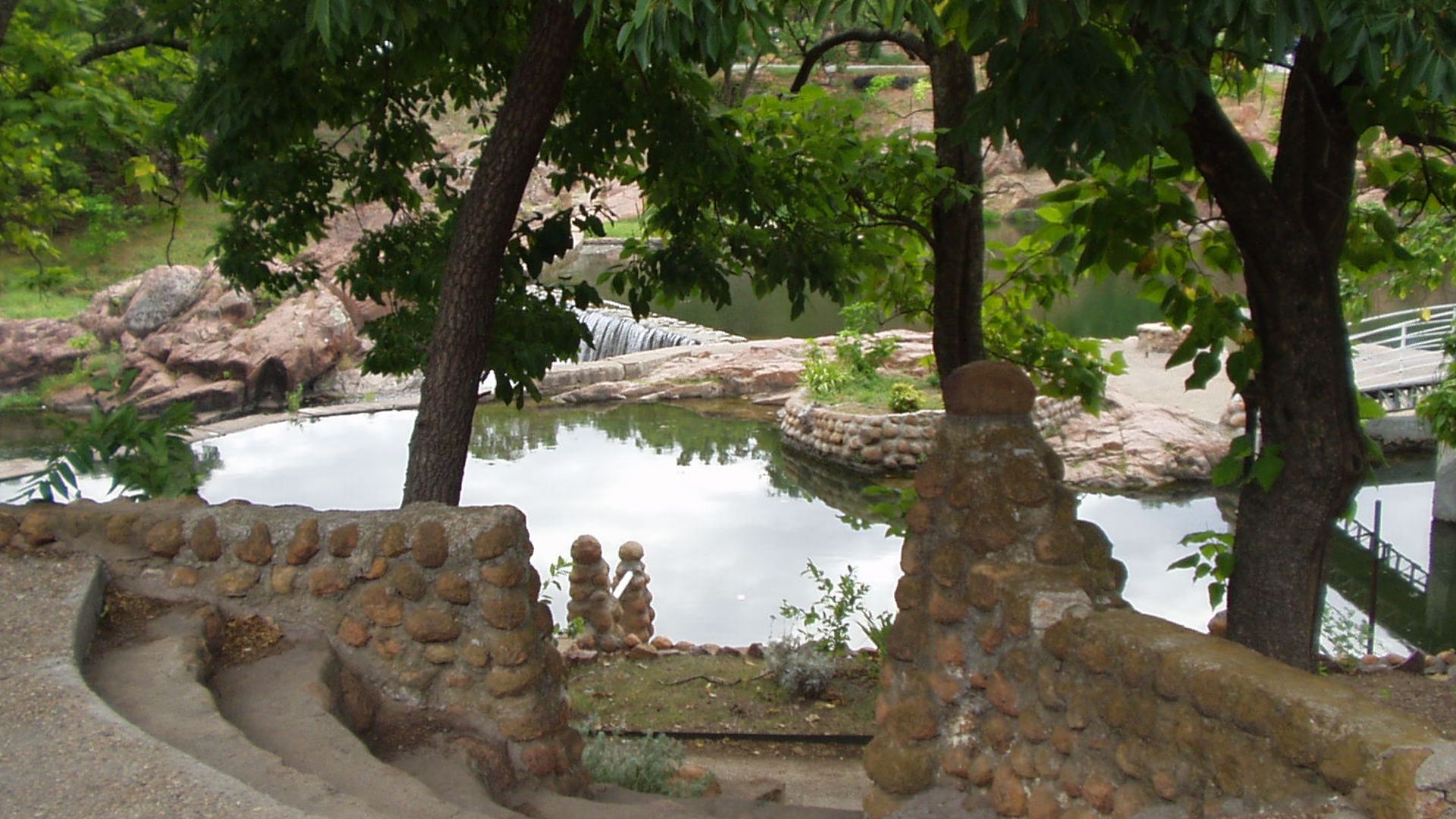
Port Townsend, Washington
Victorian buildings, a working waterfront and views across Puget Sound give Port Townsend a wonderfully preserved maritime character. Its location on Washington's Olympic Peninsula makes it a natural addition to a scenic driving itinerary. Travelers get historic architecture and independent shops without surrendering the coastal landscapes that brought them west.
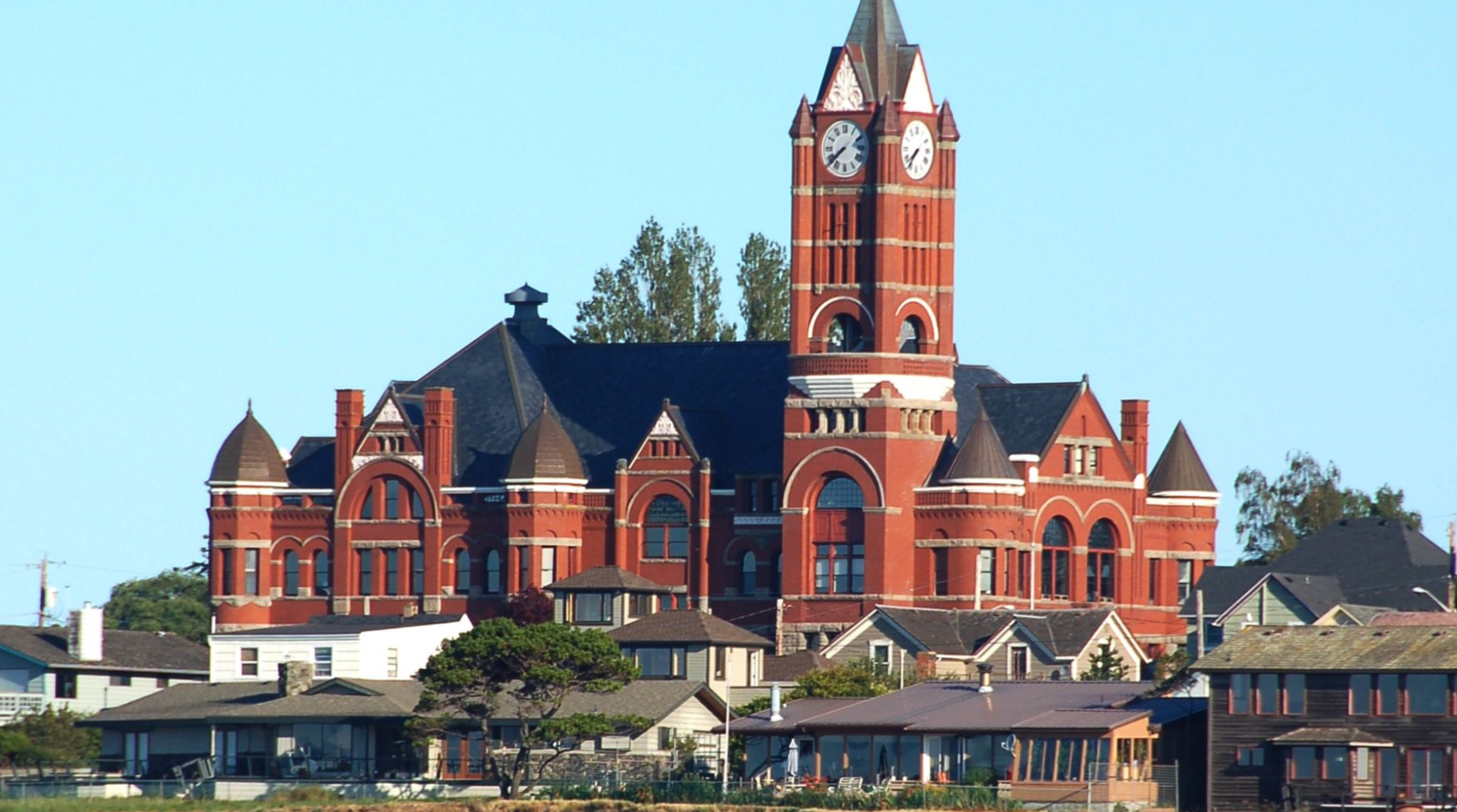 Rose_Braverman, Wikimedia Commons
Ferndale, California
Just off California's redwood routes, Ferndale looks almost suspiciously perfect. Elaborate Victorian homes and commercial buildings line a community that remains a genuine working town rather than a historical set. With Humboldt Redwoods and the rugged Northern California coast nearby, the detour can easily become an entire afternoon.
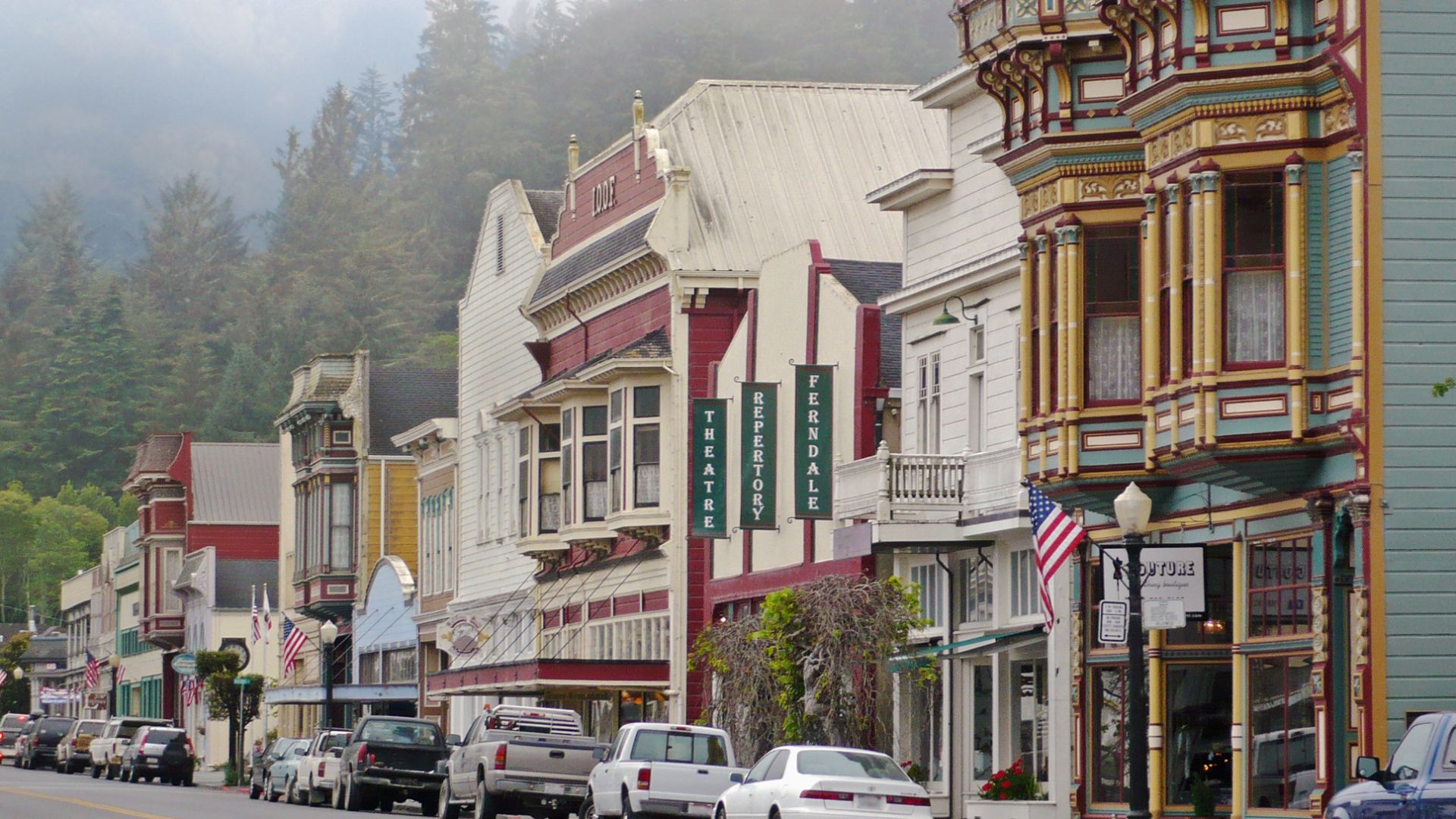 Ellin Beltz, Wikimedia Commons
You May Also Like:
Small American Towns That Canadians Say Are Worth Crossing The Border For
These American Small Towns All Have Incredible Stories