These National Parks Are Still Farming
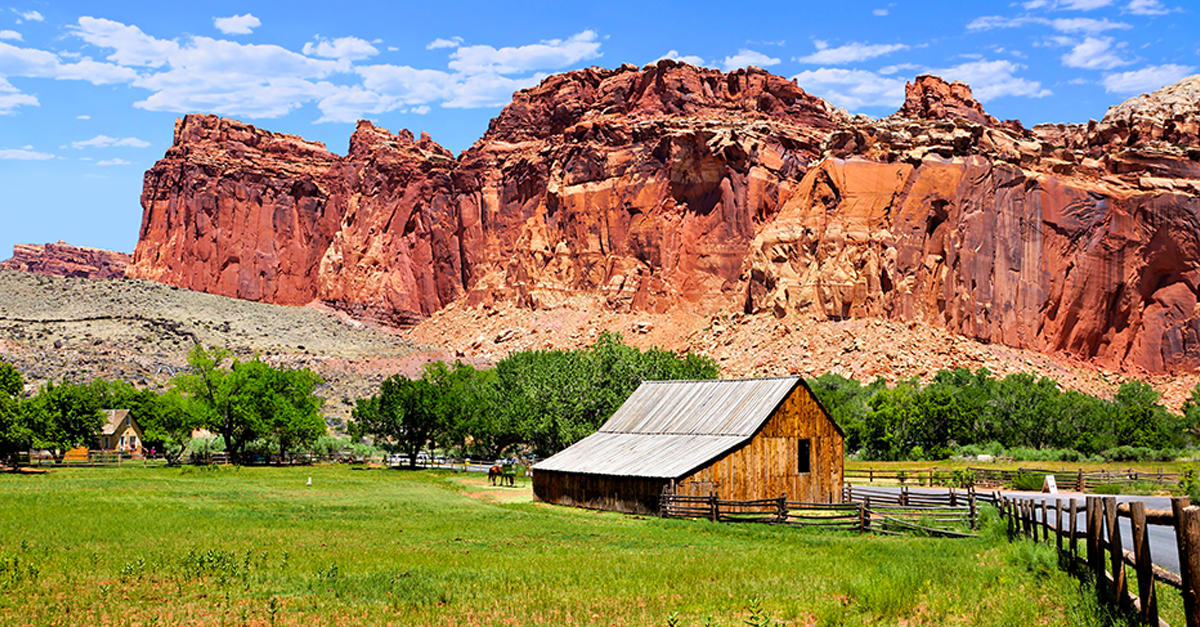
Most people visit national parks for the scenery, but some parks and historic sites have a surprising attraction hiding in plain sight. Across America, historic farms are still growing crops, raising livestock, and preserving agricultural traditions that date back centuries. Some even let visitors pick their own fruit or watch farmers use equipment from the 1800s.
So where can you still experience America's farming past firsthand?
Cuyahoga Valley National Park
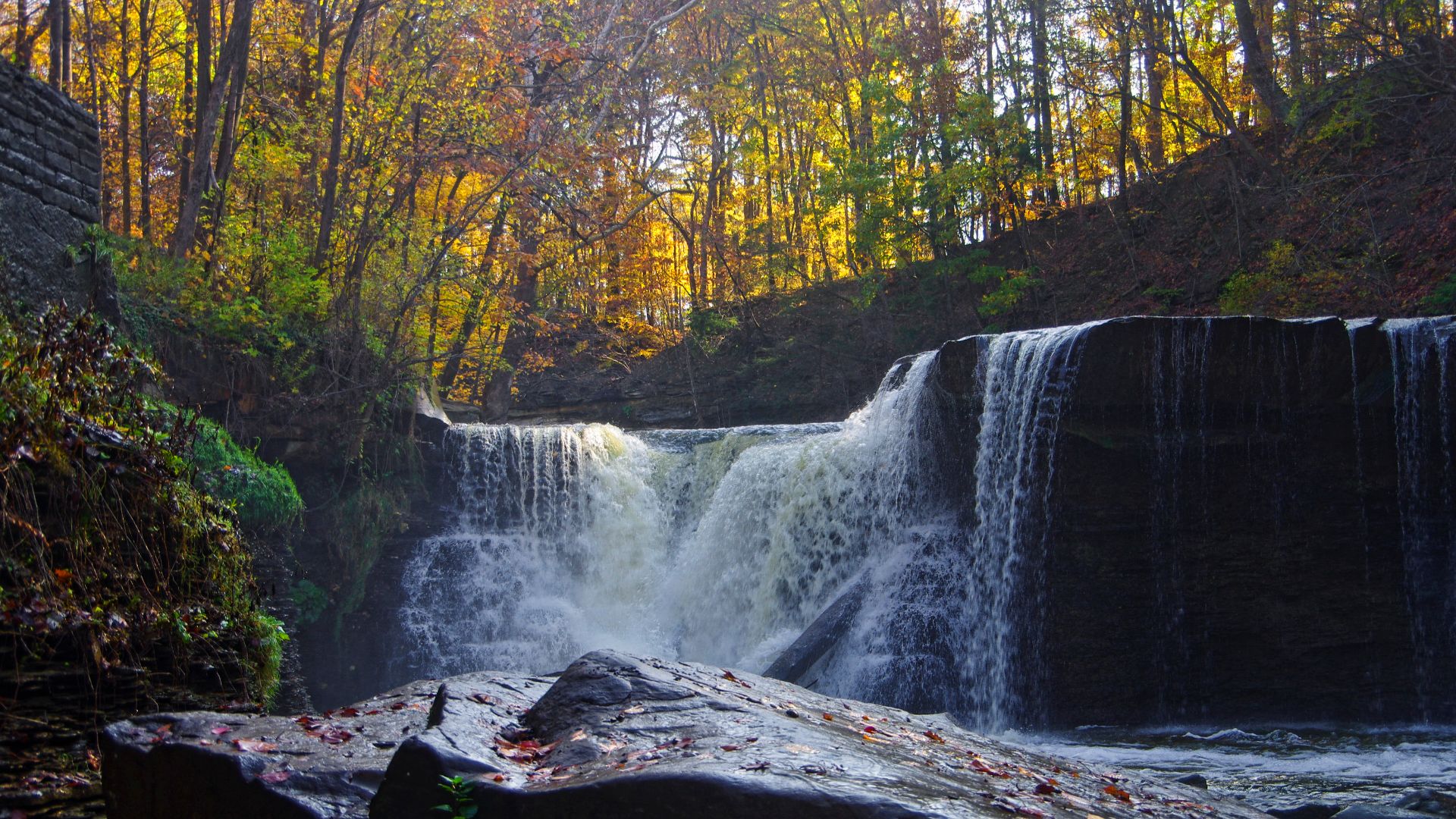
Between Cleveland and Akron, Ohio, Cuyahoga Valley National Park is bringing old farms back to life. In 1999, the park began leasing historic agricultural properties to farmers willing to restore them and use sustainable practices. Today, nine farms operate on park-owned land, producing everything from vegetables to livestock.
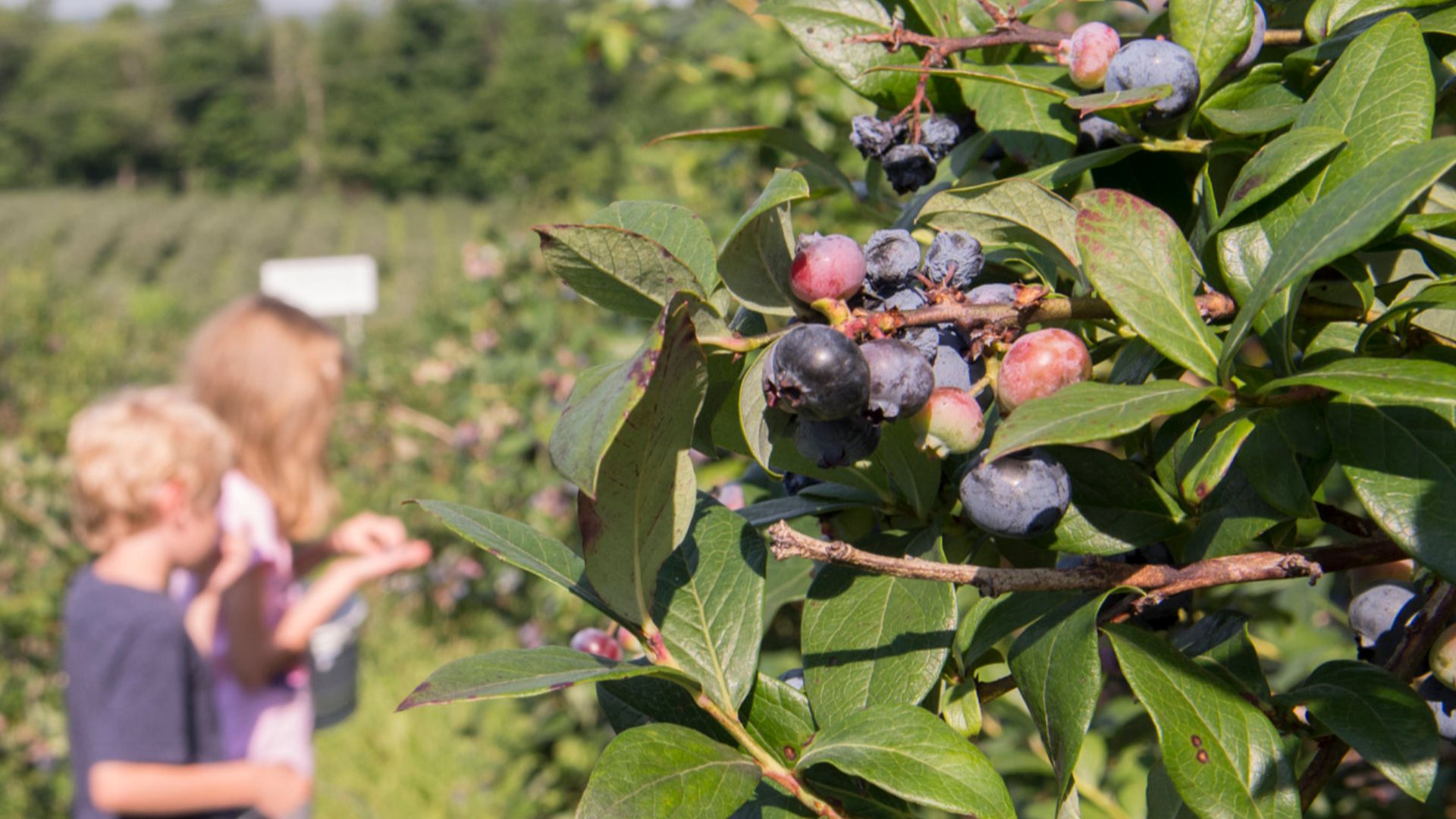
Visitors Can Pick Their Own Berries
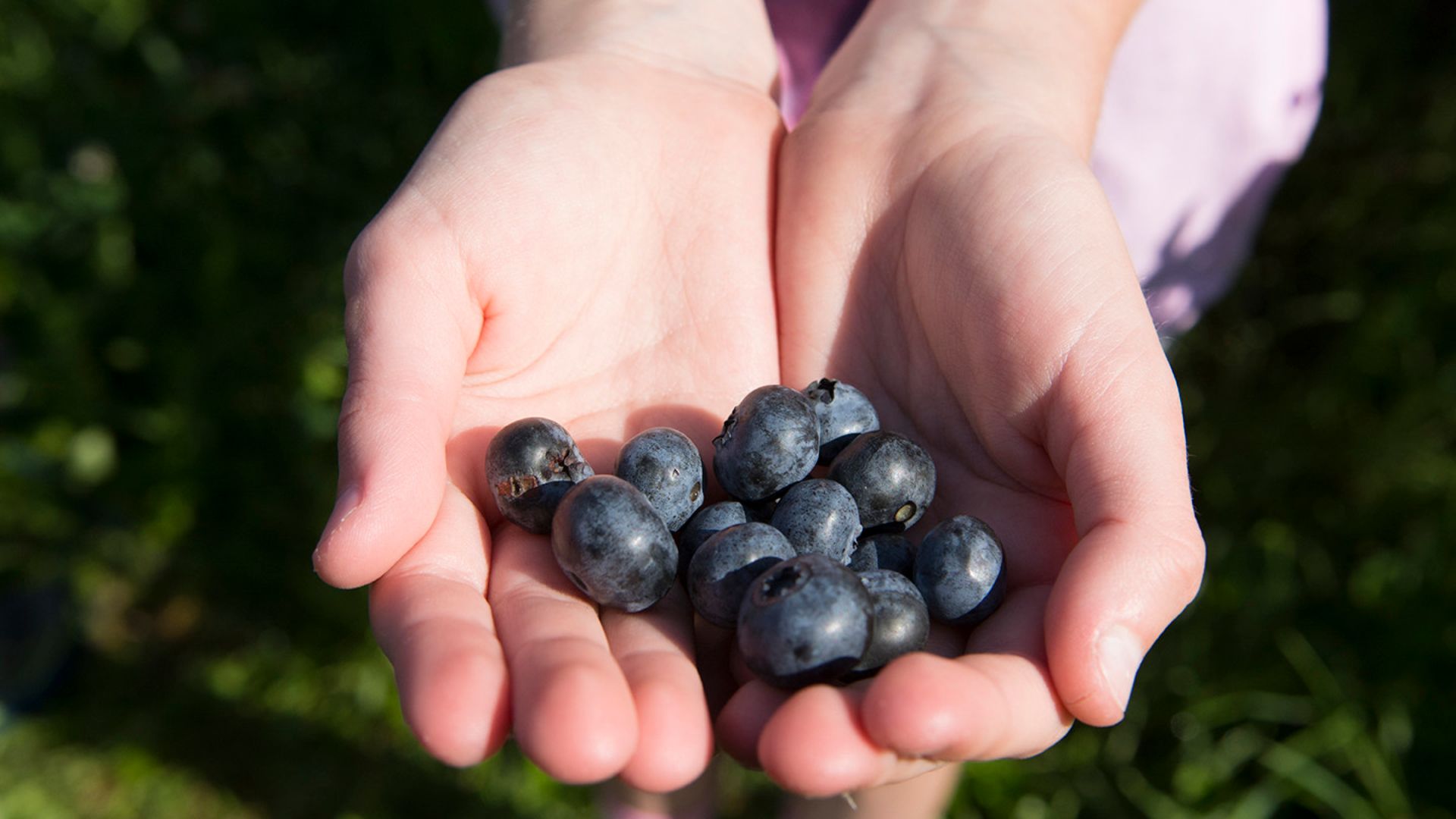
One participating property, Greenfield Berry Farm, offers pick-your-own blueberries, aronia berries, and sunflowers. Other farms sell fresh produce, raise heritage livestock, or operate seasonal farm stands. Visitors can experience modern agriculture while exploring a landscape that has supported farming for generations.
 Wendy Pramik, Wikimedia Commons
Capitol Reef National Park
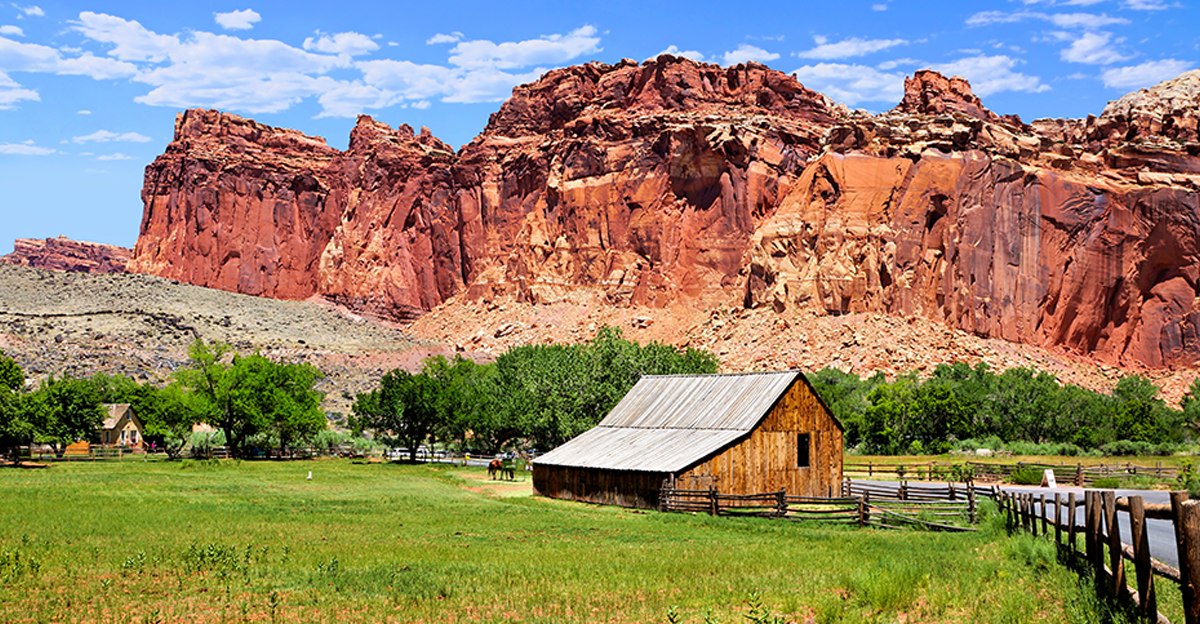
Utah's Capitol Reef National Park contains one of America's most remarkable surviving pioneer farming landscapes. The Fruita Rural Historic District preserves orchards first planted by Latter-day Saint settlers beginning in the 1880s. Approximately 1,900 fruit trees grow in the valley, surrounded by towering red sandstone cliffs.
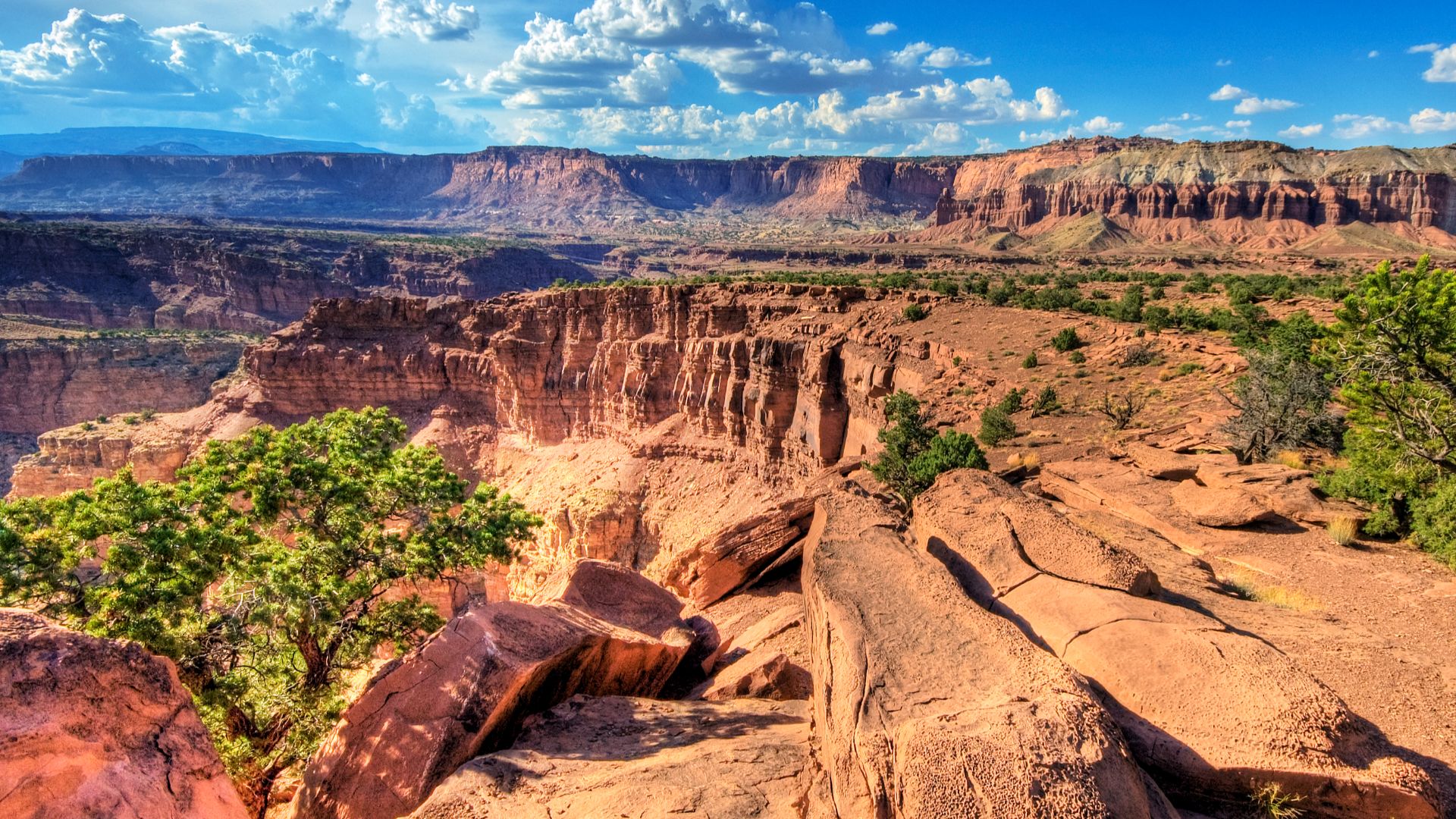 Wolfgang Staudt, Wikimedia Commons
Visitors Can Still Harvest The Fruit
The National Park Service maintains Fruita's orchards using historic gravity-fed irrigation ditches. When fruit ripens, visitors can pick apples, peaches, cherries, apricots, and other varieties in designated orchards, paying for anything they take away. The nearby Gifford Homestead preserves a historic farmhouse and additional reminders of the settlement's agricultural past.
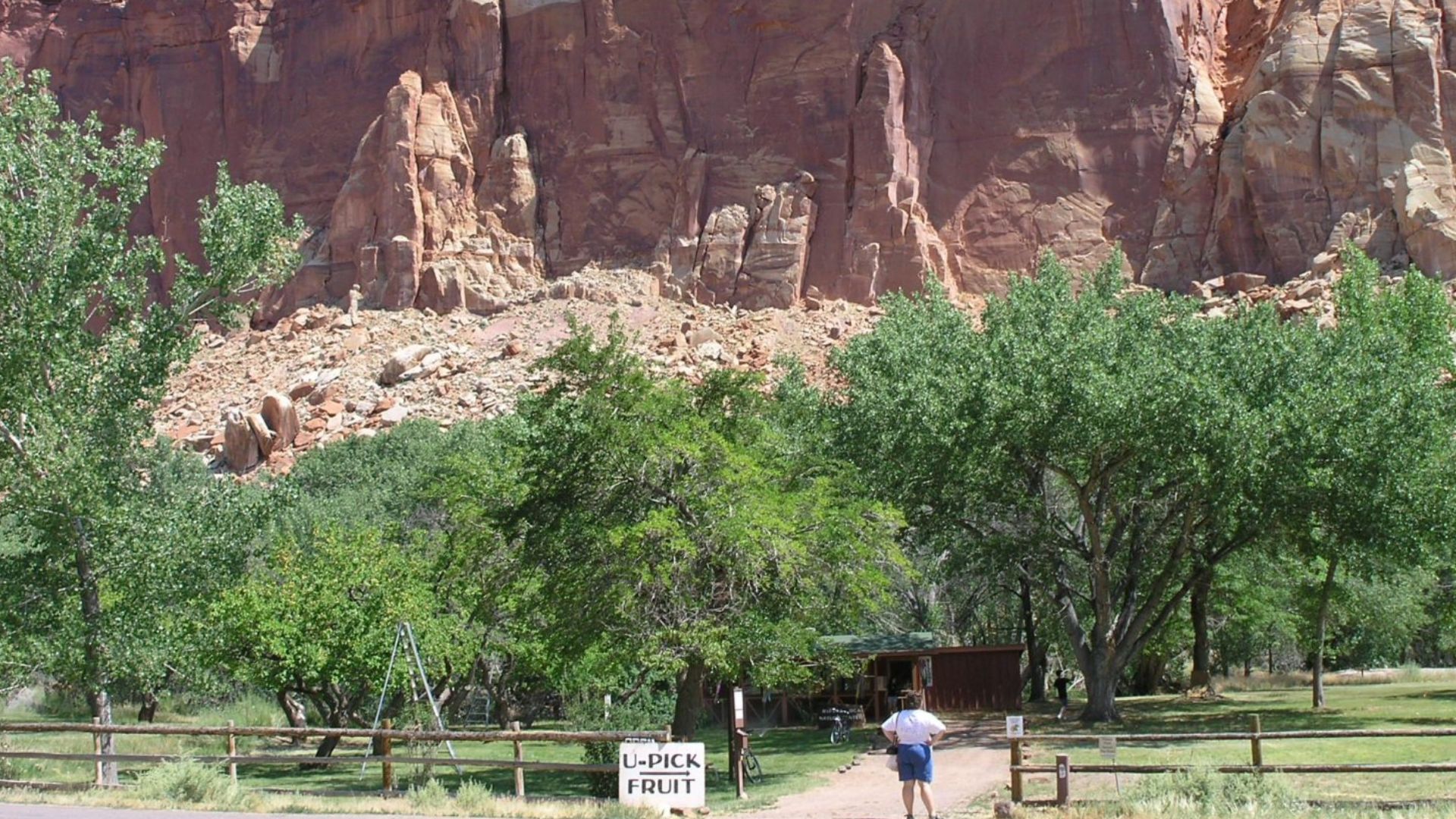 No machine-readable author provided. Mav assumed (based on copyright claims)., Wikimedia Commons
Grand Teton National Park
Wyoming's Grand Teton National Park protects more than spectacular mountains and wildlife. Elk Ranch Flats preserves a cattle operation established during the early 1900s, when rancher David Ferrin combined several homesteads into a large agricultural property. The land became part of the national park in 1950, but its ranching traditions continued.
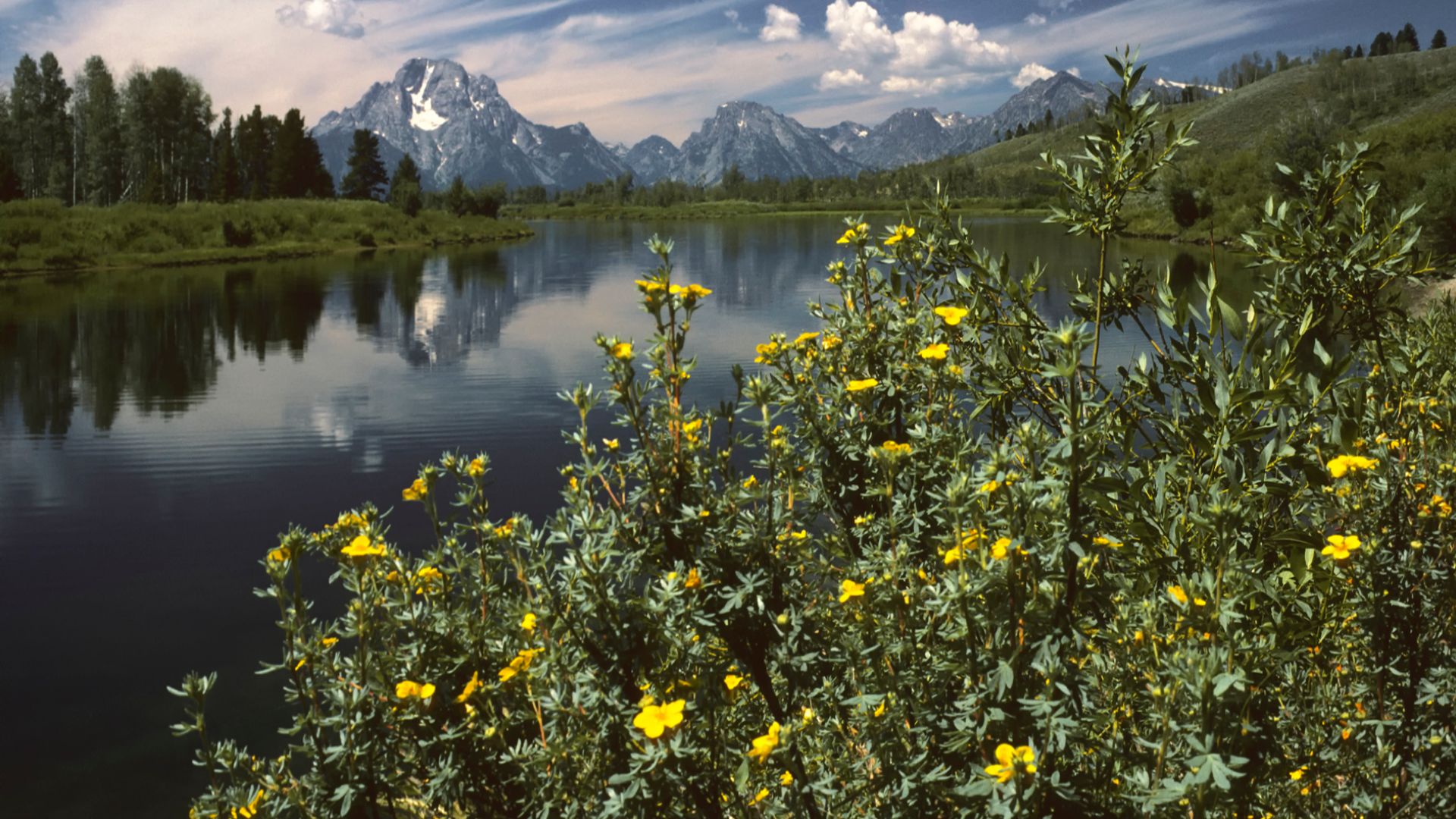 Michael Gäbler, Wikimedia Commons
Cattle Still Graze Beneath The Tetons
Elk Ranch Flats remains an operating irrigated cattle and hay ranch, with livestock grazing on its historic pastures. Visitors can admire the fields from a roadside turnout, where bison, elk, and pronghorn are also sometimes visible. The dramatic Teton Range provides one of the most spectacular backdrops to a working historic ranch anywhere in the national park system.
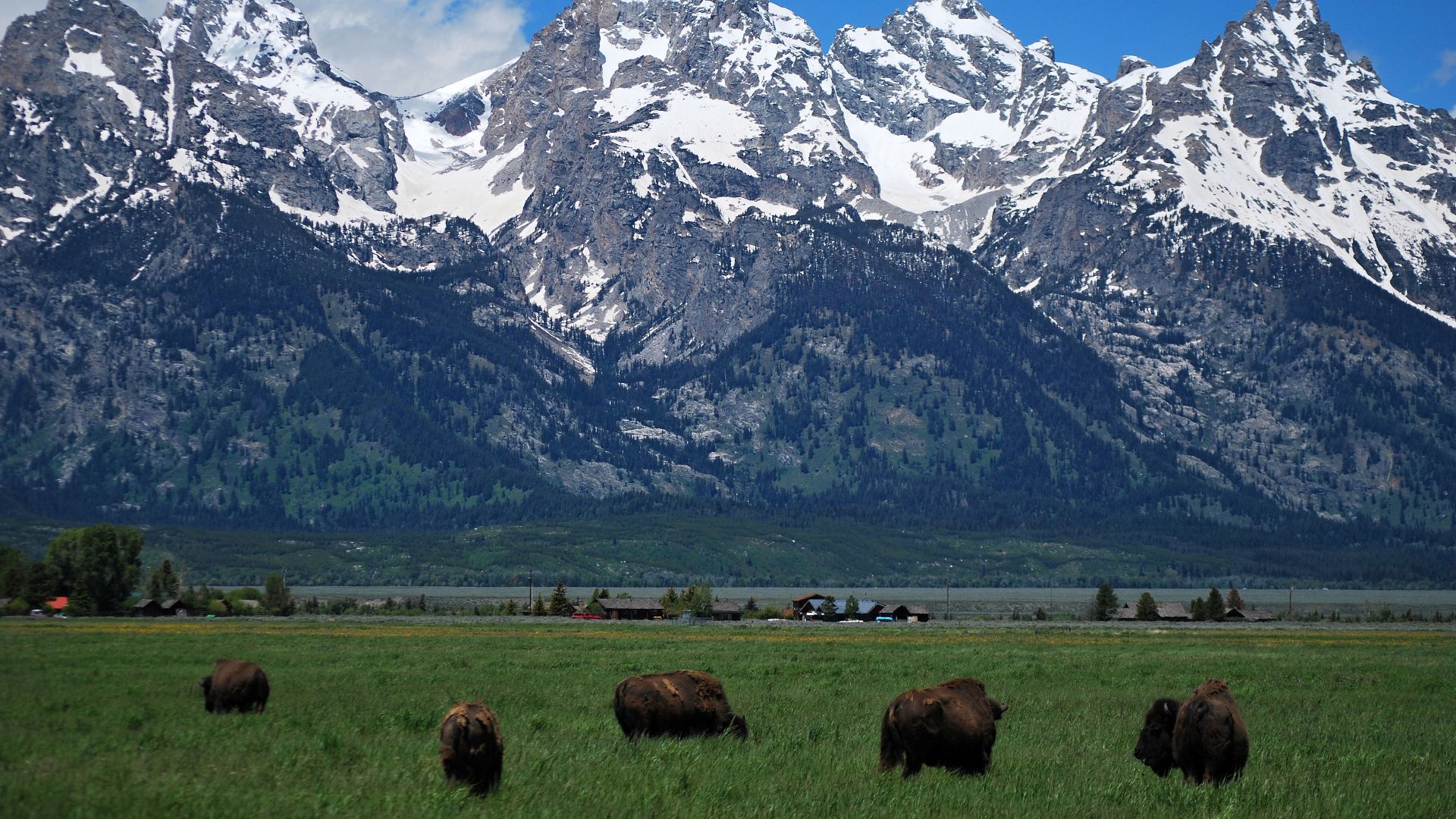 Pavel Špindler, Wikimedia Commons
Eisenhower National Historic Site
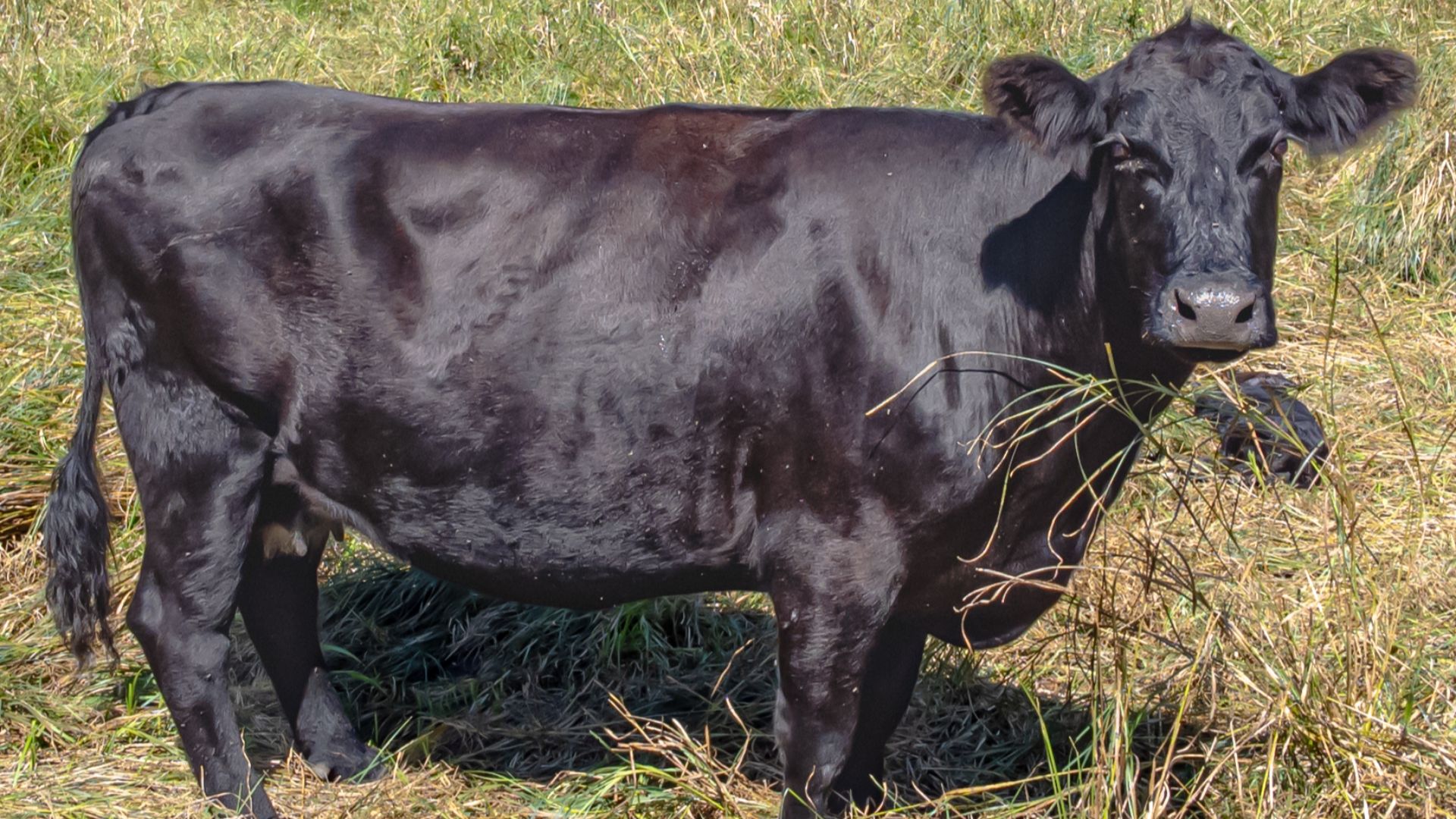
Near Gettysburg, Pennsylvania, Dwight D. Eisenhower owned a farm that became his favorite presidential retreat. He raised prizewinning black Angus cattle and took his agricultural interests seriously enough to entertain visiting world leaders at the property. Today, the National Park Service preserves the historic estate as a working farm.
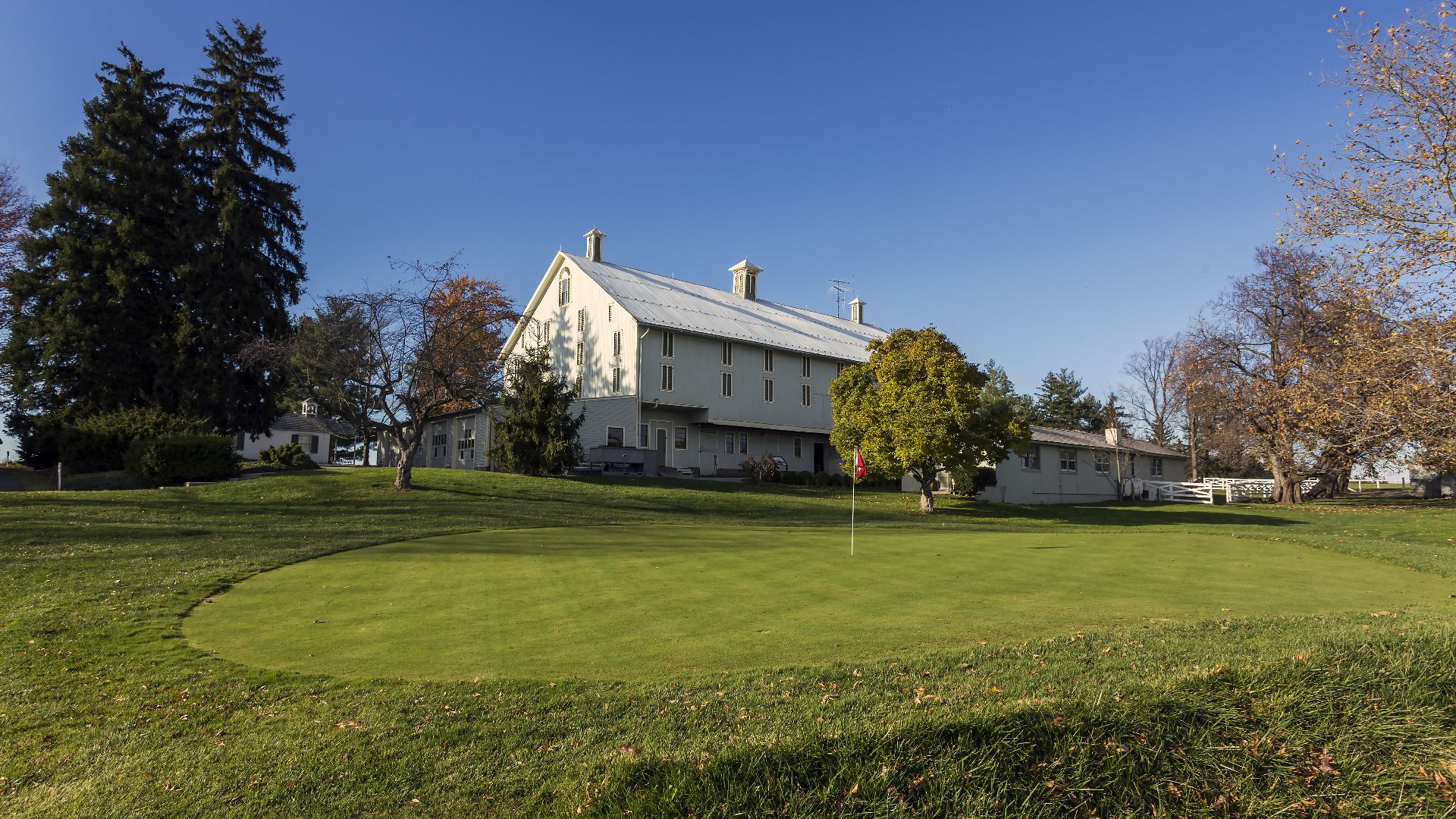
Black Angus Cattle Still Graze Here
A local farmer leases the property under an agreement requiring black Angus cattle and crops associated with Eisenhower's farming practices. The operation also maintains traditional techniques, including crop rotation, strip farming, and contour plowing. Visitors can explore the grounds and see how the former president's agricultural interests continue shaping the landscape.
Gettysburg National Military Park
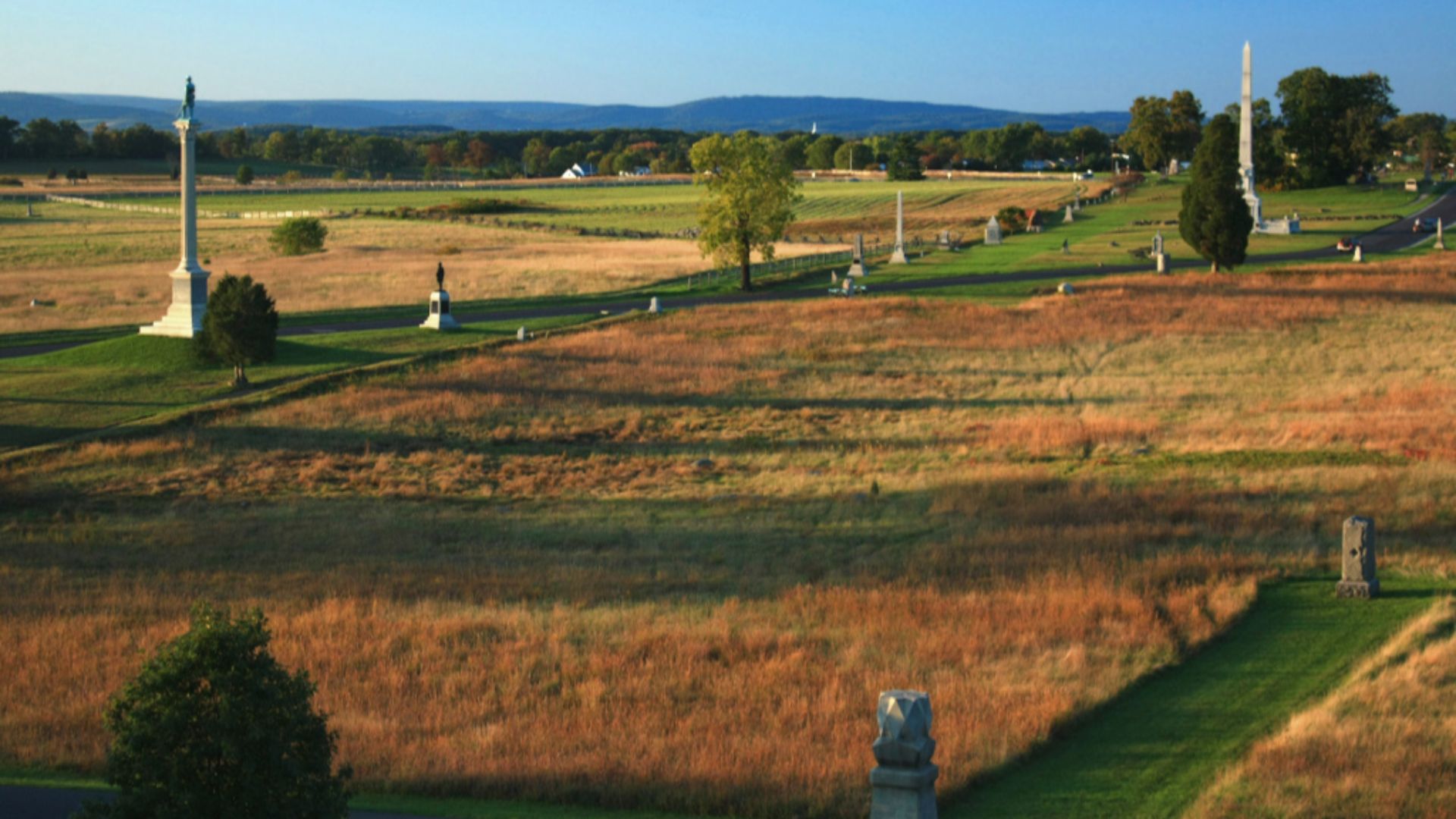
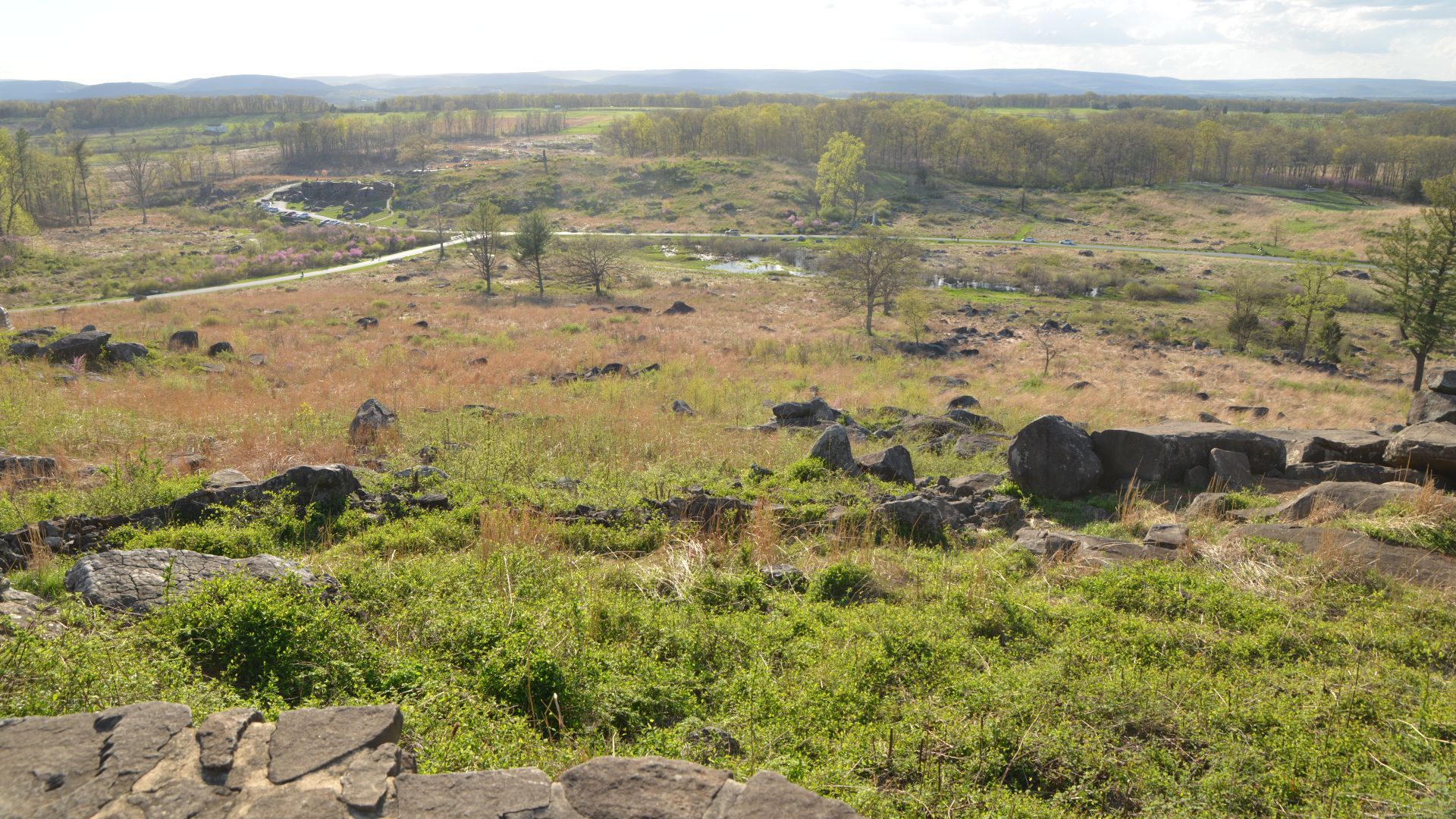
Before the Battle of Gettysburg in July 1863, the surrounding Pennsylvania countryside was filled with working farms. Families cultivated crops, raised livestock, and maintained barns across land that would become a famous Civil War battlefield. The National Park Service now preserves much of this agricultural landscape to help visitors understand the battle's original setting.
 Brian W. Schaller, Wikimedia Commons
Historic Fields Remain Part Of The Landscape
Gettysburg maintains an agricultural permit program that allows local farmers to use selected portions of the battlefield. This approach helps preserve the fields and pastures that existed when the fighting occurred. Visitors can also see historic farm buildings, including the McPherson barn, which stood near some of the battle's earliest fighting.
Indiana Dunes National Park
Indiana Dunes National Park preserves Chellberg Farm, established by Swedish immigrants Anders and Johanna Chellberg during the 1870s. Three generations of the family worked the property before selling it to the National Park Service in 1972. Today, visitors can explore the historic farmhouse, barn, and outbuildings that preserve its agricultural heritage.
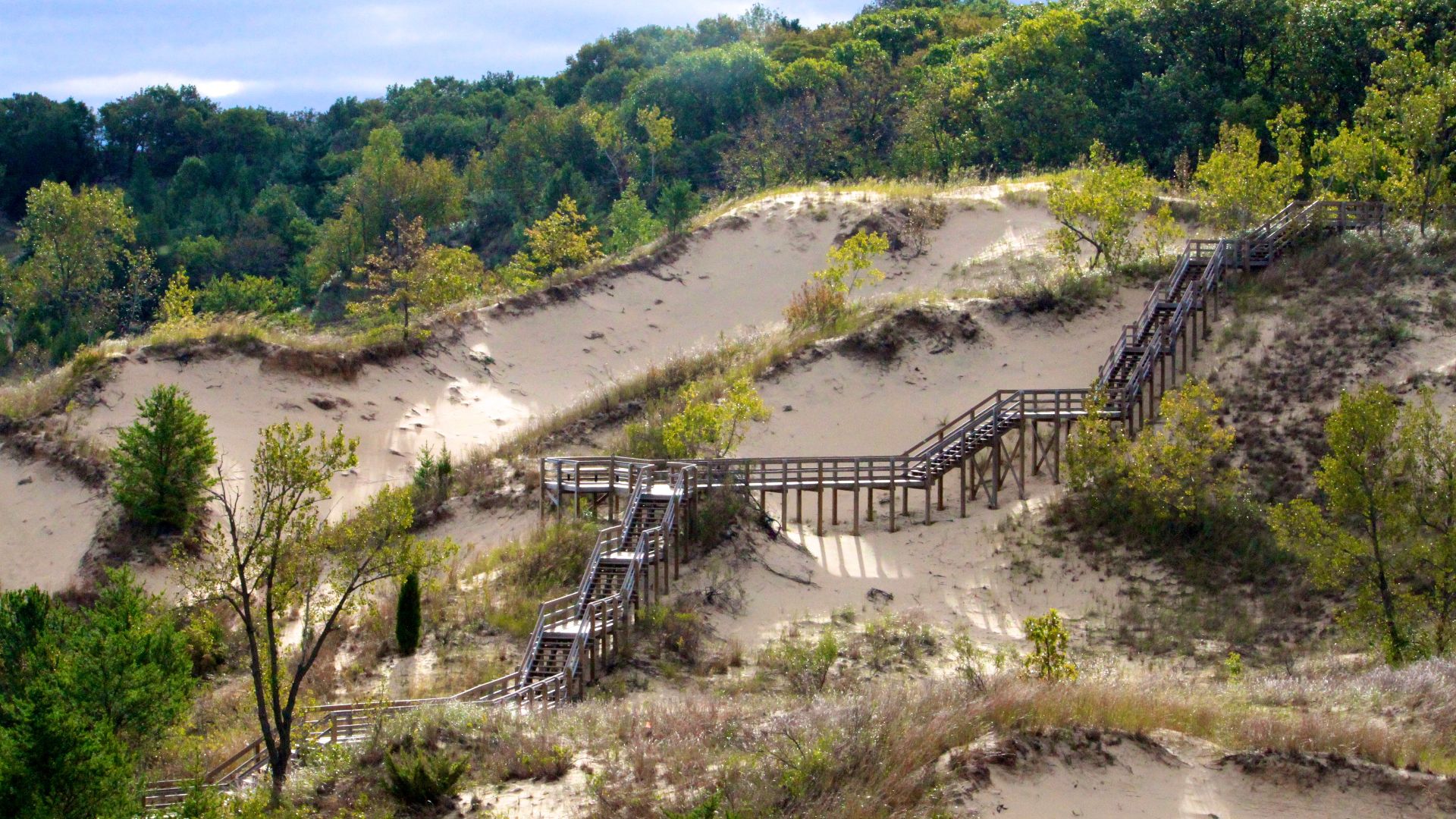 Indianadunes, Wikimedia Commons
This National Park Still Makes Maple Syrup
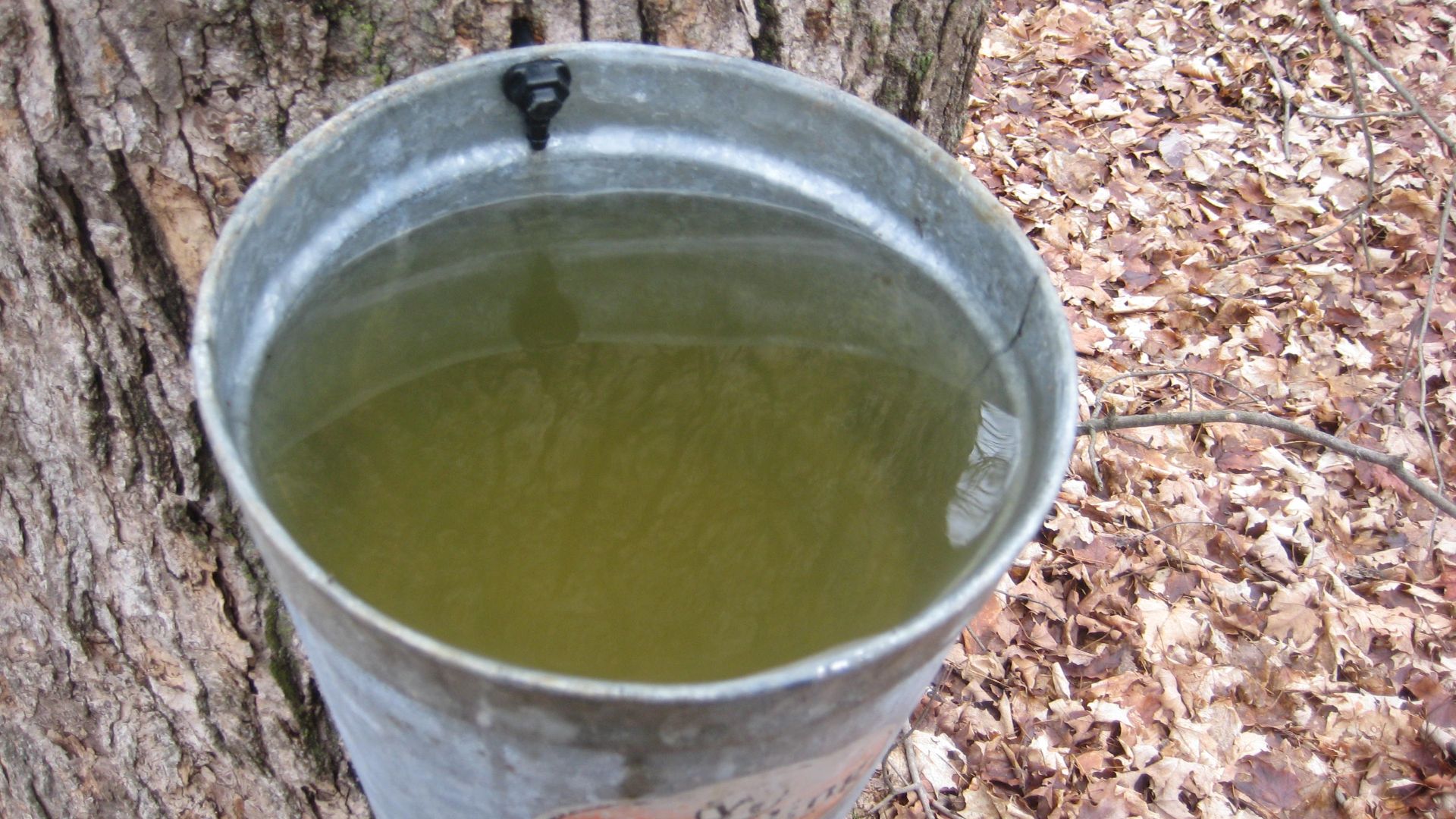
During the Great Depression, the Chellberg family began tapping maple trees to produce syrup, eventually harvesting sap from more than 100 trees annually. Today, Indiana Dunes celebrates that tradition with its annual Maple Sugar Time event, where visitors can watch historic syrup-making demonstrations. According to the National Park Service, it's the only national park that makes maple syrup.
Ebey's Landing National Historical Reserve
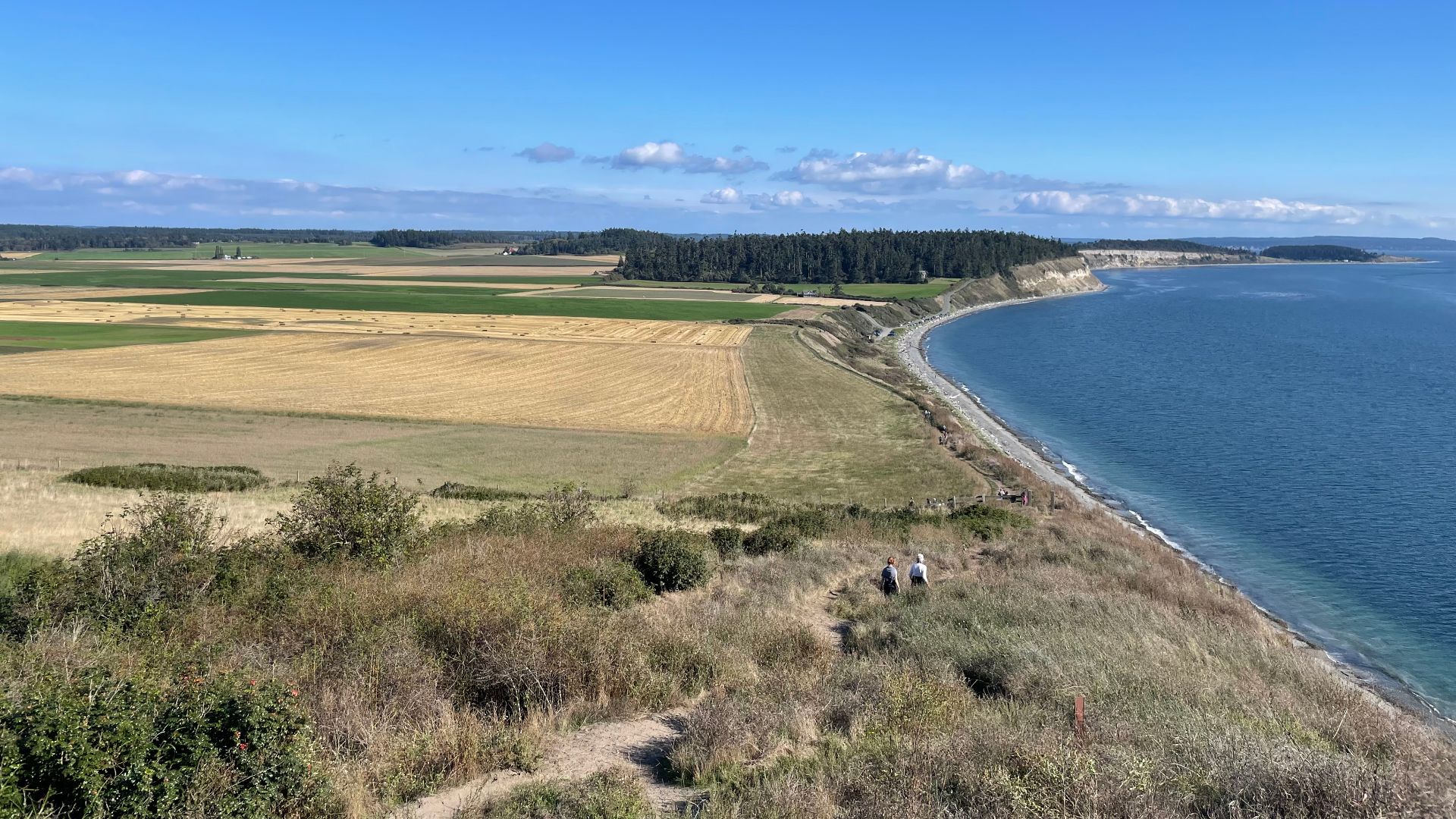
On Washington's Whidbey Island, Ebey's Landing National Historical Reserve protects a farming community established by nineteenth-century settlers. Historic barns, farmhouses, and cultivated fields remain part of the landscape. Unlike most national park properties, much of the reserve is privately owned and continues supporting commercial agriculture.
Potatoes And Grains Still Grow Here
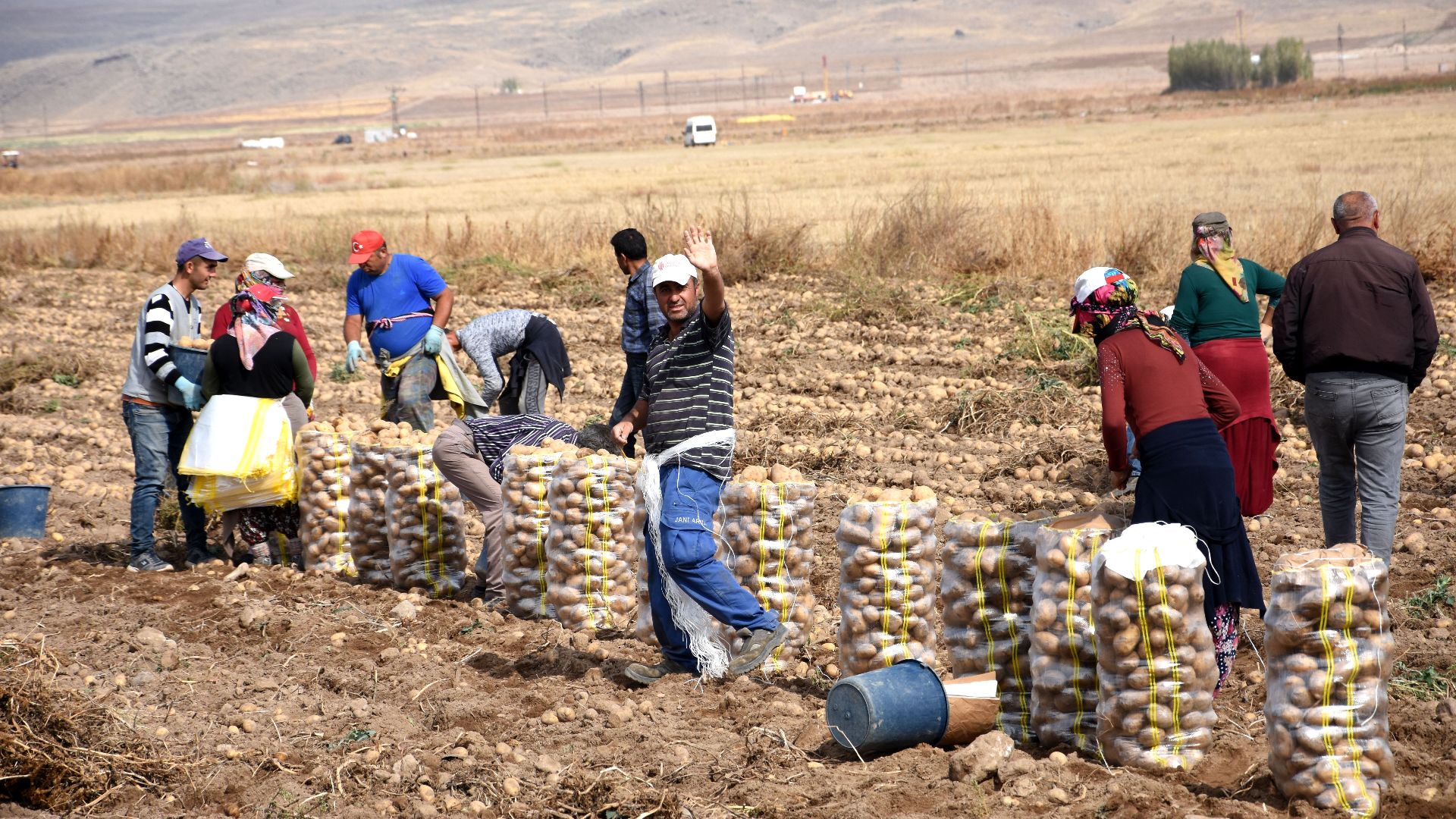
Farmers cultivate crops including potatoes, barley, squash, and other vegetables across the reserve's fertile prairies. In 2021, the National Park Service awarded a ten-year agricultural lease to Ebey Road Farm, helping preserve farming on federally owned land. Visitors can admire the fields from public trails and roads, although most working farmland is not open for exploration.
Great Basin National Park
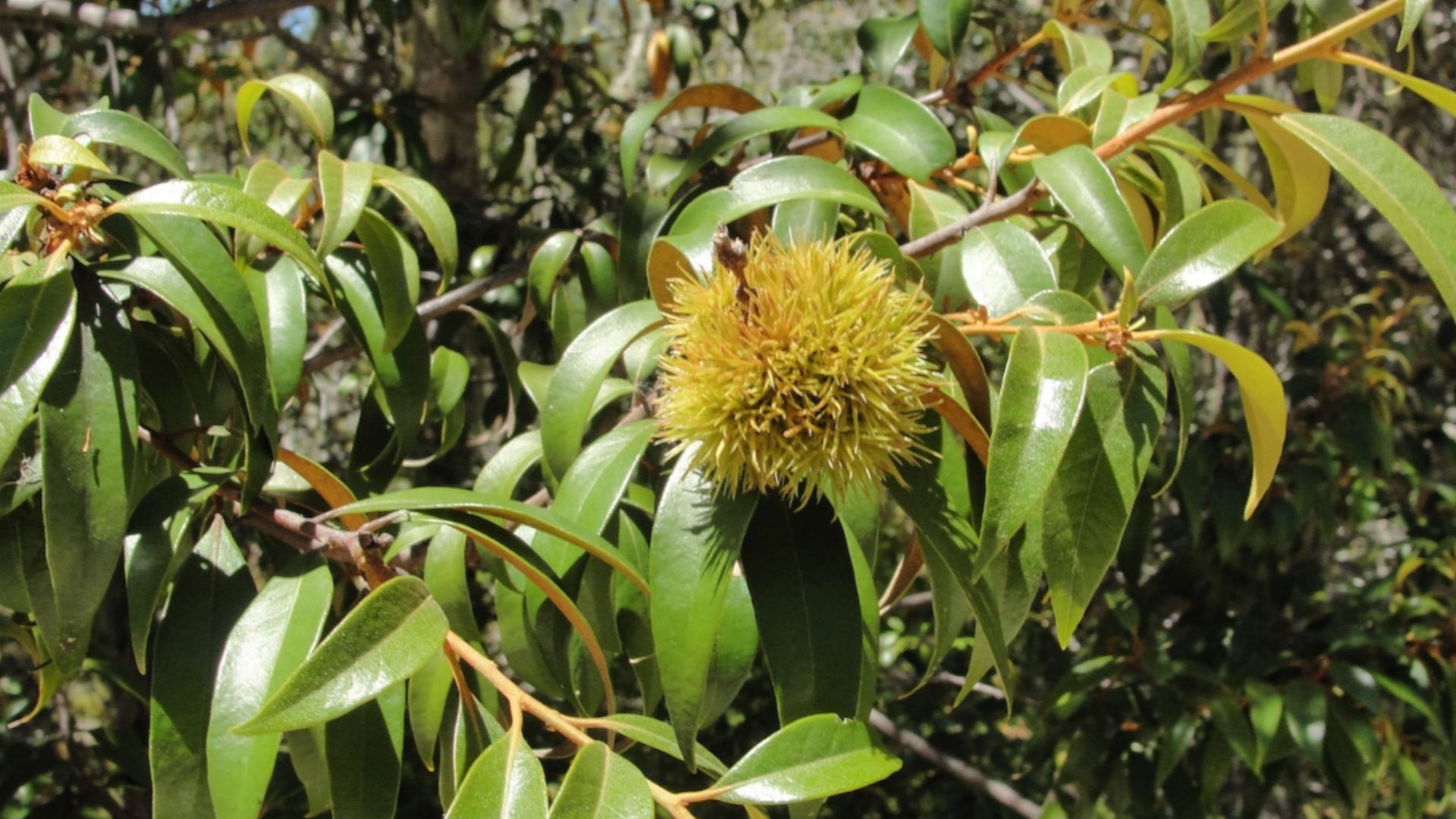
Nevada's Great Basin National Park preserves an orchard planted by Absalom Lehman during the late nineteenth century. The historic property once contained more than seven acres of apricot, apple, peach, and pear trees. Remarkably, some trees over a century old are still growing near the Lehman Caves Visitor Center.
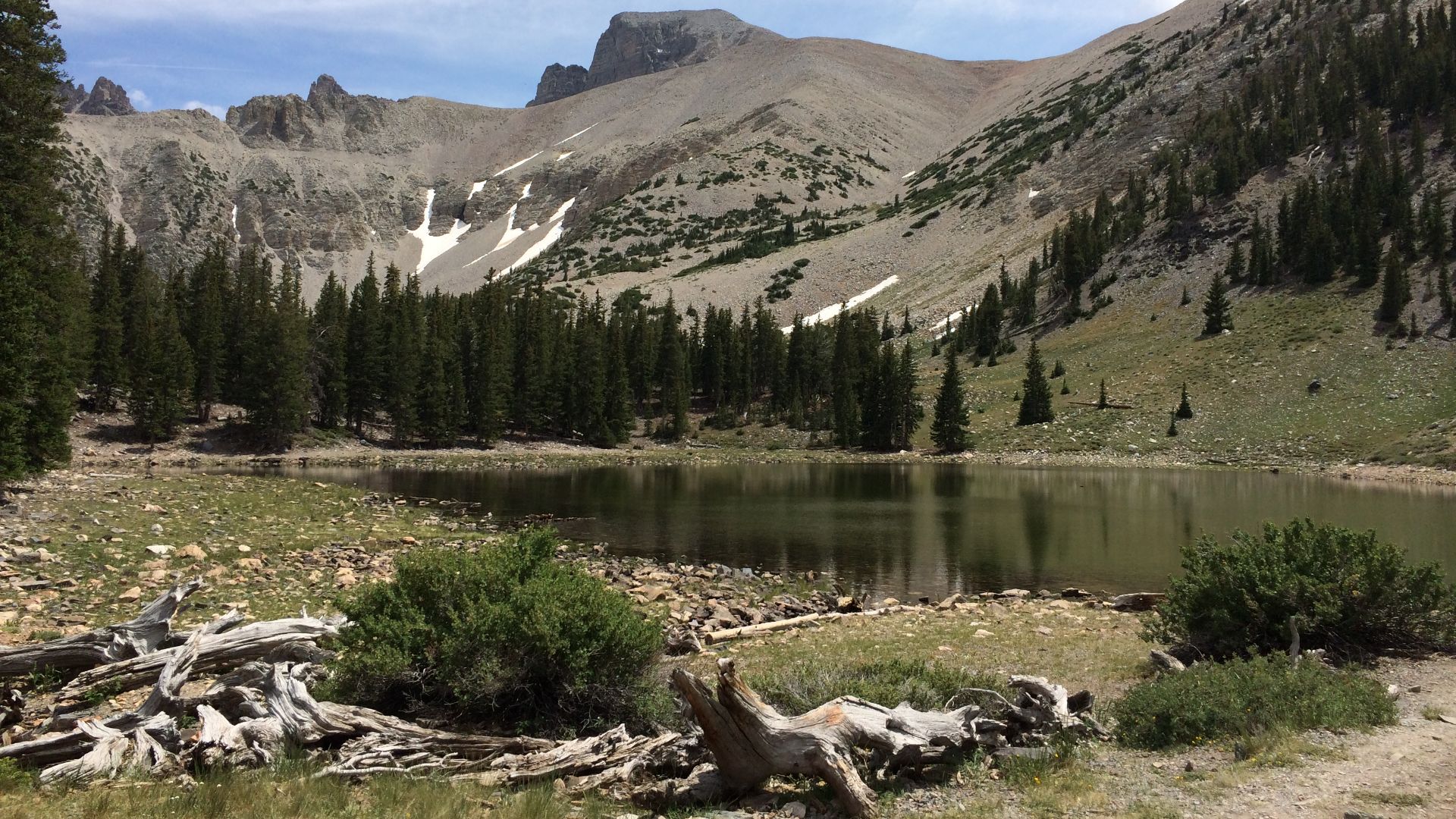
Visitors Can Still Pick The Fruit
The National Park Service has restored parts of the orchard, installing new irrigation and planting additional fruit trees. Visitors can harvest fruit for personal use, with a limit of two quarts per family per day. The orchard was added to the National Register of Historic Places in 1975, preserving an unusual example of desert agriculture.
 Miguel Vieira from Walnut Creek, CA, USA, Wikimedia Commons
Great Smoky Mountains National Park
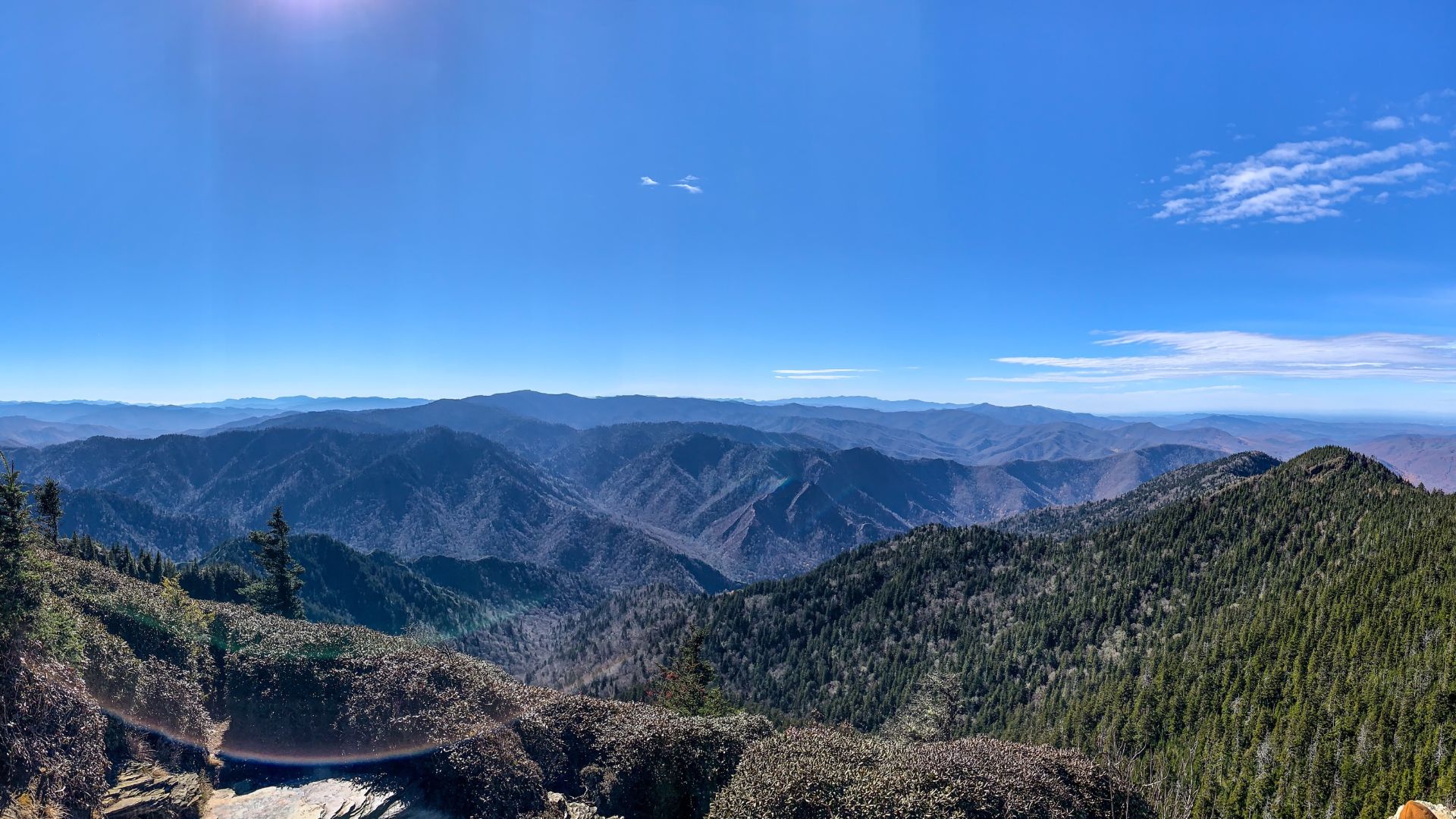
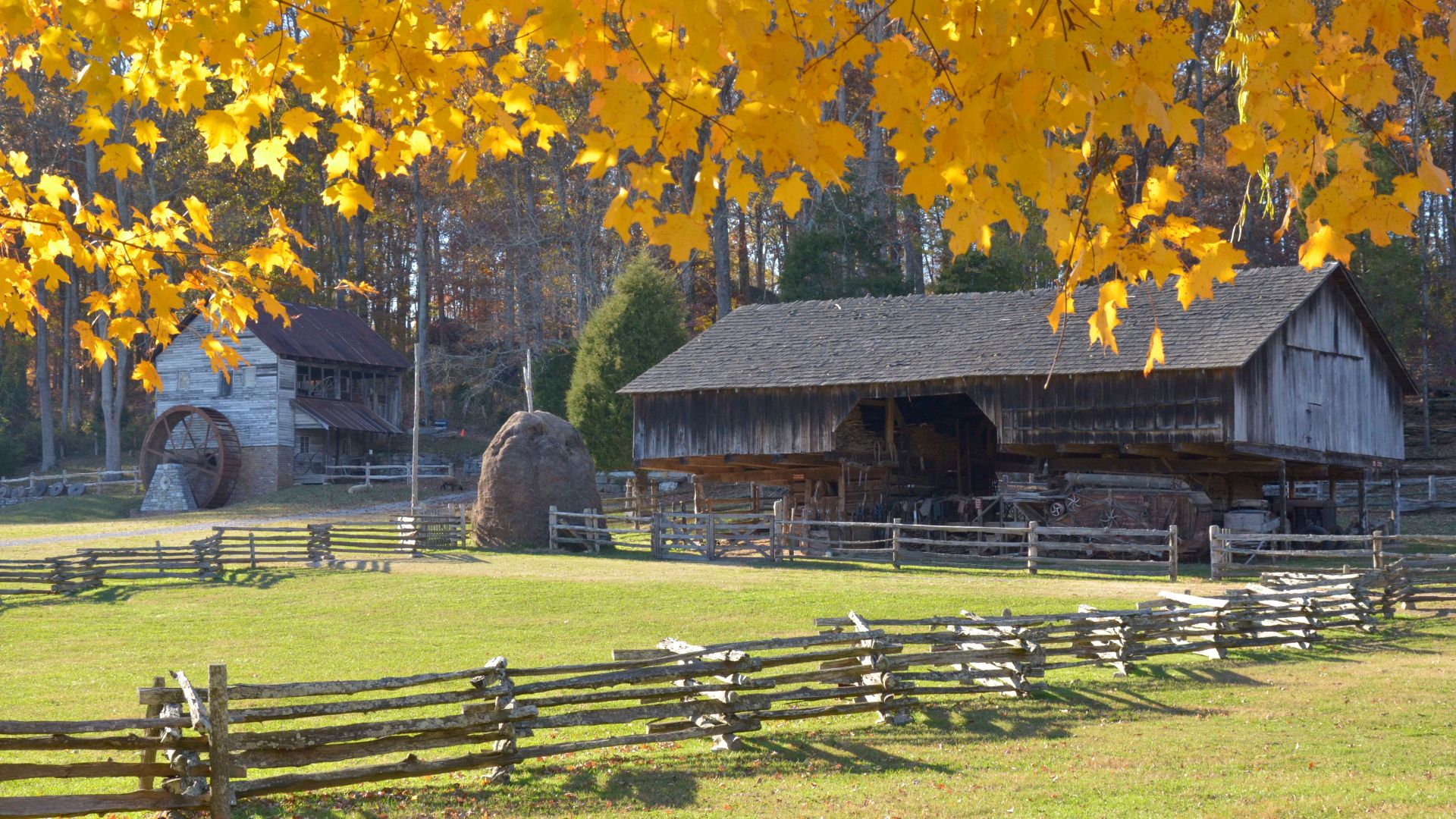
Near Cherokee, North Carolina, Great Smoky Mountains National Park preserves an old-fashioned Appalachian farm at the Mountain Farm Museum. Its collection of nineteenth-century buildings includes a barn, farmhouse, chicken house, and apple house. Most were relocated from elsewhere in the Smokies during the 1950s to recreate the farming communities that once occupied these mountains.
 AppalachianCentrist, Wikimedia Commons
Visitors Can Experience Appalachian Farm Life
The Mountain Farm Museum brings traditional agricultural practices to life through ranger-led demonstrations. Visitors can learn about farming, blacksmithing, fence making, and cooking over an open hearth. The site also maintains livestock and offers seasonal programs illustrating the demanding work of mountain families.
 Willmeyer1020, Wikimedia Commons
Tallgrass Prairie National Preserve
In Kansas's Flint Hills, Tallgrass Prairie National Preserve protects the remains of Spring Hill Farm and Stock Ranch. Established by Stephen F. Jones in 1878, the operation took advantage of the region's rich prairie grasses to raise cattle. Its surviving limestone mansion, barn, and other agricultural buildings reveal the scale of nineteenth-century ranching.
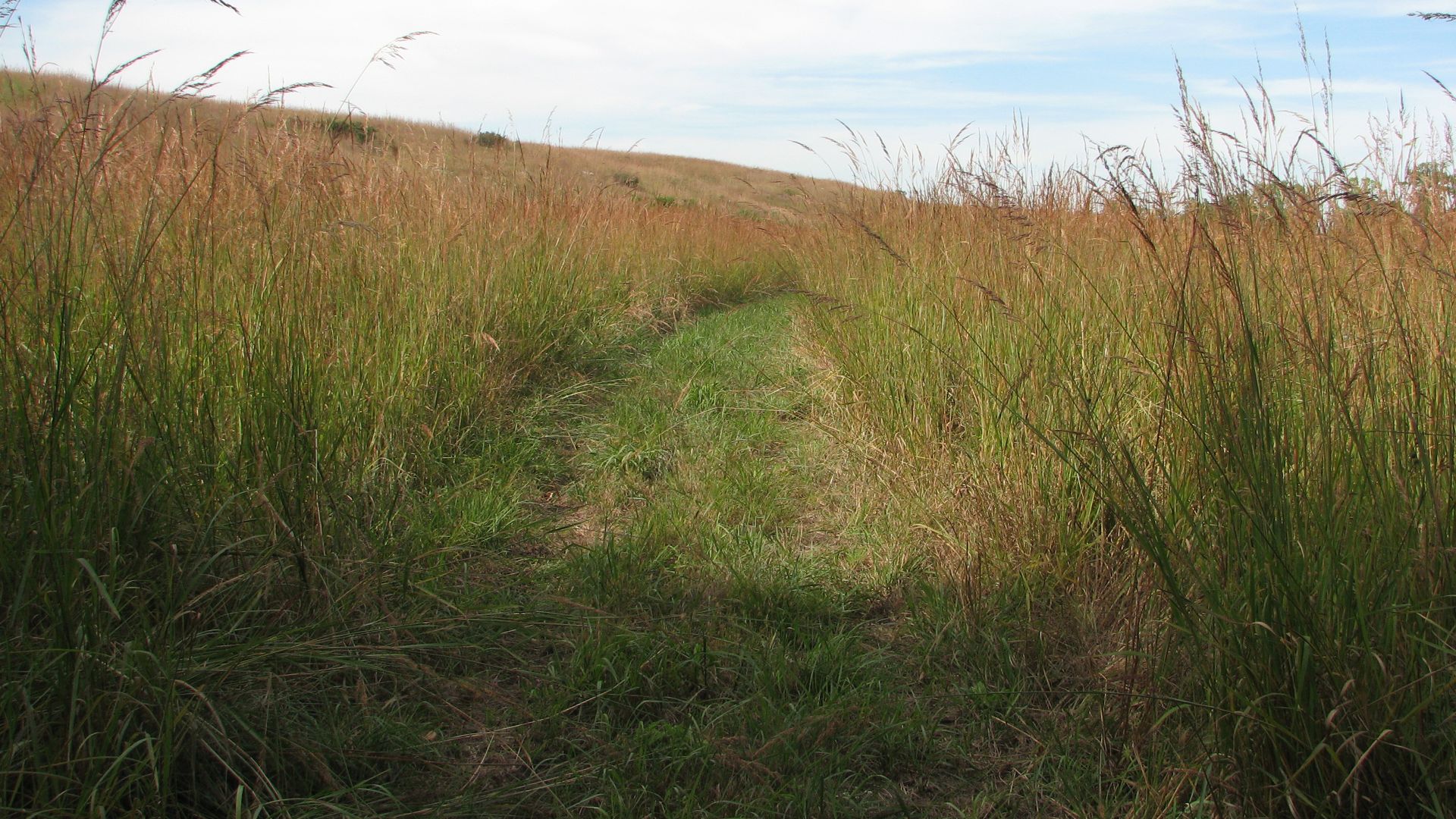
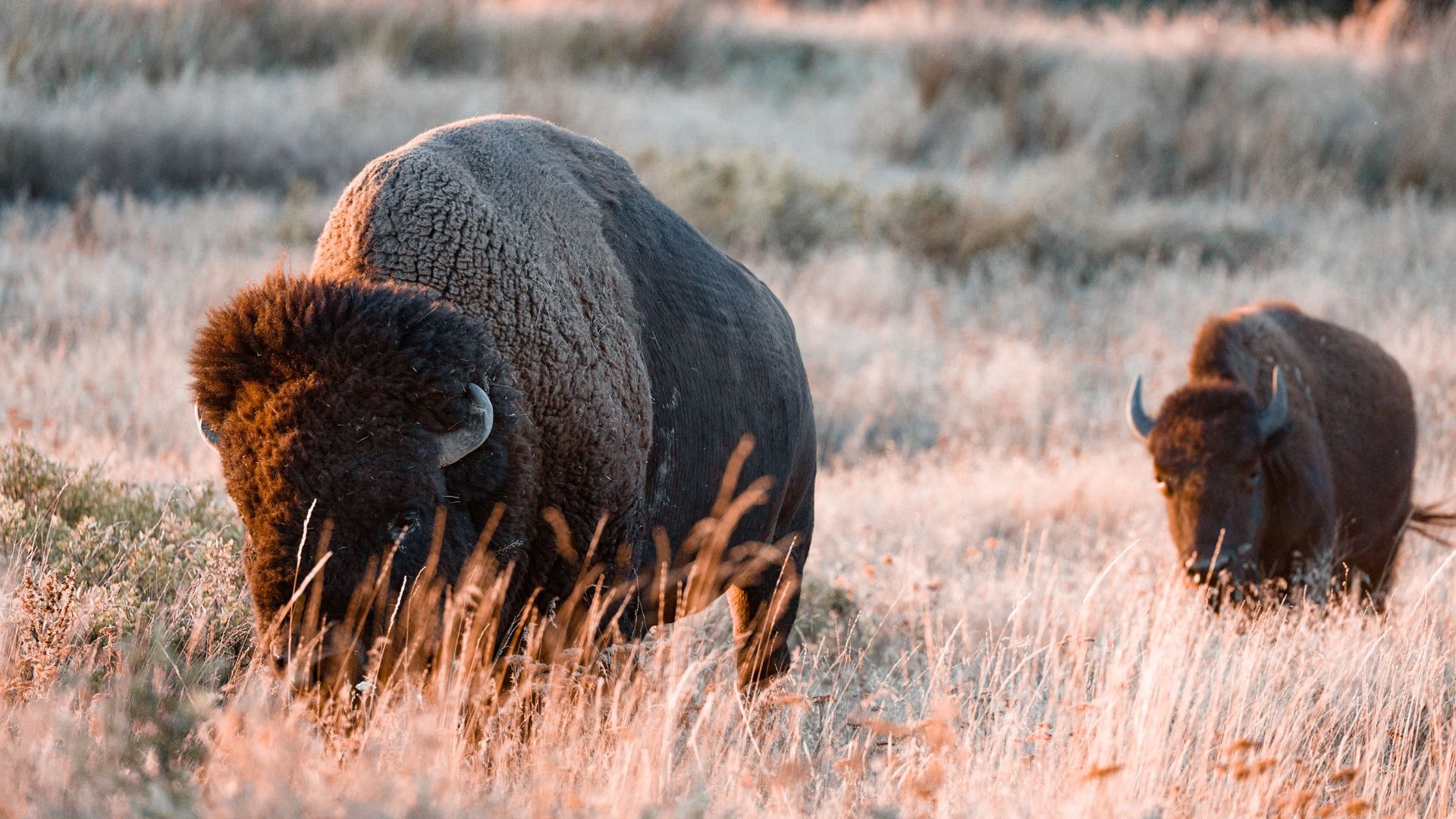
Cattle Still Share The Prairie With Bison
Cattle continue grazing on the preserve's grasslands, carrying on a tradition that has lasted more than a century. The property also supports a bison herd, with the two animals kept in separate pastures. Managed grazing and prescribed burning help maintain the prairie ecosystem while preserving the landscape's ranching heritage.
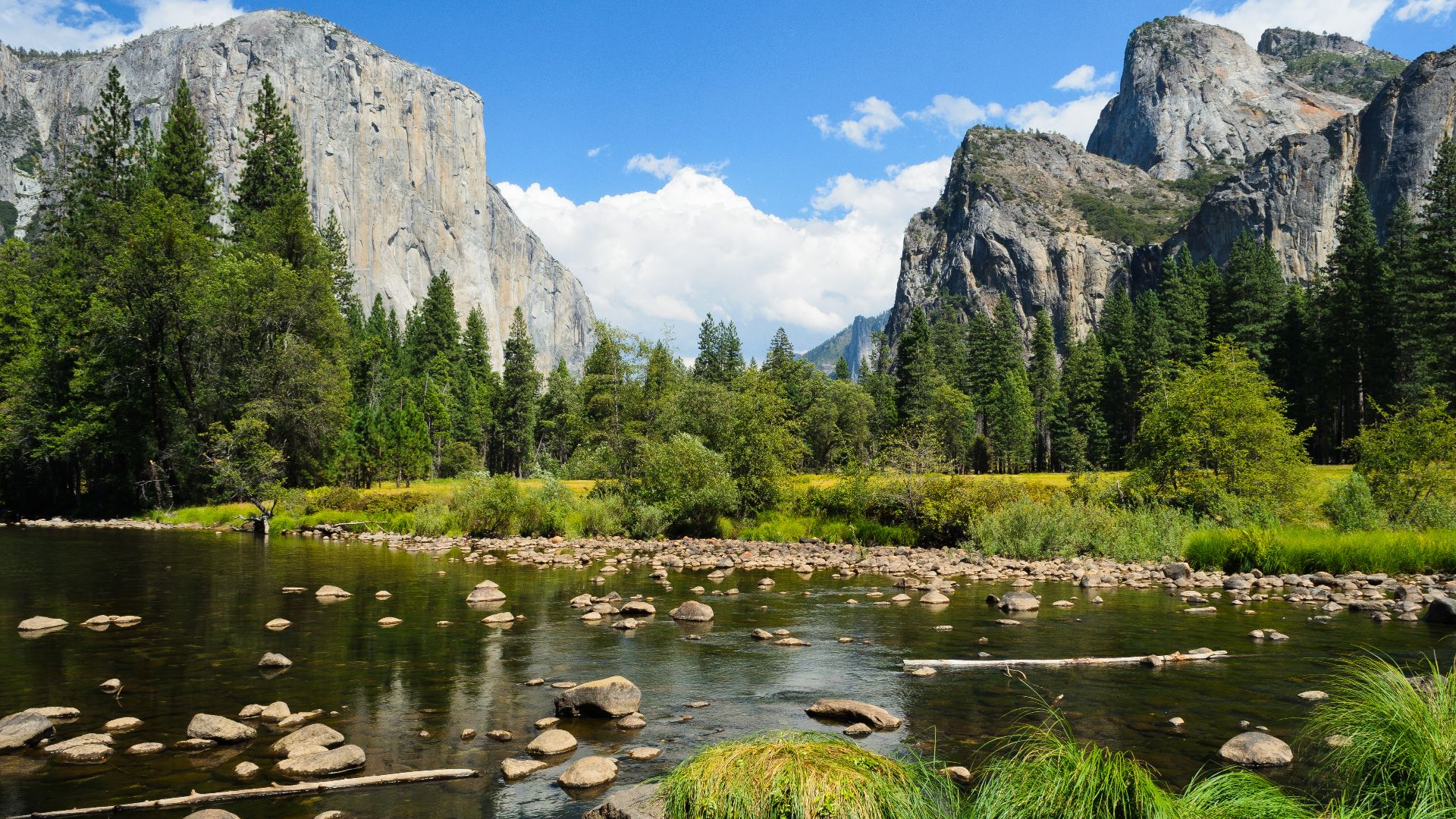
Yosemite National Park
California's Yosemite National Park preserves historic orchards that once supplied fruit to settlers and early tourists. James Lamon established one of them in Yosemite Valley in 1859, planting apple trees and cultivating a garden. His orchard survives today, making it one of California's most significant agricultural landmarks.
 King of Hearts, Wikimedia Commons
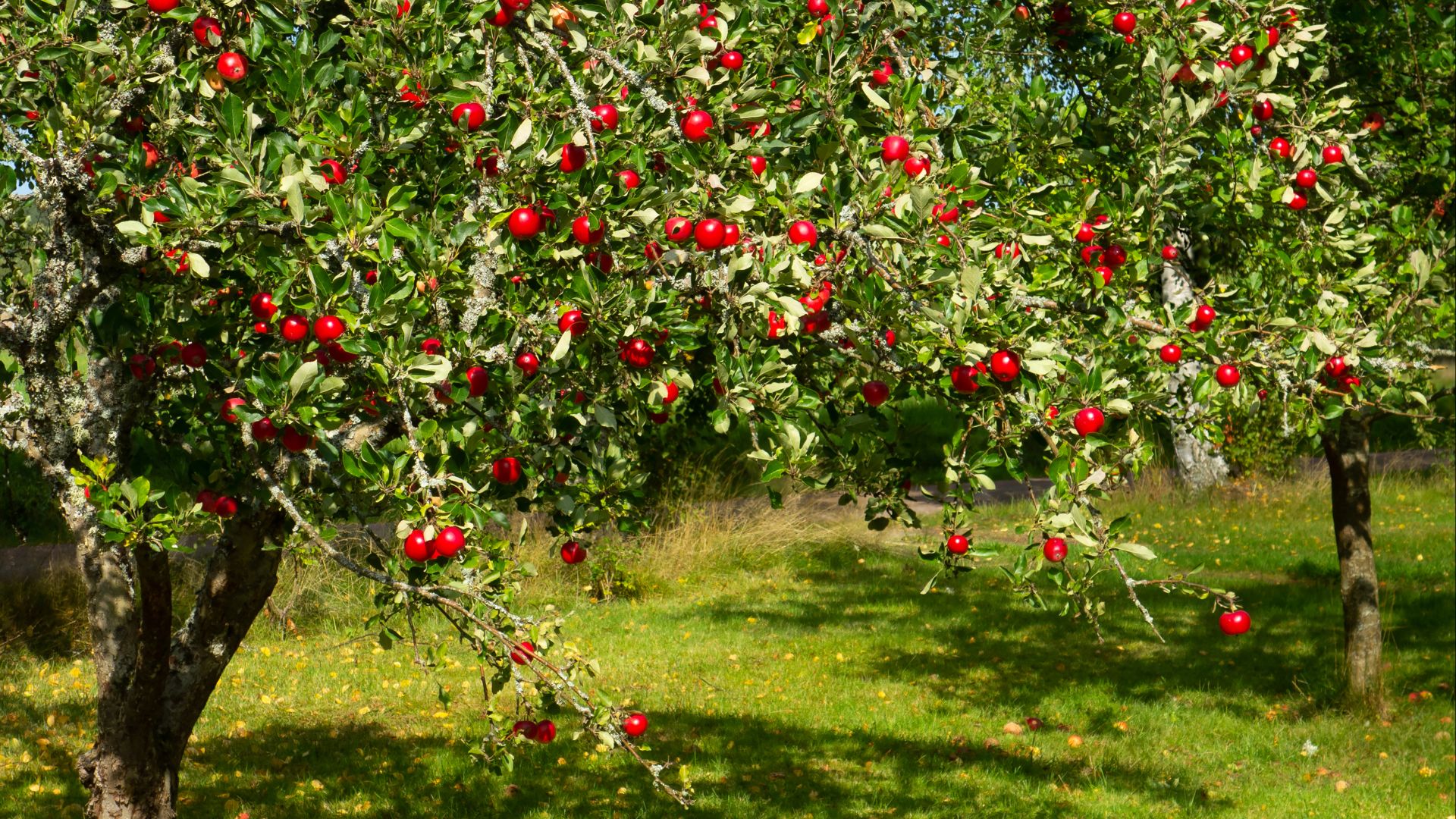
Some Apple Trees Date Back Generations
Lamon Orchard contains 182 apple trees and one pear tree, including historic varieties that help preserve Yosemite's agricultural past. The park also protects several other old orchards, with more than twenty identified heirloom apple varieties across its historic sites. These living remnants offer a surprising glimpse of Yosemite before it became a world-famous tourist destination.
Piscataway Park
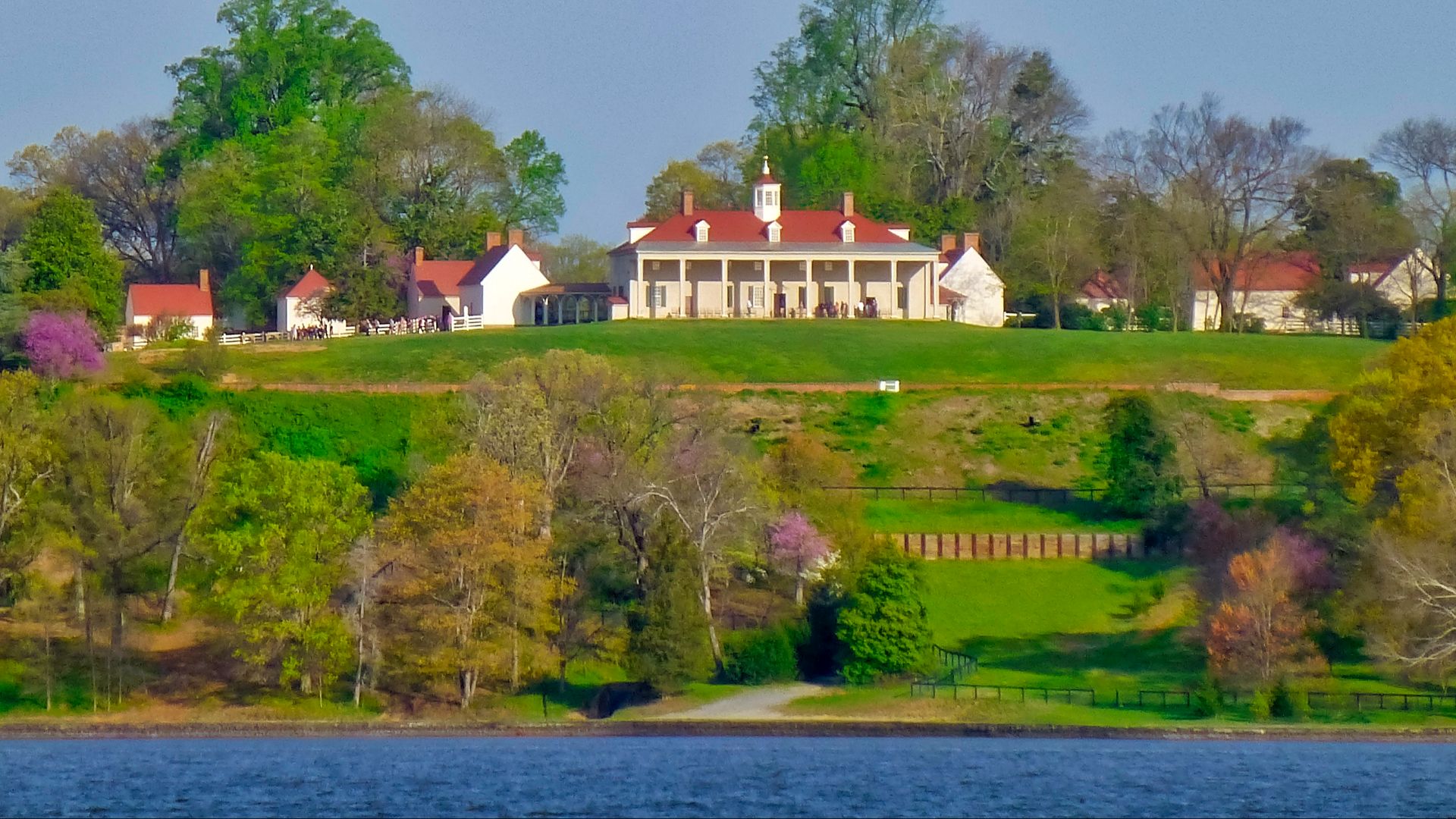
Along Maryland's Potomac River, Piscataway Park contains the National Colonial Farm, established by the Accokeek Foundation in 1958. The living-history property recreates aspects of eighteenth-century Maryland agriculture. Visitors can explore a farmhouse dating to around 1770, a tobacco barn, and gardens featuring traditional crops.
 F Delventhal from Outside Washington, D.C., US, Wikimedia Commons
Rare Seeds Are Being Preserved Here
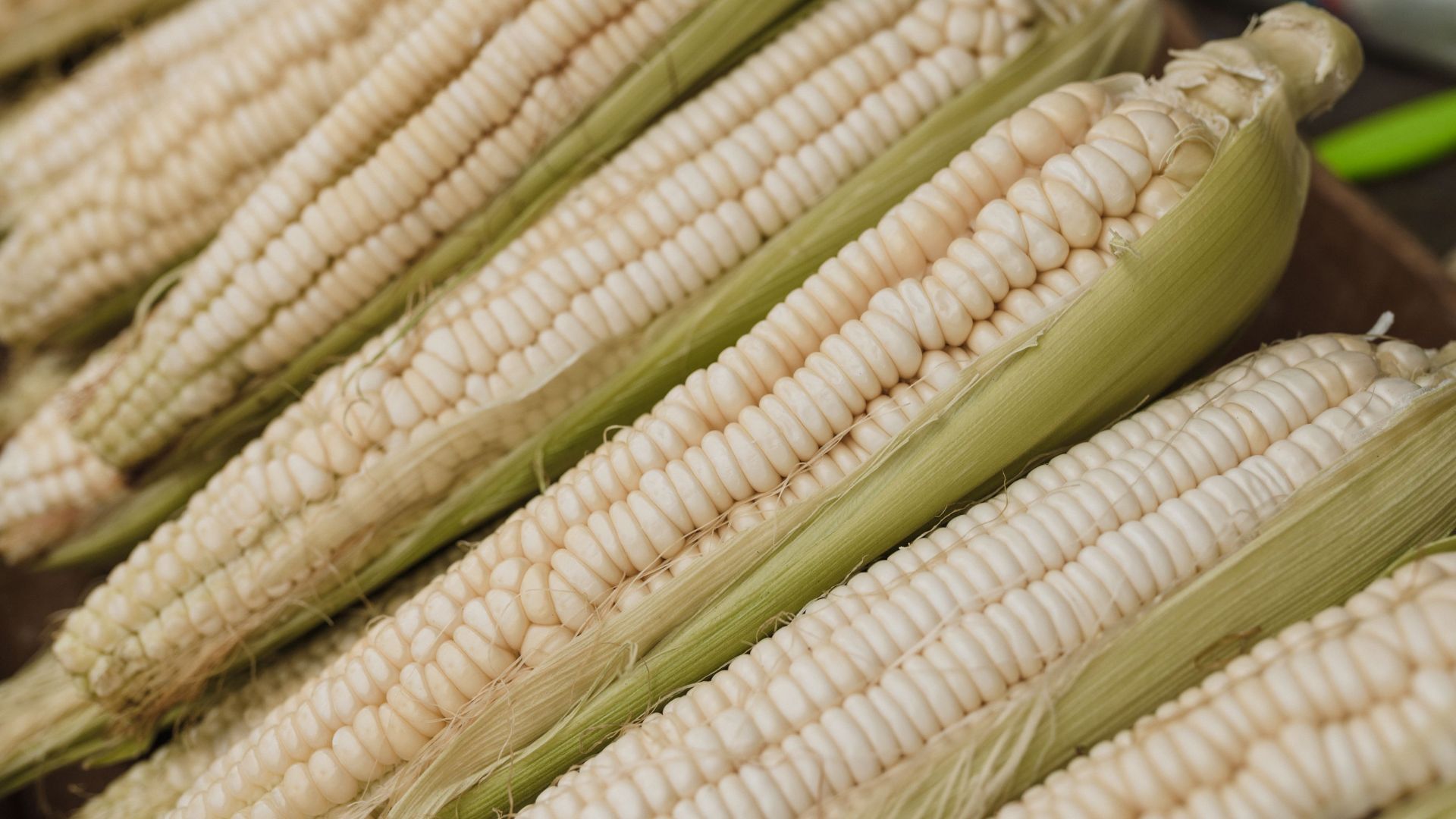
The National Colonial Farm grows historic varieties of corn, tobacco, vegetables, and herbs. Its crops include Virginia Gourdseed corn and Orinoco tobacco, which are cultivated to preserve their seeds. The Accokeek Foundation also operates an Ecosystem Farm focused on sustainable agriculture and education.
Antietam National Battlefield
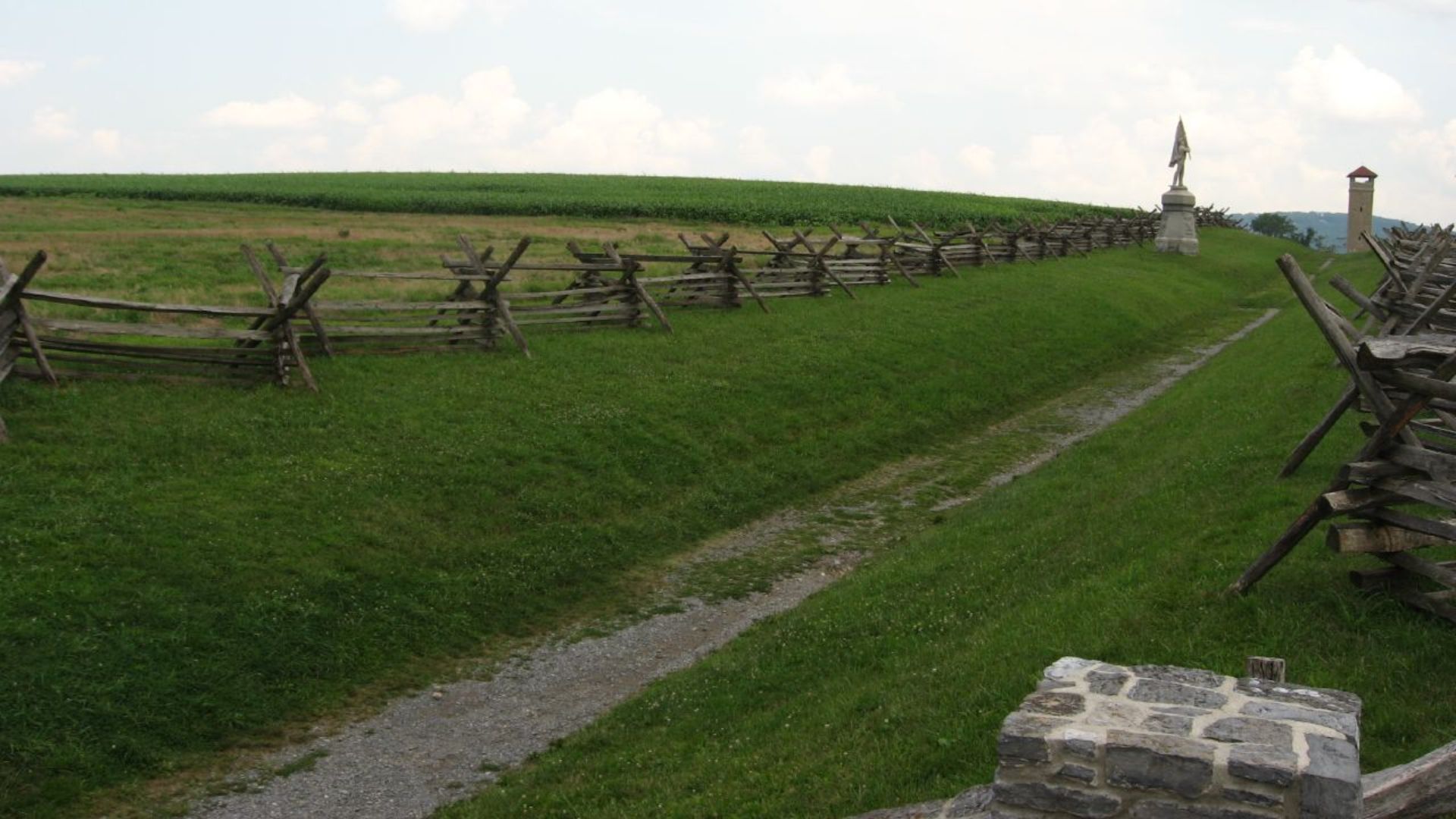
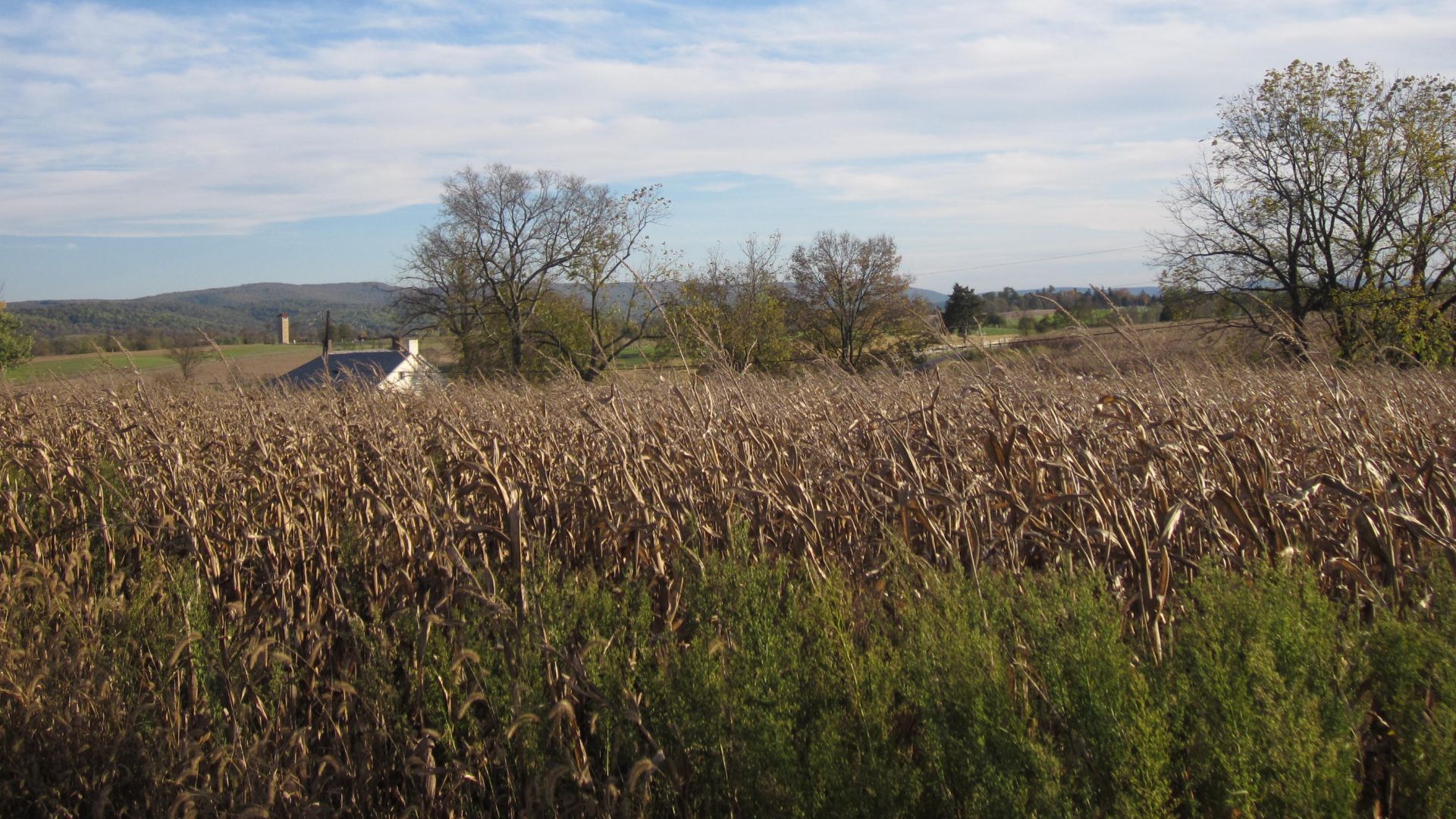
In Sharpsburg, Maryland, Antietam National Battlefield preserves farmland devastated by fighting on September 17, 1862. The battle swept through orchards, cornfields, and family properties, leaving crops destroyed and buildings damaged. Confederate soldiers even burned the Mumma family's farm buildings to prevent Union troops from using them for cover.
 Ken Lund from Las Vegas, Nevada, USA, Wikimedia Commons
Hundreds Of Acres Remain Agricultural
The park's landscape management plan provides for approximately 824 acres of agricultural land maintained through leases and special-use permits. It also calls for preserving or restoring historic orchards associated with the Mumma and Piper farmsteads. Continued farming helps retain the battlefield's rural appearance while supporting historic landscape preservation.
 Doug Kerr from Albany, NY, United States, Wikimedia Commons
Grant-Kohrs Ranch National Historic Site
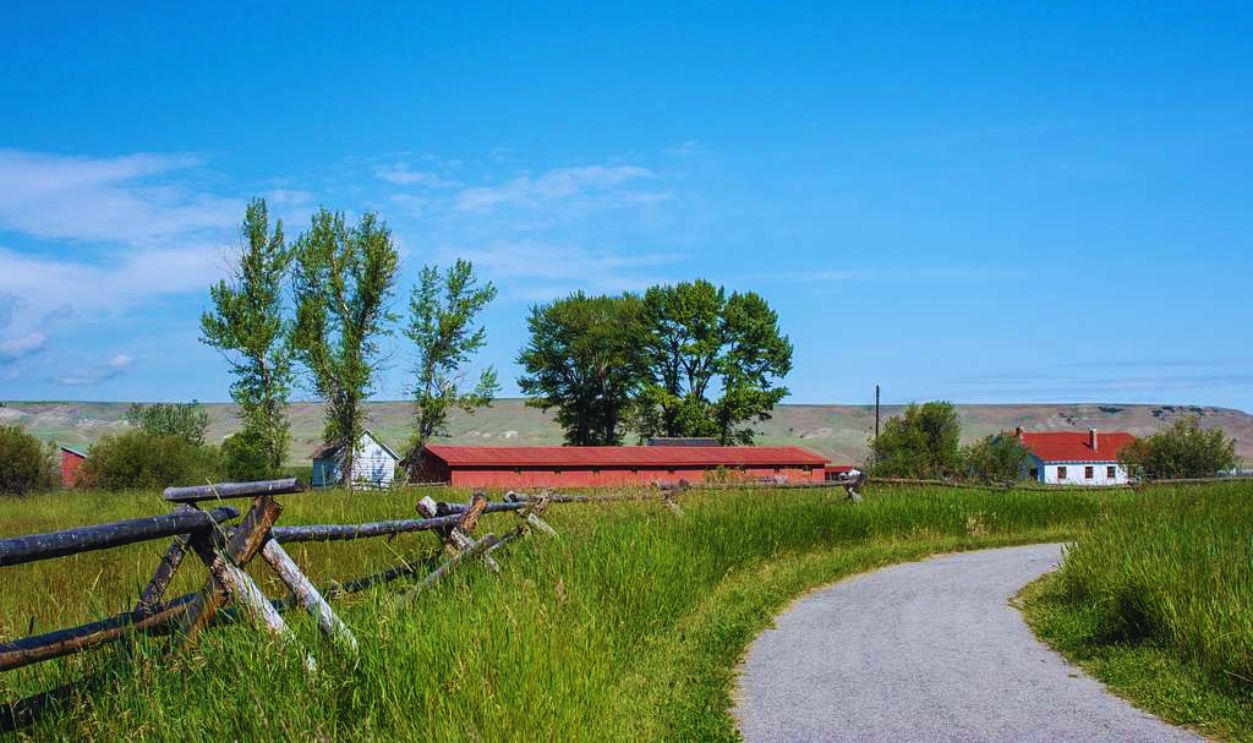
In Deer Lodge, Montana, Grant-Kohrs Ranch National Historic Site preserves a cattle operation established during the nineteenth century. Rancher Conrad Kohrs expanded the business into an enormous livestock enterprise that helped shape the American West. Today, the property remains a working ranch where historic buildings, cattle, and traditional equipment are preserved.
 National Parks Gallery, Picryl
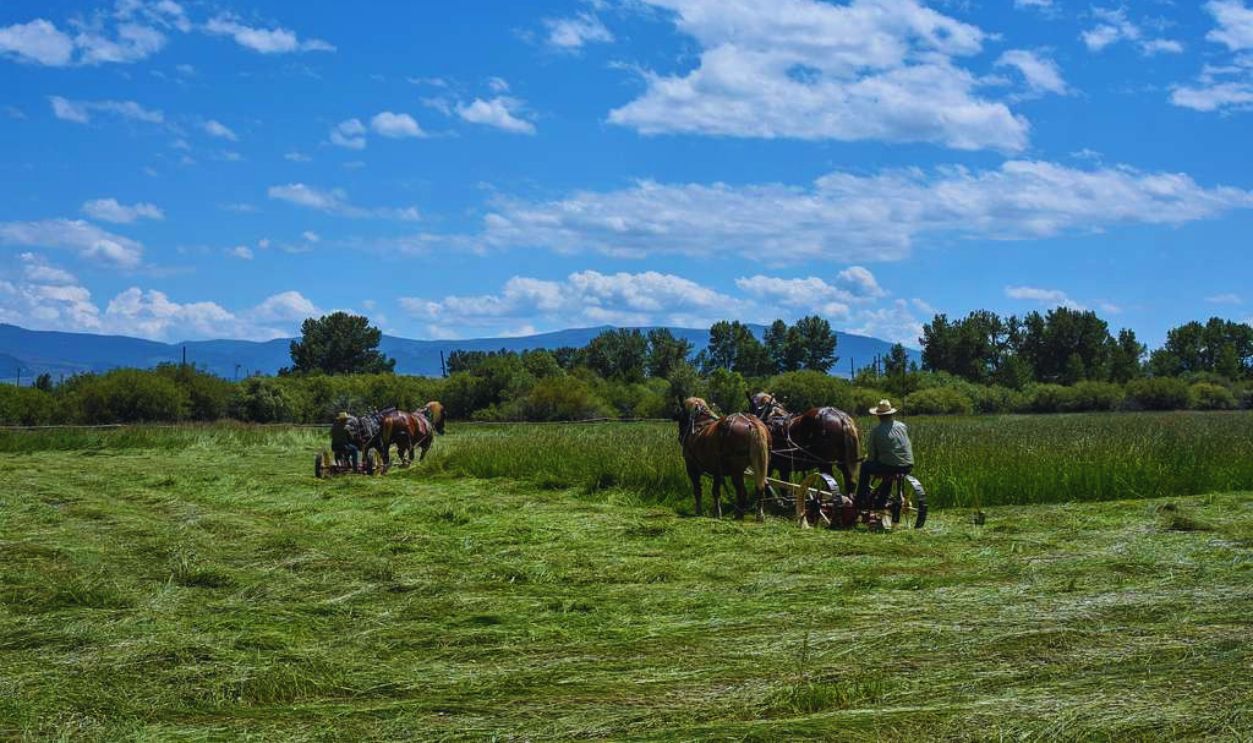
They Still Use Draft Horses And Historic Equipment
The ranch maintains cattle breeds associated with the open-range era, including Shorthorn, Hereford, and Texas Longhorn. Draft horses help with traditional ranching work, while demonstrations showcase historic haymaking equipment. Visitors may even see cattle being moved between pastures or young calves during the spring.
 National Parks Gallery, Picryl
America's Farming Past Is Still Alive
These national park sites preserve far more than historic buildings and beautiful scenery. Some maintain working ranches and productive orchards, while others demonstrate the agricultural techniques that sustained earlier generations. Together, they offer a rare opportunity to see how farming shaped American life, and in some places, continues to do so today.
 Wendy Pramik, Wikimedia Commons
You May Also Like:
Historic American Rail Trails That Let You Walk Through Cavernous Former Railroad Tunnels
25 Most Underrated National Parks In America—Ranked By Travelers
The Most Bizarre Tourist Trap In Every U.S. State—Which Ones Would You Actually Visit?