Walk Through America's Forgotten Railroad Tunnels
Imagine walking into a mountain through a railroad tunnel built more than a century ago. No trains, no tracks, just a cavernous passage stretching into the darkness. Across America, abandoned railroads have become incredible hiking trails, with tunnels that run for hundreds of feet or even miles beneath the mountains.
These historic American rail trails let you explore places that were once accessible only by train.
 Lake Mead NRA Public Affairs, Wikimedia Commons
The Great Allegheny Passage, Pennsylvania And Maryland
The Great Allegheny Passage stretches 150 miles between Pittsburgh, Pennsylvania, and Cumberland, Maryland. Following former railroad corridors, it passes through mountains, river valleys, and historic communities. One of its greatest attractions is a massive tunnel hidden in Pennsylvania's Allegheny Mountains.
 daveynin from United States, Wikimedia Commons
Big Savage Tunnel
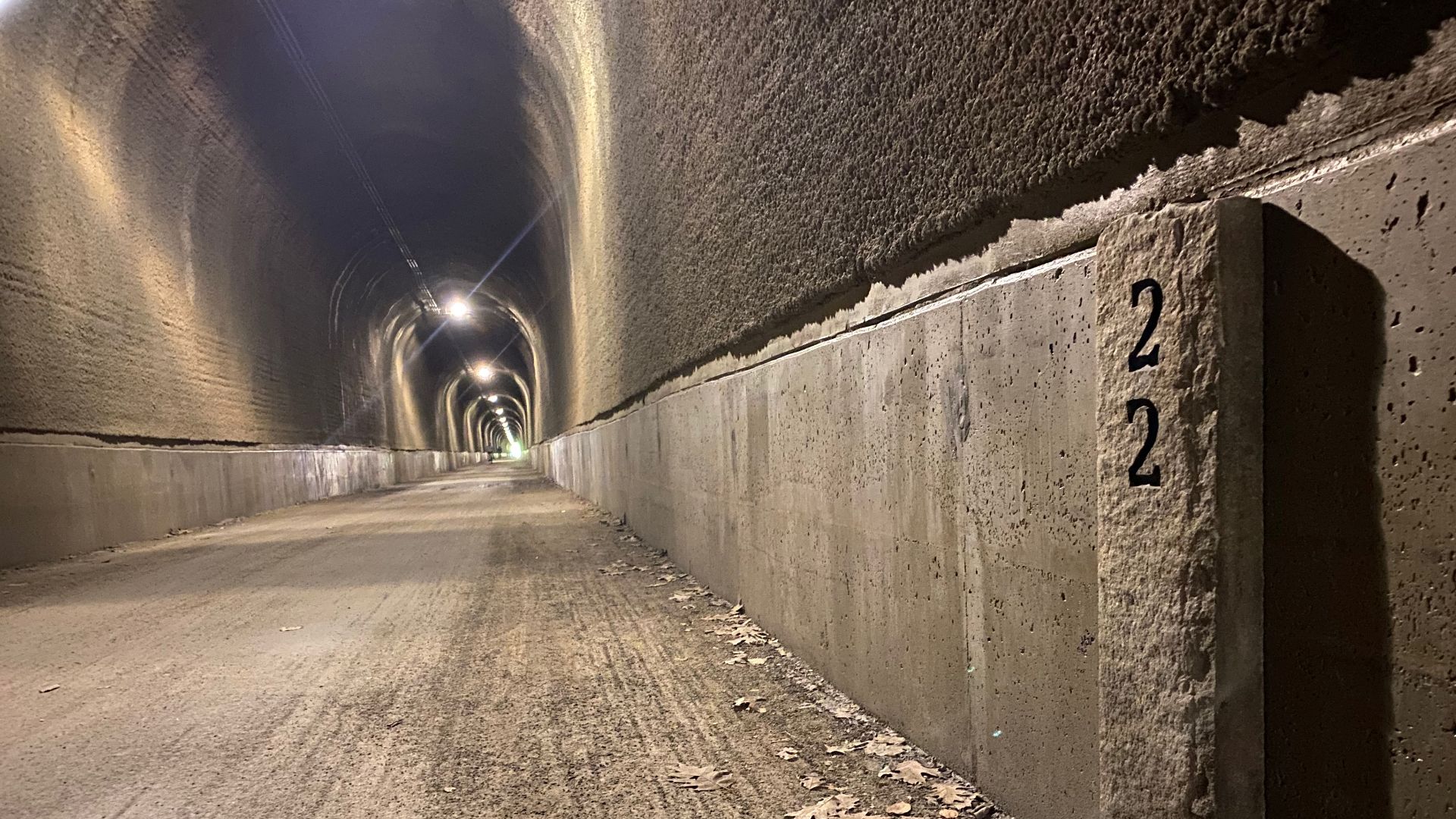
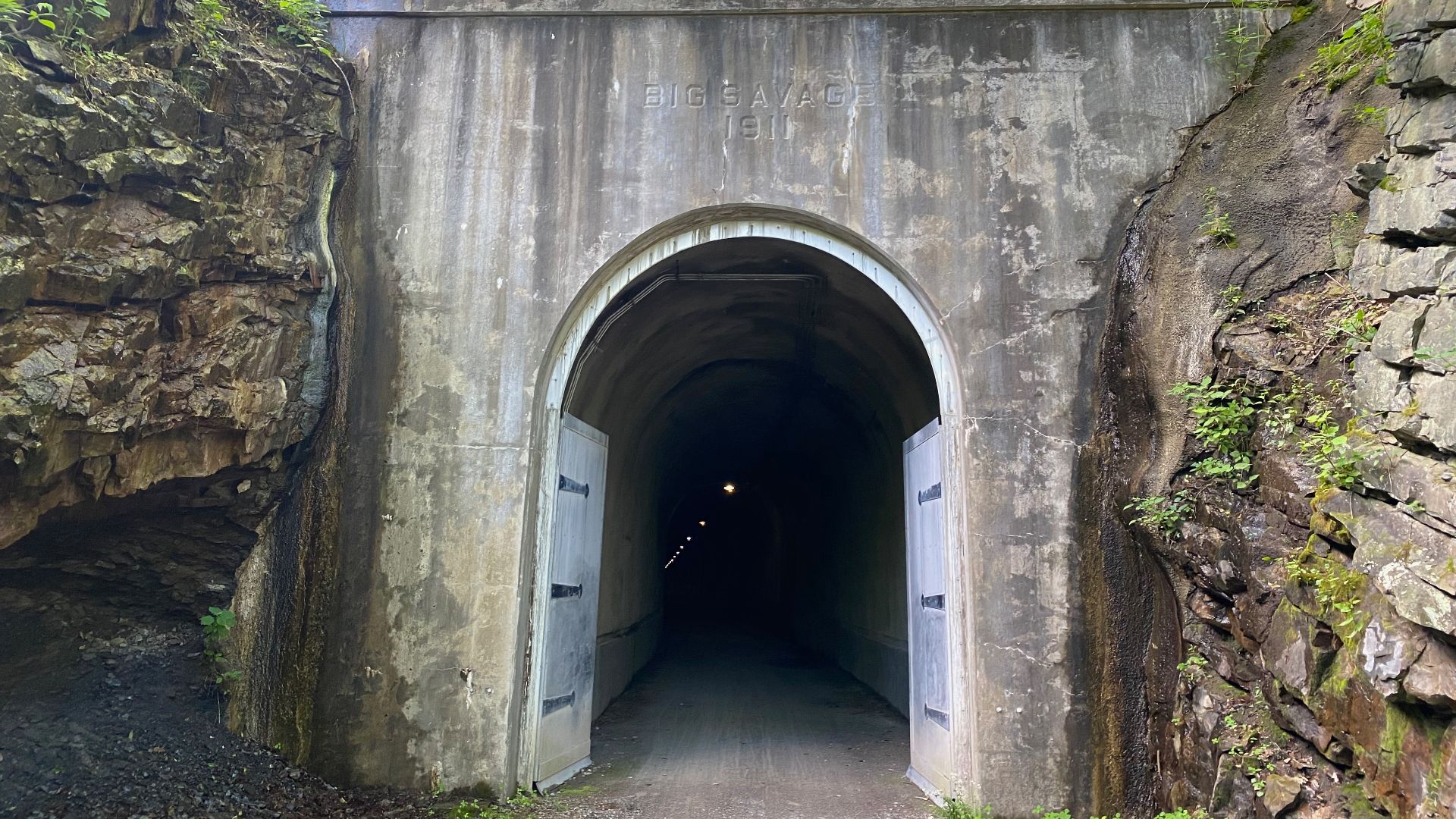
The Big Savage Tunnel extends approximately 3,300 feet through Savage Mountain, making it one of the trail's most impressive landmarks. Completed in 1912 for the Western Maryland Railway, it once carried trains through the rugged mountains. Today, visitors can walk through the restored, illuminated passage and emerge to spectacular mountain views.
 daveynin from United States, Wikimedia Commons
Engineers Faced An Unexpected Problem
Construction crews encountered unstable mud and sand, forcing engineers to use specialized air-lock technology to complete the tunnel. After the railroad was abandoned in 1975, the passage deteriorated before reopening for recreational use in 2003. Today, hikers can reach it from the Deal trailhead, although the tunnel closes during winter.
 daveynin from United States, Wikimedia Commons
Elroy-Sparta State Trail, Wisconsin
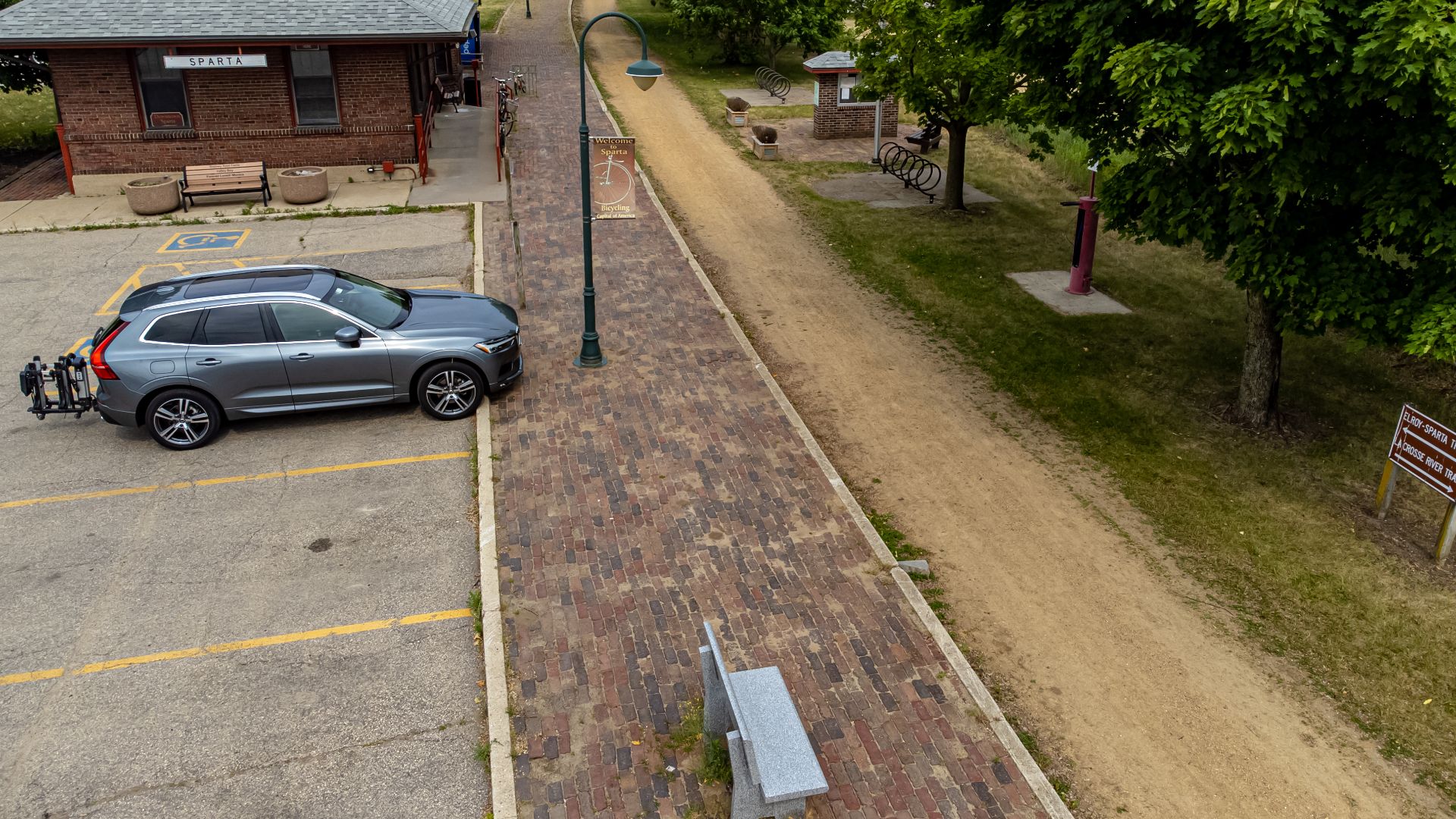
Wisconsin's Elroy-Sparta State Trail is considered America's first rail-to-trail conversion. Its 32.5-mile route passes through farmland, forests, and five small communities. But the biggest attractions are three historic railroad tunnels that take visitors straight through the hills.
Three Tunnels More Than 140 Years Old
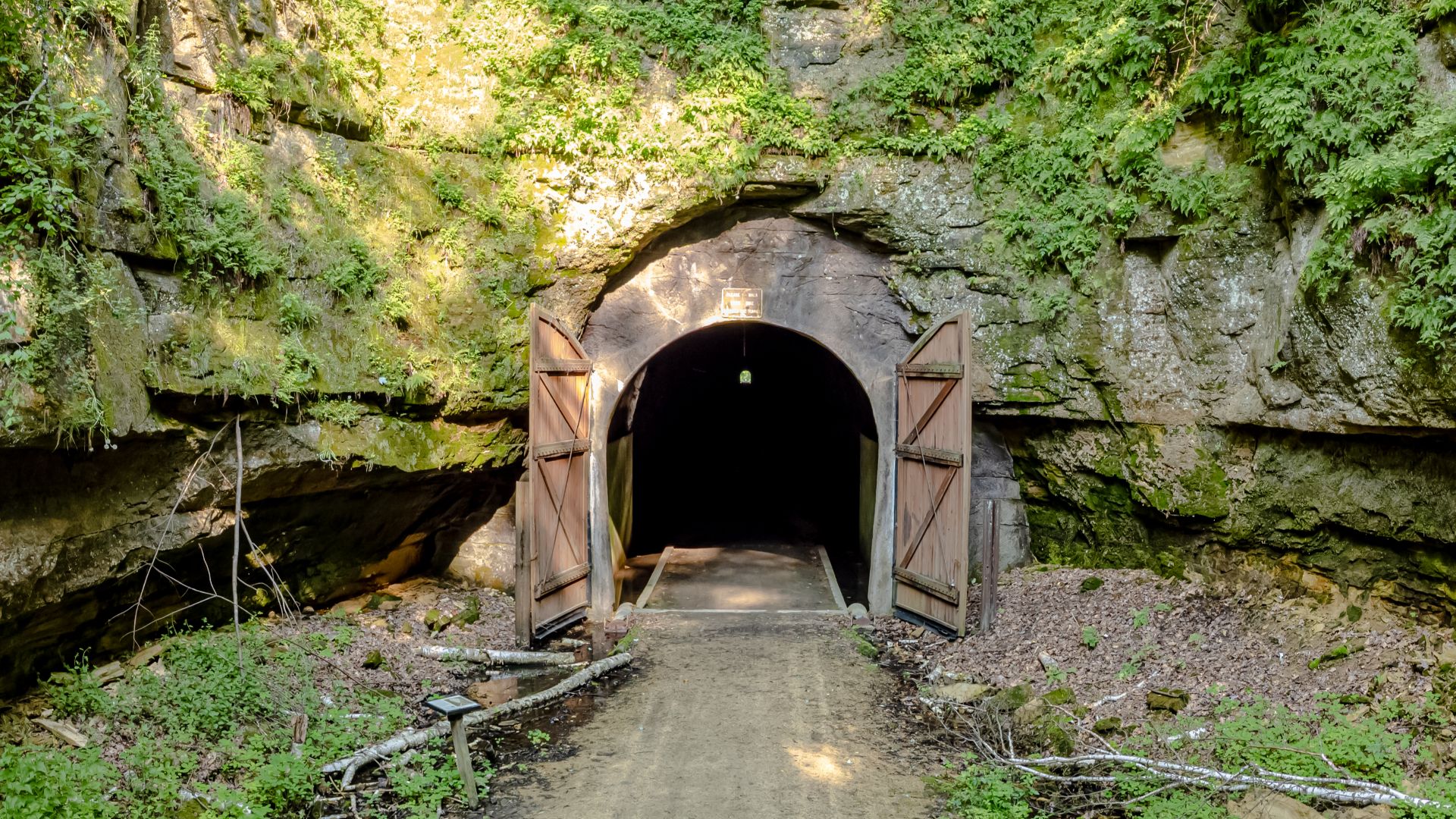
The tunnels near Kendall and Wilton each extend approximately a quarter mile through the surrounding hills. The third, located between Norwalk and Sparta, stretches an impressive three-quarters of a mile. All three are more than 140 years old, preserving an extraordinary piece of Wisconsin's railroad history.
Darkness, Dripping Water, And Railroad History
Natural springs send water trickling into the tunnels, creating cool, damp conditions even during summer. Visitors should bring flashlights and jackets, while cyclists must walk their bicycles through the passages. The restored railroad depot in Kendall offers historical exhibits, and the tunnels generally close from November through April.
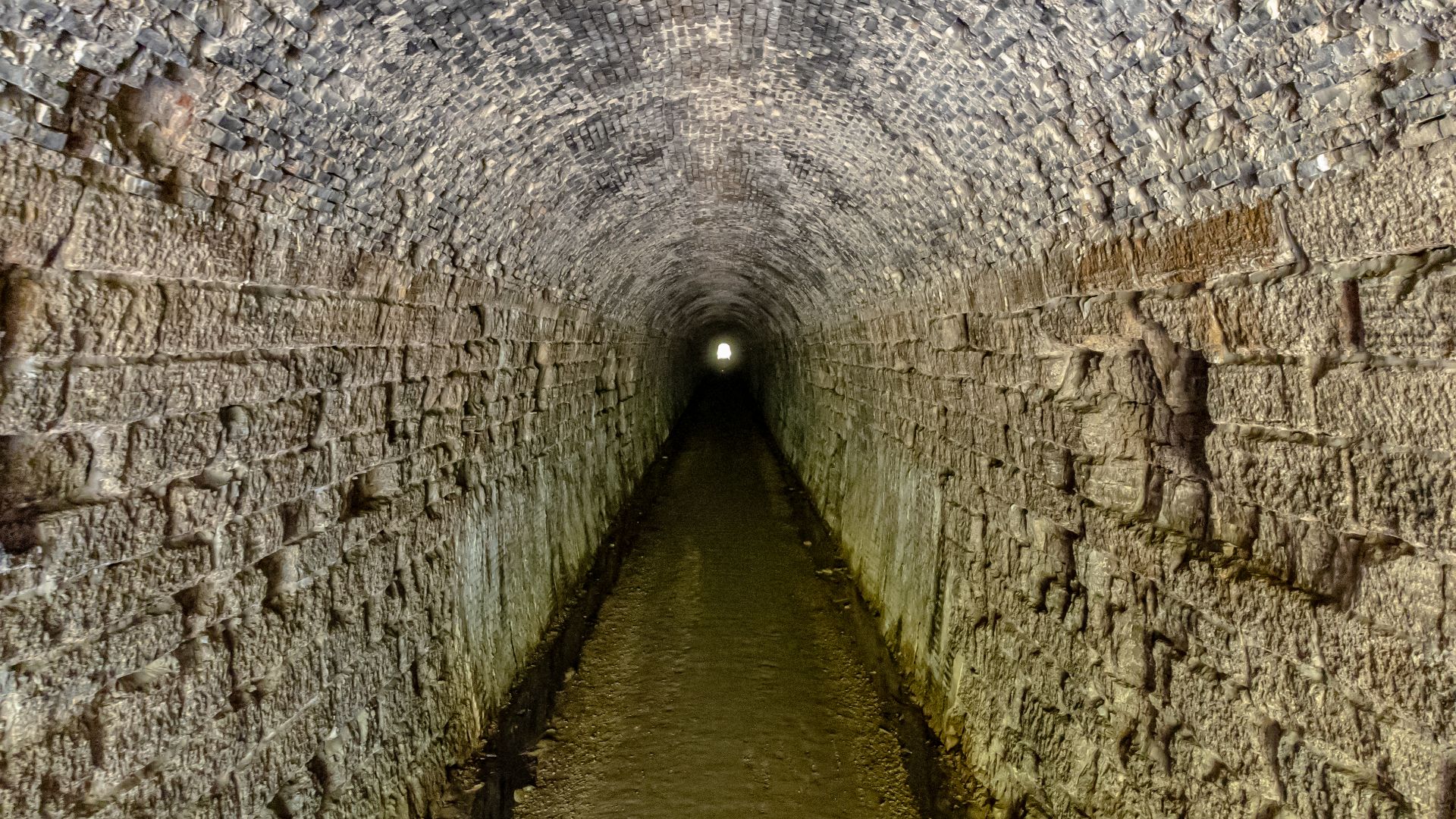
Palouse To Cascades State Park Trail, Washington
Washington's Palouse to Cascades State Park Trail follows a former railroad corridor through some of the state's most dramatic landscapes. Its western section crosses forested mountain terrain once traversed by the Milwaukee Road. The highlight is an extraordinary tunnel buried beneath Snoqualmie Pass.
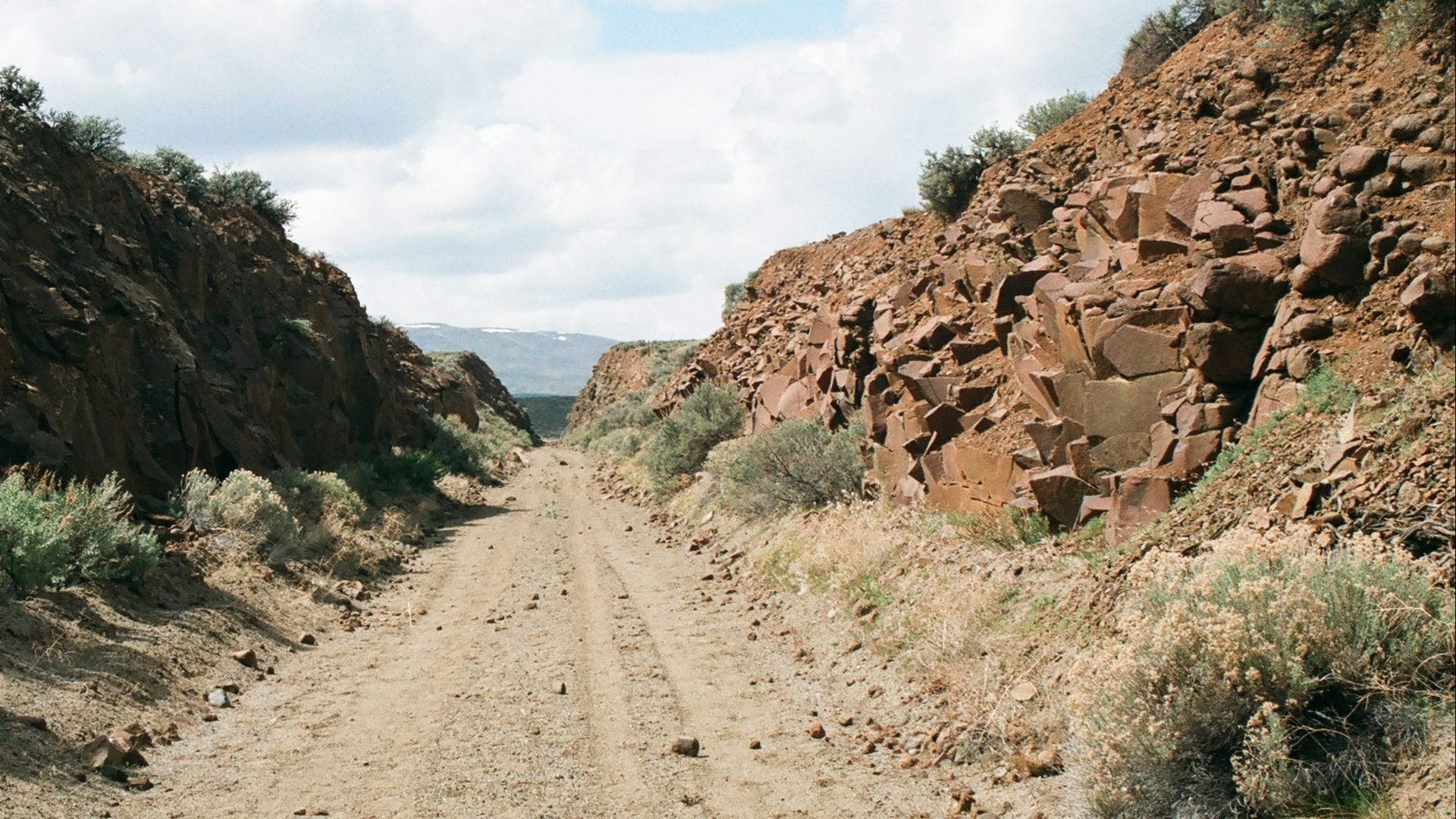 Williamborg, Wikimedia Commons
Snoqualmie Tunnel
The Snoqualmie Tunnel extends approximately 2.3 miles beneath the Cascade Mountains. Built for the Milwaukee Road, it allowed trains to pass beneath terrain that would otherwise have required a difficult mountain crossing. Today, hikers can follow the same route through one of America's longest recreational railroad tunnels.
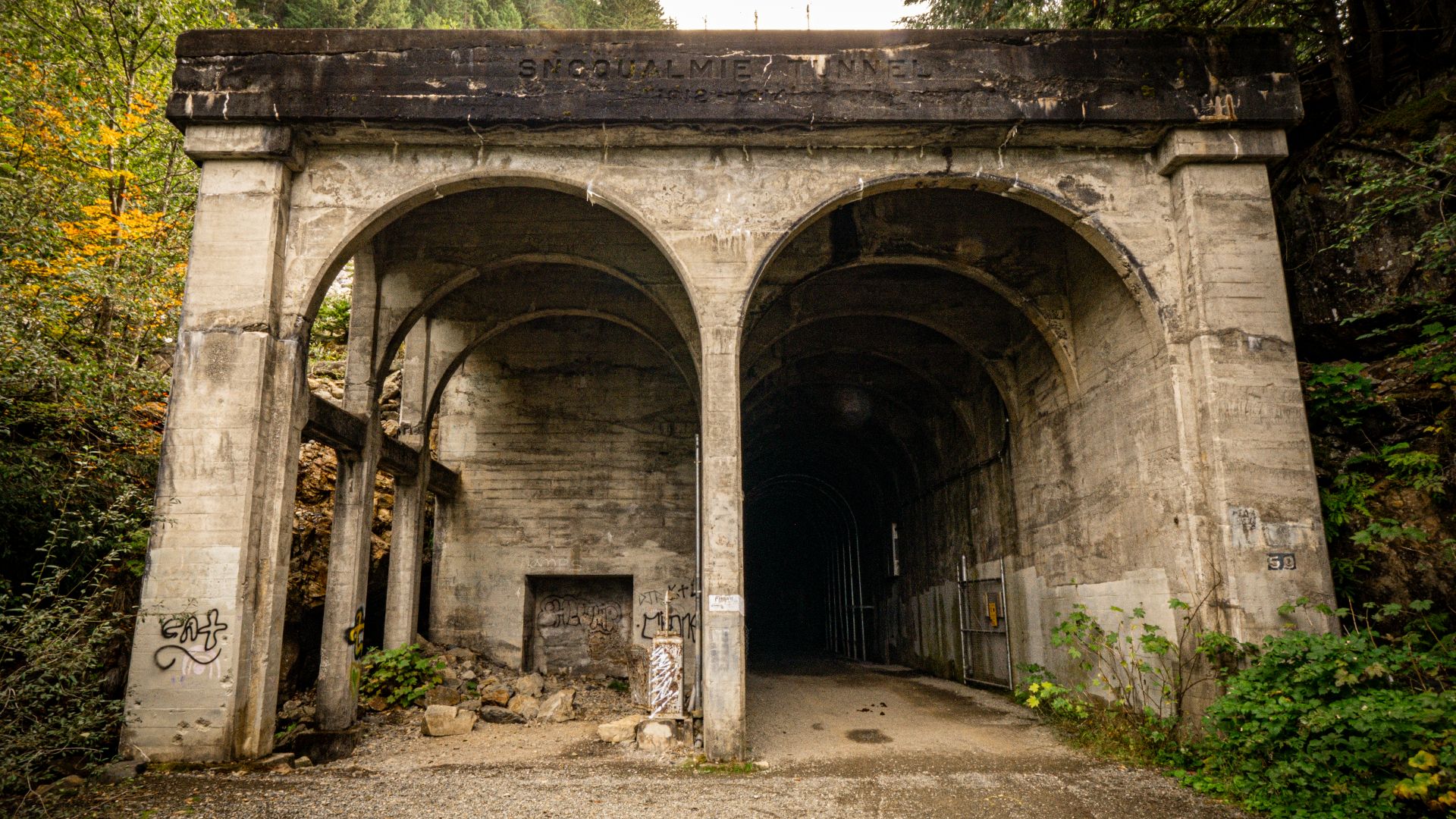 Guywelch2000, Wikimedia Commons
Walking Through Snoqualmie Tunnel
The Hyak trailhead provides convenient access to the tunnel's eastern entrance. Inside, the passage is completely dark, making a reliable flashlight or headlamp essential. The tunnel closes during winter, generally reopening in May when snow and ice conditions permit.
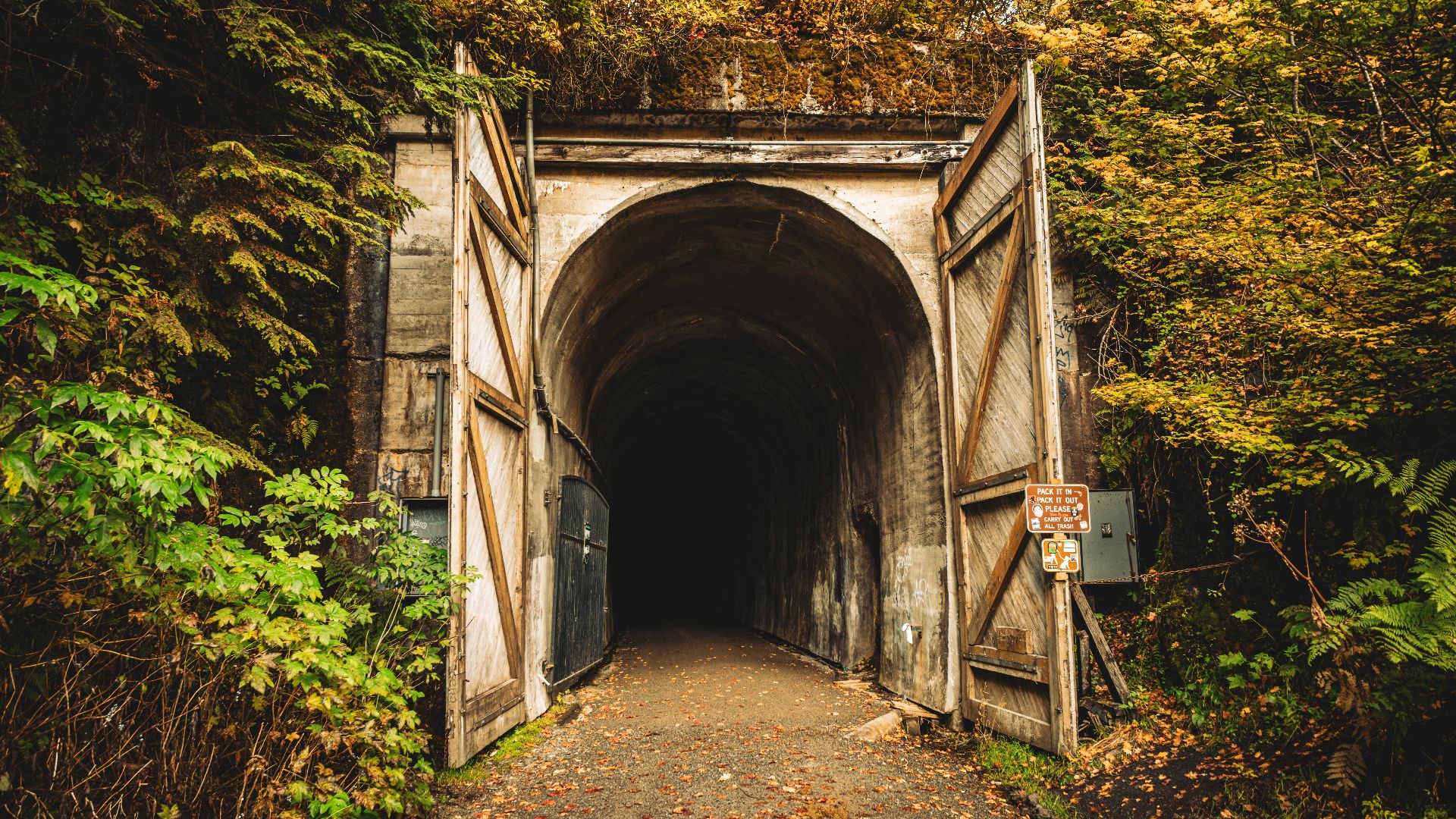 Guywelch2000, Wikimedia Commons
Route Of The Hiawatha, Idaho And Montana
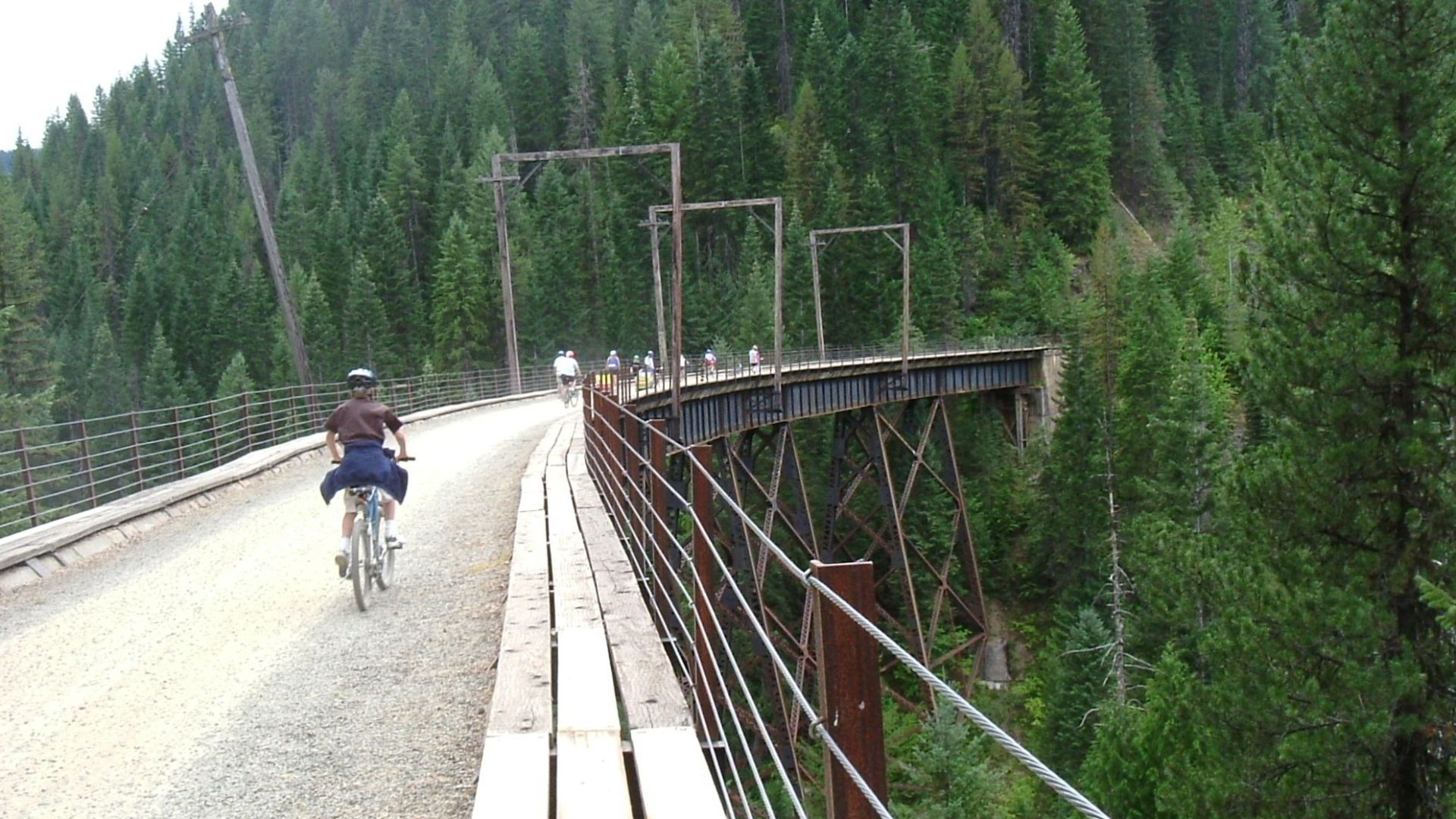
The Route of the Hiawatha follows an old Milwaukee Road railroad line through the spectacular Bitterroot Mountains. Its 15-mile recreational route features 10 tunnels and seven towering railroad trestles. Although particularly popular with cyclists, the trail also welcomes hikers during its operating season.
 Robert Ashworth from Bellingham, WA., USA, Wikimedia Commons
Taft Tunnel
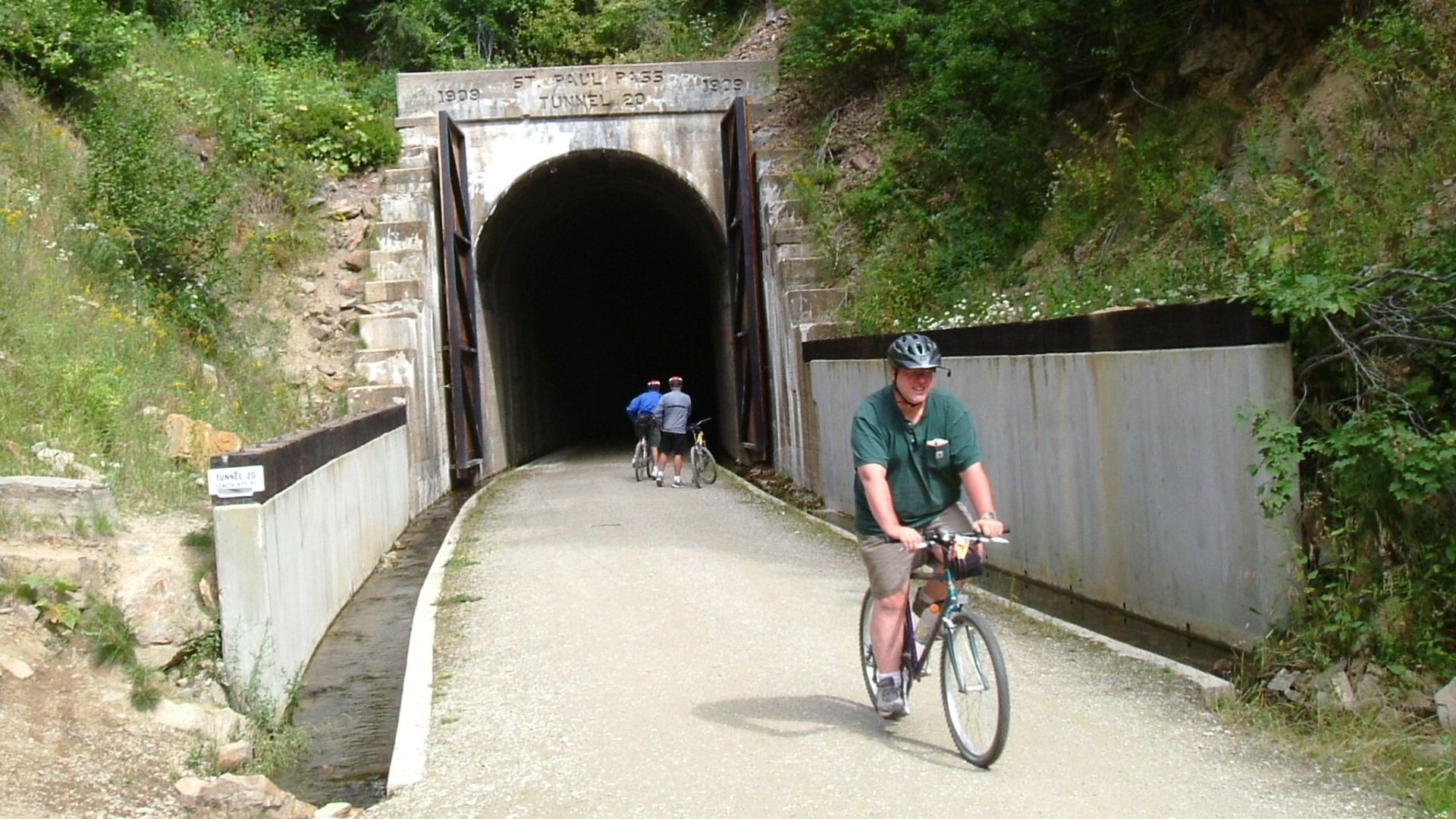
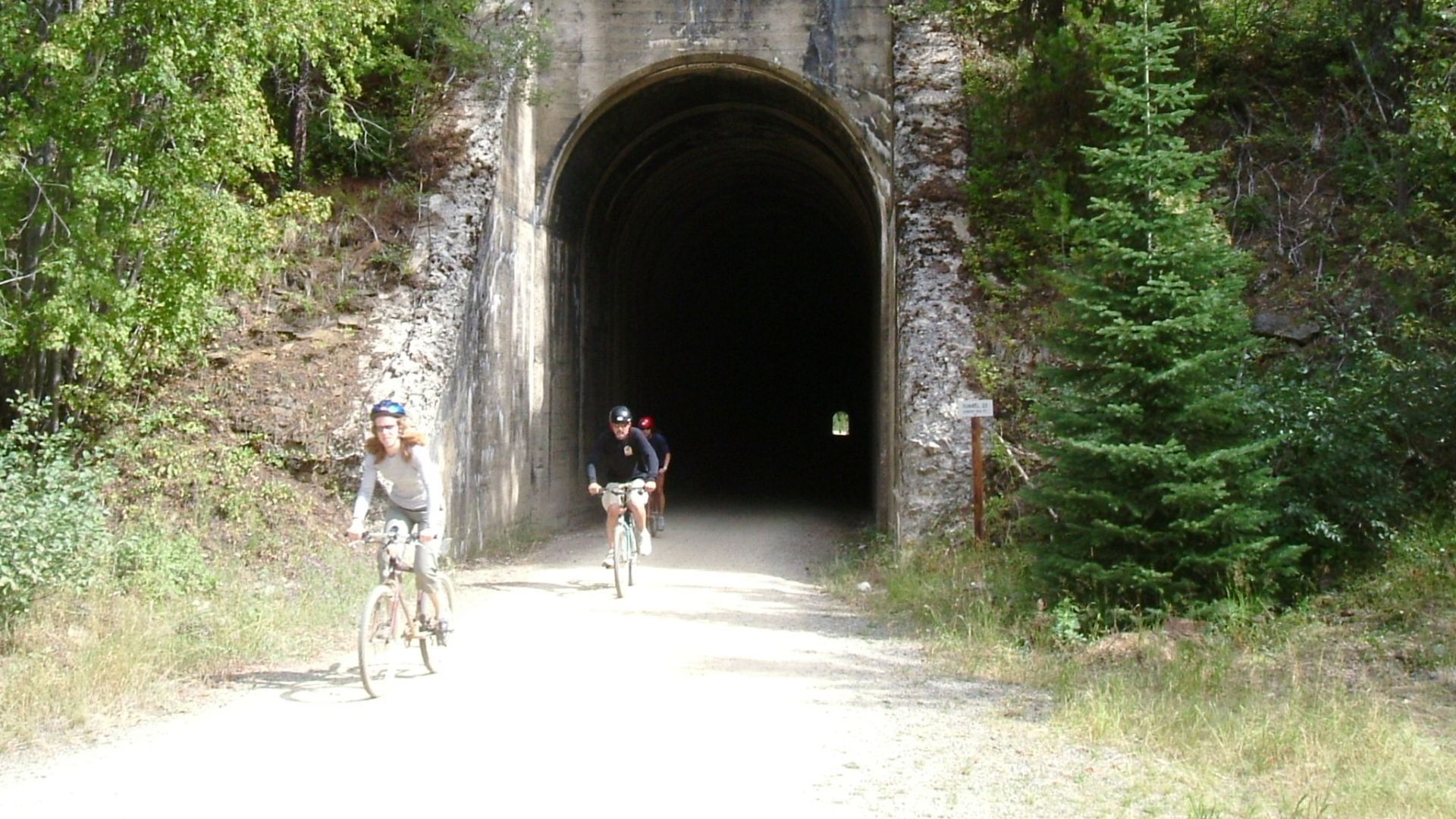
The St. Paul Pass Tunnel, better known as the Taft Tunnel, stretches approximately 1.66 miles beneath the mountains. Remarkably, it crosses the Idaho-Montana border entirely underground. An interpretive sign inside marks the state line, allowing visitors to walk from one state into another without seeing daylight.
 Robert Ashworth from Bellingham, WA., USA, Wikimedia Commons
You Can Explore Without Walking 15 Miles
Visitors interested primarily in the Taft Tunnel can start at the East Portal parking area in Montana. From there, they can walk through the tunnel and return without tackling the entire Hiawatha route. The tunnel stays around 47°F even in summer, and visitors should check seasonal access dates and trail-pass requirements before arriving.
 Robert Ashworth from Bellingham, WA., USA, Wikimedia Commons
Blue Ridge Tunnel Trail, Virginia
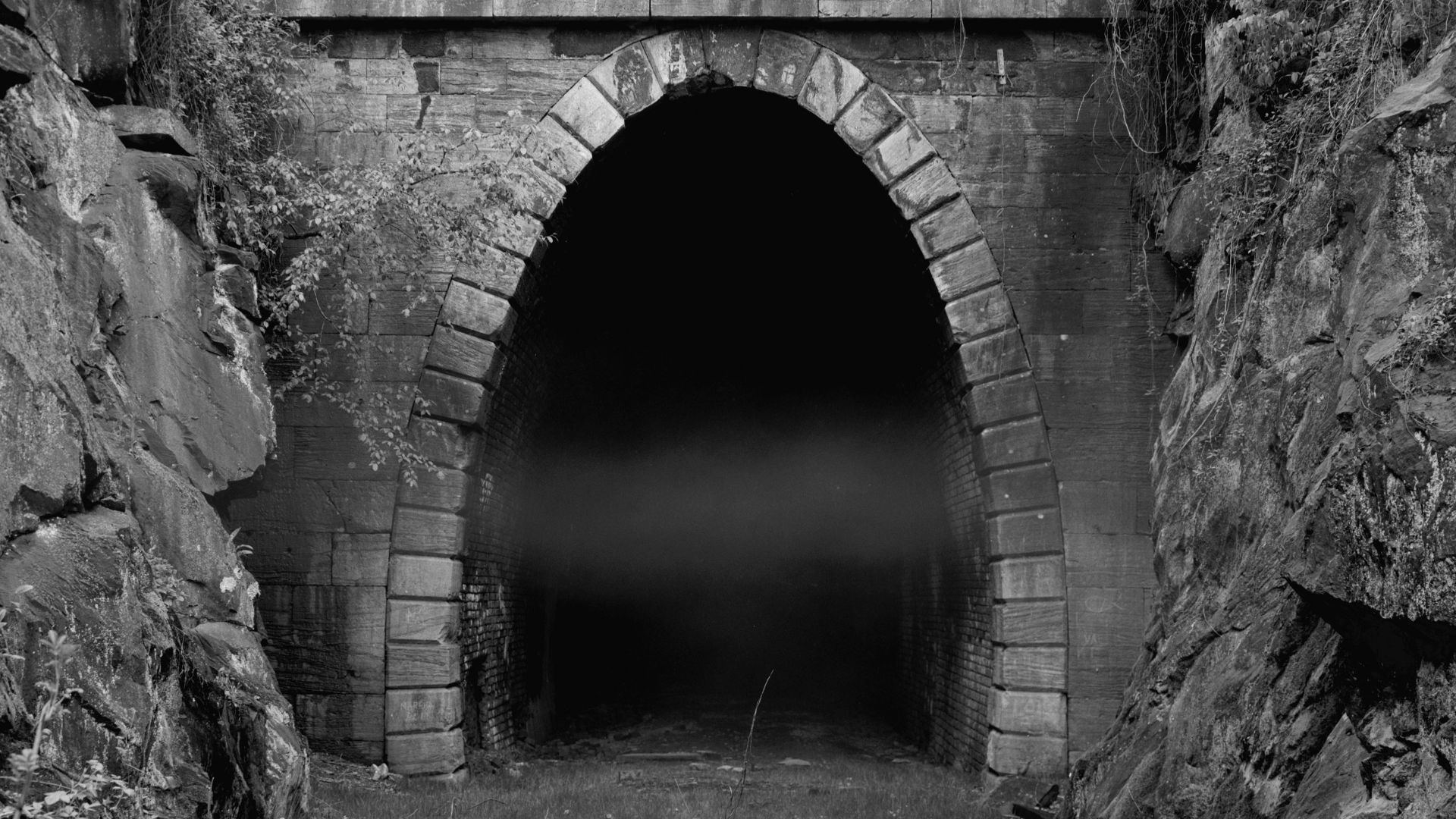
Virginia's Blue Ridge Tunnel takes visitors directly through the mountains near Afton and Waynesboro. Unlike longer rail trails, this destination revolves around a single historic passage nearly a mile long. Its enormous stone entrances and preserved nineteenth-century engineering make it one of the state's most unusual walks.
 Jack Boucher, Wikimedia Commons
An Engineering Marvel From The 1850s
French-born engineer Claudius Crozet designed the tunnel, with Irish immigrant laborers helping excavate the exceptionally hard mountain rock. Workers digging from opposite sides finally met in December 1856, demonstrating extraordinary surveying precision. When the 4,273-foot tunnel opened to trains in 1858, it was the longest railroad tunnel in North America.
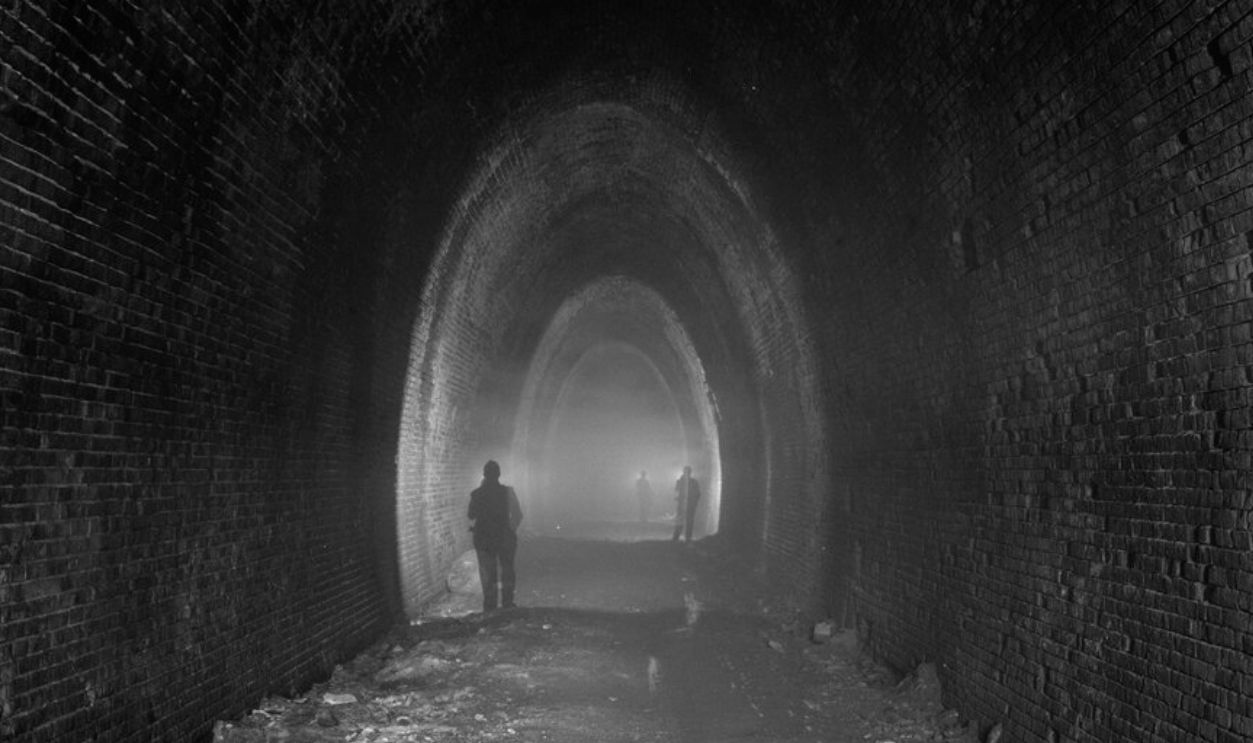 https://www.loc.gov/pictures/item/va0253.photos.163882p, Wikimedia Commons
One Entrance Is Much Easier Than The Other
Today, visitors can walk through the original tunnel, but choosing the right entrance makes a difference. The eastern approach near Afton is considerably gentler, while the western route includes steep grades reaching approximately 19%. The tunnel is open daily from sunrise to sunset, and its unlit interior requires a dependable flashlight or headlamp.
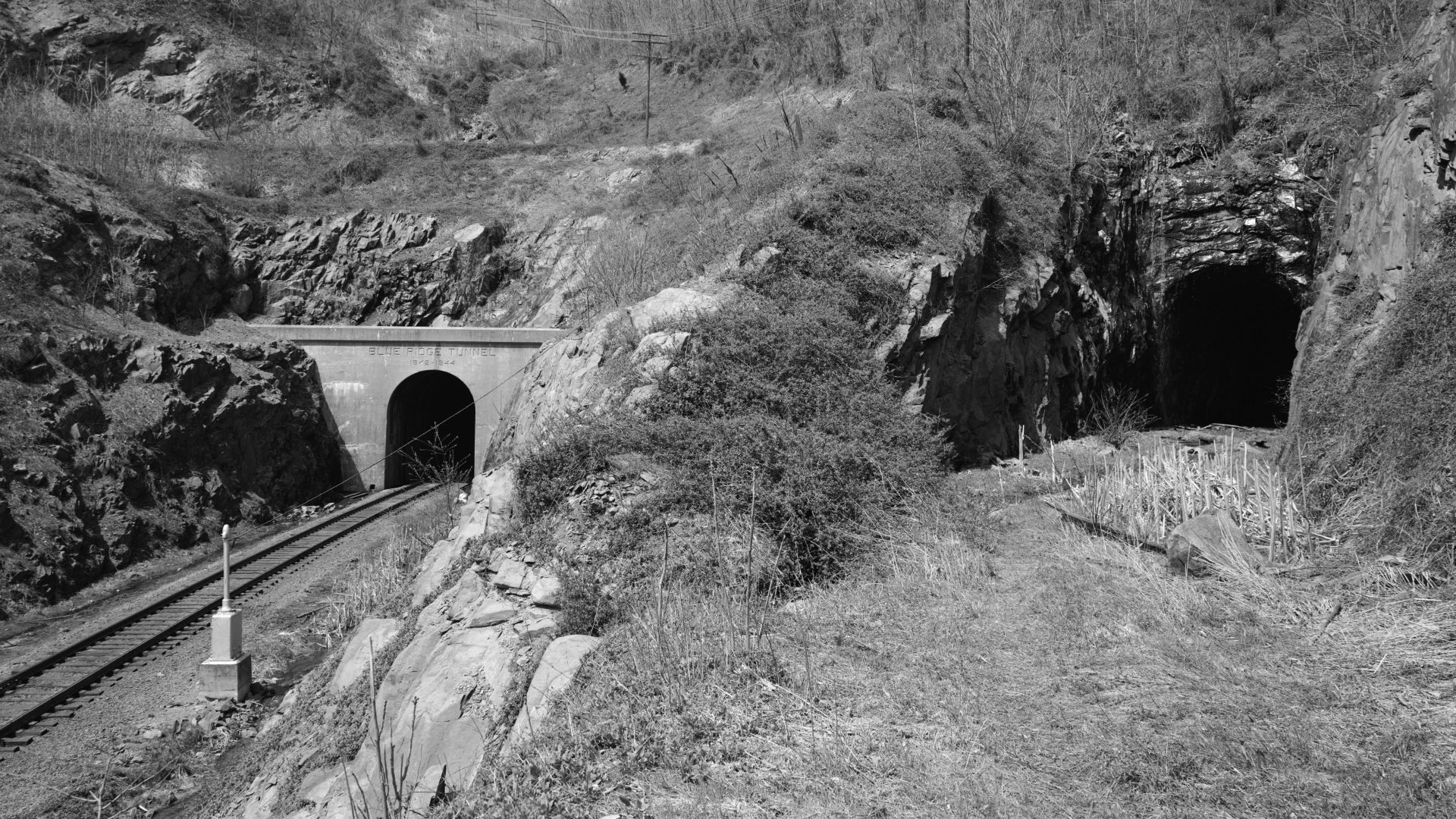 Jack Boucher, Wikimedia Commons
Greenbrier River Trail, West Virginia
West Virginia's Greenbrier River Trail follows 78 miles of former Chesapeake & Ohio Railway tracks through remote Appalachian scenery. The route winds alongside the Greenbrier River, crossing dozens of historic bridges and passing through small mountain communities. Two impressive railroad tunnels make it especially appealing to hikers interested in the region's railway past.
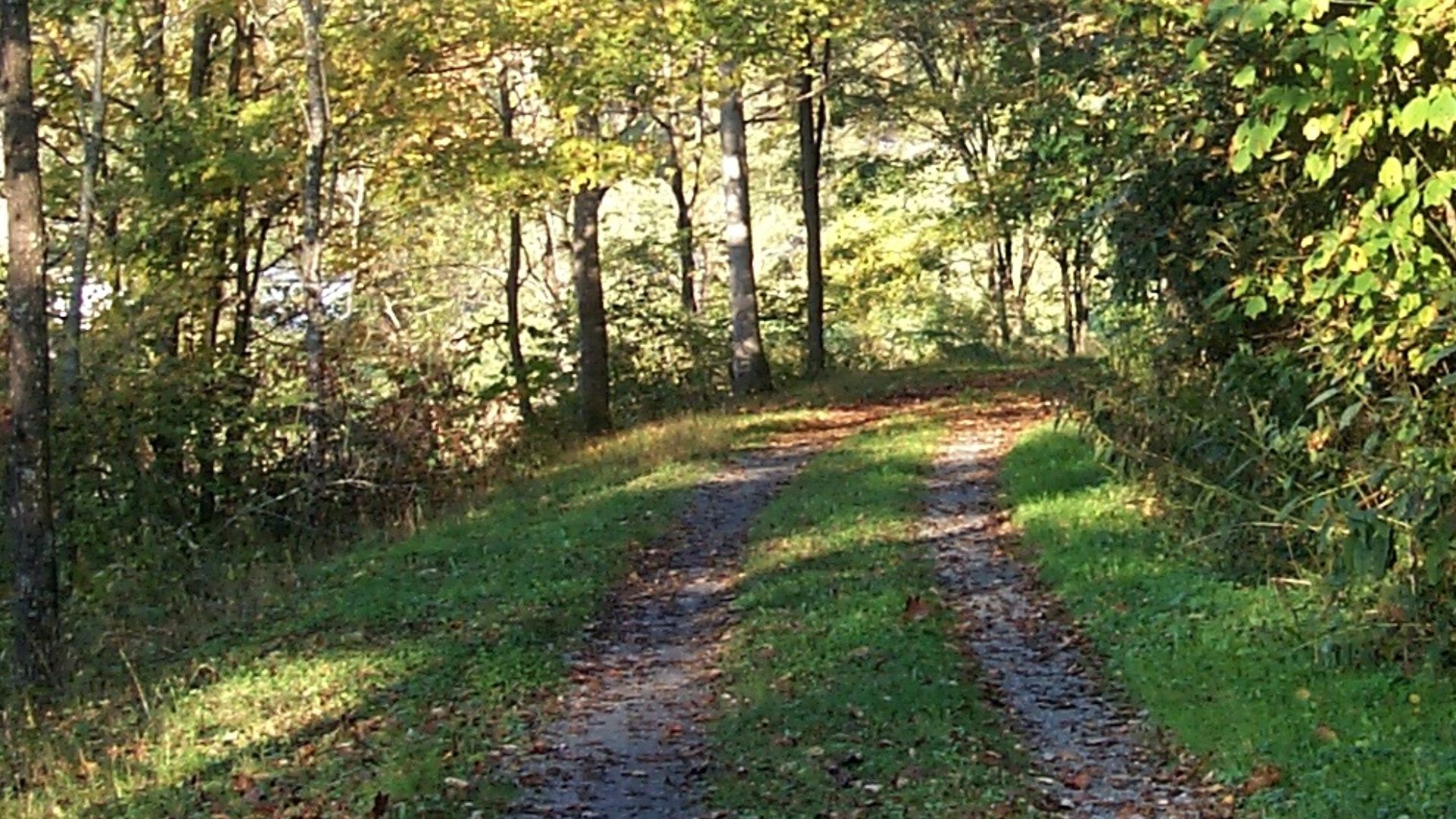 WVhybrid at en.wikipedia, Wikimedia Commons
Droop Mountain And Sharps Tunnels
The trail features two historic passages built around the turn of the twentieth century. Droop Mountain Tunnel, completed in 1900, stretches 402 feet through the hillside, while Sharps Tunnel, built in 1899, extends 511 feet. Both offer visitors the chance to walk through tunnels originally carved for passing trains.
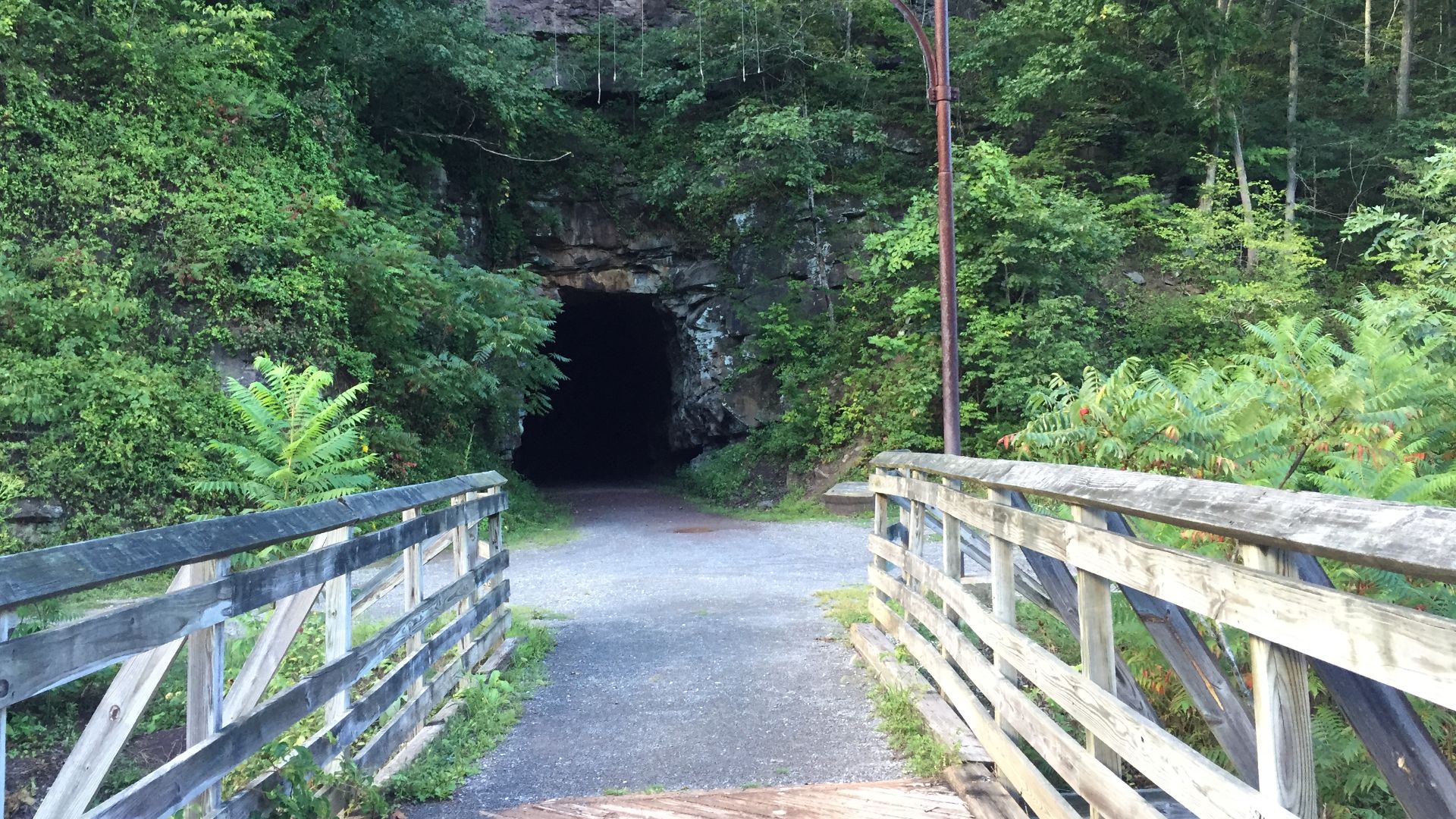 Brian M. Powell, Wikimedia Commons
An Easy Trail With A Wild Side
Despite its remote surroundings, the Greenbrier River Trail follows a gentle former railroad grade, making much of it suitable for casual walkers. Visitors can access shorter sections from trailheads near Horrock and Clover Lick rather than hiking the entire 78-mile route. Along the way, forested mountains, river views, and historic railroad mile markers add to the experience.
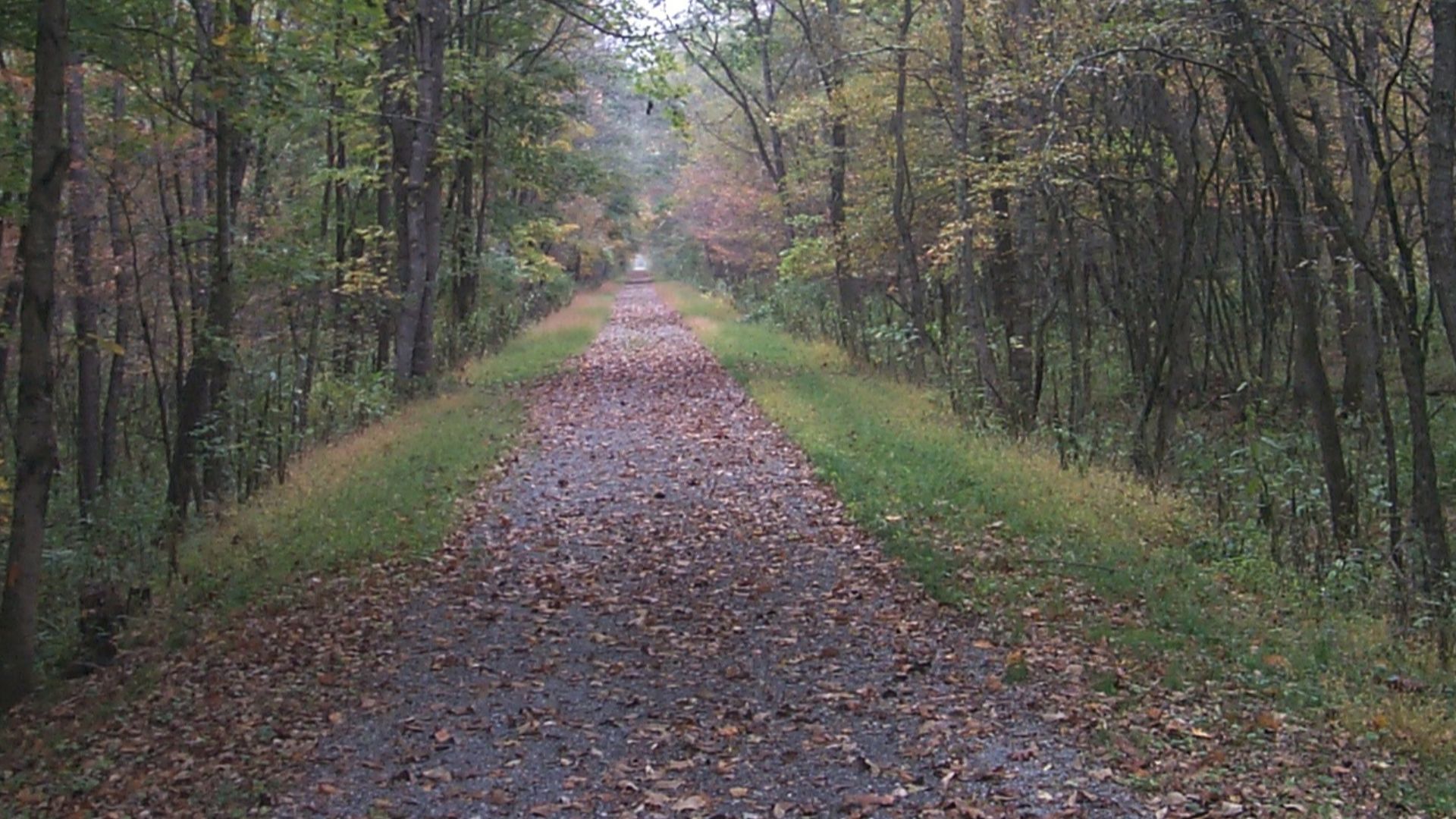 WVhybrid at en.wikipedia, Wikimedia Commons
Bizz Johnson National Recreation Trail, California
Northern California's Bizz Johnson National Recreation Trail follows the former Southern Pacific Railroad through the scenic Susan River Canyon. Stretching about 25 miles from Susanville to Mason Station, it combines rugged scenery with historic railroad infrastructure. Two tunnels carved into the canyon walls are among its biggest attractions.
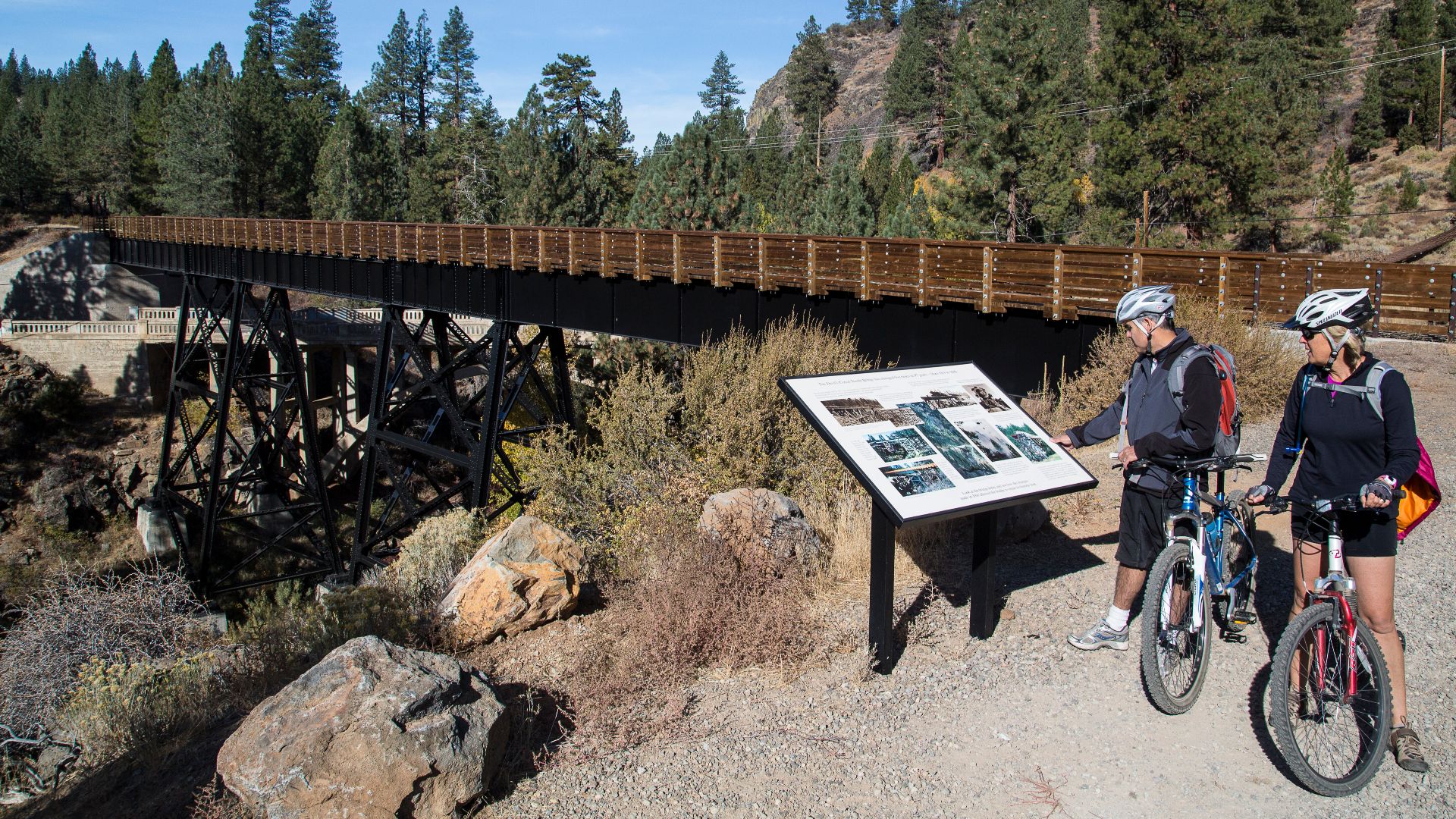 blmcalifornia, Wikimedia Commons
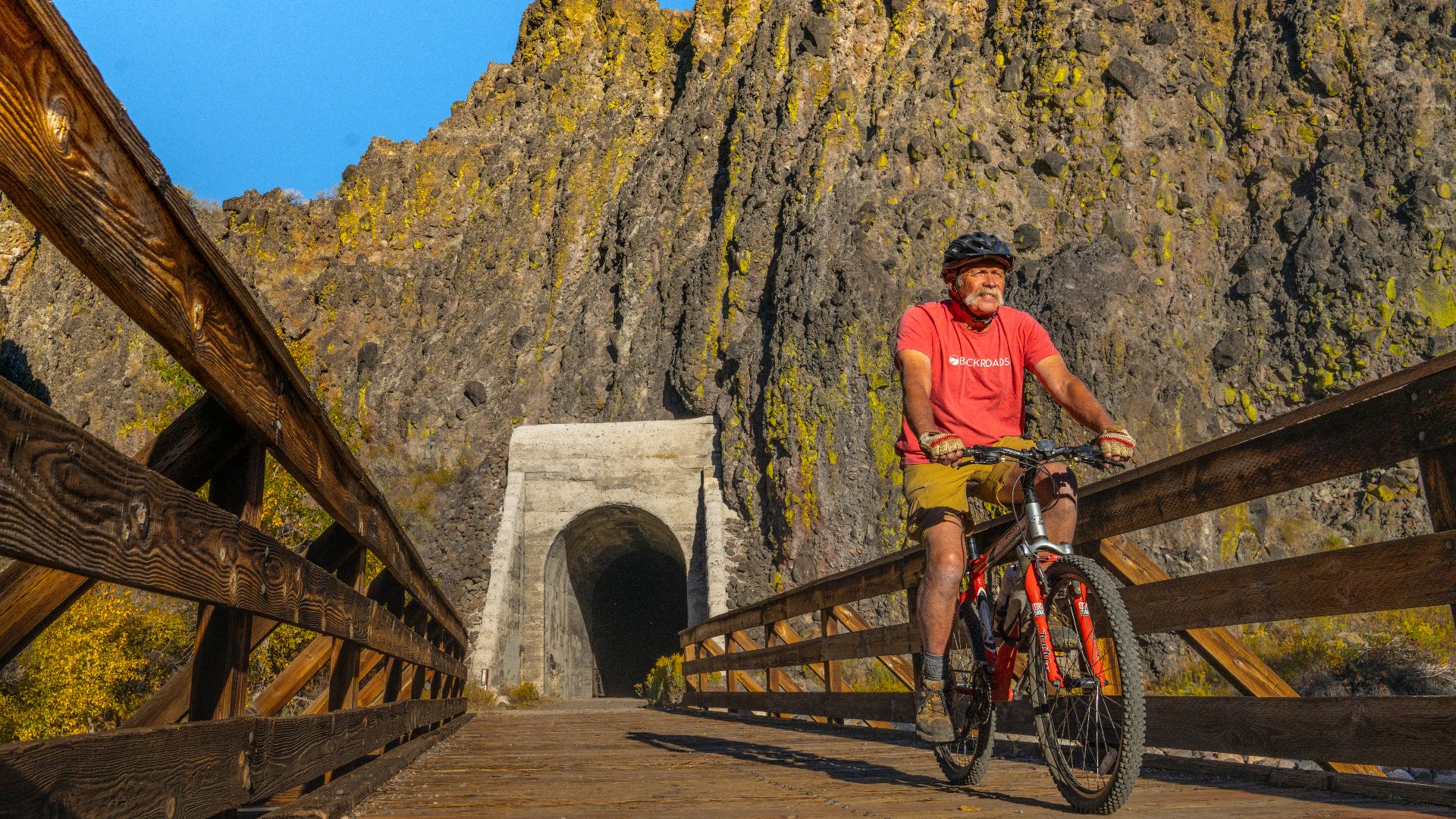
Two Tunnels Deep In The Canyon
The trail features two former railroad tunnels built for the Fernley and Lassen Branch Line. One extends approximately 800 feet, while the other measures around 450 feet. Both remain accessible to walkers, offering a glimpse of the passages once used by freight trains serving the region's lumber industry.
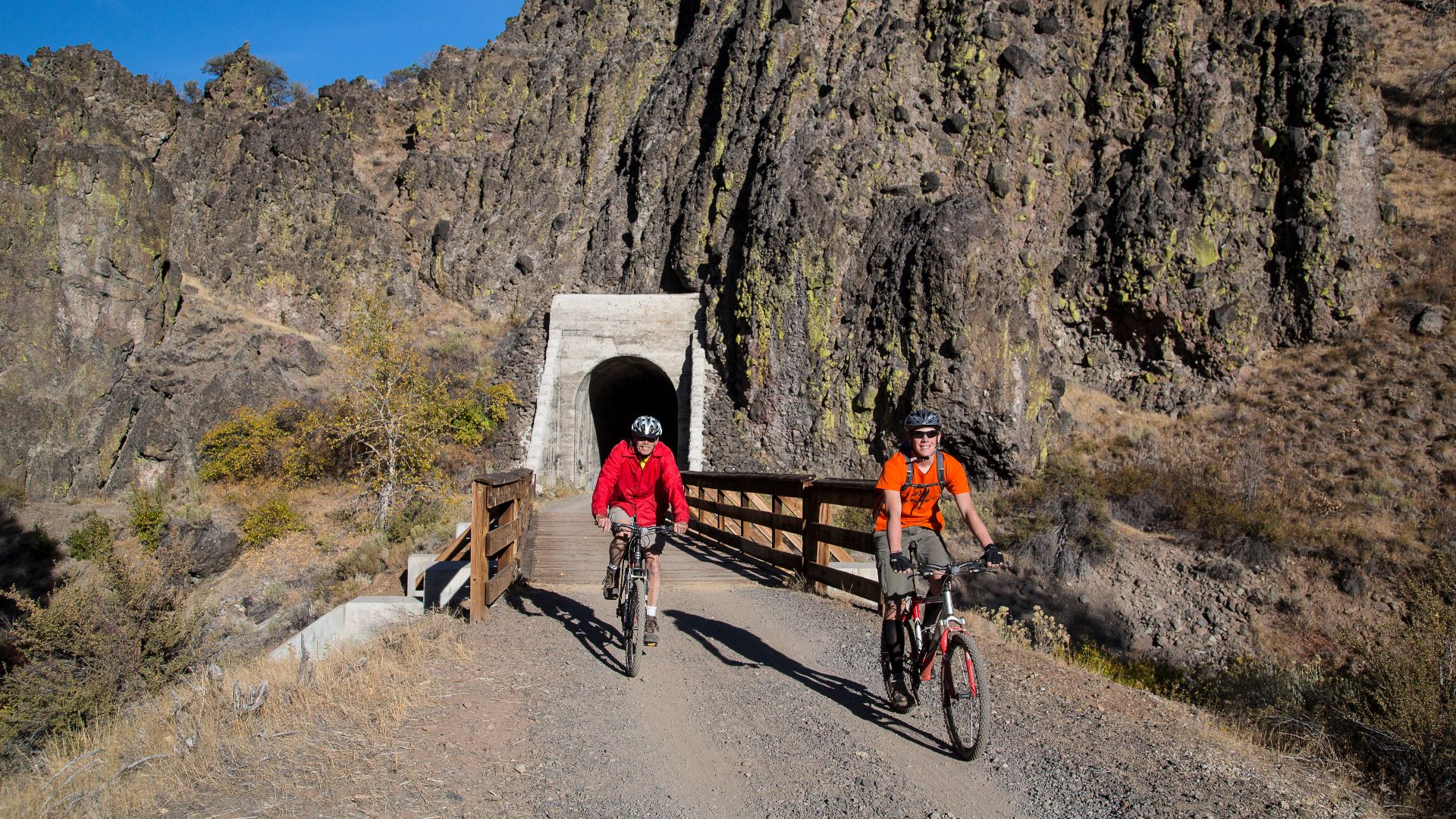 blmcalifornia, Wikimedia Commons
Bridges, River Views, And Railroad History
The railroad was abandoned in the late 1970s, eventually becoming a scenic recreational trail. Today, visitors can explore shorter sections from trailheads at Susanville, Hobo Camp, and Devils Corral. Along the way, historic bridges and trestles cross the Susan River 12 times, offering spectacular canyon views.
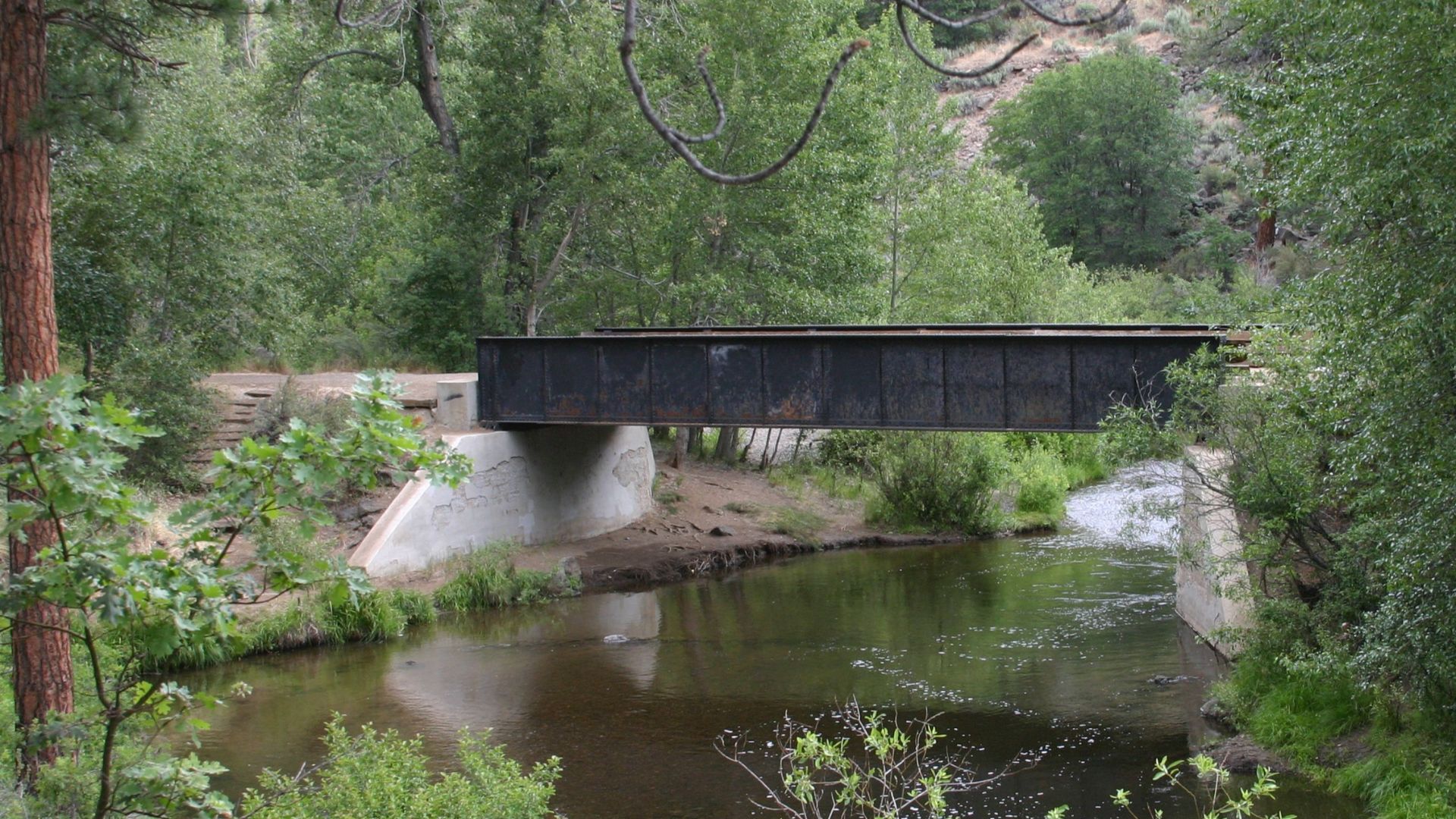 blmcalifornia, Wikimedia Commons
Historic Railroad Tunnel Trail, Nevada
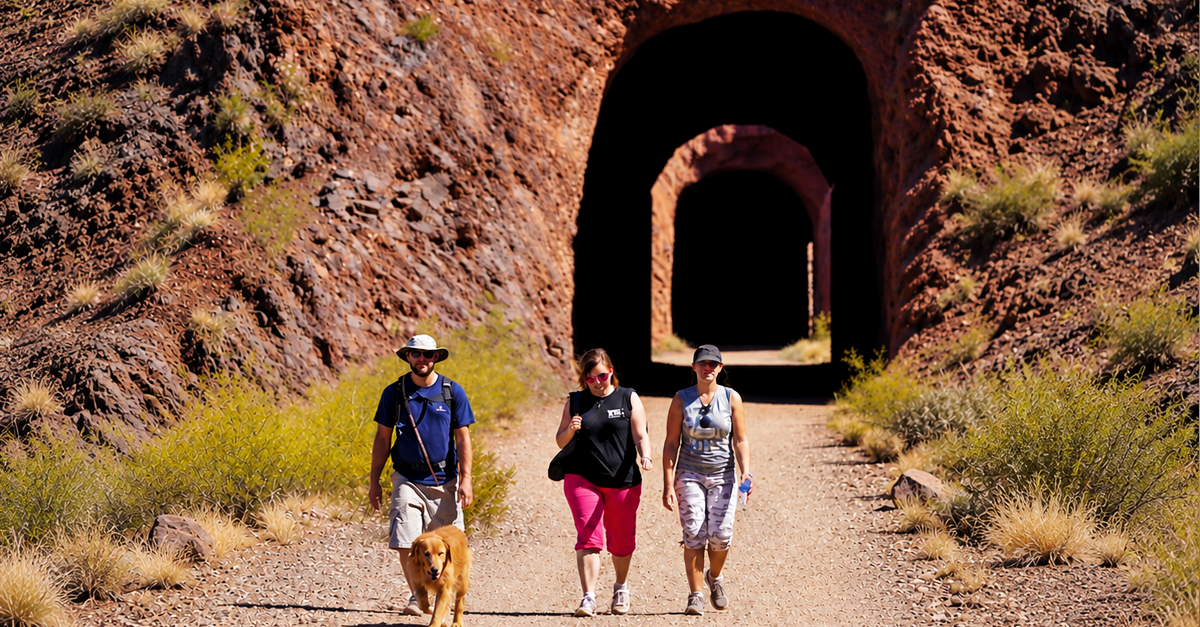
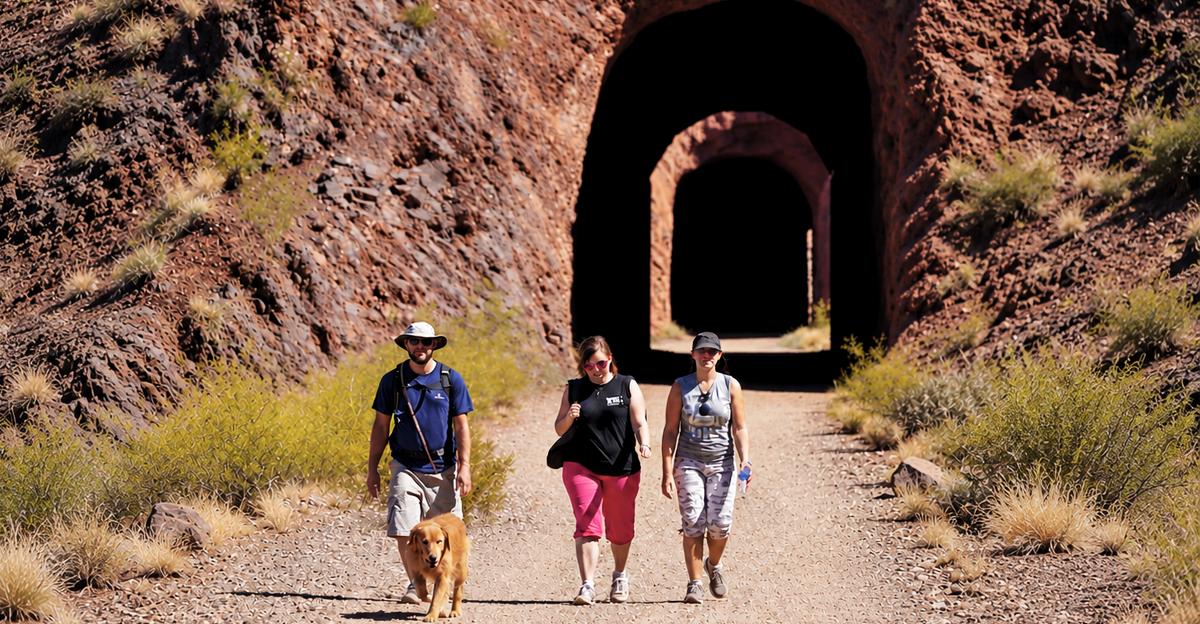
Nevada's Historic Railroad Tunnel Trail takes visitors through the rugged desert mountains near Lake Mead and Hoover Dam. The route follows an abandoned railway built to transport construction materials for the famous dam. Along the way, hikers pass through five enormous tunnels carved directly into the rocky hillsides.
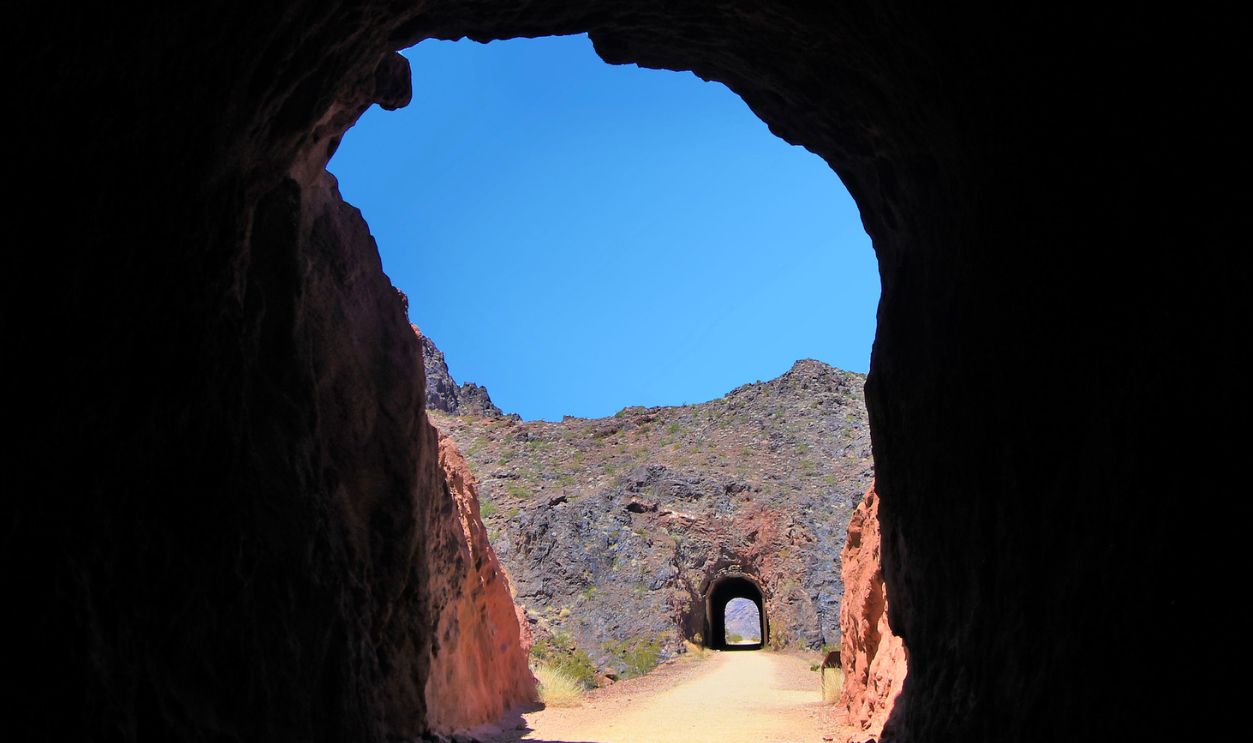
Five Massive Tunnels Built For Hoover Dam
Construction of the railroad began in 1931, connecting Hoover Dam with nearby quarries, gravel plants, and other facilities. Its five surviving tunnels measure approximately 300 feet long, 25 feet wide, and 30 feet high. The tracks were removed in 1962, but the tunnels remain open for visitors to explore.
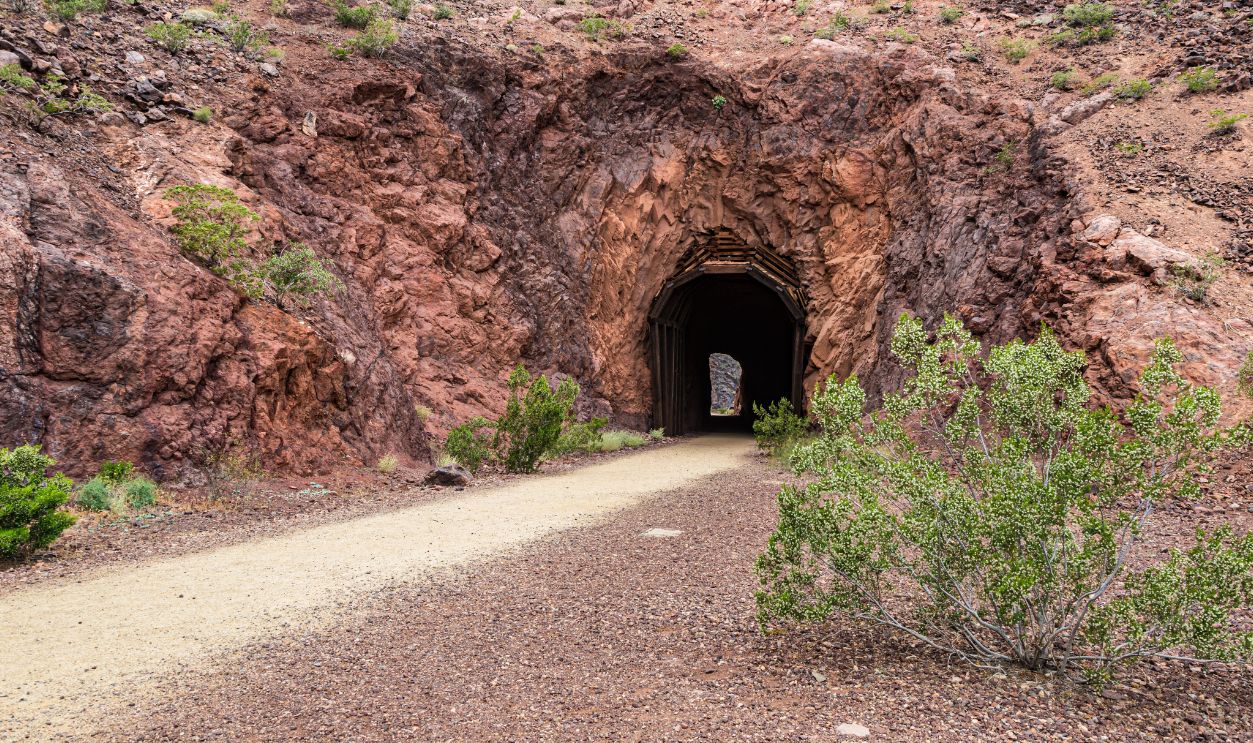
An Easy Walk With Spectacular Desert Views
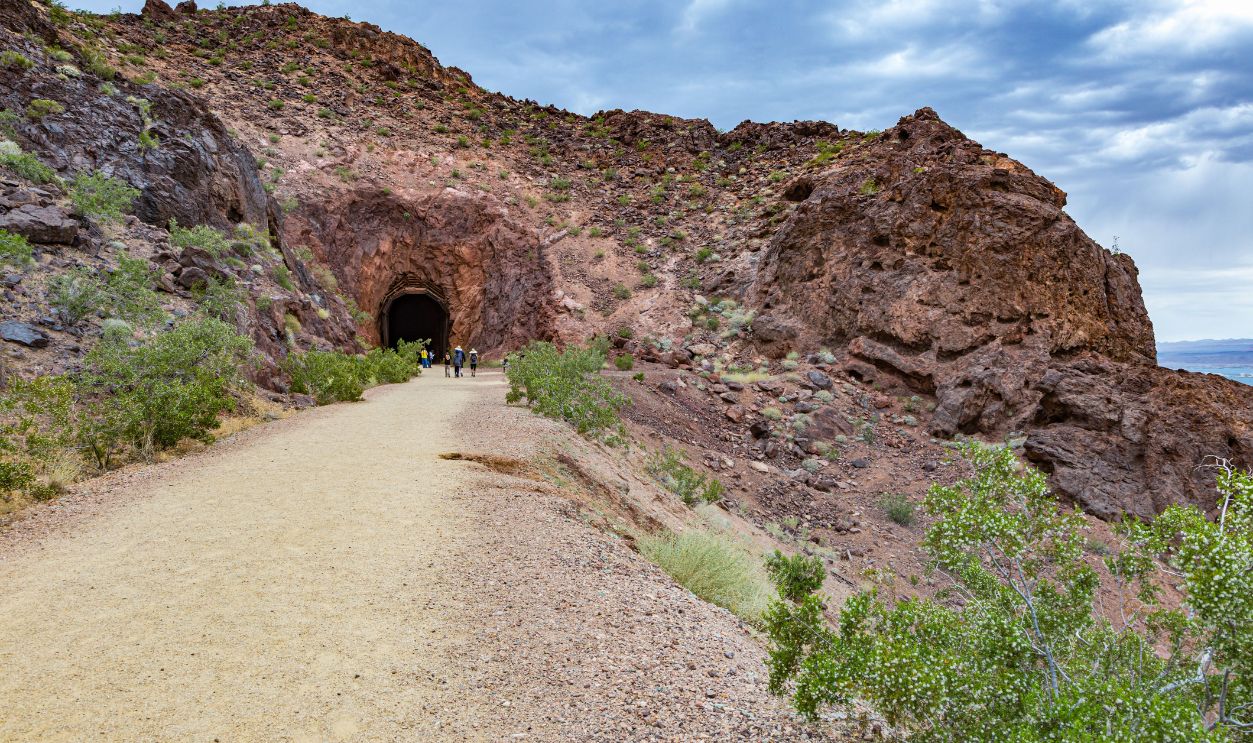
The mostly level trail offers sweeping views of Lake Mead and the surrounding desert mountains. Visitors can reach the first tunnel after walking approximately one mile from the trailhead near the Lake Mead Visitor Center. Fall, winter, and spring are the best times to visit, as summer temperatures can exceed 100°F and much of the route has no shade.
George S. Mickelson Trail, South Dakota
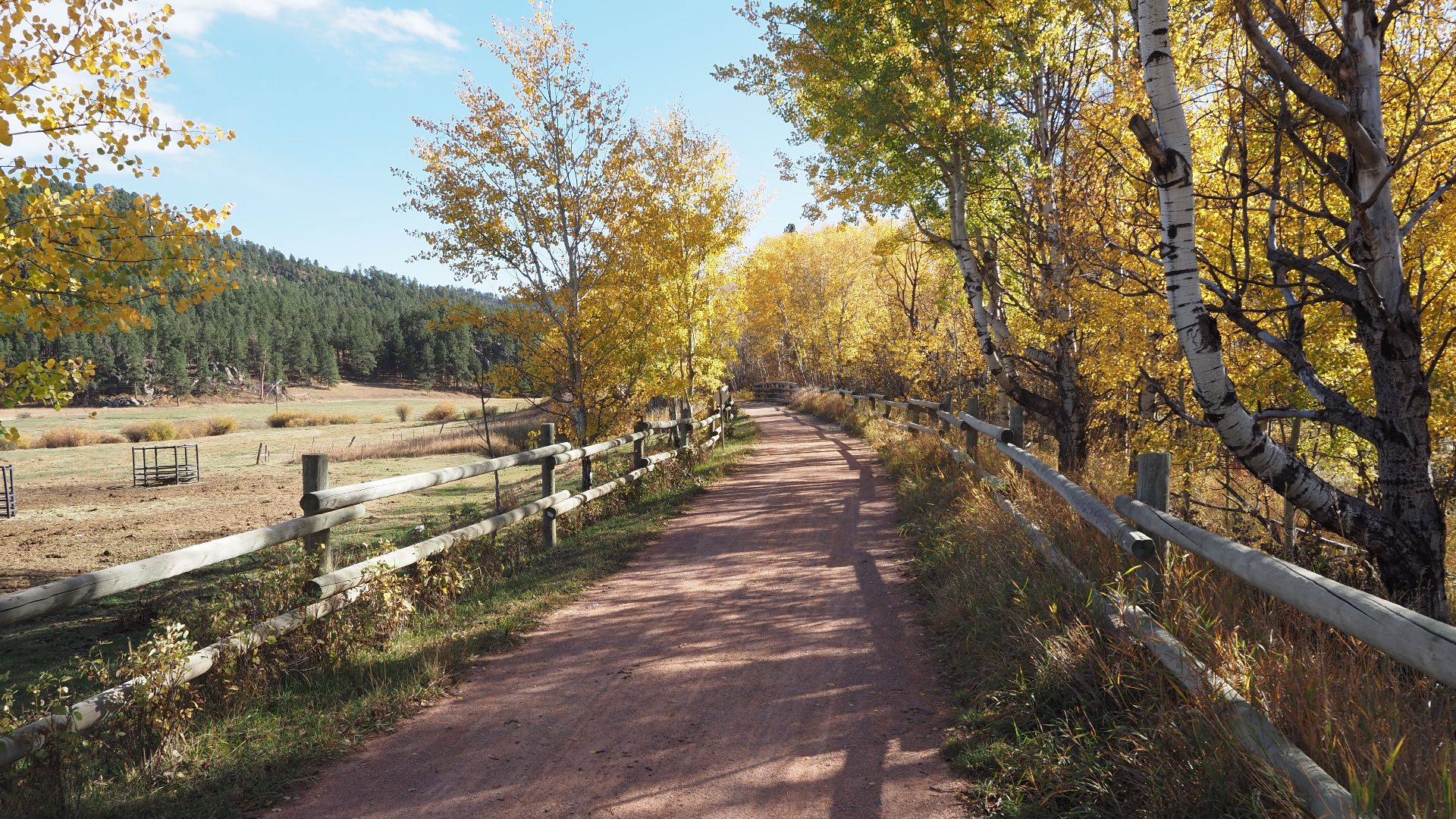
South Dakota's George S. Mickelson Trail winds 109 miles through the beautiful Black Hills. Following a former railroad corridor between Deadwood and Edgemont, it passes through pine forests and rocky mountain scenery. The route includes more than 100 converted railroad bridges and four rock tunnels.
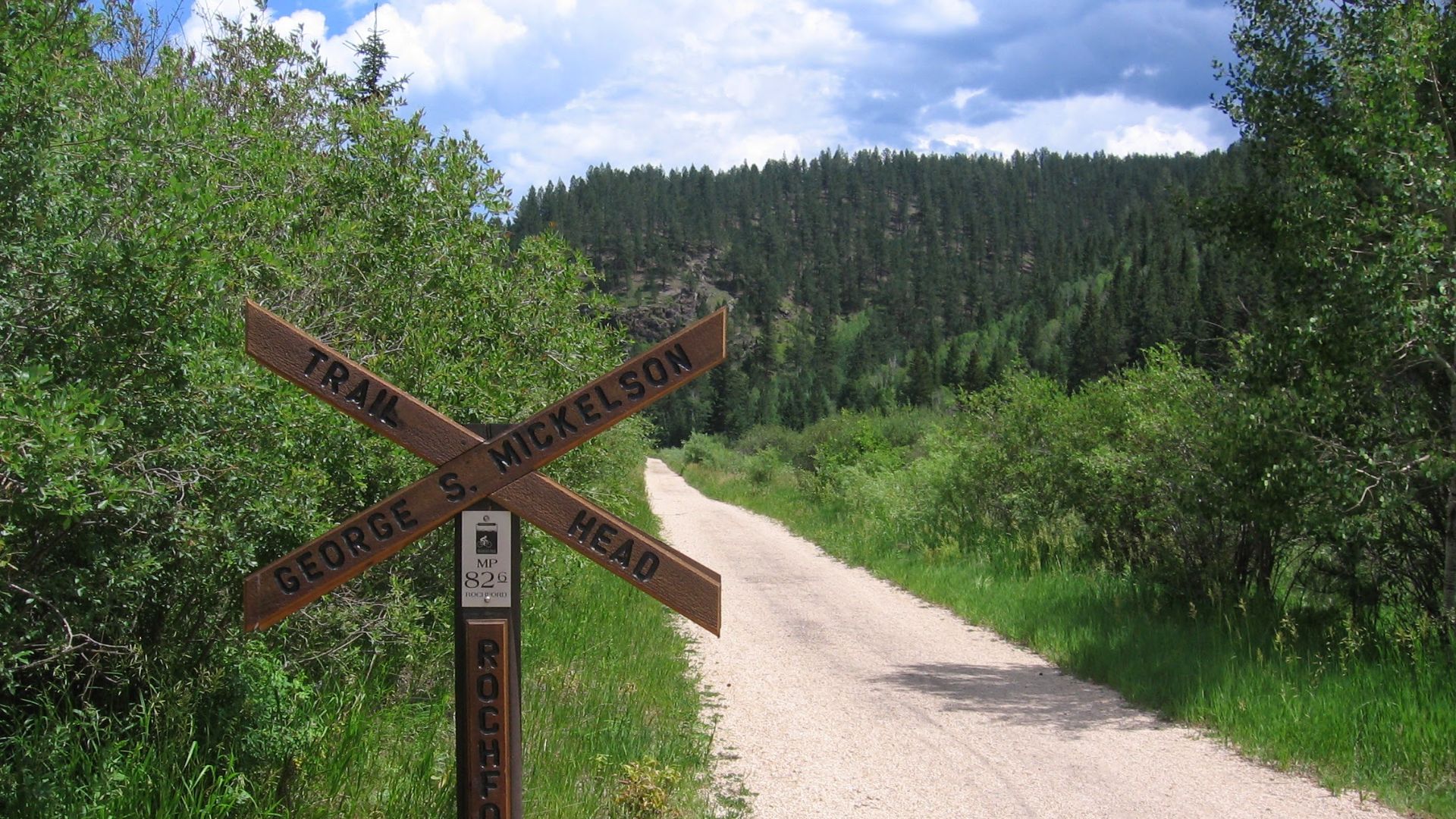
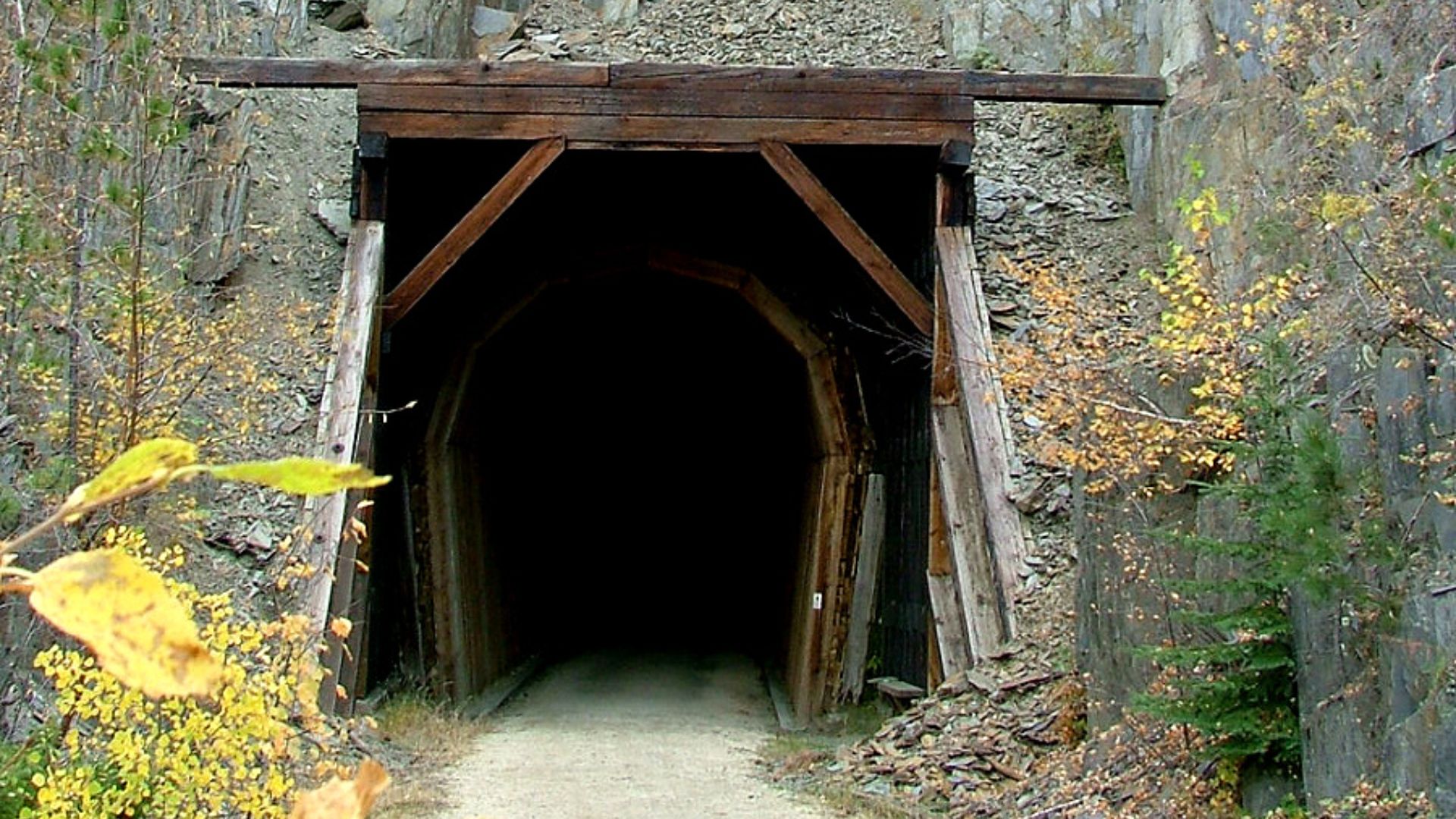
Four Tunnels Hidden In The Black Hills
The Mickelson Trail's four tunnels offer striking glimpses of the region's railroad engineering. Instead of following the surrounding hills, the old railway cut directly through sections of rock to maintain manageable grades. Today, walkers can experience those same passages while surrounded by the rugged scenery of the Black Hills.
You Can Explore Just A Small Section
Visitors don't need to tackle the entire 109-mile route to enjoy the Mickelson Trail. Multiple trailheads make shorter outings possible, while the former railroad grades create relatively gentle walking conditions across much of the route. The trail opened in its completed form in 1998, and visitors generally need a trail pass.
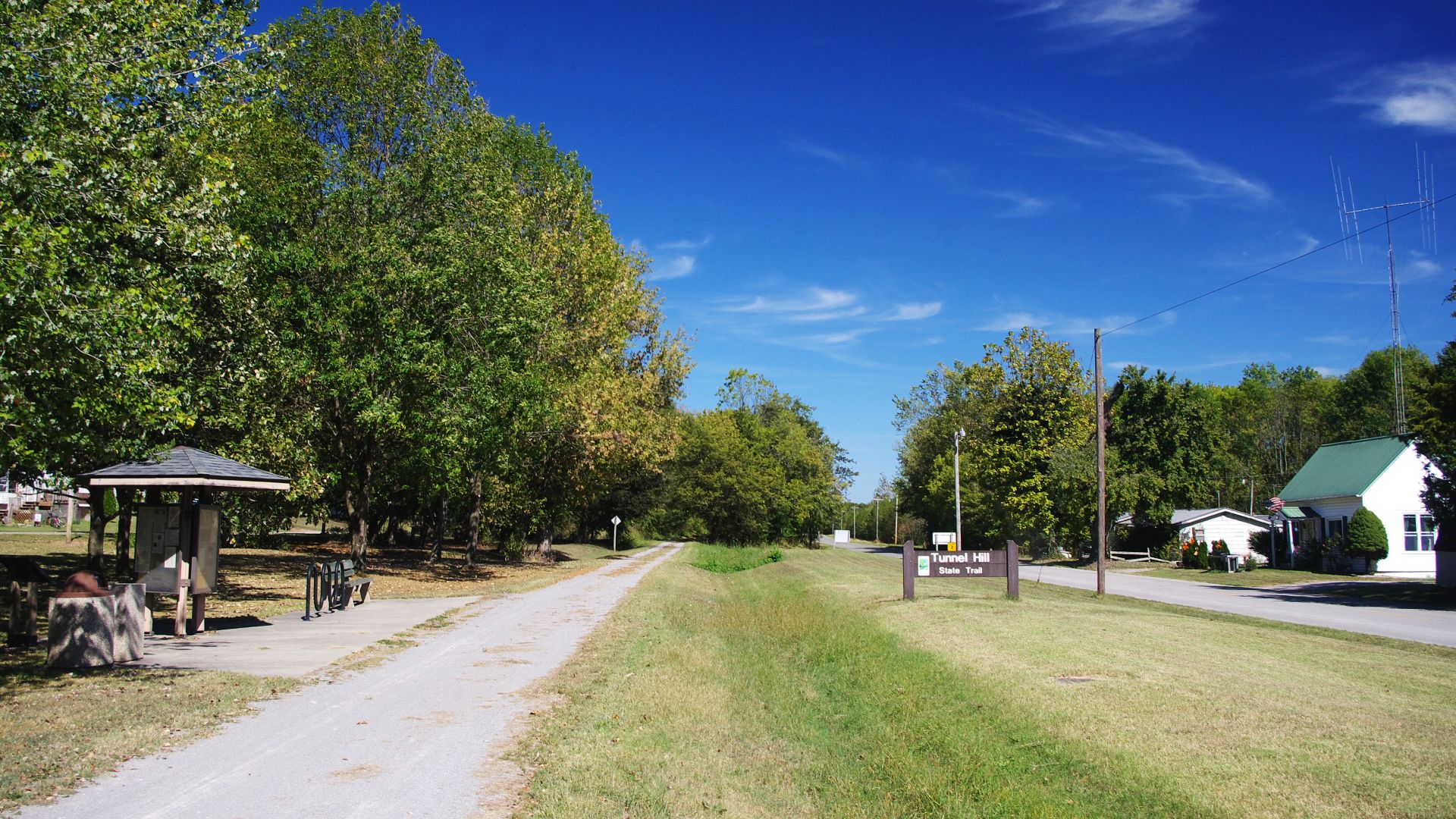
Tunnel Hill State Trail, Illinois
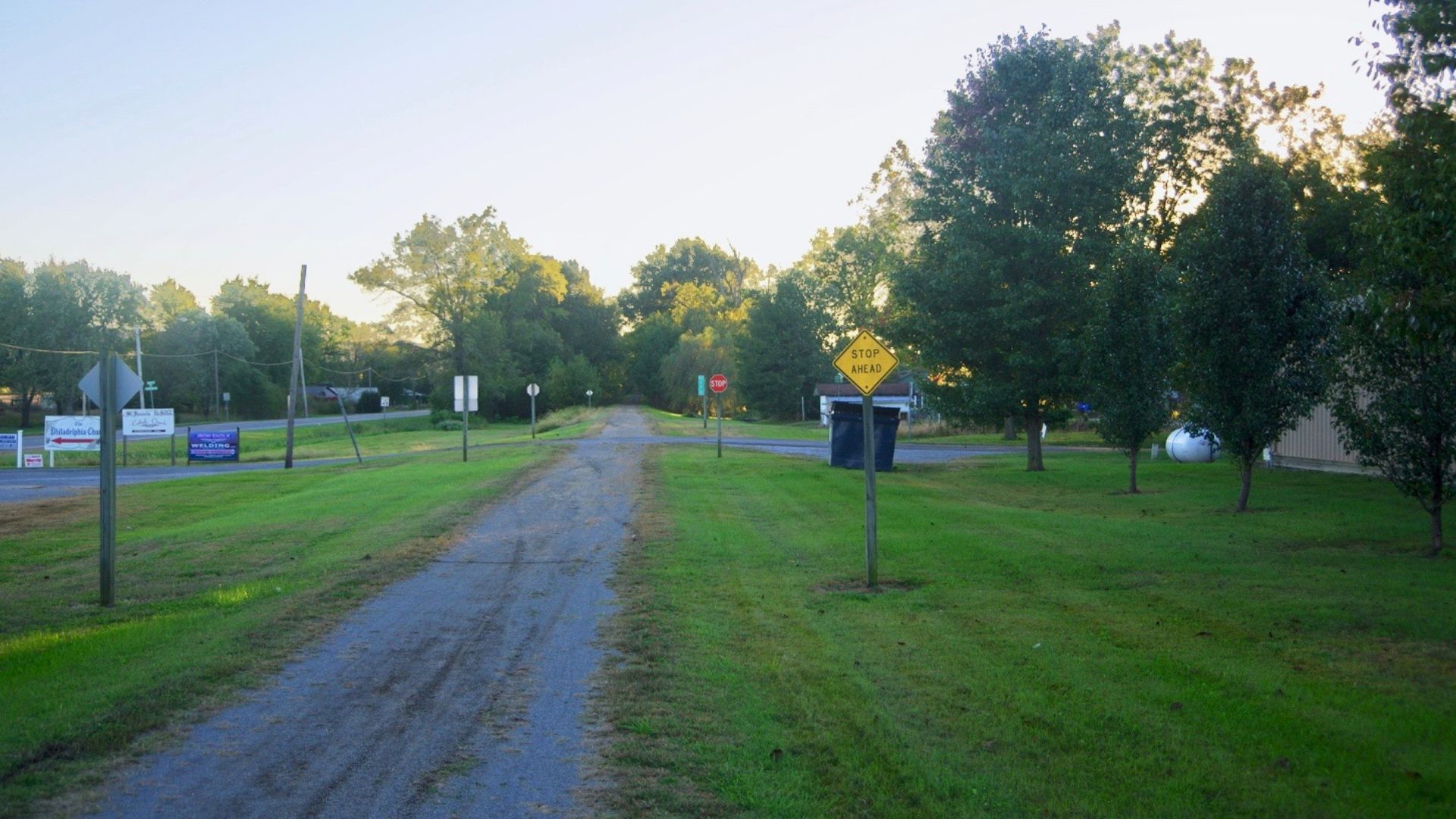
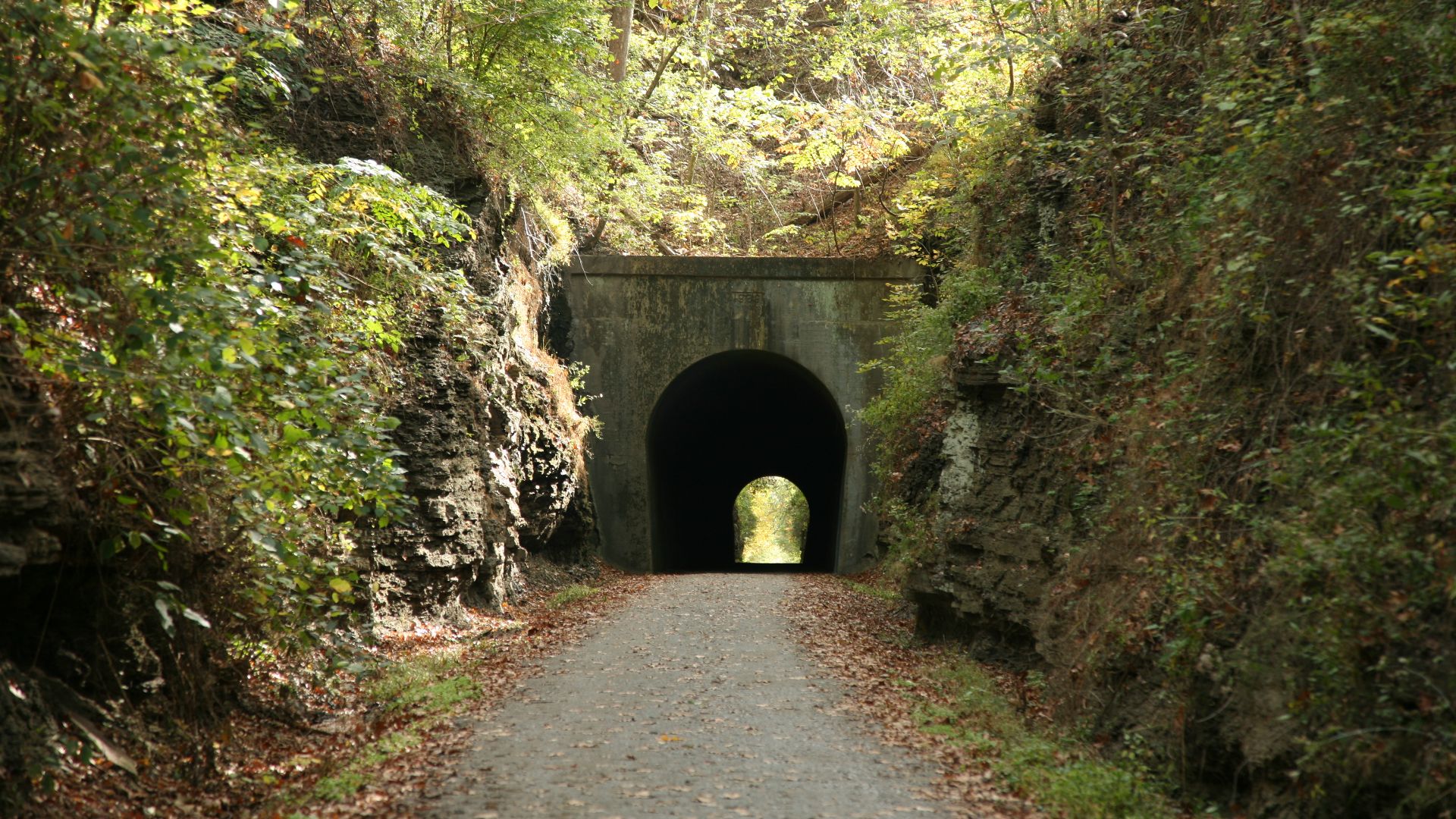
Southern Illinois offers another fascinating railroad adventure along the Tunnel Hill State Trail. The approximately 45-mile route connects Harrisburg and Karnak, passing through wooded countryside and historic communities. Its most distinctive feature is an old railroad tunnel that gave the surrounding area its name.
 Brian Stansberry, Wikimedia Commons
The Tunnel Was Once Much Longer
Tunnel Hill's passage originally extended more than 800 feet beneath the hillside. In 1929, part of the tunnel collapsed, shortening the structure by roughly 300 feet. The surviving tunnel now measures 543 feet, preserving an unusual chapter of Illinois railroad history.
 Daniel Schwen, Wikimedia Commons
Don't Miss The Historic Railroad Trestles
The trail also features 23 picturesque railroad trestles along its completed sections. The largest, Breeden Trestle, stretches 430 feet and rises approximately 90 feet above the surrounding landscape. Visitors heading specifically for the tunnel can find it about a quarter mile south of Tunnel Hill, along the route toward Vienna.
 Brian Stansberry, Wikimedia Commons
America's Forgotten Railroads Are Waiting To Be Explored
Many of America's old railroad tunnels have survived long after the trains disappeared. From Virginia's nineteenth-century engineering marvel to Washington's enormous mountain passage, these routes offer a remarkable way to experience railroad history firsthand. Whether you're looking for a short underground walk or an all-day adventure, these former railway corridors prove that some of America's most fascinating trails lead straight through mountains.
 blmcalifornia, Wikimedia Commons
You May Also Like:
Notorious Tourist Traps Americans Say Are Actually Worth It—How Many Of Them Have You Visited?
Canadians Ranked The U.S. Road Trips They'd Most Like To Take—Which One Would You Choose?