America's Vacation Hotspots Looked Very Different
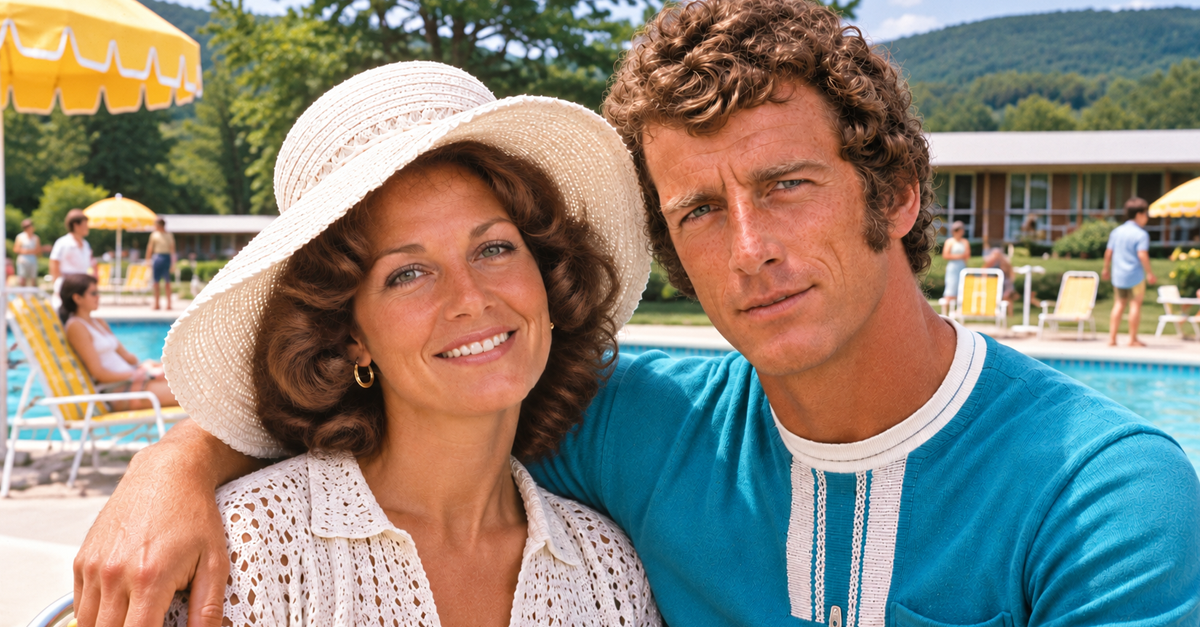
In the 1970s and 1980s, Americans flocked to vacation destinations that look almost unrecognizable today. The Catskills had enormous resort hotels, the Poconos were famous for heart-shaped bathtubs, and Fort Lauderdale was overrun with spring breakers. But times changed, and many of these once-beloved vacation spots lost the attractions that made them famous.
Here's a look at America's favorite vacation hotspots from the 1970s and 1980s, and what became of them.
The Catskills Were America's Summer Playground
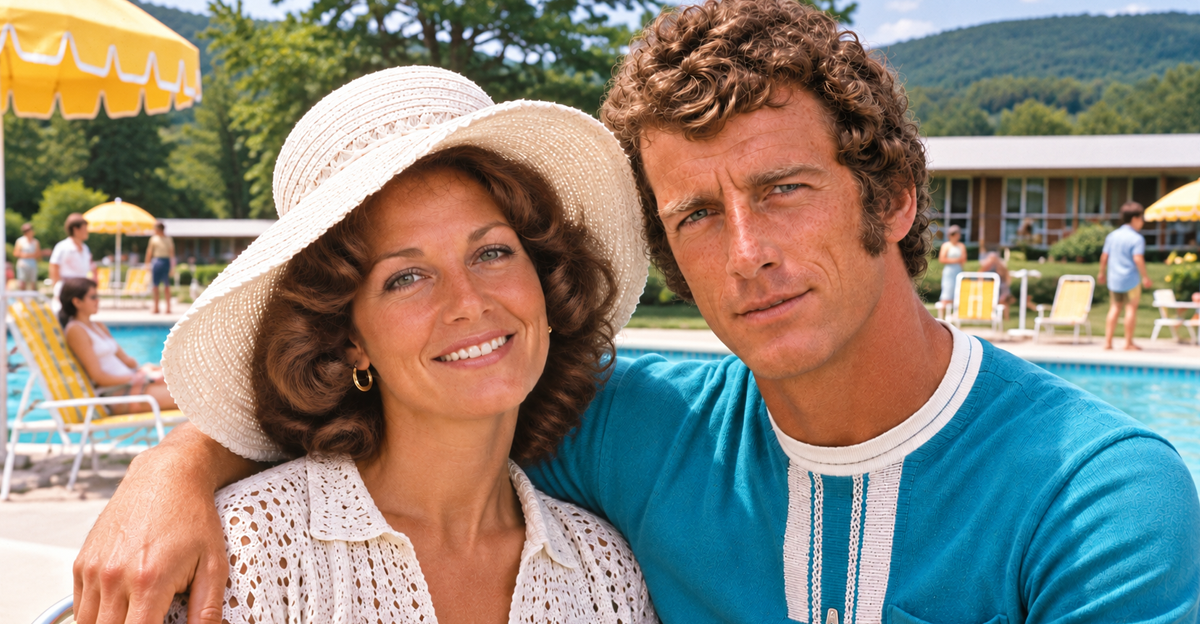
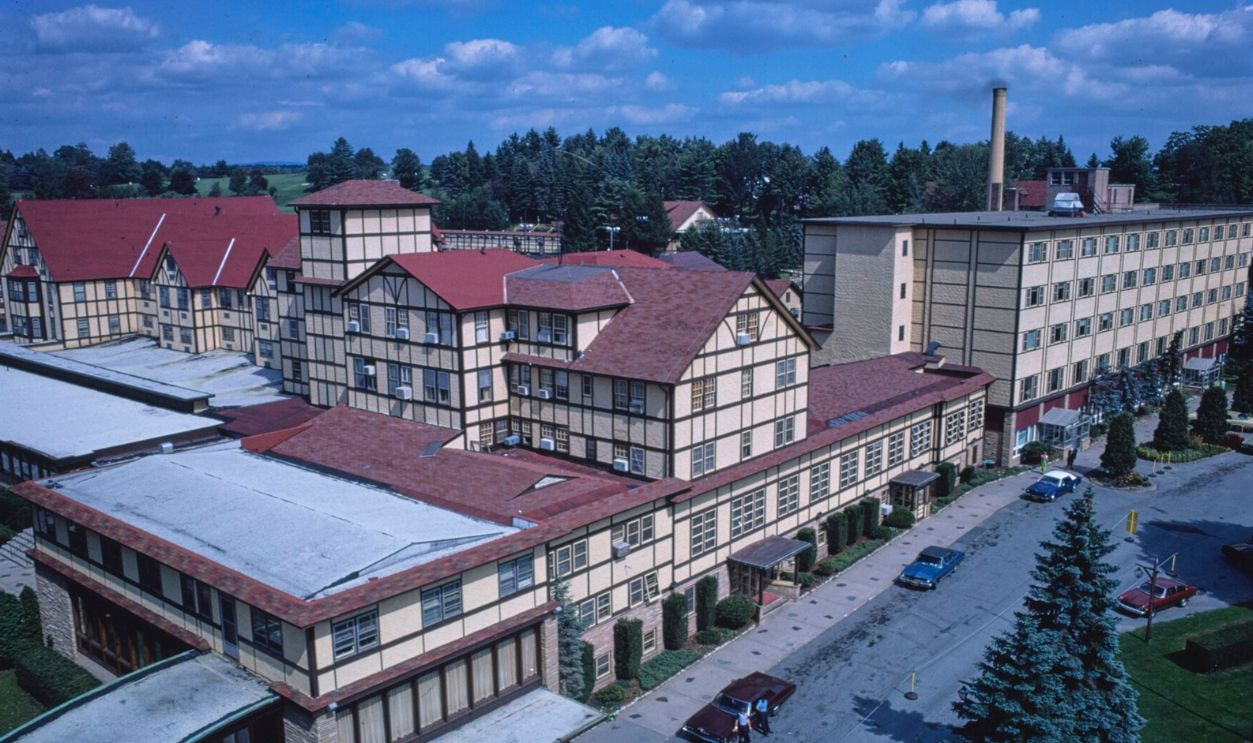
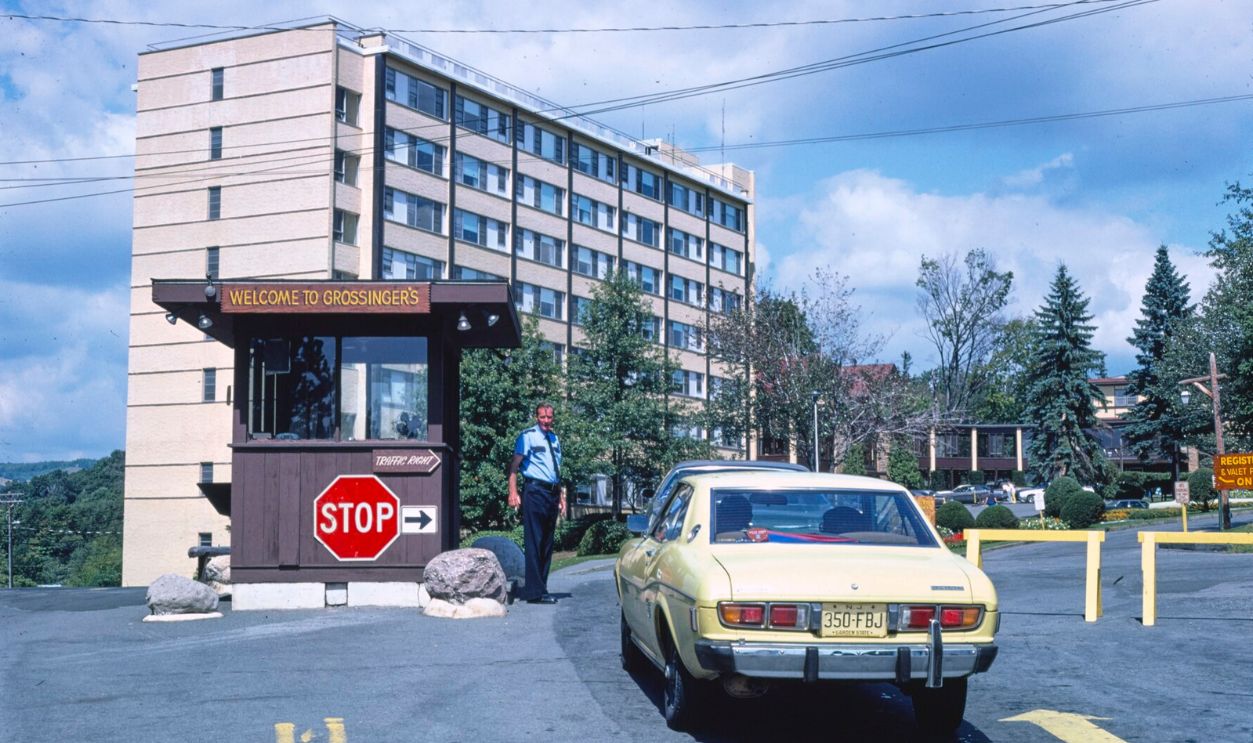
During the 1970s, New York's Catskills were still home to legendary resorts like Grossinger's, the Concord, and Kutsher's. These enormous hotels offered swimming pools, lavish dining rooms, and nightly entertainment for vacationing families. The region's famous Borscht Belt was especially popular with Jewish American families, many of whom returned year after year.
 John Margolies (1940–2016), Wikimedia Commons
These Resorts Had Their Own Entertainment Scene
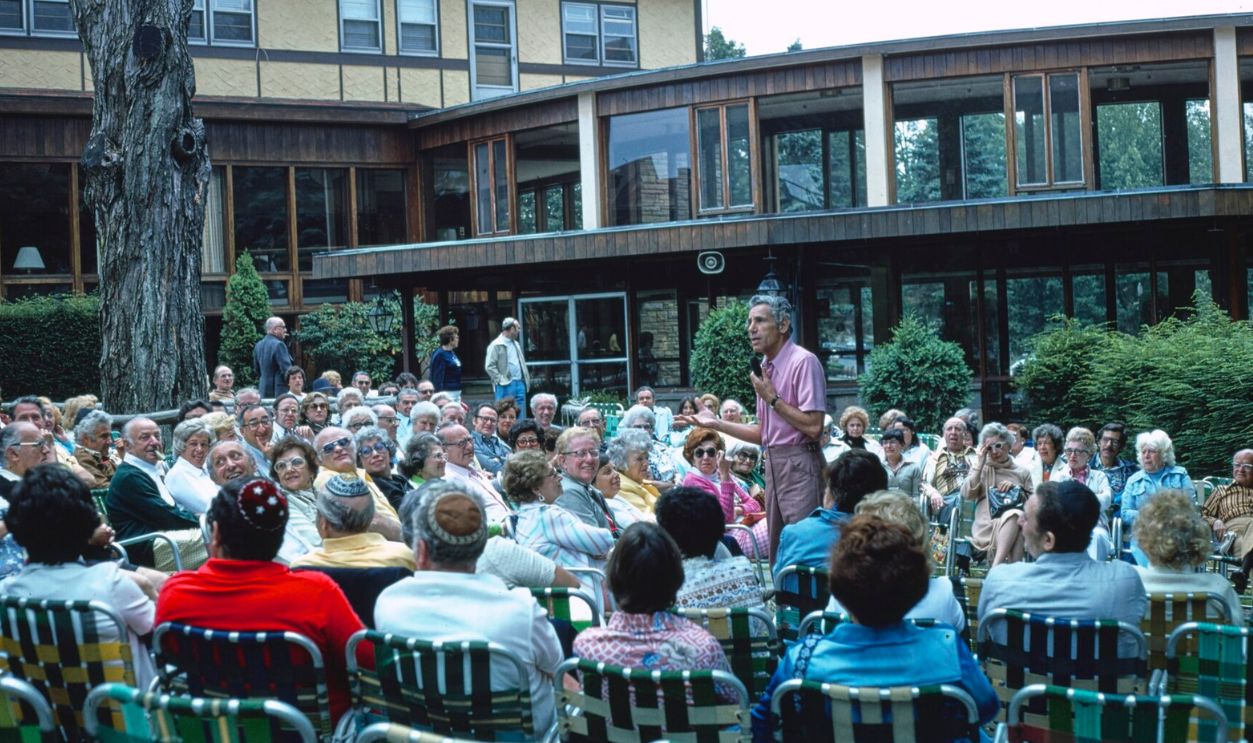
The Catskills were famous for attracting top comedians, musicians, and other entertainers, including Jerry Lewis and Jackie Mason. Guests could spend their evenings watching professional performances after days filled with swimming, golf, and tennis. Some resorts even had their own ski slopes, ice-skating facilities, and nightclubs.
 John Margolies (1940–2016), Wikimedia Commons
Then Vacation Habits Changed
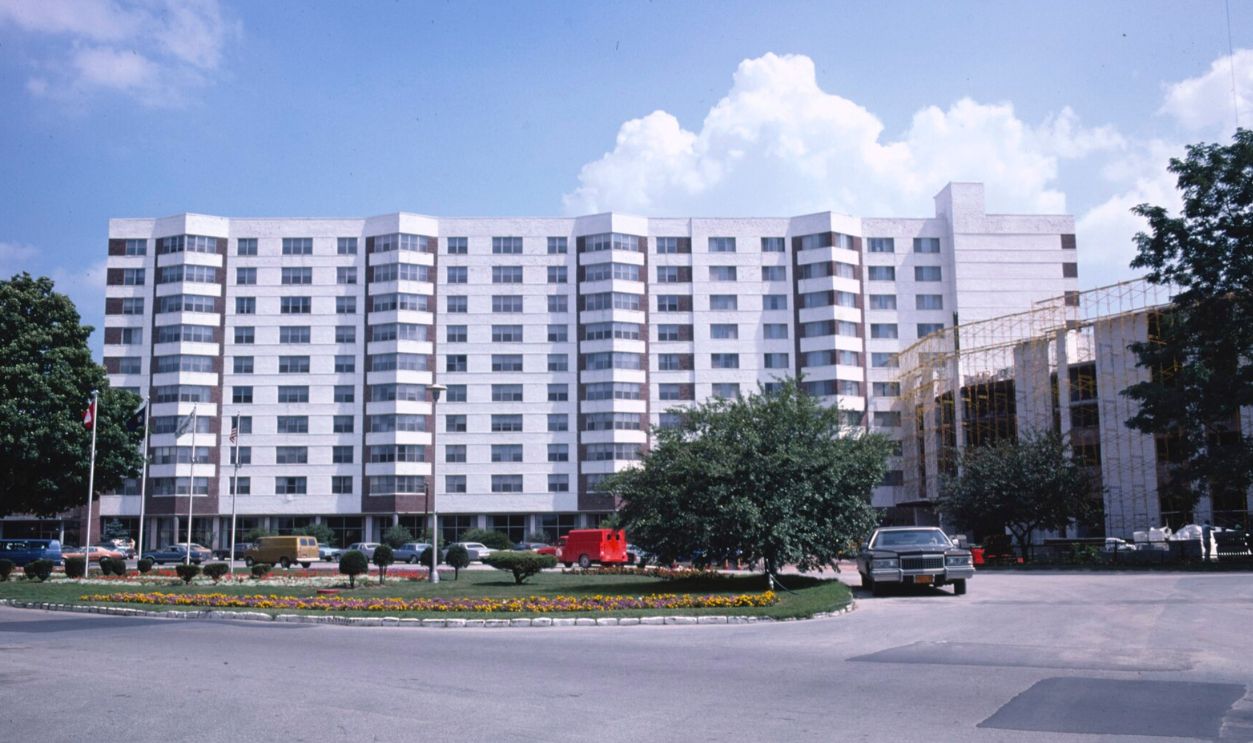
By the 1980s, the Catskills resort industry was struggling as affordable air travel opened up destinations like Florida and the Caribbean. Air conditioning also made escaping hot city summers less necessary, while younger generations developed different vacation preferences. With fewer guests, the enormous hotels became increasingly expensive to maintain.
 John Margolies (1940–2016), Wikimedia Commons
The Grand Hotels Began Disappearing
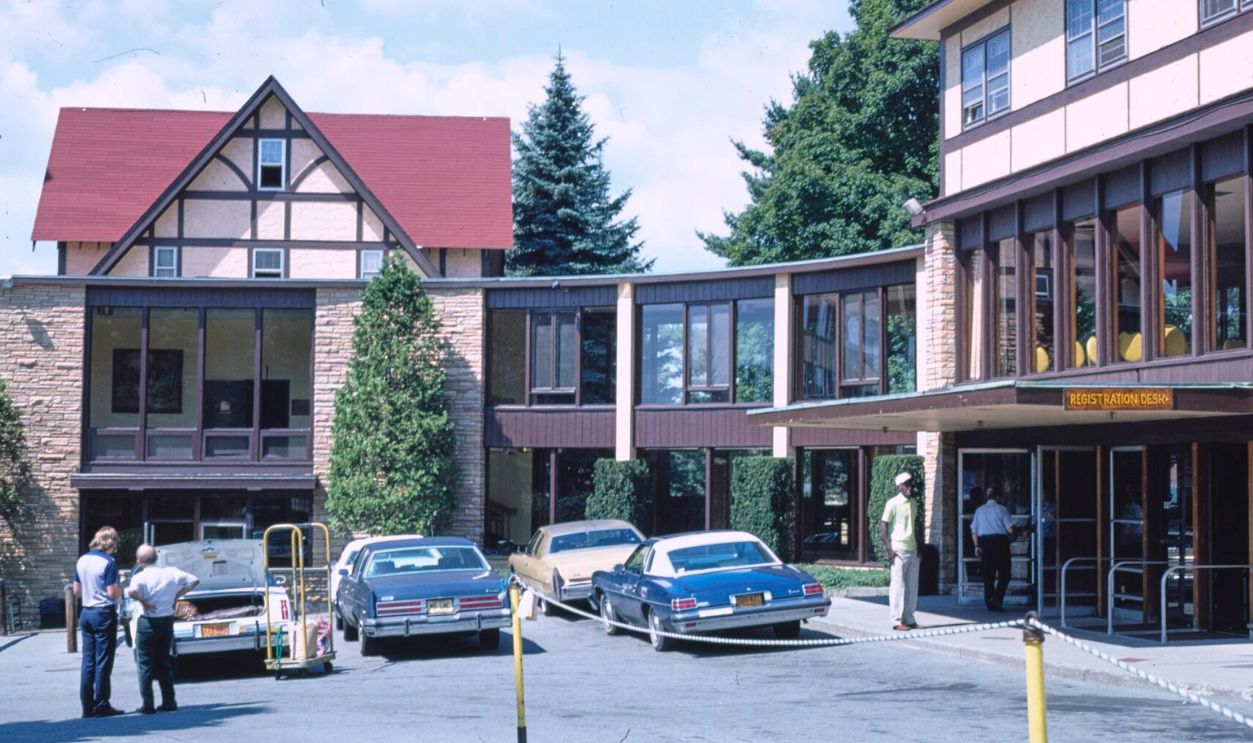
Grossinger's closed in 1986, followed by the Concord in 1998 and Kutsher's in 2013. Many of the buildings were eventually demolished, leaving little trace of the region's famous resort era. The Catskills still attract vacationers, but modern casinos, wellness retreats, and boutique accommodations have largely replaced the sprawling family resorts.
 John Margolies (1940–2016), Wikimedia Commons
The Poconos Were The Honeymoon Capital
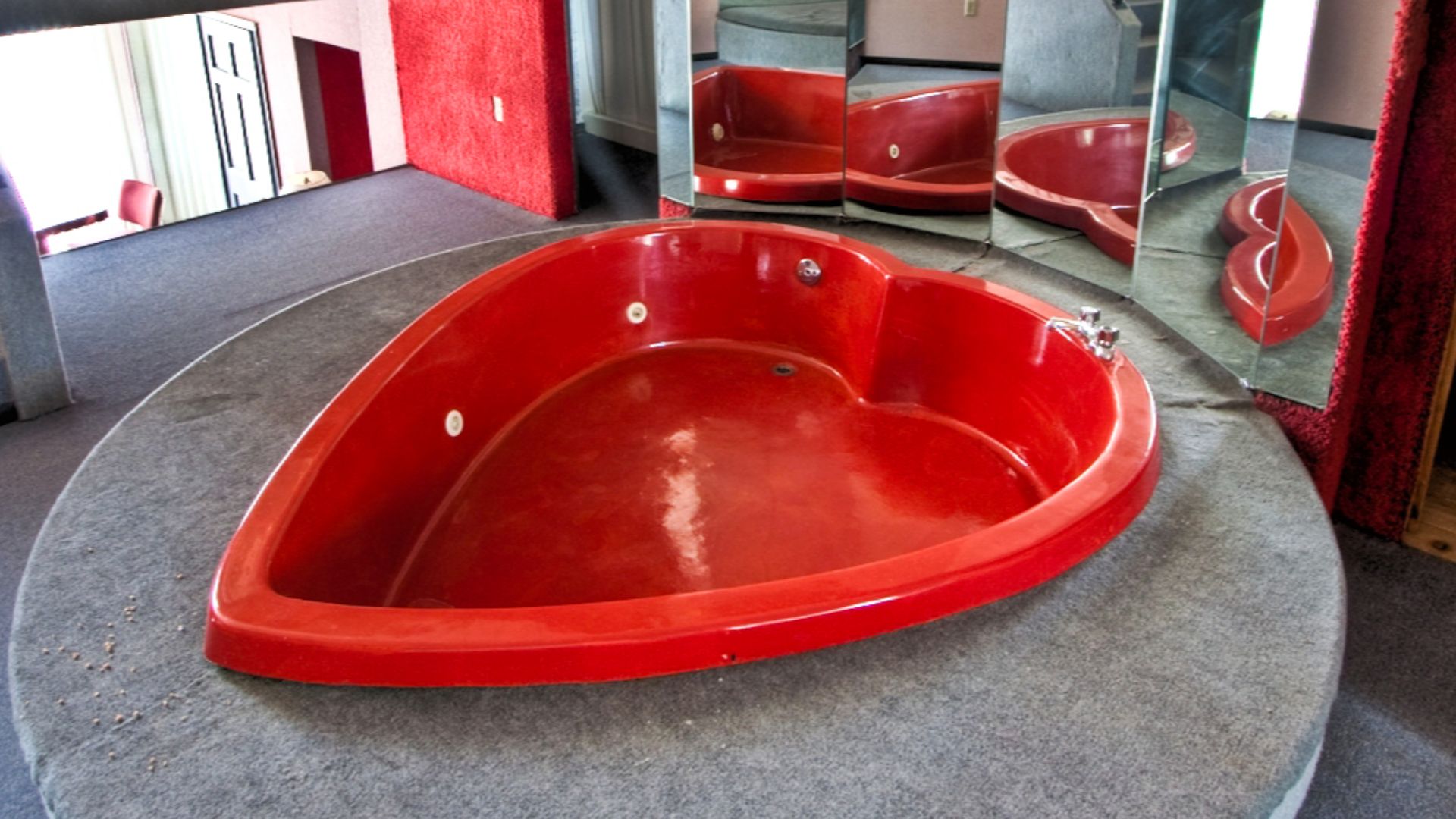
For newlyweds in the 1970s and 1980s, Pennsylvania's Pocono Mountains were among America's most famous honeymoon destinations. Resorts competed to offer romantic accommodations featuring round beds, mirrored ceilings, and heart-shaped bathtubs. Cove Haven helped popularize the trend after introducing its famous heart-shaped Sweetheart Tub in 1963.
 Matt @ PEK from Taipei, Taiwan, Wikimedia Commons
The Bathtubs Became Even More Outrageous
In 1972, Paradise Stream Resort introduced its Garden of Eden Apple suite, complete with a private indoor swimming pool. Cove Haven went further in 1984, unveiling a seven-foot-tall champagne-glass whirlpool bath designed for two people. The unusual accommodation became so popular that prospective guests reportedly faced a yearlong waiting list.
 Jonathan Haeber from Richmond, CA, Wikimedia Commons
Some Honeymoon Resorts Couldn't Survive
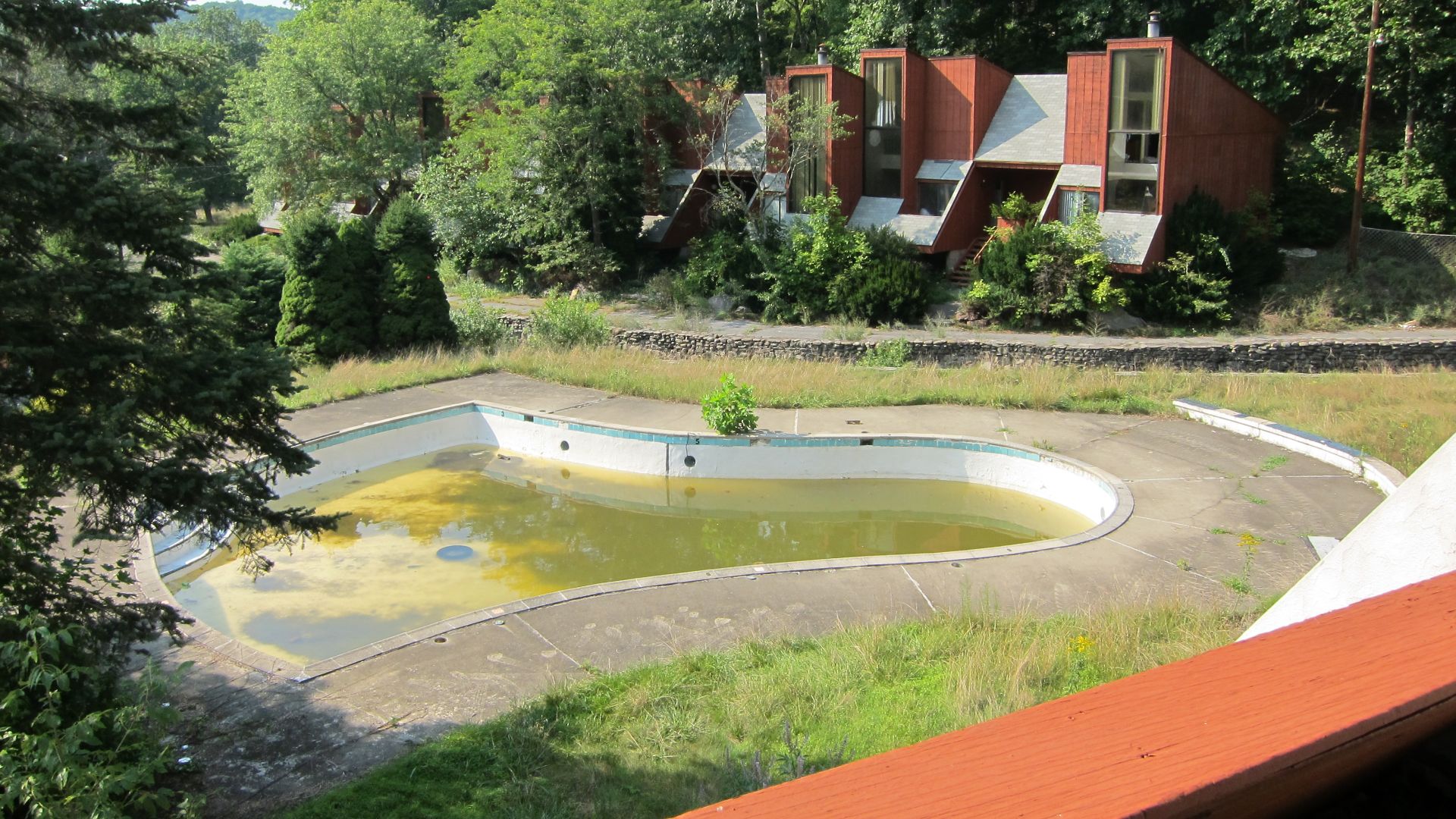
Not every Poconos honeymoon resort survived changing vacation preferences. Penn Hills, famous for its round beds, heart-shaped tubs, and wedding-bell-shaped swimming pool, closed in 2009. After years of deterioration, fires, and vandalism, most of its remaining buildings were demolished, including major demolition work in 2024.
The Poconos Have Found A New Identity
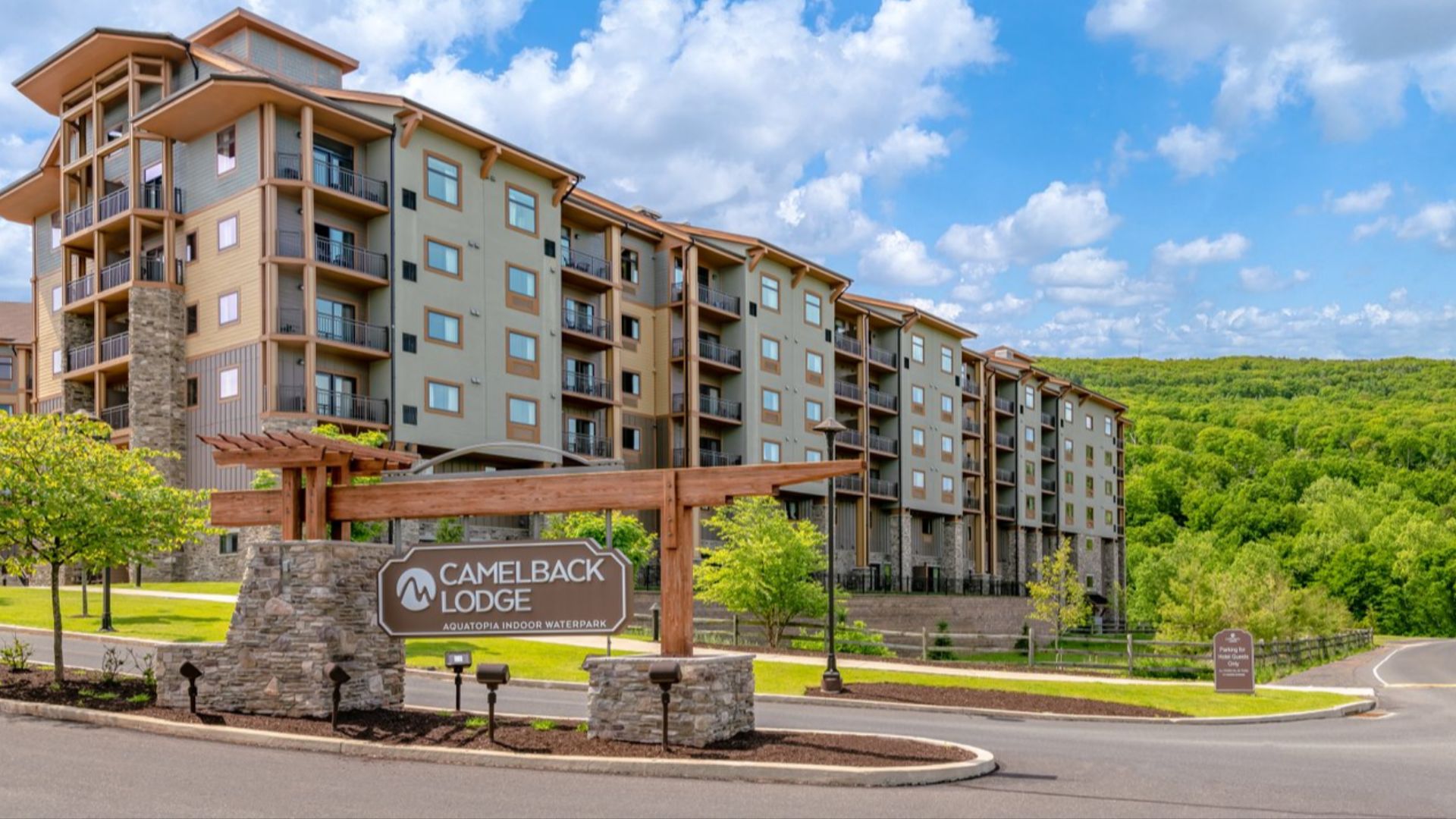
The Poconos haven't completely abandoned their romantic past. Cove Haven and Paradise Stream still welcome couples, with heart-shaped tubs and champagne-glass whirlpools remaining part of their appeal. However, the region now attracts a broader mix of vacationers with family resorts, water parks, and outdoor recreation.
 Camelback Resort, Wikimedia Commons
Fort Lauderdale Was Spring Break Headquarters
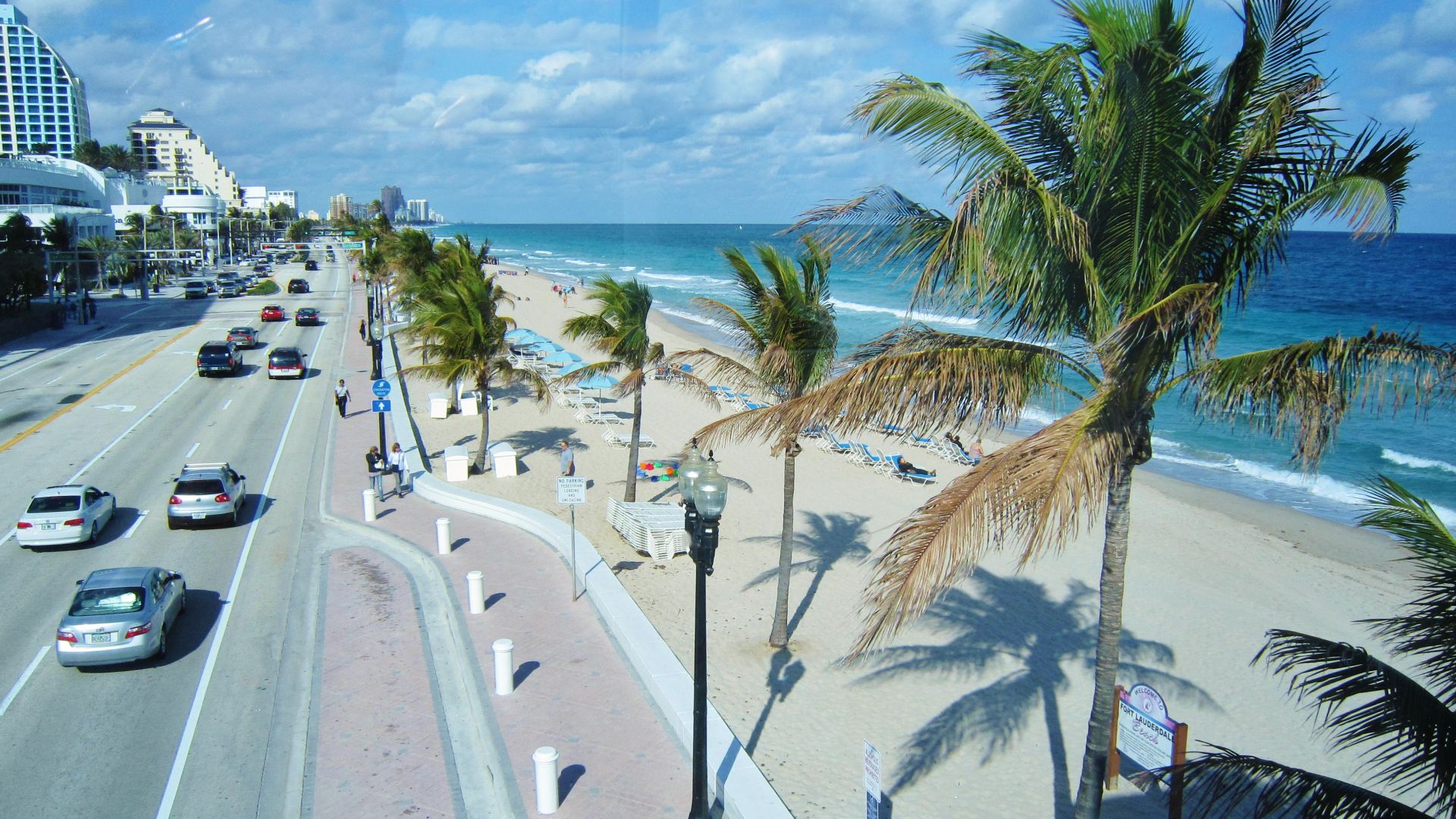
In the early 1980s, Fort Lauderdale, Florida, was one of America's most famous college spring-break destinations. Students crowded its beaches, oceanfront bars, and affordable hotels for weeks of partying. The city's reputation had been popularized decades earlier by the 1960 movie Where the Boys Are.
 Richard Mc Neil, Wikimedia Commons
Hundreds Of Thousands Came To Party
By 1985, approximately 350,000 college students were descending on Fort Lauderdale for spring break. The beachfront strip became a chaotic scene of packed bars, traffic jams, and crowded hotels. Local residents increasingly complained about disturbances, public drinking, and the strain on city services.
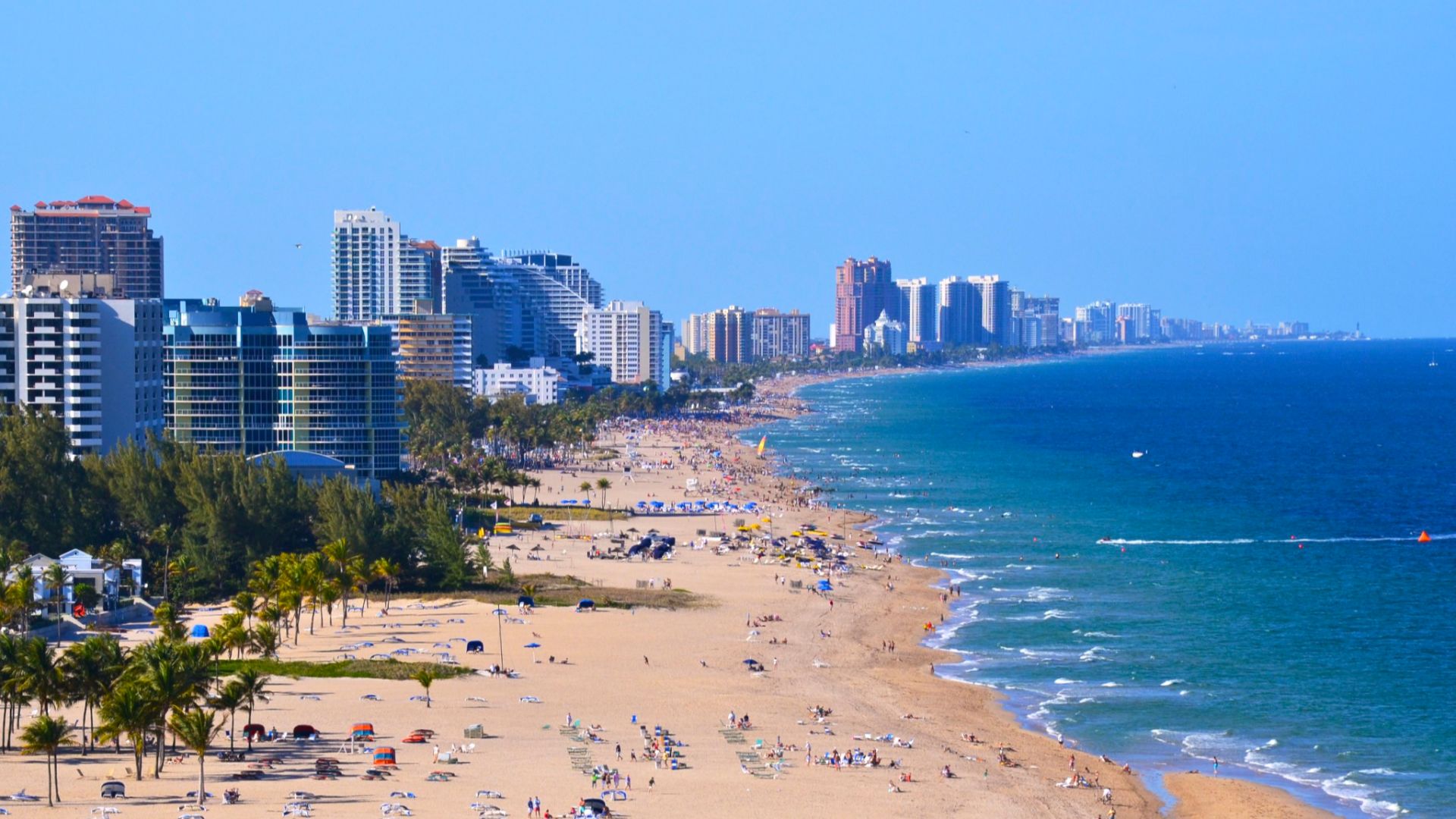 Daniel Dudek, Wikimedia Commons
The City Finally Had Enough
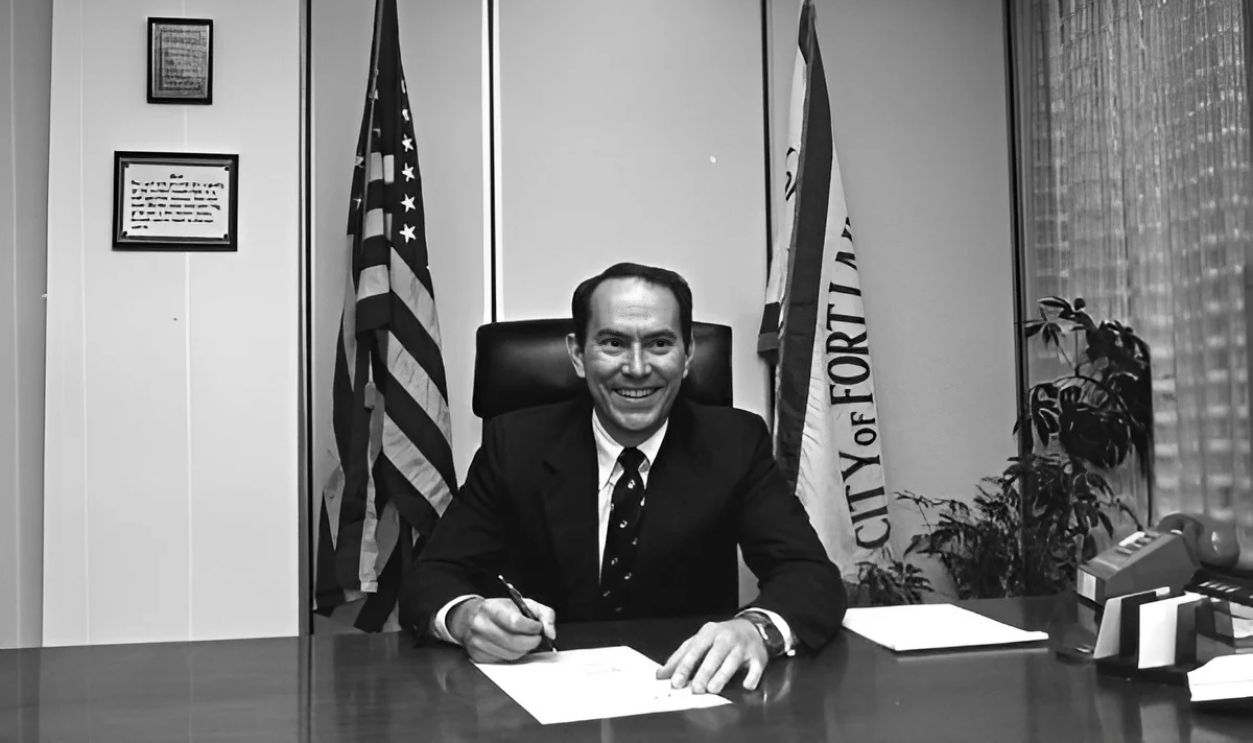
Following the chaotic 1985 season, Fort Lauderdale officials began actively discouraging college spring breakers. Mayor Robert Dressler publicly urged students to vacation elsewhere, while authorities tightened alcohol restrictions and hotel occupancy rules. Combined with Florida's higher drinking age, these measures gradually pushed many students toward other destinations.
 Roy Erickson, Wikimedia Commons
Today's Fort Lauderdale Is Almost Unrecognizable
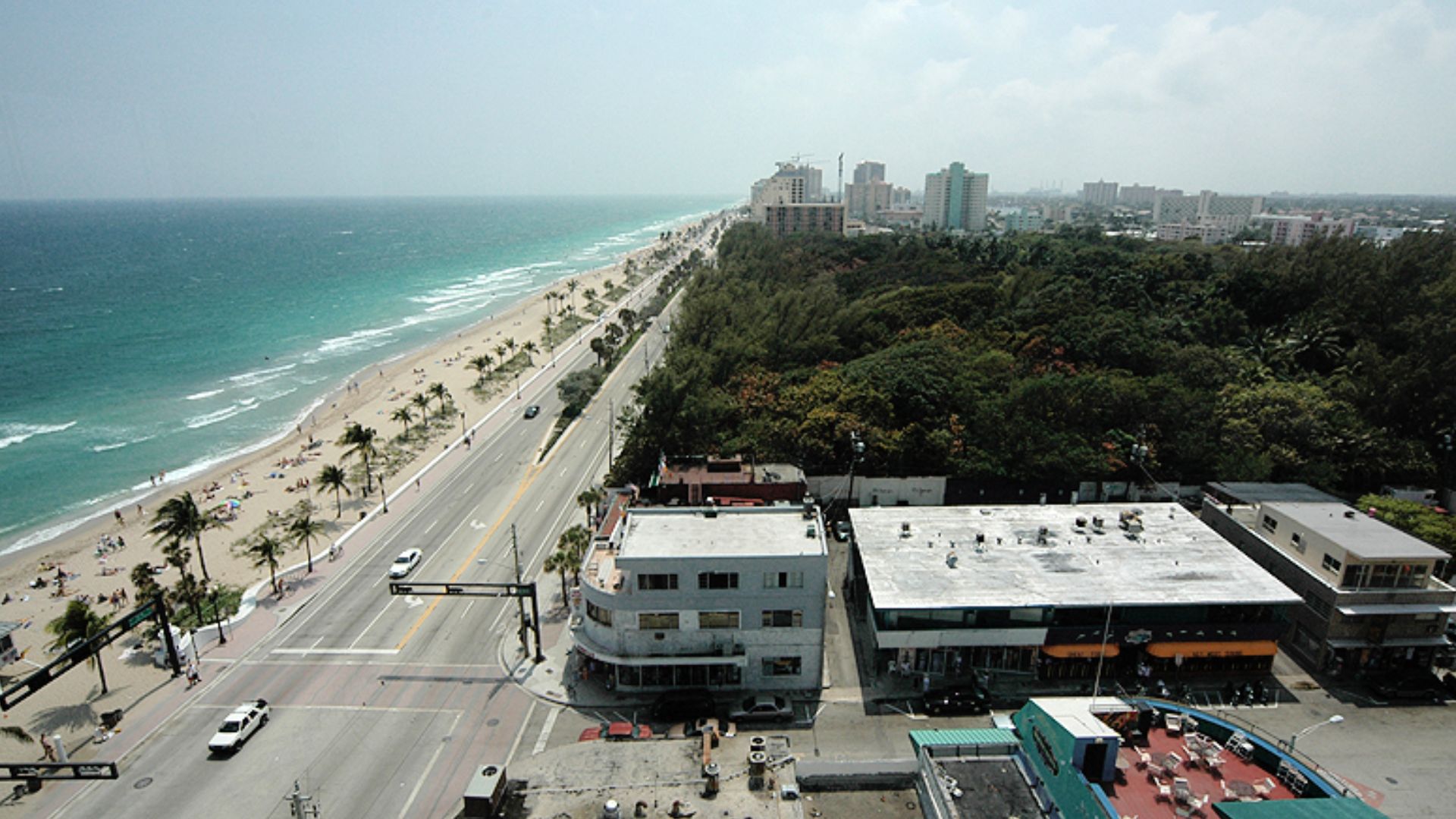
Fort Lauderdale gradually replaced much of its rowdy spring-break image with upscale hotels, restaurants, and a redesigned beachfront. The former party strip became a landscaped promenade lined with modern accommodations and dining options. Visitors today encounter a destination catering to families, couples, and luxury travelers rather than enormous college-party crowds.
 Zach Klein from New York, New York, USA, Wikimedia Commons
Daytona Beach Became The New Spring Break Capital
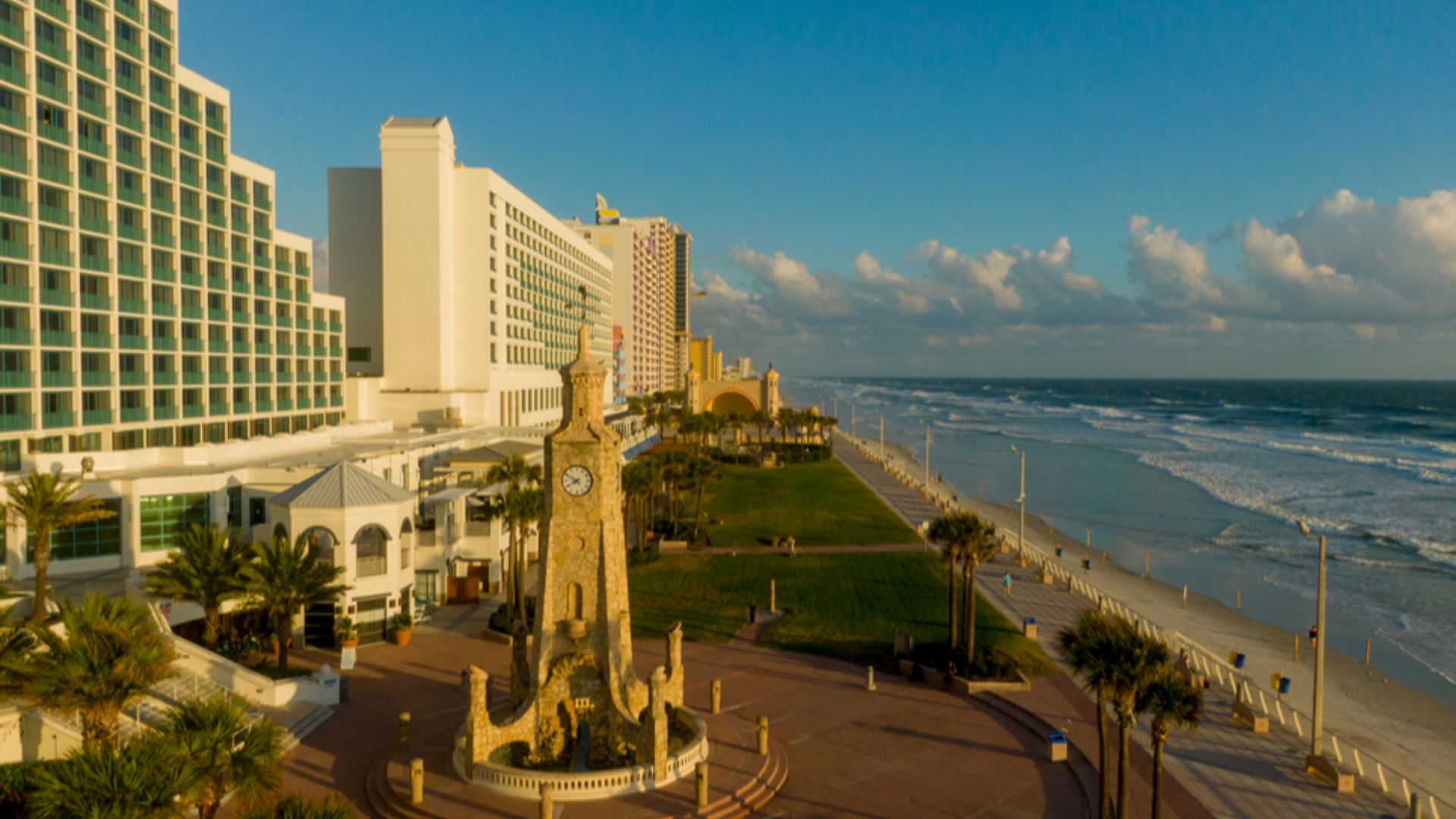
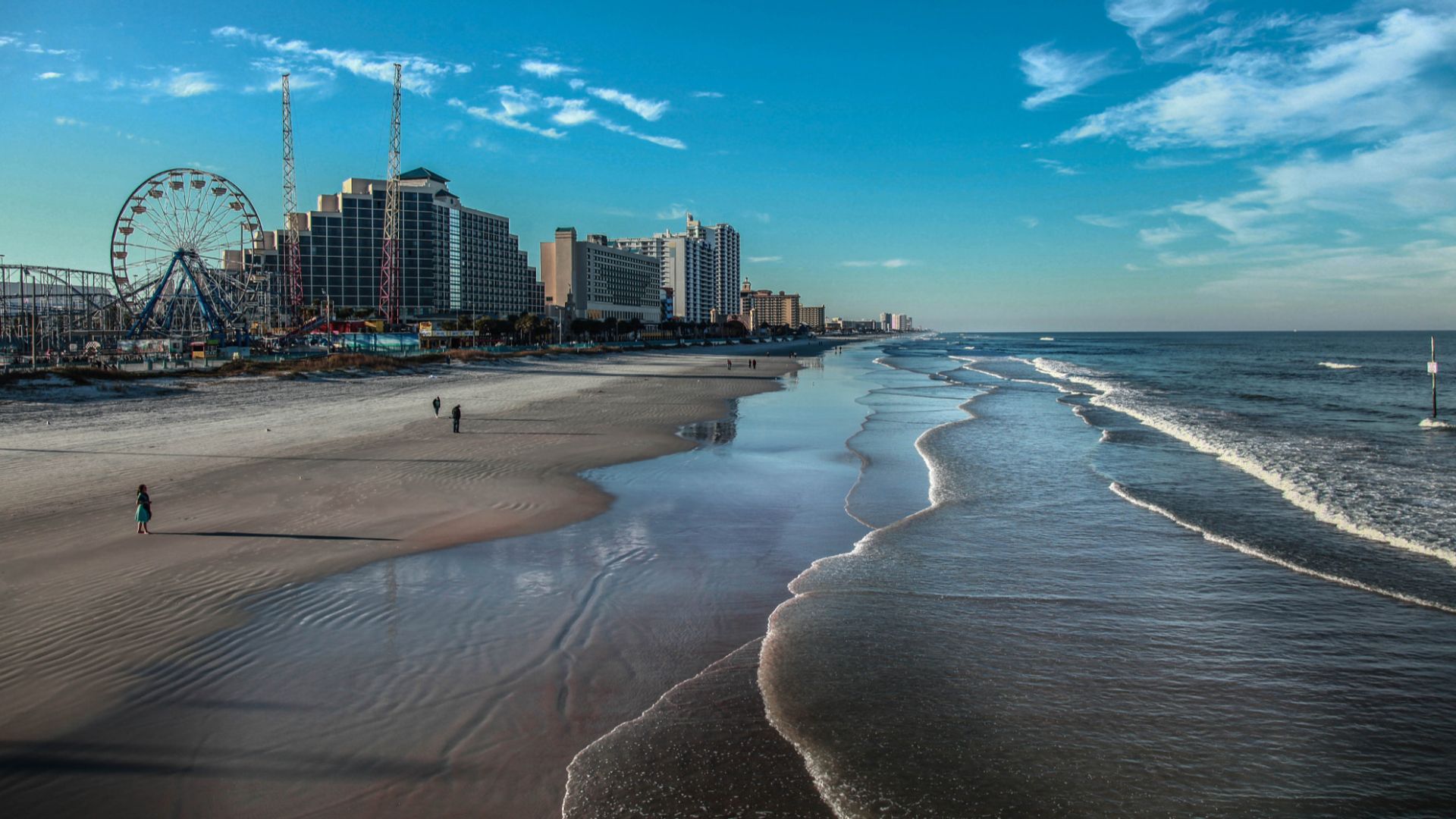
As Fort Lauderdale discouraged college students, Daytona Beach emerged as a major alternative during the late 1980s. Its wide beaches, affordable motels, and lively nightlife made it an attractive replacement. The crowds eventually grew to hundreds of thousands of students annually, transforming Daytona into another spring-break hotspot.
 Leon Robinson, Wikimedia Commons
MTV Made Daytona Famous Nationwide
MTV brought Daytona Beach's spring-break celebrations into American living rooms during the 1980s. Its television coverage featured live musical performances, beach parties, and young vacationers enjoying the Florida sunshine. The broadcasts helped turn Daytona into one of the most recognizable destinations in America's spring-break culture.
 Mutaz Albar, Wikimedia Commons
Then Daytona Changed Direction Too
Eventually, Daytona officials decided the enormous spring-break crowds were creating too many problems. The city stopped advertising to college students around 2003, and attendance fell dramatically. Daytona still attracts beachgoers and motorsports fans, but the massive MTV-era spring-break scene has largely disappeared.
Atlantic City Was Reinvented By Casinos
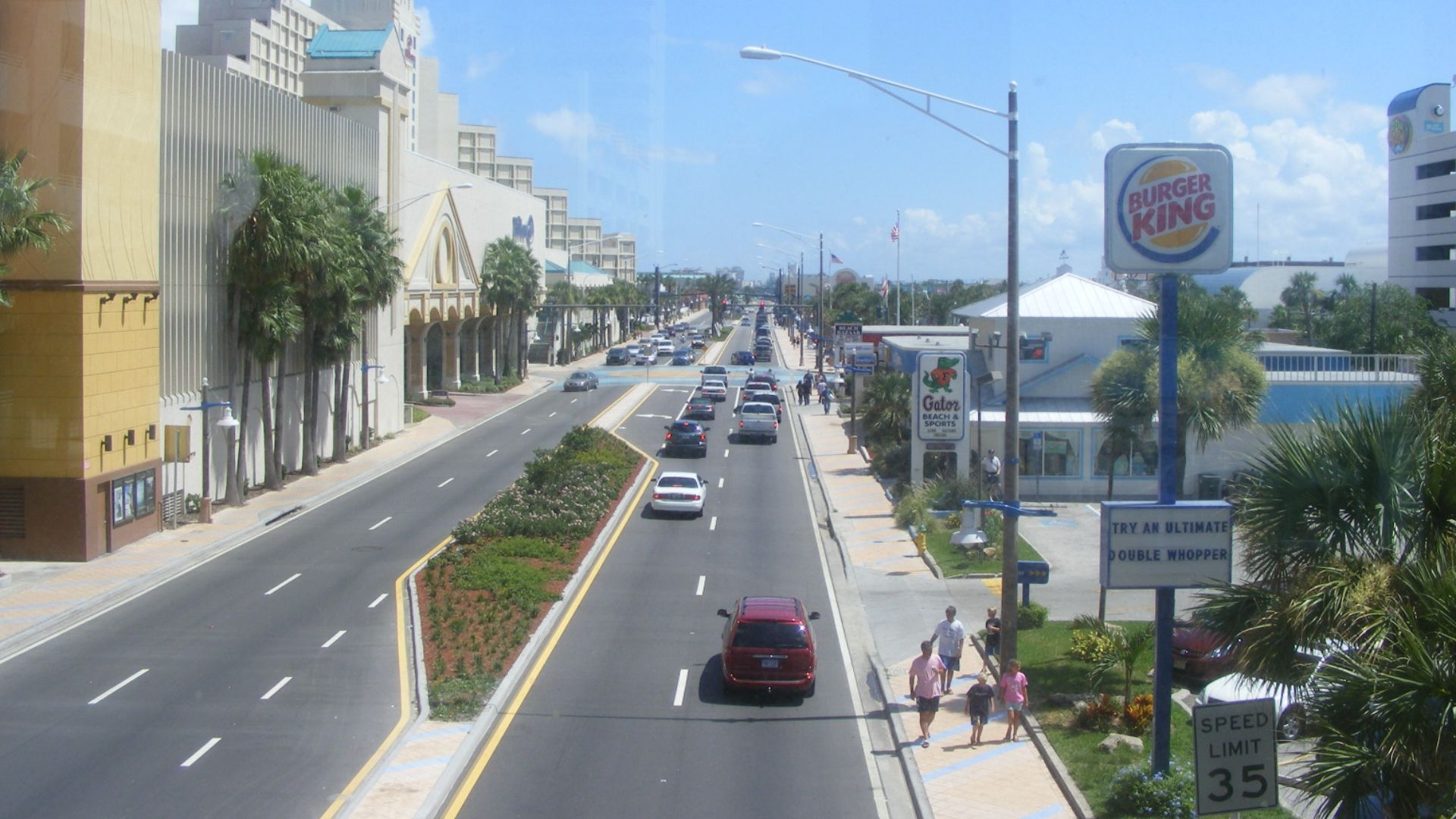
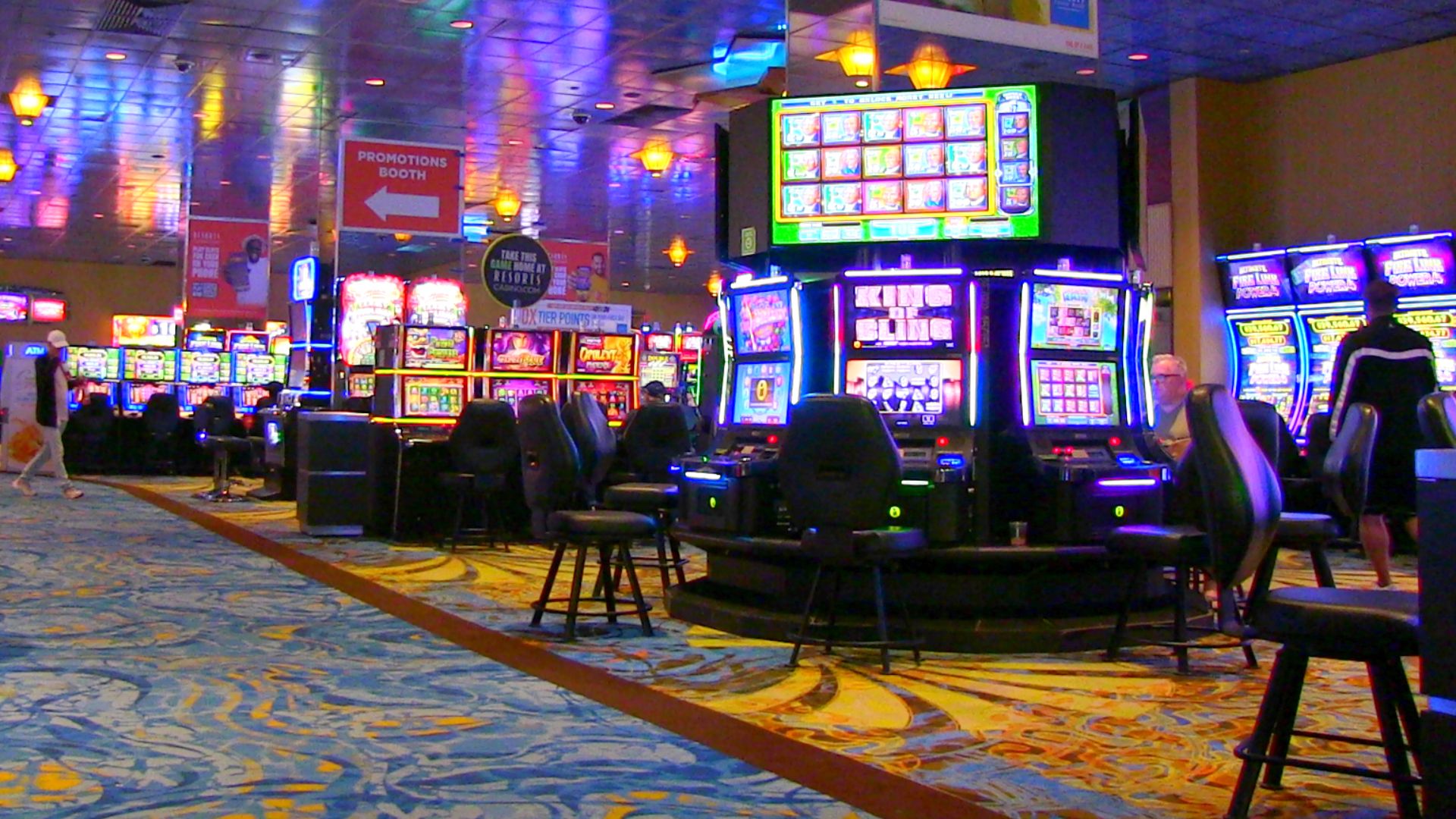
Atlantic City, New Jersey, had been a famous seaside destination for generations, but its fortunes changed when voters approved casino gambling in 1976. Resorts International opened the city's first legal casino in May 1978, followed by Caesars Boardwalk Regency and Bally's Park Place in 1979. Suddenly, Atlantic City was attracting visitors looking for Las Vegas-style entertainment along the Jersey Shore.
 David Saddler, Wikimedia Commons
The 1980s Brought A Casino Building Boom
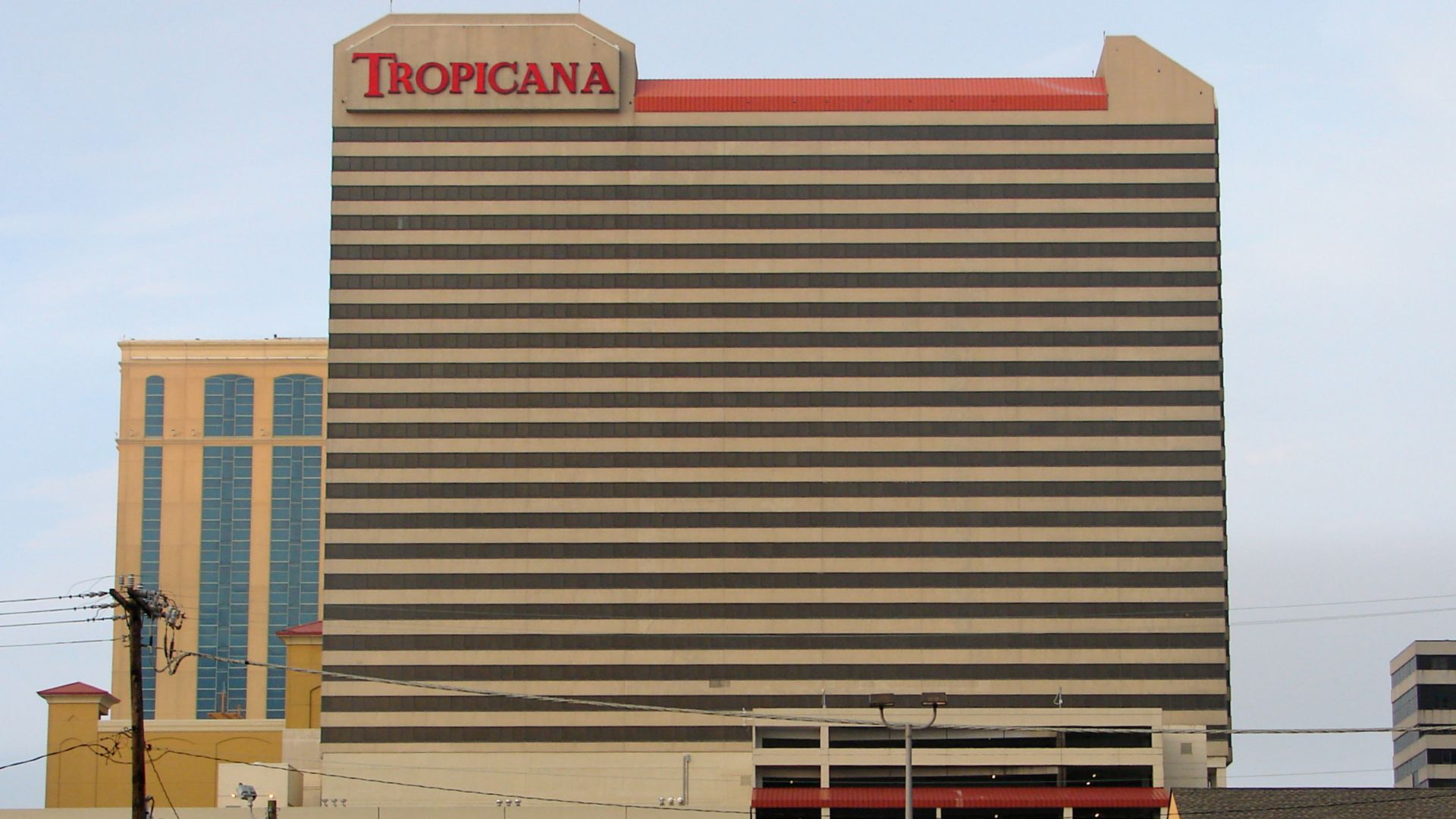
Throughout the 1980s, casino hotels transformed Atlantic City's famous skyline. Properties including the Golden Nugget, Tropicana, and Playboy Hotel and Casino joined the growing gambling industry. By 1988, the city had a dozen casinos, attracting millions of visitors to its gaming floors, restaurants, and entertainment venues.
Many Famous Casinos Are Now Gone
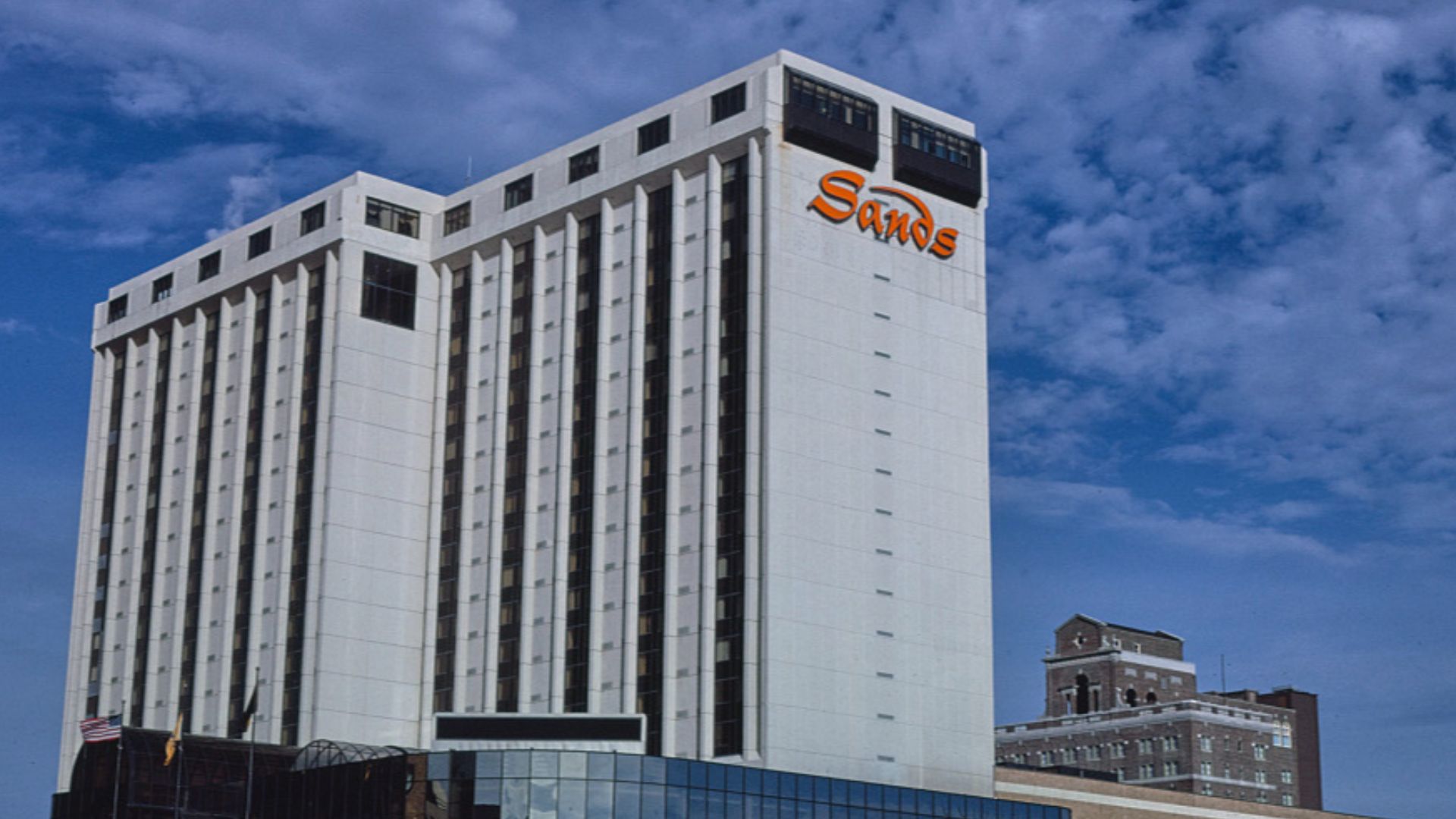
Today, Atlantic City's casino landscape looks dramatically different from the one visitors remember from the 1980s. The Sands closed in 2006 and was demolished the following year, while the former Golden Nugget property eventually became the Atlantic Club, which closed in 2014. Four casinos shut down during 2014 alone, although newer properties and renovated resorts continue to attract visitors.
 John Margolies, Wikimedia Commons
Myrtle Beach Had An Iconic Amusement Park
In the 1970s and 1980s, a Myrtle Beach vacation often included a trip to the famous Pavilion. The South Carolina oceanfront amusement park featured rides, arcade games, and entertainment just steps from the sand. For generations of families, visiting the Pavilion was as much a vacation tradition as spending time at the beach.

Its Carousel Was A Piece Of History
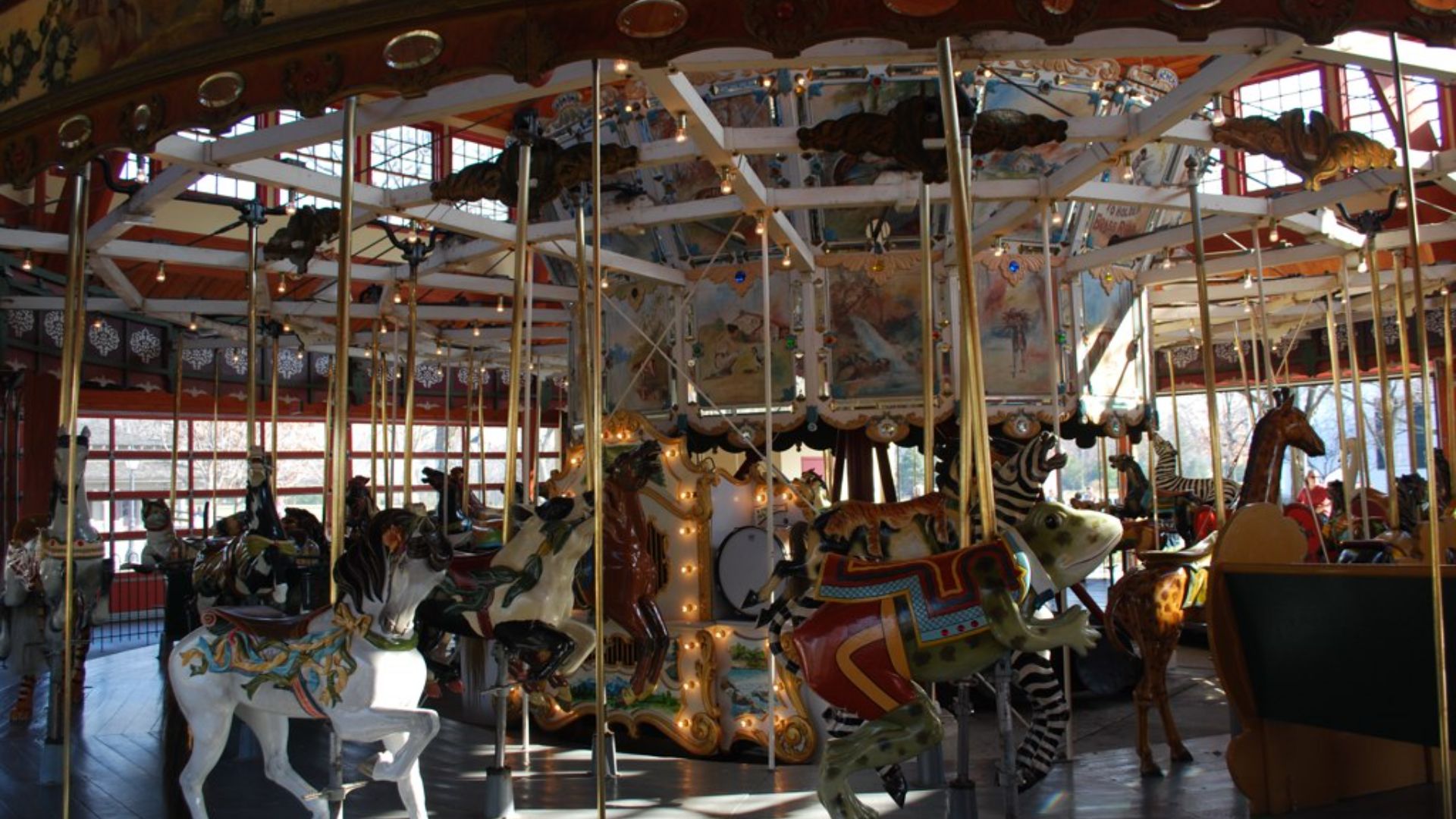
One of the Pavilion's most memorable attractions was its historic Herschell-Spillman carousel, built in 1912. Unlike ordinary merry-go-rounds, it featured animals including frogs, lions, zebras, and dragons alongside its horses. The park also evolved over the decades, adding newer thrill rides while preserving attractions that longtime visitors remembered from childhood.
Then The Rides Disappeared
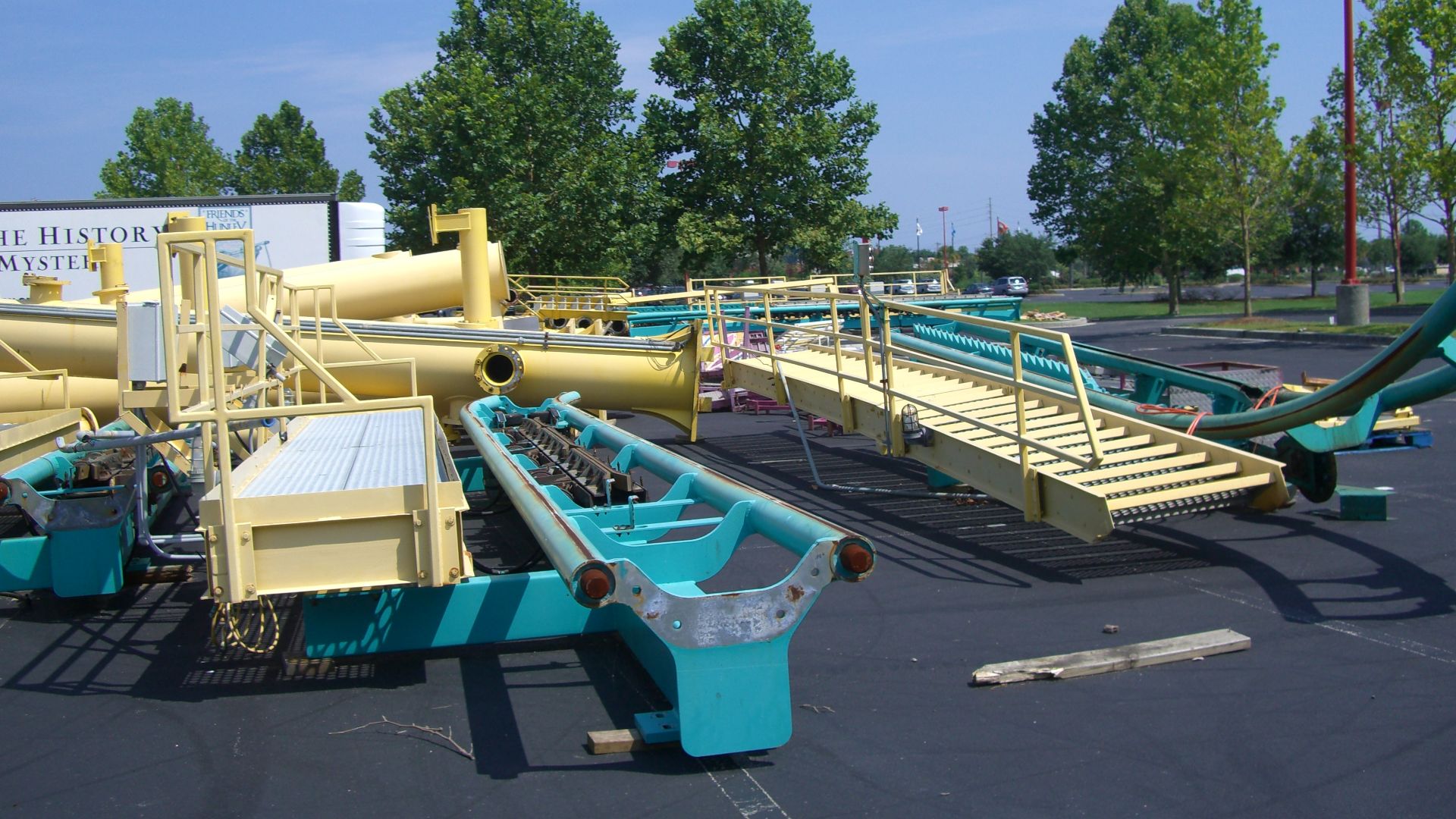
The Myrtle Beach Pavilion closed in September 2006 after several financially difficult years, and demolition began in 2007. Its former oceanfront location was eventually incorporated into a modern entertainment area near the Myrtle Beach Boardwalk. Some surviving rides, including the historic carousel, found a new home at Pavilion Park at Broadway at the Beach.
 Coasterman1234 (talk), Wikimedia Commons
Wildwood Was Full Of Space-Age Motels
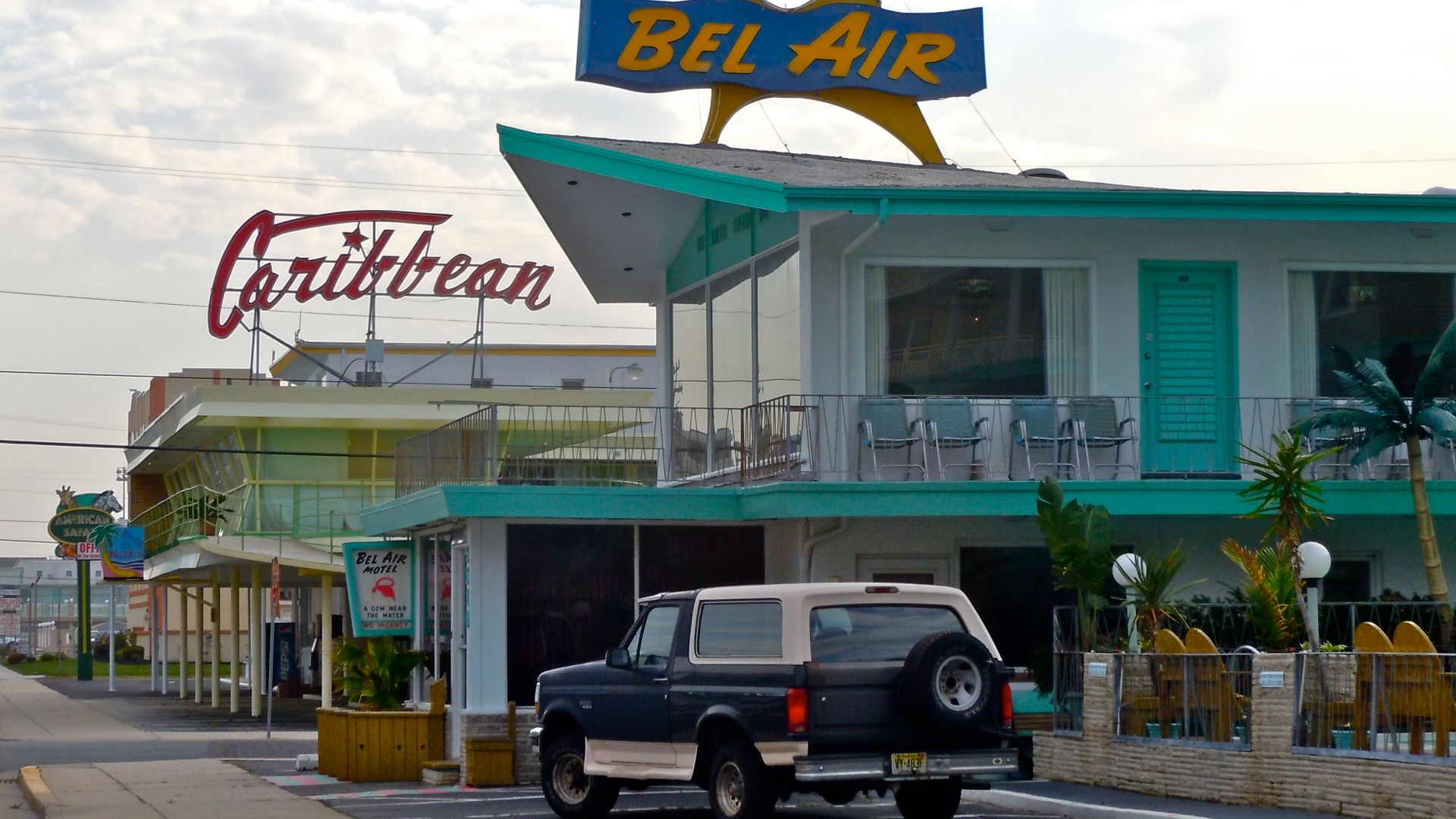
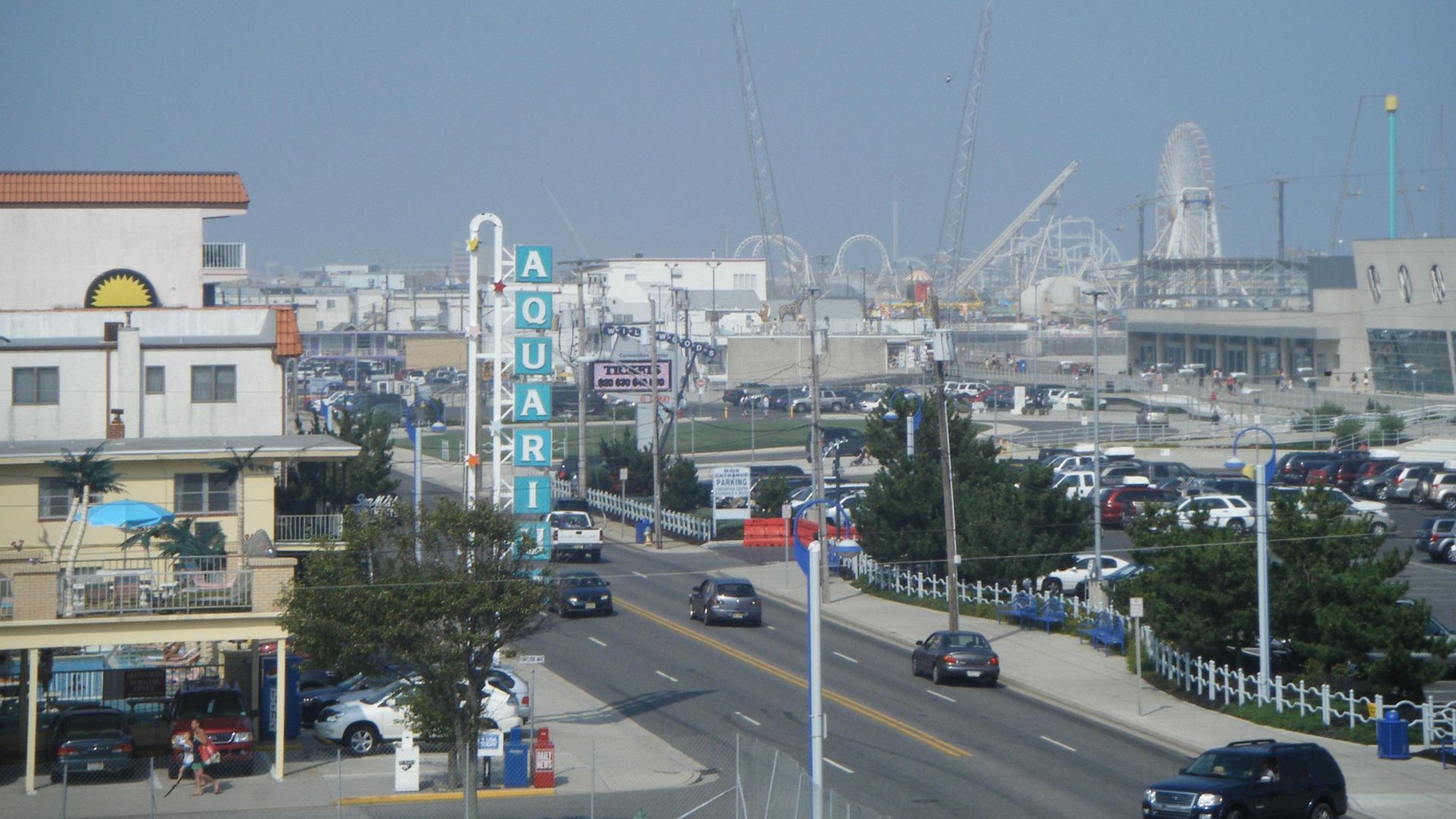
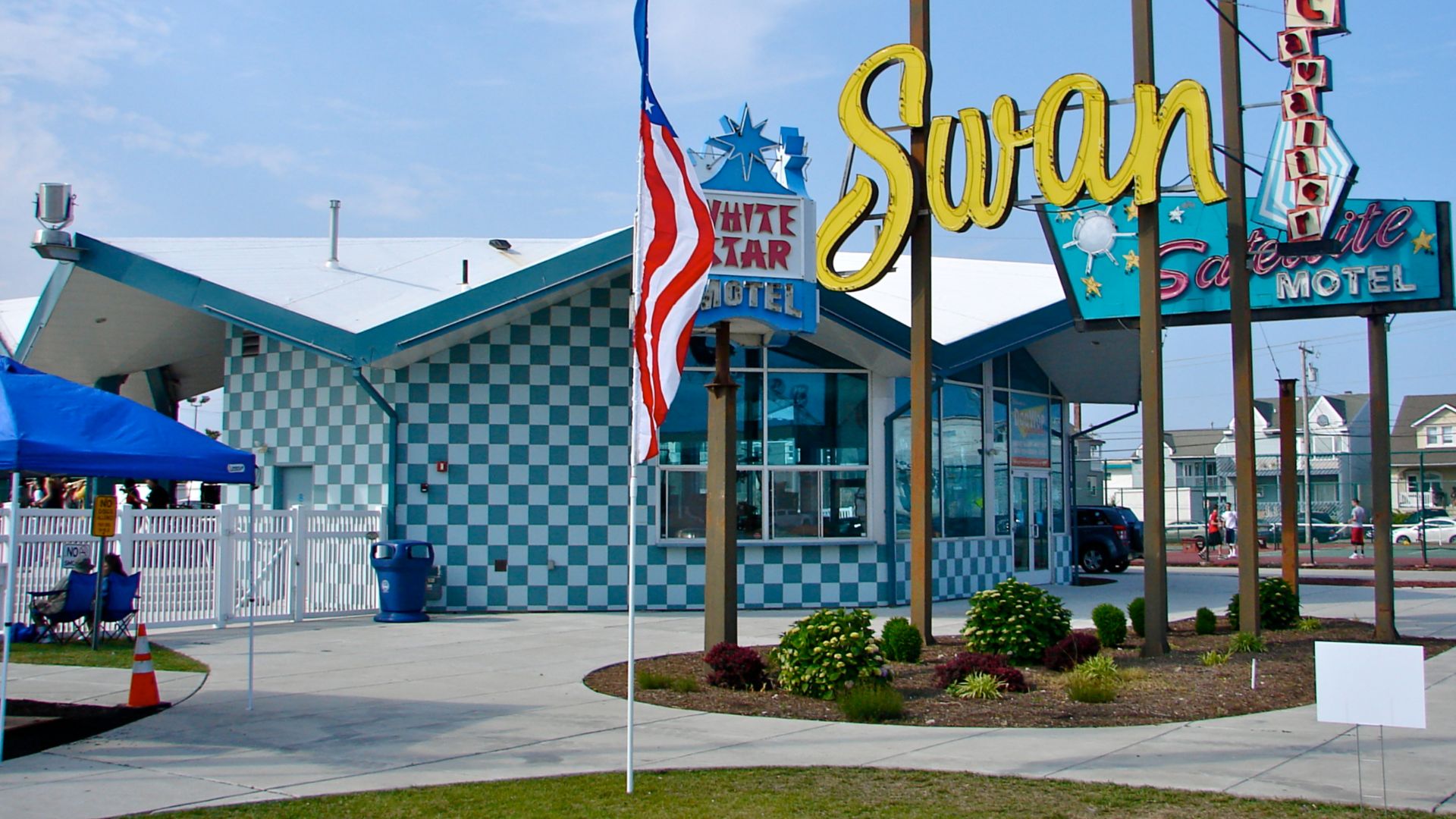
In the 1970s and 1980s, New Jersey's Wildwoods were famous for colorful motels with neon signs, unusual swimming pools, and futuristic architecture. Many had been built during the 1950s and 1960s in a distinctive style now known as Doo Wop. Families could choose from hundreds of independently owned properties with playful names and eye-catching designs.
Developers Changed The Landscape
The Wildwoods' retro motel architecture survived for decades before rising property values threatened its future. Between 2003 and 2006, more than 50 Doo Wop motels were demolished to make room for condominiums and other developments. Famous properties like the Ebb Tide, Satellite, and Rio disappeared, permanently changing the resort towns' appearance.
The Wildwoods Are Preserving Their Past
Unlike some former vacation hotspots, the Wildwoods have worked to protect their surviving retro architecture. The Doo Wop Preservation League has promoted restoration efforts, while the Doo Wop Experience Museum showcases reminders of the region's past. Visitors can still find colorful vintage motels alongside modern condominiums and newer accommodations.
Wisconsin Dells Was A Very Different Vacation
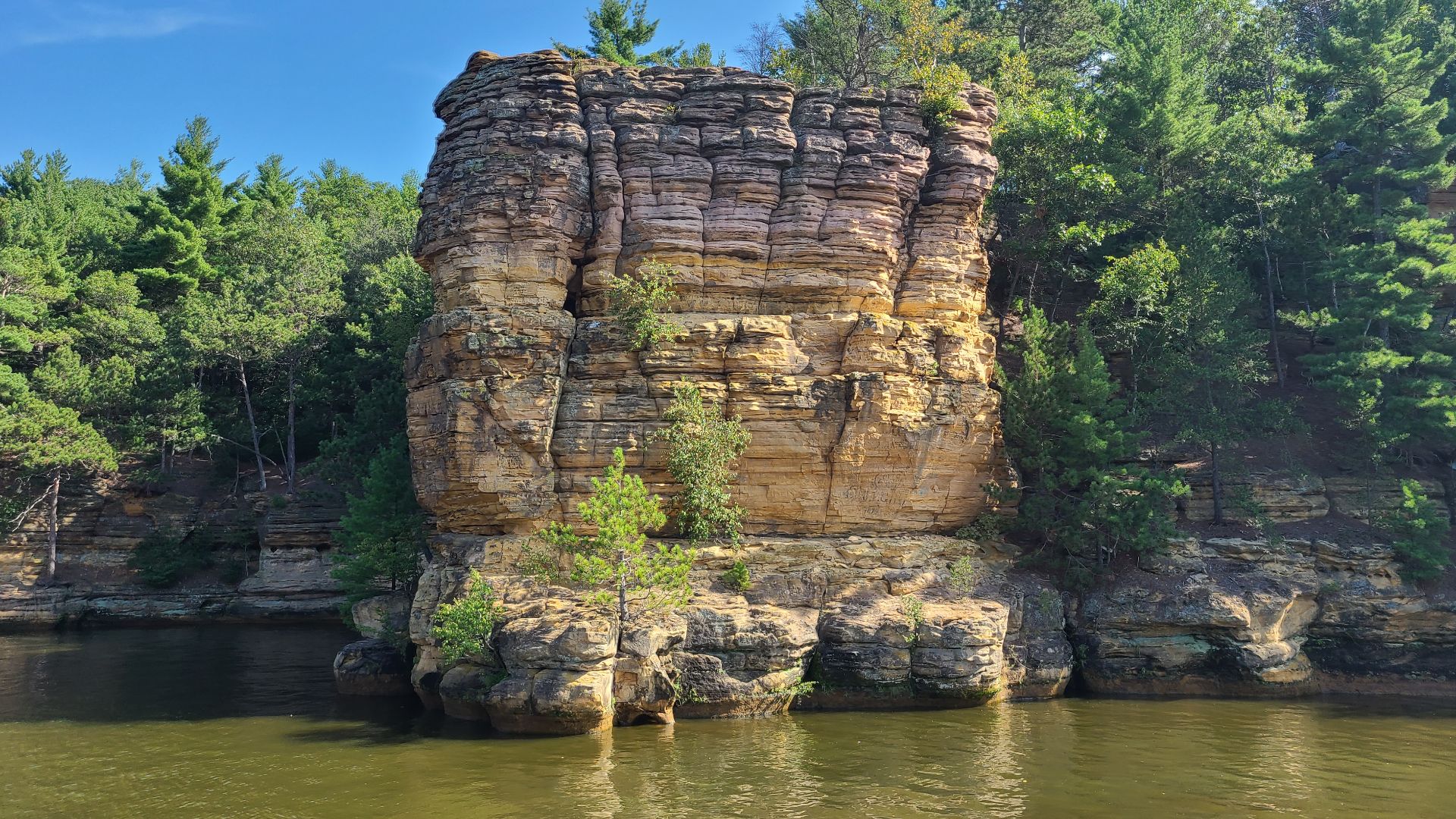
In the 1970s, Wisconsin Dells was already a popular family destination, but it looked nothing like today's enormous water-park resorts. Visitors came for scenic boat tours, amphibious Duck rides, roadside attractions, and the famous Tommy Bartlett water-ski show. The area's dramatic sandstone formations remained one of its biggest natural attractions.
 Bigmacthealmanac, Wikimedia Commons
Water Parks Changed Everything
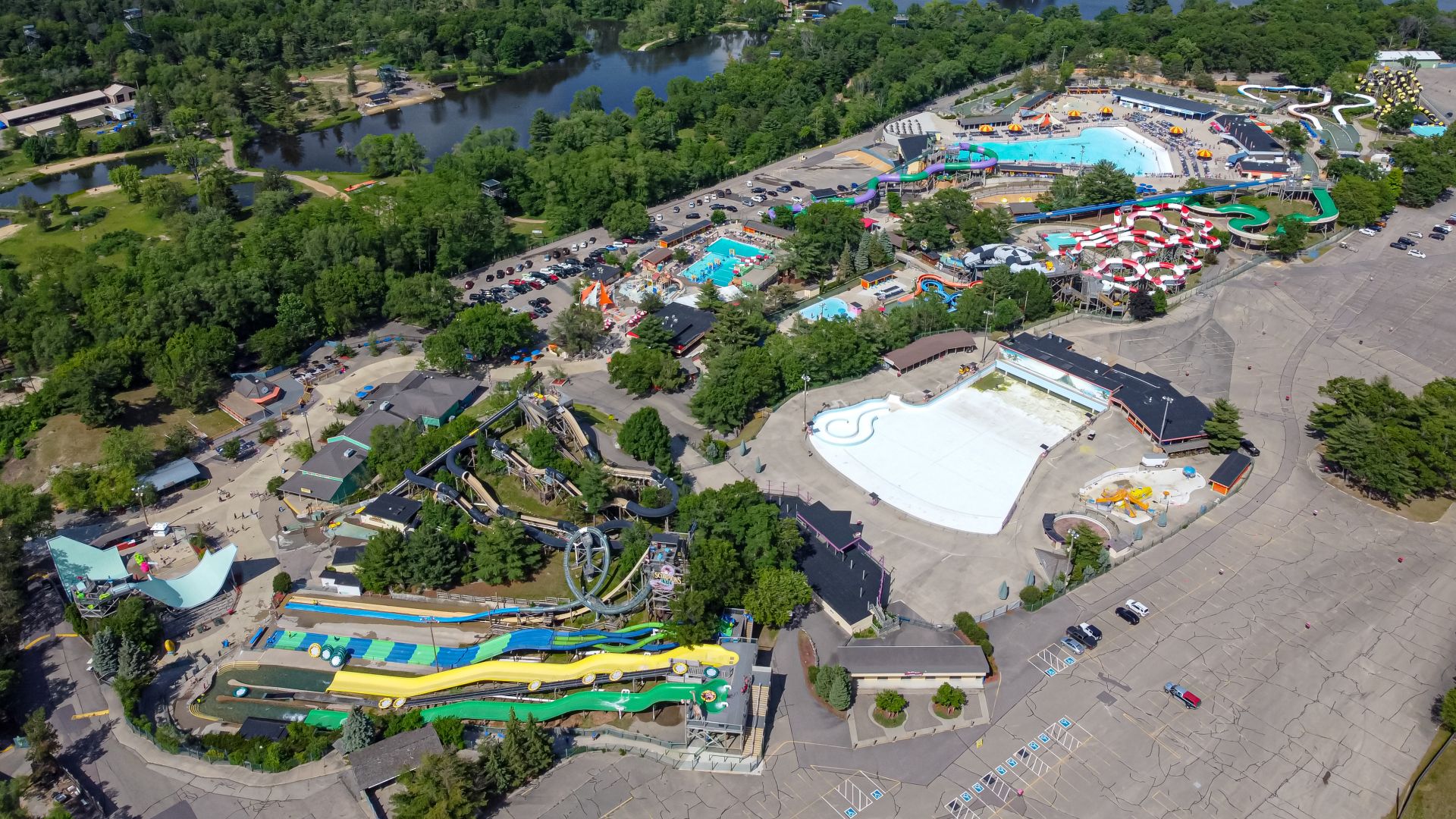
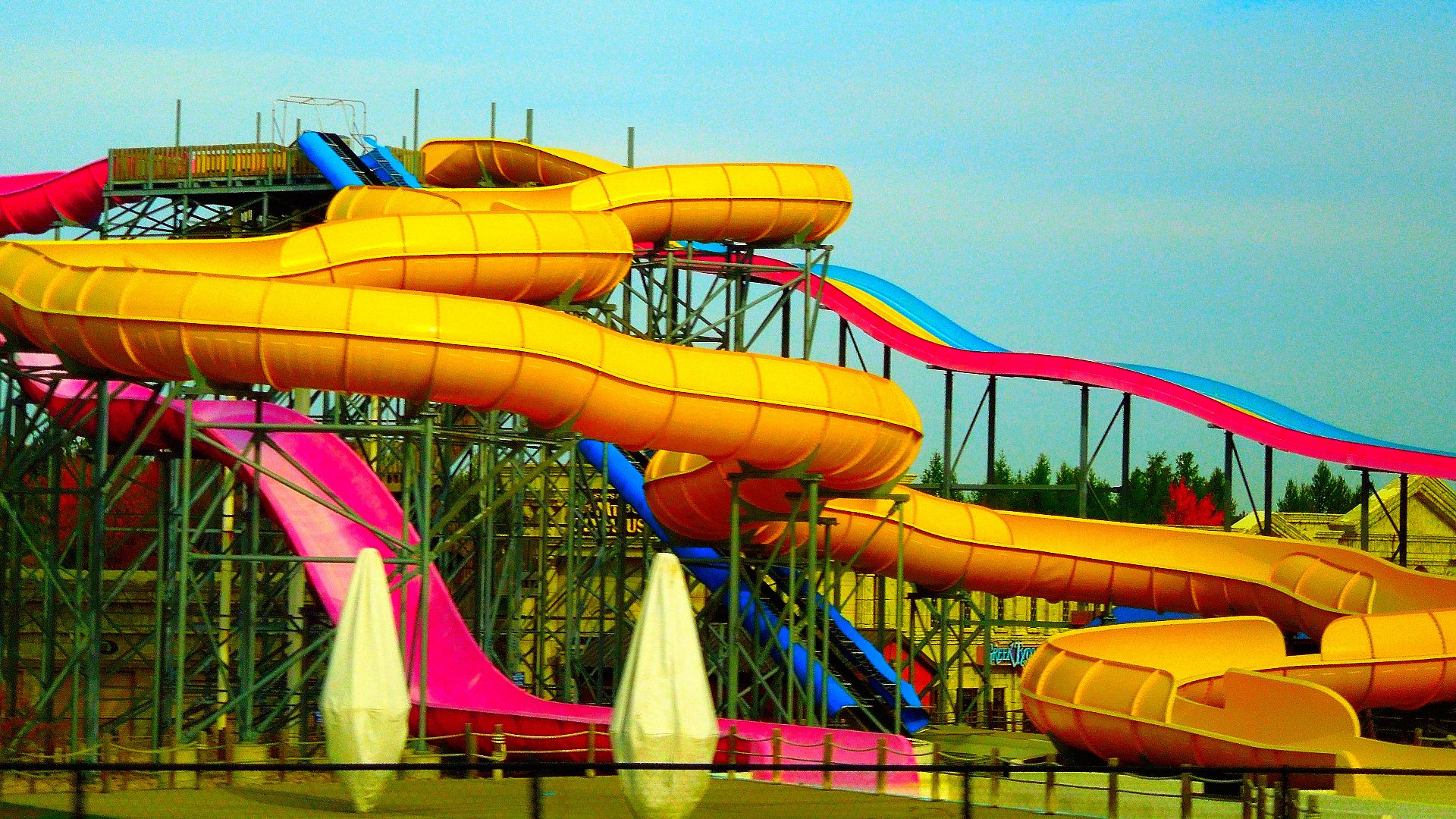
Wisconsin Dells began developing its modern reputation as waterslides and aquatic attractions grew increasingly popular. Noah's Ark started in 1979 with attractions including bumper boats and go-karts, adding its first waterslides in 1980. The biggest transformation came in 1989 when the Polynesian Resort introduced an indoor water park, allowing families to enjoy water attractions year-round.
Today's Dells Is A Water Park Paradise
Indoor water parks helped transform Wisconsin Dells from a traditional summer destination into a year-round vacation hotspot. Large resorts such as Kalahari and Great Wolf Lodge now feature enormous indoor aquatic complexes, waterslides, and family entertainment. Traditional attractions remain, but water parks have completely reshaped the visitor experience.
 Corey Coyle, Wikimedia Commons
The Vacation Memories Remain
These destinations haven't all disappeared, and some remain enormously popular with American vacationers. What's changed is the experience, from vanished Catskills hotels and Poconos honeymoon suites to Fort Lauderdale's polished modern beachfront. For anyone who visited these places in the 1970s or 1980s, returning today can feel like discovering an entirely different destination.
 John Margolies (1940–2016), Wikimedia Commons
You May Also Like:
Popular Disney Attractions That Quietly Closed For Reasons Stranger Than Guests Ever Knew
American Cities Baby Boomers Vacationed In During The 1970s—But Millennials Never Visit Anymore