Vacation Has Local Rules
Tourist towns often regulate behaviors that would barely attract attention elsewhere. Beach crowds, historic streets, wildlife, nightlife, and unusual local conditions have produced some wonderfully specific ordinances. These are not dusty joke laws pulled from dubious internet lists. The rules below are still on the books and still published by local governments or current municipal codes.
High Heels Need Permits
Carmel-by-the-Sea, California, really does have its famous high-heel ordinance. Shoes with heels exceeding two inches but providing less than one square inch of bearing surface are prohibited on public streets and sidewalks without a permit, largely because the picturesque community's irregular surfaces create a falling hazard.

The Permit Protects Carmel
The high-heel rule becomes stranger when you read the details. Someone wanting to wear qualifying heels can obtain a permit from Carmel's city clerk. In doing so, the wearer acknowledges the sidewalk risks and agrees to relieve the city of liability for damages caused by falling.
 Gregory Ford Henderson, Wikimedia Commons
Cars Need Special Permission
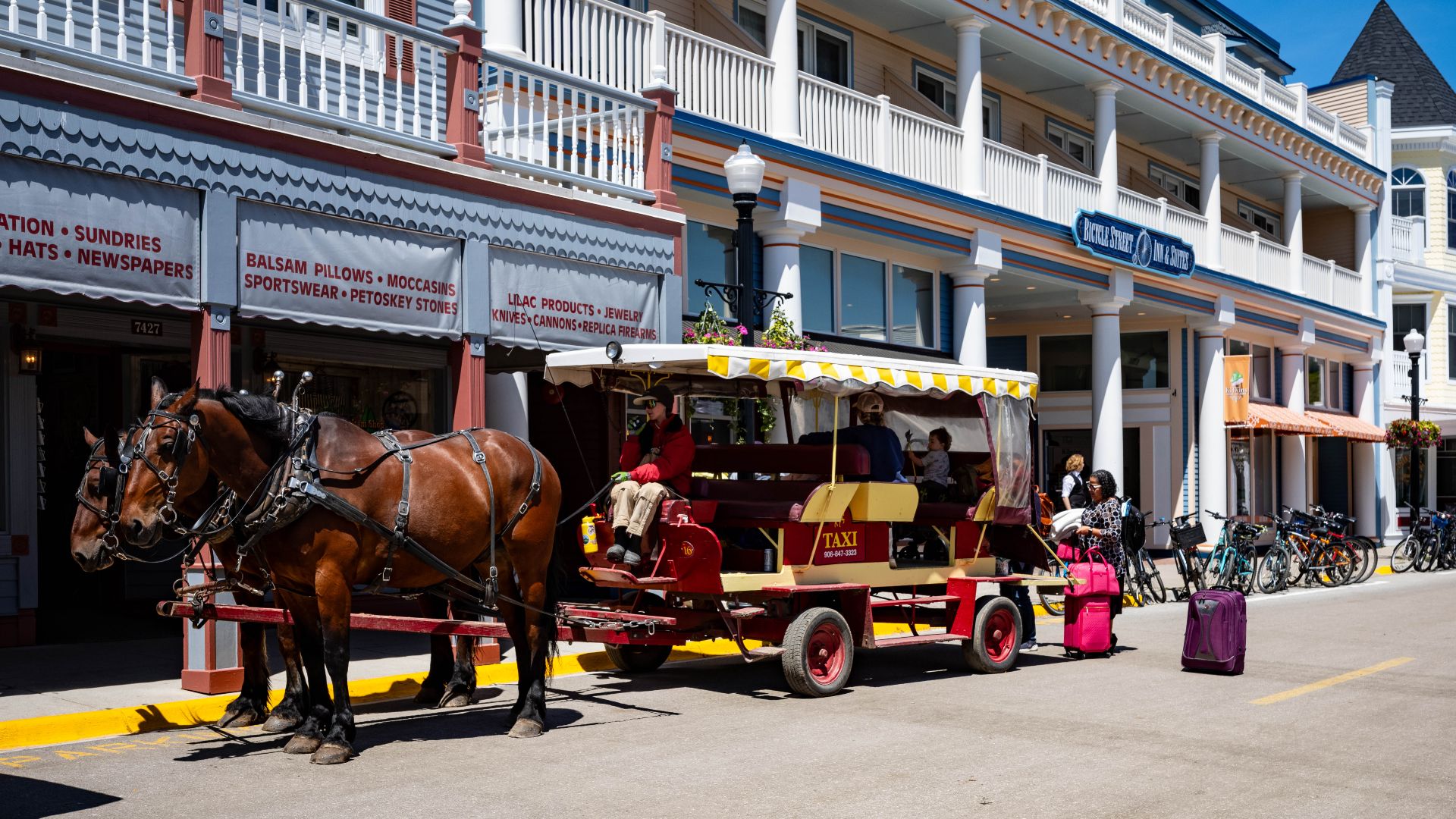
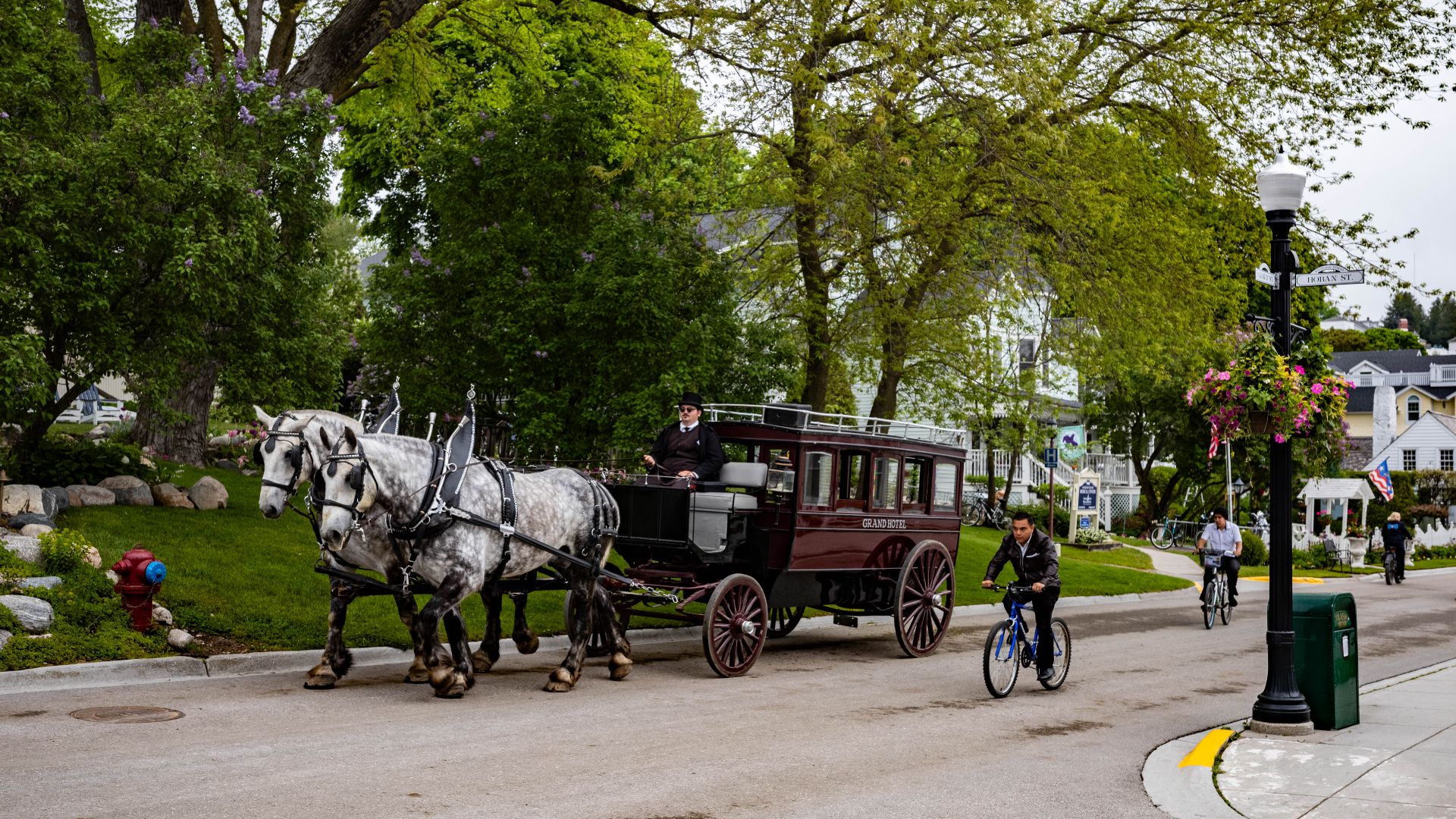
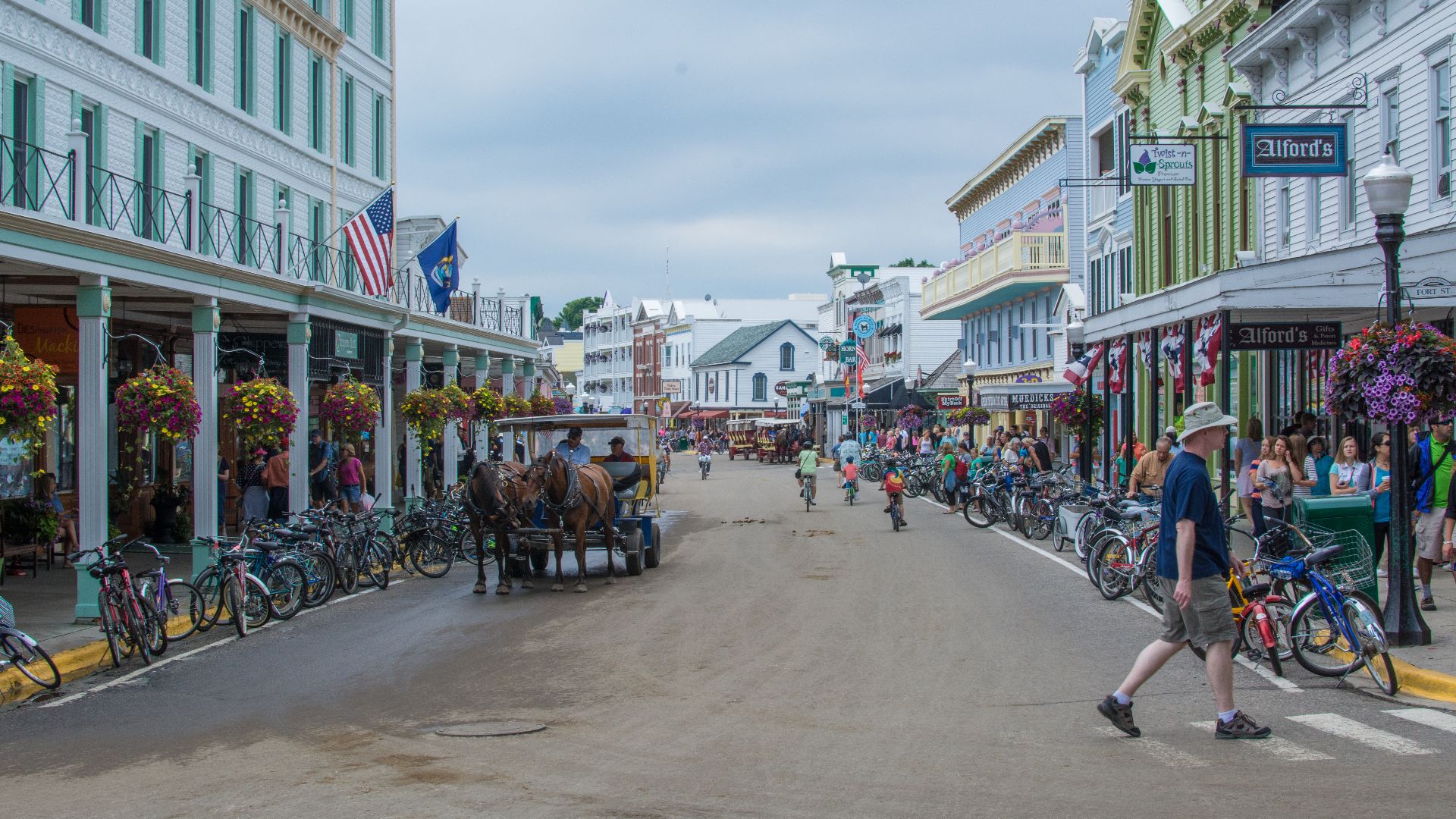
Mackinac Island, Michigan, famously feels like another century because ordinary automobile traffic is absent. That atmosphere has legal backing. Current state park rules prohibit operating motor vehicles within Mackinac Island State Park without proper permission, leaving bicycles and the island's distinctive horse-drawn transportation to dominate its roads.
E-Bikes Face Restrictions
Even electric bicycles encounter unusual restrictions on Mackinac Island. State park rules generally prohibit operating an e-bike within the park, although an exception exists for someone with a qualifying physical impairment that substantially limits their ability to pedal a conventional bicycle.
No Deep Beach Holes
Building a sandcastle in Ocean City, Maryland, is fine, but don't start excavating a basement. The resort's Beach Patrol says it enforces an ordinance limiting holes to no deeper than the knee of the smallest person using the hole. Deep sand excavations can unexpectedly collapse.

Beach Tents Are Out
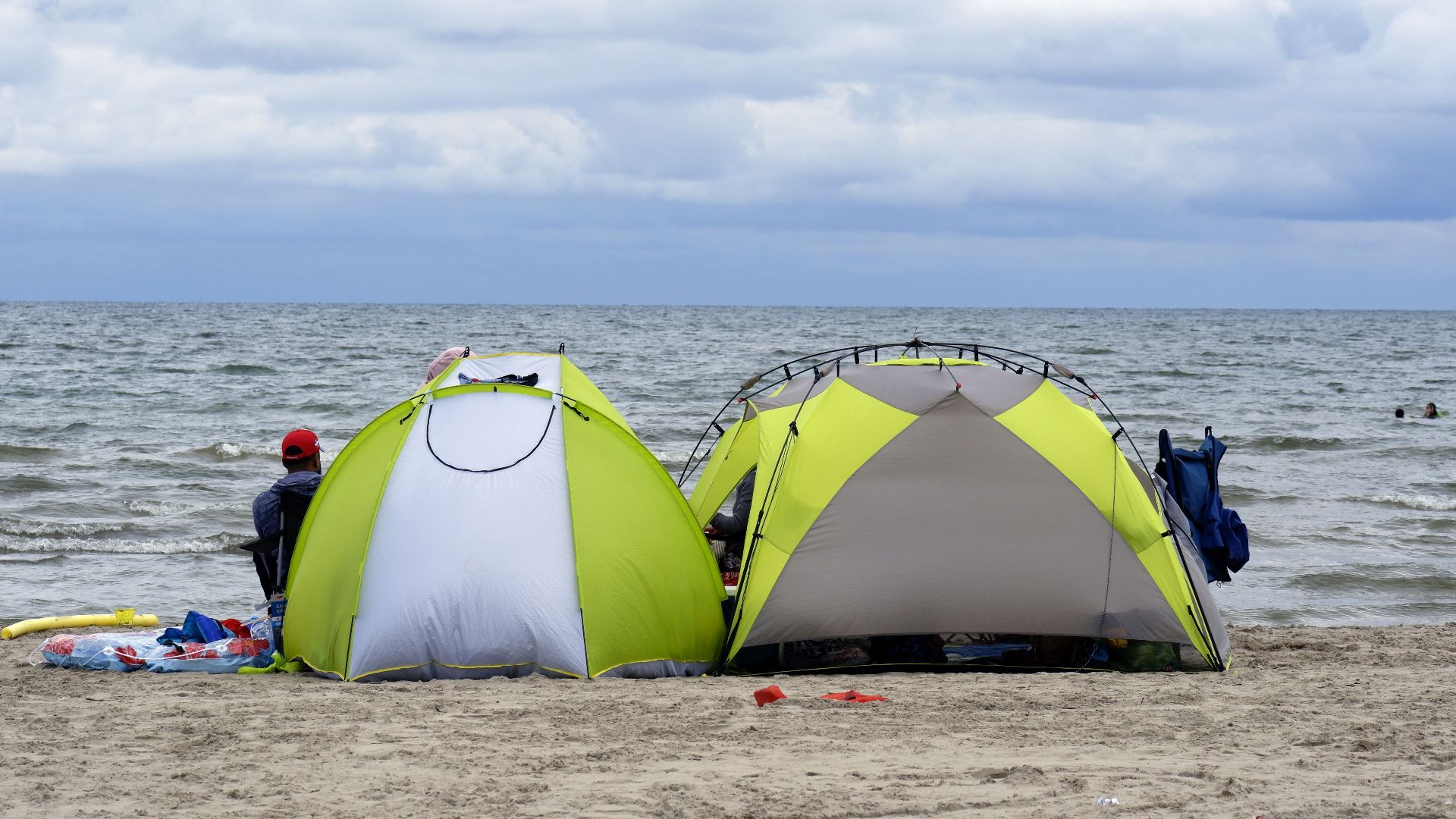
Ocean City tightened its shade rules in 2025. Enclosed beach tents are prohibited, while open-sided canopies remain permitted within specified size, spacing, anchoring, placement, and timing requirements. Tiny baby tents are an exception, creating remarkably detailed rules for something tourists might casually toss into the trunk.
Don't Reserve Your Spot
Ocean City also discourages vacationers from claiming prime beach territory before breakfast. Current rules say canopies cannot be left unattended before 10 a.m. They must also sit behind the lifeguard stand, helping preserve visibility, emergency access, and usable space on the heavily visited beach.

Sleeping Beachgoers Must Leave
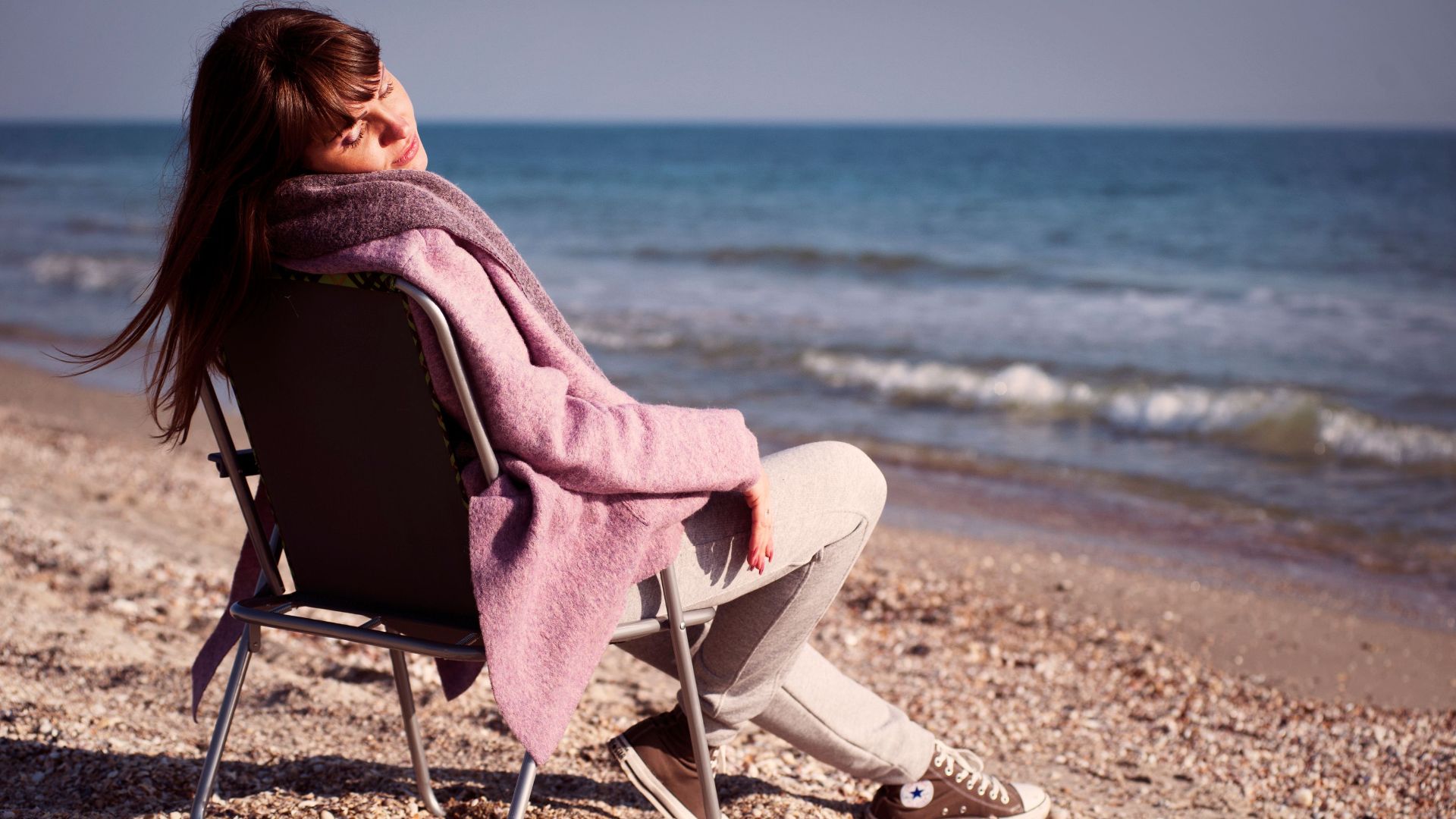
Falling asleep while sunbathing is one thing. Spending the night is another. Ocean City prohibits sleeping on its beach between 10 p.m. and 6 a.m., while the beach itself is generally open from 5 a.m. until midnight. Sleeping inside a vehicle anywhere in town is also prohibited.
Sparklers Can Break Rules
Tourists arriving in Ocean City with legal fireworks purchased elsewhere should be careful. The town prohibits discharging fireworks and pyrotechnics, including ground-based sparklers that may be legal in surrounding jurisdictions. Small handheld sparklers are allowed under adult supervision, illustrating how crossing a municipal boundary can change the rules.

Dogs Get An Offseason
Dogs can enjoy Ocean City's famous beach and boardwalk, but their vacation season differs from ours. The resort allows them there from October 1 through April 30. During the busy summer tourism season, visitors need to find somewhere else for their pets to enjoy the shoreline.

Myrtle Beach Has Bedtime
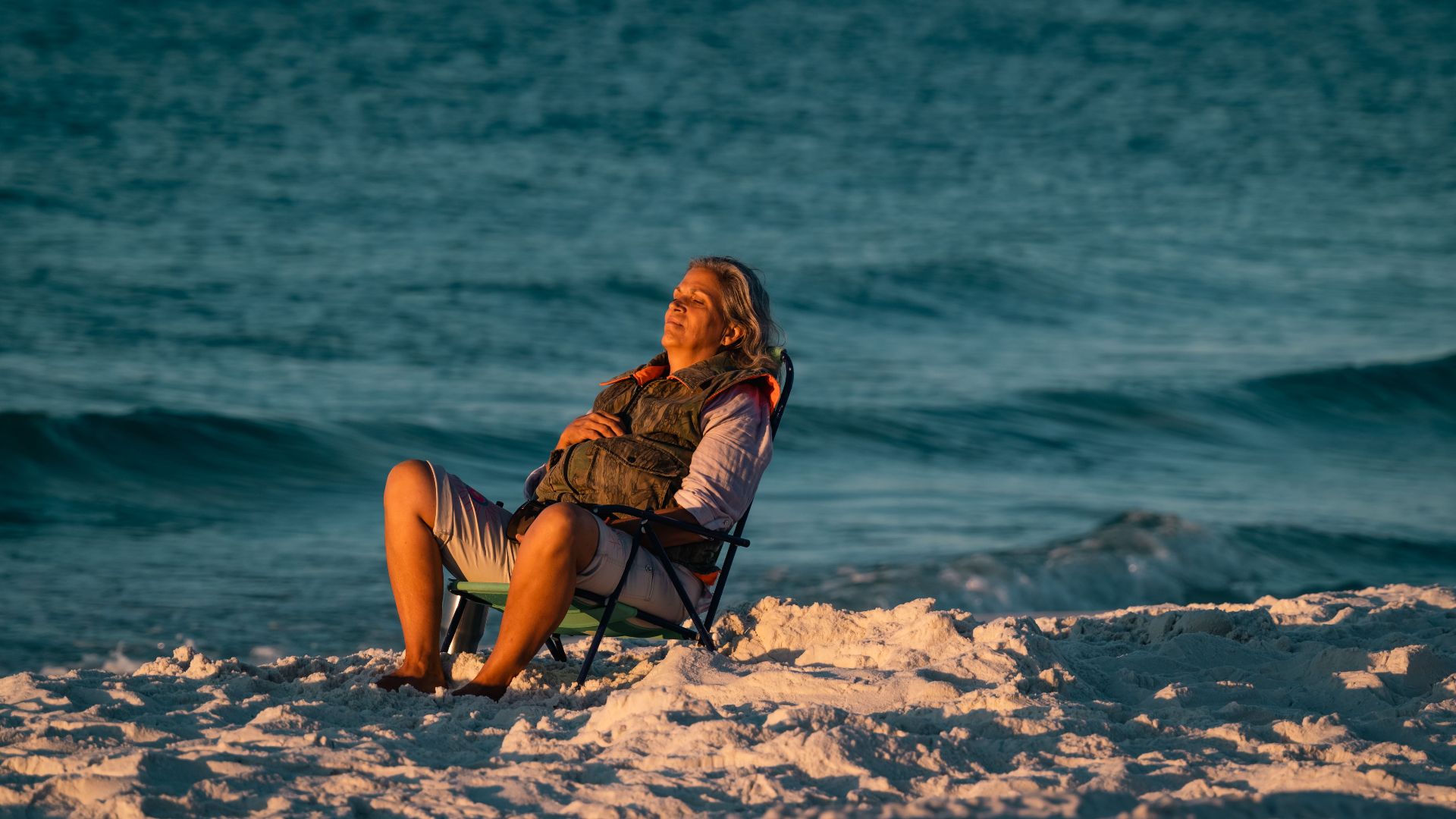
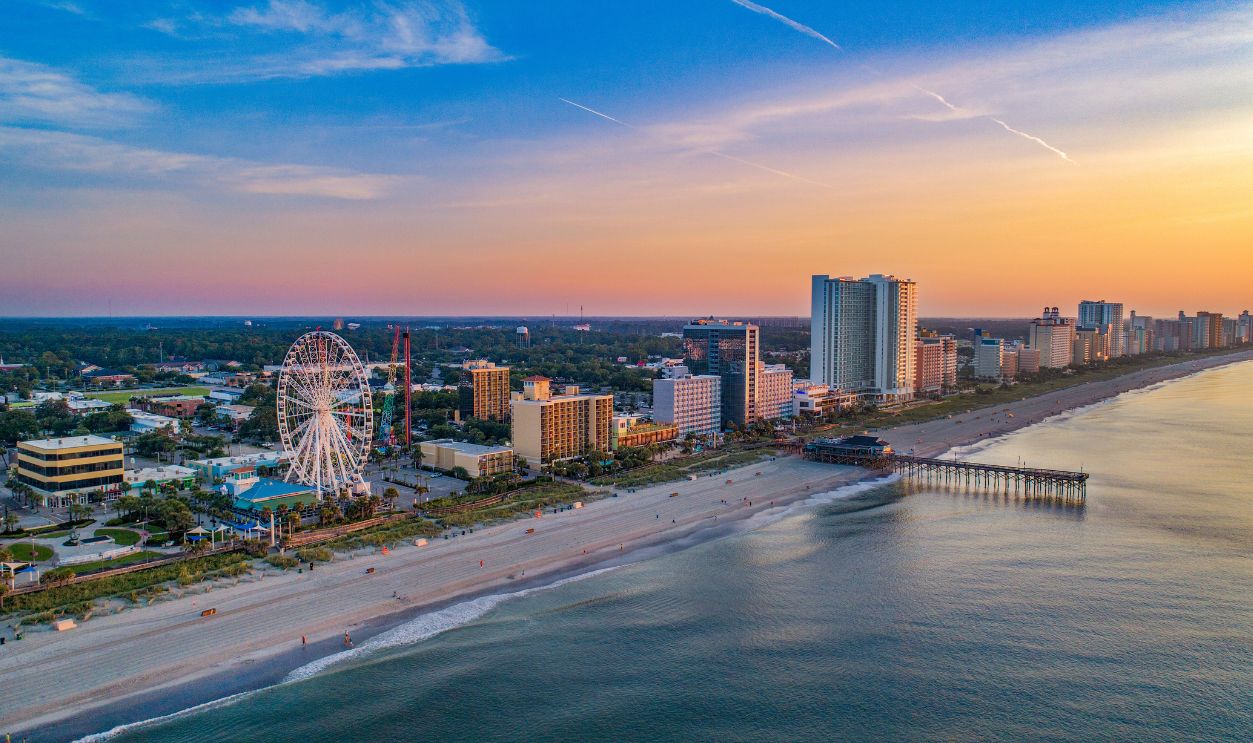
Ocean City is not alone in discouraging beach camping. Myrtle Beach, South Carolina, prohibits sleeping on its public beach or public beach accesses between 9 p.m. and 8 a.m. So however comfortable your beach chair becomes after sunset, local law says it cannot become your hotel room.
Don't Change There
Myrtle Beach has an unexpectedly specific rule about changing clothes. Its ordinance prohibits changing into or out of bathing suits on public beaches, beach accesses, adjacent street ends, and certain other public areas. Even changing in a public restroom requires permission or consent from its owner or proprietor.
Leave Glass Behind
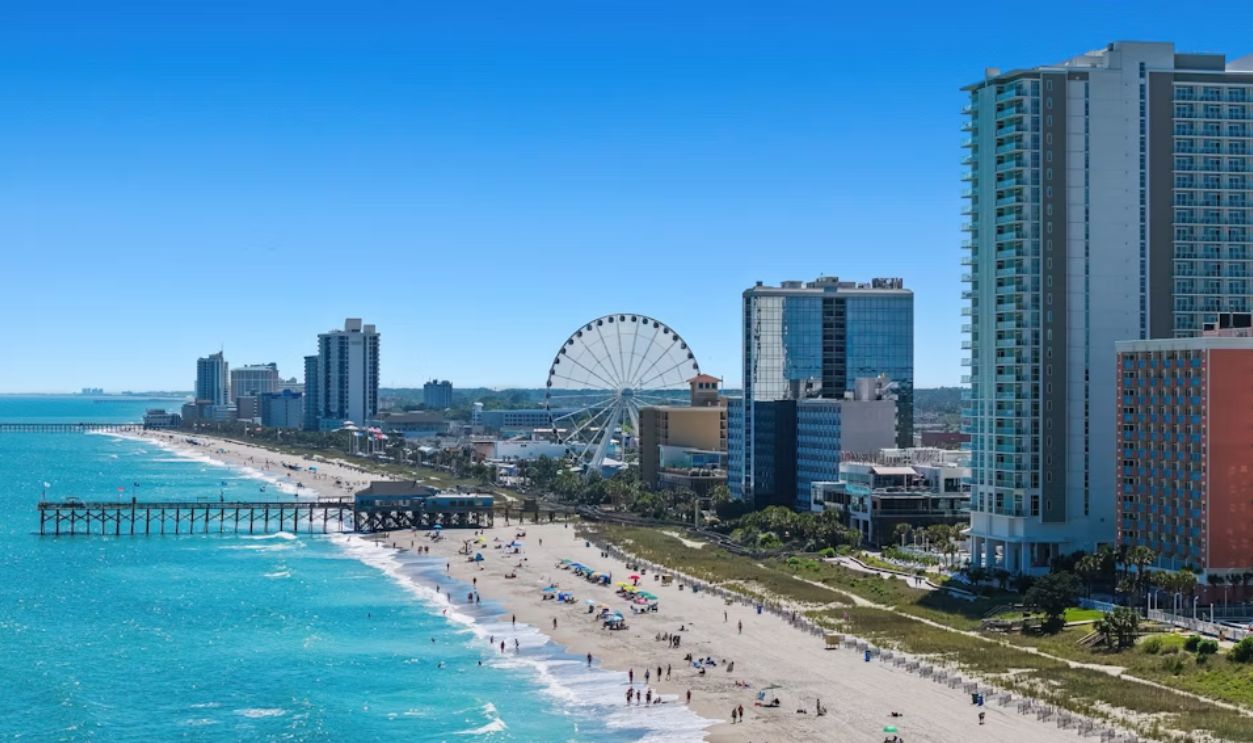
Bringing a glass bottle onto Myrtle Beach can create another problem. Local law prohibits carrying or possessing glass bottles, containers, or glassware on public beaches and beach accesses. Given bare feet, heavy crowds, and broken glass's tendency to disappear into sand, the reasoning is not difficult to understand.
Don't Jump Off Piers
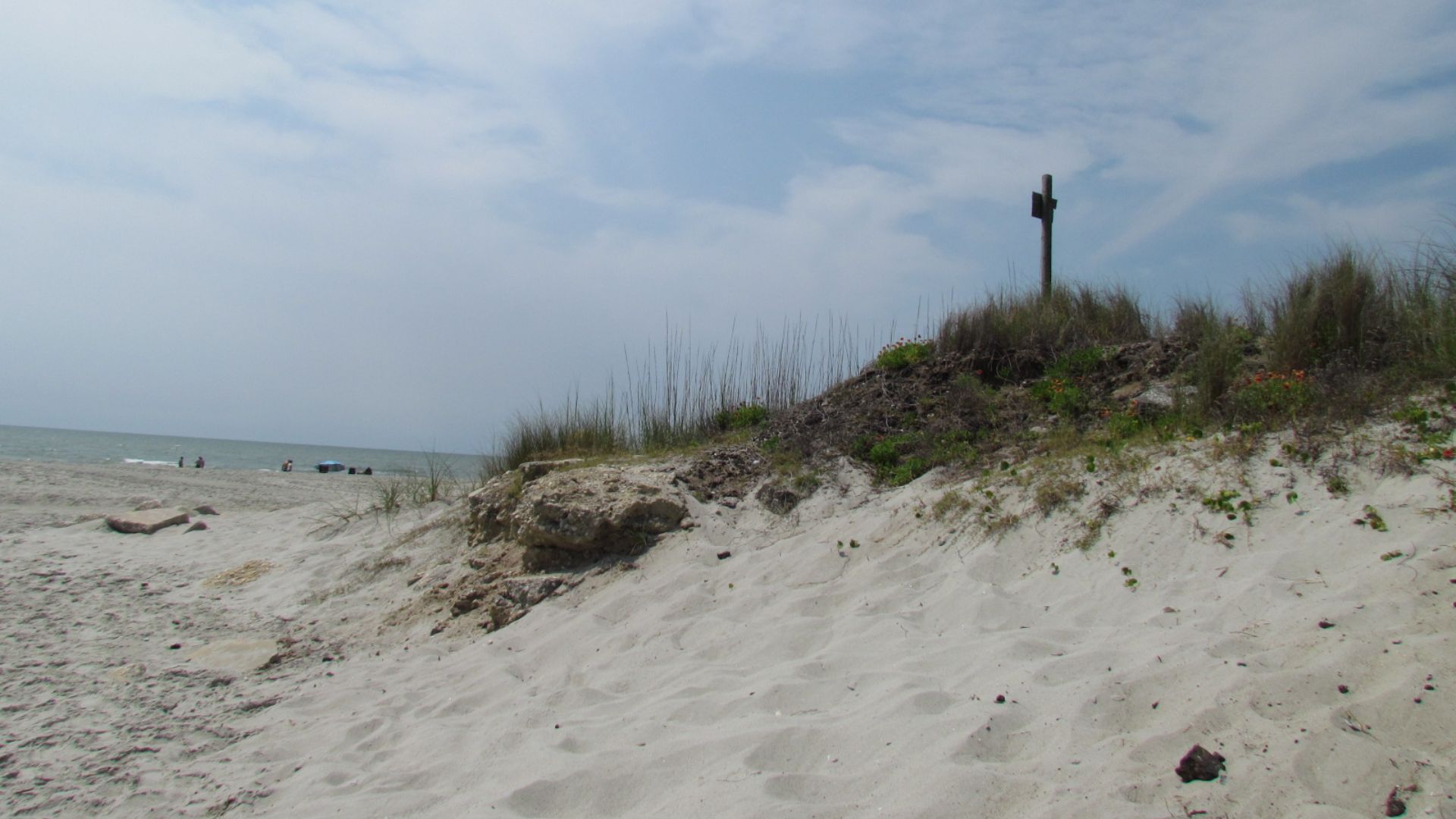
That irresistible vacation urge (on the part of some people) to leap from a pier into the Atlantic is specifically addressed in Myrtle Beach law. Diving or jumping from any portion of a pier is prohibited, as is pushing someone off, climbing outside the railing, or entering portions of a pier not intended for public access.
![500px provided description: Apache Pier at Myrtle Beach at sunrise; 3/10 sec exposure to slightly blur the waves and fisherman; taken back in 2010. Great place to explore! [#Dawn ,#Myrtle Beach Apache Pier ,#Fishing from pier]](https://www.factinate.com/storage/app/media/splashtravels/2026/8/25/1787654279d659d2733405c8580a4fb9f8de7e408e2cca1fd7.jpeg) William Redmond, Wikimedia Commons
William Redmond, Wikimedia Commons
Swimming Has A Buffer
Myrtle Beach goes further around its fishing piers. Its ordinance prohibits aquatic activities within 75 yards of a pier, with exceptions for authorized personnel and operations. That means swimmers, surfers, and other recreational water users must pay attention not merely to the surf but to their distance from structures.
Beach Sales Are Restricted
A wandering beach vendor cannot simply start selling souvenirs to Myrtle Beach sunbathers. The city's rules prohibit various commercial and solicitation activities on the public beach, including sales, rentals, free product samples, passes, and tickets, although authorized franchises and properly permitted special events receive exceptions.

Rehoboth Bans Big Tents
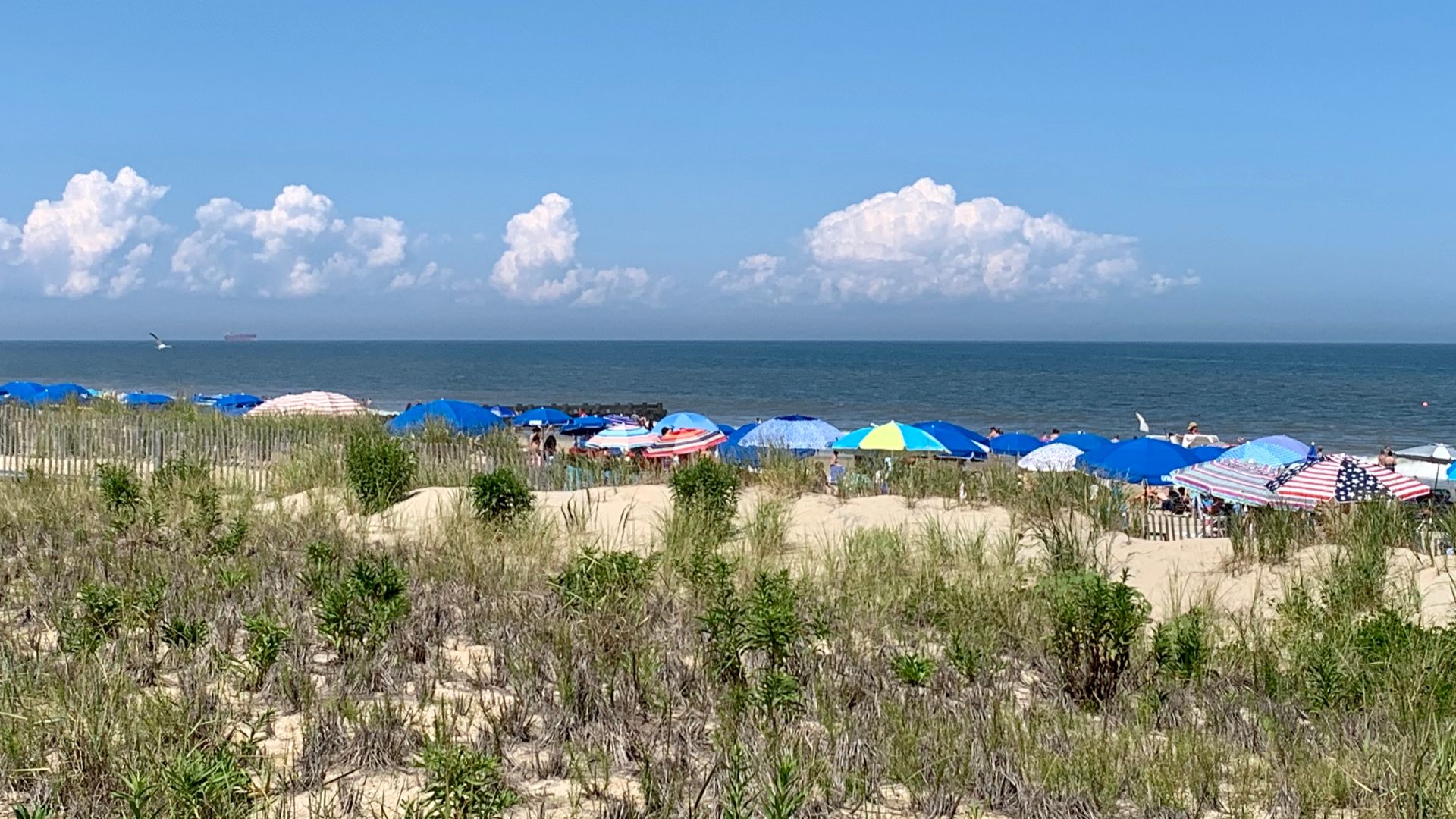
Rehoboth Beach, Delaware, has joined the beach towns limiting increasingly elaborate shade structures. Tents, canopies, cabanas, pavilions, tarps, and similar devices are prohibited. The principal exception is a very small baby tent measuring no more than three feet high, three feet long, and four feet wide.
Skateboards Get A Season
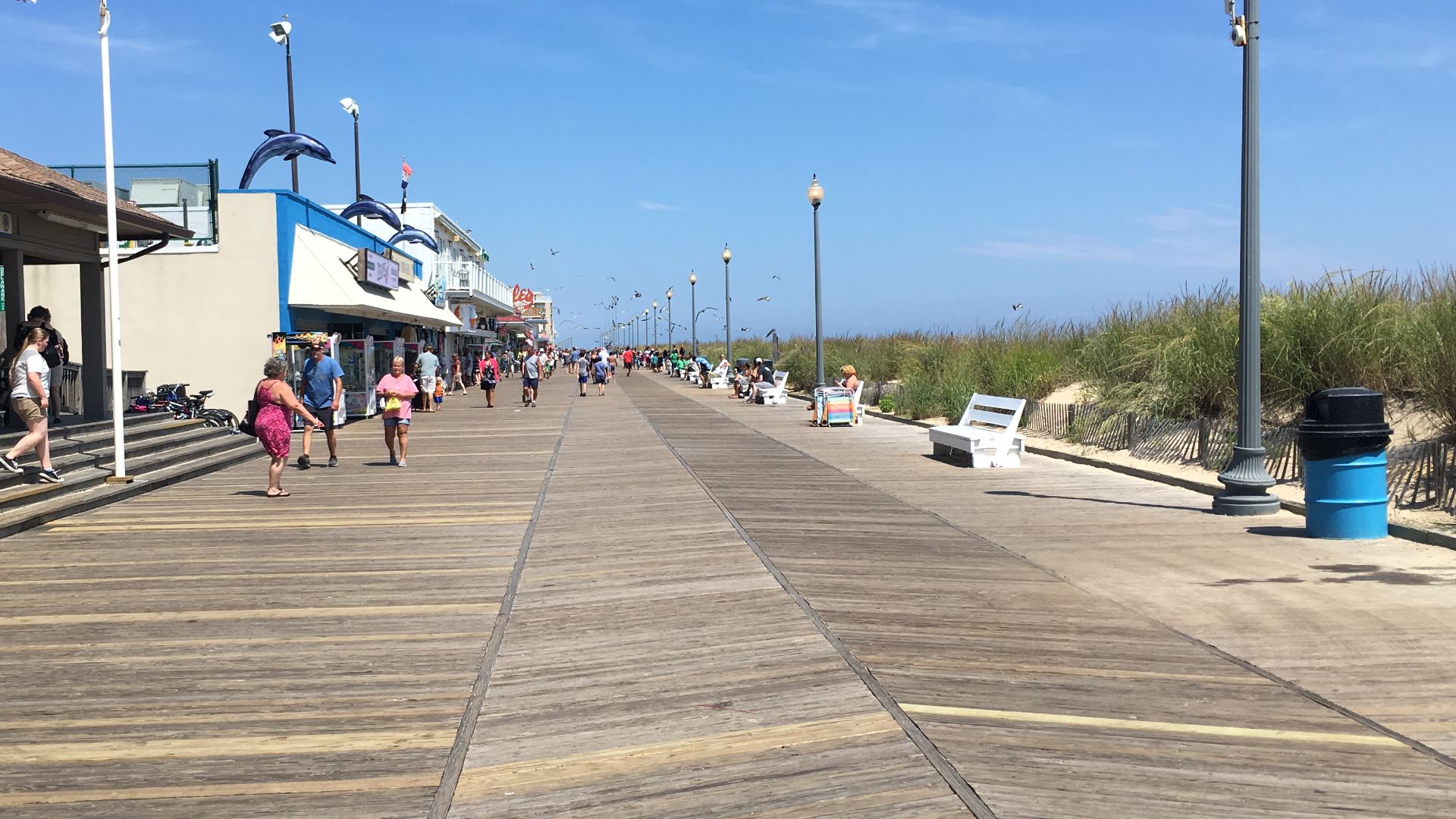
Rehoboth Beach also regulates skateboards according to the calendar. Skateboards are prohibited on the boardwalk and bandstand plaza, and from May 15 through September 15 the prohibition extends to city streets and sidewalks. The seasonal restriction coincides with the Delaware resort's busiest period.
Teenagers Have A Curfew
Summer vacation does not mean unlimited late nights for unaccompanied minors in Rehoboth Beach. The city says people under 18 cannot remain in public places or on privately owned business premises between 11 p.m. and 5 a.m. unless accompanied by a parent or guardian.
Don't Release Balloons
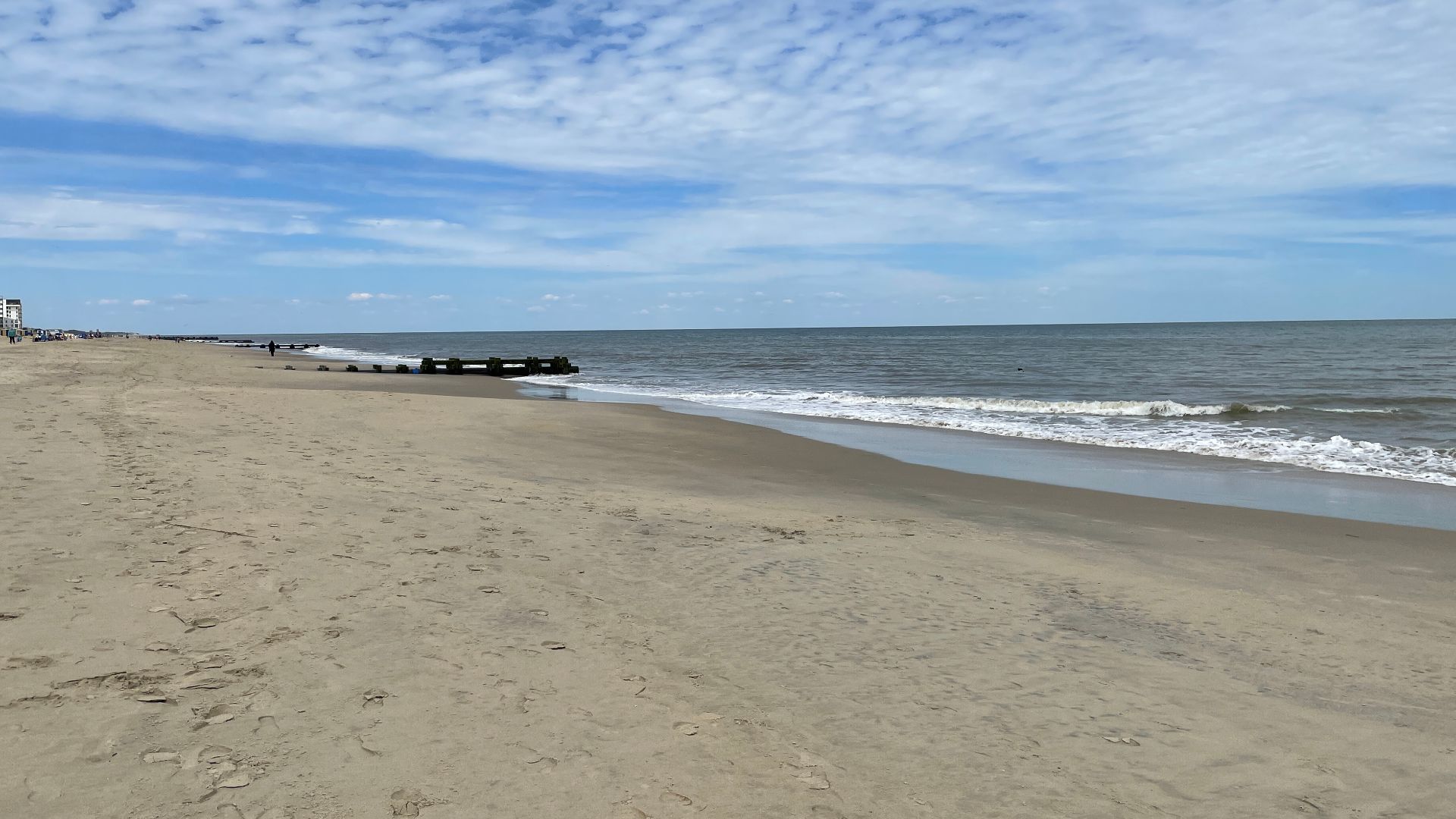
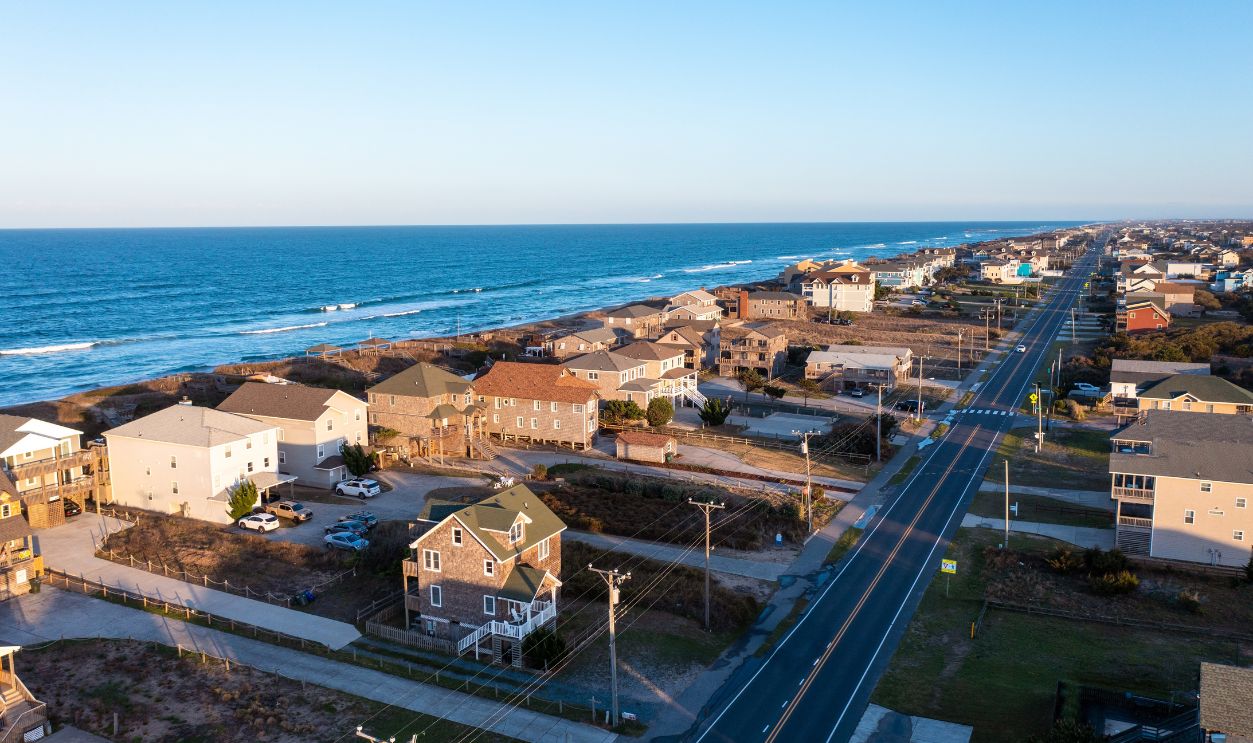
A celebratory balloon release might seem harmless, but not in Nags Head, North Carolina. The Outer Banks town prohibits releasing balloons from town-owned property, beaches, dune areas, and waters within its zoning jurisdiction, an unusually specific rule aimed at something that can quickly become environmental litter.

Beach Stuff Has Curfew
Leaving your chairs and equipment on the sand overnight can also backfire in Nags Head. The town warns that items left unattended on the beach between 8 p.m. and 6 a.m. will be considered litter and removed, so reserving tomorrow's beachfront territory the night before is a bad strategy.
Don't Feed The Wetlands
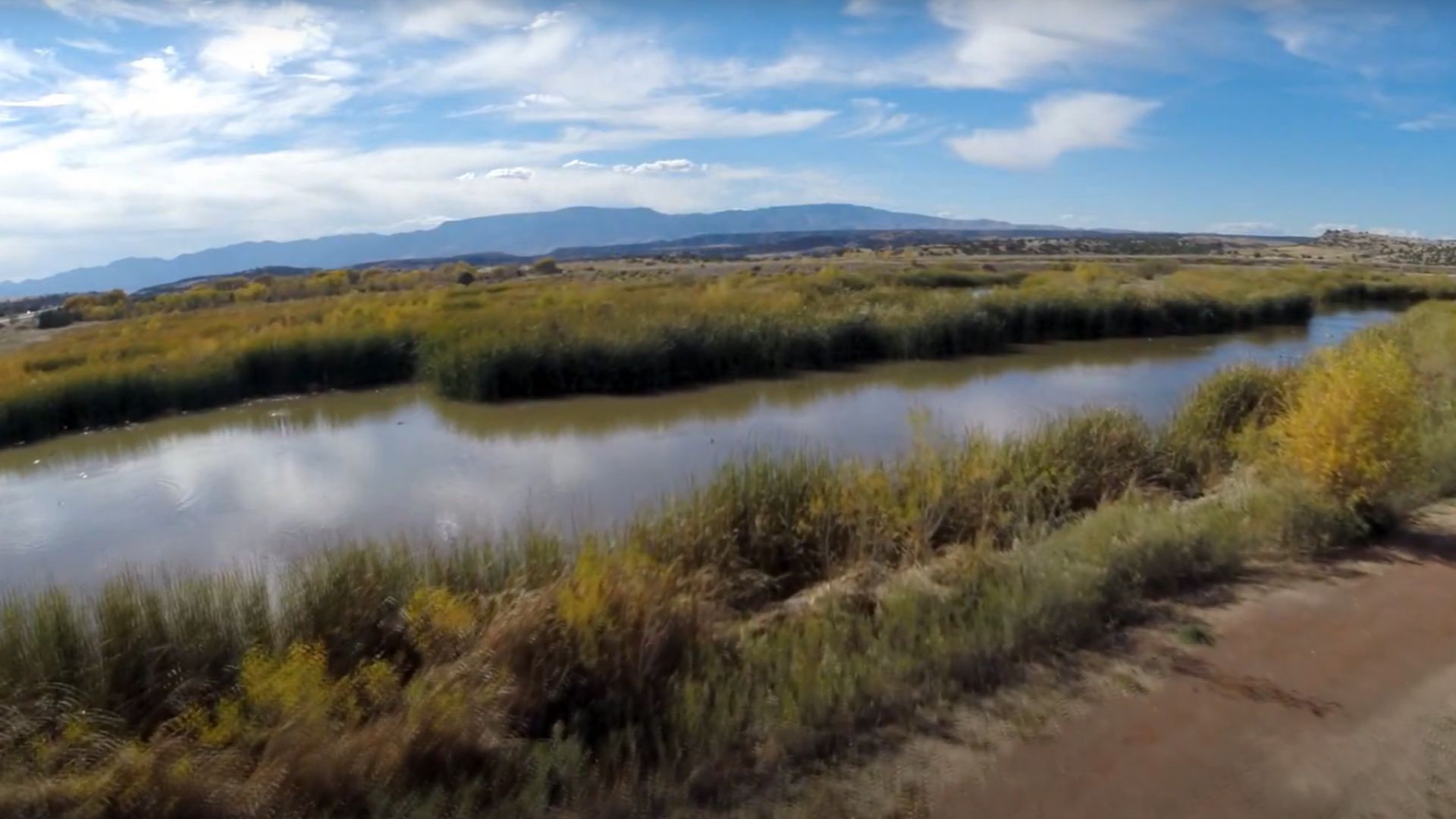
Sedona, Arizona, protects more than its famous red-rock scenery. At the city's wastewater wetlands, feeding birds or other animals requires written permission for specified wildlife-management, rescue, rehabilitation, or educational purposes. Visitors accustomed to tossing snacks to wildlife should keep their food to themselves.
 Doug Von Gausig, Wikimedia Commons
Butterflies Are Protected
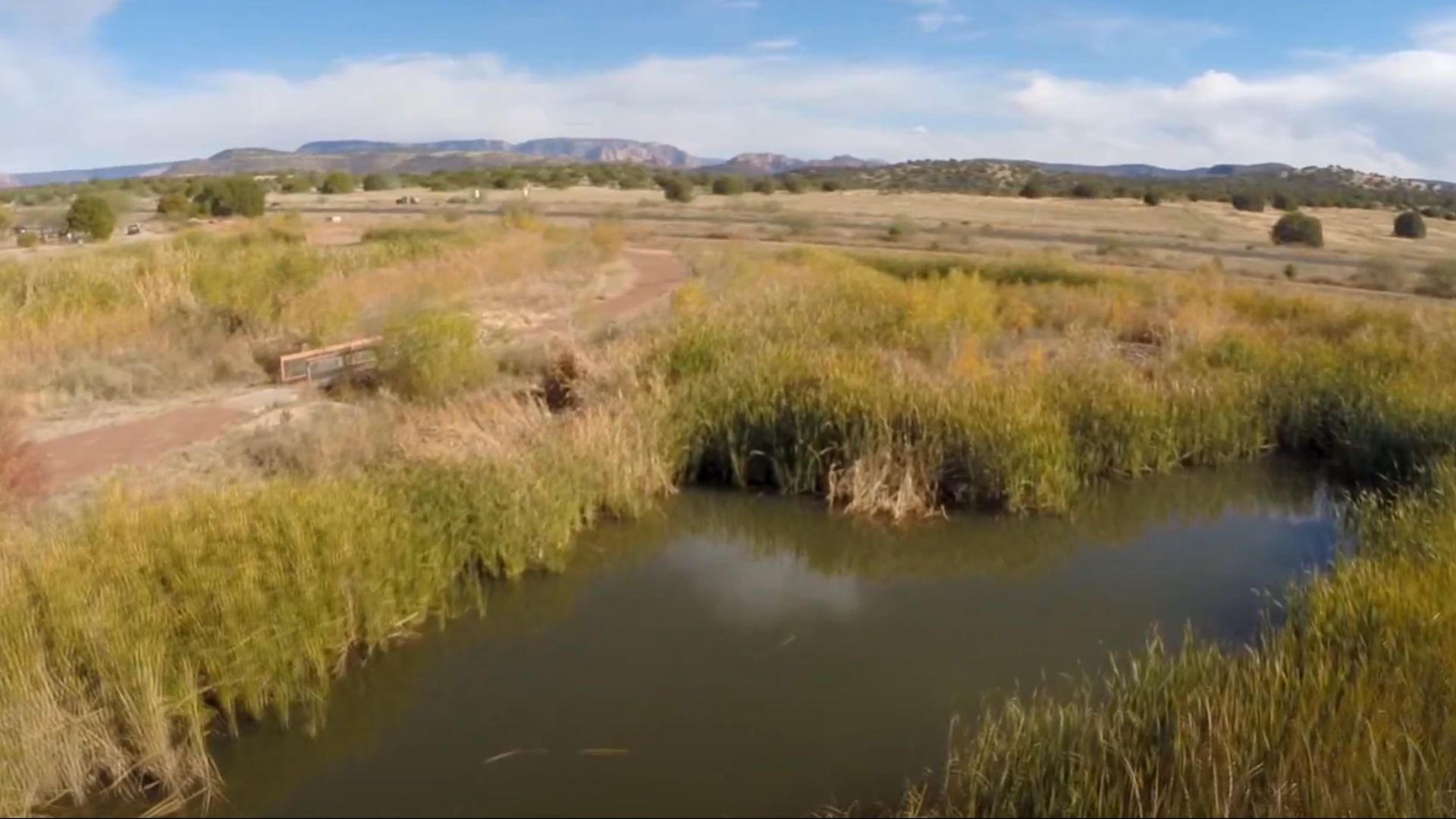
Sedona's wetlands rules become even more specific. Picking flowers or removing vegetation is prohibited there, and visitors may not harm, capture, or remove butterflies, moths, dragonflies, or damselflies without written permission. Pest-control and maintenance work performed with appropriate authorization receives an exception.
 Doug Von Gausig, Wikimedia Commons
Don't Cook In Trailers
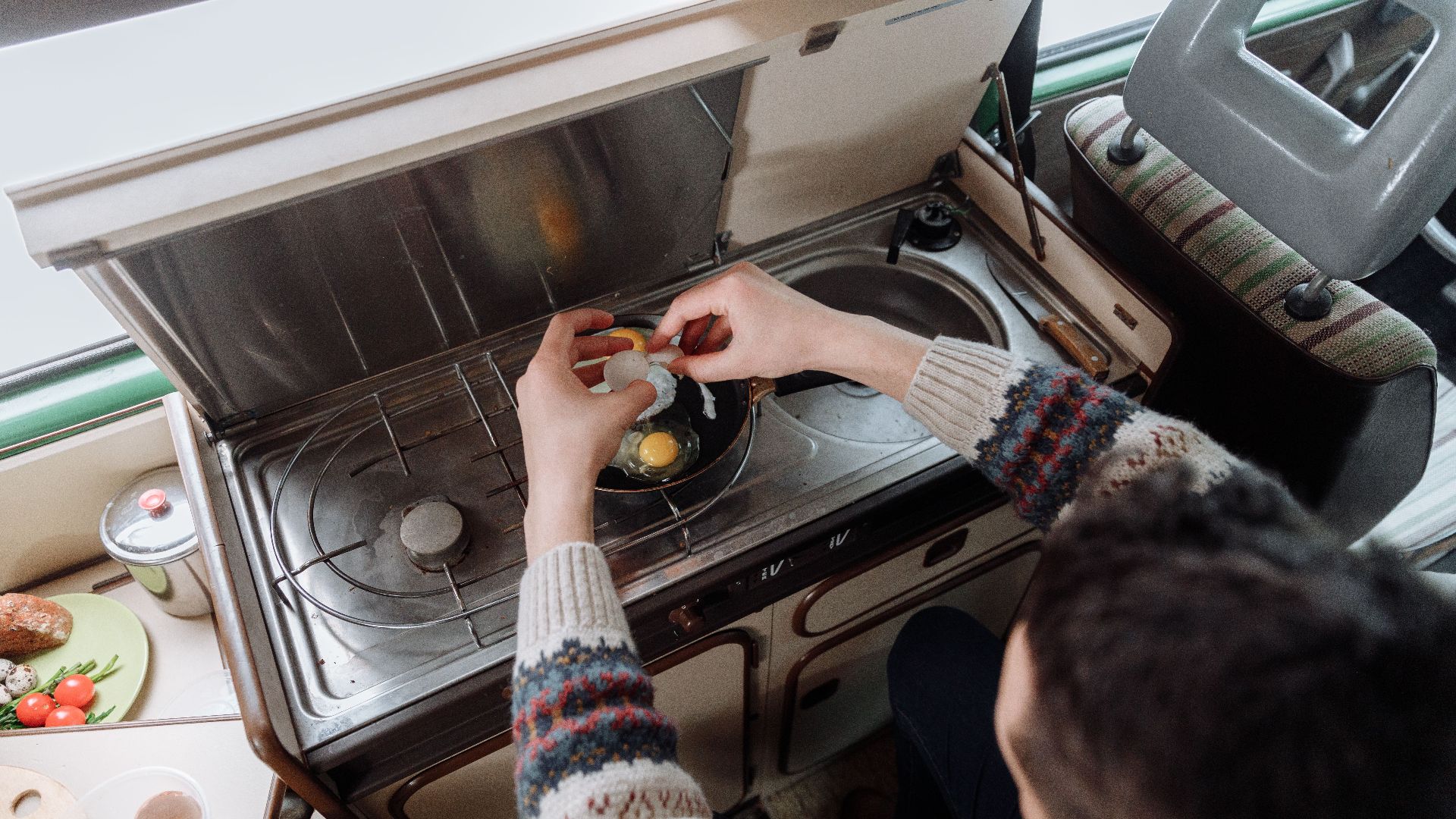
Venice, Florida, has a wonderfully specific rule for travelers towing accommodations behind them. Its municipal code prohibits preparing or serving meals involving cooking while a motor trailer is parked on a public street or public parking area. The same code limits street parking by motor trailers to one hour.
Local Rules Get Specific
Some of these laws sound peculiar until you picture thousands of visitors sharing beaches, sidewalks, wildlife habitats, and historic streets. Before assuming vacation rules work like those at home, check the destination's current municipal guidance. Your shoes, beach tent, bicycle, dog, sand shovel, or butterfly net might suddenly matter.
You May Also Like:
Actual Laws From Around The World That Sound Completely Made Up
Countries That Seem Relaxed—Until Tourists Accidentally Break One Of Their Strict Laws