
Too Weird To Be True
Traveling the world sounds glamorous—until you realize some everyday habits can accidentally land you in trouble. What feels completely normal at home might be considered disrespectful, dangerous, or outright unlawful somewhere else.
So before you pack your bags and your bad habits, here are some bizarre laws from around the world that prove reality is sometimes weirder than fiction.

Camouflage Clothing Is Off-Limits
Camo might scream “fashion-forward” in some places, but in parts of the Caribbean and Africa, it’s a hard no. The pattern is reserved strictly for military use, and authorities take that distinction seriously to avoid confusion or impersonation. Tourists caught wearing it can have their clothes confiscated or even face fines, which is a frustrating way to lose your favorite shorts.

Public Swearing Can Get You Fined
Lose your temper in public in Mexico, and you might be doing more than venting—you could be breaking the law. Profanity in public spaces is considered disruptive and falls under public order offenses in certain areas. It’s one of those rules that turns a minor moment of frustration into a potentially costly mistake.

Bike Riding Has Very Specific Rules
Cycling casually sounds harmless, but in Mexico, riding with one foot off the pedal isn’t allowed. The law is tied to safety concerns, aiming to prevent accidents caused by lack of control. Still, it feels like the kind of oddly specific rule that only exists because someone, somewhere, really pushed their luck.
 Alfredo Borba, Wikimedia Commons
Tourists Should Stay Out Of Politics
Visiting Mexico doesn’t come with the right to join every local conversation—especially political ones. Foreigners are prohibited from participating in political activities, including protests or demonstrations. It’s a law that’s easy to overlook if you’re caught up in the moment, but the consequences can be serious.
 Sleeps-Darkly, Wikimedia Commons
Drinking In Public Isn’t Always Chill
That relaxed walk with a drink in hand? Not as universal as you might think. In many parts of Mexico, public drinking is unlawful and actively enforced. What feels like harmless vacation behavior can quickly turn into a fine or a warning from local authorities.

Public Transport Has Behavior Rules
Austria takes train etiquette seriously—and yes, that includes how you act and what you bring onboard. Over-the-top displays of affection or even strong-smelling food can result in fines or removal from public transport. It’s a reminder that shared spaces come with shared expectations, even if they seem unusually strict.

Some Places Have “No Dying” Laws
It sounds impossible, but a few towns in France technically outlaw dying. These laws were introduced due to overcrowded cemeteries, making them more symbolic than enforceable. Still, the idea that dying could be unlawful is about as strange as laws get.

Chewing Gum Is Highly Restricted
Singapore’s famously clean streets didn’t happen by accident. Chewing gum sales are heavily restricted to prevent litter and damage to public infrastructure like subway doors. It’s a small habit with big consequences in a country that prioritizes cleanliness above all else.
 Pascua Theus, Wikimedia Commons
High Heels At Historic Sites
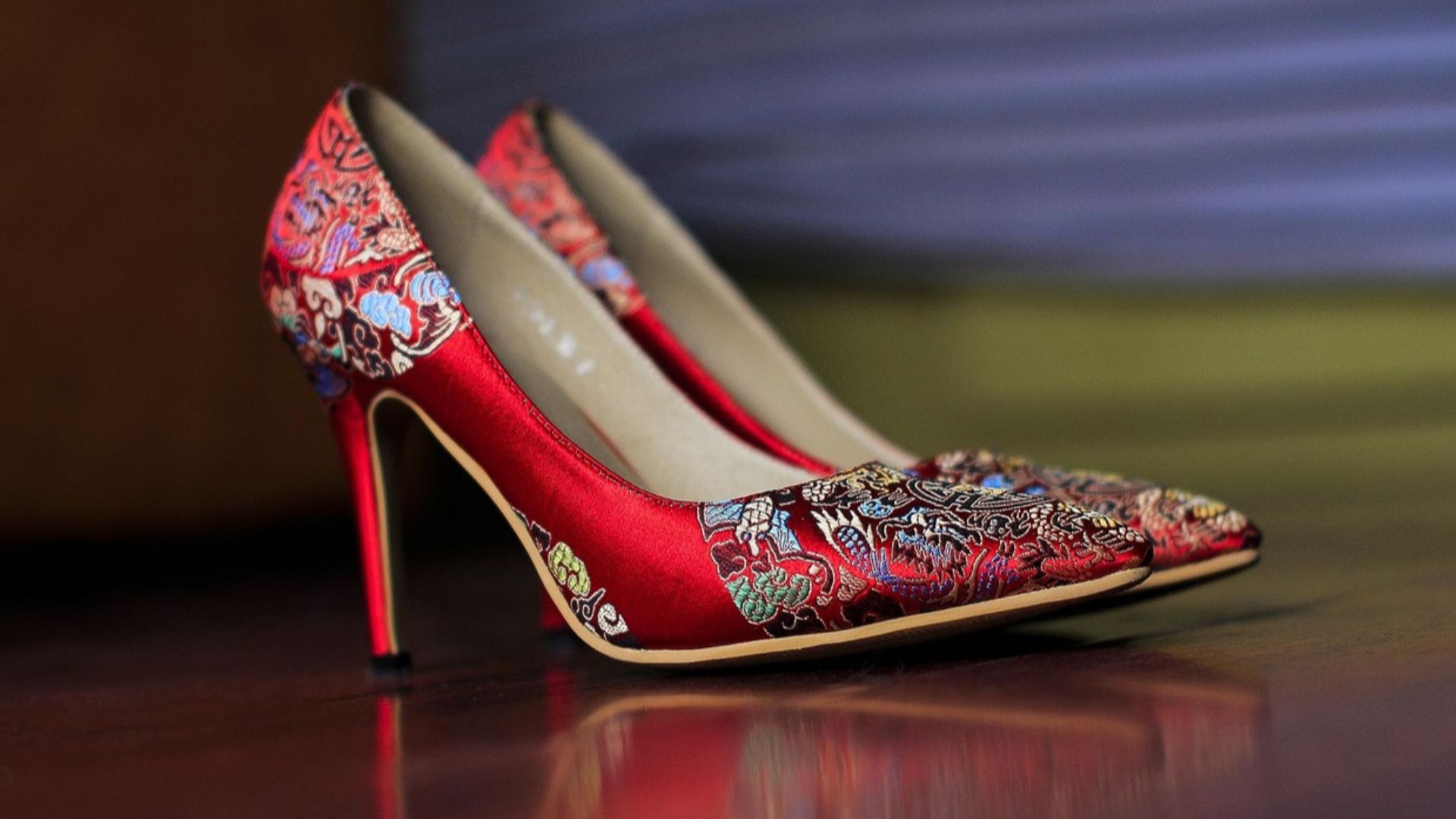
Looking stylish while exploring ancient ruins might cost you more than sore feet. In Greece, high heels are banned at certain archaeological sites because they can damage fragile surfaces. It’s a case where fashion takes a backseat to preserving thousands of years of history.
You Must Respect The Monarchy
In Thailand, respect for the royal family isn’t just cultural—it’s legally enforced. Even seemingly minor actions, like stepping on currency that features the king’s image, can be considered deeply offensive. What might feel insignificant elsewhere can carry serious legal consequences here, making awareness absolutely essential.
 Siam Banknote, Wikimedia Commons
Flip-Flops Aren’t Always Driving Shoes
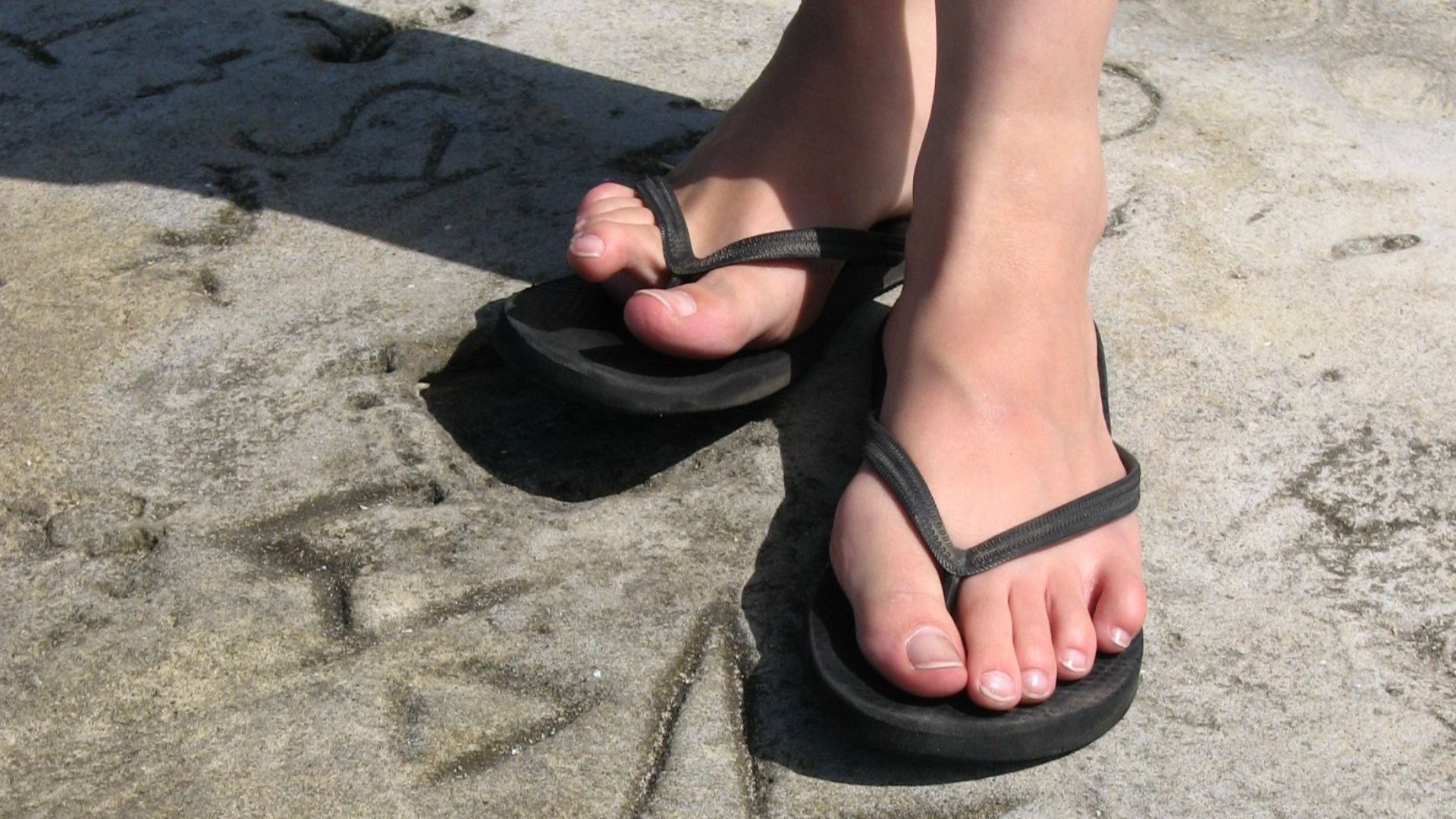
Comfort doesn’t always equal safety, especially when it comes to driving. In some European countries, wearing flip-flops behind the wheel is discouraged or even outlawed because they can slip off and interfere with pedal control. It’s a reminder that practical footwear matters more than convenience when you’re on the road.
 Justin Cozart from Dallas, TX, USA, Wikimedia Commons
Going Shirtless Isn’t Universal
Beach rules don’t follow you everywhere, even if the weather says otherwise. In places like Thailand, walking around shirtless outside designated beach areas can lead to fines. It’s one of those cultural expectations that can catch travelers off guard if they assume vacation norms apply everywhere.

Eating Near Landmarks Can Be Prohibited
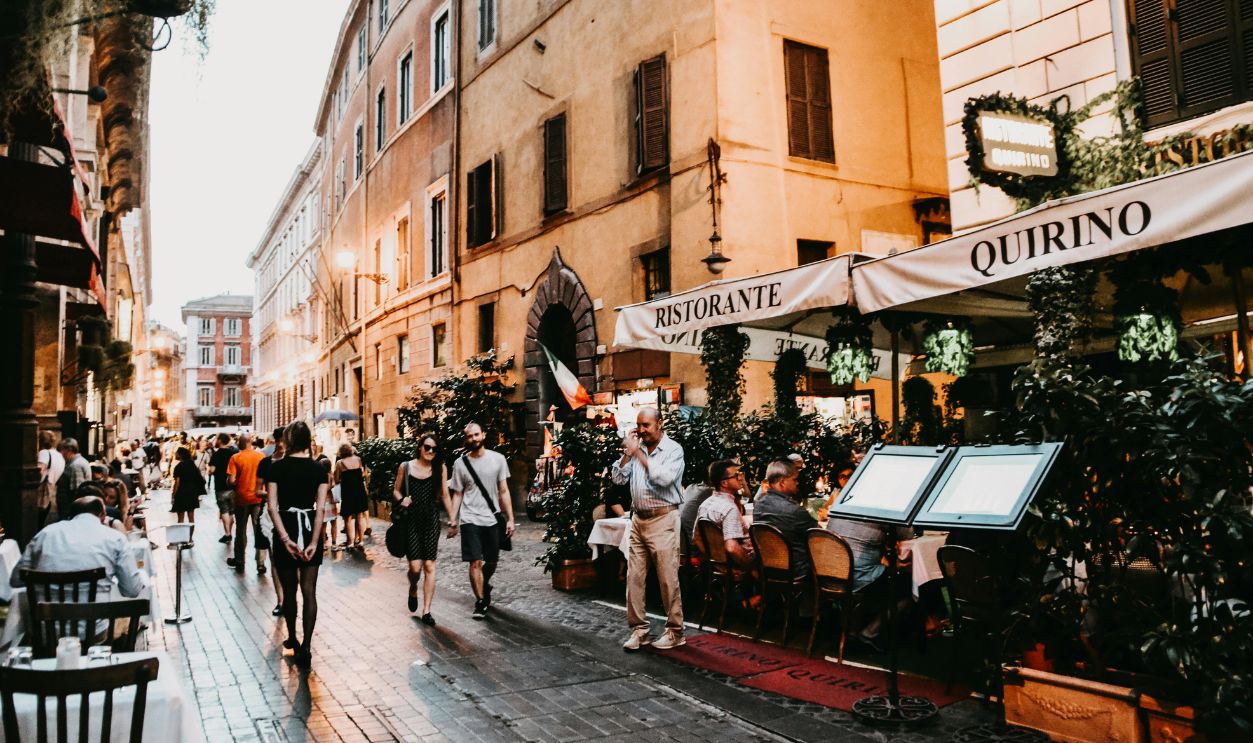
That scenic snack moment might not be as harmless as it seems. Cities like Rome have rules against eating near historic landmarks to keep them clean and protected from damage. It’s a small sacrifice to preserve places that have stood for centuries.
Public Affection Has Limits
A quick kiss goodbye might seem harmless, but not everywhere sees it that way. In countries like the UAE, public displays of affection can lead to fines or even more serious consequences. Cultural norms around relationships vary widely, and this is one area where it really shows.

Taking Photos Of Strangers
That perfect candid shot might come with unexpected trouble. Some countries enforce strict privacy laws, making it unlawful to photograph people without their consent. Posting those images online can make things even worse, turning a simple photo into a serious offense.

Common Medications Can Be Banned
Your travel essentials might not be as universal as you think. Certain over-the-counter medications are restricted in countries like Japan due to specific ingredients. It’s a good reminder that even something as routine as packing medicine requires a bit of research.

Walking While Eating Isn’t Always Okay
Multitasking gets a cultural side-eye in some places. In parts of Japan, walking while eating is frowned upon and sometimes restricted because it’s seen as messy and inconsiderate. It’s less about legality and more about respecting social norms—but the expectation is still very real.

Dress Codes Can Be Strict
Not everywhere embraces a “wear whatever you want” mindset. Some countries enforce modest dress codes in public, especially in more conservative regions. Ignoring these expectations can lead to fines or uncomfortable situations that are easily avoidable.

Loud Behavior Can Get You Penalized
Being the loudest person in the street might do more than attract attention. Many destinations have laws against disruptive behavior, including shouting or causing disturbances. It’s one of those rules that blends courtesy with legality in a way that travelers sometimes underestimate.

Drinking Rules Can Be Surprisingly Tight
Drinking isn’t always as simple as ordering a drink wherever you are. In several Middle Eastern countries, consumption is limited to specific venues, and public intoxication is taken seriously. Breaking these rules can lead to fines or trouble, making it important to understand local regulations.

“Normal” Habits Aren’t Always Universal
The biggest travel lesson is that “normal” doesn’t travel with you. Everyday behaviors—from what you wear to how you act—can carry completely different meanings abroad. And the tricky part is that you often won’t realize it until you’re already standing on the wrong side of the rule.

The World Is Weird—And That’s Half The Fun
These laws might sound exaggerated or oddly specific, but they all reflect local values and priorities. Understanding them is part of what makes travel interesting—and occasionally humbling. Because sometimes, the strangest part of your trip isn’t where you go—it’s what you accidentally learn not to do.

You May Also Like:
The Ultimate Travel Bucket List: 100 Things You Need To See (And Do) Around The World Before You Die