Laid Back Destinations Can Have Sharp Edges
Some of the world’s most laid-back destinations project an image of flexibility—even indulgence. But just below that relaxed exterior are some laws that are aggressively enforced, something that catches unwary tourists totally off guard. From breaches of etiquette to unexpected criminal penalties, these countries are good examples for visitors to keep in mind that a reputation for being “laid back” doesn’t always translate into a license to do whatever you want.
 Mariaphoto3, Shutterstock; Factinate
Japan
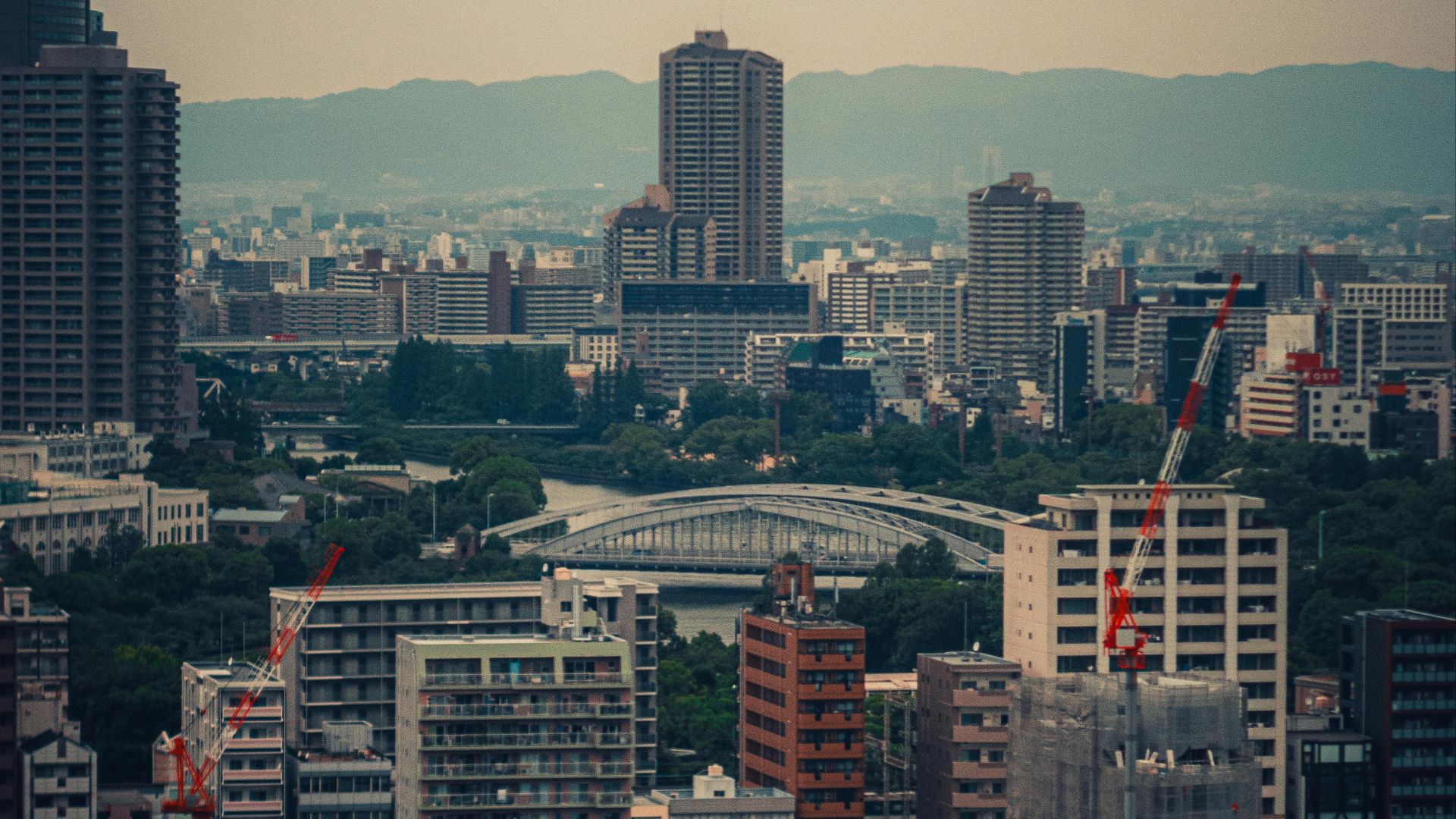
Japan often feels like an easy travel locale for visitors because of its famous politeness and safety. But keep in mind that Japan’s drug laws are exceptionally strict. Even trace amounts of illegal substances can lead to arrest, long detention, and deportation. Prescription medications legal elsewhere may also be banned. This is something that catches visitors unaware despite the country’s sedate public atmosphere.
United Arab Emirates
The UAE feels luxurious and permissive inside its burgeoning hotels and resorts, but public behavior is tightly regulated. Public displays of affection, offensive language, and alcohol outside licensed venues can result in fines or arrest. Tourists often misjudge where the boundaries are between private resort culture and public legal expectations in a very conservative country.
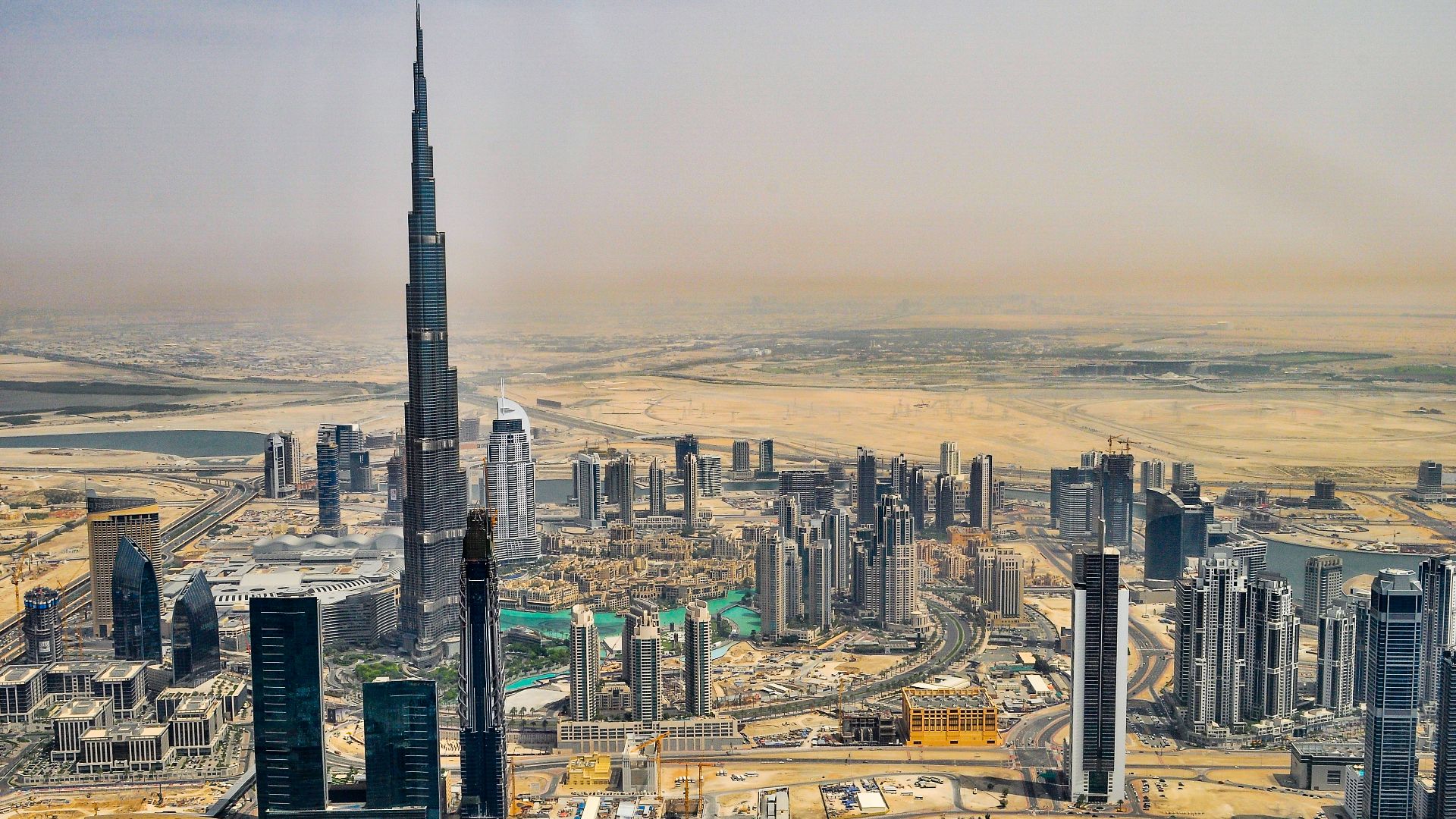 Caleb Whiting dogbear869, Wikimedia Commons
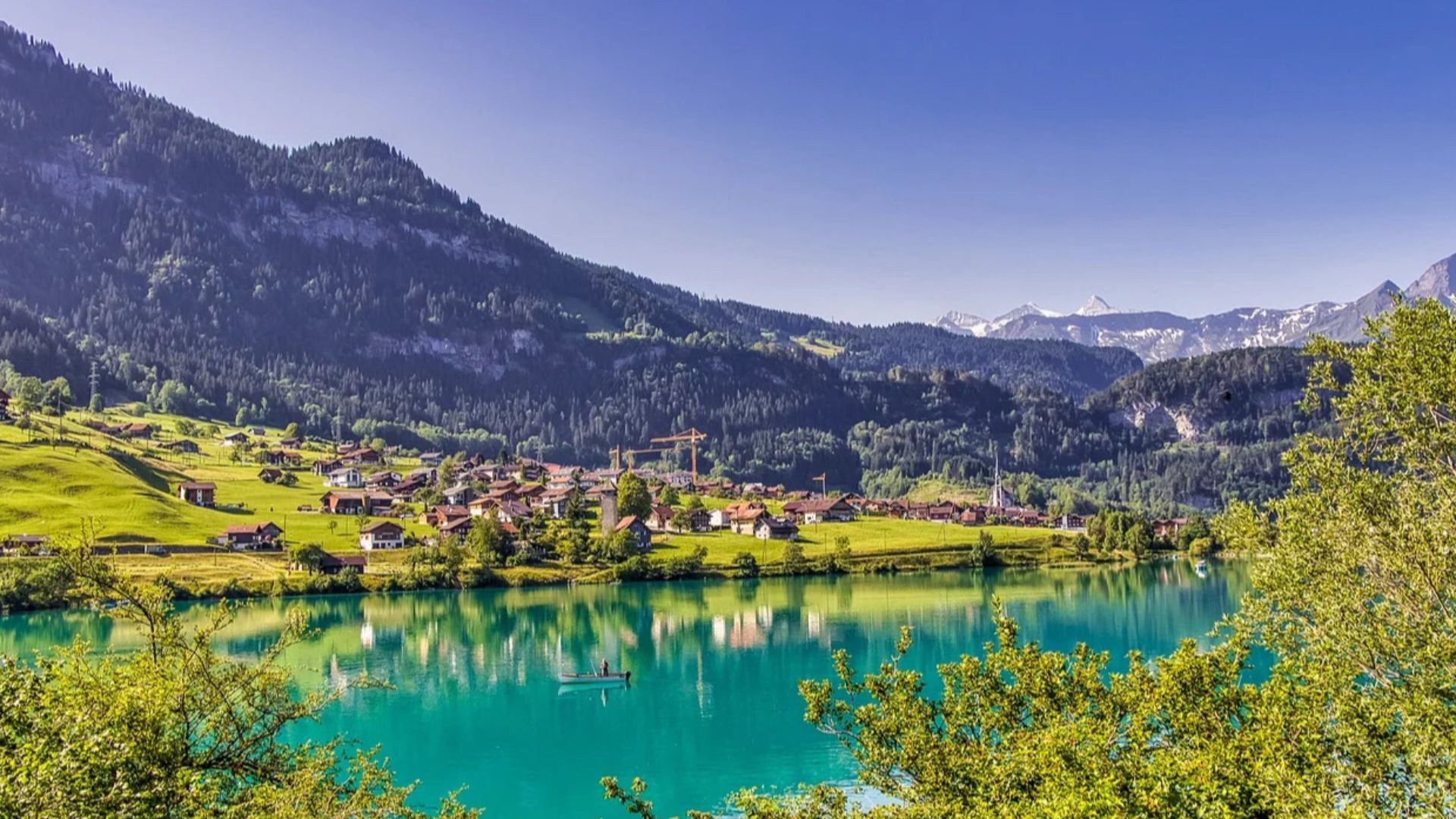
Switzerland
Switzerland’s peaceful image can sometimes make people forget that it has some unusually precise civic laws. Noise violations are strictly enforced, including bans on loud activities late at night or on Sundays. Recycling rules are mandatory and quite detailed. Visitors may be shocked to be on the hook for large fines for behaviors regarded as trivial elsewhere in Europe.
Indonesia
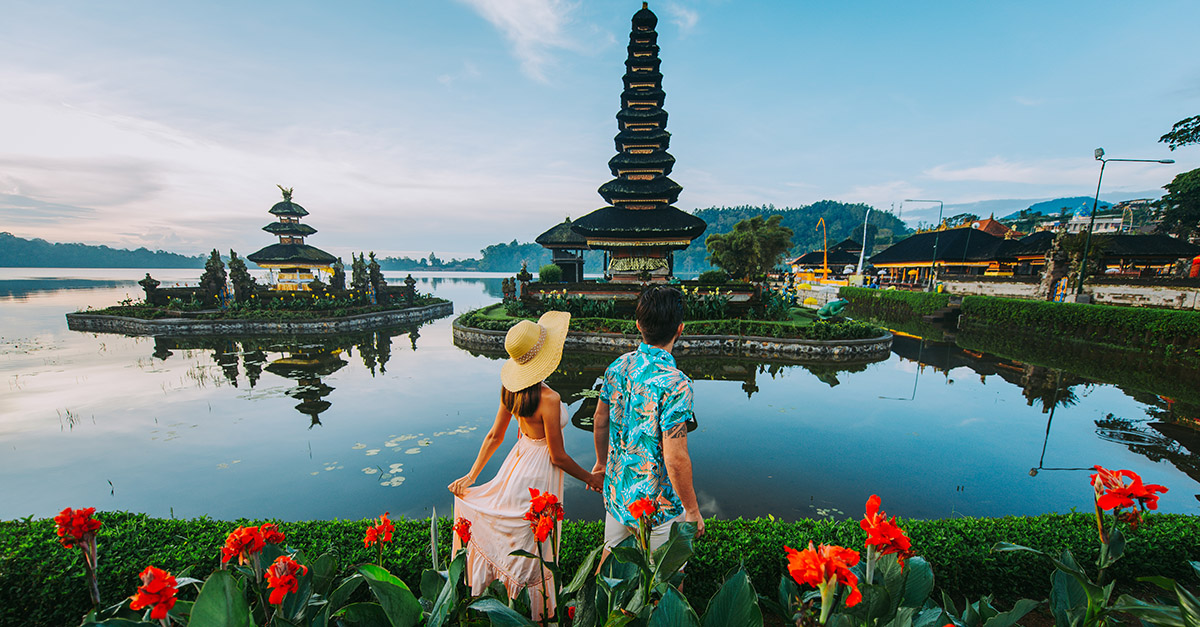
Indonesia’s islands are well known for their easygoing pace, but some laws are harshly enforced. Drug offenses here carry some of the world’s toughest penalties. Even small amounts can lead to prison sentences of decades in duration. Cultural offenses that have anything to do with religion or public conduct can also provoke serious legal consequences that surprise casual tourists.
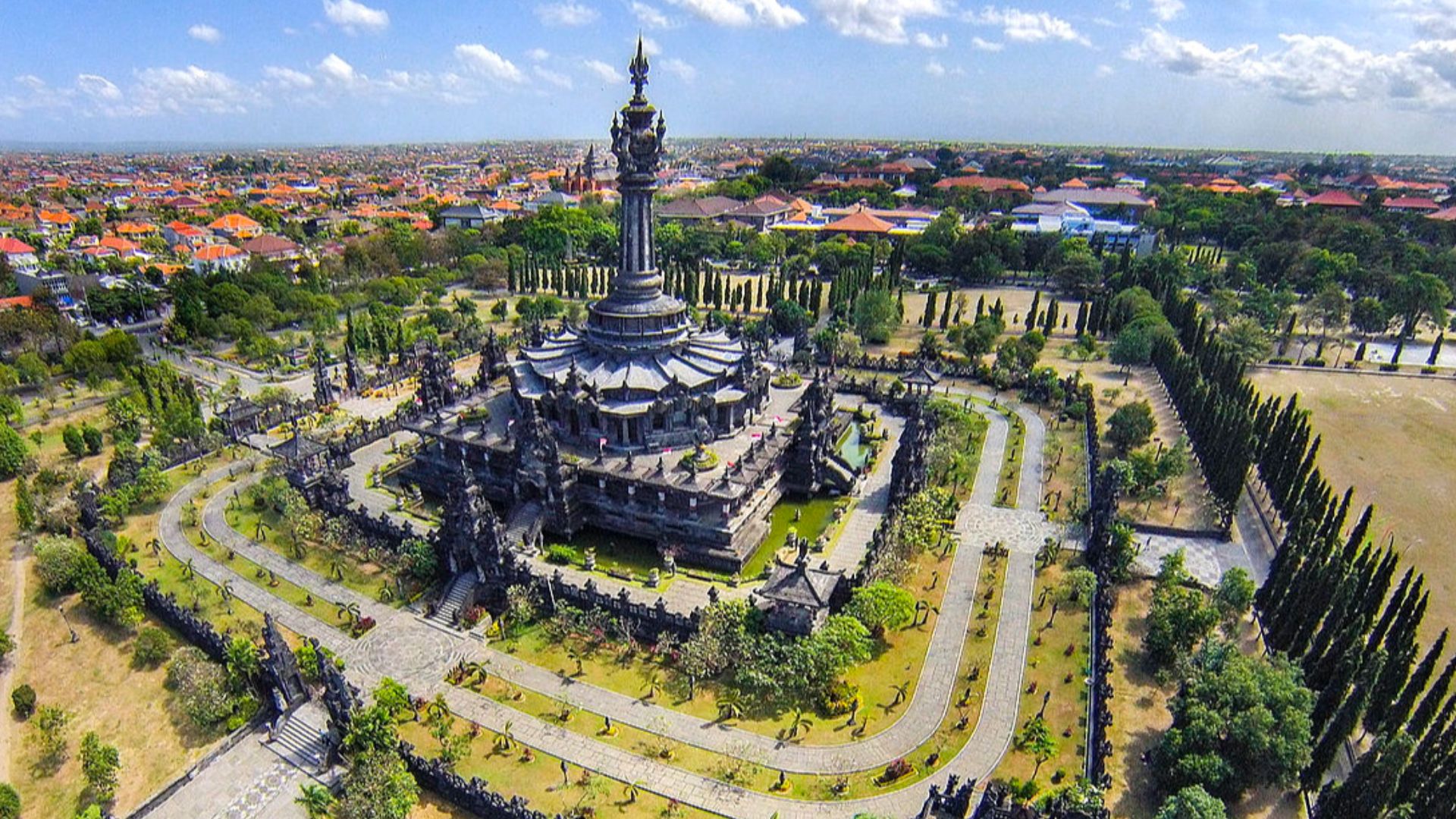 trezy humanoiz from Denpasar, indonesia, Wikimedia Commons
Italy
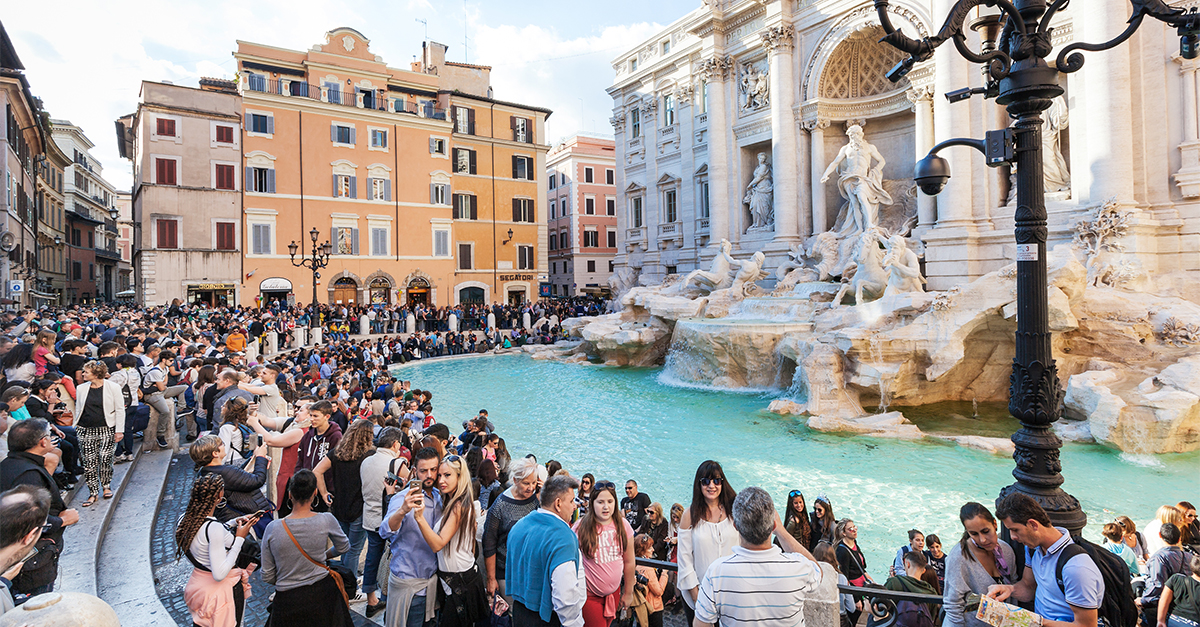
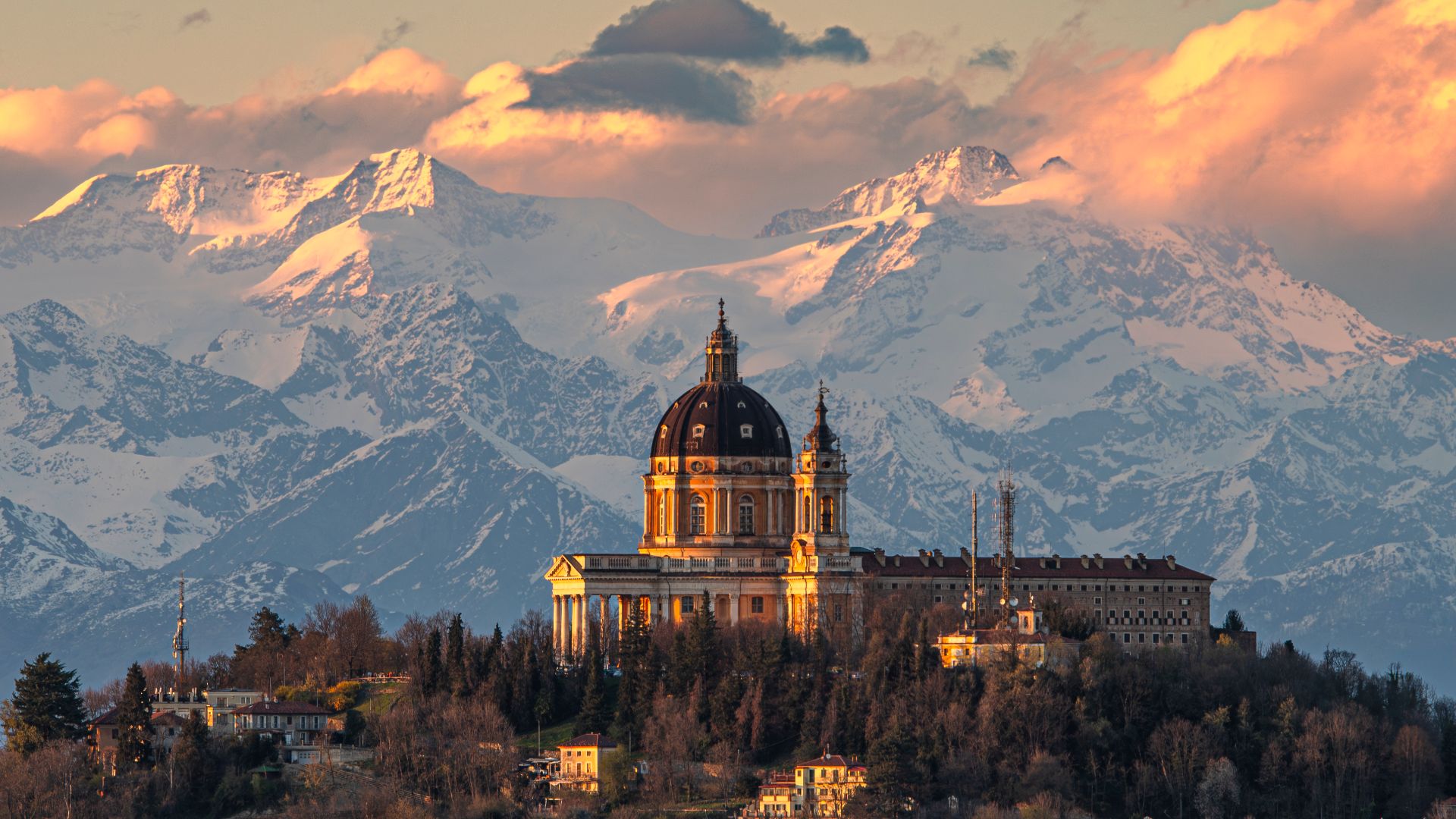
Italy’s expressive culture can feel quite laid back and forgiving most of the time, but cities enforce strict rules around heritage protection. Sitting on historic monuments, eating near landmarks, or swimming in the country’s famous fountains can end in being charged with a heavy fine. These laws are designed to preserve cultural sites but are often unexpected by relaxed visitors who think the permissive attitude of their home country is still in effect.
Australia
Australia’s laid-back reputation contrasts sharply with its harsh biosecurity laws. Bringing prohibited foods, plants, or even muddy shoes into the country can bring you a steep fine. Customs officers take these regulations very seriously to protect Australia’s unique ecosystems, leaving unprepared tourists shocked by penalties at the border.

France
France brims over with confidence and cultural ease, but its photography laws can be a surprise for visitors. Posting images of certain buildings at night may be a violation of copyright restrictions. Disruptive behavior on public transport can also result in fines, a sober reminder to visitors that relaxed culture can only co-exist within well-defined formal legal boundaries.

Iceland
Iceland’s rugged landscapes invite freedom and a carefree attitude, but environmental laws on the island are strict. Driving off marked roads damages the country’s fragile terrain and can result in enormous fines. Walking in restricted areas can also bring steep penalties. The country’s openness toward nature goes hand-in-hand with uncompromising protection rules.
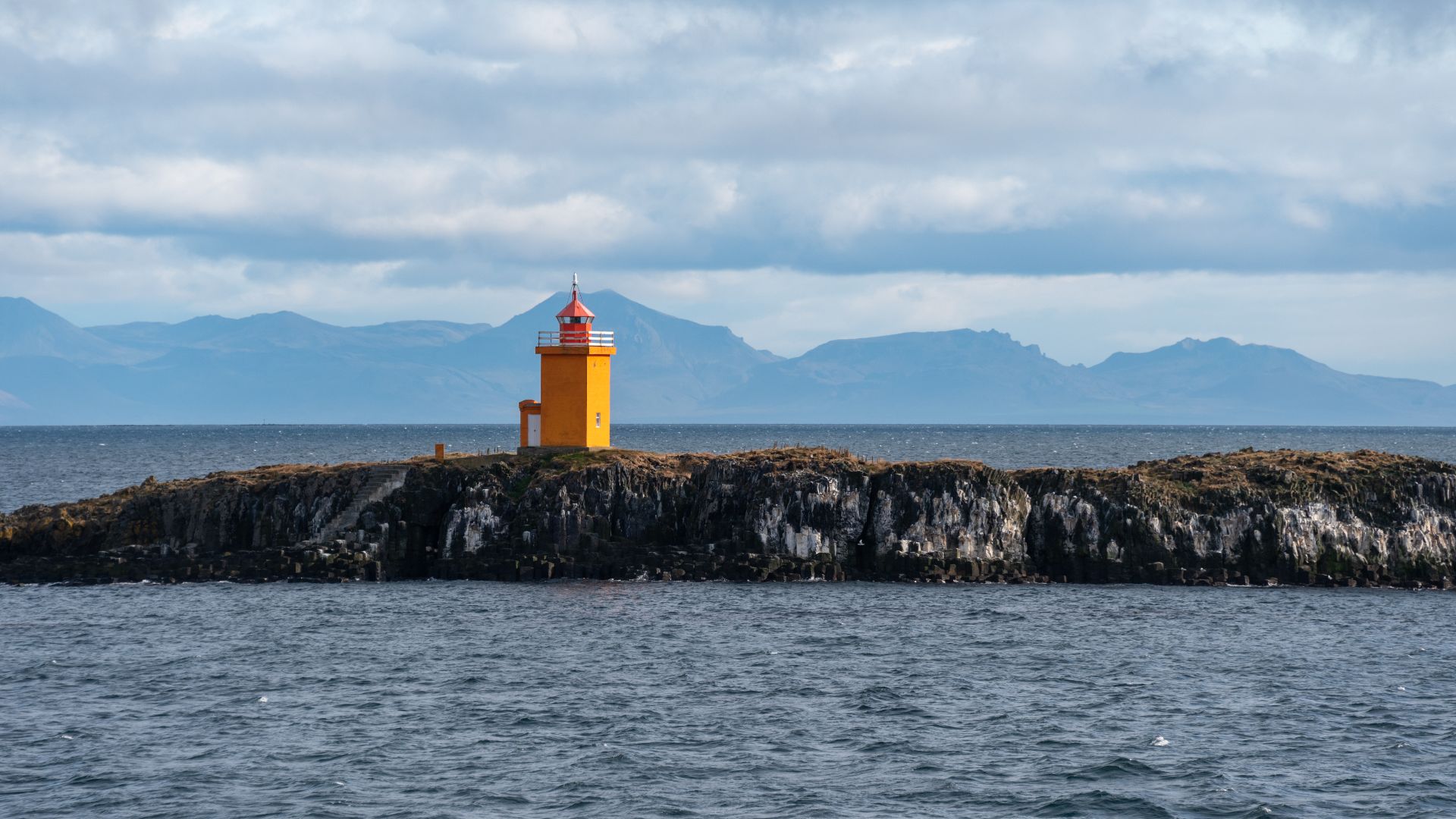 Gordon Leggett, Wikimedia Commons
Greece
Greece’s casual social atmosphere doesn’t extend to its abundant antiquities. Removing stones, touching artifacts, or climbing on ancient ruins can get you a stern talking-to by locals if you’re lucky, or an arrest if you’re unlucky. Tourists often mistake accessibility for permissiveness, though the country’s heritage laws are strongly enforced to preserve the irreplaceable sites for future generations.

Mexico
Mexico is welcoming and vibrant, but its drug laws are enforced differently than many tourists assume. Possession limits are very specific, and exceeding those limits can lead to some serious charges. Public intoxication or disrespecting authorities can escalate otherwise manageable situations into serious legal consequences in a hurry.
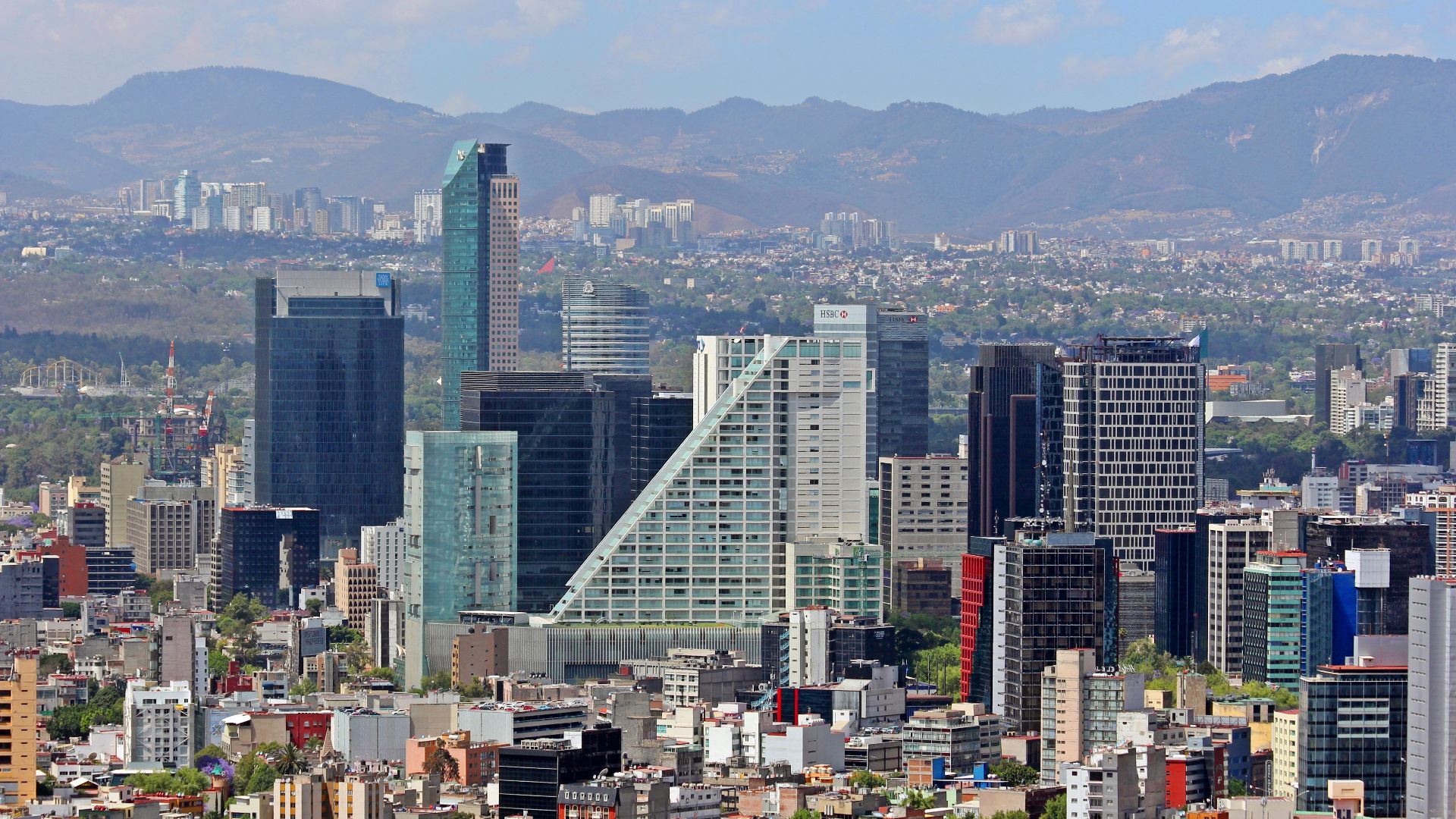 Alejandro Islas Photograph AC, Wikimedia Commons
Singapore
Singapore’s clean, orderly reputation is well earned, but its enforcement is famously strict. Tourists have been fined for such seemingly minor things as littering, jaywalking, or even forgetting to flush public toilets. Chewing gum sales are restricted in order to prevent huge wads of bubble gum from sticking to the bottoms of people’s shoes. Vandalism can result in caning. The city may feel modern and friendly, but rules are taken extremely seriously.
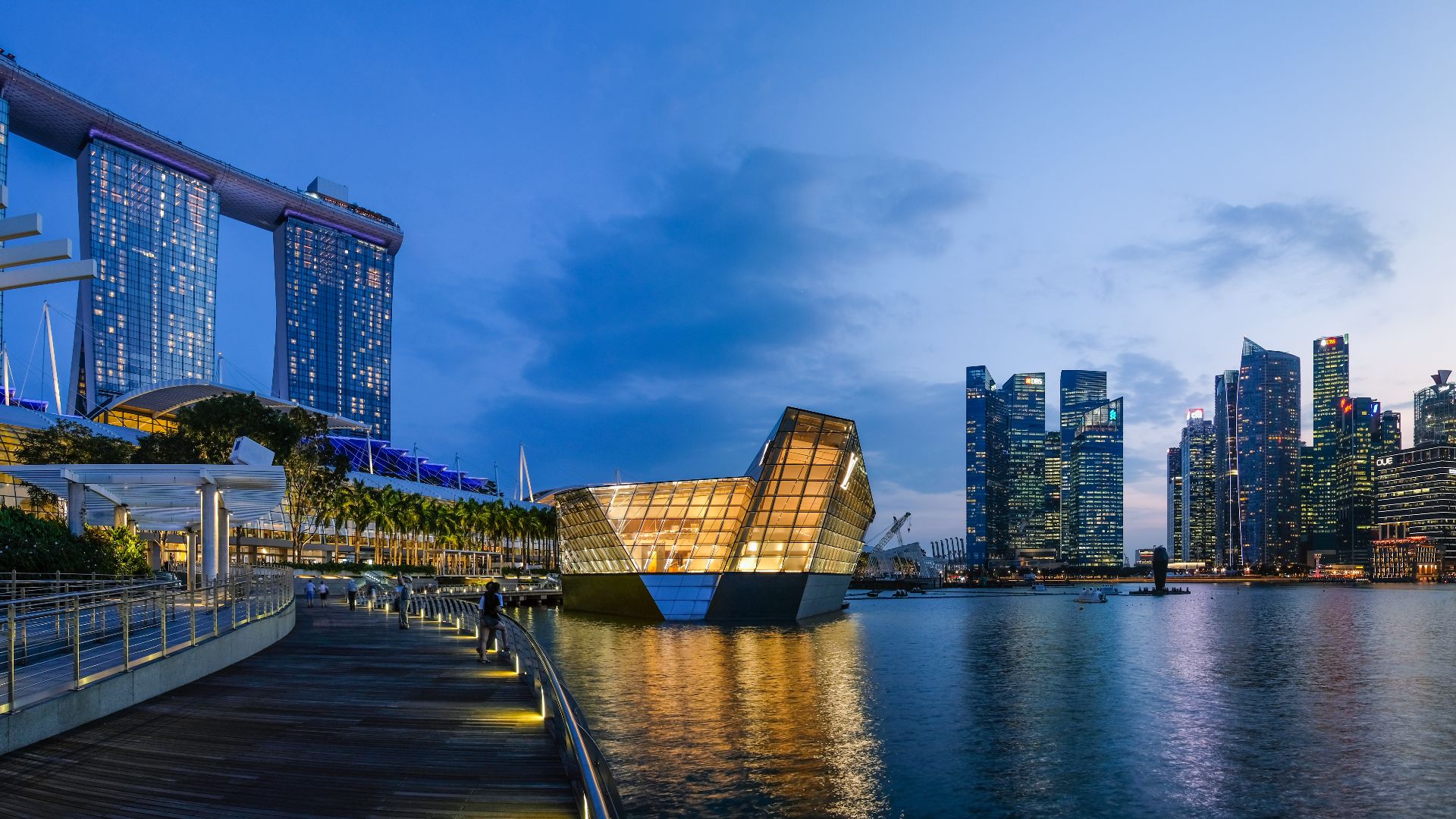 Benh LIEU SONG (Flickr), Wikimedia Commons
Thailand
Thailand’s relaxed beach culture masks one of the world’s most rigorous lèse-majesté laws. You’re probably asking, “what are these?” Well, any perceived insult to the country’s monarchy can lead to severe prison sentences. Even stepping on currency that displays the king’s image is considered offensive. Tourists luxuriating in Thailand’s hospitality sometimes forget how firmly these laws are enforced.
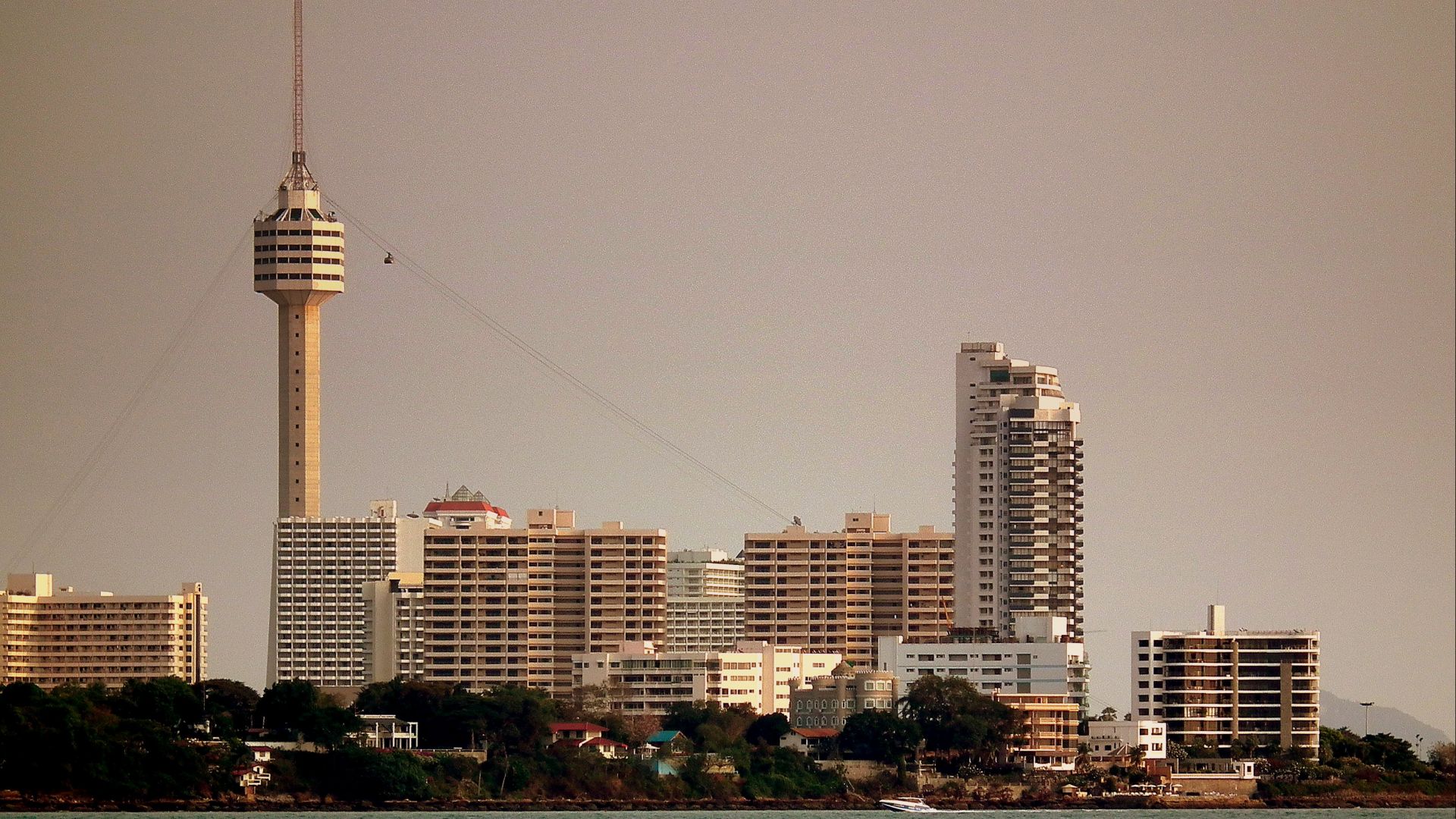 calflier001, Wikimedia Commons
Spain
Spain’s reputation for having a great nightlife is well-deserved. But this is balanced out by increasing crackdowns on unruly behavior. Cities issue fines for public drinking, excessive noise, or inappropriate attire in historic districts. What was at one time tolerated is now increasingly regulated as tourism pressure grows.

Netherlands
The Netherlands is often misunderstood as a totally permissive nation where anything goes everywhere at all times. Cannabis tolerance is actually tightly regulated, and possession outside of licensed venues can result in fines. Cycling violations, public intoxication, and disorderly behavior are all penalized under clearly enforced laws, just as they are everywhere else.
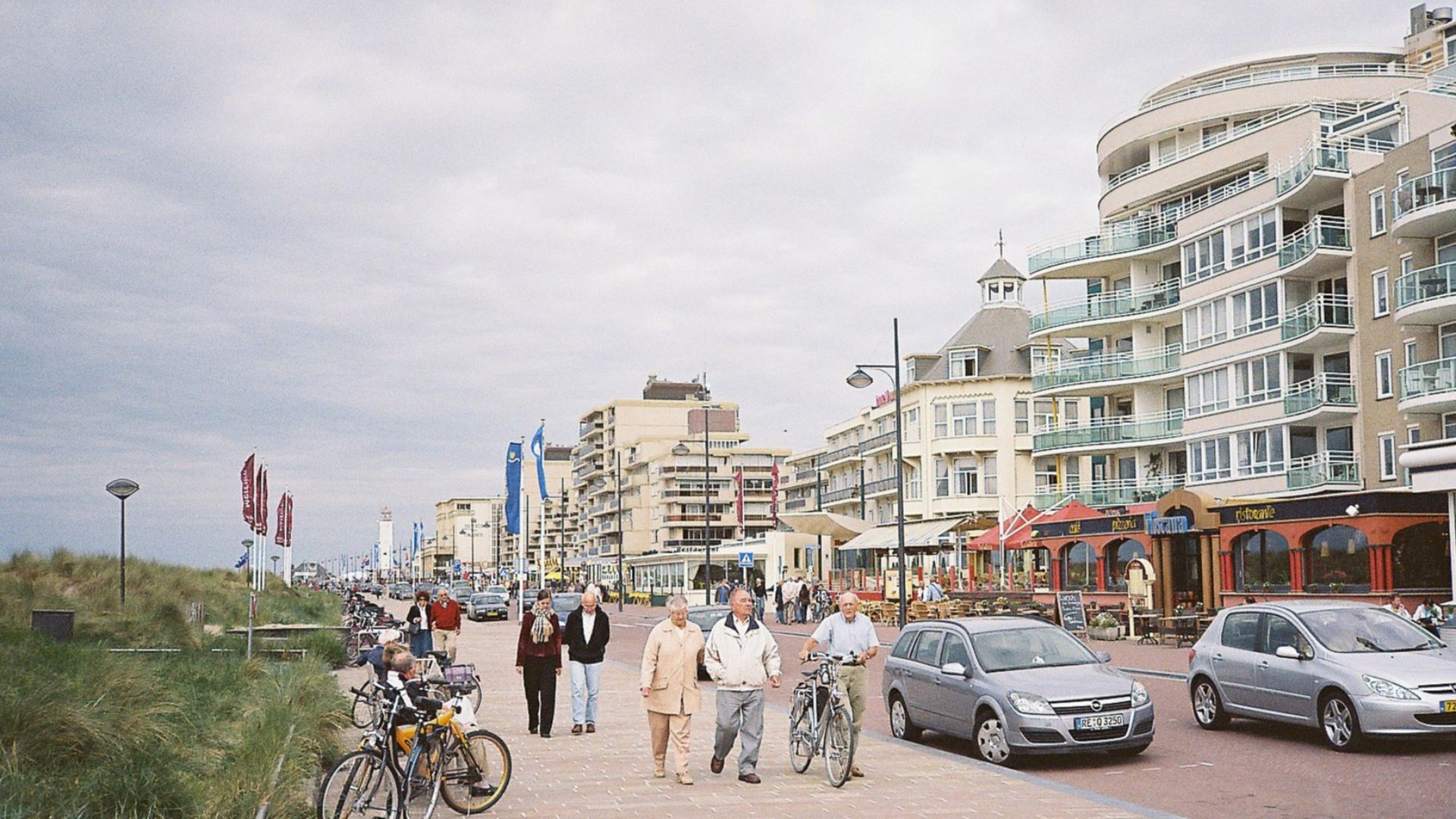
New Zealand
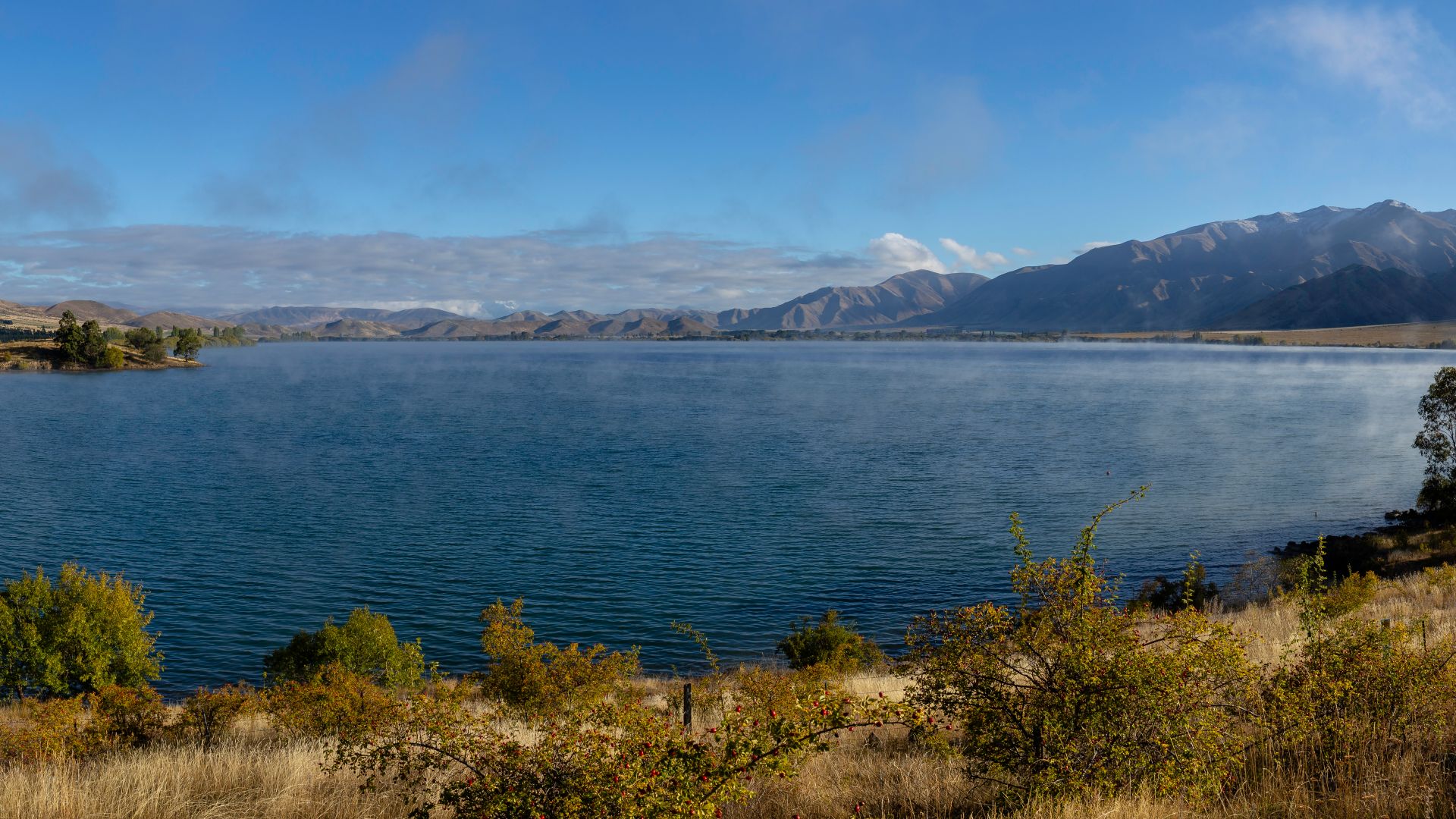
New Zealand’s outdoorsy reputation also comes with very strict conservation laws. Camping outside designated areas, disturbing wildlife, or violating park regulations can bring hefty fines to the careless. Open landscapes come with equally firm enforcement expectations.
 Michal Klajban, Wikimedia Commons
Brazil
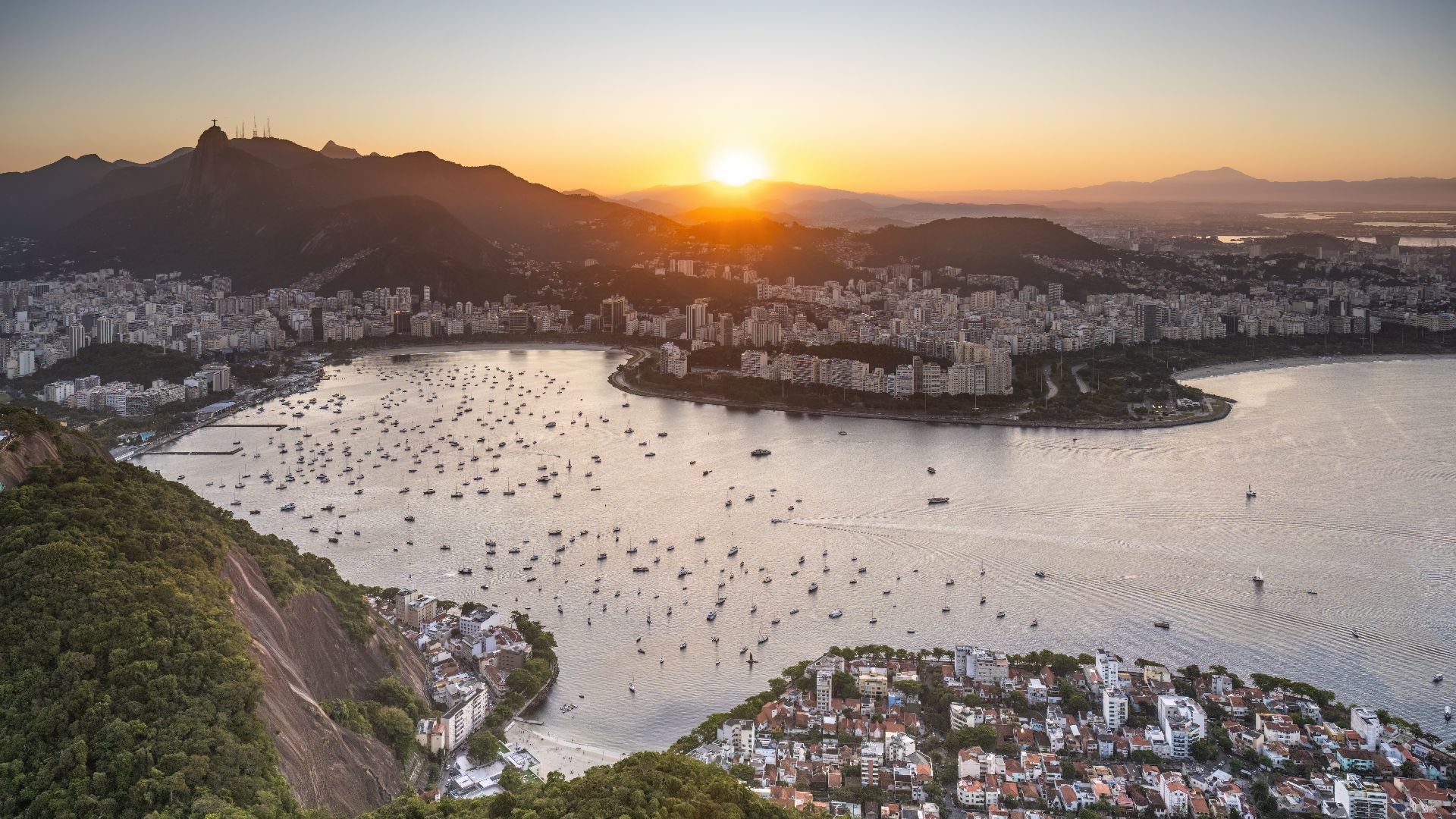
Brazil’s festive atmosphere also coexists with strict public order laws. Drinking in certain public places, disrespecting officials, or joining unauthorized gatherings like protests can end in arrest. Tourists sometimes confuse social warmth and a friendly outgoing demeanor with legal leniency.
Germany
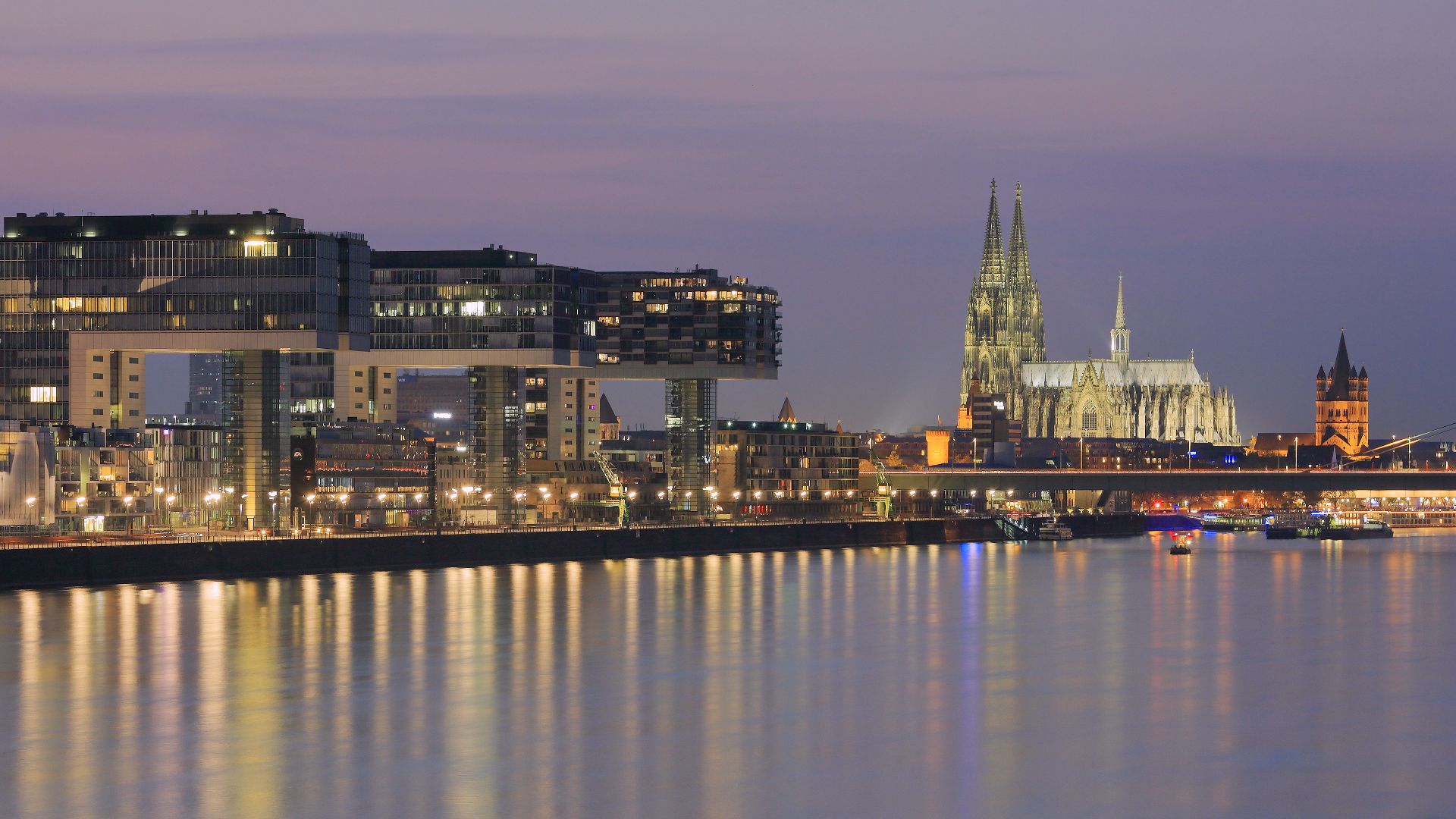
It’s no surprise that Germany’s famed reputation for efficiency extends into the realm of law enforcement. Insults toward police officers are criminal offenses. Noise and public conduct rules are enforced consistently, surprising visitors who may have always previously associated the country only with the relaxed beer culture of Oktoberfest.
 Martin Falbisoner, Wikimedia Commons
South Korea
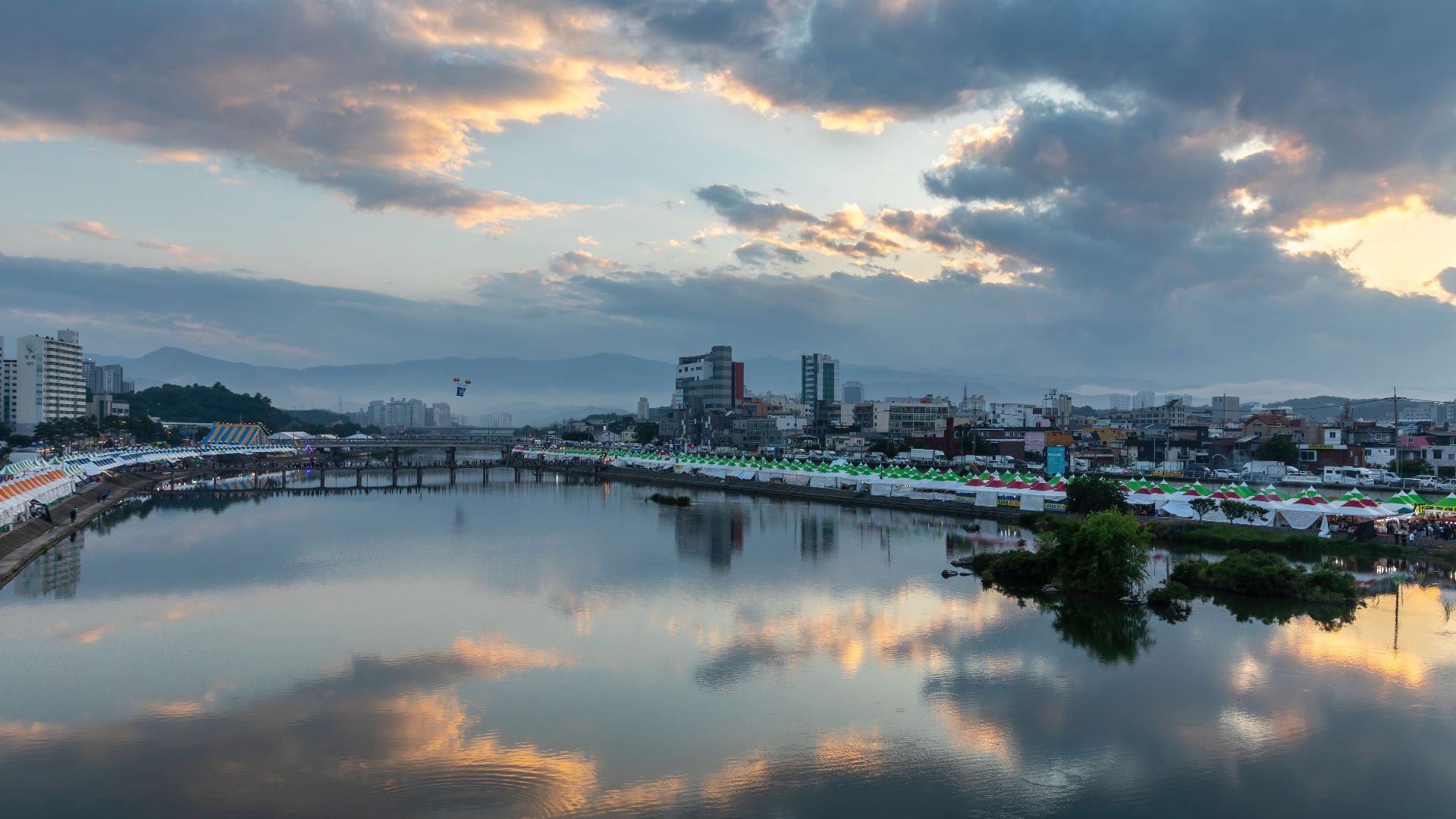
South Korea’s nightlife feels energetic and casual, but the Far East nation’s defamation laws are extremely strict. Public accusations of others, even when true, can lead to prosecution of the accuser. Alcohol-fueled confrontations can escalate into serious legal trouble for those visitors who have trouble controlling themselves.
 Basile Morin, Wikimedia Commons
Turkey
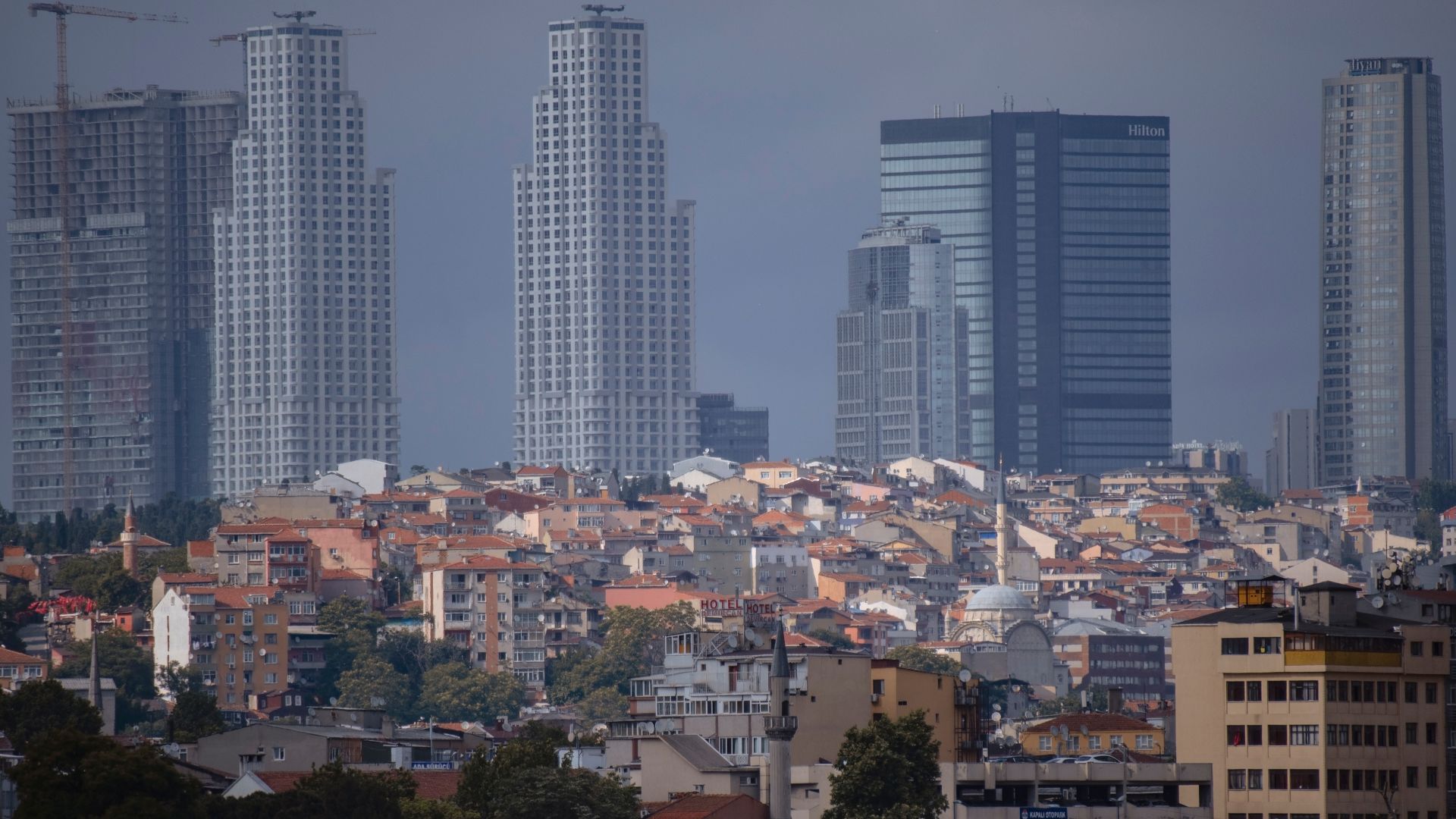
Turkey blends warm hospitality with firm national laws. Insulting the state or its founding figures is a criminal offense. Photography near sensitive locations is heavily regulated, and unintentional violations carry legal consequences. Keep in mind that Turkey is also very regional, and what may be customary on a Friday night in downtown Istanbul might not be accepted as readily in the eastern parts of the country.
 Mostafameraji, Wikimedia Commons
Relaxed Doesn’t Mean Lawless
A friendly atmosphere can conceal some serious legal expectations. Cultural openness doesn’t equal legal flexibility, and tourists are rarely excused by their protestations of ignorance. Many people, especially Westerners, operate under the naive belief that there are no boundaries and that all cultures should be the same everywhere. Boundaries and behavioral expectations exist in these places, and you need to be aware of them. Fortunately, a rudimentary amount of prior research on your destination country will help you avoid fines, detention, or worse.

You May Also Like:
Americans Are Moving Abroad In Bigger Numbers—And This Is Where They're Going
The Most Peaceful Countries In The World—Ranked According To Data
Americans Think It’s Normal These Things Are Illegal, But Canadians Would Be Shocked