


The Border Rule Travelers Didn’t See Coming
Crossing into the U.S. has always involved questions. But a quiet policy shift is about to change what those questions cover—and how personal they get. What used to stay online may soon follow travelers straight to the border. And most people won’t realize it until they’re already dealing with it.

A Shift Most Travelers Never Expected
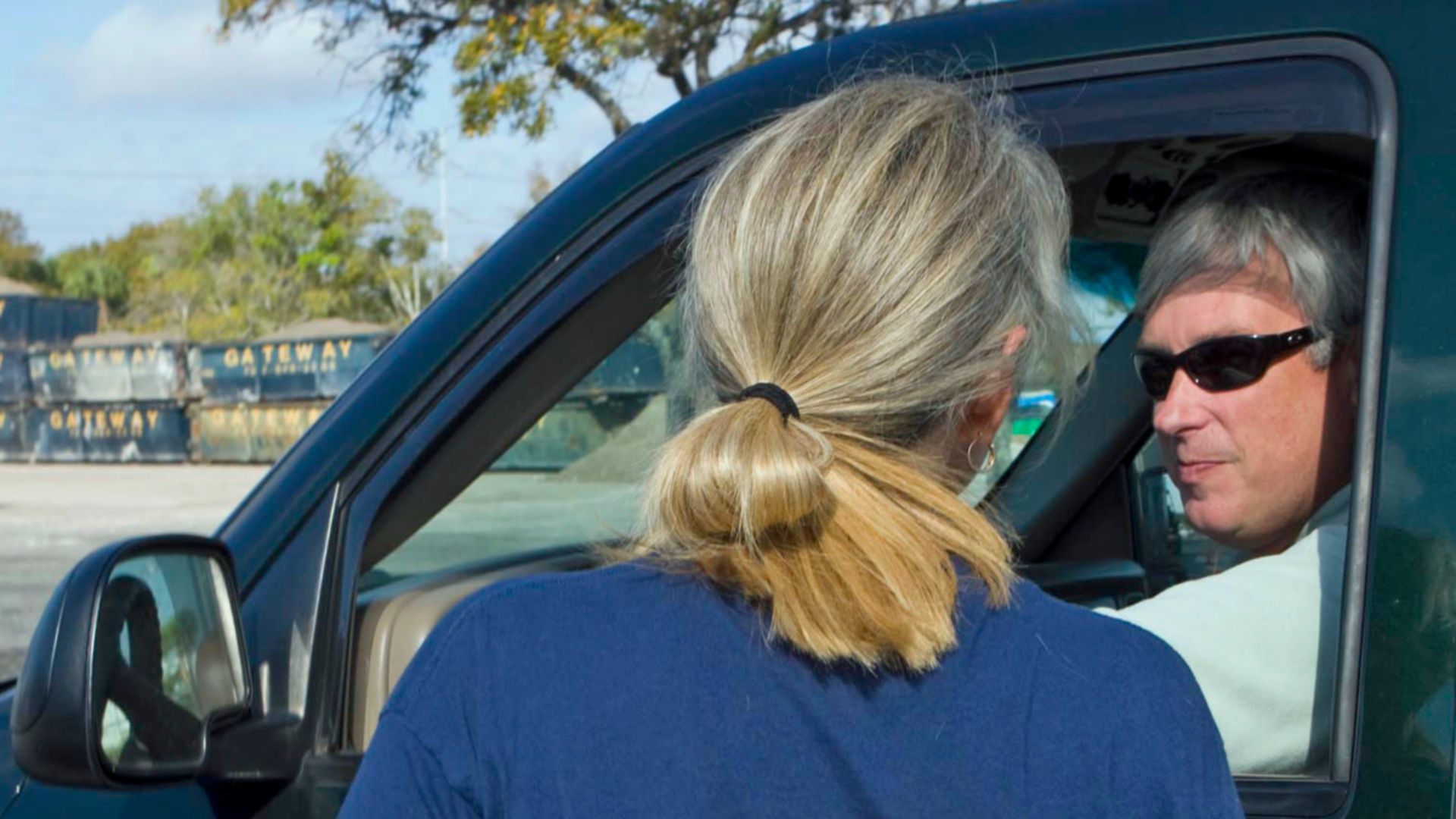
Most people assume border screening is about where you’re going and how long you’ll stay. But this change reaches far beyond travel plans. It pulls something deeply personal into the process—something most travelers never imagined would matter when crossing a border.
 CBP Photography, Wikimedia Commons
What the Policy Actually Demands
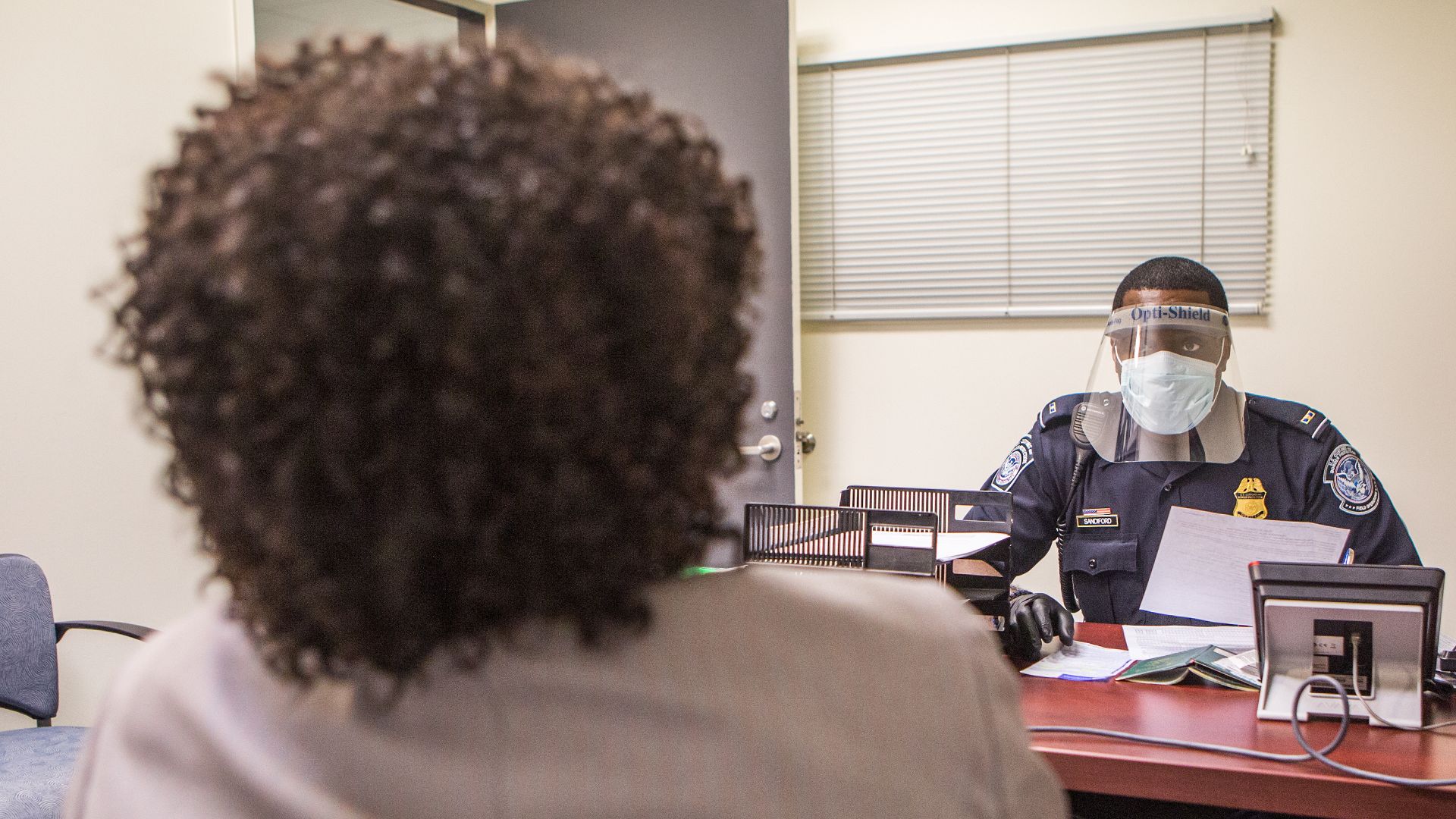
Under the new rules, certain travelers may be required to provide access to up to five years of their online and social media history. That includes identifying accounts and platforms used over a long span of time—not just recent activity.
 U.S. Customs and Border Protection, Wikimedia Commons
How Many Travelers This Actually Affects
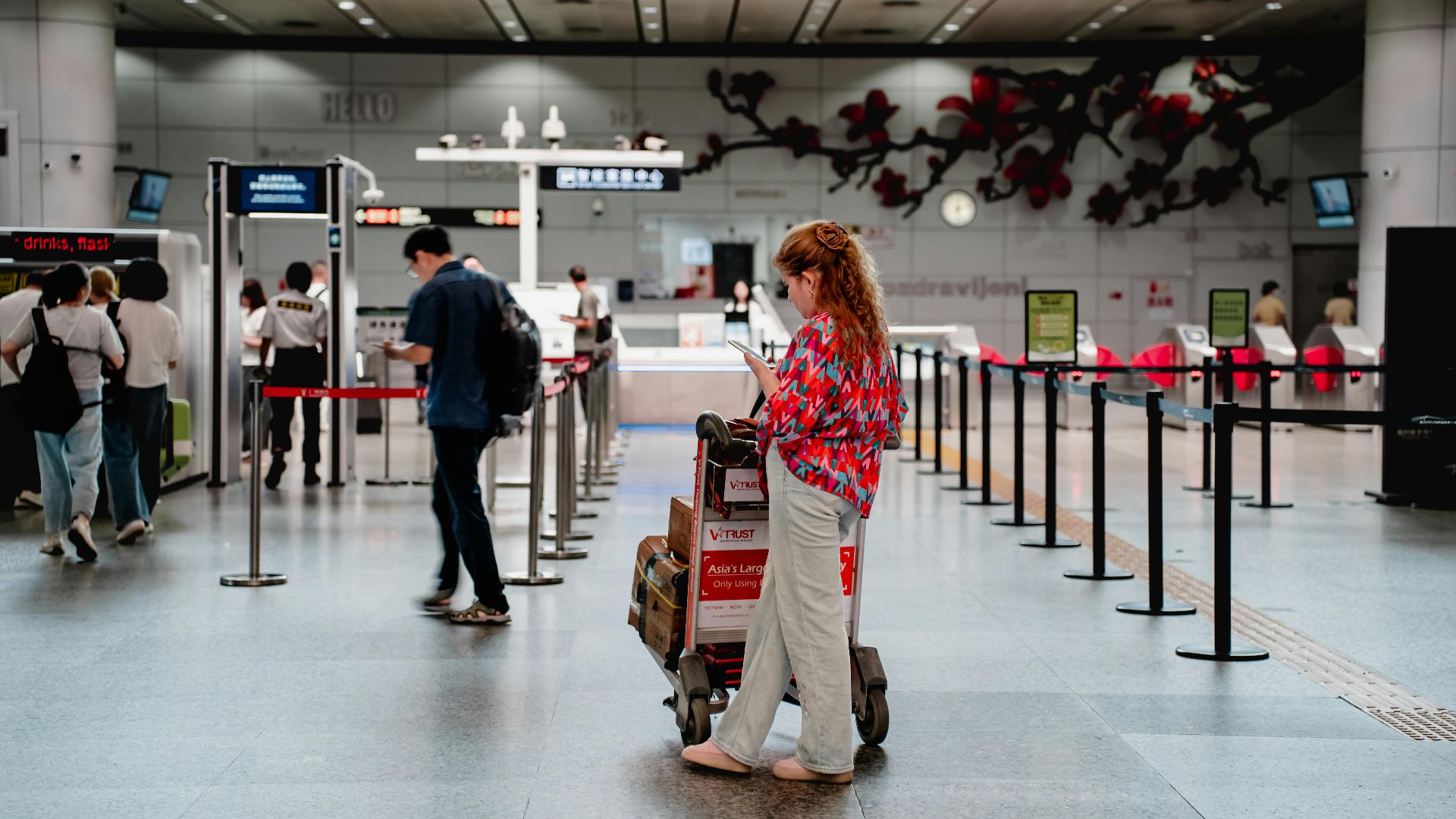
This isn’t a niche policy. The rule would apply to travelers from 42 countries in the U.S. Visa Waiver Program, including most of Europe, the UK, Australia, and Japan. Millions of travelers could fall under the expanded screening.
A Change Few People Were Warned About
This isn’t a rule most travelers heard about in advance. There were no alerts, no airport notices, no clear public rollout. Instead, the policy emerged quietly, leaving many Canadians and Europeans unaware that U.S. border screening was about to expand in a deeply personal direction.
Where This Rule Came From
The policy wasn’t passed by Congress. It was introduced by U.S. Customs and Border Protection under the Department of Homeland Security, published quietly in the Federal Register in December 2025. That filing set the rulemaking process in motion—largely out of public view.

Why It Isn’t Fully Active—Yet
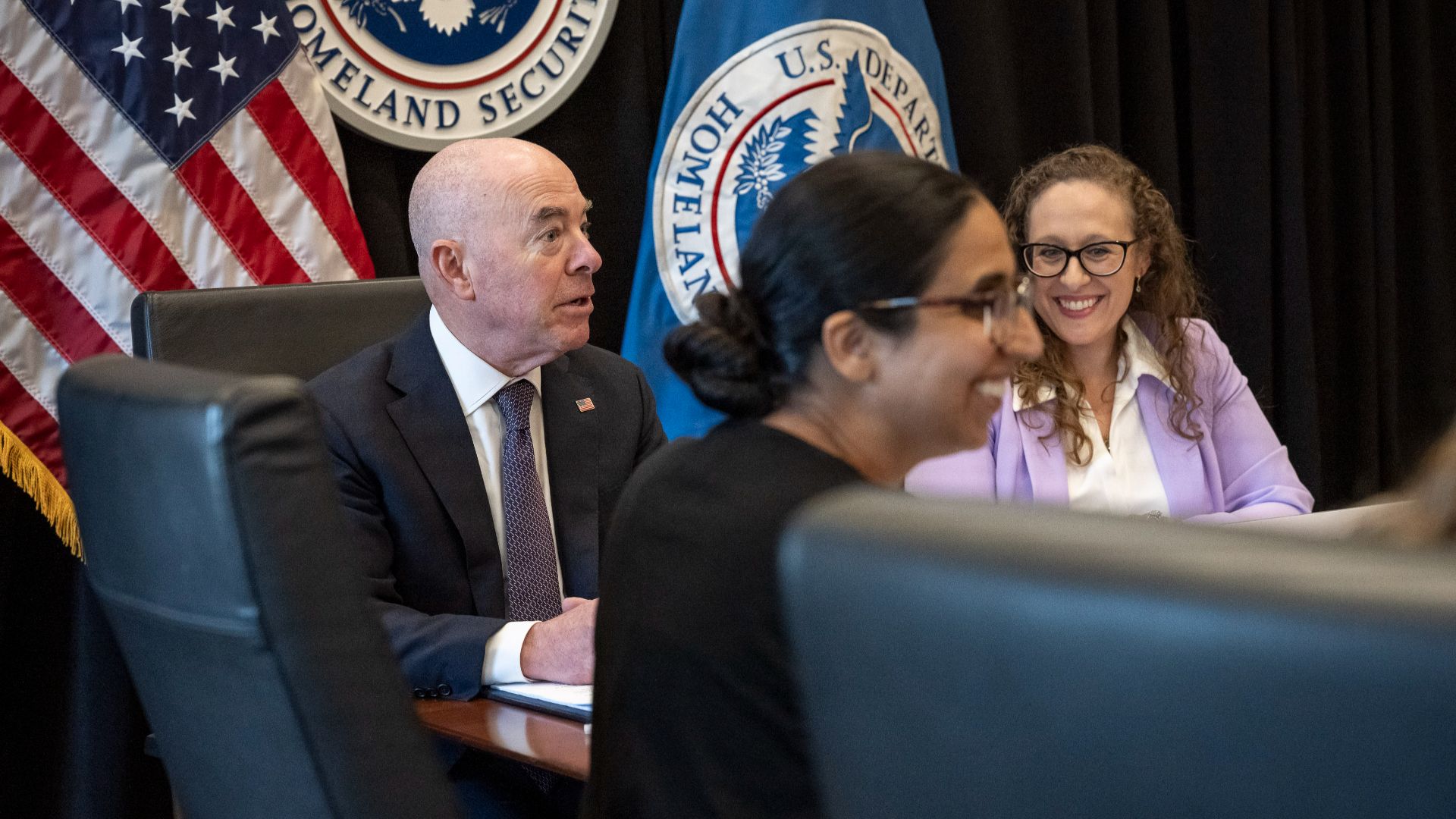
The policy is real, but not fully enforced yet. It’s still moving through required regulatory steps, including public comment and internal review. That process doesn’t stop a rule—it simply delays enforcement while agencies finalize how it will work.
How Soon Travelers Could Feel It
If finalized as expected, the policy could begin affecting travelers in 2026. Once approved, it can be integrated directly into digital travel authorization systems—meaning enforcement could arrive quickly and with little public warning.

Why the Timing Has Alarmed Critics
Privacy advocates say the rollout timeline is part of the problem. A policy introduced quietly, finalized efficiently, and enforced digitally leaves little room for awareness. By the time travelers notice, compliance may already be expected.

What Else Travelers May Be Asked to Provide
Social media history isn’t the only expansion. The proposal would also require additional high-value data, including phone numbers used in the past five years, email addresses used in the past ten years, and expanded contact information.

Who This Applies To First
The policy targets travelers entering under the Visa Waiver Program, which covers most European countries, the UK, Australia, Japan, and others whose citizens typically use ESTA for short U.S. visits.

Why Canadians Are Paying Close Attention
Even though Canadian citizens typically don’t use ESTA, Canadians are watching this closely because U.S. border screening trends don’t stay neatly contained. Policies that expand digital vetting for some travelers can still signal a broader shift in how routine entry is handled.

Why Europeans Are Especially Alarmed
European travelers are accustomed to stricter digital privacy protections at home. Being asked to provide access to years of online history as a condition of entry into another country feels excessive—and deeply out of step with expectations.

What “Provide Access” Means in Practice
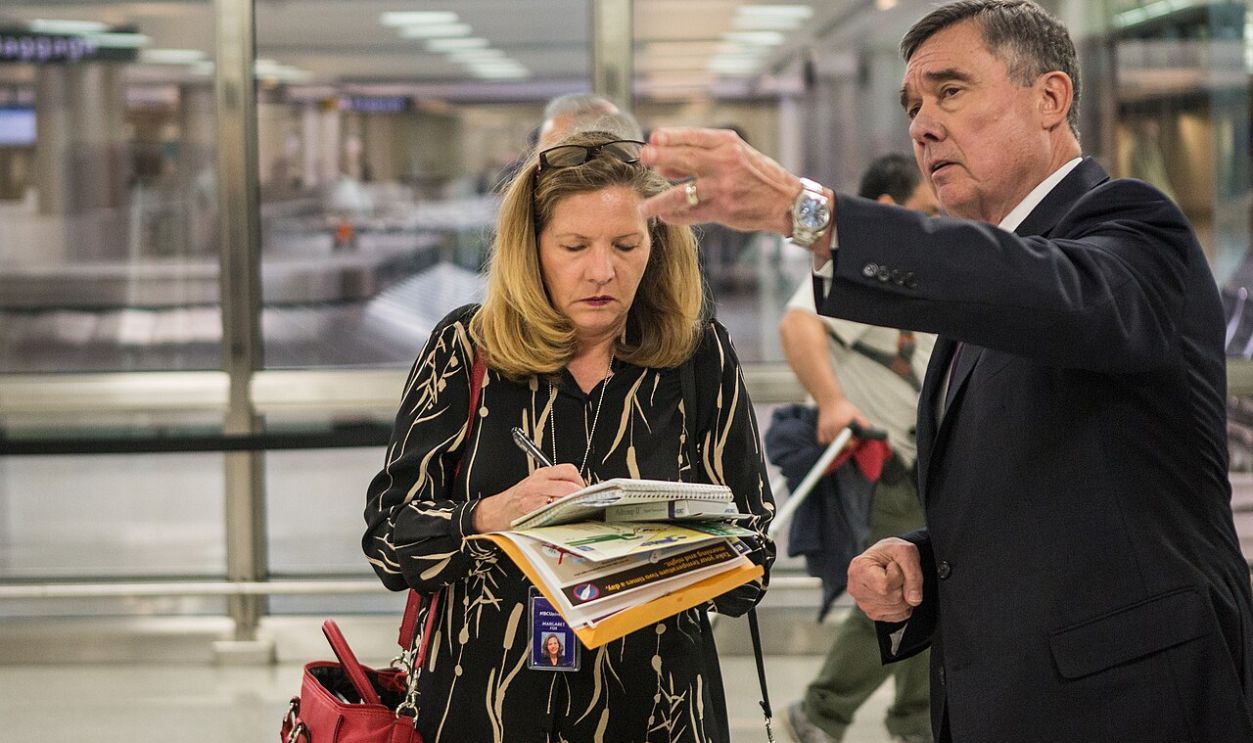
The policy does not officially require passwords. But travelers may be required to disclose usernames, handles, and platforms used over five years—allowing authorities to review publicly available content and flag concerns.
 U.S. Customs and Border Protection, Wikimedia Commons
Why Five Years Is So Controversial
Five years captures political views, jokes, emotional moments, and context that may not translate well at a border checkpoint. Critics argue the longer the window, the higher the risk of misinterpretation.

How This Compares to Past Screening
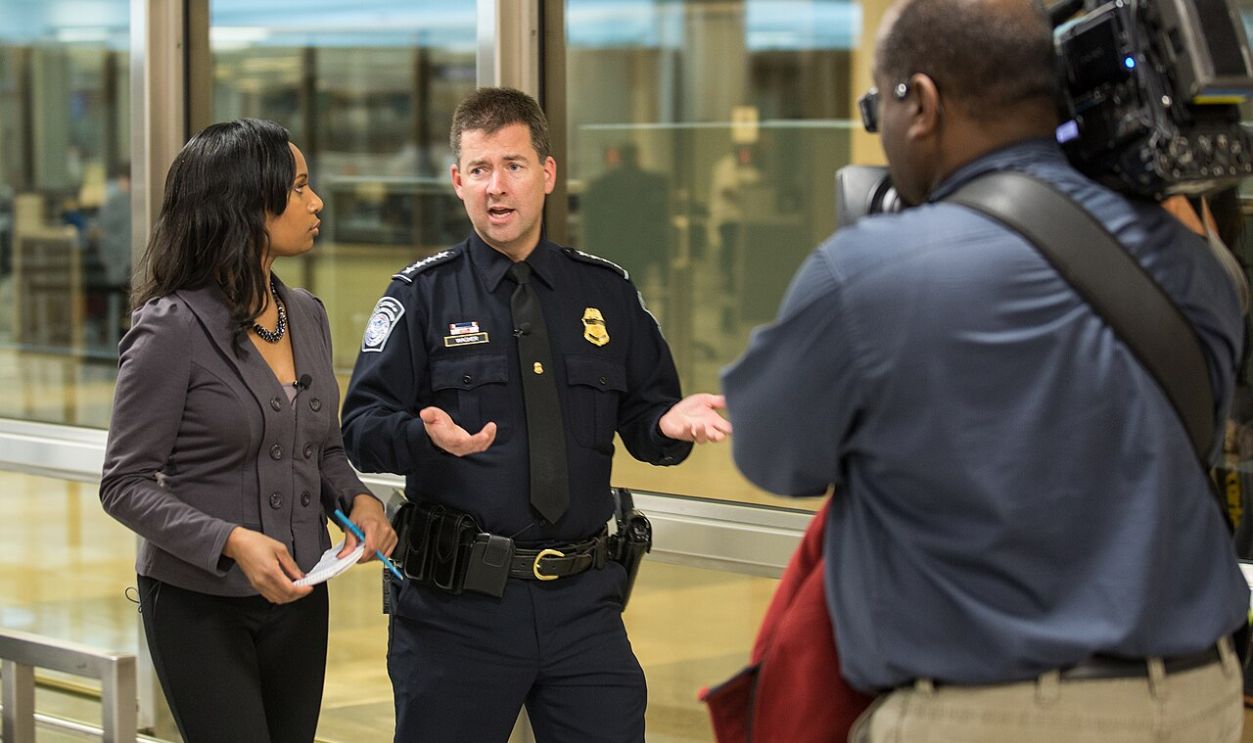
Social media identifiers have appeared on some U.S. immigration forms since 2019—but they were often optional or inconsistently enforced. This policy would formalize and expand the practice, making disclosure routine for visa-free travel.
 U.S. Customs and Border Protection, Wikimedia Commons
Why Privacy Groups Say This Is Different
Civil liberties organizations argue this marks a turning point. Making digital history mandatory for routine entry, they say, normalizes online surveillance as a condition of travel rather than an exception.
What Experts Say This Could Change
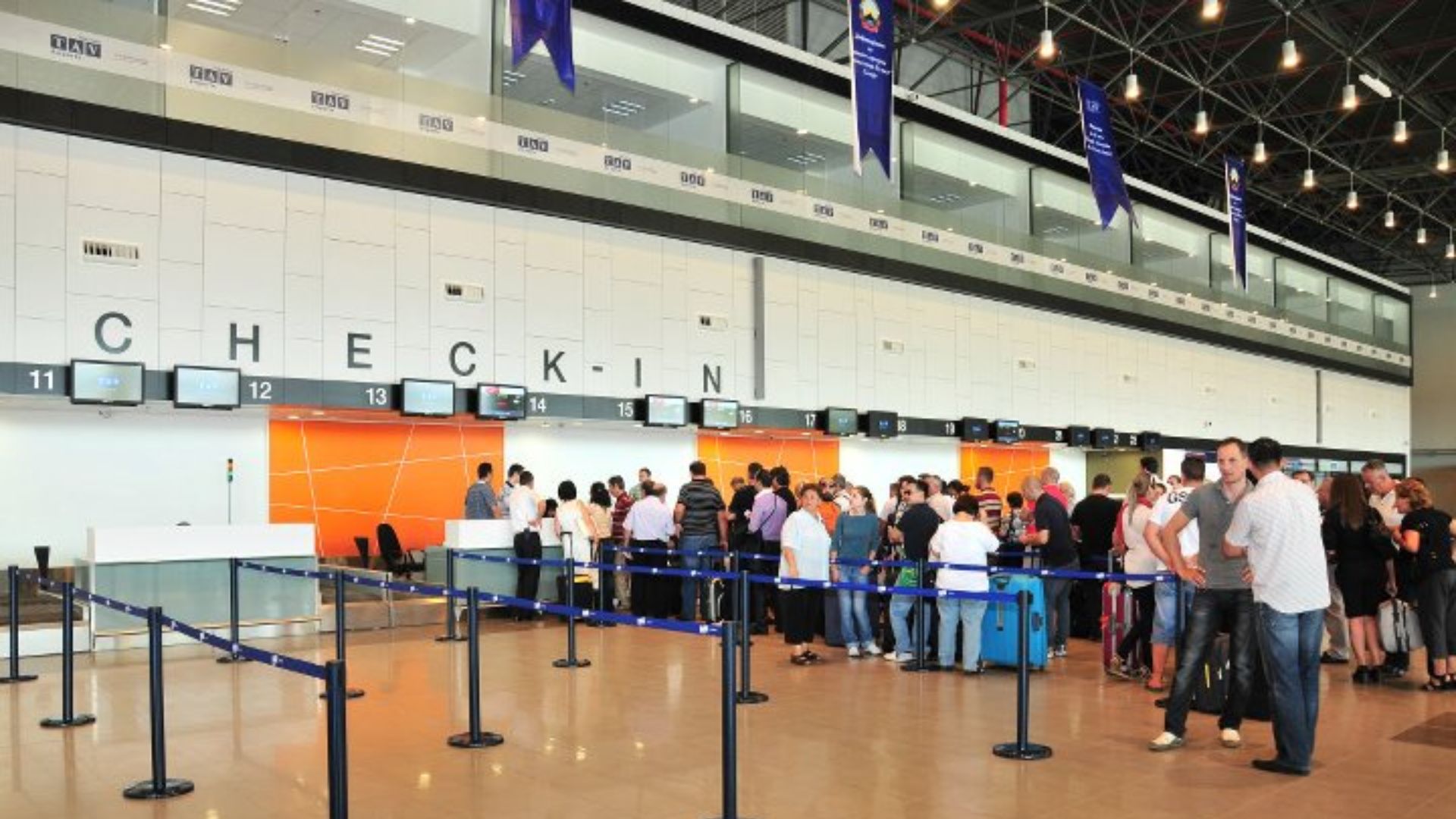
Immigration and travel policy experts warn that if finalized, the ESTA process could start to feel less like a quick authorization and more like a background vetting process. Tourism groups have also raised concerns about deterrence ahead of major international events.
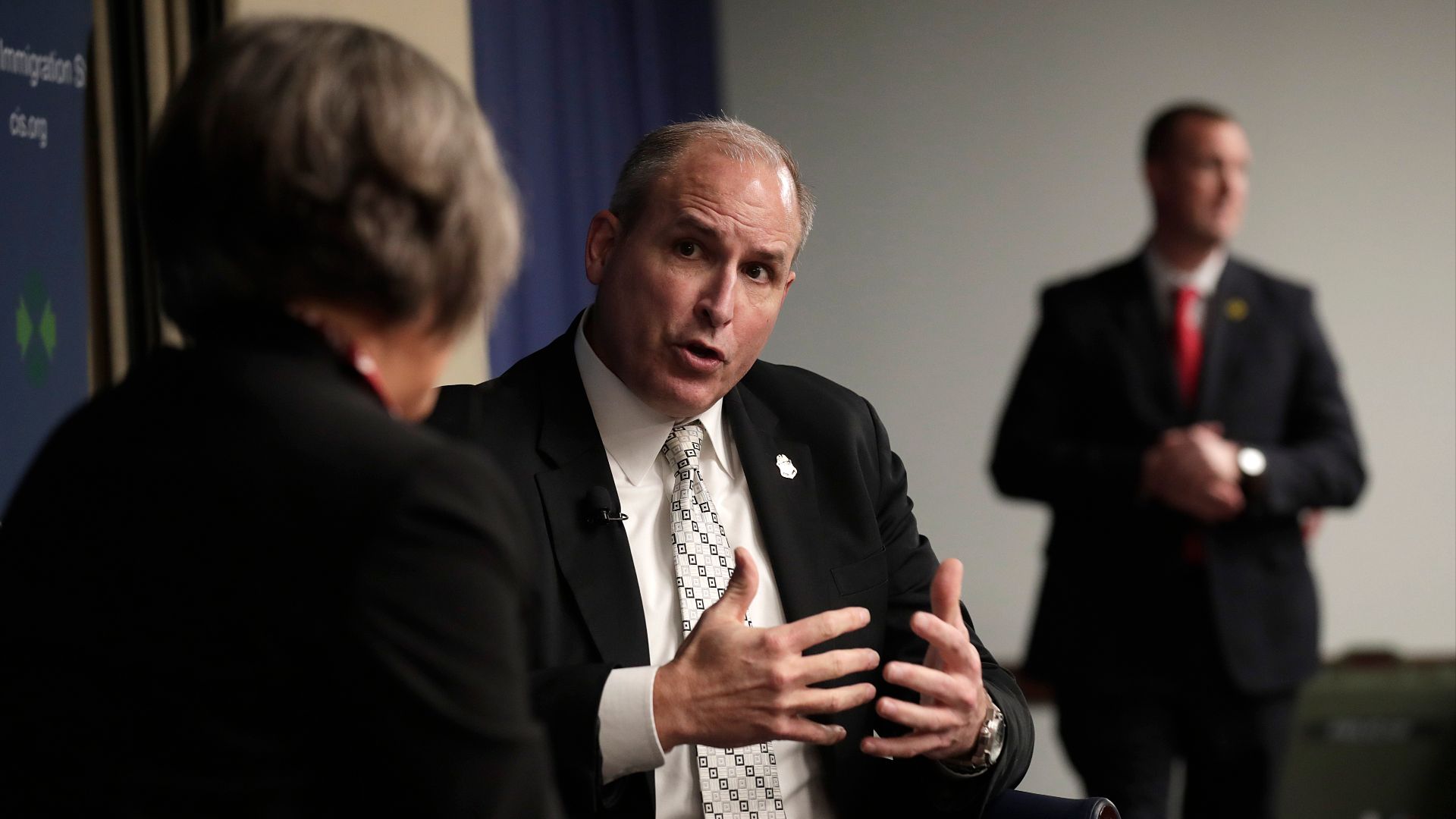 CBP Photography, Wikimedia Commons
What Happens If You Decline
There’s no fine for refusing—but refusal can still lead to delays, secondary screening, denial of authorization, or refusal of entry.
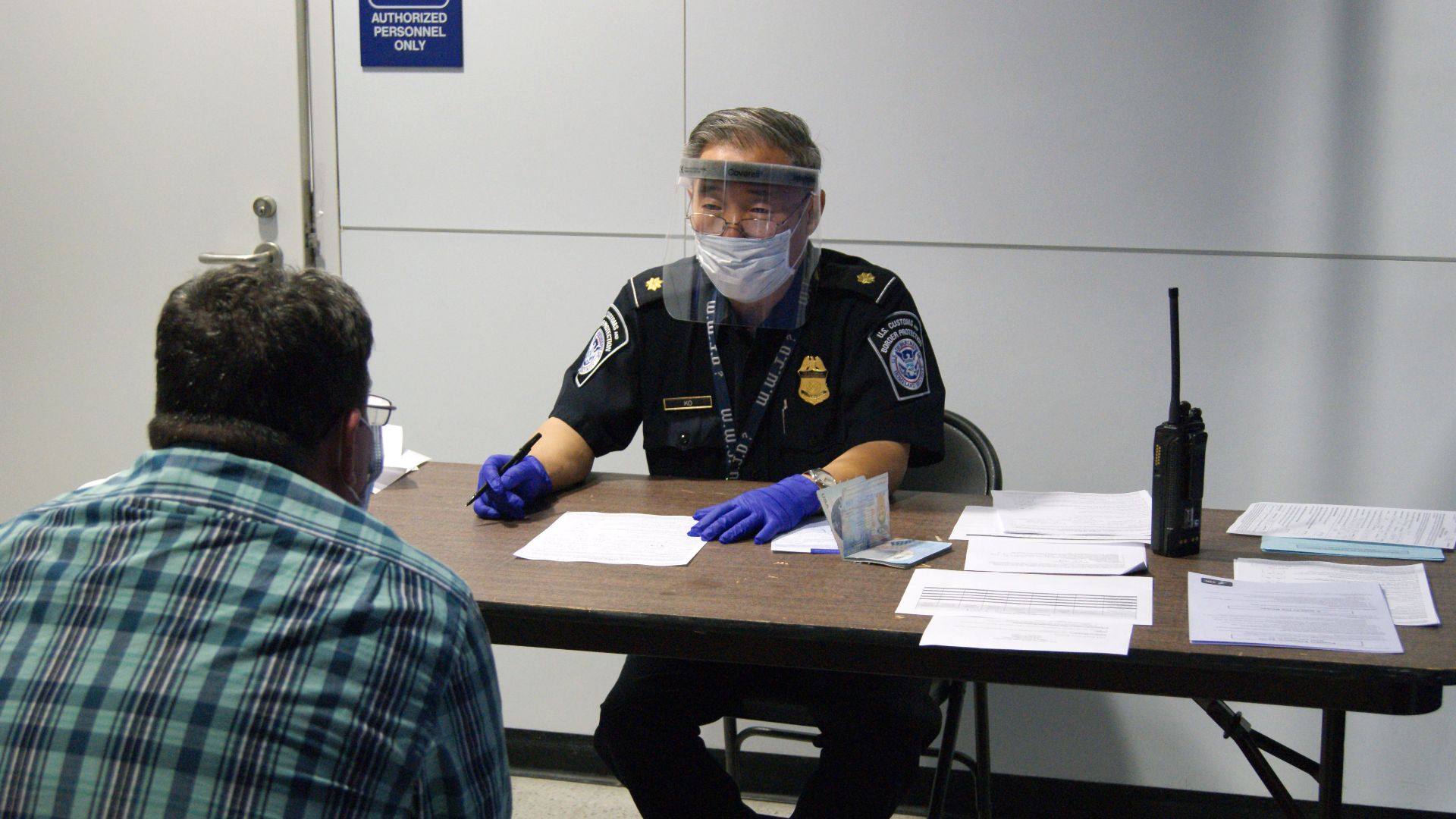 U.S. Customs and Border Protection, Wikimedia Commons
The Fear of Being Misread
Context matters online—but context is often missing at the border. Humor, sarcasm, or political commentary can look very different when reviewed quickly in a high-stakes environment.
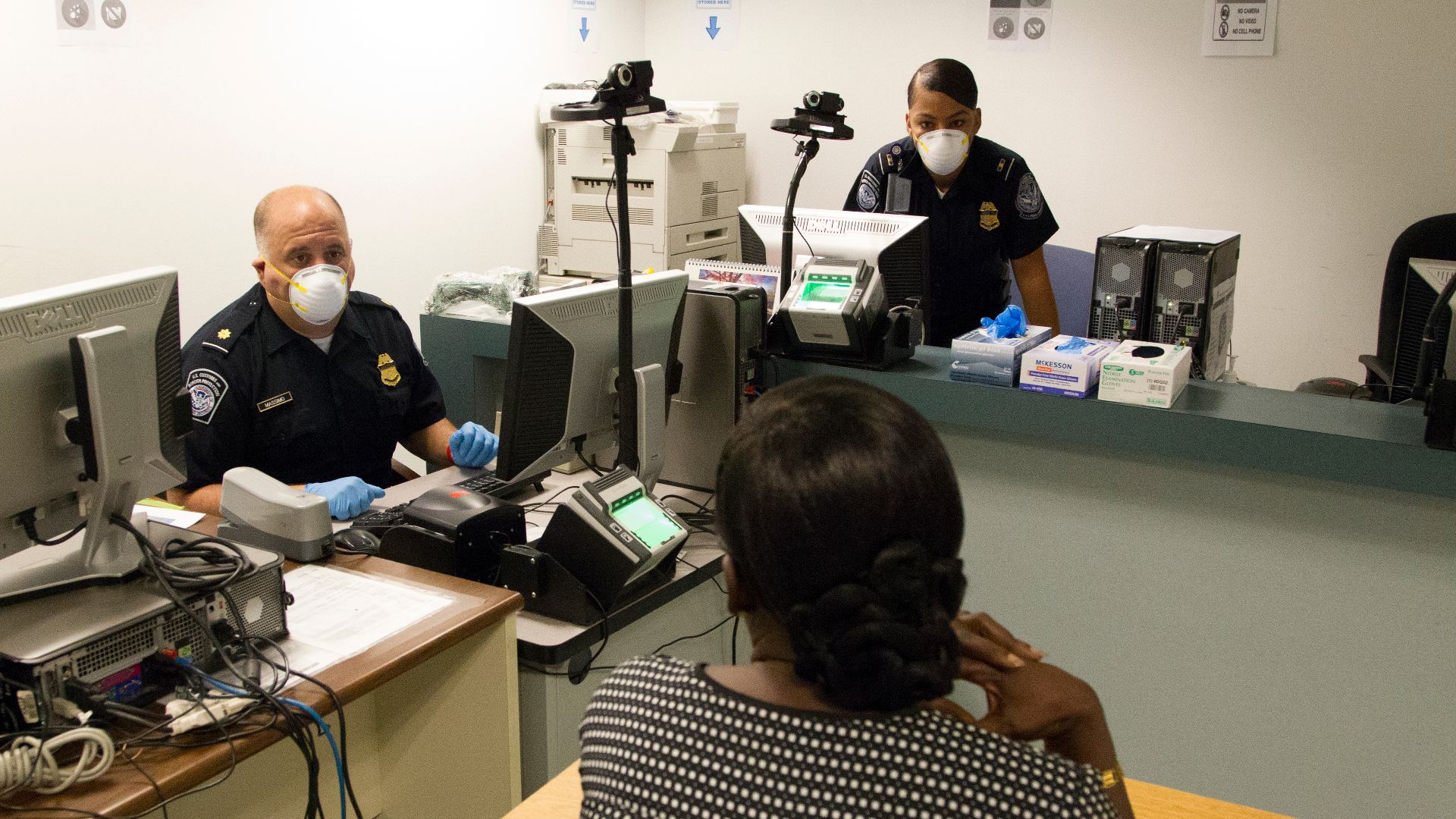 U.S. Customs and Border Protection, Wikimedia Commons
How Behavior Is Already Changing
Some travelers are locking accounts, deleting posts, or rethinking what they share online. Others are questioning whether visiting the U.S. is worth the discomfort—even before enforcement begins.

Why This Debate Isn’t Going Away
Whether delayed, revised, or enforced as written, the backlash has already begun. Canadians and Europeans who once saw U.S. entry as routine are now reconsidering what crossing the border really requires.

You Might Also Like:
If You Want A Relaxing Vacation This Winter, Avoid These Overcrowded Tourist Hotspots






.jpg)
.jpg)