The Road Signs Suddenly Speak Metric
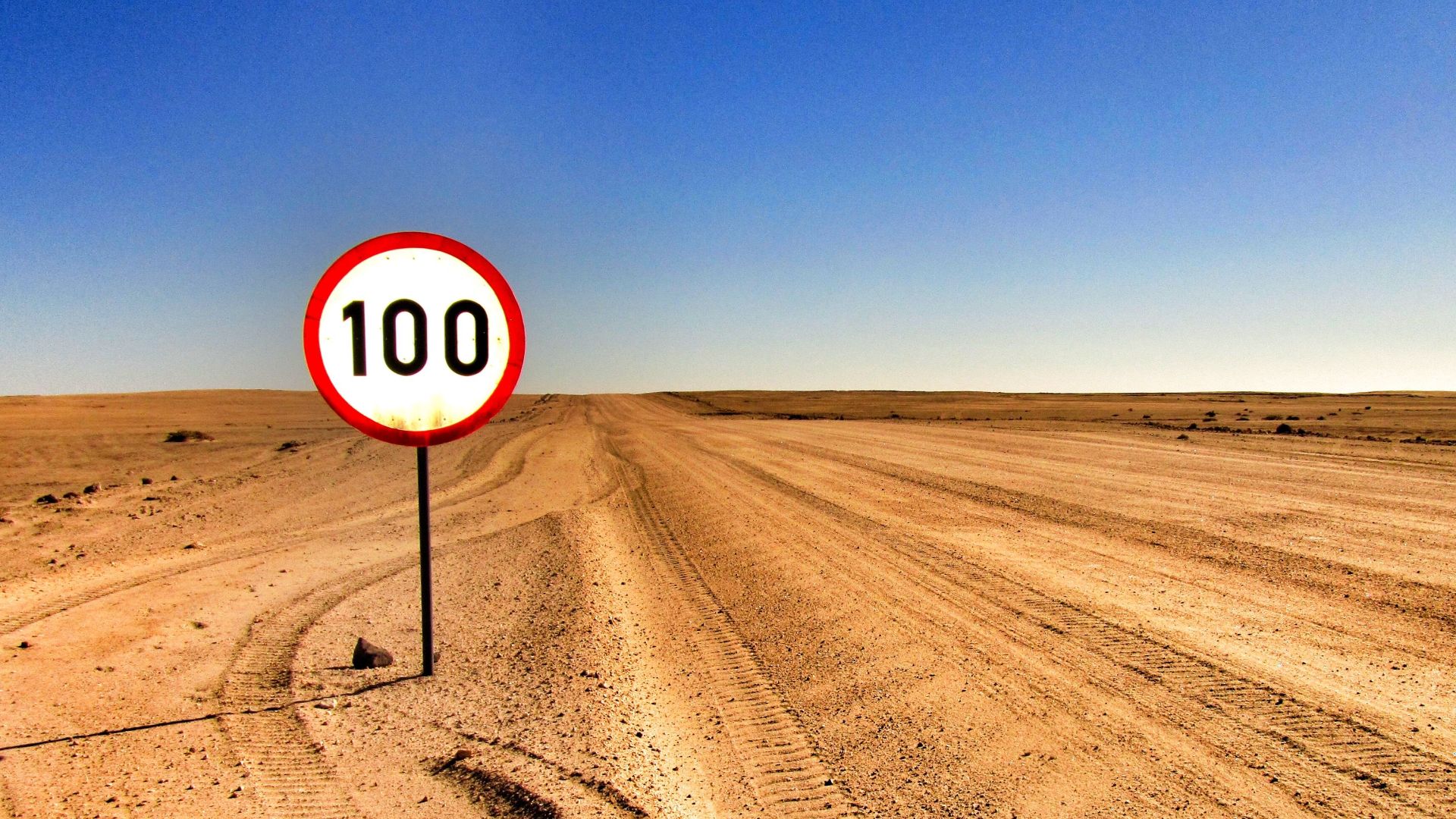
One of the first adjustments for an American driver is seeing speed limits in kilometres per hour instead of miles per hour. A sign reading 80 or 100 can look startling until you remember that the numbers use a different measurement system. Canadian authorities confirm that speed limits across the country are posted in kilometres per hour. Factinate Ltd
A Hundred Is Not As Fast As It Sounds
A posted limit of 100 km/h works out to roughly 62 mph, which makes the number far less dramatic than it initially appears. In Quebec, for example, the usual limit on many secondary roads is 90 km/h, while most highways are posted at 100 km/h. Some provinces allow 110 km/h on selected highway sections, so visitors still need to watch each sign rather than relying on a single national limit.
Gas Is Priced By The Litre
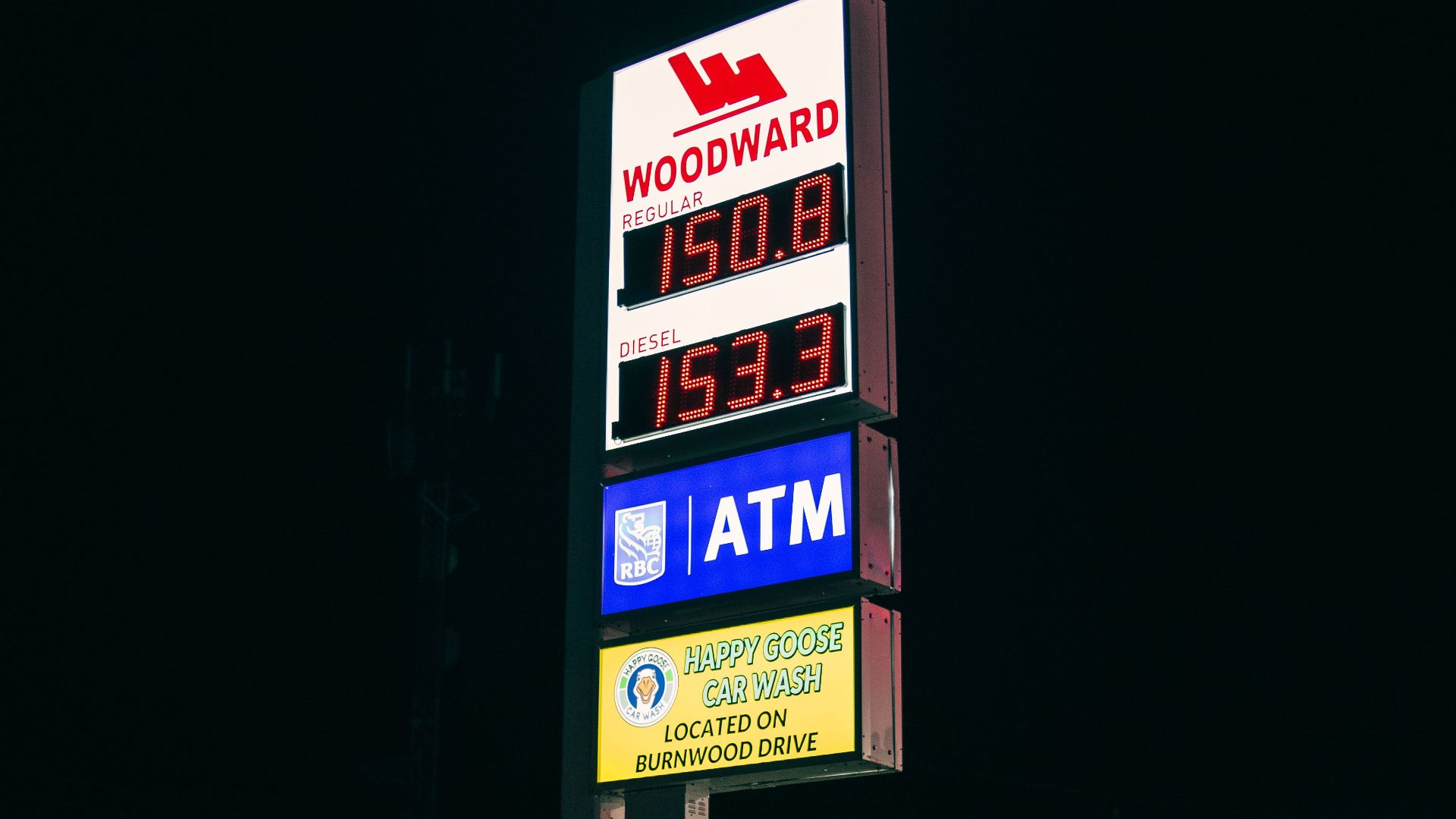
Pulling into a small-town gas station introduces another metric conversion. Canadian gasoline has been advertised and sold by the litre rather than the gallon for decades, with federal regulations requiring litre-based retail pricing since 1981. For Americans accustomed to gallons, comparing fuel prices takes a little mental arithmetic.
The Weather Forecast Needs Translating Too
The metric adjustment continues when someone tells you that tomorrow will reach 25 degrees. Canadian government weather forecasts report temperatures in Celsius, where 0 degrees is the freezing point of water. Environment and Climate Change Canada routinely displays forecasts, wind speeds, and temperatures using metric units.

Small Town Canada Is Not A Tiny Footnote
Visitors driving between Canada's major cities quickly discover that rural areas and smaller communities occupy a significant place in the country's geography. Statistics Canada reported that nearly six million people lived in rural and small-town Canada in 2021 under one commonly used statistical definition. That represented about 15 percent of the country's population.

There Are Hundreds Of Genuine Small Population Centres
Statistics Canada classifies a small population centre as having between 1,000 and 29,999 residents. The 2021 Census identified more than 900 such population centres across Canada. That helps explain why a road trip can pass through a long succession of compact communities that rarely appear on an international travel itinerary.

The Distances Between Services Can Be Surprising
The charming downtown may be compact, but everyday destinations are not always close together once you leave it. Statistics Canada reported that only two in five rural and small-town households had basic services such as grocery stores, employment, and health facilities within 15 kilometres of home. Libraries, pharmacies, and high schools were among the services that rural households were less likely to have nearby.
The Local Arena Can Be A Very Big Deal
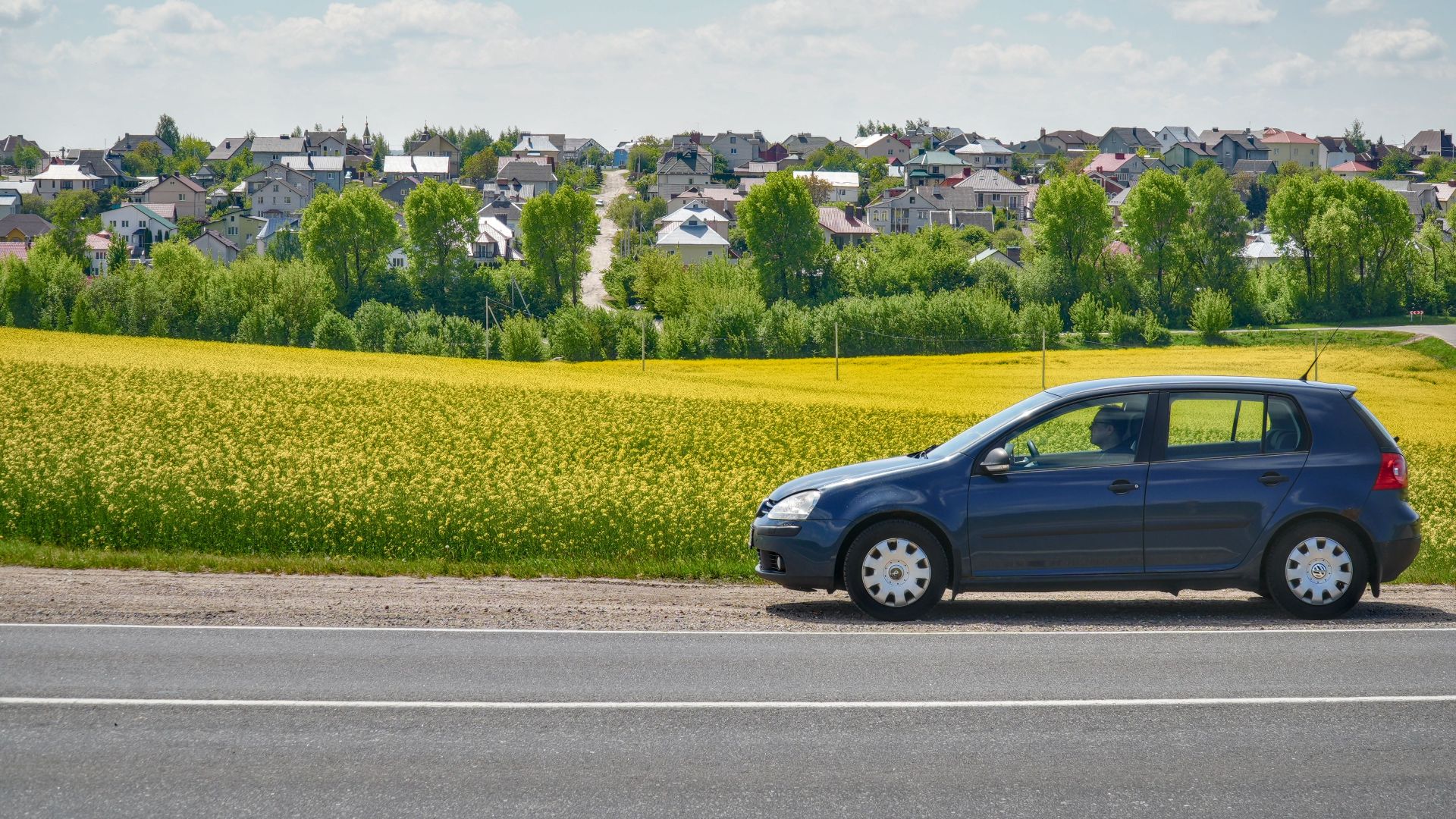
A visitor may expect a hockey rink to be simply another recreation facility, but in some communities it functions as an important gathering place. Hockey Canada has described the arena in Espanola, Ontario, a town of about 5,400 at the time, as a community hub. Across the country, arenas also support figure skating, recreational hockey, speed skating, and other activities.

Hockey Reaches Towns Of Every Size
Hockey's presence becomes especially obvious once schedules, team banners, and tournament notices start appearing around town. More than 615,000 players were registered in Hockey Canada sanctioned programs during the 2025-26 season. Hockey Canada also regularly holds events in communities ranging from major cities to towns with populations of only a few thousand.

The Arena May Double As An Economic Engine
Small-town recreation complexes can influence more than weekend entertainment. Hockey Canada has documented places such as Greater Napanee, Ontario, where a new arena complex attracted sporting activity and was followed by additional nearby commercial development. That helps explain why the rink can command a prominent physical and social position in some Canadian towns.
Then There Is The Curling Club
Americans familiar with curling mainly from the Olympics may be surprised to see dedicated curling facilities in relatively modest Canadian communities. Curling Canada has reported direct connections with roughly 1,000 clubs across the country in its development work. The sport therefore has a physical presence that goes well beyond the handful of major events shown on television.
 Yakov Fedorov, Wikimedia Commons
The Town Cenotaph Is Hard To Miss
A stone memorial or cenotaph often occupies a visible spot near a municipal building, park, or central intersection. Veterans Affairs Canada maintains a national inventory containing more than 6,000 military memorials across the country. Local Remembrance Day ceremonies continue to bring residents together around many of these sites.

Canadian Money Feels Different In Your Hand
Even before examining the designs, visitors may notice that Canada's commonly used bank notes are made from polymer rather than traditional paper. The Bank of Canada introduced its polymer series during the 2010s, and polymer notes now make up the majority of notes in circulation. The smoother material and transparent security features can make the bills instantly recognizable to an American visitor.

One-Dollar Bills Have Been Replaced By Coins
Americans searching their wallets for a Canadian one-dollar bill will be searching in vain. Canada introduced its one-dollar circulation coin in 1987 and eventually stopped issuing the one-dollar bank note. The loon on the reverse inspired the nickname that almost everyone now recognizes, the loonie.

Two Dollars Can Jingle In Your Pocket Too
Canada followed the loonie with a two-dollar coin in 1996. The bimetallic coin features a polar bear and quickly acquired the nickname "toonie." Americans used to carrying one-dollar bills can end a day with considerably more value rattling around in their pockets than expected.

Debit Culture Is Immediately Familiar
A small Canadian shop may look traditional, but the payment terminal is unlikely to feel old fashioned. Interac reports that about 94 percent of Canadians have a debit card, and its debit network is designed for payments made directly from a bank account. Debit and contactless transactions are consequently ordinary even in many everyday retail settings.

English And French Share The Grocery Shelf
Walk into a grocery or convenience store and many national products display information in both English and French. Canadian rules generally require mandatory information on consumer prepackaged foods to appear in both official languages, subject to specific exceptions. That makes bilingual packaging visible even in places where almost everyone around you is speaking English.

Federal Signs Can Be Bilingual Too
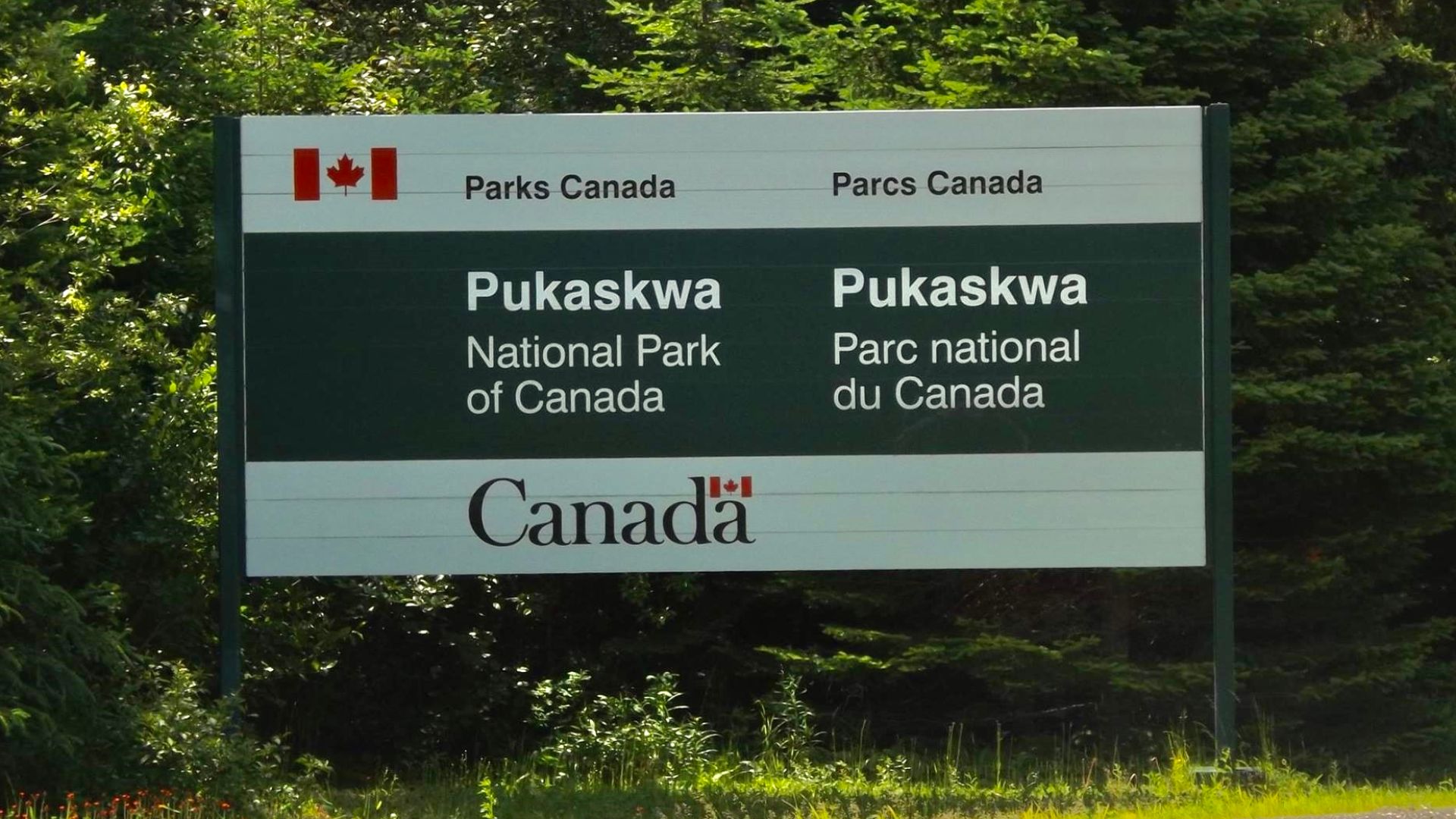
Bilingualism is particularly visible at federal facilities and federally managed attractions. Parks Canada, for example, requires its signage system to present English and French with equal visual prominence. Outside Quebec, English generally appears first on those signs, while French appears first within Quebec.
 Andre Carrotflower, Wikimedia Commons
Quebec Changes The Experience Dramatically
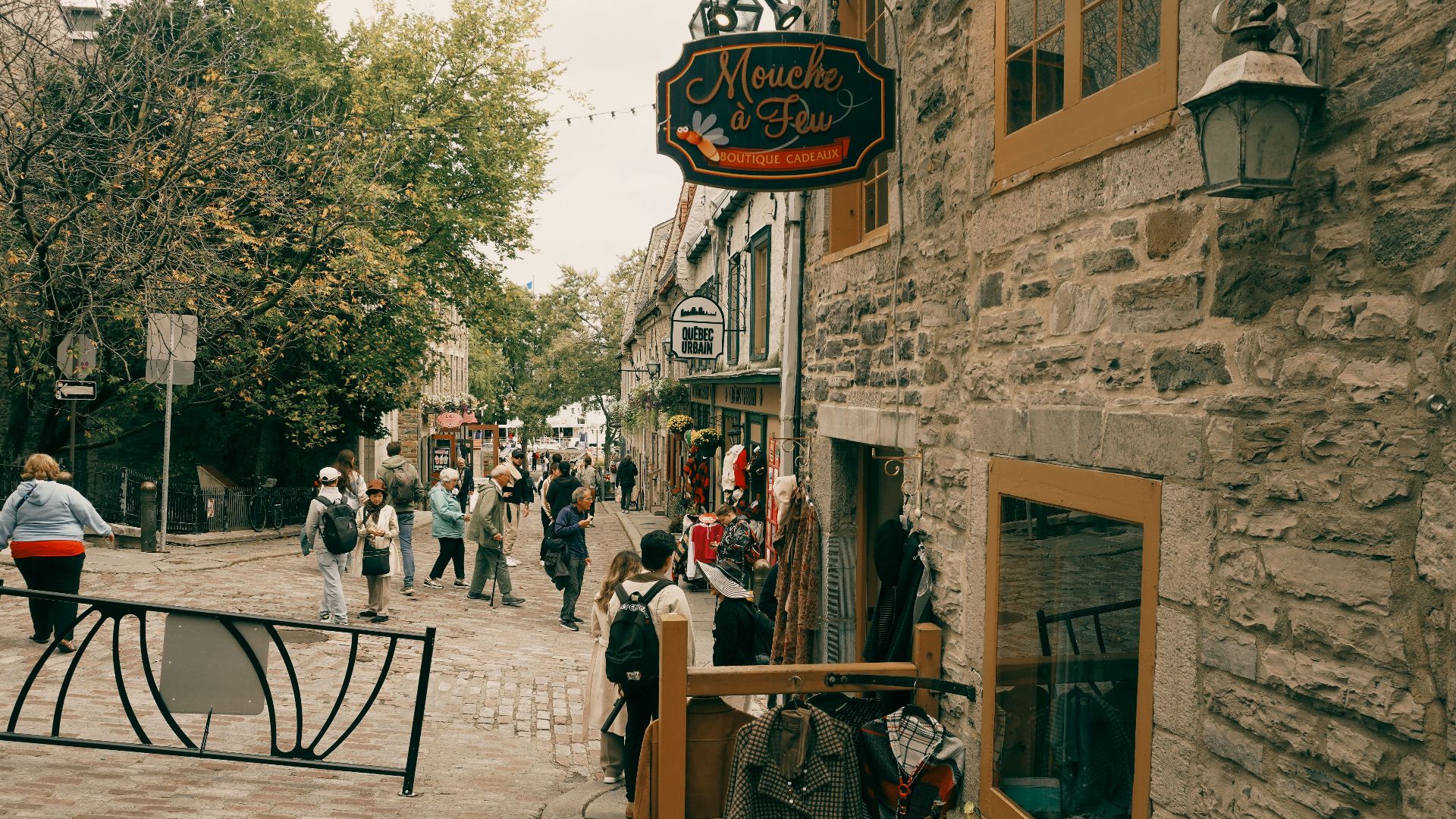
Cross into a Quebec small town and French may shift from something seen beside English to the dominant language of everyday life. Road instructions, business signs, municipal information, and conversations can make the province feel distinct from an English-speaking Canadian town only a short drive away. Americans who have visited only Ontario or British Columbia should not assume that one Canadian small-town experience represents the entire country.
Canadian Postal Codes Look Like Secret Codes
An address on a storefront, community notice, or local business card may contain something like K1A 0T6 rather than a five-digit ZIP code. Canada Post uses six-character alphanumeric postal codes in the pattern letter-number-letter, followed by number-letter-number. The alternating letters and numbers are one of those mundane details that instantly signal you are no longer in the United States.
Rural Mailboxes Have Their Own Canadian Rules
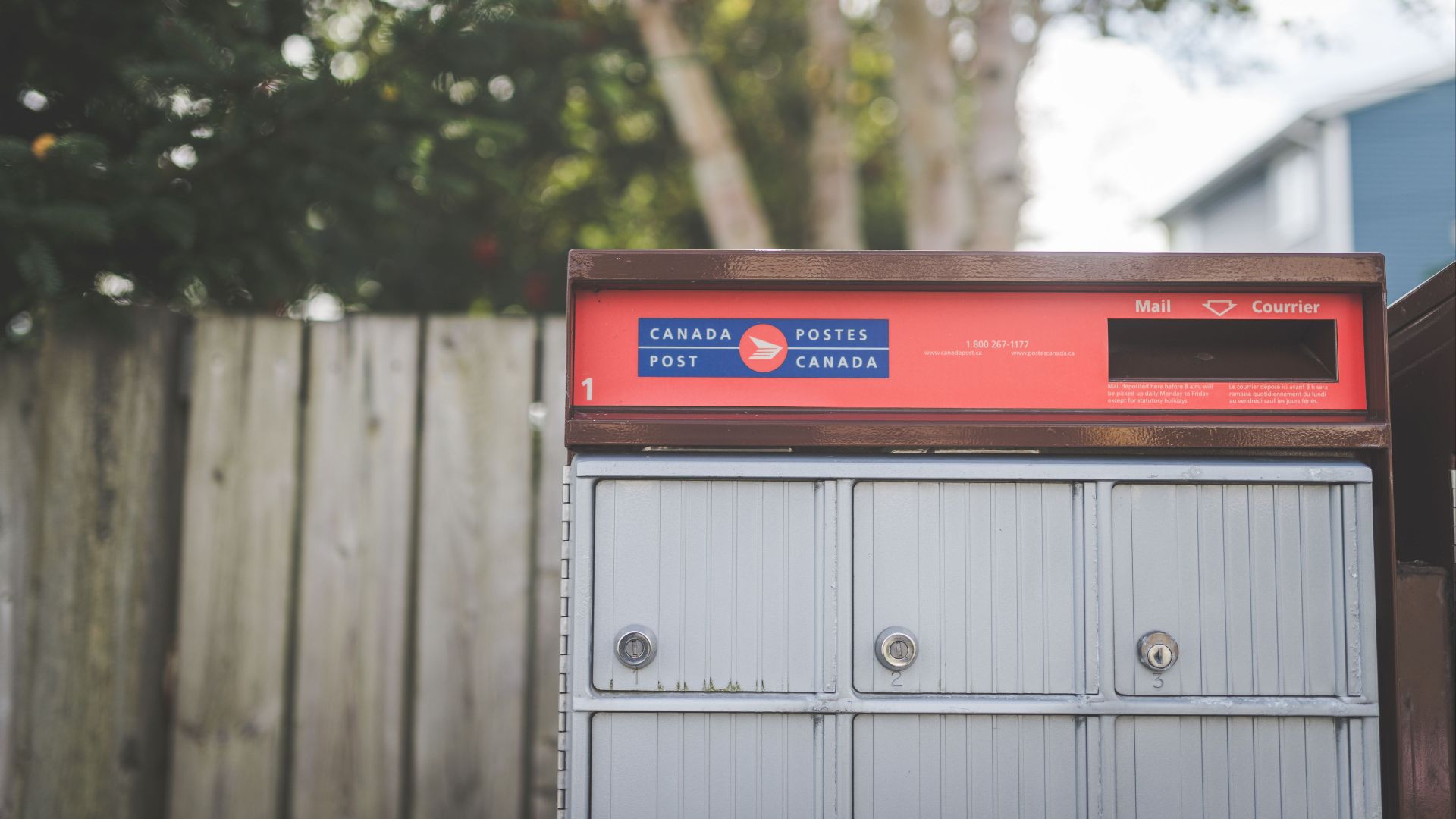
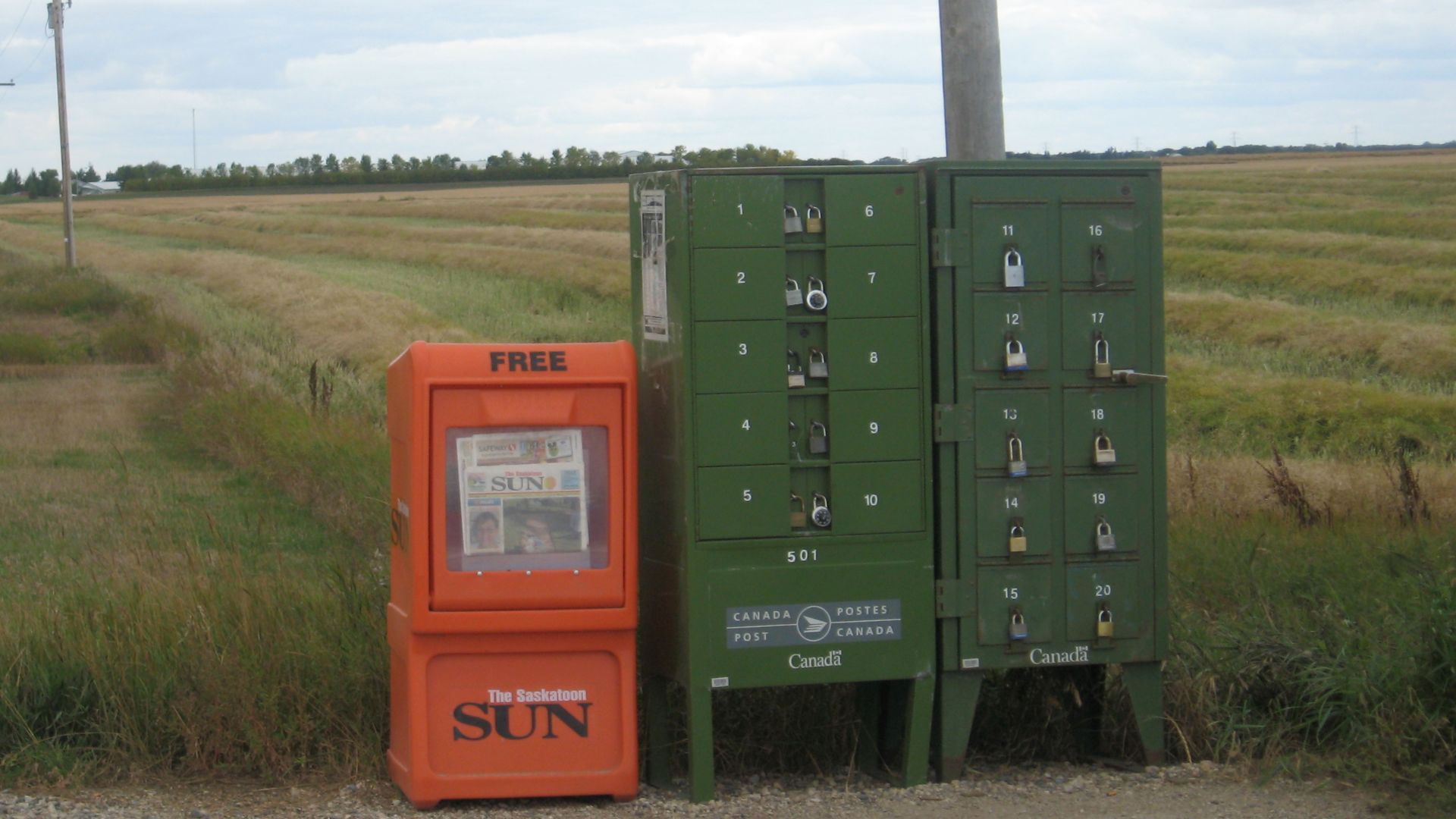
Head beyond the compact centre of town and roadside mailboxes become part of the landscape. Canada Post publishes detailed standards covering the size, strength, weather resistance, height, and positioning of rural mailboxes. Residents are also advised to consult local postal officials before installing them so that delivery and road-safety requirements are met.
The Houses Can Thin Out Very Quickly
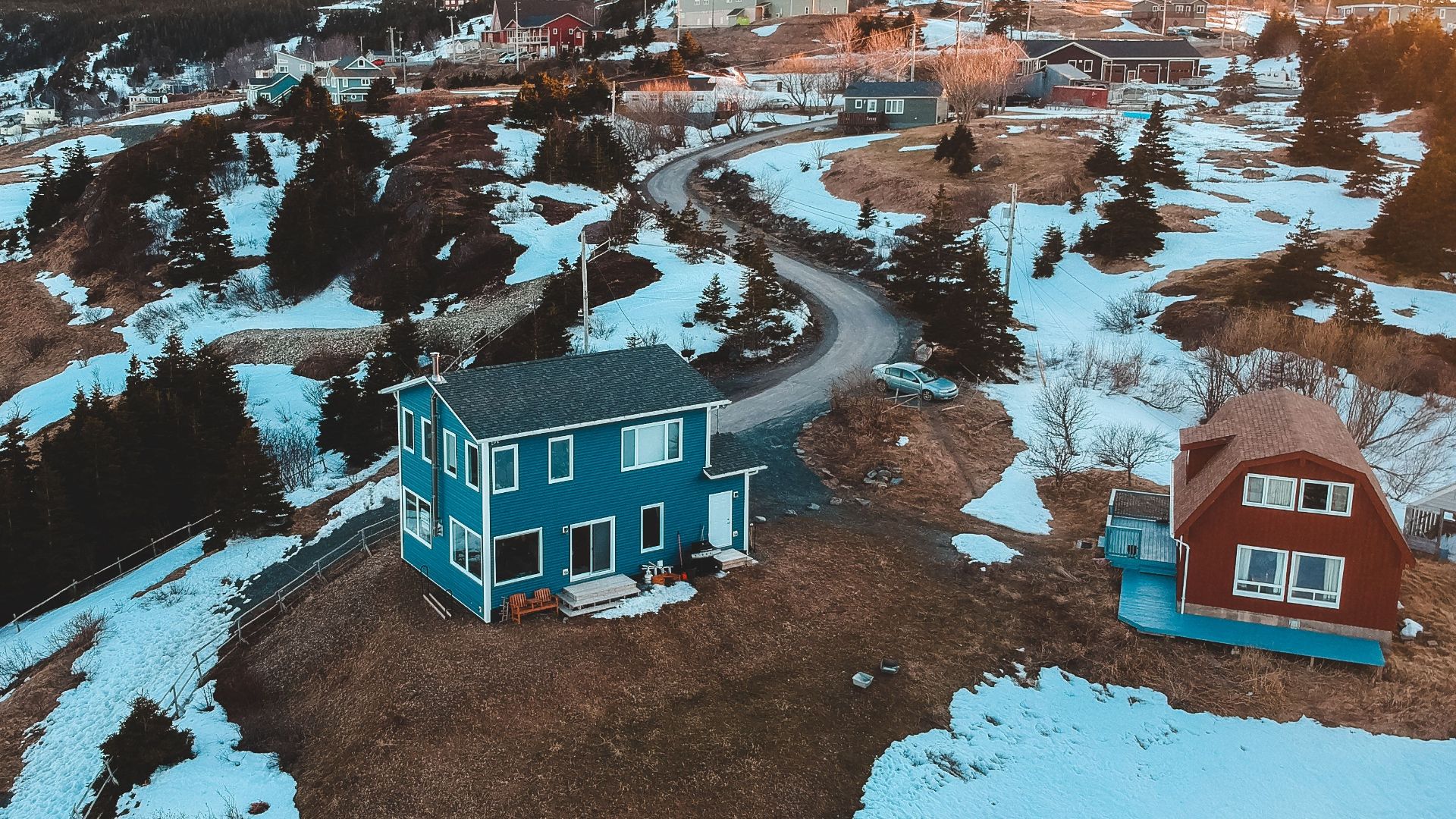
A Canadian settlement can shift from a few busy blocks to open countryside in remarkably little time. Statistics Canada defines rural areas as territory outside population centres, which require at least 1,000 people and a density of at least 400 people per square kilometre. In 2021, Canada's rural population under that definition exceeded 5.4 million people.
Single Houses Dominate Much Of The Landscape
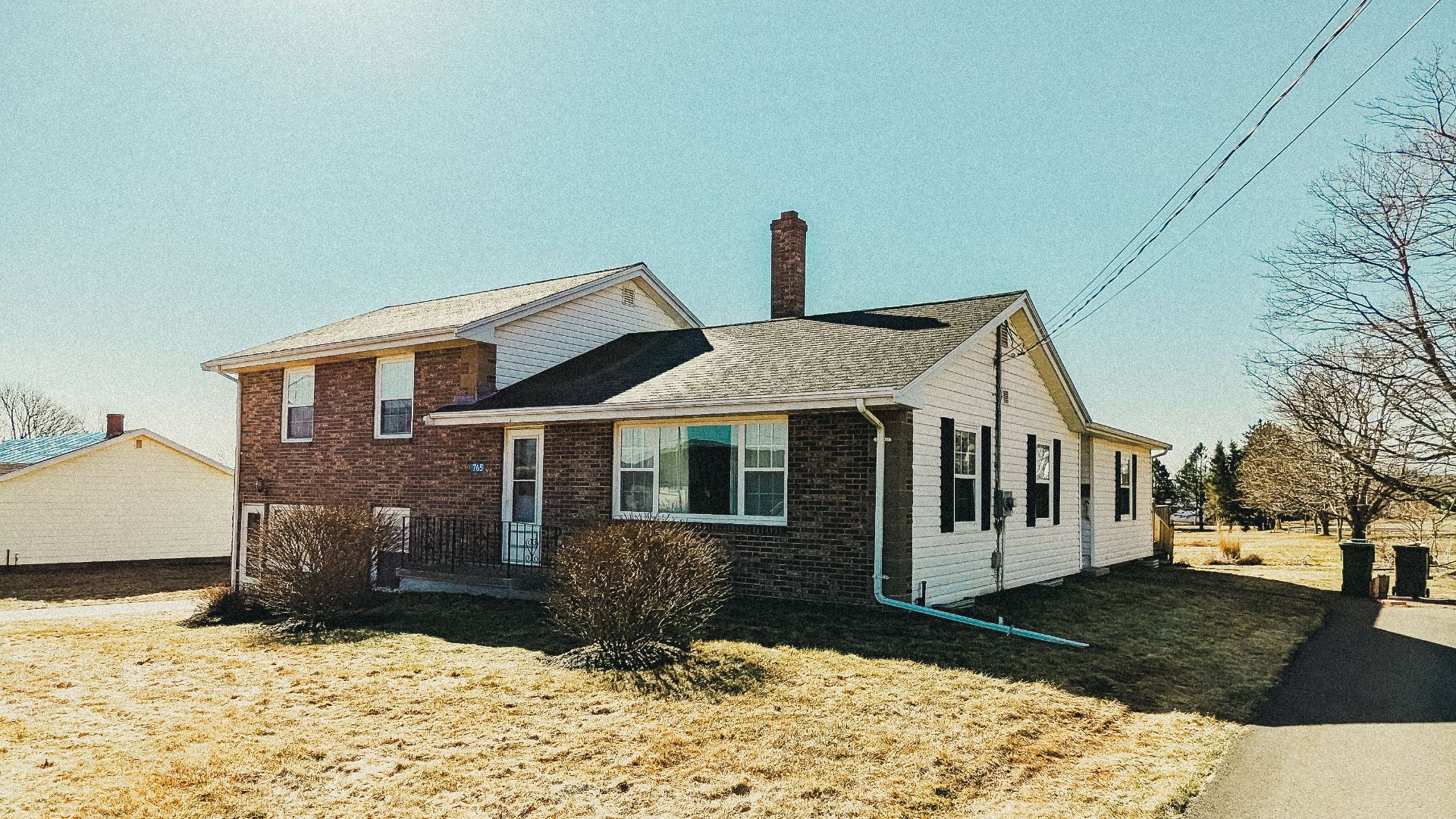
Apartment towers are not the defining housing form in rural and small-town Canada. Statistics Canada reported that most residential building permits for new construction in those areas in 2023 were for single homes. That contributes to the low-rise, spread-out appearance visitors often encounter once they leave Canada's large metropolitan areas.
Small Businesses Carry More Weight
Local shops, contractors, agricultural operations, and independent services are not merely decorative touches in rural Canada. More than 98 percent of businesses in rural and small-town Canada were classified as small businesses in December 2024, according to Statistics Canada. Construction, agriculture and related industries, and retail trade were among the leading business sectors.
Winter Infrastructure Is Built Into Daily Life
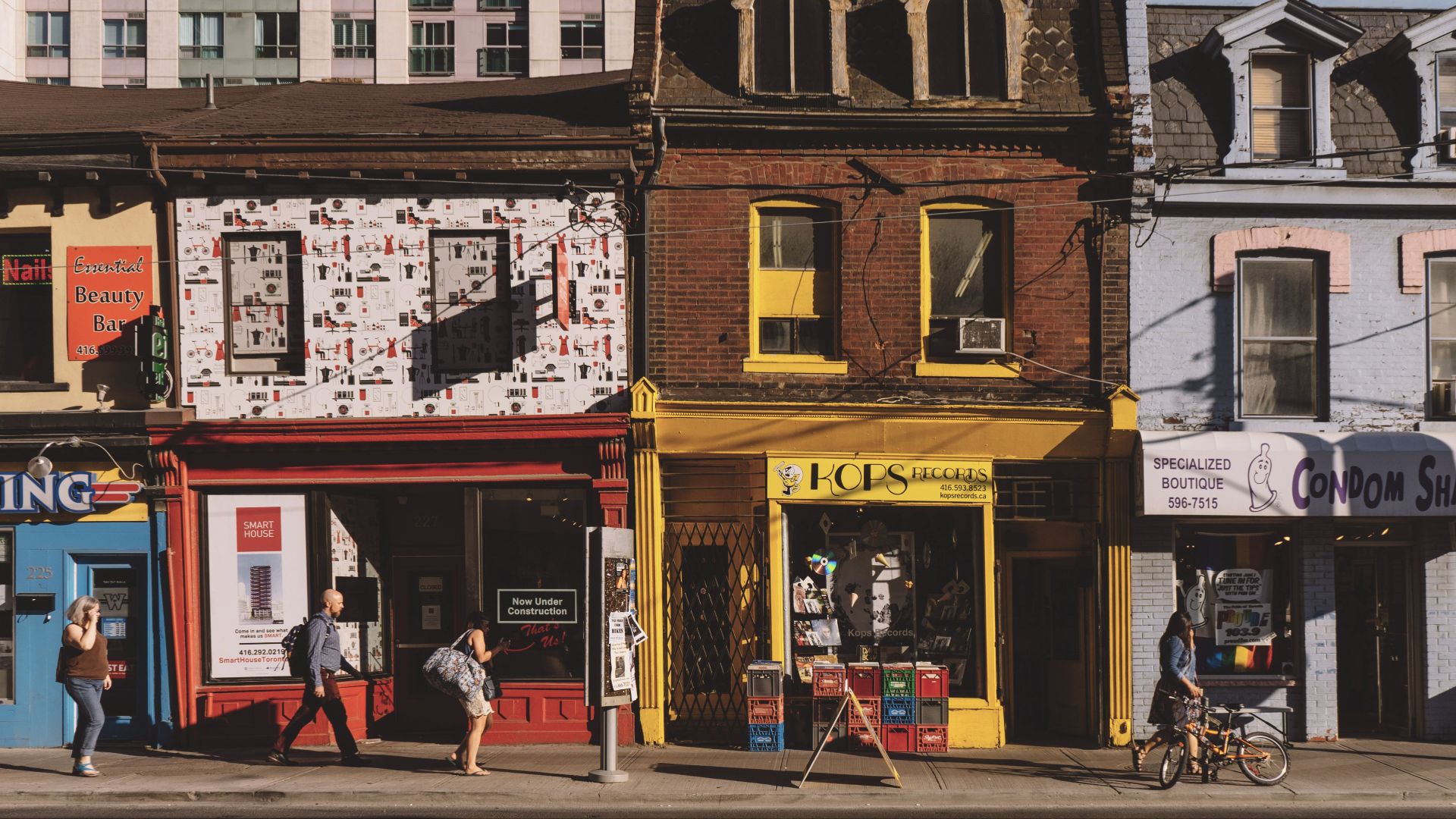
Even during summer, an American visitor may notice hints of how seriously Canadian communities prepare for winter. Arenas, weatherproof rural mailboxes, and public information built around snow and ice are practical responses to a climate where freezing conditions are routine in many regions. Canadian road authorities specifically warn drivers to slow down when roads are snowy, slippery, or not completely cleared.
Canadians Talk About Weather In Different Numbers
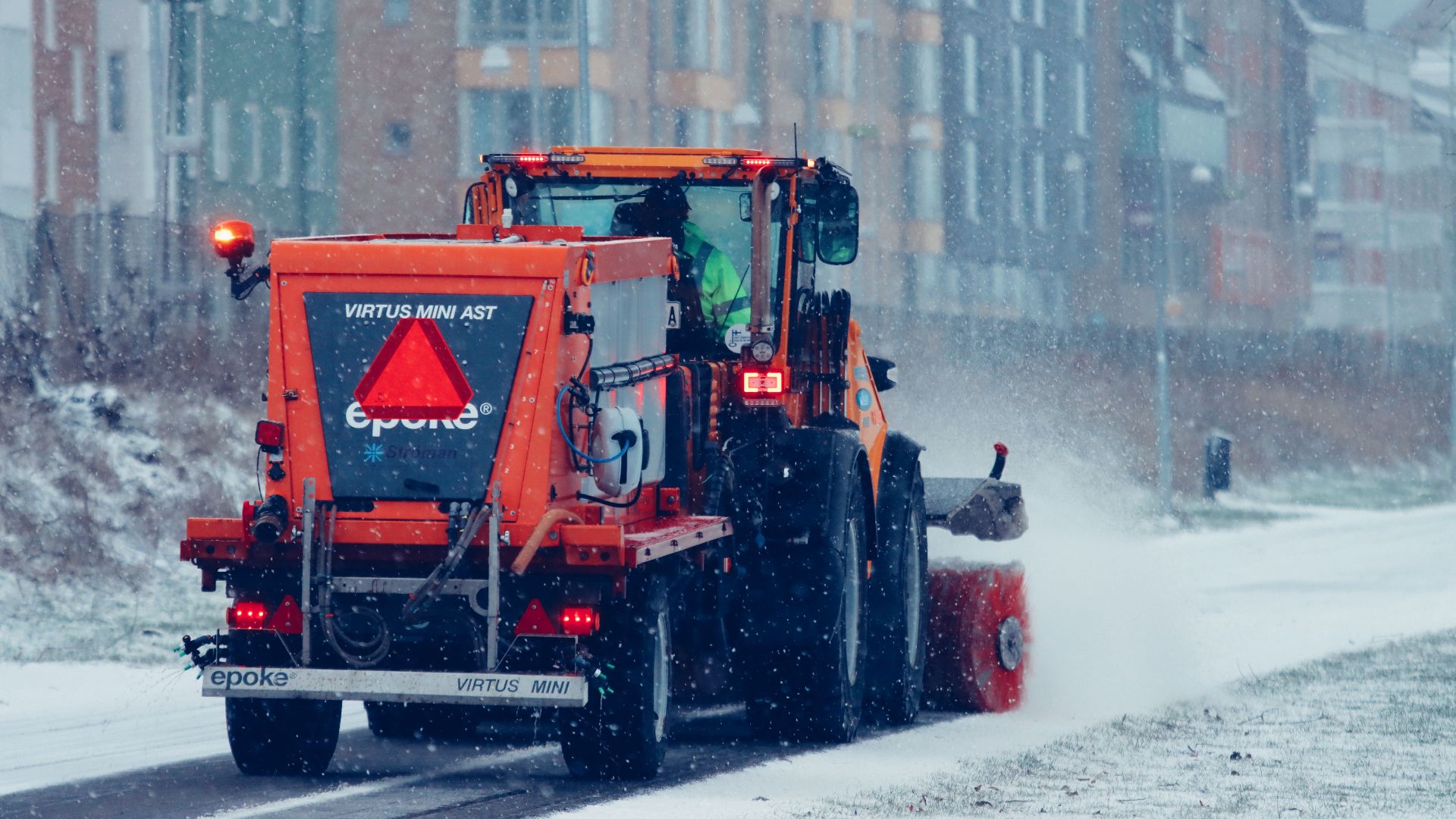
The conversation itself can require translation when someone says it will be 30 degrees tomorrow or that the wind will reach 50 kilometres per hour. Environment Canada's forecasts routinely combine Celsius temperatures with wind speeds measured in kilometres per hour. After a few days, many American visitors begin doing rough conversions automatically.

The Familiar And Unfamiliar Sit Side By Side
A Canadian small town can feel remarkably recognizable to an American, especially where people drive similar vehicles, shop in familiar-looking stores, and live in detached houses. Then a 100 km/h sign, a handful of toonies, a bilingual cereal box, or a curling club provides a quick reminder that this is a different country. The contrast is usually subtle rather than theatrical, which is exactly why the little differences stand out.

No Single Town Represents Canada
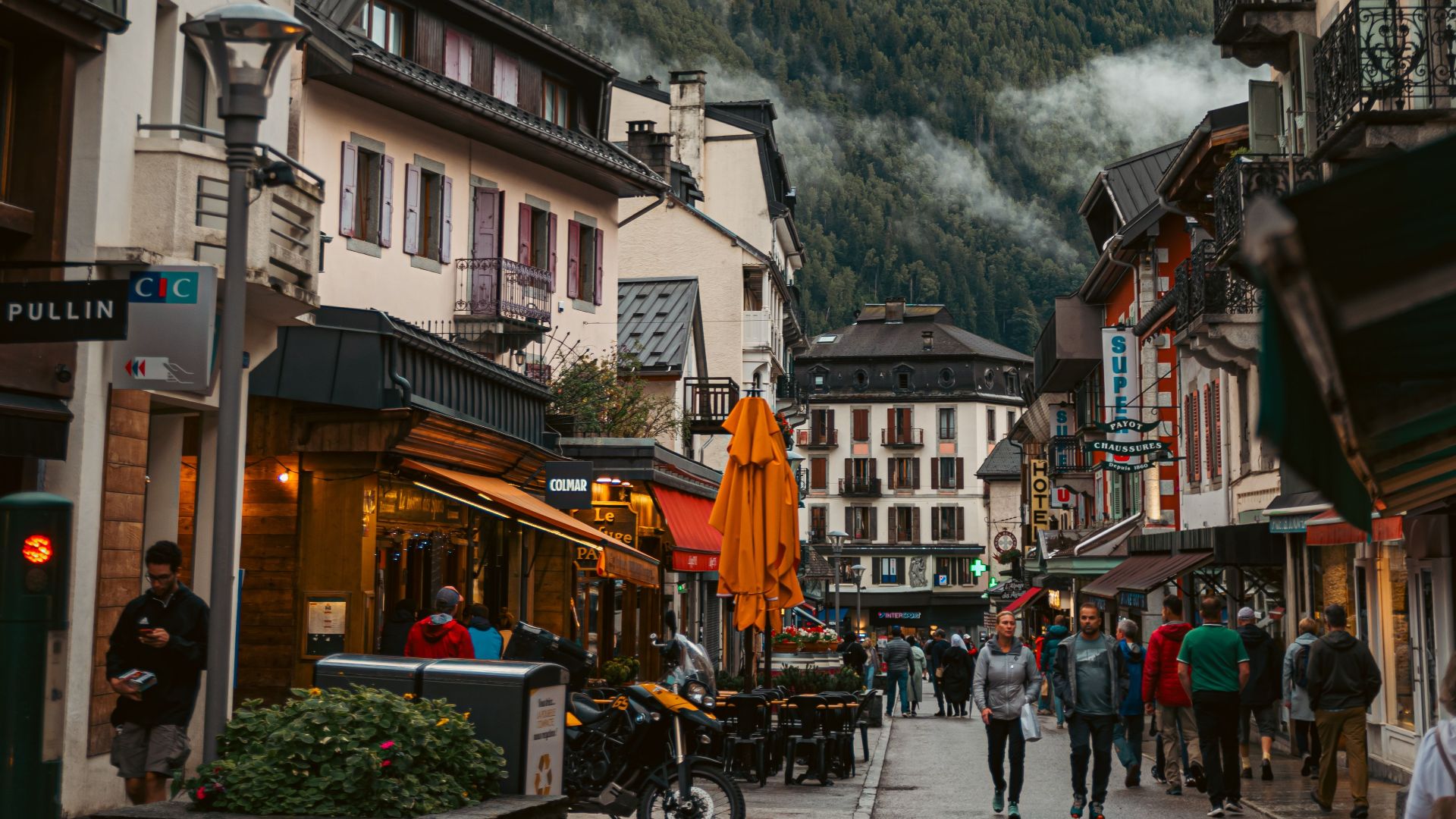
The most important thing an American visitor can notice is how quickly the picture changes from one region to another. Statistics Canada records hundreds of small population centres spread across every province and territory, while language, climate, industries, landscape, and local traditions vary enormously among them. A Quebec village, an Atlantic fishing community, a Prairie service town, and a small British Columbia mountain community may share a country without looking remotely interchangeable.
Small-Town Canada Rewards A Closer Look
The most memorable differences are often ordinary details rather than famous landmarks. Currency, road measurements, bilingual packaging, local arenas, memorials, and long distances to services reveal how everyday life is organized differently north of the border. Spend enough time in several communities and the experience becomes less about spotting "Canadian things" and more about seeing how varied Canada actually is.

You May Also Like: