Some Runs Are Worth The Journey On Their Own
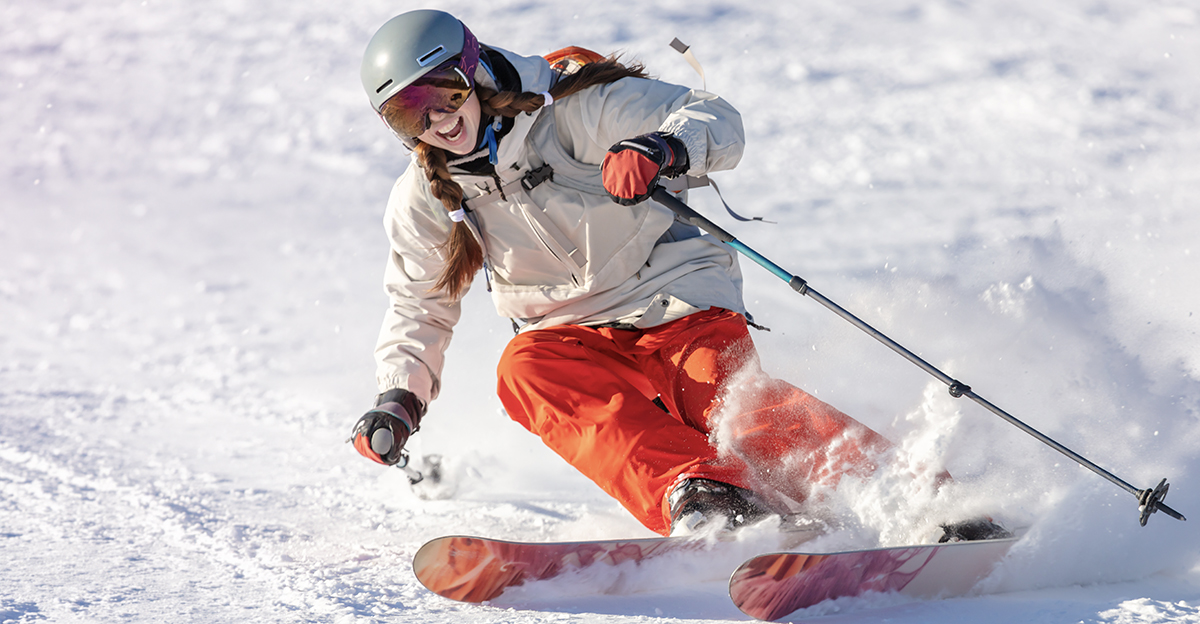
A great ski trip isn't always about covering as much terrain as possible. Sometimes one unforgettable descent becomes the reason to visit in the first place. Across the United States and Canada, these 25 epic runs range from terrifying couloirs and Olympic racecourses to long scenic cruisers that let you actually look up and enjoy the mountains.
Corbet's Couloir — Jackson Hole, Wyoming
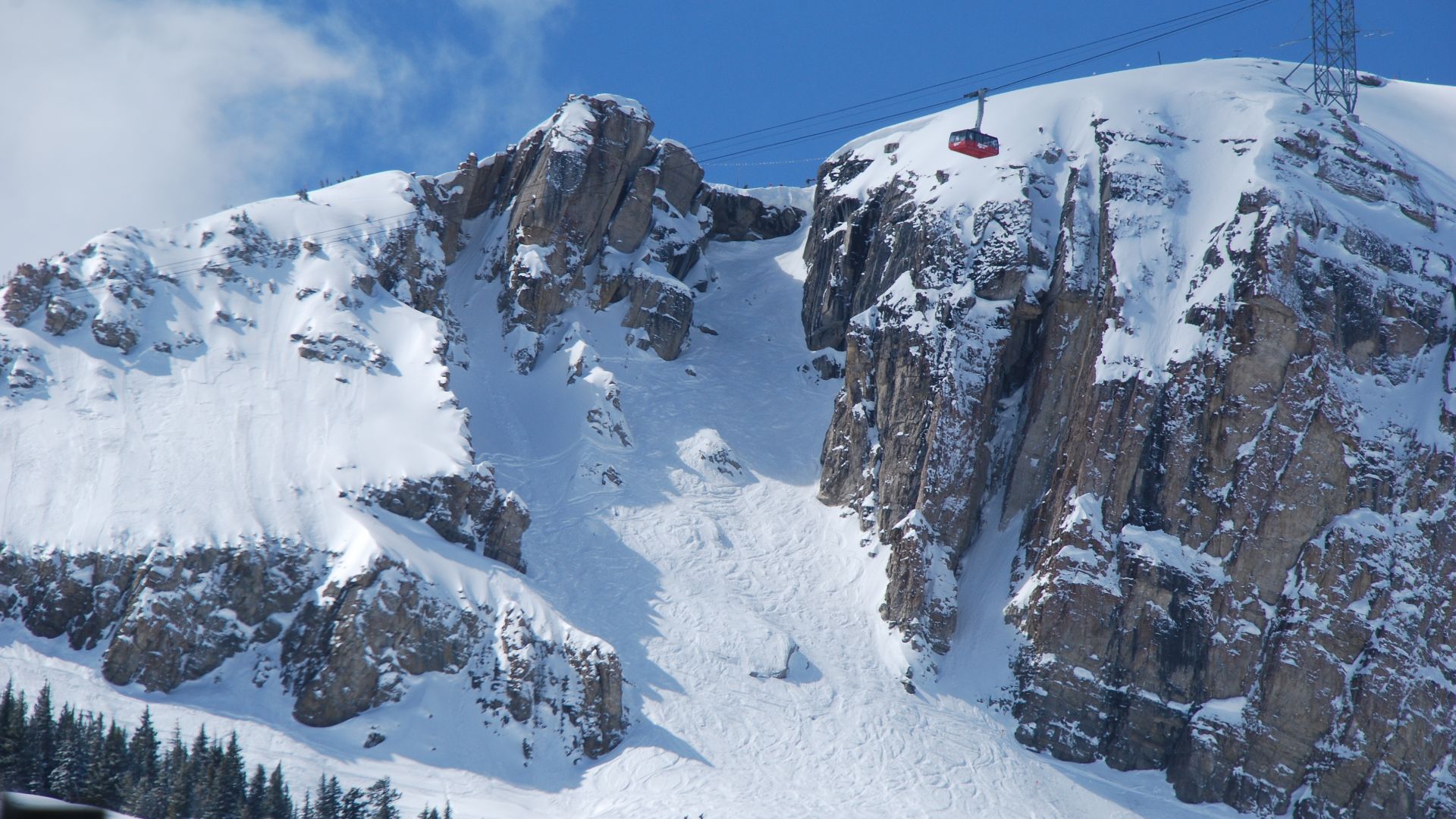
Corbet's Couloir has become shorthand for the kind of skiing that makes even experienced skiers reconsider their life choices at the entrance. Accessed near the top of Jackson Hole's Aerial Tram, the run begins with a notoriously intimidating drop between rock walls before funneling into a steep chute. Its reputation extends far beyond Wyoming, and Jackson Hole now stages the Kings & Queens of Corbet's competition here. Watching from above is memorable enough. Dropping in is an entirely different accomplishment.
 Enricokamasa, Wikimedia Commons
Peak To Creek — Whistler Blackcomb, British Columbia
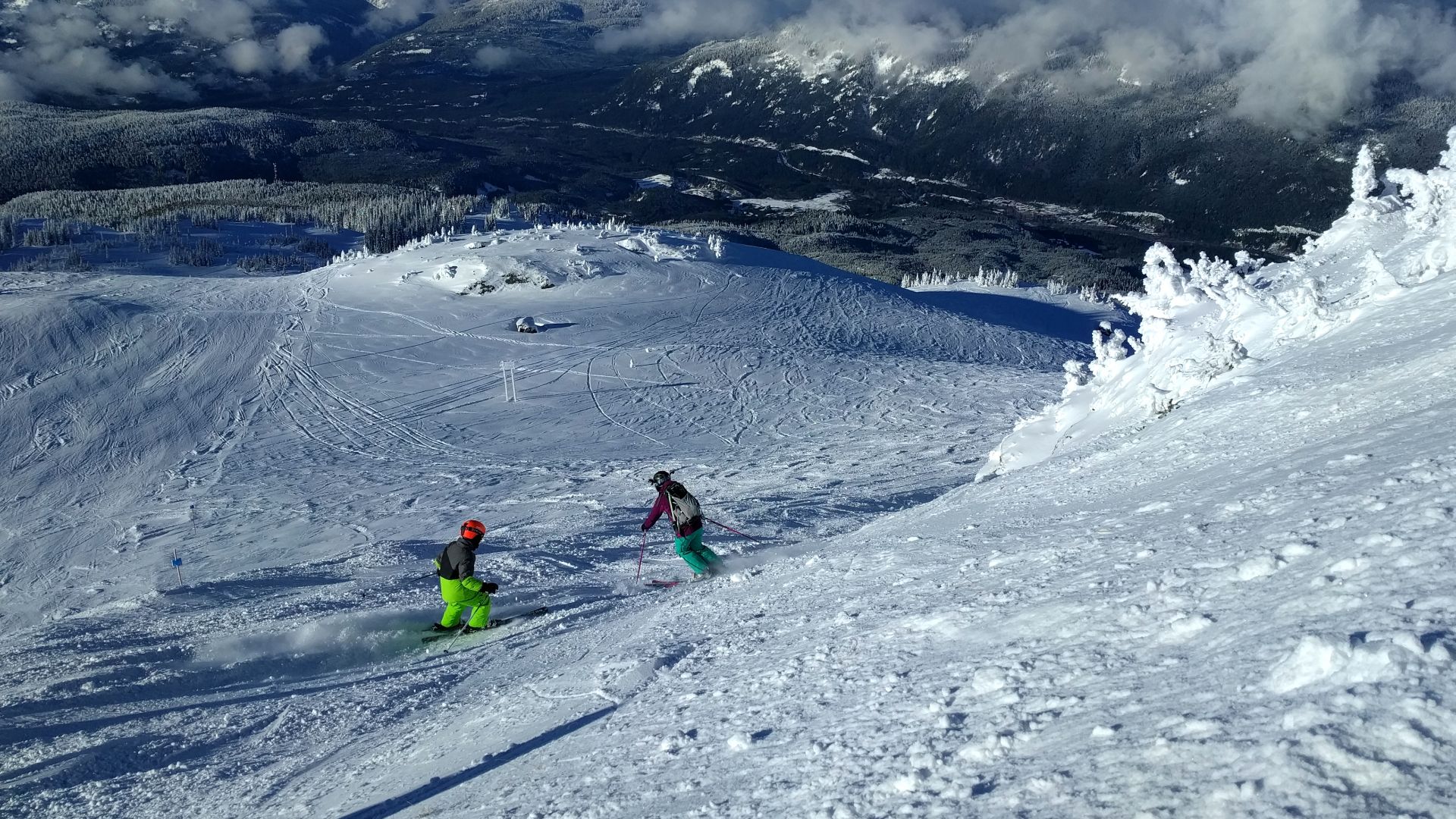
Some famous runs earn their reputation through steepness. Peak to Creek does it through sheer scale. Beginning high on Whistler Mountain, the route descends toward Creekside over roughly 11 kilometres, passing through dramatically different terrain and elevations along the way. When conditions allow the full descent to ski well, it delivers the satisfying feeling of genuinely traveling across a mountain rather than simply lapping one pitch. By the bottom, your legs have had plenty of time to remind you just how far you've descended.
 Ruth Hartnup from Vancouver, Canada, Wikimedia Commons
Alf's High Rustler — Alta, Utah
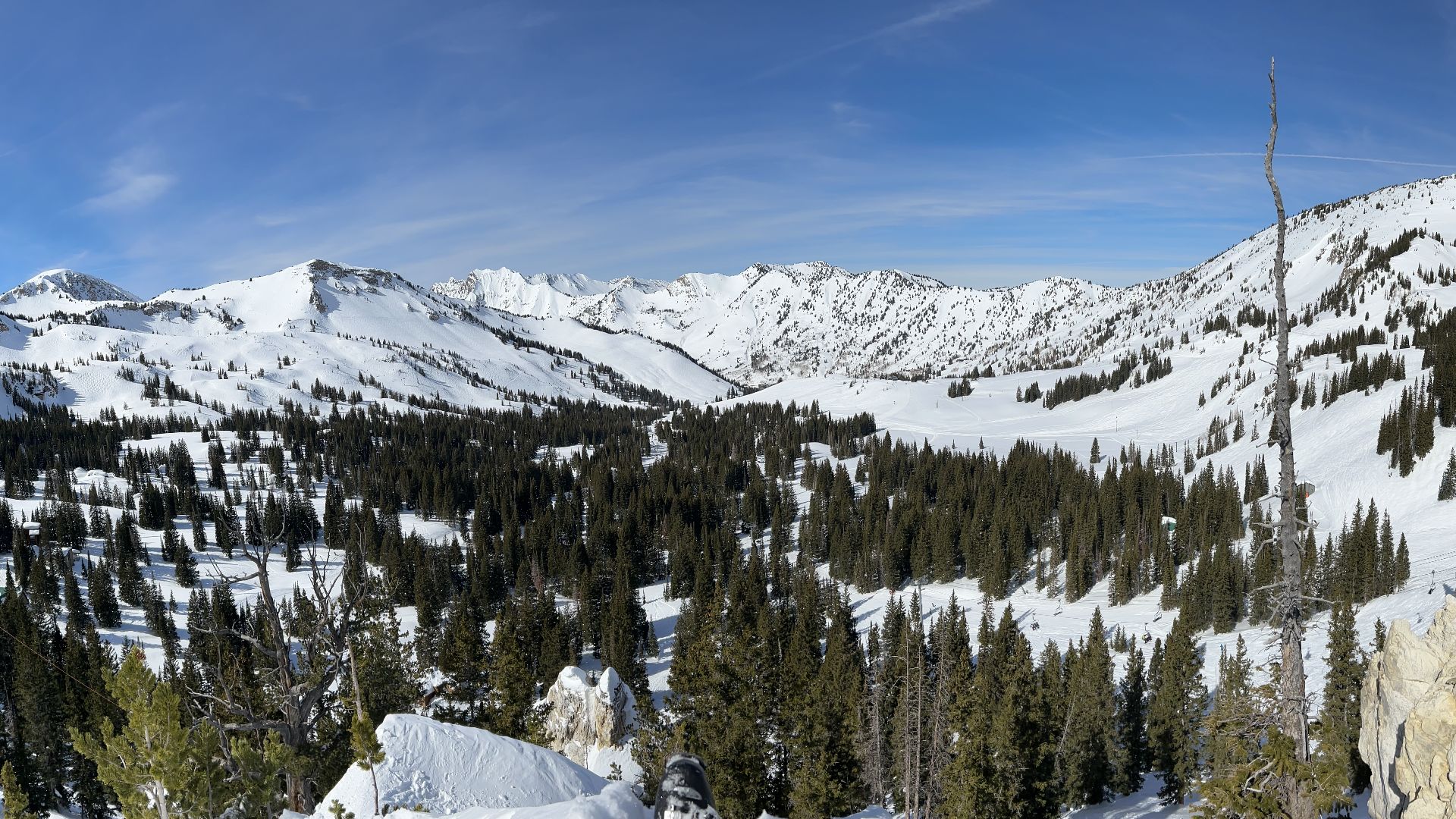
Locals usually call it High Boy, which somehow makes one of Alta's classic expert runs sound much friendlier than it is. Alf's High Rustler drops steeply beneath the ridgeline above the Collins side of the mountain, delivering a sustained fall-line descent that rewards confident technique and strong legs. Its fame isn't built around a single stunt or terrifying entrance. It's simply a long, steep, wonderfully direct piece of terrain at a ski area already known for serious skiing and exceptionally deep Utah powder.
 PalauanReich, Wikimedia Commons
The Cut — Grouse Mountain, British Columbia
The Cut doesn't need extreme terrain to make an impression. Its real advantage becomes obvious when you look away from your skis. Grouse Mountain rises immediately above Vancouver, and this broad, recognizable slope can provide remarkable views across the city toward the water and surrounding landscape. Night skiing adds another dimension when the lights of Metro Vancouver begin glowing below. It's one of those runs where the setting matters as much as the skiing, proving a memorable descent doesn't have to involve a warning sign and avalanche gear.
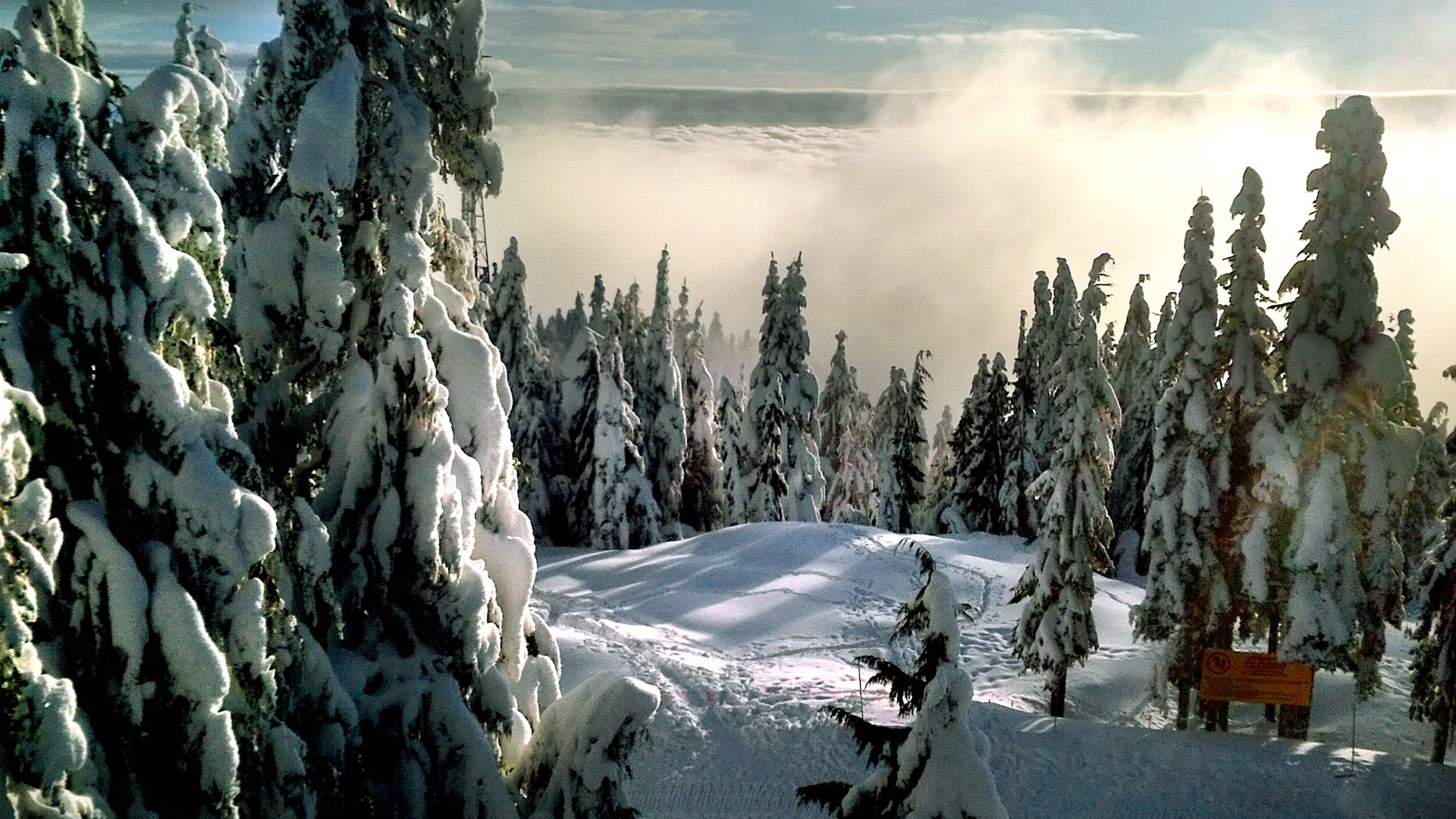 Vince Alongi from Delta, B.C., Canada, Wikimedia Commons
Birds Of Prey — Beaver Creek, Colorado
Birds of Prey was built for people who ski considerably faster than most of us ever should. The Beaver Creek racecourse has become a fixture of international alpine competition, hosting World Cup racing and establishing itself as one of America's most famous downhill venues. Its steep pitches, compressions, technical turns, and high speeds make the professional version spectacular to watch. Skiers visiting Beaver Creek can experience portions of the same mountain where elite racers have fought for hundredths of a second, preferably at considerably more reasonable speeds.
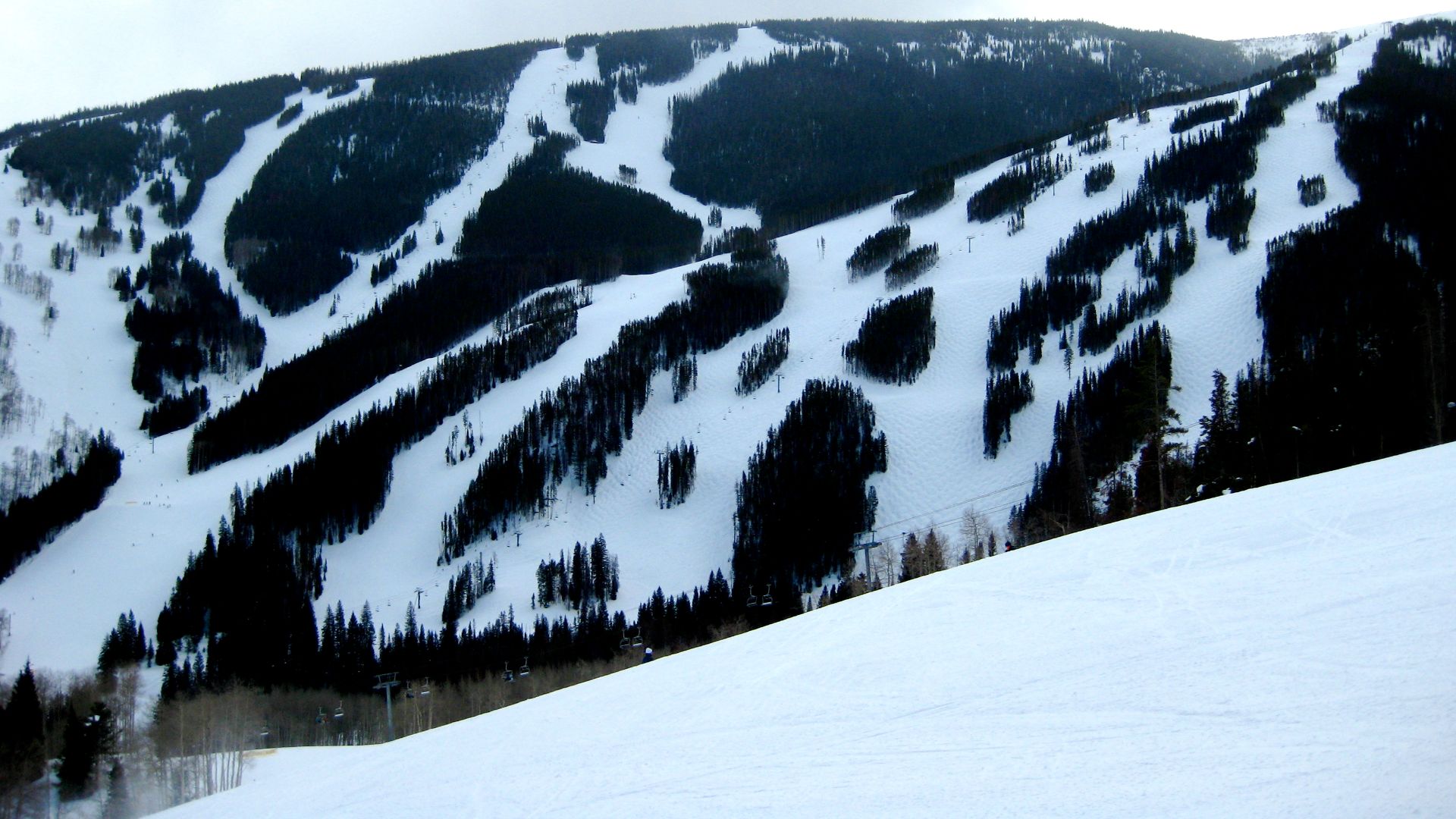 Rudi Riet from Washington, DC, United States, Wikimedia Commons
Delirium Dive — Banff Sunshine Village, Alberta
Calling Delirium Dive a “run” almost understates what it is. Sunshine Village treats it as a designated freeride zone, with steep alpine terrain, cliffs, rocks, changing snow conditions, and numerous possible lines. Access is controlled, and skiers entering need the required avalanche safety equipment and appropriate ability. That extra layer of preparation is part of the appeal. Delirium feels less like following a conventional marked trail and more like entering serious big-mountain terrain while still operating within a resort's managed boundaries.
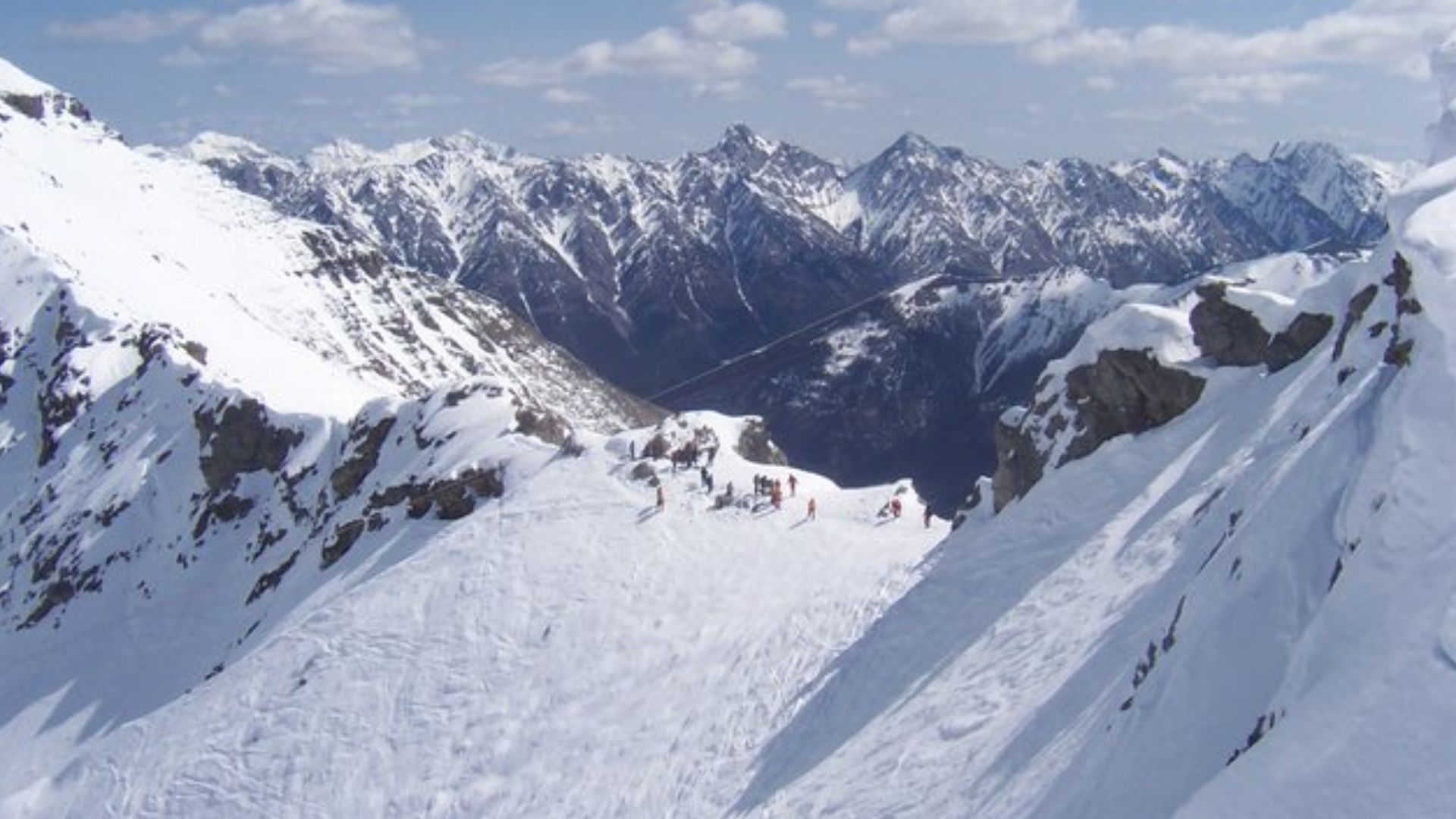 Kyle Pearce, Wikimedia Commons
Riva Ridge — Vail, Colorado
Riva Ridge offers something many legendary ski runs don't: enough distance to settle into the experience. Named in honor of the US Army's 10th Mountain Division and its World War II fighting in Italy, the trail is woven into Vail's early history. Its extended descent mixes changing pitches and terrain rather than relying on one signature feature. That makes it a fitting classic for a resort built around enormous scale. Instead of one dramatic moment, Riva Ridge gives skiers a long sequence of them.
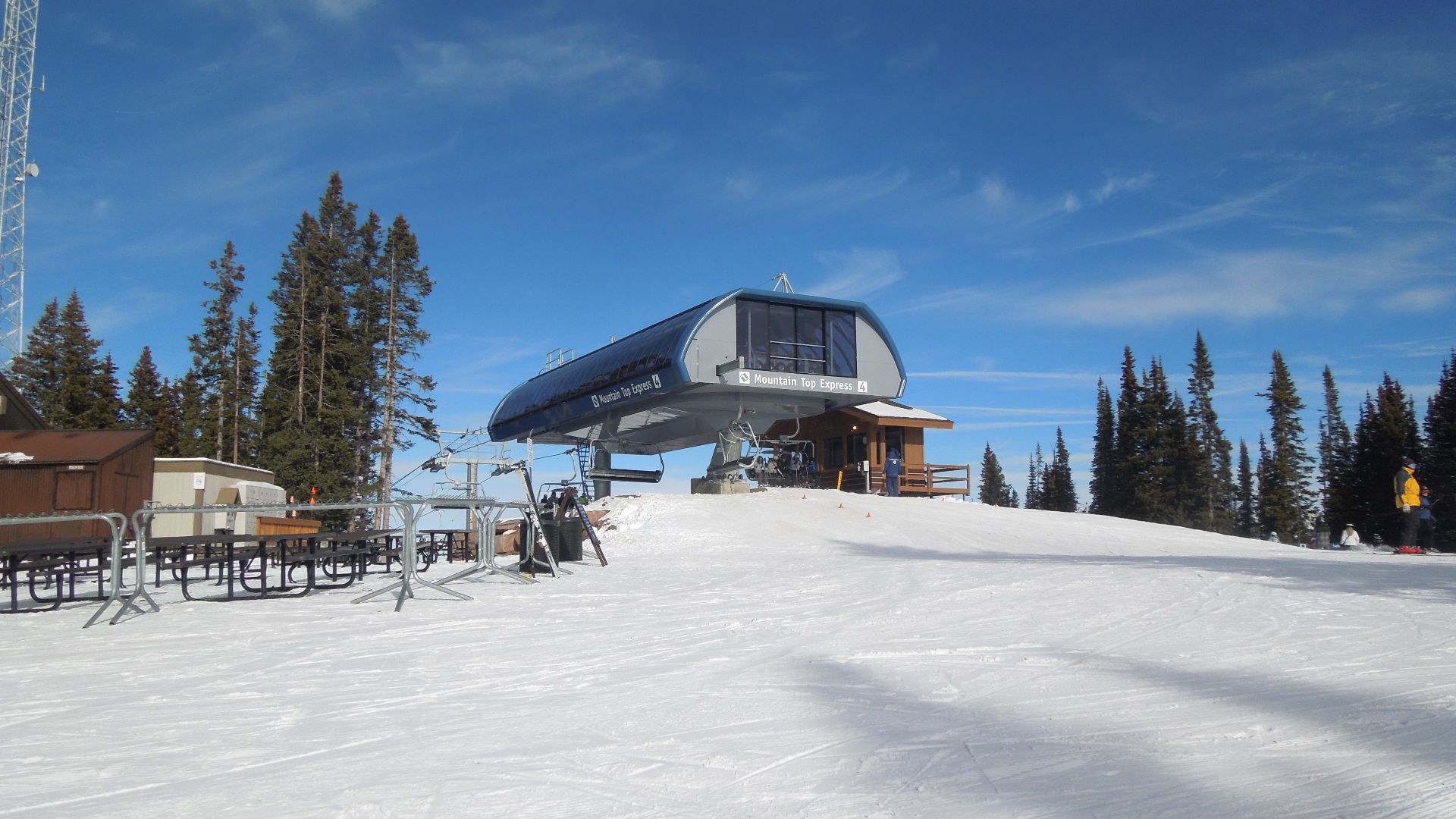 DReifGalaxyM31, Wikimedia Commons
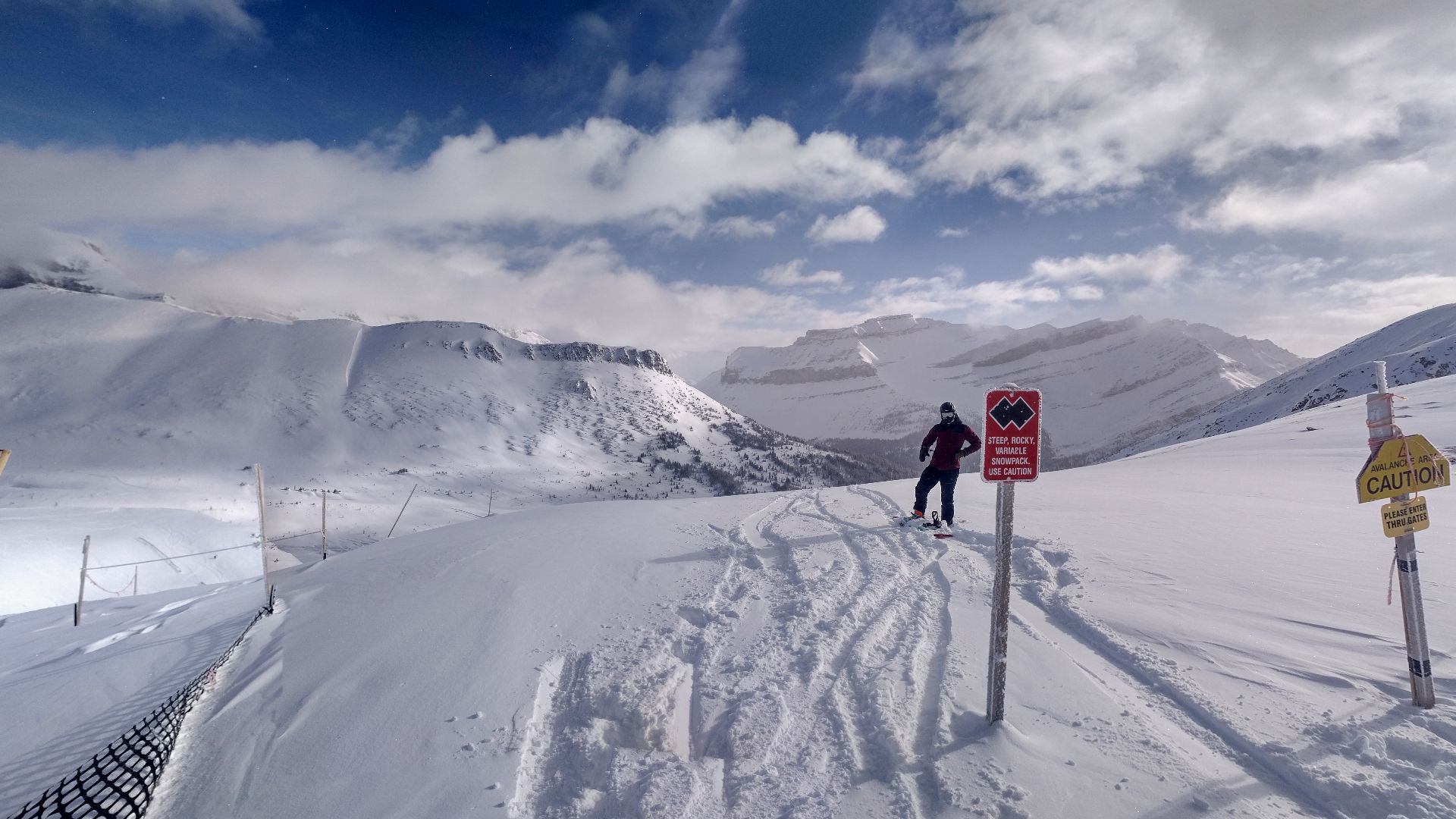
Whitehorn 1 — Lake Louise, Alberta
Lake Louise's backside is famous for steep terrain and enormous Rocky Mountain scenery, and Whitehorn 1 combines both. Officially classified as advanced terrain, it drops from the Whitehorn area with the kind of sustained pitch that can feel completely different depending on snow conditions. The wider setting is just as memorable: rugged peaks rise across the horizon while the backside falls away beneath you. It's a good example of why Lake Louise's expert terrain feels so distinctive—the skiing is demanding, but the scenery keeps competing for your attention.
Rambo — Crested Butte, Colorado
There are steep ski runs, and then there's Rambo. Crested Butte's famous expert trail is short enough that its reputation isn't based on endurance. Instead, it's the pitch, trees, bumps, and uncompromising fall line that make it memorable. Once committed, there aren't many places to relax and admire the scenery. Crested Butte has long been known for unusually difficult in-bounds terrain, and Rambo became one of its signature tests: a trail that experienced skiers seek out precisely because nobody accidentally ends up enjoying an easy cruise down it.
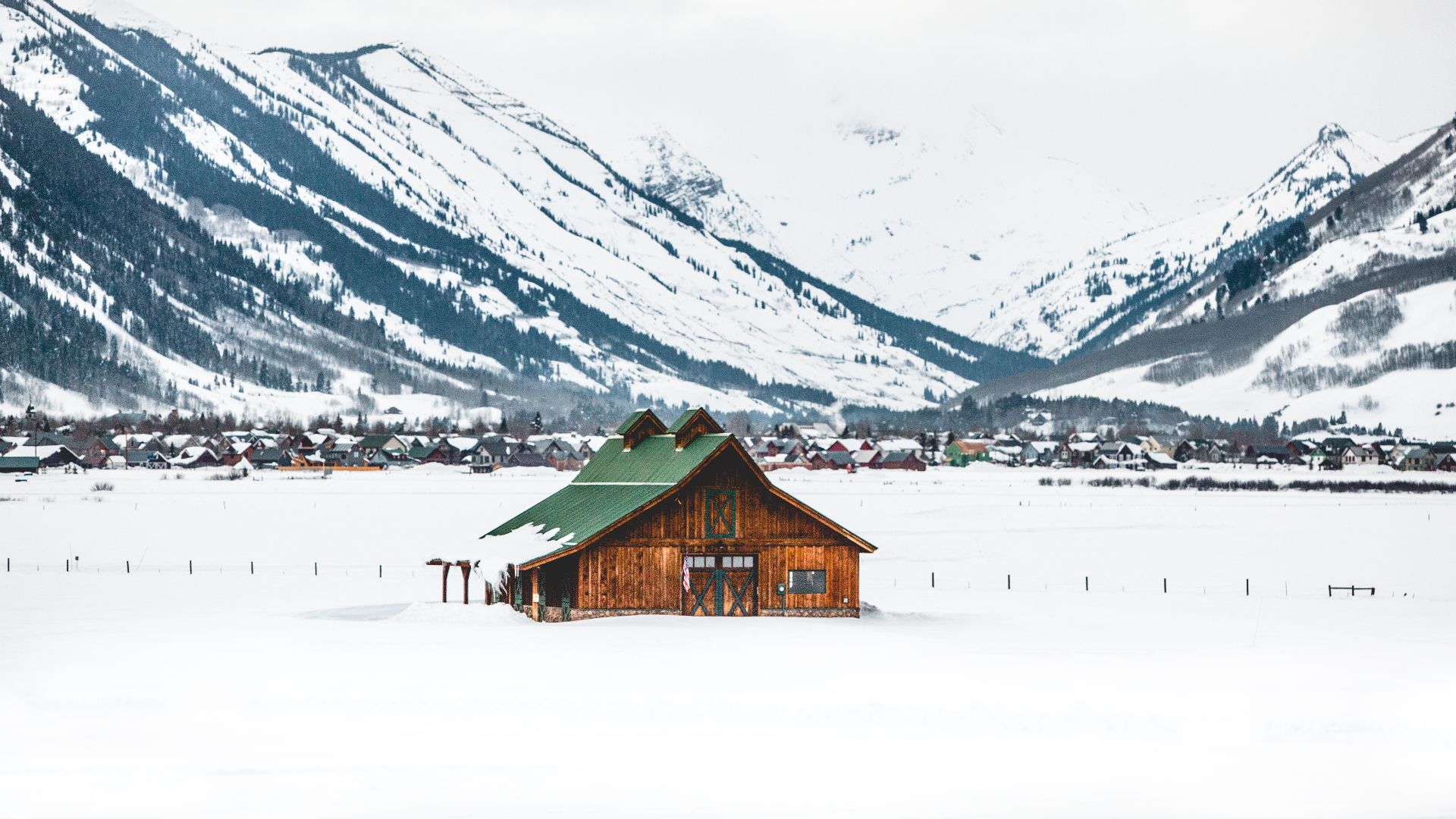 Teddy Kelley teddykelley, Wikimedia Commons
5 Mile — Sun Peaks, British Columbia
Not every bucket-list ski run needs to frighten you. At Sun Peaks, 5 Mile offers the opposite kind of satisfaction: flowing intermediate terrain where skiers can settle into turns, enjoy the scenery, and cover a satisfying amount of mountain without treating every pitch like an exam. It works particularly well in a list dominated by couloirs and expert terrain because this is the sort of run many vacationing skiers actually want to repeat. Sometimes the best trail is the one that makes you immediately head back up for another lap.
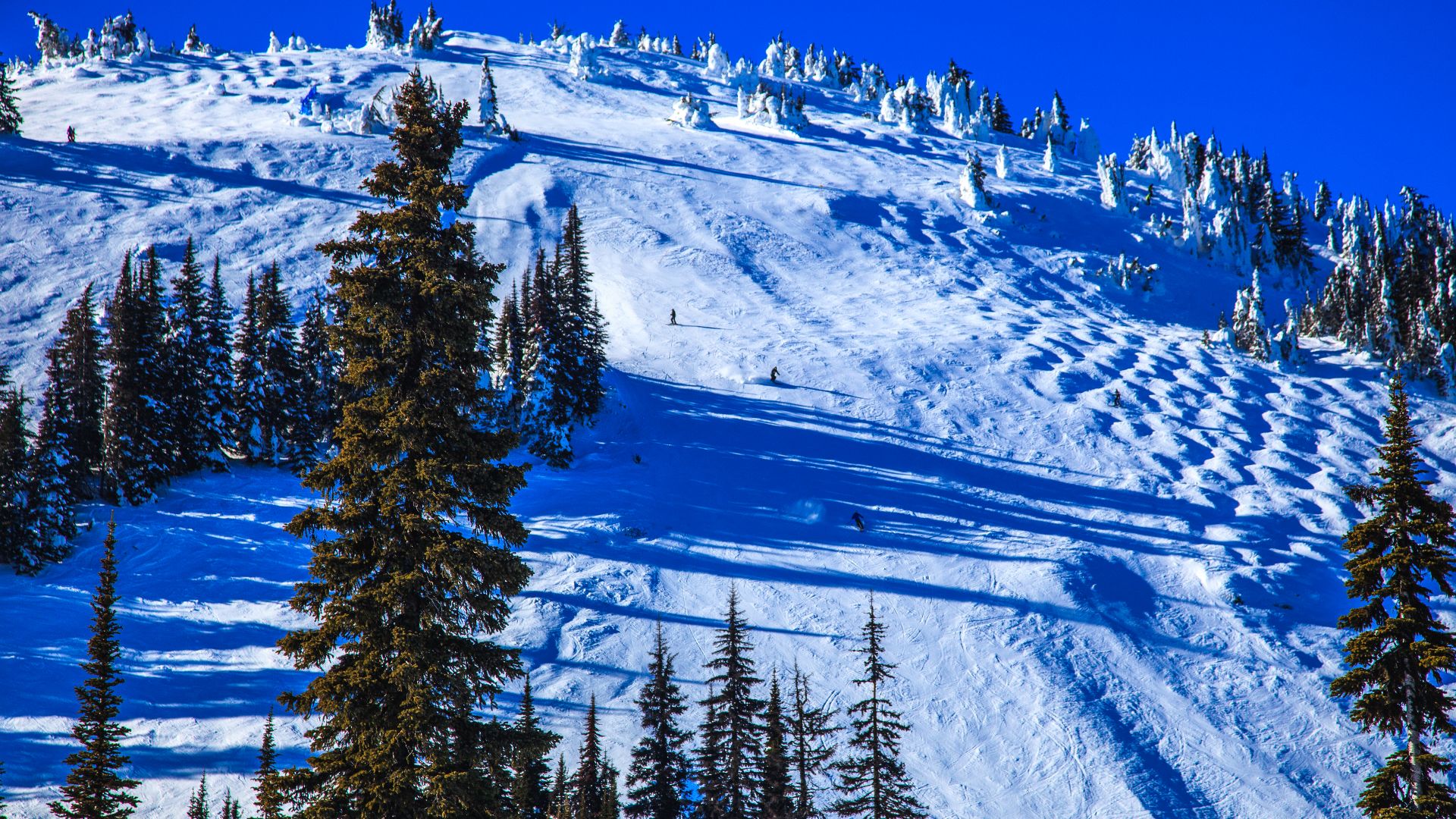 Murray Foubister, Wikimedia Commons
Big Couloir — Big Sky, Montana
Lone Peak looks intimidating before you ever clip into your skis, and Big Couloir does nothing to soften that impression. The line drops from high on the mountain through a dramatic, confined corridor surrounded by rock. It's expert terrain that requires appropriate conditions, ability, and careful attention to the resort's access procedures. Much of Big Sky's identity comes from the huge, rugged terrain spreading away from Lone Peak, but Big Couloir remains one of the mountain's defining lines—the kind of descent skiers talk about long before they finally attempt it.
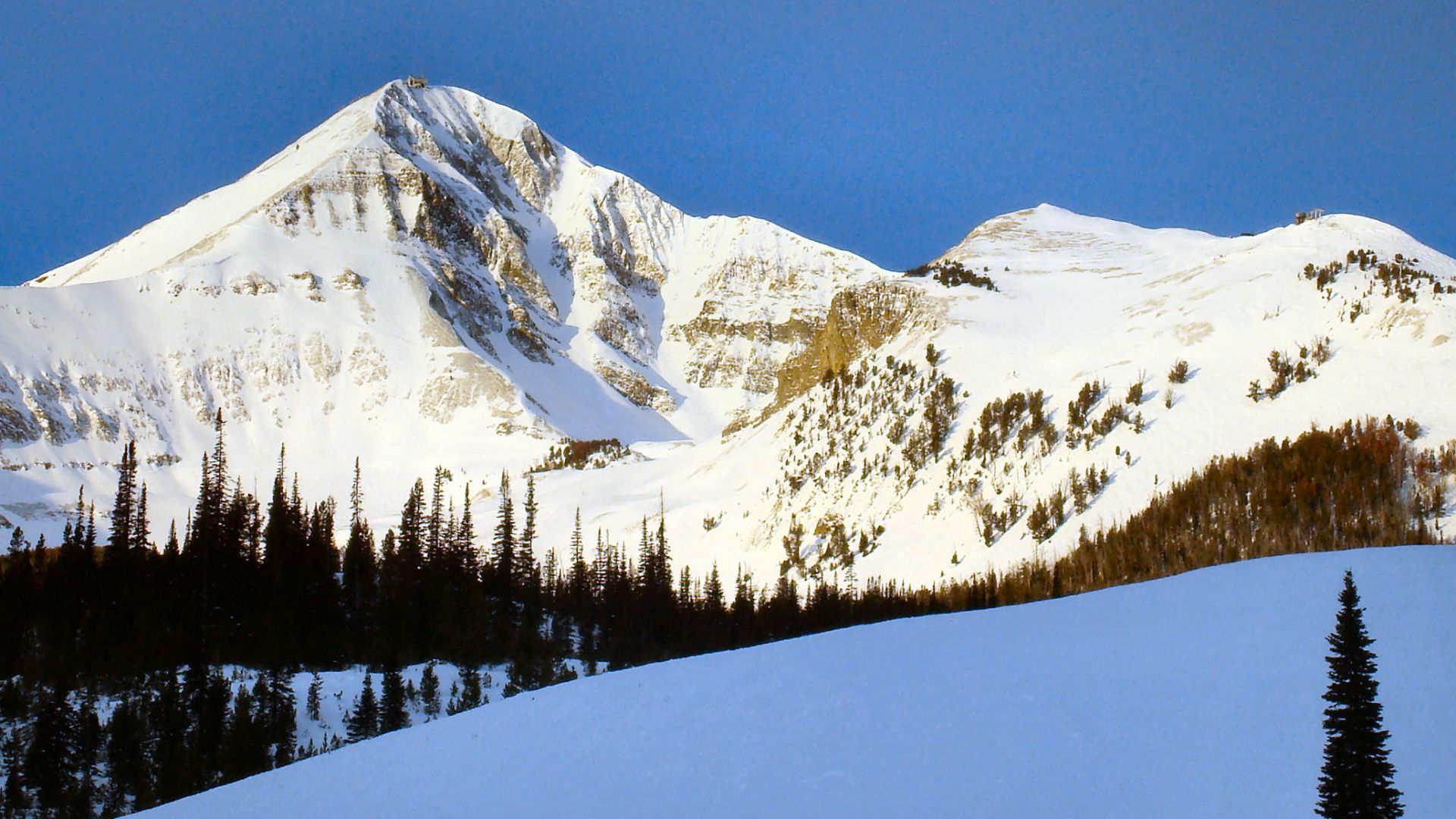 Dennis Matheson, Wikimedia Commons
Dave Murray Downhill — Whistler Blackcomb, British Columbia
Named for Canadian ski racer Dave Murray, this Whistler Mountain course carries genuine competitive history. It hosted the men's alpine speed events during the 2010 Vancouver Winter Olympics, putting one of Whistler's best-known trails in front of a global television audience. Skiing it recreationally offers a very different experience from racing it, but the sustained descent still hints at what makes a great downhill course work. Knowing Olympic racers once attacked the same mountain at astonishing speeds adds an extra layer to every turn.
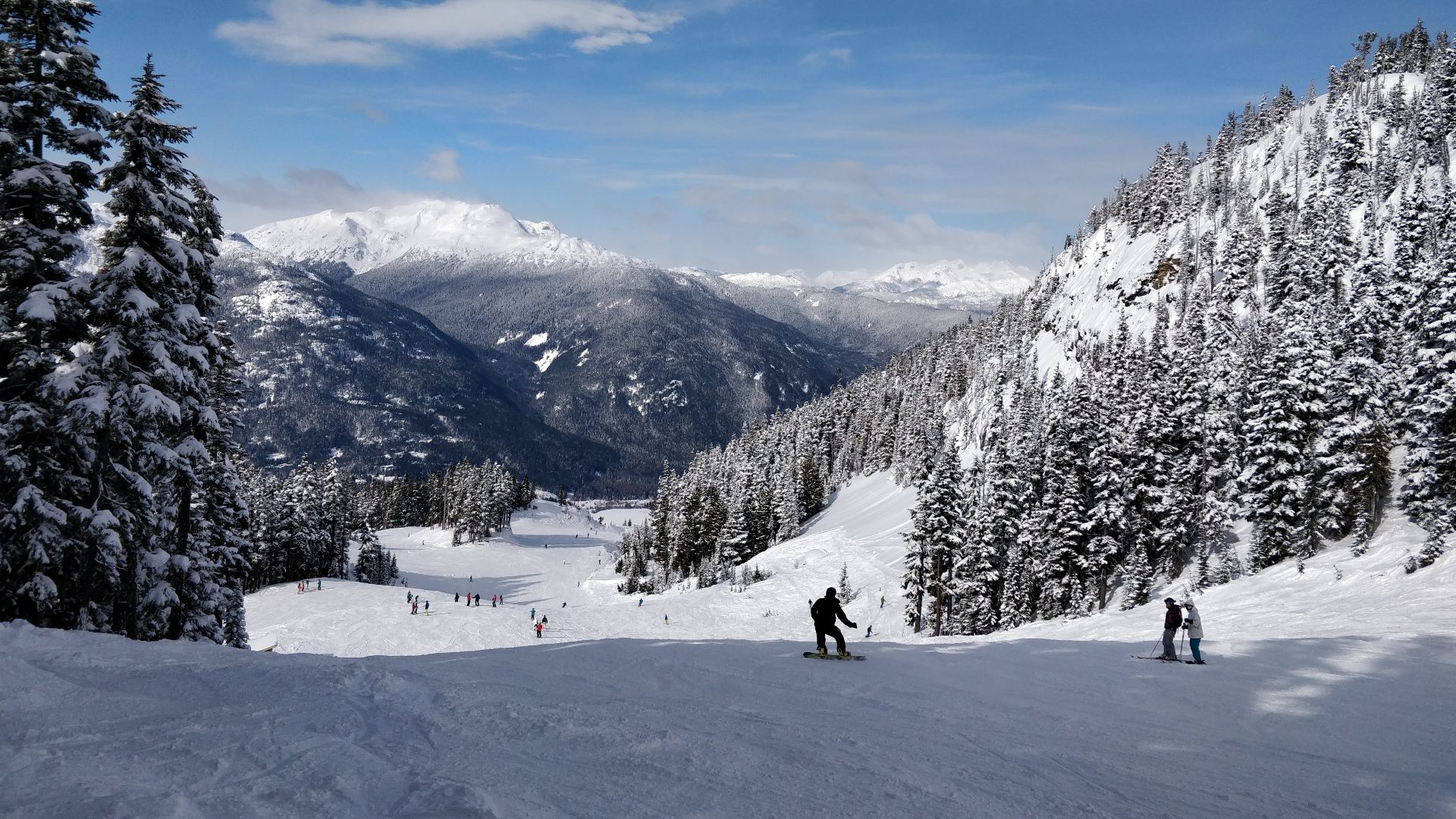 Ruth Hartnup from Vancouver, Canada, Wikimedia Commons
Goat — Stowe, Vermont
Western ski resorts usually dominate discussions about legendary North American terrain, but Vermont has its own classics. Goat at Stowe is one of the best examples. Narrow, steep, bumpy, and deliberately old-fashioned, it feels worlds away from a wide groomed boulevard. Natural conditions play a major role in how difficult it feels, and precise turns matter when space is limited. Goat preserves a style of New England skiing that values character over polish. It isn't long because somebody engineered it to be dramatic. It simply follows the mountain.
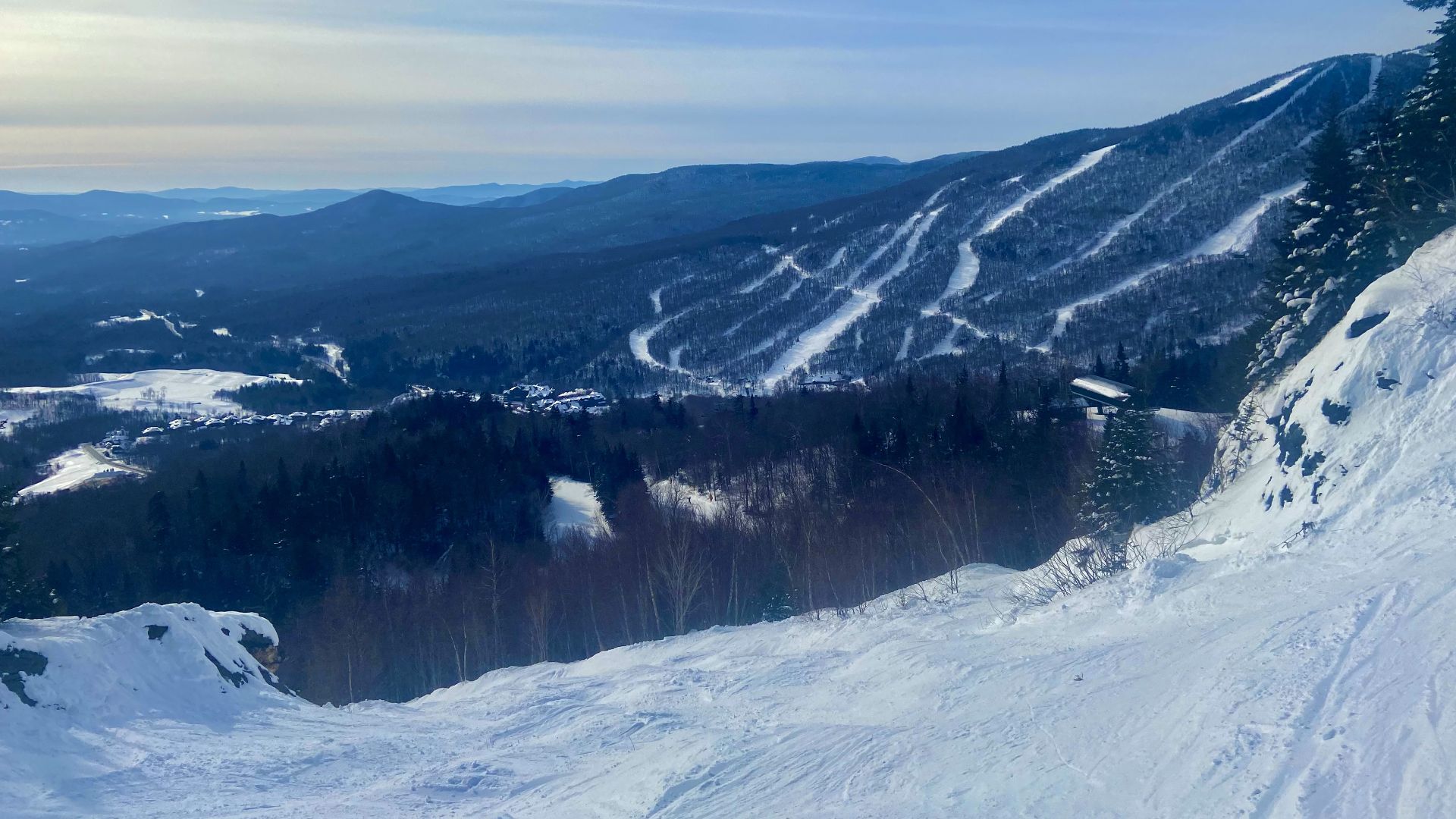
Taynton Bowl — Panorama, British Columbia
Taynton Bowl once belonged to the world of heli-skiing before becoming part of Panorama's lift-accessed terrain, which immediately tells you something about its character. The bowl contains a large collection of steep lines, chutes, ridges, and powder-oriented terrain rather than one single manicured descent. Runs with names such as Heli High and Devil's Drop reinforce the point. For advanced skiers willing to explore, Taynton offers the rare feeling of entering a much wilder mountain environment without actually leaving the resort boundary.
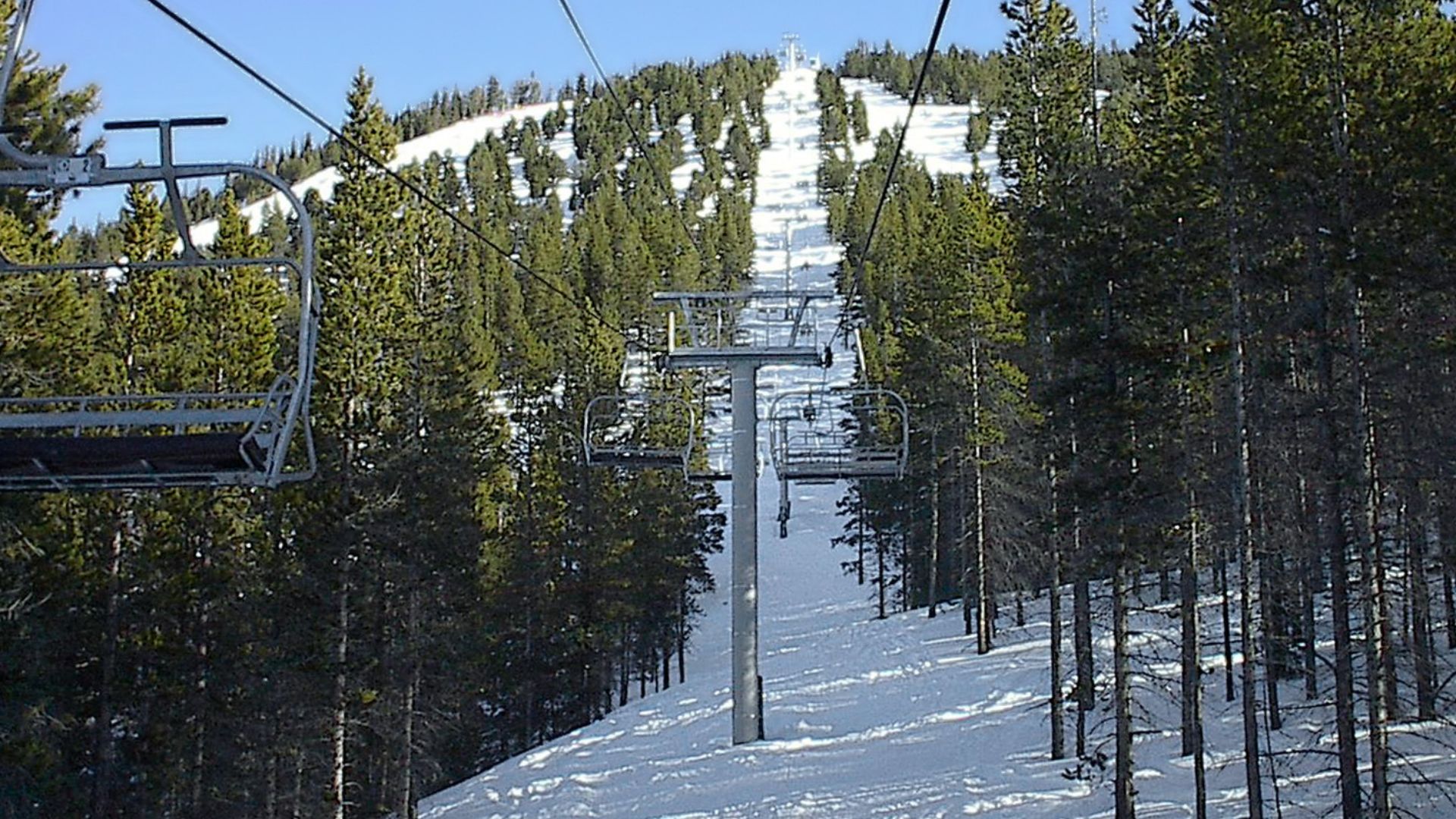 Robert Linsdell from St. Andrews, Canada, Wikimedia Commons
The Fingers — Palisades Tahoe, California
The Fingers sit in an unusually public location beneath the KT-22 lift, which means difficult skiing can quickly become performance art. The terrain consists of steep chutes, rock features, cliffs, and multiple lines that attract strong skiers whenever conditions cooperate. Riders on the lift can watch the action directly below, creating an audience few expert zones naturally possess. That visibility helped turn The Fingers into part of Palisades Tahoe folklore. On a powder morning, getting the line right is one thing. Doing it while everyone overhead is watching adds another kind of pressure.
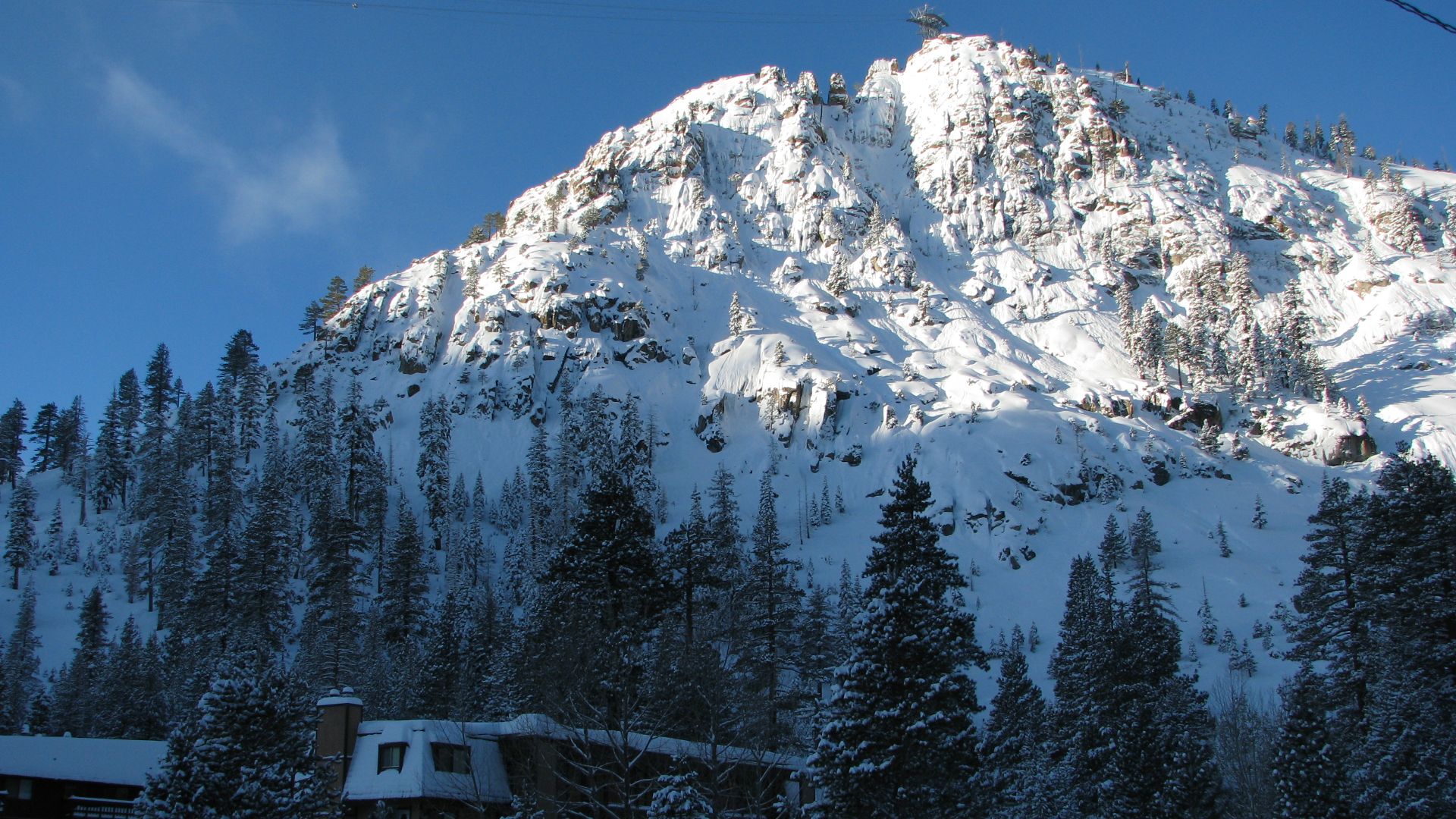 Rennett Stowe from USA, Wikimedia Commons
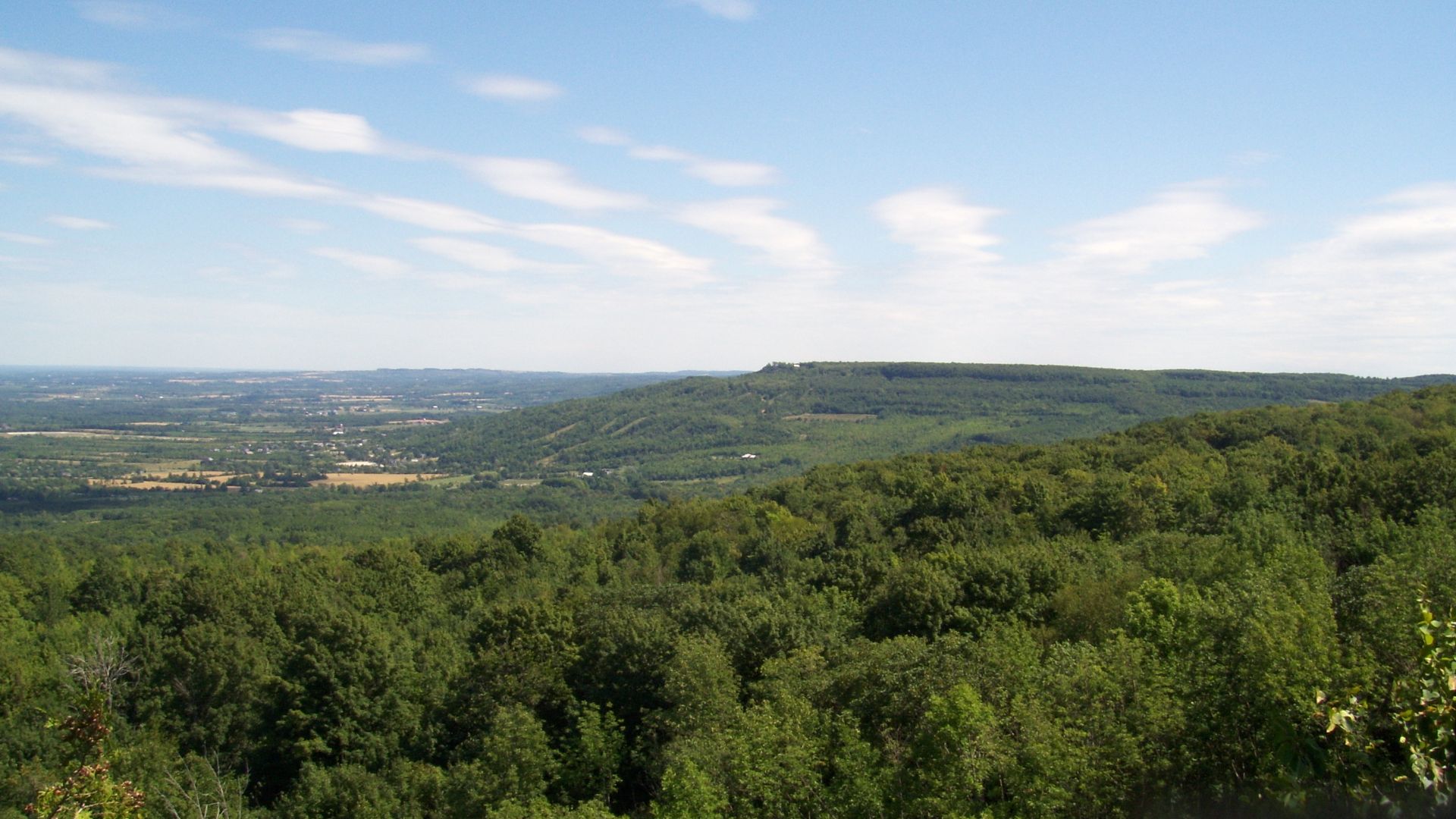
Gord's Groove — Blue Mountain, Ontario
Blue Mountain can't compete with the Rockies for vertical, so Gord's Groove succeeds by playing to different strengths. At approximately 1.6 kilometres, it's the resort's longest designated ski run, winding down Ontario's Niagara Escarpment in a way that allows skiers to stretch out the descent. It also gives this list an important eastern Canadian entry. You don't need an enormous alpine peak to create a memorable run. For Ontario skiers, a long flowing trail close to home can become just as familiar and beloved as something much steeper out west.
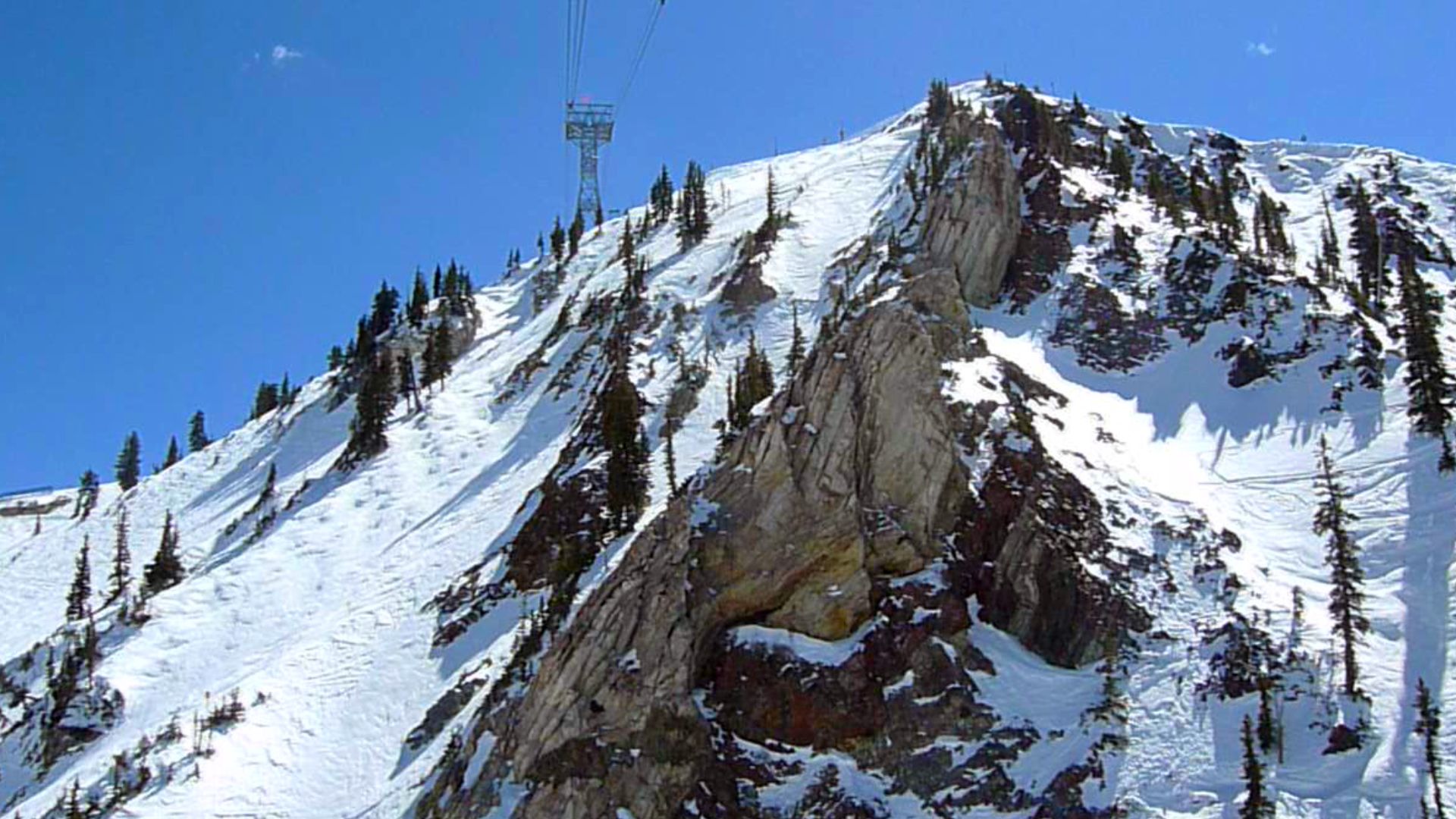
Great Scott — Snowbird, Utah
Snowbird's terrain can feel serious almost everywhere, but Great Scott has earned special status among its expert runs. The chute drops through steep, rocky terrain off the upper mountain, and conditions can dramatically change how approachable it feels. Fresh snow can turn it into a dream line; exposed rock and firm surfaces can make it considerably more intimidating. Its compact, technical character fits Snowbird perfectly. This isn't the place to lazily admire Little Cottonwood Canyon. Great Scott demands enough concentration that the scenery can wait until the bottom.
 Don Ramey Logan, Wikimedia Commons
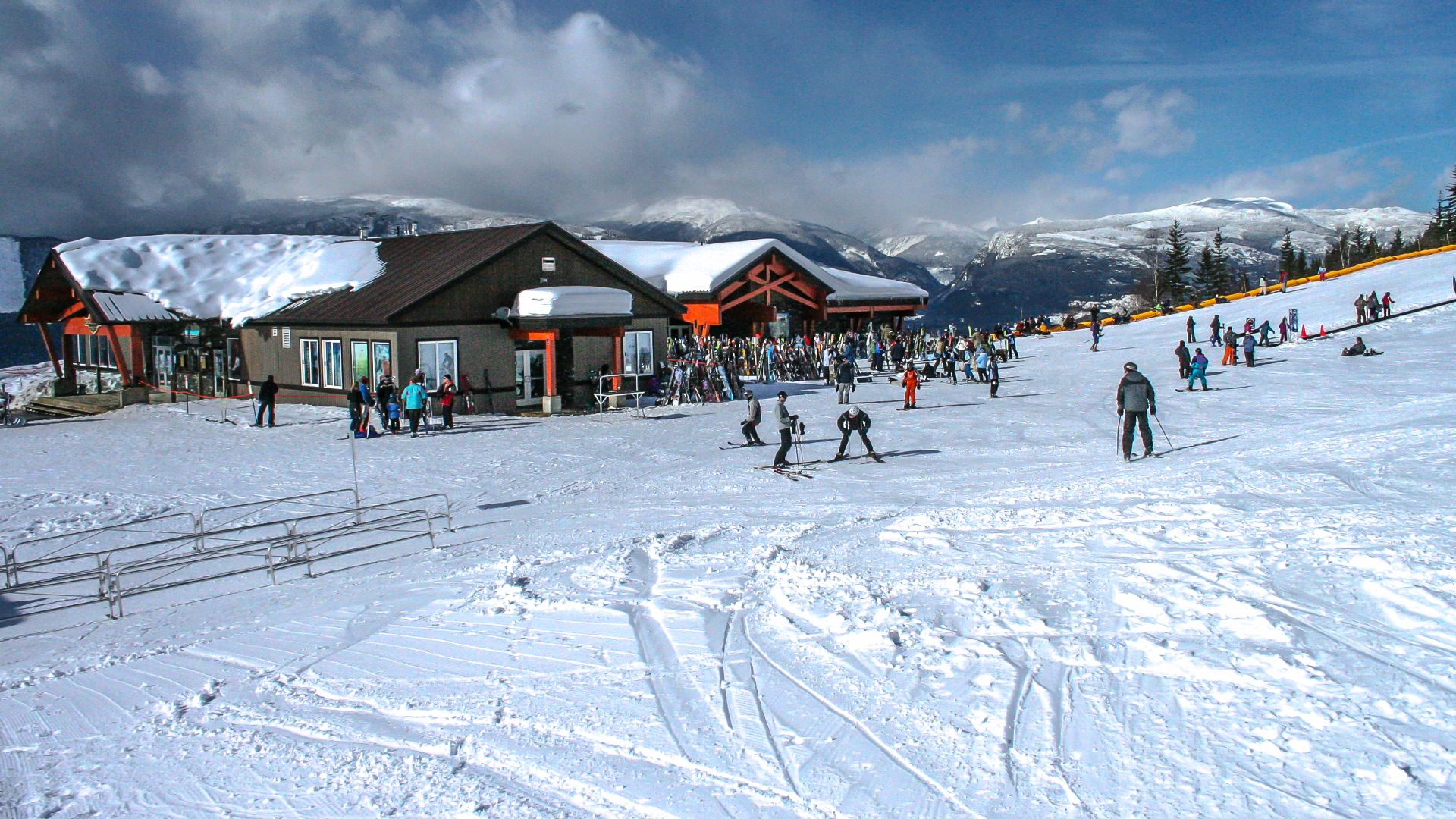
The Last Spike — Revelstoke, British Columbia
Revelstoke advertises North America's longest descent, and The Last Spike is the trail that ties that claim together. The green-rated route winds for about 15.2 kilometres from high on the mountain toward the base, connecting an enormous amount of vertical through forests and across the resort. Advanced skiers may spend their day hunting steeper terrain elsewhere, but The Last Spike offers something uniquely satisfying at the end: an extraordinarily long journey downhill where the challenge is less about surviving the pitch and more about whether your legs still want another turn.
 Murray Foubister, Wikimedia Commons
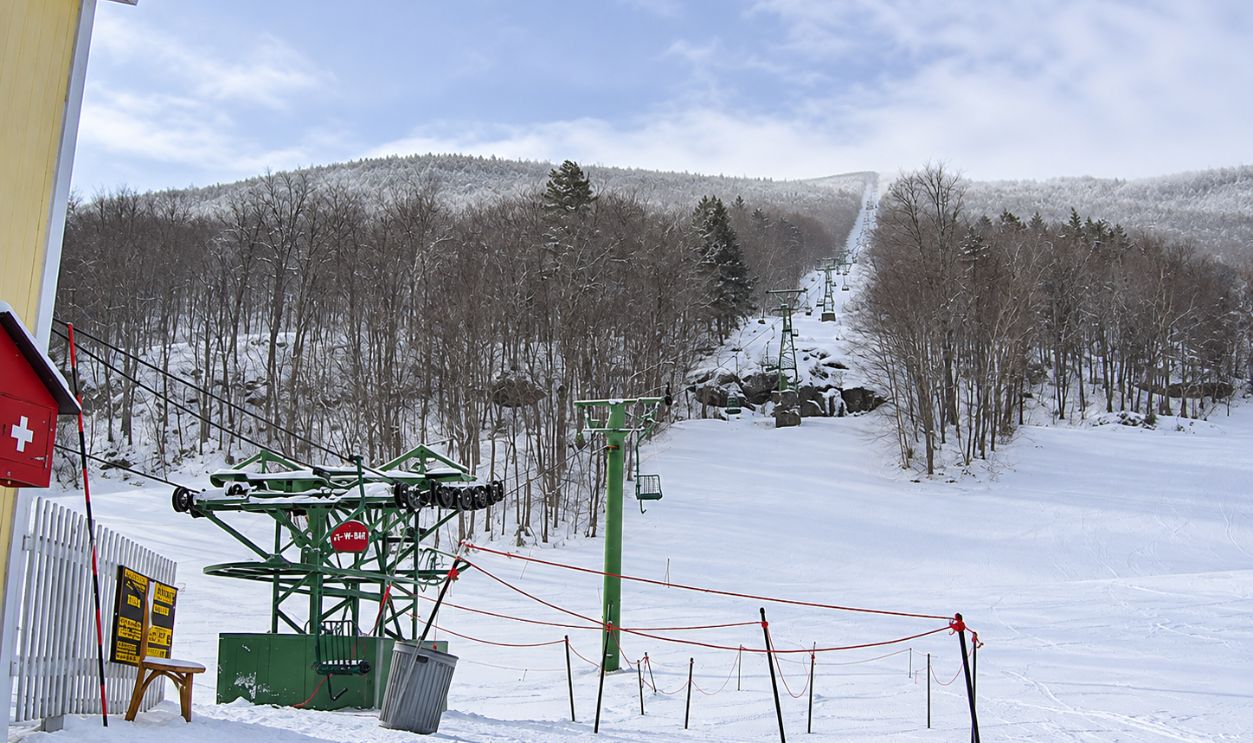
Paradise — Mad River Glen, Vermont
Mad River Glen has spent decades cultivating an identity built around natural snow, traditional terrain, and a refusal to smooth every rough edge out of the skiing experience. Paradise fits that philosophy perfectly. The expert trail is steep, narrow, irregular, and heavily influenced by whatever New England weather has recently delivered. Rocks, bumps, trees, and changing snow are all part of the deal. Skiers who love it usually aren't looking for perfect grooming. They're looking for the kind of trail that feels different every single time down.
 Jrclark (talk), Wikimedia Commons, Enhanced
Saudan Couloir — Whistler Blackcomb, British Columbia
For years many skiers knew this famous Blackcomb descent as Couloir Extreme. It was later renamed Saudan Couloir in honor of extreme-skiing pioneer Sylvain Saudan, and the new name arguably fits the terrain even better. The entrance is steep, the line is sustained, and its reputation has made it a benchmark for advanced skiers visiting Whistler Blackcomb. It also delivers something the resort does exceptionally well: serious expert terrain that feels genuinely alpine while remaining accessible from one of North America's largest lift networks.
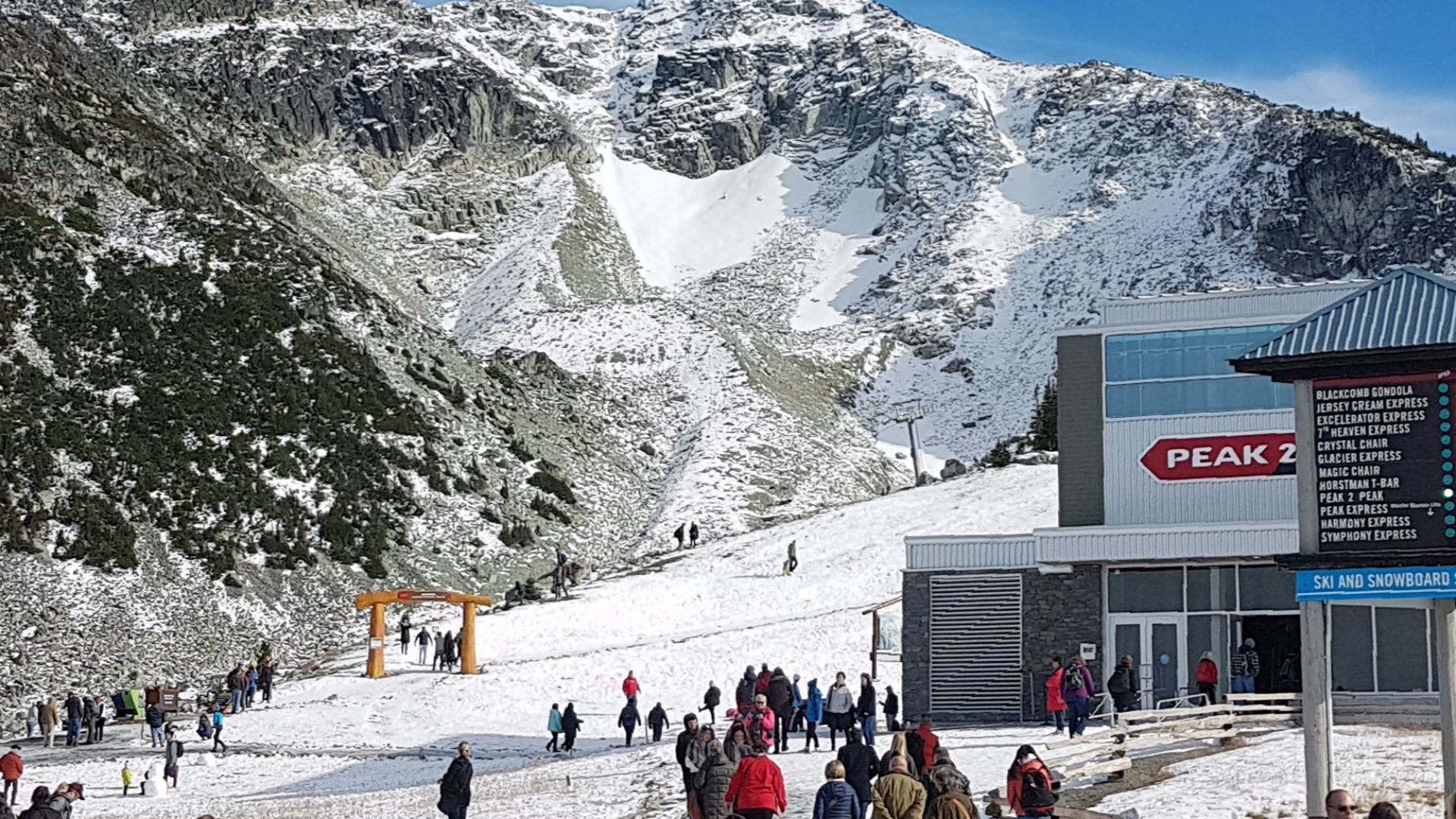 Ruth Hartnup from Vancouver, Canada, Wikimedia Commons
Long Shot — Snowmass, Colorado
Long Shot proves that distance and scenery can be as memorable as pure difficulty. Reached from the upper mountain at Snowmass, the route sends skiers through an extended descent that includes beautiful glades and a quieter, more wandering feel than many of the resort's busier trails. It's particularly appealing to confident intermediate and advanced skiers who want an adventure without dropping into extreme terrain. The run earns its name honestly: once you're committed, you've got a substantial amount of skiing ahead before reaching the bottom.
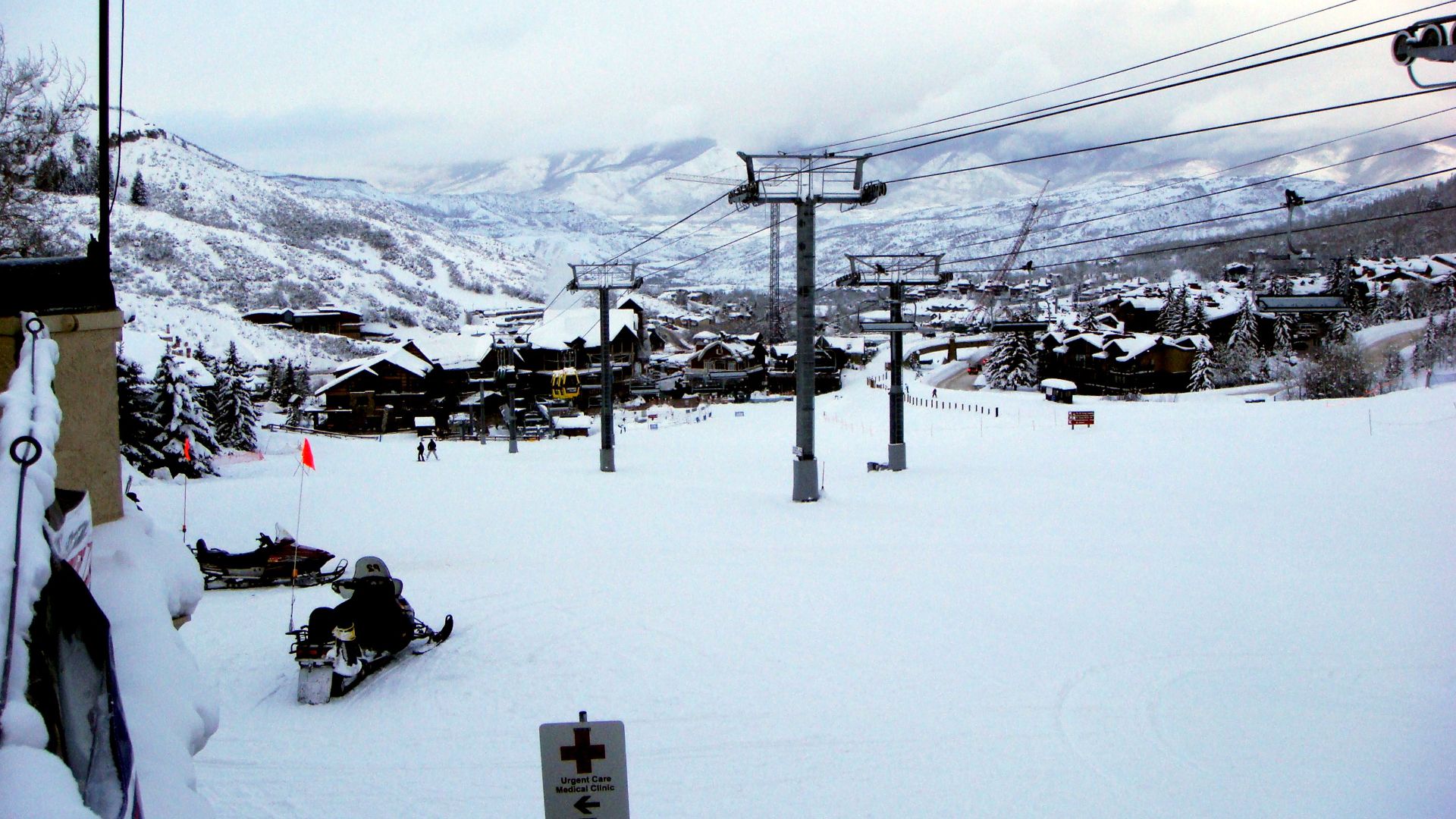
Terminator 1 — Kicking Horse, British Columbia
Kicking Horse has built its reputation around ridgelines, bowls, chutes, and terrain that feels much bigger than conventional resort skiing. Terminator 1 fits neatly into that identity. Reaching the area involves hiking along the ridge, immediately making the descent feel earned before the skiing even begins. From there, steep lines spill from rugged alpine terrain into the bowls below. It's not a casual add-on to a relaxed day. Terminator is the kind of terrain expert skiers seek because the approach, exposure, and descent all feel like parts of the same adventure.
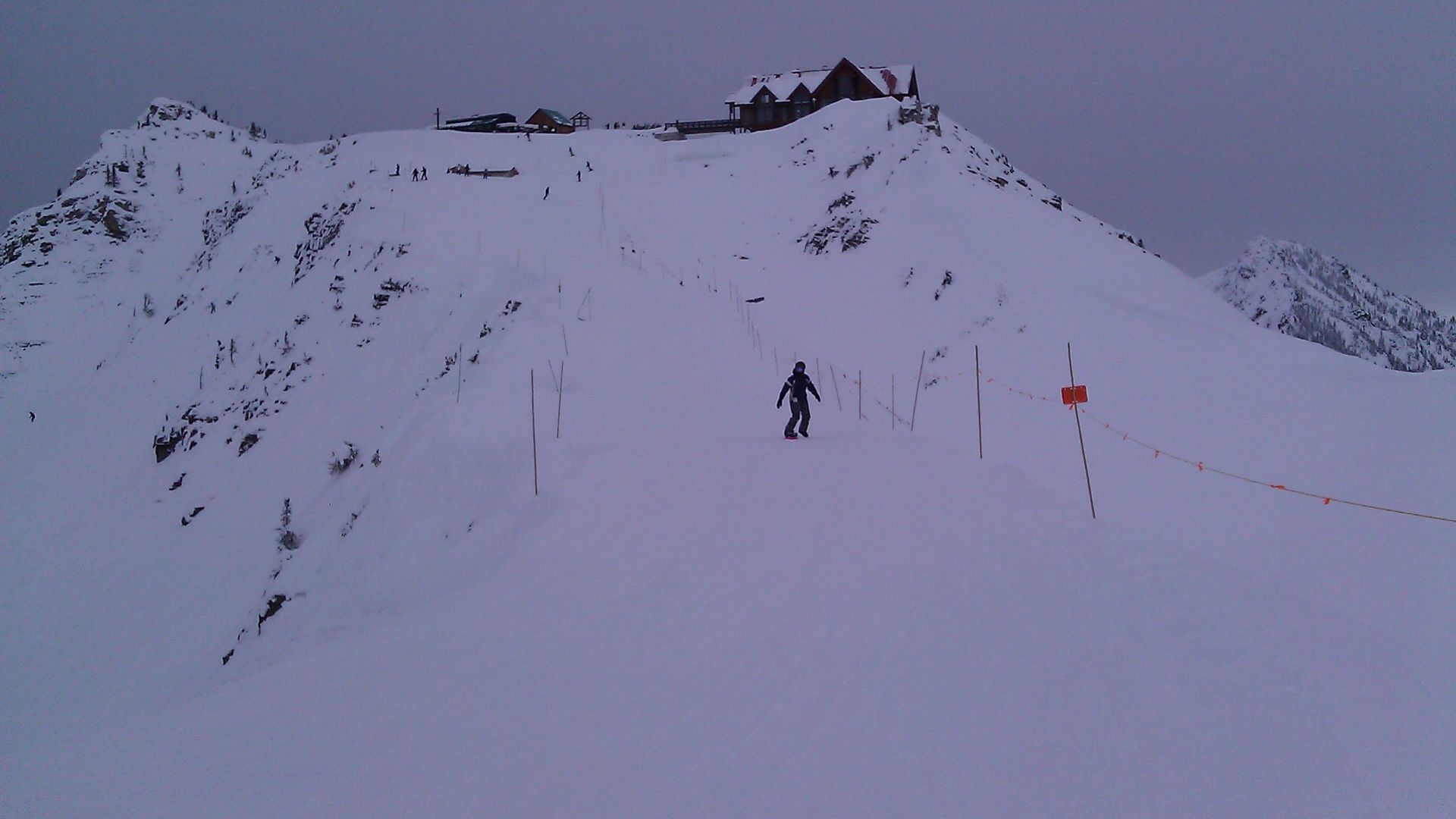 CrazyCanuck, Wikimedia Commons
Christmas Chute — Alyeska, Alaska
Alaska provides a backdrop few ski destinations can duplicate, and Christmas Chute puts that landscape around genuinely serious terrain. The expert descent squeezes between imposing rock walls on Alyeska's upper mountain, creating a dramatic corridor before opening into terrain below. Snow and visibility can completely change the character of the run, as they often do in coastal Alaska. Even before considering the skiing, Alyeska's setting near glaciers, ocean inlets, and the Chugach Mountains makes the descent feel geographically different from almost anything in the Lower 48.
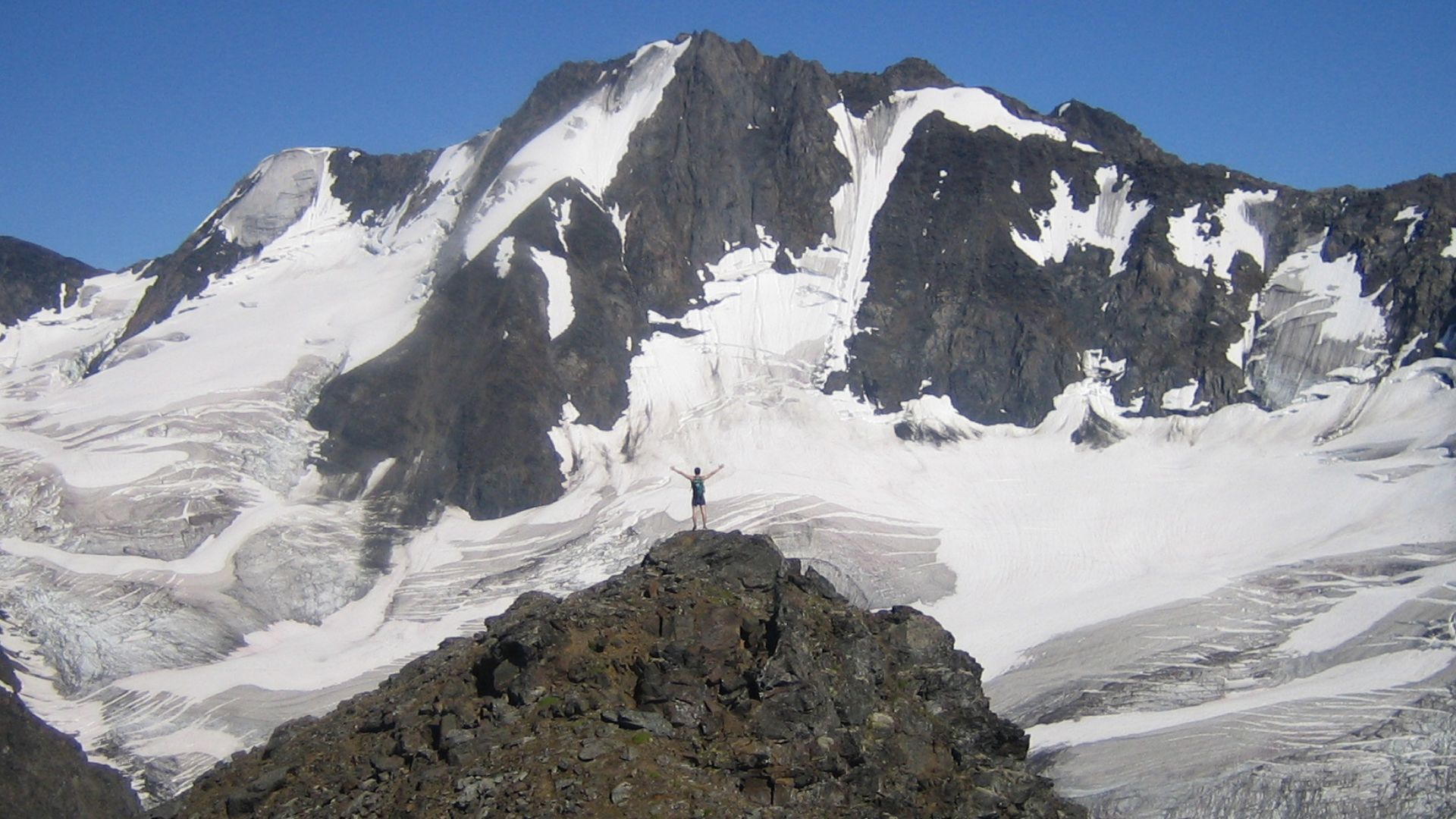 Paxson Woelber, Wikimedia Commons
See Forever — Telluride, Colorado
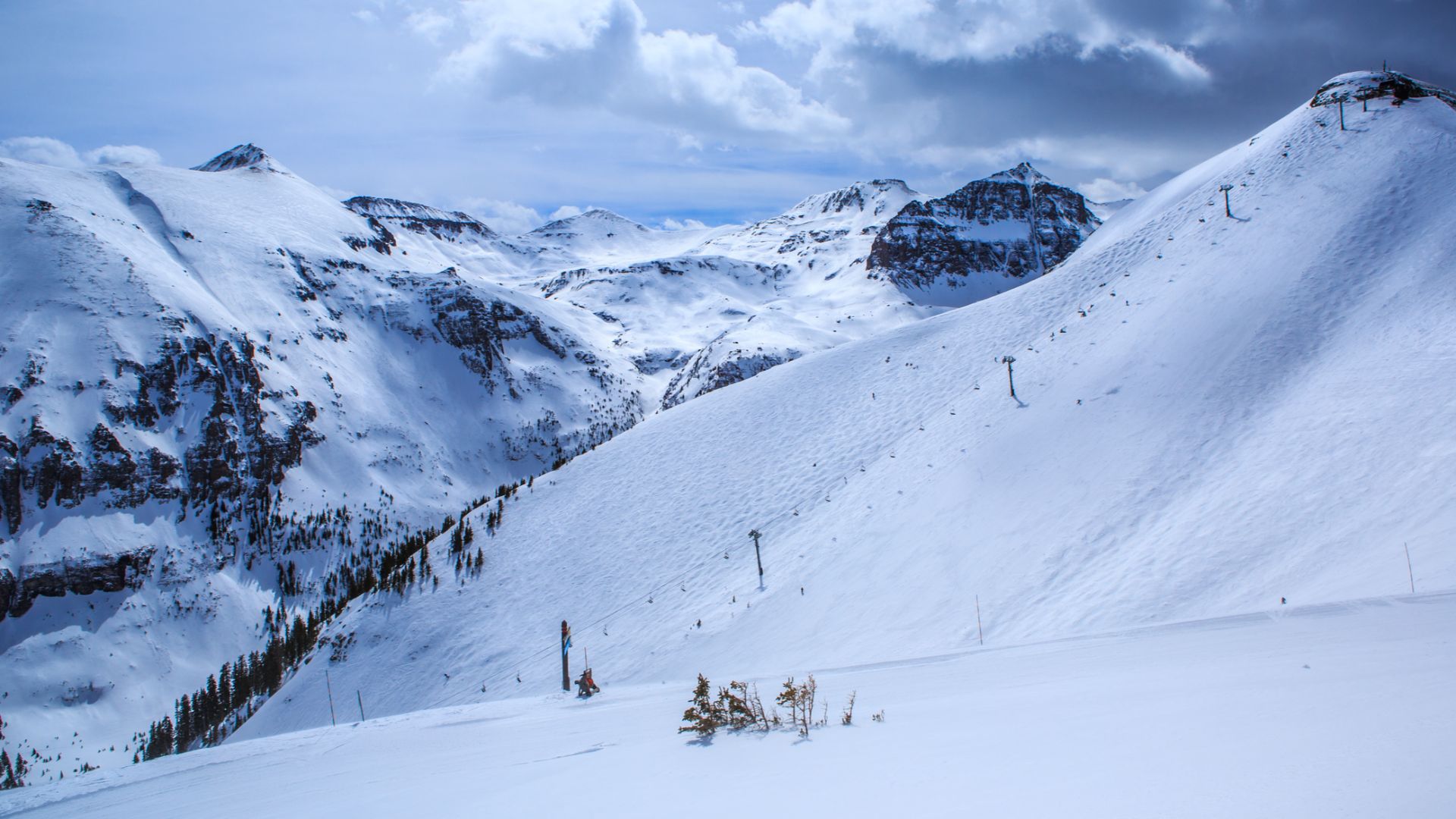
The name is unusually accurate. See Forever runs along high terrain at Telluride, where sweeping views across the San Juan Mountains can make stopping feel almost mandatory. Unlike many famous trails on this list, it doesn't require extreme-ski credentials to appreciate. Confident intermediates can experience the ridgeline setting and long mountain vistas without committing to a couloir or mandatory air. That makes See Forever one of the best examples of a destination run whose appeal comes from where it takes you and what you can see along the way.
 Murray Foubister, Wikimedia Commons
Highland Bowl — Aspen Highlands, Colorado
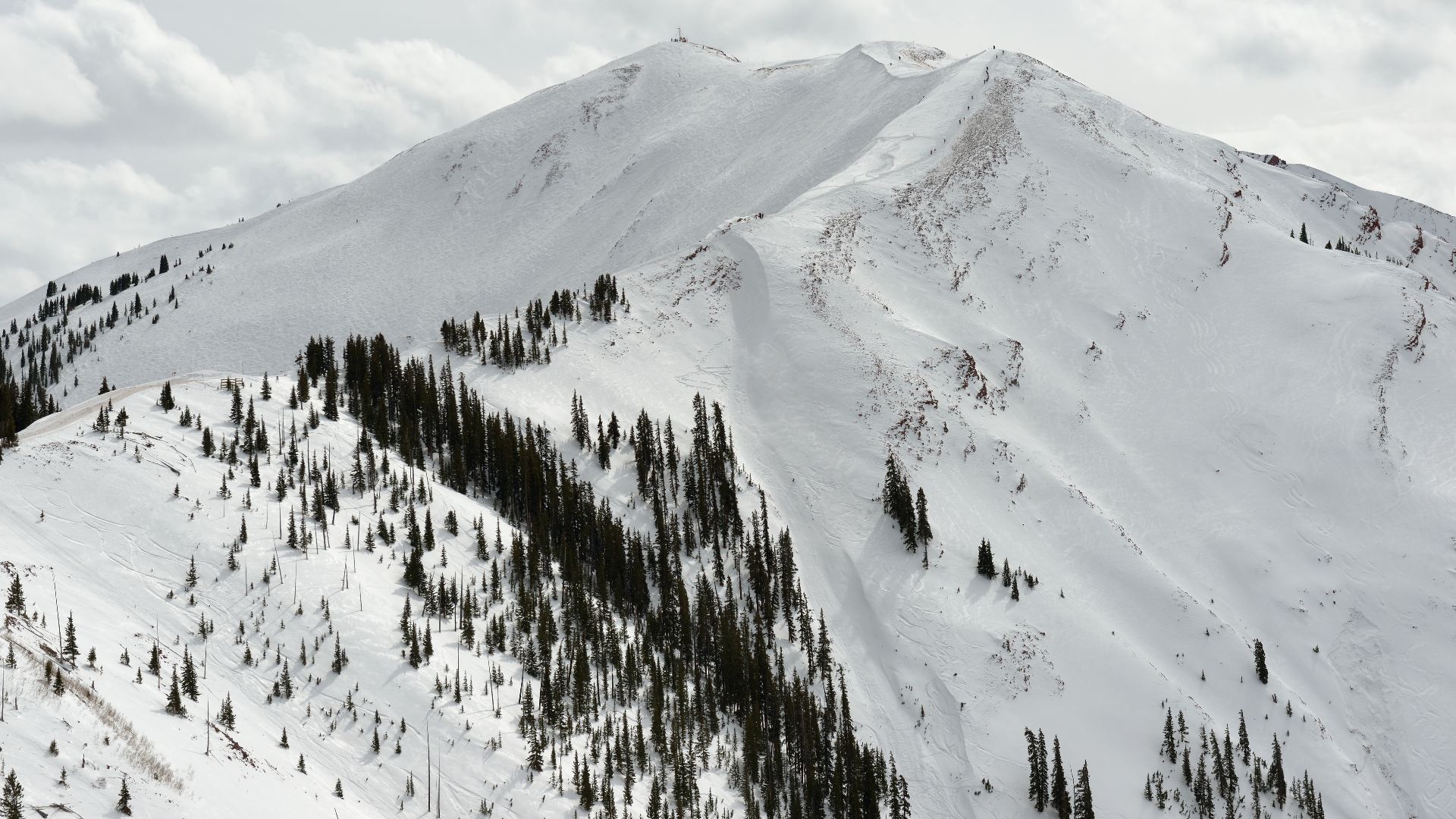
The hike is part of the experience at Highland Bowl. Reaching the highest terrain requires climbing above the lift, with the full trek to the summit gaining roughly 860 feet and often taking around 45 minutes in good conditions. The reward is a collection of steep lines dropping into the bowl, with pitches reaching close to 50 degrees in places and a total descent of roughly 2,500 feet. Aspen Highlands calls it a rite of passage, and that description feels appropriate. You earn the turns before getting to make them.
A Ski Bucket List Doesn't Need One Definition Of Great
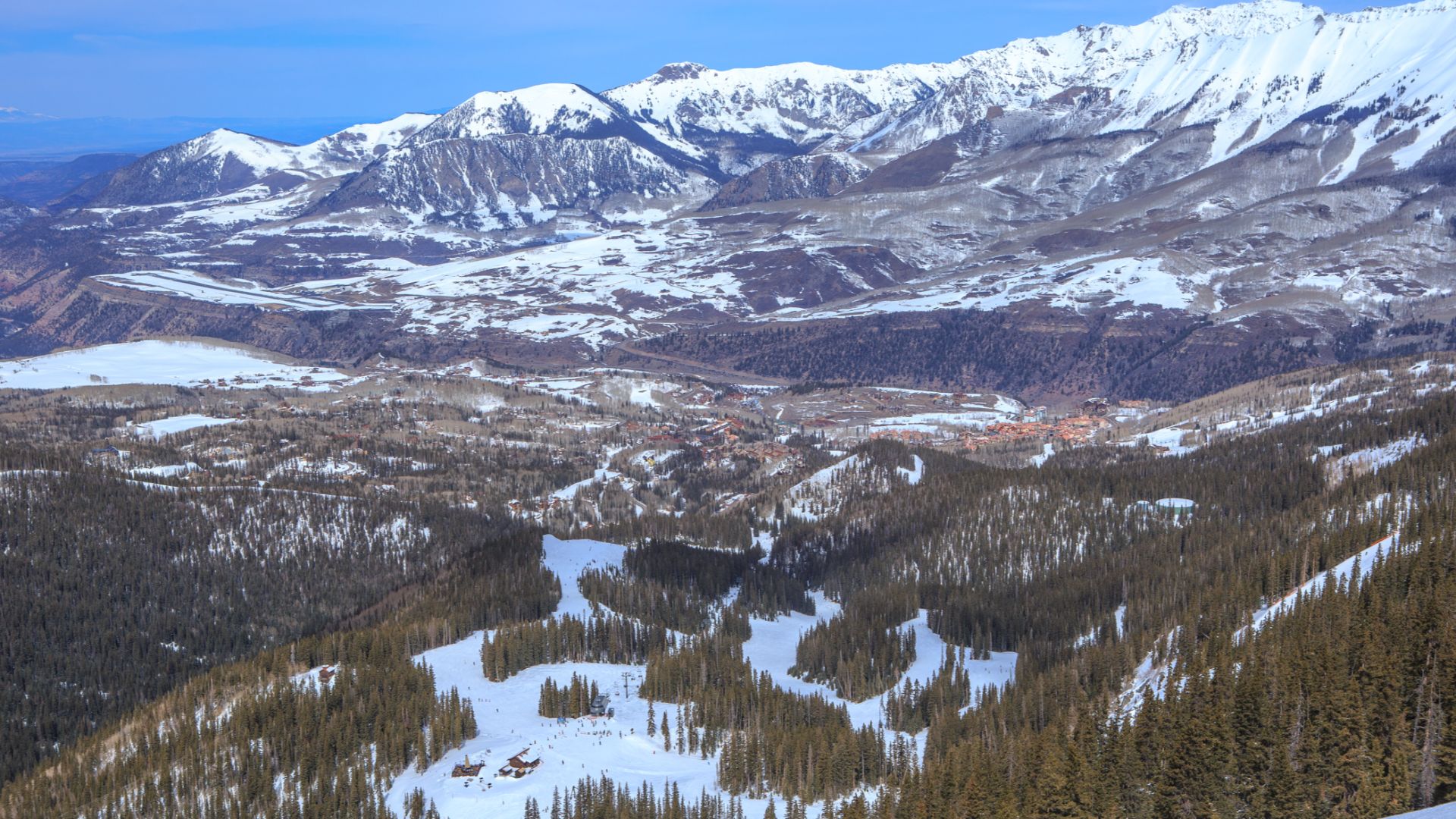
Corbet's, Rambo, and Delirium Dive can make a skier's pulse jump before the first turn. Peak to Creek and The Last Spike are memorable because they seem to keep going forever. See Forever, The Cut, 5 Mile, and Gord's Groove prove scenery and flow can matter just as much as difficulty. That's what makes North American skiing so much fun to explore: the run you remember most might be the hardest one you survived—or simply the one you never wanted to end.
 Murray Foubister, Wikimedia Commons
You May Also Like:
American Ski Resorts That Are An Antidote To Modern Life
America’s Most Enchanting Hiking Trails To Explore This Fall
Things Americans Aren’t Prepared For When They First Experience Canadian Winter Travel