

A Mystery That Wouldn’t Stay Solved
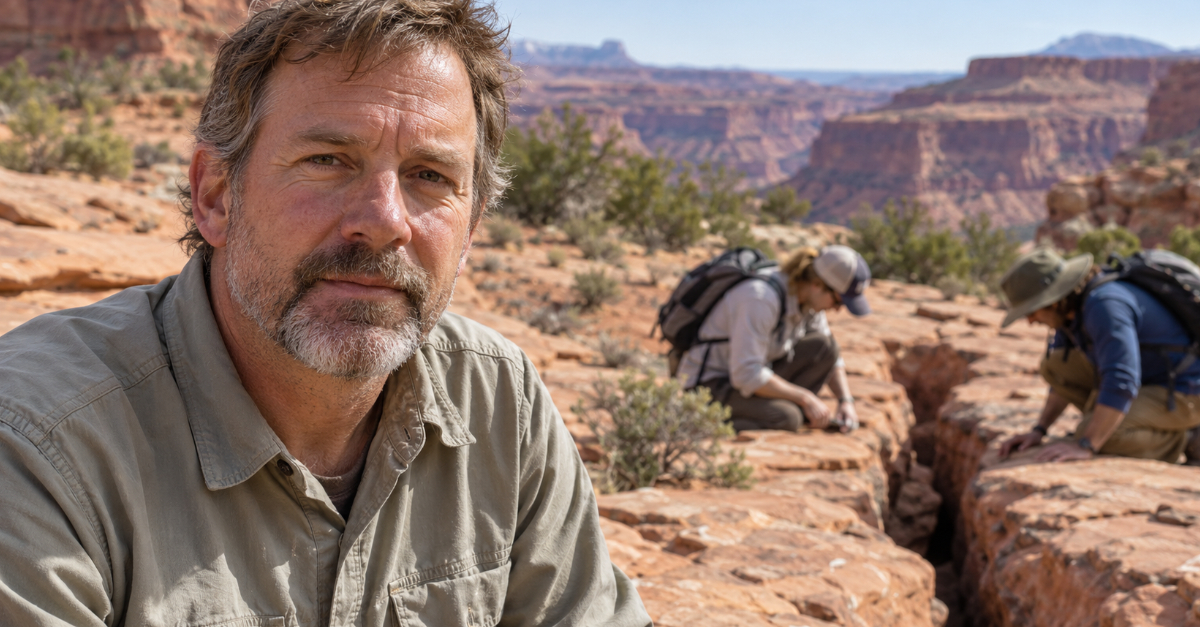
In 1934, Everett Ruess headed into the Utah wilderness...He never came back. For decades, people searched for him, argued about the clues, and wondered what everyone had missed. Then, in 2009, scientists announced a discovery that seemed to finally answer the biggest question of all.
He Was Already Used To Traveling Alone
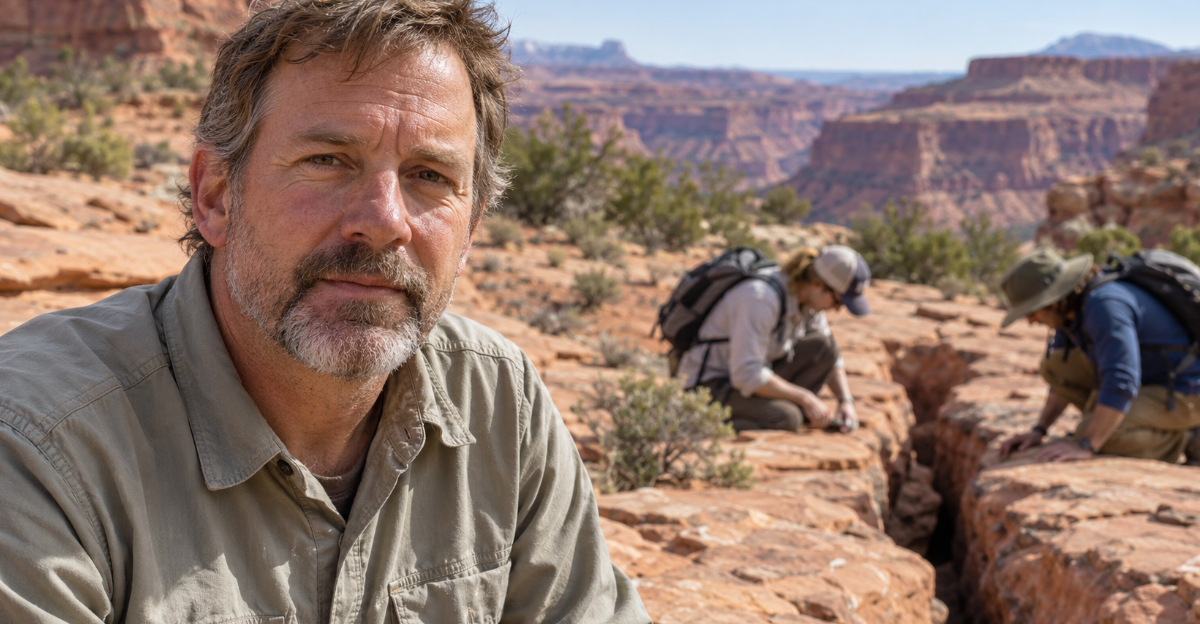
Ruess was only 20 when he disappeared, but traveling through remote country was nothing new to him. He had spent years exploring the Southwest, often on foot with a pack burro. These trips were a major part of his life, and he regularly wrote home about them.
 classmates.com, Wikimedia Commons, Enhanced
He Wanted More Than A Good View
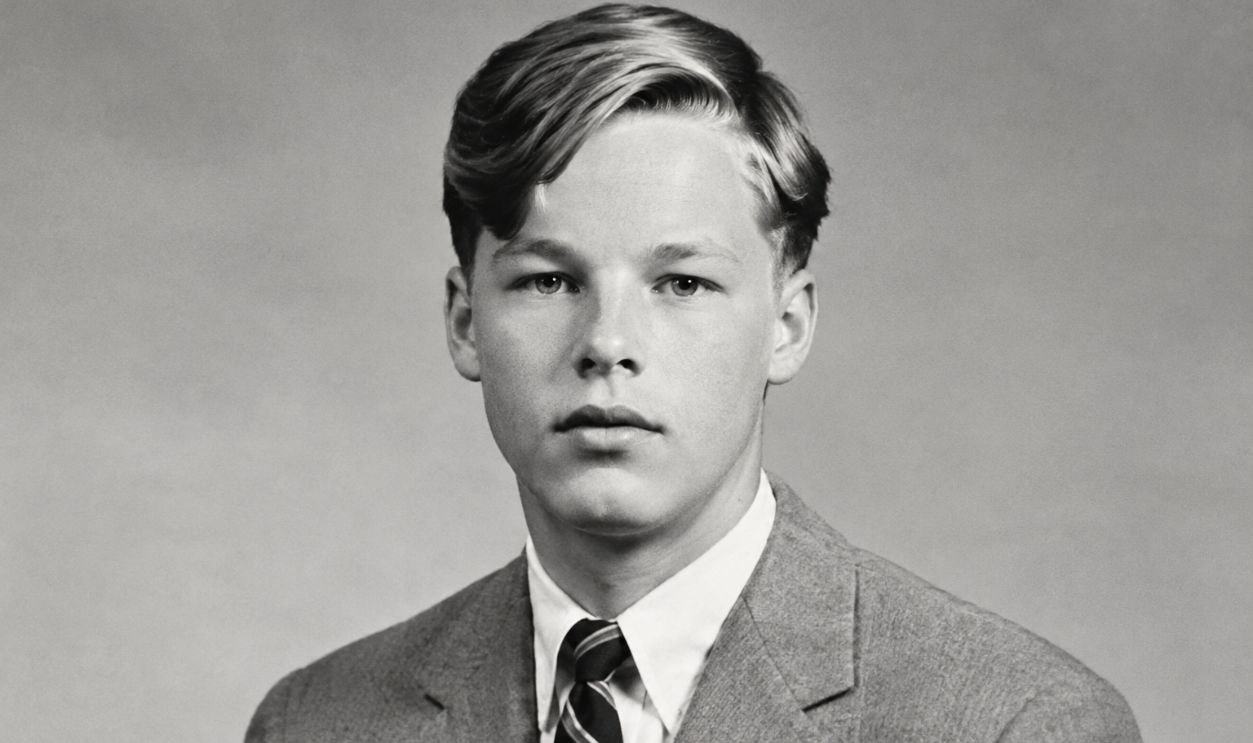
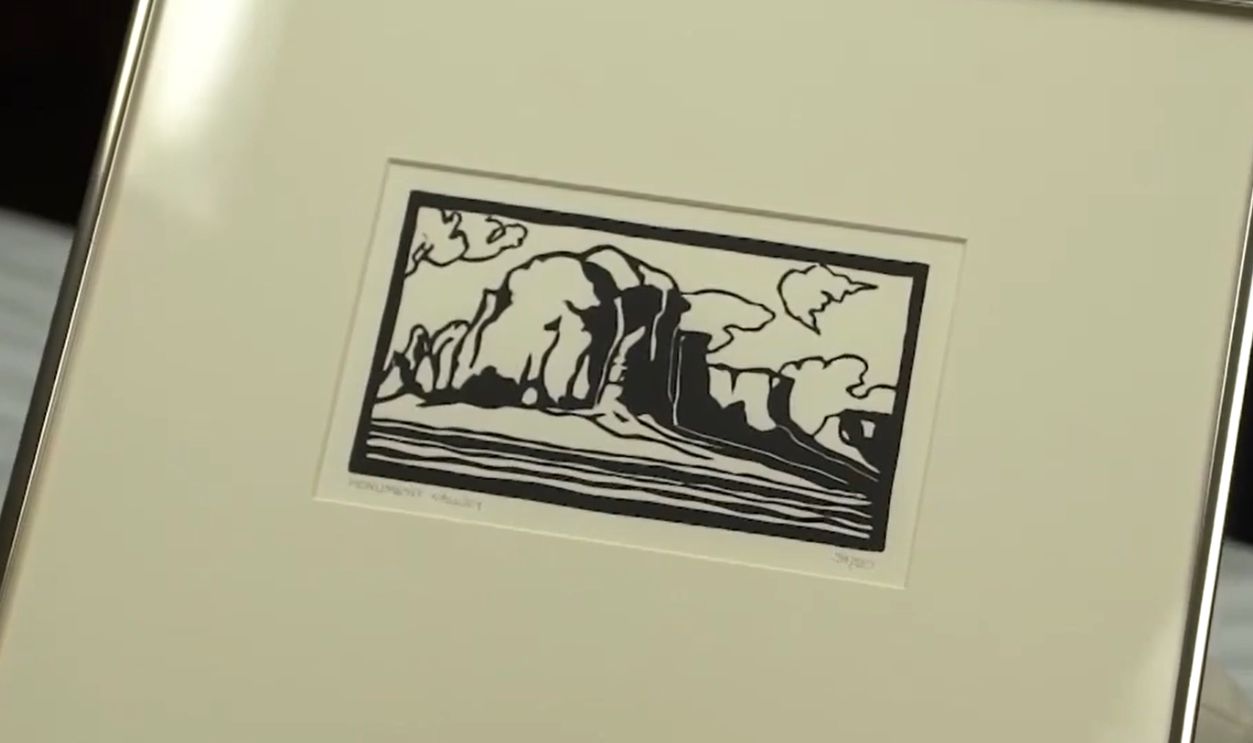
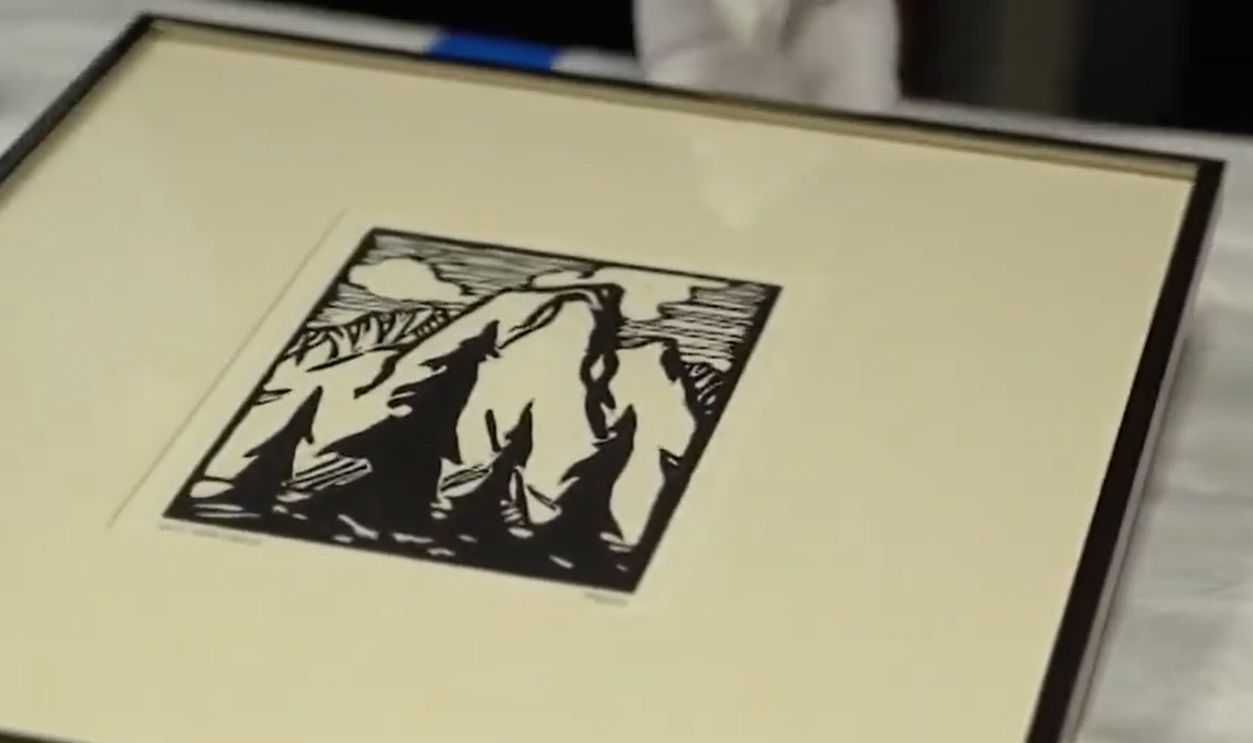
Born in Los Angeles in 1914, Ruess was an artist and writer who found plenty of inspiration in the desert. He made prints of Southwestern landscapes and filled letters with descriptions of the places he visited. He wanted to spend time in that country, not simply pass through it.
 Screenshot from FOX 13 News Utah, KSTU (1978–)
Famous Artists Saw Something In Him
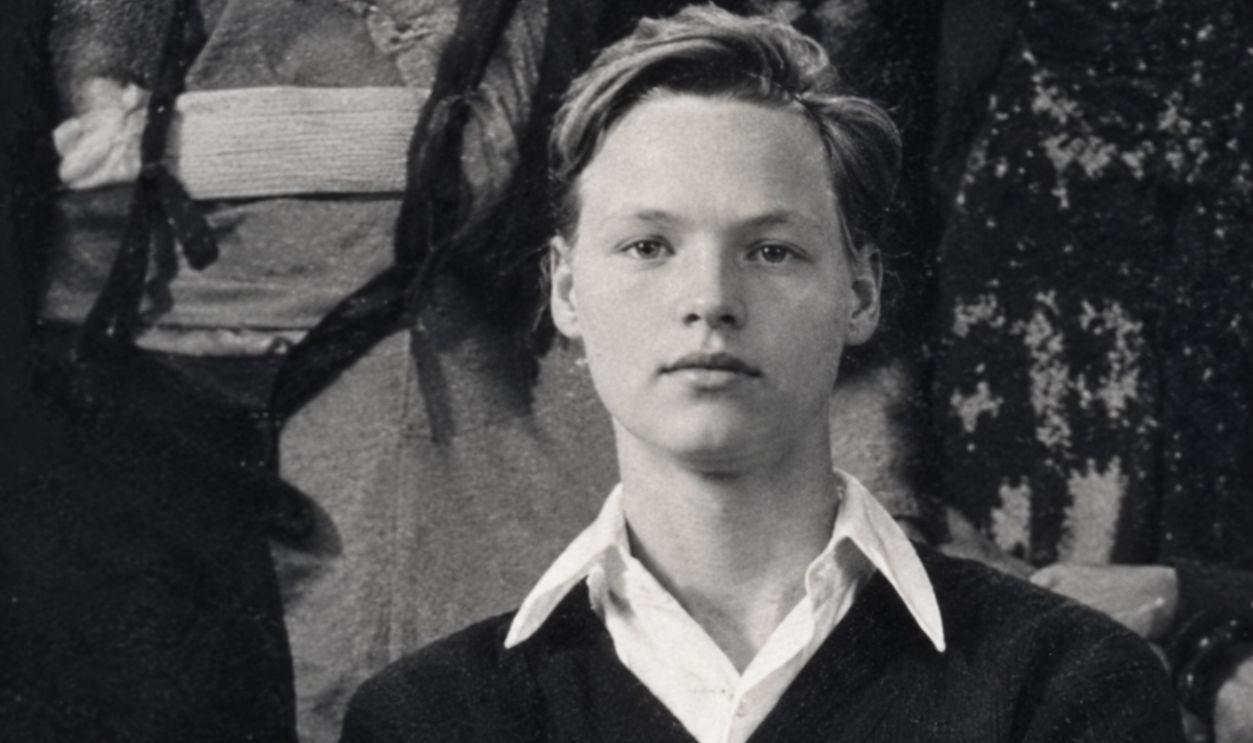
Despite his age, Ruess had become acquainted with Ansel Adams, Dorothea Lange, Edward Weston, and painter Maynard Dixon. They encouraged his artistic ambitions. Lange photographed him in 1933, creating portraits that would eventually play an unexpected role in the search for answers.
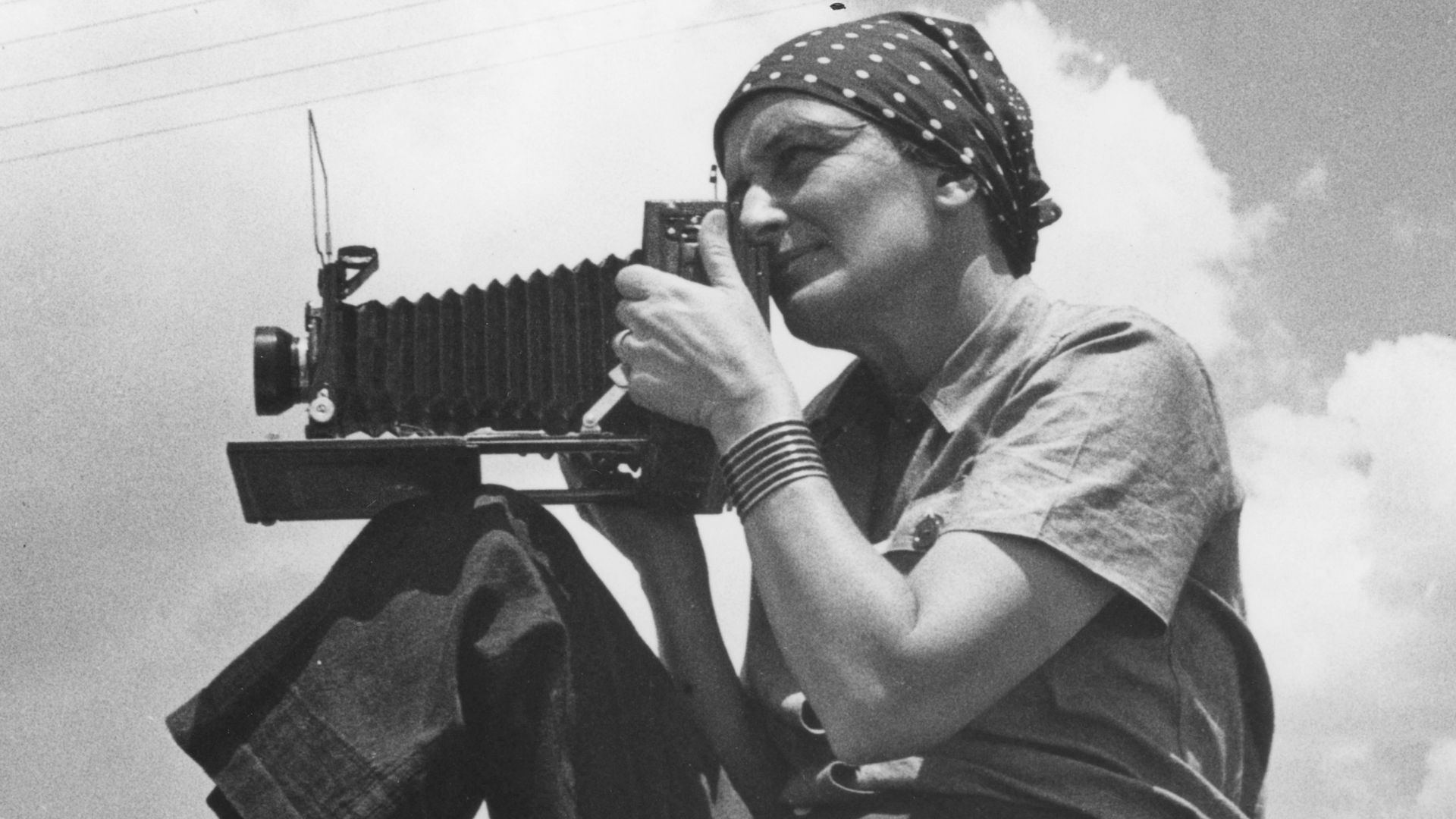 Paul S. Taylor, Wikimedia Commons
Solitude Was Part Of The Appeal
“There is a splendid freedom in solitude,” Ruess wrote. He liked being able to travel, think, and work without anyone directing his day. That helps explain why he kept heading into remote places alone. It also meant there might be nobody nearby if something went wrong.
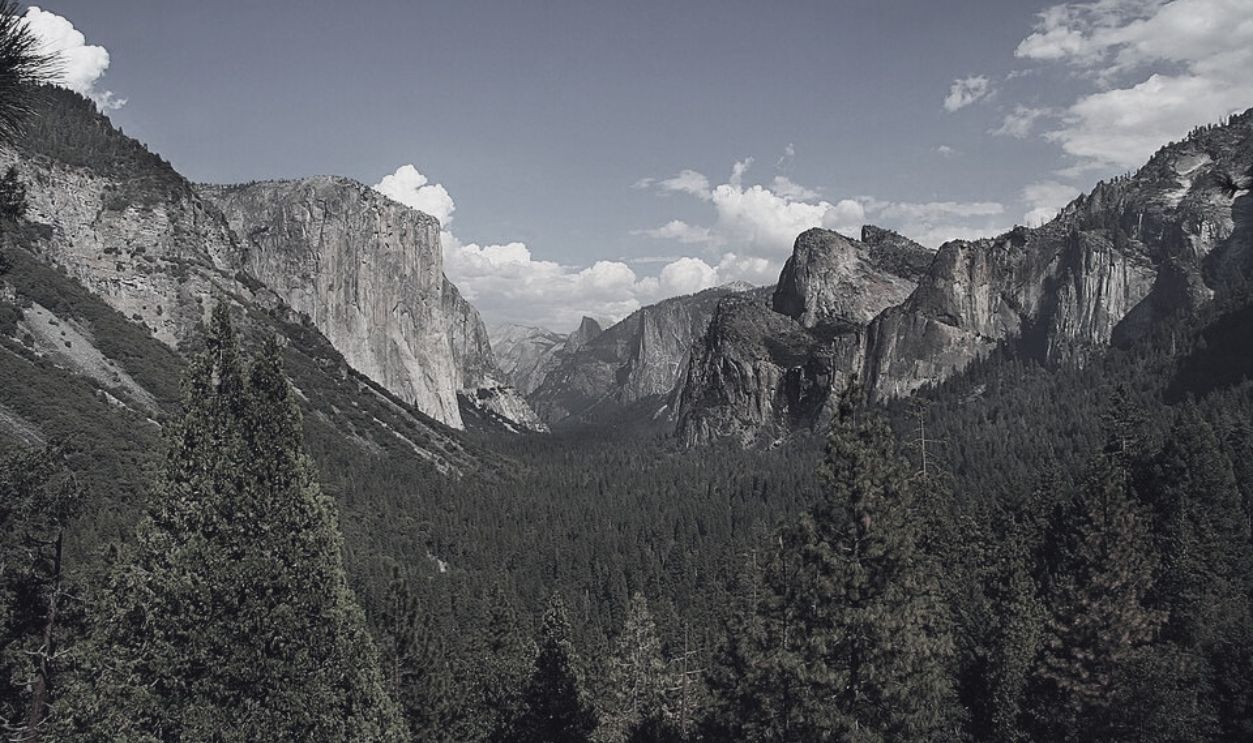 user:AngMoKio, CC BY-SA 2.5, Wikimedia Commons
His Brother Saw Him Off
In April 1934, Ruess’s older brother, Waldo, drove him to Kayenta, Arizona, for another stretch of Southwestern travel. Everett continued making art, taking odd jobs, and writing to people back home. Waldo had no way of knowing this would be the last time he saw his brother.
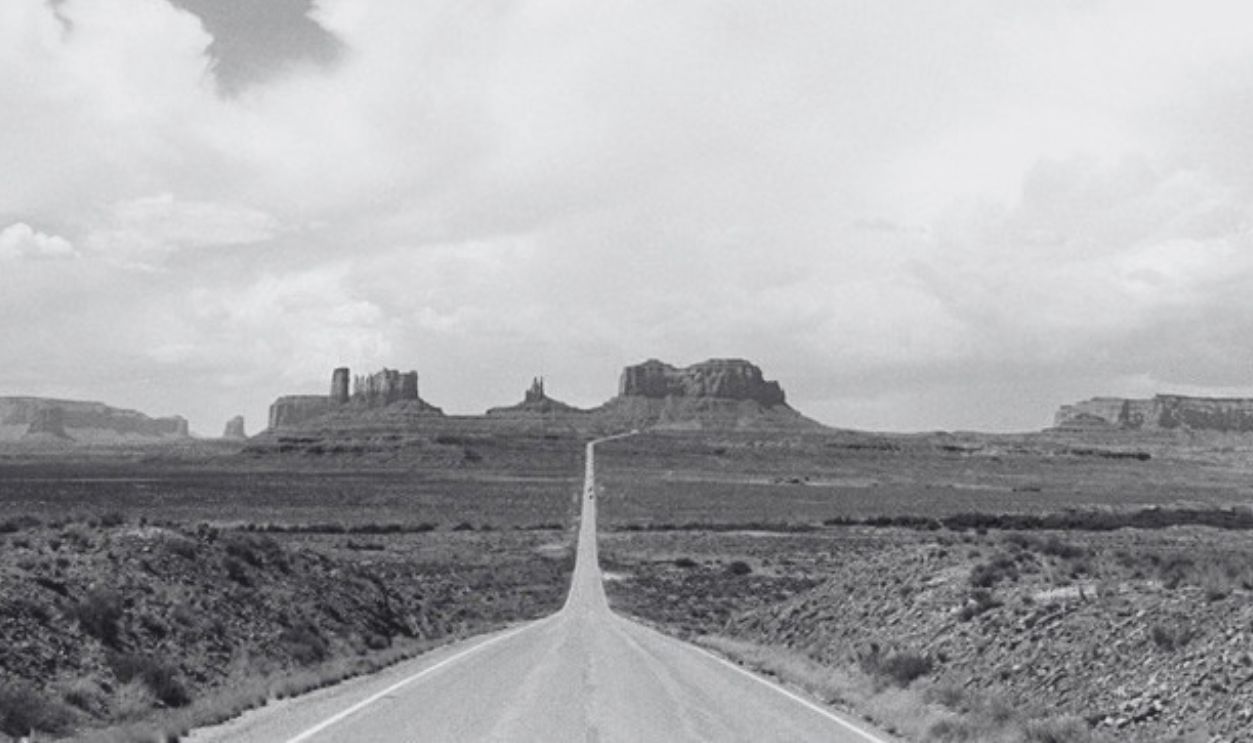 inkknife_2000 (7.5 million views +), CC BY-SA 2.0, Wikimedia Commons
He Had Already Had Close Calls
His letters made clear that these trips could get dangerous. During 1934, he described narrowly escaping a wild bull and getting through a risky encounter with a nearly vertical cliff. He enjoyed the adventure, but his own accounts showed how little room there sometimes was for a mistake.

The Last Letter Came From Utah
On November 11, 1934, Ruess wrote to Waldo from Escalante, Utah. He remained enthusiastic about the wilderness and his wandering life. He also explained that he expected to be out of touch for a month or two while exploring the Colorado River country. His family had a reason to expect some silence.
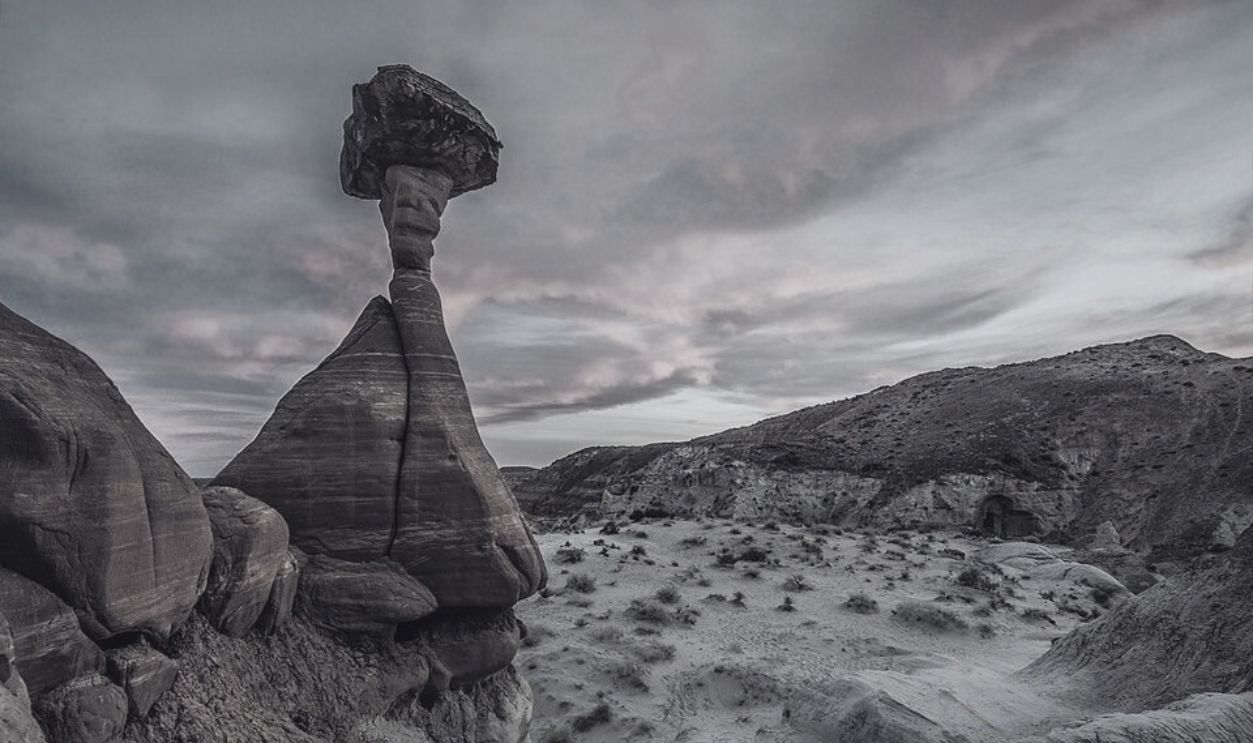
Two Sheepherders Saw Him Before He Vanished
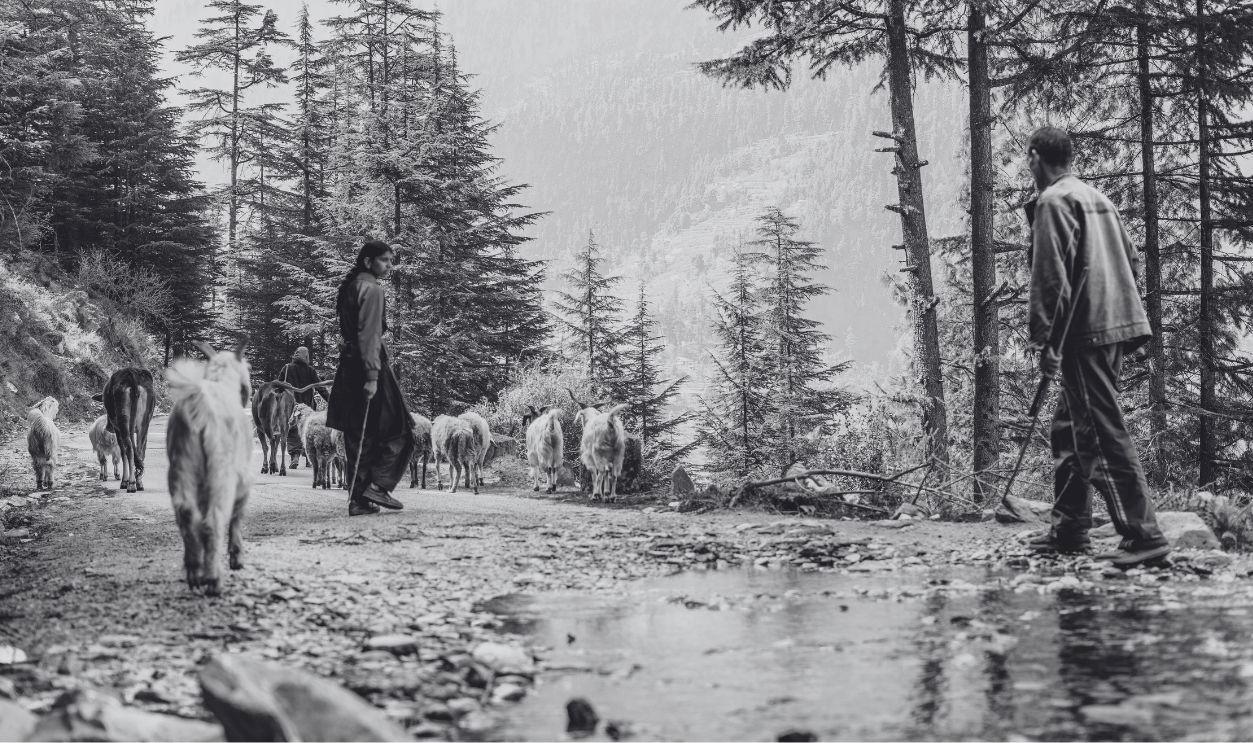
Later that November, Ruess camped with sheepherders Clayton Porter and Addin Lay before continuing toward the Hole-in-the-Rock area. They are generally identified as the last people known to have seen him. After that, there were no more confirmed sightings and no more letters home.
His Parents Eventually Raised The Alarm
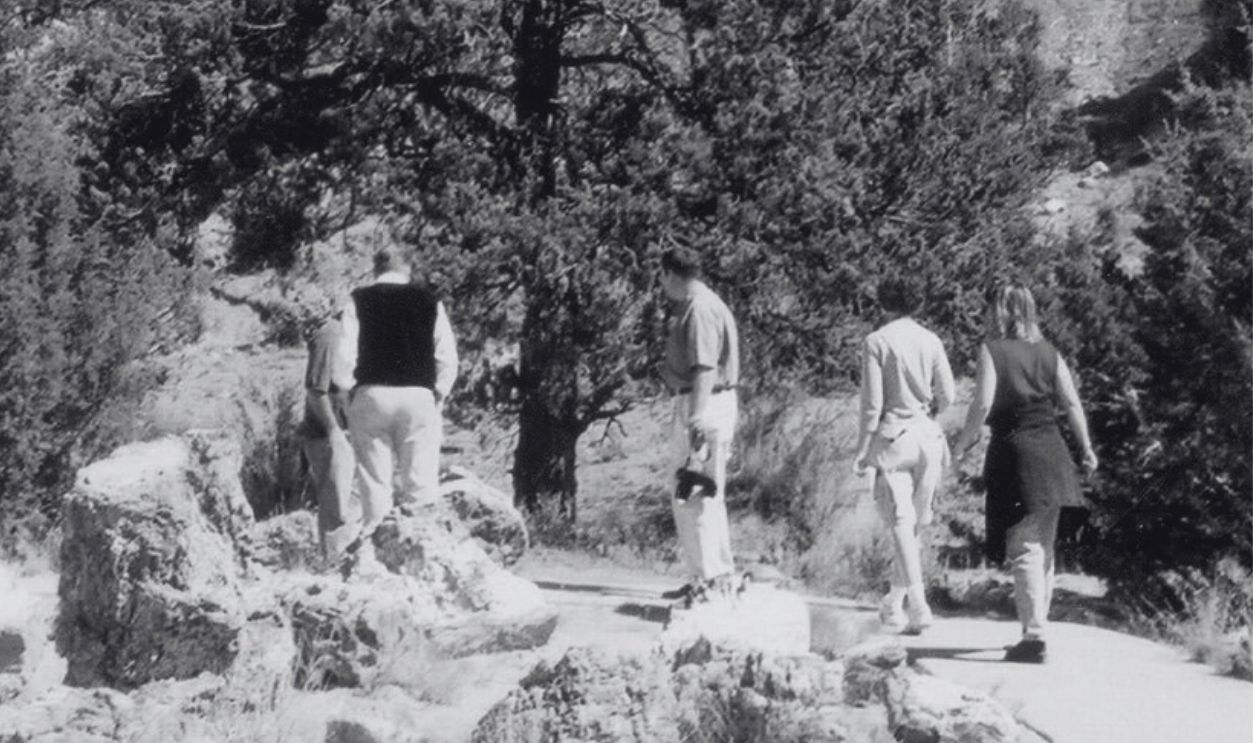
By February 1935, the expected silence had gone on too long. Ruess’s parents wrote to the Escalante post office, trying to find out what had happened. Their inquiry reached local official H. Jennings Allen, who organized a search with other men from the area.
 National Archives and Records Administration, Wikimedia Commons
They Found His Burros
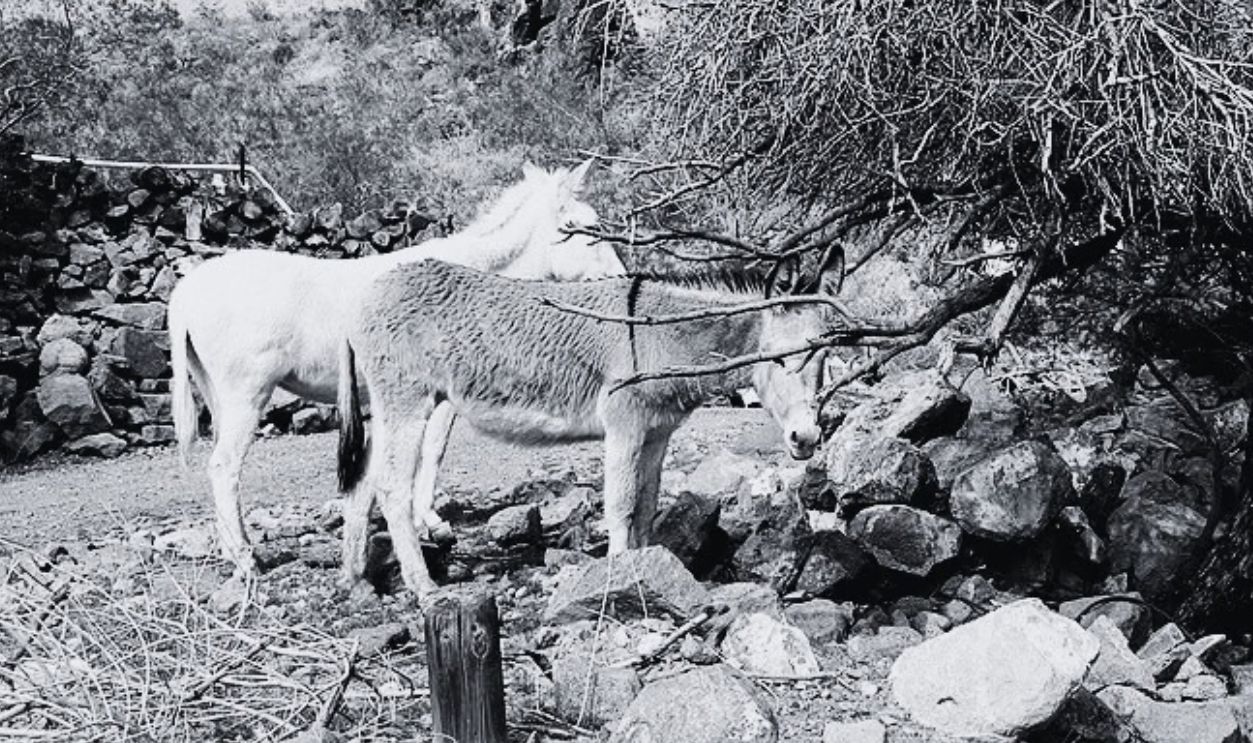
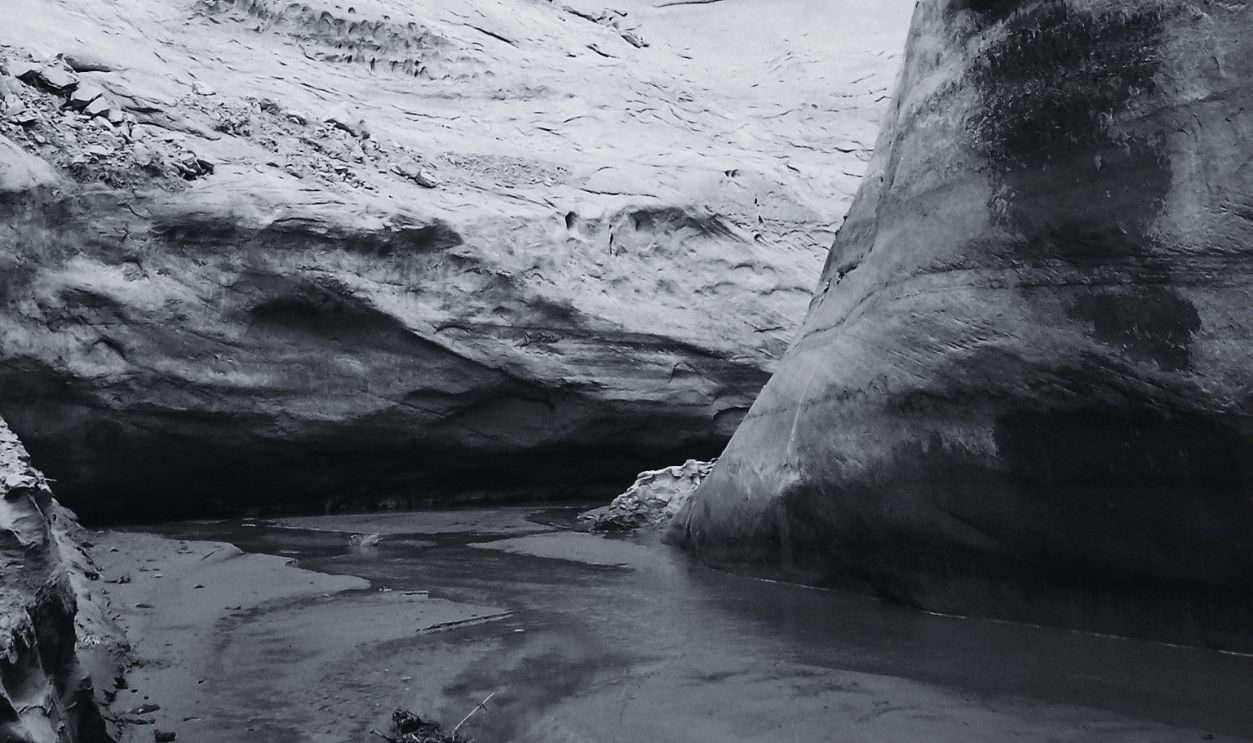
Searchers located his two burros near Davis Gulch, a canyon connected to the Escalante River. They also found a makeshift corral associated with his camp. It was a significant discovery, but it left the biggest question unanswered: where was the young man who had brought the animals there?
 IrishFireside from Ishpeming, MI, USA, CC BY 2.0, Wikimedia Commons
A Strange Inscription Added Another Question
An inscription containing “NEMO” and a 1934 date was also associated with Ruess near Davis Gulch. Nemo is Latin for “no one.” That gave people plenty to wonder about, but it did not establish that he had planned to disappear or intended to leave a farewell.
The Wilderness Offered Plenty Of Possibilities
A fall, a drowning, or another accident could explain why Ruess never returned. Other theories involved an attack or a deliberate decision to leave his old life behind. The problem was the same with each explanation: nobody had enough evidence to establish what actually happened.
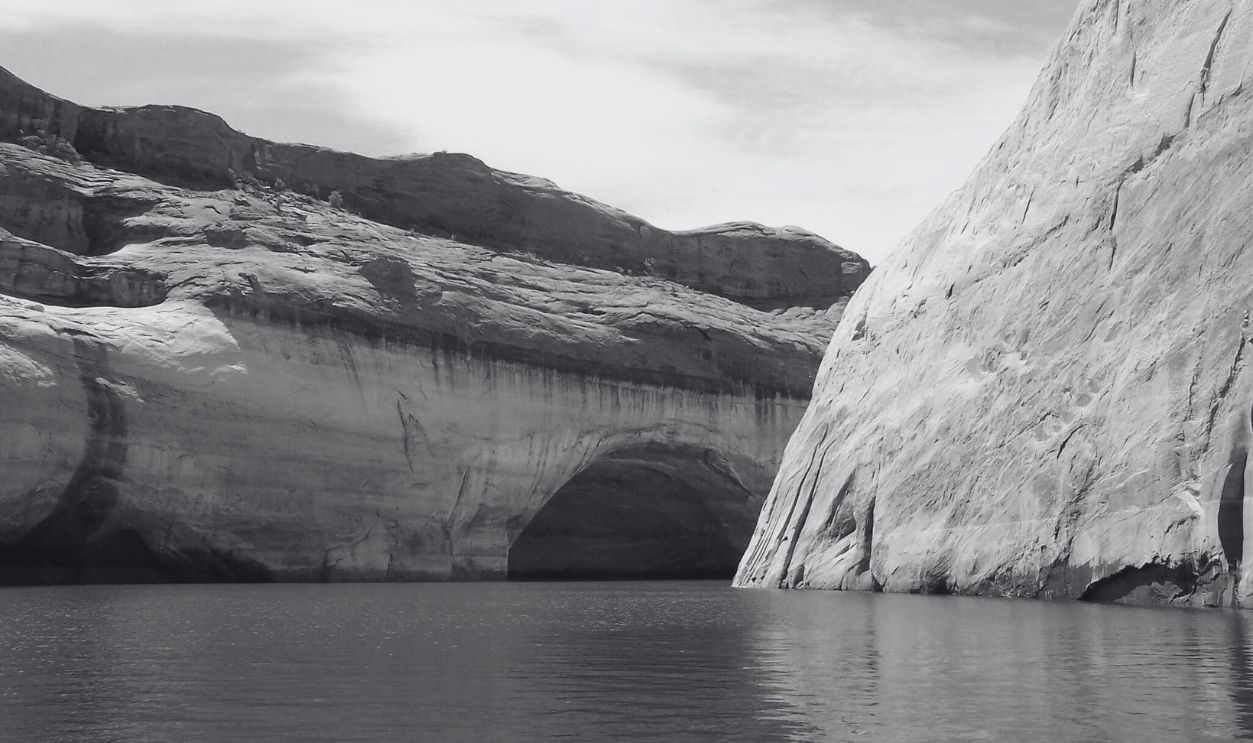
Decades Passed Without An Answer
Ruess became the subject of books, films, and continuing searches. Journalist David Roberts spent years investigating his disappearance, interviewing people and exploring the country where he had traveled. Yet even that sustained attention failed to produce a conclusive answer. Then a family story brought a different location into focus.
 classmates.com, Wikimedia Commons, Enhanced
A Grandfather’s Story Resurfaced
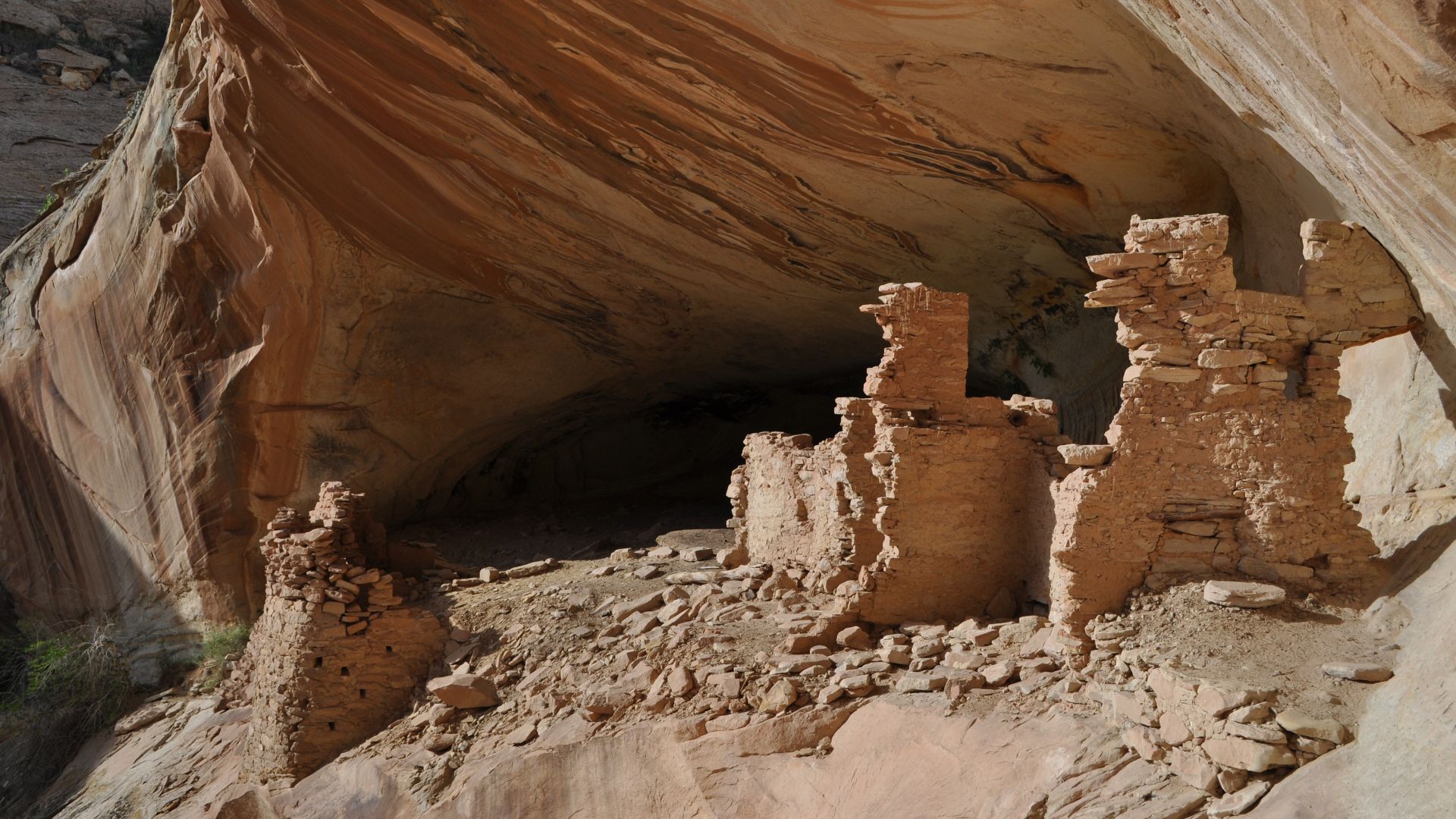
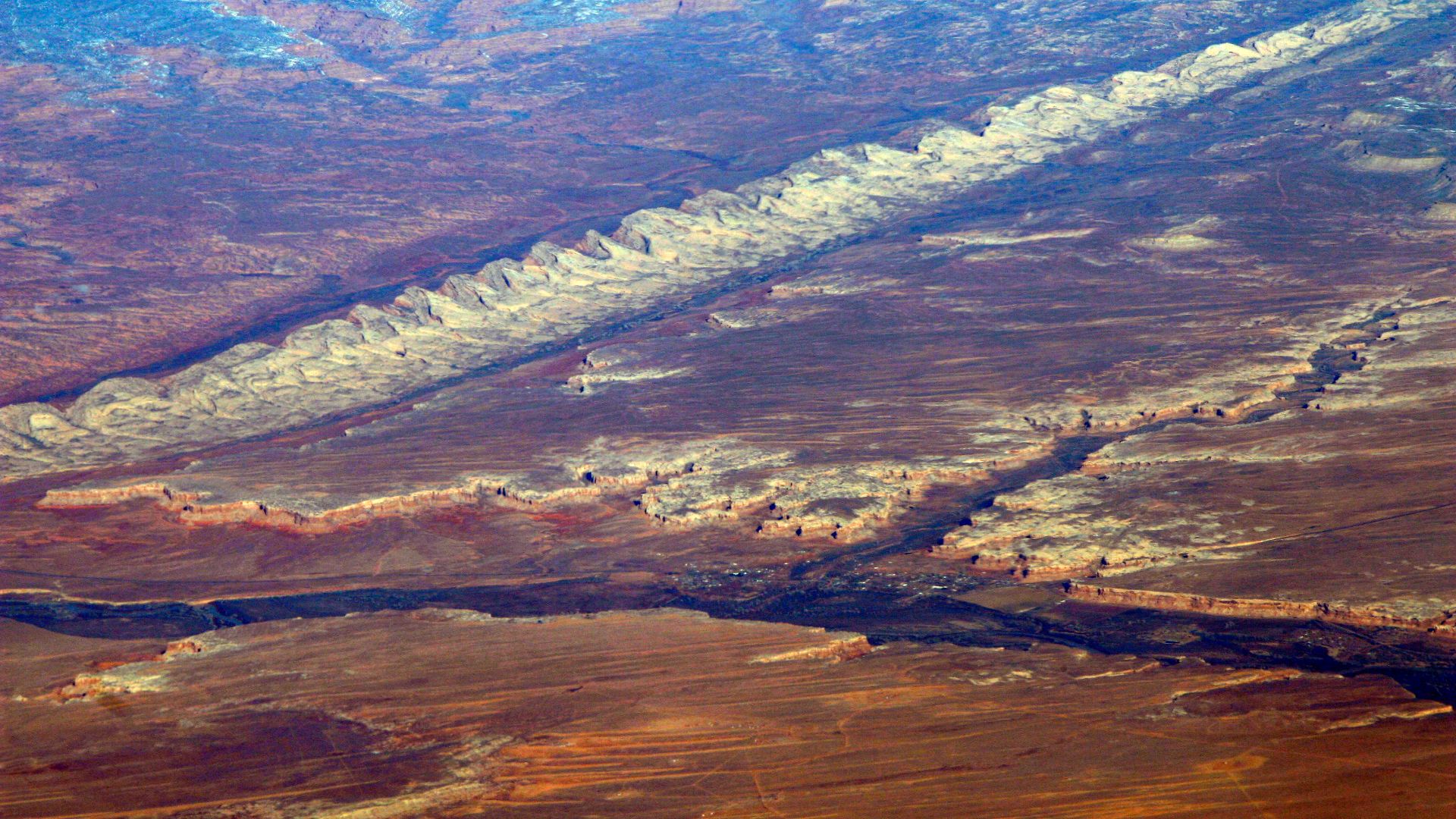
In 1971, Navajo elder Aneth Nez reportedly told his granddaughter, Daisy Johnson, that he had witnessed a fatal attack on a young white man during the 1930s. He said he had buried the man in a crevice at Comb Ridge. Decades later, Johnson shared the account with her brother, Denny Bellson.
 Laurascudder, Wikimedia Commons
There Really Were Remains There
Following the family’s account, Bellson located human remains at Comb Ridge, near Bluff, Utah. He then learned about Ruess’s disappearance and contacted Roberts. Suddenly, investigators had something far more substantial than another rumored sighting: a burial that could be examined and tested.
The Bones Seemed To Fit
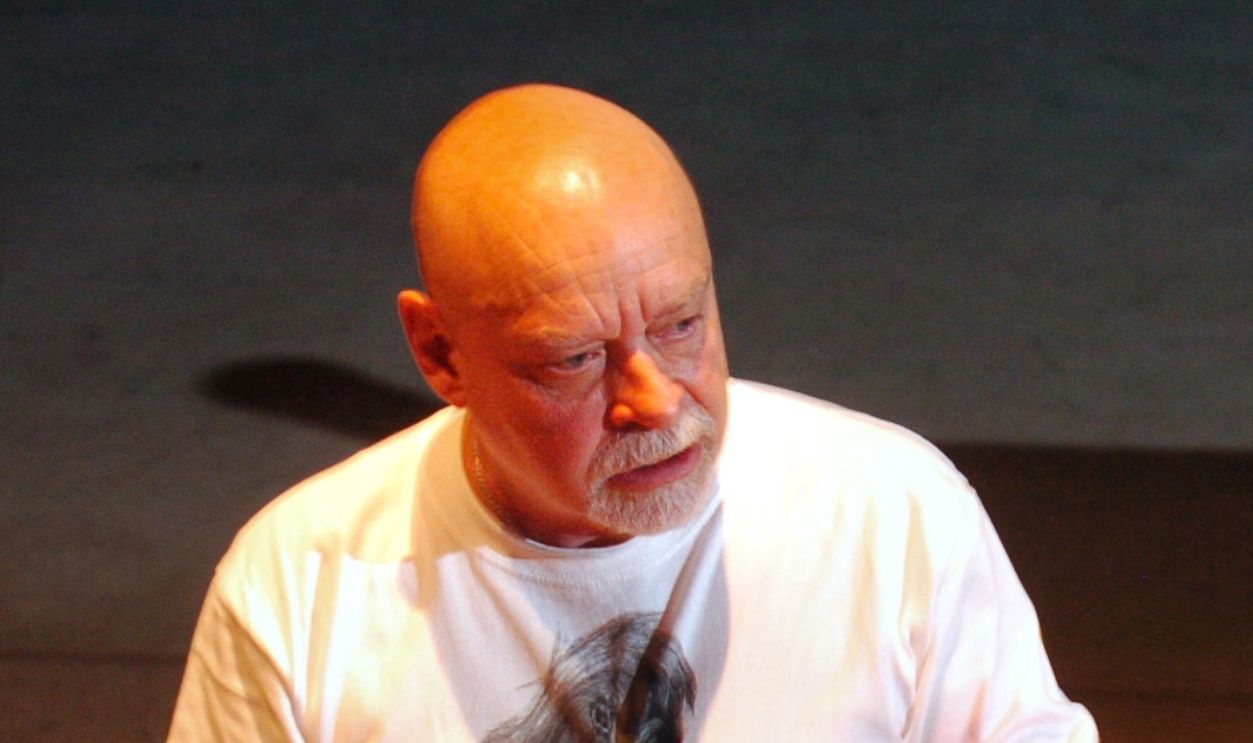
University of Colorado Boulder anthropologist Dennis Van Gerven and doctoral student Paul Sandberg examined the remains. Their assessment suggested a young adult man whose estimated age and height were consistent with Ruess. That did not establish his identity, but it gave researchers a reason to keep investigating.
 MediaNews Group/Boulder Daily Camera via Getty Images, Getty Images
His Old Photographs Became Evidence
Researchers reconstructed fragile facial bones and compared them with photographs of Ruess, including Lange’s portraits. They reported striking similarities. Alongside the estimated age and size, the comparison made the identification look increasingly plausible. But resemblance alone could not settle the question, so researchers turned to DNA.

The DNA Results Looked Convincing
Earlier DNA work had been inconclusive. Then geneticist Kenneth Krauter’s team compared material from a thighbone with samples from four of Ruess’s nieces and nephews. The results appeared to show the amount of shared DNA researchers expected between an uncle and those relatives. It seemed to support the identification.

In 2009, The Mystery Seemed Solved
The apparent identification was announced in April 2009, roughly 75 years after Ruess vanished. Krauter described the combined evidence as an “open-and-shut case.” National Geographic publicized the findings. After decades of questions, researchers believed they could finally tell the family that Everett had been found.
 MediaNews Group/Boulder Daily Camera via Getty Images, Getty Images
His Family Began Planning A Goodbye
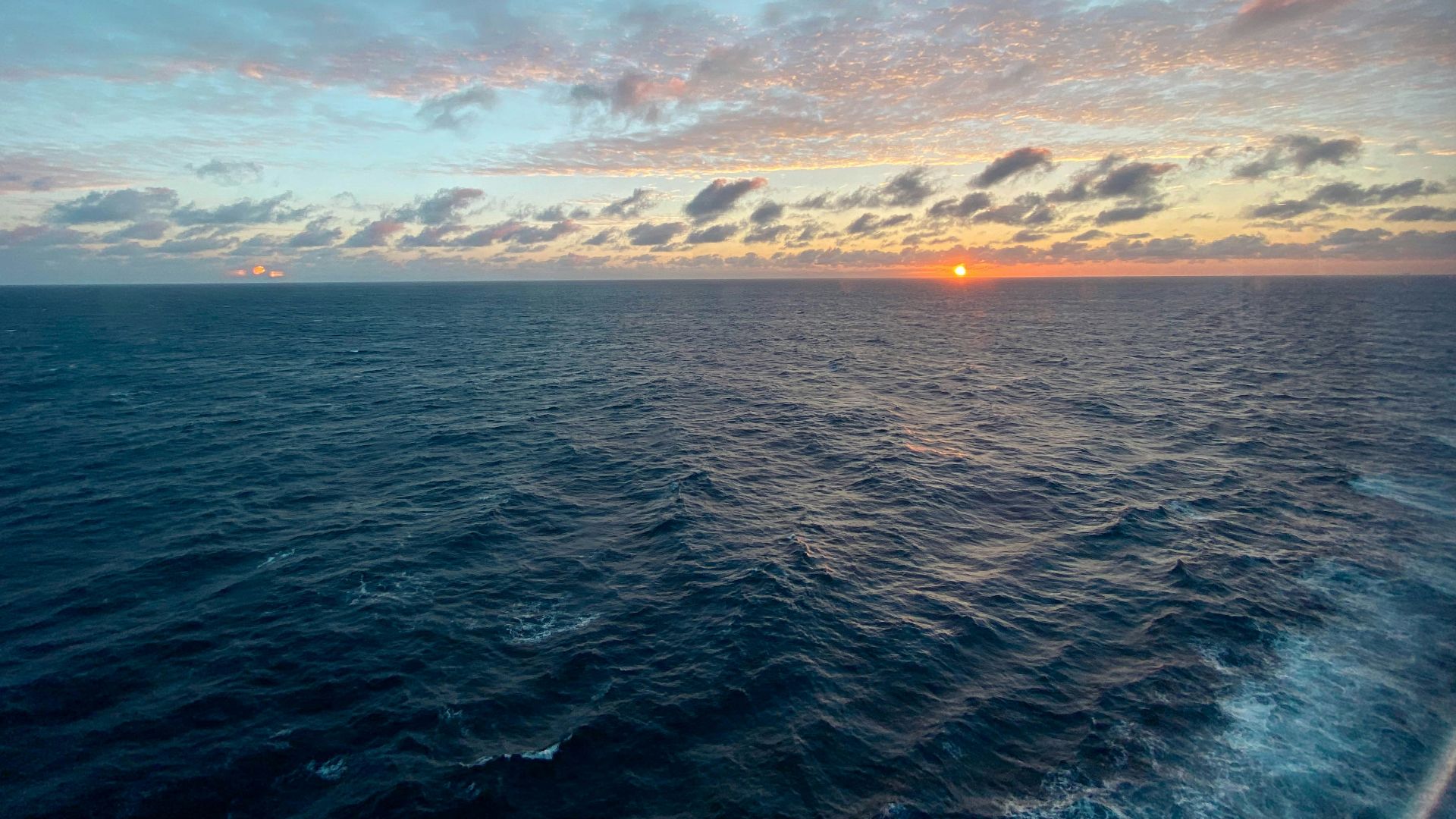
The remains were sent to Ruess’s relatives, who planned to have them cremated and scatter the ashes over the Pacific Ocean. This was more than a scientific announcement to them. They were making arrangements for someone their family had been searching for since 1935.
But Some Details Still Didn’t Fit
Utah state archaeologist Kevin Jones and anthropologist Derinna Kopp questioned the identification. They pointed to tooth wear they considered inconsistent with Ruess’s background and raised concerns about the photographic comparisons. Despite the apparent DNA match, they wanted independent checks. The family eventually sought another laboratory’s opinion.

The Second Test Changed Everything
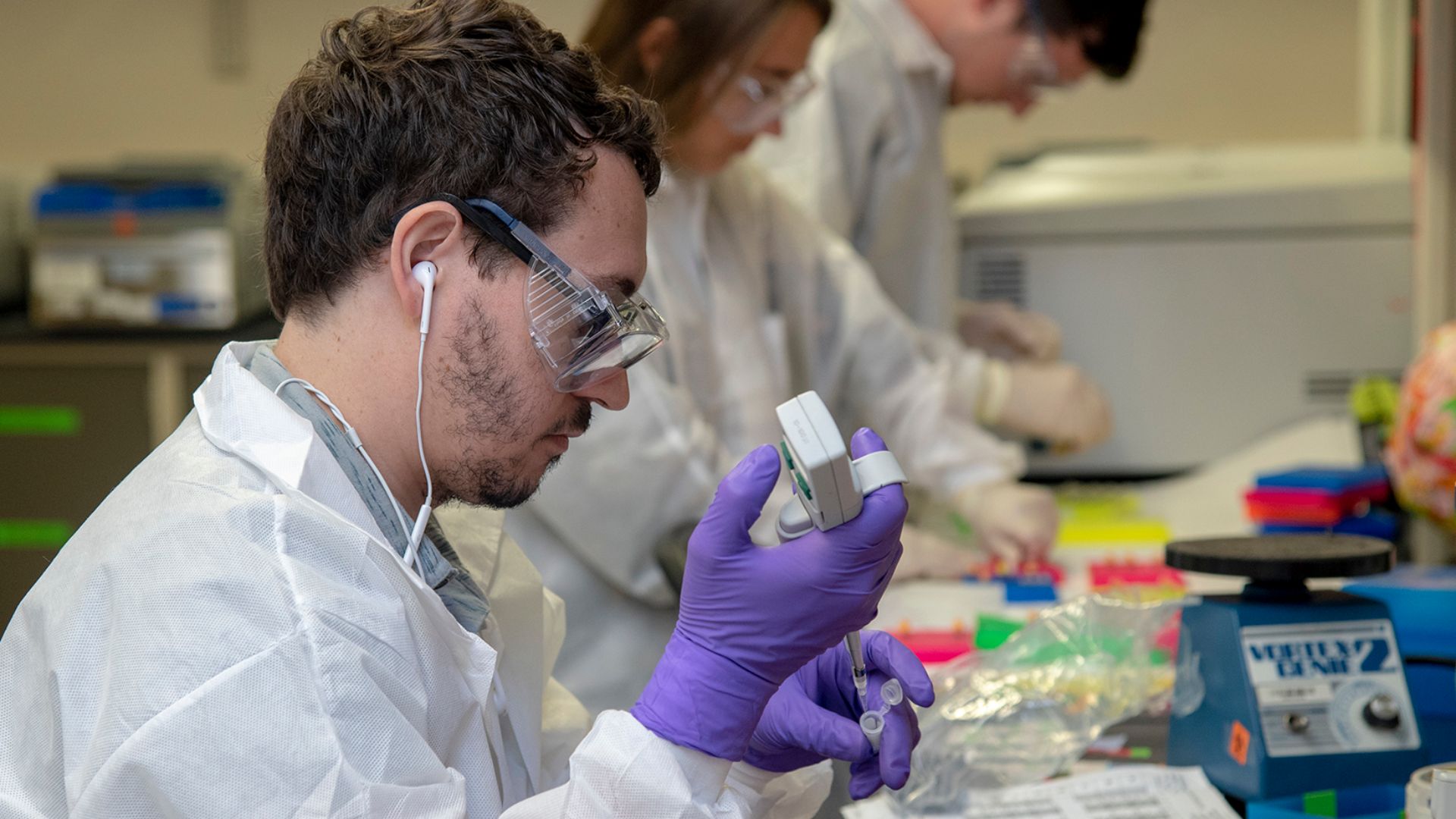
The family sent bone fragments to the Armed Forces DNA Identification Laboratory, which specialized in difficult identification work. In October 2009, its findings overturned the apparent breakthrough: the DNA did not match the Ruess family samples. The analysis also indicated Native American ancestry. These were not Everett’s remains.
 Air Force Staff Sgt. Nicole Leidholm, photographer, Wikimedia Commons
The Original Team Accepted The Reversal
The Colorado researchers went back to their work, but when they repeated it, the original match didn’t hold up. After further testing and discussions with the second laboratory, Krauter accepted its conclusion. The identification that had seemed so convincing just months earlier was wrong.

The Software Had Given Them A False Match
The university traced the error to software designed for larger amounts of better-preserved DNA. Using it with the small, degraded samples from the bones had produced a misleading result. As Krauter later put it, “We screwed up by relying on the technology too much.”
 THICHA SATAPITANON, Shutterstock
Another Missing Man Entered The Story
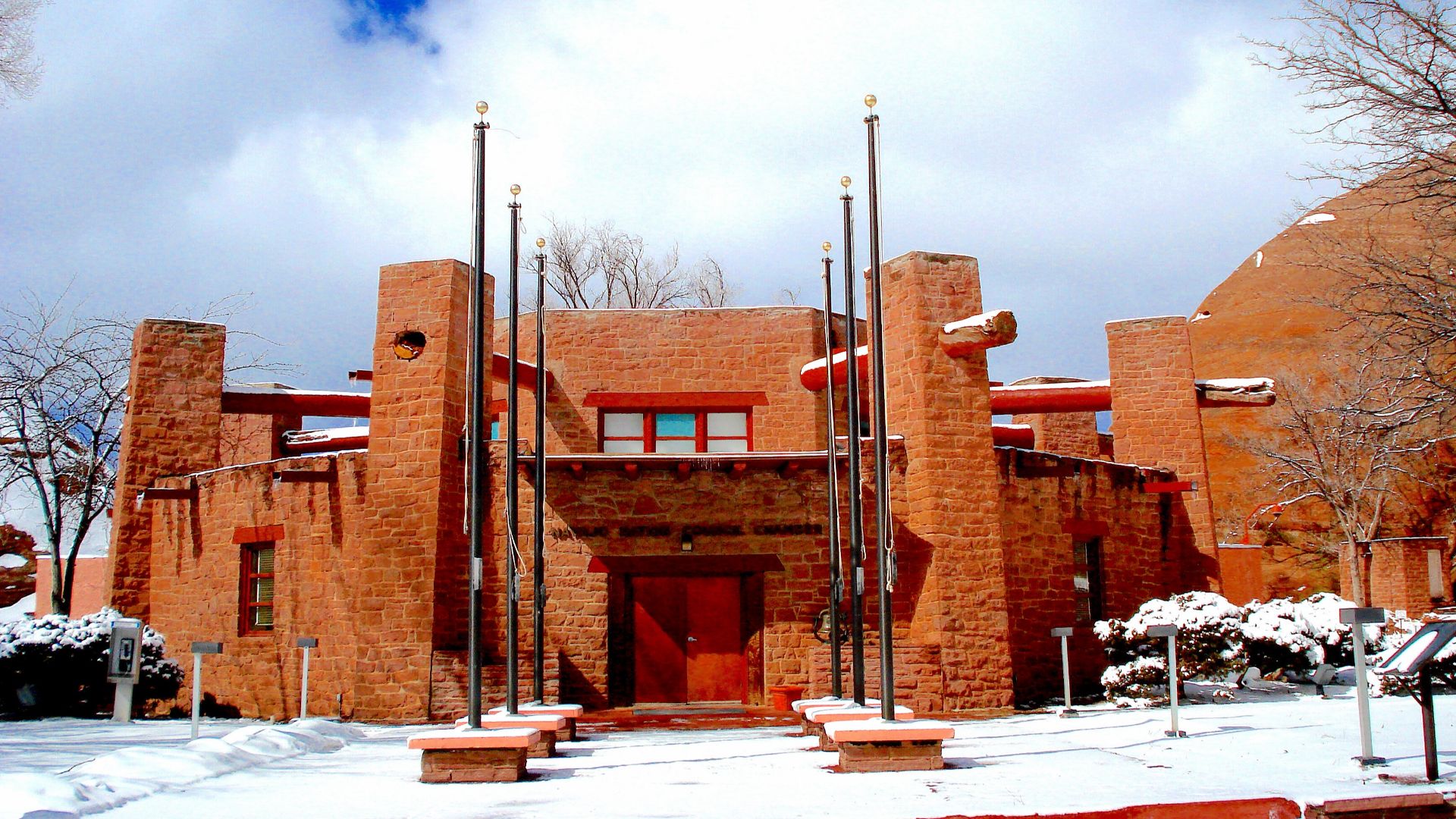
According to Utah’s official cold-case summary, further testing in 2010 produced Y-chromosome matches linking the remains to the family of missing Native American man Joe Santistevan. The remains were returned to the Navajo Nation. That was a separate development, however, and it did not explain what had happened to Ruess.
 William Nakai https://www.flickr.com/photos/nihihiro/ (shihiro & nihihiro), Wikimedia Commons
The Biggest Question Remains
Ruess’s letters, artwork, and family records survive, allowing people to learn a great deal about the young man who went into the wilderness. His fate remains unknown. In 2009, scientists thought they had finally found him. By the end of that year, his family was left with the same unanswered question.
 Screenshot from FOX 13 News Utah, KSTU (1978–)
You Might Also Like:
Why The Azores Are Becoming A Favorite For North American Travelers






.jpg)
.jpg)

.jpg)
