Wartime Secrets On American Soil
Everyone knows America's famed national parks for mountains, forests, beaches, and wildlife. But during World War II, thousands of miles from the front lines, many of them became home to military training grounds, secret intelligence facilities, and coastal defense stations. Today, surprising traces of that history survive across national parks and other National Park Service sites.
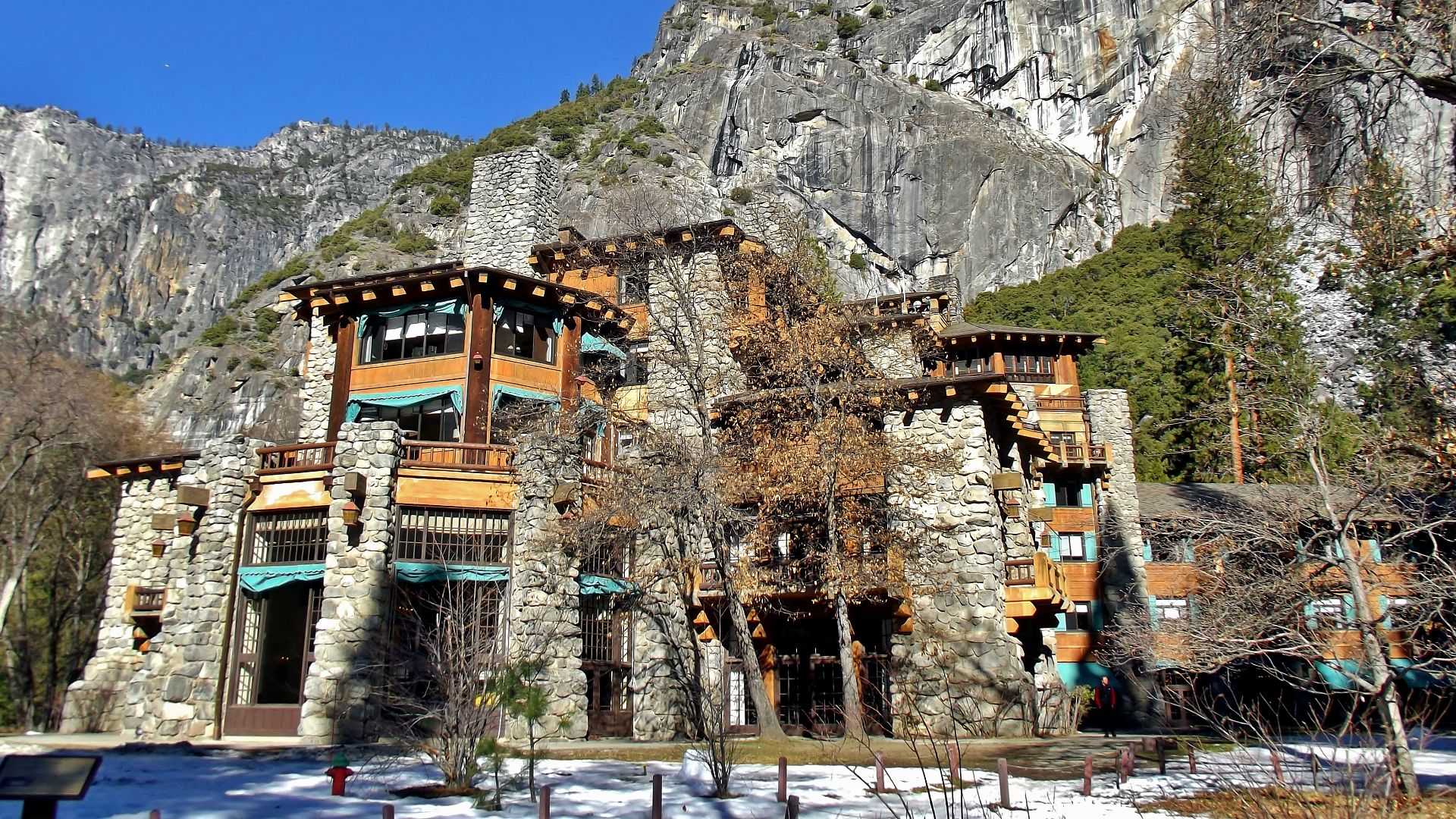
Yosemite's Luxury Hotel Became A Naval Hospital
Yosemite's magnificent Ahwahnee Hotel looks like an unlikely setting for a military hospital. Yet in 1943, the Navy leased the property and converted its Grand Lounge into a hospital ward. Wounded and ill sailors and Marines recuperated there until December 1945.
 Amadscientist, Wikimedia Commons
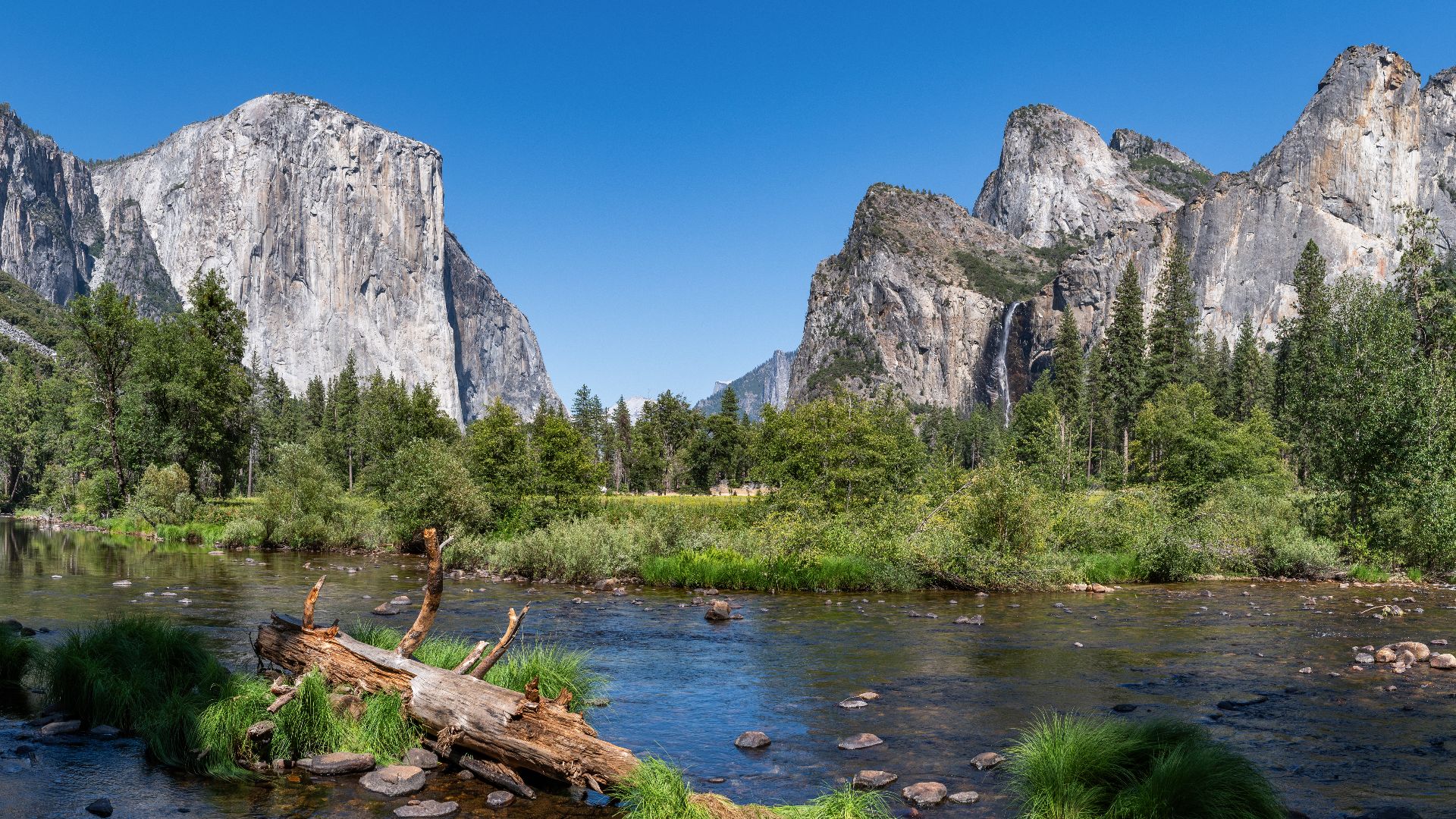
Yosemite's Scenery Didn't Always Help Patients
The Navy initially hoped Yosemite's spectacular scenery would help patients experiencing psychological trauma. Instead, administrators discovered that the isolation sometimes made recovery harder. The hospital shifted toward physical rehabilitation and introduced bowling, skiing excursions, entertainment, and other activities to help recovering servicemen.
 Steffen Schmitz (more photos), Wikimedia Commons
Redwood's Farmhouse Wasn't Really A Farmhouse
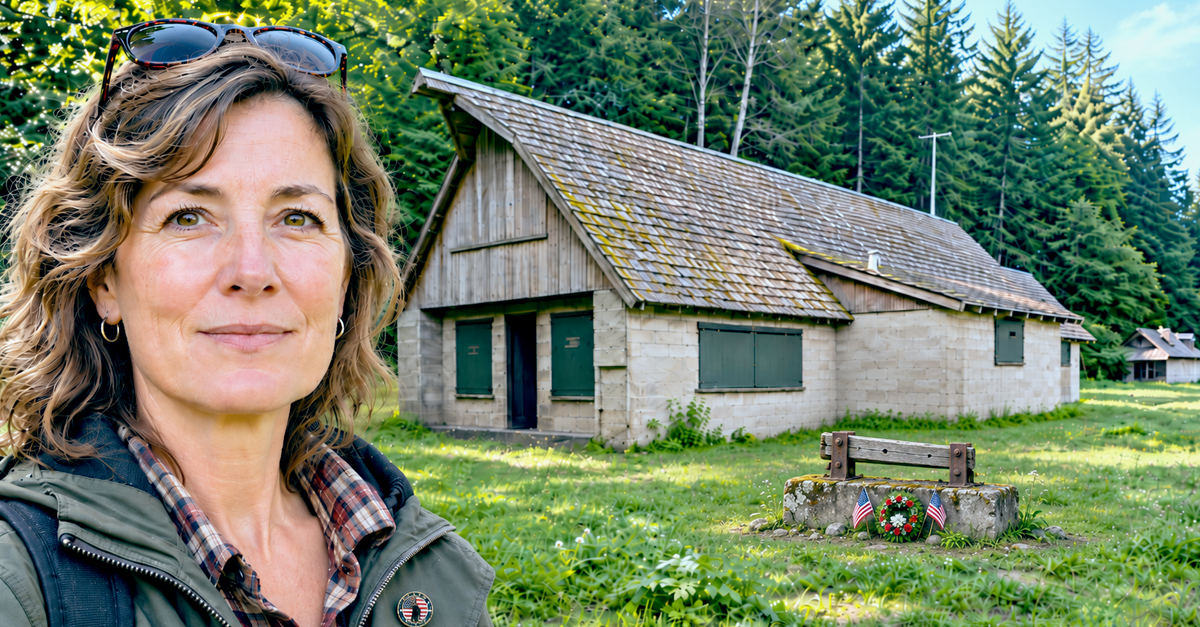
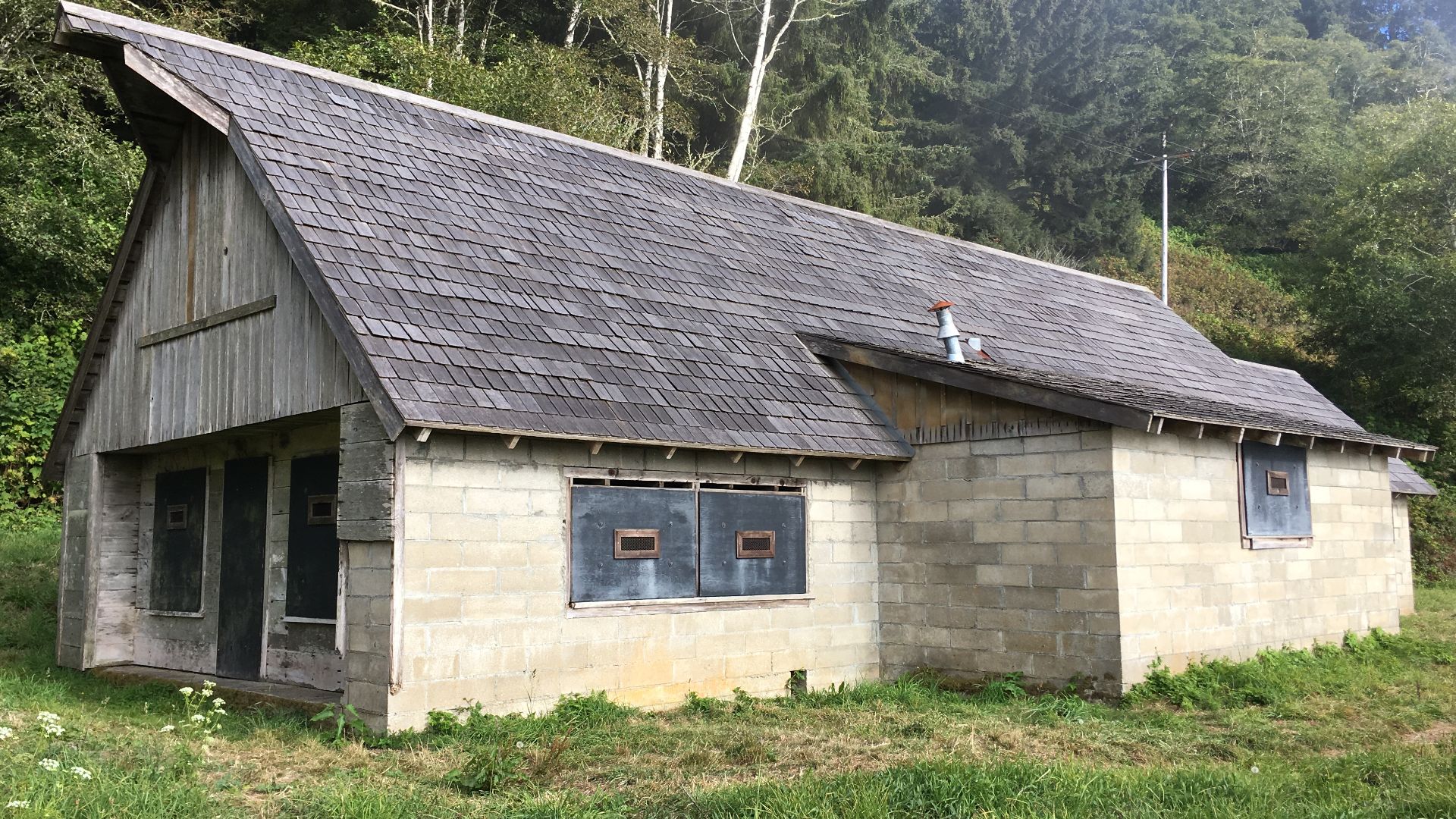
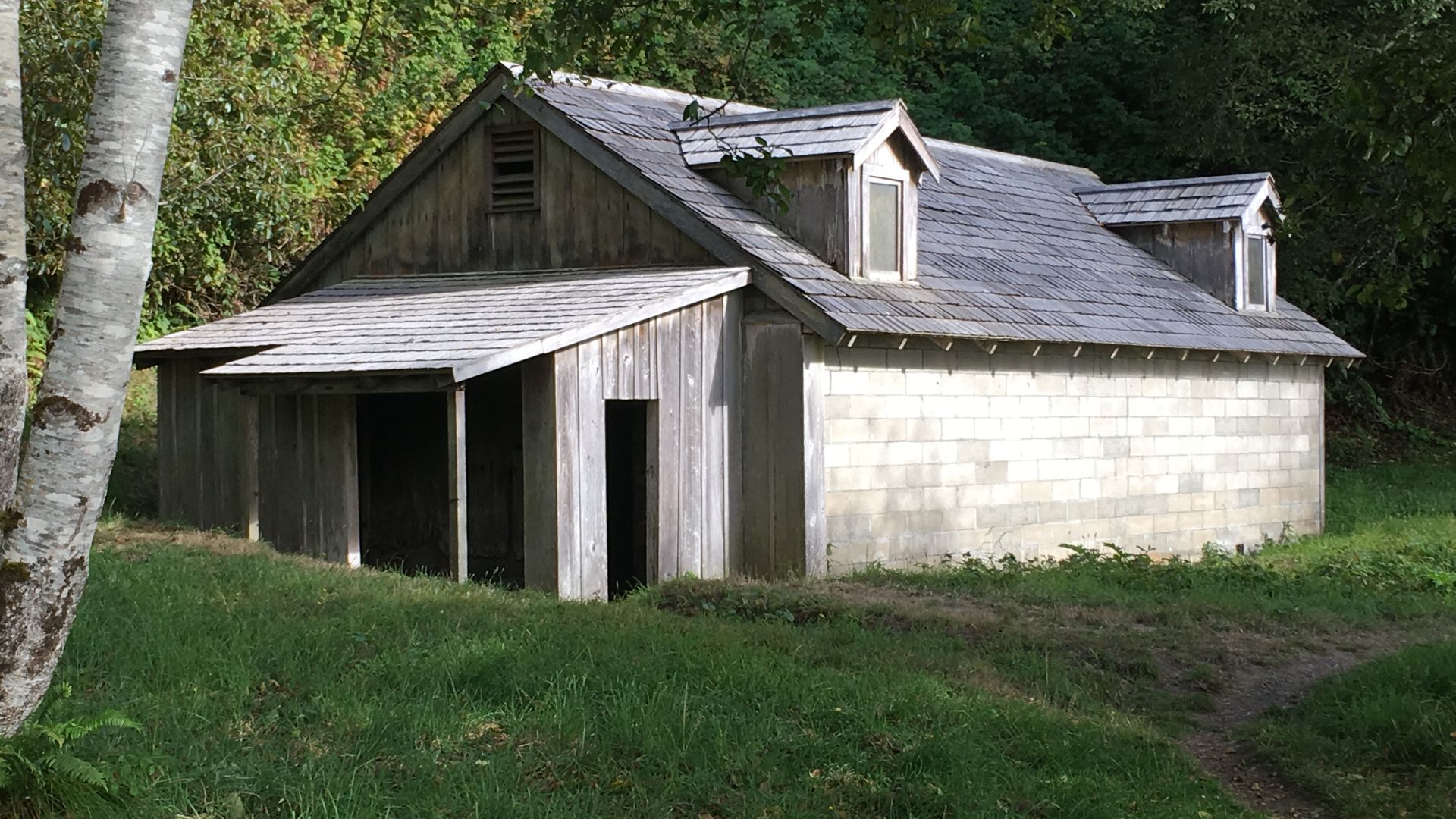
Near Klamath, California, two ordinary-looking farm buildings concealed a military secret. Station B-71 was an Army radar installation constructed during World War II to detect potential attacks along the Pacific Coast. Its farmhouse and barn disguises helped conceal the military operation from passing observers.
 Ian Poellet, Wikimedia Commons
The Redwood Barn Was Watching The Skies
The farmhouse concealed generators, while the barn housed radar equipment and personnel. False windows and wooden siding disguised the concrete structures, which were staffed around the clock. Visitors can explore the surviving site using the short WWII Radar Farmhouse Trail, accessible from narrow, unpaved Coastal Drive.
 Ian Poellet, Wikimedia Commons
Channel Islands Had A Secret Radar Station
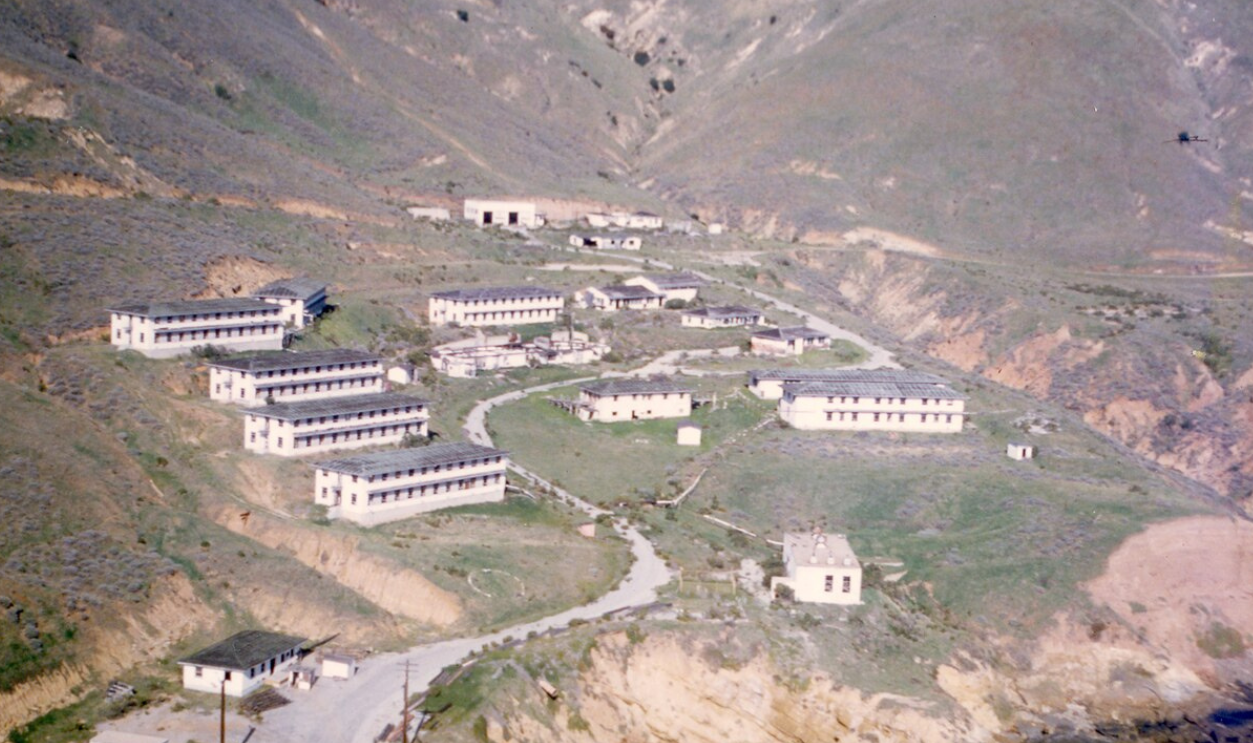
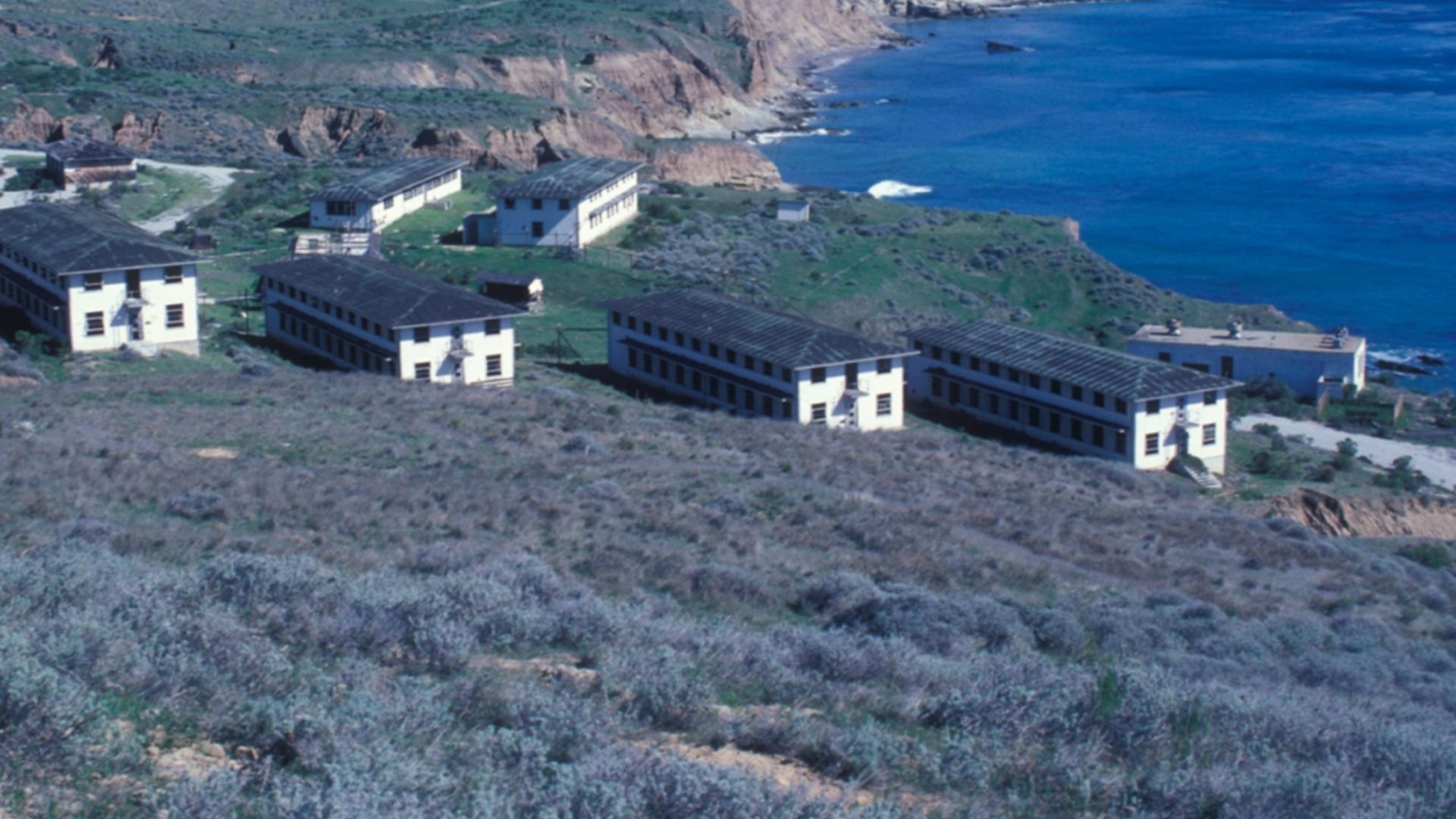
Santa Rosa Island, now part of Channel Islands National Park, hosted a military radar installation during World War II. Army engineers established the facility in 1943, constructing radar equipment, barracks, and support buildings. Remains of the former military camp survive along the road toward Johnsons Lee.
 U. S. National Park Service, Wikimedia Commons
An Army Camp Left A Star In The Concrete
One particularly unusual relic survives at Santa Rosa Island's former Army installation. A concrete flagpole base shaped like a star measures approximately ten feet across. Inscriptions dated August 26, 1943, identify military police and Signal Corps personnel associated with the remote wartime outpost.
Giant Guns Guarded San Francisco Bay
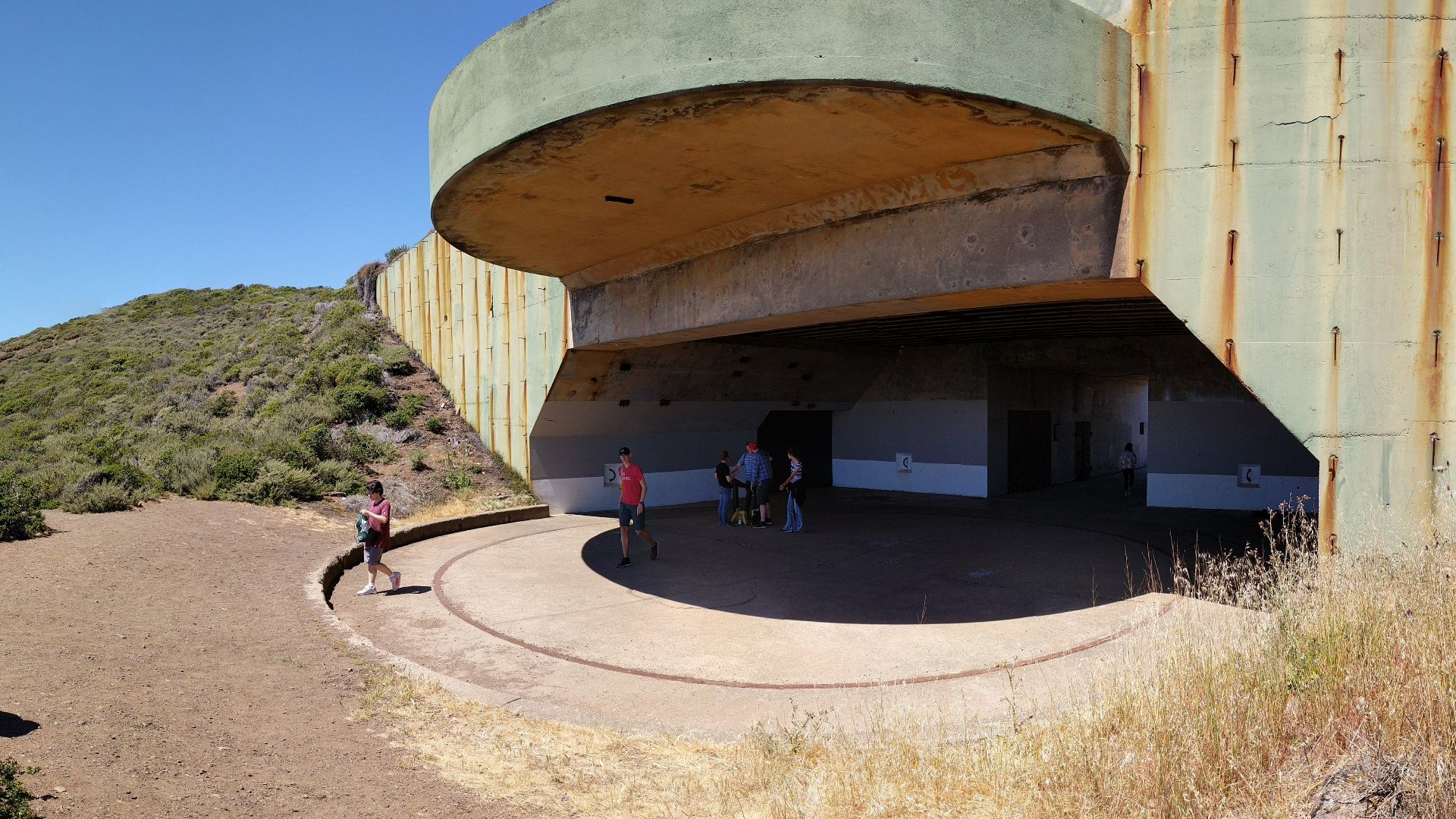
High above the Golden Gate, Battery Townsley once housed two enormous coastal artillery guns. The installation operated from 1940 to 1948 and contained underground passages and quarters for soldiers. Today, visitors can explore the fortification during scheduled open houses after a moderately strenuous half-mile hike.
Mount Rainier Trained America's Mountain Soldiers
Mount Rainier's snowy slopes provided the Army with challenging winter training conditions. During World War II, ski troops practiced mountain maneuvers and tested cold-weather equipment around Paradise. A memorial near Paradise commemorates the 10th Mountain Division, whose soldiers later fought in Italy.
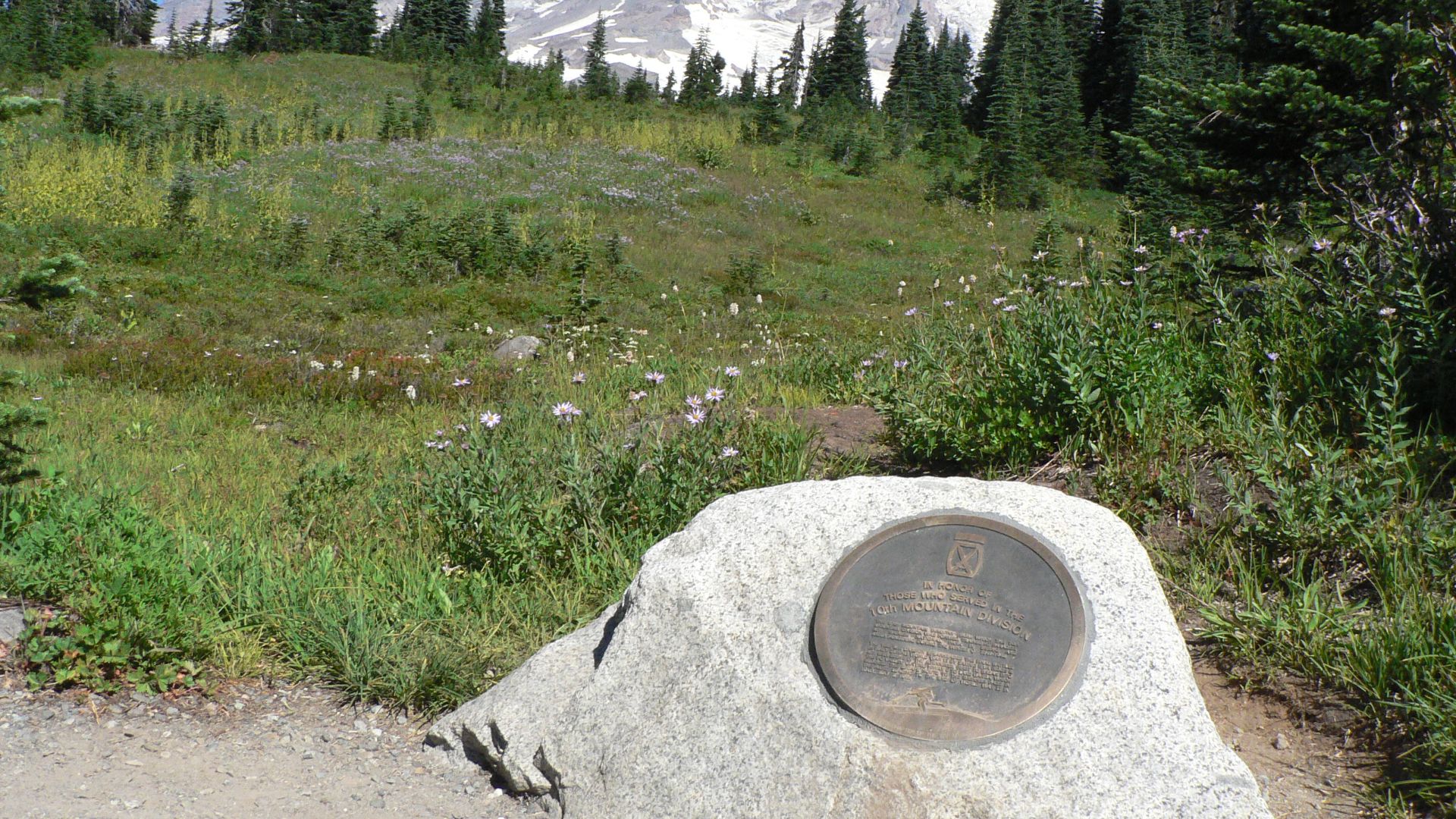 Kevin Bacher (MORA), Wikimedia Commons
Olympic's Beach Resorts Became Lookout Posts
Washington's Olympic coastline served another unexpected wartime purpose. The Coast Guard used resorts at Ruby Beach, Rialto Beach, and Lake Ozette for aircraft observation duties. These coastal stations became part of a broader wartime aircraft-warning network that monitored the skies above America's shores.
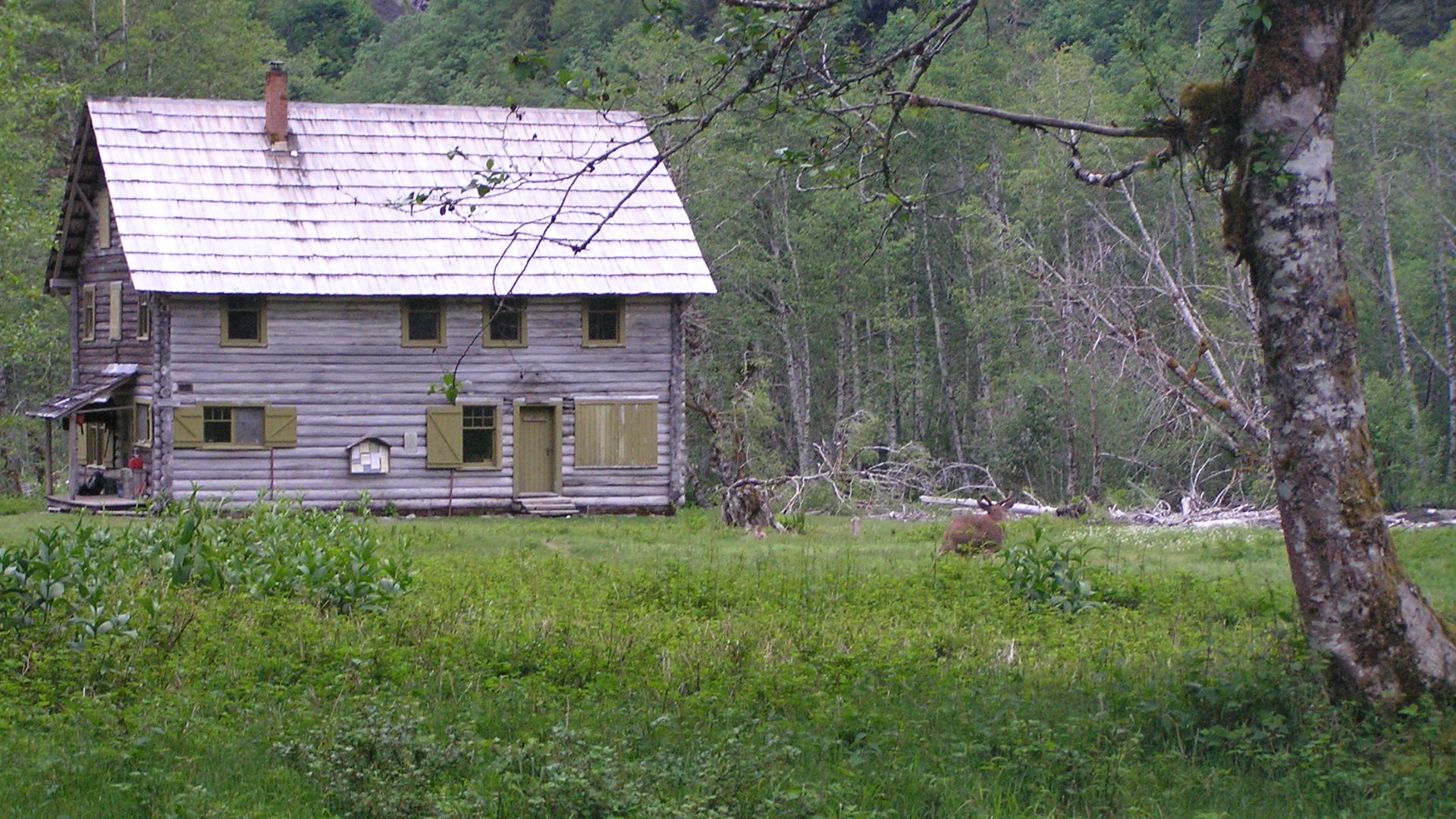 Ryan Snyder, Wikimedia Commons
Acadia's Schoodic Peninsula Had A Navy Base
Acadia's Schoodic Peninsula once accommodated a Navy radio station at Winter Harbor. Commissioned in 1935, the station remained operational during World War II and continued serving the military afterward. The former naval property returned to the National Park Service in 2002 and now houses the Schoodic Institute.
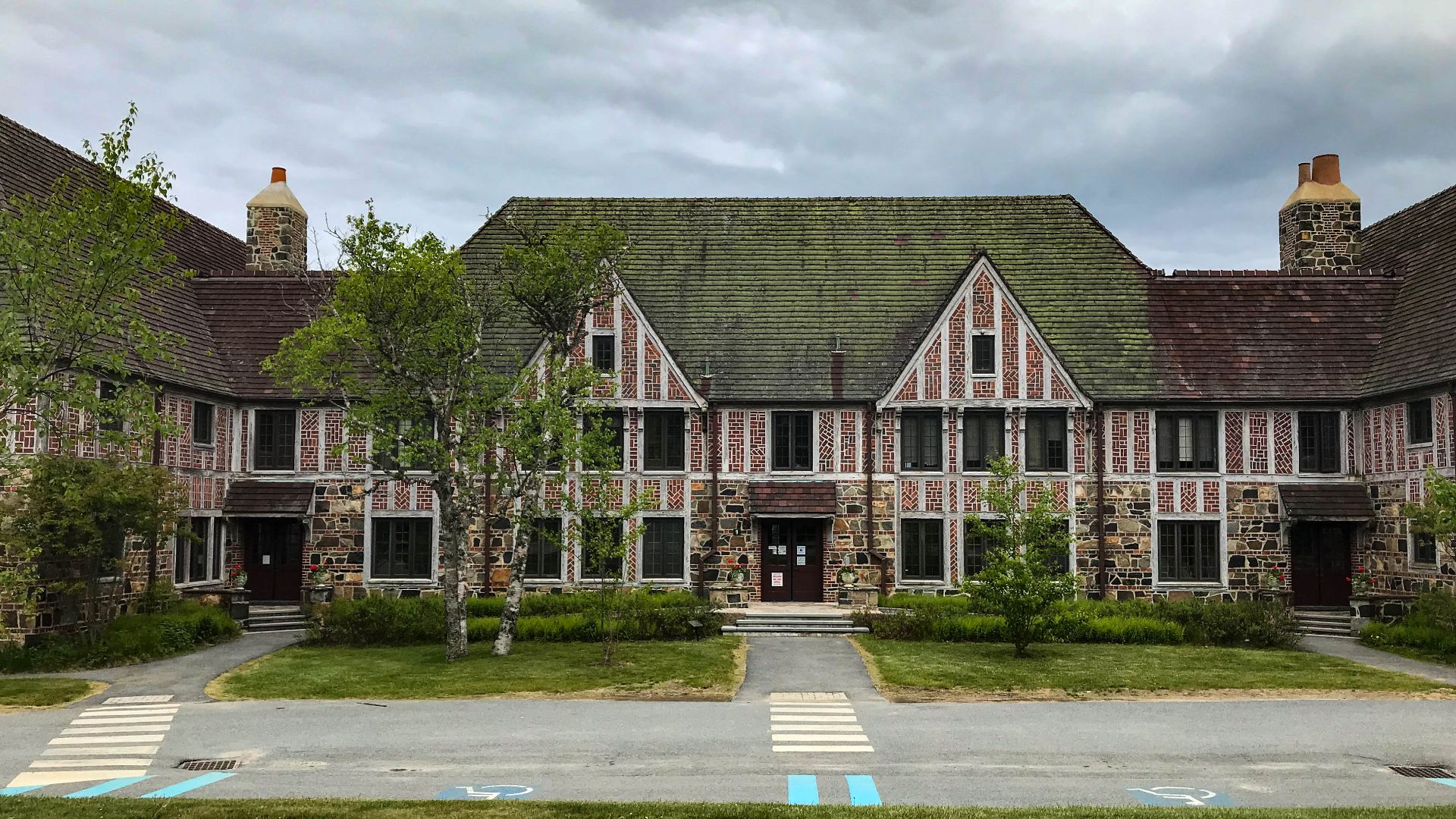 Victoria Stauffenberg, Wikimedia Commons
Cadillac Mountain Was Once Off Limits
Acadia's famous Cadillac Mountain also played a military role during World War II. The Army Air Corps operated a radar station on the mountain, restricting access to part of its summit. The area reopened in October 1945, leaving behind a history many modern visitors never encounter.
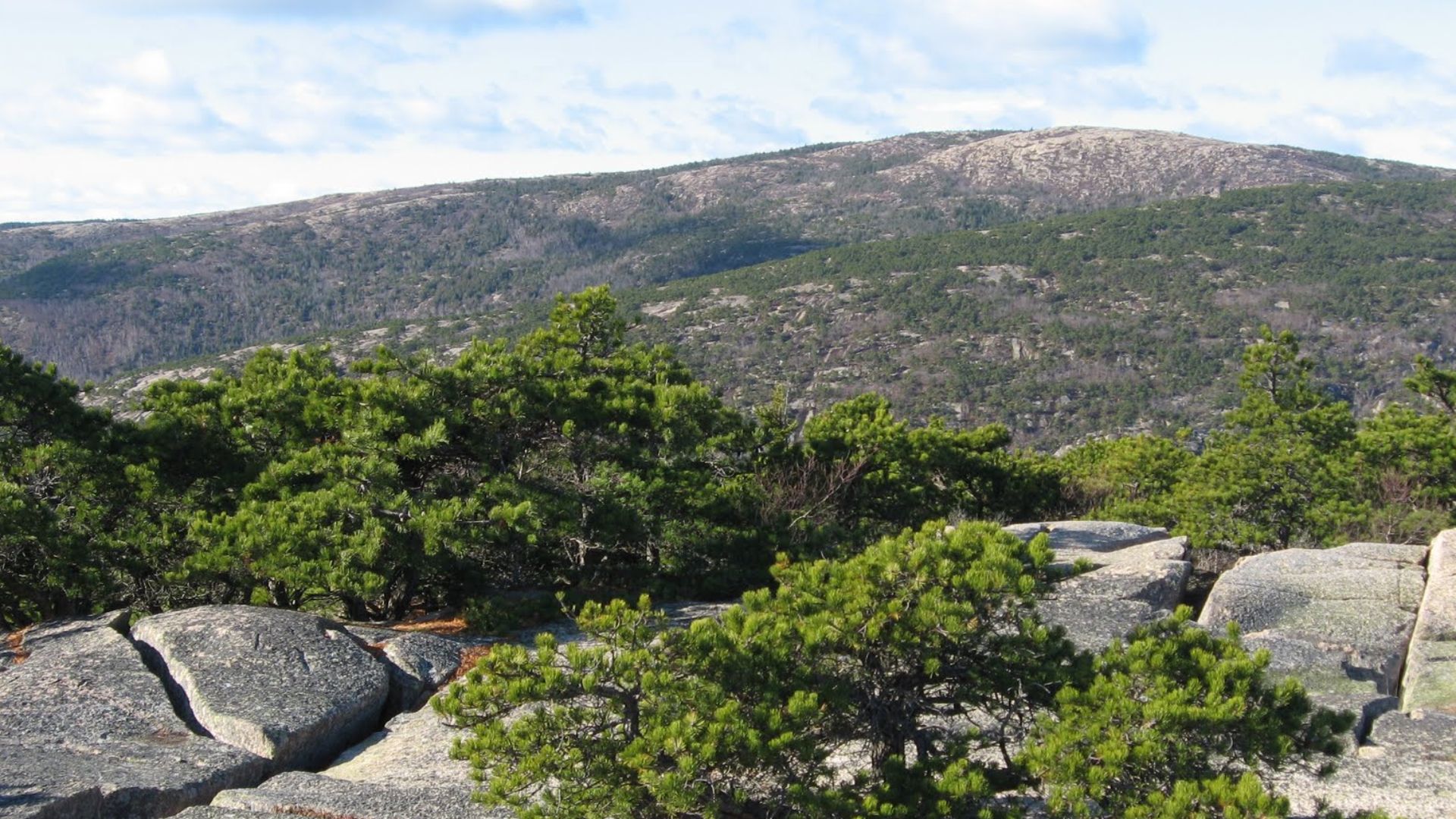 Fredlyfish4, Wikimedia Commons
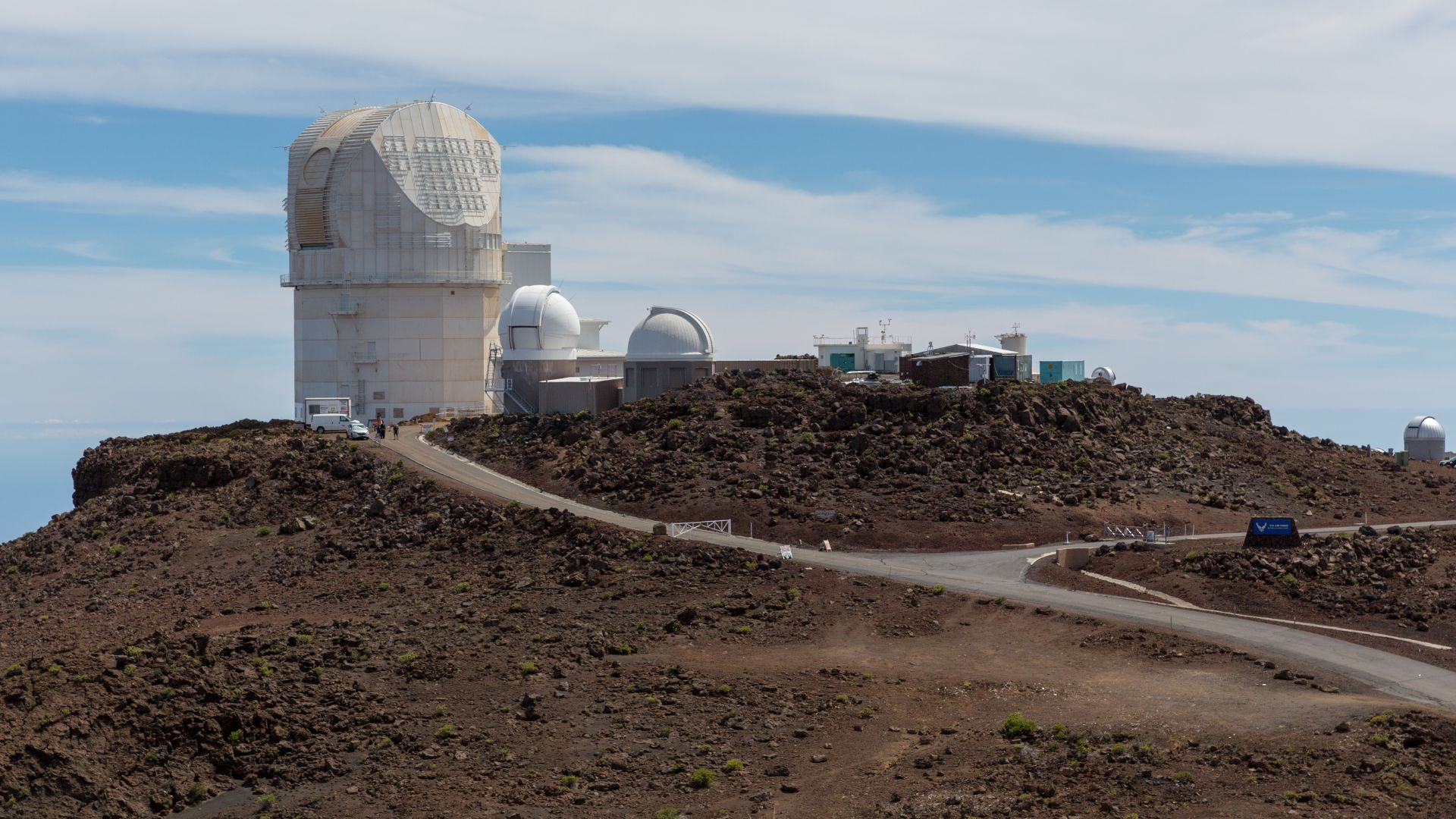
Haleakalā's Summit Was Covered In Military Equipment
Maui's Haleakalā summit became a military installation during World War II. The Army established radar equipment on Red Hill and constructed a personnel camp near Puʻu Nianiau. Although the summit returned to National Park Service control in 1948, military buildings and antennas remained until 1961.
 Ekrem Canli, Wikimedia Commons
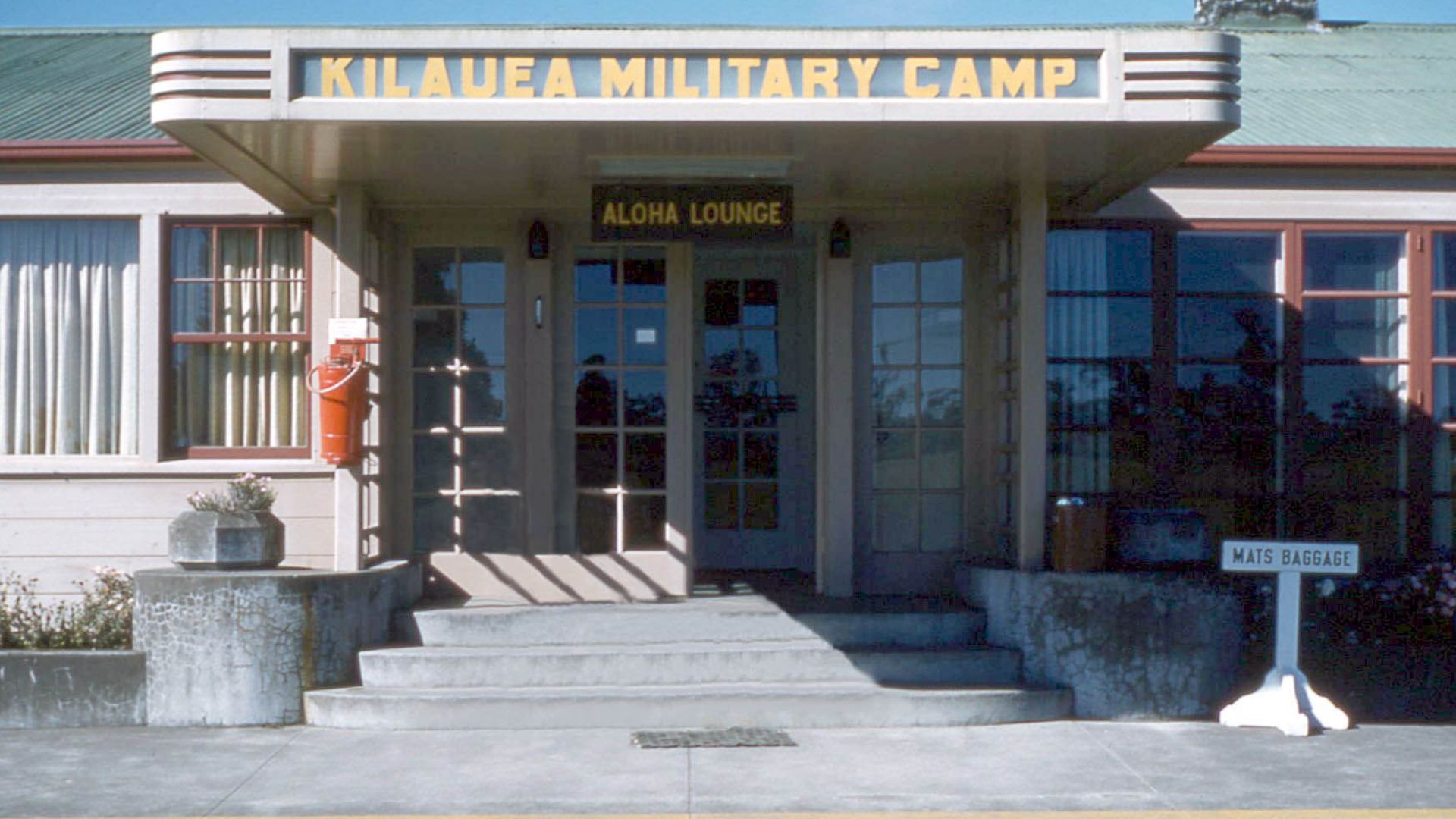
Hawaiʻi Volcanoes Had A Wartime Detention Camp
Kīlauea Military Camp in Hawaiʻi Volcanoes National Park had once been a military recreation facility. Following the Japanese attack on Pearl Harbor in December 1941, it became a detention center. More than 100 Japanese residents of Hawaiʻi were confined there during the war.
 Father of JGKlein, used with permission, Wikimedia Commons
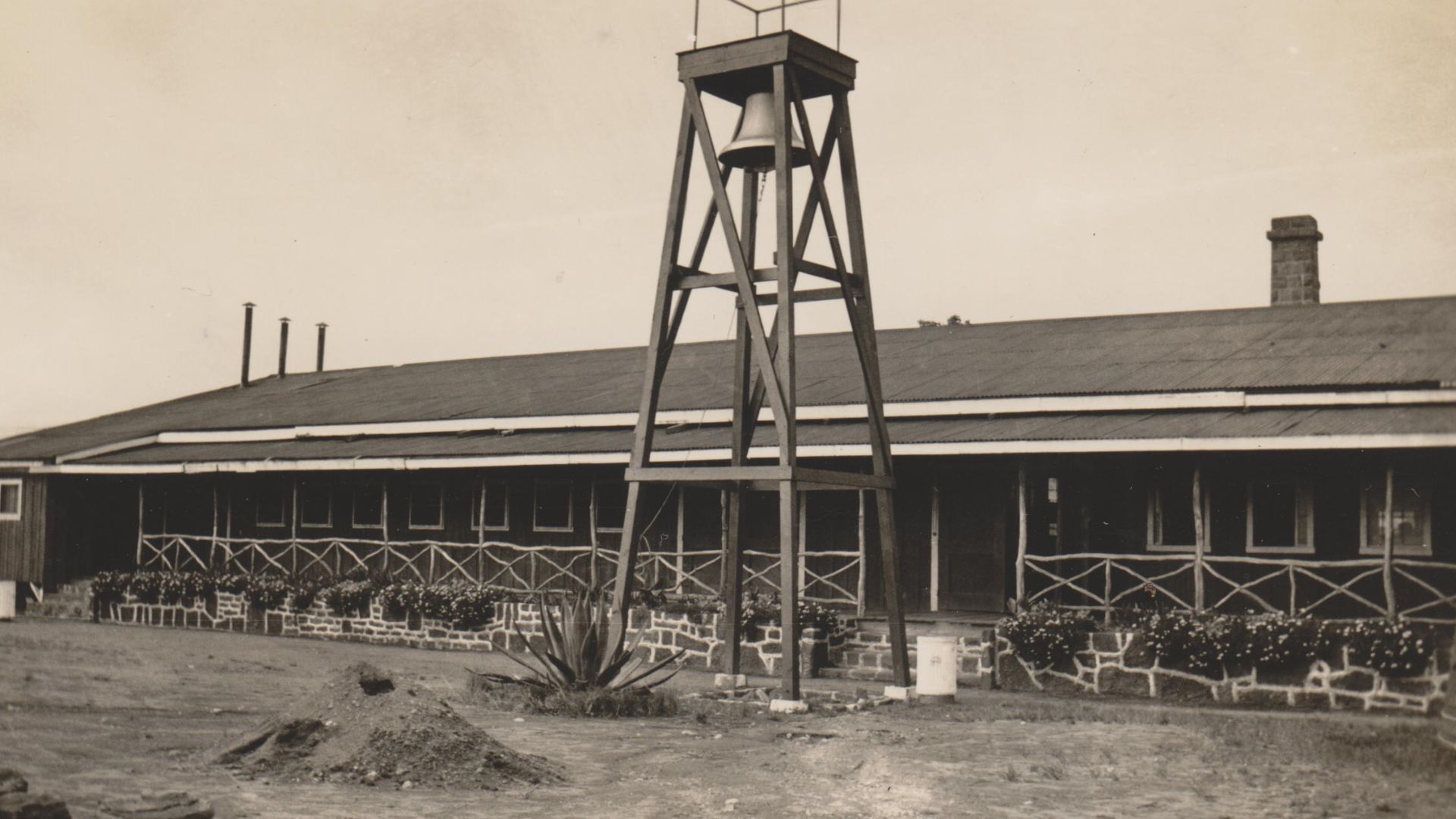
The Military Camp's Barracks Became A Prison
Detainees at Kīlauea Military Camp were confined to guarded barracks and escorted to meals. Their daily exercise was limited, and armed guards watched from a tower. The National Park Service preserves the history of their confinement, including drawings and testimony by former detainee Yoshio Hoshida.
 Hawai‘i Volcanoes NPS, Wikimedia Commons
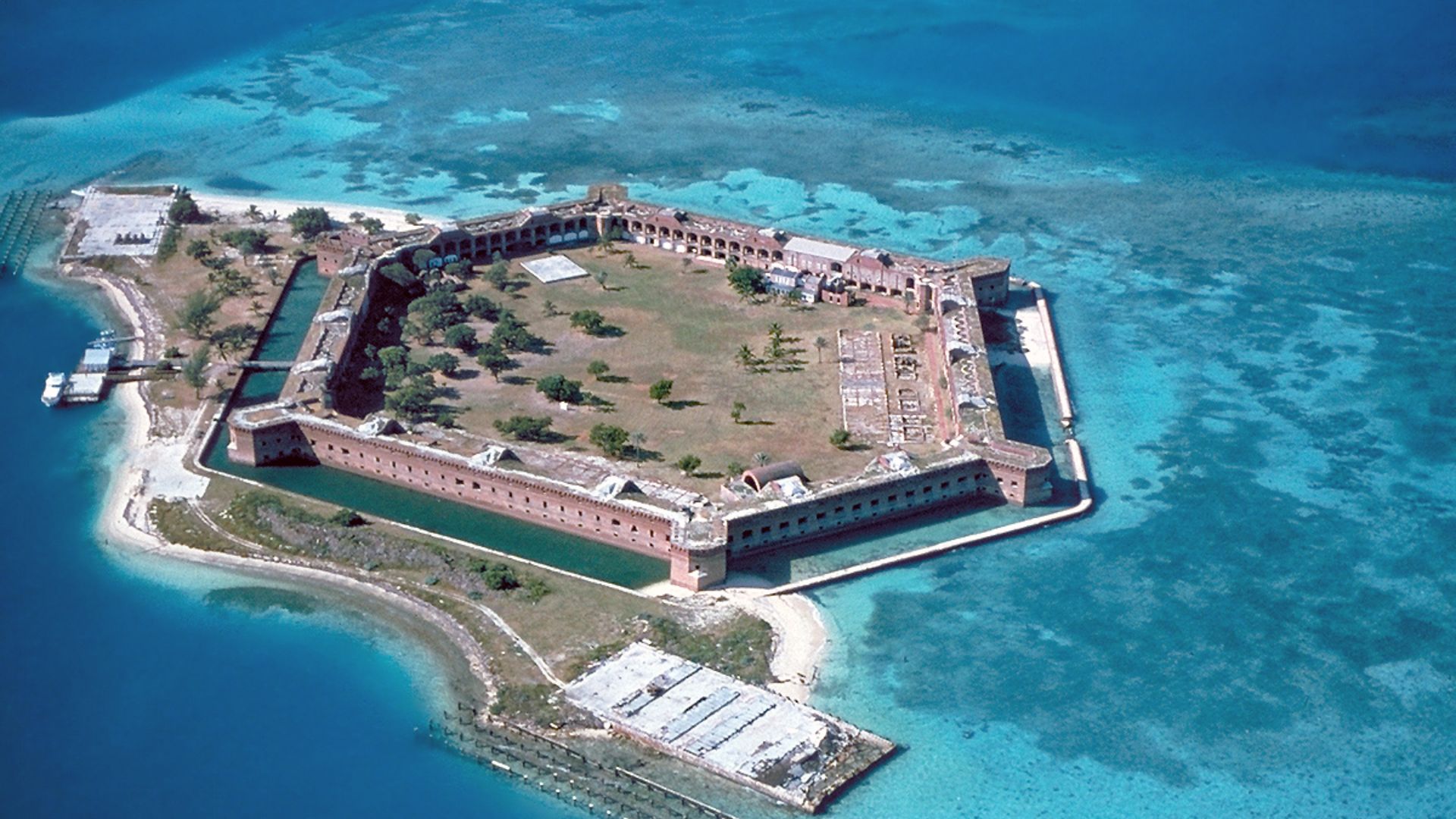
Dry Tortugas Had More Than A Civil War Fort
Florida's Dry Tortugas National Park is famous for Fort Jefferson, its enormous nineteenth-century coastal fortress. During World War II, the military found new uses for this remote location. The historic fort served as a radar station, and the surrounding area accommodated seaplane landings.
 U.S. National Park Service, Wikimedia Commons
New Jersey's Fort Hancock Was Ready For War
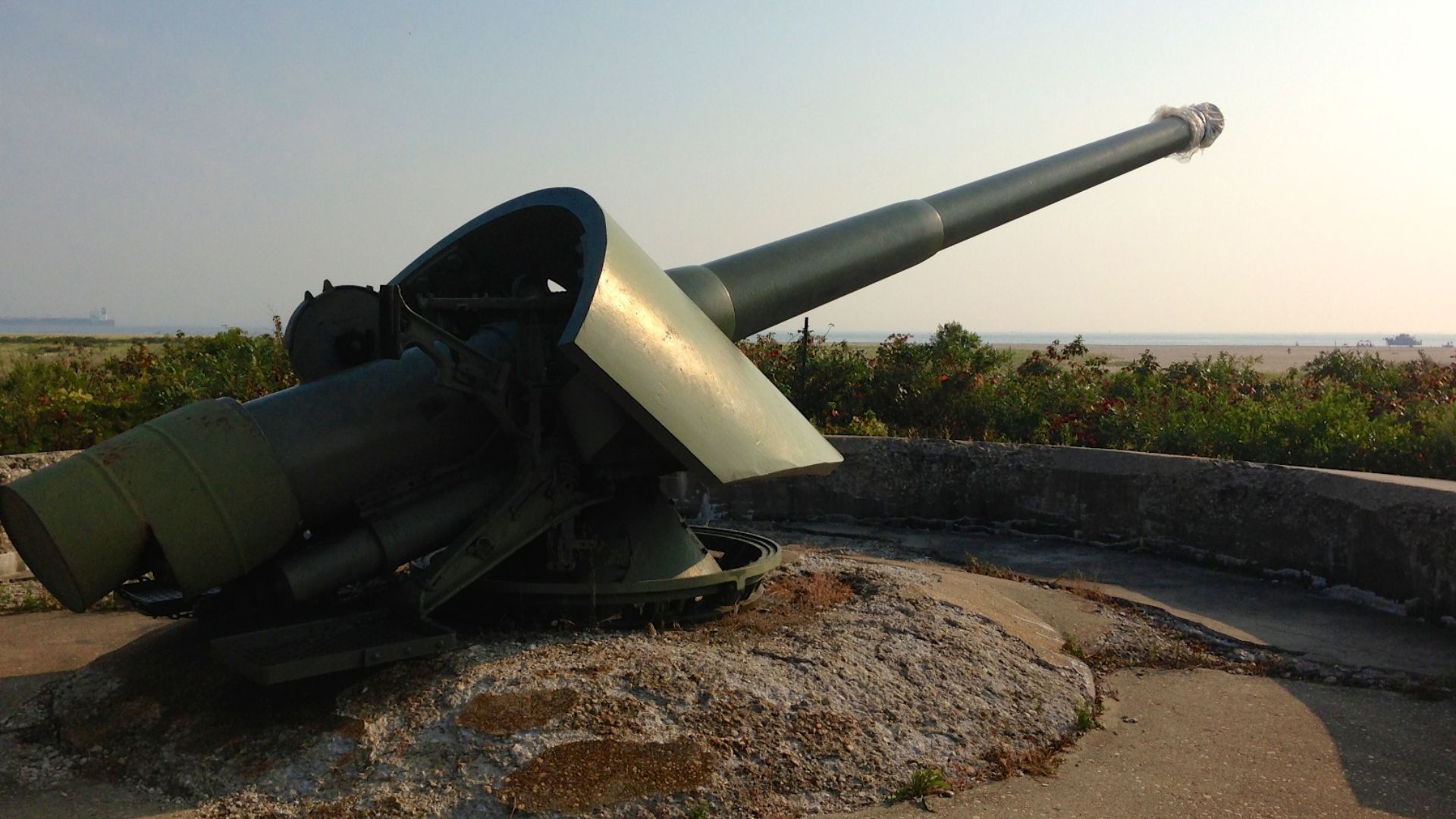
At Sandy Hook, now within Gateway National Recreation Area, Battery Gunnison underwent major changes during World War II. The Army replaced its older disappearing guns with faster-firing six-inch weapons. The surviving gun battery remains a historic attraction, although interior access requires a tour.
Ocracoke Holds A Small British War Cemetery
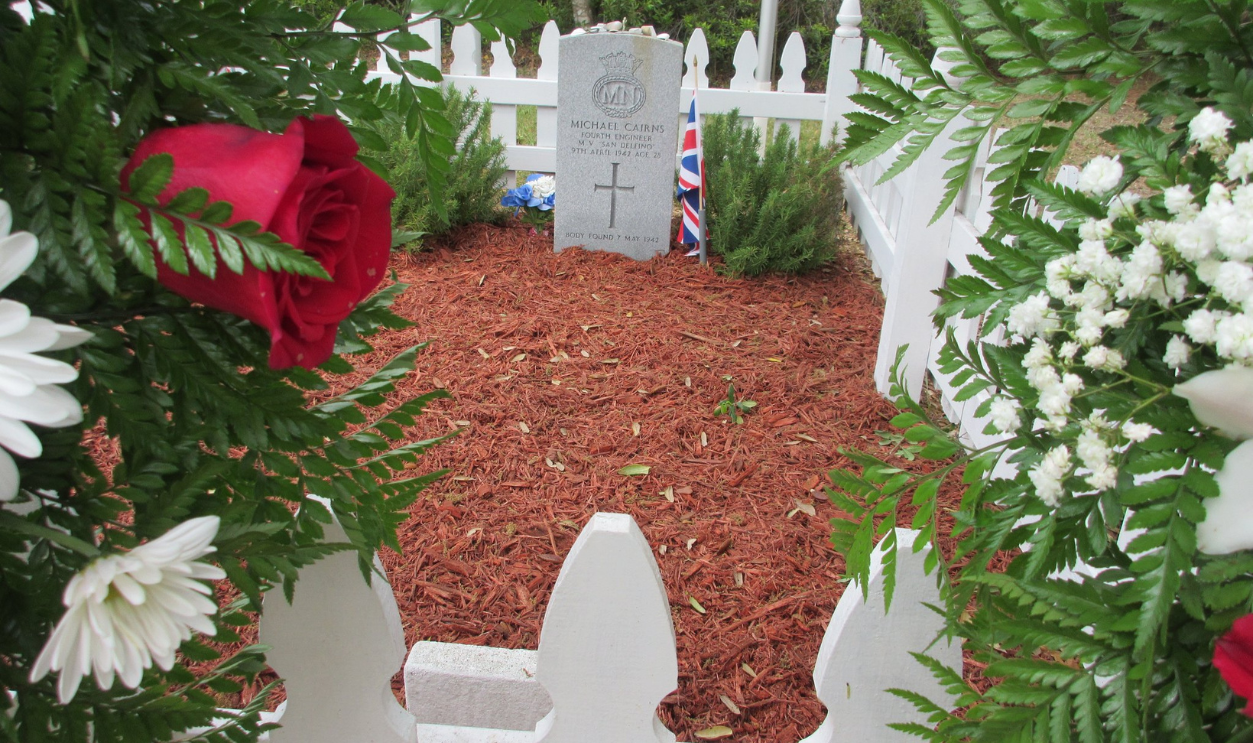
Visitors to North Carolina's Cape Hatteras National Seashore can discover an unusual reminder of the Atlantic war. In May 1942, a German submarine sank the British patrol vessel HMT Bedfordshire. Four sailors whose bodies washed ashore were buried on Ocracoke Island, where their graves remain.
 Cape Hatteras National Seashore, Flickr
A Virginia Park Concealed A Secret Interrogation Center
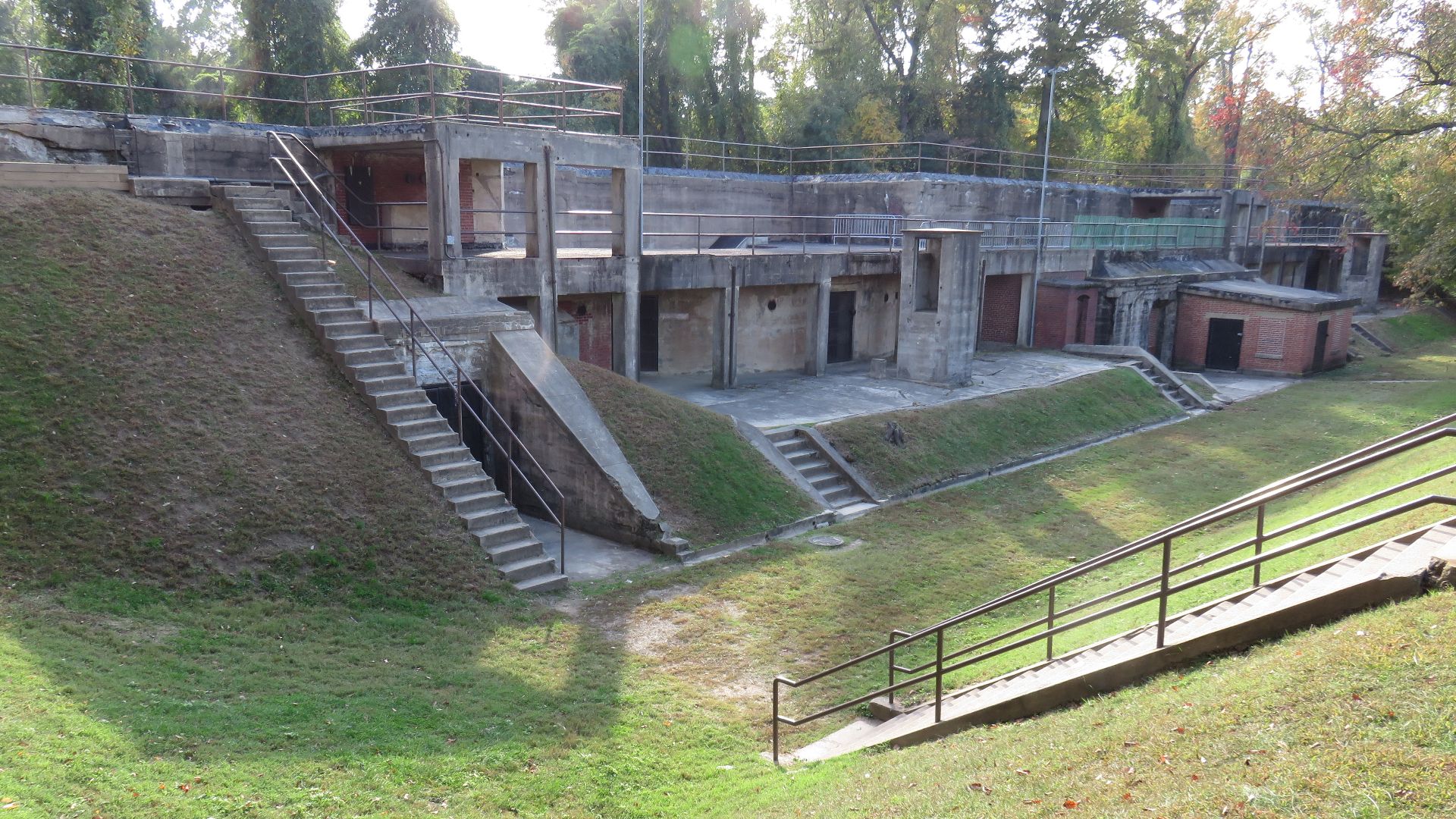
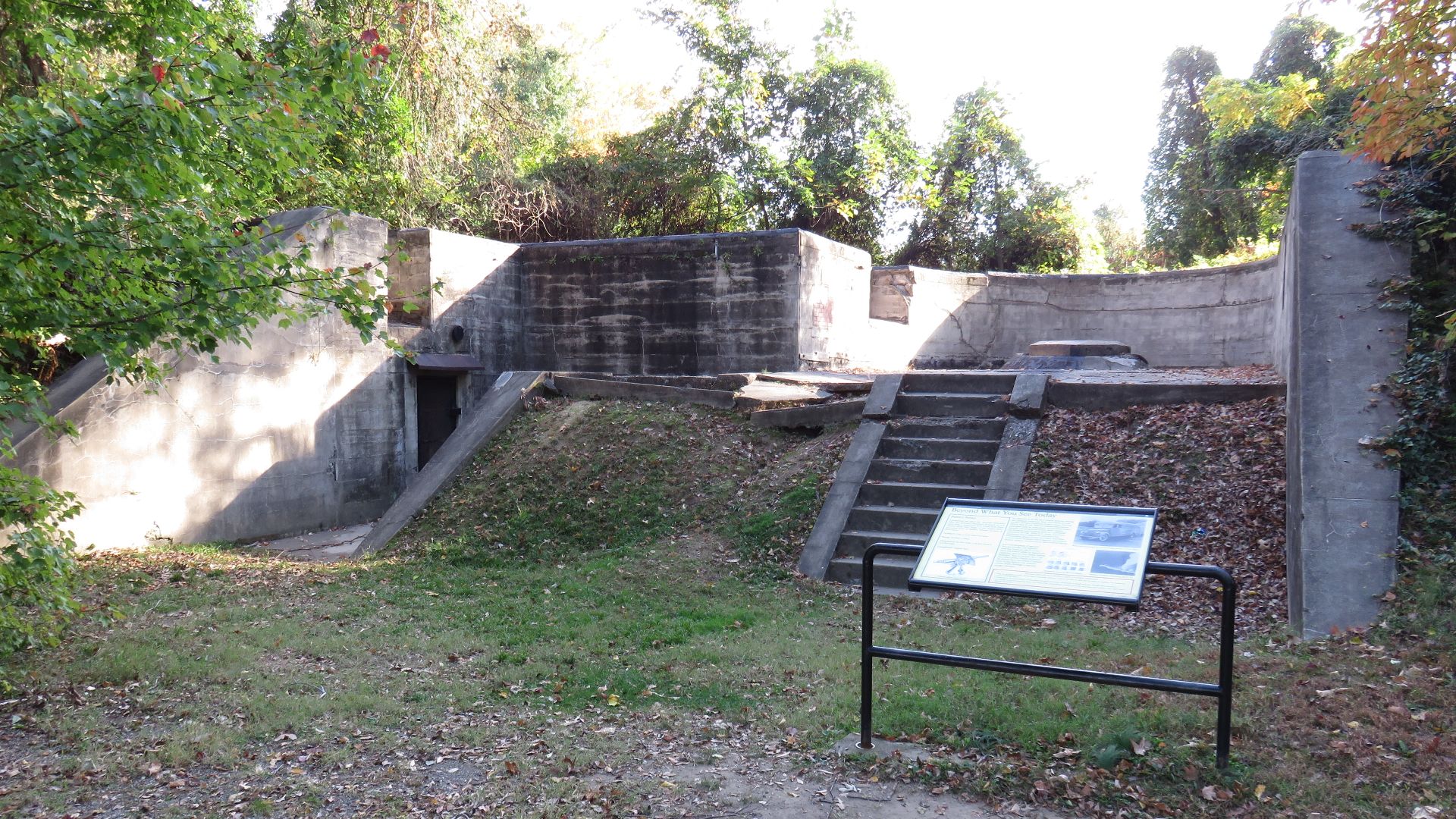
Fort Hunt, along Virginia's George Washington Memorial Parkway, became a top-secret intelligence installation during World War II. Known as P.O. Box 1142, the facility interrogated German prisoners and gathered military information. Much of its wartime infrastructure disappeared after the conflict, helping conceal its remarkable history.
Fort Hunt Also Manufactured Secret Escape Aids
Fort Hunt's intelligence operation did more than question prisoners. Its personnel developed escape equipment for Allied servicemen, including silk maps and buttons containing miniature compasses. They also helped conceal escape materials inside packages destined for prisoners held in German camps.
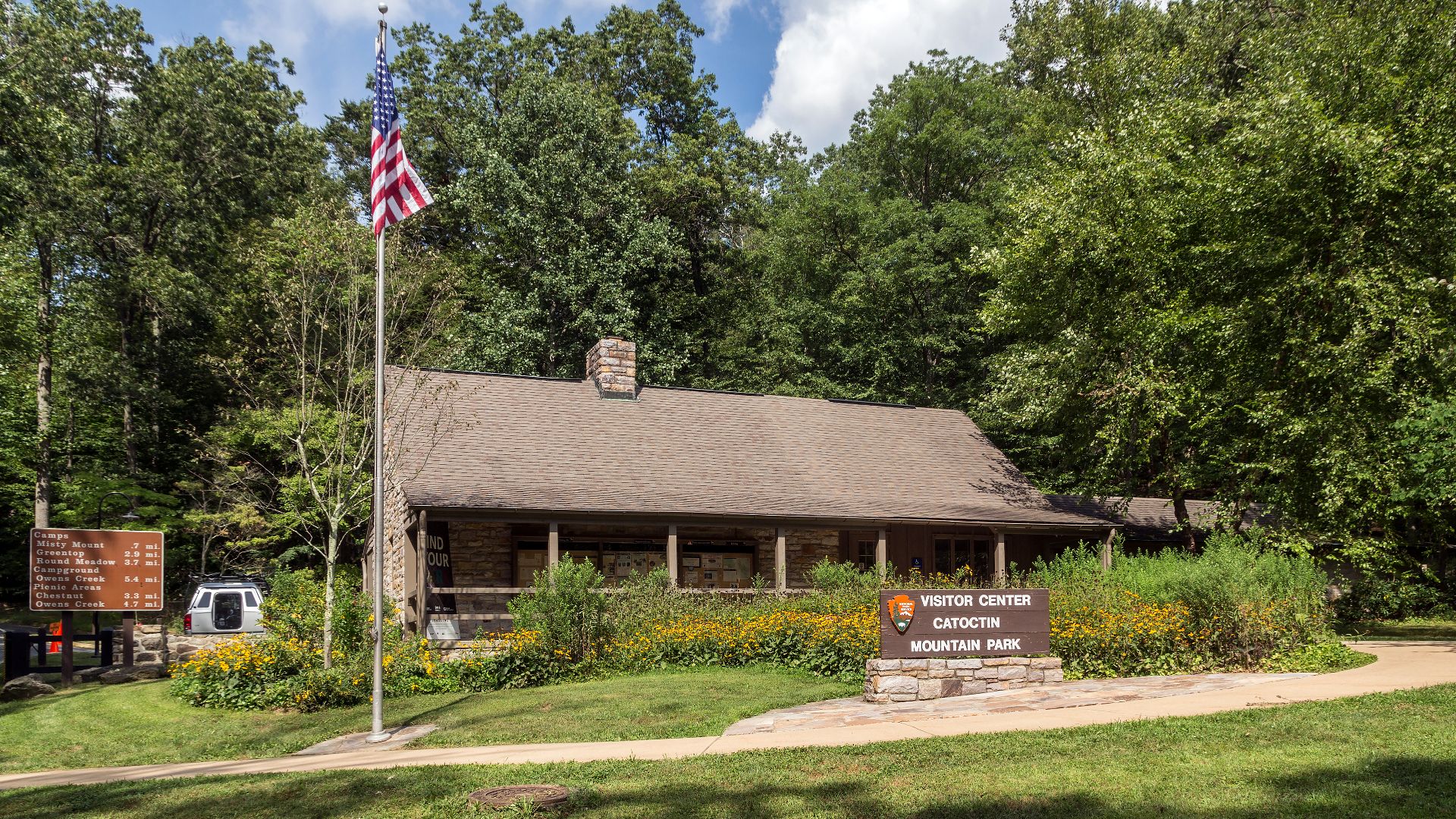
Catoctin Mountain Park Trained Real Spies
Maryland's Catoctin Mountain Park became a secret training ground for the Office of Strategic Services, America's wartime intelligence organization. Beginning in 1942, trainees practiced unconventional warfare techniques in its wooded landscape. Former recreational camps were transformed into facilities for preparing agents for dangerous overseas assignments.
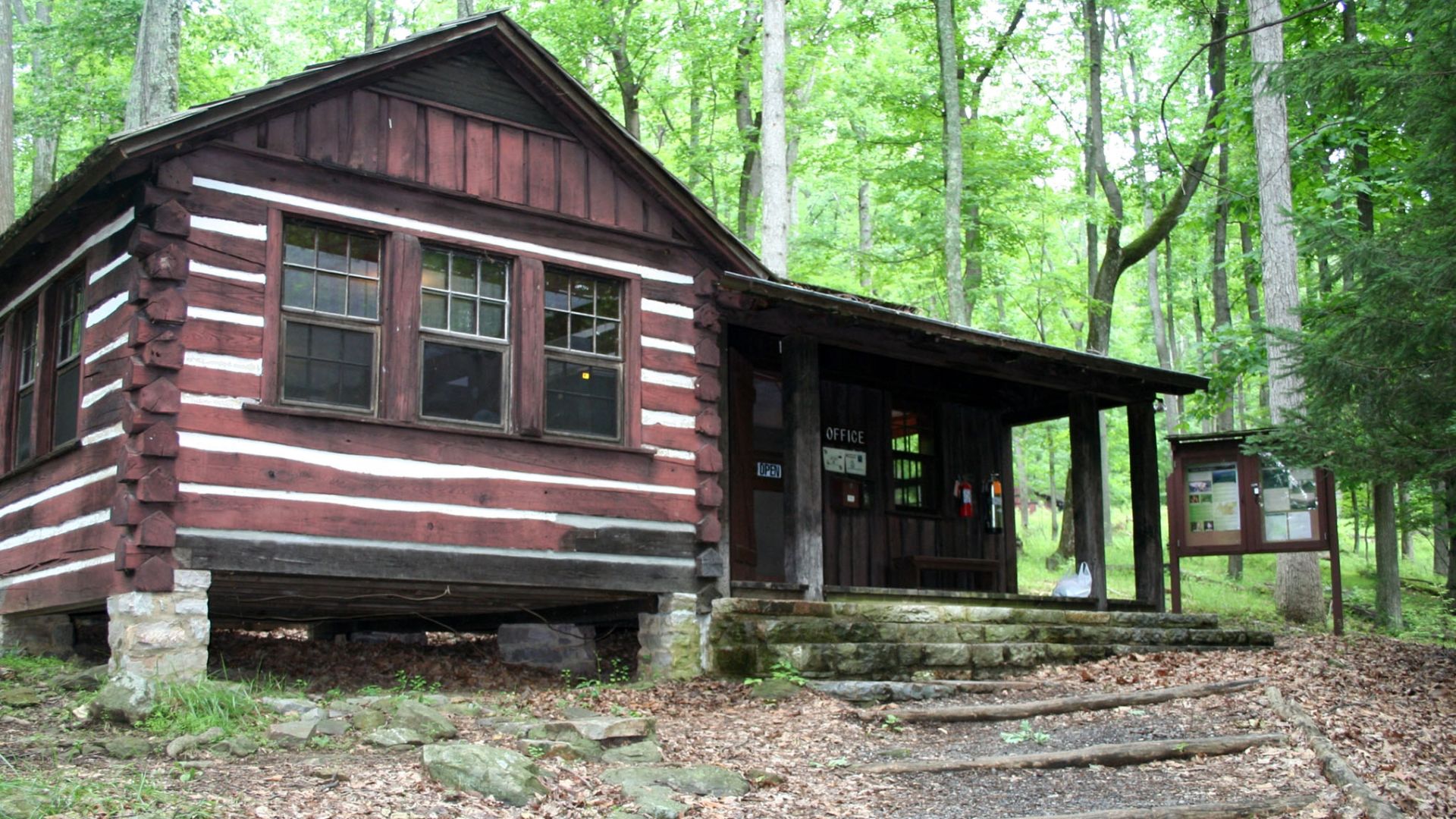
Camp Misty Mount Guarded A Presidential Retreat
The military had another assignment at Catoctin Mountain Park. Marines occupied Camp Misty Mount beginning in 1942 to help protect President Franklin Roosevelt's nearby retreat, then known as Shangri-La. The Marines conducted their own training while maintaining security around the secluded presidential destination.
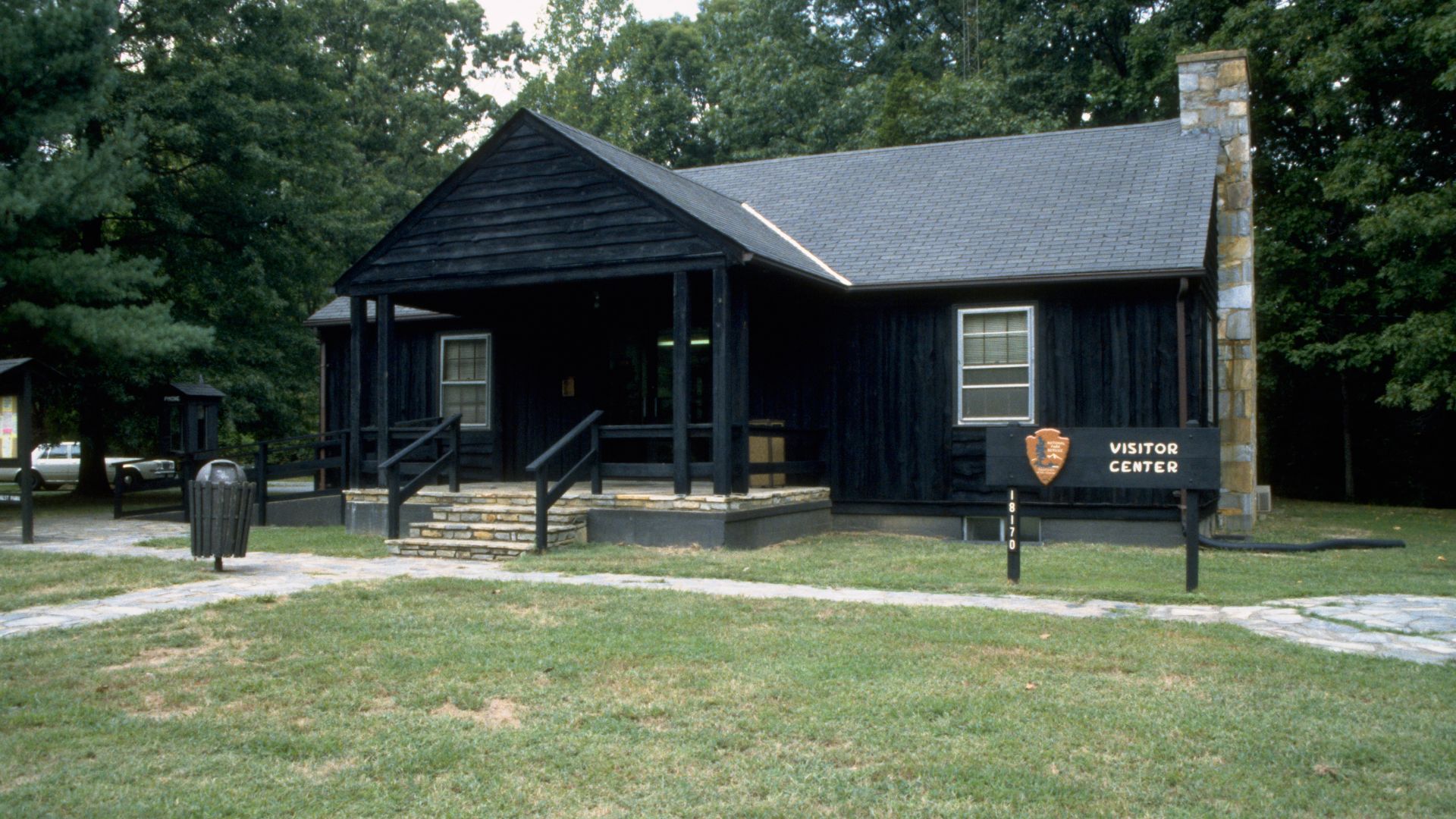
Prince William Forest Park Trained Saboteurs
Virginia's Prince William Forest Park was another unlikely intelligence training location. During the war, the OSS converted existing recreational cabin camps into training Areas A and C. Area A prepared personnel for sabotage, guerrilla operations, and other unconventional missions behind enemy lines.
 National Park Service Digital Image Archives, Wikimedia Commons
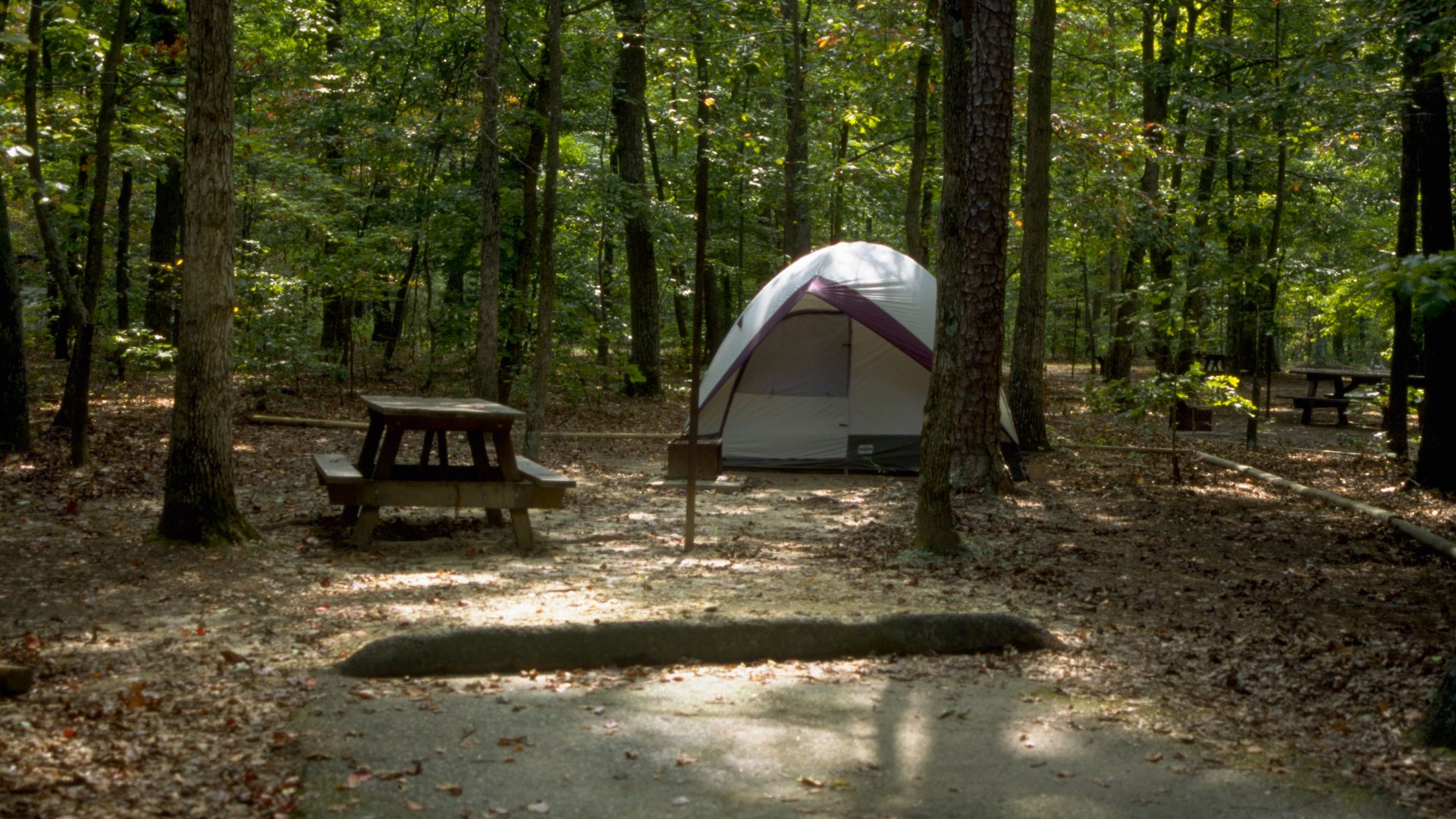
A Woodland Camp Taught Secret Radio Communications
Another section of Prince William Forest Park trained clandestine radio operators. At Area C, students learned Morse code, secret ciphers, radio operation, and equipment maintenance. More than 1,500 communications personnel completed training there between 1942 and 1945, according to National Park Service research.
 National Park Service Digital Image Archives, Wikimedia Commons
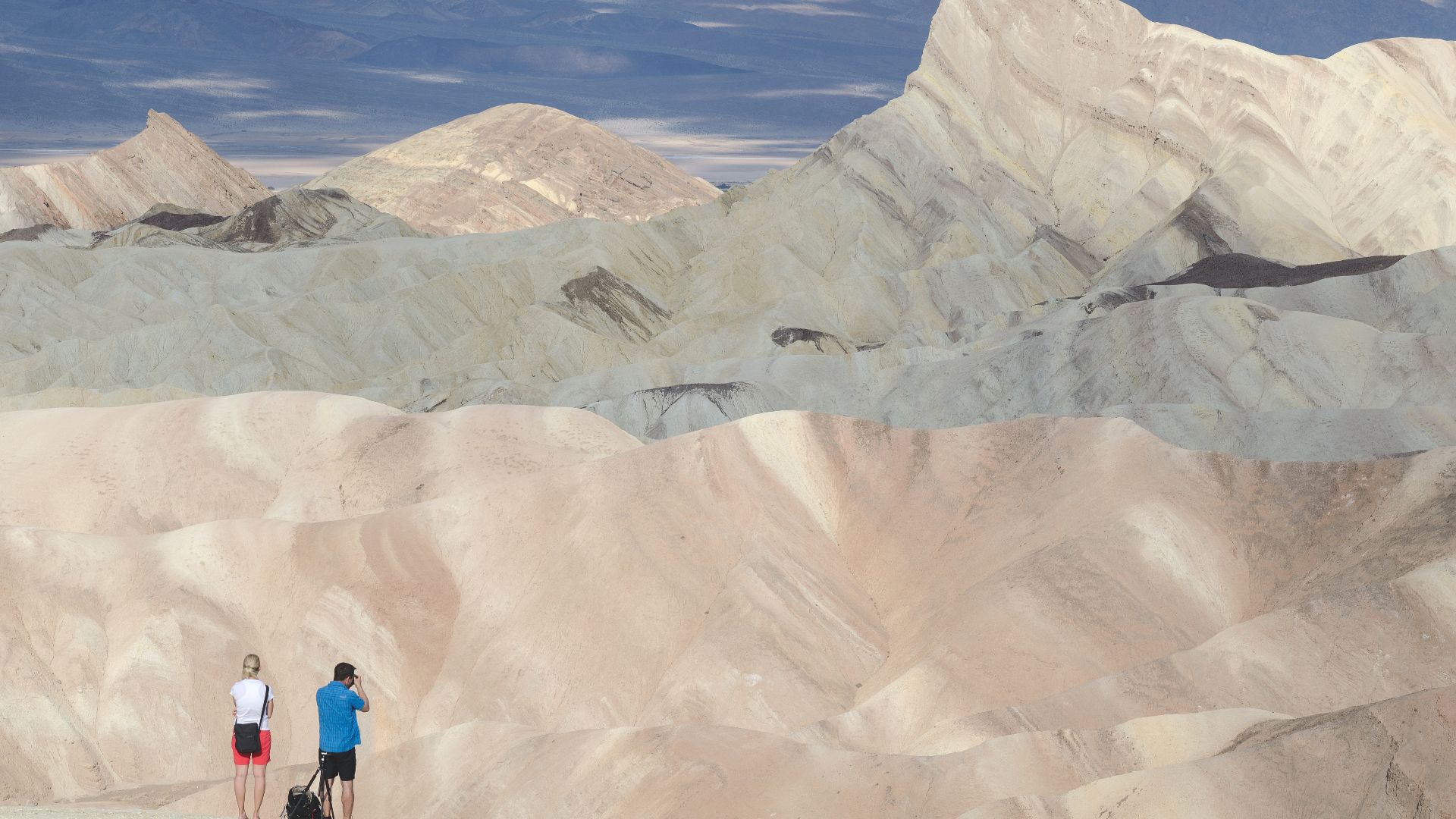
Death Valley Sheltered Families From Manzanar
Death Valley National Park contains a lesser-known chapter of Japanese American incarceration. Following deadly unrest at Manzanar in December 1942, authorities transferred dozens of incarcerated Japanese Americans to an abandoned Civilian Conservation Corps camp at Cow Creek. Families remained there for approximately two months.
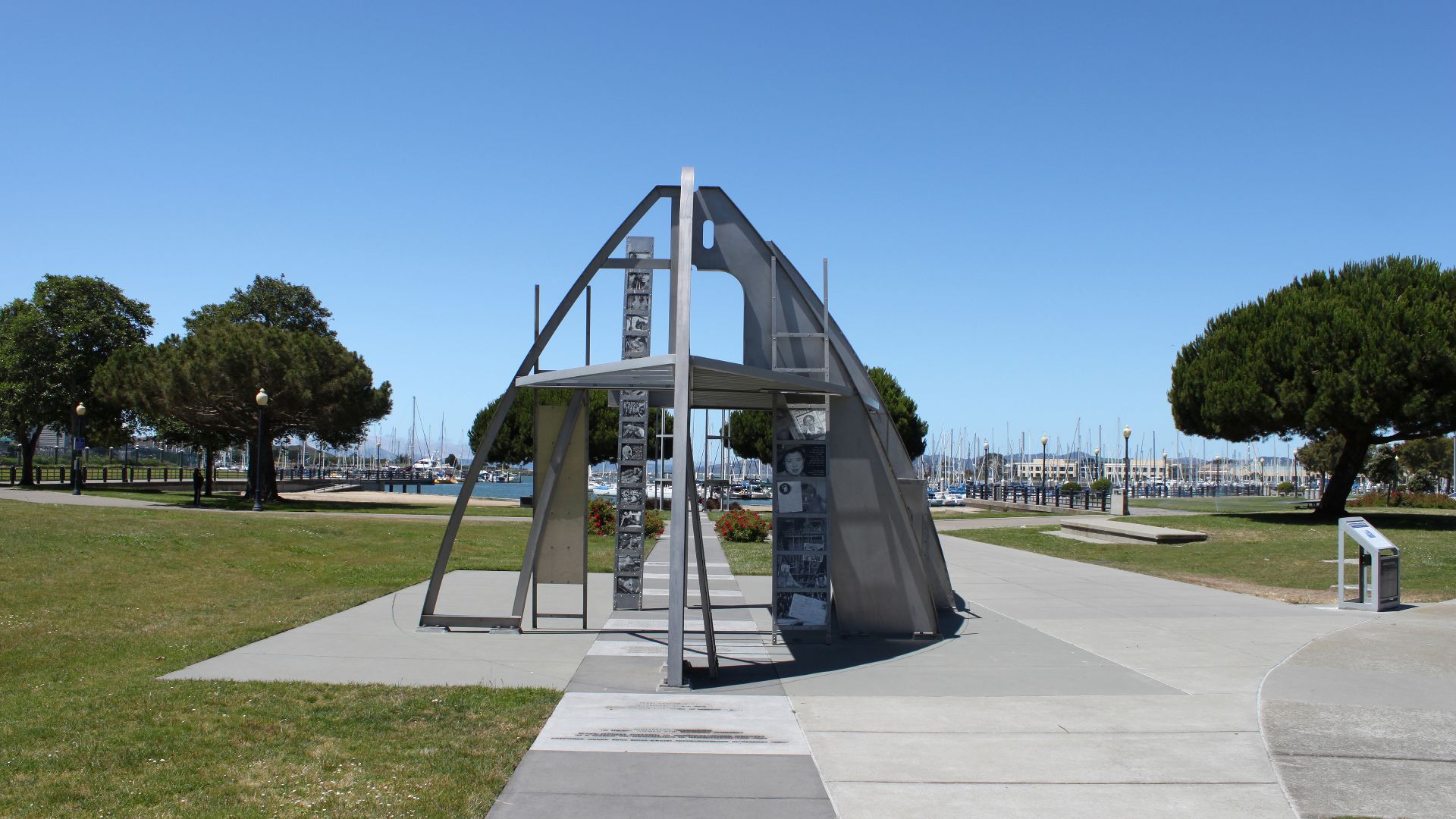
Richmond's Waterfront Became A Wartime Ship Factory
California's Rosie the Riveter WWII Home Front National Historical Park preserves the story of Richmond's extraordinary industrial transformation. The Kaiser shipyards produced cargo ships for the Allied war effort. Today, visitors can explore historic shipyard locations and learn about the workers who kept production moving.
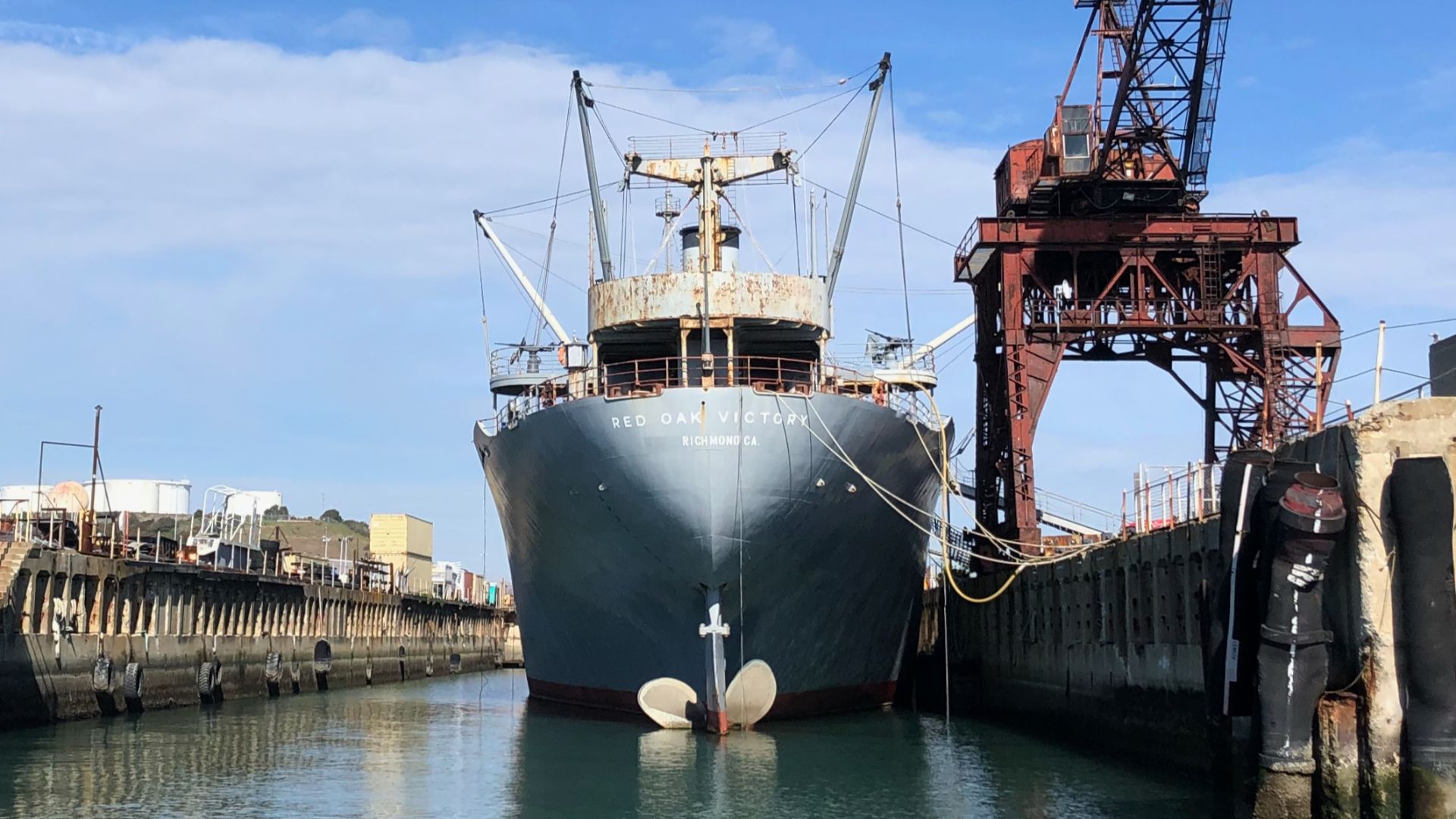
One Of Richmond's Victory Ships Still Survives
The SS Red Oak Victory was launched from Richmond's Kaiser shipyards on November 9, 1944. Unlike most wartime cargo vessels, this ship survived and eventually became a floating museum. Visitors can tour its historic spaces, although access involves a gangway and stairs.
 Dreamyshade, Wikimedia Commons
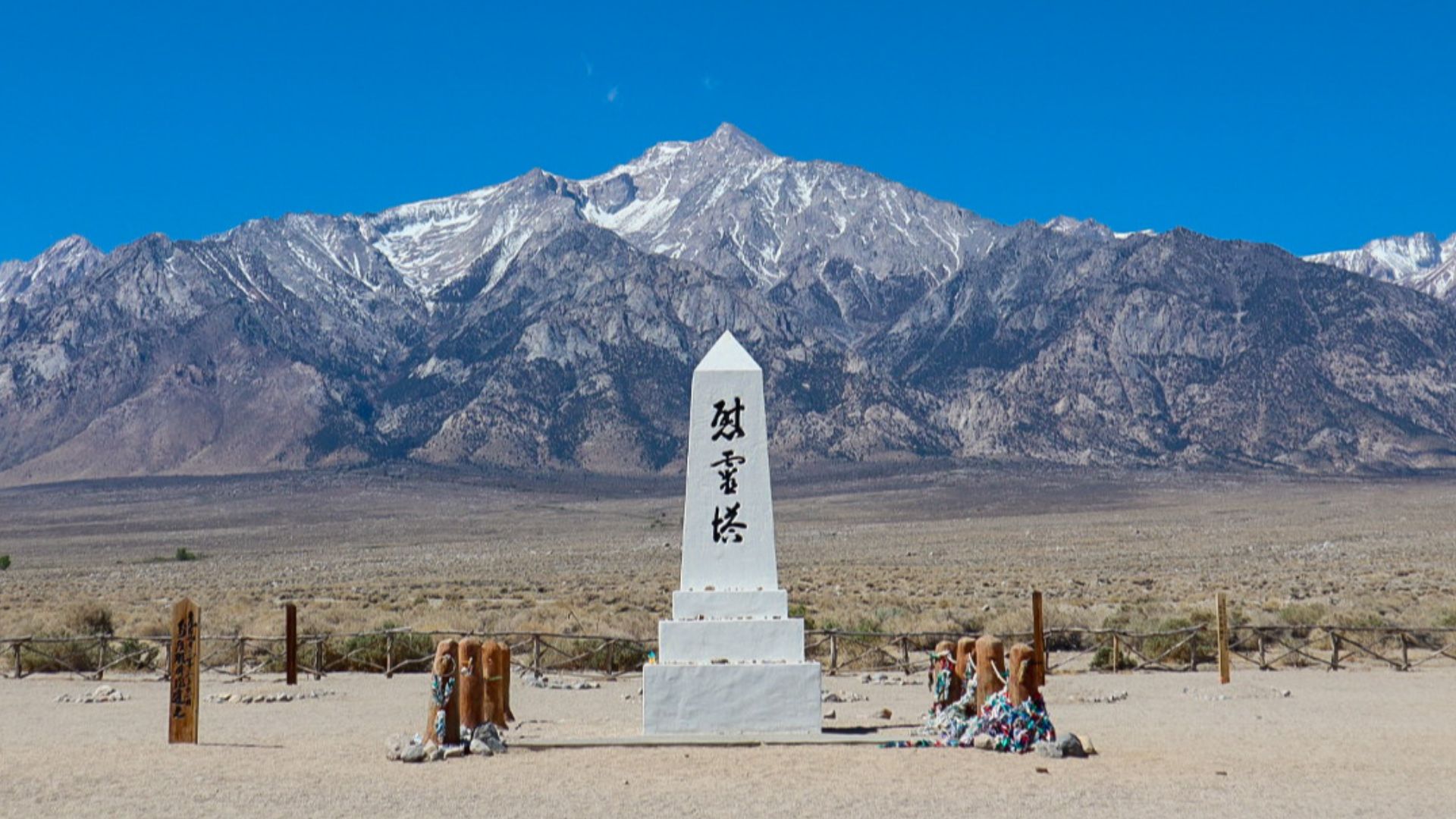
Manzanar Preserves The Evidence Of Incarceration
Manzanar National Historic Site in California preserves the history of Japanese Americans forcibly incarcerated during World War II. Visitors can explore reconstructed barracks, a communal latrine, and a restored mess hall in Block 14. Exhibits explain daily life under confinement and the loss of civil liberties.
 Tara Disser, Wikimedia Commons
Tule Lake Still Has Its Wartime Jail
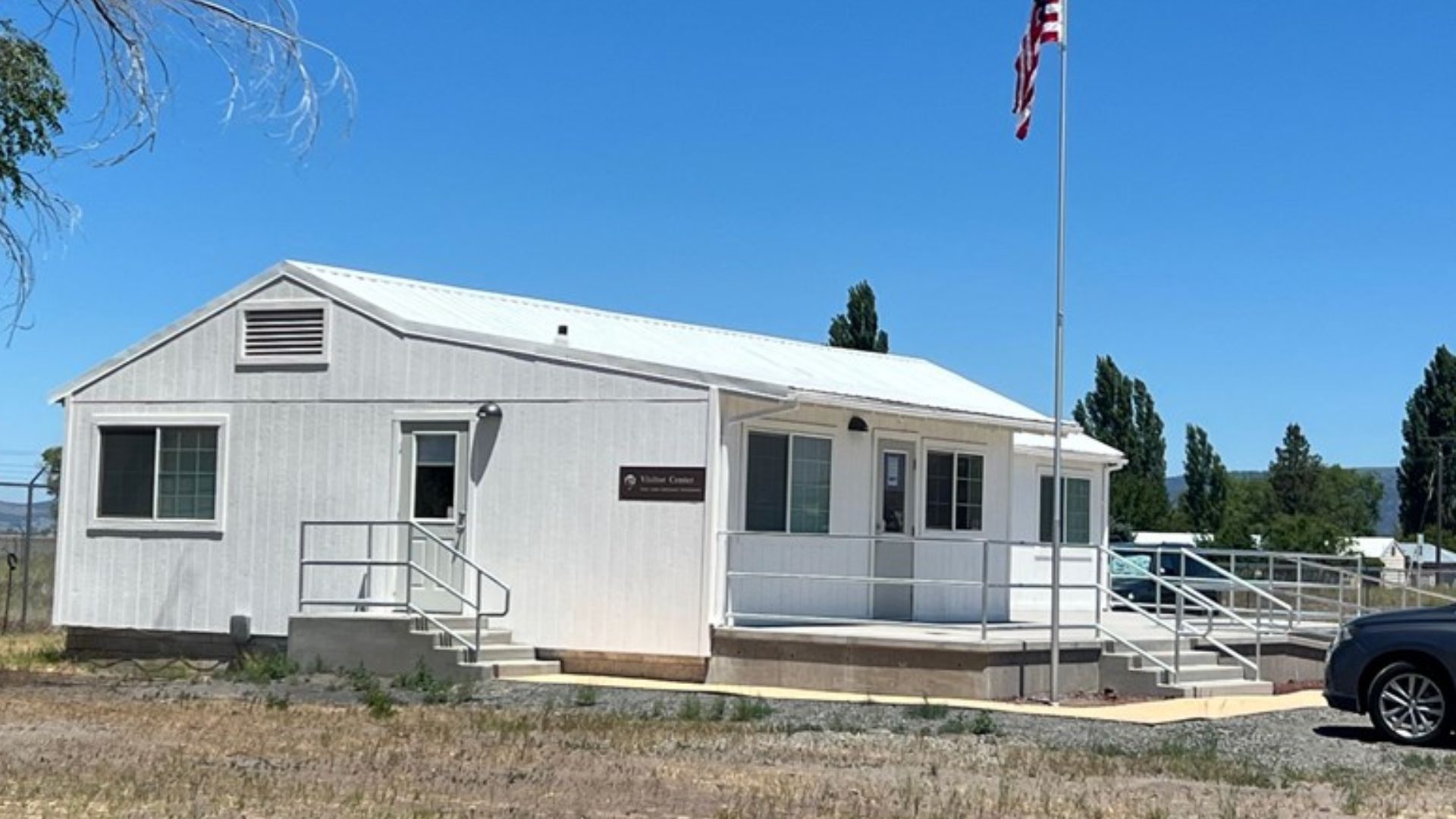
Northern California's Tule Lake National Monument preserves another painful chapter of wartime history. In 1943, Tule Lake became a high-security segregation center for incarcerated Japanese Americans. Its historic jail survives, and visitors should check seasonal ranger-led tour availability before planning a visit.
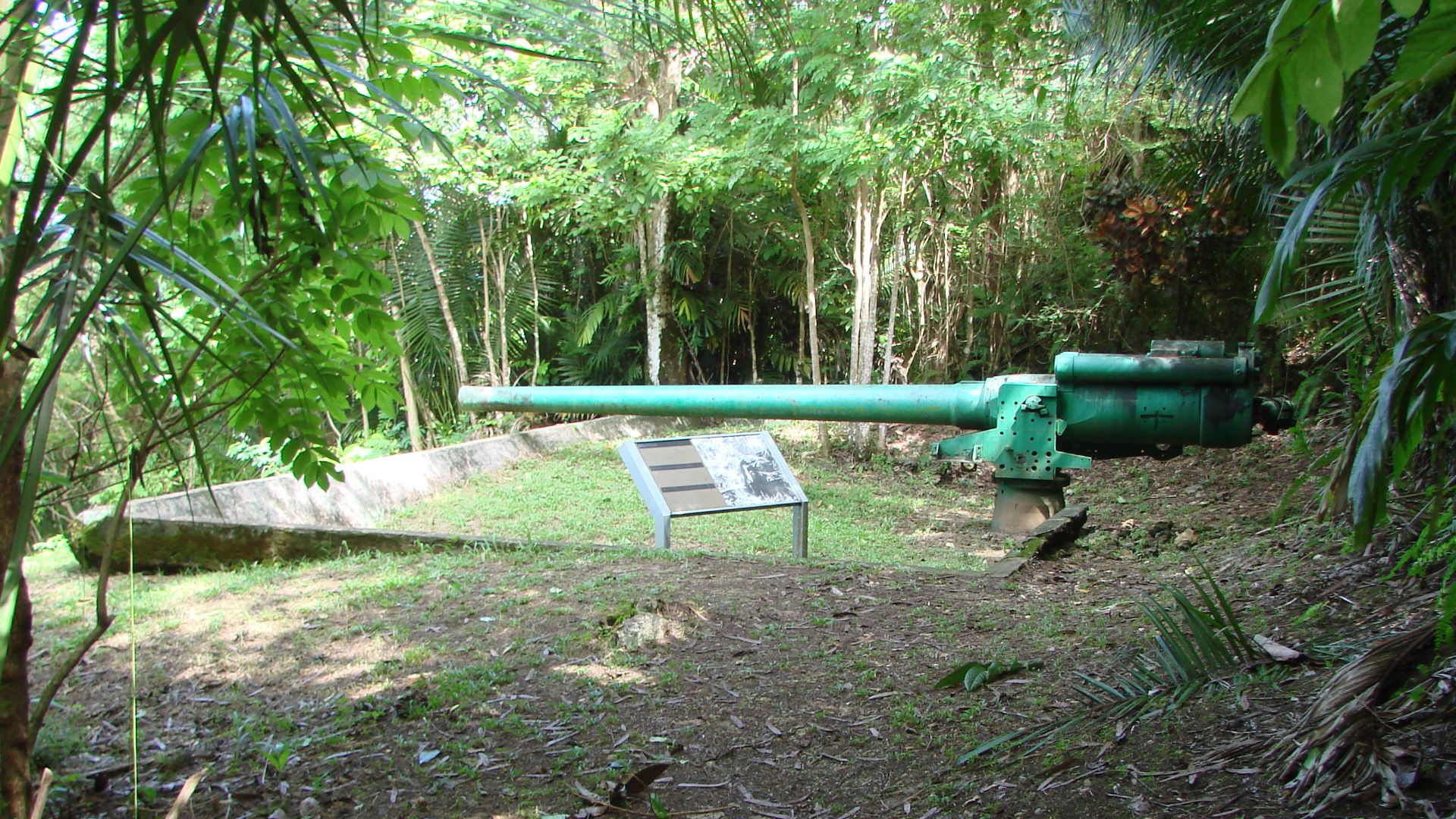
Guam's Beaches And Guns Tell A Different Story
War in the Pacific National Historical Park preserves important battle sites on Guam. Asan Beach marks a landing area used by American Marines during the island's recapture in July 1944. Nearby, the Piti Guns Unit preserves three Japanese coastal defense guns reached by a short hillside trail.
 Groverva (talk), Wikimedia Commons
Sources: 1, 2, 3, 4, 5, 6, 7, 8, 9, 10, 11, 12, 13, 14, 15, 16, 17, 18, 19, 20, 21