
Autumn Was Made For The Trail
There’s a brief stretch every year when familiar landscapes become almost unrecognizable. Aspens turn gold, Appalachian mountains ignite in red and orange, desert canyons finally cool down, and summer crowds begin disappearing. From easy waterfall walks to serious backcountry adventures, these trails show just how different America can look once fall arrives.
Aravaipa Canyon, Aravaipa Canyon Wilderness
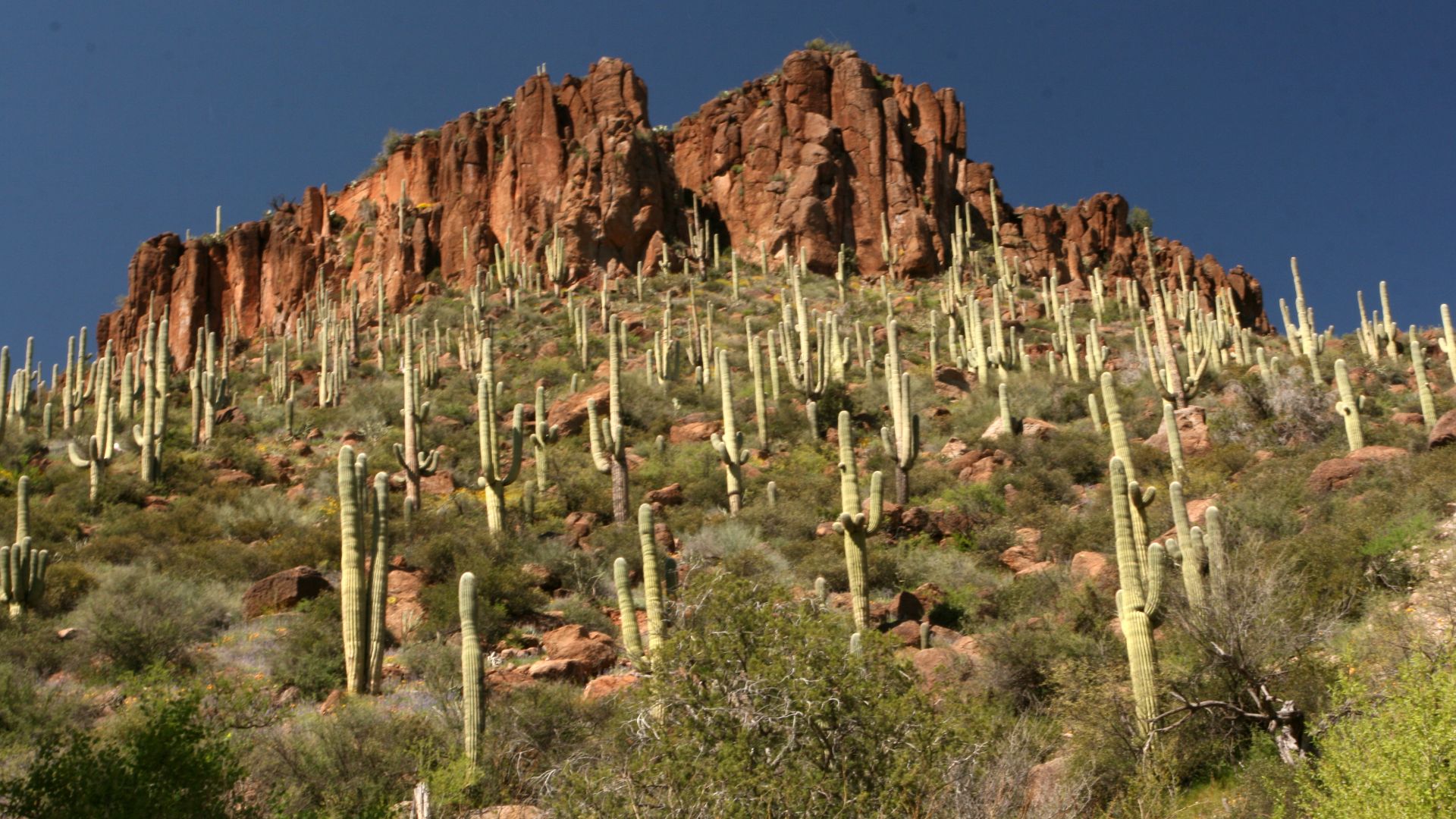
Arizona isn't usually the first place that comes to mind for fall foliage, which makes Aravaipa Canyon even more surprising. A year-round creek supports cottonwoods, sycamores, ash, and willows beneath towering desert cliffs, and by late fall their yellow and red leaves stand out dramatically against the surrounding Sonoran landscape. There isn't really a conventional trail through much of the canyon. Hikers repeatedly wade through the creek while following the canyon floor, sometimes in knee-deep water. Permits are required, and daily visitation is deliberately limited, helping preserve the secluded atmosphere.
 Bureau of Land Management, Wikimedia Commons
Rough Ridge Trail, Blue Ridge Parkway
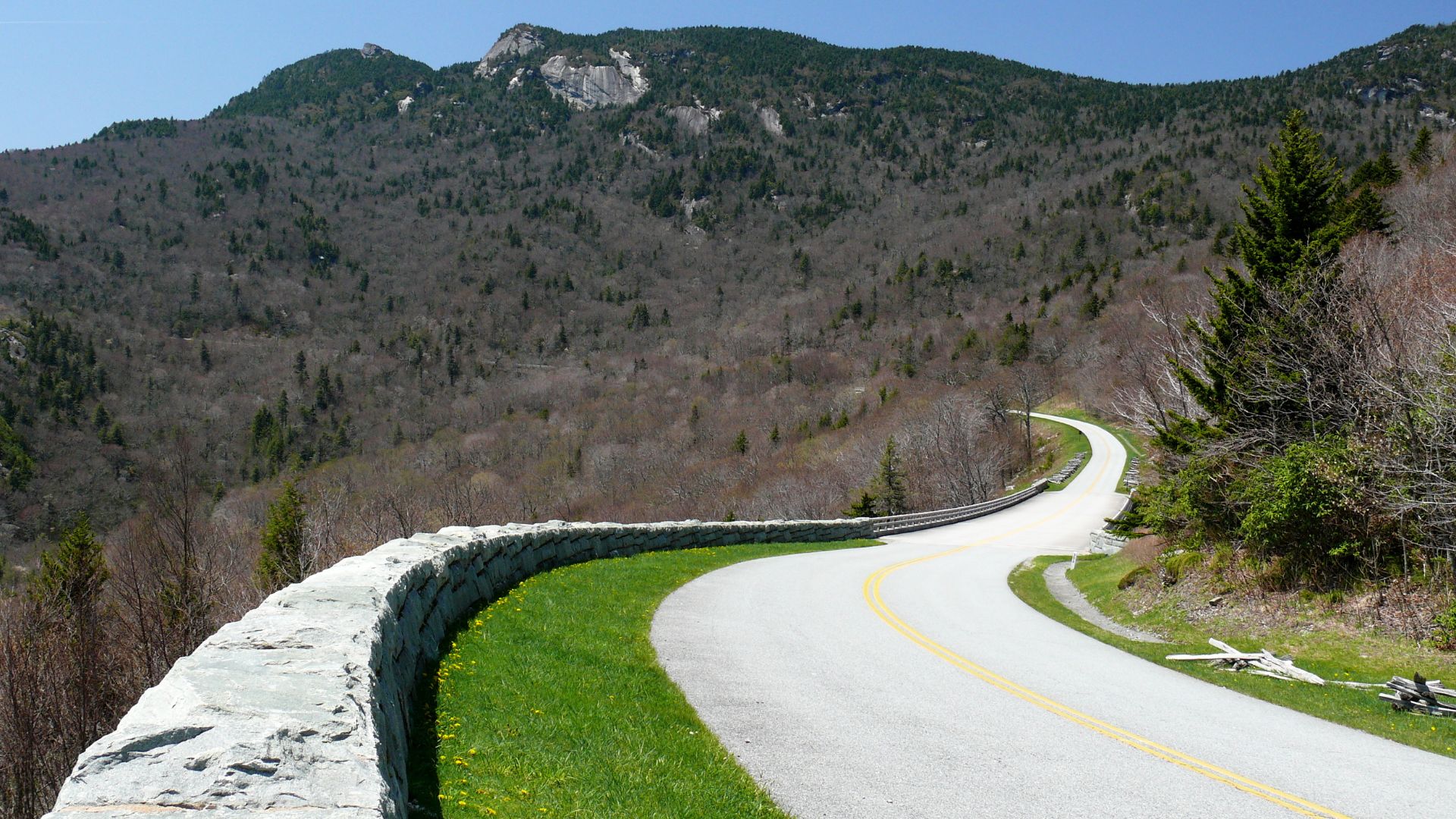
Rough Ridge proves that a relatively short walk can produce an enormous payoff. The route forms part of the longer Tanawha Trail near Grandfather Mountain and climbs across boardwalks and rocky areas to wide views over the Blue Ridge Parkway and surrounding mountains. During fall, the valleys below can become a seemingly endless quilt of red, orange, yellow, and evergreen forest. Elevation means color here can arrive earlier than in lower areas nearby, which is useful for travelers chasing peak foliage along the Parkway. Staying on the designated boardwalk and trails also protects the fragile high-elevation vegetation.
John Muir Trail, The High Sierra
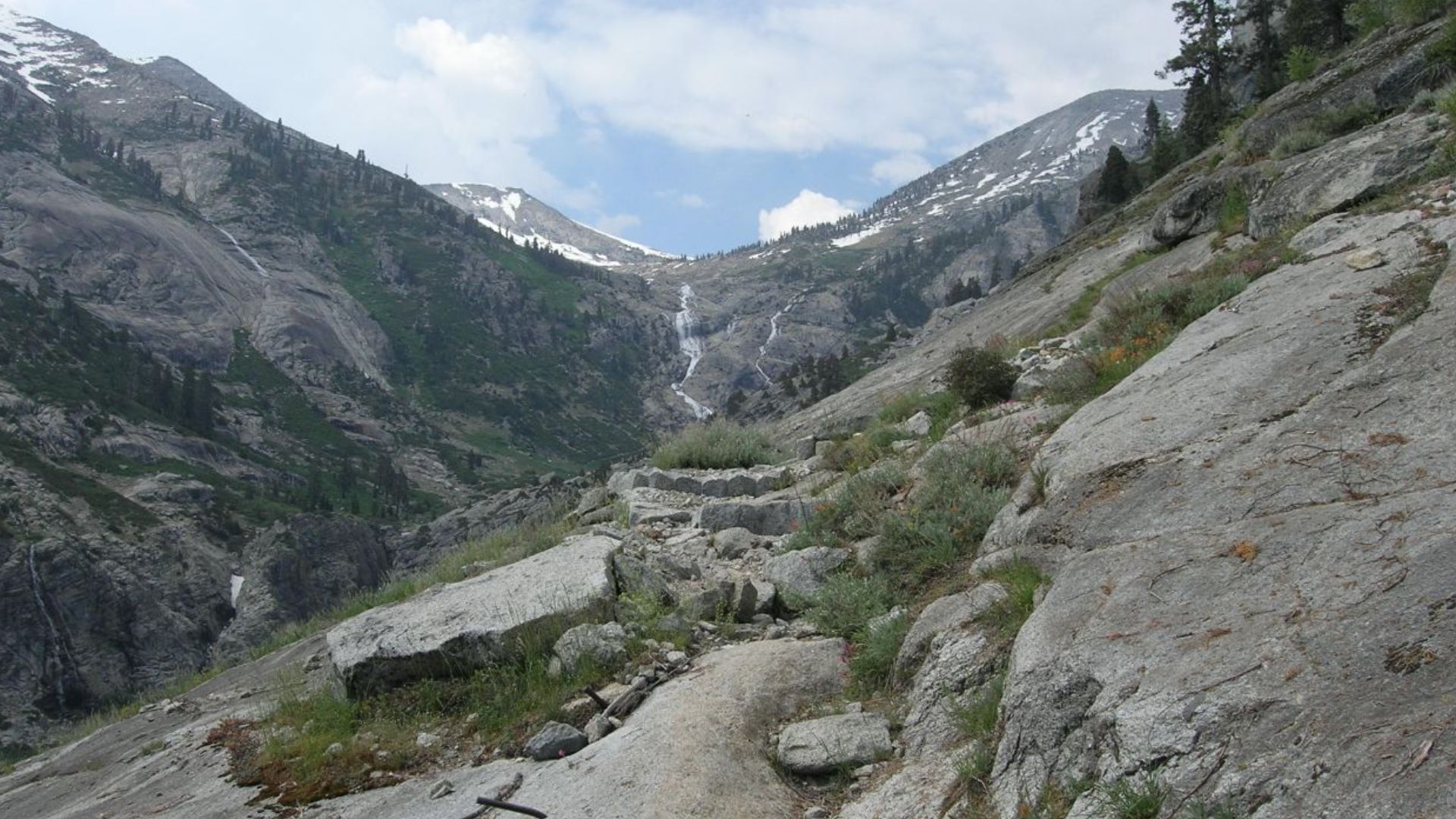
Fall in California's High Sierra isn't primarily about enormous forests of red and orange leaves. The attraction is the transformation of the mountains themselves. By September, summer mosquitoes are fading, daytime temperatures become more comfortable, and heavily traveled areas can begin quieting down. Sections of the John Muir Trail lead through granite basins, alpine meadows, mountain passes, and chains of clear lakes surrounded by some of the tallest peaks in the Lower 48. The trade-off is unpredictability. Early autumn can be glorious, but high elevations mean freezing nights and potentially serious early-season snow.
 Joe Decruyenaere, Wikimedia Commons
North Cascades Backcountry, North Cascades National Park
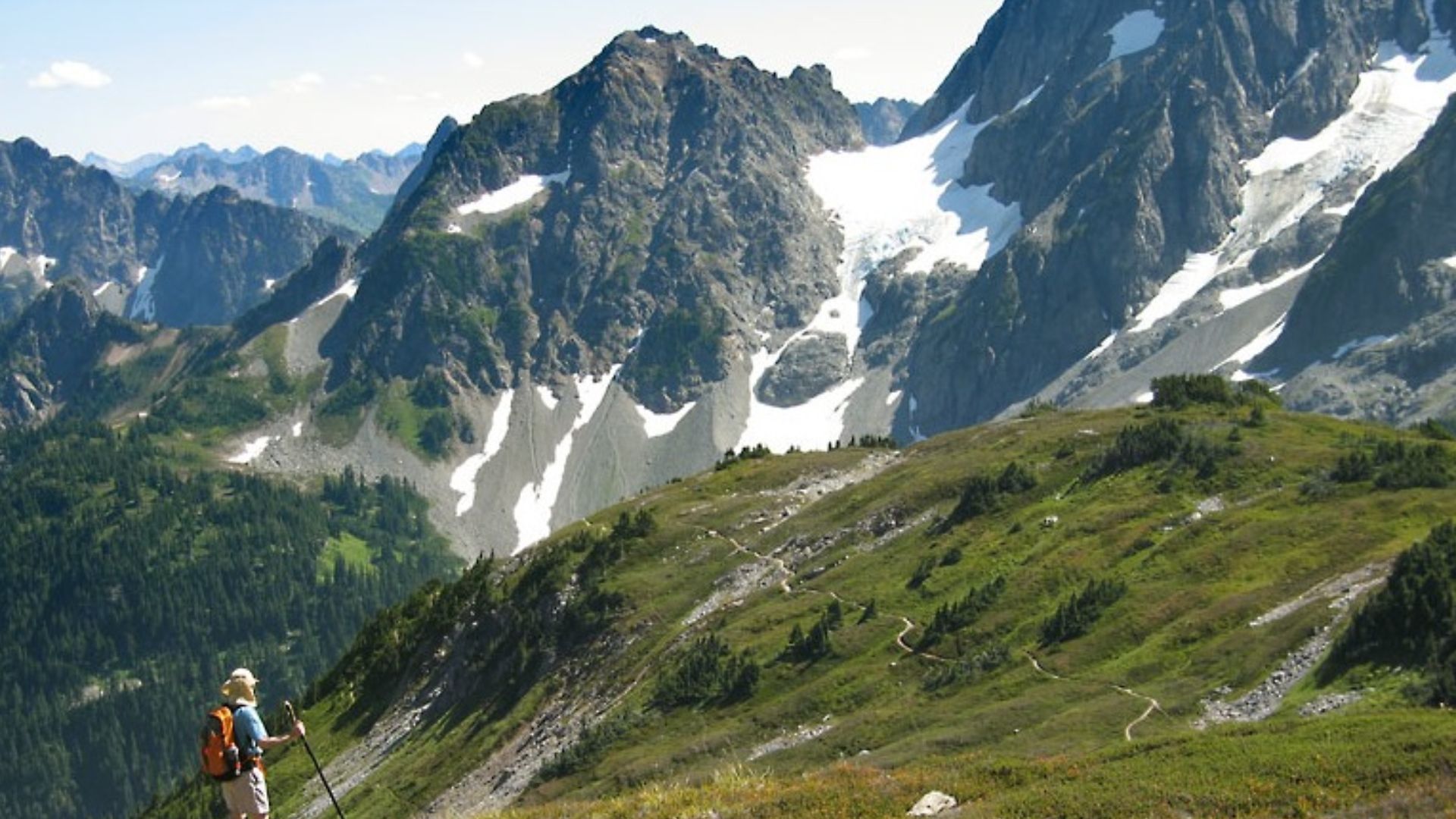
Autumn brings one of the Pacific Northwest's most spectacular transformations to the North Cascades. High-country meadows turn rusty red and orange, while deciduous conifers such as western larches become brilliant gold before dropping their needles. Trails around places such as Purple Pass and Juanita Lake can deliver the full experience, combining mountain lakes, sharp peaks, and scattered golden larches. September into early October can be wonderful, but timing matters at these elevations. Rain, snow, and rapidly shortening daylight can arrive quickly, making fall backpacking here much more serious than a casual summer walk.
 Daniel Hershman, Wikimedia Commons
Aspen Nature Loop, Kachina Peaks Wilderness
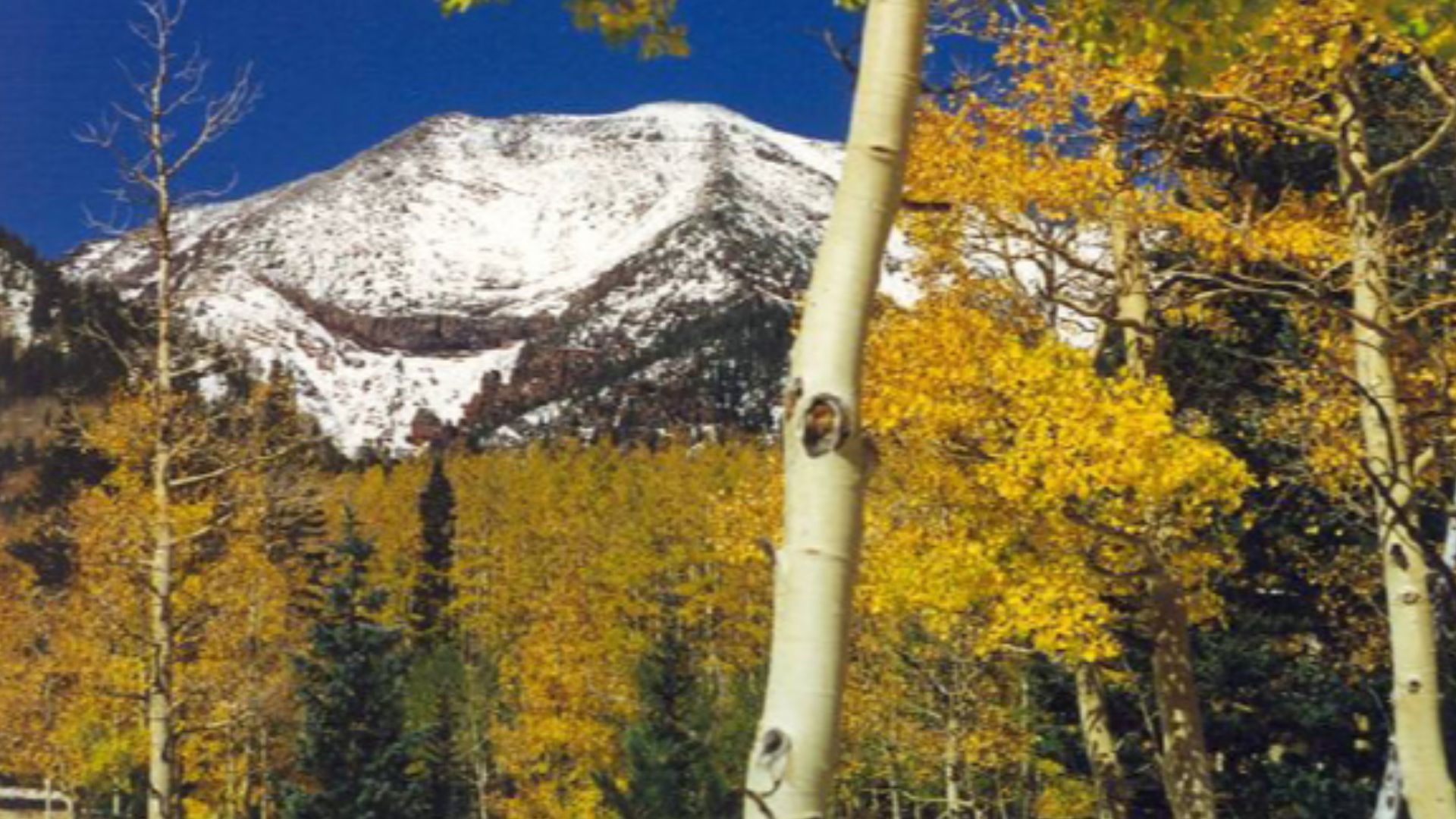
If someone insists Arizona doesn't have a real fall, take them to the mountains above Flagstaff. The Aspen Nature Loop begins near Arizona Snowbowl and passes directly through stands of quaking aspens that turn intensely yellow during the first half of October in a typical year. It isn't a particularly difficult trail, which makes it one of the easiest ways to experience the San Francisco Peaks during leaf season. Beyond the aspens, openings in the forest reveal mountain and valley views. Its accessibility is also its weakness, because photographers and families know exactly how good it looks when the leaves peak.
East Head Reservoir Trail, Myles Standish State Forest
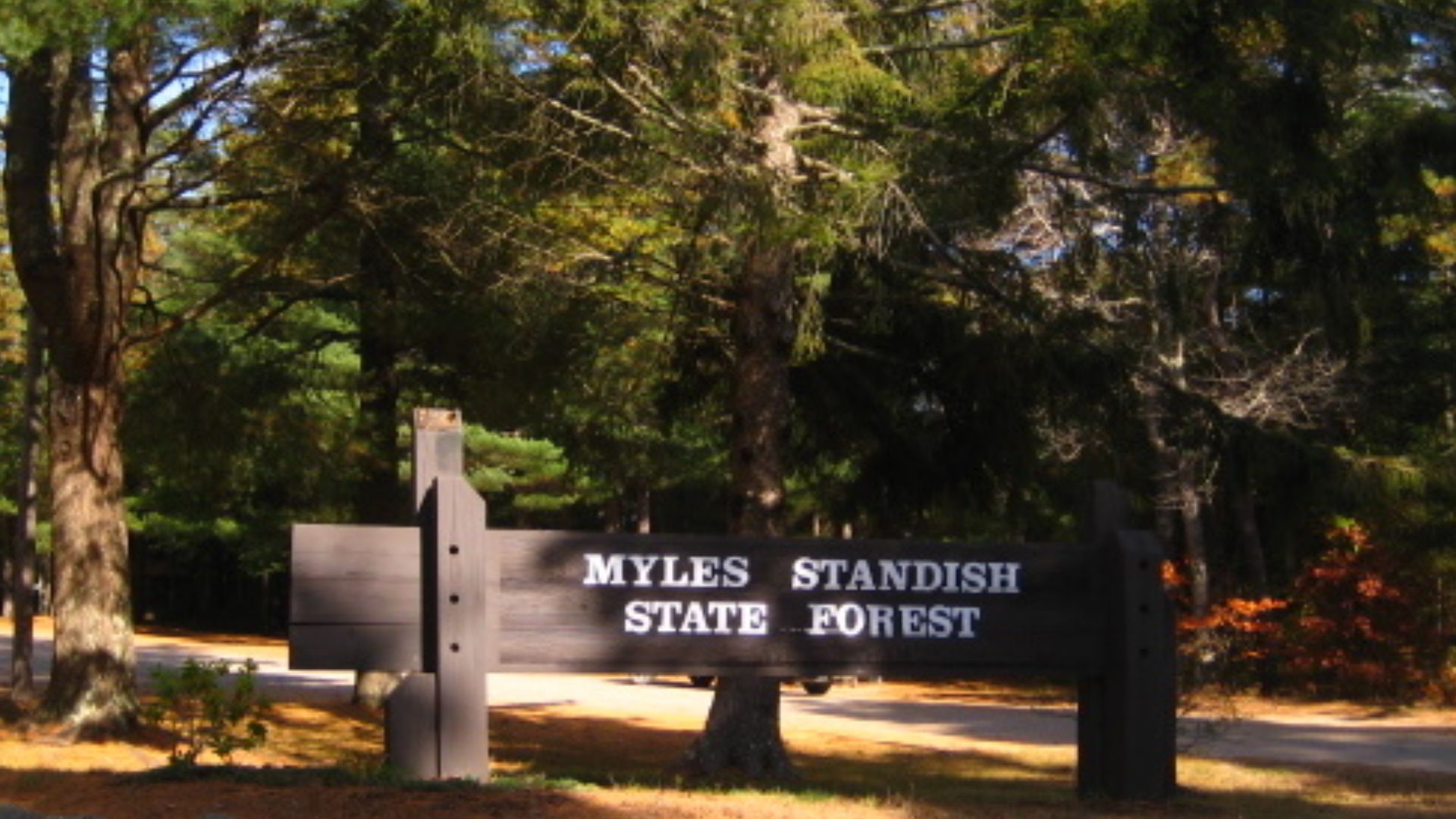
The East Head Reservoir Trail offers a gentler version of New England hiking. This roughly 2.75-mile loop in southeastern Massachusetts stays mostly flat as it passes around the reservoir and through Myles Standish State Forest. The landscape combines pitch pine, scrub oak, wetlands, ponds, and pockets of deciduous foliage, giving autumn a different texture from the maple-heavy mountains farther north. Boardwalks and wet sections can become slippery, but the relatively easy terrain makes this a good choice for anyone who wants fall scenery without a major climb. It's also a surprisingly peaceful escape within reach of Boston.
Ruby Crest Trail, Ruby Mountains Wilderness
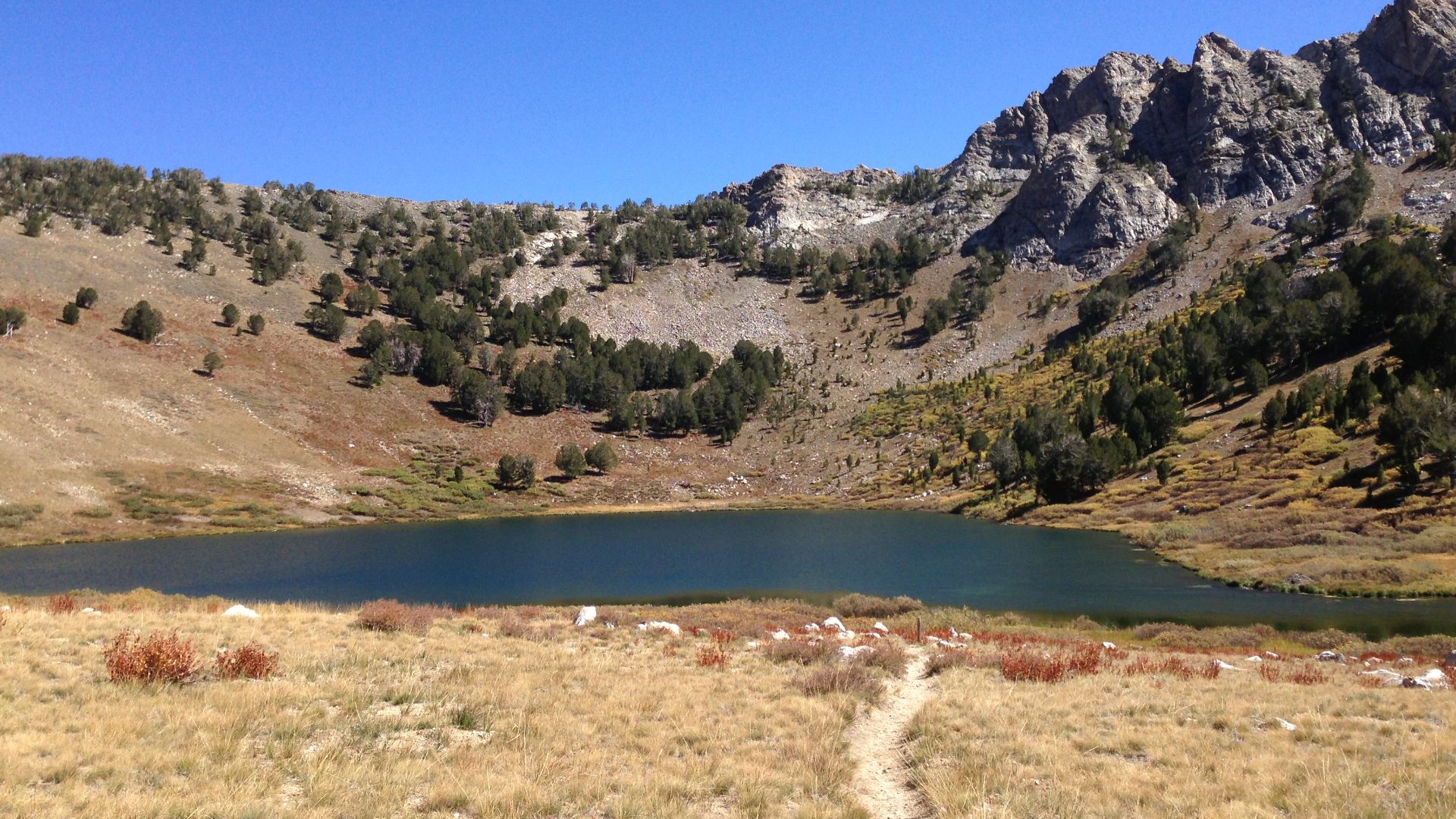
Nevada hides an alpine landscape that many travelers never expect to find there. The Ruby Crest Trail runs along the spine of the Ruby Mountains, connecting high passes, granite ridges, blue alpine lakes, sagebrush valleys, and scattered aspen groves. The full traverse is a serious multi-day backpacking trip, but shorter outings from Lamoille Canyon still reveal why autumn suits the Rubies so well. Aspens turn gold below rugged peaks, summer heat begins fading, and the mountains can feel remarkably empty. Just don't push the season too late without preparation, because substantial sections of the trail rise above 10,000 feet.
Coyote Gulch, Glen Canyon National Recreation Area
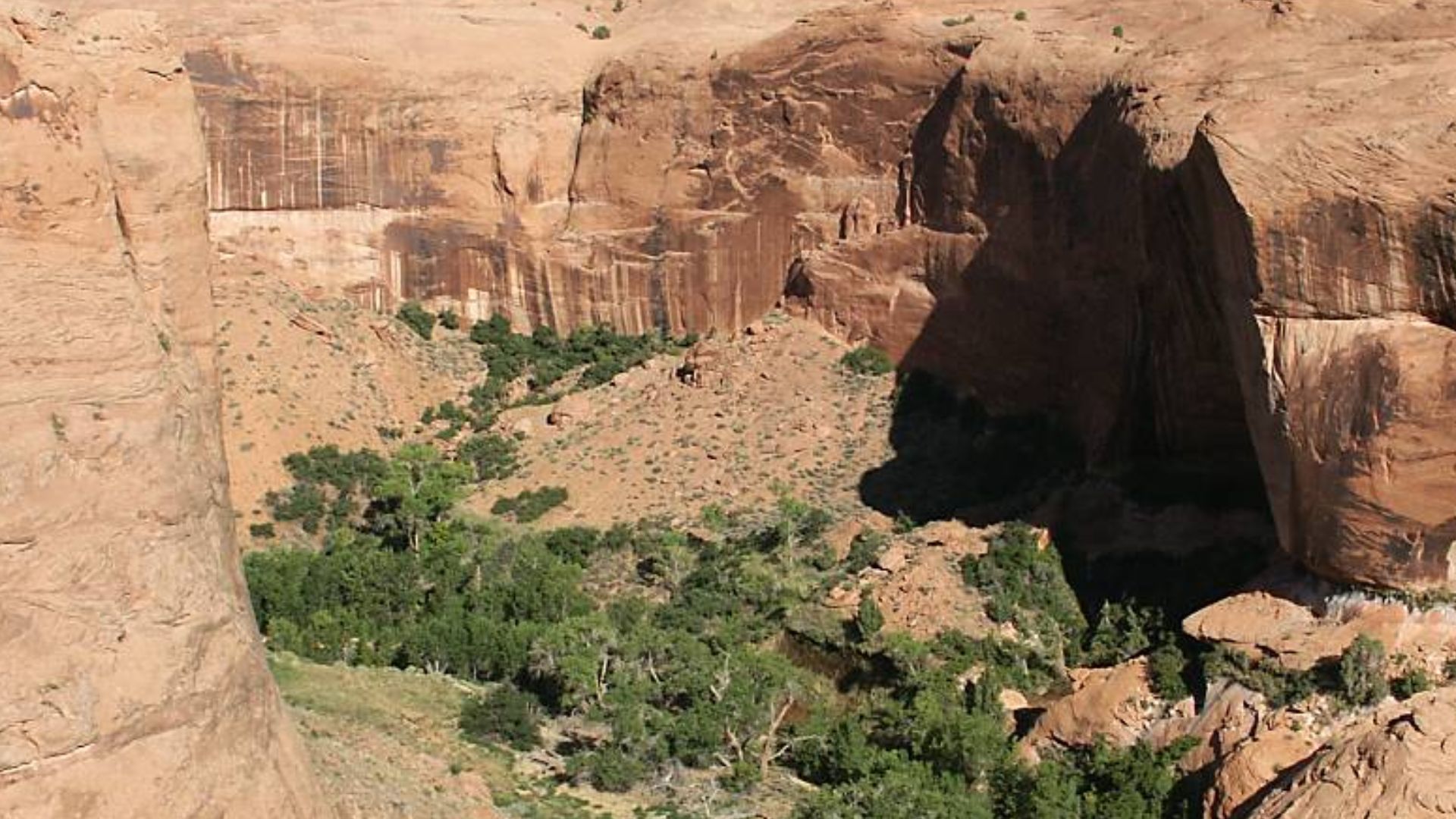
Coyote Gulch combines almost everything people imagine when dreaming about canyon-country hiking. Red sandstone walls curve above a perennial stream, while waterfalls, natural bridges, arches, cottonwoods, and enormous alcoves appear along the route. Fall is one of the most appealing times to explore it because temperatures become far more manageable than in summer and the cottonwoods provide their own burst of autumn yellow. Multiple trailheads allow different itineraries, from long day trips to multi-night backpacks. Overnight hikers need a backcountry permit, and flash-flood potential remains something to take seriously regardless of season.
 User:G. Thomas, Wikimedia Commons
Hidden Falls Trail, Grand Teton National Park
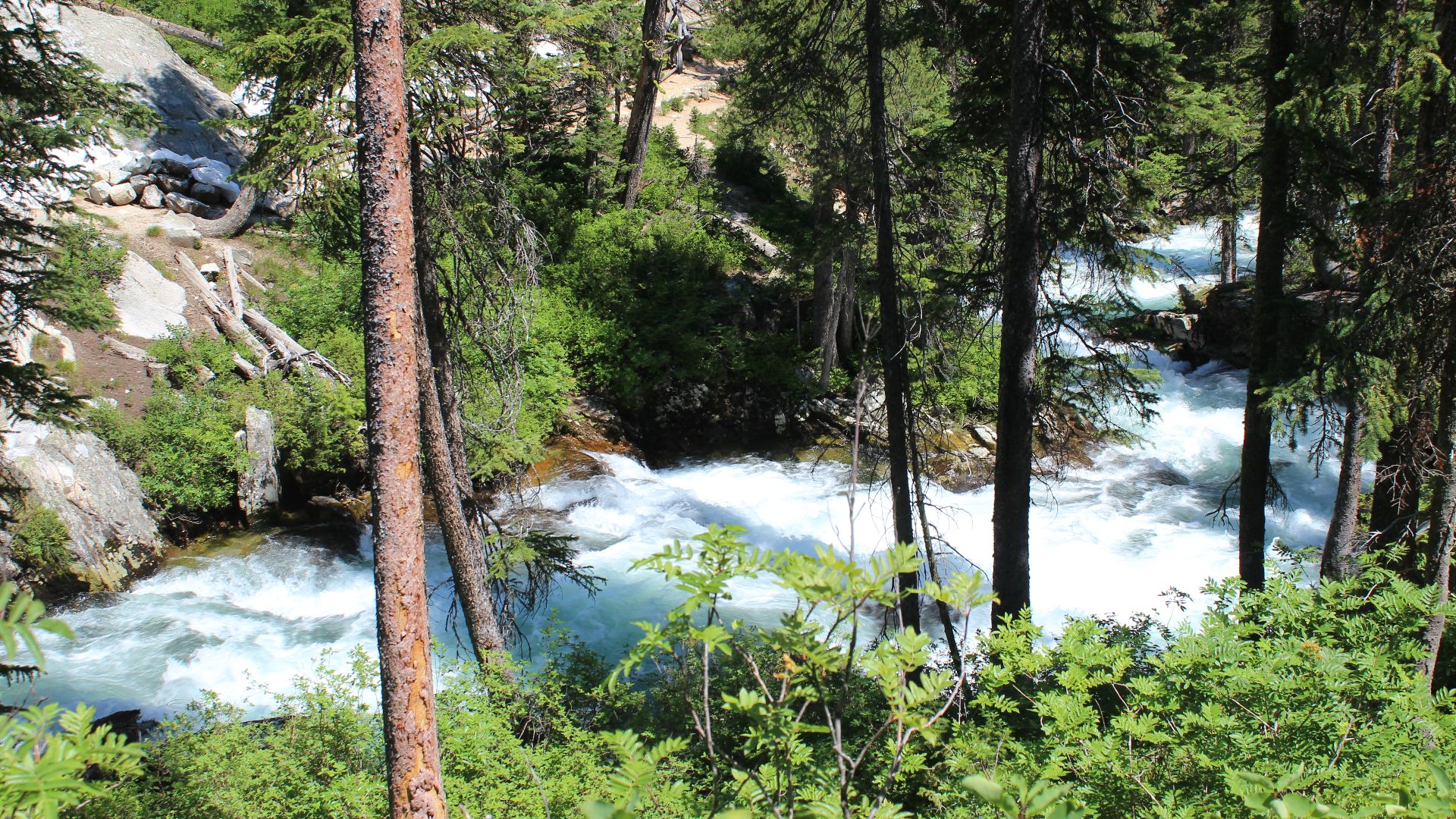
Grand Teton National Park becomes especially dramatic in fall, when yellow aspens and cottonwoods appear below mountains that may already be collecting fresh snow. Hidden Falls is one of the easier ways to experience that scenery on foot. Hikers can follow Jenny Lake's shoreline or shorten the trip by taking the seasonal boat across the lake, then walk through forest to a roughly 100-foot cascade. Continuing to Inspiration Point adds elevated views across Jenny Lake. The trail remains popular even outside summer, but fewer peak-season visitors and crisp mountain air can make the experience feel considerably more relaxed.
 Miguel Hermoso Cuesta, Wikimedia Commons
Catawba Falls Trail, Pisgah National Forest
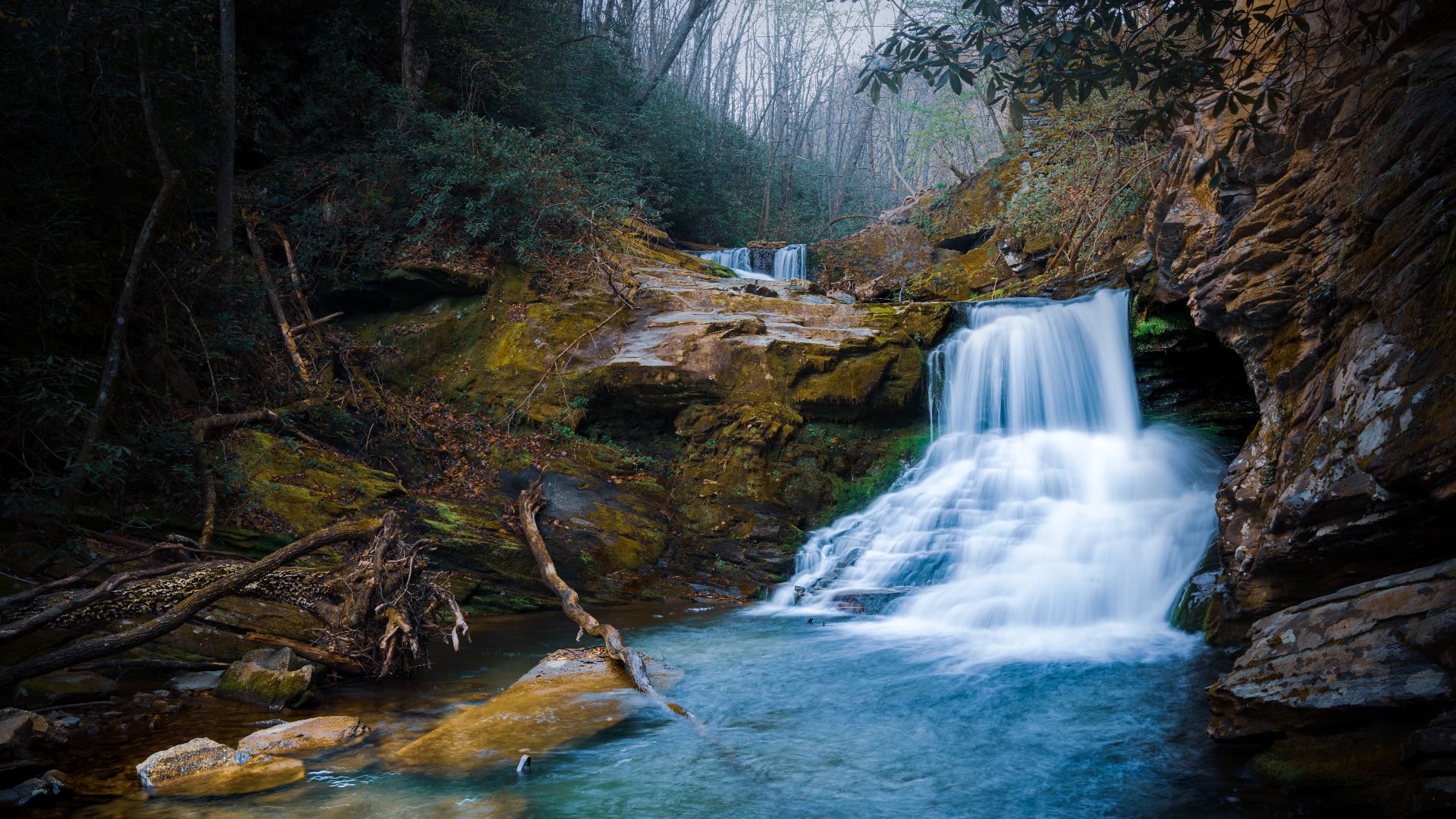
Western North Carolina becomes one enormous patchwork of color in fall, and Catawba Falls provides a waterfall in the middle of it. The trail follows the Catawba River through forest before reaching a broad, multi-tiered cascade tumbling over dark rock. Around late October and early November, the surrounding hardwoods can turn yellow, orange, and red, making the waterfall even more photogenic. Its location near Asheville makes this an easy addition to a Blue Ridge road trip, especially when combined with nearby sections of the Blue Ridge Parkway. Recent improvements have also changed access around the falls, so hikers should check current trail information before visiting.
 Sergiy Galyonkin, Wikimedia Commons
Raven Cliff Falls Trail, Caesars Head State Park
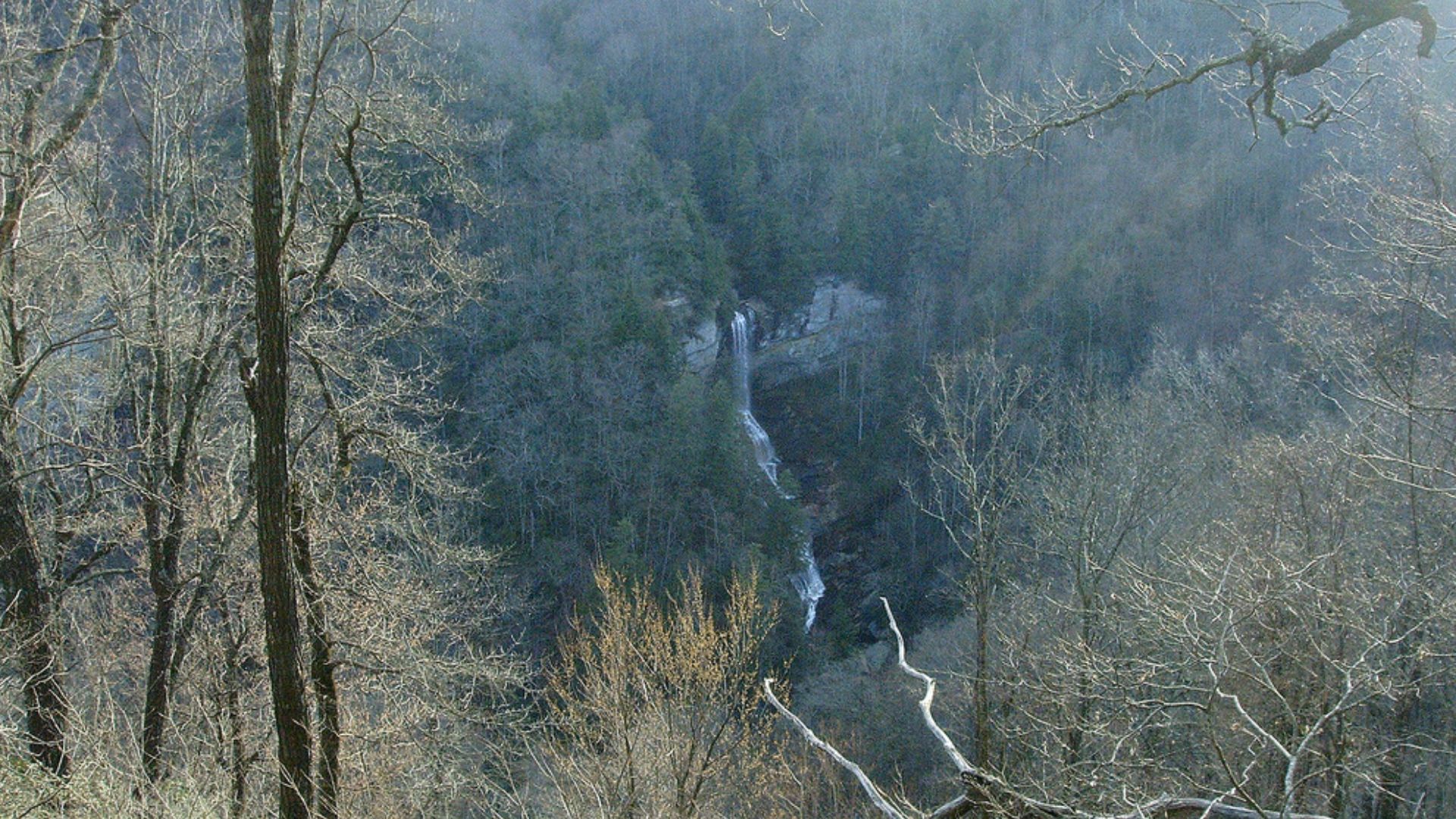
Raven Cliff Falls provides a very different image of South Carolina from beaches and palmettos. The mountains of the Upstate have a genuine fall season, and Caesars Head becomes particularly colorful in October and November. The main Raven Cliff Falls route leads to an overlook of a roughly 420-foot cascade dropping across the opposite mountainside. A longer option reaches a suspension bridge near the top of the falls. Fall is also extremely popular here, and the park warns that parking can reach capacity on autumn weekends. A weekday visit can make a huge difference.
Owl And Fish Canyons, Bears Ears National Monument
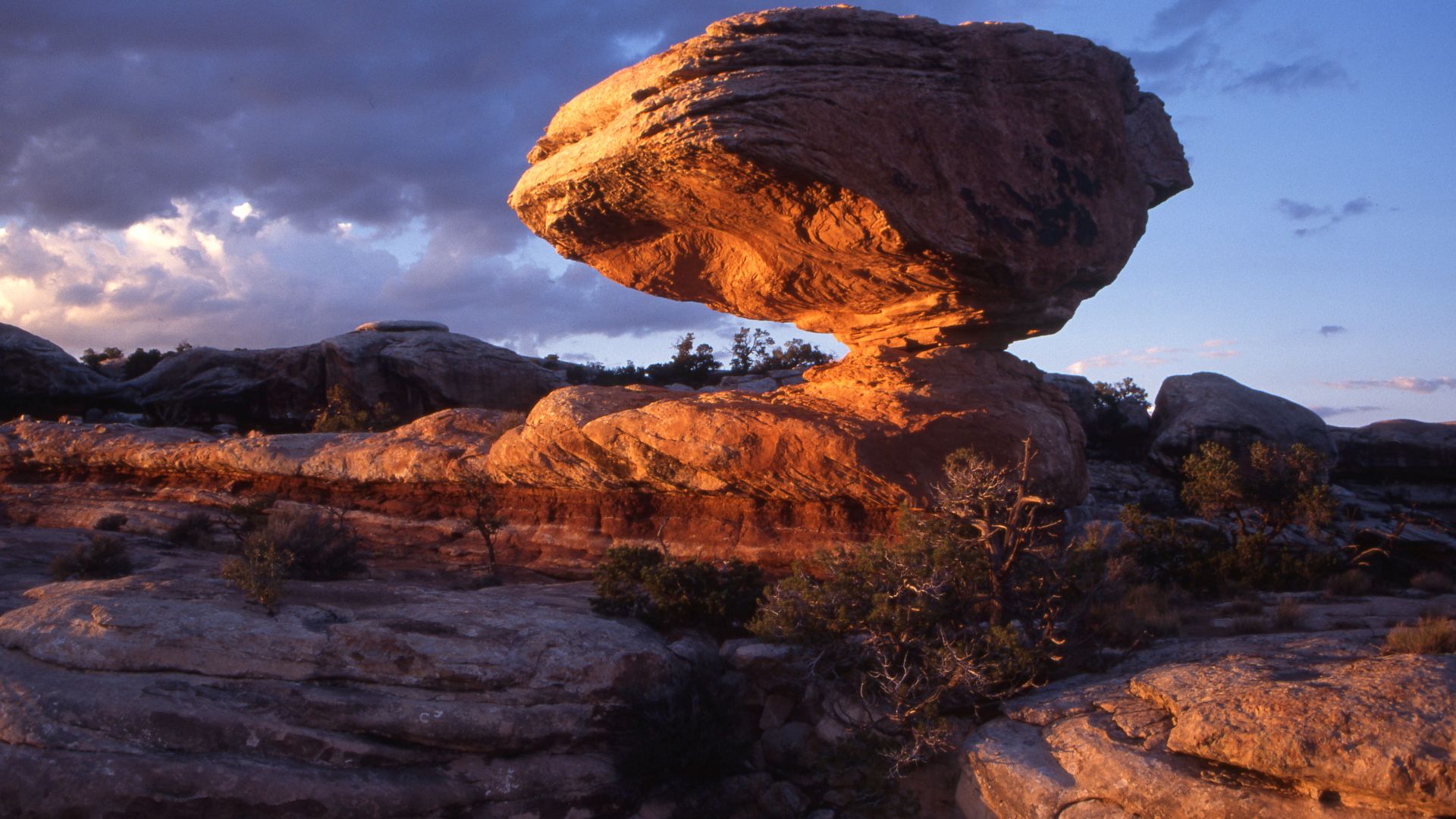
The roughly 17-mile Owl and Fish Canyons loop looks particularly inviting once southern Utah's summer heat finally loosens its grip. The route dives into remote canyon country filled with high sandstone walls, slickrock, cottonwoods, natural arches, and seasonal water. Nevills Arch, with a span of roughly 140 feet, is one of the major landmarks. Fall brings cooler hiking temperatures and splashes of yellow from cottonwoods along the canyon floor. It isn't an easy stroll, though. Expect scrambling, loose rock, steep sections, route-finding, and a challenging exit from Fish Canyon.
Kachina Trail, Kachina Peaks Wilderness
The Kachina Trail is the more substantial alternative for hikers who want more than a quick stroll through Flagstaff's autumn aspens. It contours along the southern slopes of the San Francisco Peaks through old-growth conifers, meadows, rocky canyons, and extensive groves of quaking aspen. In October, yellow leaves shimmer against dark Douglas-firs and pines, while elk may be heard bugling somewhere in the forest. The trail is longer and rougher than the nearby Aspen Nature Loop, but hikers don't have to complete the entire route to get a generous dose of fall color.
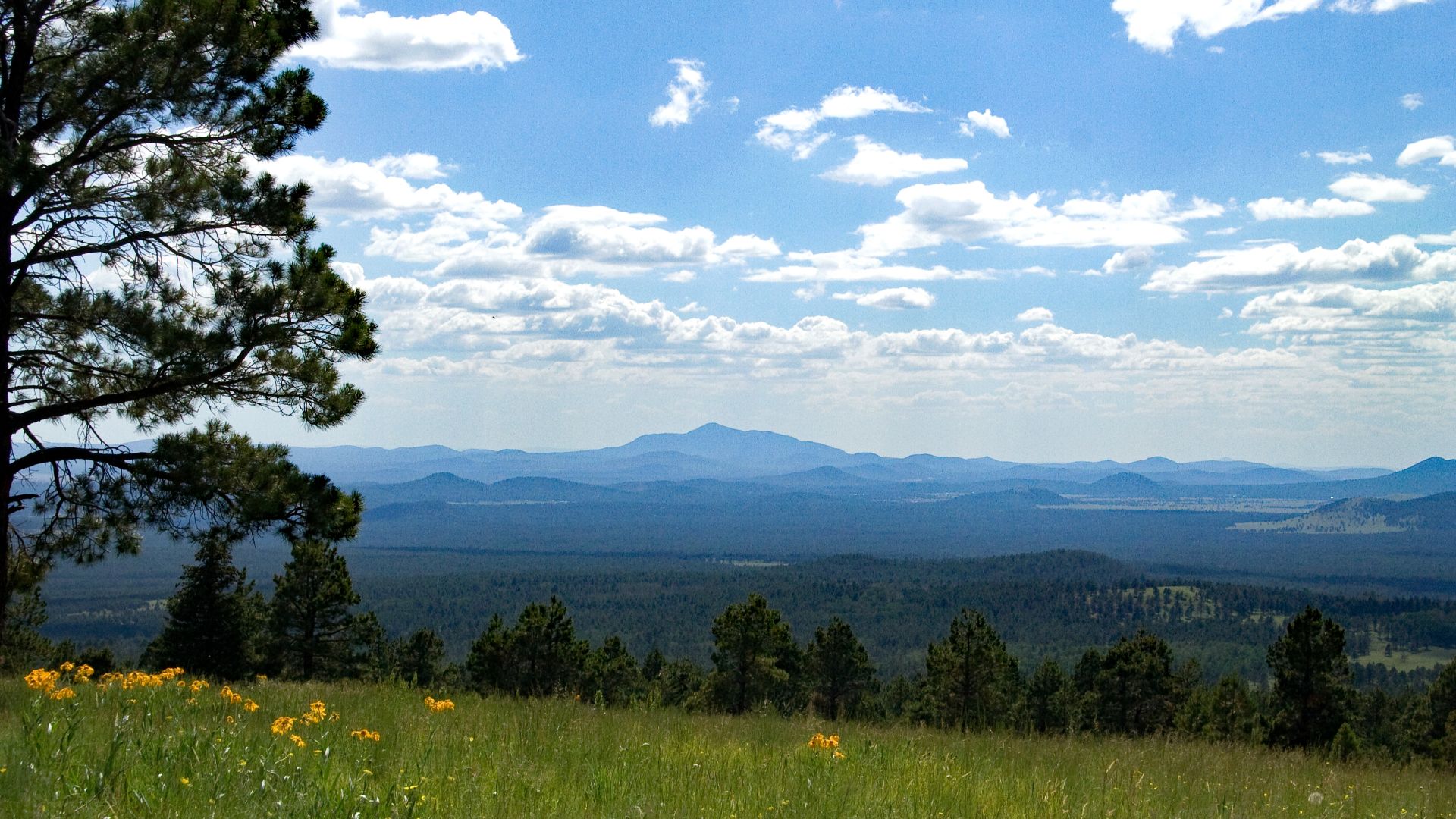
Inner Basin Trail, Coconino National Forest
The Inner Basin regularly competes for the title of Arizona's most spectacular fall hike. The trail climbs into the remains of an ancient volcanic landscape on the San Francisco Peaks, passing through dense groves of aspens before reaching broad mountain meadows. During the narrow peak-color window, entire hillsides can glow yellow beneath the high summits. Its beauty is no secret, so fall weekends can get extremely busy. Access conditions have also changed in recent years, making it especially important to check current Forest Service information before setting out rather than relying on an old trail description.
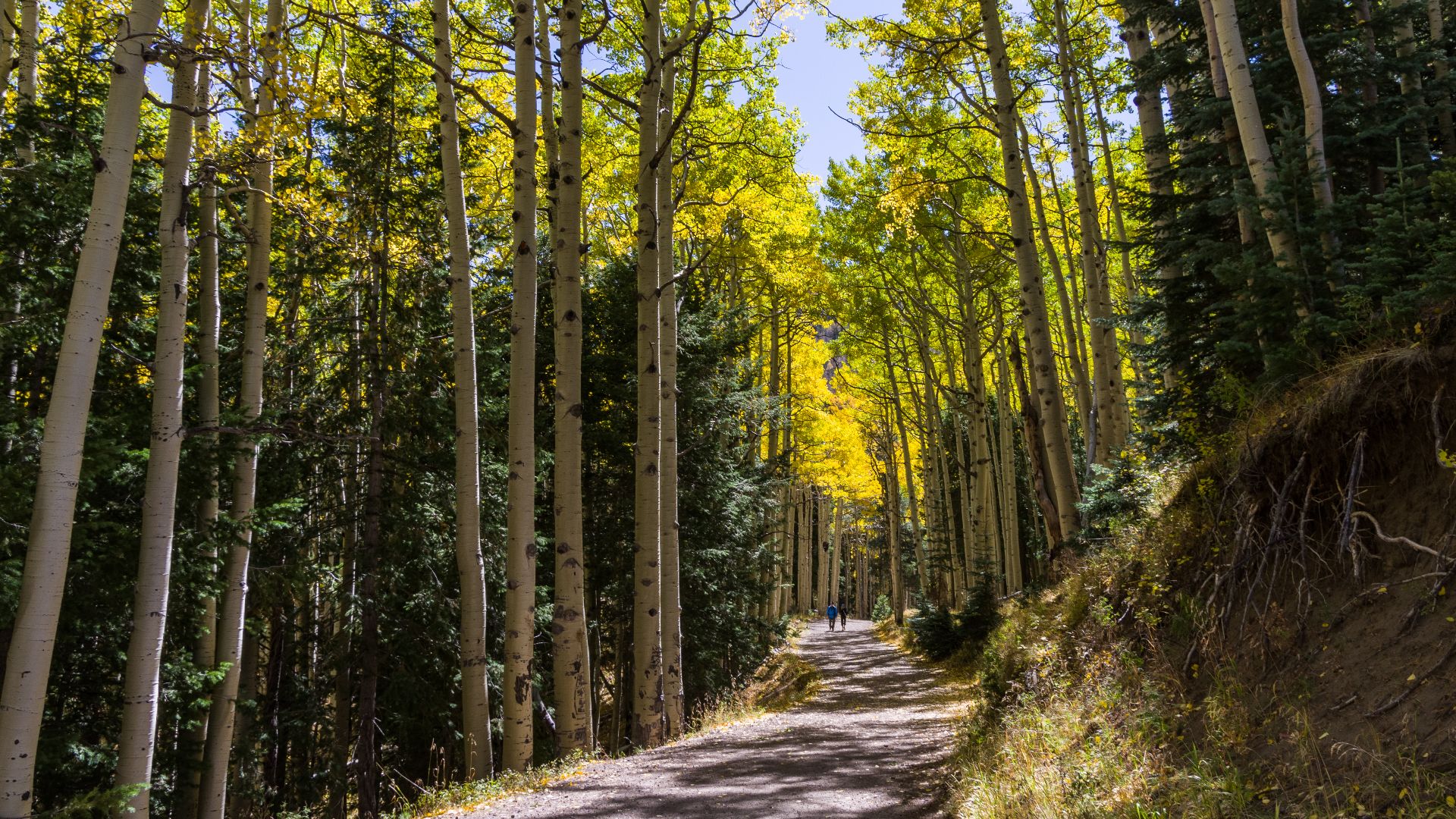 Coconino National Forest, Wikimedia Commons
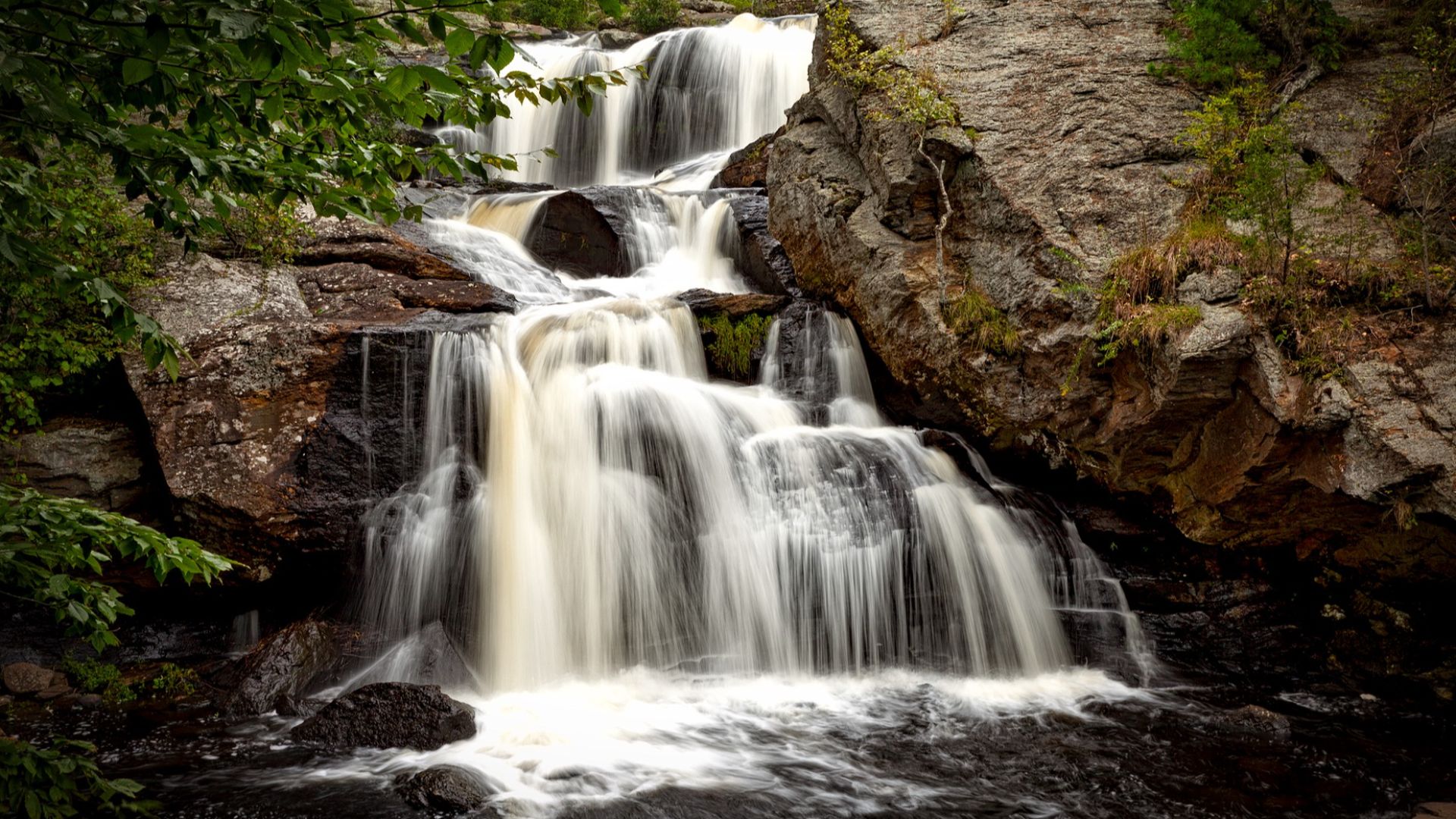
Chapman Falls Trail, Devil’s Hopyard State Park
Connecticut knows how to do the classic New England version of fall, and Devil's Hopyard adds a waterfall to the scene. Chapman Falls drops more than 60 feet over a series of stone ledges on the Eightmile River, surrounded by hardwood forest that turns bronze, orange, yellow, and red in October. The falls are accessible without an enormous hike, while additional park trails can turn the stop into a longer afternoon outdoors. There's even a wonderfully strange old legend blaming the rock formations near the falls on the devil angrily stomping his way through the area.
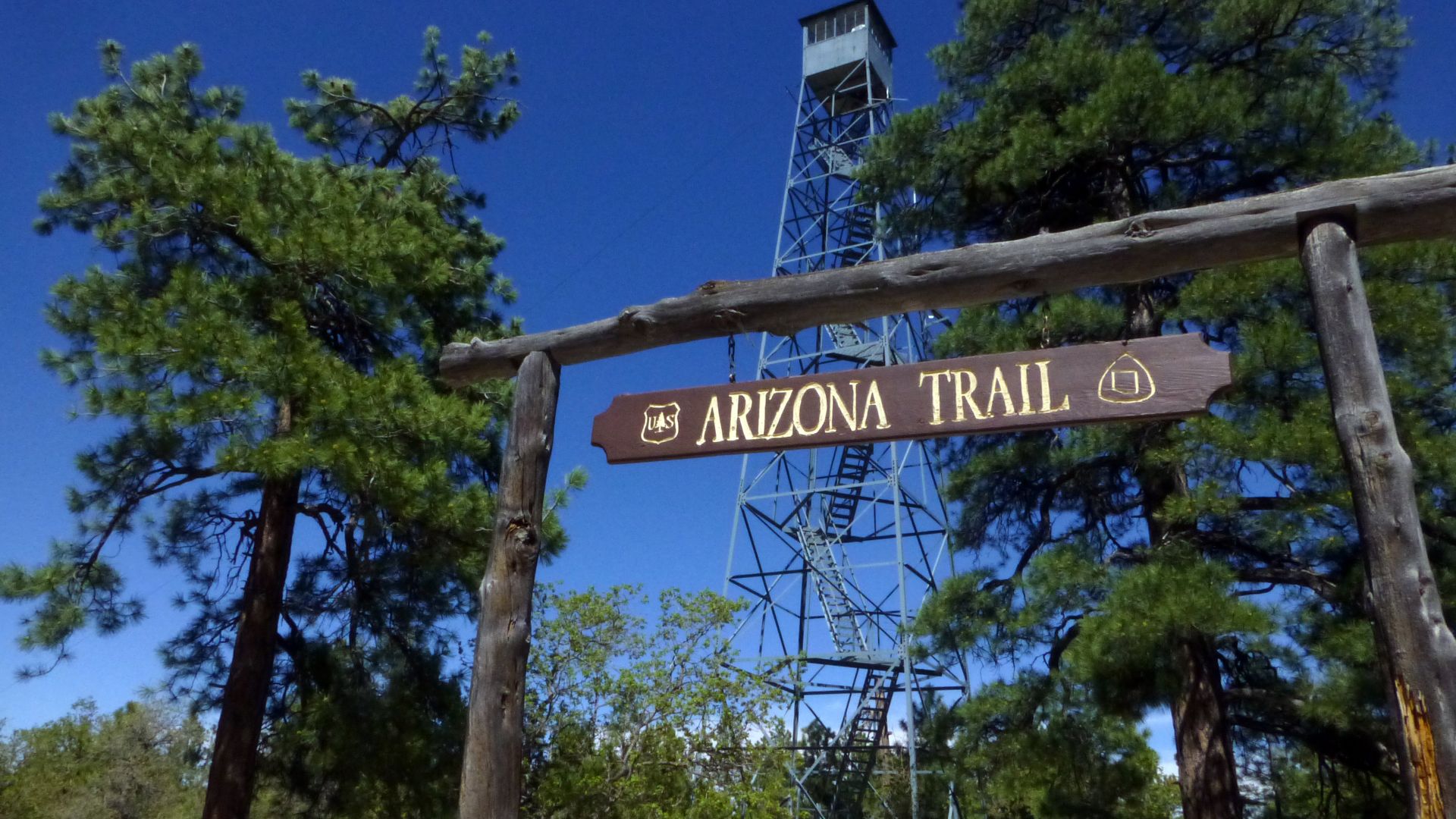
Arizona Trail, Coconino National Forest
The Arizona National Scenic Trail crosses roughly 800 miles of the state, so calling it a single fall hike doesn't quite capture the idea. For autumn color, the sections around Flagstaff and the San Francisco Peaks are the ones to remember. Around Aspen Corner and the route toward Bismarck Lake, hikers move through high-elevation forests where golden aspens interrupt stands of dark evergreen trees. It feels almost nothing like the cactus-filled Arizona of postcards. The elevation can exceed 9,000 feet, however, so even a sunny October day deserves layers and respect for rapidly changing mountain weather.
 Kaibab National Forest, Wikimedia Commons
Veit Springs Trail, Coconino National Forest
Veit Springs, also known as the Lamar Haines Memorial Wildlife Area loop, is easy to overlook while driving toward Arizona Snowbowl. That's part of its appeal. The short trail passes springs, old stone structures, historical markings, ponderosa pine, and stands of aspen that turn bright gold in fall. Compared with some of Flagstaff's headline foliage hikes, it can feel more intimate and less like a pilgrimage to a famous viewpoint. Little elevation gain makes it approachable for casual hikers, while the combination of local history and fall color gives the walk much more personality than its modest distance suggests.
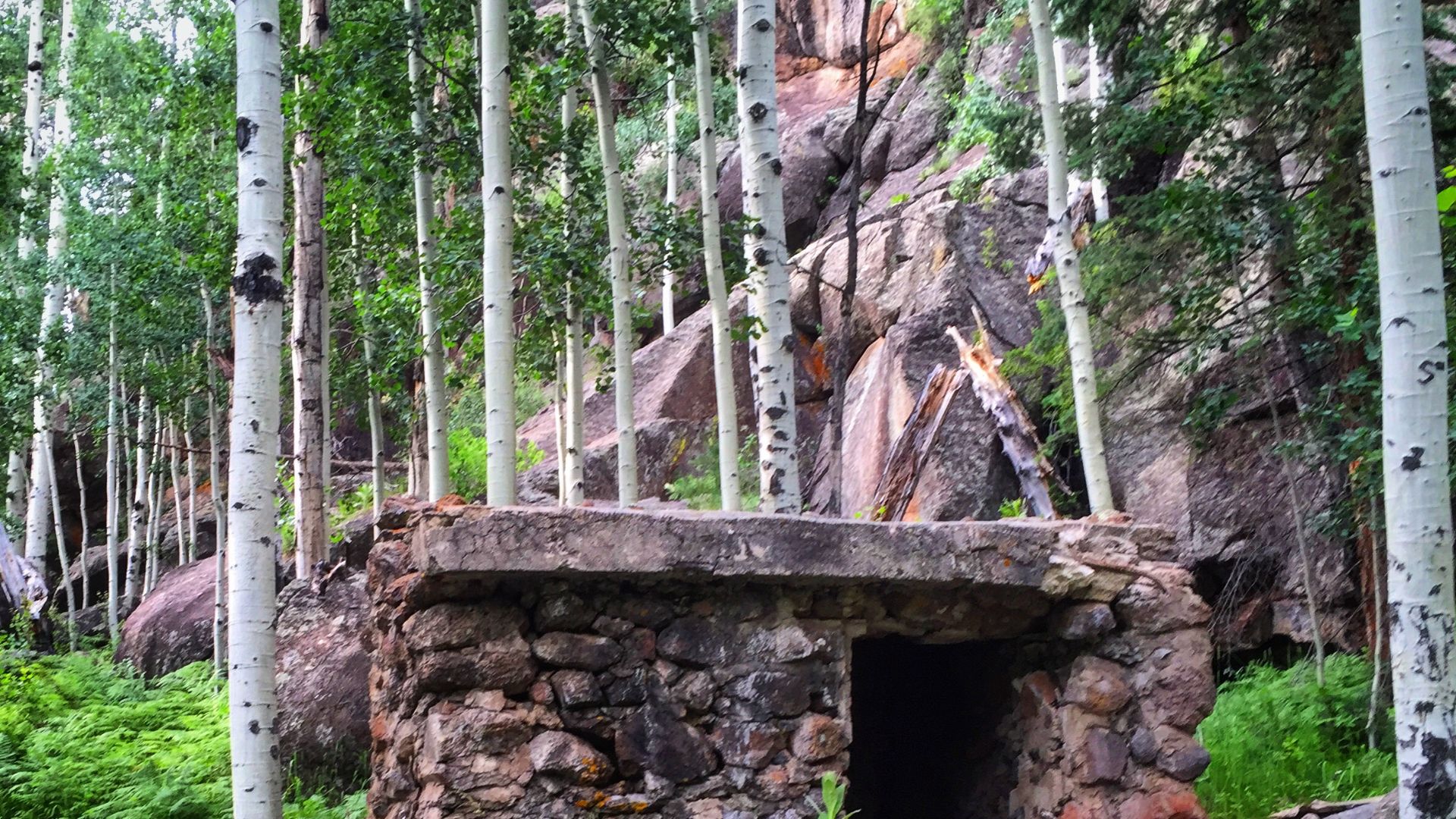 Nate Loper from Flagstaff, USA, Wikimedia Commons
West Fork Trail, Coconino National Forest
West Fork of Oak Creek is one of those rare Arizona trails where fall can look almost suspiciously like New England. The route follows a creek through a narrow canyon north of Sedona, passing maples, oaks, box elders, and other trees that turn yellow, orange, and red during October and early November. Those colors sit beneath towering red-rock canyon walls, creating a combination very few American trails can match. Creek crossings add to the experience, although rocks can be slippery. The trail is enormously popular during peak foliage, so arriving early matters if solitude is part of the fantasy.
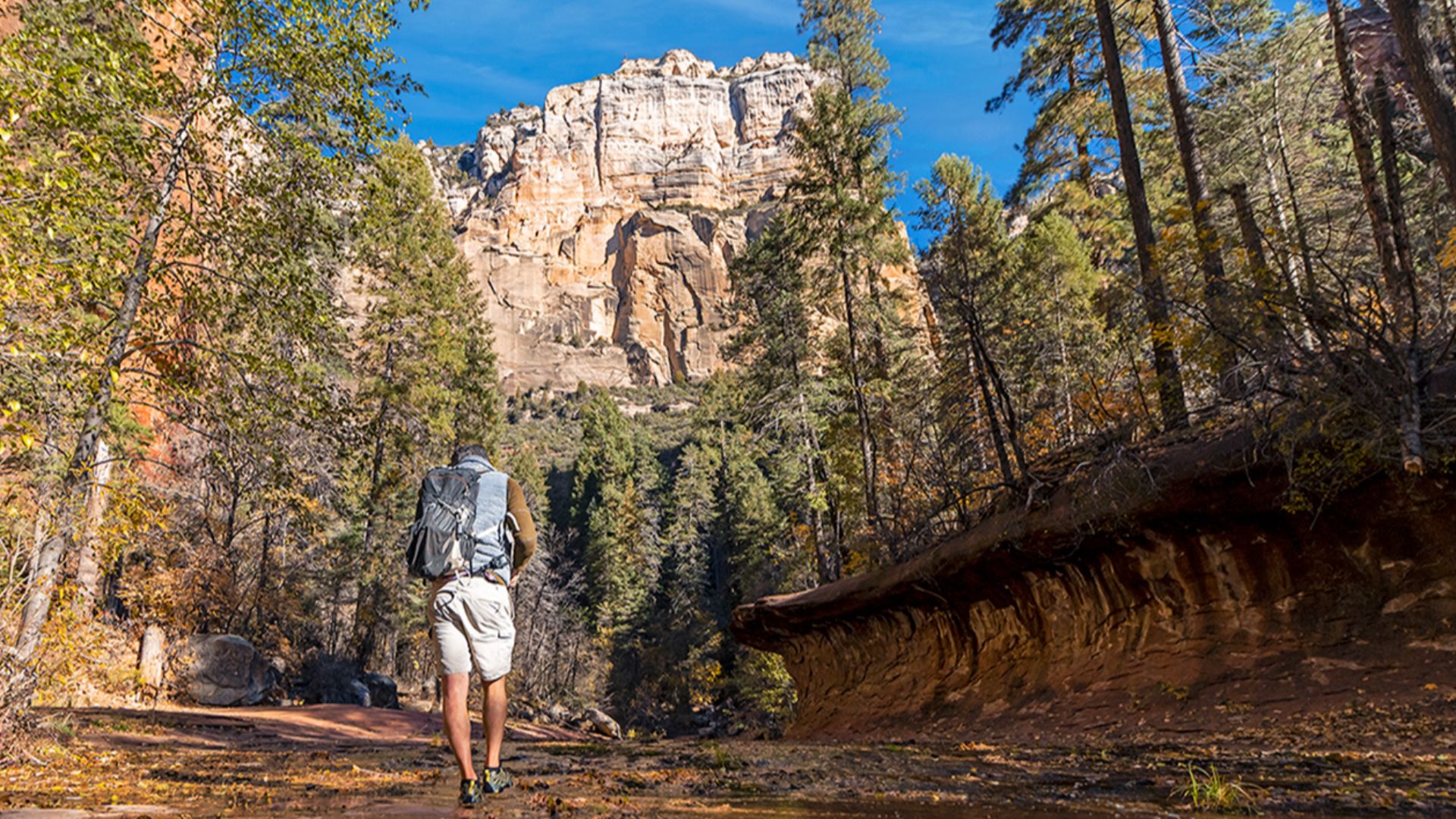 Ray Redstone, Wikimedia Commons
Minuteman Bikeway, Greater Boston
A paved rail trail might seem like an odd addition to a hiking list, but the Minuteman Bikeway becomes one of Greater Boston's easiest fall escapes. Stretching roughly ten miles between Cambridge-area communities and Bedford, the route passes through Lexington and Arlington beneath stretches of deciduous canopy. Walkers, runners, and cyclists all use it, making this more of a leisurely autumn outing than a wilderness adventure. Around mid-to-late October, trees lining the path can turn gold, red, and orange. It's especially appealing for travelers who want classic Massachusetts foliage without needing hiking boots, mountain roads, or an entire day.
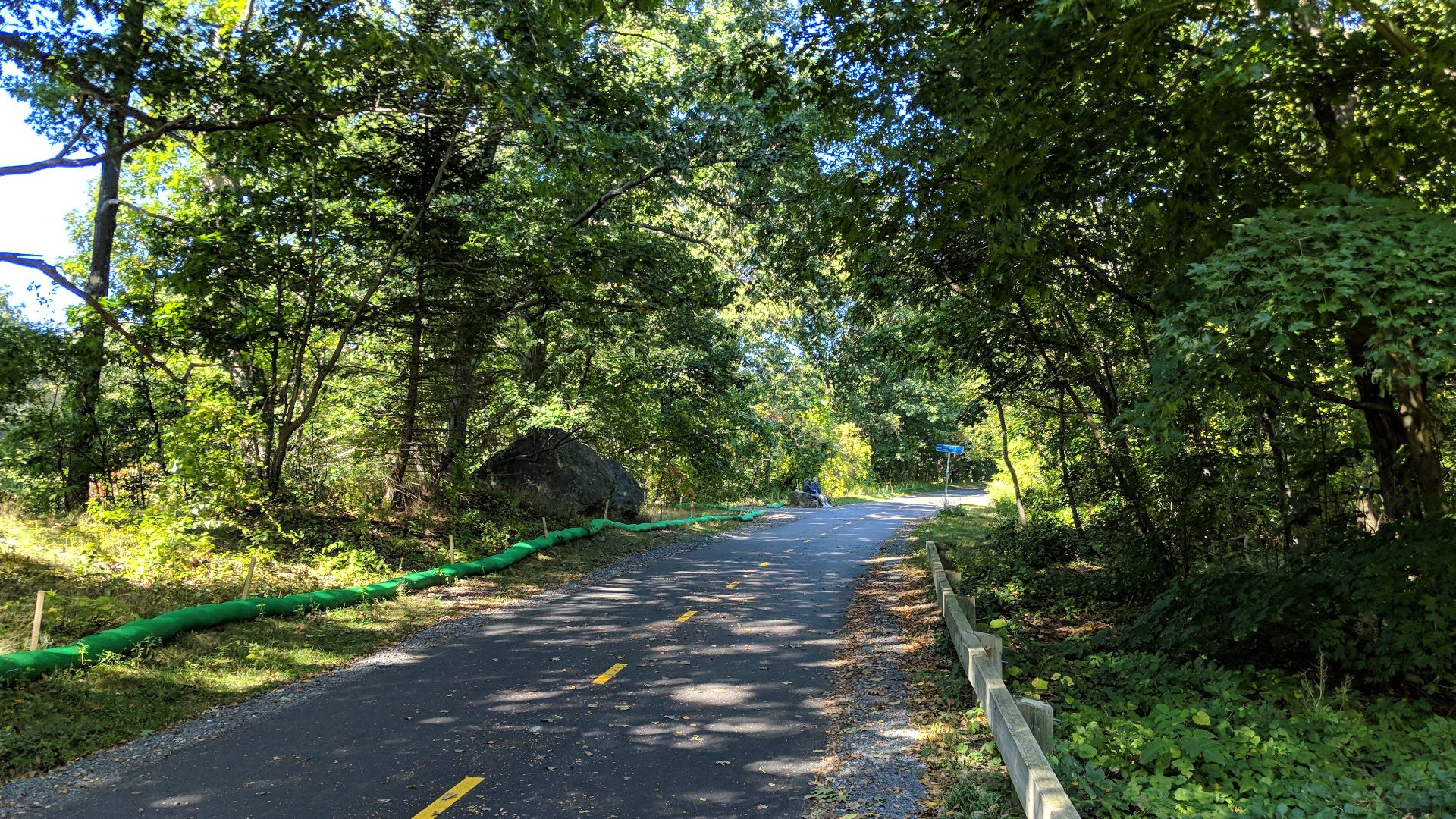 John Phelan, Wikimedia Commons
Skyline Trail, Blue Hills Reservation
Only a short distance from Boston, the Skyline Trail can feel surprisingly rugged. The route crosses a chain of hills through hardwood forest, with steep rocky climbs providing viewpoints toward the city skyline. Fall creates the best contrast of all: Boston's towers appear beyond rolling hills covered in red, yellow, and orange leaves. Hikers can tackle substantial portions of the Skyline Trail or connect shorter segments with other Blue Hills paths. Don't underestimate it simply because the city is nearby. Some climbs are steep and rocky, which is precisely why the views feel so rewarding.
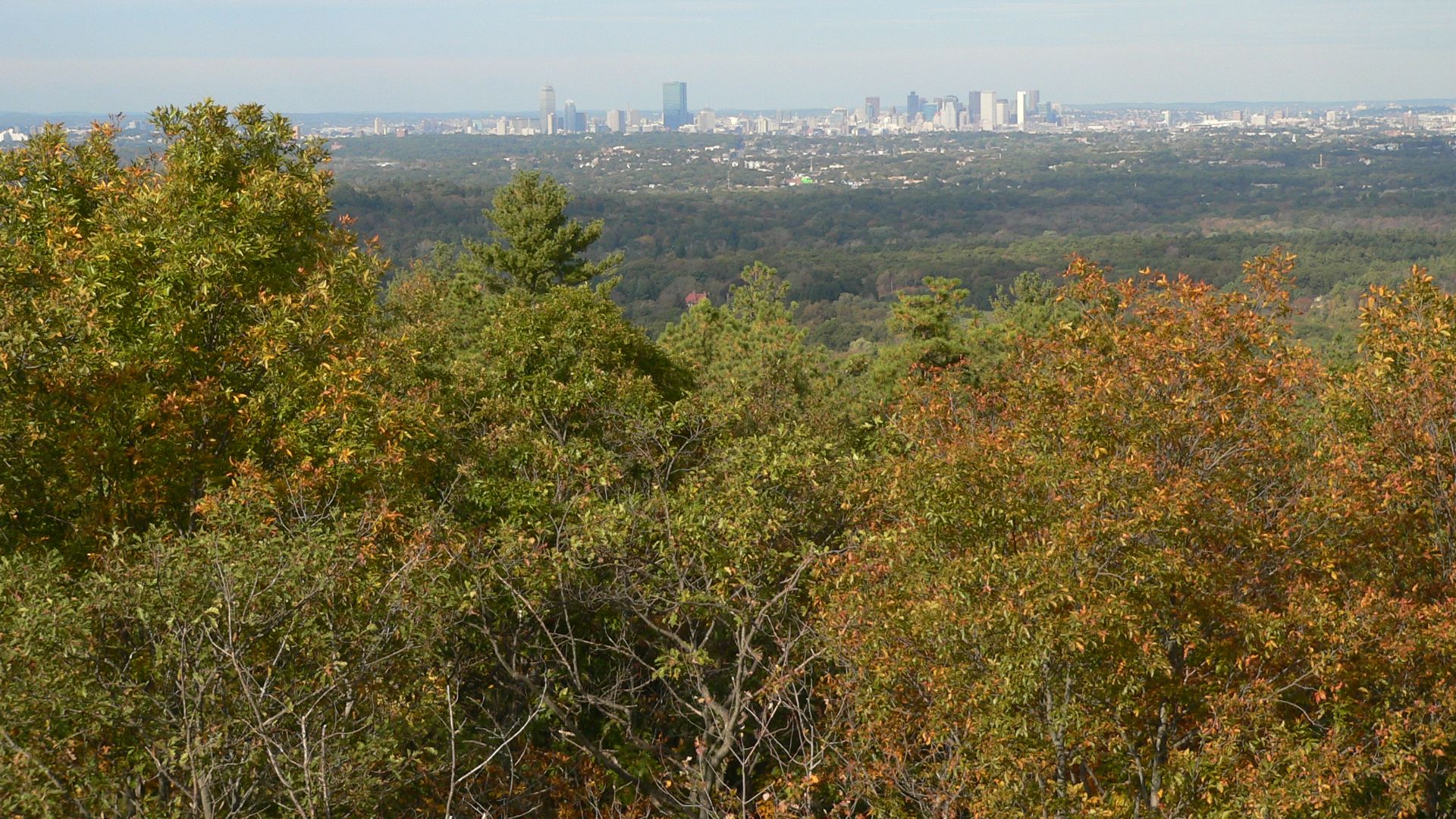 NewtonCourt, Wikimedia Commons
Bear Jaw Trail, Coconino National Forest
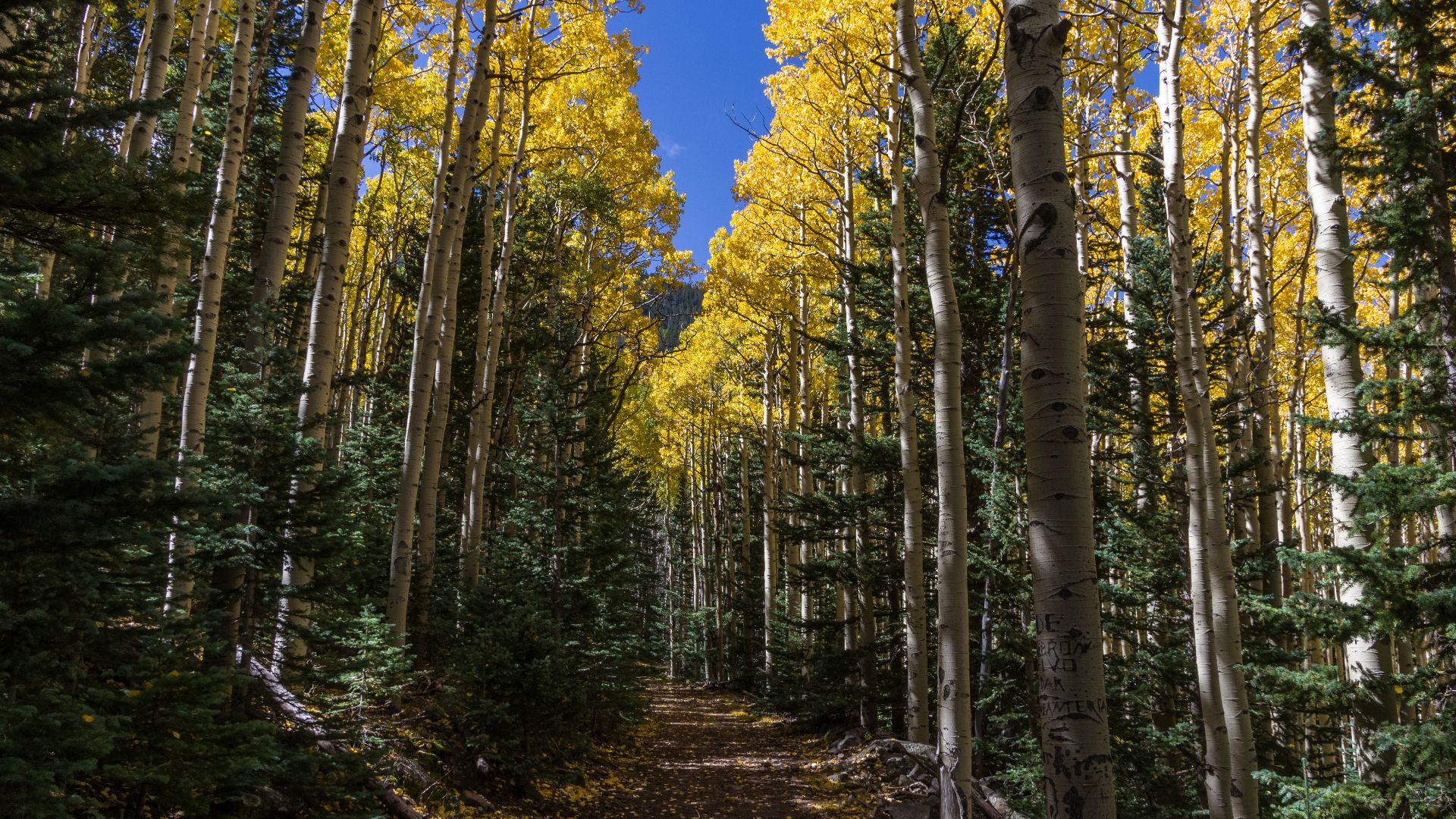
Bear Jaw is another reminder that northern Arizona has an autumn identity entirely separate from the desert farther south. The trail climbs the northern side of the San Francisco Peaks through aspen groves and mixed-conifer forest, gaining elevation quickly enough to make a relatively short distance feel serious. It is often combined with the Abineau and Waterline trails for a larger loop. Around late September and early October, aspens along the route turn gold and fallen leaves cover the forest floor. The color against deep-green conifers can be spectacular, while higher viewpoints open across northern Arizona.
 Coconino National Forest, Wikimedia Commons
Bullhead Lake Trail, Glacier National Park
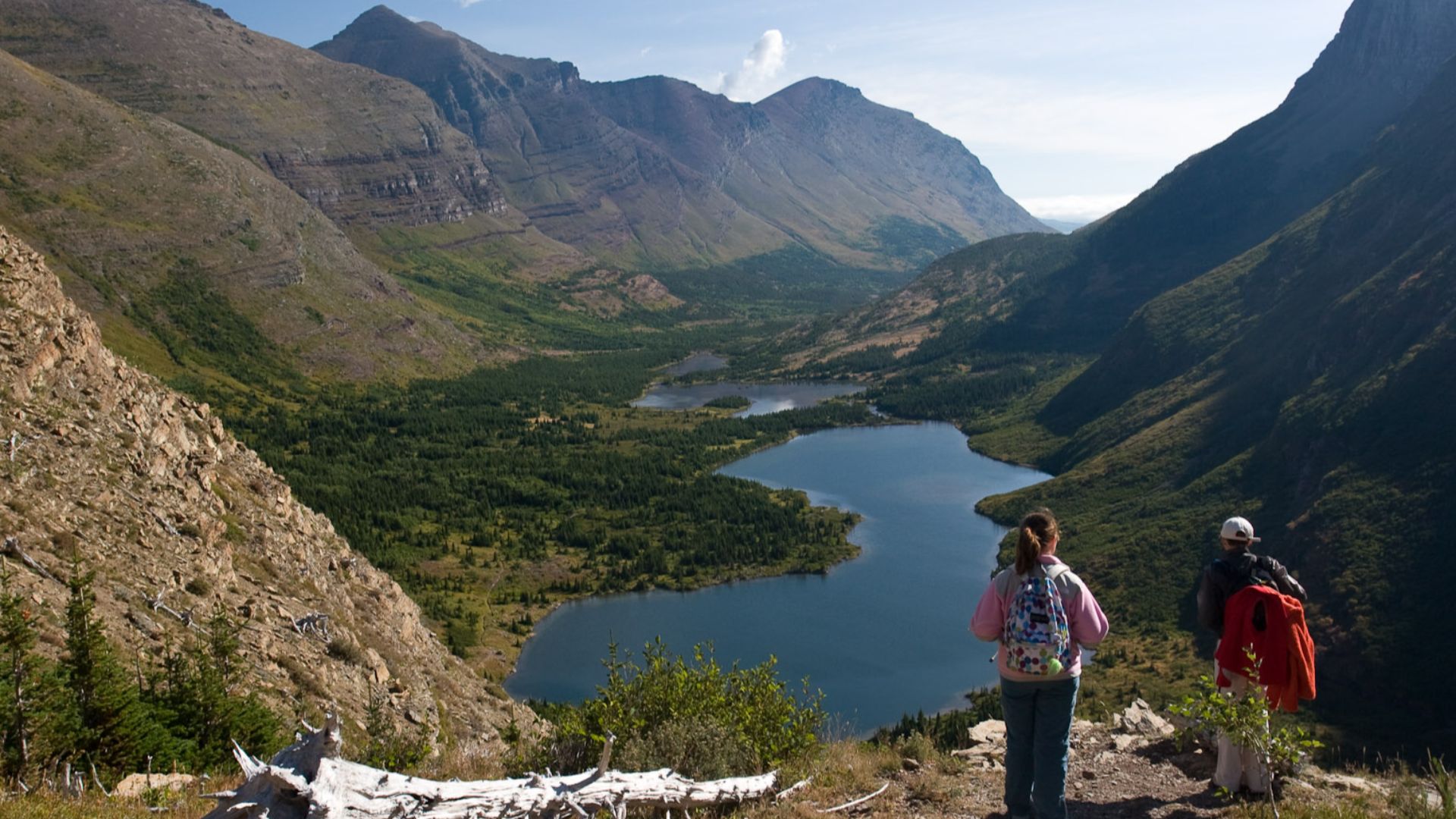
The hike toward Bullhead Lake through Glacier's Many Glacier area combines lakes, mountains, wildlife, waterfalls, and early autumn color in one long but comparatively gentle outing. Hikers follow the Swiftcurrent drainage past several lakes toward Bullhead, with towering peaks enclosing the valley. If the timing is right, aspens add bright yellow to a landscape already filled with dark forest and blue water. Fall also brings an important complication: bears are feeding intensively before winter, particularly where huckleberries remain available. Carrying bear spray, making noise, and checking current trail conditions are essential parts of the experience.
 Greg Willis from Denver, CO, usa, Wikimedia Commons
Laurel Falls Trail, Great Smoky Mountains National Park
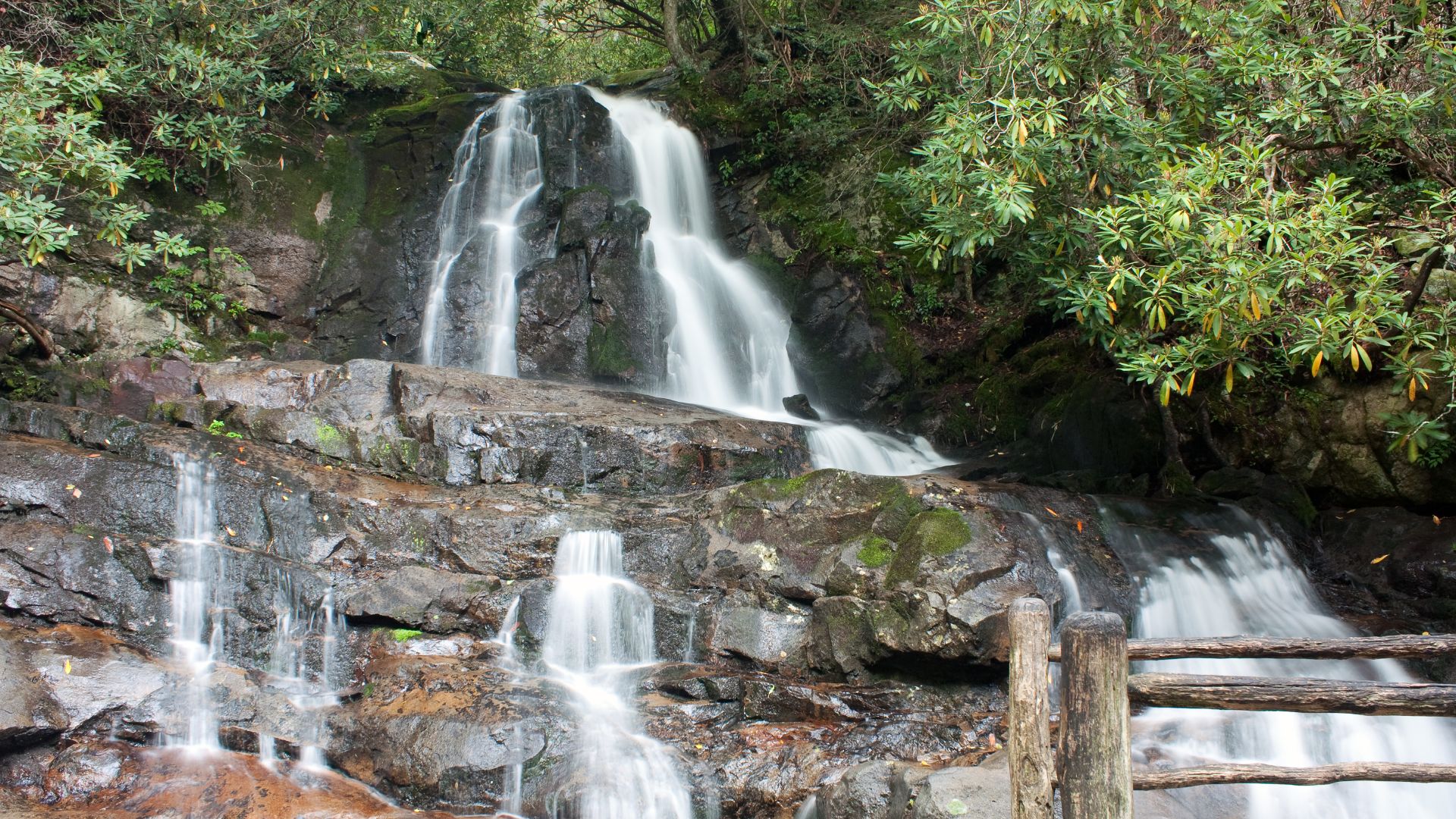
The waterfall hike on the original list is Laurel Falls, one of the Great Smoky Mountains' best-known short walks. The trail climbs through forest to an approximately 80-foot waterfall divided into upper and lower sections. Autumn turns the surrounding mountains into one of America's great foliage displays, adding yellow, orange, and red leaves to an already photogenic cascade. Its fame means hikers shouldn't expect solitude, especially around peak color. The park has also carried out major work on the Laurel Falls corridor, so current access information should always be checked before building a trip around it.
Upper Geyser Basin, Yellowstone National Park
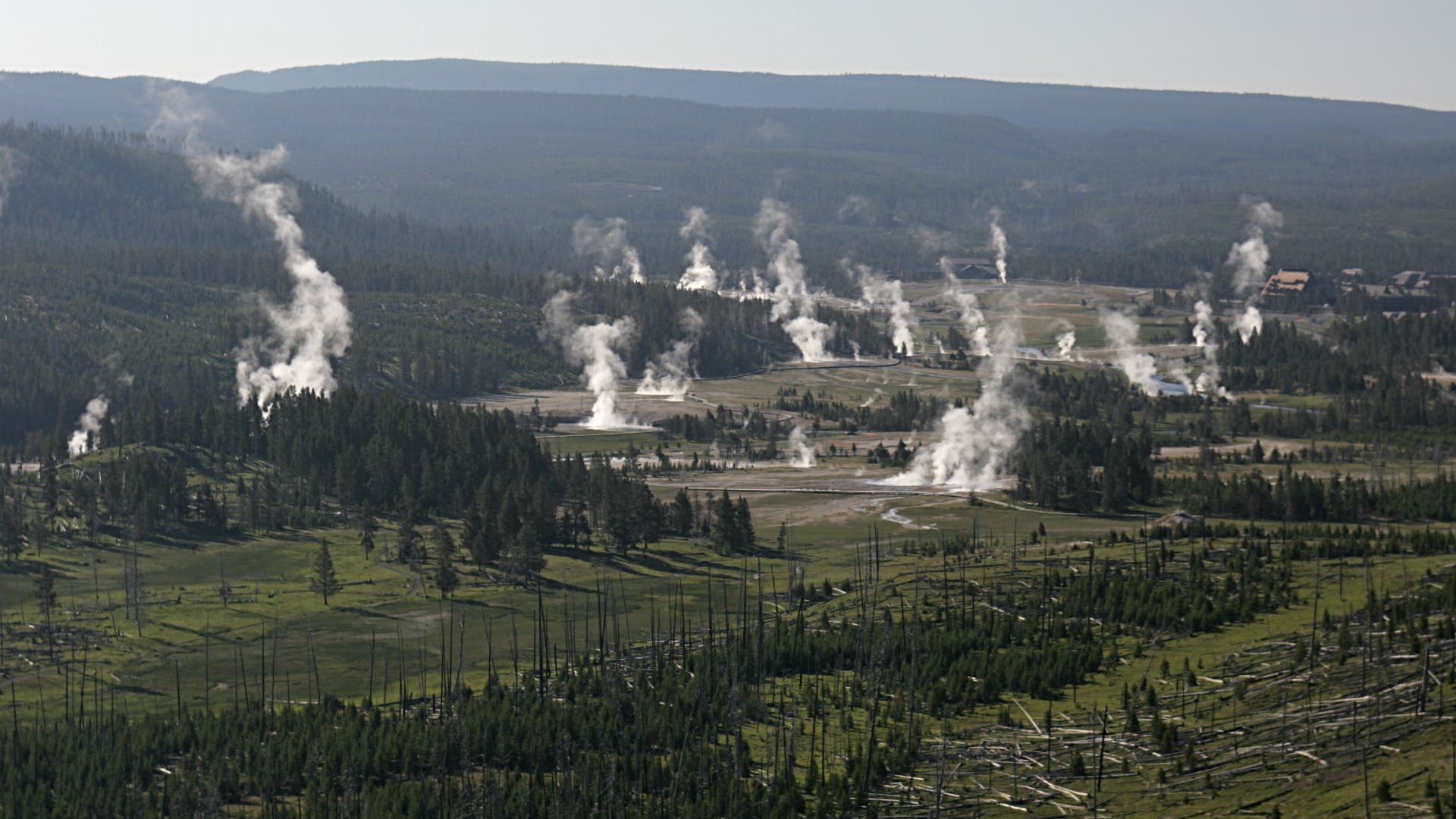
Fall hiking doesn't always need brightly colored trees. Yellowstone's Upper Geyser Basin offers something stranger. Boardwalks and trails weave among hot springs, steaming vents, pools, and one of the largest concentrations of geysers on Earth, including Old Faithful. Cool fall air can make clouds of steam seem even more dramatic, while summer crowds begin thinning and wildlife activity remains high. Hikers who want something more substantial can branch toward Observation Point, Mystic Falls, or Lone Star Geyser. Staying on marked trails and boardwalks is absolutely essential here, since apparently solid ground can conceal dangerously hot hydrothermal features.
 Yellowstone National Park from Yellowstone NP, USA, Wikimedia Commons
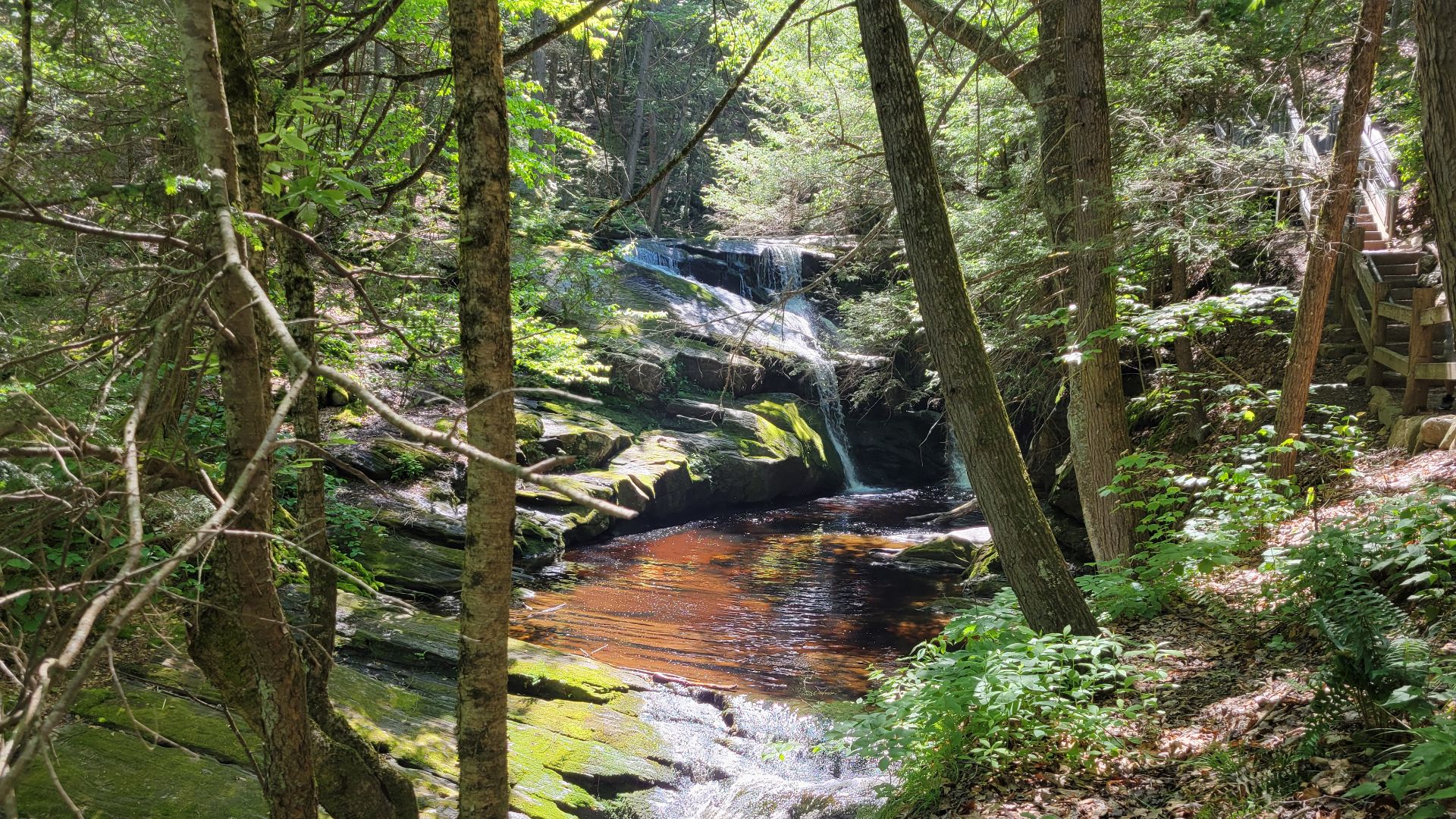
Enders Falls Trail, Enders State Forest
Enders State Forest delivers the kind of fall walk that seems designed for a postcard. Streams tumble through a hardwood forest, creating a sequence of cascades, small waterfalls, and plunge pools rather than one enormous drop. A purple-blazed trail leads toward waterfall viewpoints through Connecticut woods that usually become colorful around October. The walk itself is short, but wet leaves, rocks, and steep terrain can become extremely slippery. Connecticut officials specifically urge visitors to remain on the main trail and admire the falls from safe locations, which is good advice when autumn leaves are hiding slick surfaces underneath.
 John Phelan, Wikimedia Commons
You May Also Like:
Exploring Michigan’s Hidden Gem
The Most Dangerous Hiking Trails In America
The Creepiest Unsolved Mysteries From America’s National Parks