Secrets In The Stone
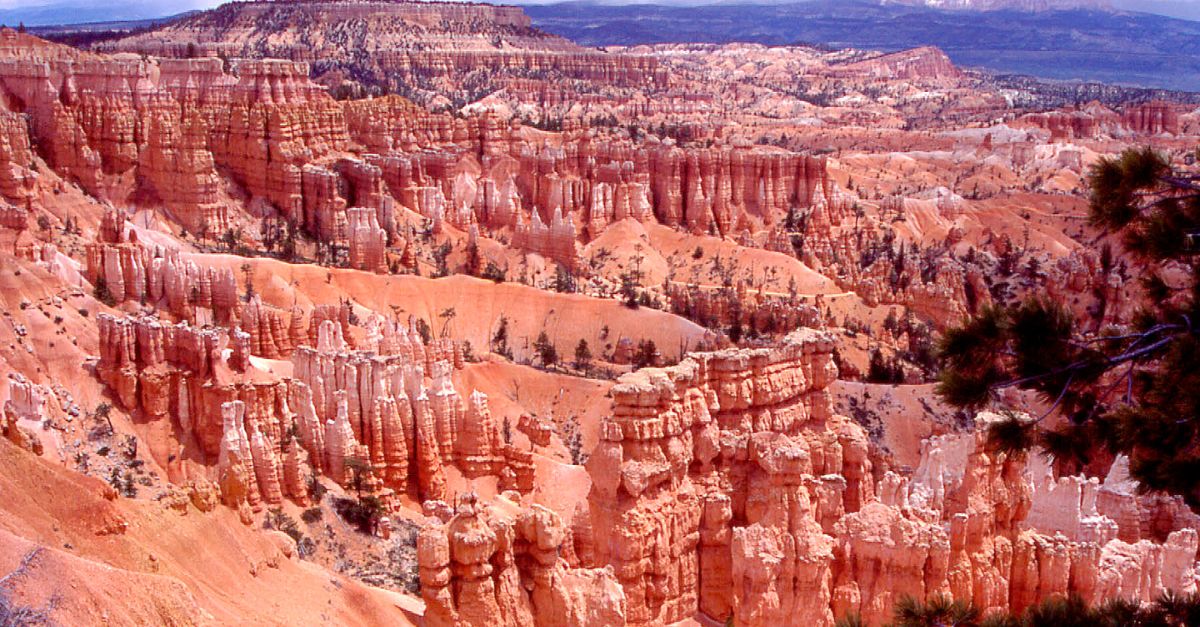
Long ago, tucked within the rugged canyons of Arizona, a community carved out a life above the ground itself. They built their homes high into the rock, rising above the valley floor—not out of fear, but ingenuity. What they created wasn’t just shelter, but a way of living defined by quiet brilliance, where every stone and shadow reflected a deep understanding of the world around them.
 Tanison Pachtanom, www.shutterstock.com
High-Rise Homes Of The Canyon
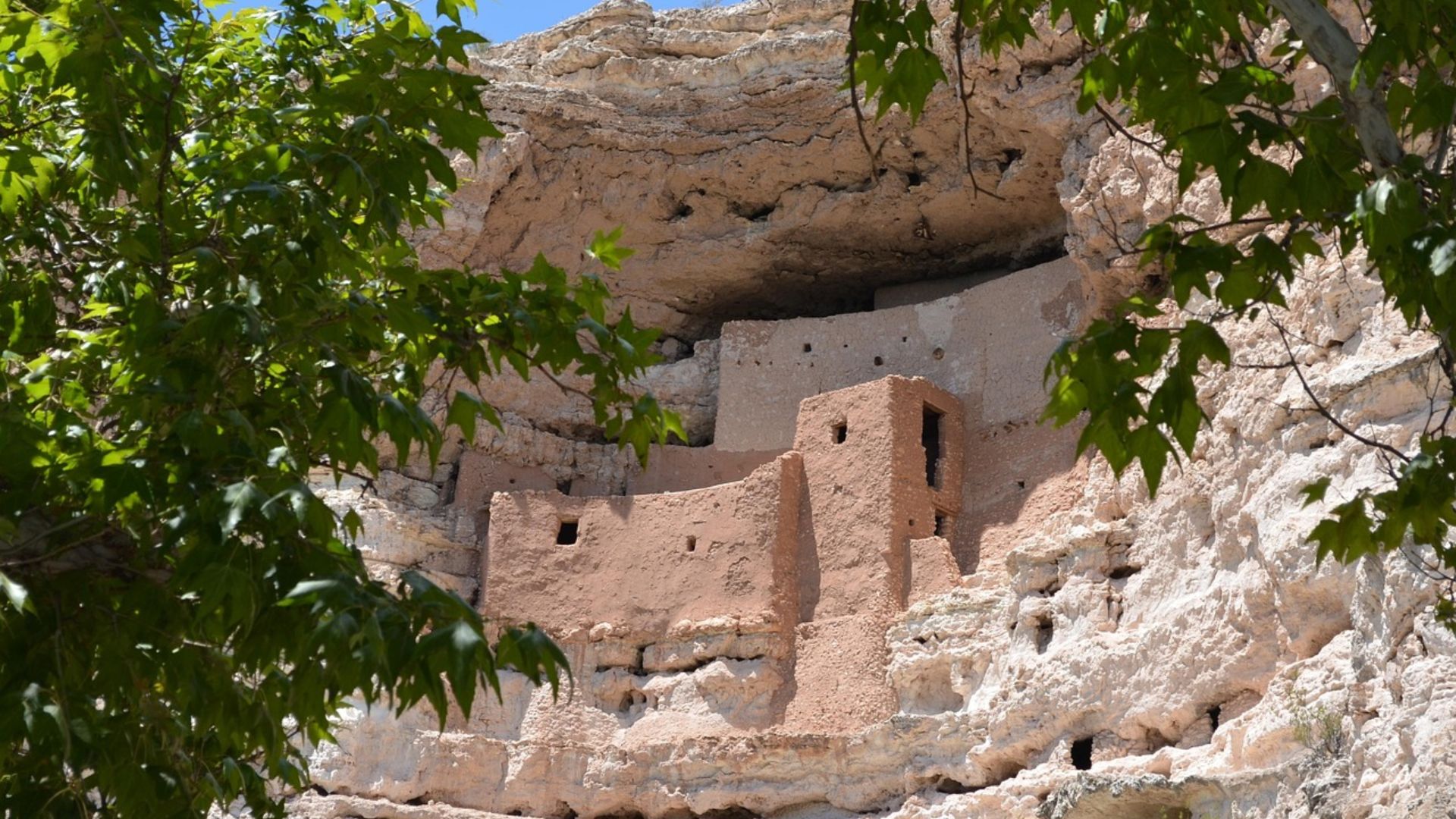
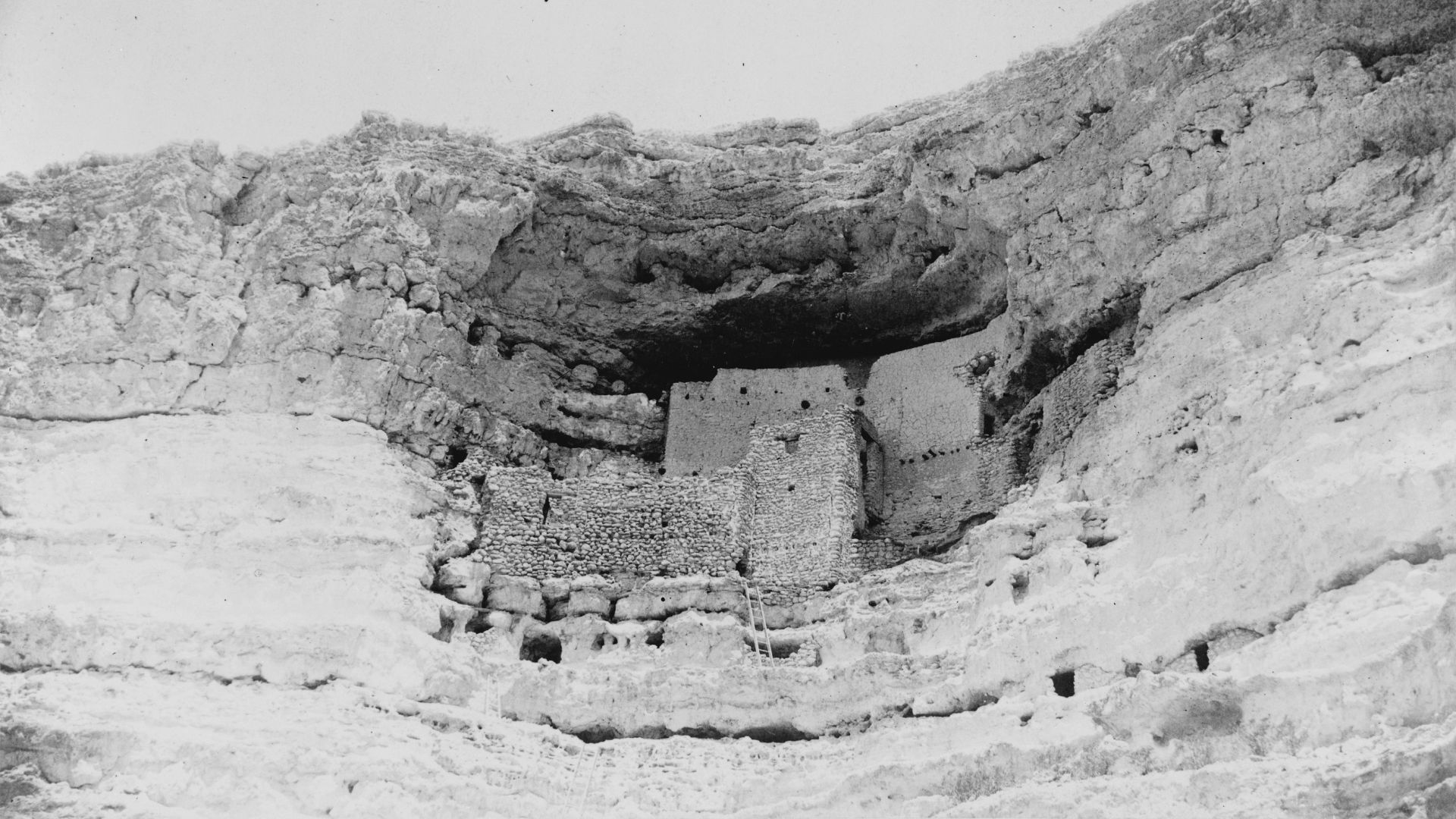
The way the Sinagua fashioned their life around this landscape was reflected in these multi-story homes that were carved directly into the rock. Stones told tales, and rooms swayed to the beat of the rock. Their home's structure and foundation included the canyon.
 Edgar A. Mearns, photographer, Wikimedia Commons
Mud, Stone, Wood, And Ingenuity
No concrete. No machines. They used what the canyon offered—mud for bricks, stone for strength, and timber for support. Each element had its job, coming together in homes that stood firm against the sun's heat and the wear of time.
MidAir Masonry
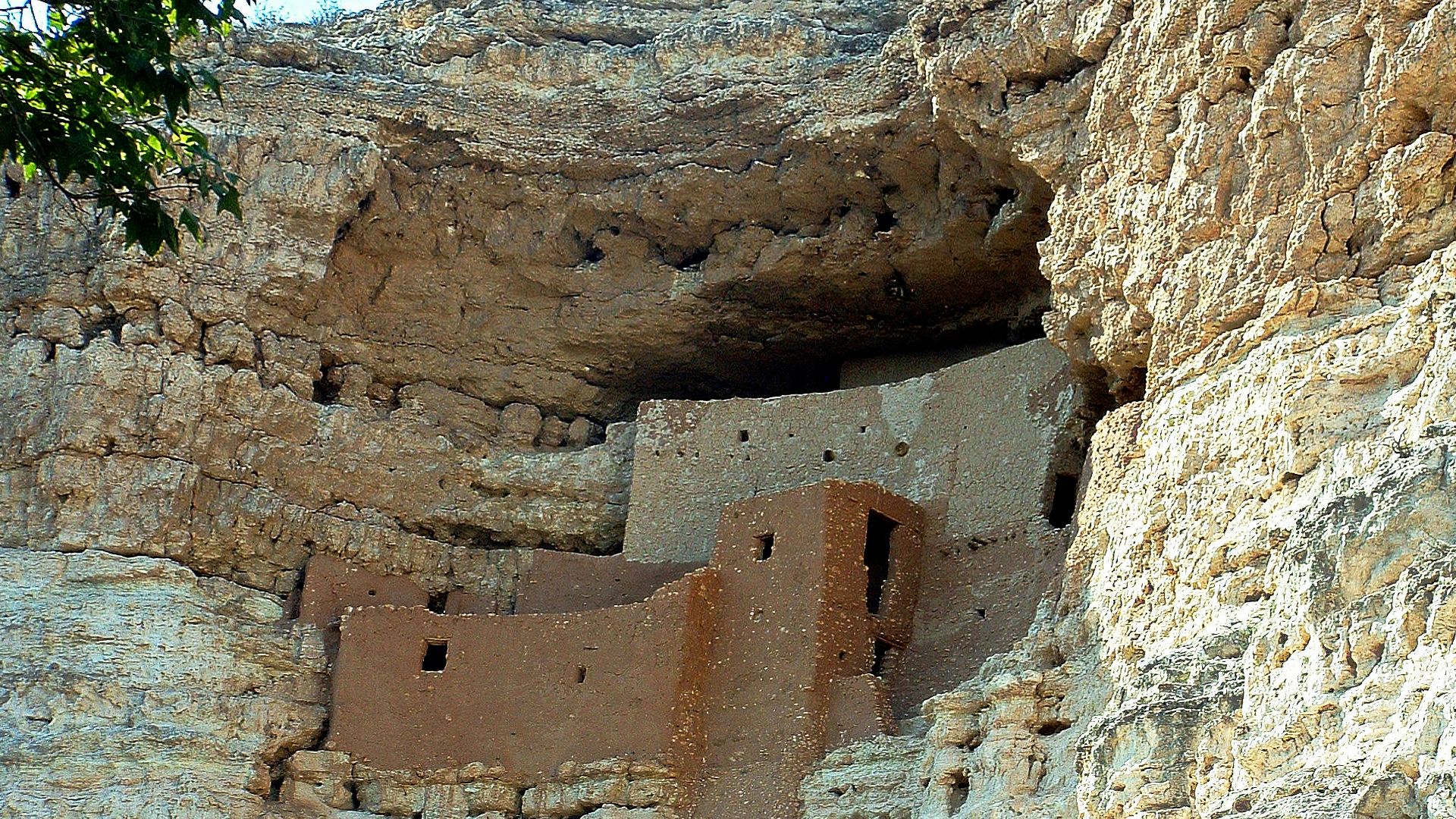
Have you ever seen a house stuck on a cliff? The Sinagua mastered midair masonry. They used natural alcoves as the base and stacked adobe bricks to create homes that looked like they belonged in thin air but stayed solid for centuries.
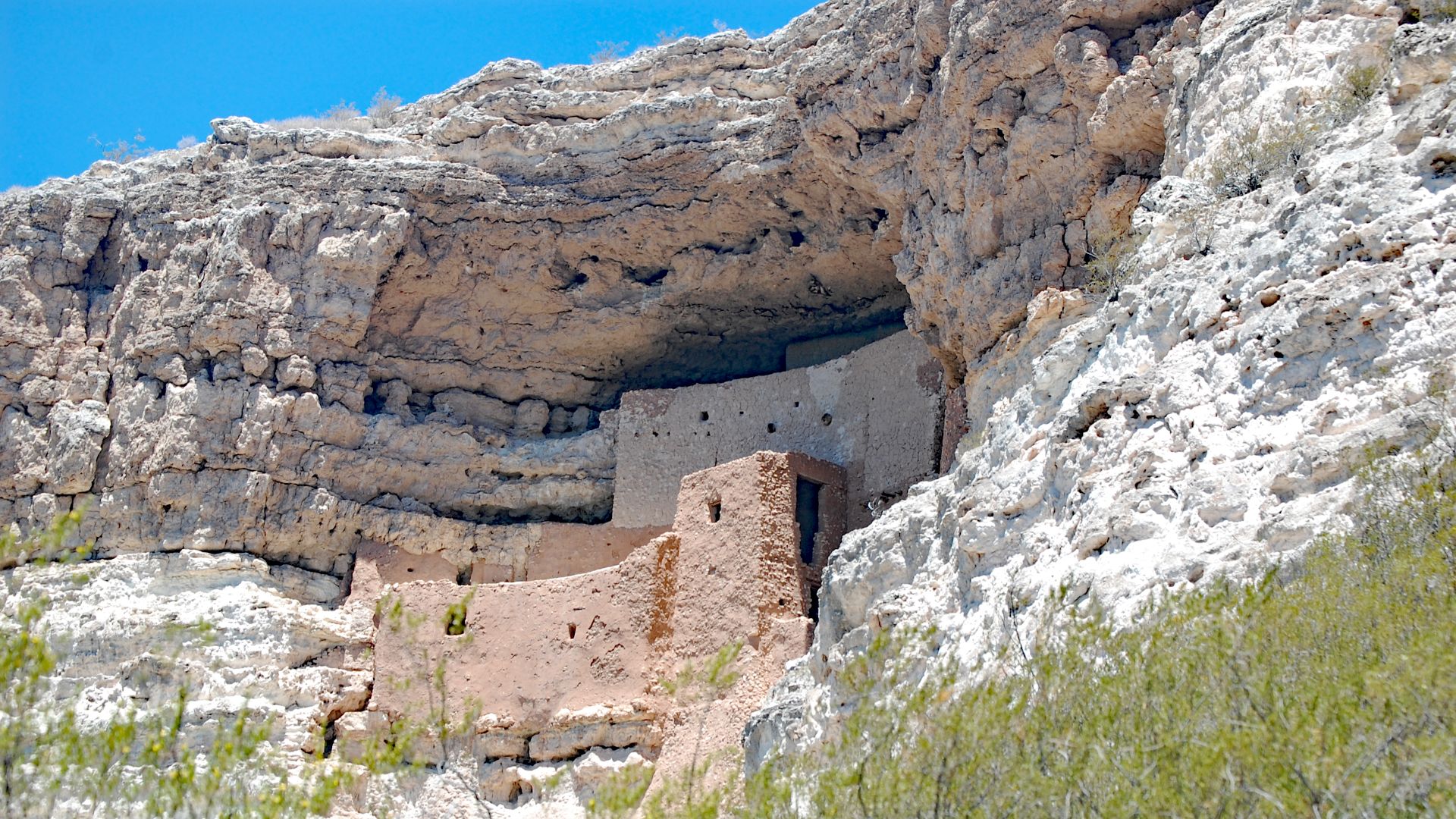 Laurelle Stoughton, Wikimedia Commons
Neighbors In High Places
Side-by-side living on the cliffs defined Sinagua’s sense of community. Homes were physically connected, with stone walls echoing the sound of daily life. Ladders, resting between doorways, acted as quiet bridges that linked lives and connected the neighborhood with some sort of purpose and intimacy.
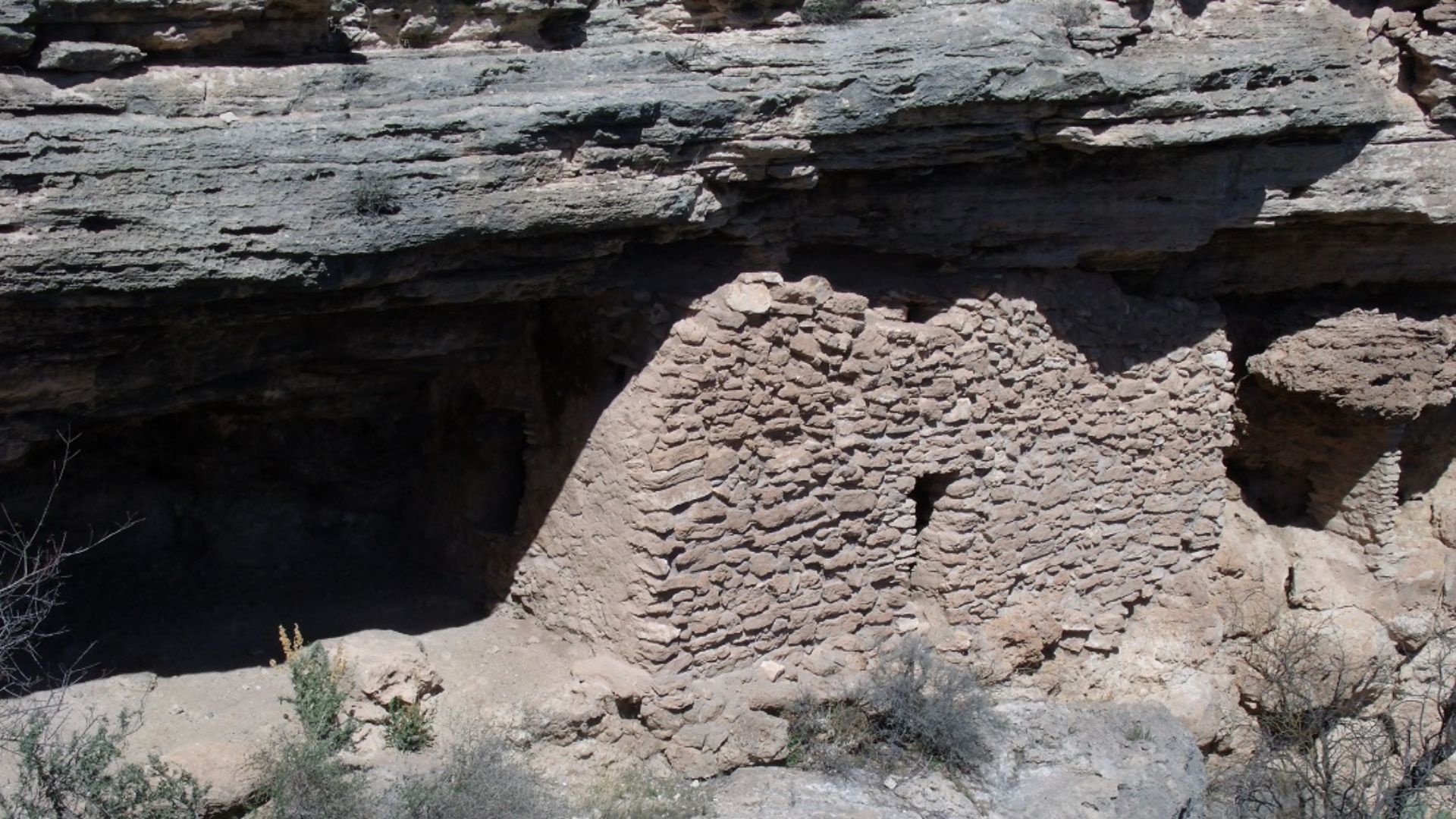 Tony the Marine (talk), Wikimedia Commons
Living Between Earth And Sky
Their homes clung to that quiet stretch between the canyon floor and the open sky. Life played out in midair, where light shifted fast, and the ground always felt distant. That height changed how they lived, and some suggest it influenced their thinking.
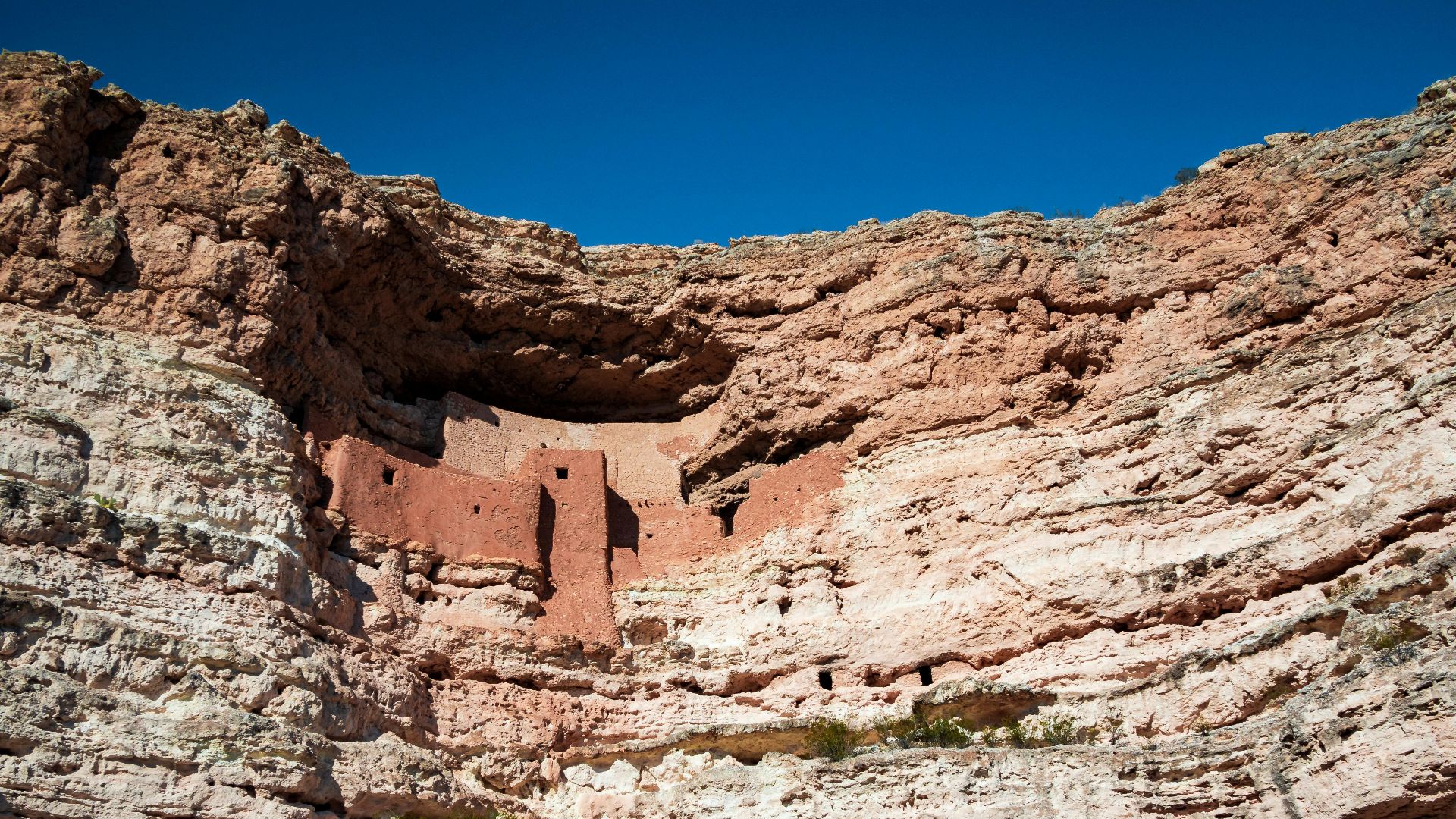
South-Facing For Survival
Why face south? Because the sun knows best. These cliff homes soaked up warmth in winter and kept cool in summer. No electricity is needed; it's just clever positioning and stone smarts. It was a design that worked quietly, day after day.
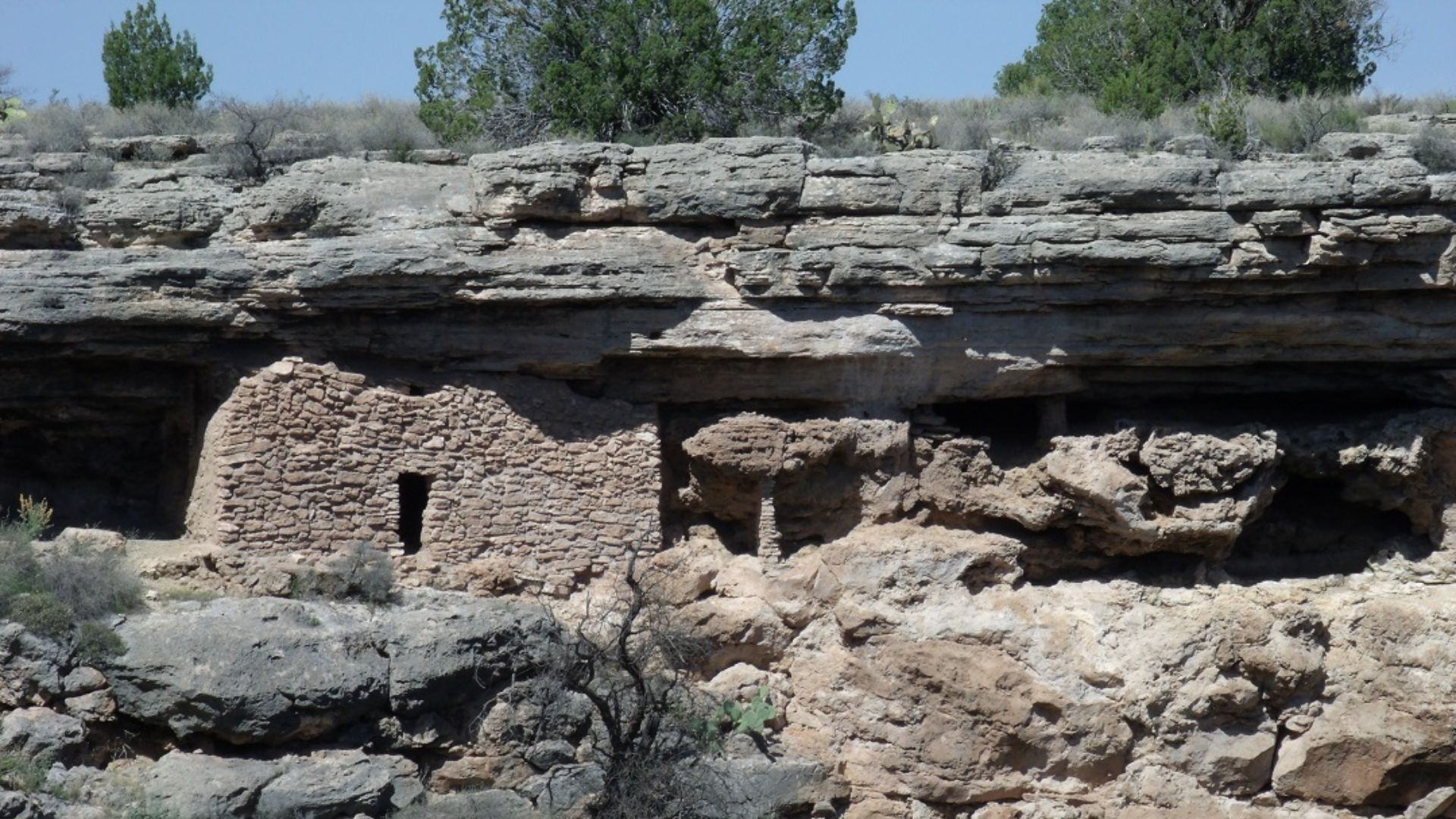 Tony the Marine (talk), Wikimedia Commons
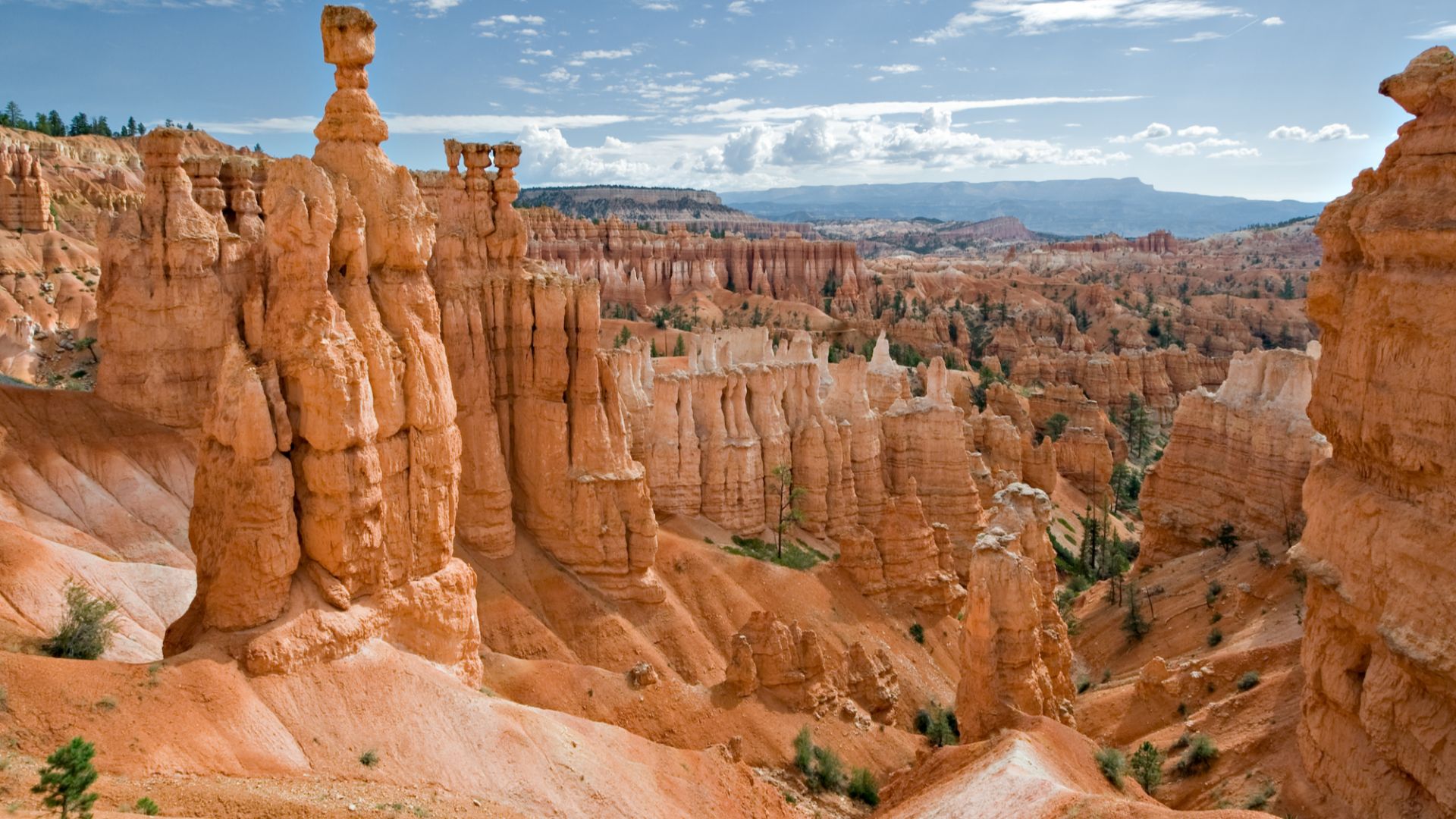
Eyes Over The Valley
From their ledges high above the canyon floor, the Sinagua watched the world unfold below them. They could see dust rising long before anything arrived, track movement through shifting shadows, and read the wind as it slipped through the stone. It wasn’t just a beautiful vantage point—it was a quiet advantage, a sense of calm control that only came from living above it all.
 Luca Galuzzi (Lucag), Wikimedia Commons
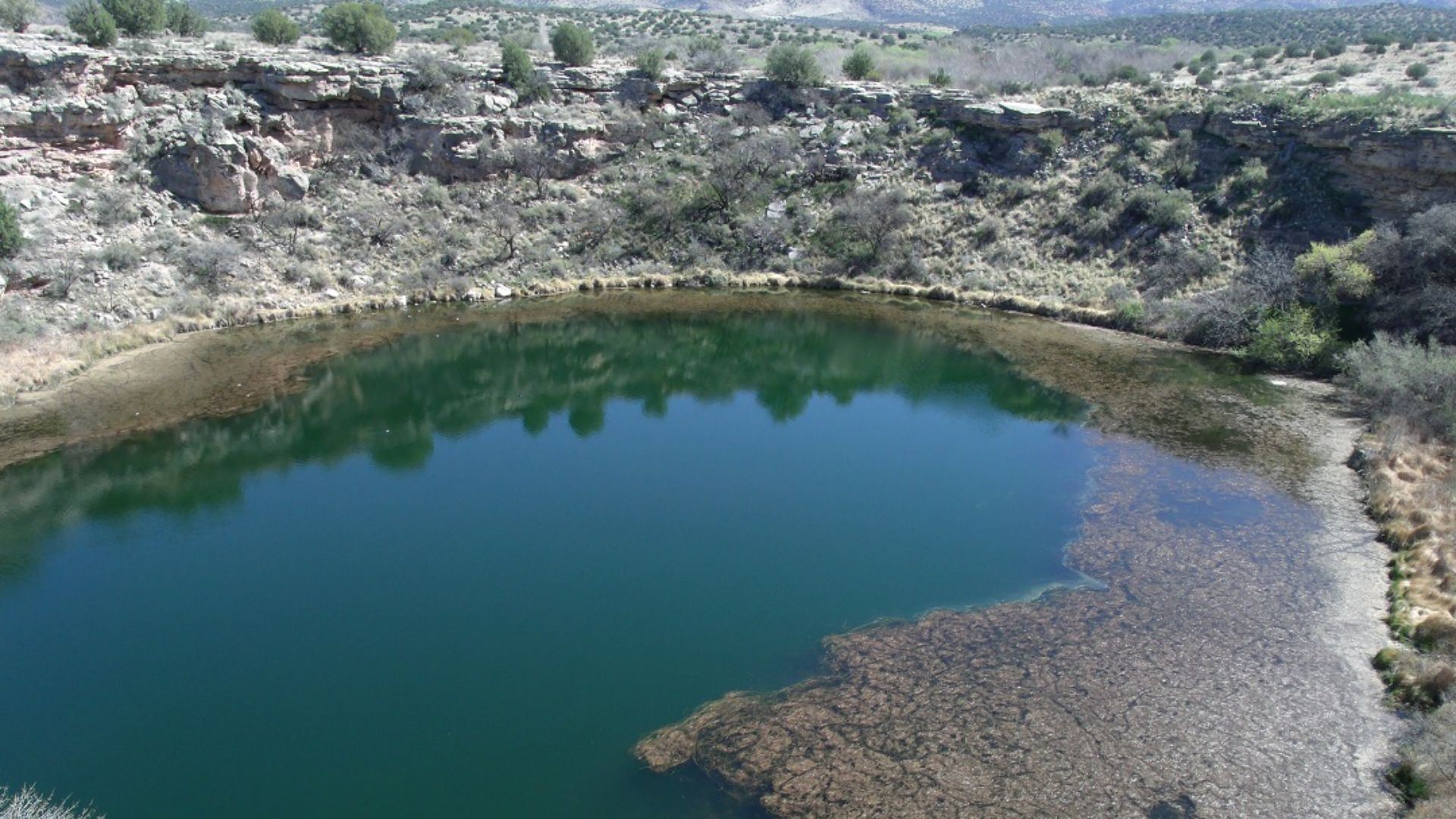
Daily Ascent For Water
You'd think hauling water up cliffs daily would be a dealbreaker. Nope. The Sinagua climbed to the creek and back up again like it was no big deal. Hydration took hustle, and they had plenty of it. Each trip down meant grit; each climb back meant strength.
 Tony the Marine (talk), Wikimedia Commons
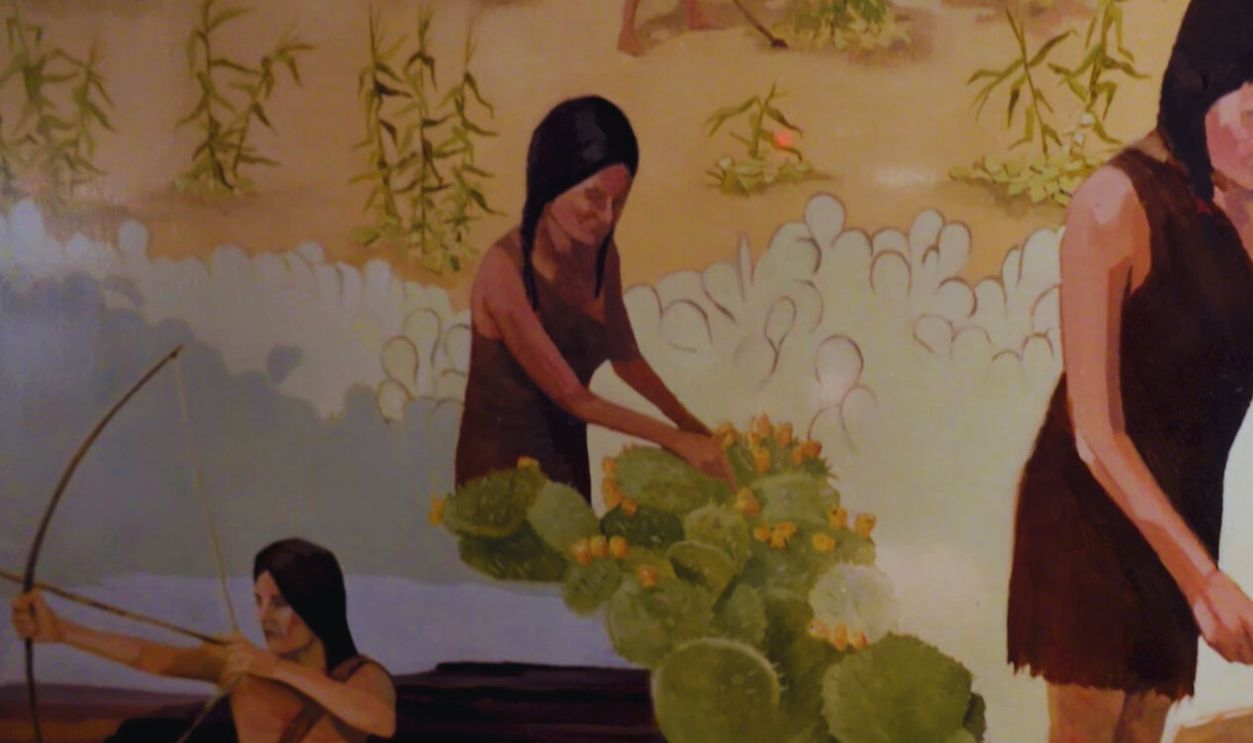
Farming Below, Feasting Above
Food grew in the soil below while life continued on the ledges above. The community tended fields in the valley, gathered what they needed, then climbed back to cook and rest. Once gathered, their harvest was carried up steep paths to be shared with all.
 MONTEZUMA WELL & MONTEZUMA CASTLE | Remains of the Southern Sinagua of Arizona by Cactus Atlas
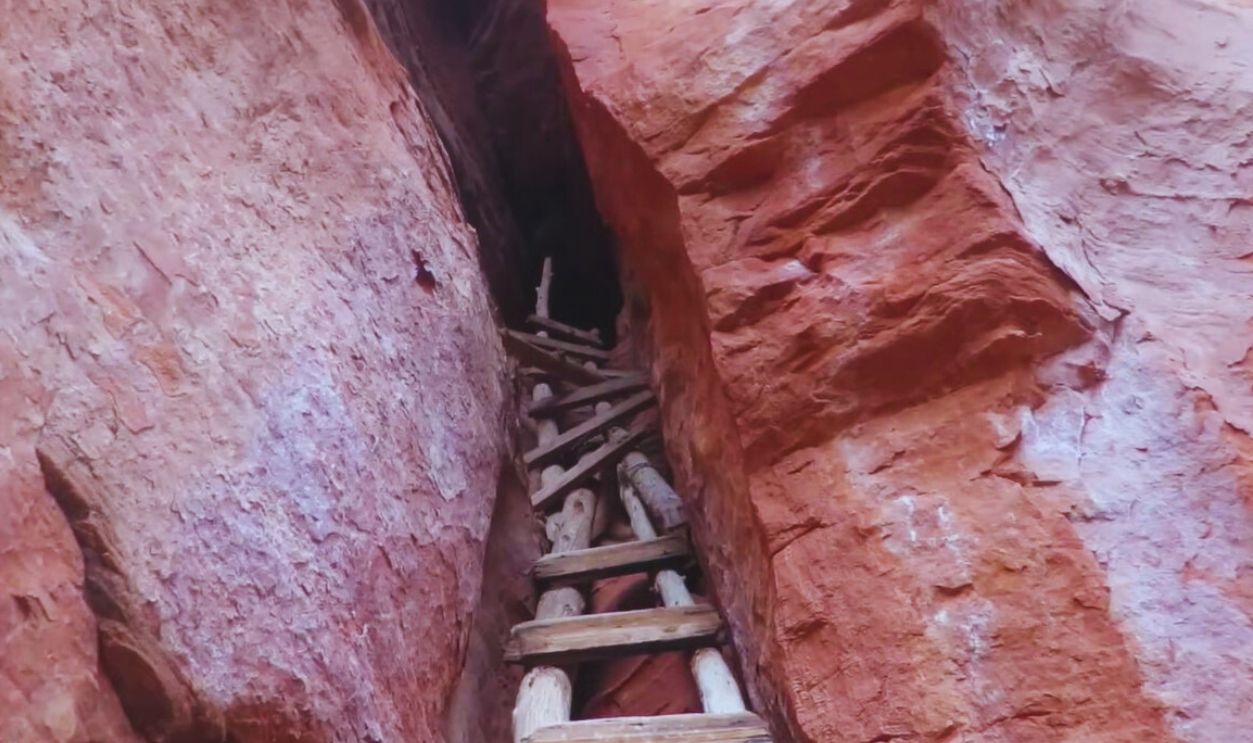
Up The Ladder To Home
After a long day in the fields or gathering wood, the climb home always began with a ladder. Step by step, hands steady on the rungs, they rose back to their ledges. It wasn't a burden. It was just how home was reached.
Above Floods And Foes
Down below, flash floods cut through the valley by surging through lowlands with enough force to sweep crops or anything in their path. Even wild animals wandered too close. But the cliffs stood firm. Reaching these homes took effort, and that effort gave the community something priceless: peace.
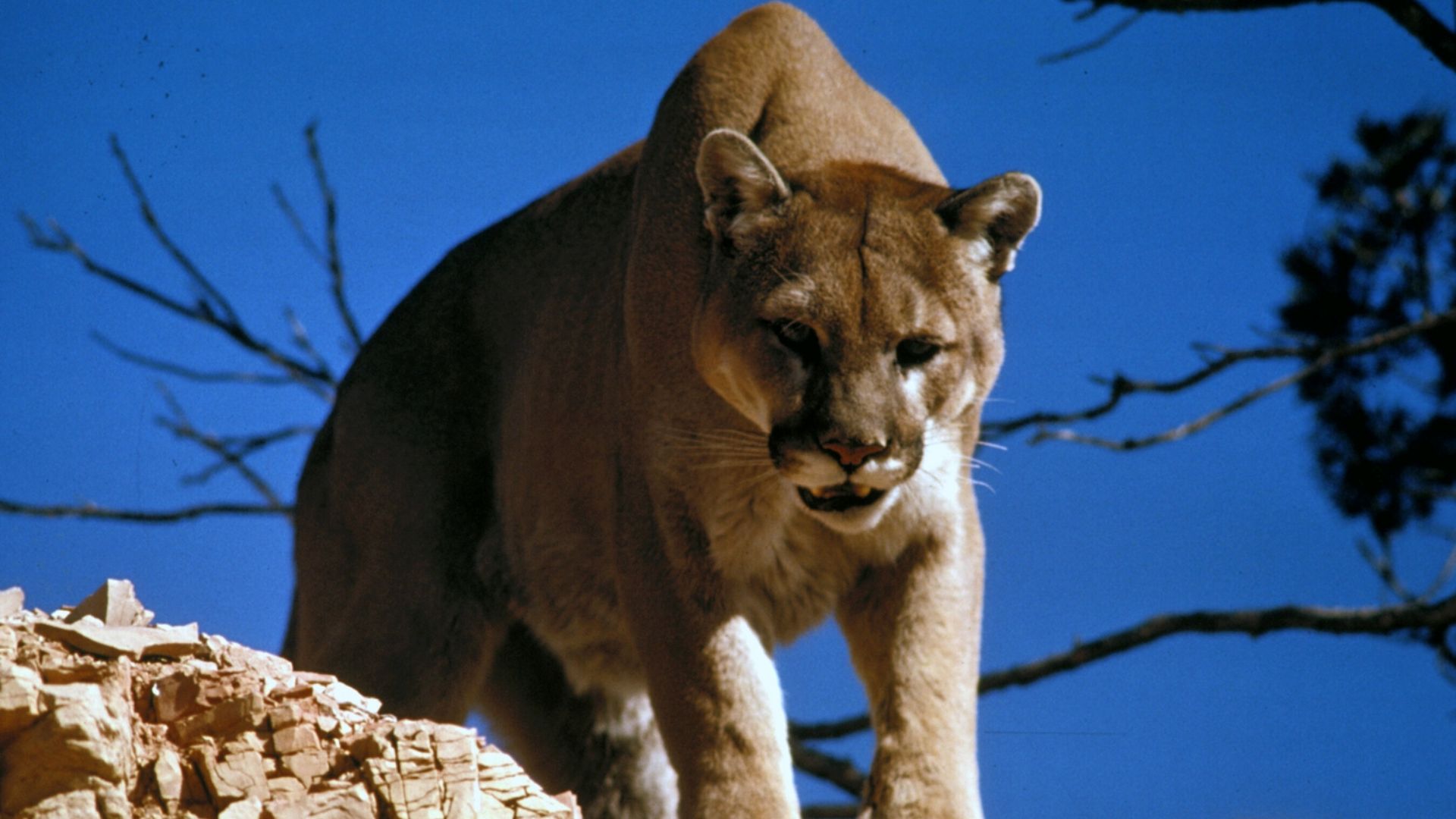 National Park Service, Wikimedia Commons
Clinging To The Rockface
And after climbing so high for safety, it made sense that their homes would blend in. These weren't flimsy boxes hanging off ledges. They rose from the cliff itself, molded by wind and time. If you weren't looking closely, you'd miss them entirely.
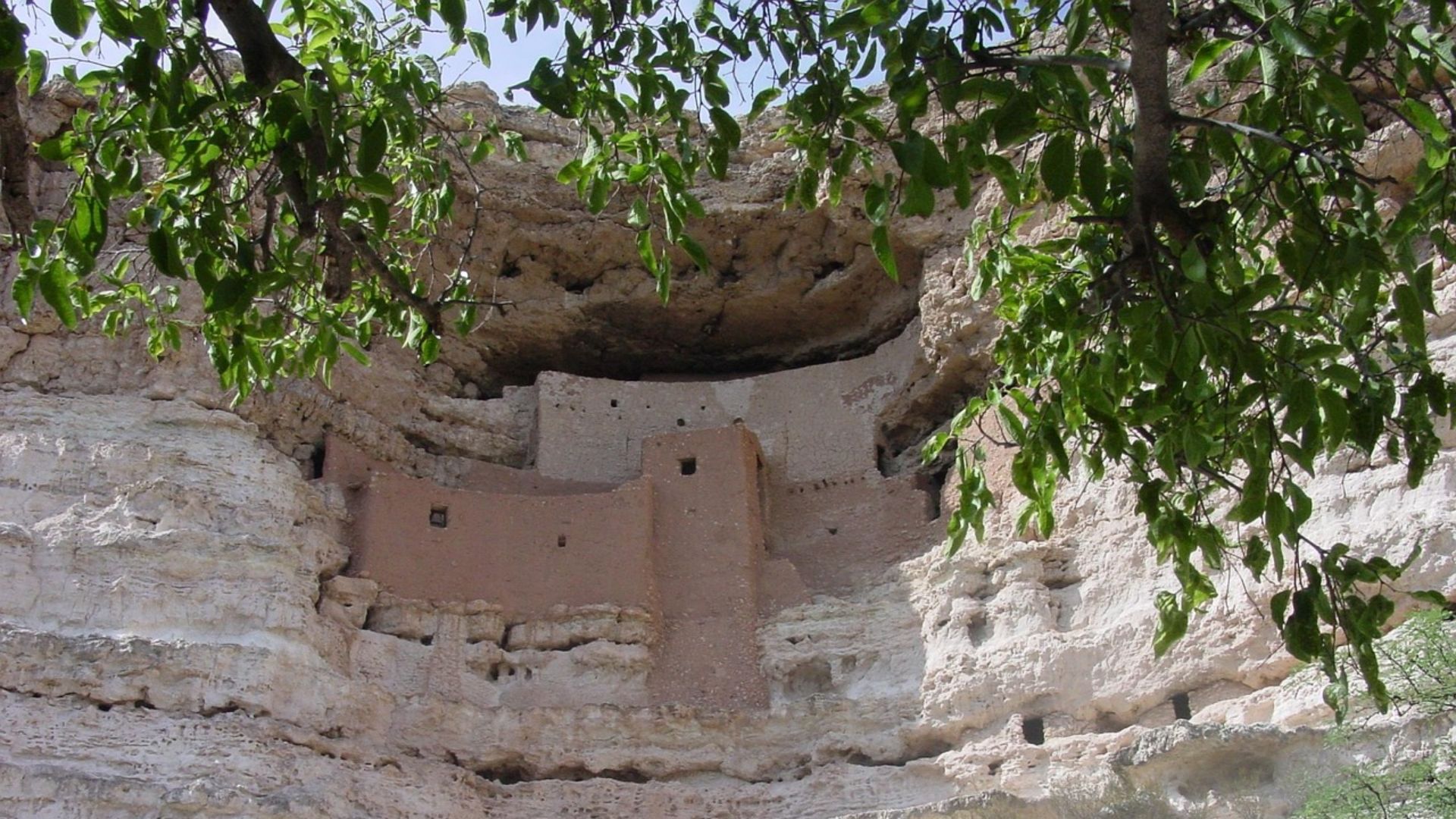
Sunrise On The Cliff Village
Up there, mornings welcomed them with a golden dawn. Light eventually slid down the stone walls and spilled over the canyon rim, creeping into each room. The soft appearance of the light instead of an alarm clock informed the people of Sinagua that the day had begun.
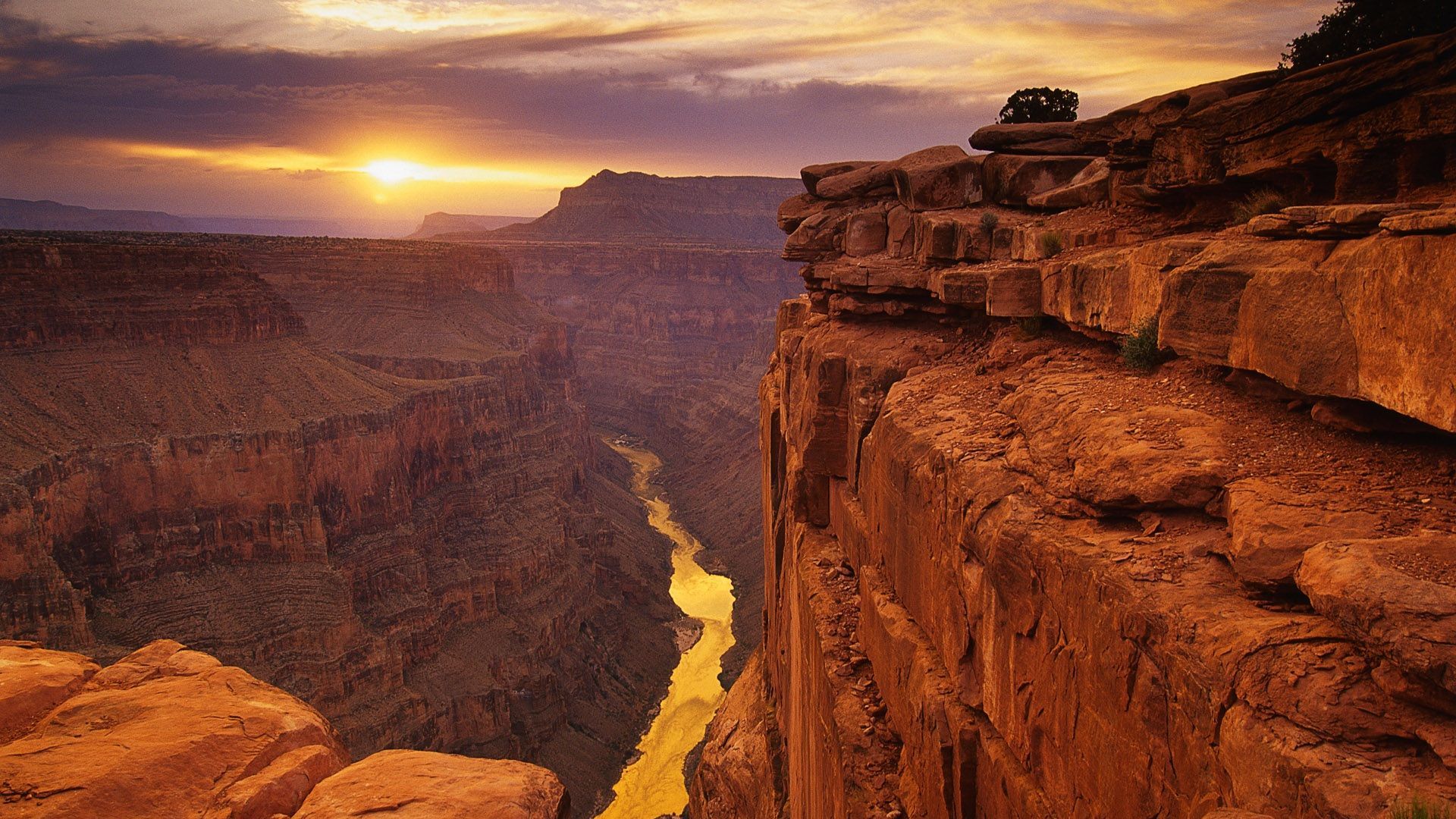 PradeepBisht, Wikimedia Commons
Sacred Heights
Above all, life at that height carried a deeper meaning. The traces left behind—carvings etched into stone, rings of ash—hint that these spaces were more than just places to live. Some researchers believe the cliffs themselves held spiritual significance, their elevation reflecting a connection to something greater, where daily life and belief were woven into the very rock they called home.
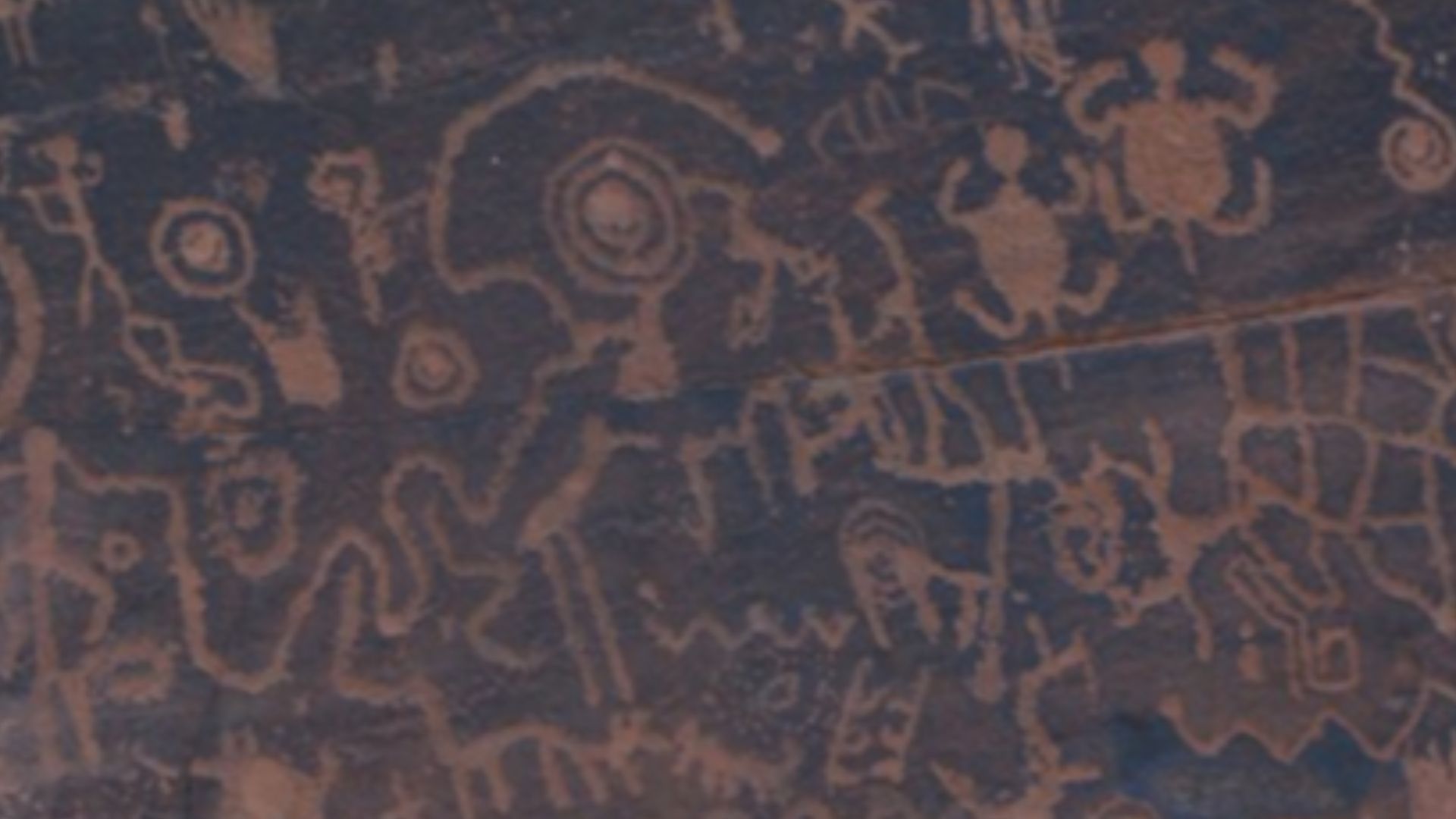
Ceremonial Value
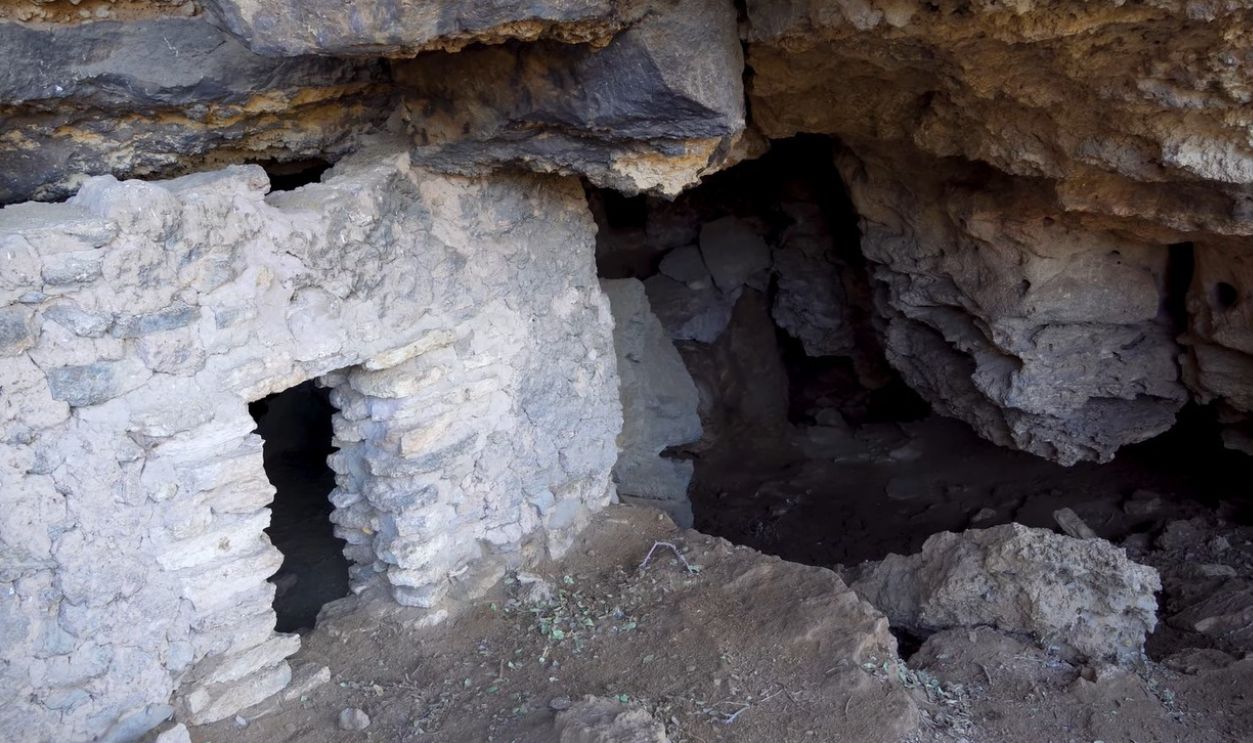
Certain rooms show signs of ritual activity as well. Ash layers and carved markings hint that these spaces may have held ceremonial meaning. Their location near elevated cliff edges had symbolic value, possibly reflecting beliefs shaped by the land’s height and exposure to the sky.
 MONTEZUMA WELL & MONTEZUMA CASTLE | Remains of the Southern Sinagua of Arizona by Cactus Atlas
From Pithouse To Penthouse
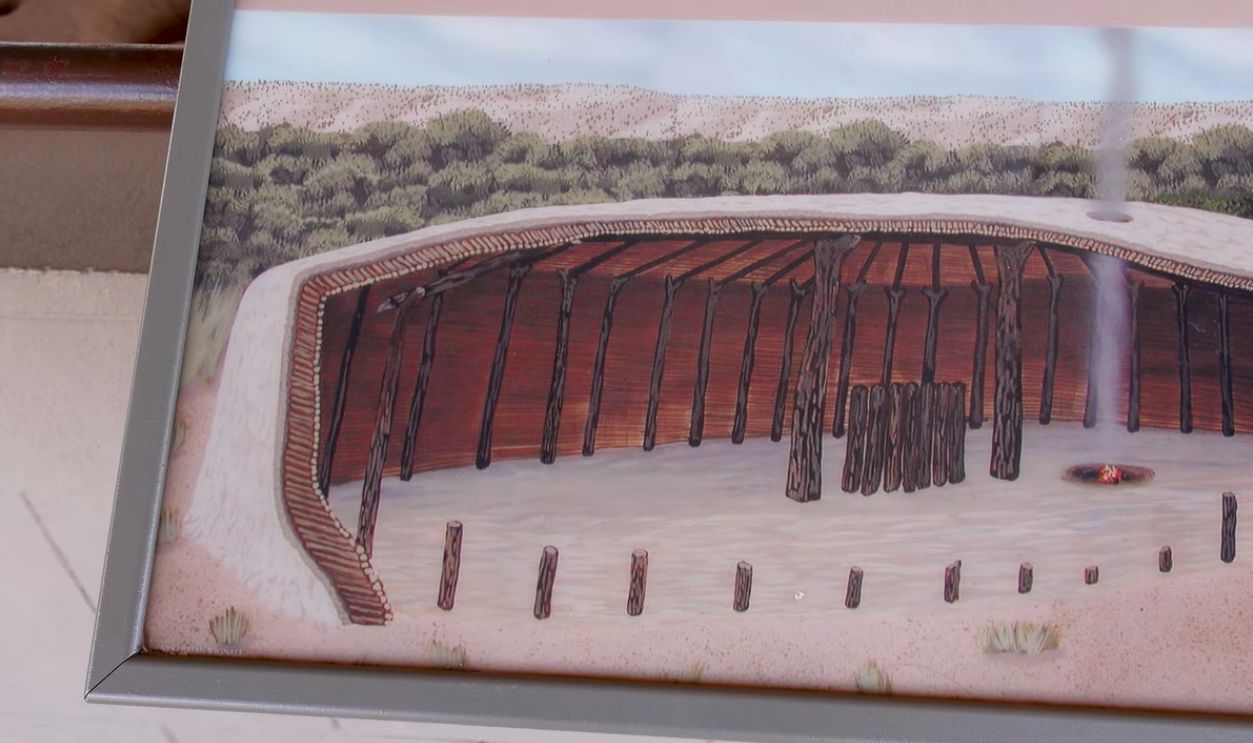
Before they looked to the cliffs, the Sinagua built low and dug deep, shaping homes directly into the ground. Even though those early shelters met their needs, archaeological evidence suggests environmental changes or population shifts may have driven this move.
 MONTEZUMA WELL & MONTEZUMA CASTLE | Remains of the Southern Sinagua of Arizona by Cactus Atlas
Benefits Of That Height
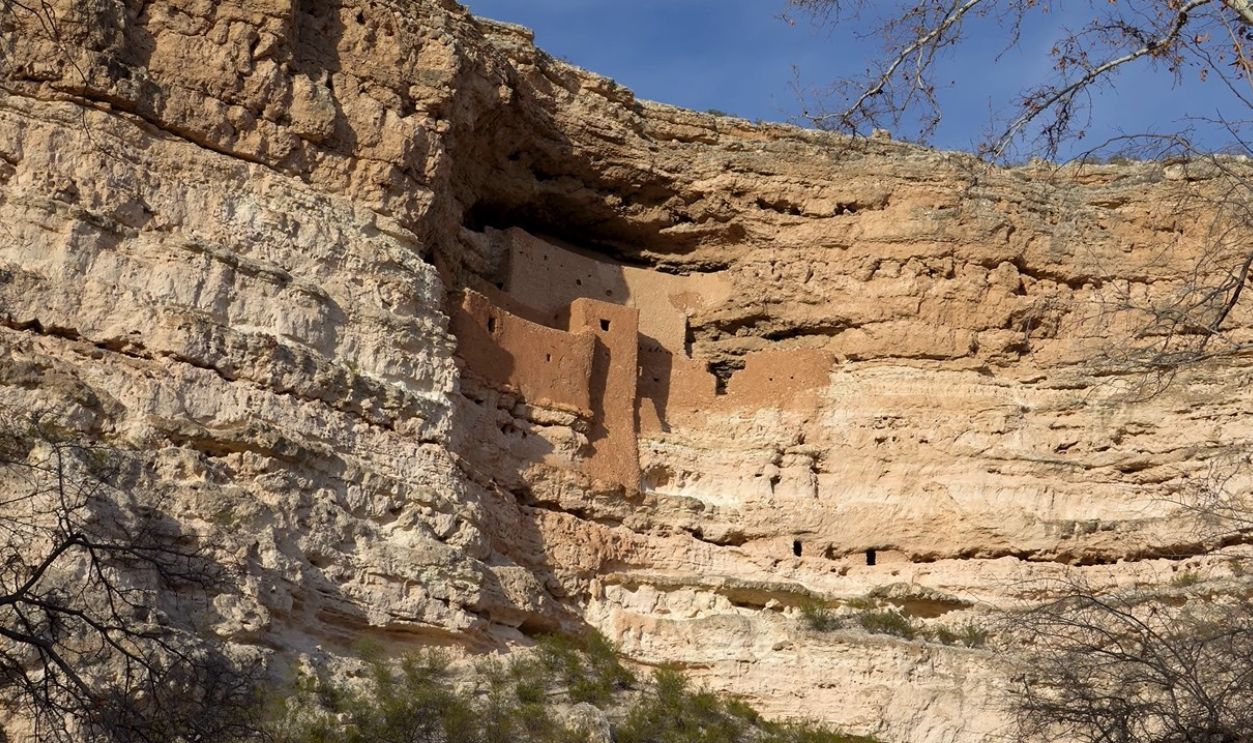
But this shift aligned more with survival. Building into the cliffs helped shield the Sinagua from attacks and covered them from scorching heat and sudden storms. High above the valley also meant greater visibility and time to react to threats.
 MONTEZUMA WELL & MONTEZUMA CASTLE | Remains of the Southern Sinagua of Arizona by Cactus Atlas
Ancient Architects Defy Gravity
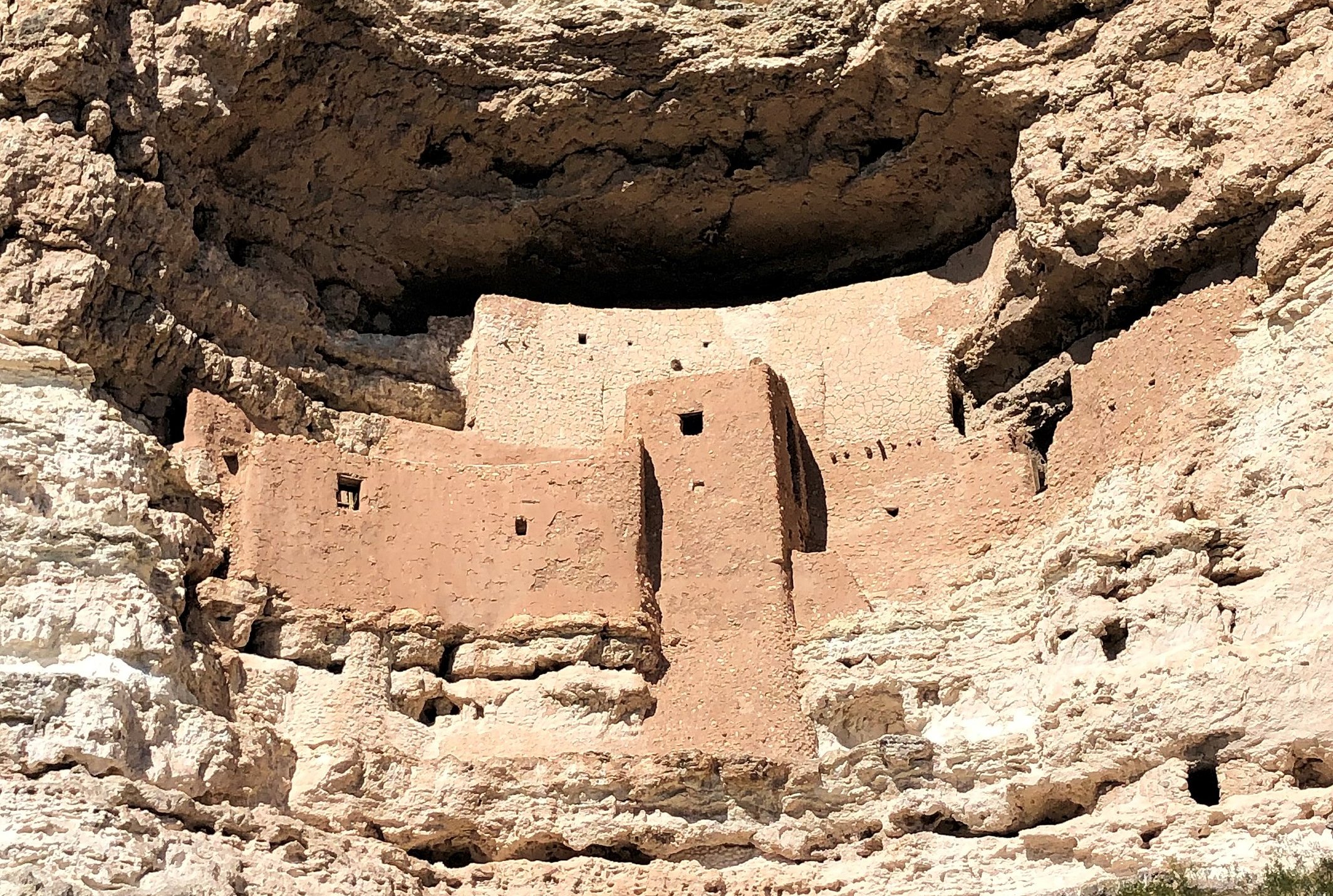
The brilliance is that they didn't follow blueprints or sketches. They trusted what they knew, letting instinct show the angles and balance. Walls leaned perfectly, and bricks held firm. It was a skill passed down, measured by what stood the longest.
 Beyond My Ken, CC BY-SA 4.0, Wikimedia Commons
Community On The Rocks
Life on the cliffs meant constant company. Generations overlapped, and their closeness shaped daily rhythms. These homes, once noted as connected, held more than structure. Footsteps echoed softly, and routines rippled across walls until even the stone seemed to move in sync with those who lived there.
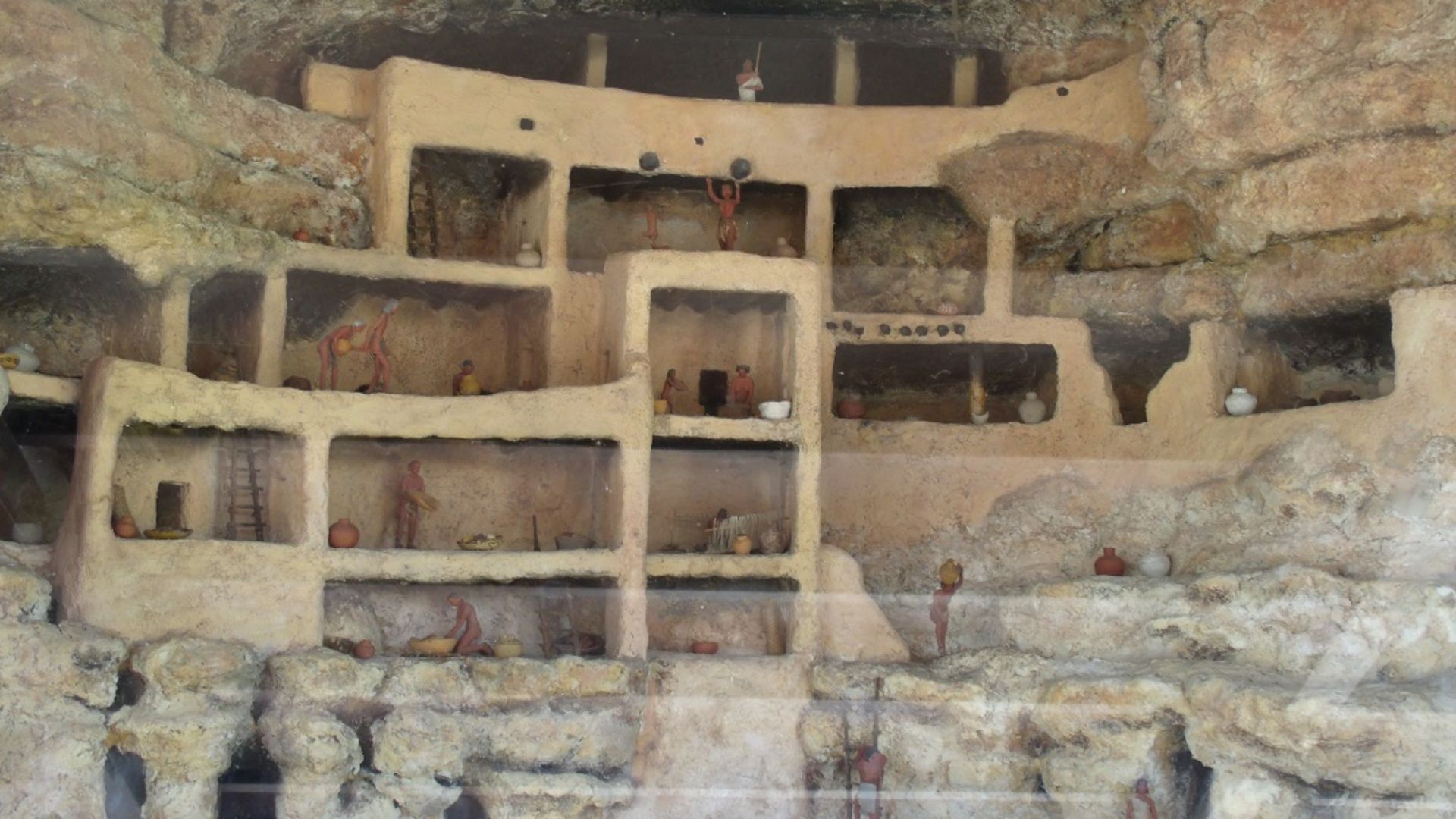 Tony the Marine (talk), Wikimedia Commons
Carved By Nature, Claimed By Ancestors
When the Sinagua arrived, the cliffs had already been shaped by wind and time. Instead of altering the terrain, they adapted their designs to the natural alcoves and ledges. Evidence shows how the Sinagua used the rock’s existing forms to guide the room’s layout.
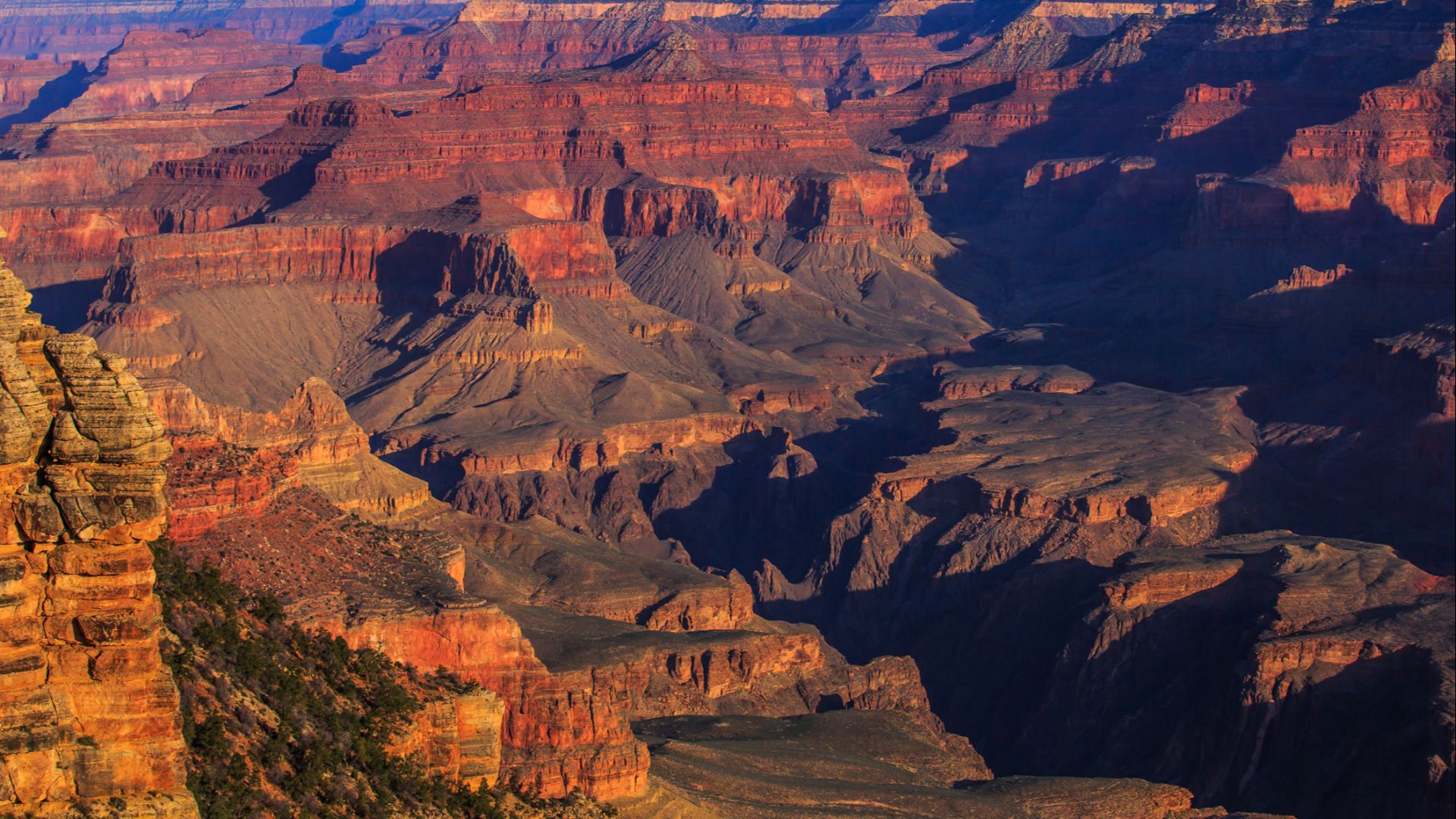 Murray Foubister, Wikimedia Commons
When The Cliffs Went Silent
And then, at some point, they were simply gone. Fields fell silent, ladders rested where they were last placed. Some believe drought drove them away, others point to shifting trade routes or alliances. Many likely folded into nearby Hopi and Zuni communities, carrying their traditions forward. But the cliff dwellings remained—suspended in time, like a story paused mid-sentence, a breath never fully released.
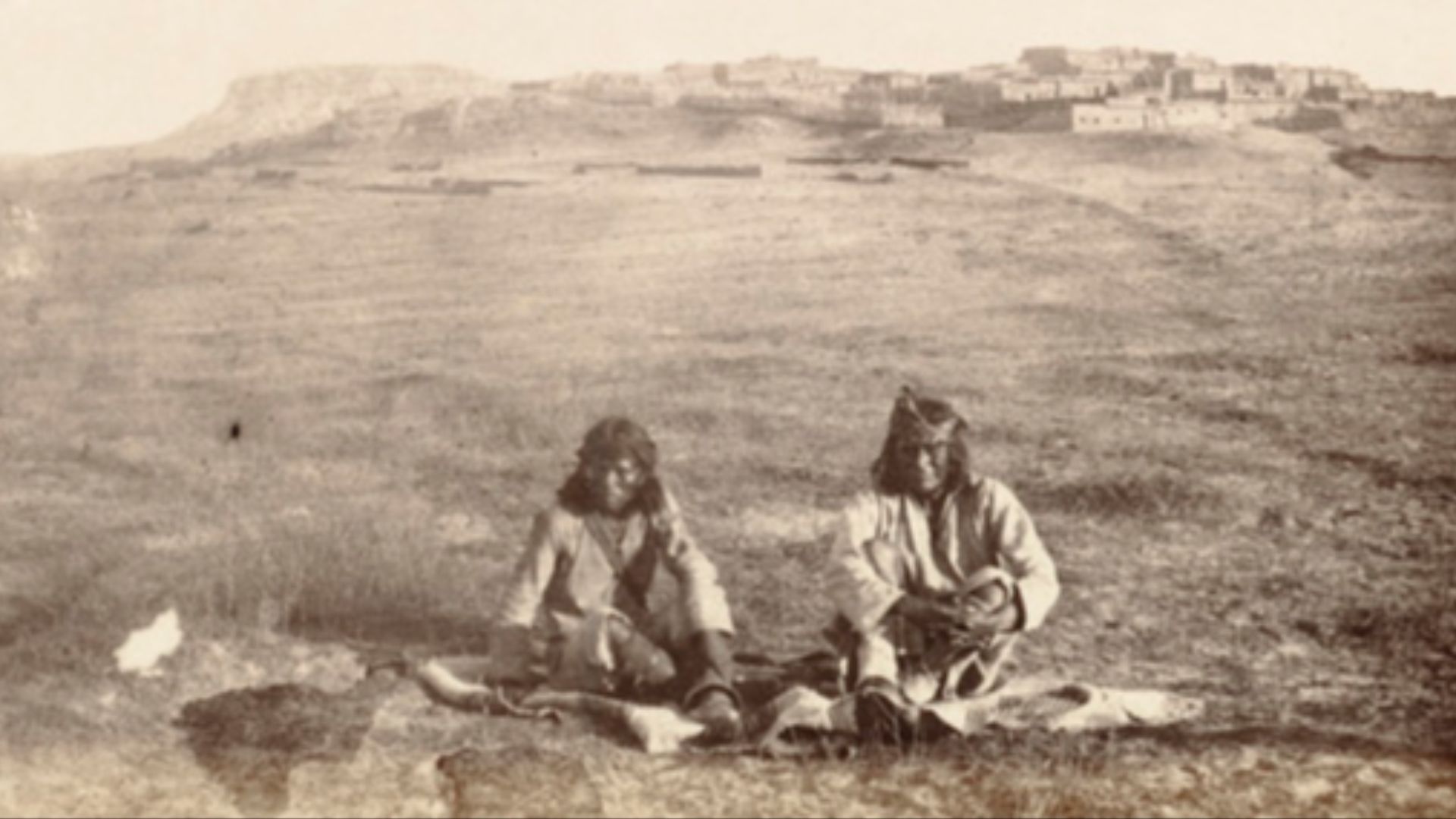 Gardner, Alexander, 1821-1882, Wikimedia Commons
Montezuma Castle
Following the quiet exit from the cliffs, one structure still carries its story in stone—Montezuma Castle. Though its name points elsewhere, this towering cliff dwelling shares the same roots. It's not separate from the others. It's part of the same legacy, still holding its ground centuries later.
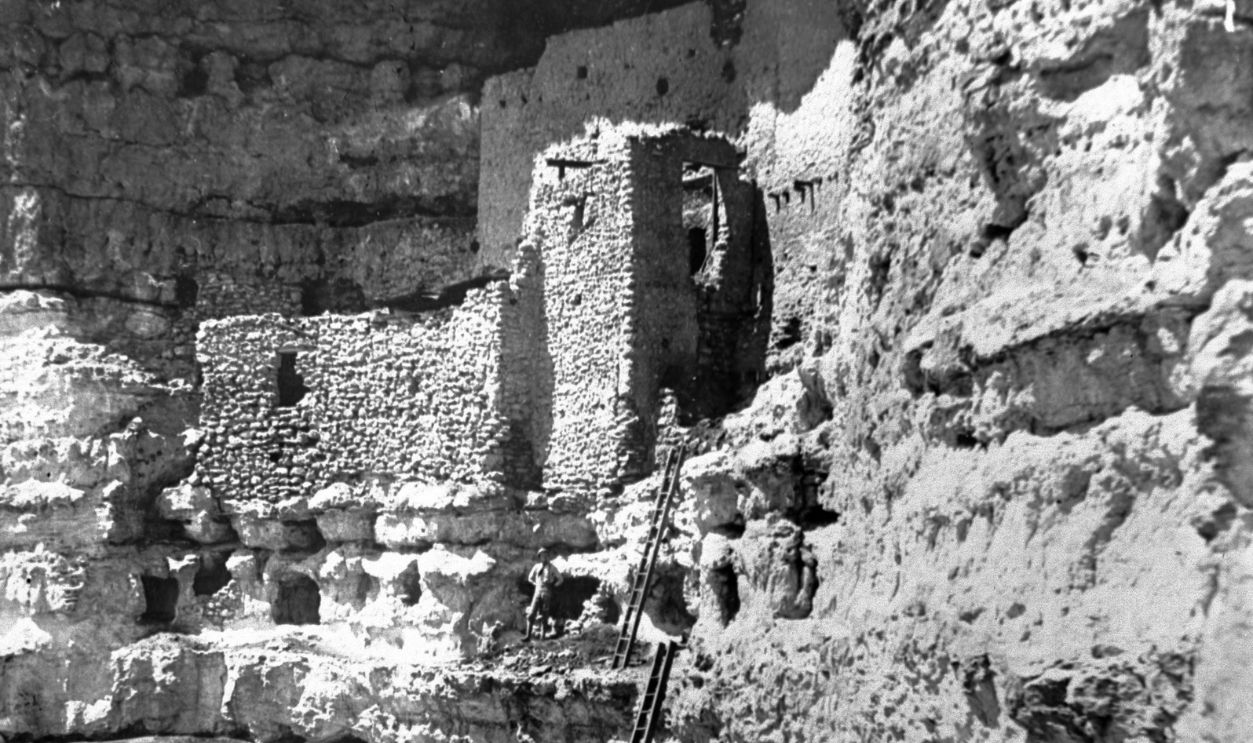 Pierce, C.C. (Charles C.), 1861-1946, Wikimedia Commons
Walnut Canyon
Just like Montezuma Castle, Walnut Canyon holds another chapter of the Sinagua story. But here, it's a maze of ledges and hollows. Each hidden nook speaks to daily life, stretched across the rock face like a quiet memory waiting to be noticed.
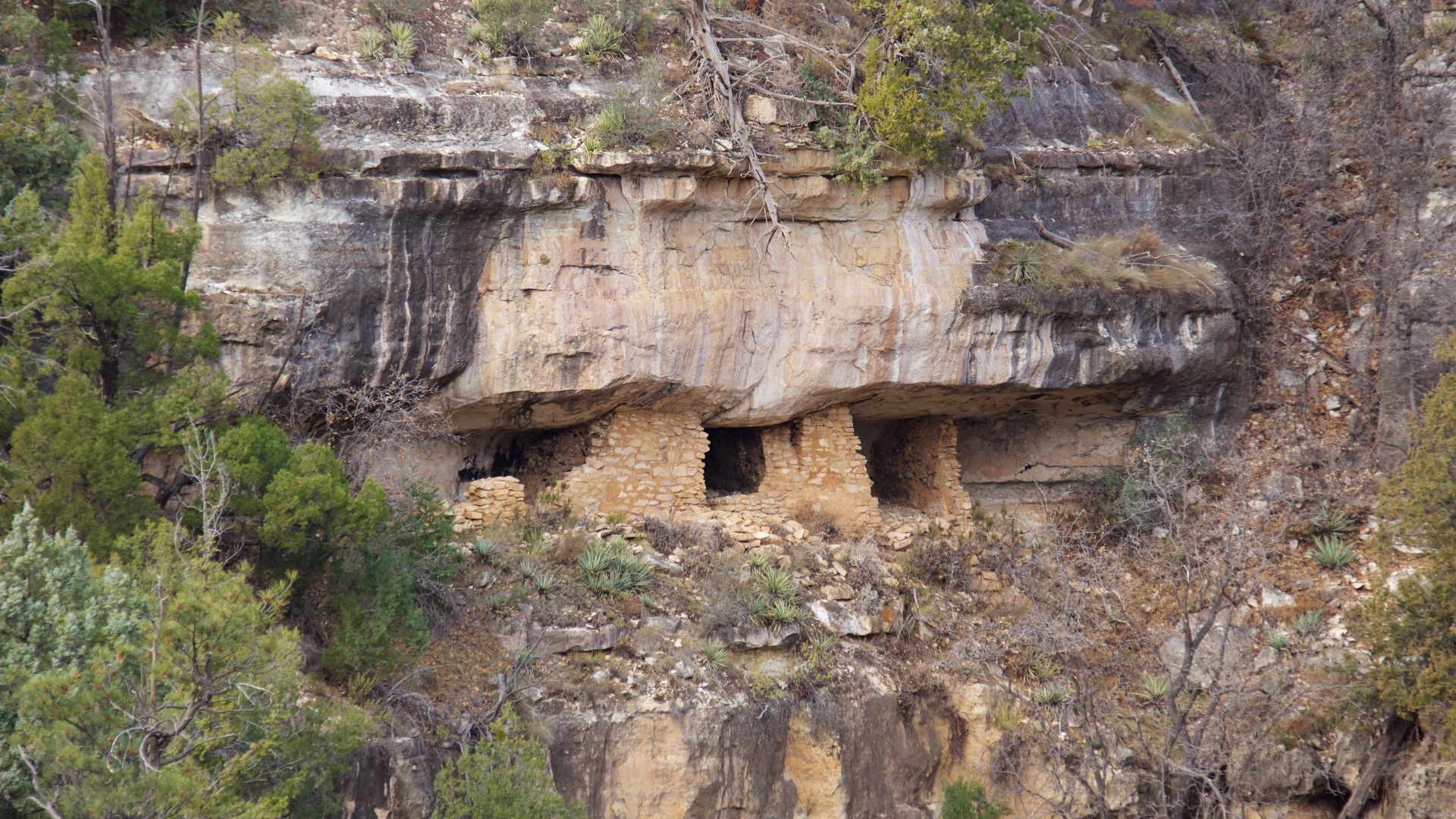 Photograph by Mike Peel (www.mikepeel.net)., Wikimedia Commons
Honanki
At Honanki, soot-darkened ceilings and worn thresholds mark where families cooked and passed through each day—physical traces that offer archaeologists a rare look at how the Sinagua used fire and shared information within these compact, stone-built spaces embedded into the canyon wall.
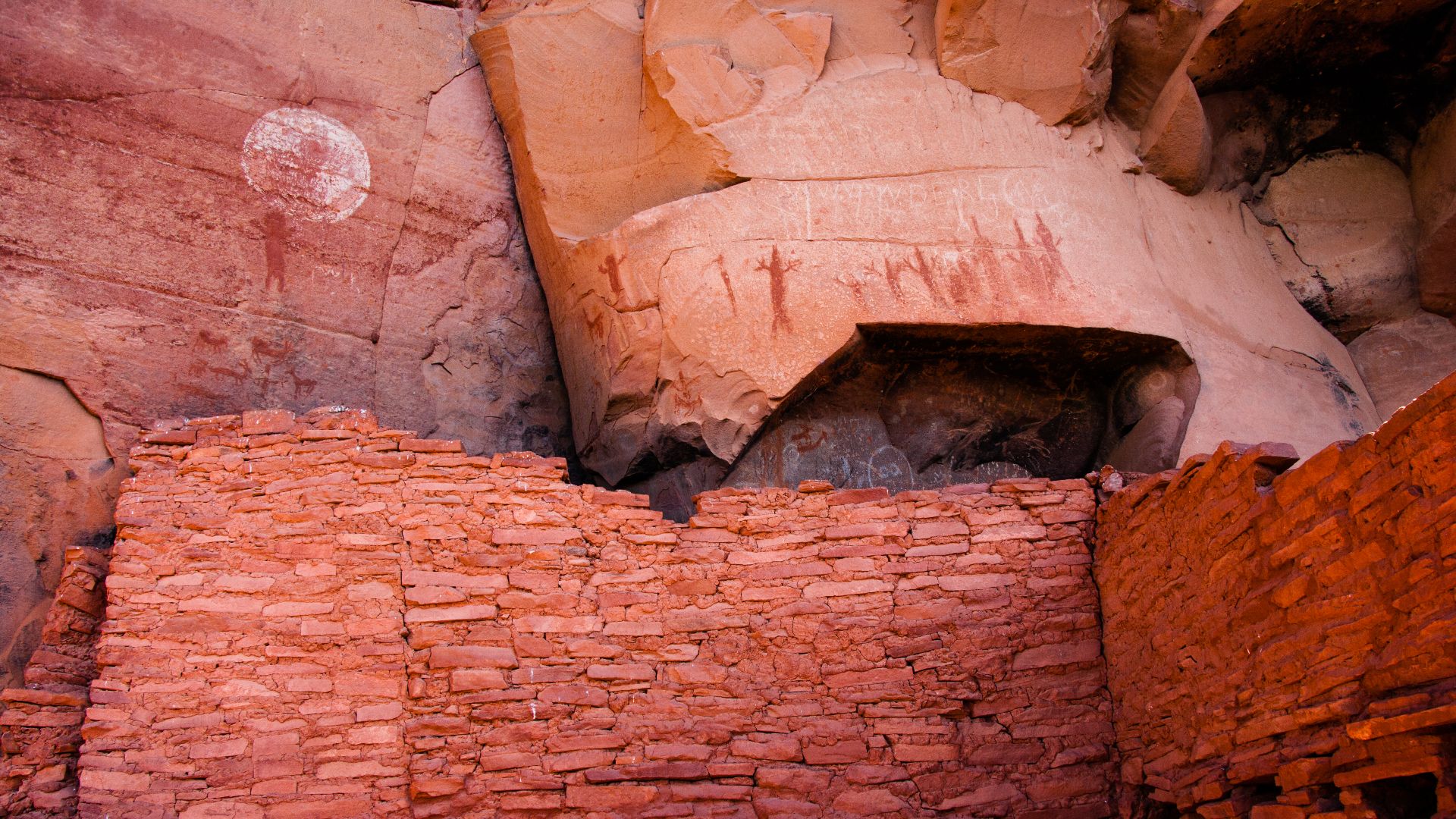 Deborah Lee Soltesz, Coconino National Forest, Wikimedia Commons
Living On The Edge
Even now, the Sinagua's homes cling to the cliffs, weathered but standing. They were shaped by knowledge and deep familiarity with the land. These places remain steady through time, not by drawing attention but by holding firm in their quiet strength.