Into The Time Machine
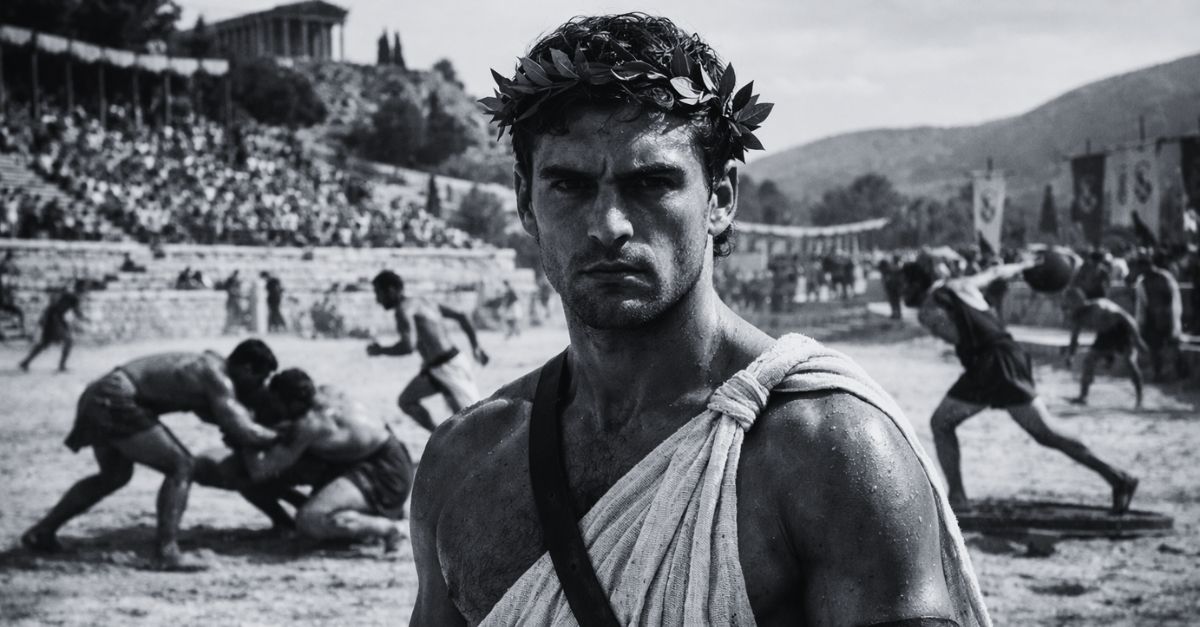
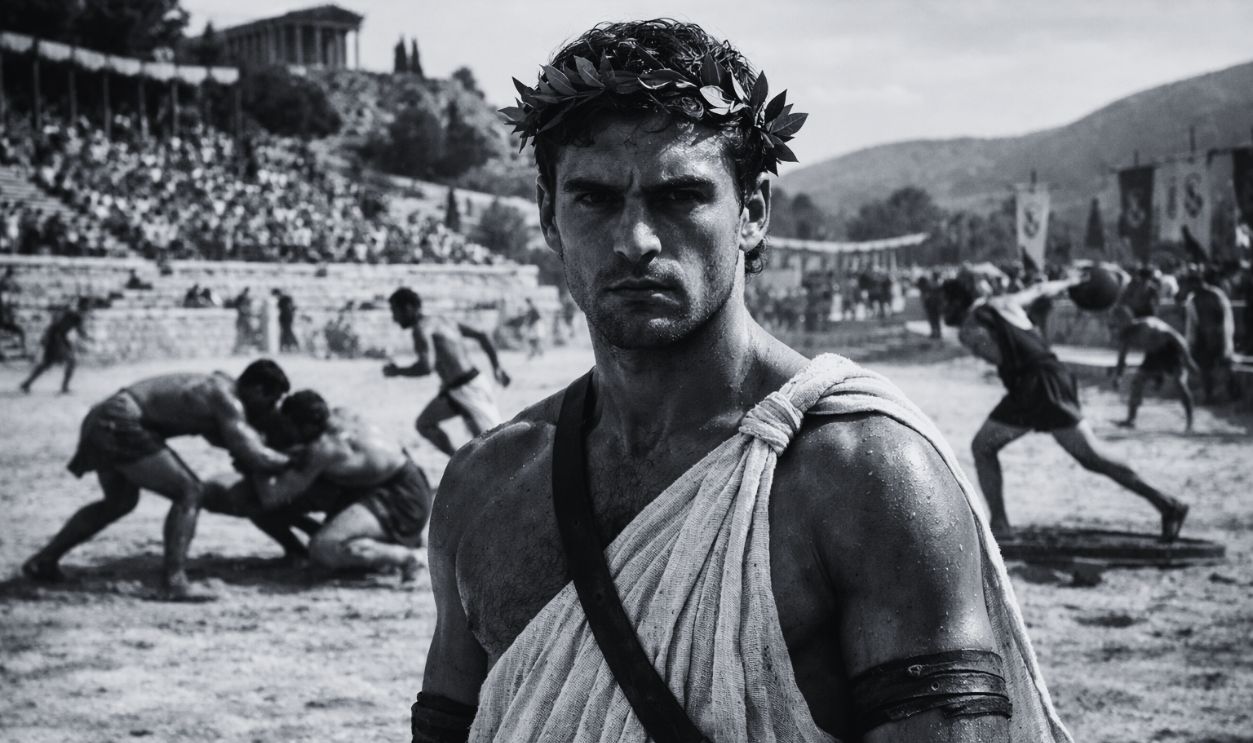
Travel back in time to Ancient Greece and experience the sights and smells of the Olympic Games in 436 BC…
How To Get There?
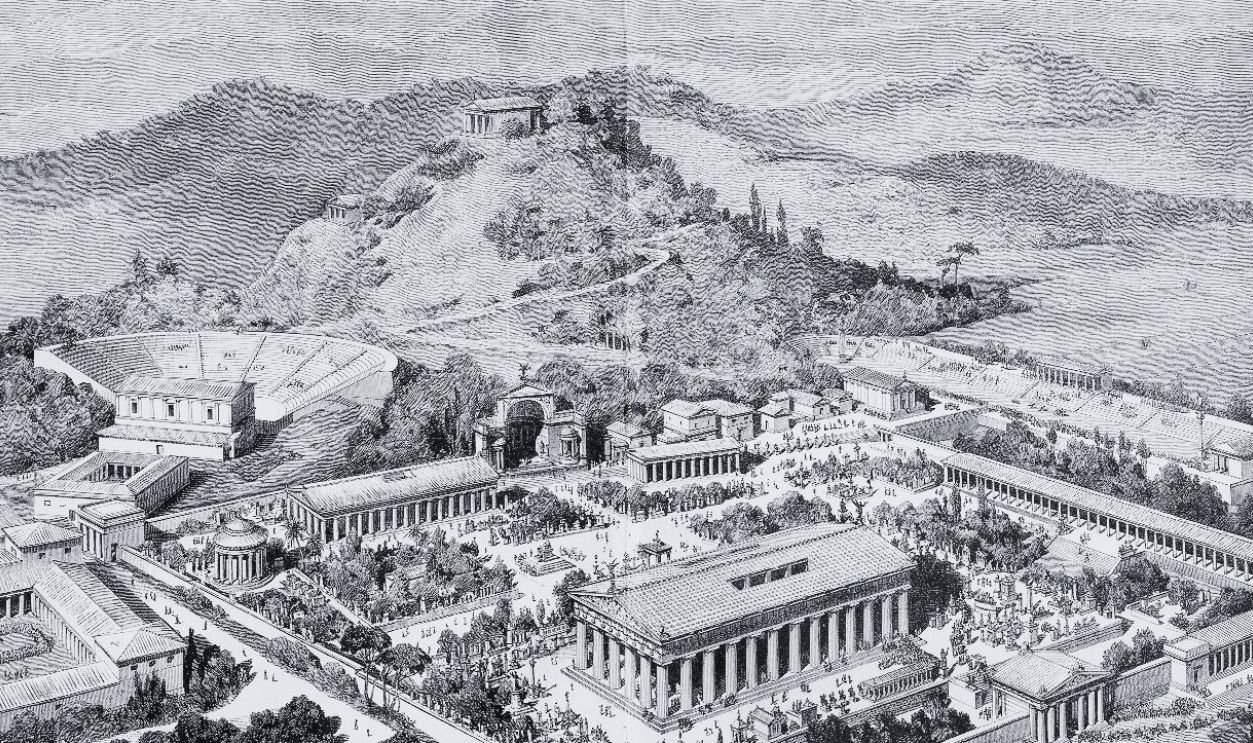
Your fellow spectators will have travelled from all over the Mediterranean basin, so be prepared to encounter heavy traffic (and expect delays) on your way to Olympia. Around 50,000 people will be making their way to the site – which, being a religious sanctuary rather than a fully functioning city, offers little in the way of infrastructure. Many revellers will be forced to travel through warzones and rival Greek states to reach Olympia. While the Olympic truce is theoretically in place for the duration of the Games, ongoing battles may well not be suspended in certain areas and regions.
 Immanuel Giel, Wikimedia Commons
Watch Out For Fights! And No Married Women.
This means there’s a reasonable chance of encountering fighting as you make your way to the Games, so take the utmost care while travelling. And remember: no married women will be permitted to enter Olympia during the Games. It’s men and unmarried women only!
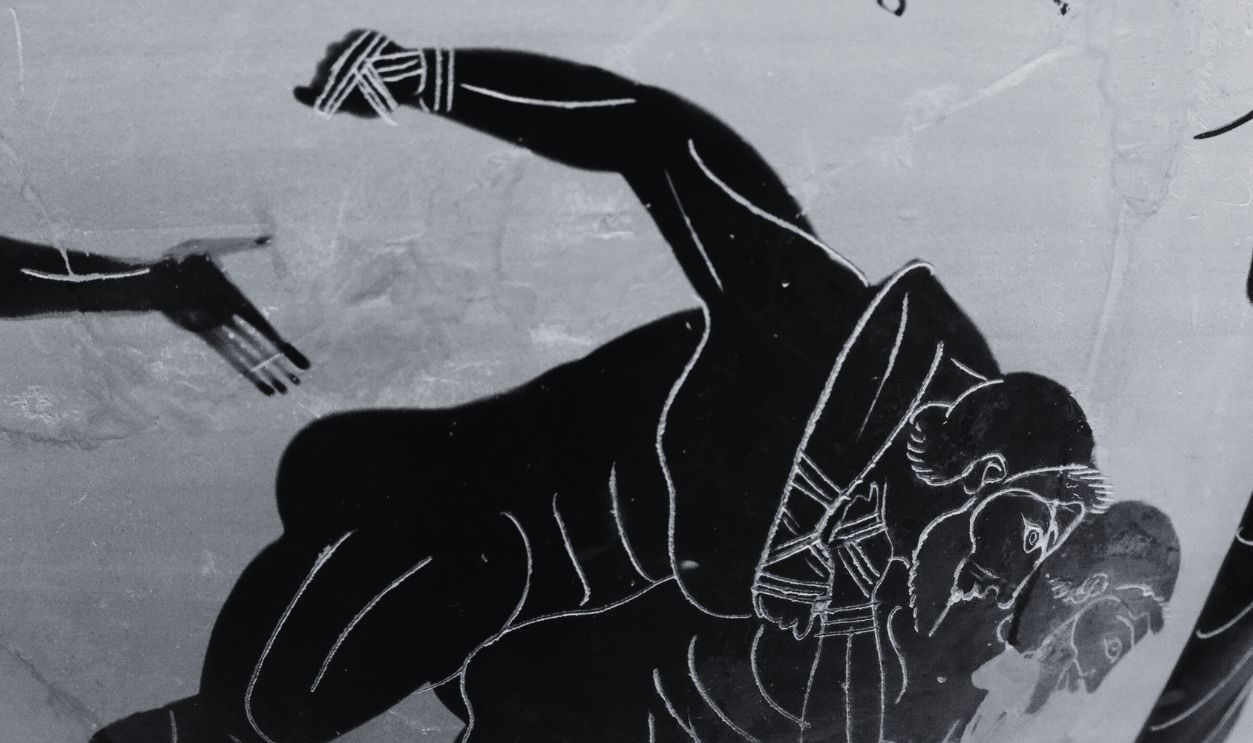 Metropolitan Museum of Art, Wikimedia Commons
Except For One Time
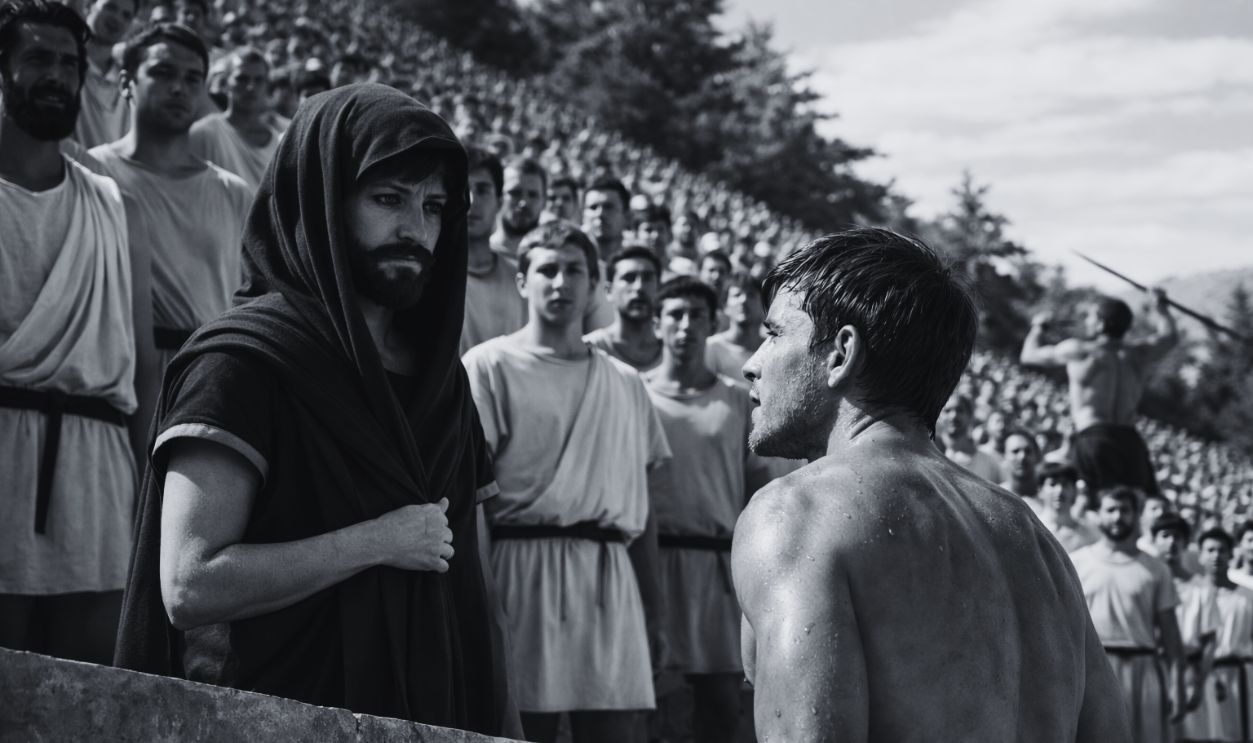
A married woman named Kallipateira disguised herself as a man to watch her son, Peisirodos, in action at the Games. She accidentally revealed her gender when she hopped over the barrier after he won his bout.
Where To Stay?
Unfortunately, Olympia currently only boasts a single hotel – the Leonidaion – which, while being beyond the budget of most Olympic spectators, also tends to reserve its rooms for dignitaries and officials. The hiring of tents and canvas pavilions is possible, but again these prove very popular, as well as being rather costly. Most spectators bring their own tents to camp in, but there are also plenty who chance their arm and try to find comfortable patches of ground to lay their heads on, sleeping under the stars.
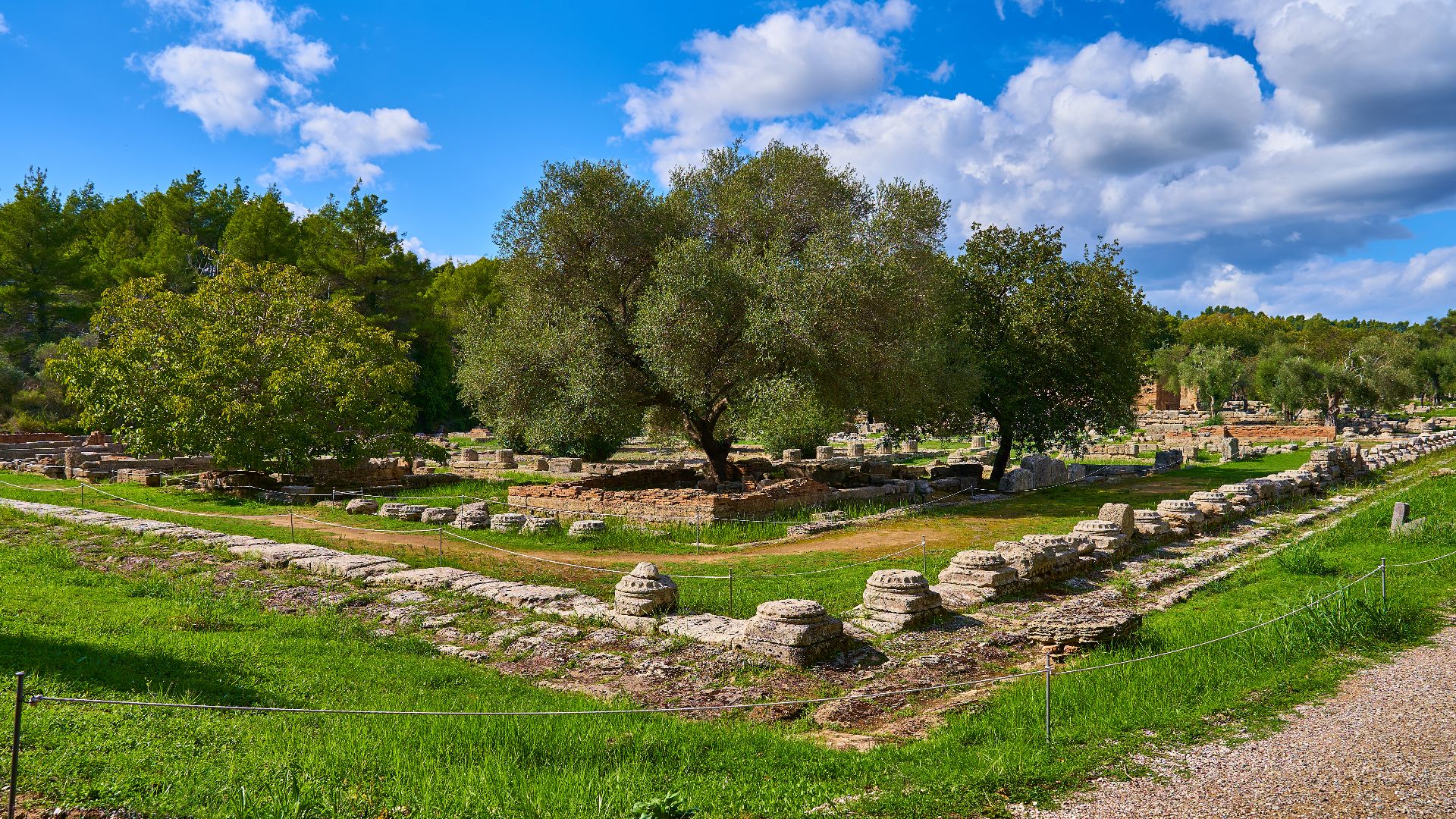 George E. Koronaios, Wikimedia Commons
What To Eat?
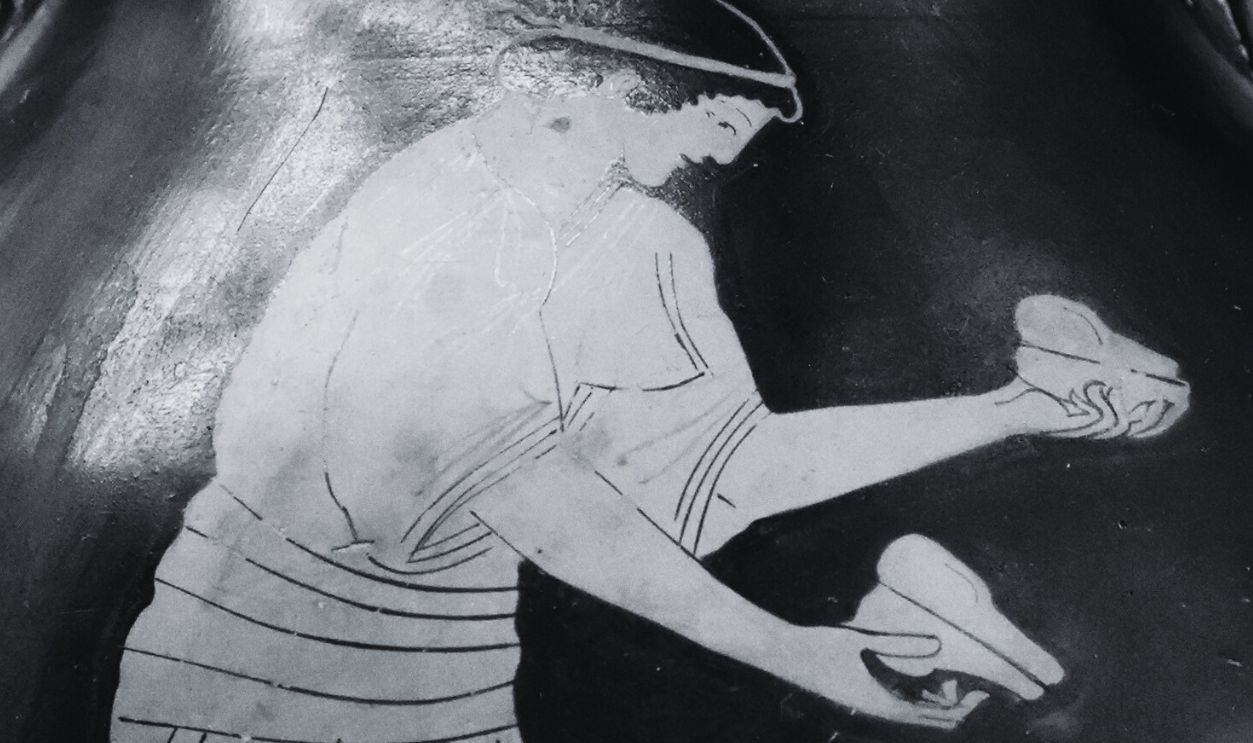
All manner of food is available in the grounds outside the stadium and the hippodrome, but beware of unscrupulous vendors who can charge extortionate prices. Make sure you bring enough disposable cash with you to avoid going hungry.
 © Marie-Lan Nguyen, Wikimedia Commons
A Feast Of Oxen
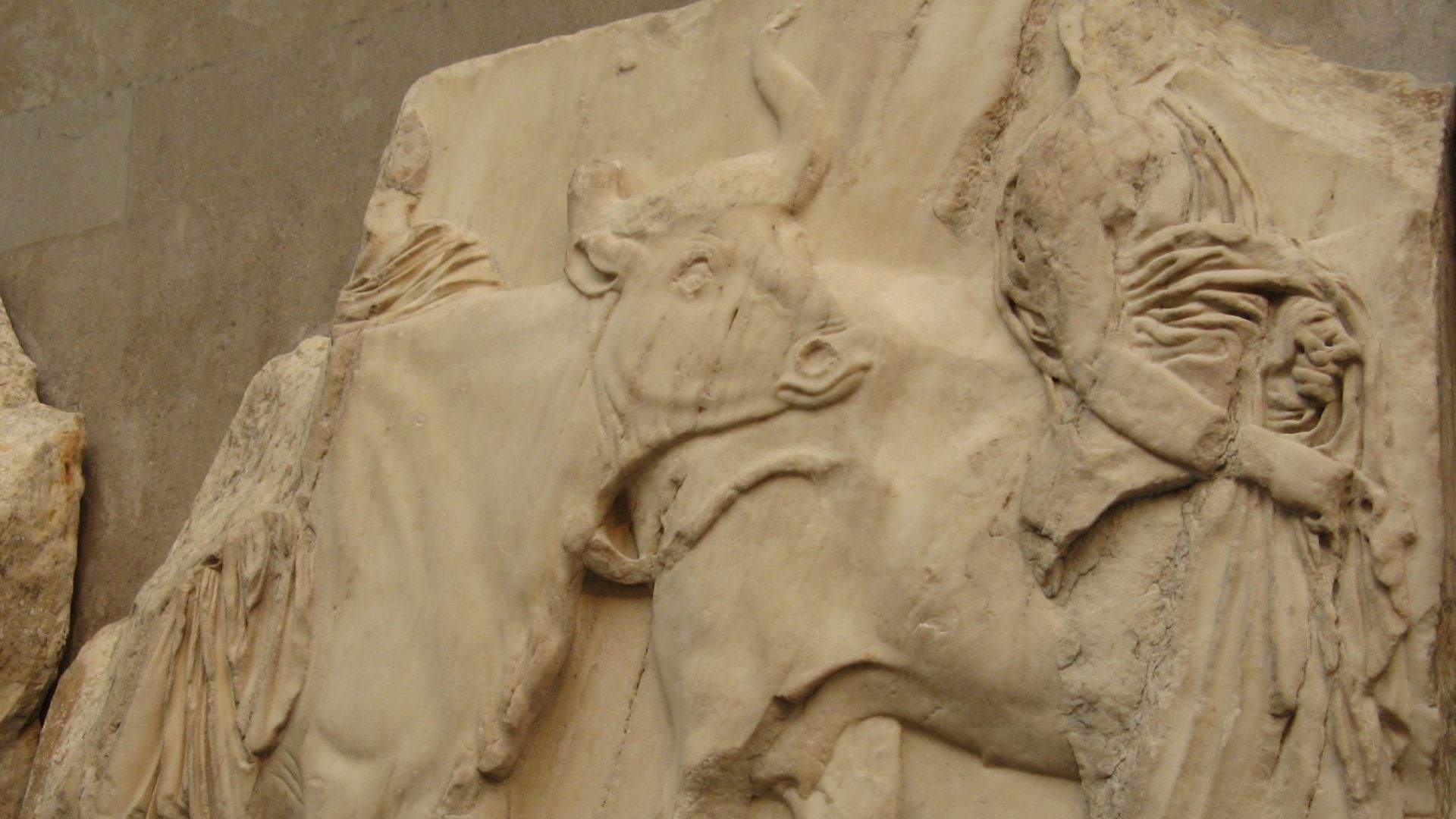
That being said, do leave some room in your stomach for the third day of the Games, when a hundred oxen are traditionally sacrificed as an offering to the god of sky and thunder, Zeus. This day – scheduled around the full moon – effectively becomes a mass barbecue. Although some of the meat is reserved for Zeus, the rest is distributed among the 50,000 spectators, and no one goes hungry.
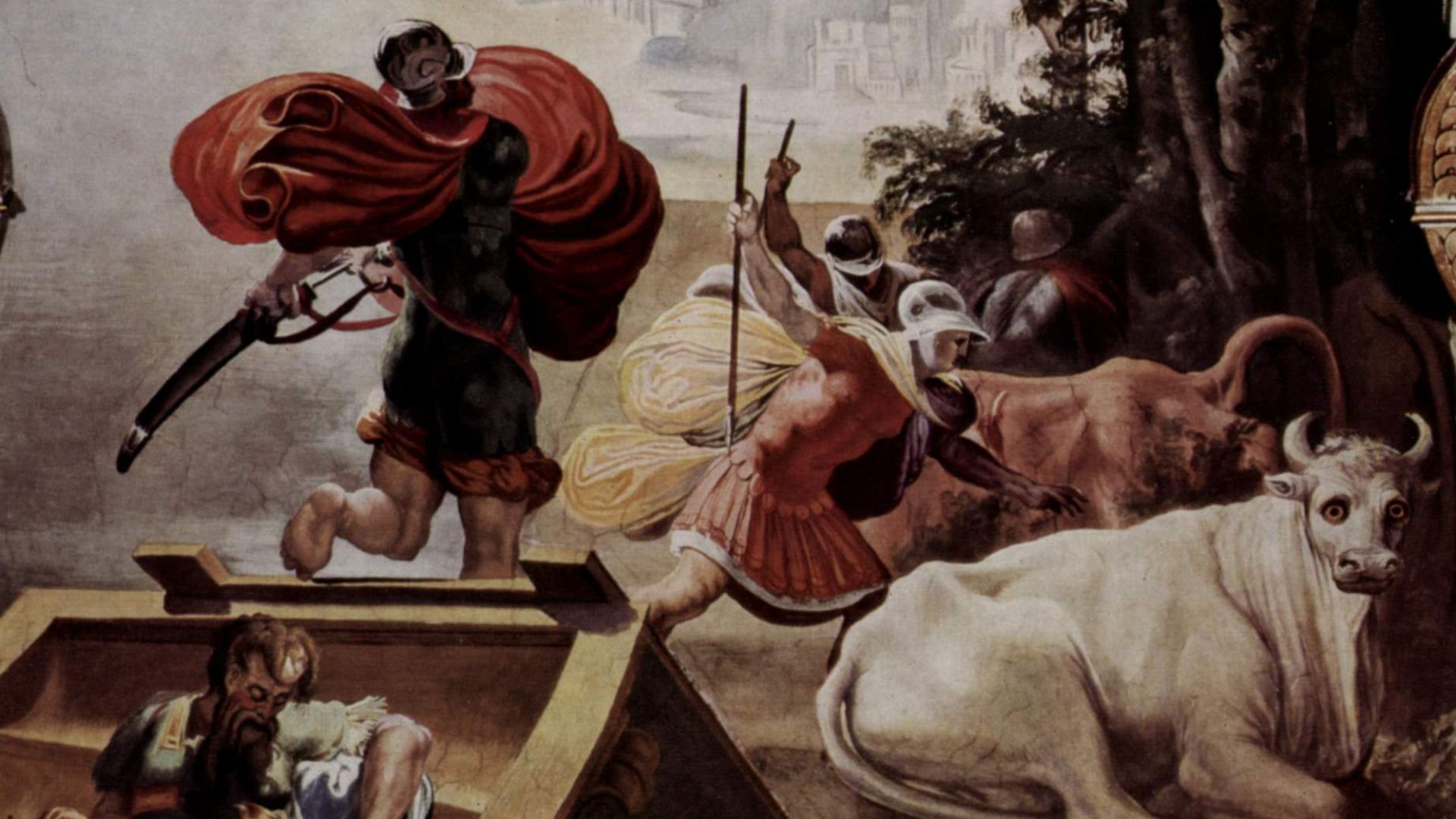 Pellegrini Tiballdi, Wikimedia Commons
Day One
The first day is largely a ceremonial occasion. It’s the time when the athletes make their first appearances, chiefly to take the oaths that demand they respect the rules – a tradition that has ensured the Games is the finest multi-sport event across the known world. And it’s not just the athletes swearing their allegiance to fair play: the judges also have to pledge to keep the event free of corruption.
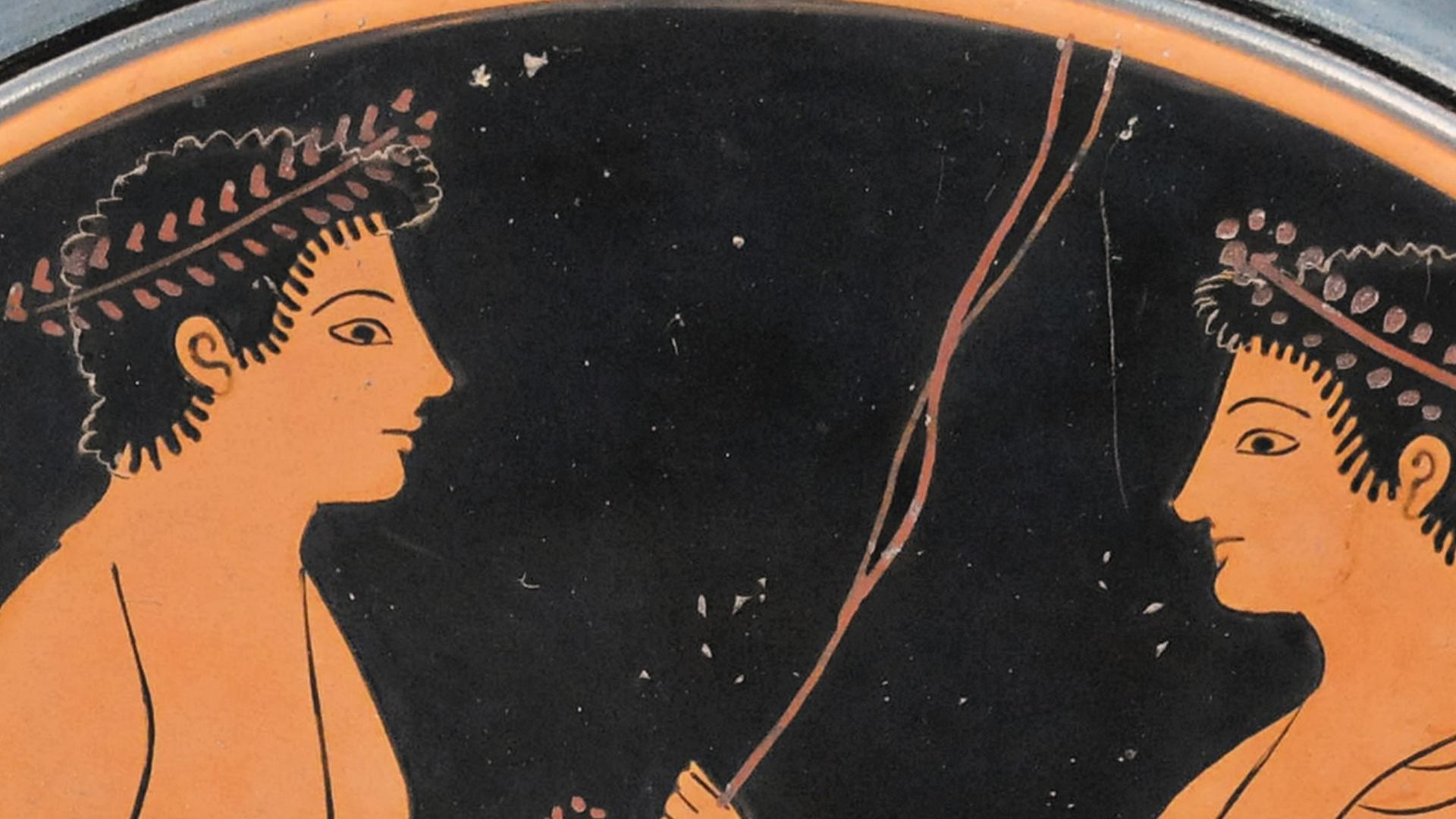 Epiktetos (signed) - ΕΠΙΚΤΕΤΟΣ ΕΓΡΑΣΦΕΝ (Epiktetos painted [this]), Wikimedia Commons
Day One (Continued)
Once all the oaths have been sworn, contests are then held to decide which trumpet players will have the honour of serenading the Games. Then it’s time to decide who the heralds will be – that is, the people who will announce the athletes’ names and act as starters for each race and fight.
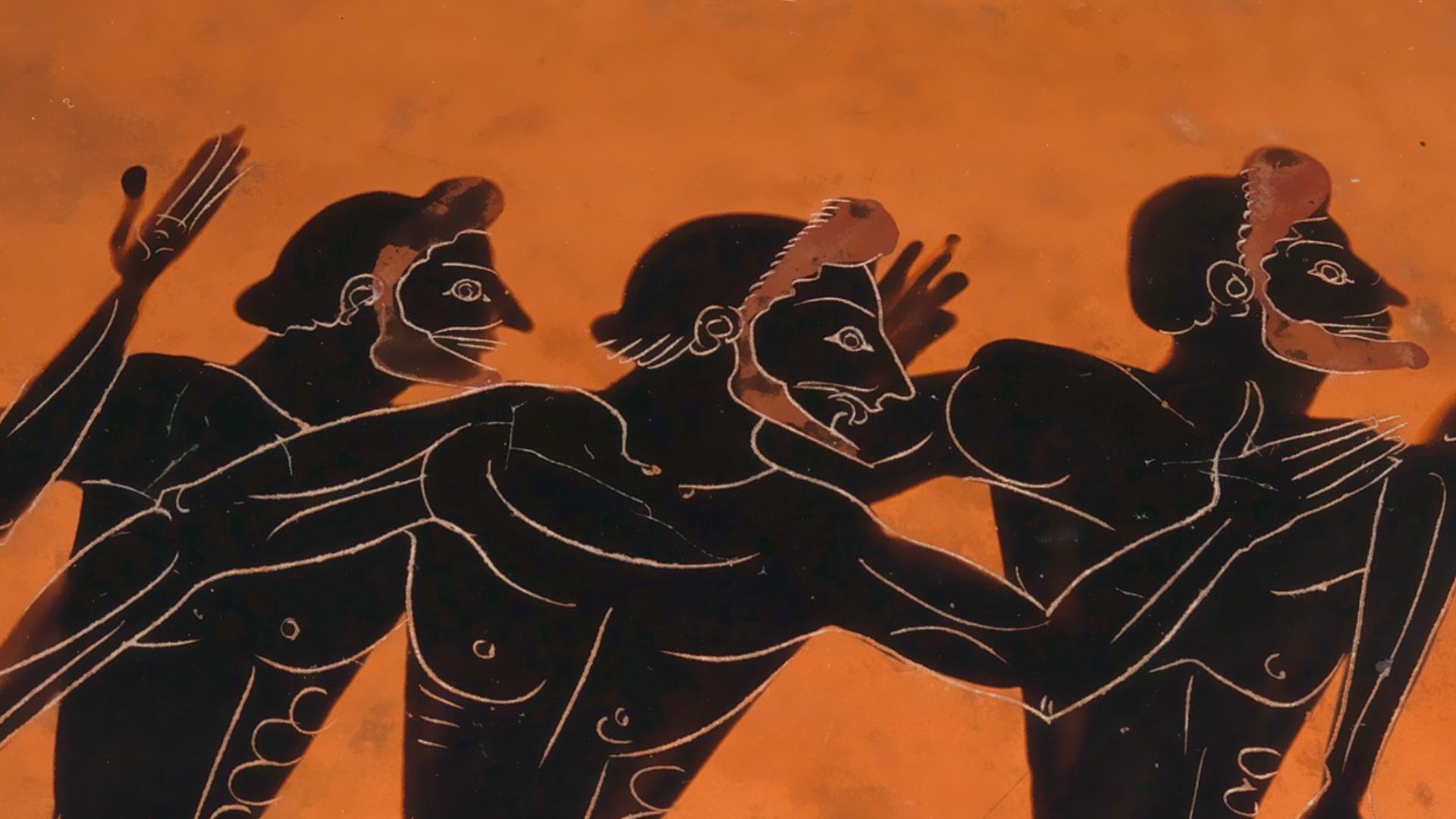 Euphiletos Painter, Wikimedia Commons
Day Two
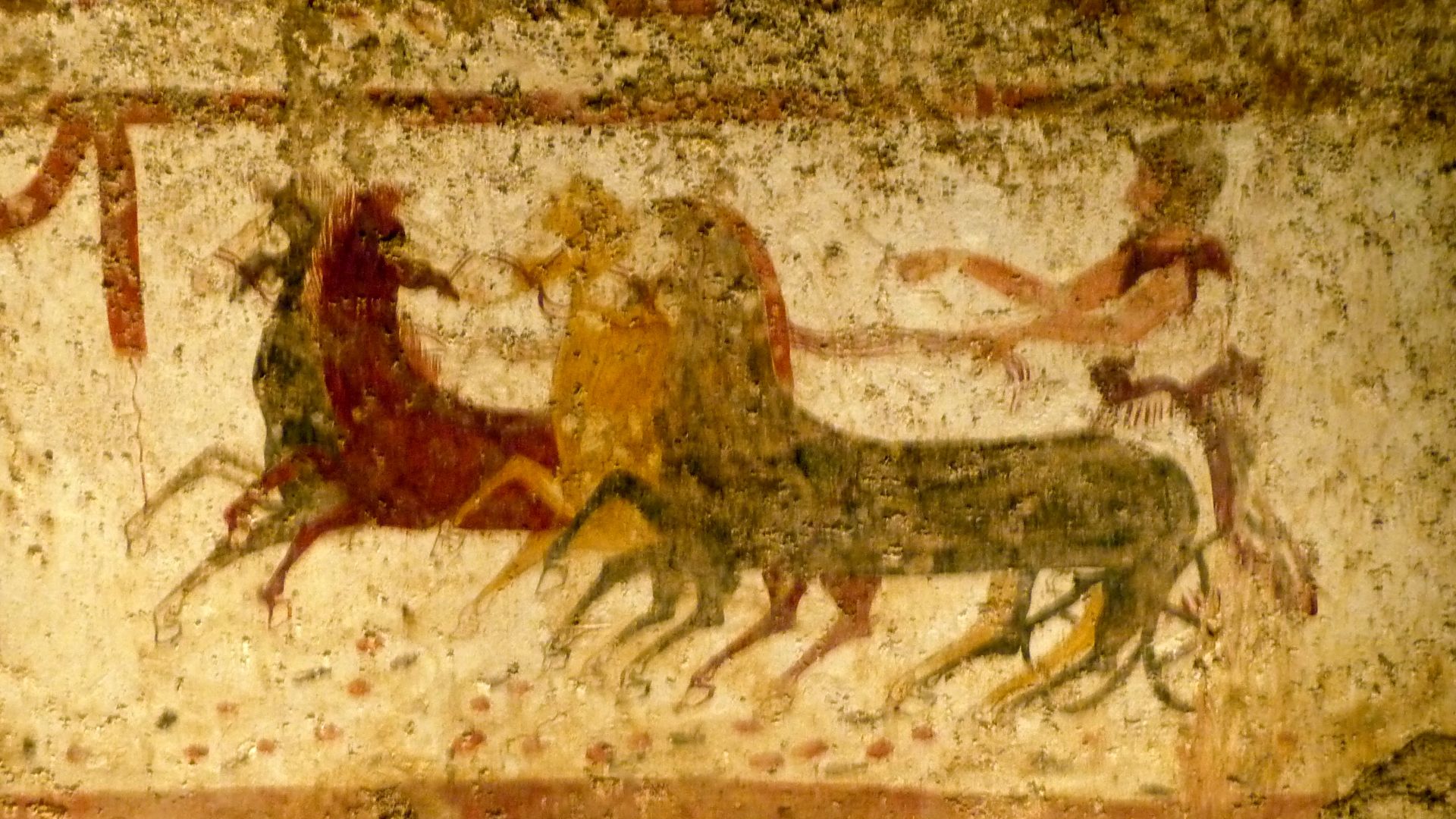
Over in the hippodrome, the ever-popular equestrian sports kick off the day’s proceedings. There are all manner of events, including the quadriga (a thrilling, high-velocity race where four horses pull each chariot), mounted horse races and chariot races for younger horses. But remember: however skilful the chariot drivers or jockeys show themselves to be, the real winners are the owners of the horses. After all, they’re the ones who are presented with the winners’ spoils.
Day Two (Continued)
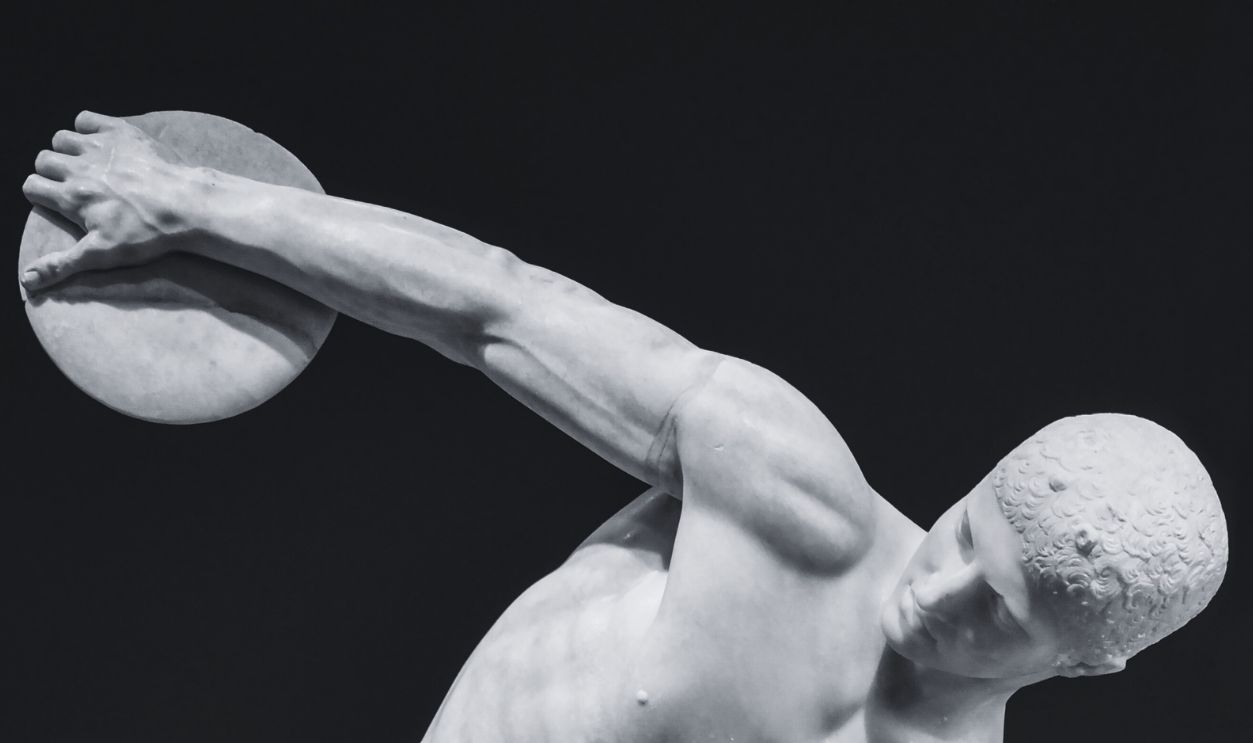
In the afternoon, the famed pentathlon takes place in the stadium – the ultimate measure of an athlete’s fitness, physique and sporting ability. Over the span of a few hours, competitors take on five different events: discus, long jump, javelin, running and wrestling. And whoever is crowned champion will hold on to their title for the next four years.
 After Myron, Wikimedia Commons
Day Three
This is effectively a day of rest and general merriment, with no sporting events taking place. Instead, the sacrifice of a hundred oxen is the main item on the agenda – or should that be menu? Timed around the full moon, some of the oxen meat is offered to Zeus, while the remainder is shared by all those attending.
Day Four (Morning)
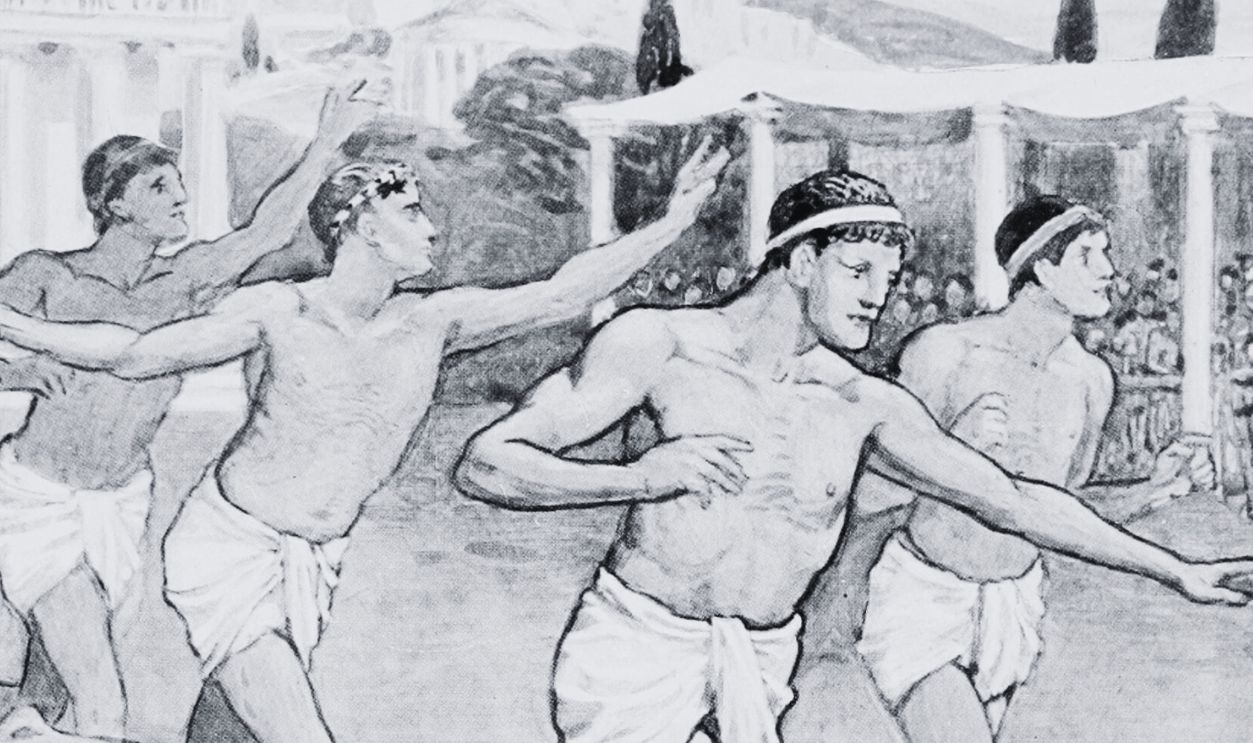
Today, the various foot races get underway in the stadium. The stadion race is one of the more explosive, and thus most popular, events: an intense sprint held over a single length of the stadium – a distance of approximately 192 metres. Will Krison, the pride of Himera, win a fourth crown in what’s likely to be his final Olympiad, or will Theopompos from Thessaly take between seven and 24 laps of the stadium). Another of the more popular events is the race in armour, where athletes race against one another while carrying shields and wearing helmets and greaves.
 Walter Crane, Wikimedia Commons
Day Four (Afternoon)
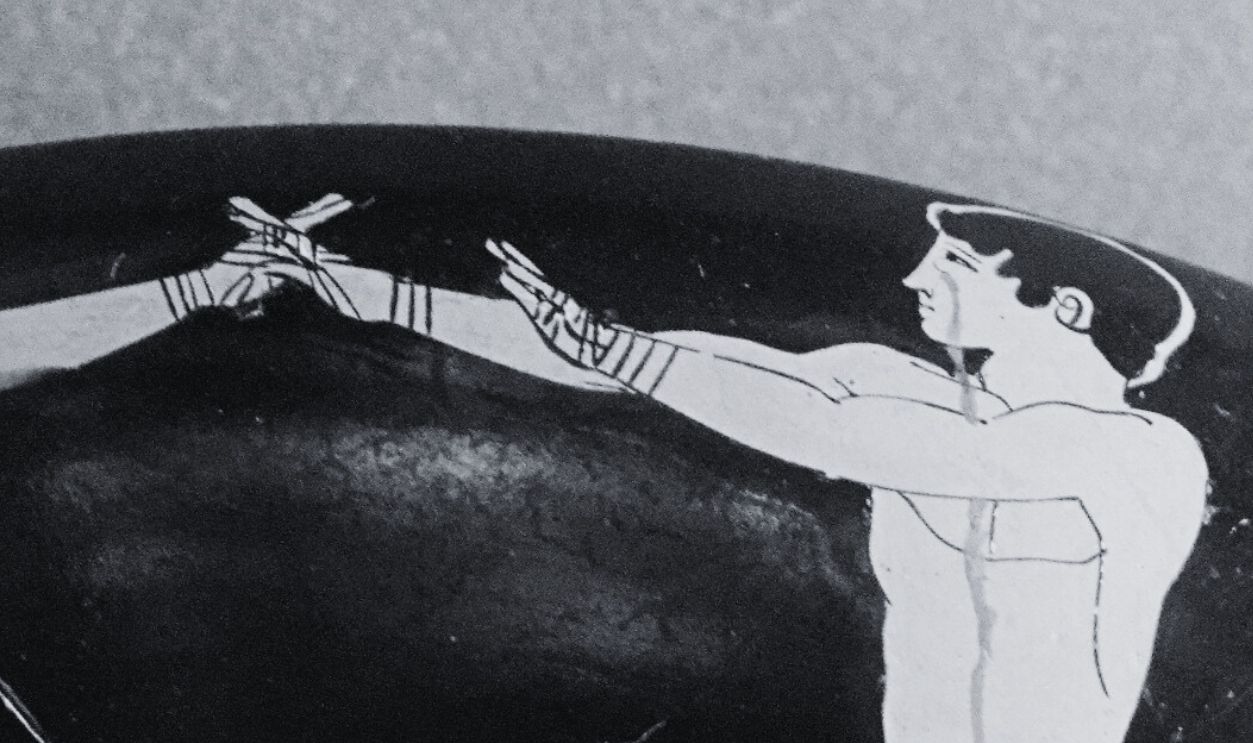
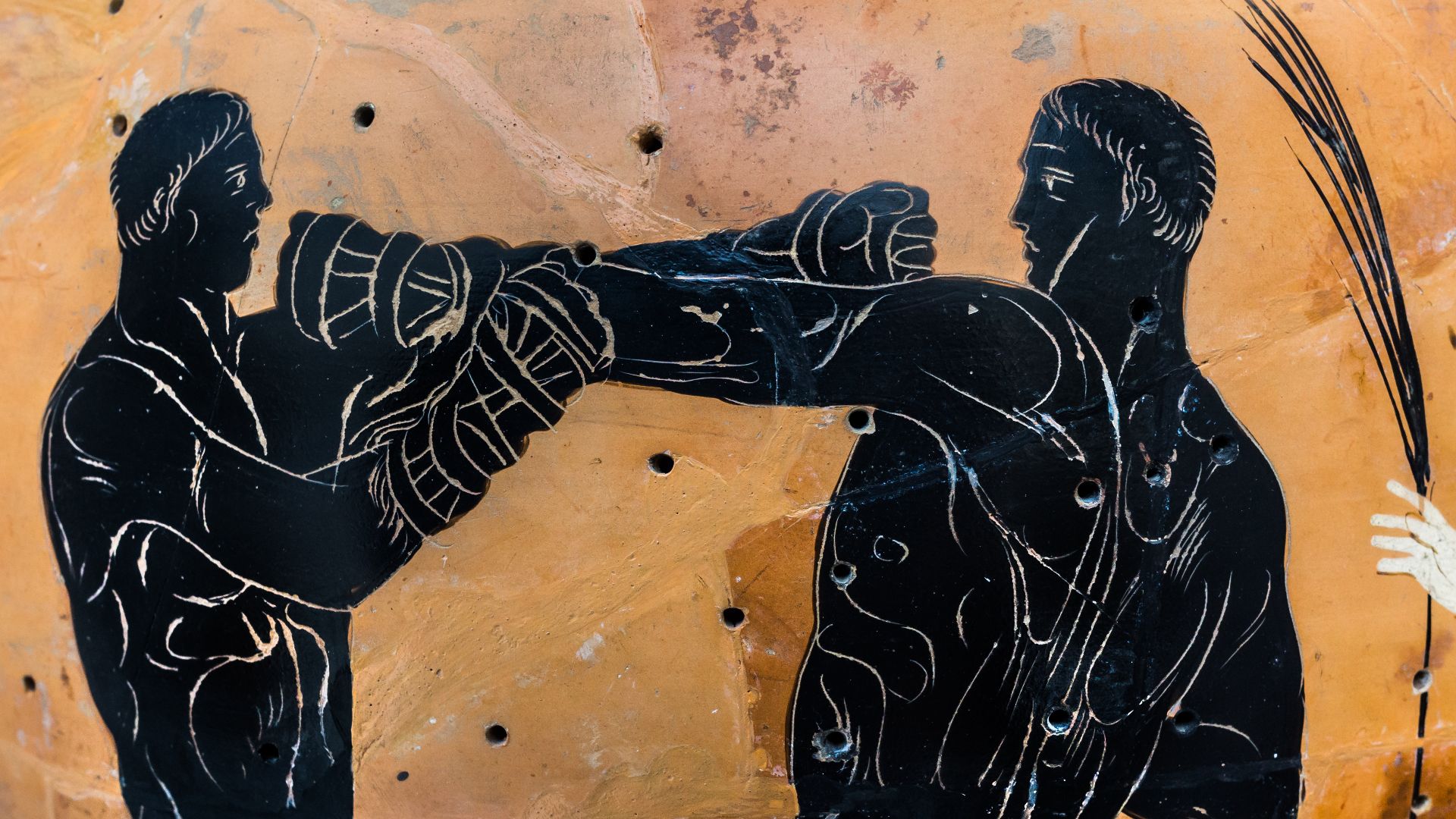
After lunch, the combat sports take place. These include boxing and wrestling, as well as pankration – an event that’s close to a combination of the two. The crowds are always large for these events, so make sure to arrive early to get the best vantage point. But those of a delicate constitution should be warned: these events are not for the squeamish. The pankration is particularly brutal, with very few rules getting in the way of the competitors. The only restrictions are that fighters mustn’t bite their opponents, gouge their eyes, stick fingers up their nose or aim for the genitals. Other than that, anything goes!
 ArchaiOptix, Wikimedia Commons
Day Five
The final day of the Games gives all those present the opportunity to salute the champions by showering them with applause. The winner of each event is presented with the taeria (the red woollen ribbon that denotes an Olympic champion), and they are also crowned with a ceremonial wreath of olive leaves.
The remainder of the day is devoted to celebrating the displays of sporting endeavour and glory that attendees have witnessed over the past few days. The Games’ winners are invited to an exclusive banquet that’s also attended by all the judges, as well as assorted politicians and dignitaries.
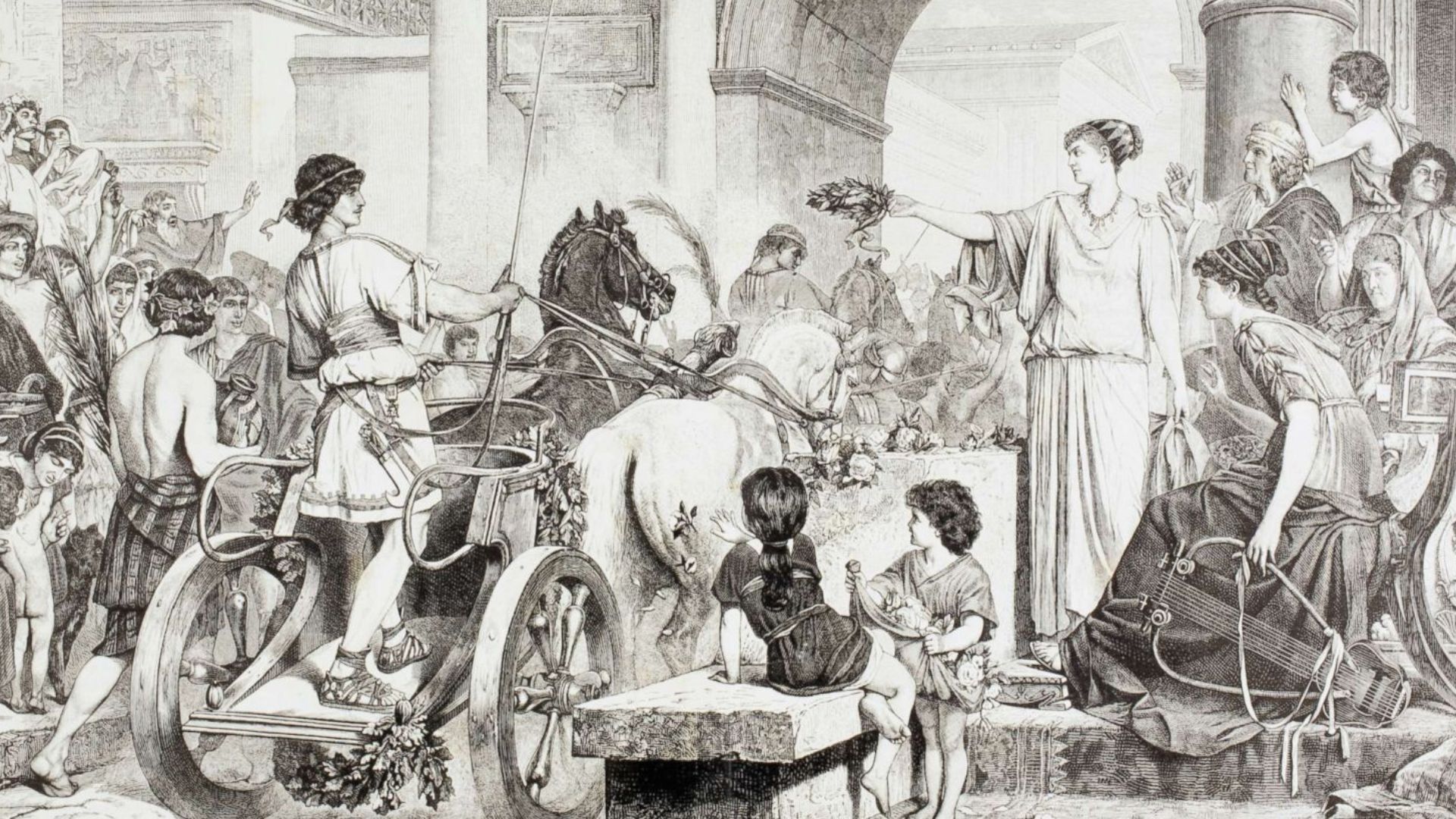 Angelo Comte de Courten, Wikimedia Commons
Avoid Heatstroke
The Games take place in high summer, making heatstroke a very real prospect for all attendees. It’s crucial, then, that you rehydrate as much as possible while at Olympia to avoid becoming seriously ill. But owing to the RIver Kladeos’s low levels, drinking water is at a premium. It’s hoped that an aqueduct and a fountain will be constructed at some point in the future to provide fresh drinking water to Olympia. For now, though, it’s just the resinated wine that flows fast.
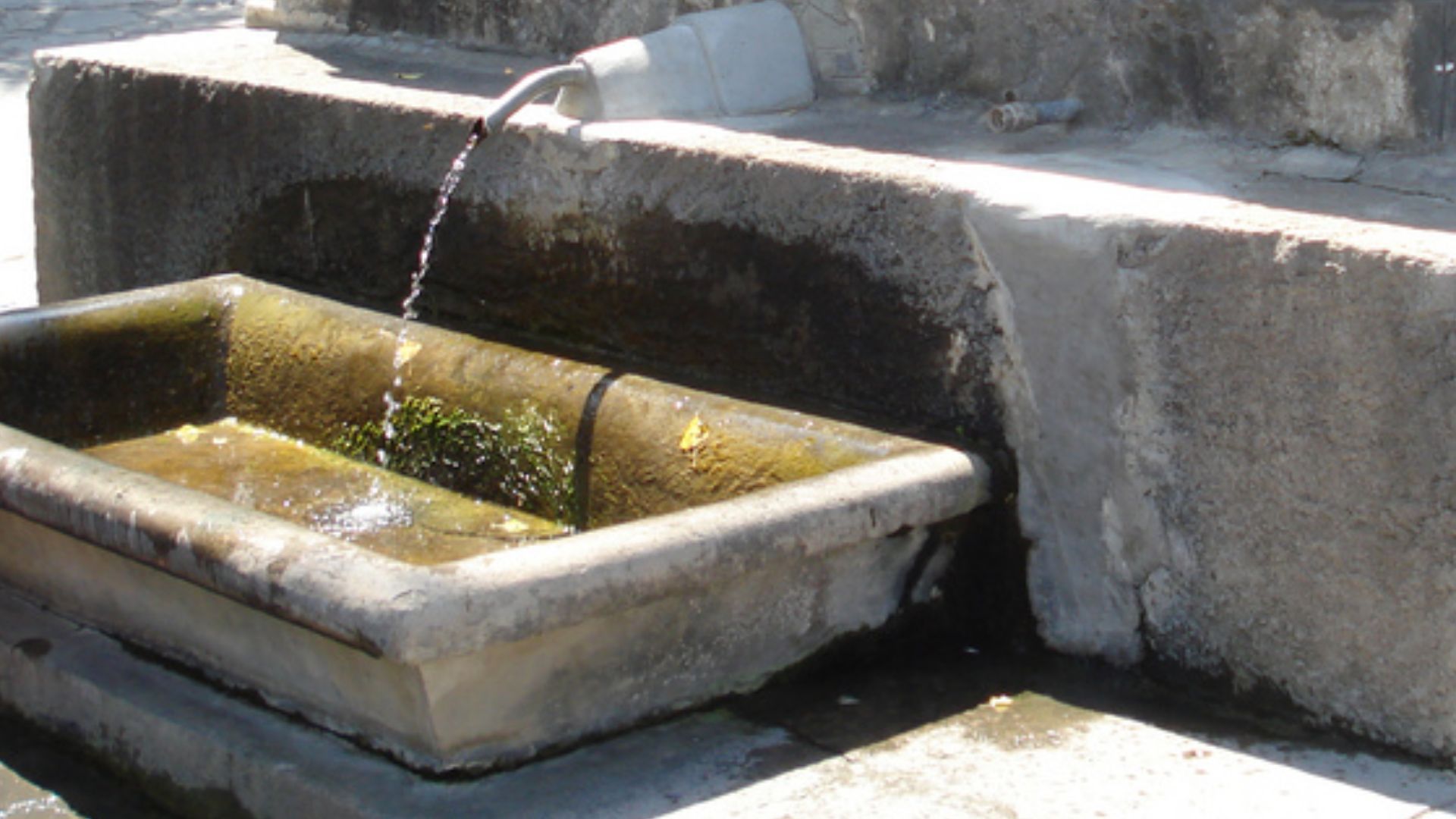 Kevin Gibbons australiaphotos.co.uk, Wikimedia Commons
Find Shade... If Possible
Shade around Olympia is also hard to come by, so if you do manage to find space under the leaves of one of the olive trees around the site (from which the winning athletes’ garlands are fashioned), try to stay in situ for as long as possible. Even without the scorching temperatures and lack of liquid refreshments, standing upright for as much as 16 hours a day to watch the action can also take its toll. Very few seats can be found in the stadium, and those that do exist are the preserve of dignitaries and politicians. Instead, you can maximise your general wellbeing by taking the weight off your legs from time to time and sitting on any available patch of ground.
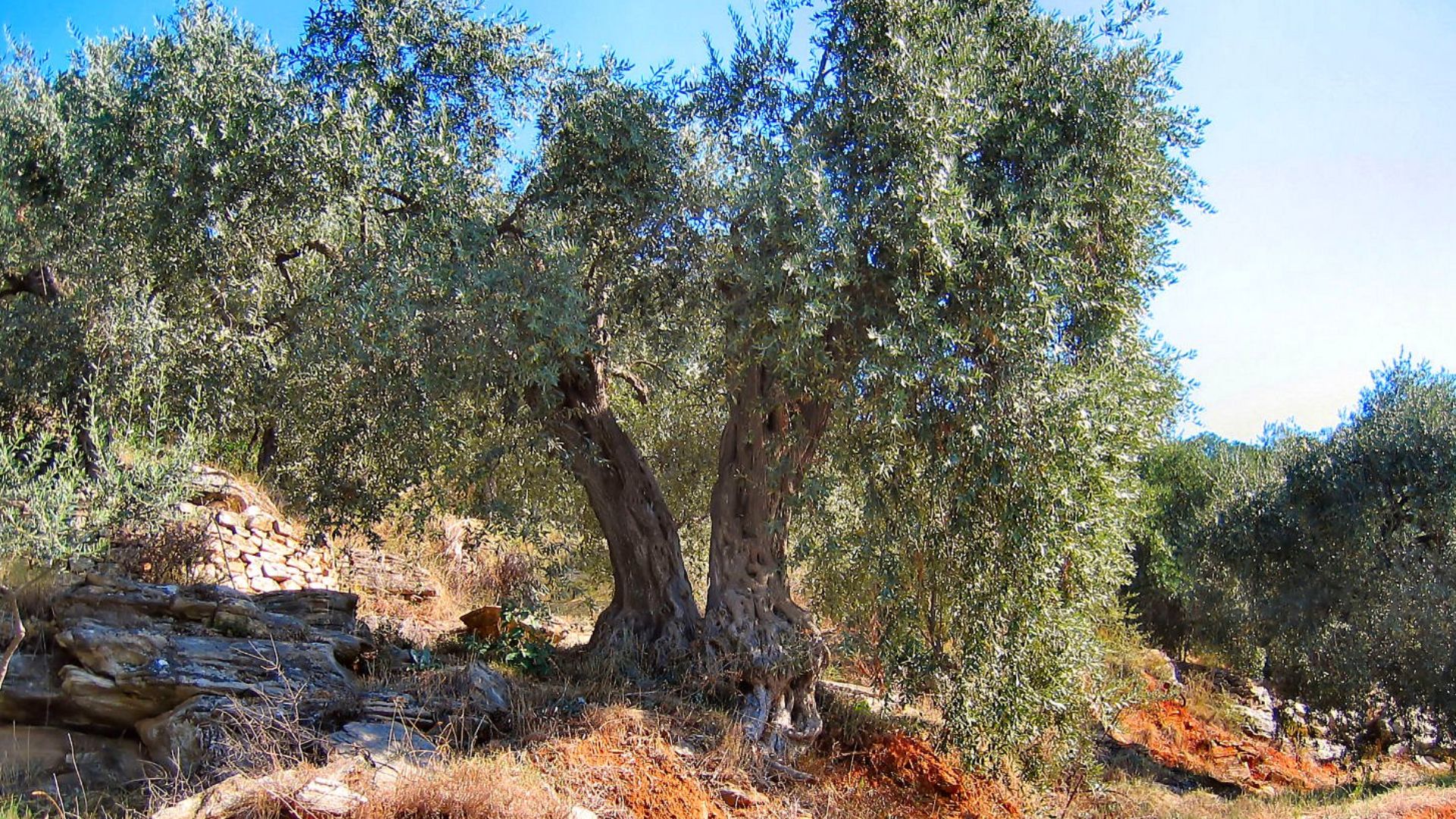 Ronald Saunders from Warrington, UK, Wikimedia Commons
What To Watch For?
The camping grounds outside the stadium are crammed with opportunistic people who want to get their hands on your cash. Aside from the pickpockets that any 50,000-strong gathering will attract, also be wary of fortune tellers, astrologers and sex workers, who all desire the contents of your purse.
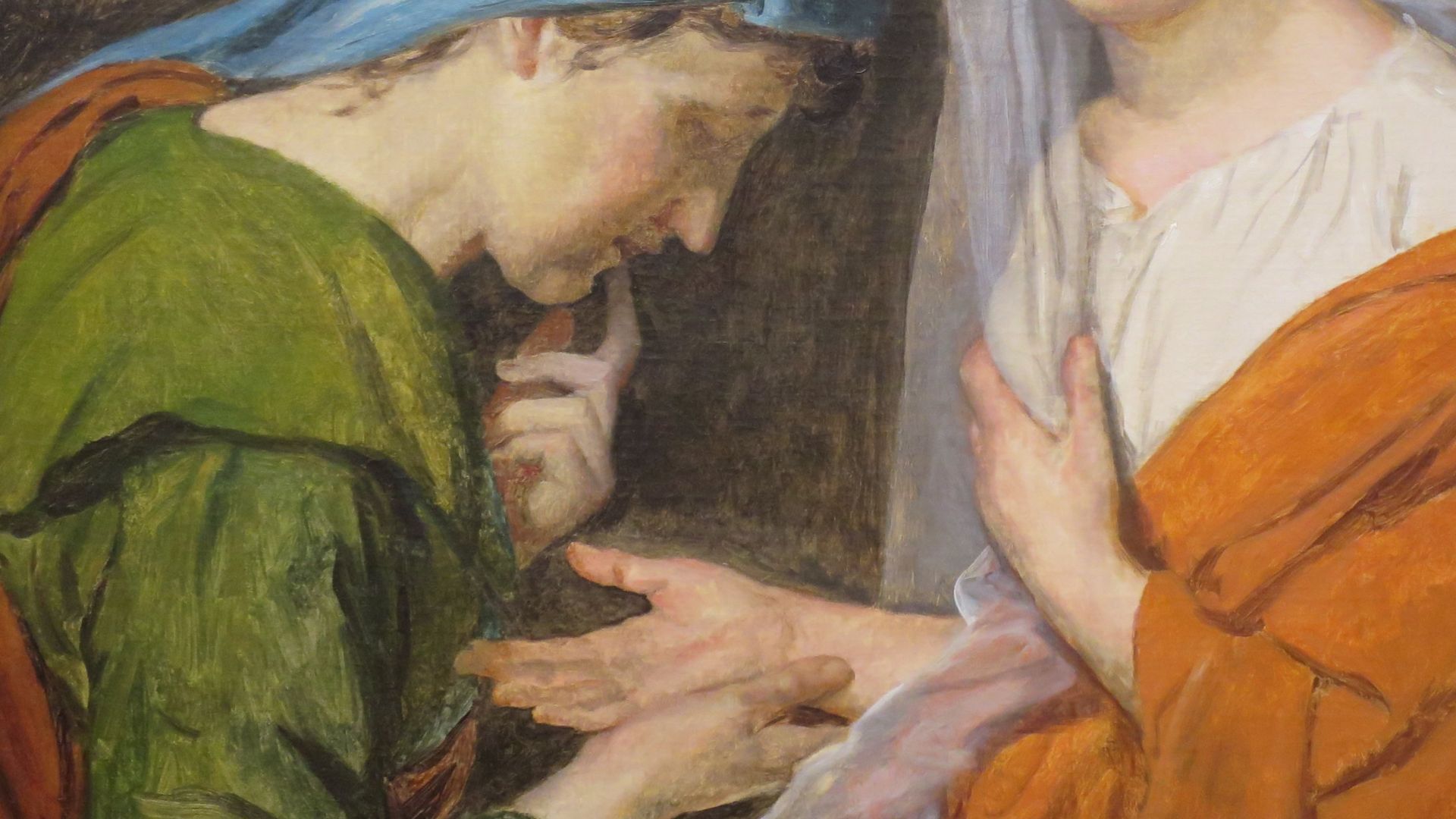 Jacques-Louis David, Wikimedia Commons
On A Positive Note
On a more positive note, there are some incredible sights that the Games have to offer. For a few days, Olympia is transformed. Inscriptions in the stone bases of the Zanes of Olympia publicly shamed those who had been caught cheating into a temporary city where you can watch beauty contests, marvel at fire eaters, be dazzled by jugglers and indulge in luxurious treatments from masseurs.
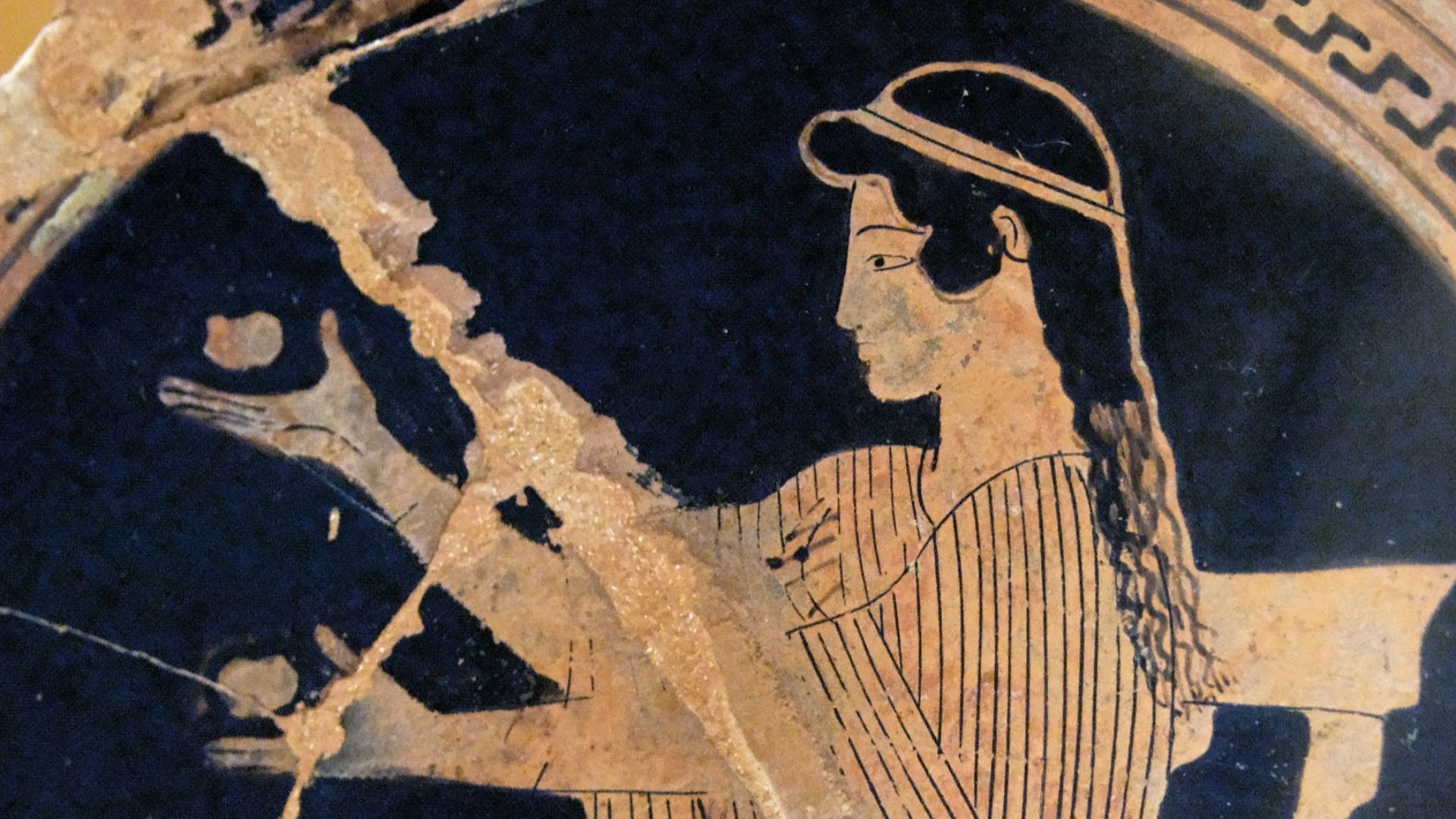 Painter of Palermo V665, Wikimedia Commons
Attend An Impromptu Lecture
There’s an abundance of delights to hear, too. In the camping grounds, poets recite verses for enraptured listeners, politicians give speeches, philosophers share their teachings and historians are on hand to inform and educate. In fact, Herodotus – the author of The Histories, and arguably the period’s most famous historian – can often be found giving impromptu lectures from the back porch of one of Olympia’s famous temples.
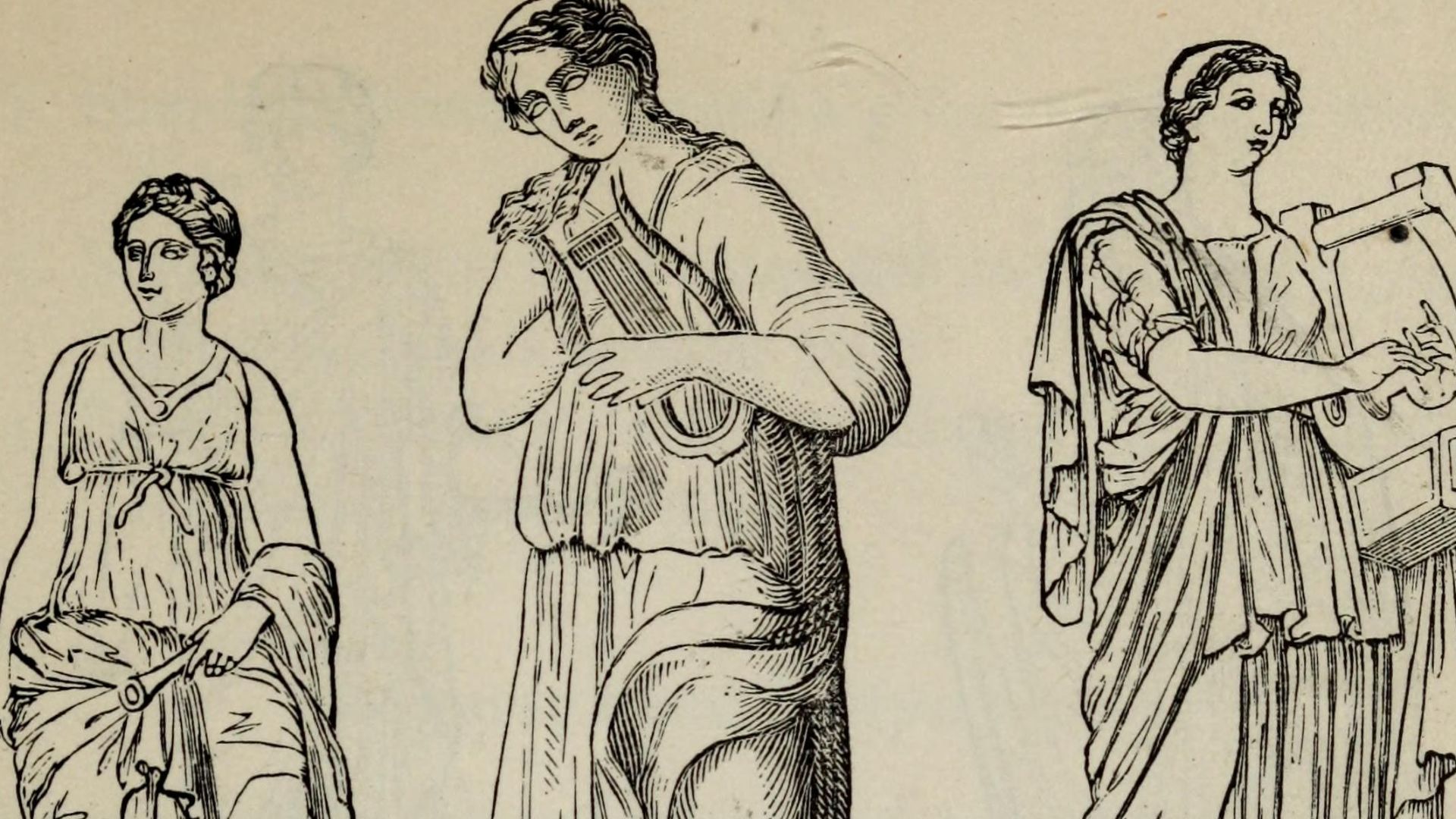 Internet Archive Book Images, Wikimedia Commons
It Didn't Smell Great
Sadly, your nose won’t get treated quite so well. With the River Kladeos being so low at this time of year, there are no opportunities to bathe during the festivities. This – combined with high temperatures and tens of thousands of spectators temporarily living in close proximity to one another – means that Olympia may take quite a toll on your sense of smell. You have been warned!
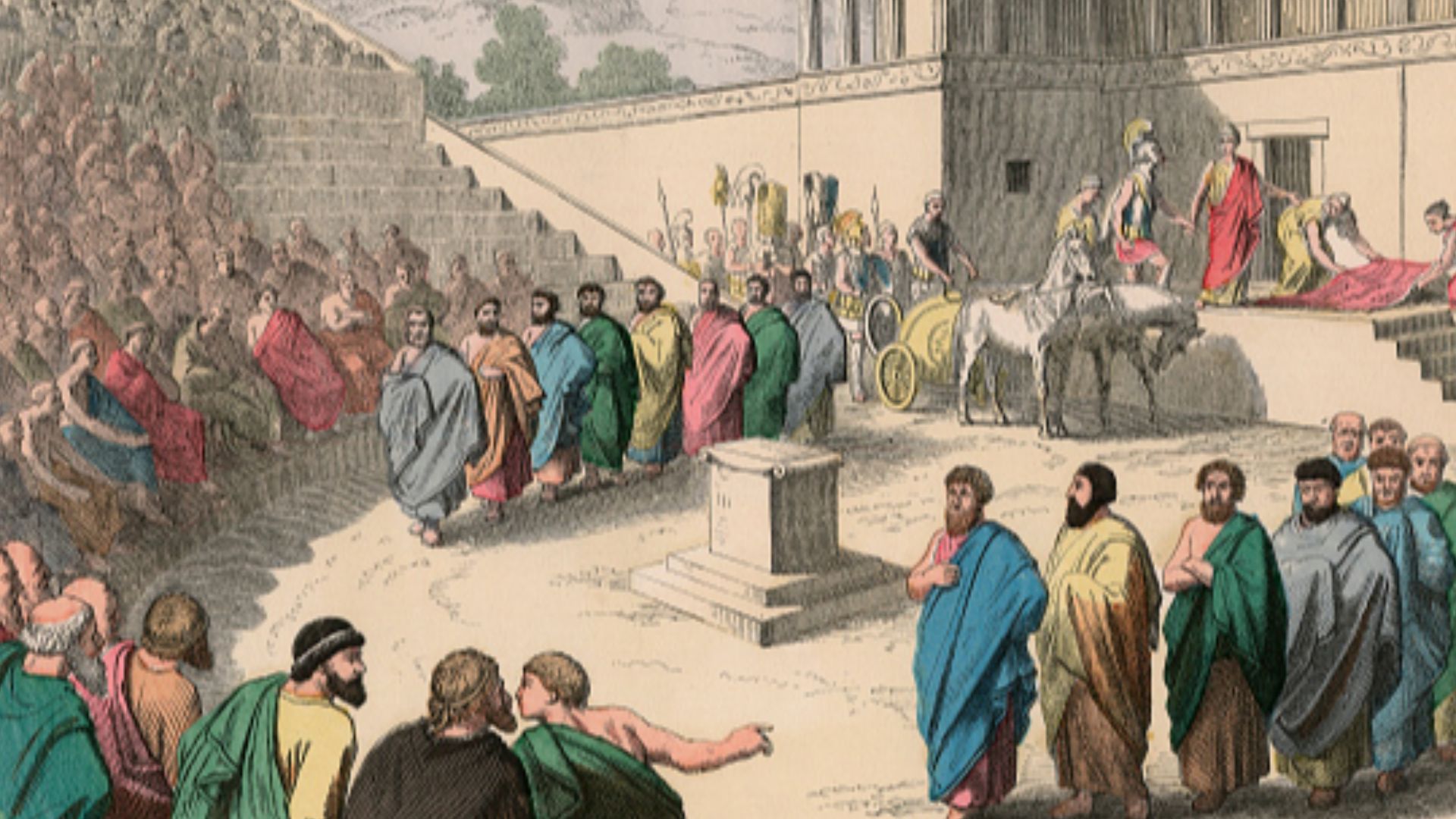 Kalyani Gowri 2231236, Wikimedia Commons
Cheaters Were Whipped
Although the judges didn’t have any sophisticated technologies at their disposal to catch those bending the rules, they were extremely strict – and they could be merciless and brutal in the punishments they administered. Take the judges overseeing the foot races, for instance, who dished out corporal punishment as a way to keep competitors on the straight and narrow. Even for comparatively slight misdemeanours, such as committing a false start, they weren’t averse to striking any guilty runners with whips during races – and bear in mind that athletes were naked in many events.
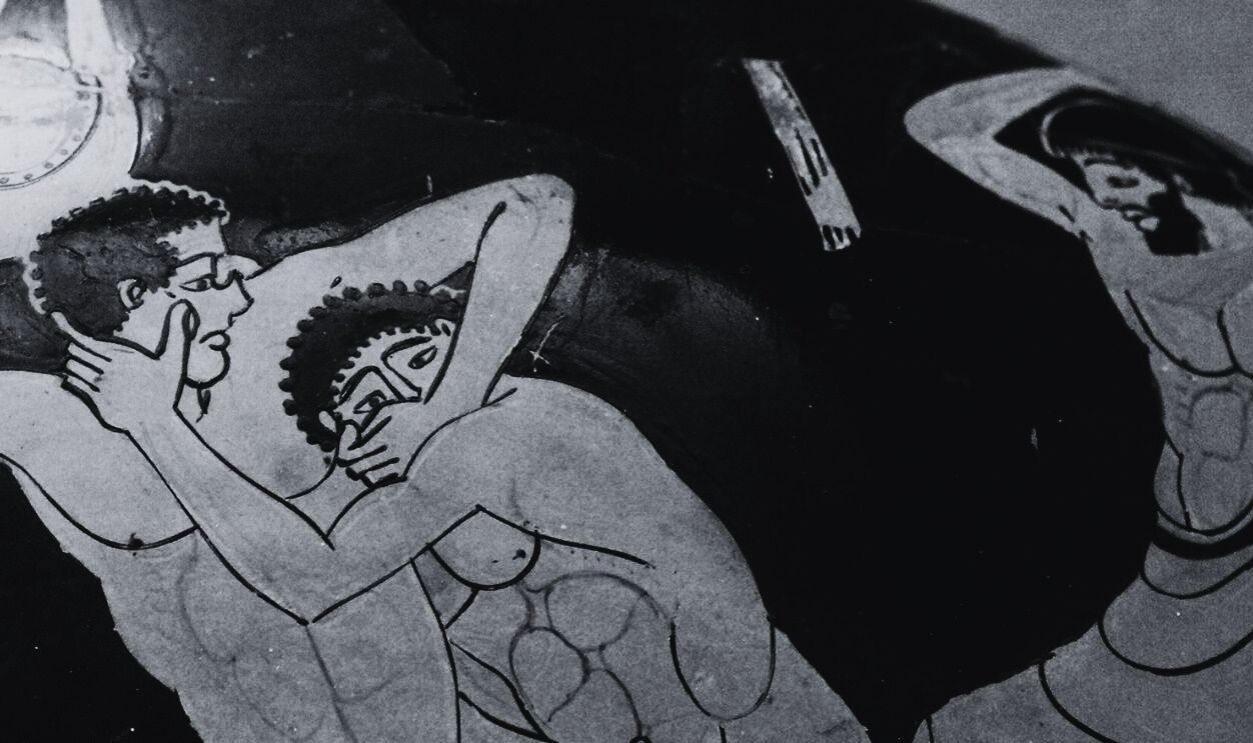 © Marie-Lan Nguyen, Wikimedia Commons
Or Sometimes Just Fined
Such measures were necessary to deter cheating, which wasn’t uncommon. In the boxing competitions, for instance, there were several notable cases of boxers taking bribes and deliberately losing their bouts. There were other ways of naming and shaming miscreants, too. Fines were dished out for the more serious offences, with the money raised funding the construction of the Zanes of Olympia, a series of bronze statues of Zeus. The plinths that these statues stood on were inscribed with the names of the fine-paying cheats – a permanent reminder of their crimes. The statues were located along a passageway that took competitors into the stadium, offering a cautionary lesson to anyone who hoped to gain an unfair advantage.
This content was made in partnership with HistoryExtra and written by Nige Tassell. Editorial changes were made to the original article.