The Cold Feels Different Than Expected
Plenty of Americans know what winter feels like. People in Minnesota, Michigan, Maine, Wisconsin, upstate New York, and the Rockies are not strangers to snow. But Canadian winter travel can still feel different, especially when wind, darkness, distance, and serious cold arrive all at once.

“Cold” Is Not One Single Thing
A temperature that sounds manageable can feel brutal once wind chill enters the picture. Canadian forecasts often emphasize what it feels like outside, not just the number on the thermometer. Visitors who only packed for ordinary winter may realize quickly that exposed skin and light layers were not enough.

Wind Chill Can Become The Main Event
In Canada, wind chill is not just a dramatic phrase. Environment and Climate Change Canada uses it to help people understand how quickly cold can affect exposed skin. When wind chill values drop far enough, frostbite risk rises quickly, which can surprise travelers who planned to “just walk around for a bit".

The Weather Can Change Plans Fast
A winter itinerary in Canada needs flexibility. Snow, freezing rain, high winds, whiteouts, icy roads, and extreme cold can change driving times, cancel activities, close highways, or make outdoor sightseeing unpleasant. A perfectly reasonable plan on paper can become unrealistic after one storm system moves in.
Distances Feel Longer In Winter
Americans are used to long drives, but a Canadian winter road trip can make familiar distances feel much bigger. A three-hour drive may become five. A scenic route may require winter tires, extra fuel planning, and careful weather checks. In winter, distance is not just mileage. It is conditions.
Highway Closures Are A Real Possibility
Visitors may not expect major roads to close suddenly because of snow, crashes, avalanche control, blowing snow, or low visibility. In some regions, especially mountain areas and more remote corridors, a closure can mean waiting, rerouting for hours, or changing the trip completely.
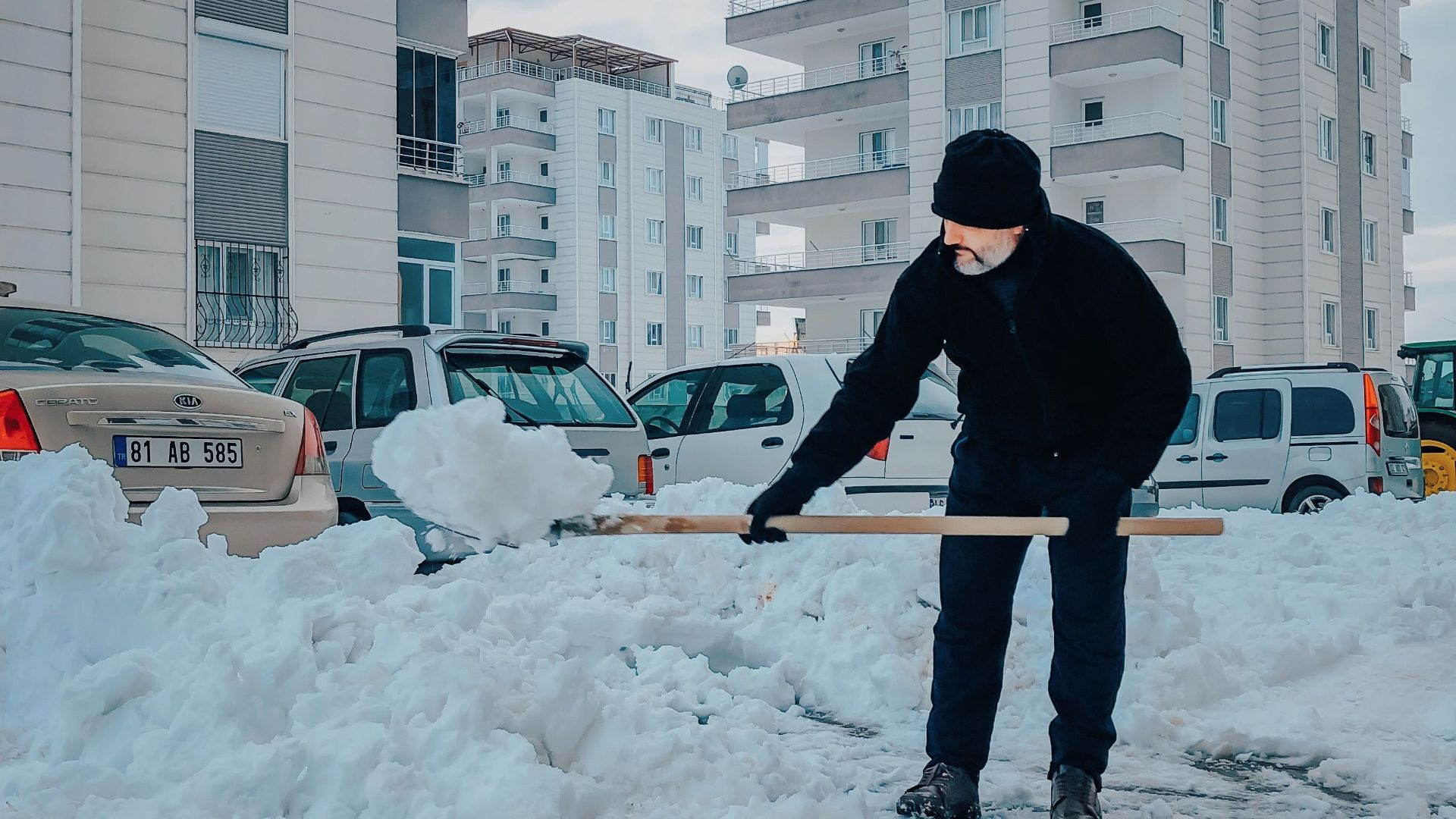
Winter Tires Matter More Than Many Expect
In parts of the United States, all-season tires are treated as normal winter equipment. In Canada, especially in colder, snowier, or mountainous areas, winter tires can be much more important. Transport Canada recommends winter tires on all wheels for cold, snowy, or icy conditions.
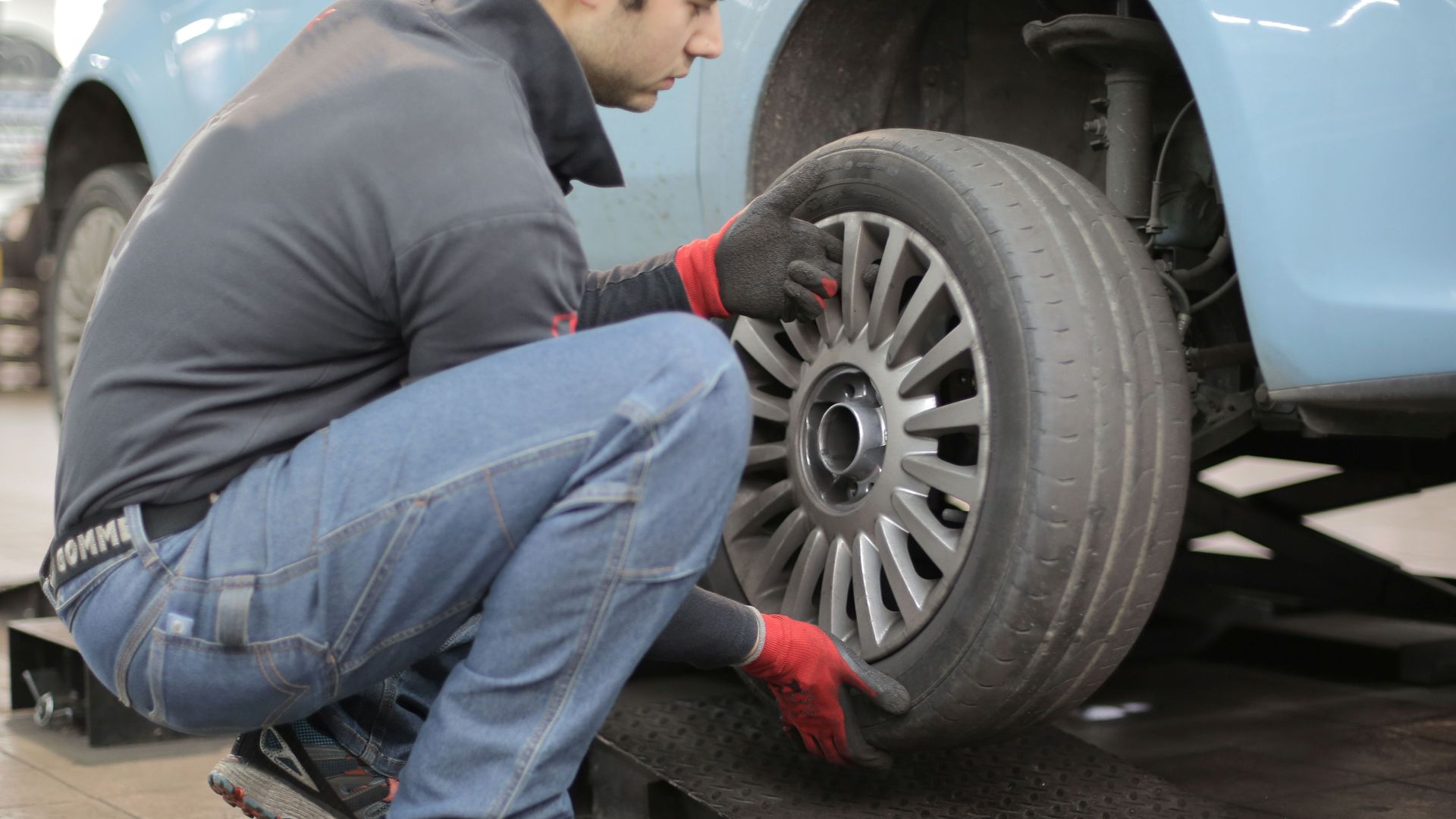
Rental Cars Need Extra Attention
American travelers should not assume every rental car is properly equipped for every winter route. Before driving, it helps to ask about winter tires, emergency gear, windshield washer fluid, snow brushes, insurance coverage, and whether the vehicle is suitable for mountain or rural winter travel.

Snow Removal Is Impressive, But Not Magic
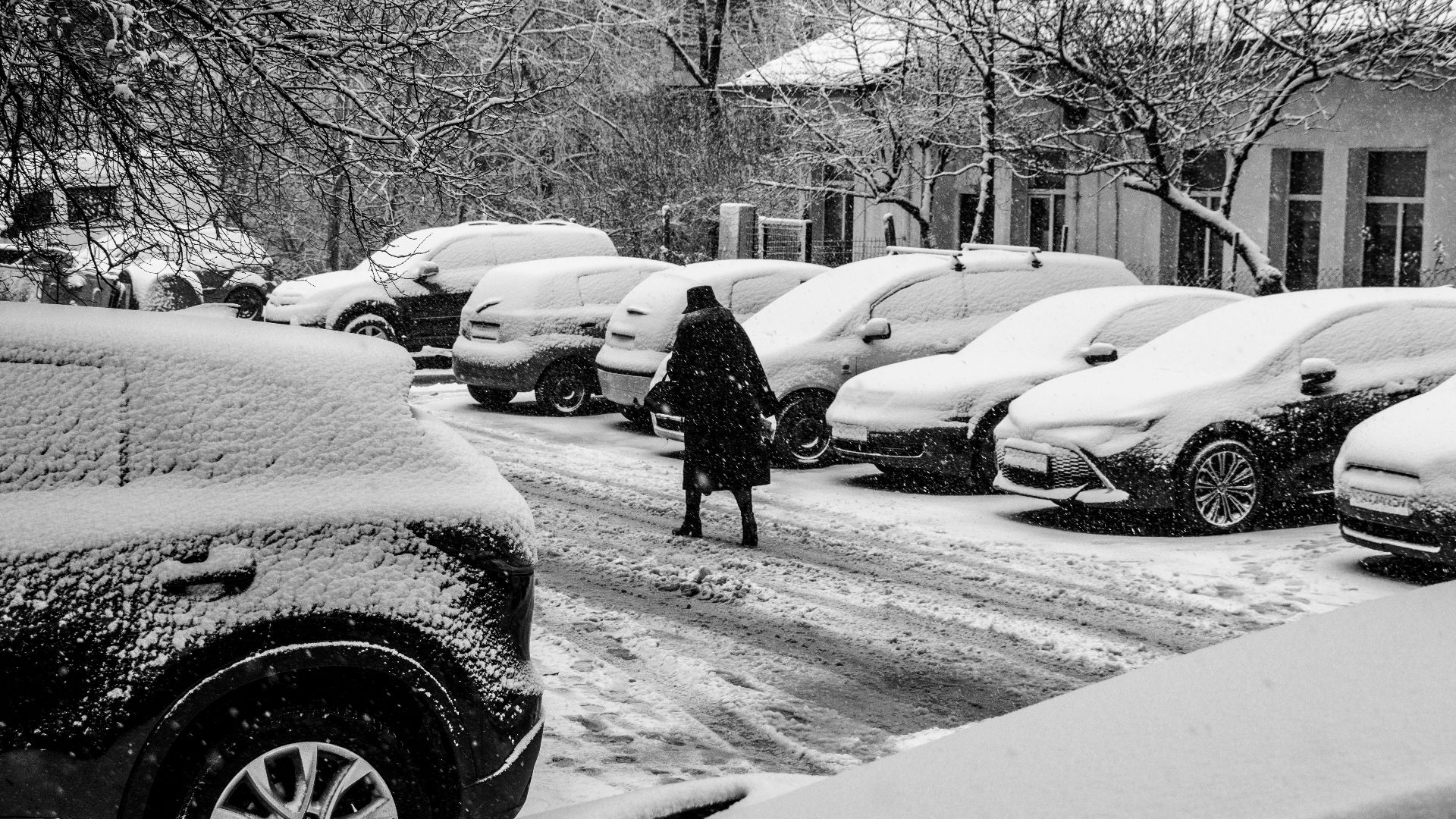
Canadian cities and provinces are used to winter, but snowplows cannot make every road perfect instantly. Side streets, rural roads, parking lots, sidewalks, and scenic routes can remain slippery or snow-packed. Visitors sometimes mistake winter competence for winter immunity.
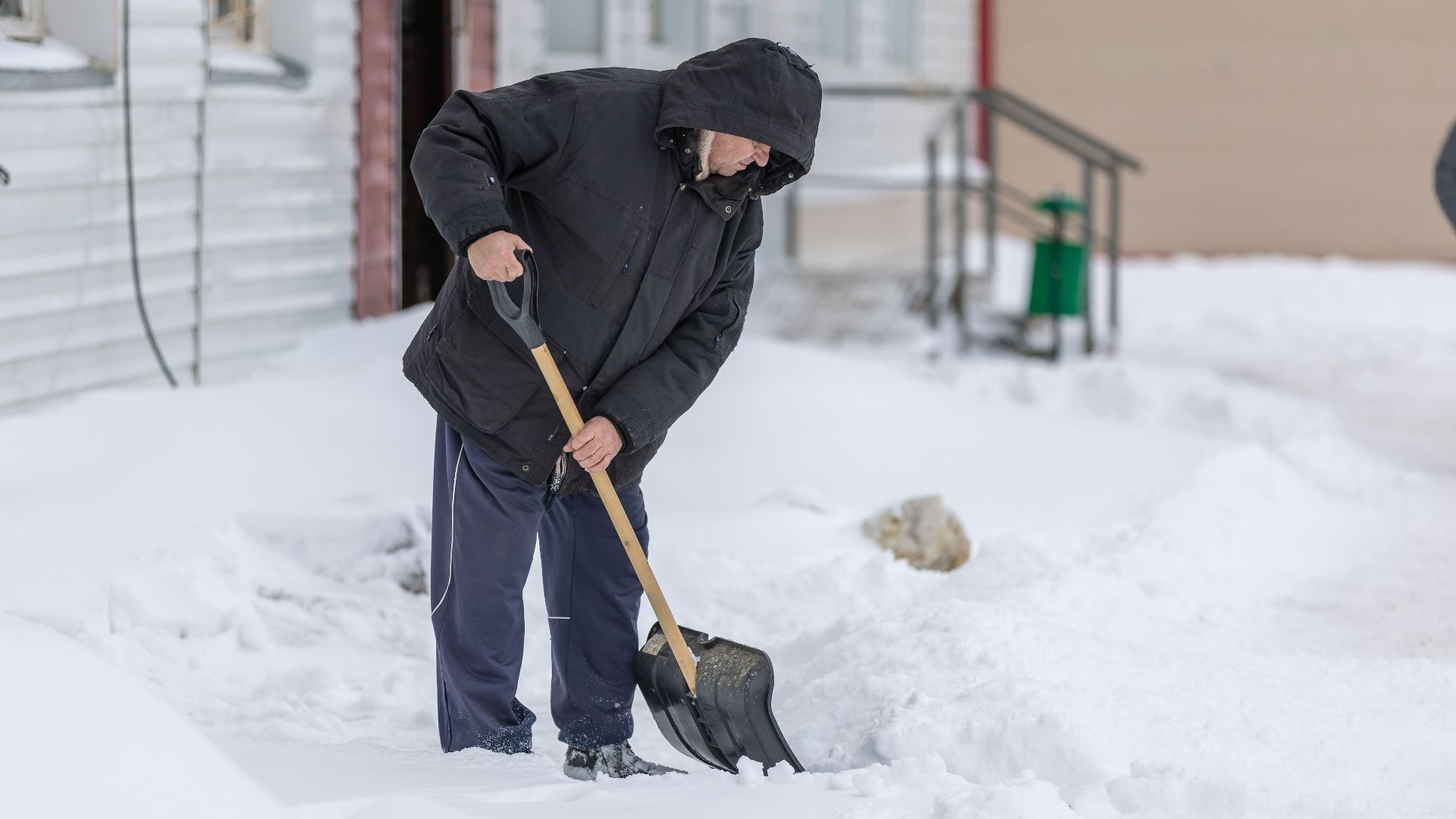
Sidewalks Can Be Their Own Adventure
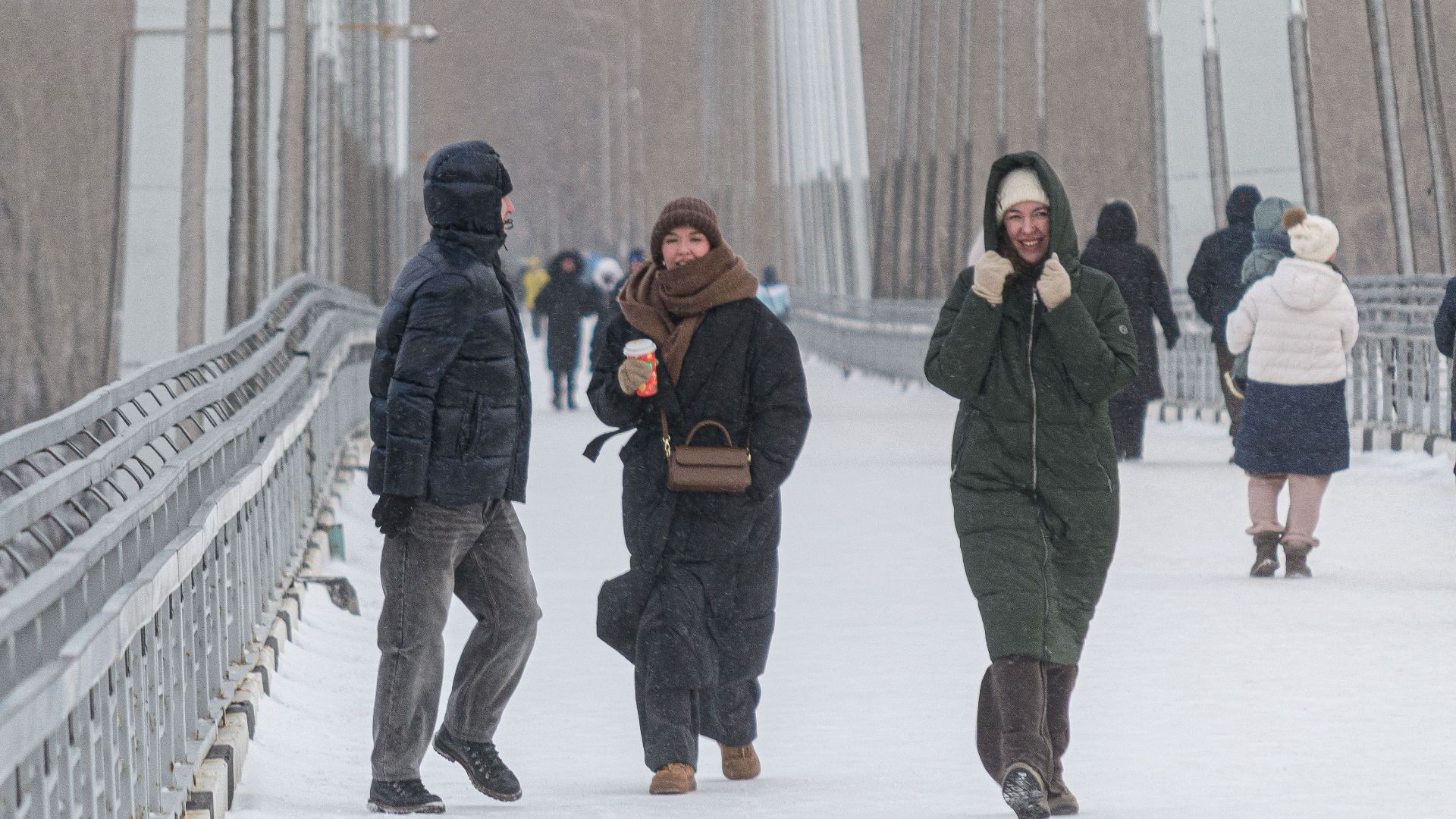
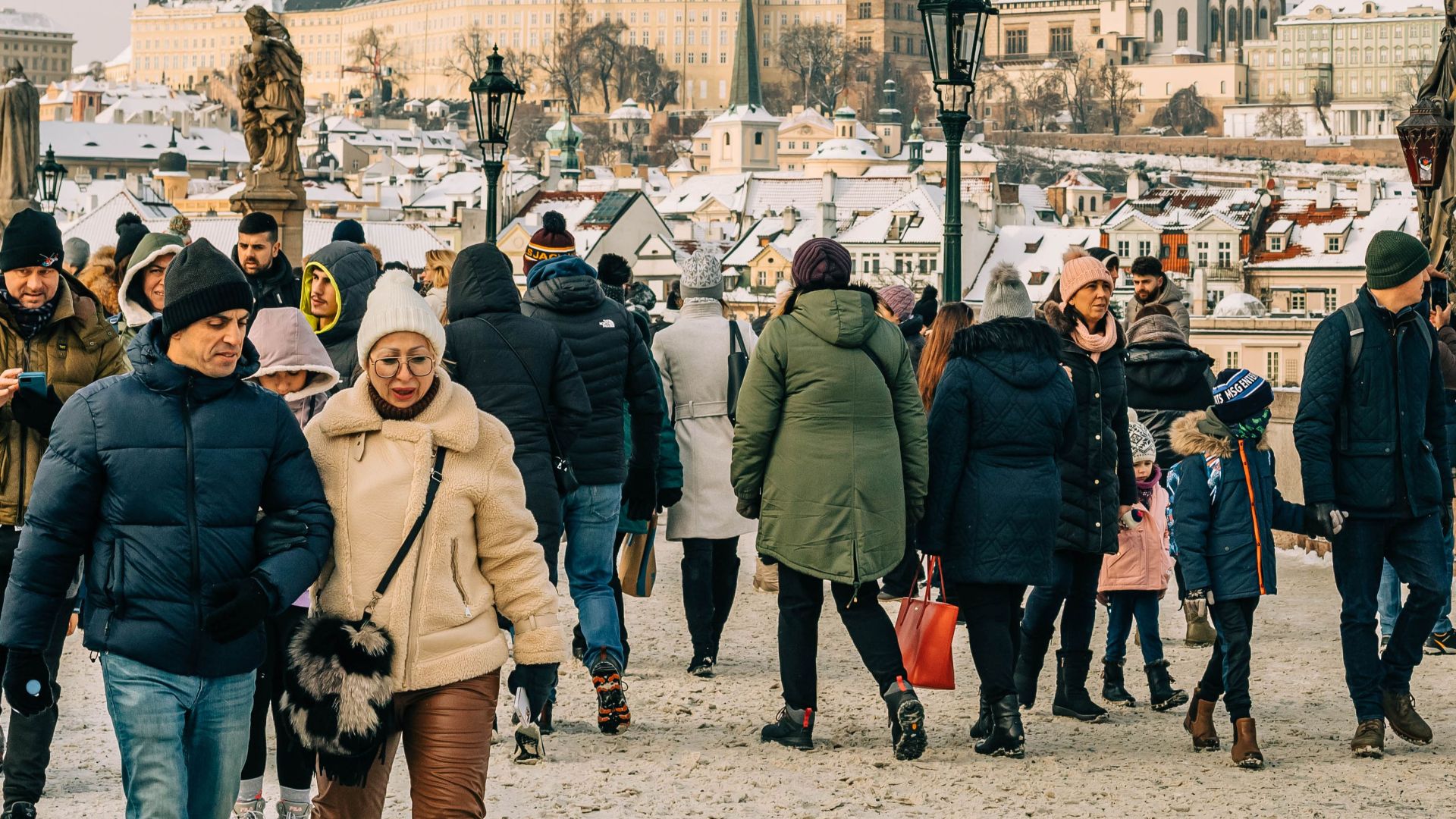
Even if roads are plowed, walking can be tricky. Sidewalks may be icy, slushy, narrowed by snowbanks, or covered in packed snow. A casual stroll to dinner can require boots with real traction. Fashion sneakers that worked in New York or Chicago may not cut it in Quebec City, Ottawa, Banff, or Montreal.
 Helena Jankovičová Kováčová, Pexels
The Right Boots Make Or Break The Trip
Many first-time winter visitors pack warm coats but underestimate footwear. Wet socks, slippery soles, and cold toes can ruin a day faster than almost anything. Good winter boots need insulation, traction, water resistance, and enough room for warm socks.
Layering Is More Complicated Than A Big Coat
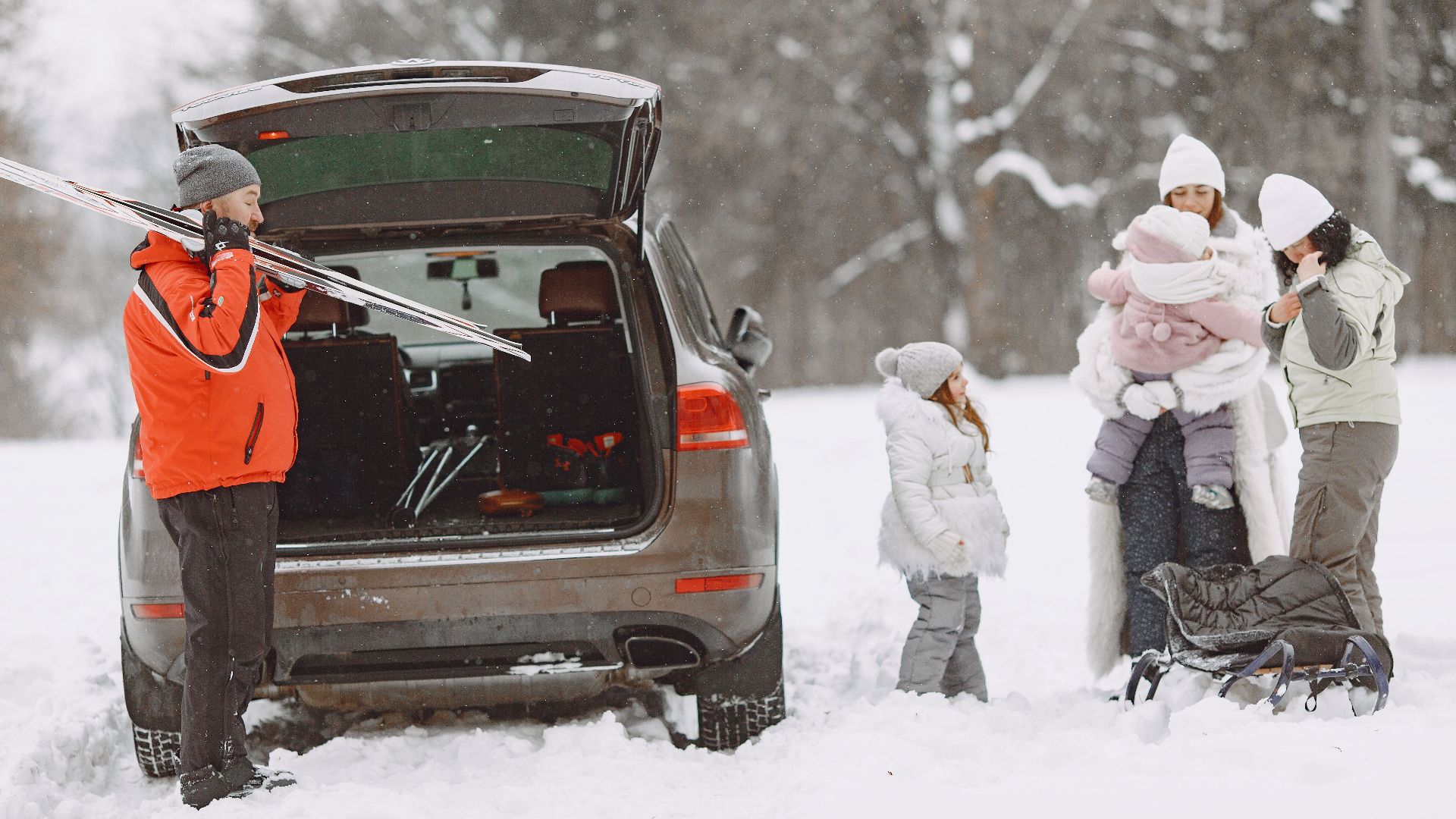
A huge jacket helps, but Canadian winter comfort often comes from layers: base layer, sweater or fleece, insulated outerwear, hat, gloves, scarf or neck warmer, wool socks, and waterproof boots. The goal is to manage cold, wind, sweat, and indoor heating without constantly overheating or freezing.

Indoor Heating Can Be Intense
After freezing outside, Americans may be surprised by how warm indoor spaces feel. Hotels, restaurants, malls, museums, trains, and homes can be heavily heated. Dressing in removable layers matters because the same outfit has to work on a frozen sidewalk and inside a very warm café.

Daylight Can Feel Surprisingly Short
In many Canadian destinations, winter days can feel brief. Farther north or during December and January, daylight may disappear earlier than visitors expect. That affects sightseeing, photography, driving comfort, outdoor activities, and mood. A winter itinerary should respect the clock.

Famous Cities Feel Different In Winter
Montreal, Toronto, Vancouver, Ottawa, Quebec City, Calgary, Halifax, and Winnipeg all have distinct winter personalities. A place that looks walkable on a summer map can feel completely different in February. Cold, wind tunnels, slush, and early darkness can change how much ground visitors actually want to cover.

Beautiful Winter Scenes Come With Practical Problems
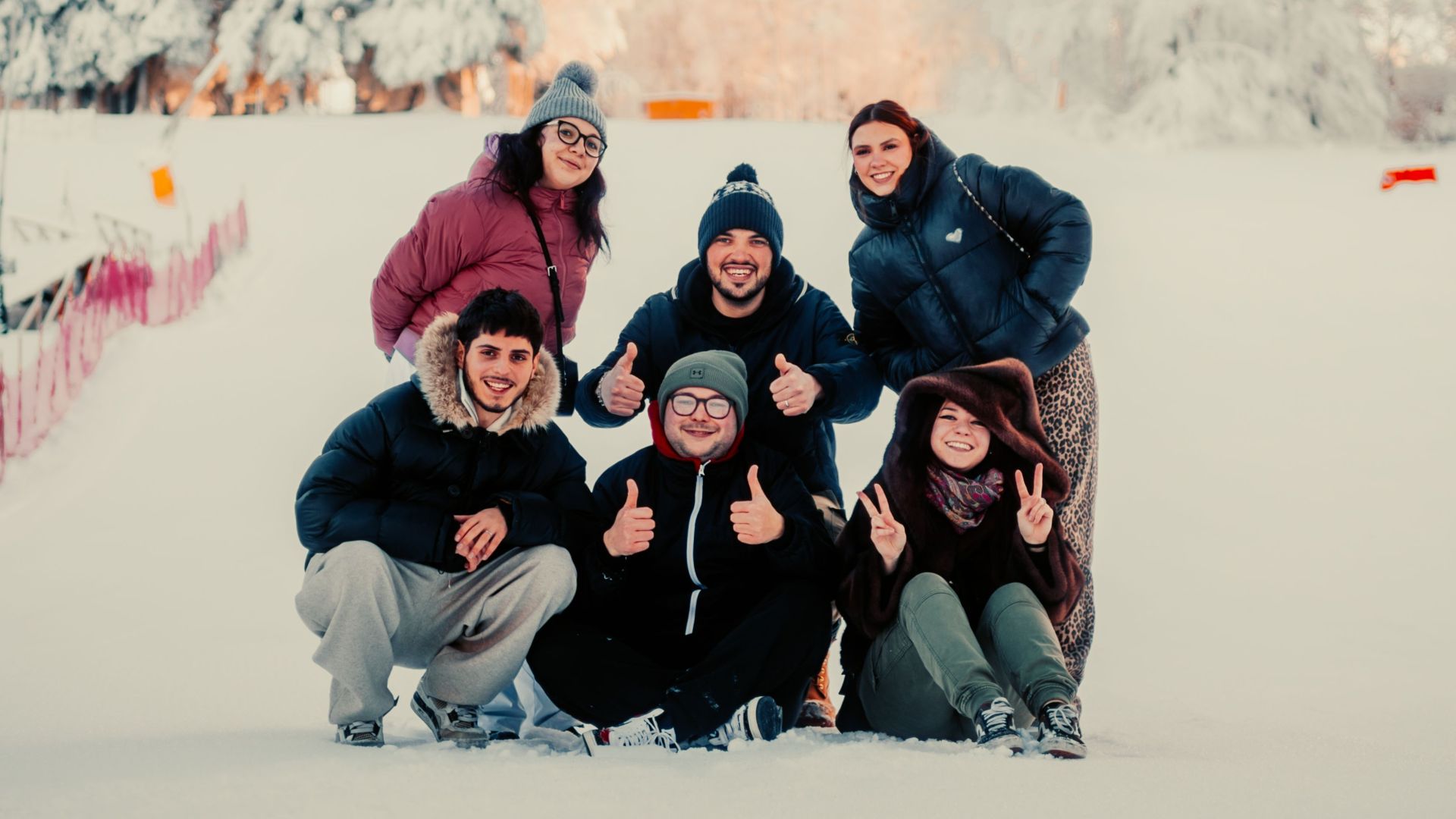
Snowy old streets, frozen rivers, ice hotels, skating canals, and mountain towns can look magical. But beauty does not cancel out cold hands, fogged glasses, wet gloves, crowded warming areas, or icy steps. The postcard version is real, but so are the logistics.
Outdoor Attractions May Require More Planning
Winter festivals, frozen waterfalls, ski hills, skating trails, snowshoe routes, and national parks can be incredible. They can also require reservations, safety checks, proper gear, and attention to changing conditions. Parks Canada regularly advises visitors to plan around winter hazards such as cold, storms, snow, and ice.
Ice Is Not Automatically Safe
Americans visiting lakes, canals, rivers, or frozen landscapes may assume that thick-looking ice is safe. That can be dangerous. Ice conditions vary with currents, springs, temperature swings, snow cover, and local monitoring. If an area is not officially open or marked safe, it is not worth the risk.

Freezing Rain Can Be Worse Than Snow
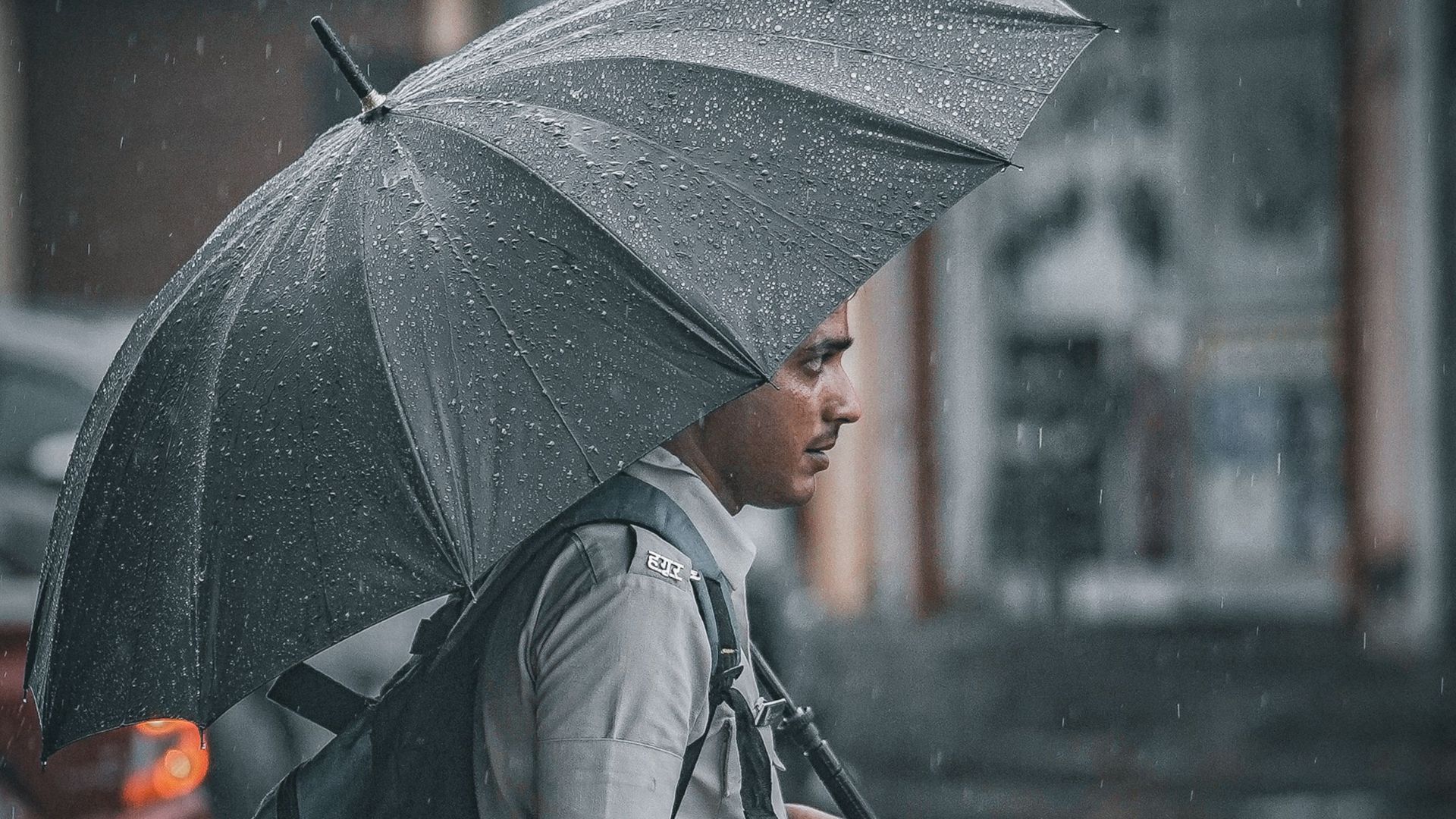
Snow gets more attention, but freezing rain can be the true travel nightmare. It can coat roads, sidewalks, cars, railings, and stairs in a slick layer of ice. A city may look less dramatic than after a snowstorm, but movement can be far more treacherous.
Cars Need Winter Habits
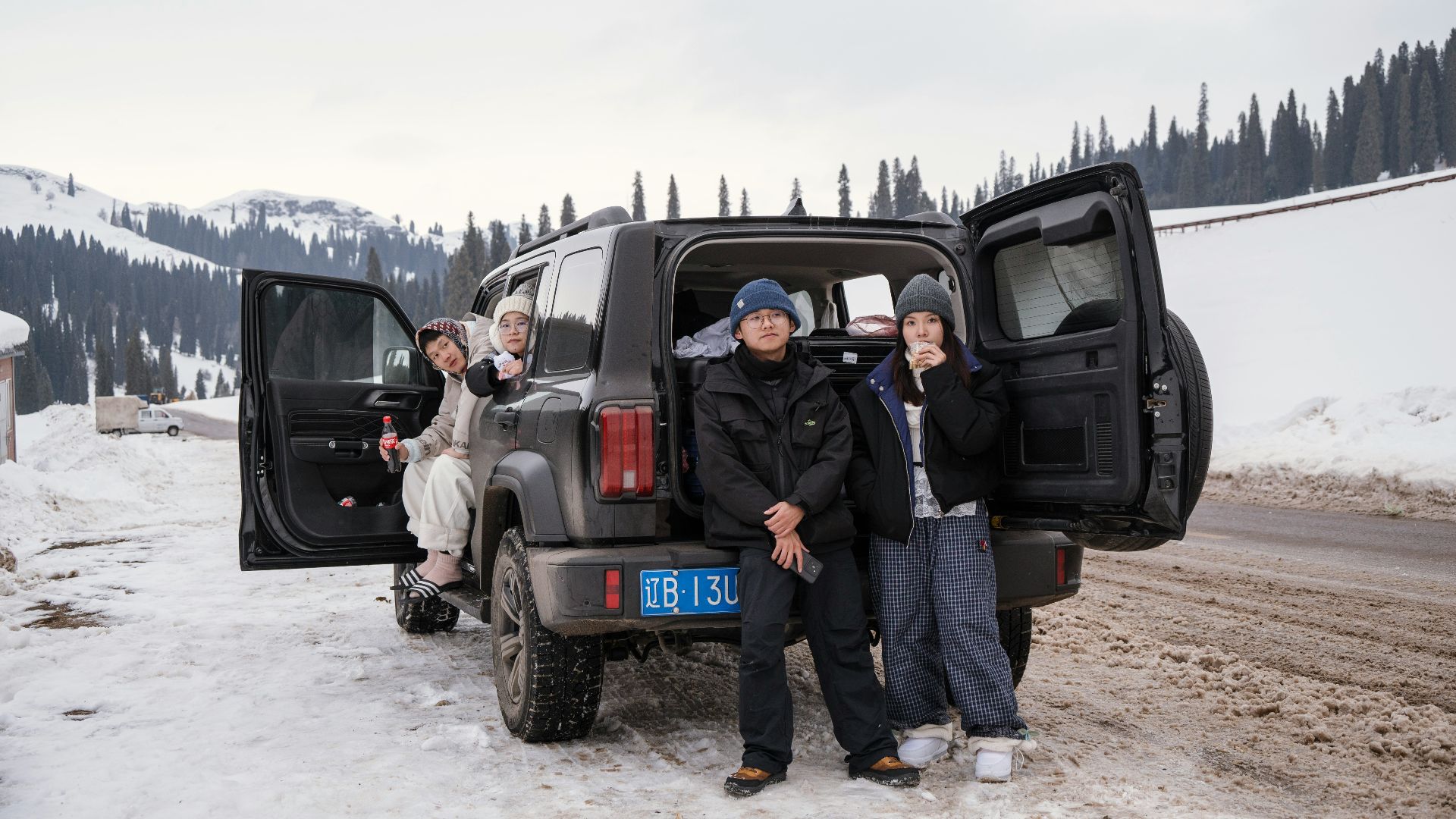
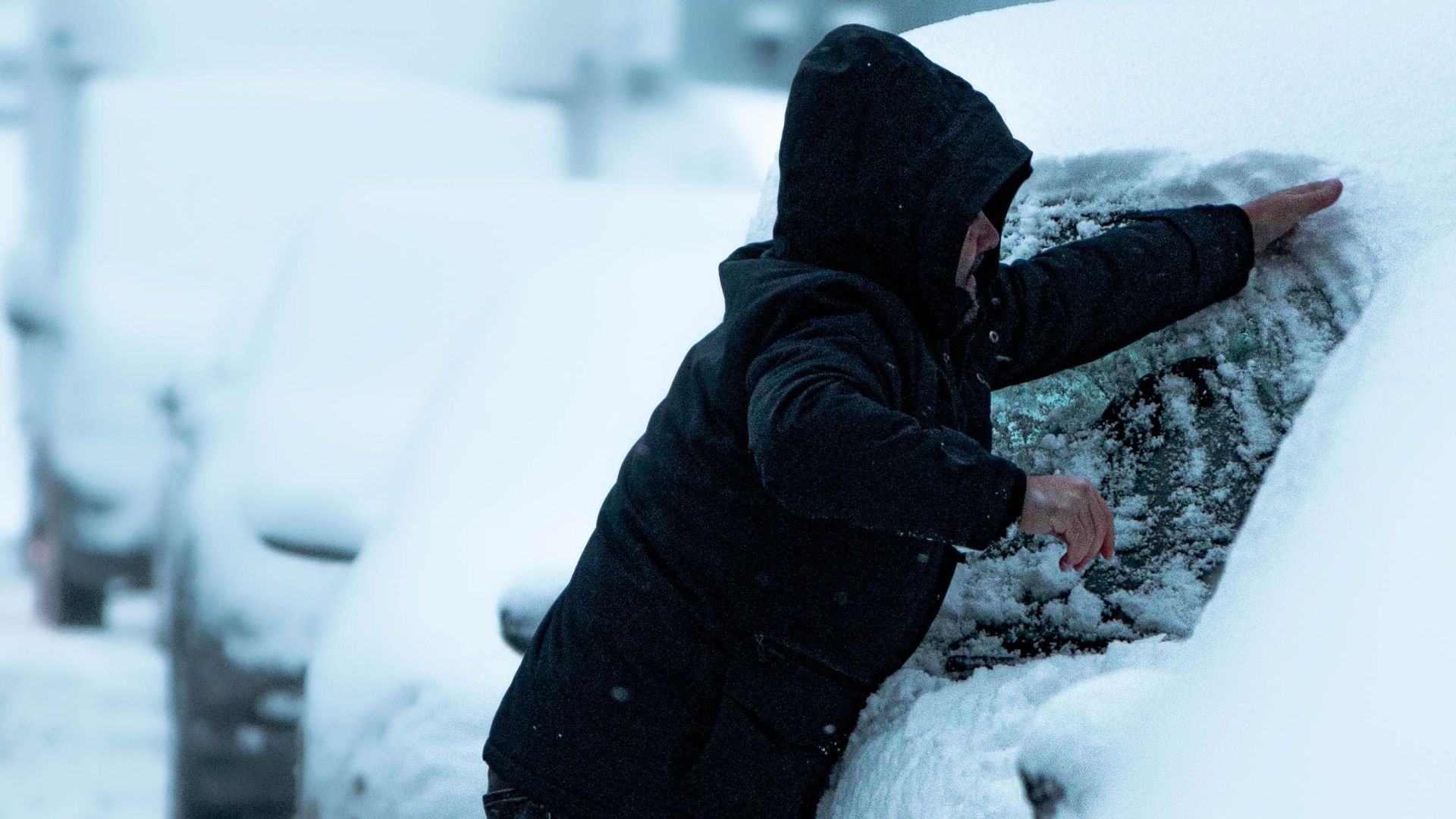
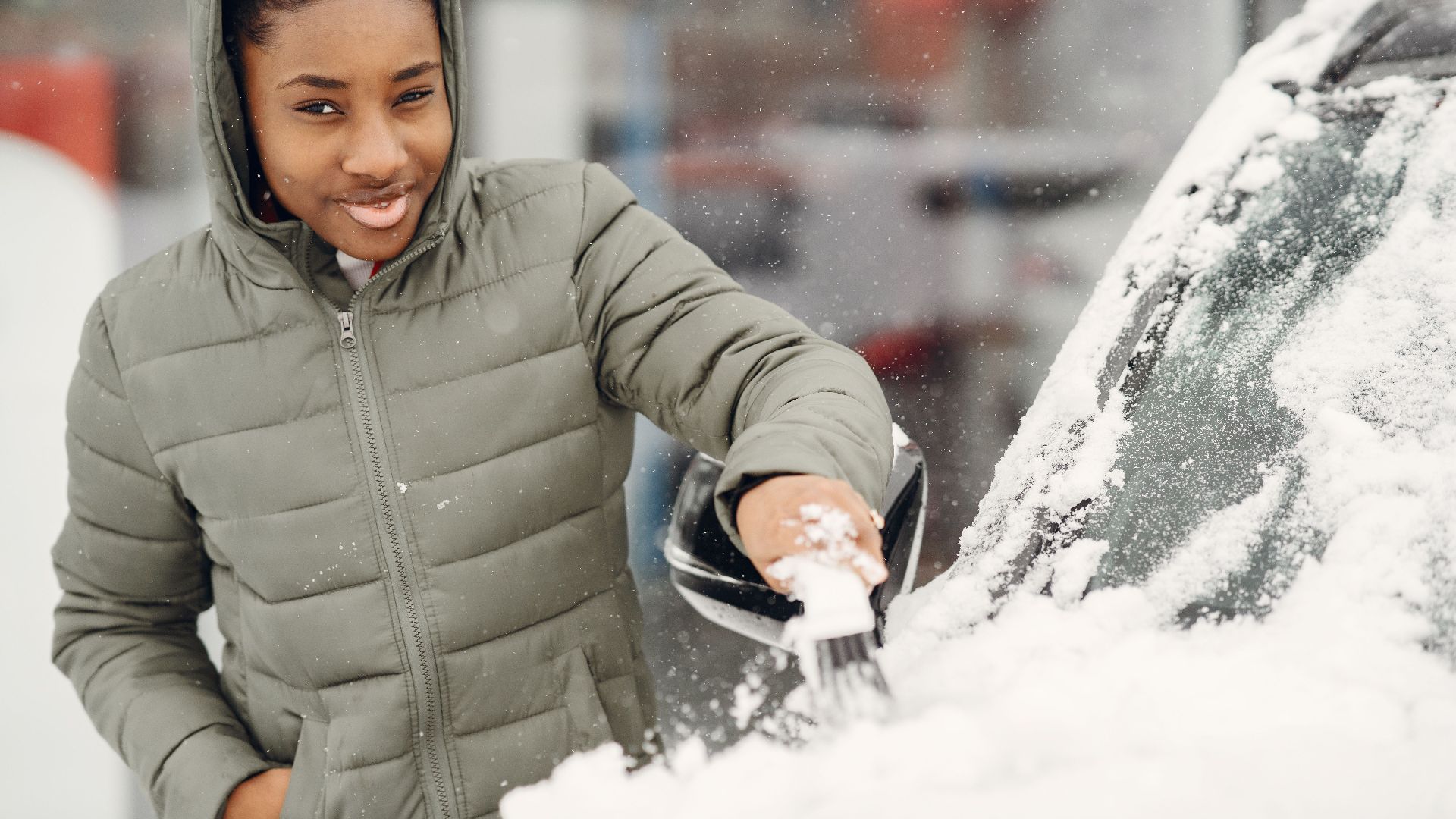
Driving in Canadian winter means clearing the entire windshield, brushing snow off the roof, keeping extra washer fluid, leaving more following distance, braking gently, and avoiding sudden lane changes. These habits may seem small, but they matter when roads are icy or visibility drops.
A Car Emergency Kit Is Not Overkill
For long winter drives, emergency supplies are practical rather than paranoid. Blankets, snacks, water, a flashlight, phone charger, shovel, scraper, jumper cables, and warning lights can matter if weather, traffic, or a breakdown leaves you stuck longer than expected.

“Just Going Outside” Takes Time
In warm-weather destinations, leaving the hotel is easy. In Canadian winter, every outing can involve boots, coat, hat, gloves, scarf, lip balm, hand warmers, and a check of the forecast. Visitors may be surprised by how much preparation goes into ordinary movement.
Skin And Lips Dry Out Quickly
Cold outdoor air and heated indoor spaces can be rough on skin. Americans who forget moisturizer, lip balm, or hand cream may regret it within a few days. Winter travel comfort is not just about staying warm. It is also about avoiding cracked lips, dry hands, and irritated skin.
 https://kaboompics.com/, Pexels
Public Transit Can Be A Lifesaver
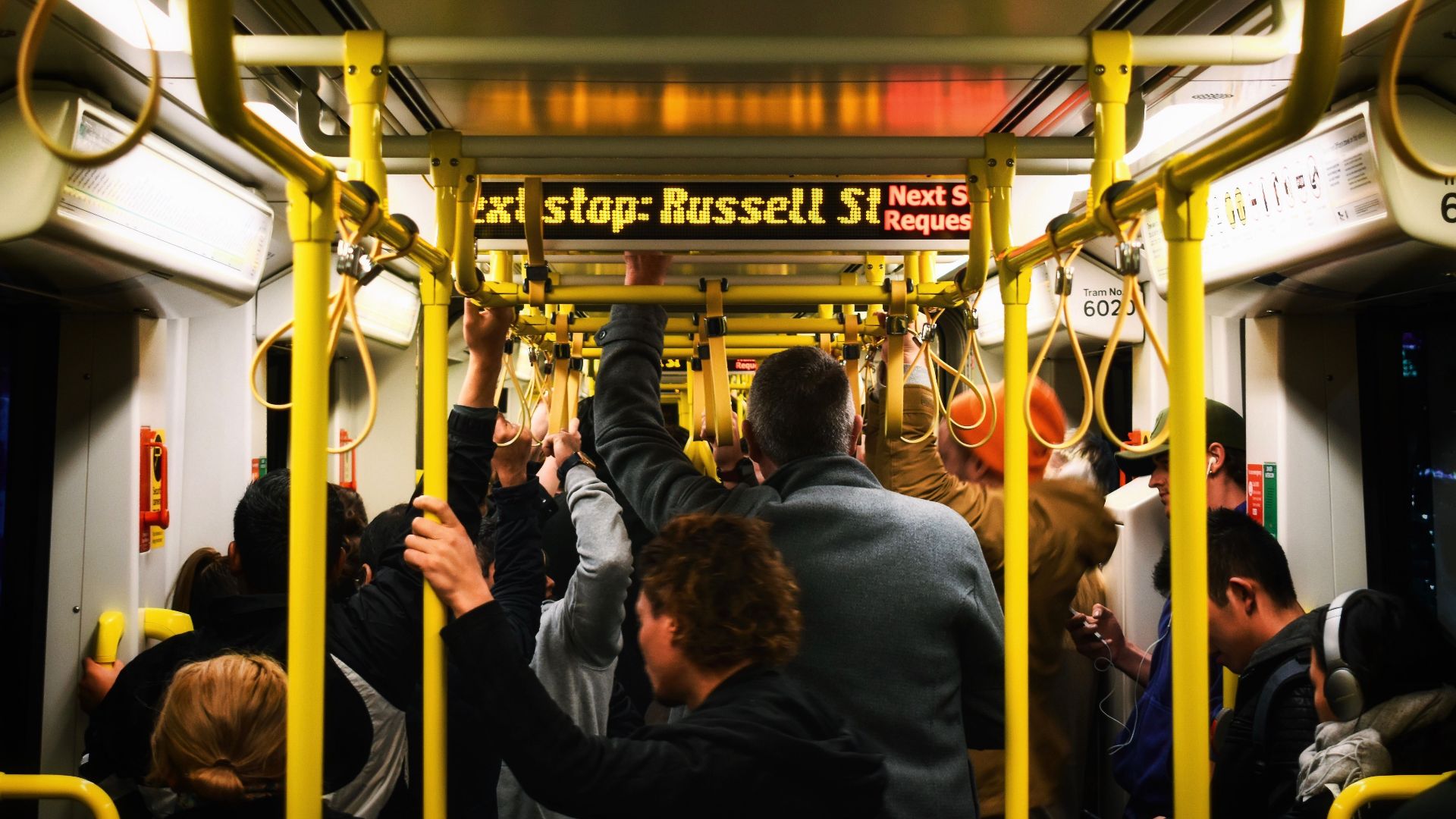
In major Canadian cities, transit can be far easier than driving through snow, parking in slush, or dealing with winter traffic. Visitors who planned to rely on a car may find that subways, streetcars, buses, or underground pedestrian networks make winter sightseeing much less stressful.
The Locals Keep Going Anyway
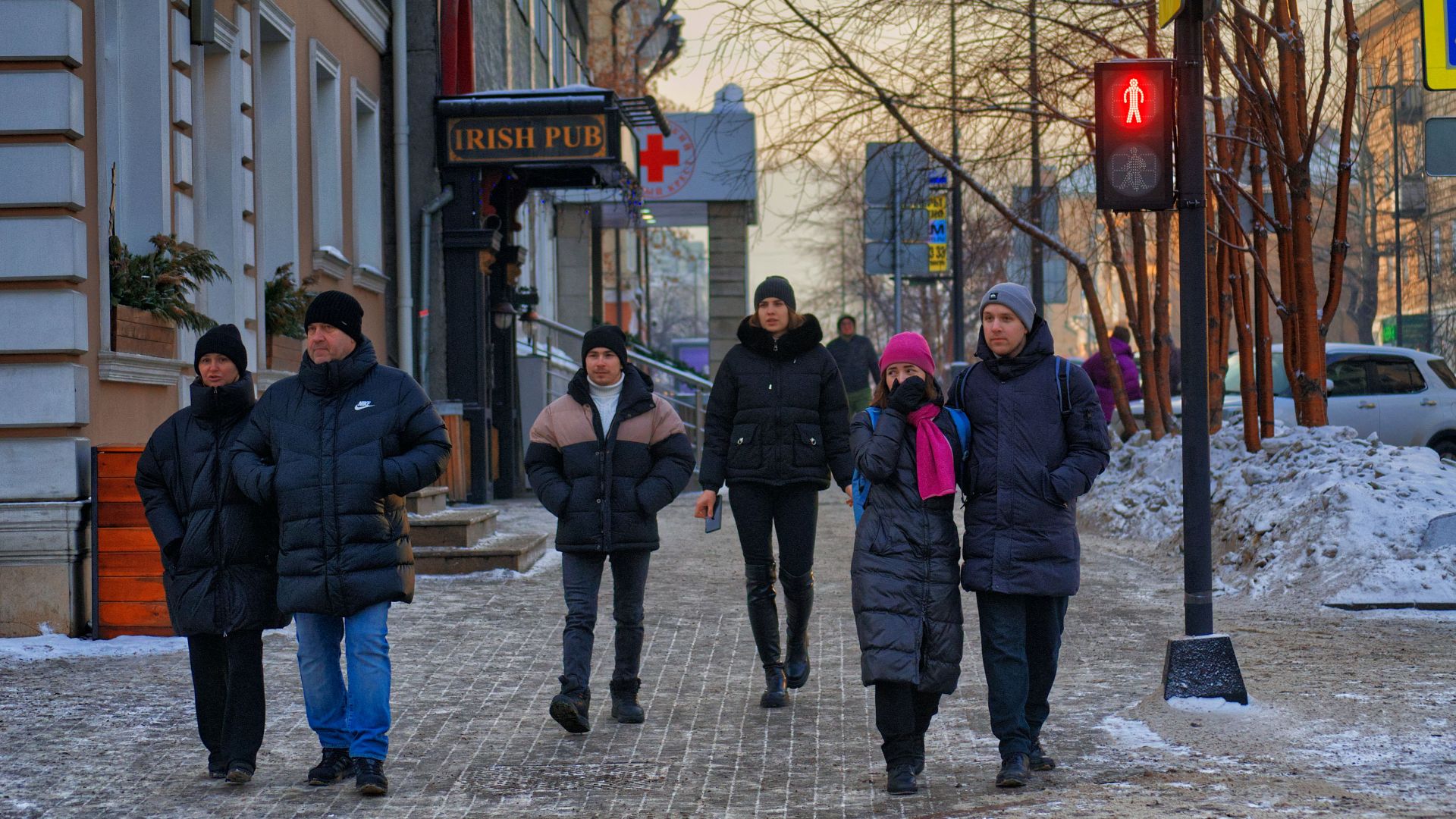
One of the funniest surprises is how normal winter life can look. Canadians still go to work, meet friends, walk dogs, shop, skate, commute, and complain about the weather while carrying on. For visitors, the conditions may feel extreme. For locals, it may just be Tuesday.
Winter Festivals Are Worth The Effort
Despite the cold, Canadian winter travel can be unforgettable. Quebec’s Winter Carnival, Ottawa’s winter traditions, mountain town events, holiday markets, frozen trails, and snowy national parks can offer experiences Americans may not find at home in quite the same way.
The Cold Can Be Part Of The Memory
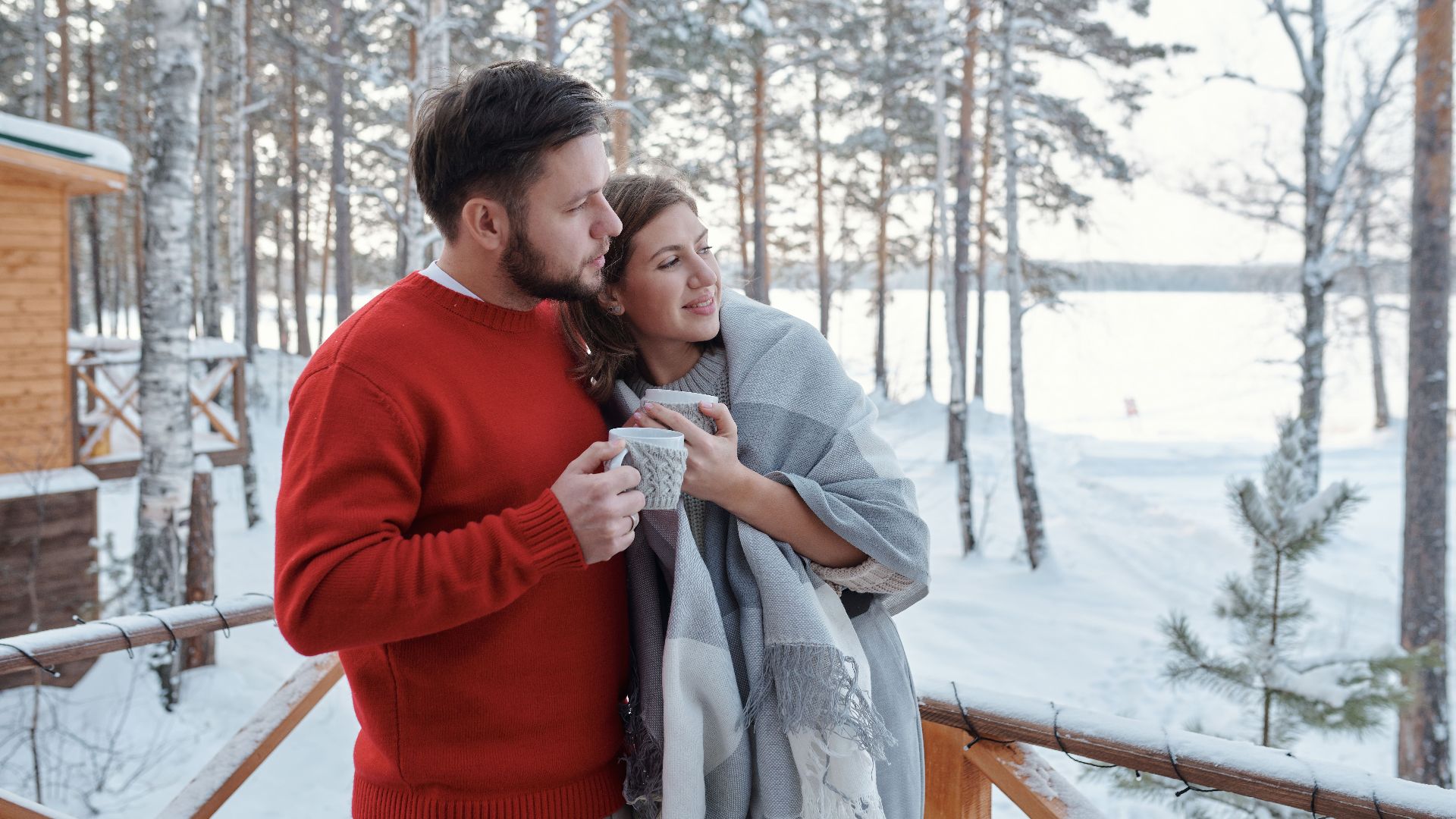
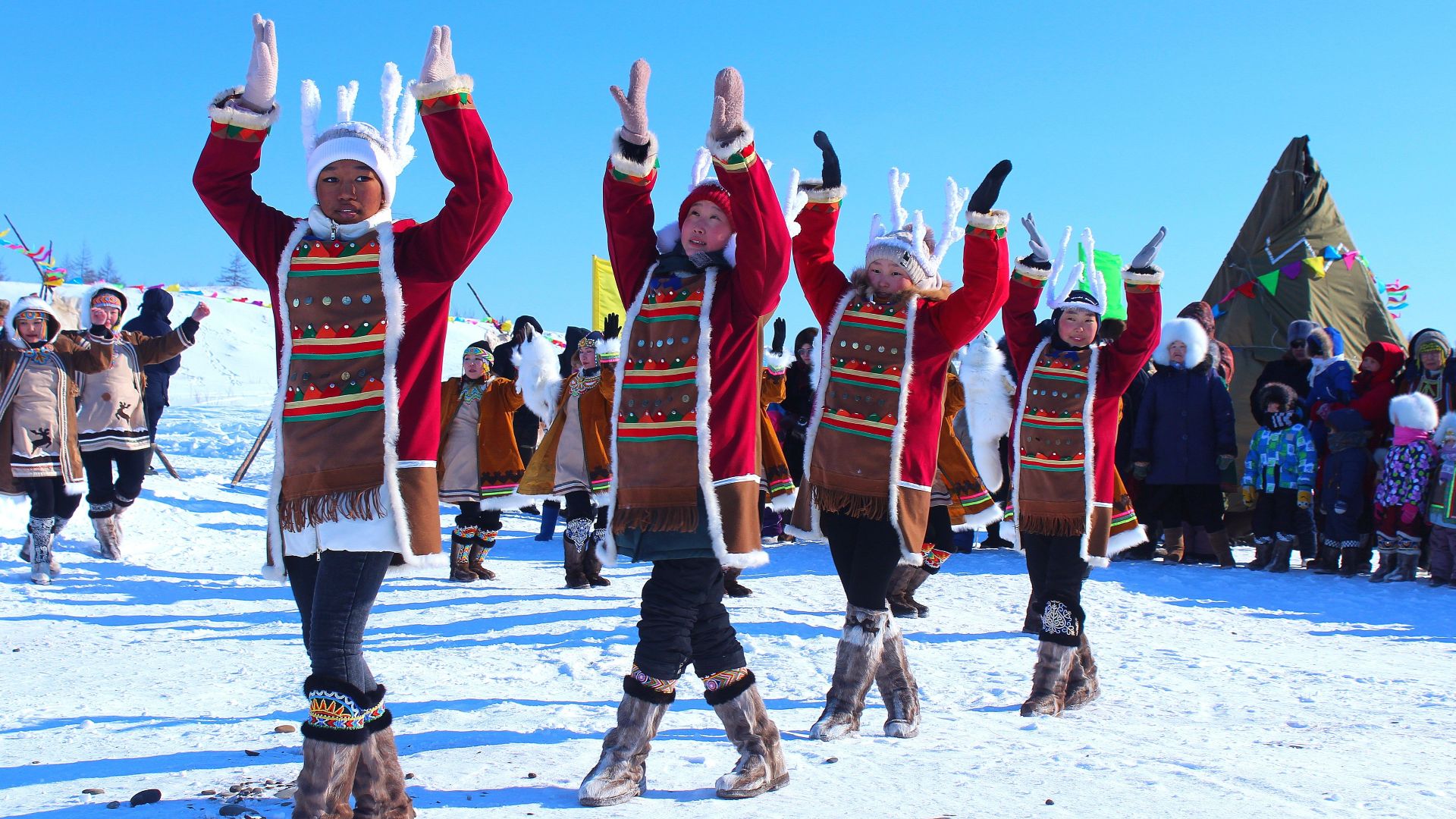
A Canadian winter trip is not always comfortable, but it can be vivid. The crunch of snow, steam from coffee cups, icy eyelashes, glowing windows, frozen rivers, and relief of stepping into a warm restaurant can become part of the story. The challenge is often what makes it memorable.
Preparation Makes The Difference
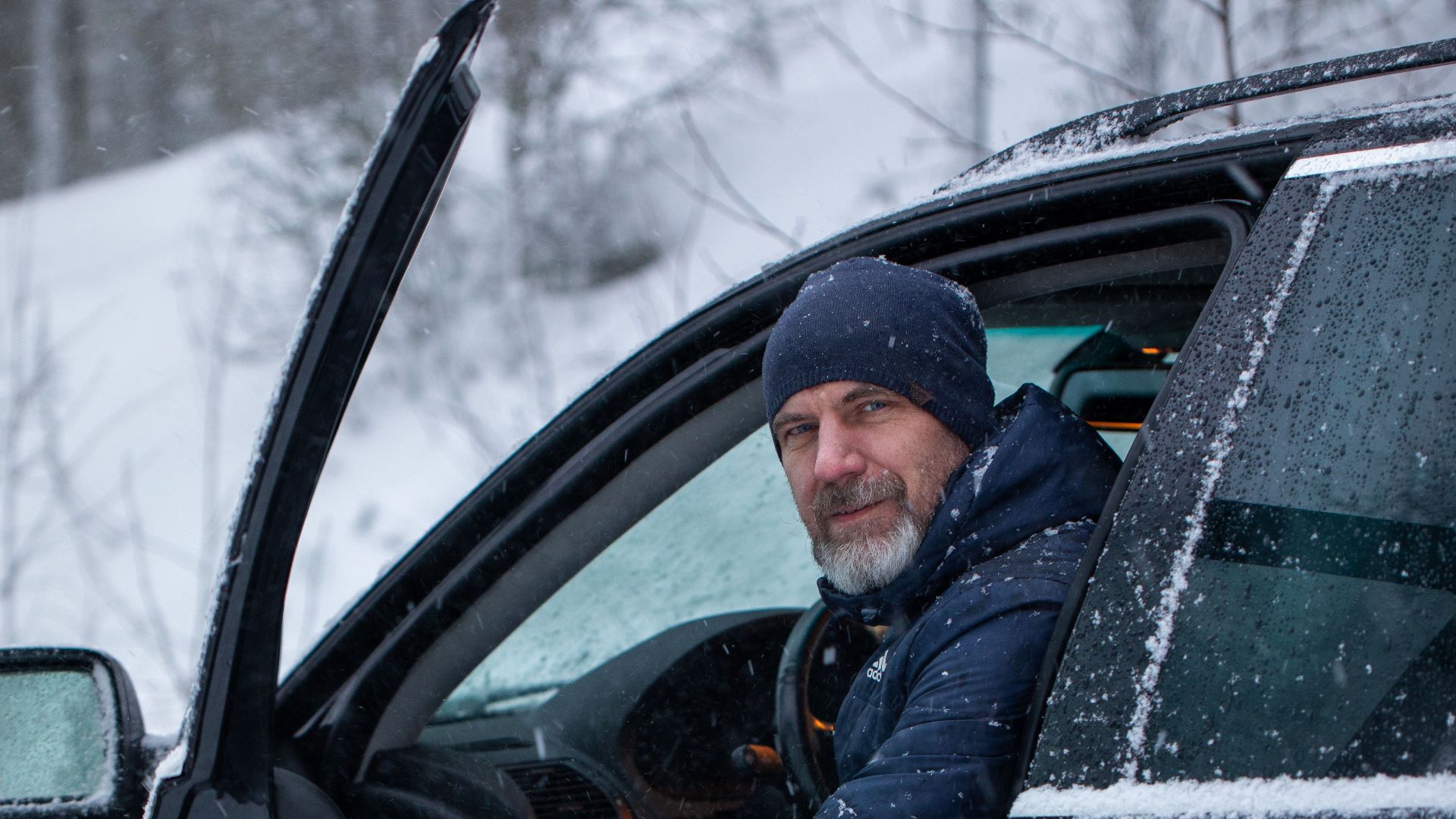
Americans do not need to fear Canadian winter travel. They just need to respect it. The right clothing, flexible plans, winter driving awareness, weather alerts, and backup activities can turn a potentially miserable trip into something exciting, safe, and genuinely special.
Canada Is Not Trying To Impress You With Winter
Canadian winter is not a theme park effect. It is a real season with real hazards and real beauty. Travelers who arrive prepared can enjoy the magic without being blindsided by the practical side. The snow may be gorgeous, but Canada expects you to take it seriously.

You May Also Like:
Unique Excursions For Your Travel Bucket List
Archaeologists Have Just Found An Egyptian Tomb That Rivals King Tut
The Dos And Don'ts Of Flying: 46 Ways To Avoid Being That Passenger