

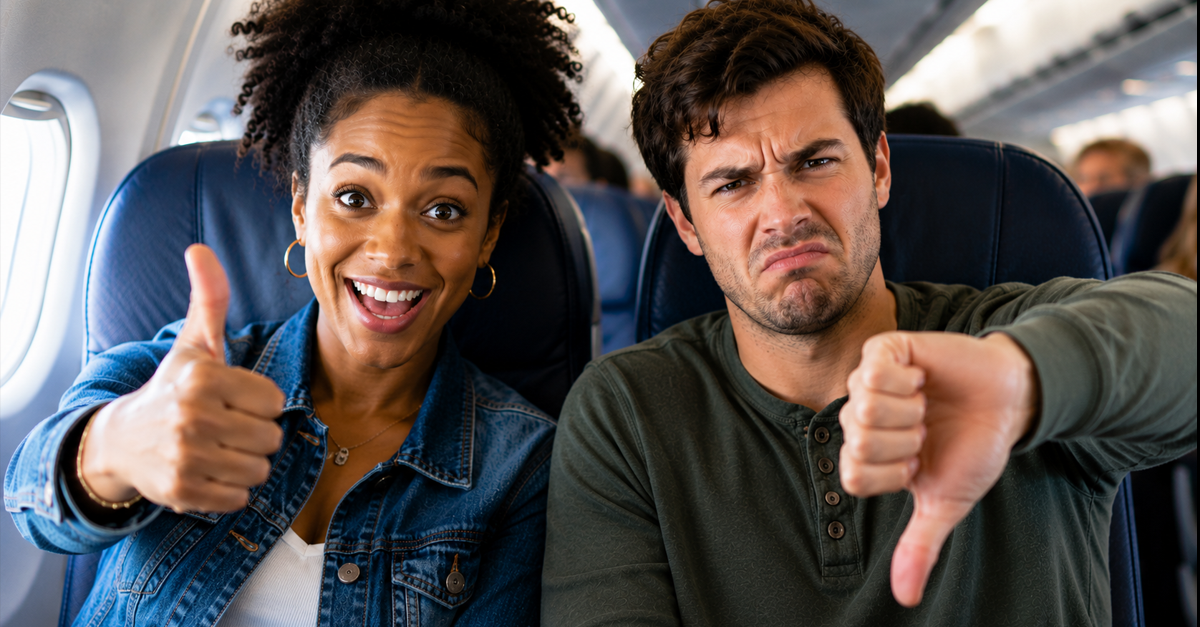
Flying Etiquette Isn't Rocket Science
Most travelers want a smooth flight and a stress-free journey. The problem is that a few bad habits can make airports and airplanes miserable for everyone around you. These simple airport and airplane dos and don'ts will help you avoid becoming that passenger and make traveling a little better for everyone.
Airport Do: Arrive Prepared
Experienced travelers know that preparation speeds everything up. Have your identification, boarding pass, and travel documents ready before reaching security checkpoints. A little organization helps keep lines moving and reduces stress for everyone around you.
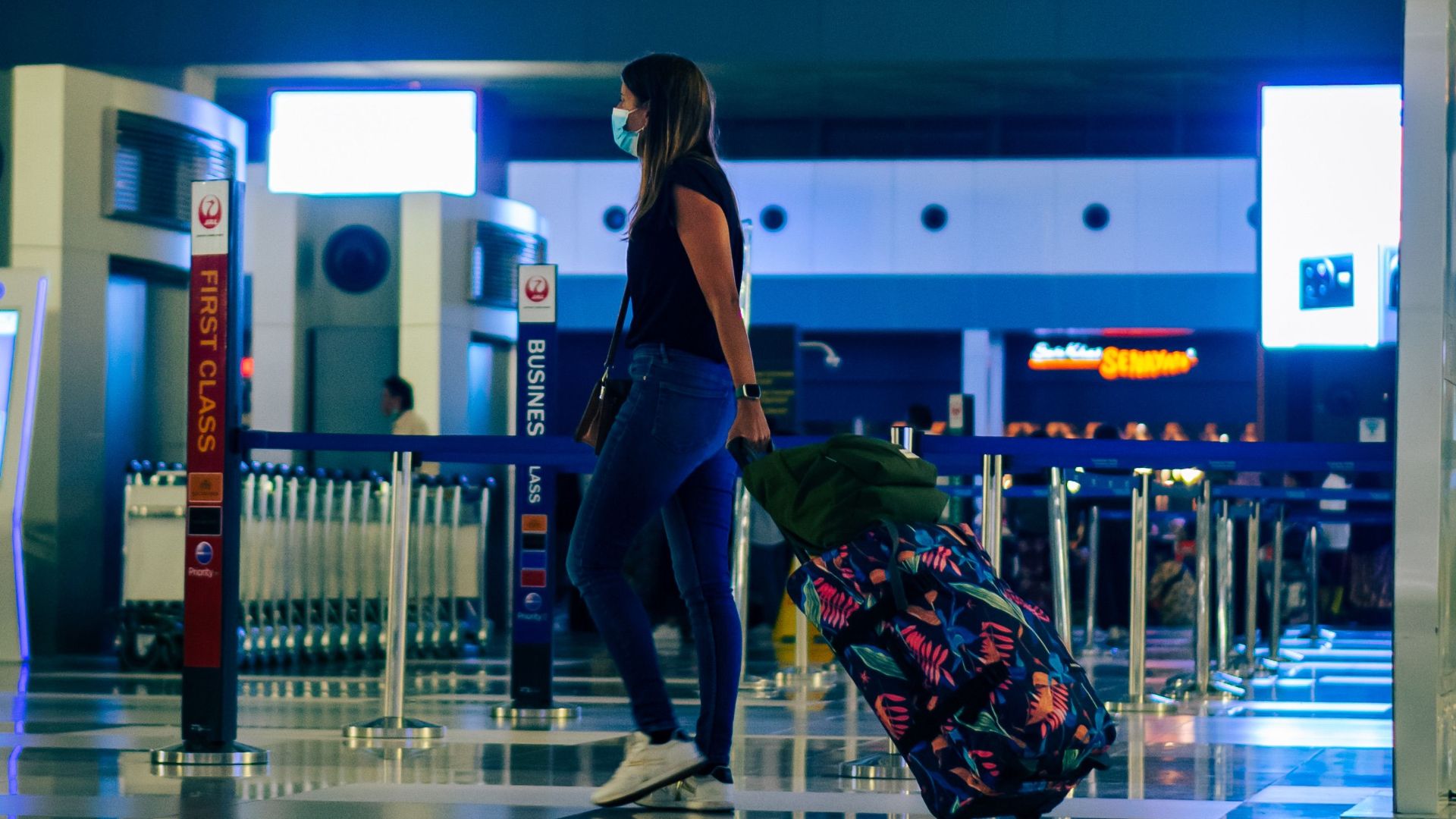
Airport Do: Follow Security Rules
Security requirements are not surprises anymore. The TSA's liquids rule has been in place for years, and most airports clearly communicate what is and is not allowed through screening. Knowing the rules beforehand prevents delays and keeps checkpoints running smoothly.
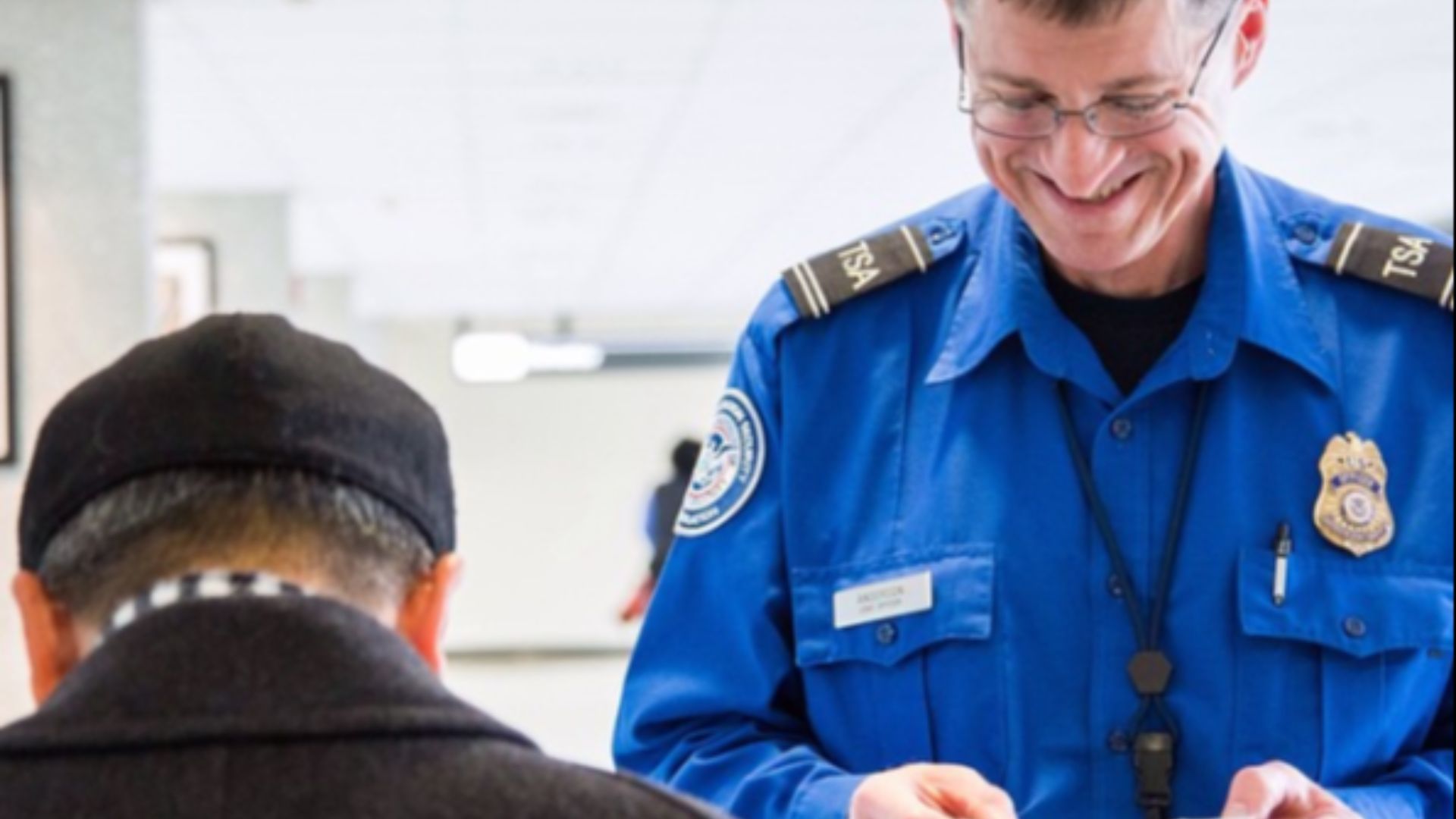 Transportation Security Administration, Wikimedia Commons
Airport Do: Keep The Line Moving
Once you reach the front of a security line, be ready to act. Place your items in bins promptly and move through the scanner when instructed. Delays of just a few seconds can quickly multiply when hundreds of passengers are waiting.
Airport Do: Respect Boarding Groups
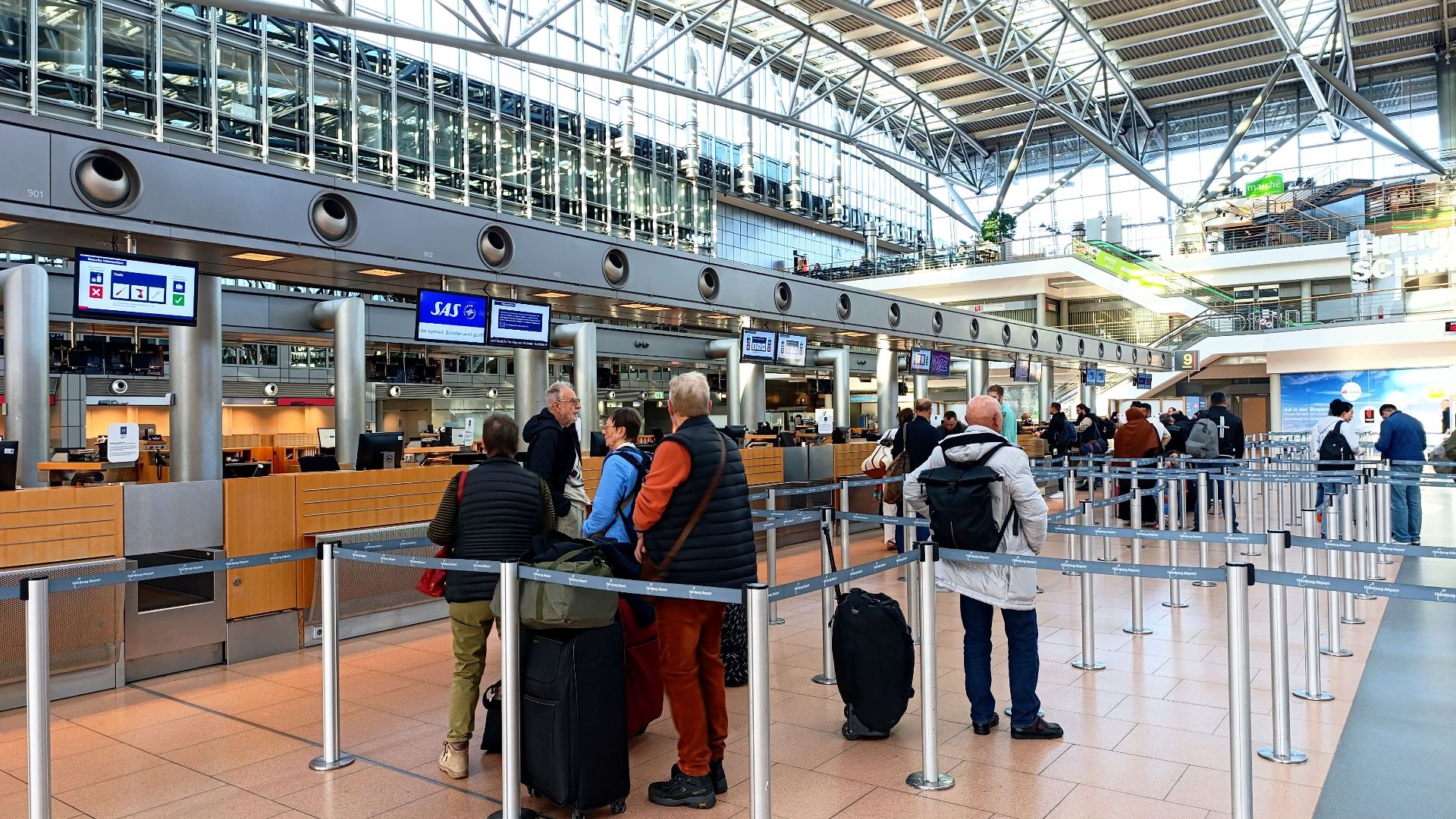
Boarding groups exist for a reason. Airlines use them to organize passengers efficiently and reduce congestion in the cabin. Waiting for your assigned group helps the process move faster for everyone.
Airport Do: Give Extra Time To Those Who Need It
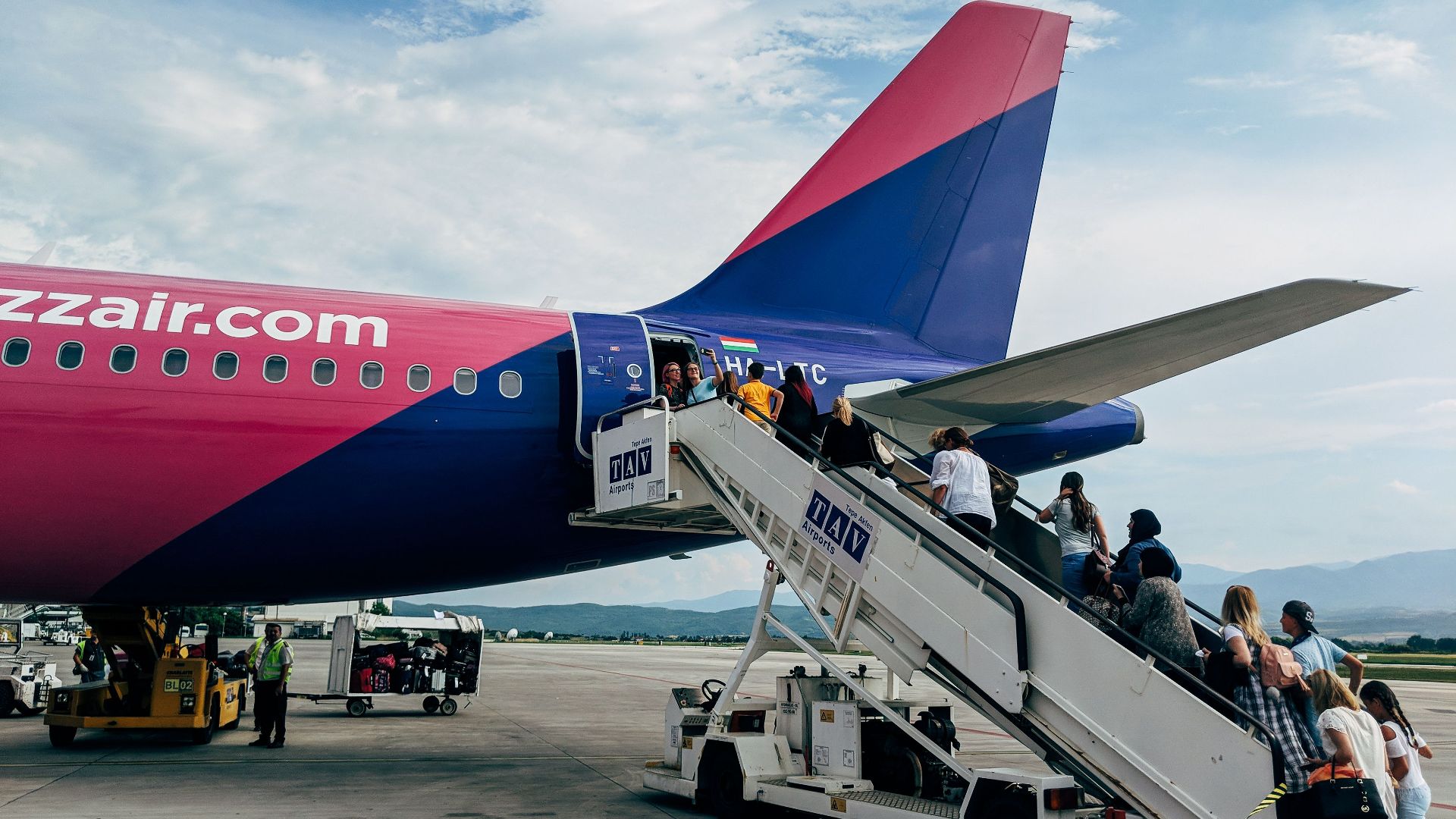
Passengers with disabilities, elderly travelers, military personnel, and families with small children often receive priority boarding. Showing patience during these moments helps create a more welcoming travel environment. A few extra minutes rarely affect anyone else's trip.
Airport Do: Listen To Gate Agents
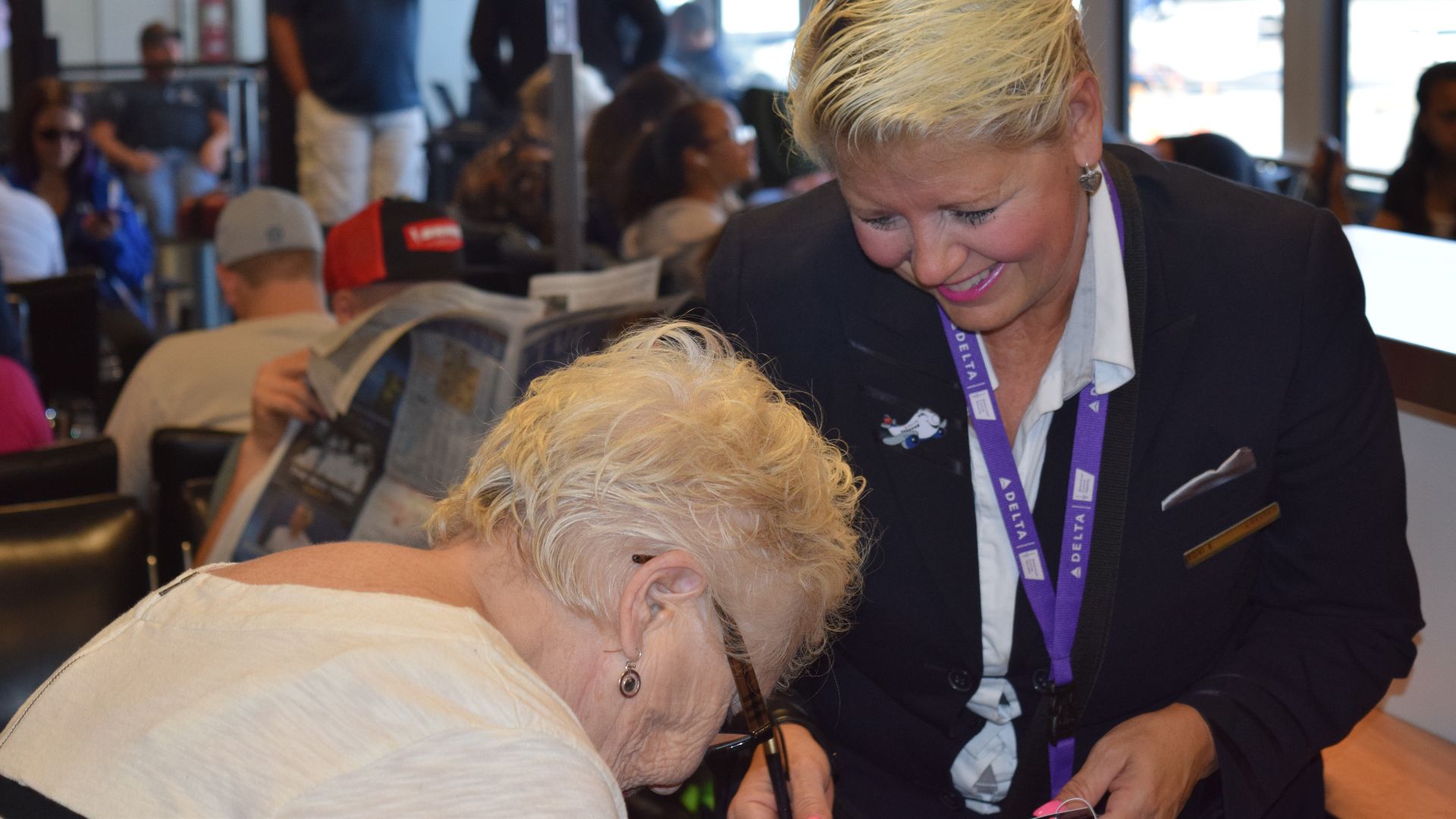
Gate agents are often the first people dealing with flight disruptions and schedule changes. They usually have the most accurate information available. Listening carefully can help you avoid confusion and unnecessary frustration.
 Delta News Hub, Wikimedia Commons
Airport Do: Keep Walkways Clear
Airport terminals are busy enough without extra obstacles. Standing in the middle of a walkway to check your phone can create bottlenecks for dozens of travelers. Step to the side whenever you need to stop.
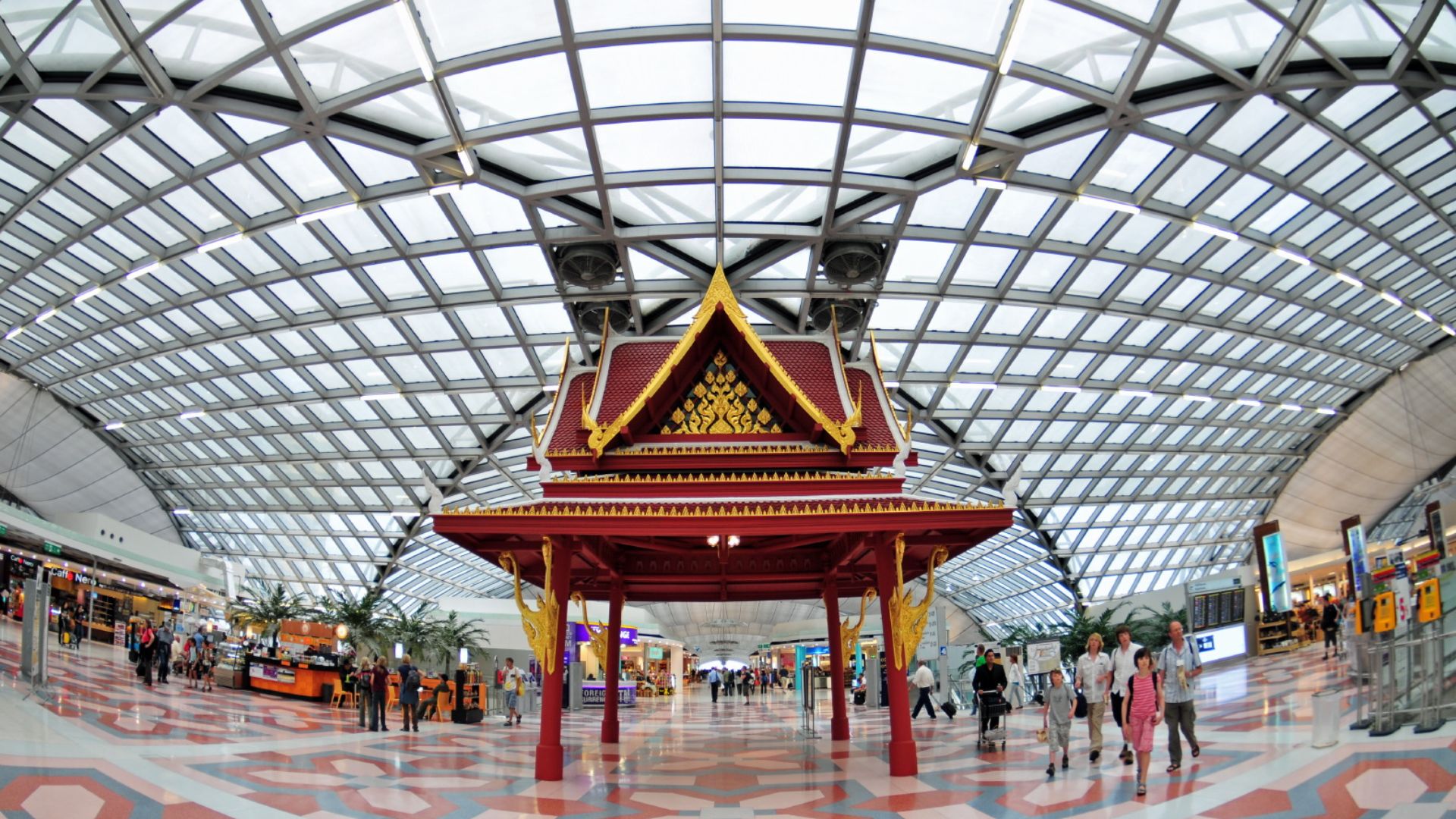 Roger Price, Wikimedia Commons
Airport Do: Be Ready At The Gate
When boarding begins, stay attentive. Scrambling for your passport or searching through bags at the last minute slows the line for everyone. Keeping essentials within easy reach helps the process run smoothly.
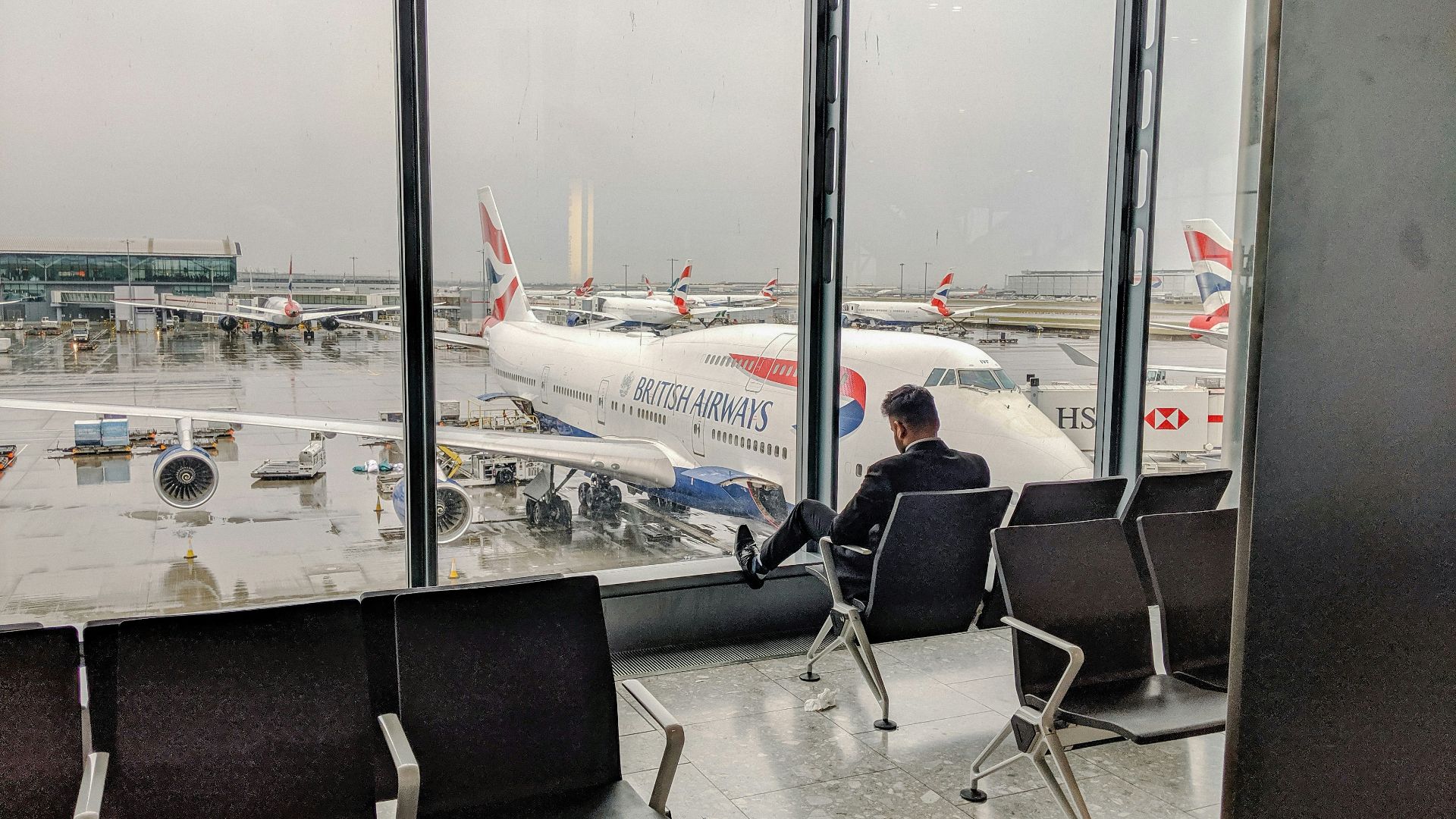
Airport Do: Travel With Patience
Delays, weather issues, and operational problems are part of modern air travel. Staying calm rarely changes the situation, but it can dramatically improve your experience. Patient travelers tend to handle disruptions far better than angry ones.
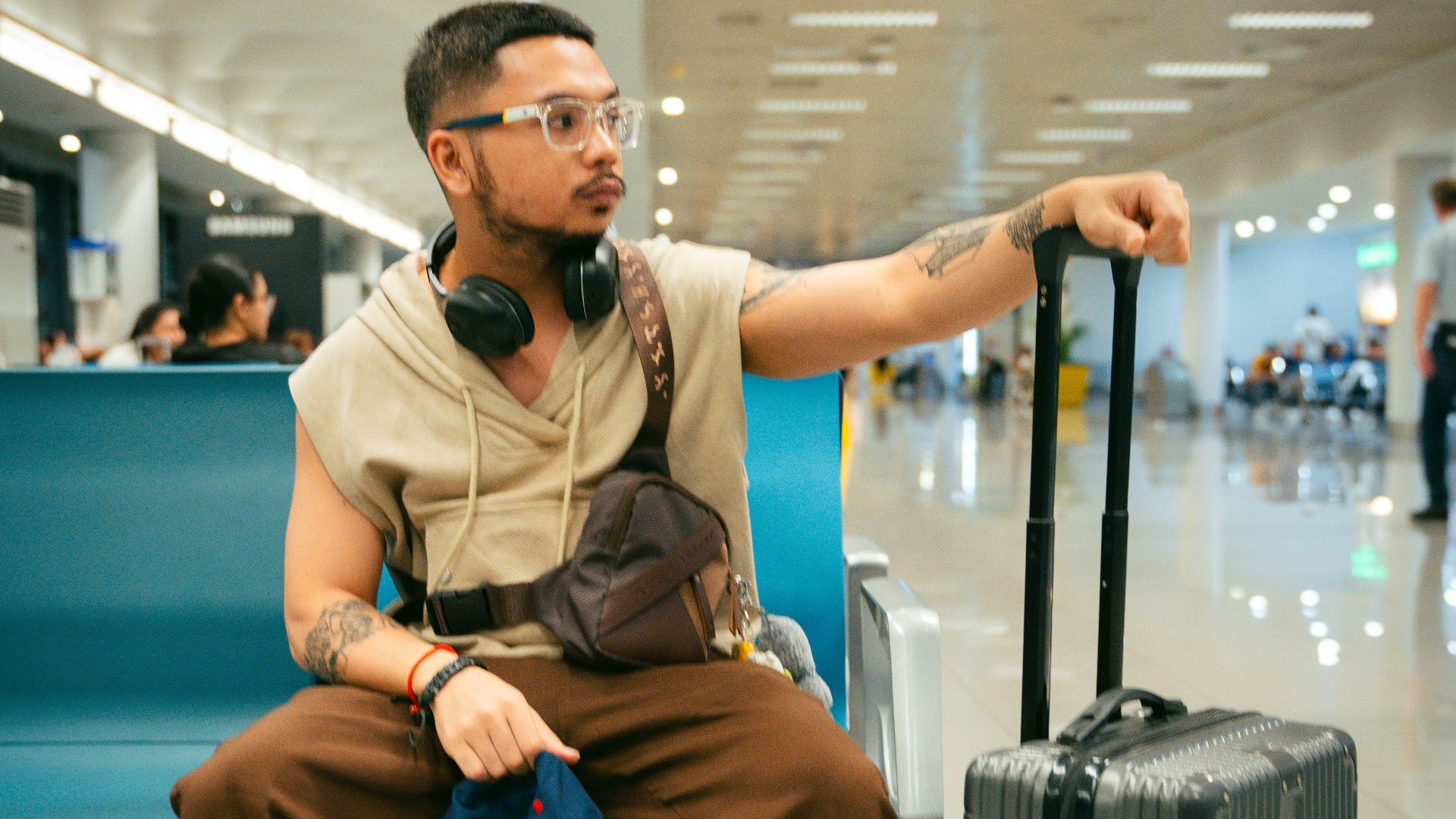
Airport Do: Treat Staff With Respect
Airline employees deal with thousands of passengers every day. Most are doing their best under difficult circumstances, especially during delays or cancellations. Kindness often gets better results than confrontation.
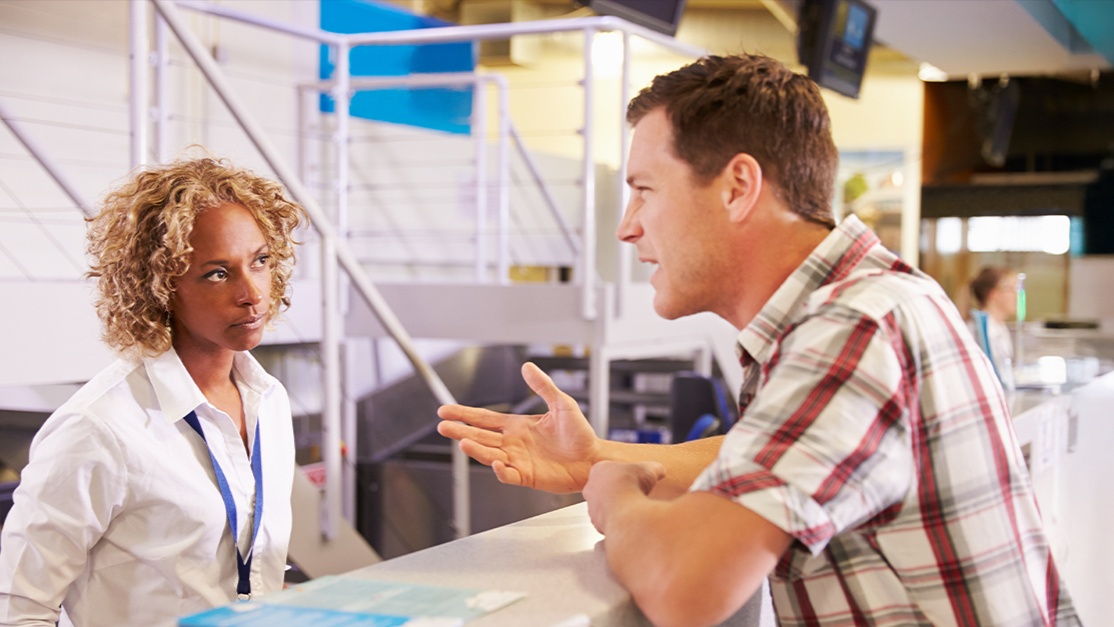 Monkey Business Images, Shutterstock
Airport Do: Double-Check Your Carry-On
Before boarding starts, confirm that your bag meets your airline's size requirements. Oversized bags can create delays at the gate and force last-minute baggage checks. A quick measurement at home can save significant hassle later.
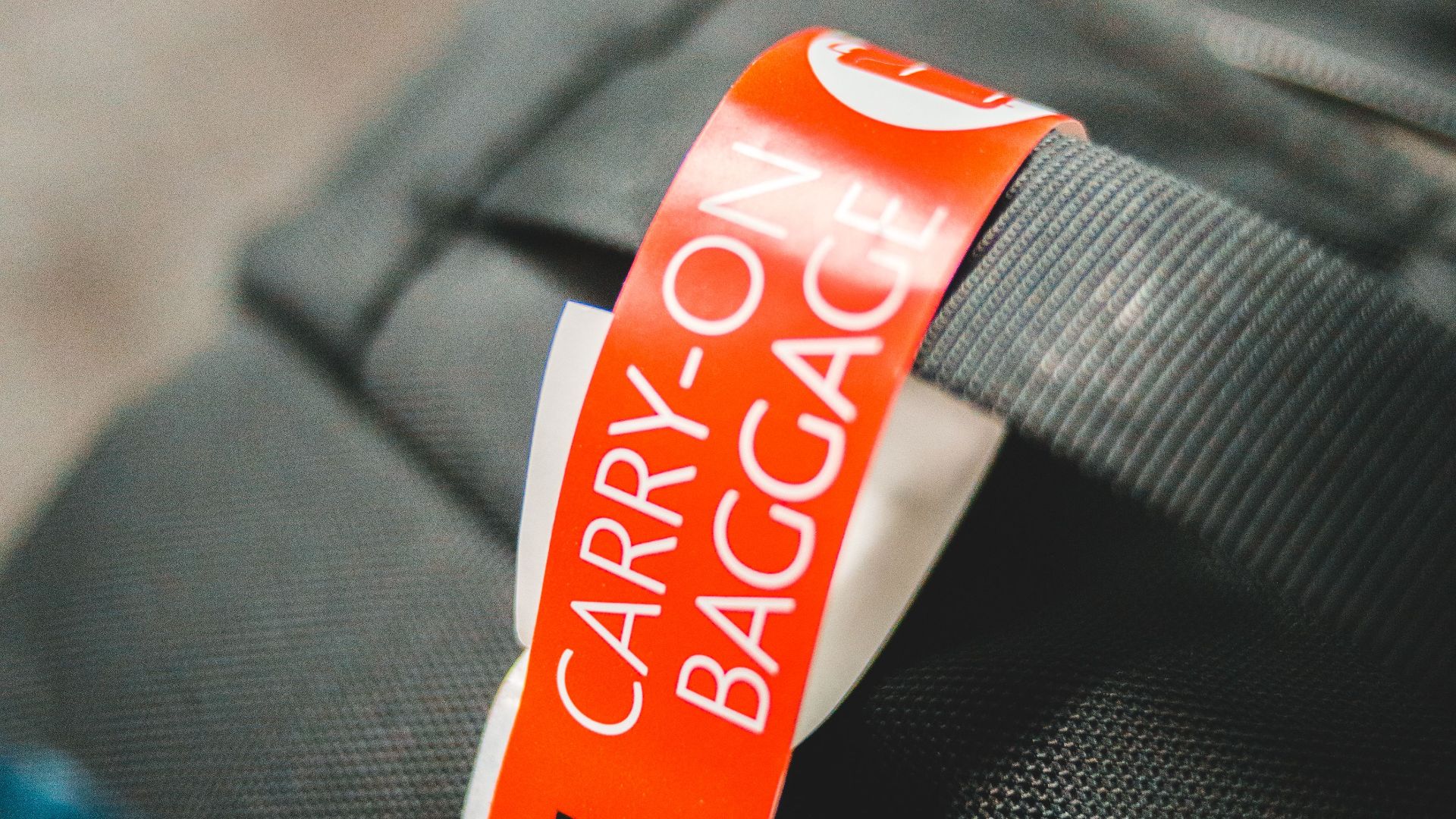
Airport Don't: Crowd The Boarding Area
One of the most disliked airport behaviors is gathering around the gate long before boarding begins. This creates unnecessary congestion and blocks access for passengers who are actually boarding. Waiting nearby without blocking the lane is far more considerate.
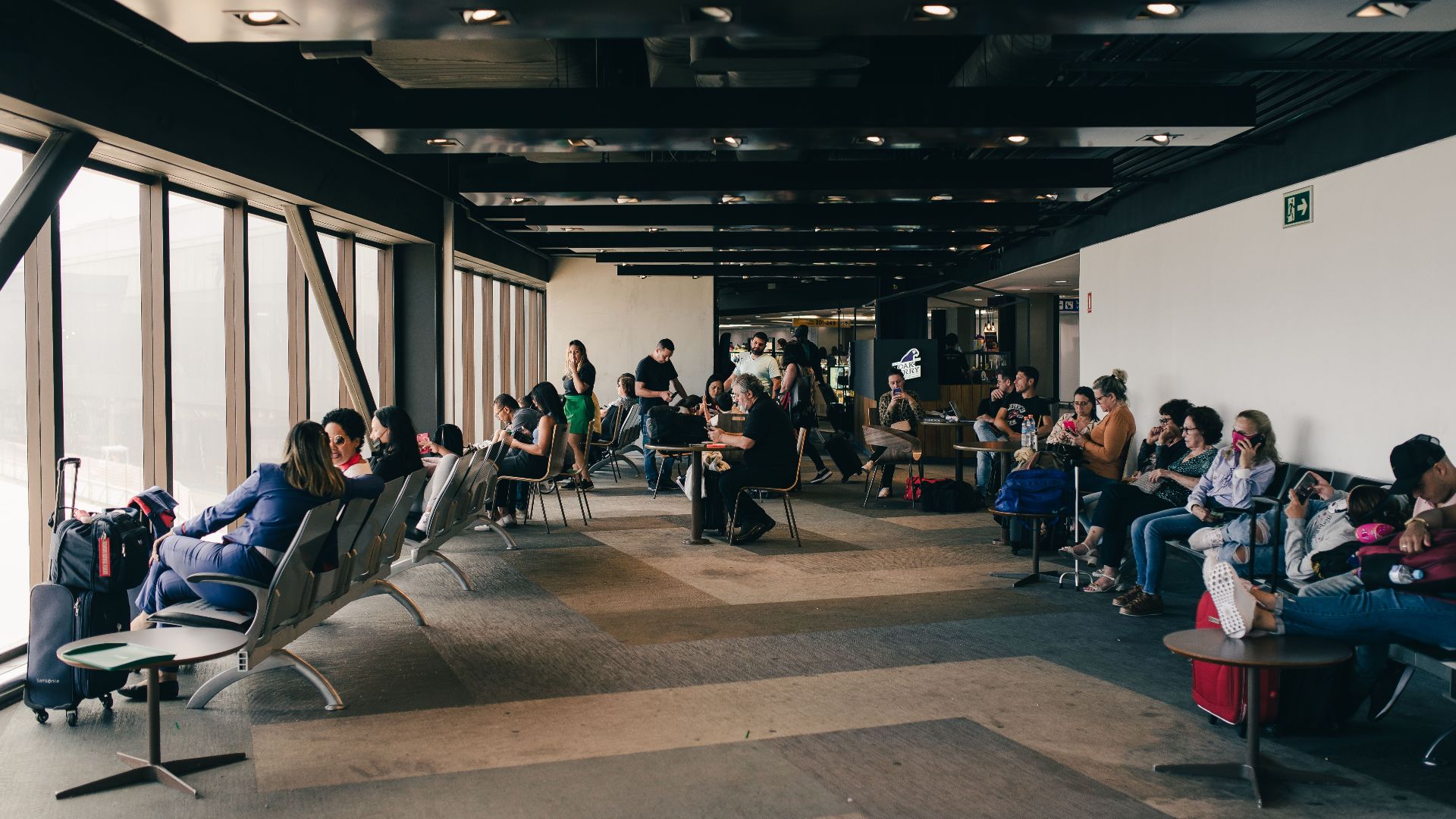
Airport Don't: Hold Up Security
Nobody enjoys waiting behind a traveler who starts unpacking prohibited items at the scanner. Security checkpoints work best when passengers arrive prepared. Familiarity with airport rules benefits everyone in line.
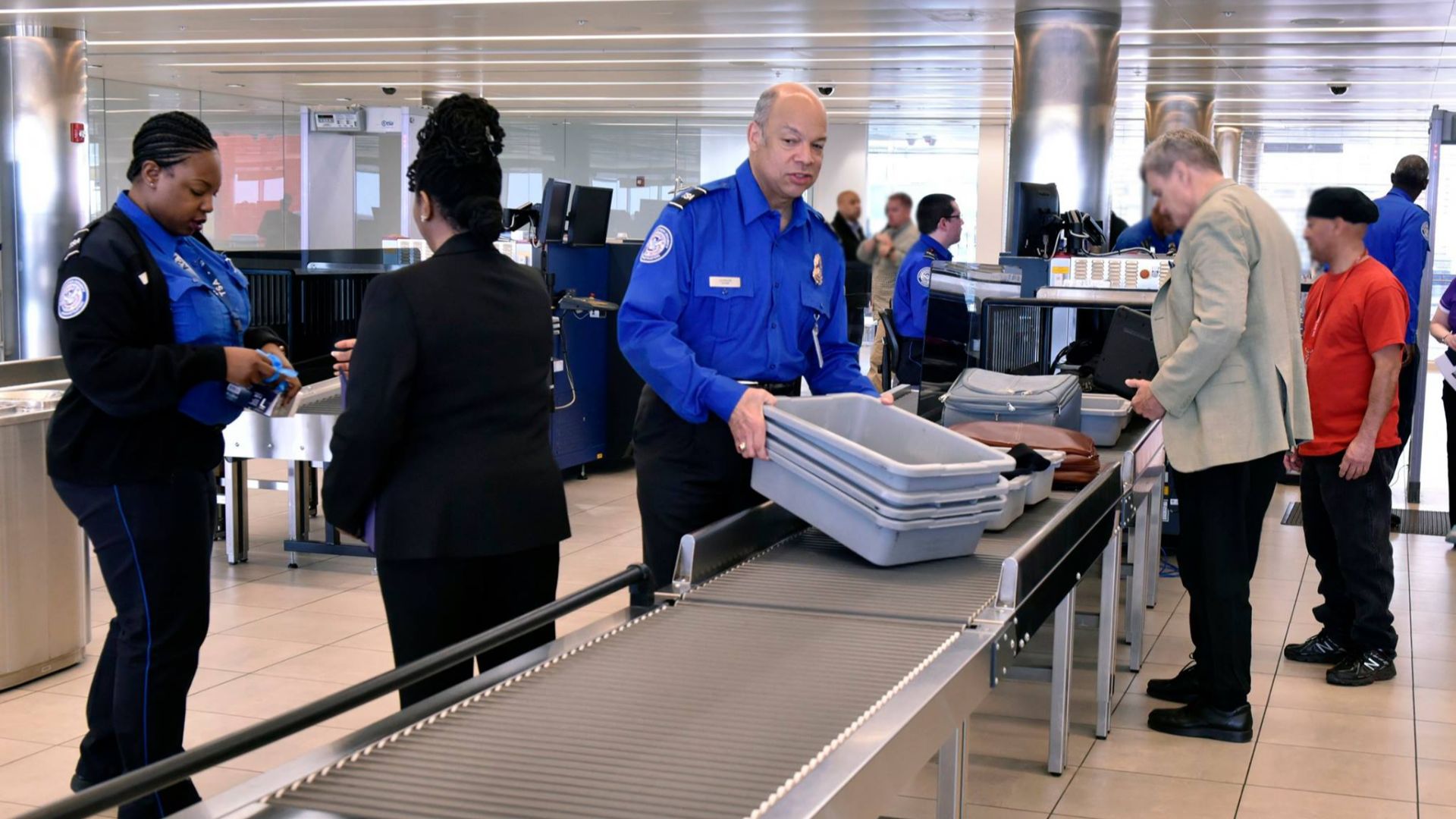 U.S. Department of Homeland Security (DHS), Wikimedia Commons
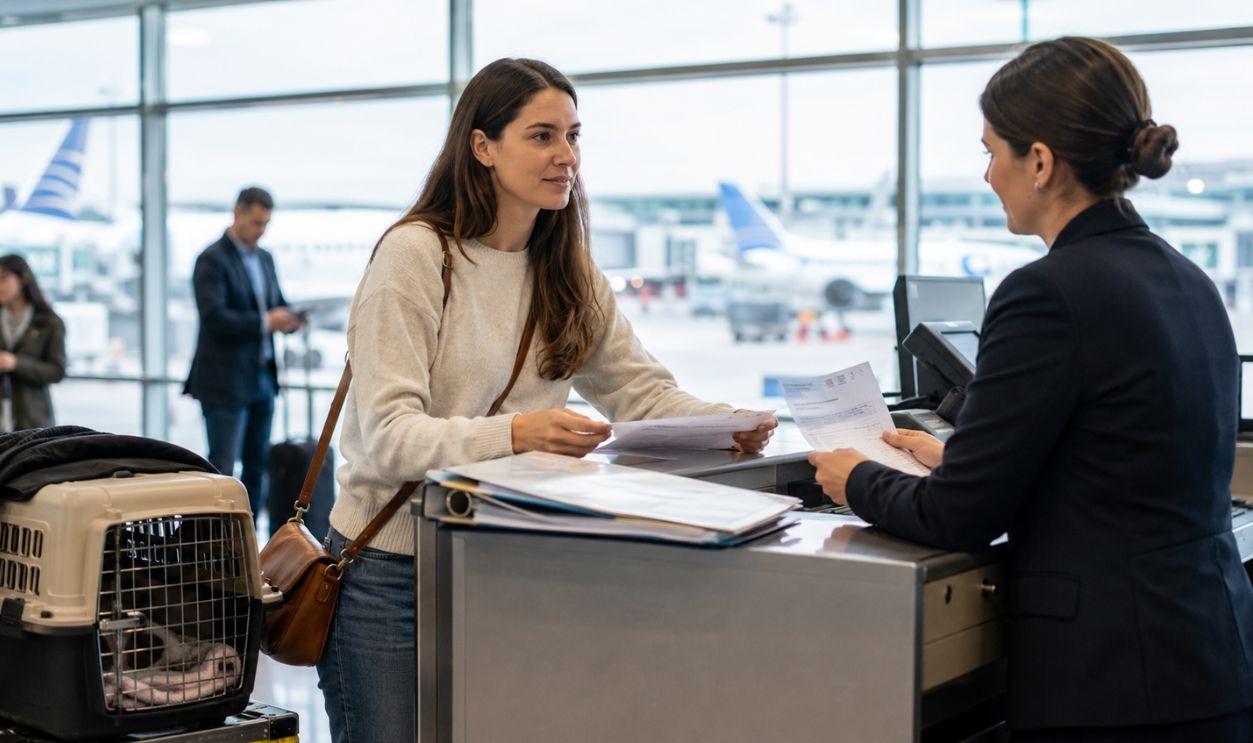
Airport Don't: Ignore Instructions
Whether directions come from security officers, gate agents, or airline staff, ignoring them creates confusion and delays. Airports function efficiently because travelers follow established procedures. Cooperation keeps operations moving.
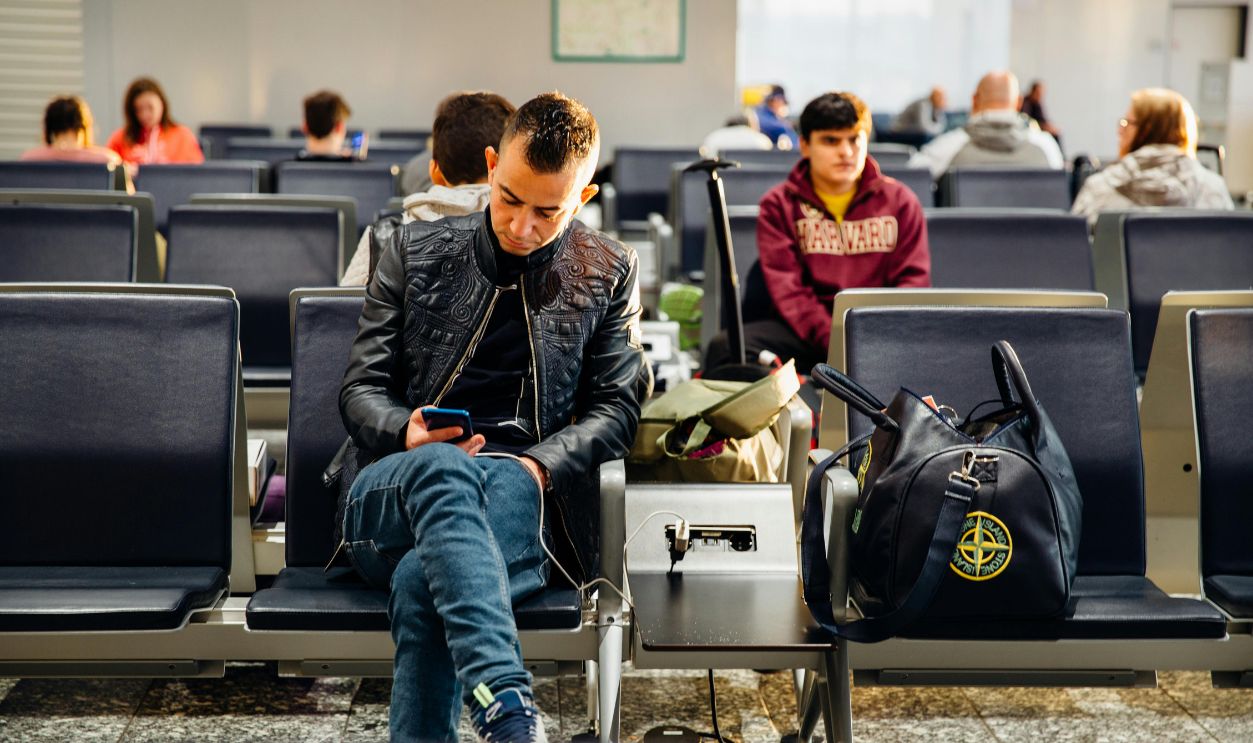
Airport Don't: Take Up Multiple Seats
Busy terminals can become crowded quickly. Spreading bags across several chairs while other passengers search for seating is inconsiderate. Shared spaces work best when everyone uses only what they need.
Airport Don't: Stop In The Middle Of Traffic
Airport corridors function like busy roads. Suddenly stopping in the middle of a walkway forces others to maneuver around you. Stepping aside before checking directions or messages is simple courtesy.
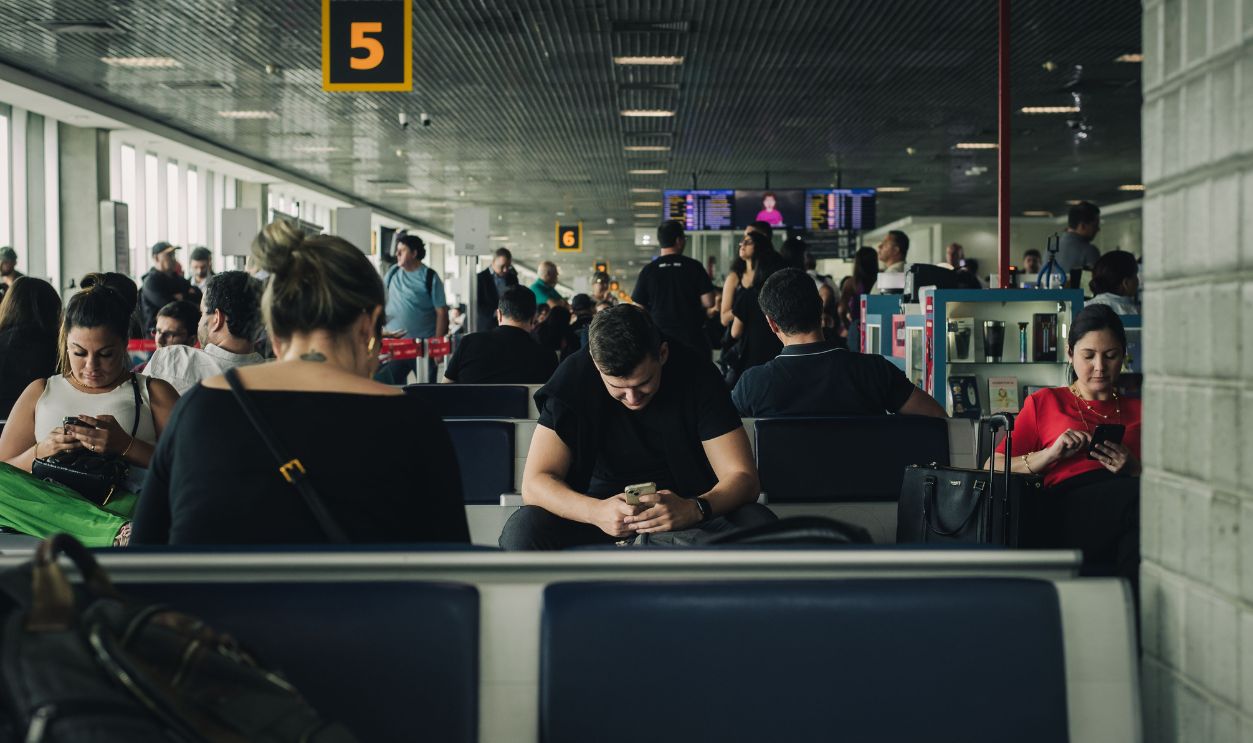
Airport Don't: Blast Audio
Videos, games, and phone calls should stay private. Airports are noisy enough without additional sound competing for attention. Headphones remain one of the most appreciated travel accessories.
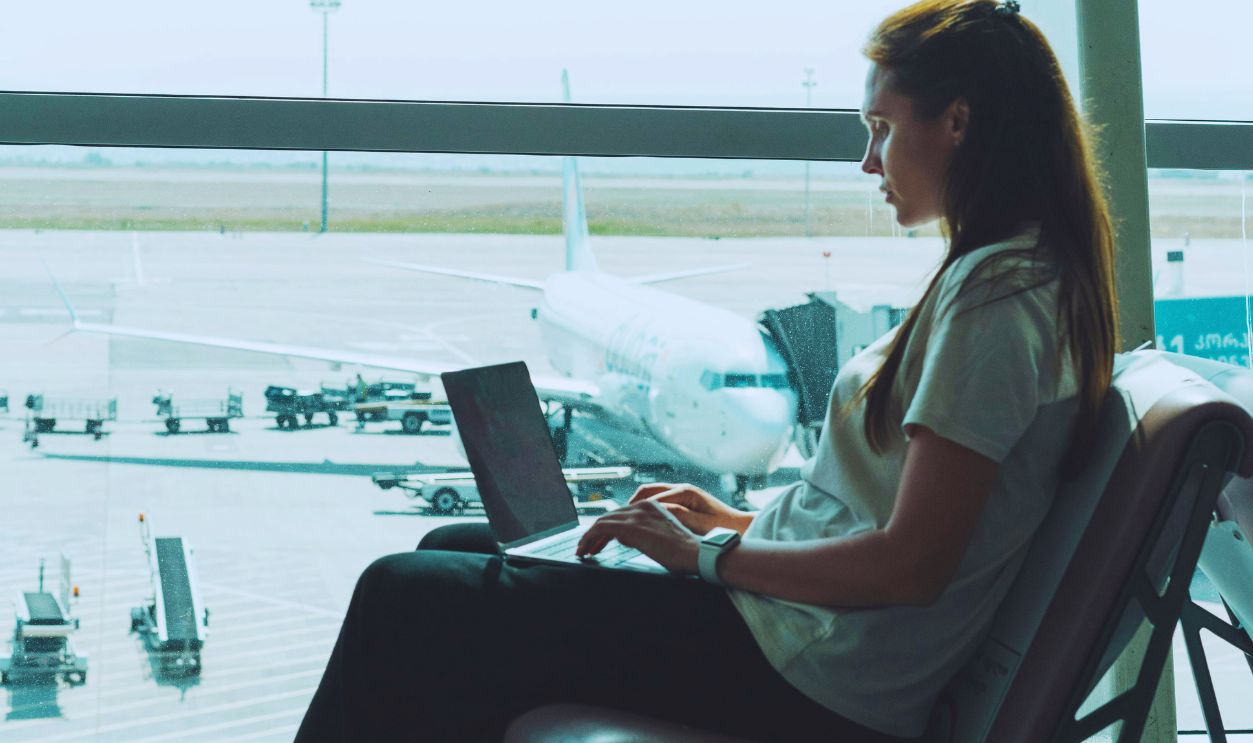
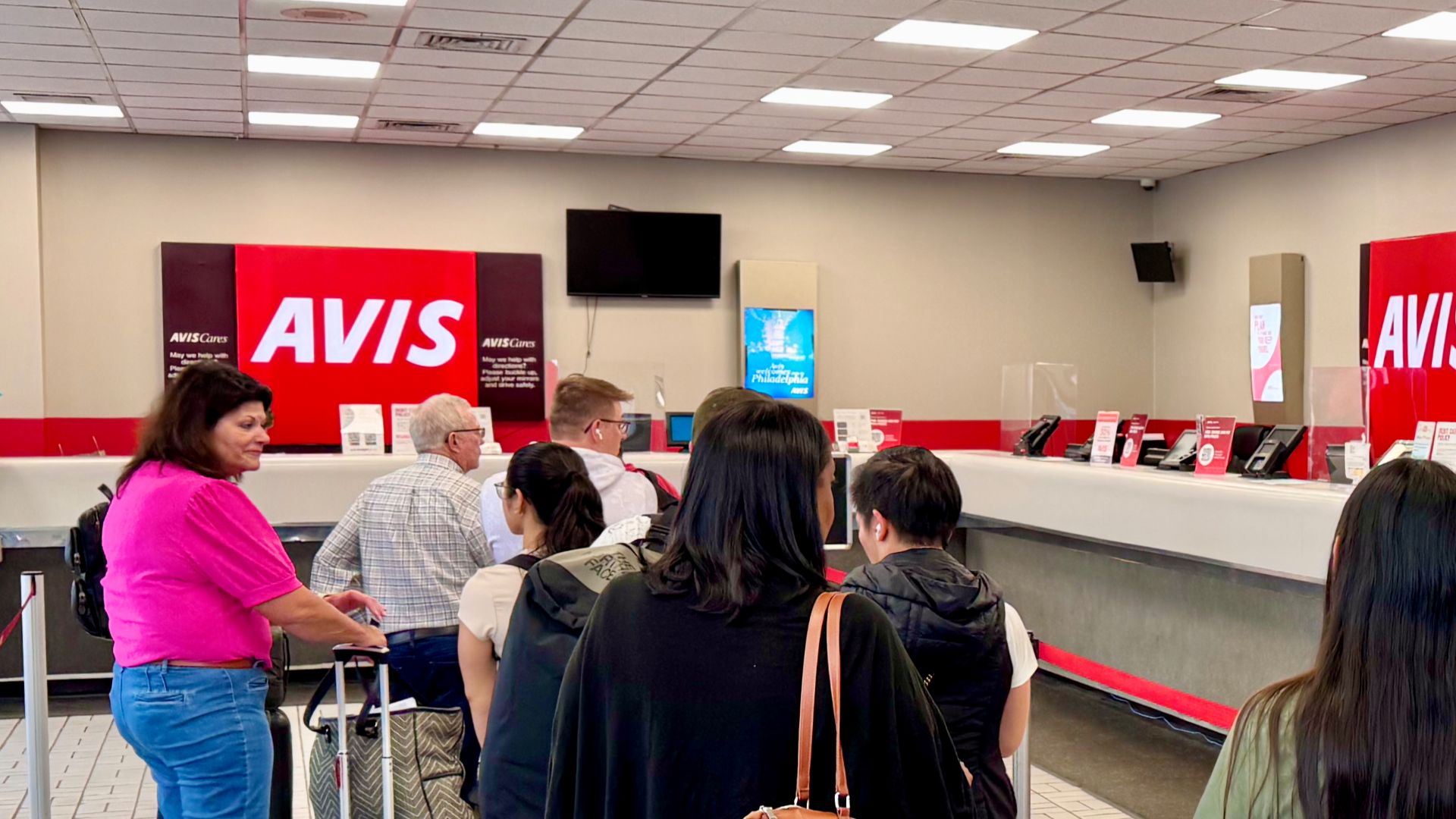
Airport Don't: Cut In Line
Whether at security, boarding, or concessions, line-cutting immediately frustrates everyone nearby. Most travelers have schedules and connections to catch. Respecting the queue helps maintain order.
 Harrison Keely, Wikimedia Commons
Airport Don't: Argue With Staff
Airline employees generally cannot control weather, air traffic control restrictions, or mechanical issues. Taking frustration out on staff rarely solves anything. Calm communication is far more effective.
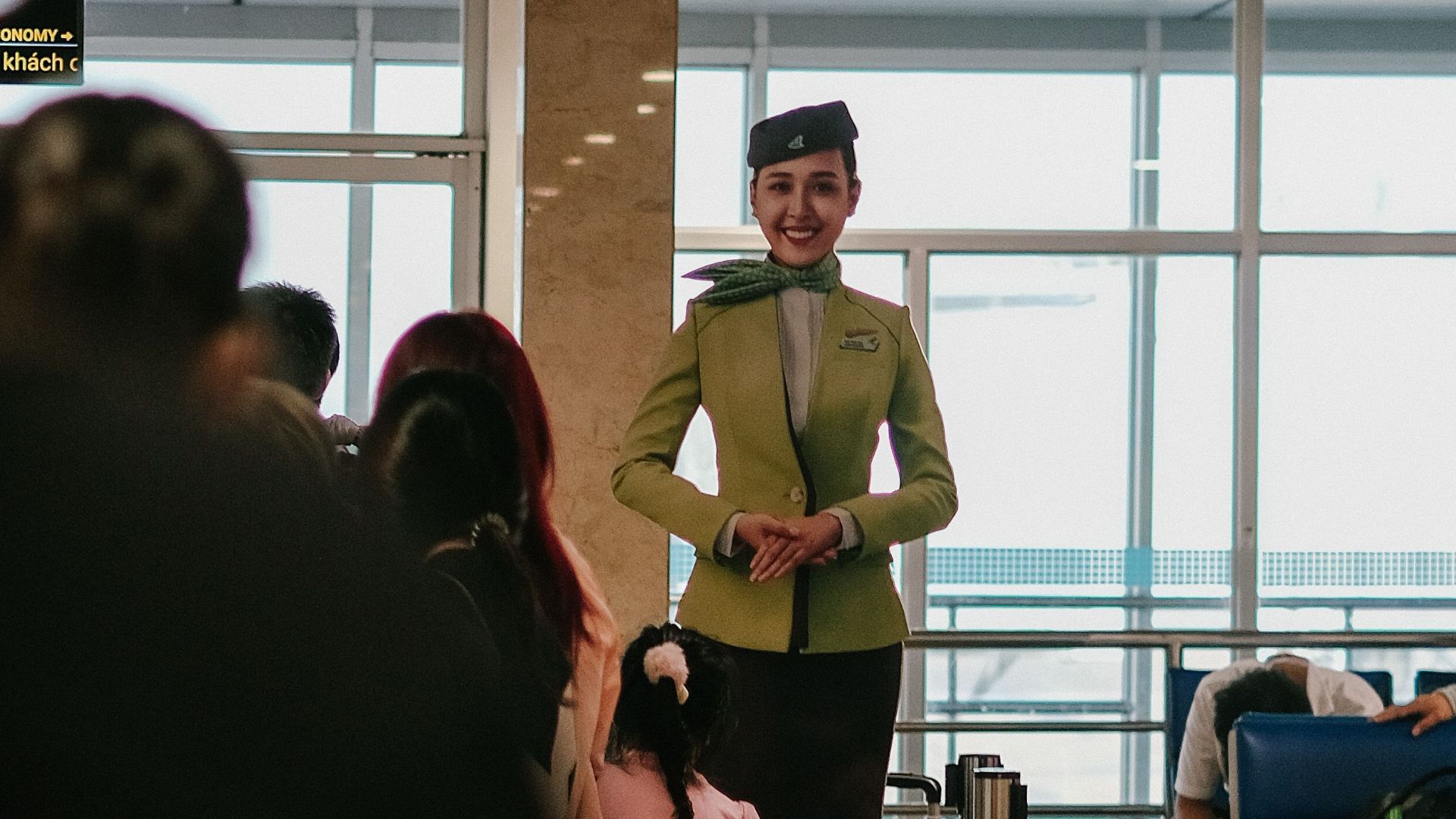
Airport Don't: Bring Oversized Carry-Ons
Trying to sneak an oversized bag through the gate often backfires. It can delay boarding and create headaches for other passengers. Following baggage guidelines helps avoid unnecessary complications.
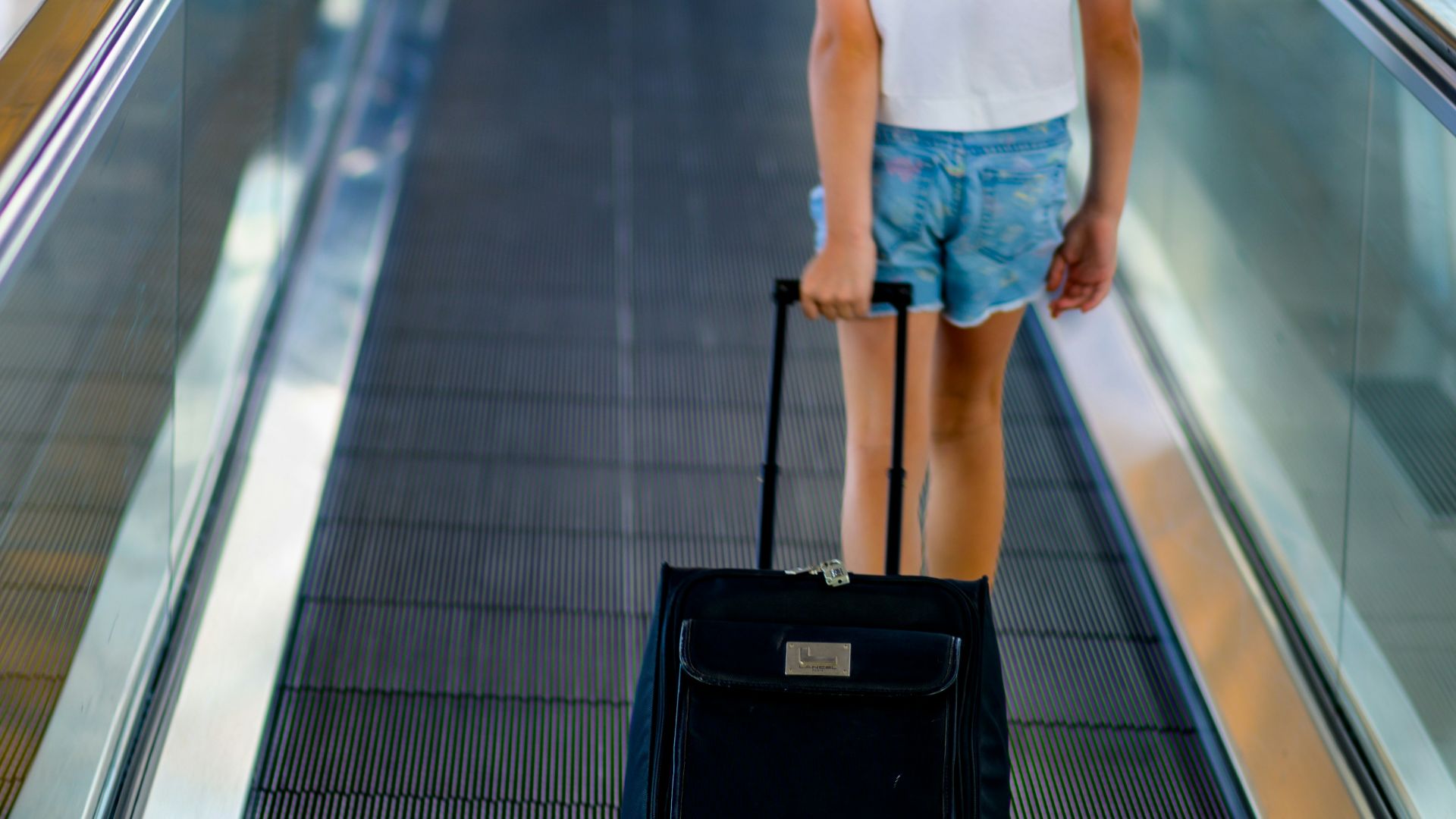 Philippe Murray-Pietsch, Unsplash
Airport Don't: Ignore Personal Space
Crowded airports make personal space more valuable than ever. Standing too close in lines or hovering over seated travelers can make people uncomfortable. A little distance goes a long way.
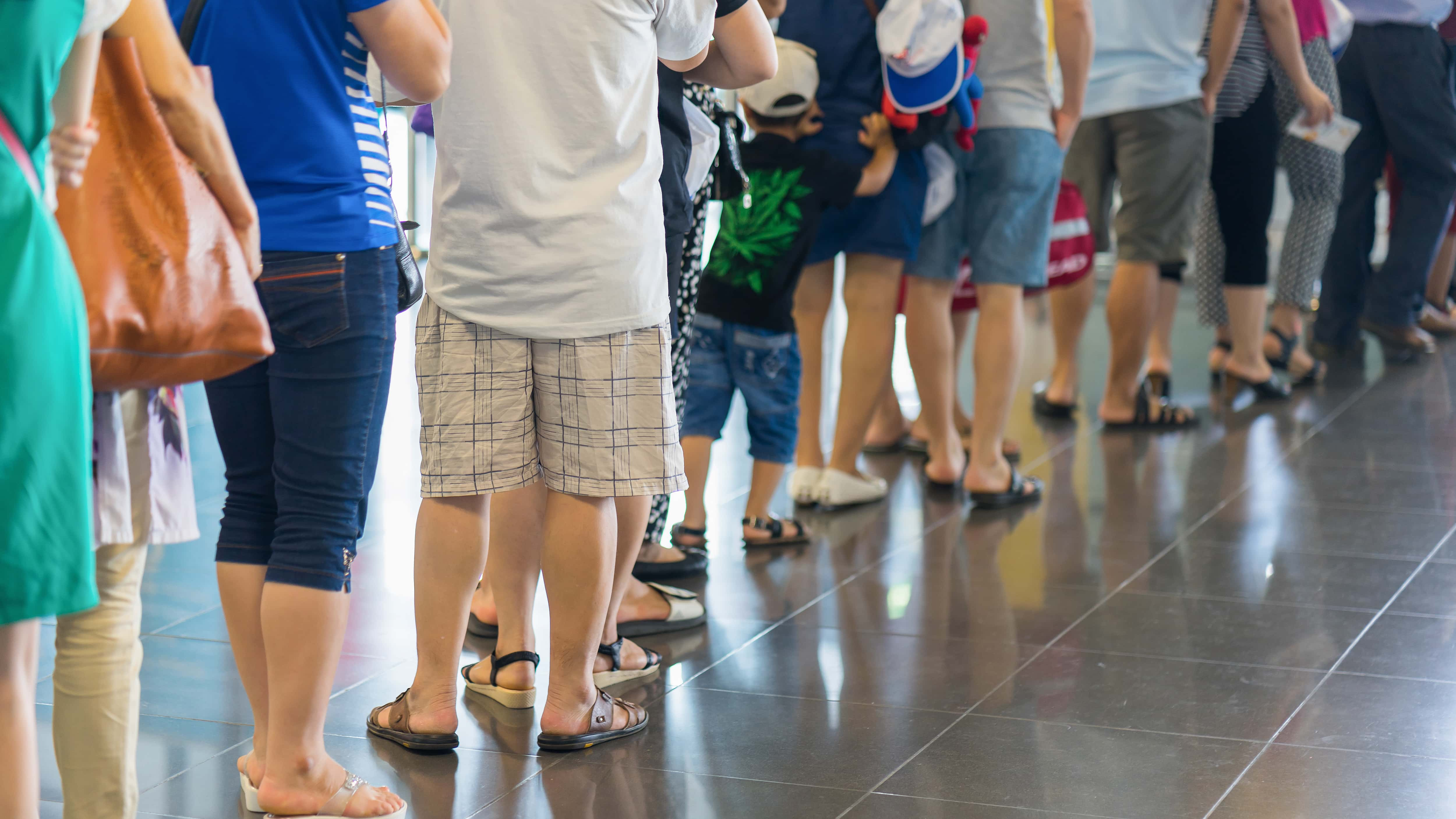 Vietnam Stock Images, Shutterstock
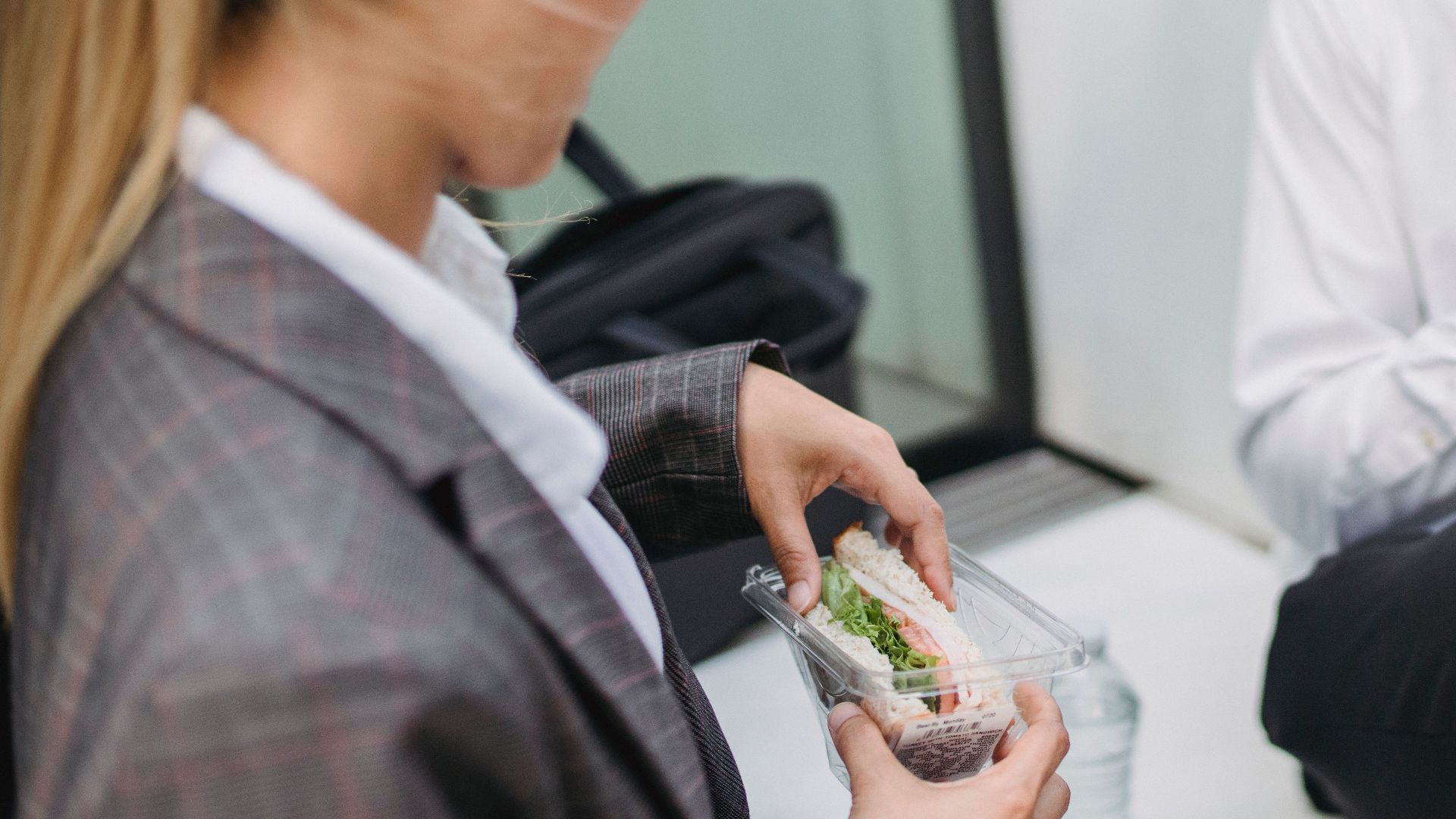
Airport Don't: Leave Trash Behind
Food wrappers, drink cups, and other garbage should end up in a bin, not on terminal seating. Airport staff already have enough responsibilities. Cleaning up after yourself is basic travel etiquette.
Airport Don't: Block Charging Stations
Power outlets are valuable real estate in modern airports. Once your device has enough battery, consider making room for someone else. Shared resources work best when everyone uses them fairly.

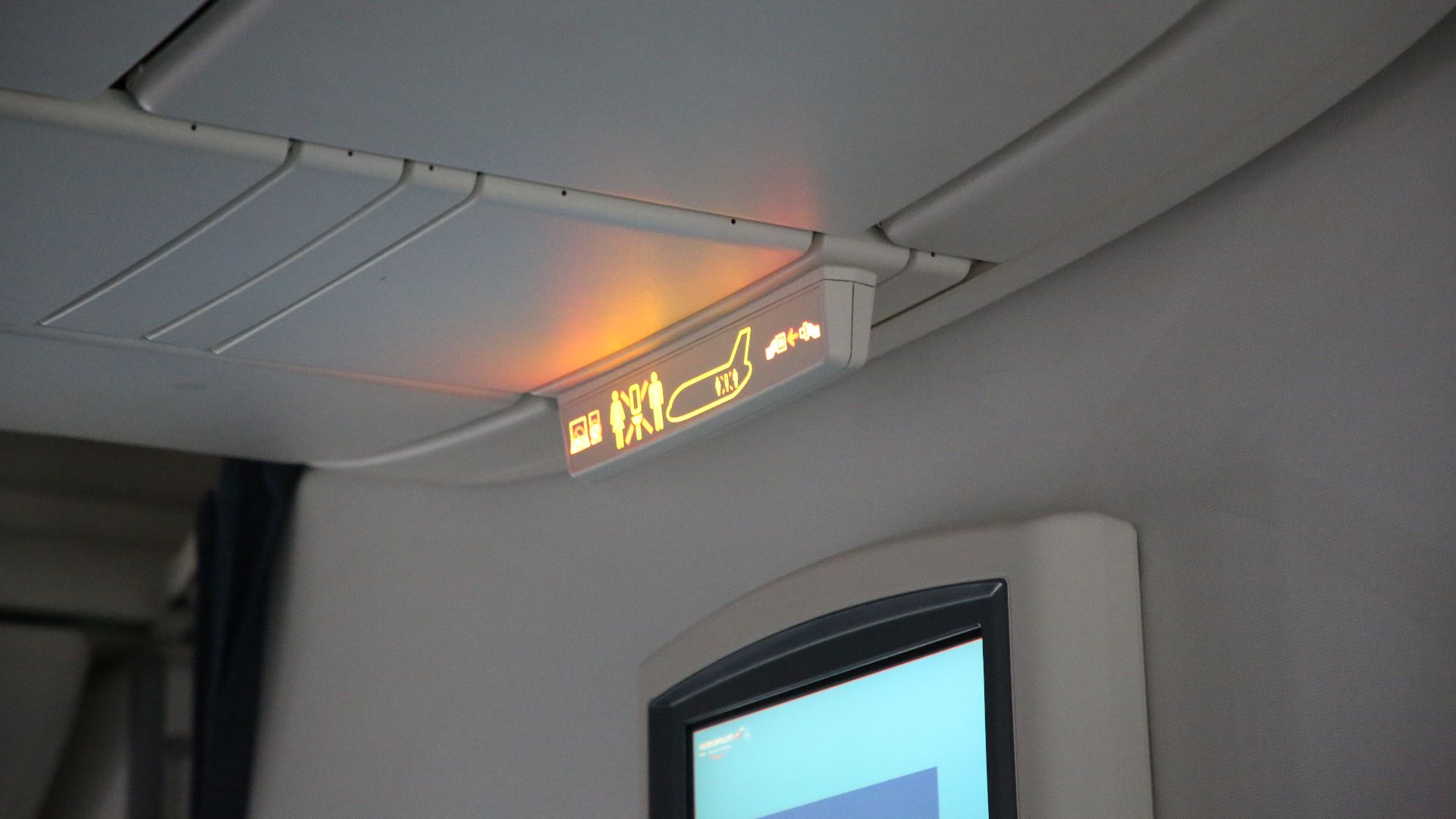
Airplane Do: Store Bags Efficiently
Overhead bin space is shared by the entire cabin. Placing larger bags properly and keeping personal items under the seat when appropriate helps maximize available space. Efficient packing benefits everyone onboard.
 Andrey Filippov 安德烈 from Moscow, Russia, Wikimedia Commons
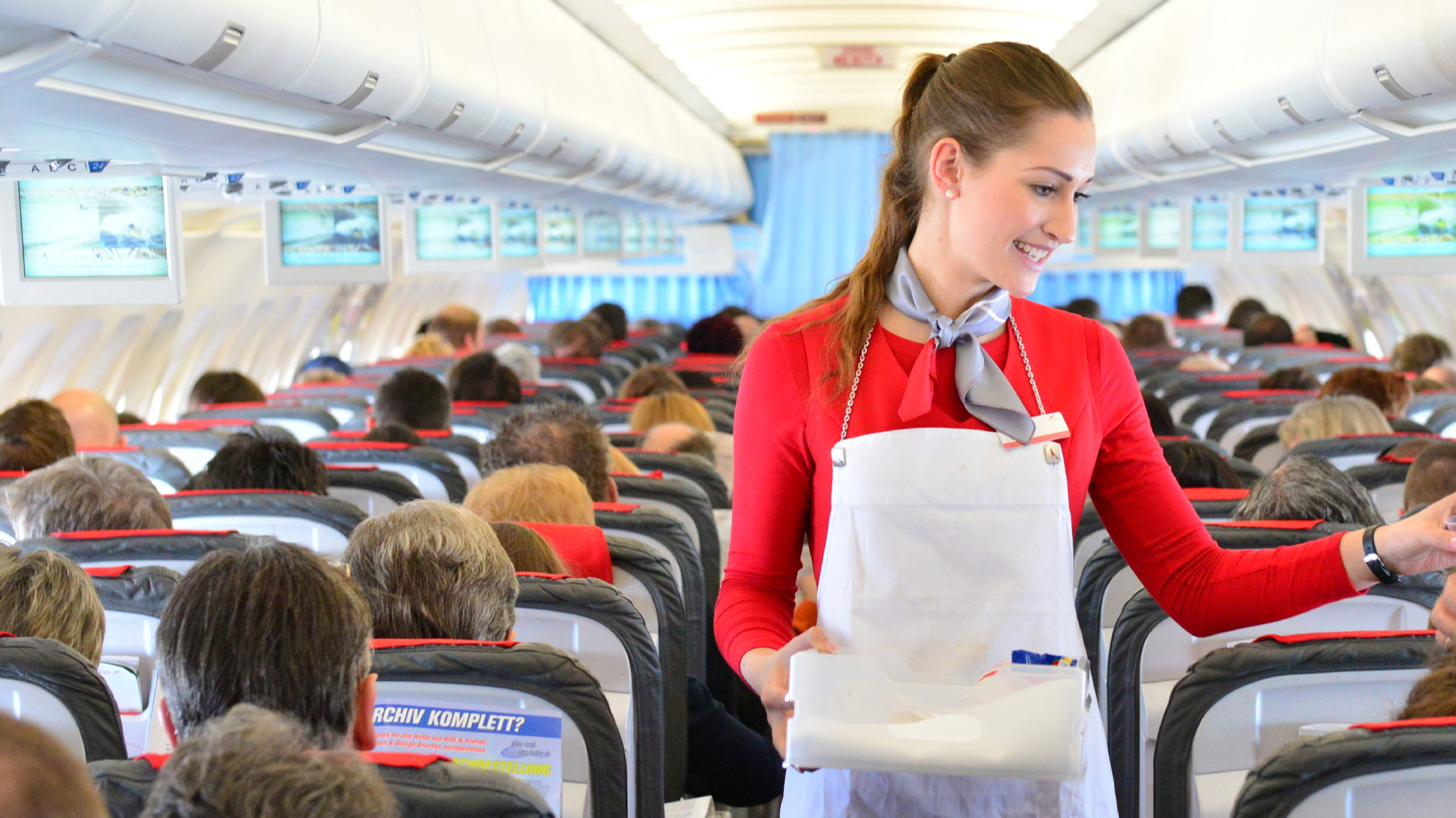
Airplane Do: Follow Crew Instructions
Flight attendants are safety professionals first. Their instructions are based on regulations and operational requirements. Listening carefully helps ensure a safe flight for all passengers.
 Austrian Airlines, CC BY-SA 2.0, Wikimedia Commons
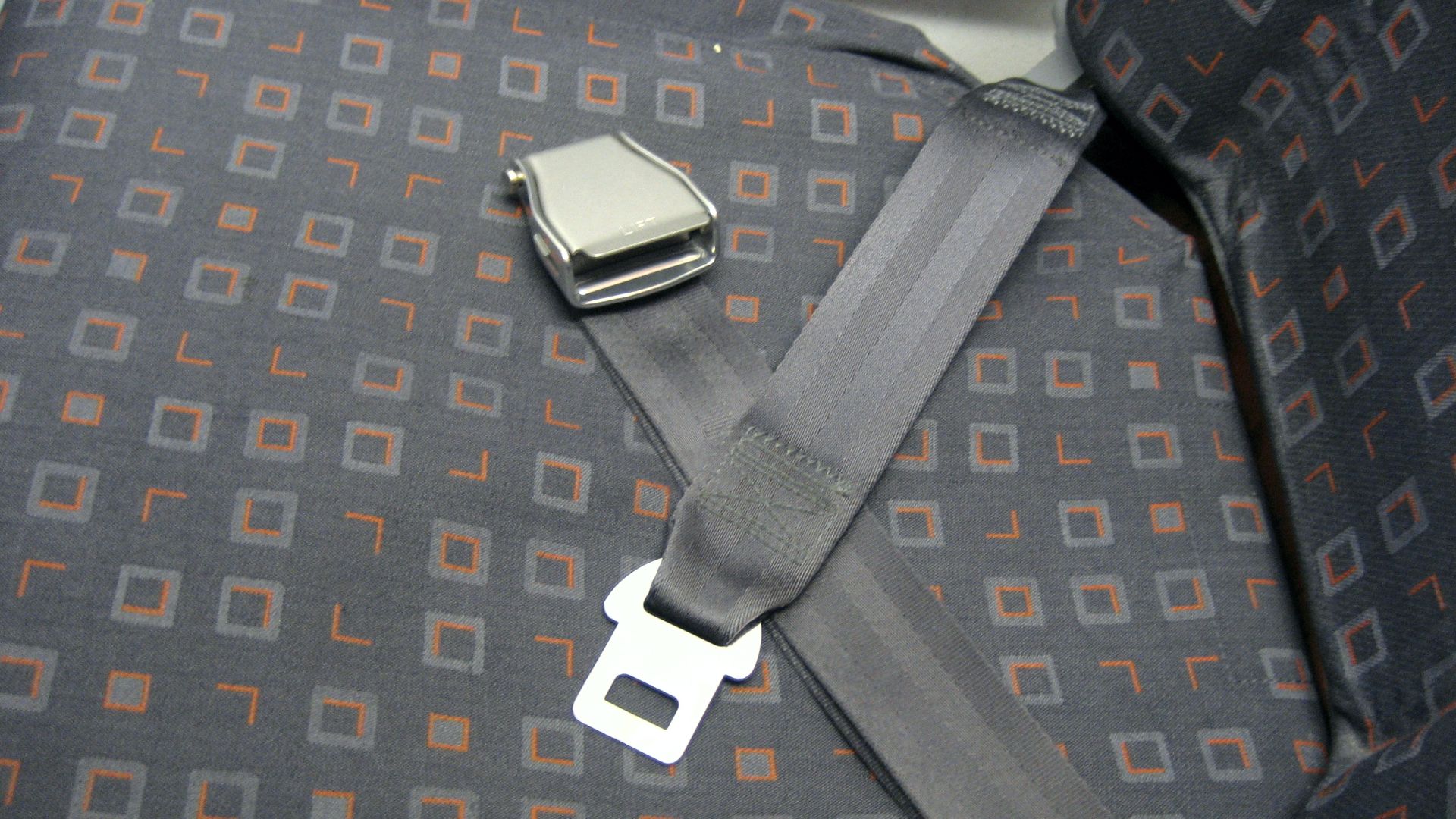
Airplane Do: Keep Your Seat Belt Fastened
Even when conditions seem smooth, unexpected turbulence can occur. Aviation authorities recommend keeping your seat belt fastened whenever seated. It is one of the simplest ways to stay safe during a flight.
 Christopher Doyle from Horley, United Kingdom, Wikimedia Commons
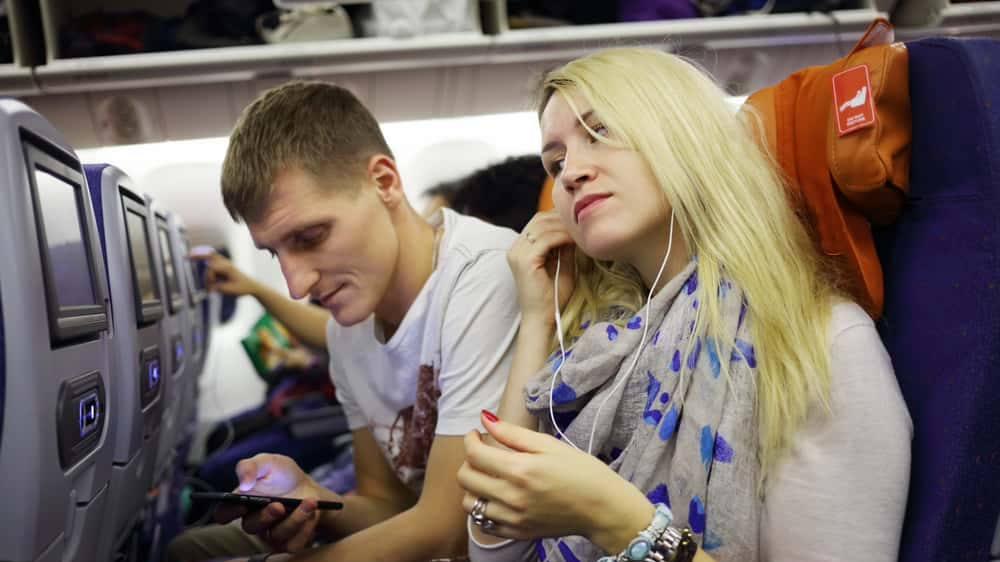
Airplane Do: Use Headphones
Entertainment is a personal experience. Whether you are watching a movie, listening to music, or scrolling through videos, headphones help maintain a peaceful cabin environment. Your neighbors will appreciate the consideration.
 Pavel L Photo and Video, Shutterstock
Airplane Do: Stay Hydrated
Aircraft cabins have very low humidity levels. Drinking water throughout the flight can help reduce dehydration and improve comfort. This becomes especially important on longer journeys.

Airplane Do: Be Polite To Flight Attendants
Courtesy matters at 35,000 feet just as much as it does on the ground. A simple thank you can make interactions more pleasant for everyone involved. Respectful passengers often receive better service as well.
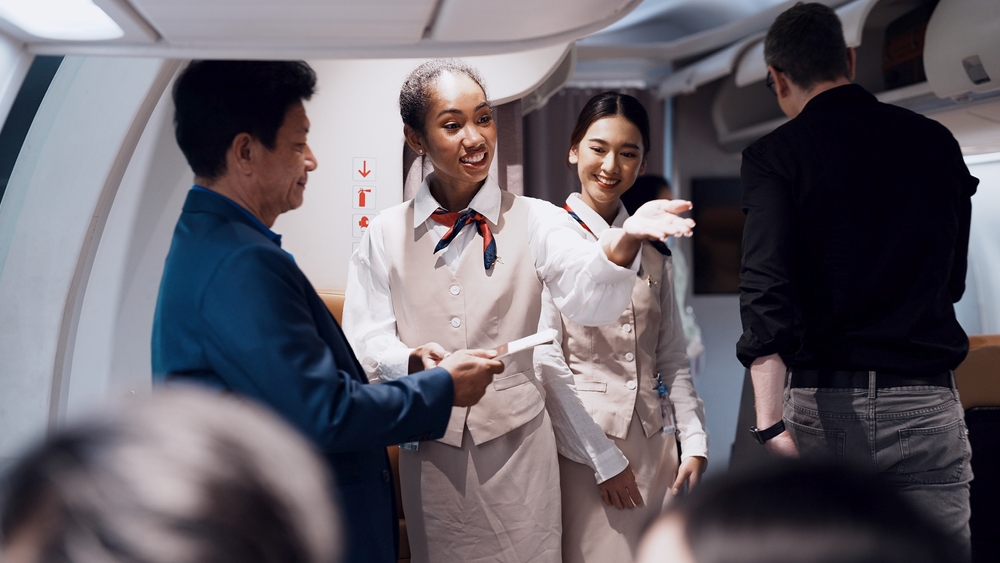
Airplane Do: Share Space Fairly
Air travel requires compromise. Being mindful of armrests, legroom, and shared spaces helps reduce tension between seatmates. Small gestures can significantly improve the flight experience.
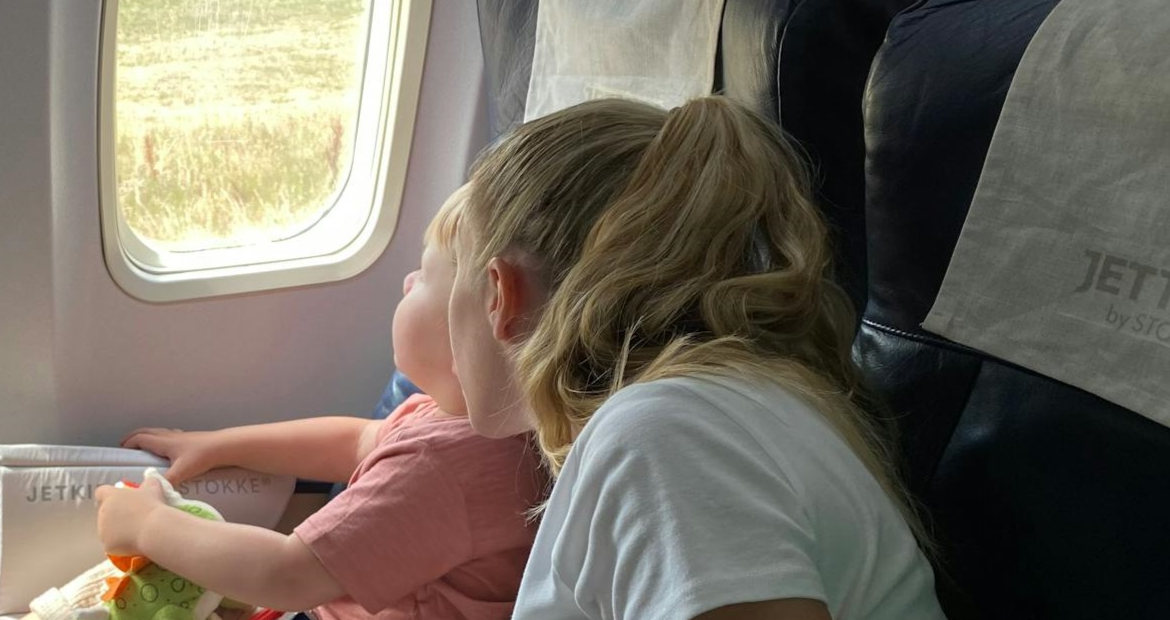
Airplane Do: Cover Coughs And Sneezes
Good hygiene remains important in crowded environments. Covering coughs and sneezes and practicing proper hand hygiene helps reduce the spread of illness. Fellow passengers will appreciate the effort.
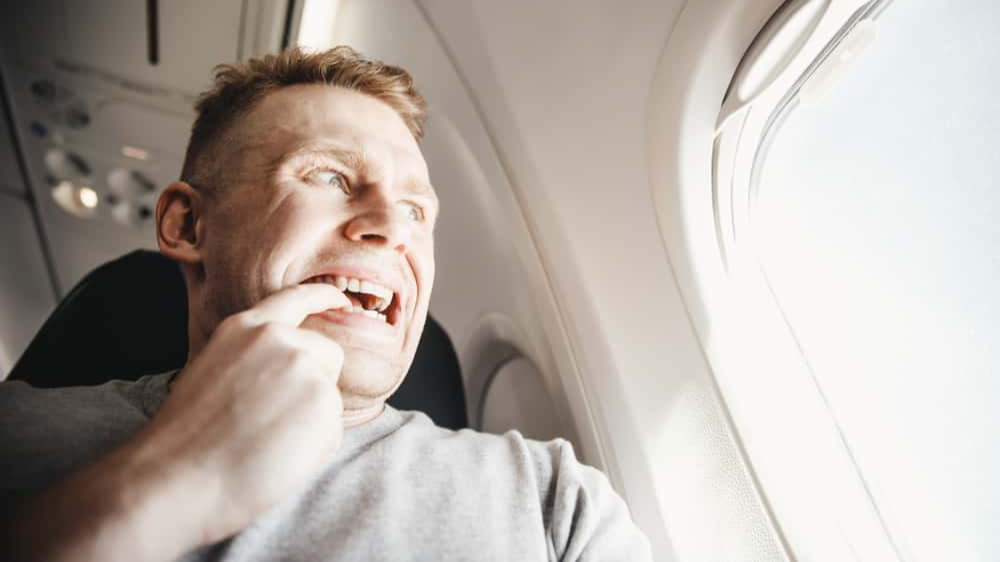
Airplane Do: Ask Before Changing Seats
An empty seat does not automatically mean it is available. Crew members may need passengers to remain in assigned areas for operational reasons. Asking first prevents misunderstandings.
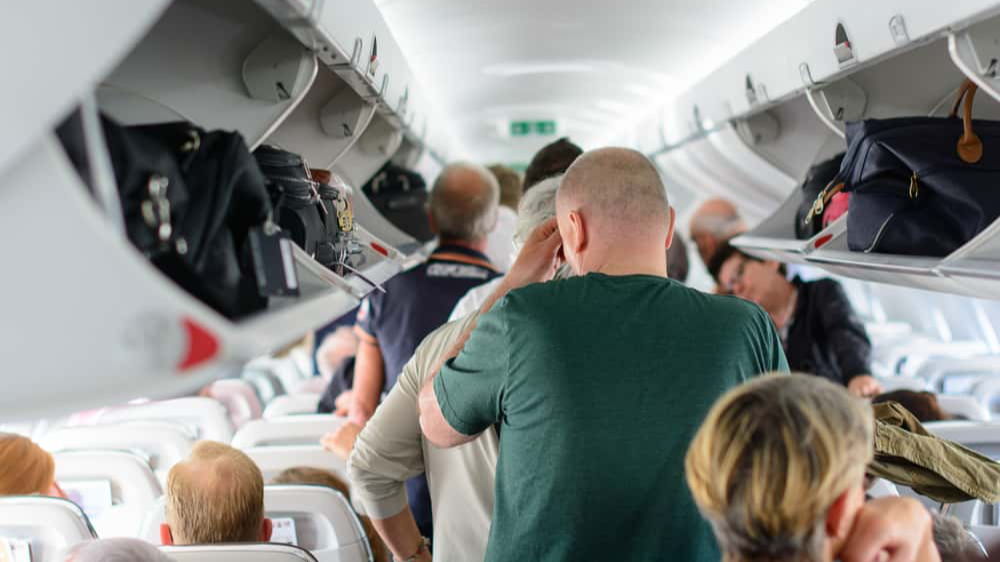
Airplane Do: Be Patient During Deplaning
The fastest way off the plane is usually the orderly way. Allowing rows ahead of you to exit first keeps traffic flowing smoothly. Everyone reaches the terminal sooner when passengers cooperate.
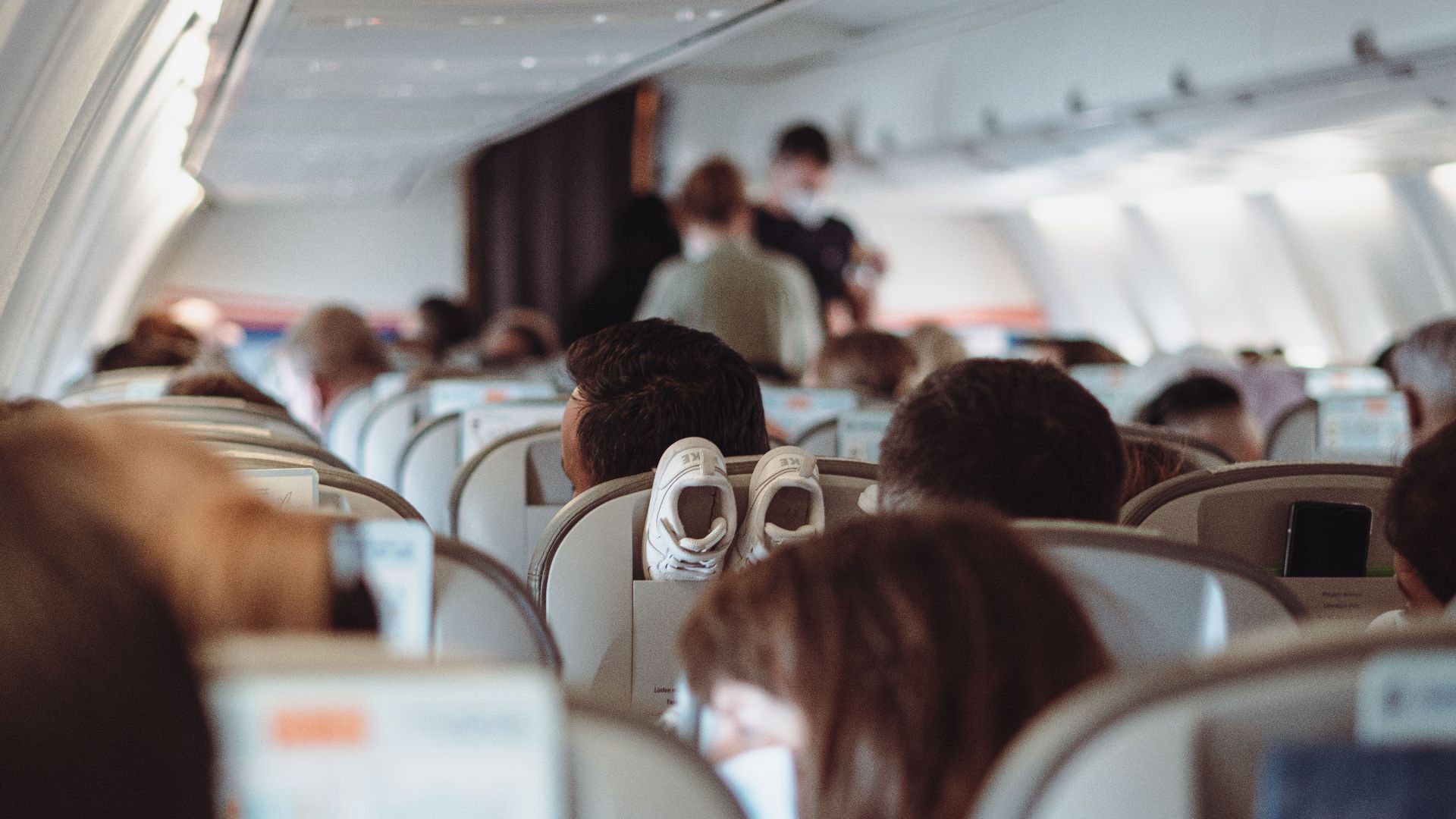
Airplane Do: Keep The Lavatory Clean
The lavatory is one of the most heavily used spaces onboard. Leaving it tidy shows respect for fellow passengers and crew. A few seconds of consideration can make a big difference.
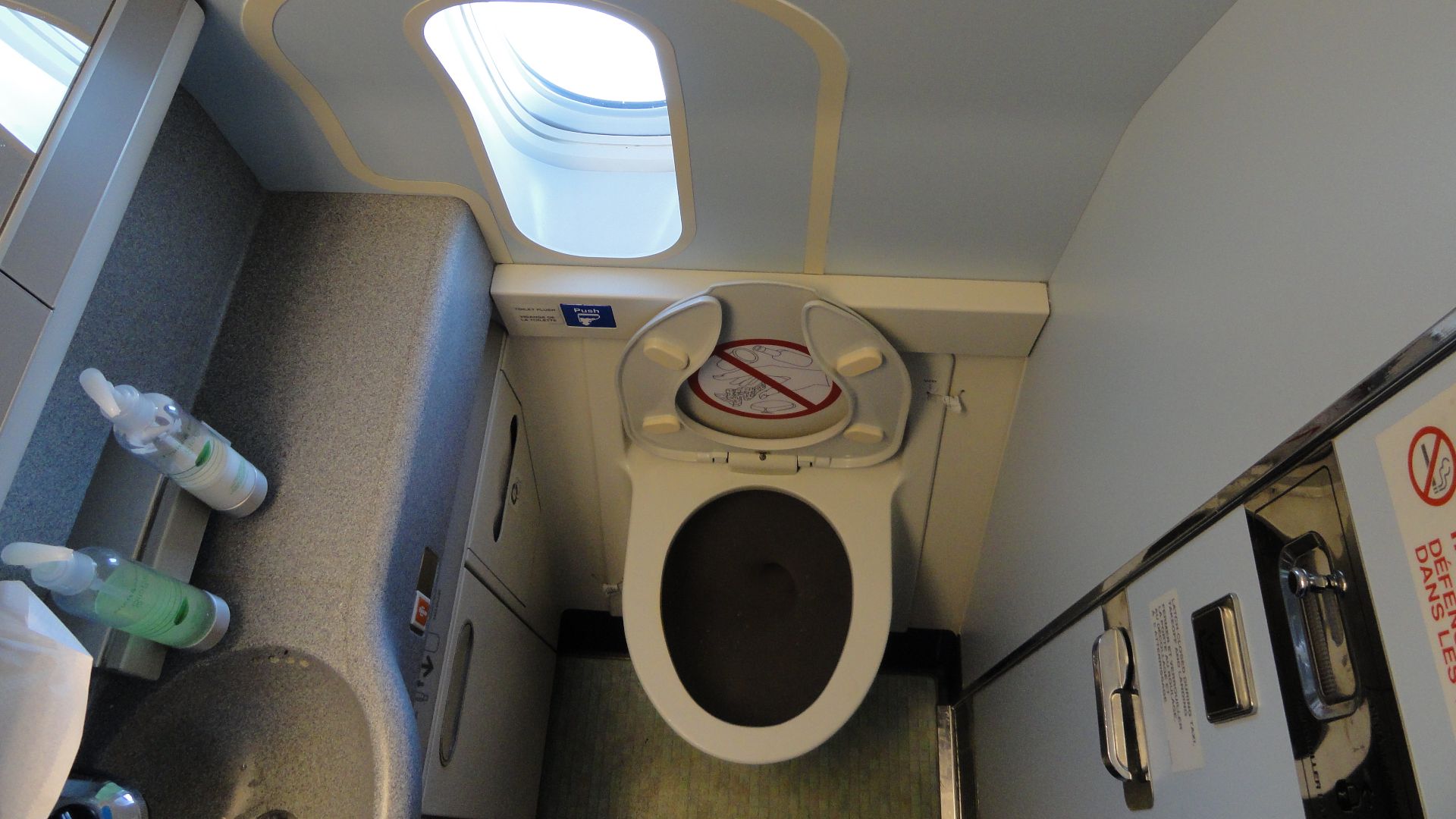
Airplane Don't: Recline Abruptly
Most passengers accept that seats recline. What they dislike is having a seat slammed backward without warning. Reclining slowly gives the person behind you a chance to adjust.
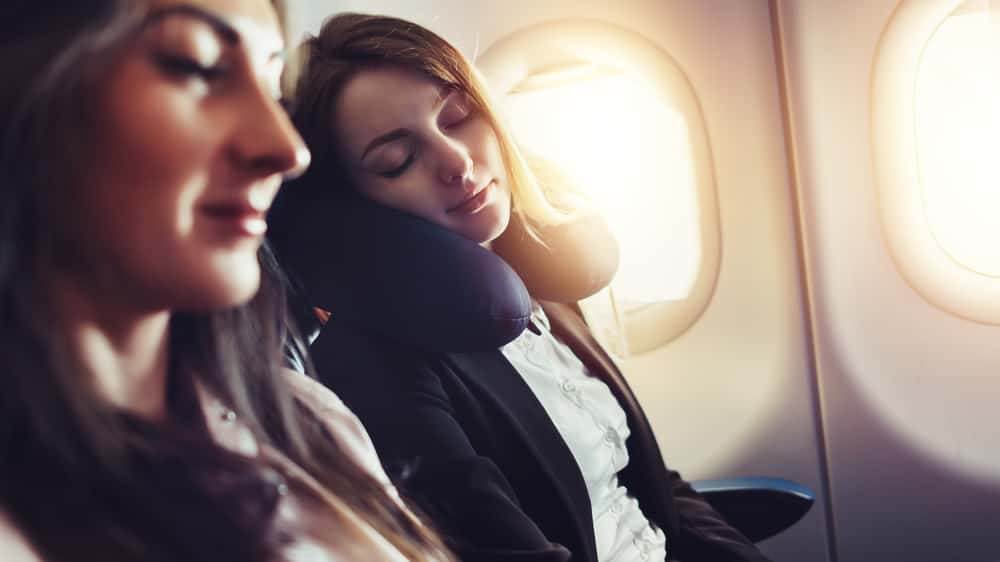
Airplane Don't: Take Over The Overhead Bin
Overhead storage belongs to the cabin, not to individual passengers. Filling a bin with coats, backpacks, and shopping bags can prevent others from storing essential luggage. Shared space requires shared consideration.
 SuperJet International, Wikimedia Commons
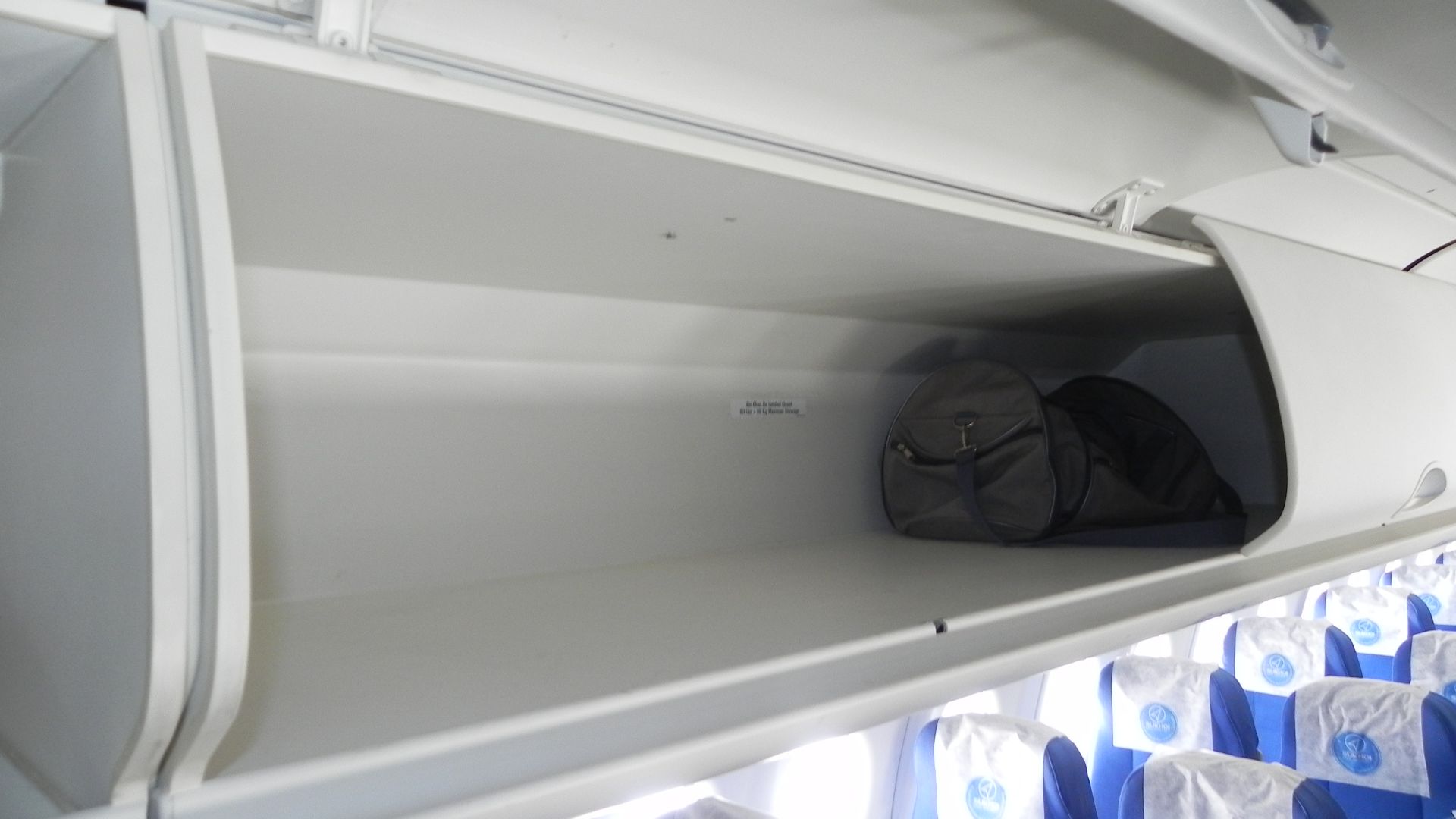
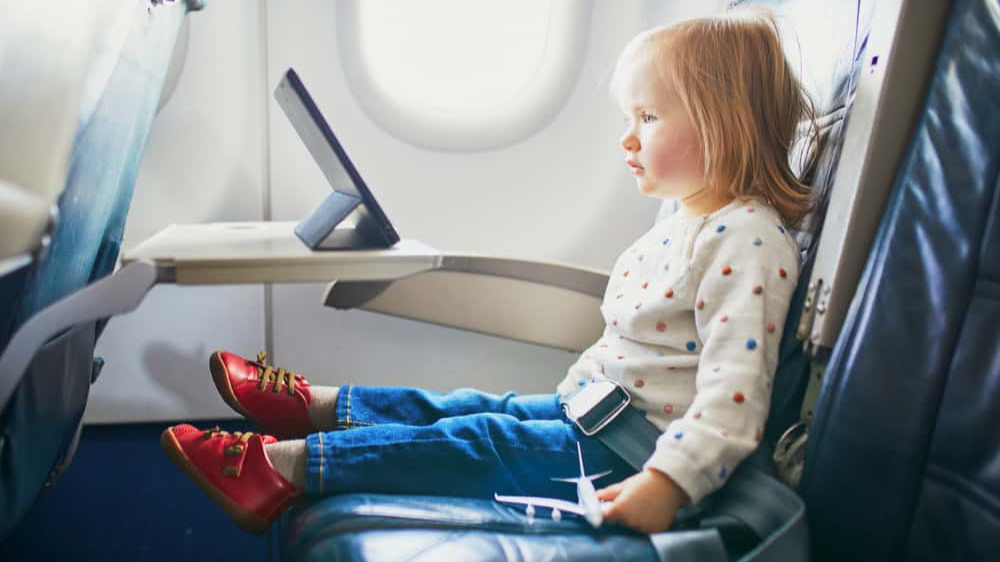
Airplane Don't: Put Your Feet Everywhere
Few behaviors generate more complaints than feet on armrests, walls, or seats. Your seating area should remain your seating area. Keeping your feet to yourself is one of the simplest etiquette rules.
 Ekaterina Pokrovsky, Shutterstock
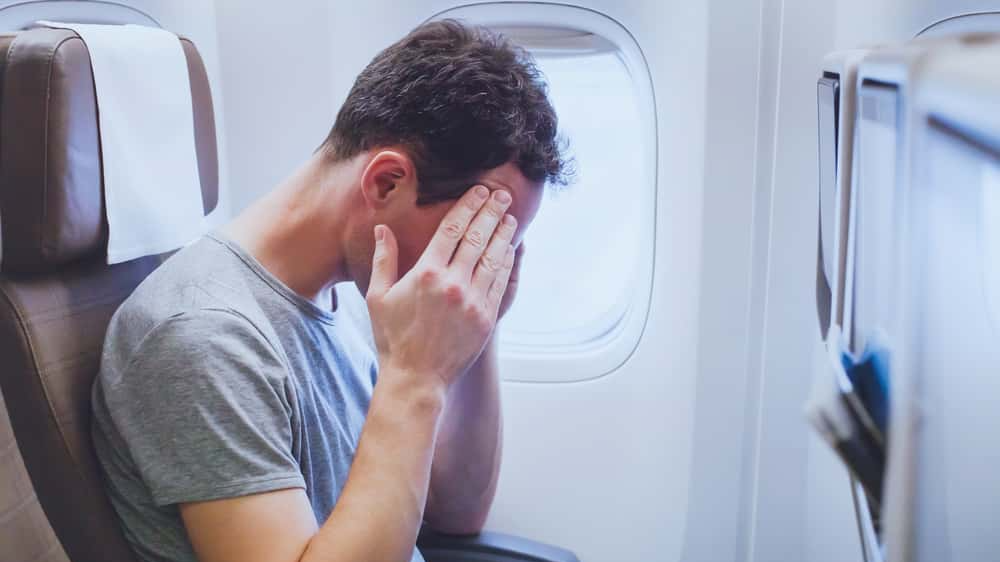
Airplane Don't: Play Audio Out Loud
Nobody wants to hear your movie, music, or social media feed. Personal entertainment should stay personal. Headphones remain the universal solution.
 Song_about_summer, Shutterstock
Airplane Don't: Kick Seats
Repeated seat kicking can turn a peaceful flight into an uncomfortable experience. This rule applies to both adults and children. Being mindful of movement helps everyone relax.
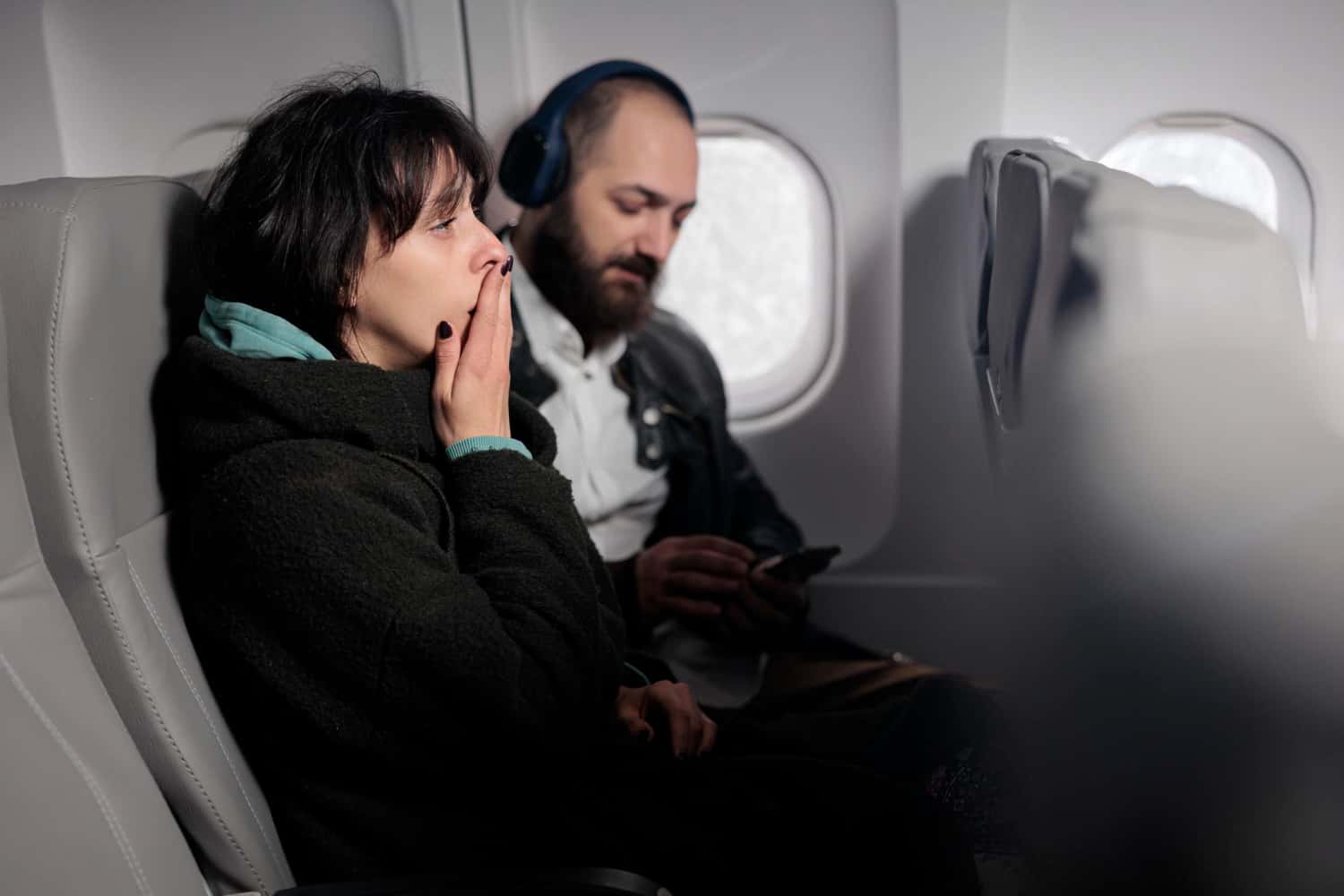
Airplane Don't: Use Strong Fragrances
Airplane cabins are enclosed spaces where smells linger. Heavy perfumes and strongly scented products can bother nearby passengers. Less is usually more when flying.
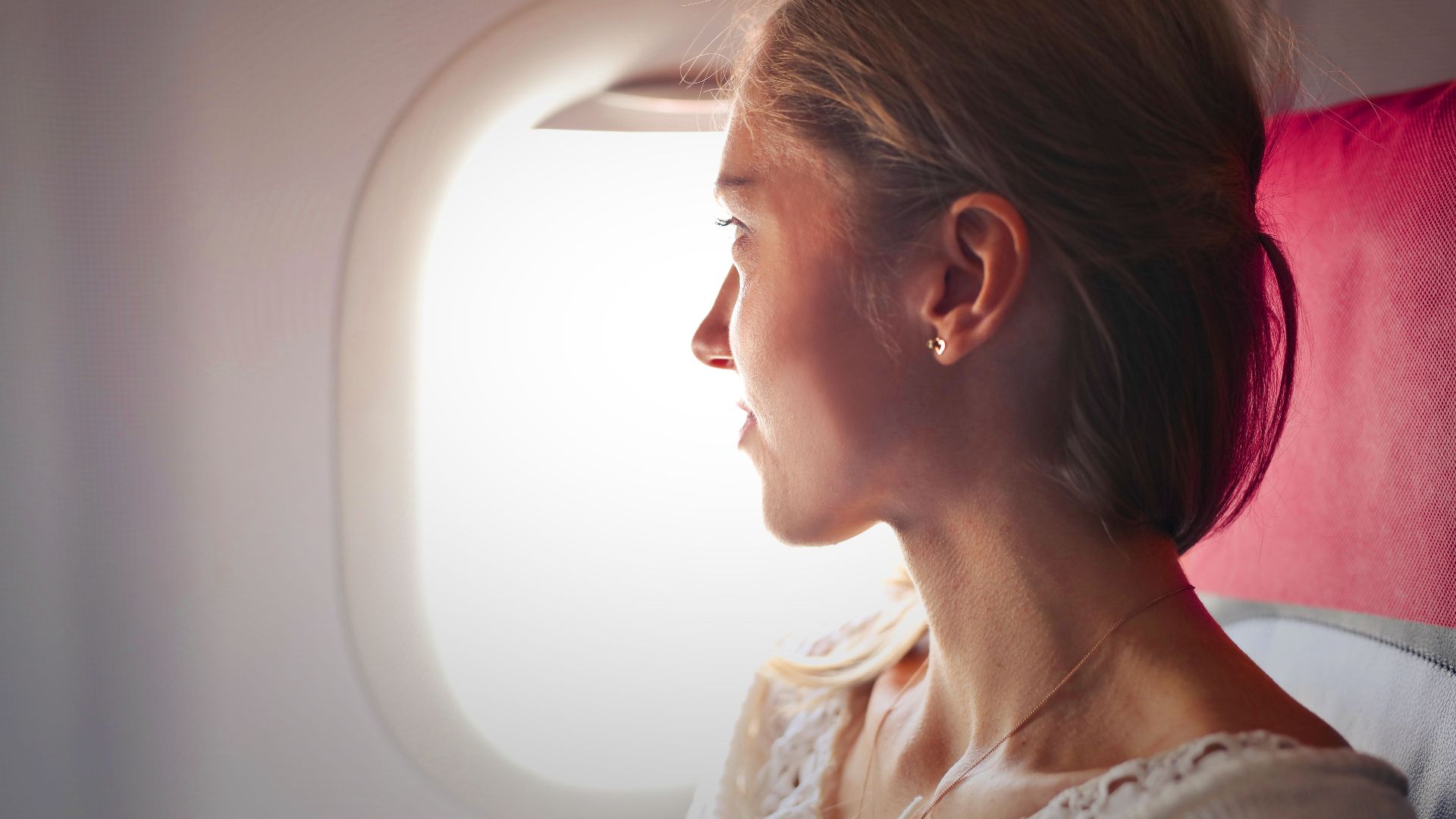
Airplane Don't: Bring Pungent Food
Strong food odors travel quickly through the cabin. Foods with intense smells can affect dozens of passengers at once. Choosing neutral snacks is generally the safer option.
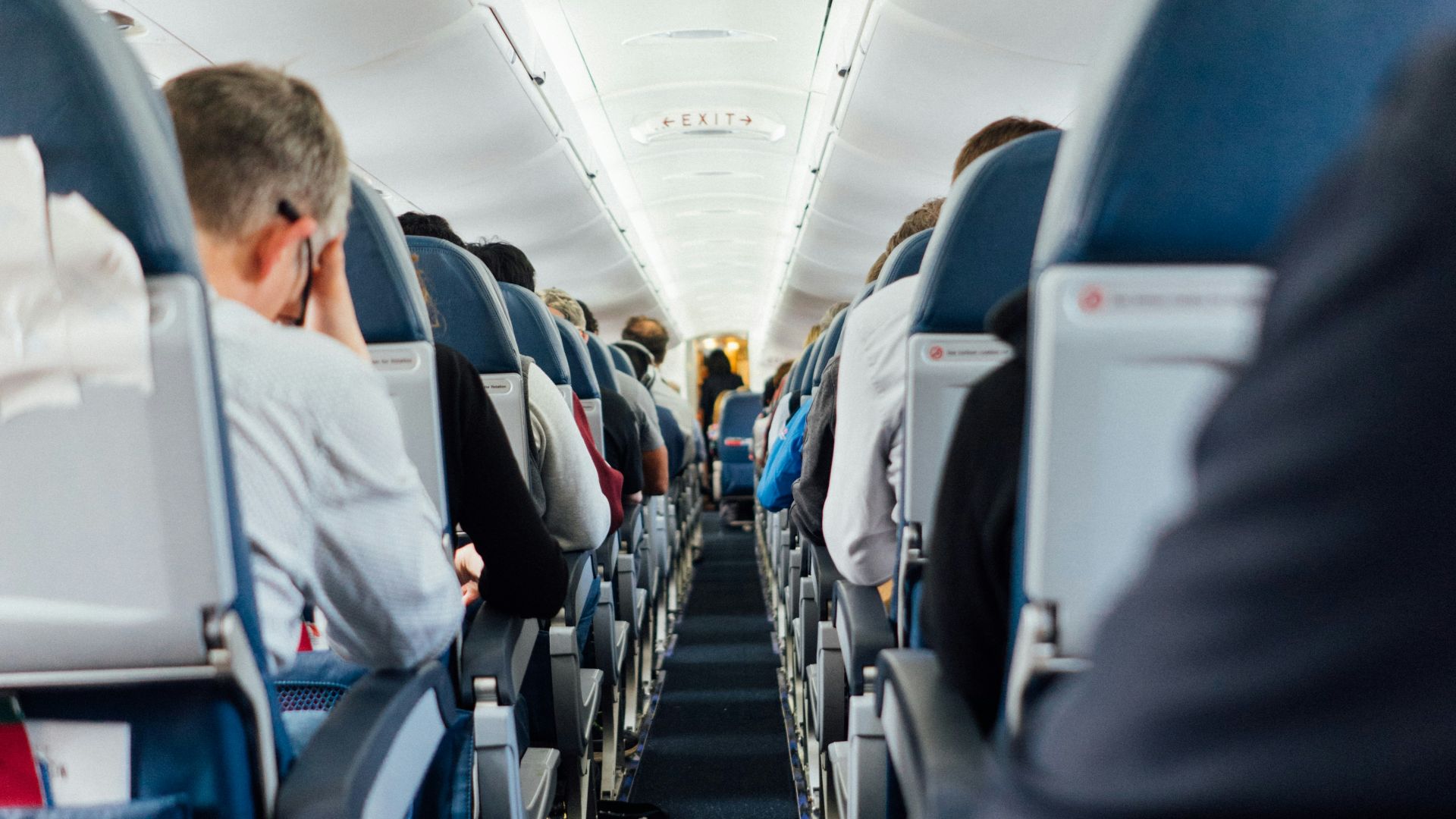
Airplane Don't: Hog The Armrests
Sharing limited space requires compromise. Most etiquette experts agree that the middle seat deserves some armrest consideration because it has the fewest advantages. Cooperation prevents unnecessary tension.
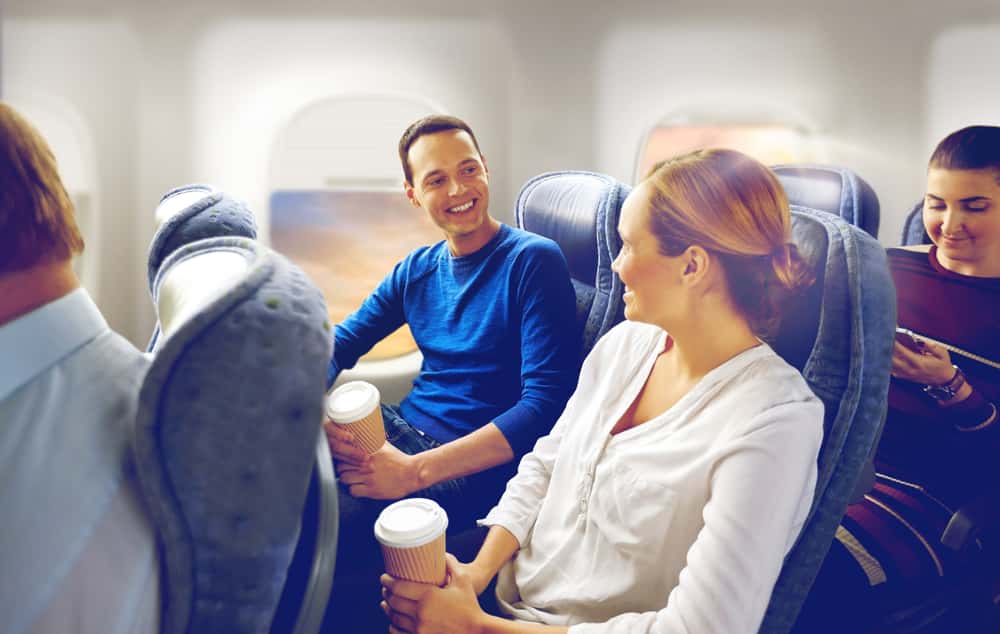
Airplane Don't: Stand Up Too Early
Standing immediately after landing rarely gets anyone off the plane faster. It often creates congestion and frustration instead. Waiting until your row begins moving is usually the better approach.
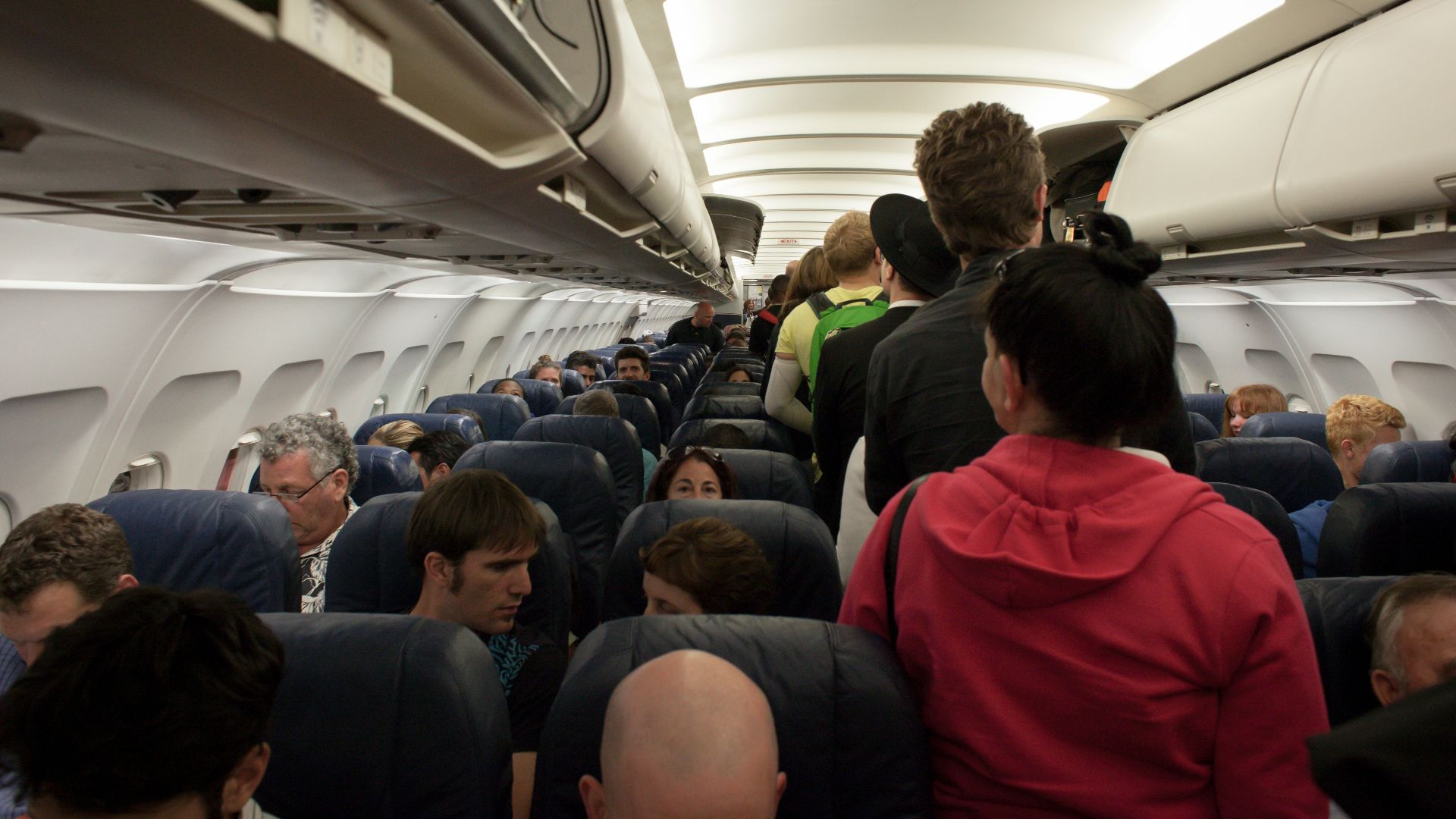
Airplane Don't: Ignore The Seat Belt Sign
The seat belt sign exists for safety reasons. Remaining seated when instructed helps protect both passengers and crew. Compliance is not optional under aviation regulations.
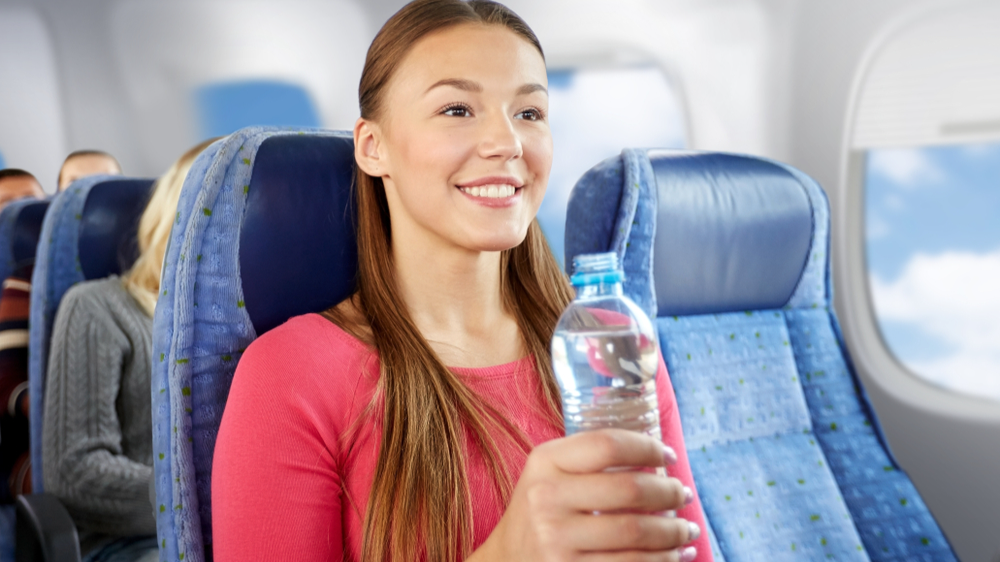
Airplane Don't: Treat Crew Like Personal Assistants
Flight attendants are responsible for safety, security, and service. Demanding or disrespectful behavior makes an already challenging job harder. Treating crew members with courtesy creates a better atmosphere for everyone.
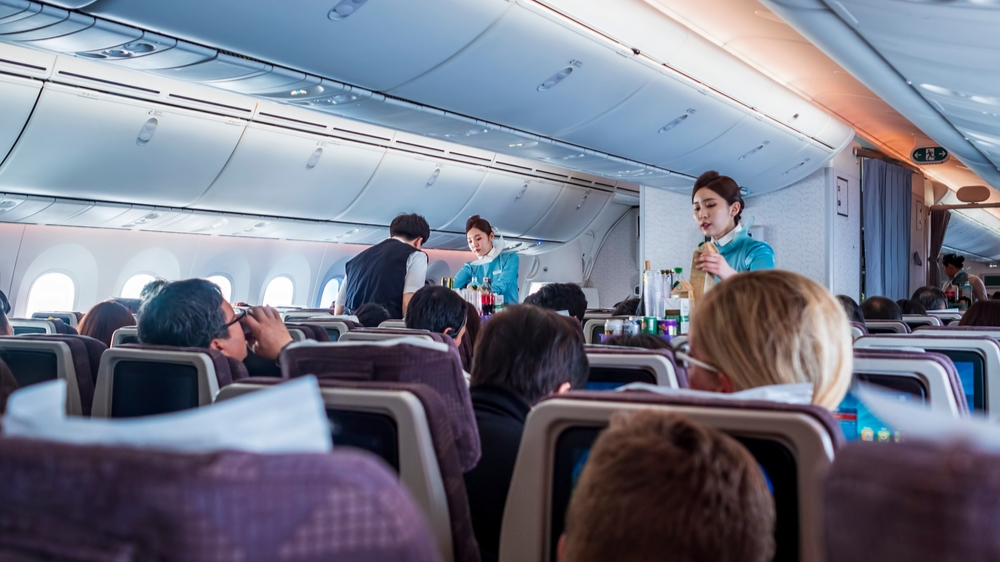
Airplane Don't: Leave A Mess Behind
Before leaving the aircraft, gather your belongings and dispose of obvious trash. Cabin crews often work under tight turnaround schedules between flights. A clean seat area is a simple act of respect.

Good Etiquette Makes Better Travel
The best travelers are not necessarily the most experienced ones. They are usually the people who understand that airports and airplanes are shared spaces. A little awareness and consideration can make the journey better for hundreds of strangers at once.
You May Also Like:
The Travel Perks Airlines No Longer Honor—Even If You’re Loyal
Airlines Didn't Change Baggage Policies Much In 2026, So Why Are Travellers Paying So Much More?





_(14171528370).jpg)