The Rules Didn’t Change Overnight—But Enforcement Did
Airlines didn't rewrite the rulebook in 2026, but there's still been a big change that is costing travellers: Nearly all the major airlines have begun enforcing older policies already backed by regulators like the FAA and IATA. It used to be you could fudge the rules a little bit to try and save a little money. Today, saving any penny is harder than ever.
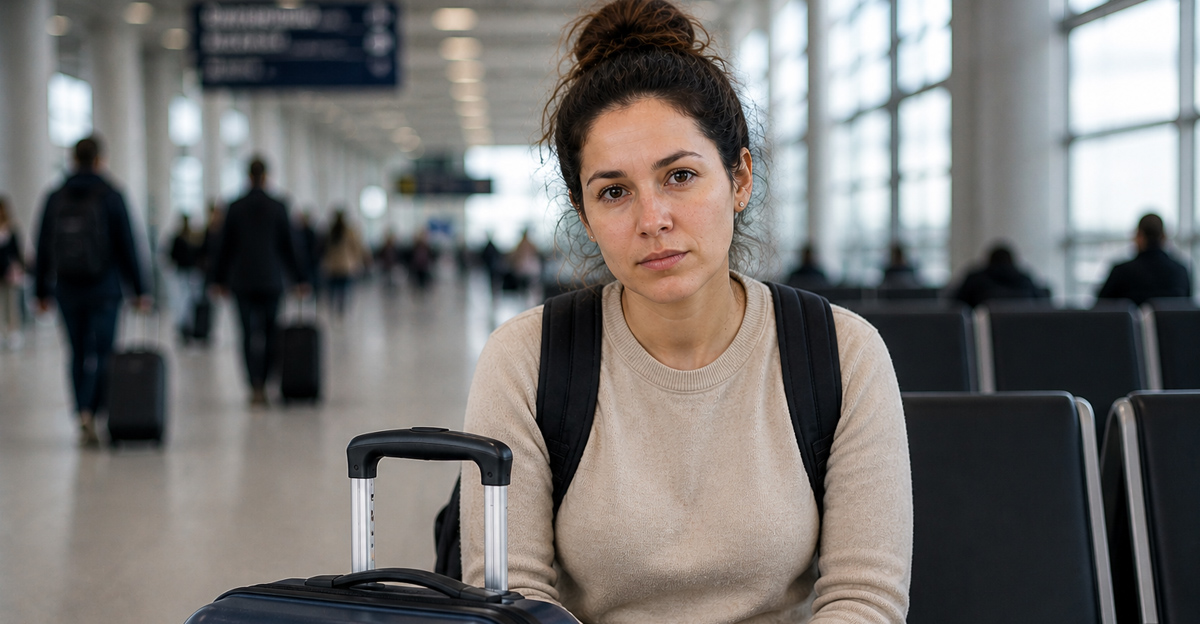
Carry-On Size Limits Are Being Enforced Precisely
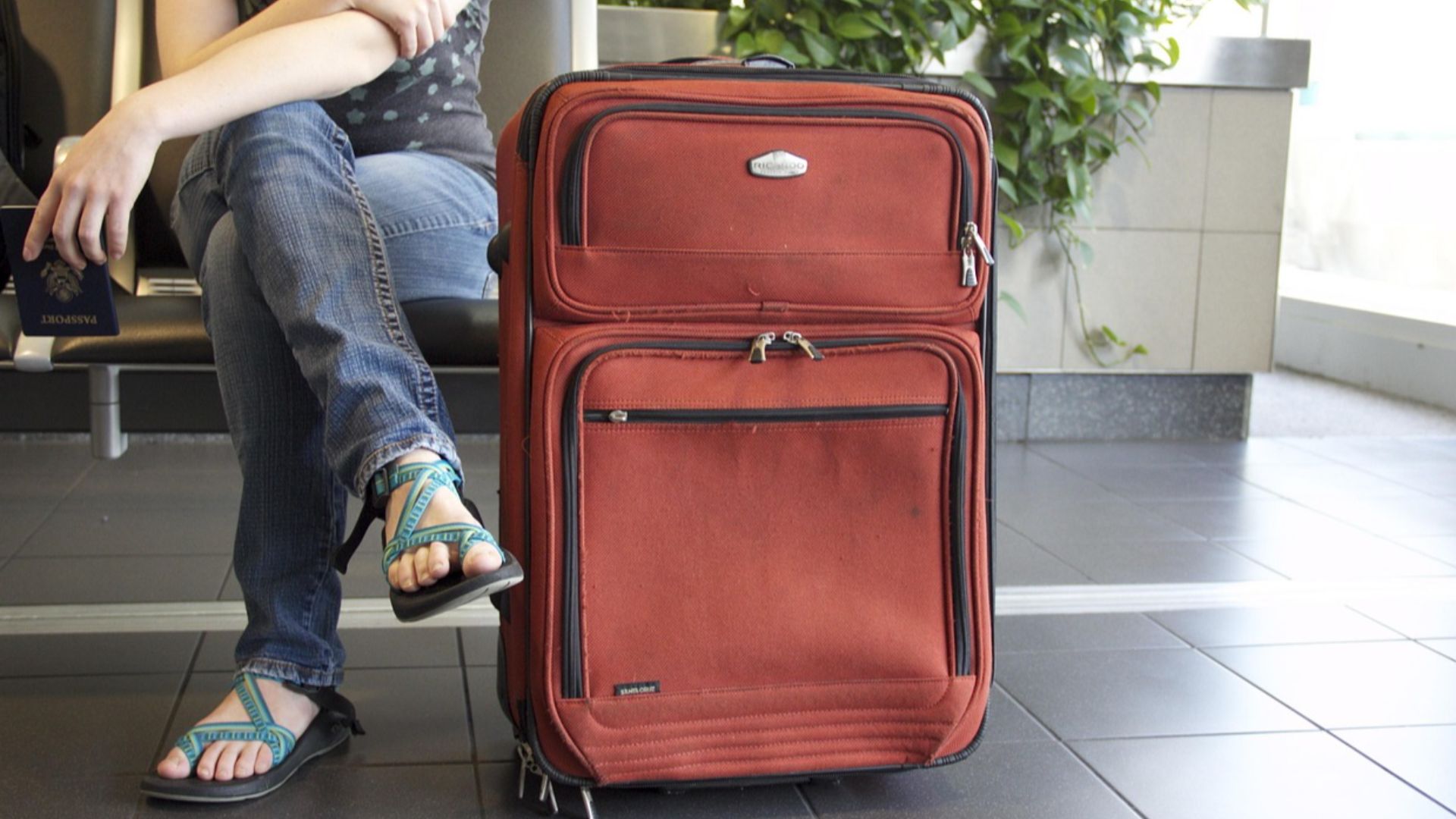
Airlines increasingly enforce standard carry-on dimensions of roughly 22 × 14 × 9 inches. In 2026, these limits are applied more consistently at check-in and the gate. Travelers with slightly oversized bags are now more likely to face fees or forced checks.
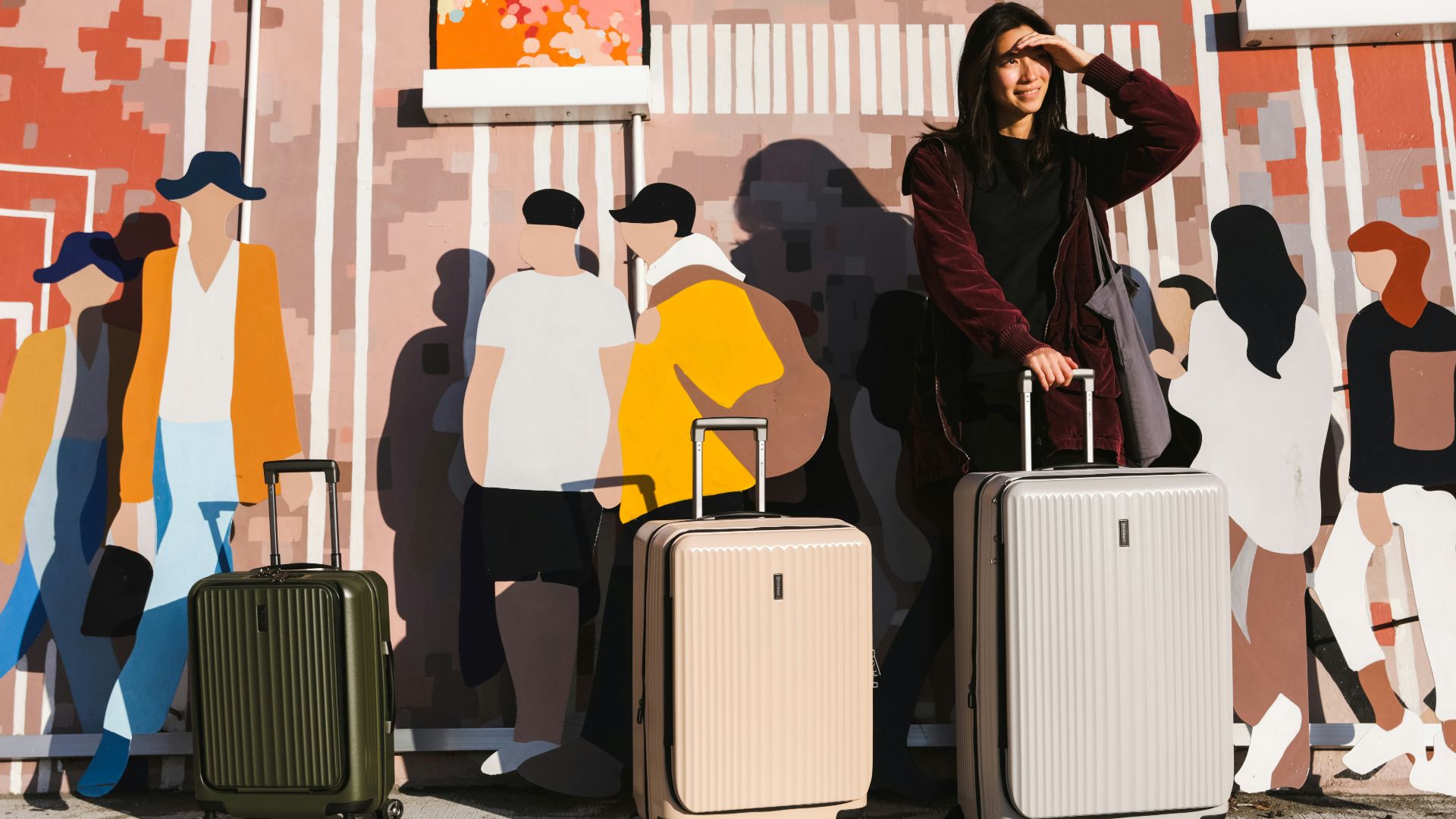
Wheels And Handles Are Now Included In Measurements
A key clarification implemented across airlines is that all bag components count toward size limits. Handles, wheels, and bulging pockets can push a bag over the limit. Many bags marketed as carry-ons no longer qualify under stricter interpretation.
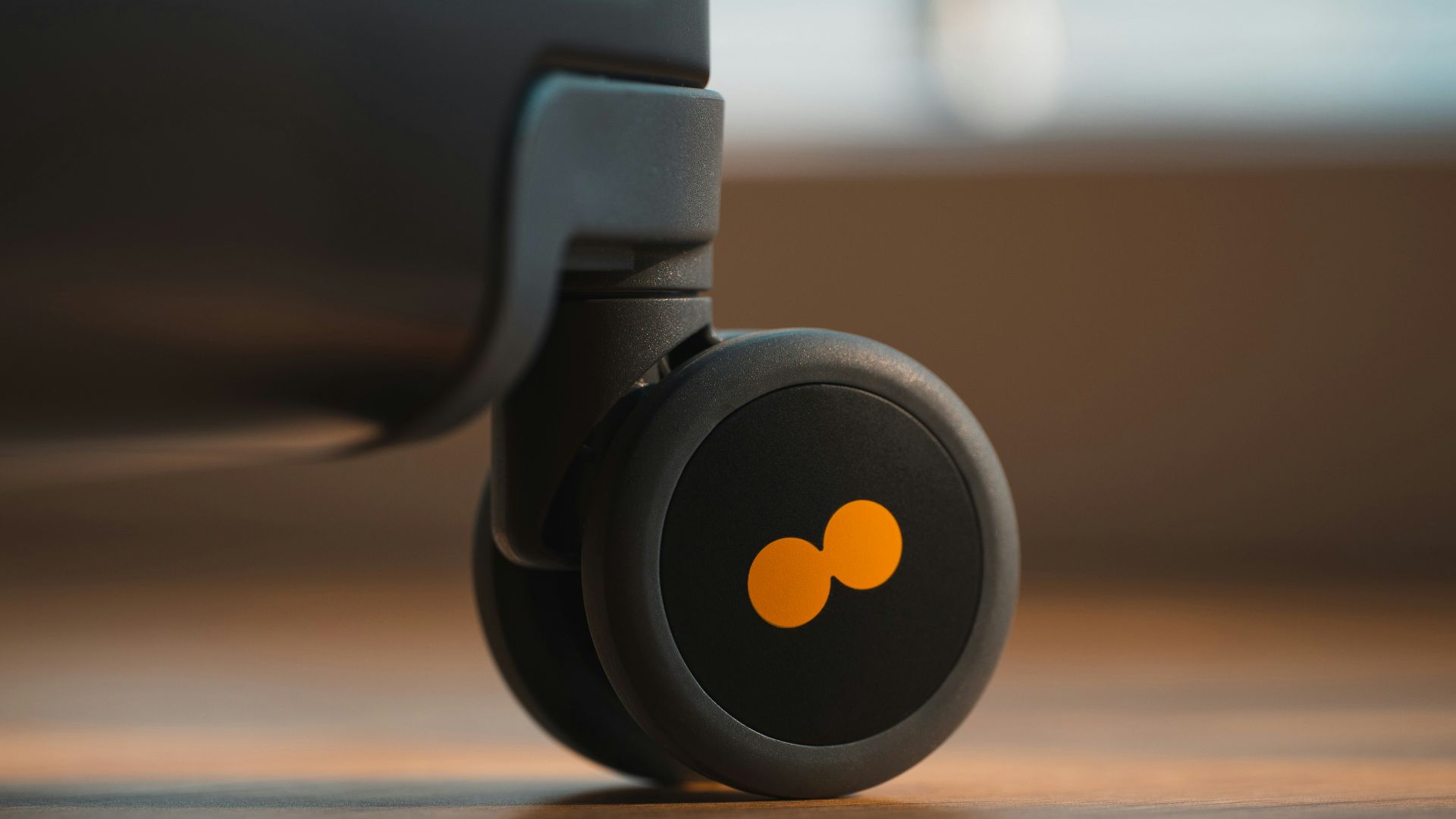
Weight Limits Are Being Checked More Often
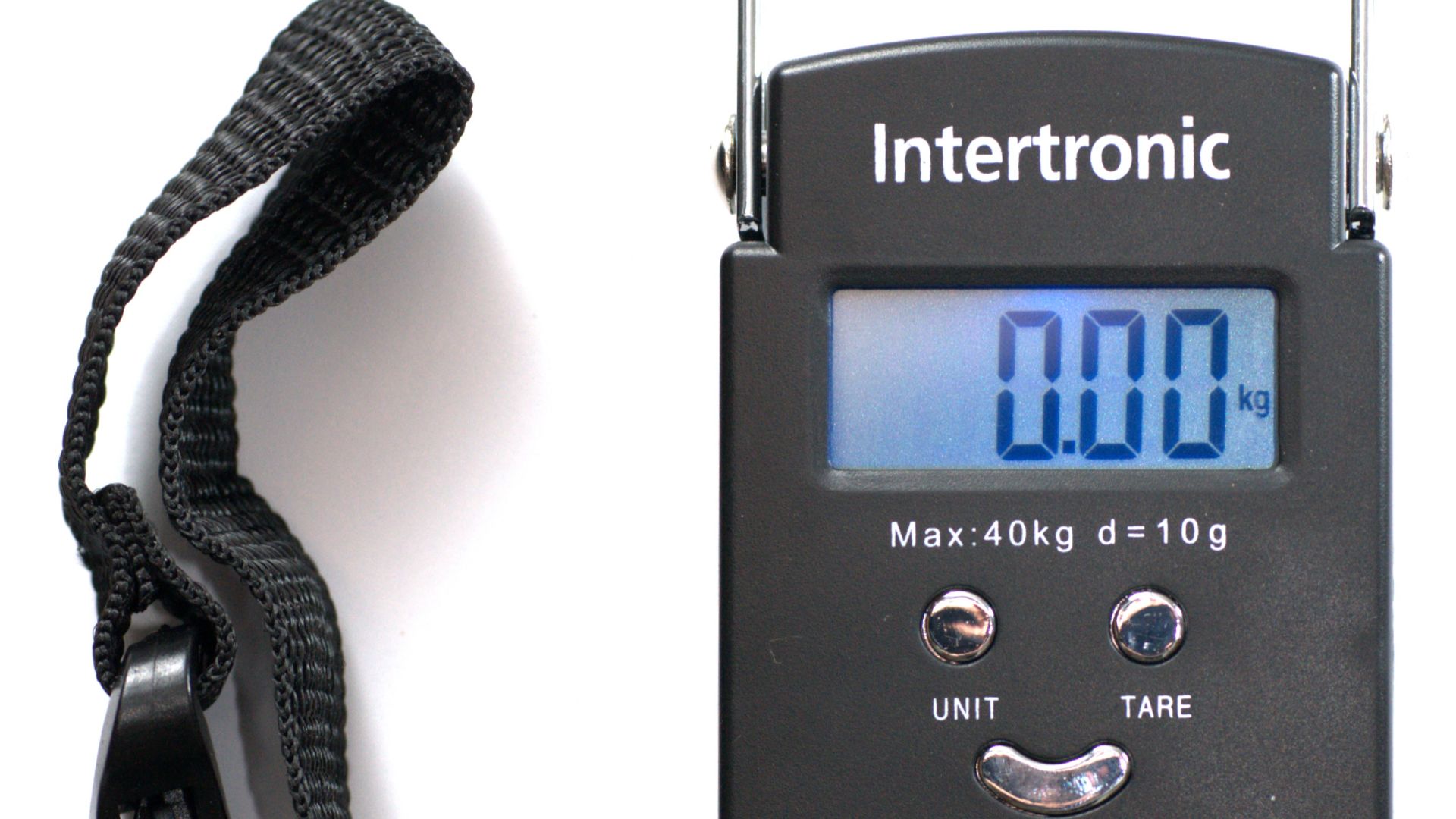
Airlines have tightened enforcement of carry-on weight limits, especially on international routes. Typical limits range from 7 to 10 kilograms, depending on the airline. Travelers exceeding these limits are often required to check bags and pay additional fees.
 Simon A. Eugster, Wikimedia Commons
Lithium Batteries Are Now A Major Focus
Regulators have reinforced strict rules on lithium batteries due to fire risks. These rules are not new, but enforcement and awareness have increased significantly in 2025 and 2026.
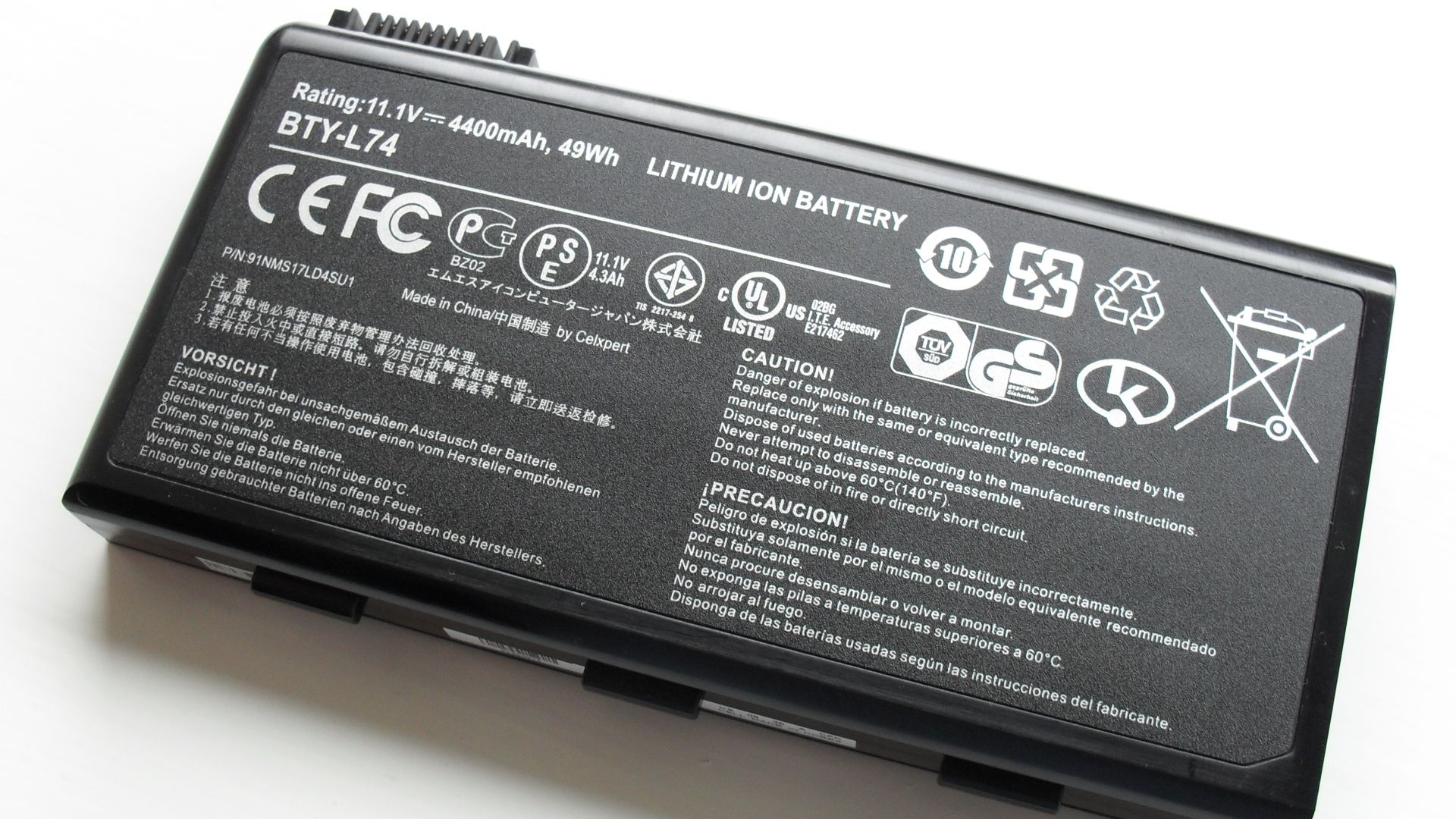
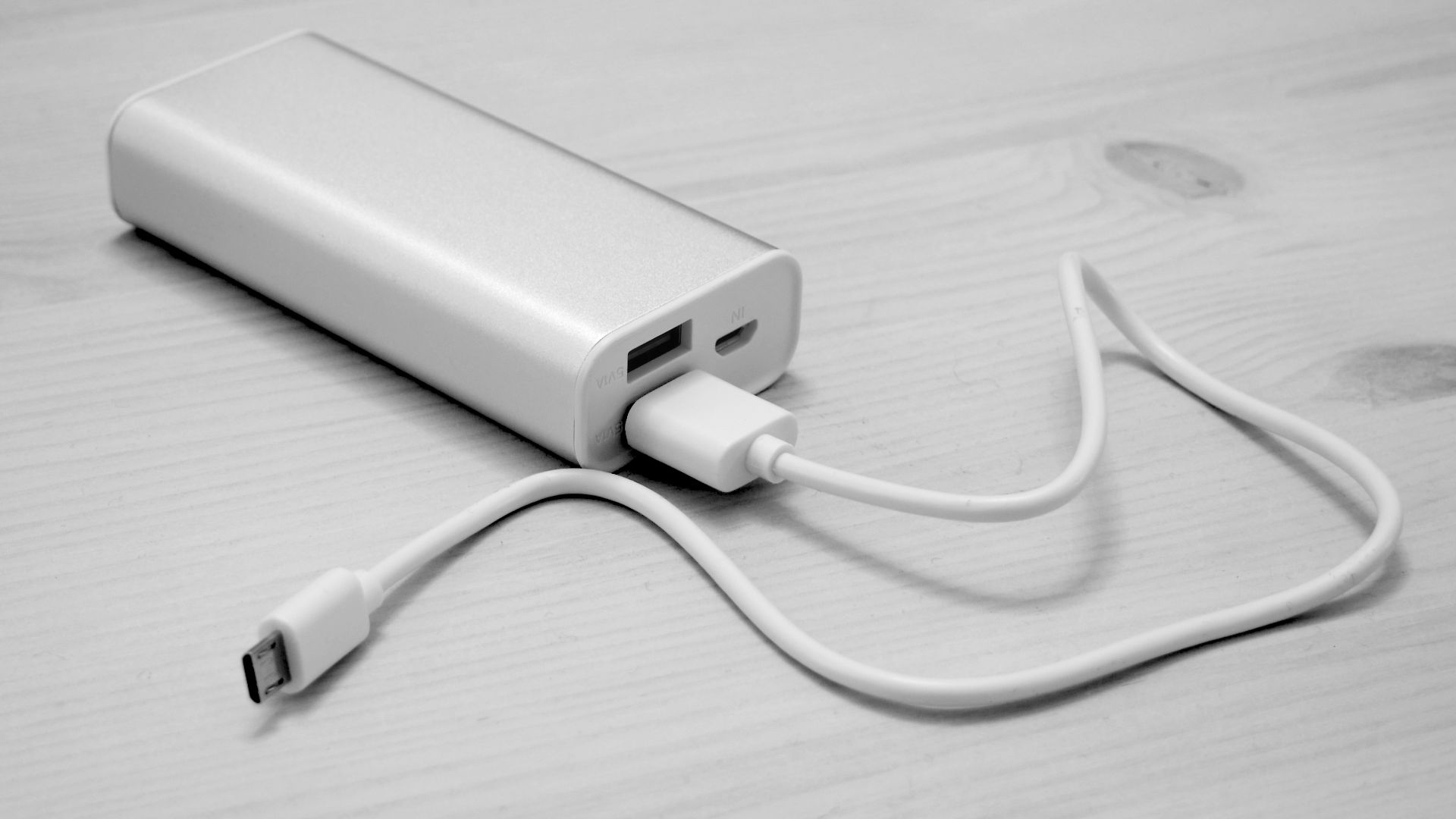
Power Banks Are Now Carry-On Only
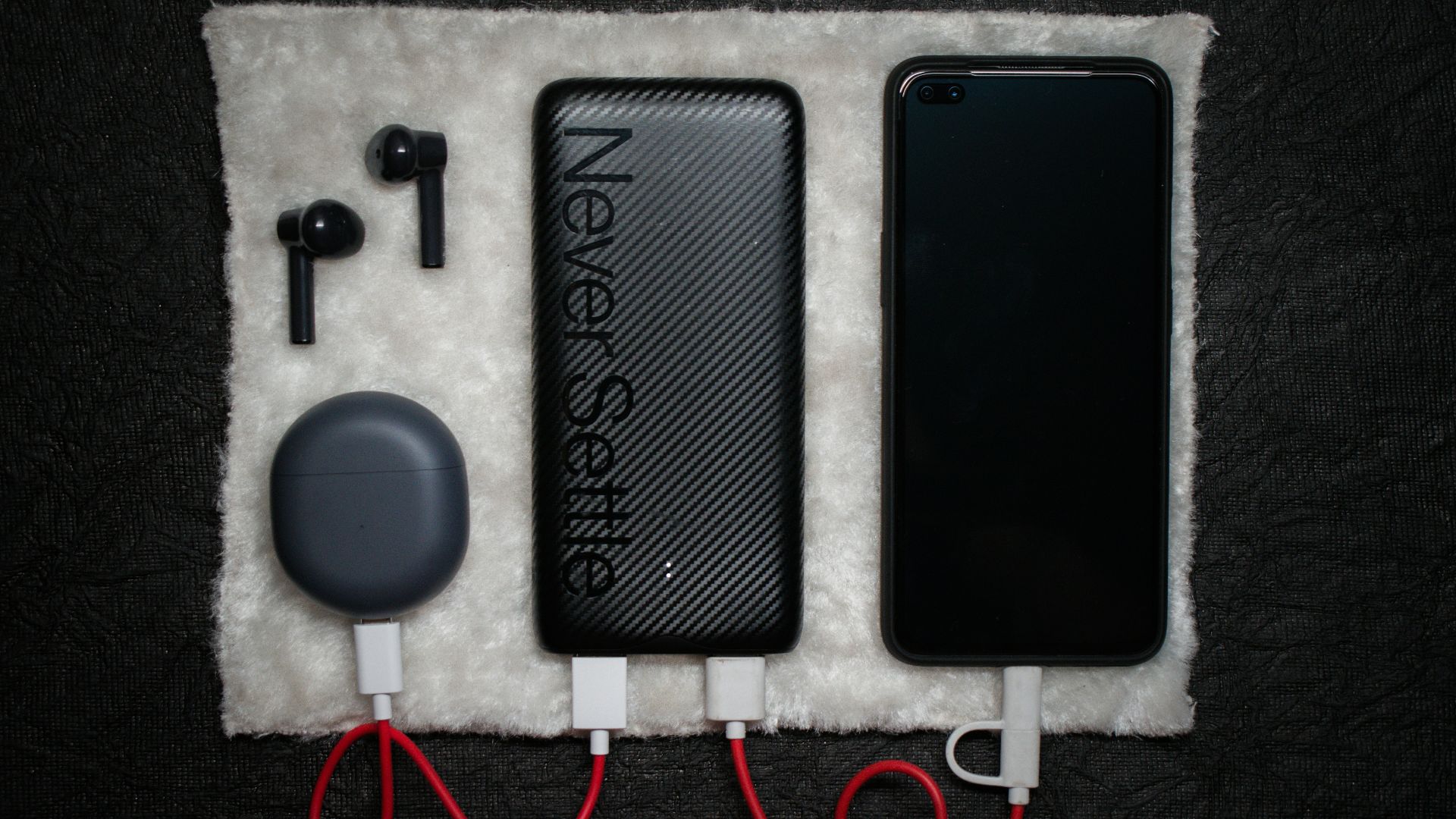
The FAA and TSA prohibit spare lithium batteries and power banks in checked luggage. Passengers must keep these items in carry-on bags where incidents can be managed safely. Violations can lead to confiscation or delays.
 Santeri Viinamäki, Wikimedia Commons
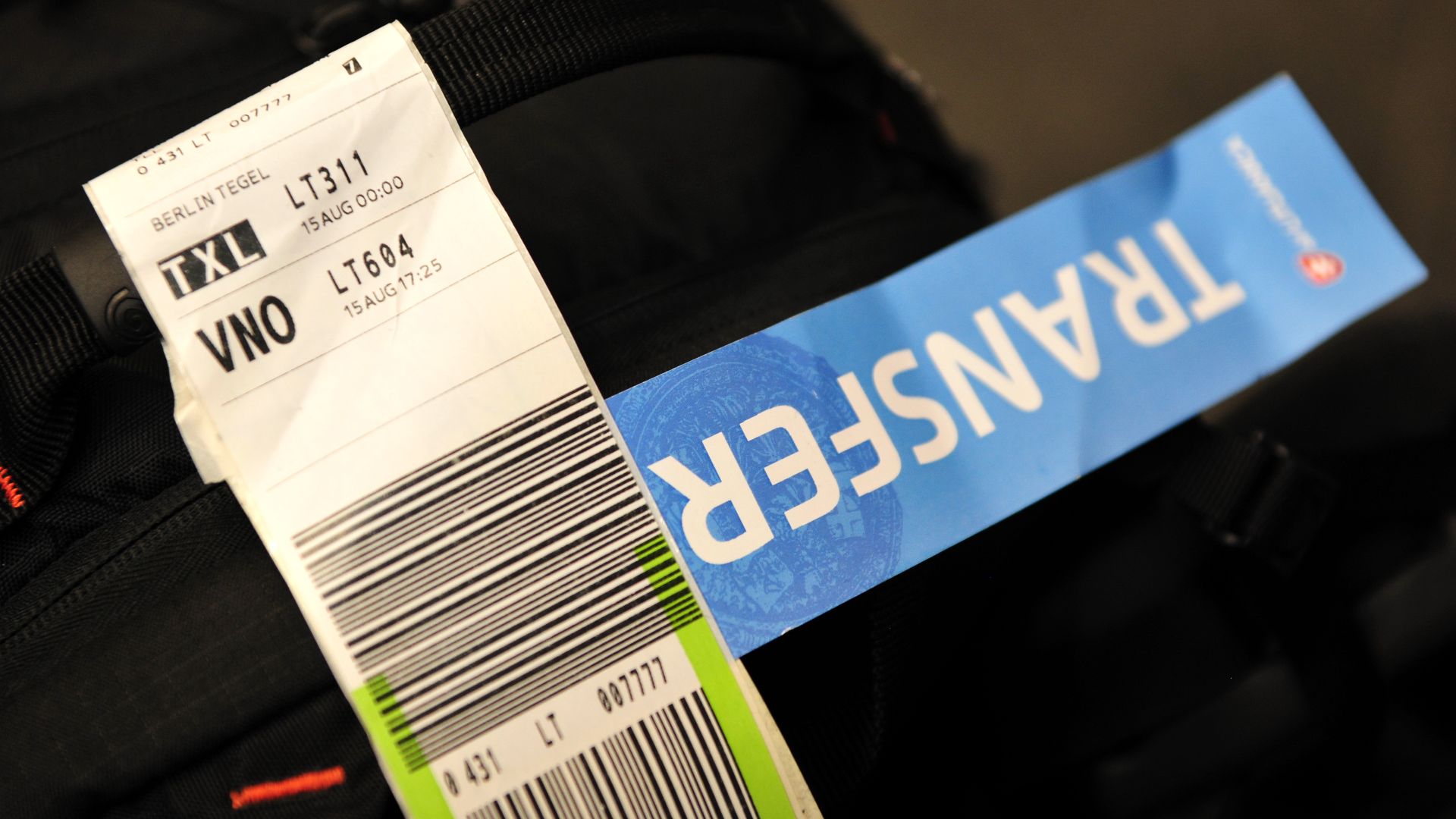
Gate-Checked Bags Require Battery Removal
If your carry-on is checked at the gate, you must remove any spare batteries first. This requirement is being enforced more strictly in 2026. Travelers who forget may have their bags delayed or searched.
 Ralf Roletschek, Wikimedia Commons
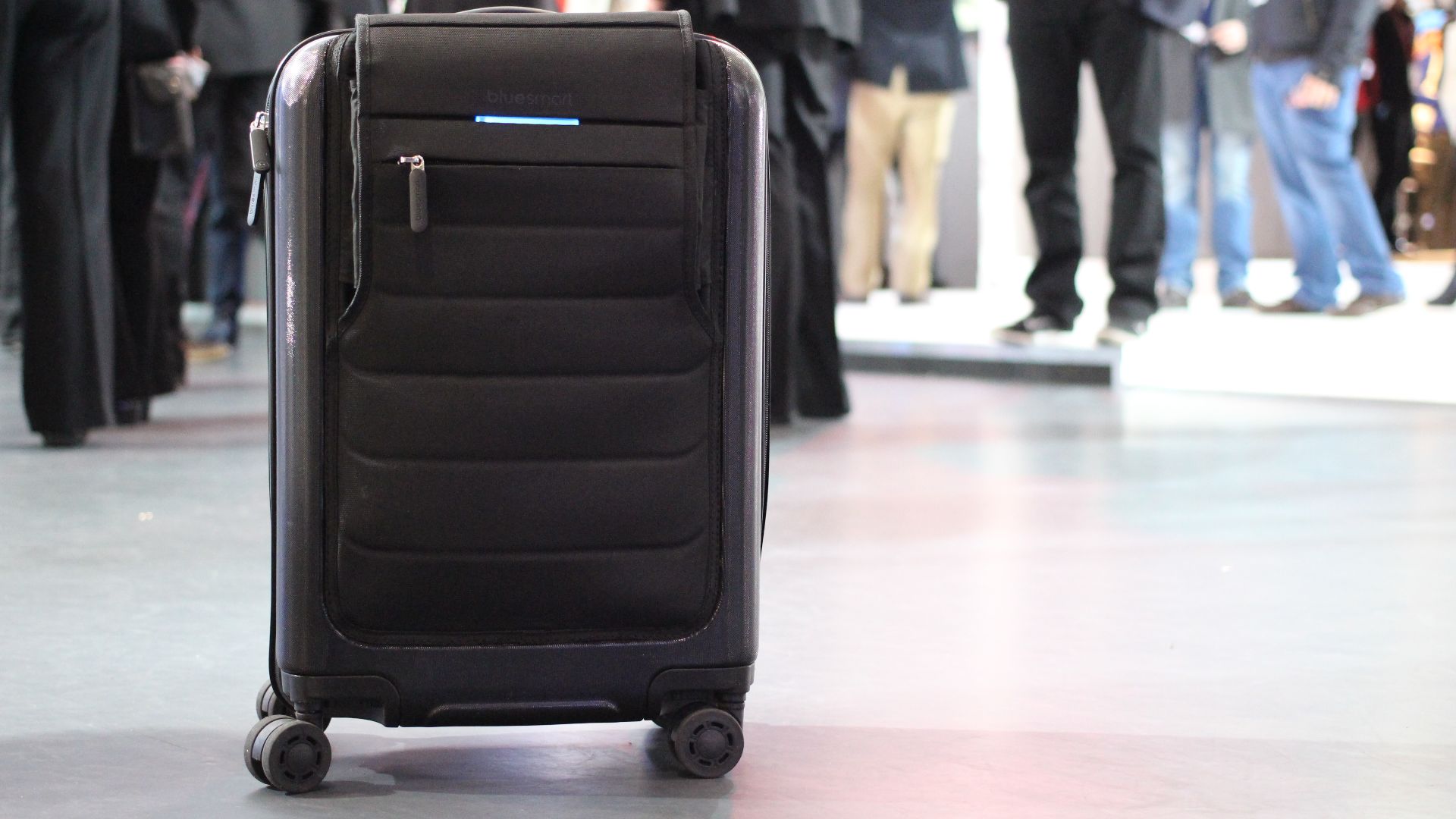
Smart Luggage Faces New Restrictions
Smart luggage with built-in batteries must have removable batteries to be allowed. If the battery cannot be removed, airlines may refuse the bag entirely. This rule aligns with international safety guidance.
 Maurizio Pesce from Milan, Italia, Wikimedia Commons
Large Batteries Require Airline Approval
Batteries between 100 and 160 watt-hours now require airline approval before travel. Passengers are typically limited to two such batteries in carry-on luggage. Larger batteries are generally banned from passenger flights.
 Project Kei, Wikimedia Commons
Devices Must Be Powered Off In Checked Bags
Electronics containing lithium batteries can be placed in checked luggage under strict conditions. They must be completely powered off and protected from accidental activation. Failure to comply can result in confiscation.
New Rules Affect Mobility Devices Too
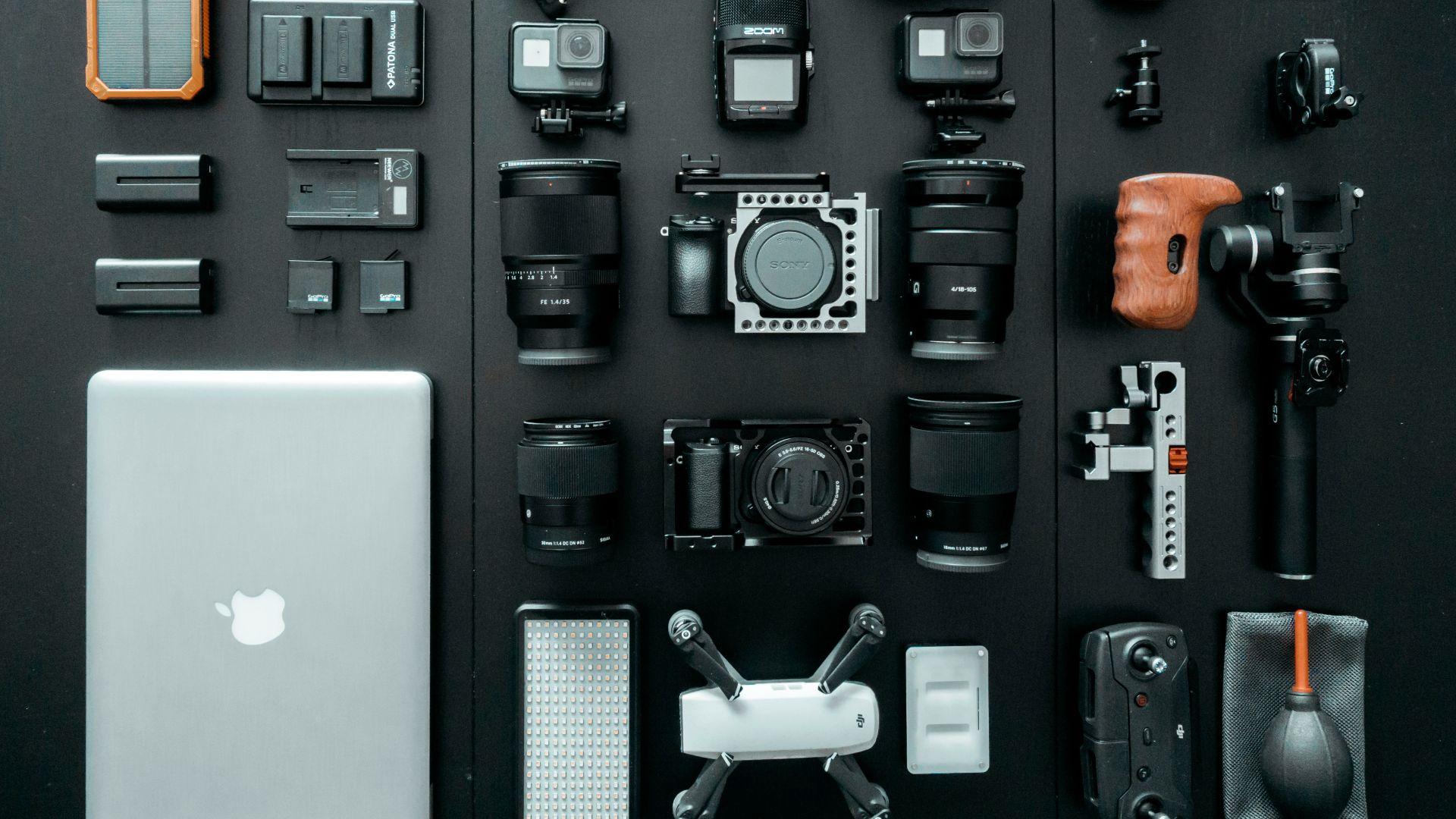
Some airlines have updated policies for battery-powered mobility aids. For example, lithium batteries may need to be removed and carried in the cabin, with size limits applied.

Charging Devices During Flights Is Being Restricted
Some airlines now restrict how passengers use power banks during flights. Devices may need to remain visible rather than stored in overhead bins or bags.
Personal Item Allowances Are Shrinking
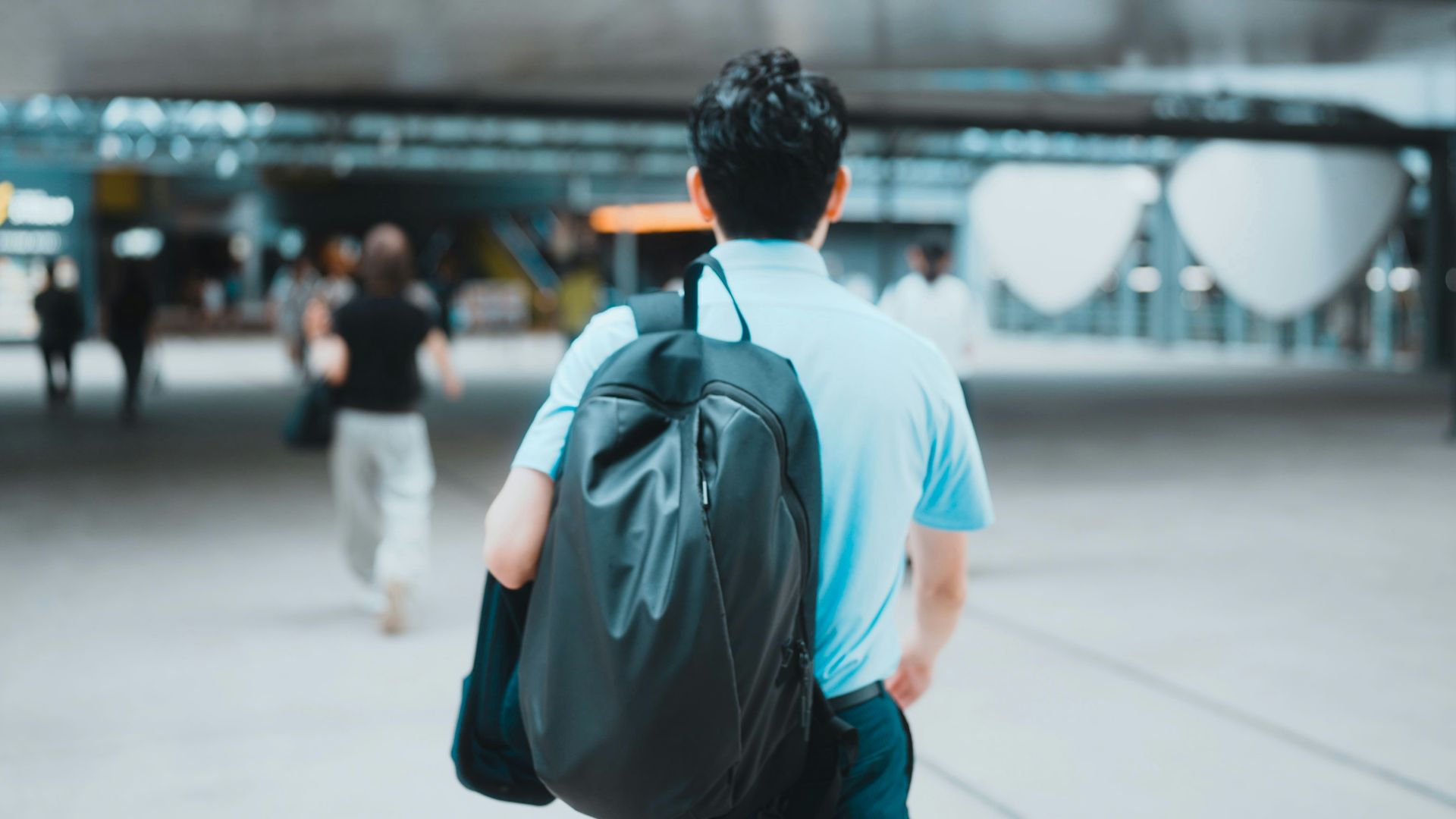
Basic economy fares increasingly limit passengers to one personal item only. Carry-on bags often require an additional fee. This shift pushes more passengers into paid baggage options.
Checked Bag Fees Are Expanding Across Airlines
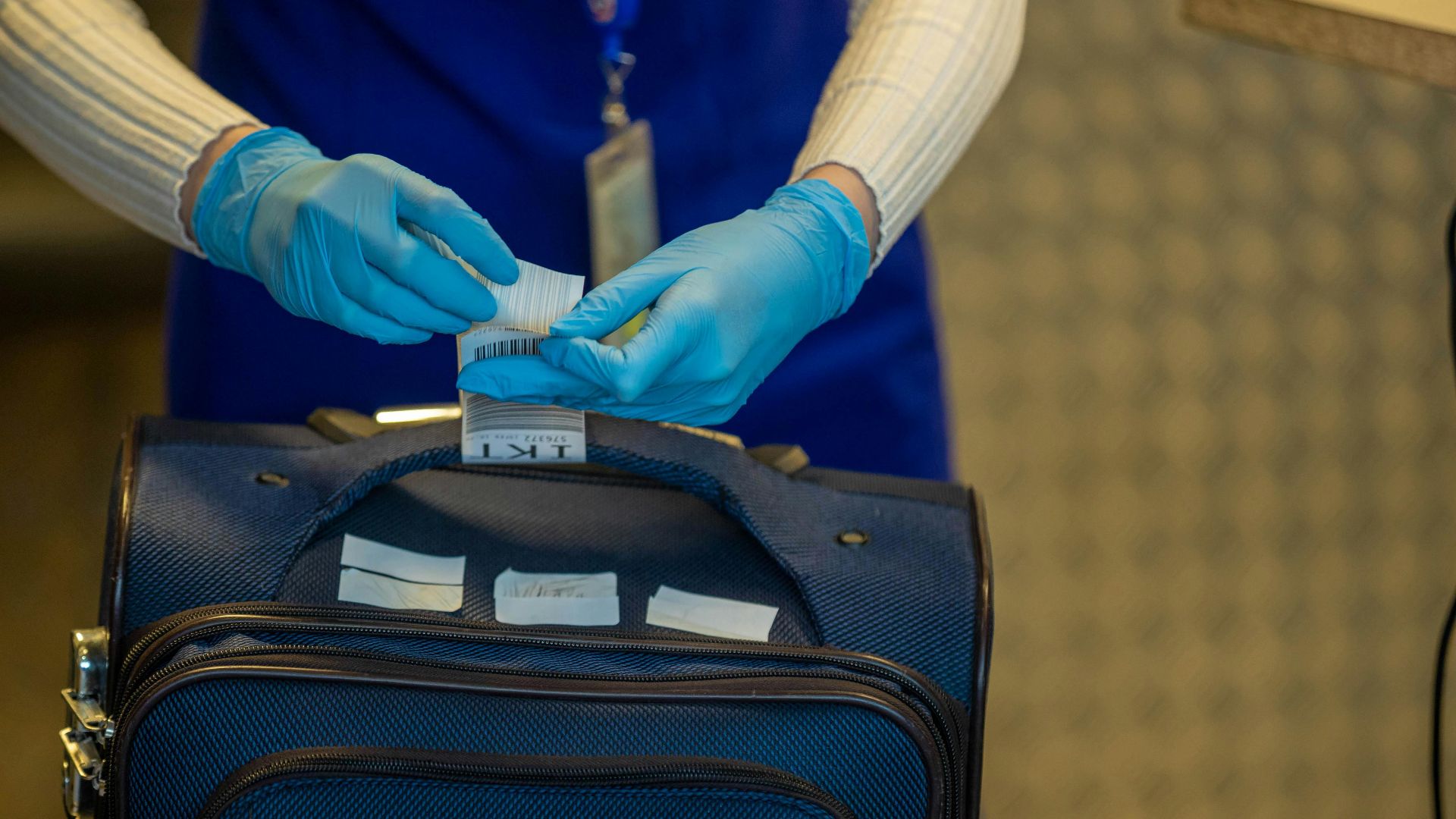
More airlines are charging for checked baggage, even those that previously included it. For example, Southwest Airlines ended its long-standing free checked bag policy for many fares in 2025.
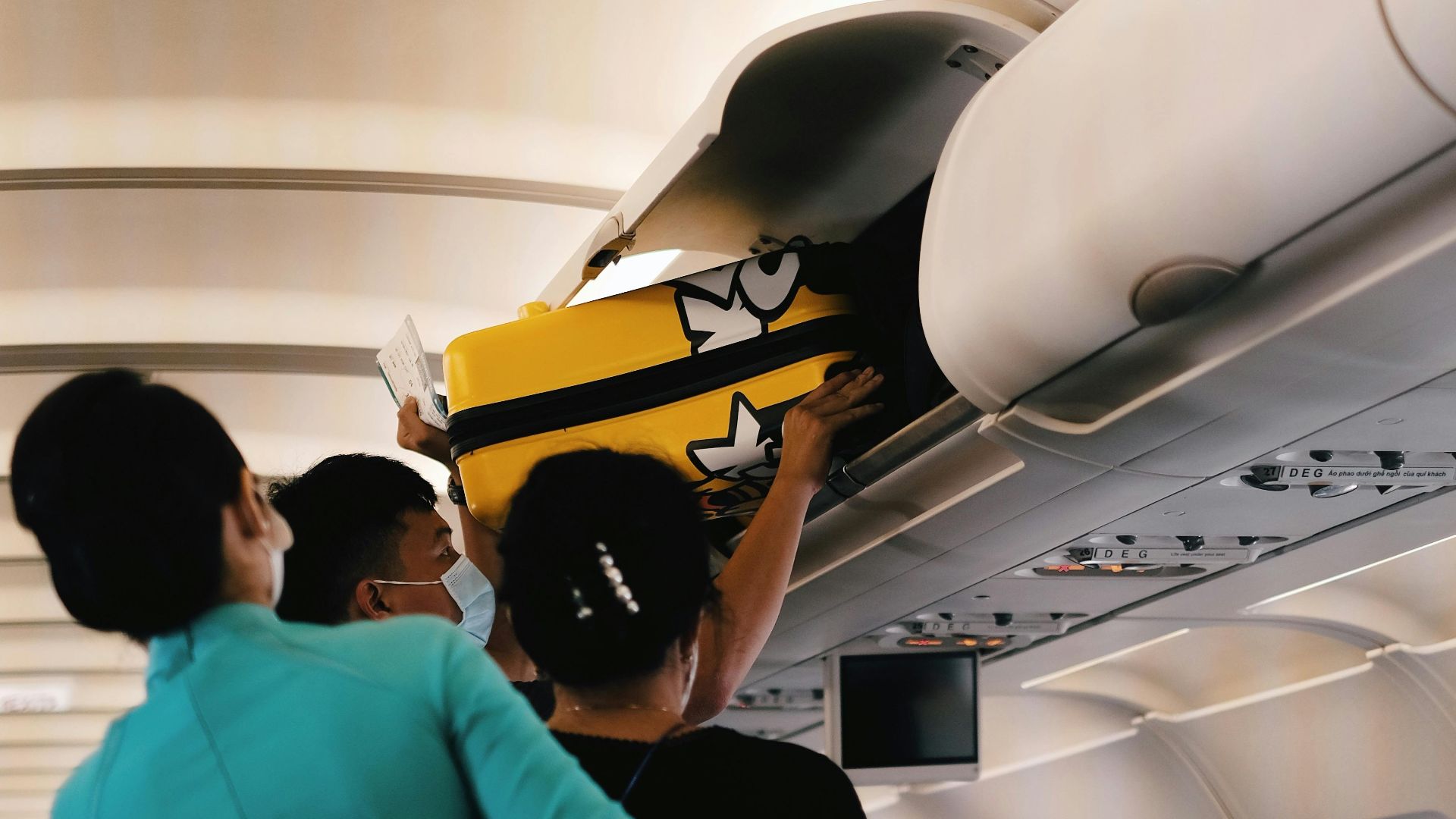
Airlines Are Prioritizing Overhead Space Efficiency
Aircraft cabins have limited storage space for carry-on luggage. Stricter enforcement helps airlines manage boarding times and reduce delays caused by overcrowded bins.
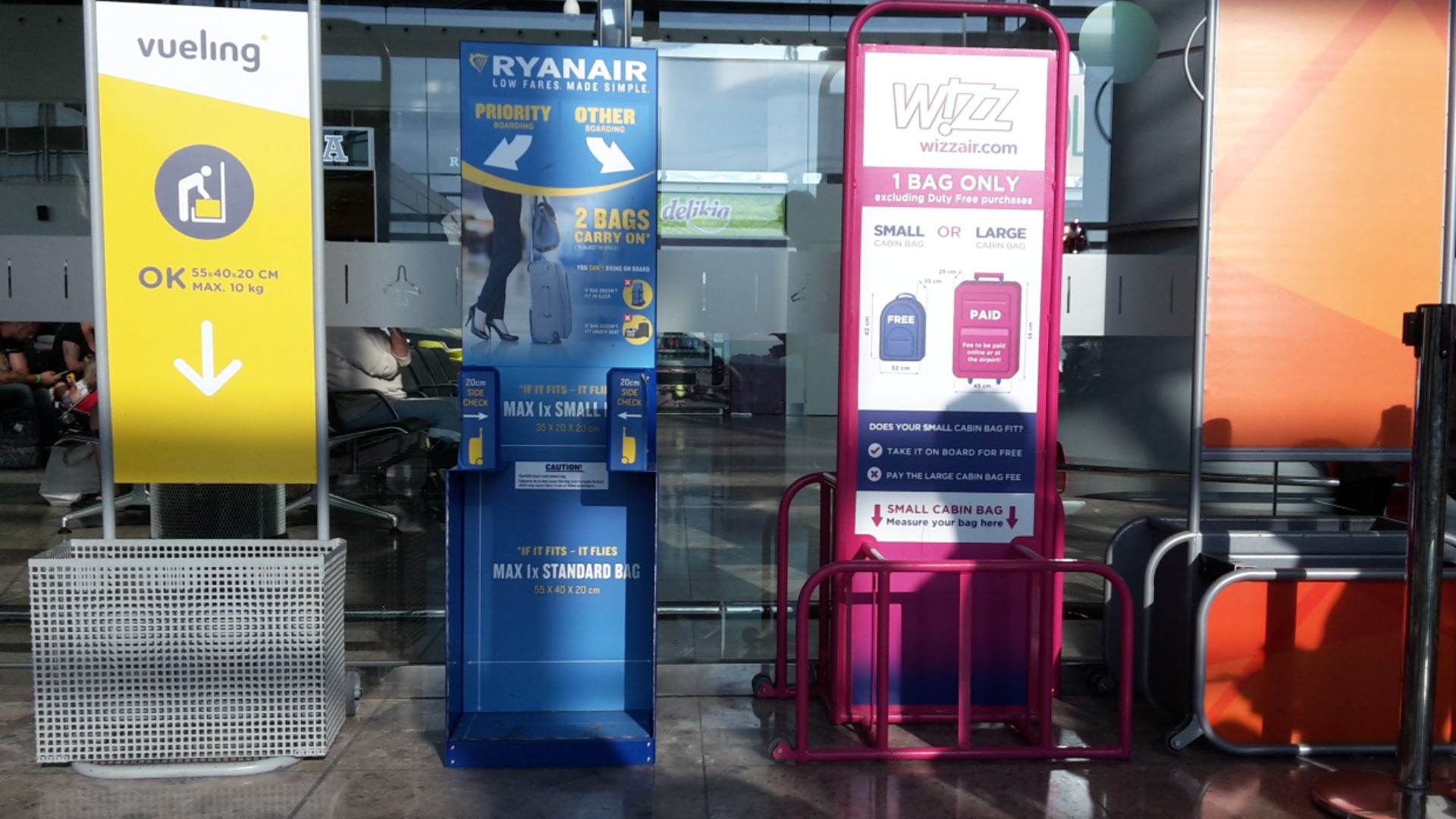
Automated Bag Measurement Is Increasing
Airports are introducing automated bag sizers and scanning systems. These tools reduce human discretion and ensure consistent enforcement of baggage rules.
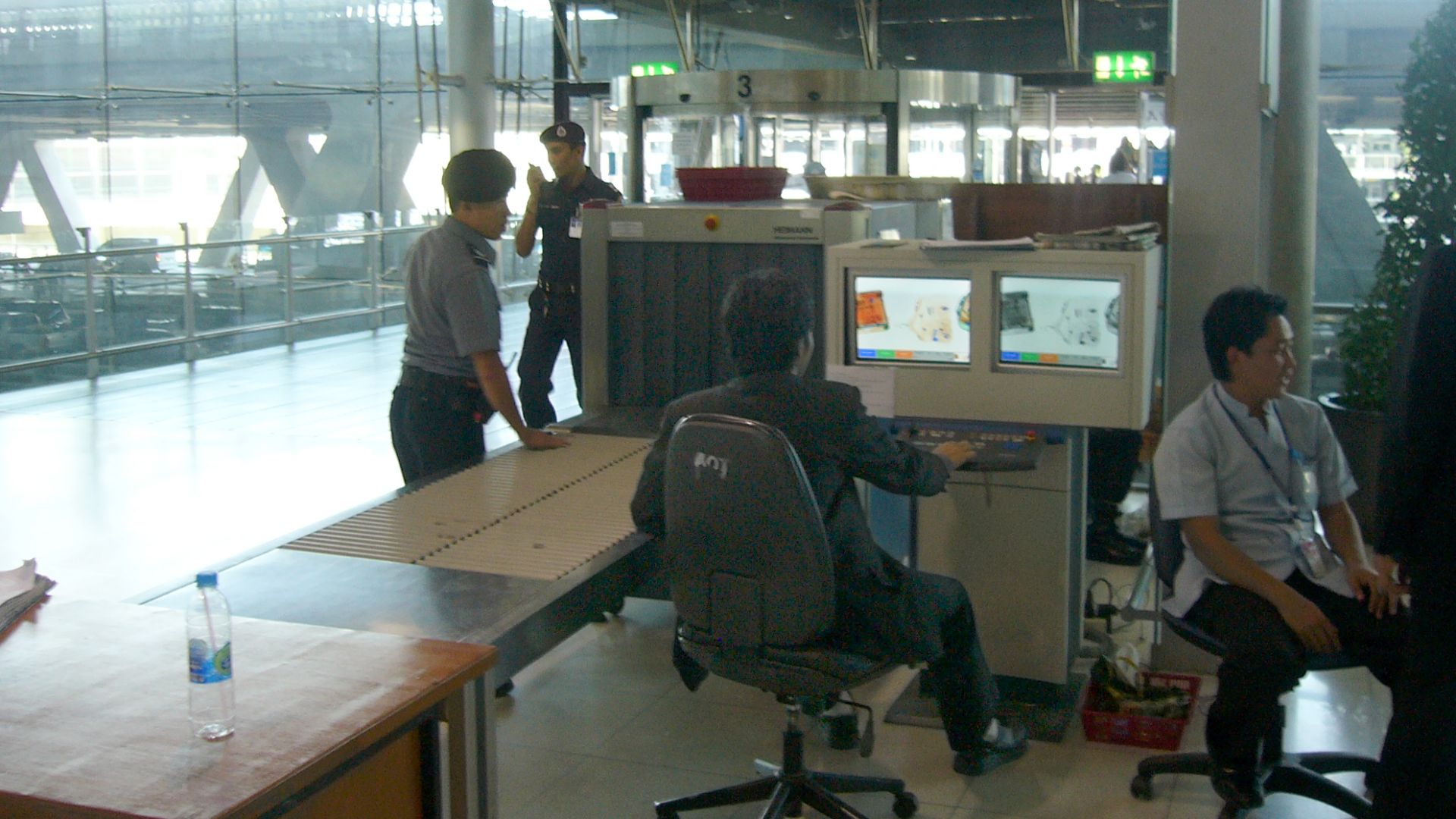
TSA Screening Rules Are Being Applied More Strictly
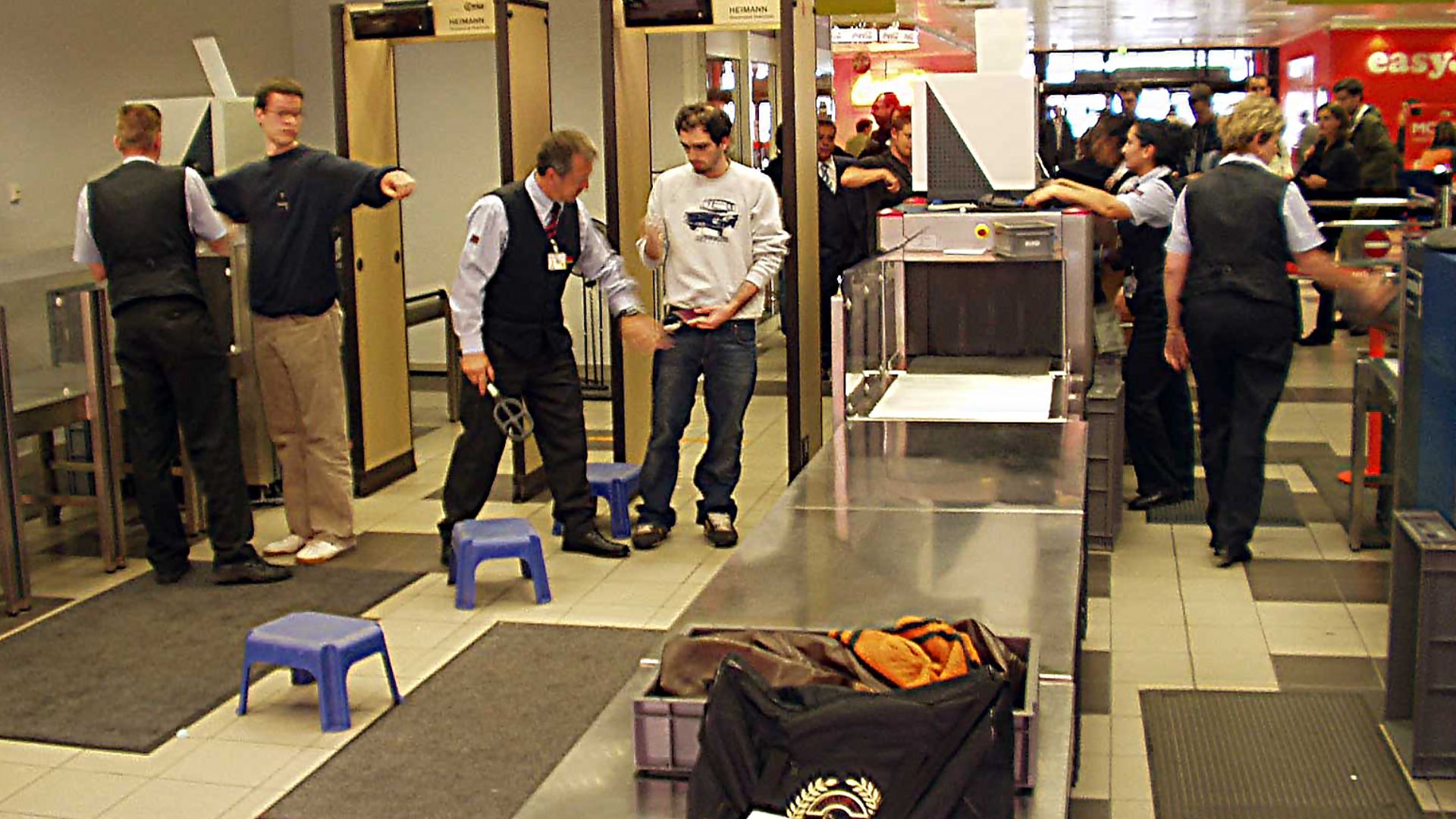
The TSA continues to regulate what items can pass through security checkpoints. In 2026, officers are more consistently applying these rules, especially for electronics and liquids.
 User:Mattes, Wikimedia Commons
Electronics May Need To Be Powered On
Passengers may be asked to power on devices during screening. Devices that cannot be powered on may not be allowed onboard. This adds another layer of compliance for travelers.

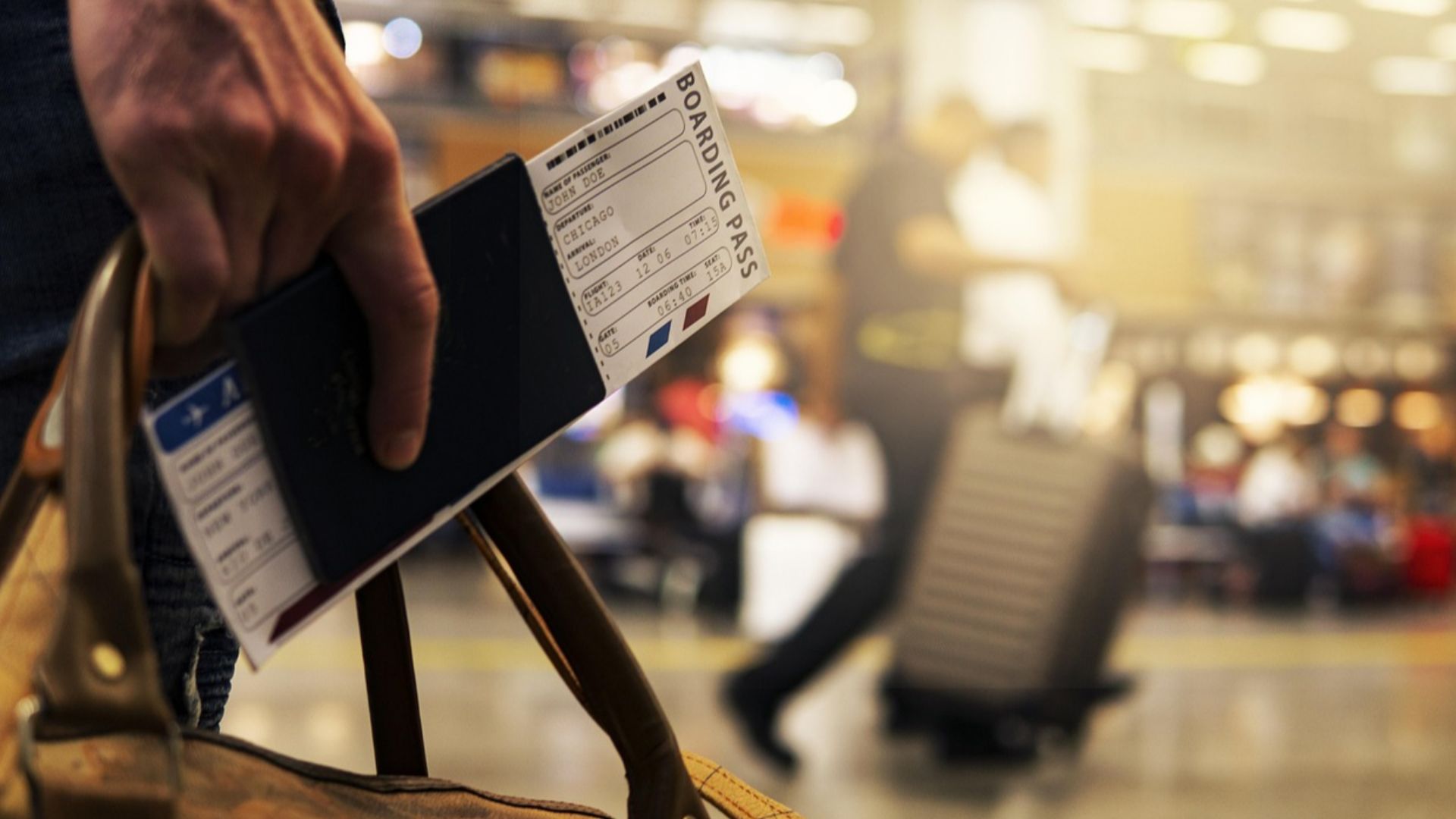
International Travel Adds Complexity
Different countries and airlines apply different baggage rules. IATA provides global guidance, but airlines retain flexibility in how rules are enforced.
Carry-On Space Competition Is Increasing
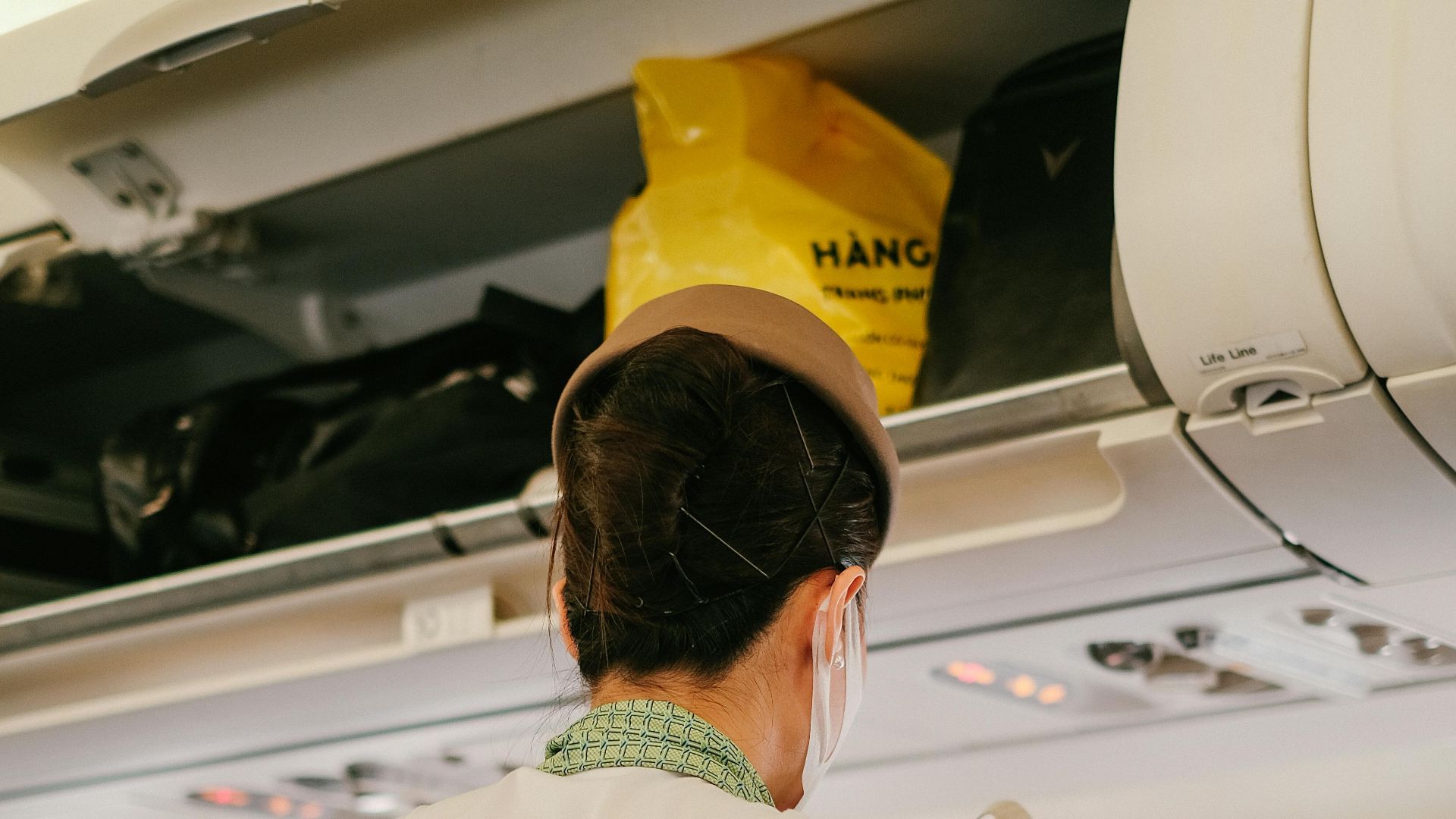
Other aspects of air travel getting more expensive are only making the baggage problem worse. As fees rise, more travelers rely on carry-on luggage. This leads to crowded overhead bins and more frequent gate checks.
Expansion Zippers Are Now Risky
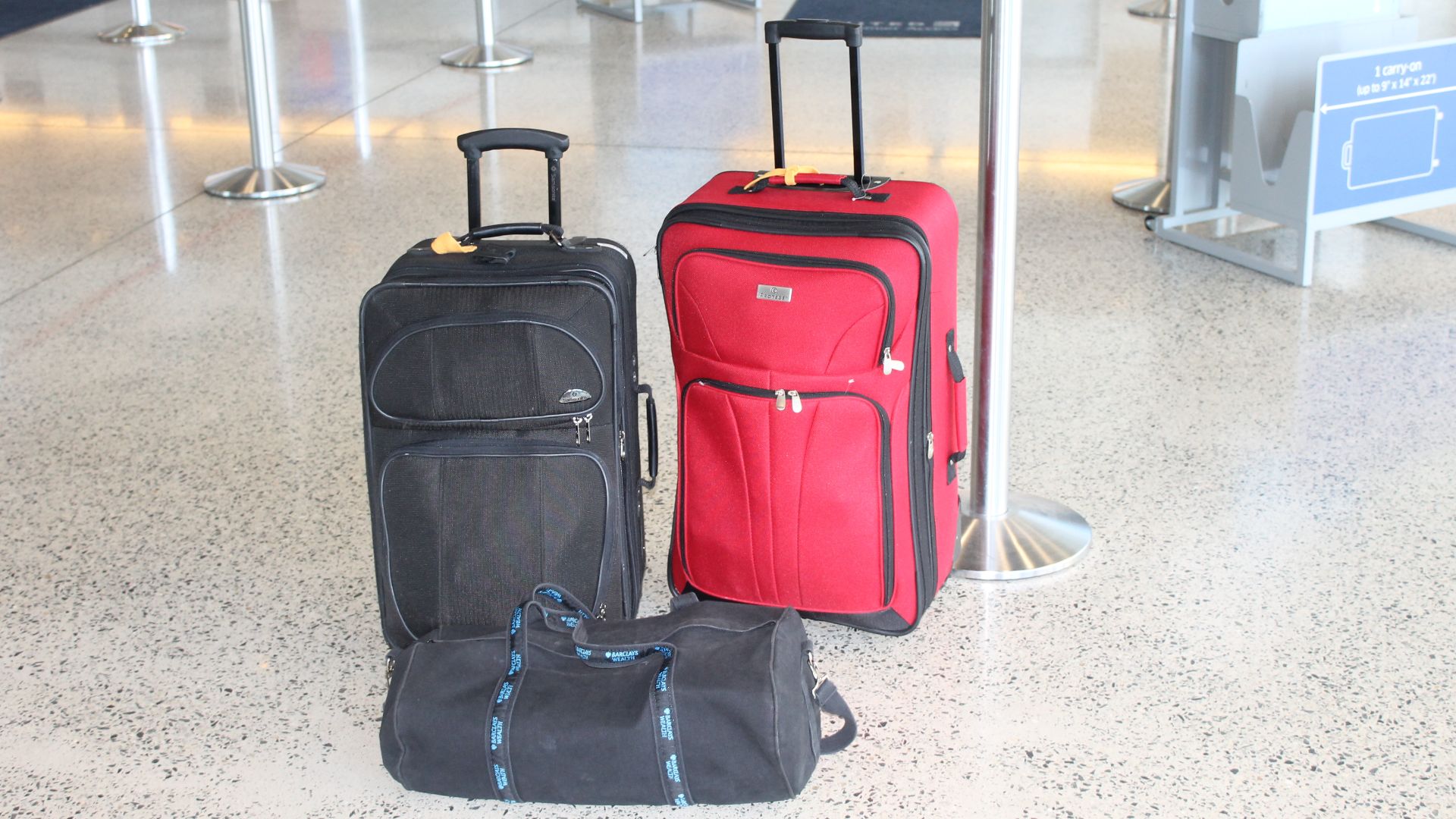
Expandable luggage can easily exceed size limits when fully packed. Travelers using these bags are more likely to face last-minute issues at the gate.
 Billy Hathorn, Wikimedia Commons
“Carry-On Approved” Labels Can Be Misleading
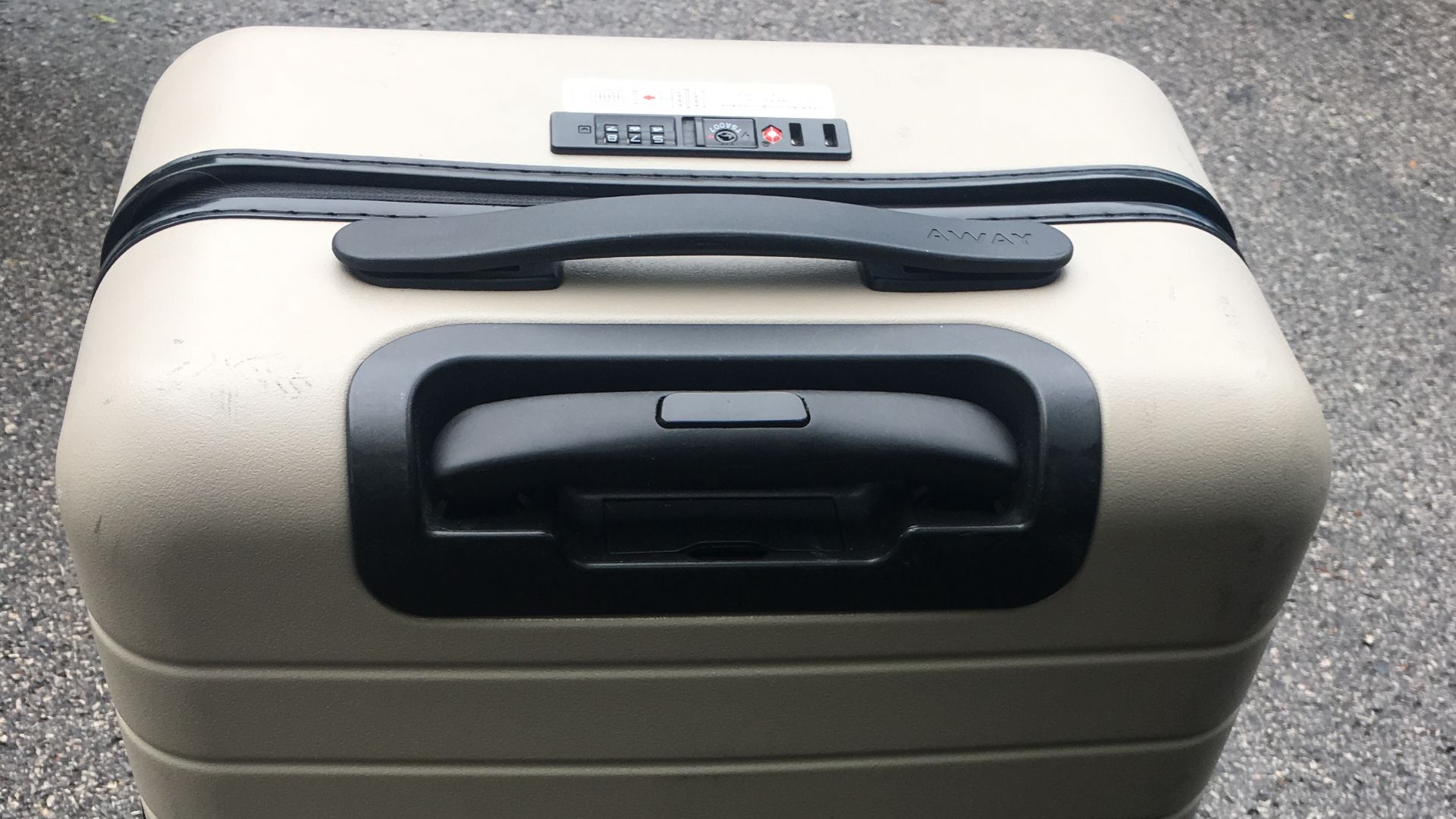
Some luggage manufacturers measure bags differently than airlines, so you need to make sure you know your bag's real dimensions. This mismatch is causing confusion and unexpected baggage fees for travelers.
 TonyTheTiger, Wikimedia Commons
Passenger-Baggage Matching Remains Mandatory
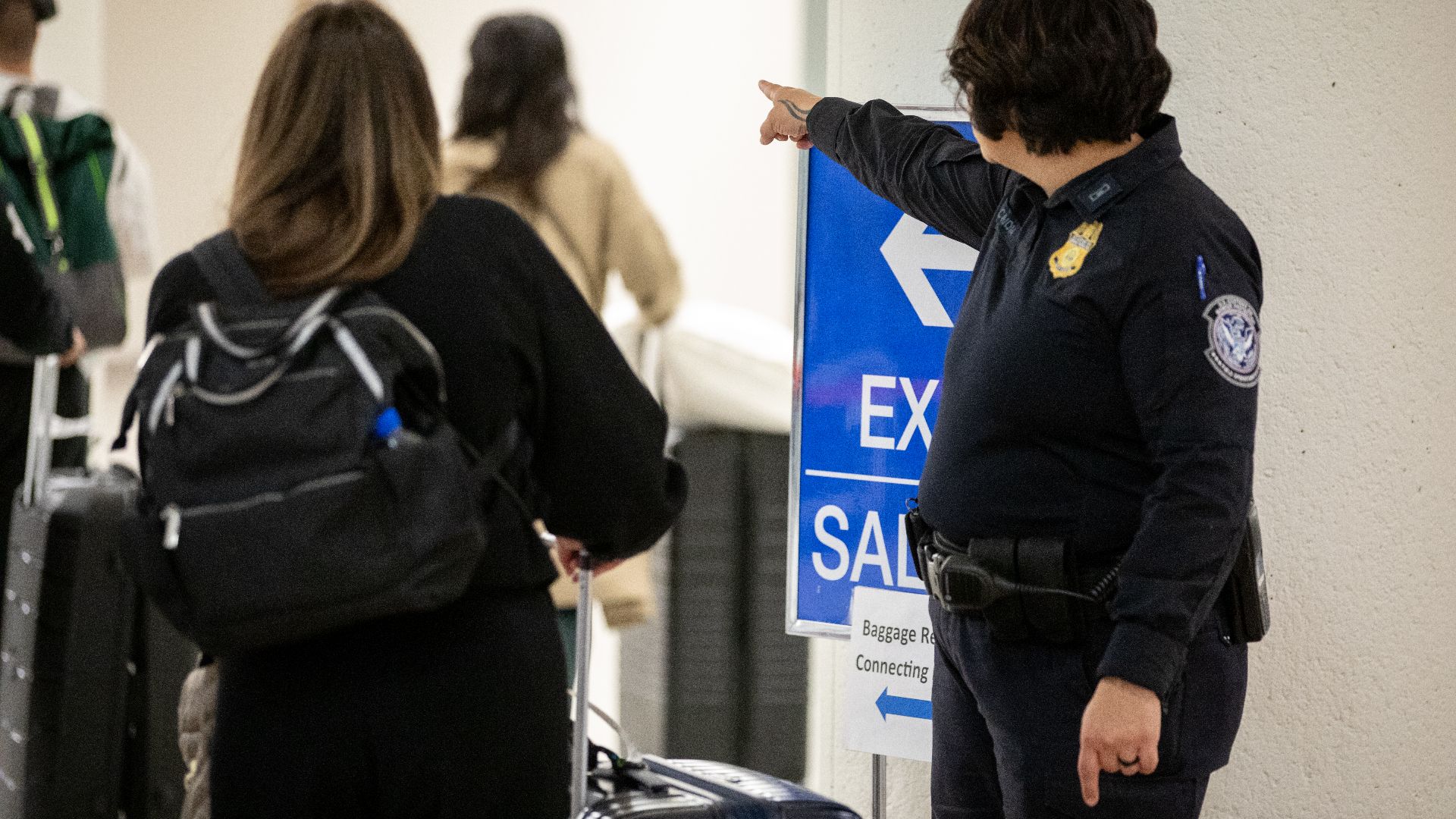
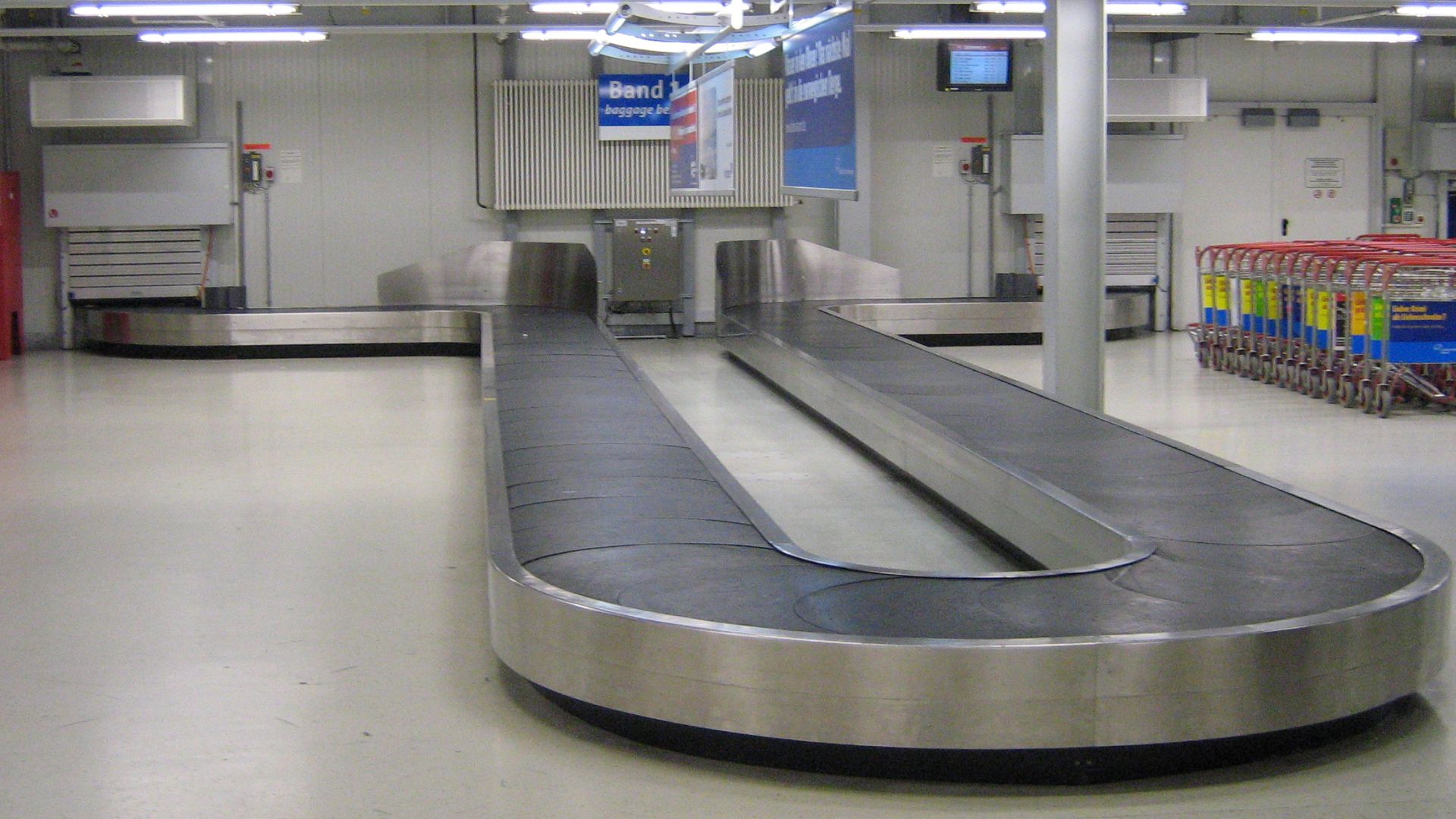
Security rules require that checked baggage must match a passenger on board. If a passenger does not board, their bag must be removed before departure.
 CBP Photography, Wikimedia Commons
Safety Regulations Drive Many Changes
Most baggage rules originate from safety concerns, not airline profits. Lithium battery restrictions are a clear example of safety-first policy enforcement.
 Ralf Roletschek, Wikimedia Commons
Airlines Still Control Fees And Allowances
While regulators set safety rules, airlines decide pricing and baggage allowances. This leads to wide variation in policies between carriers.
Travelers Are Paying For Stricter Enforcement
The biggest change in 2026 is not new rules, but stricter application. Passengers who are unaware of updated enforcement trends are more likely to face fees and delays.
Preparation Is Now Essential Before Flying
Travelers must check airline-specific baggage policies before every trip. Assumptions based on past experiences no longer guarantee a smooth airport experience.