A Cramped Flight And A Bigger Question
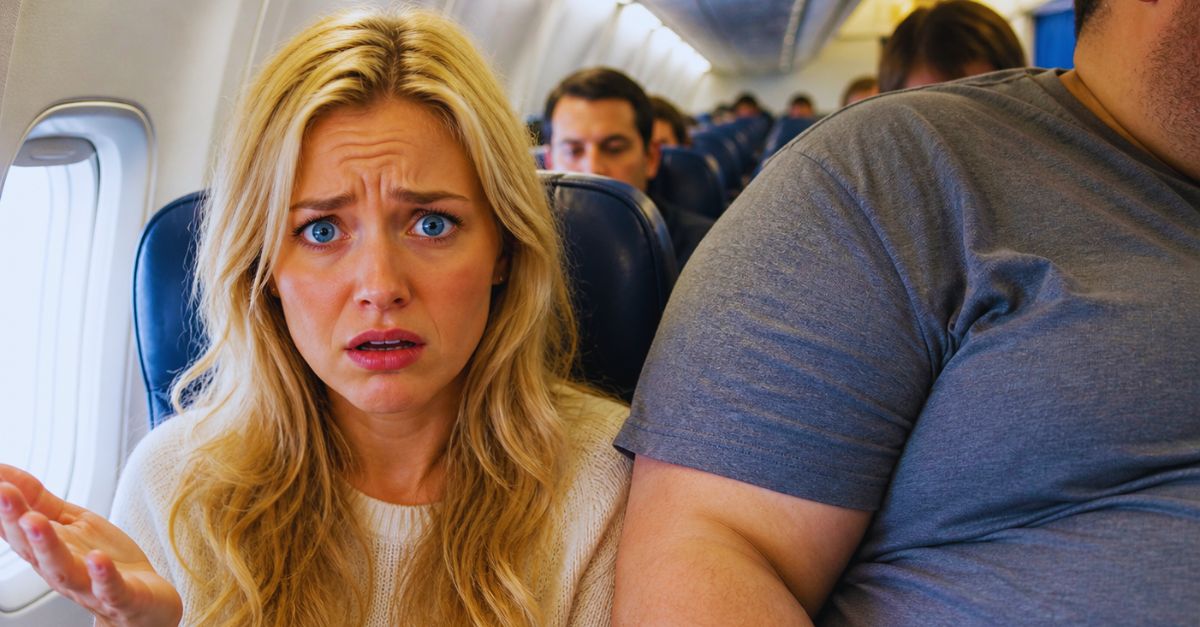
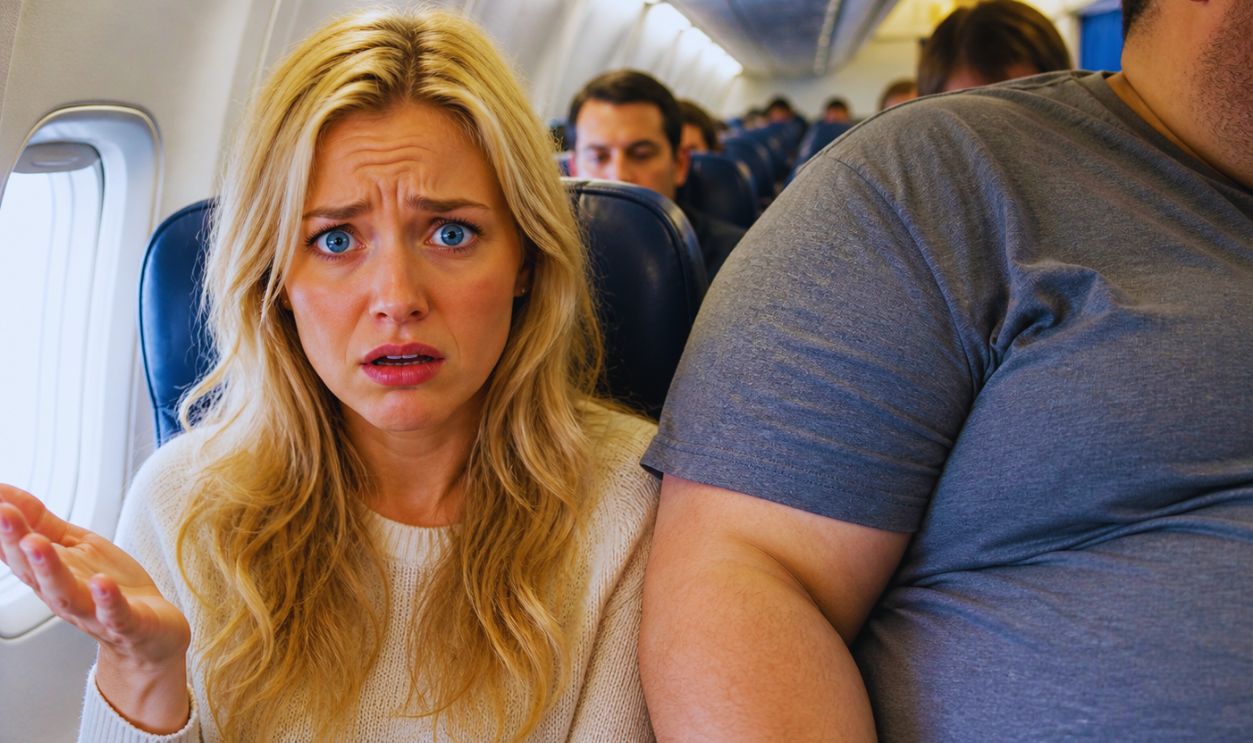
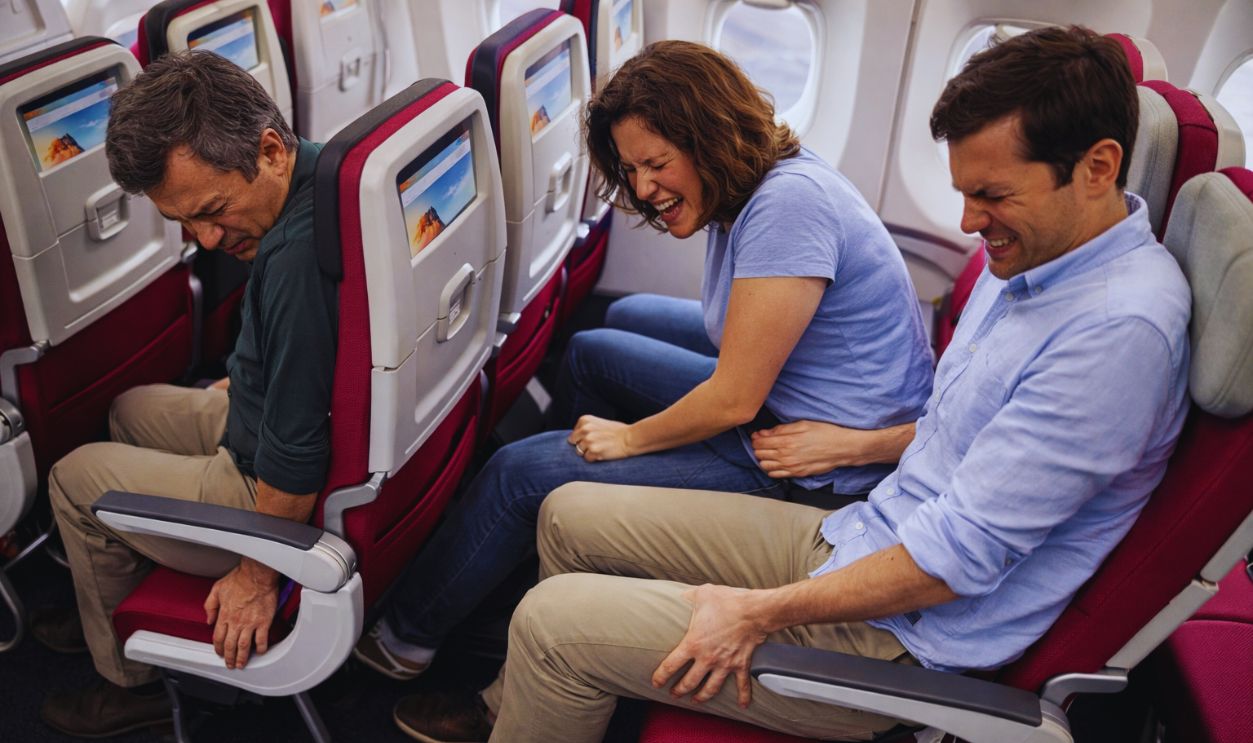
It's one of the most awkward situations you can end up in while flying. You board, find your seat, and realize the person next to you is taking up a big chunk of your space too. If the airline will not move you, the next question is obvious. Can you get your money back?
Why This Keeps Coming Up
Tight seating is now a regular complaint in modern air travel. Consumer advocates have warned for years that shrinking personal space creates tension between passengers and extra stress for crews. When a neighboring passenger spills into your seat, the problem gets real fast.
The Refund Rule Most Travelers Need To Know
In the United States, airlines usually do not have to give you a refund just because your flight was uncomfortable. The US Department of Transportation requires refunds in certain cases, like canceled flights or major schedule changes, but it does not have a blanket rule for seat-space disputes with another passenger. In most cases, your outcome depends on the airline’s own policy and how the situation was handled that day.
What The Department Of Transportation Actually Says
The DOT has made clear that passengers are entitled to refunds when airlines cancel or significantly change flights and the passenger does not accept the alternative. It has also said some fees must be refunded when paid services are not provided. But there is no specific DOT rule saying an airline has to refund your fare because the person next to you took over part of your seat.
 Guilherme Stecanella, Unsplash
The Policy Gap That Frustrates Flyers
That gap is why these complaints are so frustrating. A passenger may feel they did not really get the seat they paid for. But unless there is a documented failure tied to a seat assignment, a premium seat fee, or some other specific service, a full refund is far from guaranteed.
Airlines Have Been Pressed On Passenger Size Before
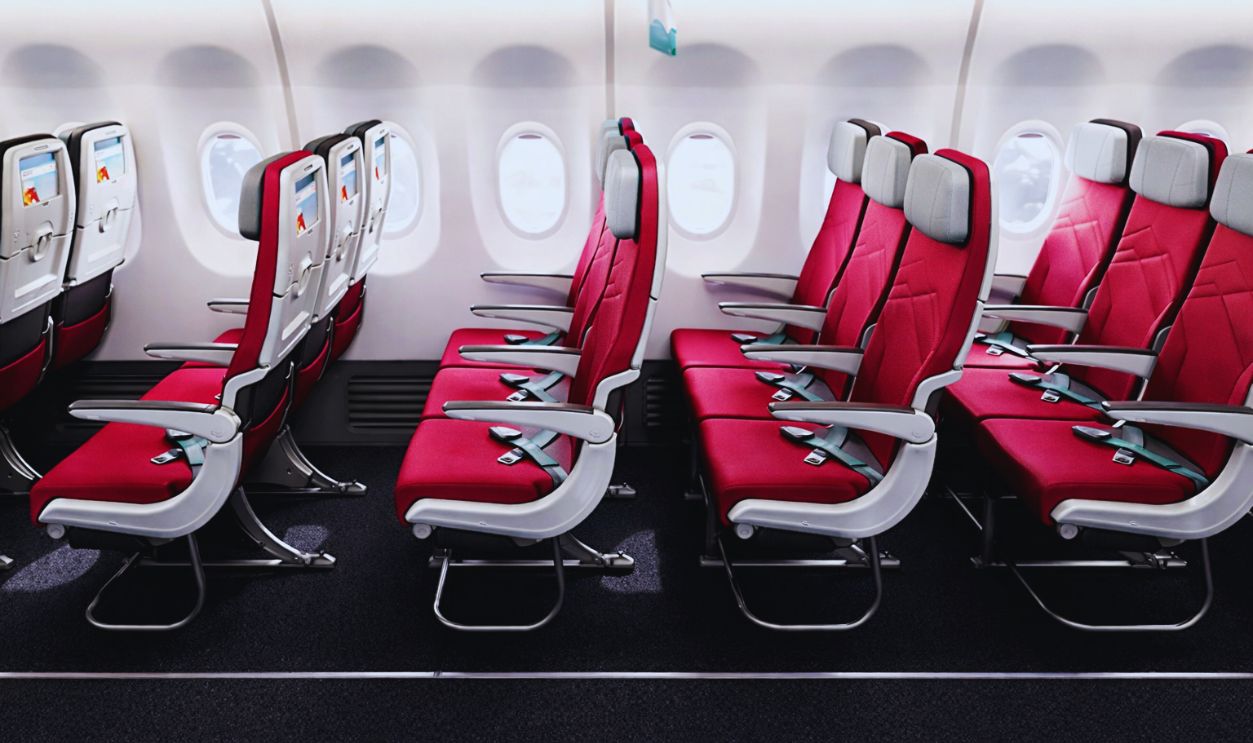
This is not a new issue. In 2012, the consumer advocacy group FlyersRights.org filed a petition asking the FAA to regulate minimum seat size, pointing to safety and health concerns tied to shrinking seats. The FAA later denied that petition, and the fight continued in court for years.
The FAA Seat Size Fight Added Context
In 2017, the US Court of Appeals for the DC Circuit ordered the FAA to reconsider parts of that seat-size petition after FlyersRights challenged the agency’s decision. The court did not create a refund right for cramped passengers, but it showed just how serious seat-space concerns had become. Even then, there was still no automatic path from cramped conditions to compensation.
One Airline’s Policy Shows How It Can Work
Southwest Airlines often comes up in this discussion because it has a formal Customer of Size policy. The airline says customers who encroach on a neighboring seat may purchase an extra seat, and if the flight is not oversold, that extra-seat purchase may be refunded after travel. That policy is meant to make space available, not to compensate the passenger next door.
Why Southwest’s Policy Matters
Southwest’s policy matters because it shows airlines can address the problem directly when they want to. It also highlights an important reality for travelers on other carriers. If your airline does not have a clear written policy, your options may come down to goodwill instead of a guaranteed right.
What Happens On Carriers Without A Clear Policy
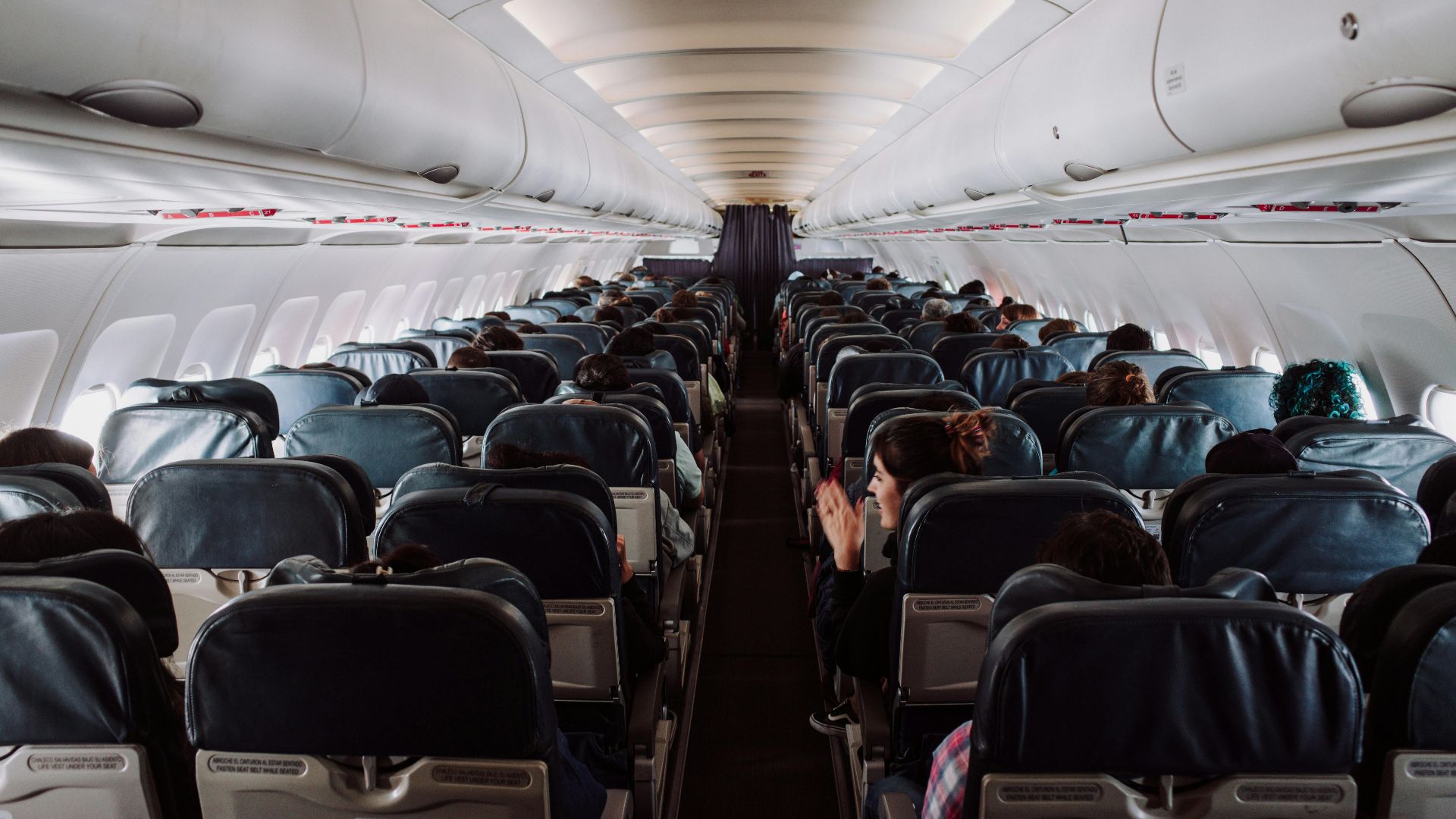
Many airlines rely on broad contract-of-carriage language and case-by-case calls by airport staff. In practice, that means gate agents and flight attendants may try to reseat people if there are open seats. If the flight is full and the airline does not step in, you may be left with a complaint and not much else in the moment.
 Delta News Hub, CC BY 2.0, Wikimedia Commons
Your Best Chance Is Usually Immediate Documentation
If this happens, timing matters. Ask politely but clearly for help before the doors close, and if possible ask the crew to note your complaint in the flight record. Documentation made during the trip is usually much stronger than a complaint sent days later with no record from the time.
Photos Can Be Tricky But Notes Help
Travelers should be careful about taking photos or video of other passengers because that can quickly create privacy concerns or a confrontation. A better move is to write down the facts. Note the date, flight number, seat assignment, names of crew members if available, and exactly what the airline told you when you asked to move.
Ask For A Reseat First
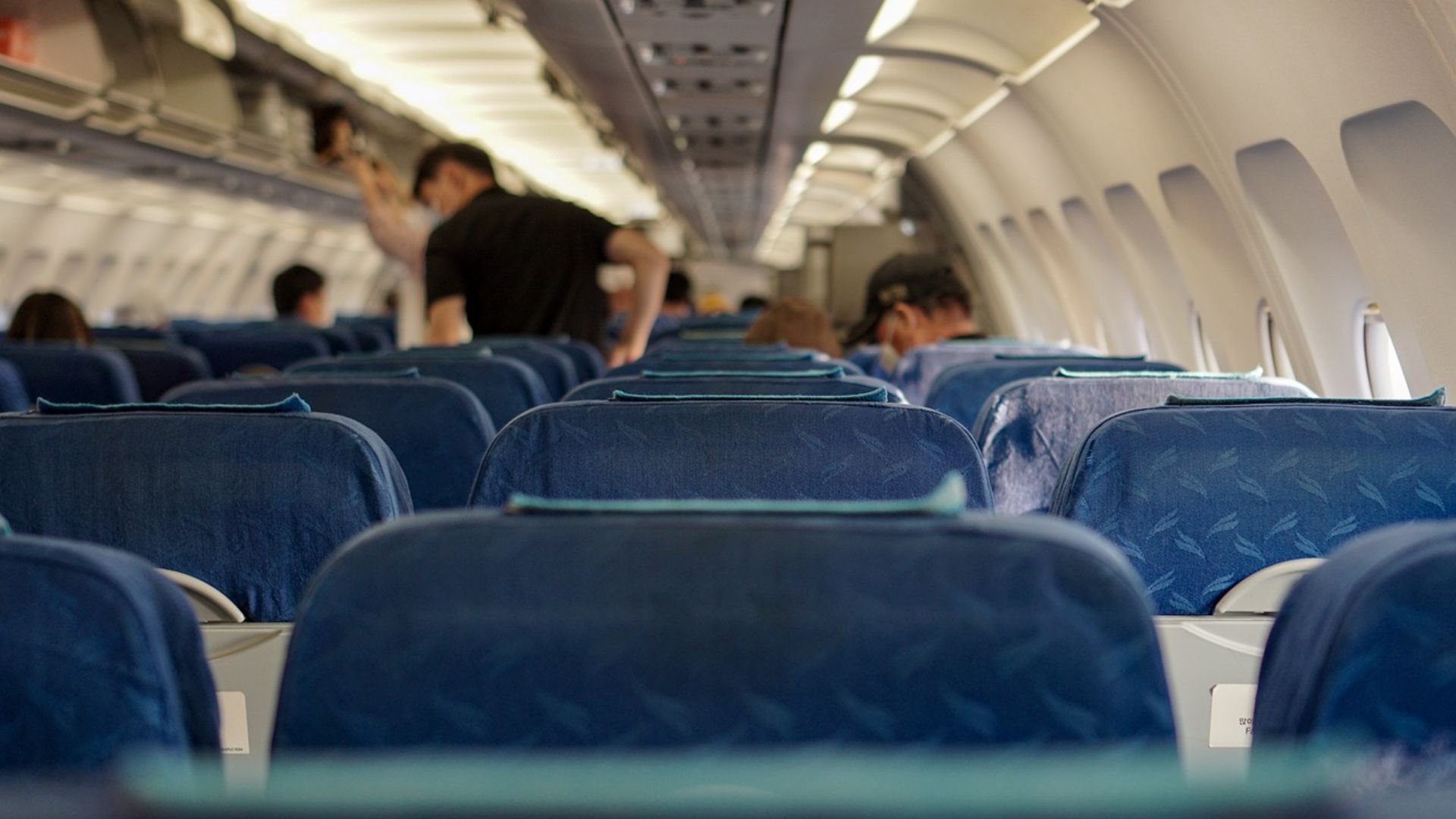
A refund request is stronger if you can show you tried to fix the problem on the spot. Ask whether there are open seats elsewhere in the cabin, including middle seats, aisle seats, or unused premium seats the crew is allowed to use. If the answer is no, ask the crew to record that the flight was full and that no alternative seat was provided.
Do Not Expect A Full Refund Automatically
This is the hard truth. If the airline got you from your starting point to your destination, it will usually argue that the main service was provided. That makes a full fare refund a tough sell unless there was some other clear service failure.
 Centre for Ageing Better, Unsplash
You May Have A Better Shot At Partial Compensation
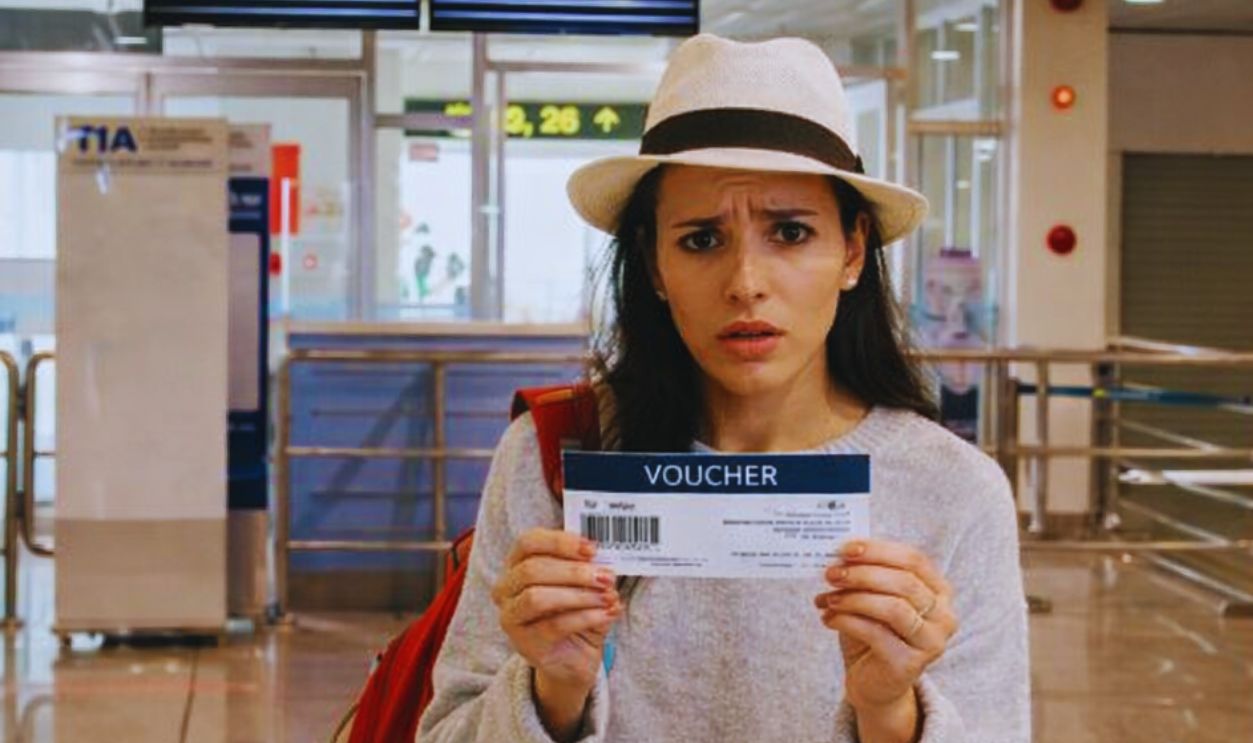
A partial refund, travel credit, miles, or a goodwill voucher is often more realistic. Airlines sometimes offer those when a passenger can show the trip was seriously degraded and the crew could not fix it onboard. The amount can vary a lot, and it often depends on how well the complaint is documented.
Seat Fees Could Change The Equation
If you paid extra for a specific seat, your argument may be stronger. The DOT has said that fees for services not provided may be refundable in some cases. If the seat you paid for was effectively unusable as sold because part of it was not available to you, that is worth stating clearly in your complaint.
The Airline’s Contract Of Carriage Matters
Every airline has a contract of carriage that lays out many of the legal terms for travel. These contracts usually give carriers broad discretion over seating and operational decisions. They rarely promise any set amount of personal space beyond the assigned seat itself, which is one reason these disputes are so hard to win.
Why Crews Sometimes Say No
Even when airline staff sympathize, they may not have many options if the cabin is full. Flight attendants are balancing seating rules, weight and balance concerns, exit row requirements, and the need to avoid conflict onboard. A refusal to move you does not always mean they think your complaint is weak. It may simply mean there was nowhere legal or practical to put you.
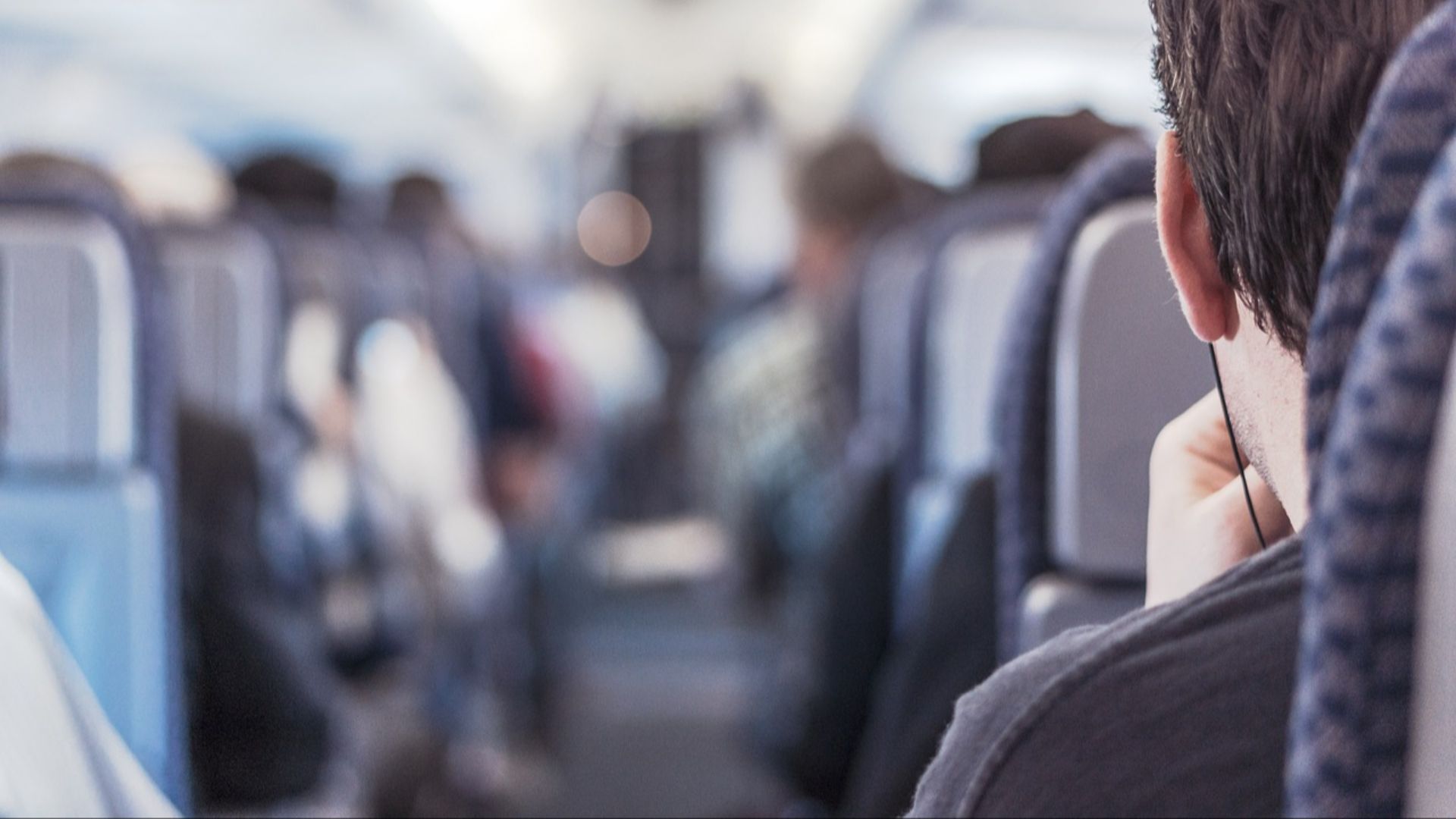
The Safety Dimension Is Separate
There is also a separate safety issue when a passenger cannot fit safely within one seat with the armrest down. Airlines may have policies that cover that situation, but enforcement can be uneven and sensitive. For the neighboring passenger seeking compensation afterward, that still does not create an automatic right to a refund.
Consumer Advocates Have Long Warned About Shrinking Space
Groups like FlyersRights have argued that smaller seat dimensions affect health, accessibility, and emergency evacuation. Those concerns drew public attention through petitions, court cases, and repeated FAA scrutiny. But broader worries about seat size still have not created a simple compensation system for individual discomfort claims.
How To Write A Complaint That Gets Taken Seriously
Keep it calm, factual, and specific. Say when you flew, where you sat, when you asked for help, what the crew said, and what outcome you want. If you paid for seat selection, include the amount and explain why you believe the seat you got was materially different from what you bought.

Where To Send The Complaint
Start with the airline’s customer relations department, not social media. If the response is weak or dismissive, you can escalate by filing a complaint with the US Department of Transportation. A DOT complaint does not guarantee compensation, but it does require the airline to respond and can add weight to your case.

Credit Card Protections Are Usually Limited Here
Some travelers wonder whether they can file a chargeback. In most cases, that is difficult because the airline can show it transported you to your destination. Unless there was a clear failure to provide a paid add-on or a provable misrepresentation, your card issuer may be reluctant to reverse the charge.

Travel Insurance Probably Will Not Help Much
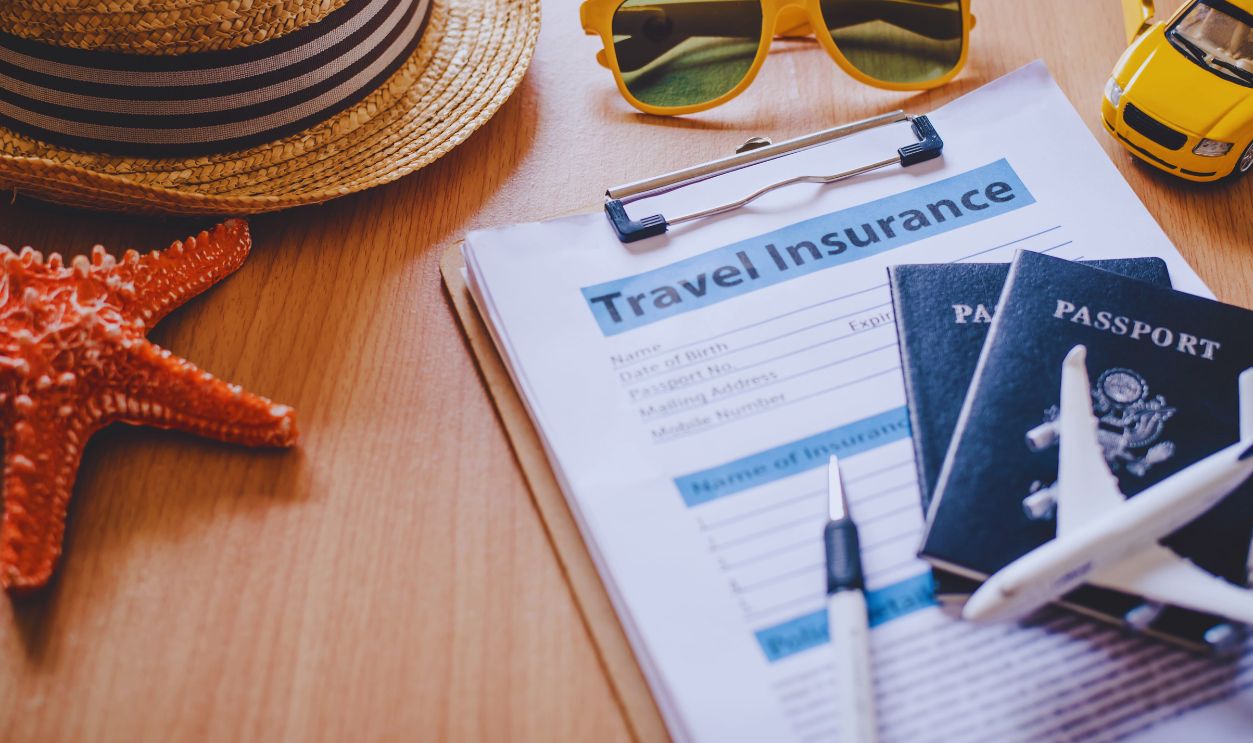
Standard travel insurance usually covers cancellations, delays, medical emergencies, and lost baggage. It generally does not cover discomfort caused by a neighboring passenger taking up part of your seat. That means your best route is usually the airline’s complaint process, not an insurance claim.
What Outcome Is Most Realistic
For most travelers, the realistic goal is not a full ticket refund. It is a partial refund, a seat-fee reimbursement, a voucher, miles, or at least a documented apology. Those outcomes are much more common when the complaint is prompt, specific, and tied to a failed onboard request for help.
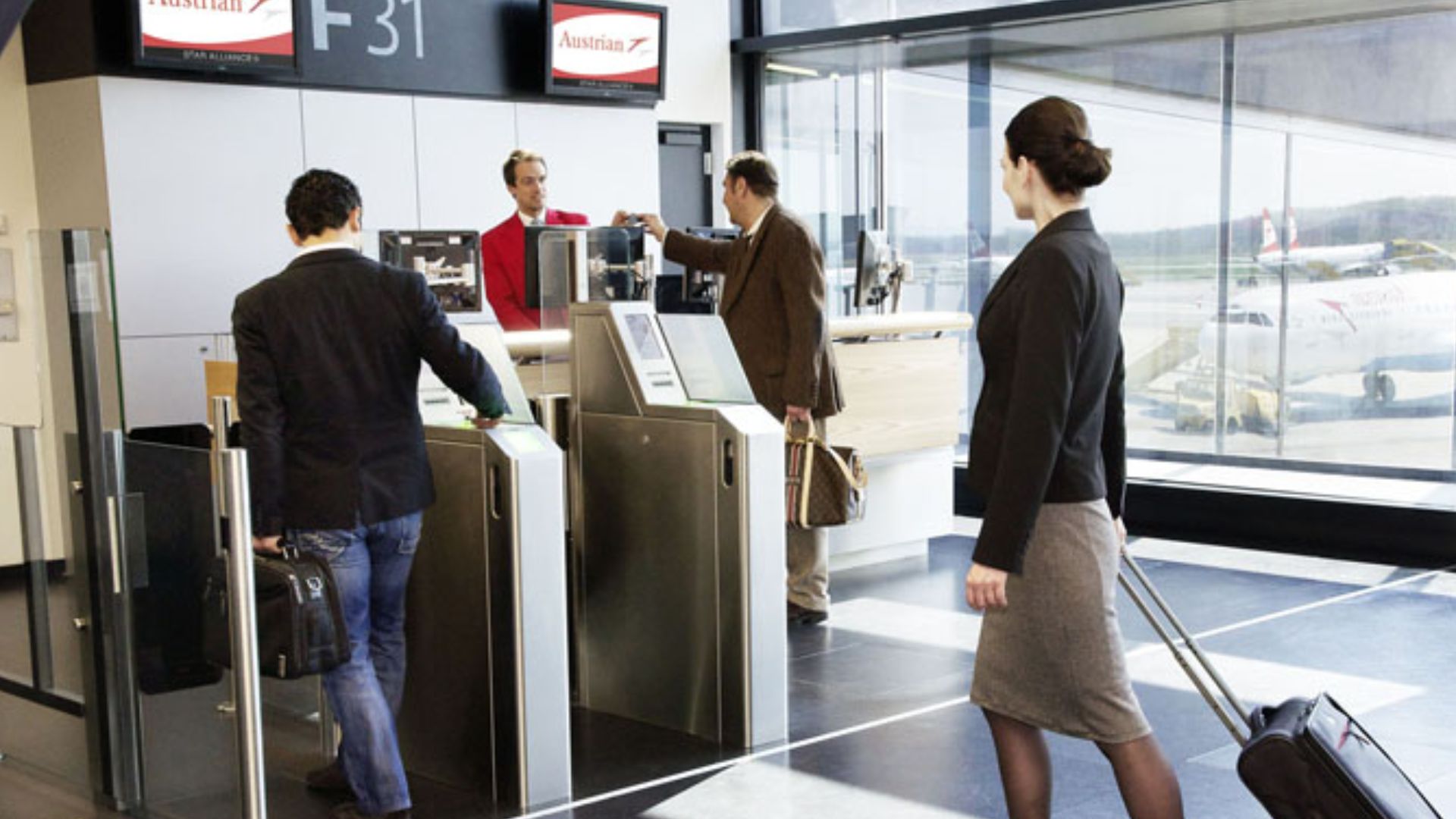 Austrian Airlines, Wikimedia Commons
The Bottom Line Before You Book Again
Can you get a refund if the person beside you took over half your seat and the airline would not move you? Possibly, but do not count on a full automatic refund unless there was a clearer service failure. Your strongest move is to ask for help right away, document everything, and then push for partial compensation or a refund of any seat fee you paid.