Canada Feels Familiar—Until It Doesn’t
For American travellers, Canada occupies a wonderfully strange middle ground. It feels close to home, yet different enough to make a holiday exciting. The road signs look familiar, the language is usually easy, and the coffee comes in reassuringly large cups—but surprises are always waiting around the corner.
Crossing The Border Is Part Of The Adventure
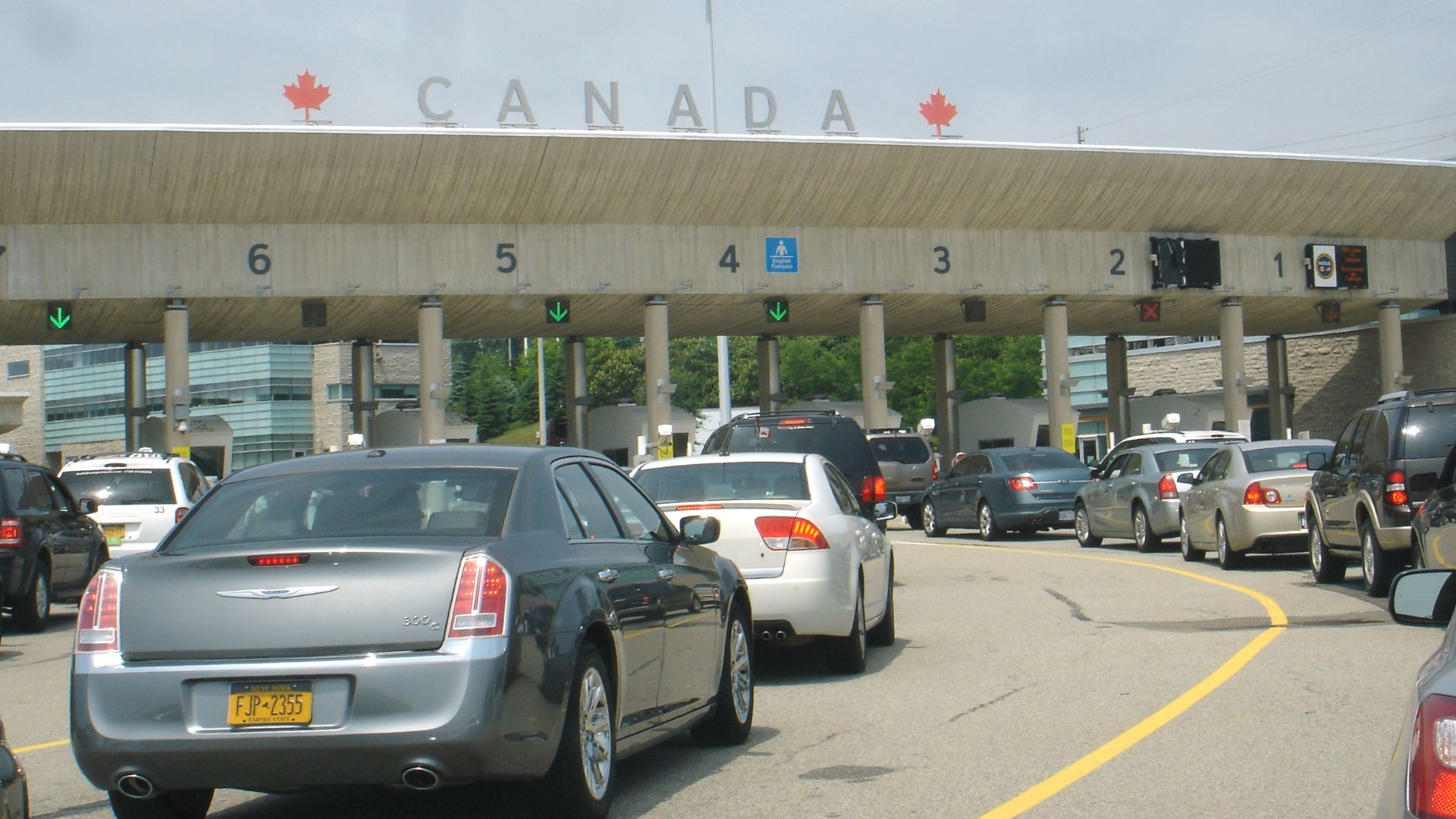
Many Americans grow up thinking of Canada as the neighbour just beyond a bridge, tunnel, lake, or forest. That makes crossing the border feel less intimidating than arriving on another continent. Still, travellers need the right identification and must answer border questions just like other international visitors.
Road Trips Make Perfect Sense
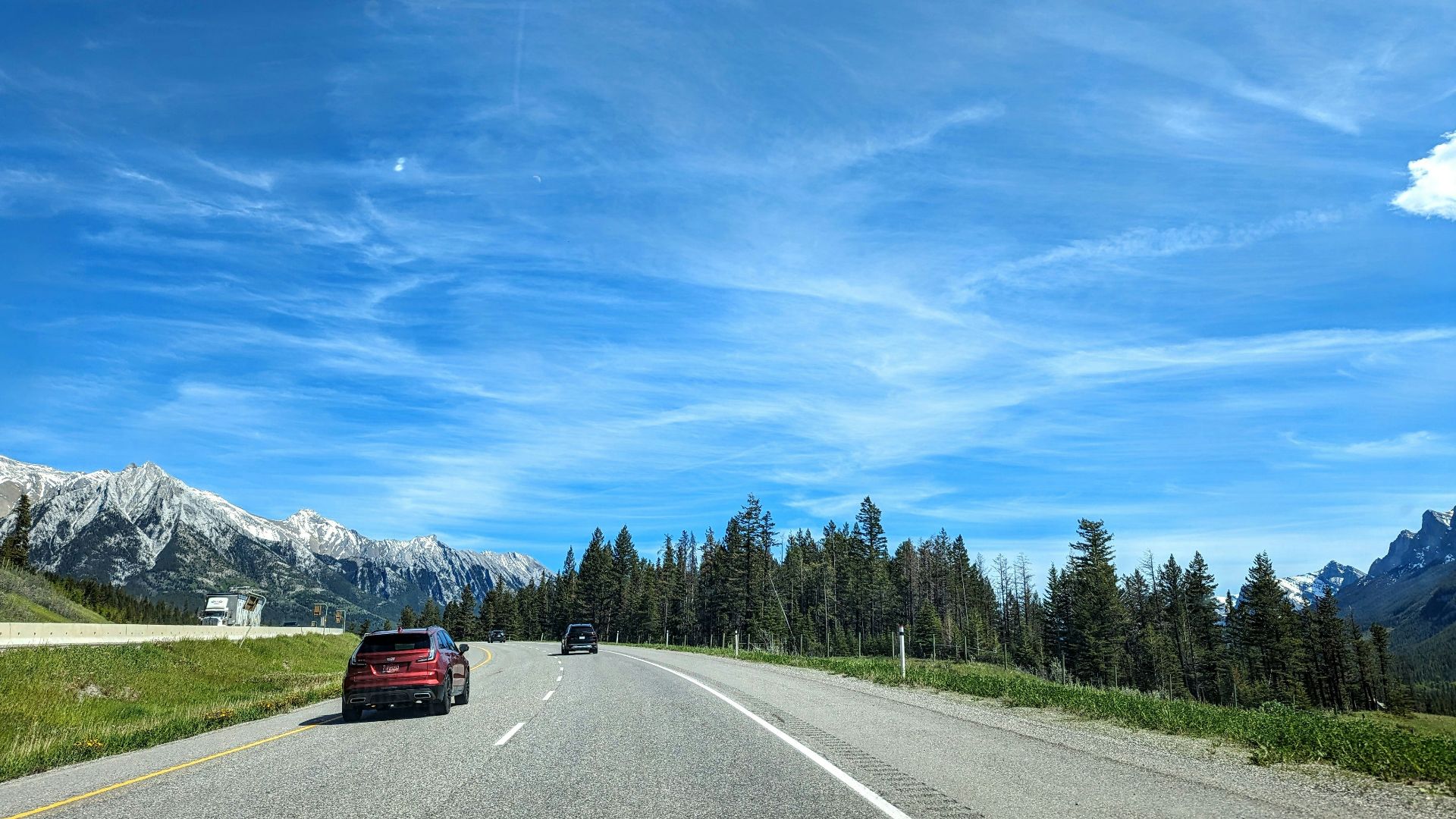
Americans understand countries designed for driving. In Canada, some of the greatest holidays involve loading the car, choosing a direction, and watching the scenery improve with every hour. From the Rockies to the Atlantic coast, the journey is often as memorable as the destination.
 Life's Captured Sparks, Unsplash
Distances Should Never Be Underestimated
An attraction that looks “fairly close” on a map might be several hours away. Americans from large states already know this trick. They understand that crossing Ontario is not a quick afternoon activity and that a Canadian road trip requires snacks, fuel, playlists, and realistic expectations.

A Full Tank Is A Beautiful Thing
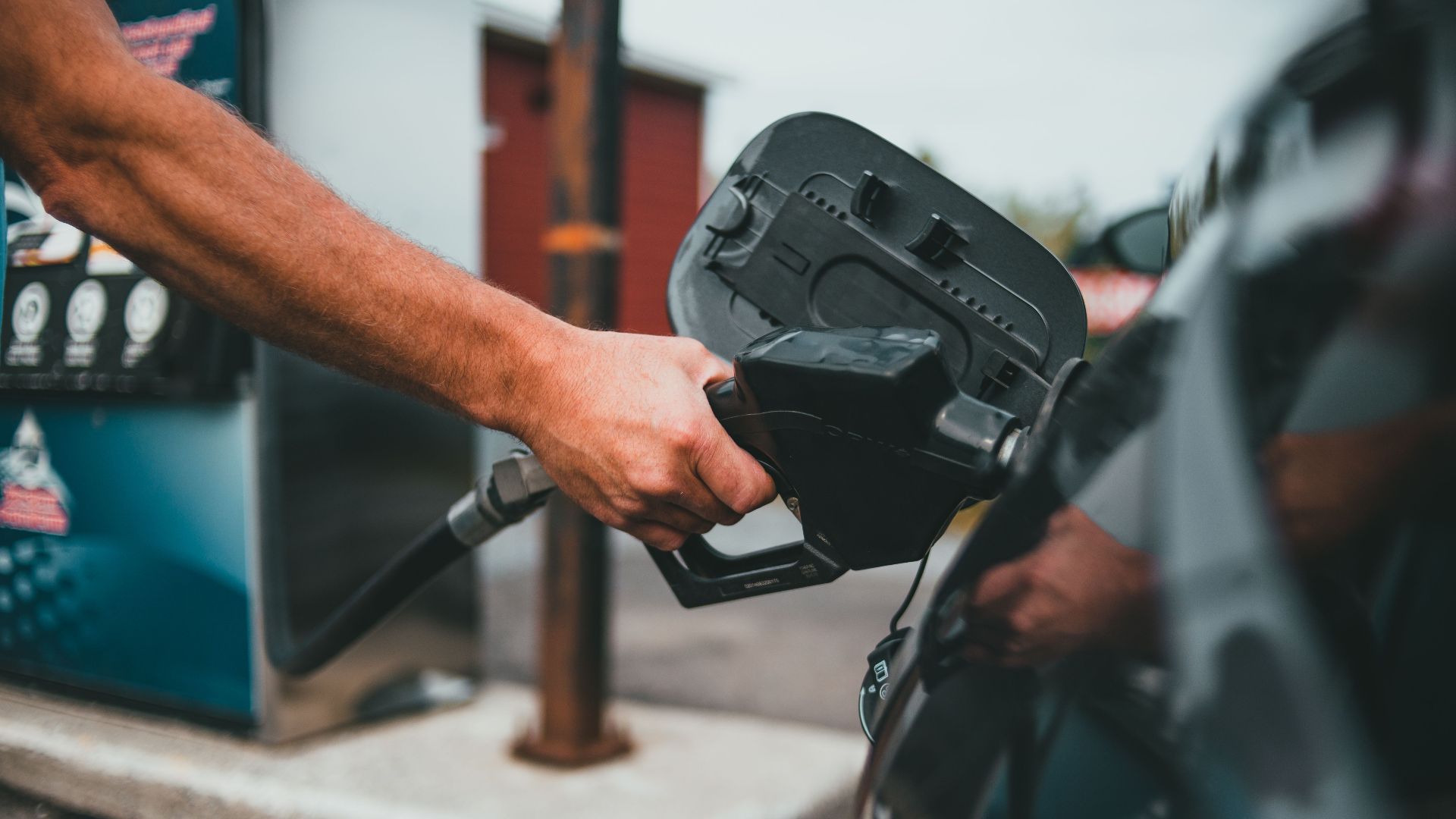
American drivers know better than to pass the last petrol station for miles because the next one is supposedly “probably nearby.” In rural Canada, services can become scarce surprisingly quickly. Filling up early may feel overly cautious—right until you see a sign announcing the next town is extremely far away.
Canadian Weather Has A Sense Of Humour
Americans from northern states understand that sunshine in the morning proves absolutely nothing about the afternoon. Canadian weather can turn a simple outing into a fashion show featuring T-shirts, rain jackets, jumpers, and emergency socks. Checking the forecast is helpful, but packing layers is the real survival skill.
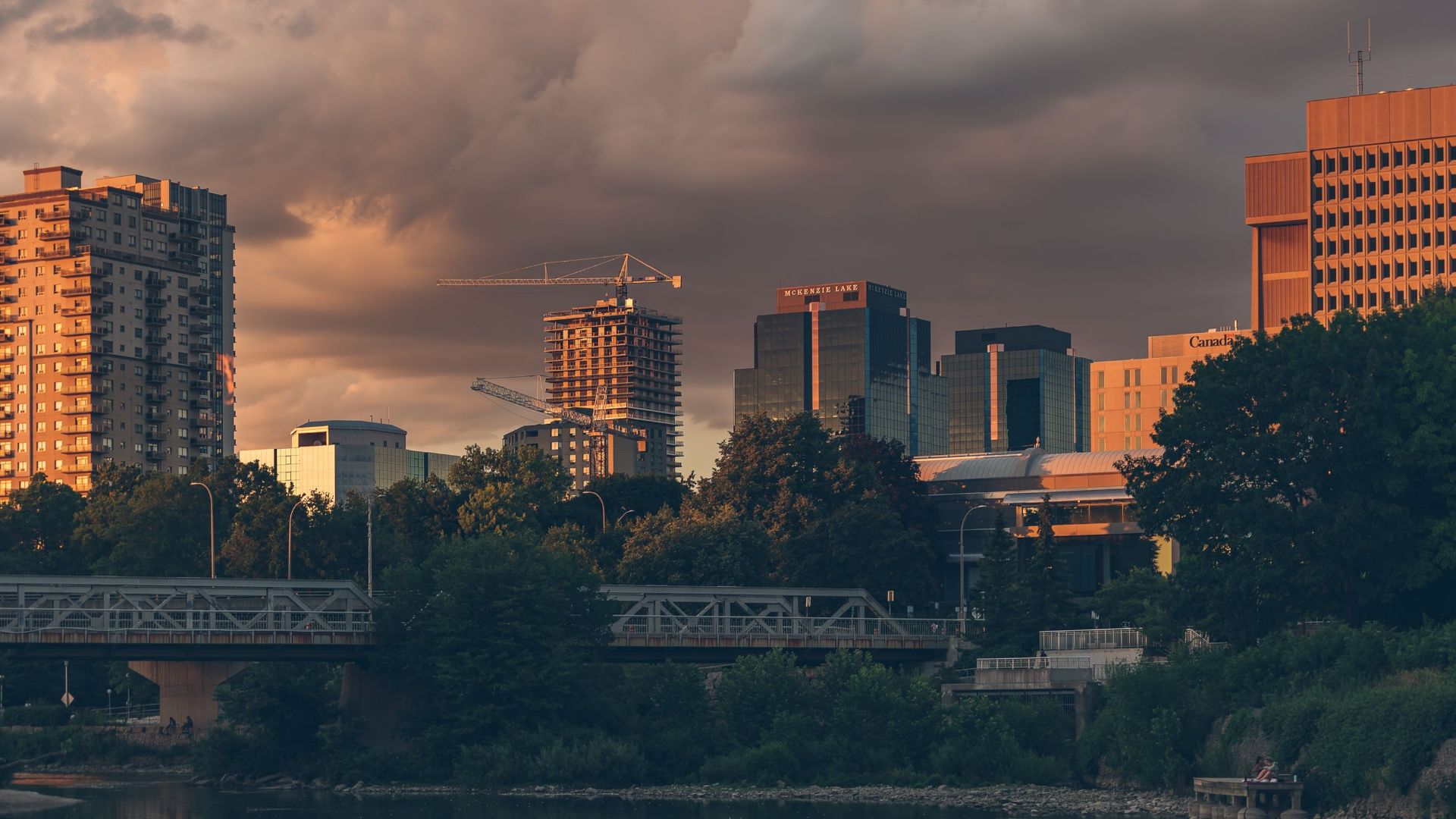
Summer Does Not Always Mean Warm
Visitors sometimes arrive believing July guarantees heat everywhere. Americans who have experienced chilly mountain mornings, windy Great Lakes beaches, or foggy coastal towns know better. Canadian summer can be glorious, but it may also require a jacket while someone back home is complaining about an unbearable heatwave.
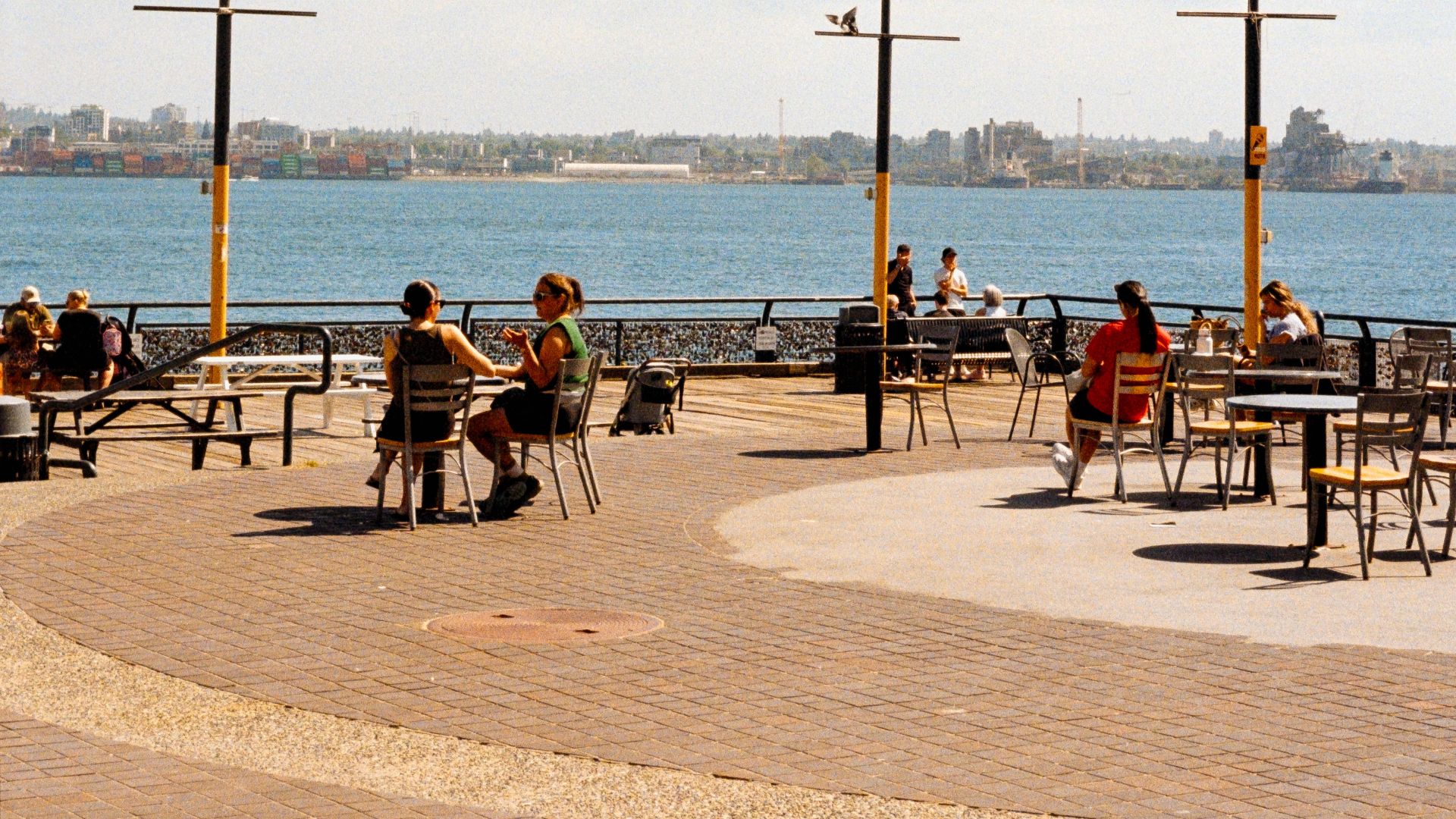
Winter Is More Than Pretty Snow
Snow-covered Canadian streets look magical in photographs. Americans from snowy regions also see the hidden details: icy pavements, frozen windscreens, delayed journeys, and boots that need actual grip. They appreciate winter’s beauty while respecting its ability to ruin an itinerary before breakfast.
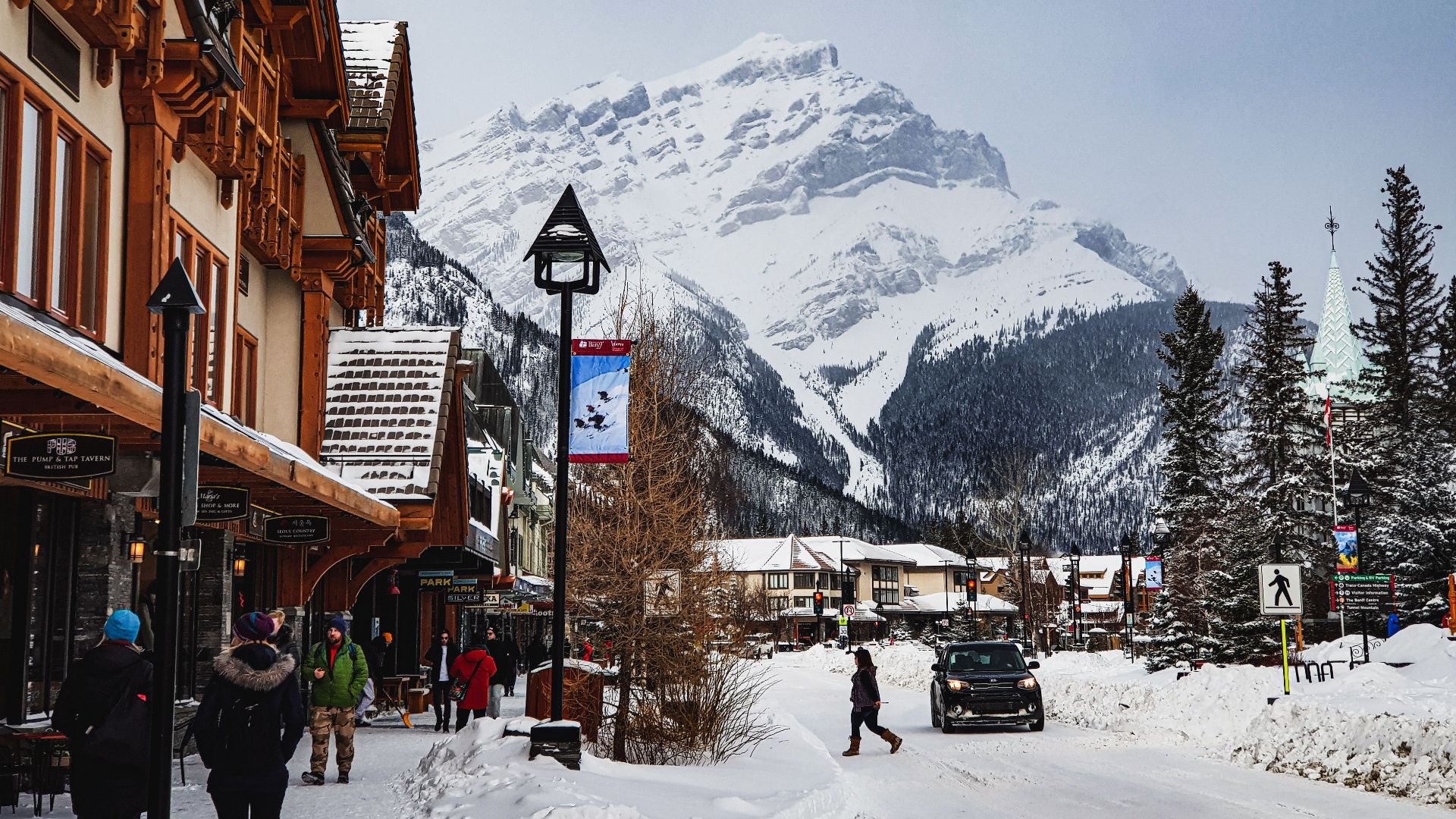
Wilderness Is Not A Theme Park
Canada’s forests and mountains may look peaceful, but they are genuine wild spaces. Americans familiar with national parks understand why food must be stored properly, trails should be respected, and wildlife needs distance. Parks Canada specifically warns campers to secure attractants for both human and animal safety.
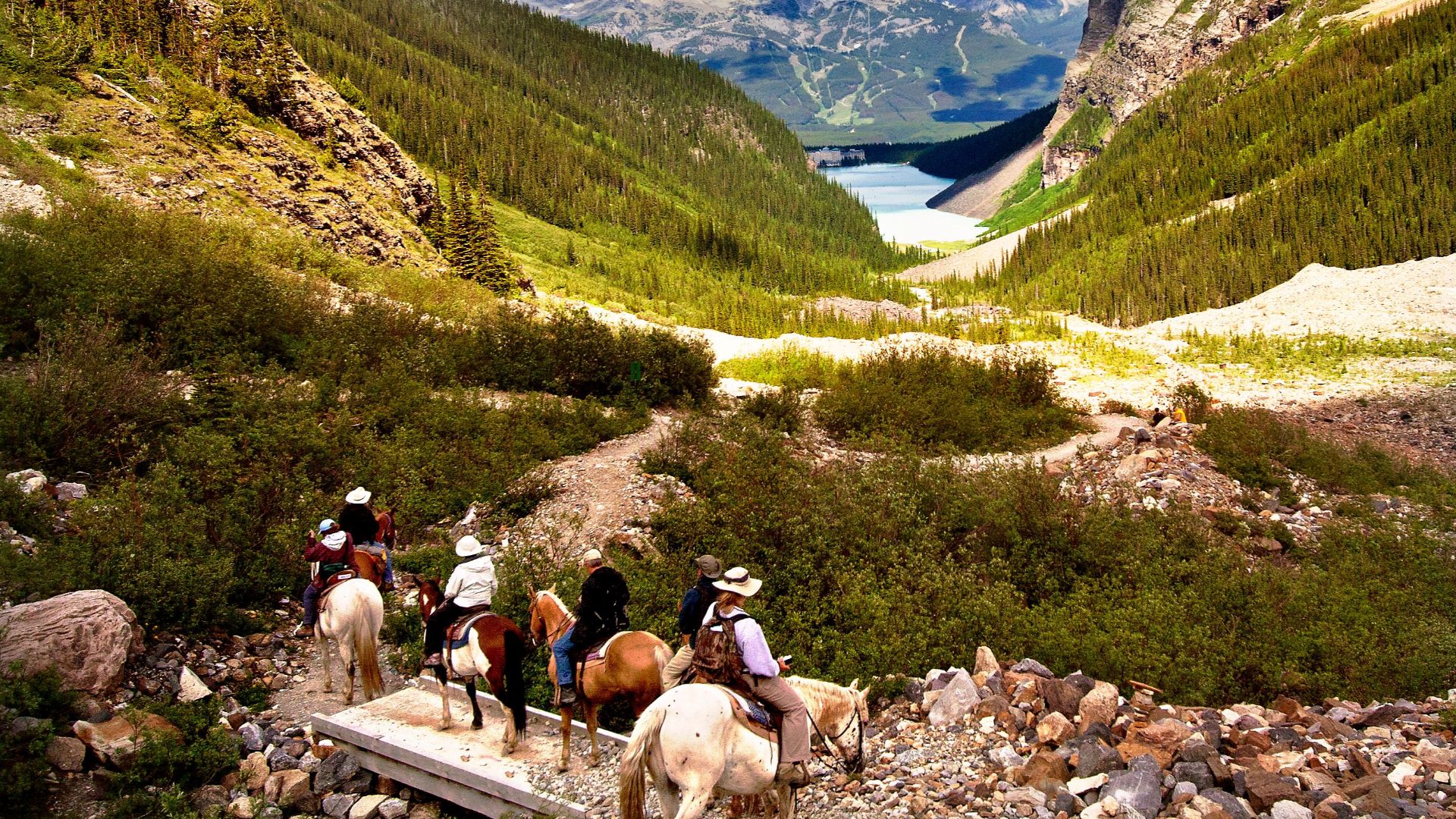
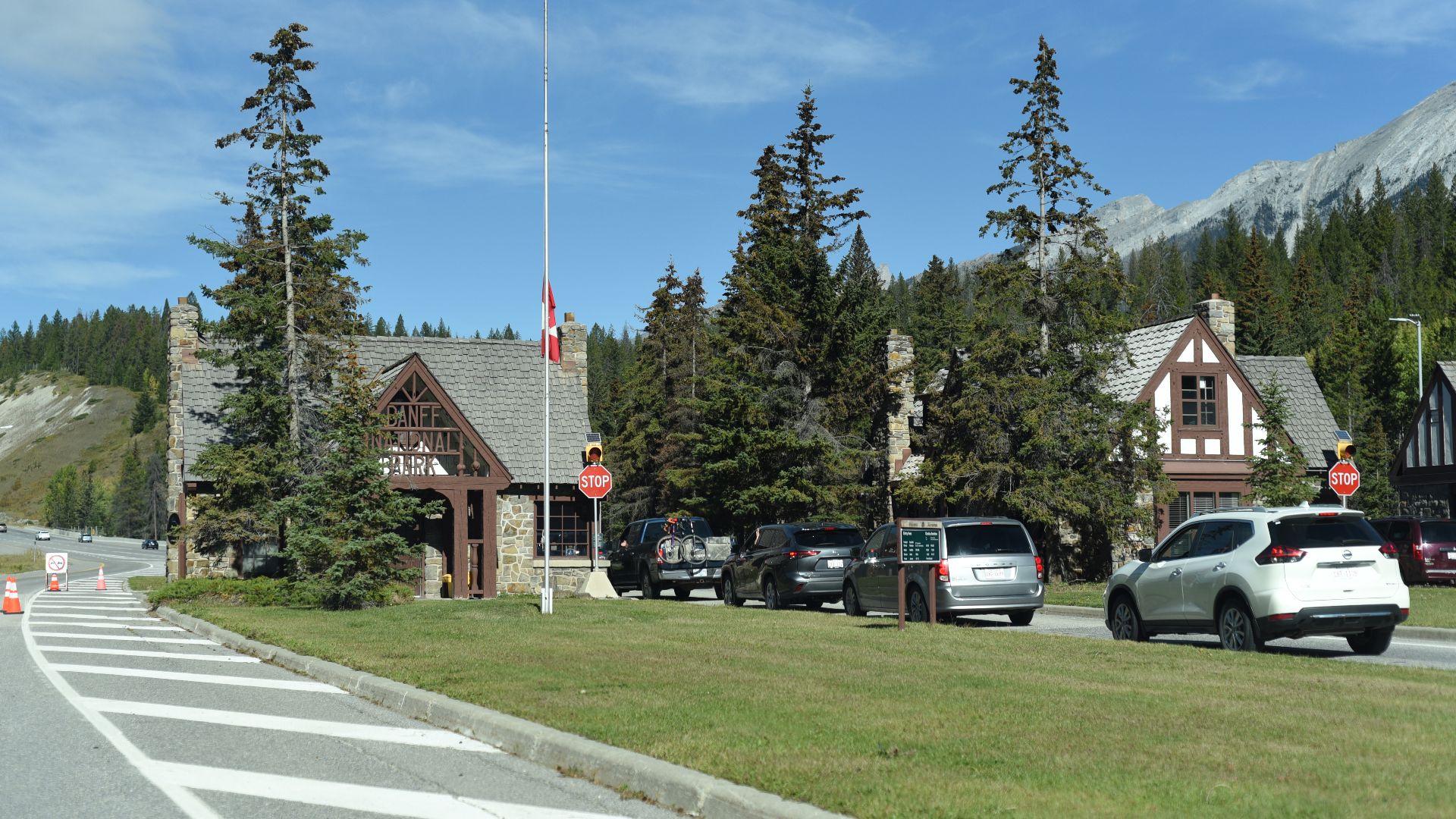
Popular Parks Require Planning
Showing up at a famous park without reservations can end in disappointment, especially during busy seasons. Parks Canada offers bookings for campsites, accommodation, shuttles, and other experiences across dozens of destinations. Americans accustomed to competitive park reservations already understand the value of planning early.
 Milan Suvajac, Wikimedia Commons
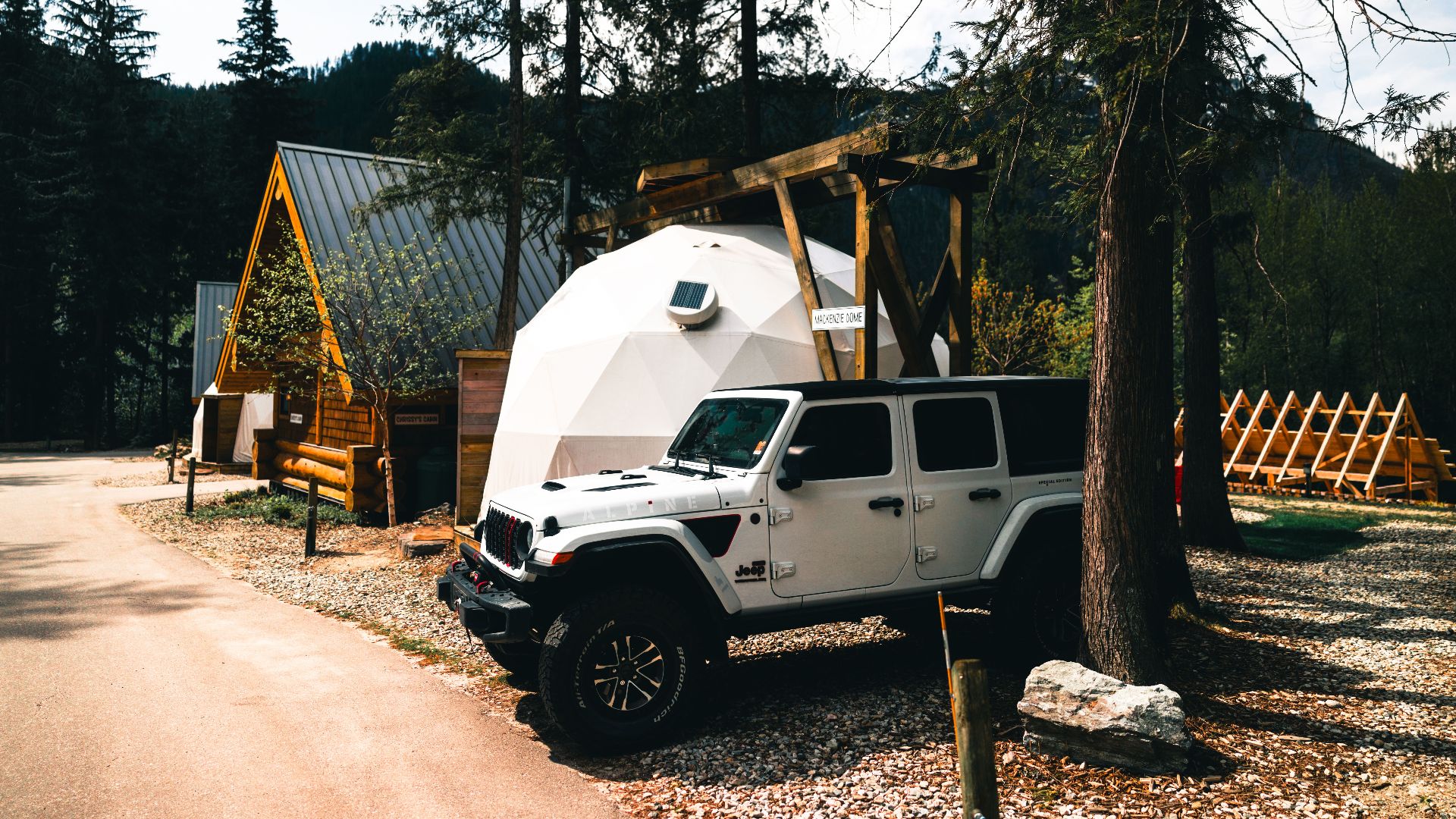
Camping Comes In Many Forms
Canadian camping does not necessarily mean sleeping miserably on tree roots while mosquitoes celebrate. Visitors can choose front-country sites, back-country adventures, RV facilities, cabins, and ready-to-camp options. Americans understand that “going camping” can describe anything from rugged isolation to a surprisingly comfortable weekend.
The Lake Is The Main Attraction
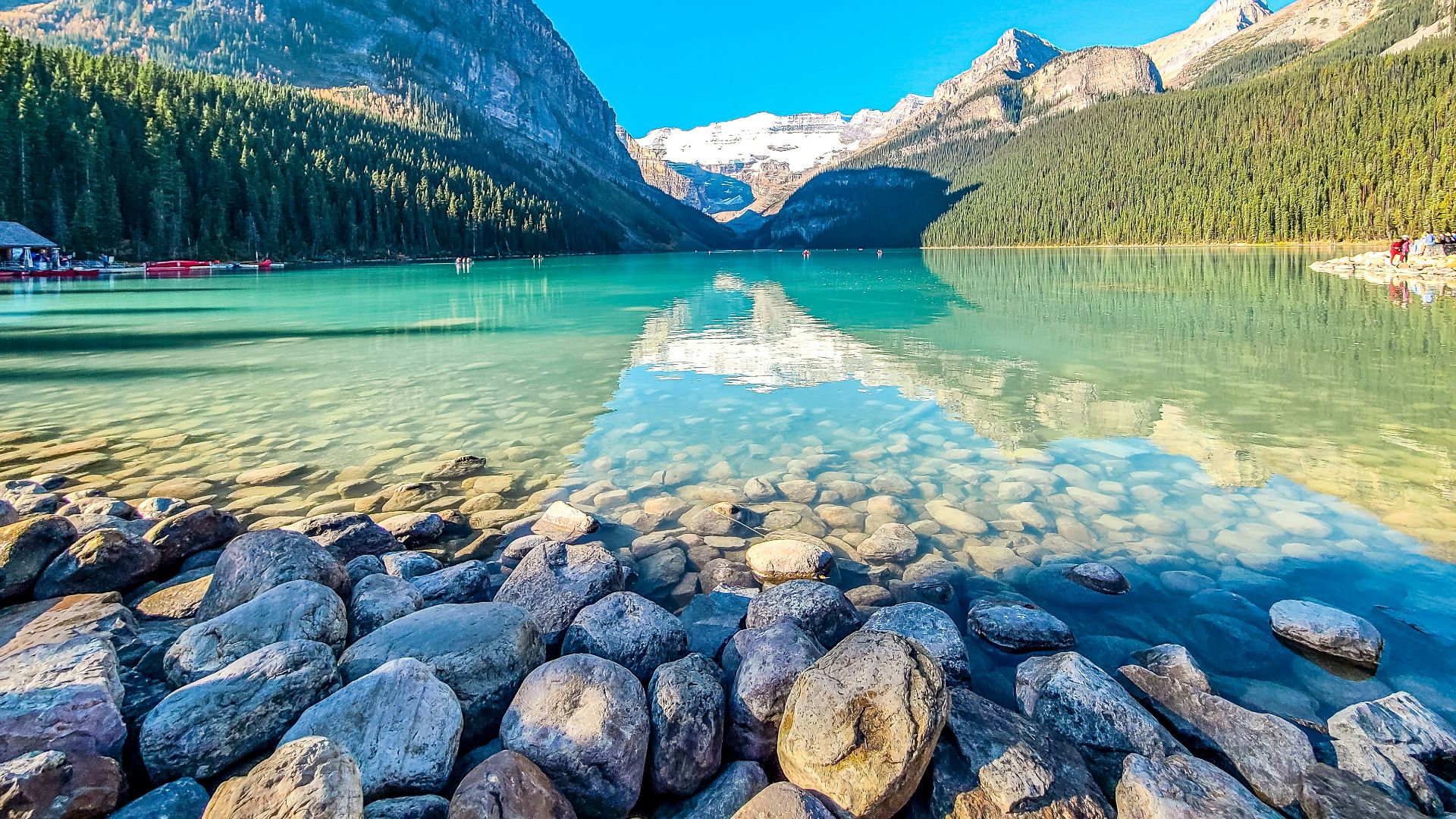
In many parts of Canada, holidays revolve around a lake. You swim in it, paddle across it, sit beside it, photograph it, and spend evenings discussing how calm it looks. Americans from Minnesota, Michigan, Wisconsin, or upstate New York immediately understand this highly organised form of doing almost nothing.
Cottage Life Needs No Explanation
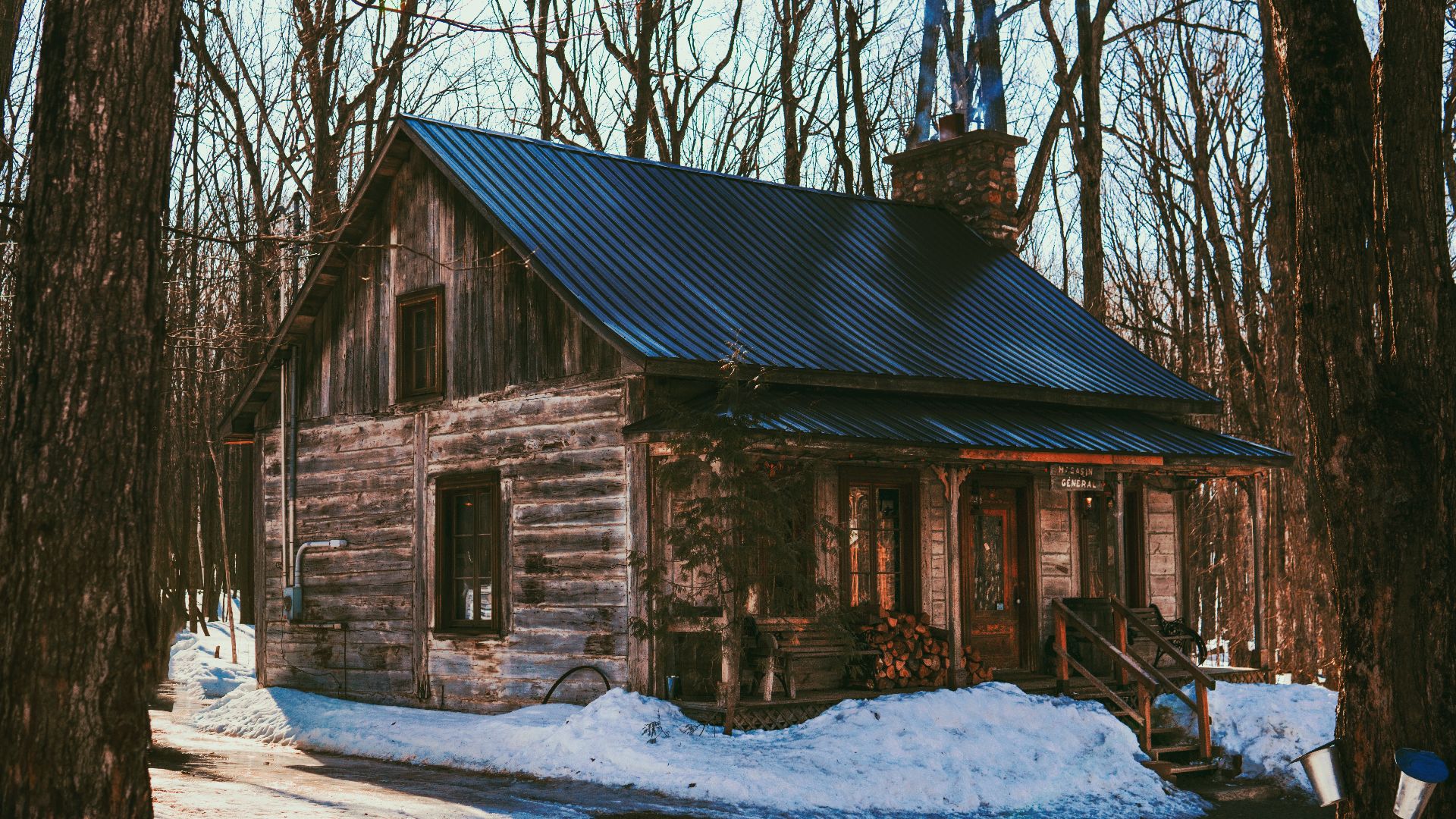
Some international visitors hear “cottage holiday” and imagine formal gardens and tiny teacups. Americans know it can mean wooden decks, squeaky screen doors, smoky campfires, damp towels, board games, and relatives arguing about whose turn it is to take the canoe back.
Small Towns Are Worth The Detour
Canada’s major cities receive plenty of attention, but road-tripping Americans understand the appeal of smaller places. A roadside bakery, harbour village, mountain community, or family-run diner can become the unexpected highlight. Sometimes the unplanned stop is better than the attraction printed in the guidebook.
English Will Get You Far
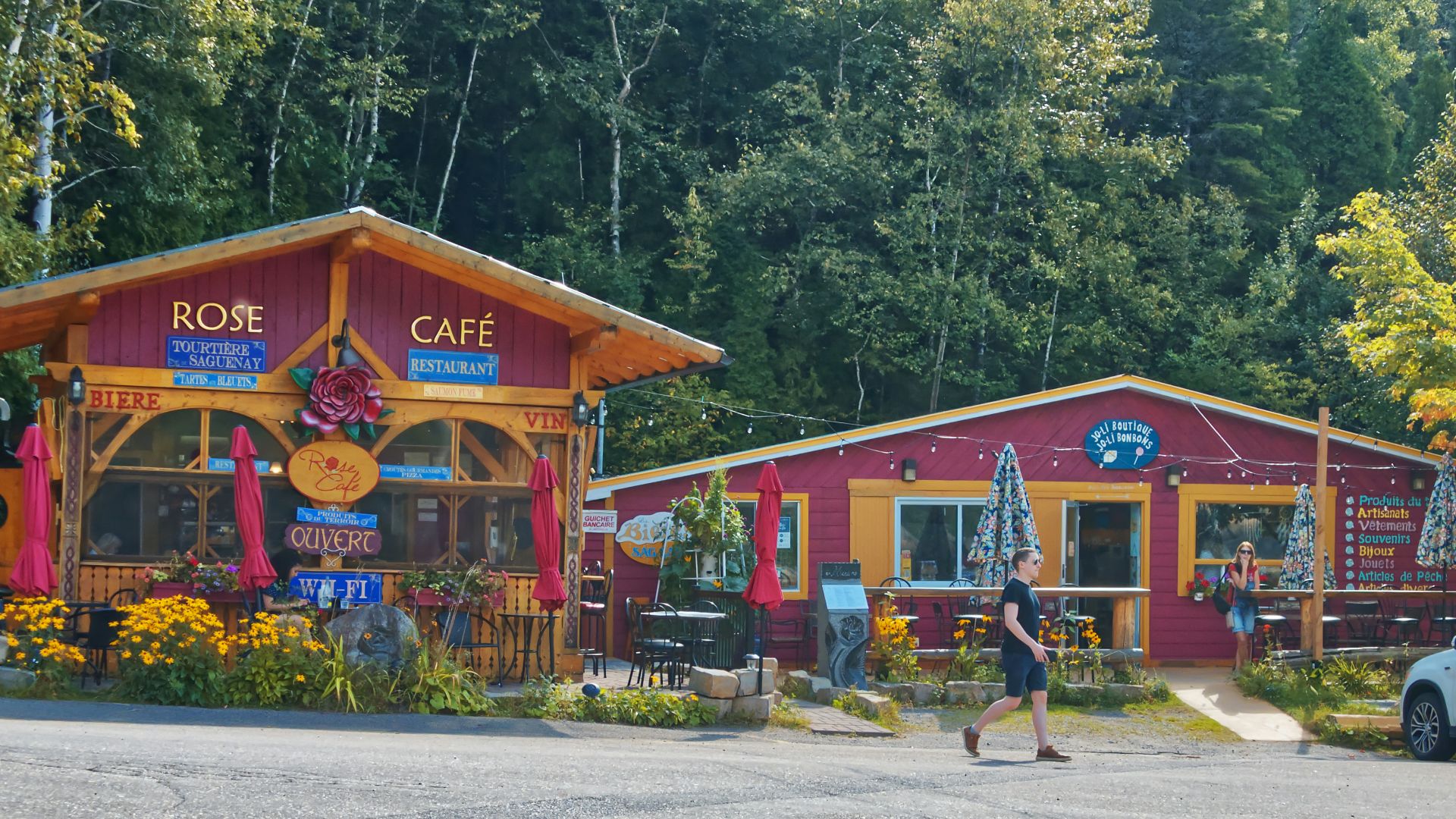
American visitors can travel through much of Canada without experiencing a serious language barrier. That makes everyday tasks—from ordering lunch to asking for directions—feel comfortable. However, Canada officially recognises both English and French, which gives signs, packaging, announcements, and conversations a distinctive rhythm.

Quebec Deserves A Different Mindset
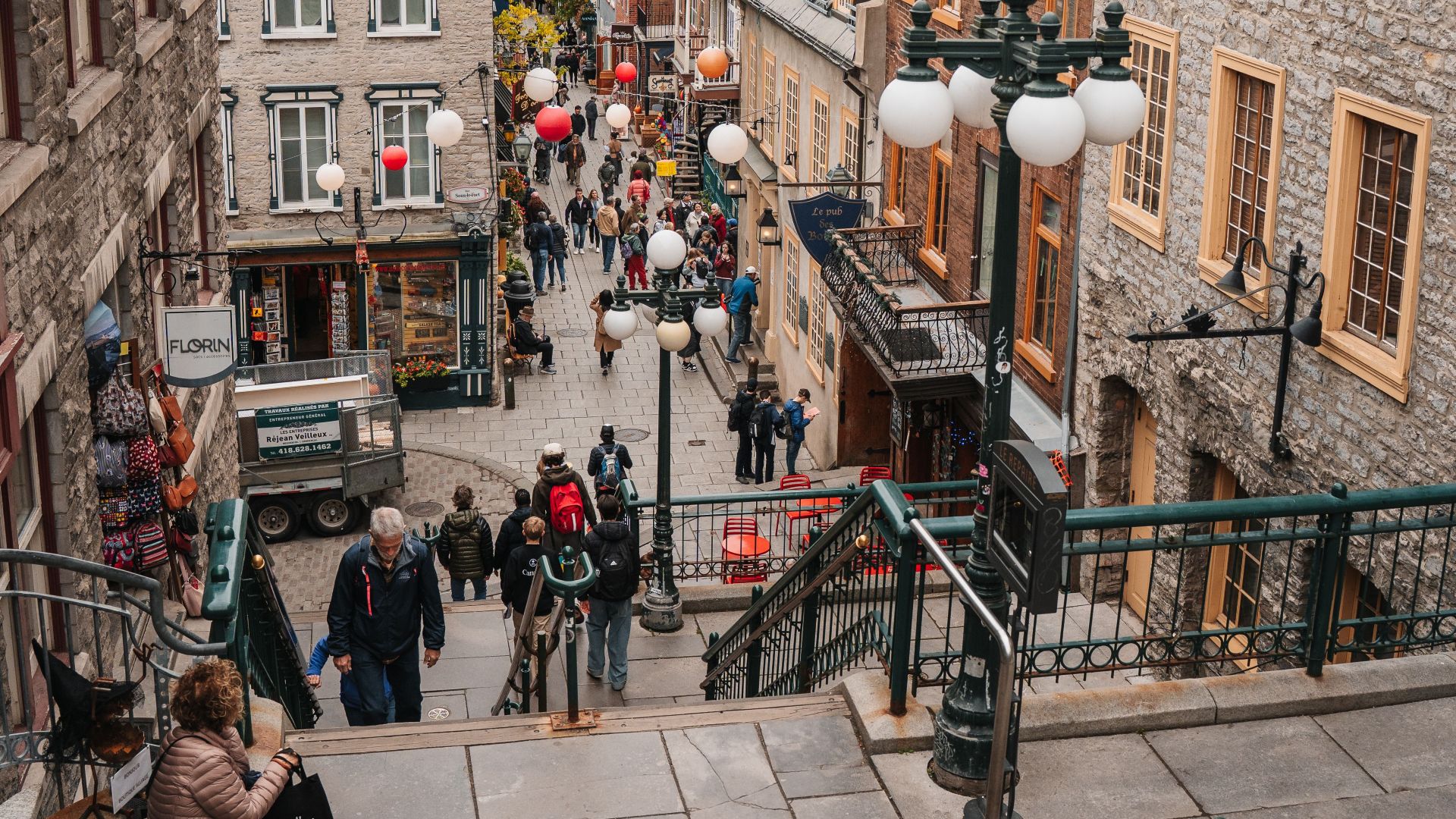
Americans who understand regional identity will appreciate that Quebec is not merely Canada with more French words. Its language, food, architecture, and cultural confidence create a noticeably different experience. Visitors who arrive curious rather than demanding familiarity usually discover one of the country’s most rewarding destinations.
Metric Conversion Becomes A Holiday Game
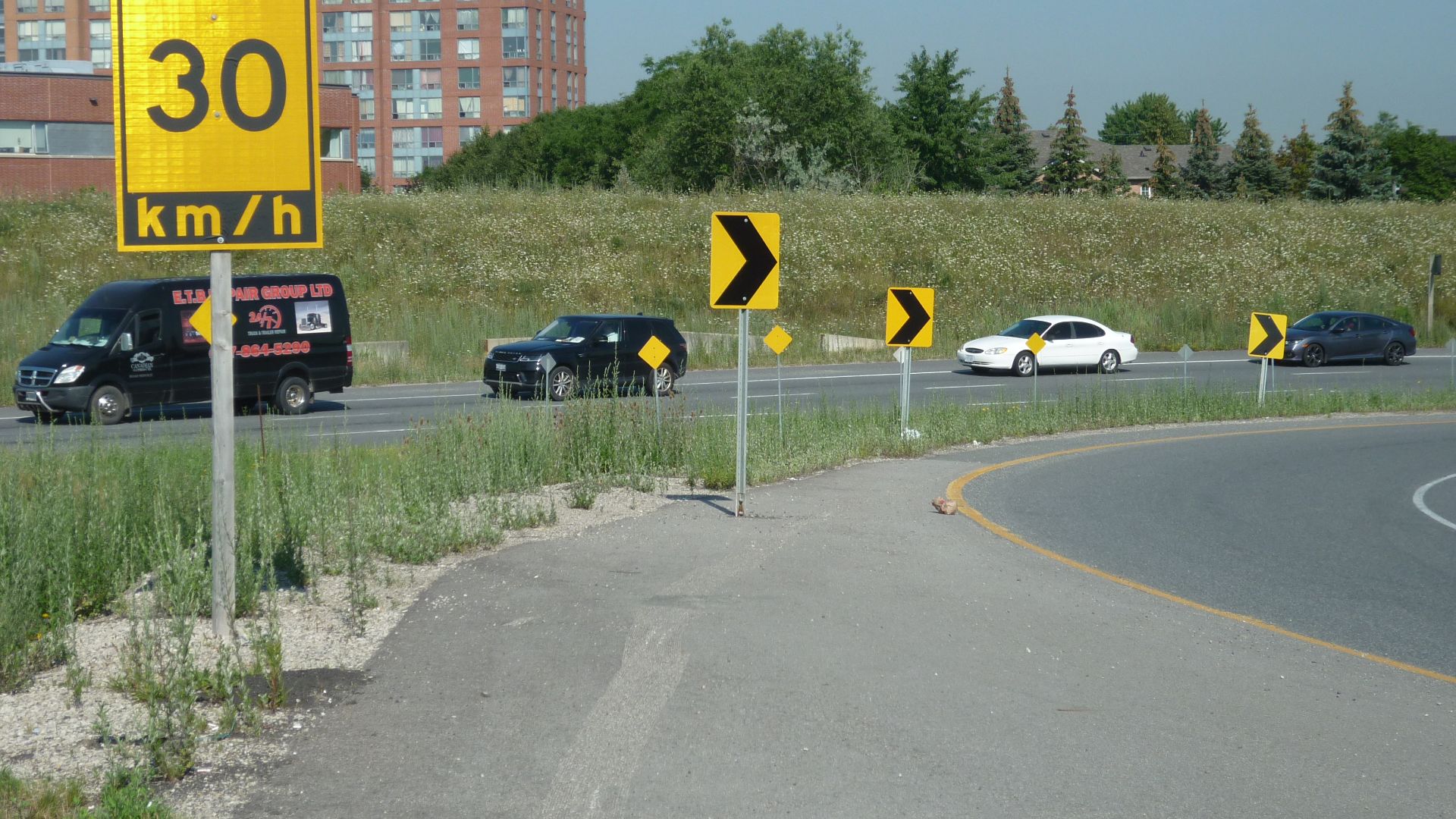
Canadian speed limits arrive in kilometres, temperatures appear in Celsius, and grocery items use grams and litres. American travellers quickly develop rough translations rather than performing perfect mathematics. Canadian food labels also use metric quantities, with mandatory information generally presented bilingually.
The Money Looks Different But Works Familiarly
Canadian currency may be colourful, and the coins have names that sound like cartoon characters, but the basic experience feels familiar to Americans. Card payments are common, prices are recognisable, and travellers soon stop staring at every banknote—although the first handful of unfamiliar coins remains confusing.

Taxes Can Still Surprise You
Americans understand the small moment of betrayal when the amount at the till is higher than the displayed price. Canadian shopping often produces the same experience, depending on the province and purchase. Travellers from countries where taxes are already included may find this far more mysterious.

Restaurant Customs Feel Recognisable
Dining in Canada rarely requires Americans to relearn the entire restaurant experience. Table service, casual diners, large menus, and tipping customs feel broadly familiar. The comforting part is knowing what to do; the dangerous part is assuming that familiarity means ordering far more food than anyone can finish.

Familiar Food Comes With Canadian Twists
Burgers, pancakes, pizza, and sandwiches are easy to find, but Canada adds its own personality. Poutine, butter tarts, tourtière, Nanaimo bars, and regional seafood keep meals interesting. Americans understand the pleasure of finding small local variations hiding inside a familiar-looking menu.
 Didriks from Cambridge, MA, USA, Wikimedia Commons
Coffee Stops Are Practically Infrastructure
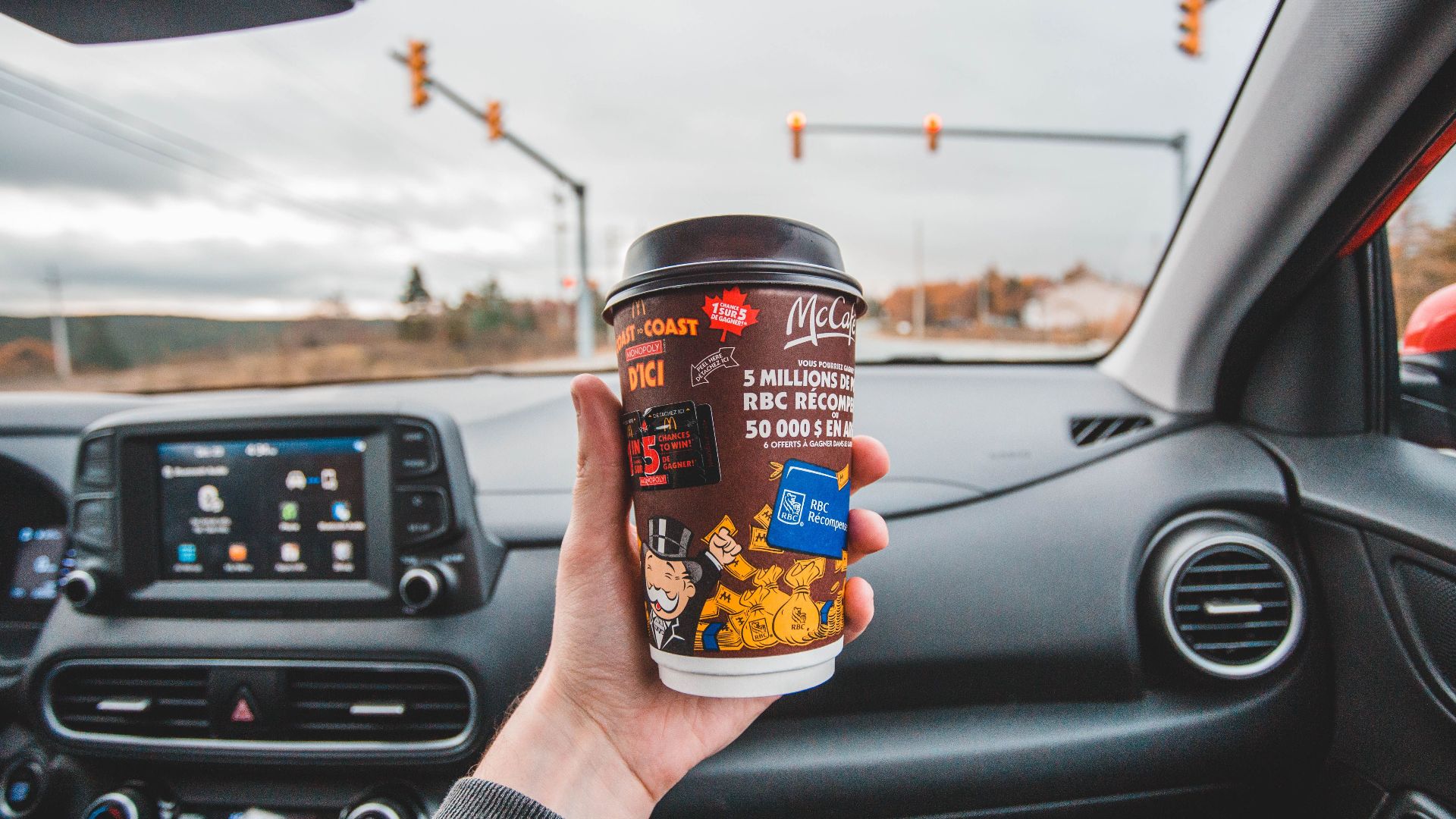
A long Canadian drive often includes repeated negotiations about coffee, toilets, and whether anyone needs another snack. Americans immediately recognise this road-trip ritual. The chain may be different and the doughnut spelling may cause debate, but the basic purpose remains beautifully unchanged.
The Cities Feel Comparable, Not Identical
American travellers often use familiar cities as mental reference points. Toronto may feel approachable to someone comfortable in Chicago or New York, while Vancouver’s Pacific setting can feel familiar to visitors from Seattle. These comparisons help initially, but each Canadian city quickly reveals its own character.
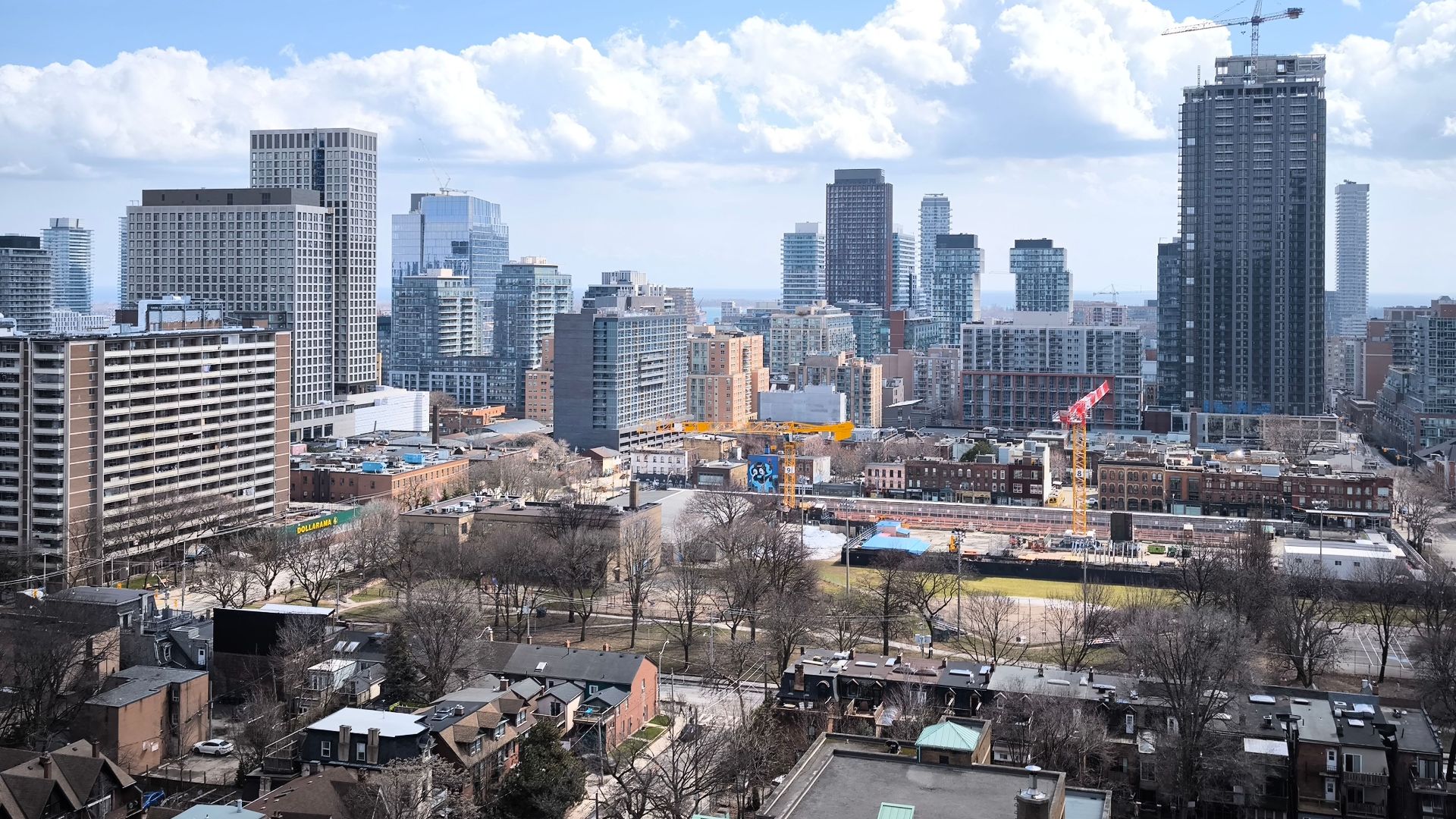
Politeness Does Not Mean Passivity
Canadians have a global reputation for politeness, and visitors may encounter plenty of friendly service and casual apologies. Americans living next door understand that this does not make every Canadian endlessly cheerful or agreeable. Kindness is common; being annoying still carries consequences, even when delivered quietly.
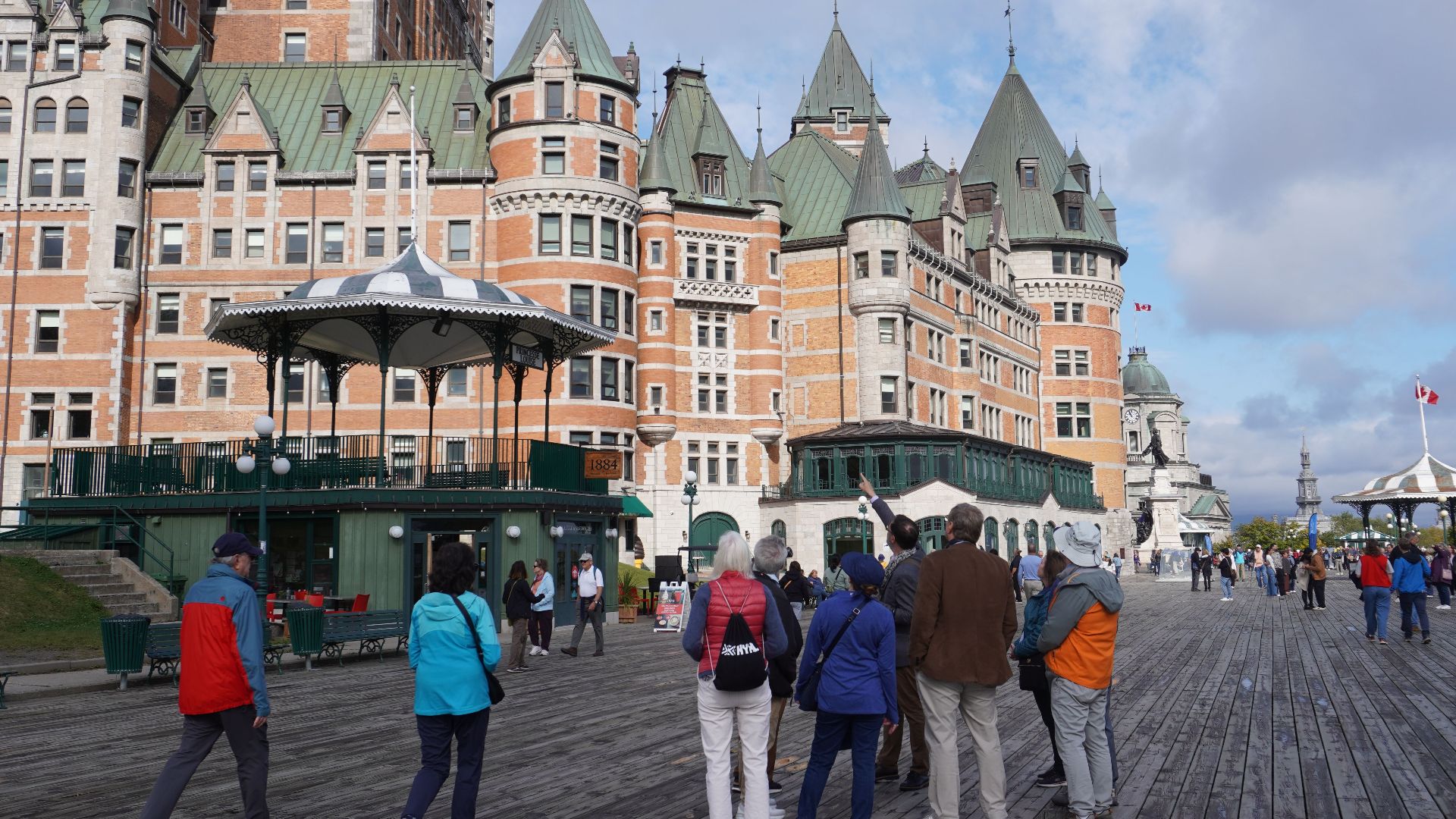
Canada Is Not America With Colder Weather
The similarities can tempt visitors into treating Canada like an extension of the United States. Americans who travel there regularly know that this misses the point. Laws, history, language, identity, and regional cultures differ in meaningful ways. Familiarity should make visitors comfortable, not careless.
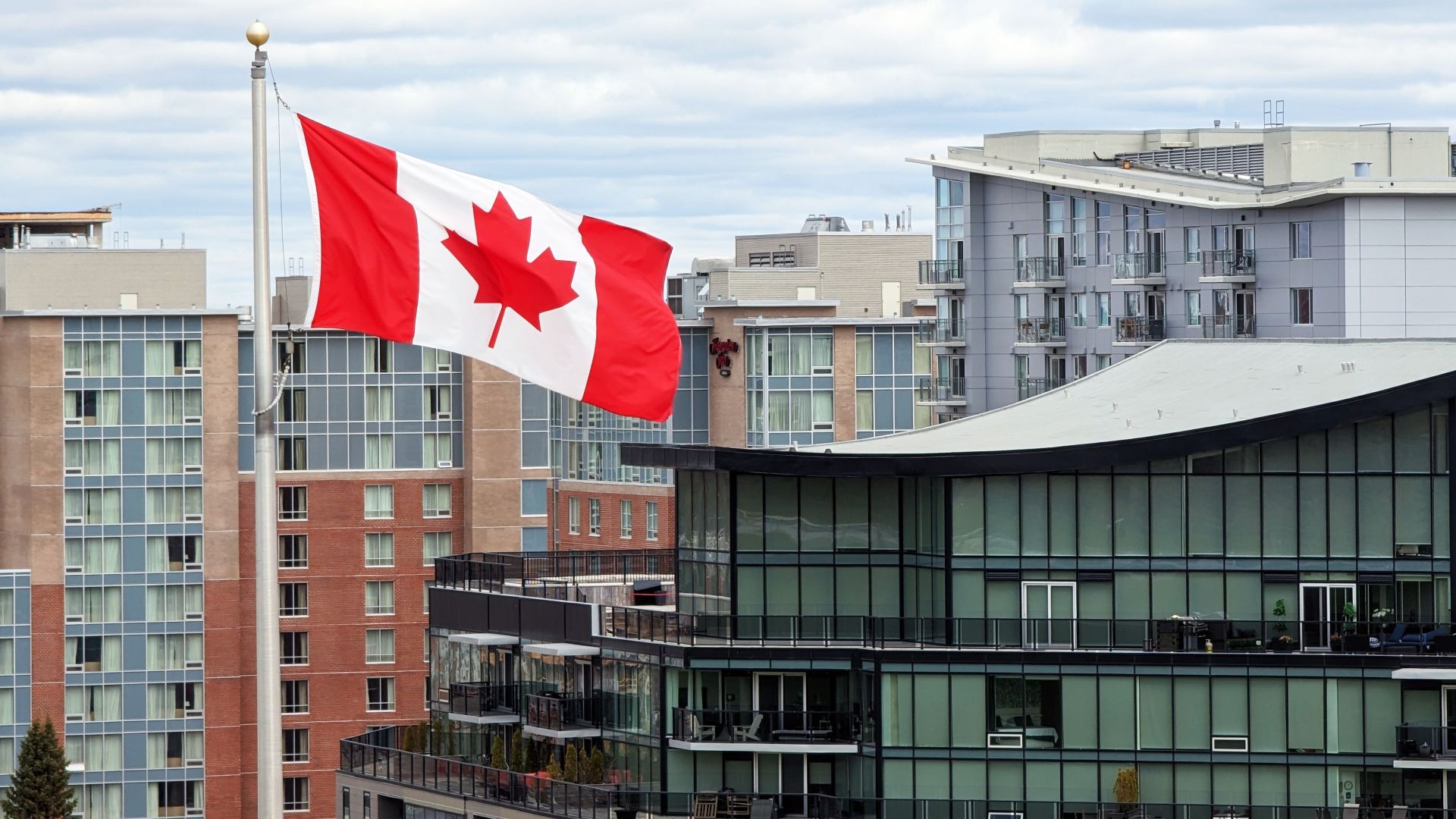
Every Region Feels Like Another Trip
Canada stretches across roughly 9.8 million square kilometres, and its landscapes range from Atlantic coastline and prairie to rainforest, mountains, tundra, and Arctic terrain. Americans understand how dramatically one large country can change from region to region. One Canadian holiday barely scratches the surface.
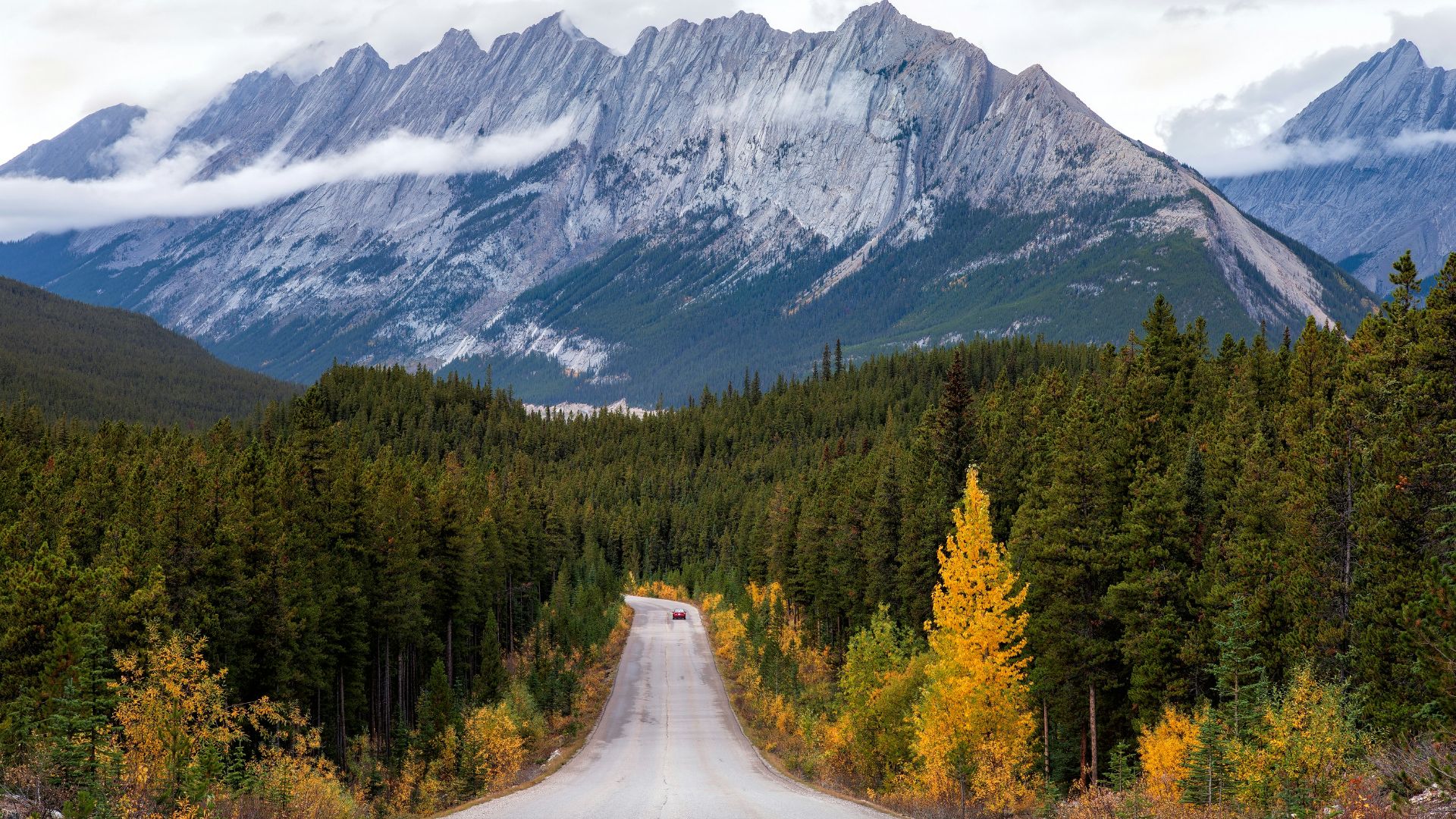
The Best Part Is Being Almost At Home
Americans understand Canada because it combines the pleasures of international travel with the comfort of recognition. You can cross a border, hear another language, explore immense landscapes, and try distinctly Canadian traditions without feeling completely lost. It is familiar enough to relax in—and different enough to keep returning.

You May Also Like:
A Catholic Nun Just Issued A Warning About Aliens—And It Wasn't What Anyone Expected