It Looked Perfect Online
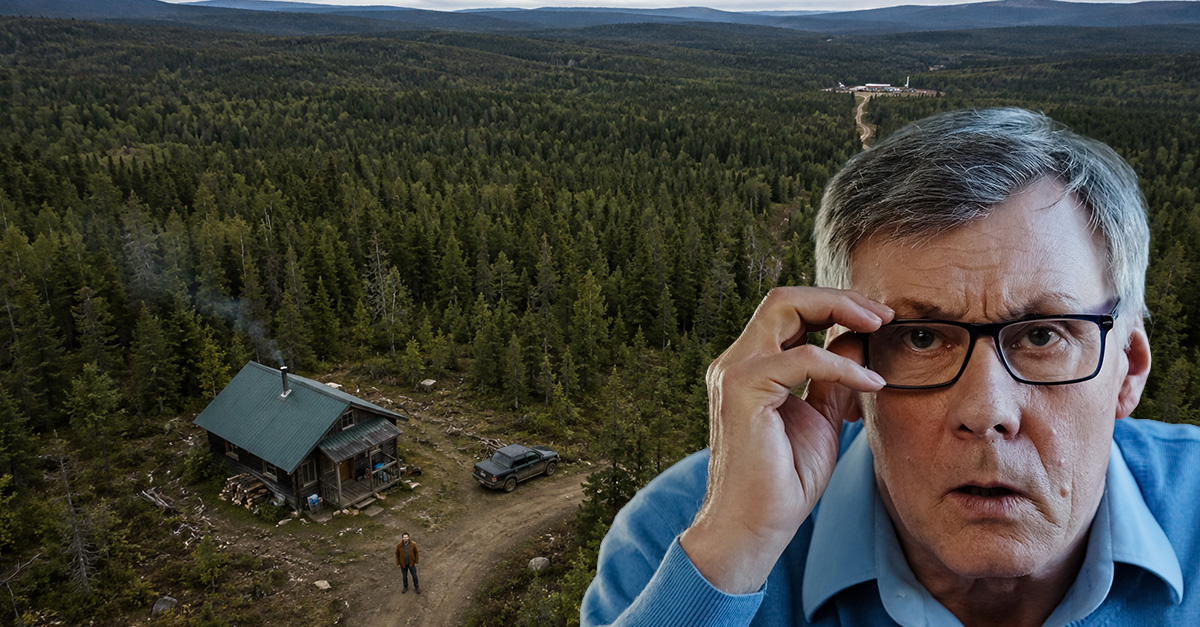
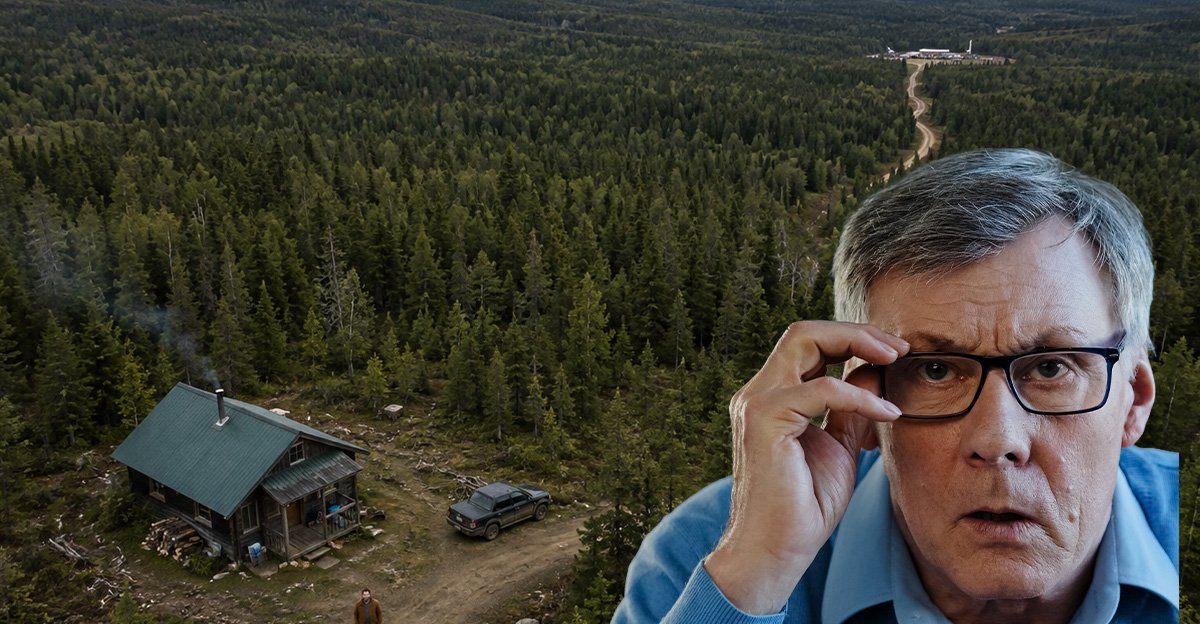
The photos showed a little cabin beside a lake, surrounded by trees and absolutely nothing else. That was the whole point. Then we arrived, unpacked, and discovered the nearest grocery store was more than an hour away. Suddenly, forgetting the coffee felt like a serious emergency.
Quiet Comes With A Price
Most people book a remote cabin because they want to get away from traffic, neighbors, and constant noise. That distance can be wonderful. It can also mean long drives, limited phone service, and very few options when you realize you forgot something important.
Two Hours For Milk Is A Lot
An hour to the store does not sound too bad until you remember that you also have to drive back. Once you add shopping time, road construction, and a stop for gas, a quick grocery run can wipe out most of an afternoon.

The Listing May Not Tell You Much
Vacation listings are very good at describing fireplaces, sunsets, and mountain views. They are usually less enthusiastic about telling you the closest supermarket is 70 minutes away. Before booking, look up stores, gas stations, restaurants, pharmacies, and hospitals yourself.
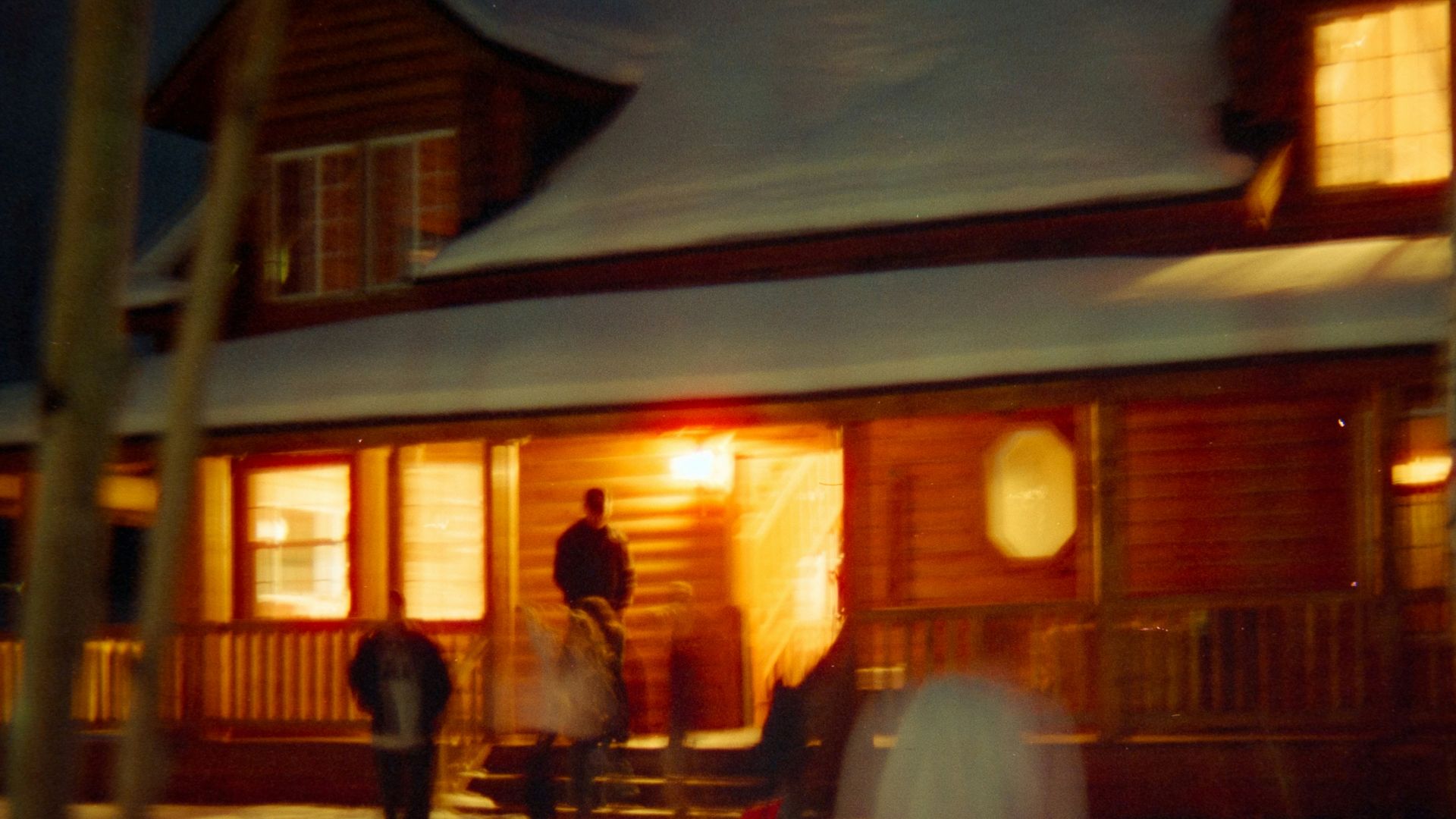
“Secluded” Can Mean Almost Anything
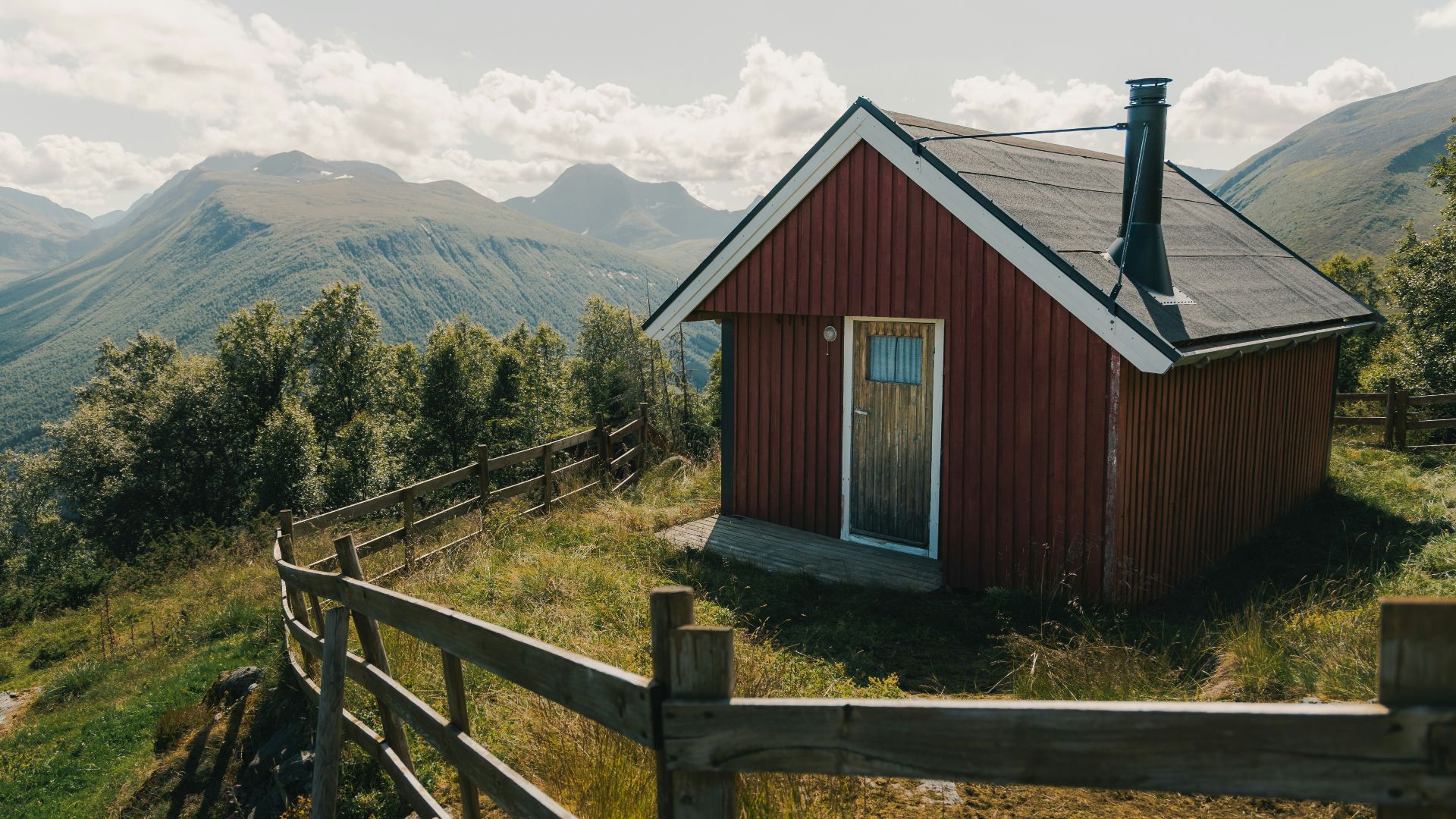
The word “secluded” might mean a private driveway outside a small town. It might also mean ten miles down a dirt road with no cell signal. Those are very different vacations, so never assume the listing’s idea of remote matches your own.
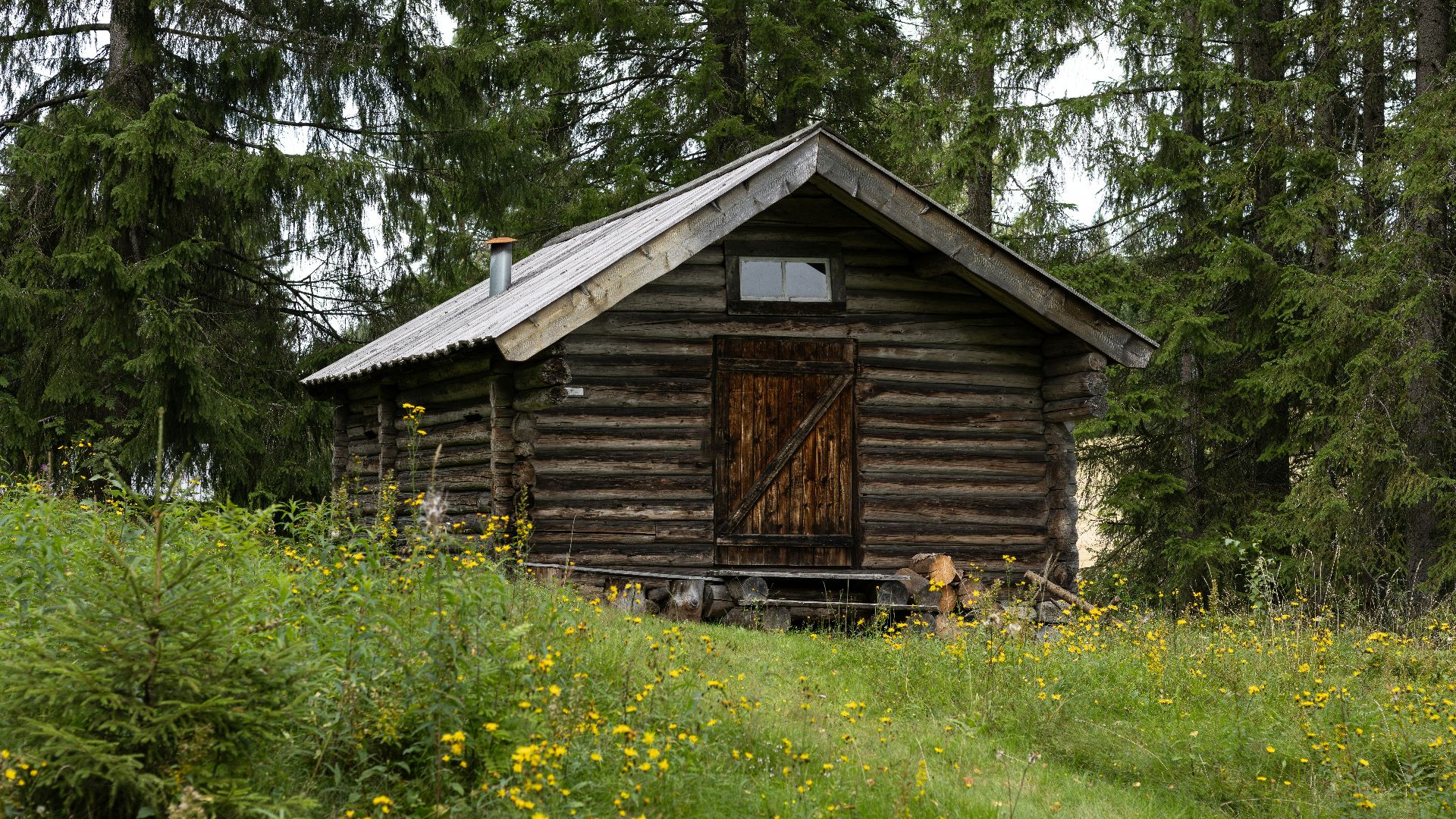 Peregrine Photography, Unsplash
Ask The Host Before You Book
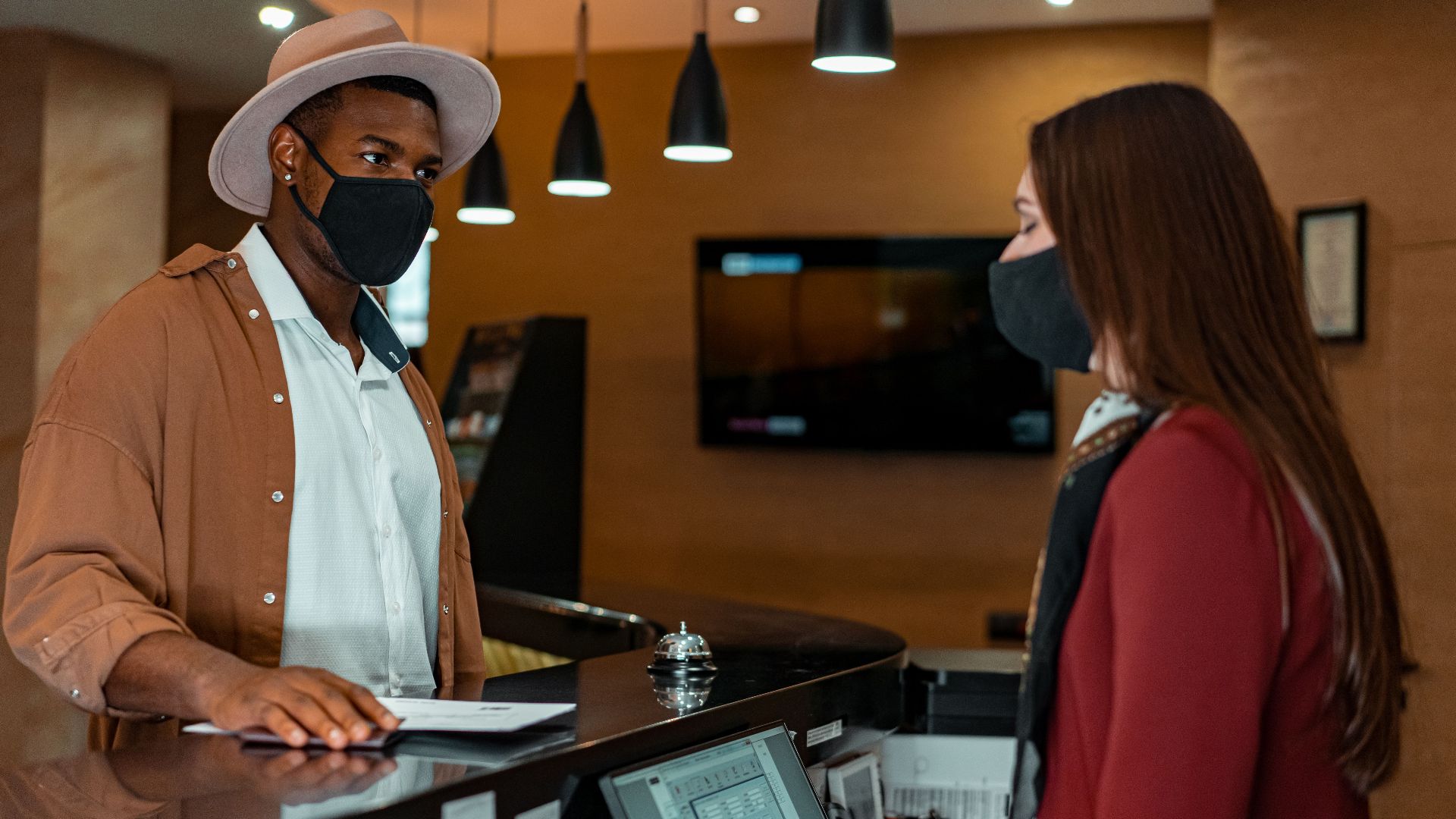
A good host should be able to tell you exactly how long it takes to reach groceries, gas, and medical care. Ask about driving time, not distance. Fifteen miles on a winding mountain road can take much longer than fifteen miles on a highway.
Think About Your Actual Vacation Plans
A truly remote cabin is great when your plan is to read, hike, cook, and stay put. It is less ideal when you want to visit restaurants, museums, breweries, and nearby towns. The right location depends on what you expect to do each day.

Meal Planning Becomes Very Important
When the store is far away, you cannot casually pop out for a missing ingredient. Plan your meals before you leave and make a detailed shopping list. Remember basics like cooking oil, butter, coffee, spices, sauces, and snacks for late at night.

Pack An Emergency Dinner
Bring at least one extra meal that does not depend on fresh ingredients. Pasta, canned soup, frozen pizza, or boxed macaroni can save the evening when plans change. It may not be glamorous, but neither is driving two hours because someone ate the last sandwich.

Small Items Cause Big Problems
People usually remember the main food and forget the boring stuff. Garbage bags, paper towels, dish soap, foil, matches, and toilet paper are easy to overlook. At a remote cabin, these small mistakes can become surprisingly annoying.

Do Not Assume The Kitchen Is Stocked
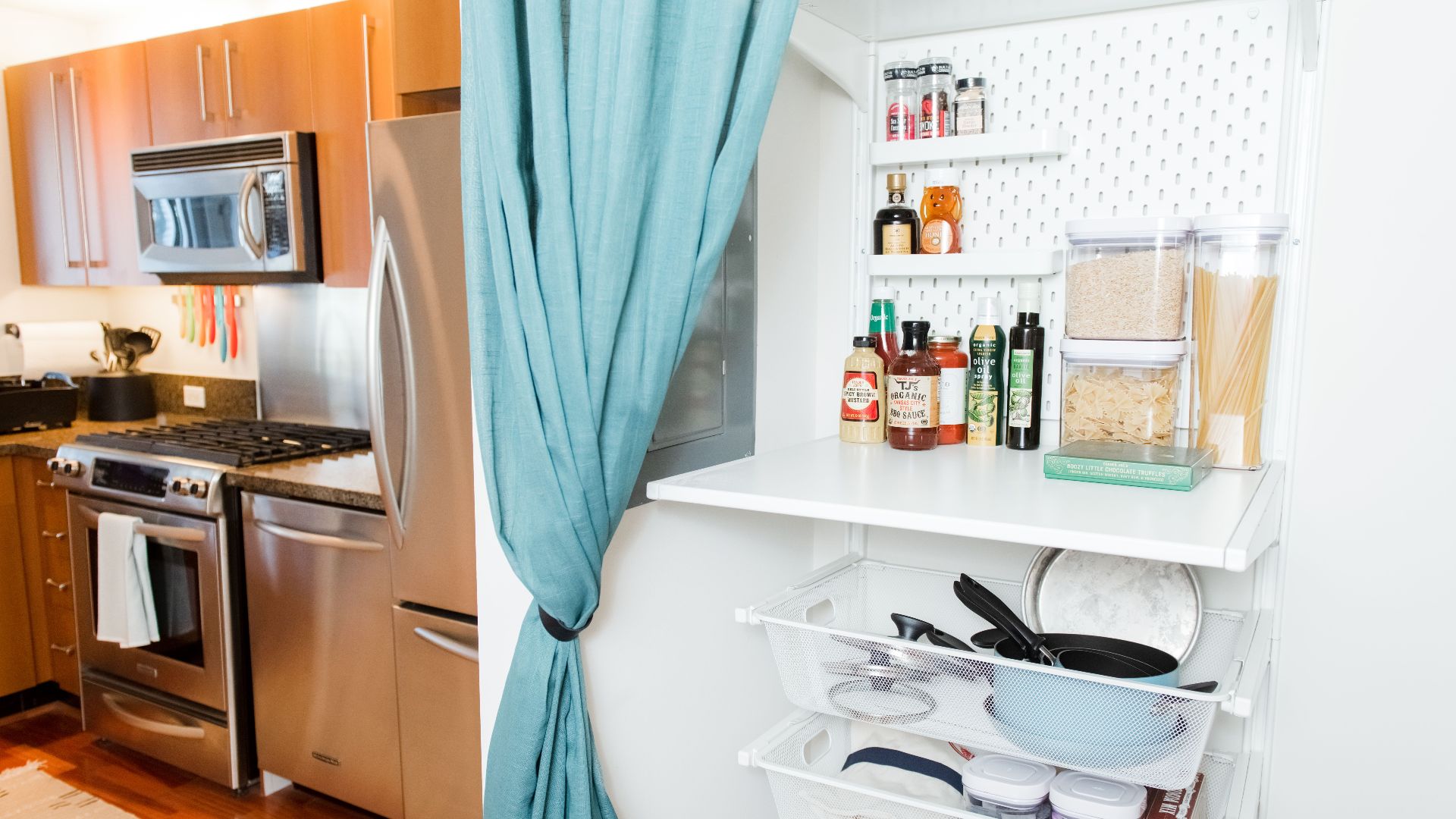
Some cabins provide everything from salt to coffee beans. Others give you one bent frying pan and a mysterious collection of mismatched forks. Read the listing carefully, check recent reviews, and ask the host what is actually available before you start packing.
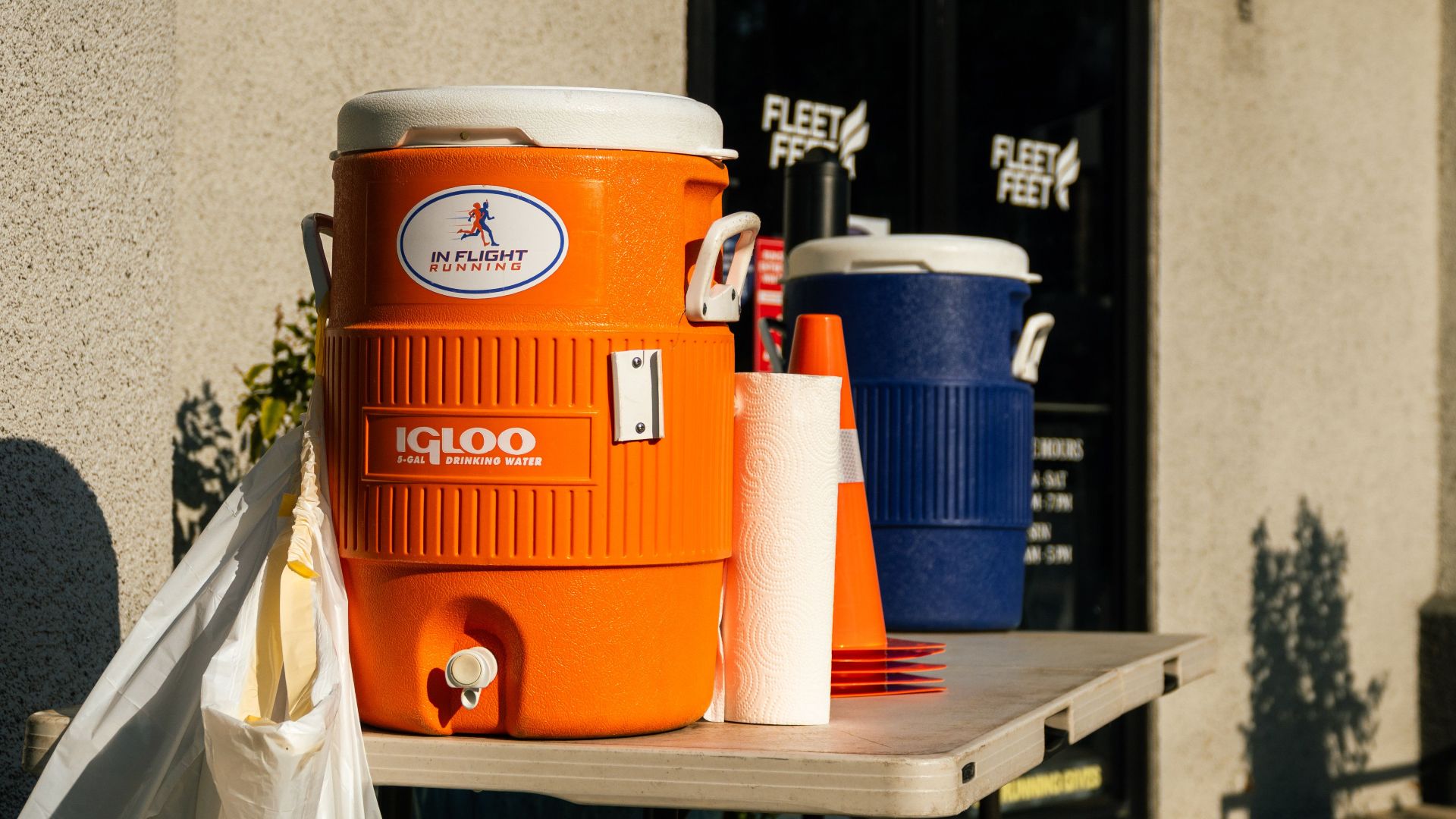
Bring A Cooler Just In Case
Cabin refrigerators are not always large, new, or especially reliable. A cooler gives you extra storage and protects your food during the long drive in. It is also useful if the fridge takes several hours to get properly cold.
Fill Up Before Leaving Town
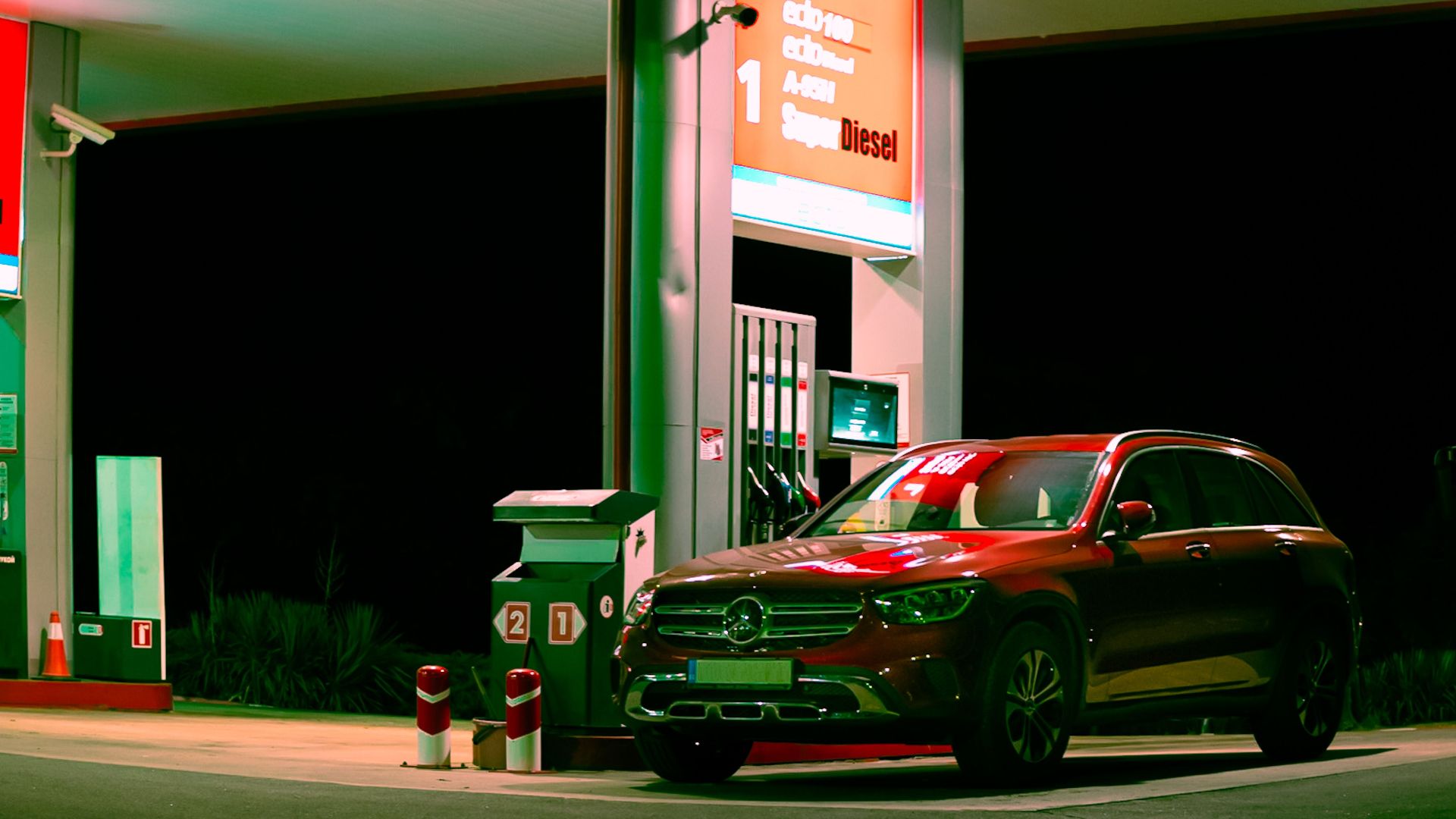
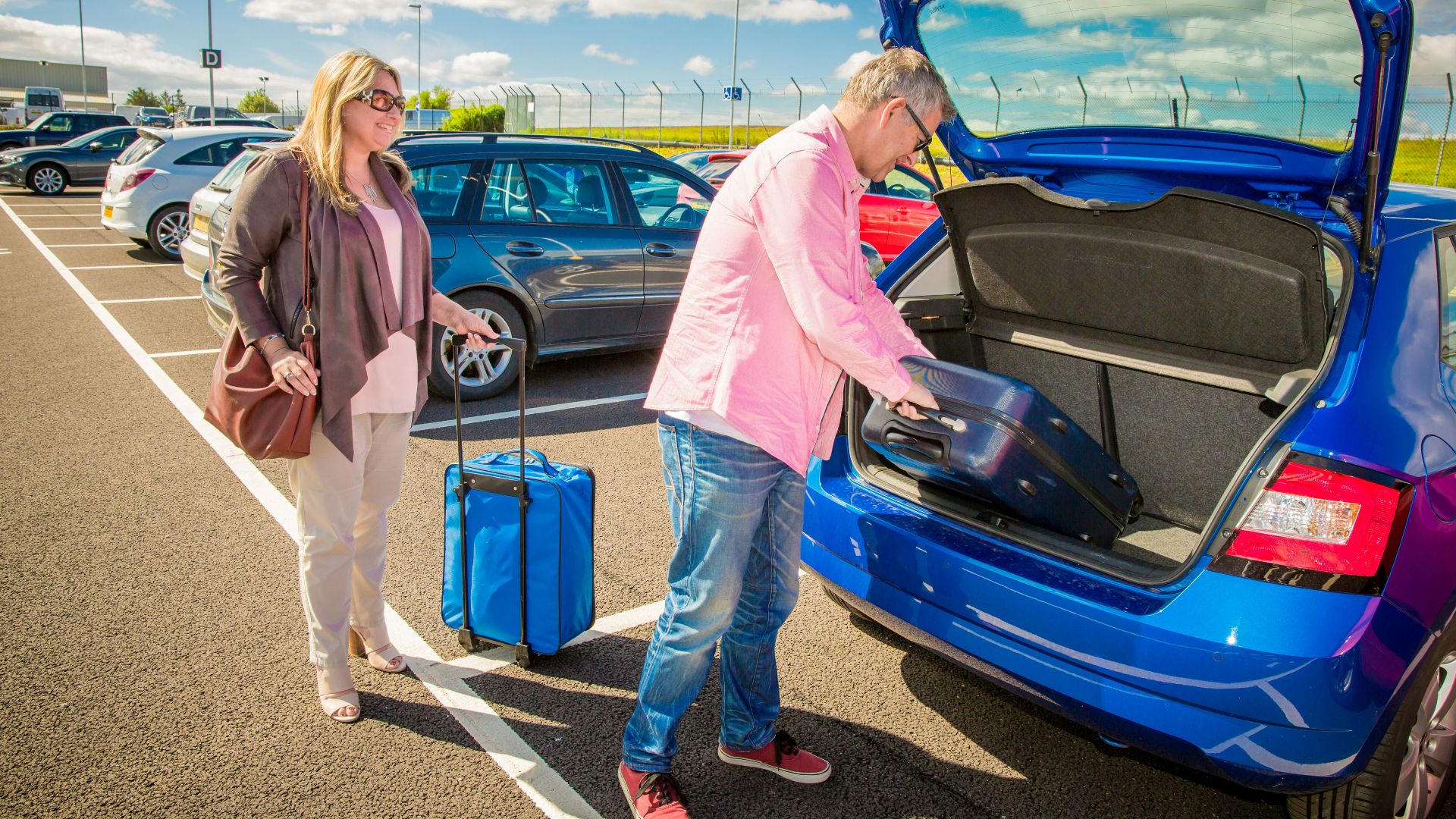
Remote grocery stores are often accompanied by remote gas stations. Fill the tank before heading to the cabin, even if you think you have enough fuel. There is nothing relaxing about watching the gas gauge drop while driving through miles of empty forest.
Check What The Road Is Like
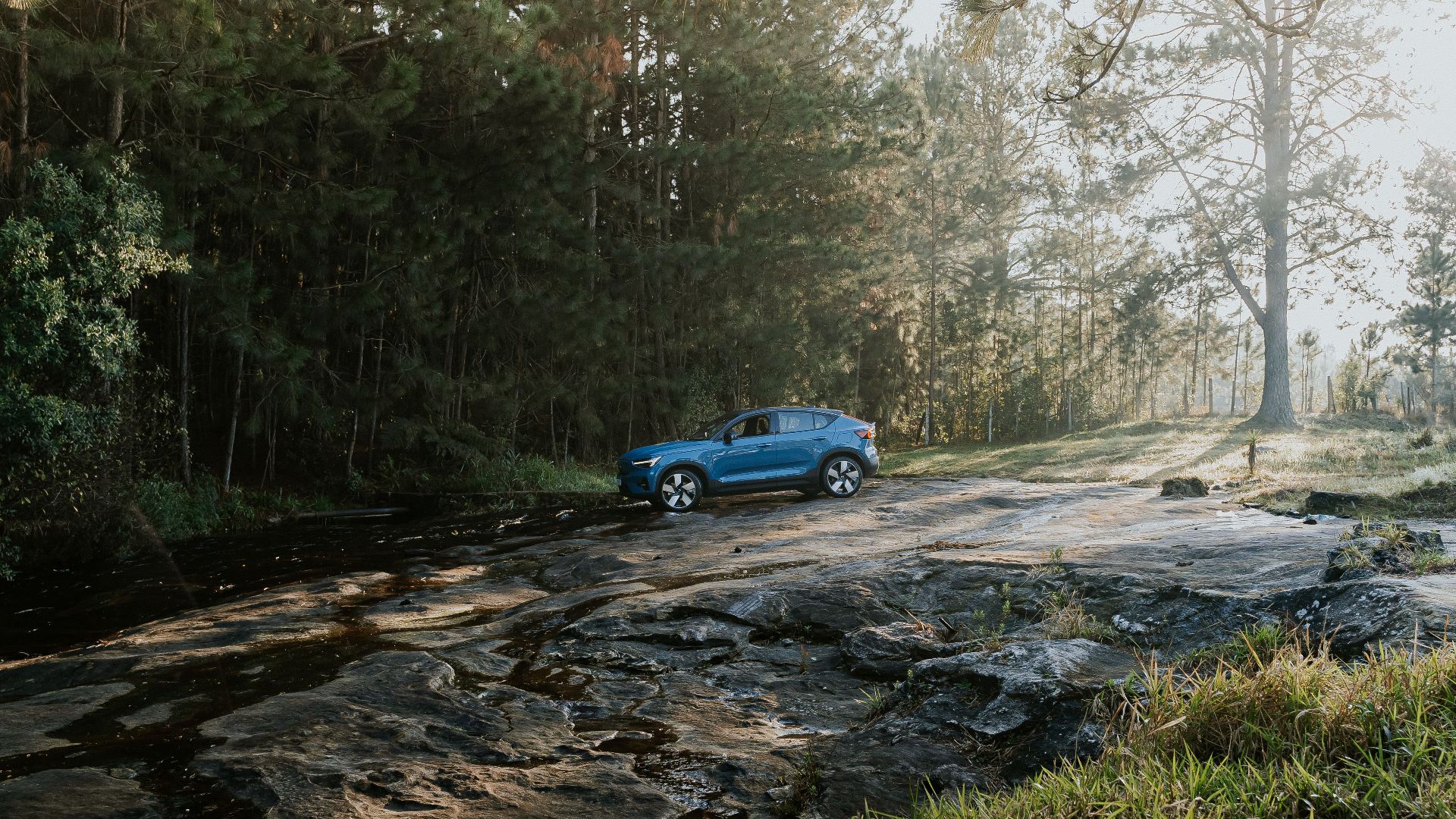
The distance may not be the biggest issue. The final road could be narrow, steep, muddy, snowy, or filled with potholes. Read reviews from guests who visited during the same season, and find out whether your car can safely reach the property.
Weather Can Change Everything
A manageable drive in sunshine can become a completely different experience in heavy rain or snow. In some areas, fallen trees, washed-out roads, or winter conditions can cut off access. Remote travel requires paying more attention to the forecast than usual.
Download Everything In Advance
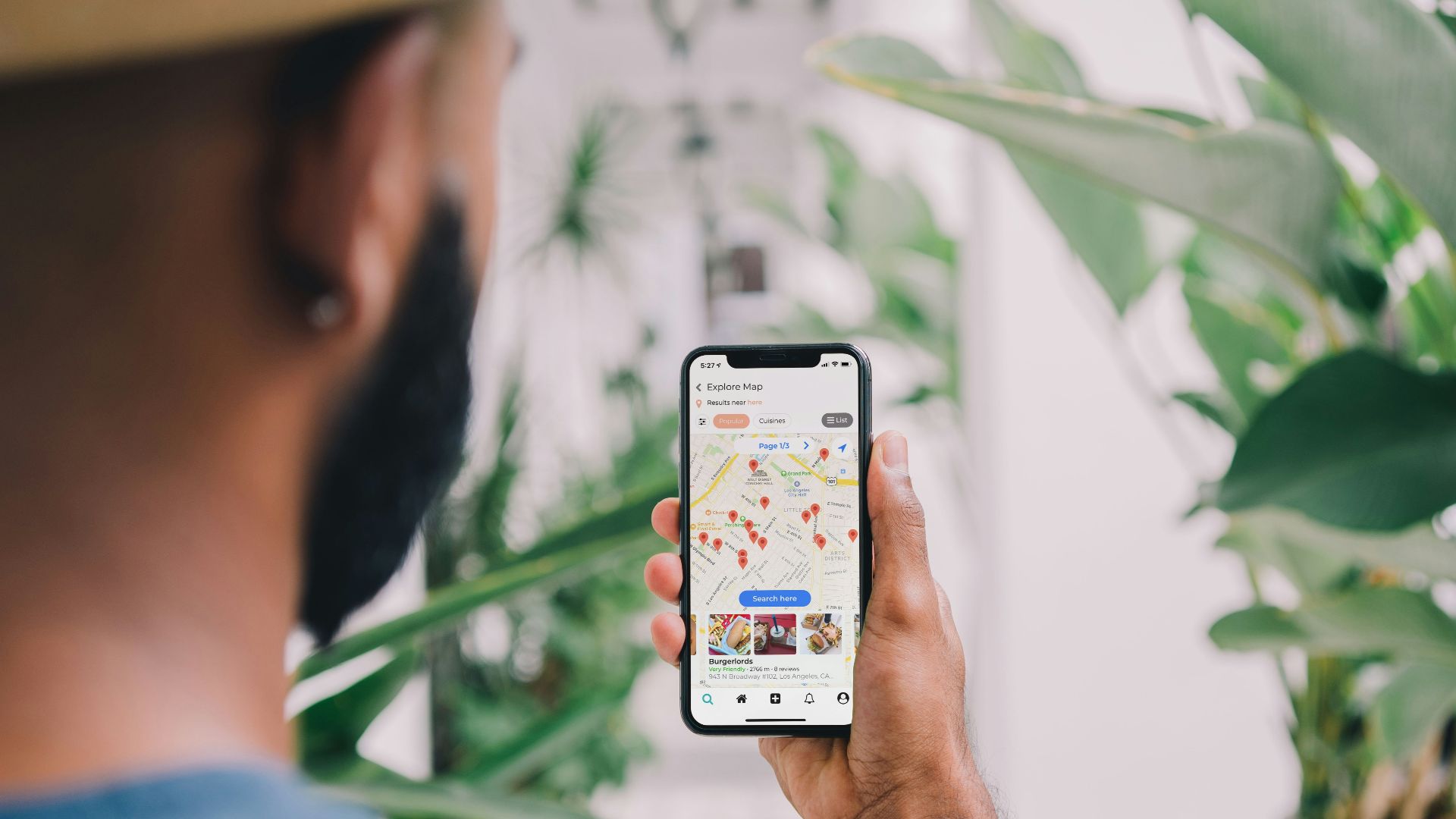
Do not count on having cell service once you leave town. Download maps, directions, booking details, and any music or movies you want before arriving. A screenshot of the check-in instructions can be much more useful than a phone showing one lonely bar.
Medical Care May Be Far Away
Most cabin trips are perfectly safe, but accidents still happen. A twisted ankle, allergic reaction, or sudden illness feels more serious when help is an hour away. Bring medications, a proper first-aid kit, and the address of the nearest clinic or hospital.

Families Need More Backup Supplies
Children have a talent for getting hungry immediately after the last snack is gone. Families should pack extra food, medicine, games, and clothing. A remote cabin can be a wonderful family escape, but only when the adults arrive prepared for the unexpected.
Pets Need Planning Too
A dog may love the open space, but the nearest veterinarian could be even farther away than the grocery store. Bring enough pet food, medication, water, leashes, and waste bags. It is also worth checking for ticks, wildlife, and local hazards.
Nature Is Not Always Peaceful
Remote cabins are quiet in one sense, but the woods can be surprisingly noisy. Owls, insects, wind, and animals moving through the brush may sound much louder at night. City dwellers sometimes discover that silence has its own soundtrack.

You Might Get Bored
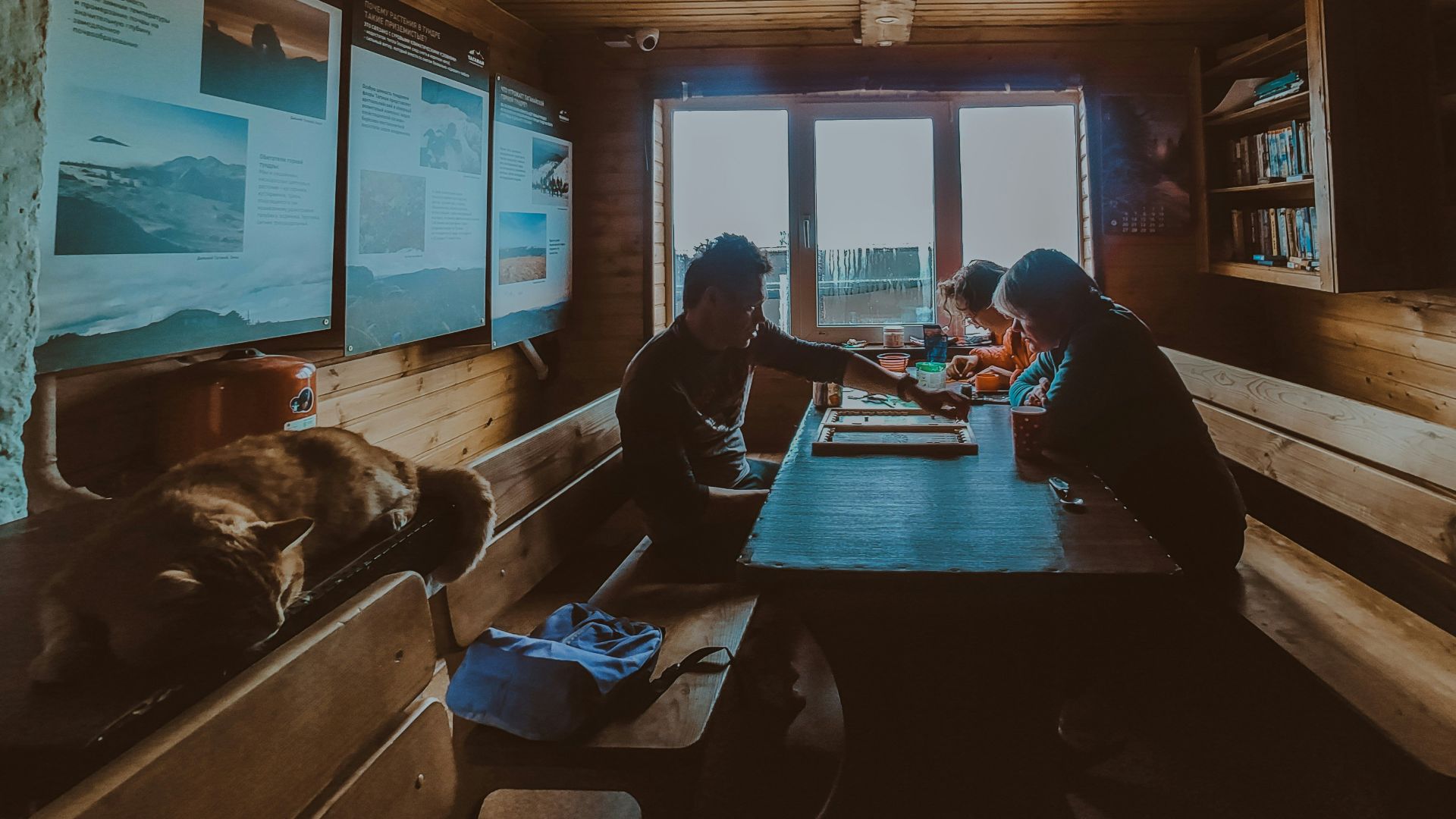
The first day without errands, traffic, or constant notifications feels amazing. Then it rains for 12 straight hours. Bring books, cards, board games, puzzles, and downloaded entertainment so the relaxing getaway does not turn into four people staring at the walls.

Make Cooking Part Of The Trip
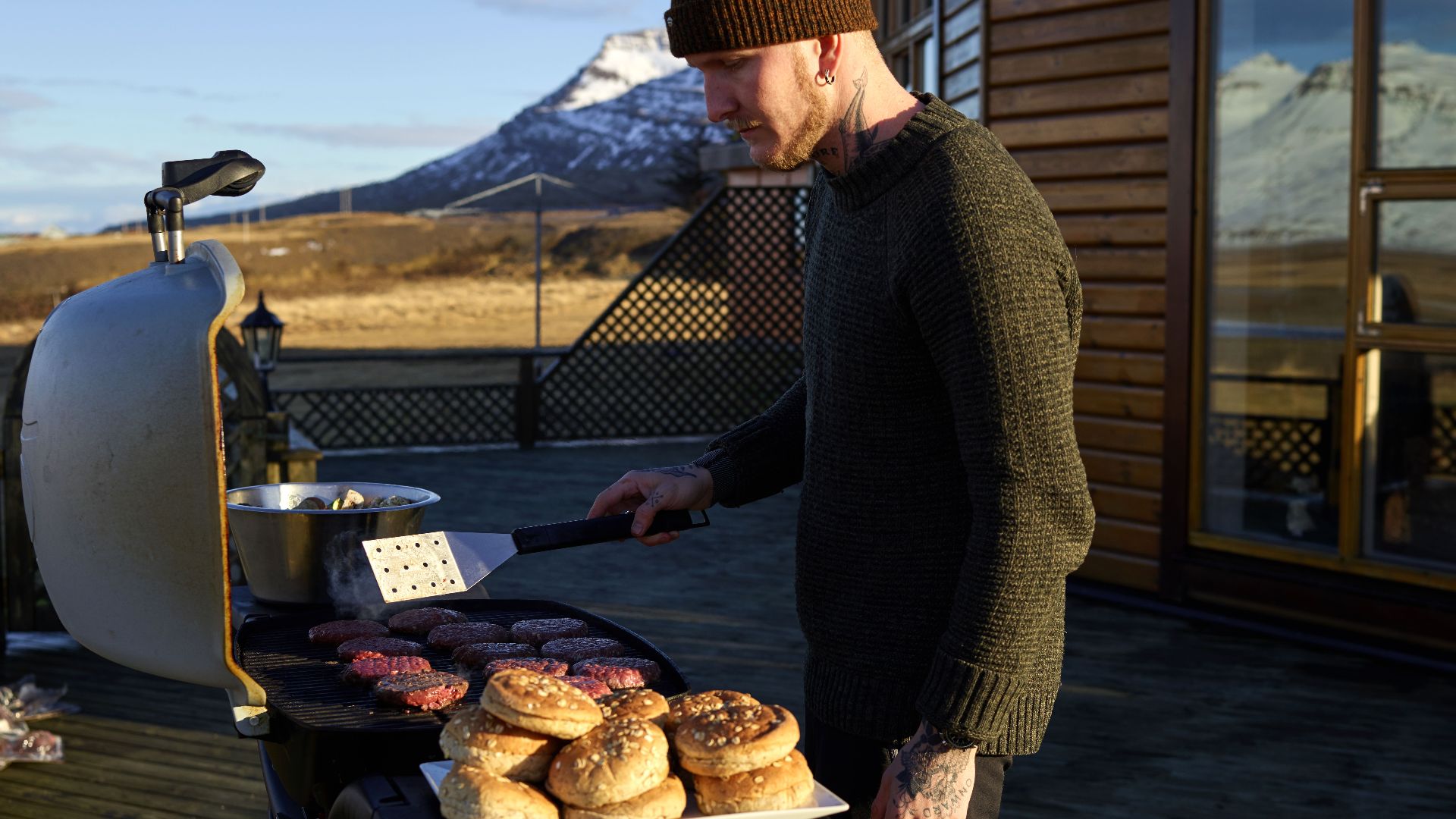
When restaurants are nowhere nearby, cooking does not have to feel like a chore. Plan meals you are excited to make, use the grill, or cook over a fire where allowed. A slow dinner can become one of the best parts of the getaway.
Make One Big Stop On The Way
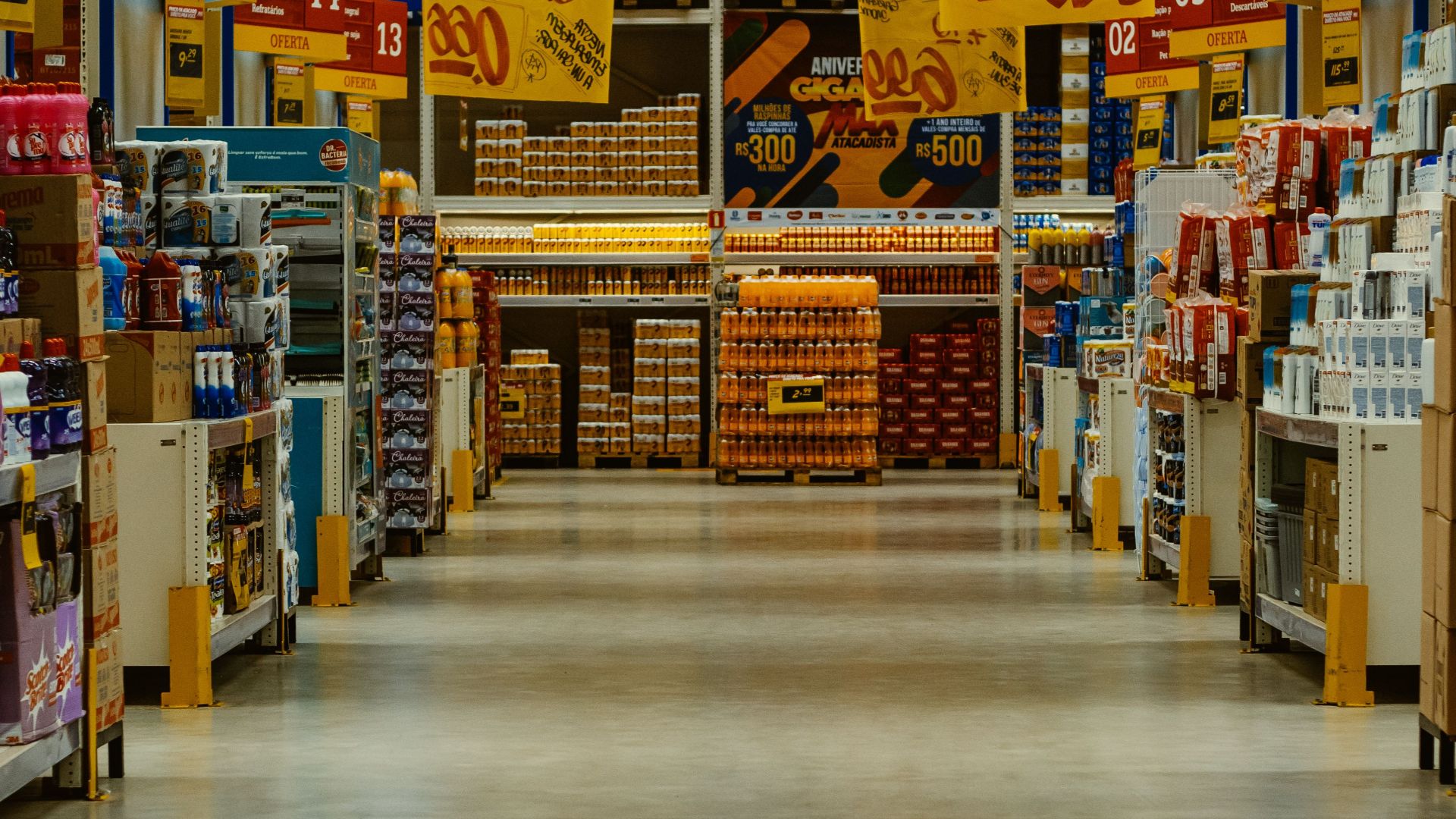
The smartest move is to choose a large grocery store near the final town on your route. Shop there before driving into the wilderness. Treat it as the last checkpoint, and double-check the list before you leave the parking lot.
Everyone Has A Different Limit
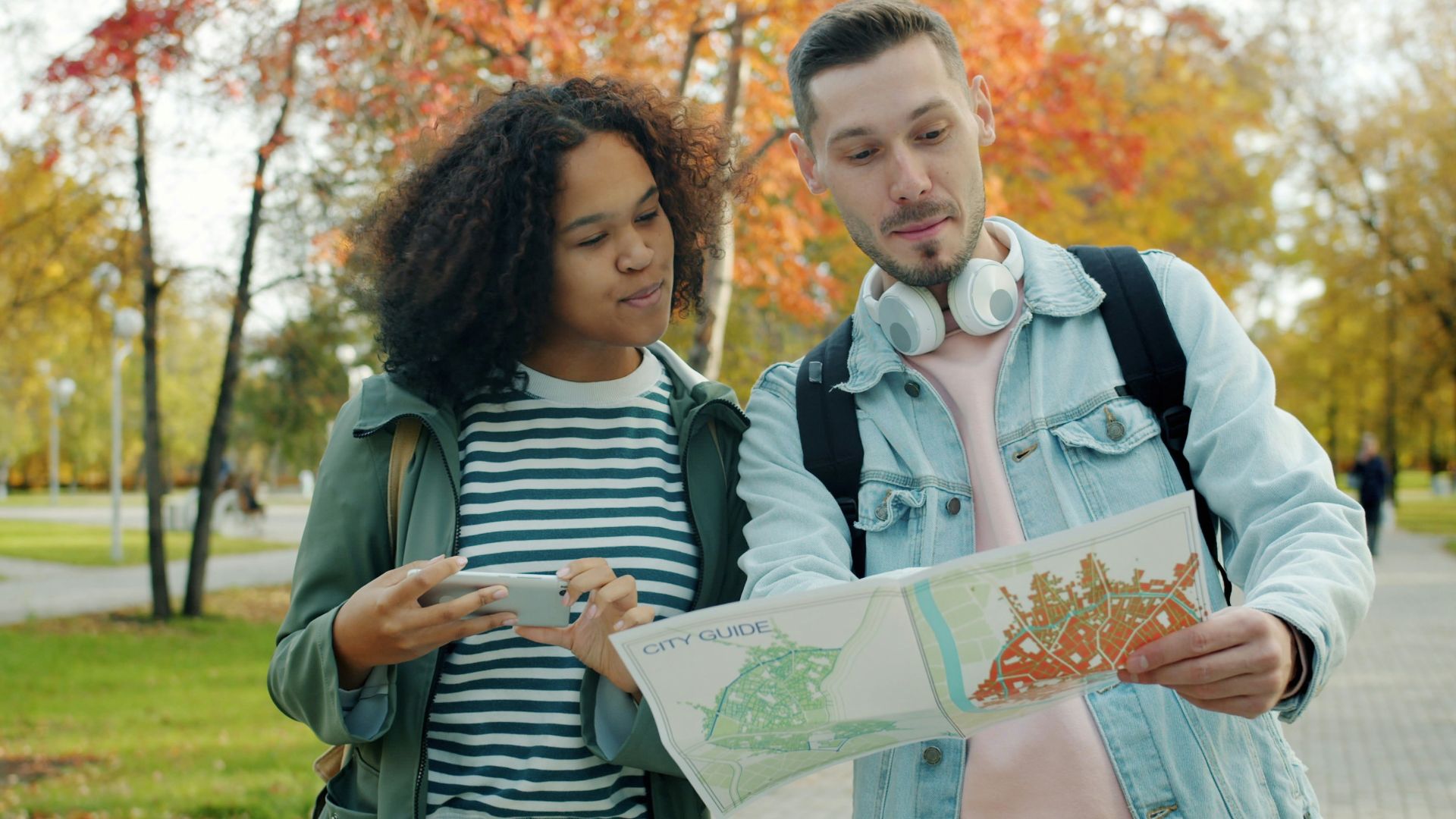
Some people are perfectly happy being two hours from the nearest town. Others feel uncomfortable when they cannot reach a coffee shop in ten minutes. There is no correct amount of remoteness. The question is whether the location matches your personality and needs.
Half An Hour Is A Good Middle Ground
For many travelers, being about 30 minutes from groceries offers the best balance. The cabin still feels private, but a forgotten item does not ruin the day. You can enjoy the woods without feeling completely cut off from civilization.
Preparation Changes The Experience
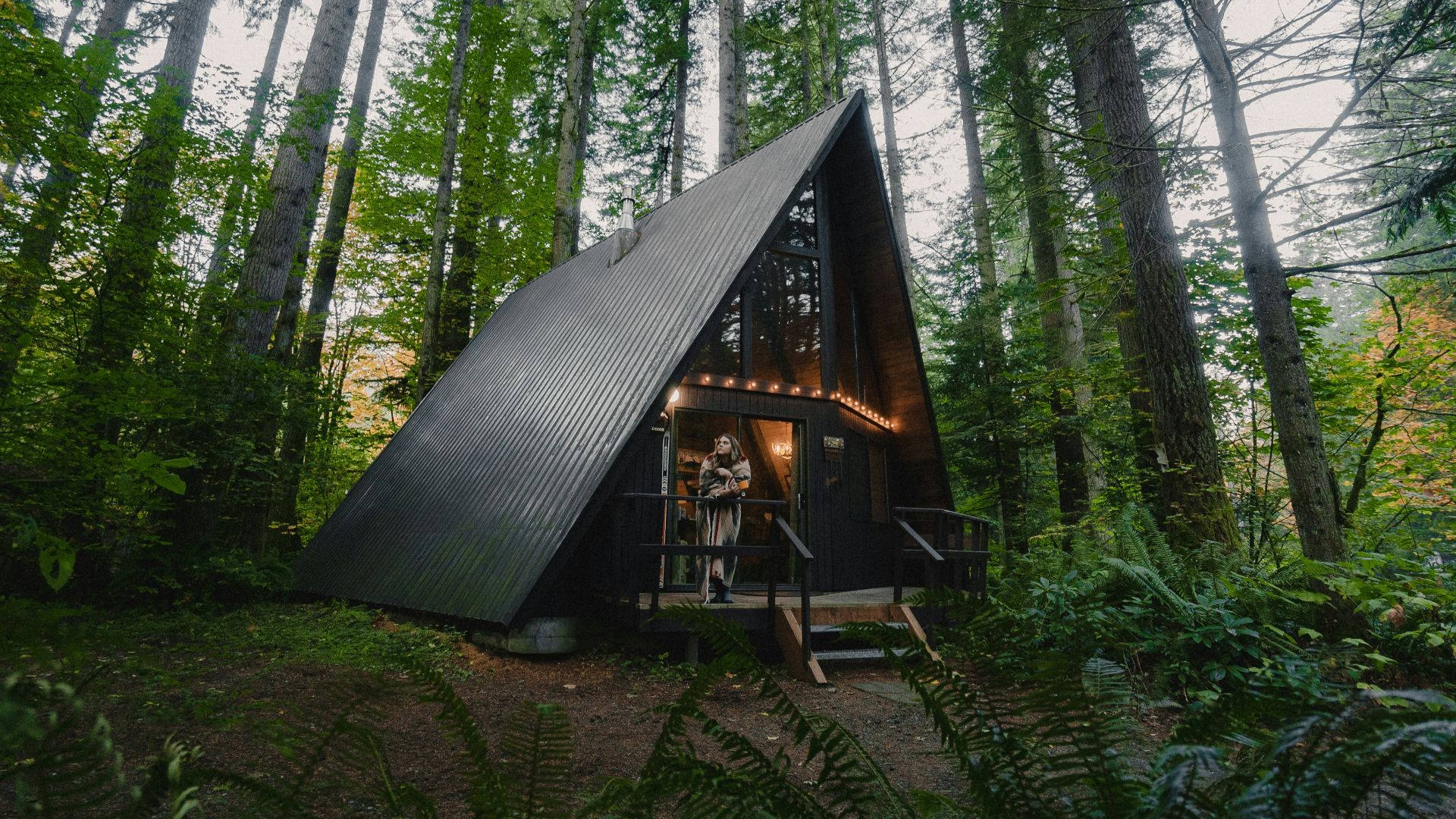
A very remote cabin can feel peaceful when you arrive with enough food, fuel, and information. The same cabin can feel stressful when you show up unprepared. Isolation is much easier to enjoy when you know exactly what you are getting into.

Remote Should Still Feel Relaxing
A cabin is probably too remote when the location creates more stress than peace. Know the distances, plan ahead, and be honest about how much isolation you enjoy. The goal is to escape everyday life for a while—not spend the entire vacation worrying about the nearest supermarket.
You May Also Like:
Forget Florida: Retirees Are Picking These 3 States Instead
European Villages That Look Like They’re From Fairy Tales. Which Ones Will You Visit This Year?