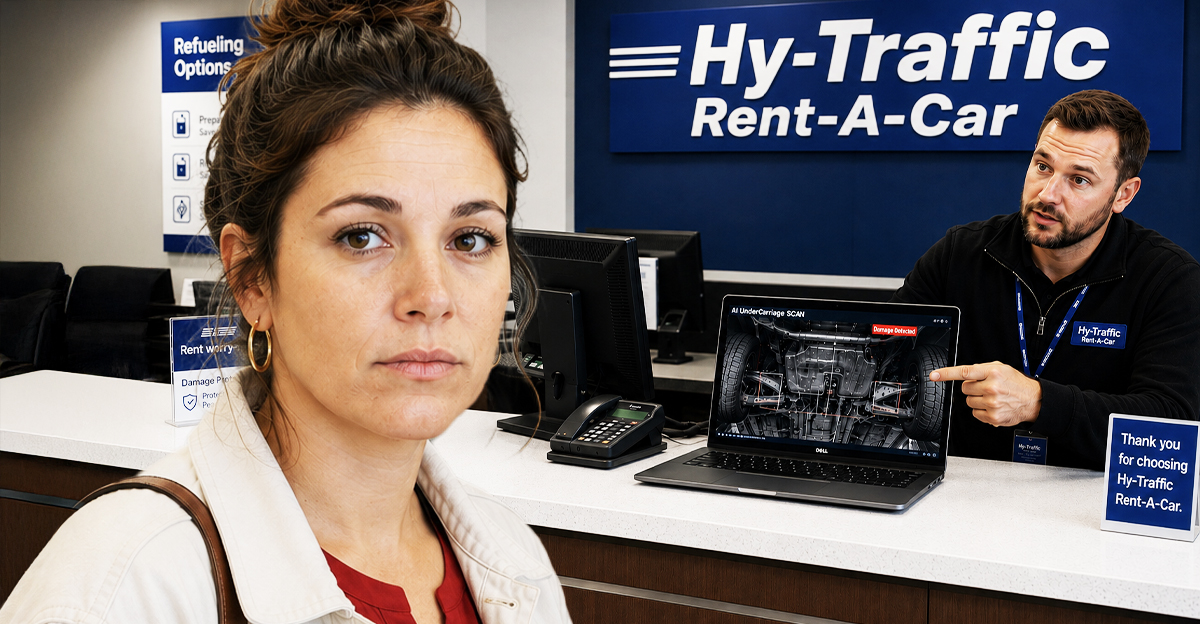
Unexpected Damage Claim
Let's say you return your rental car without incident, only to receive notice that an AI inspection detected damage underneath the vehicle. You never hit anything and never saw any warning signs. Even so, you now have to decide whether to accept responsibility or challenge charges based on a form of technology that you never witnessed in action.
AI Is Changing Rentals
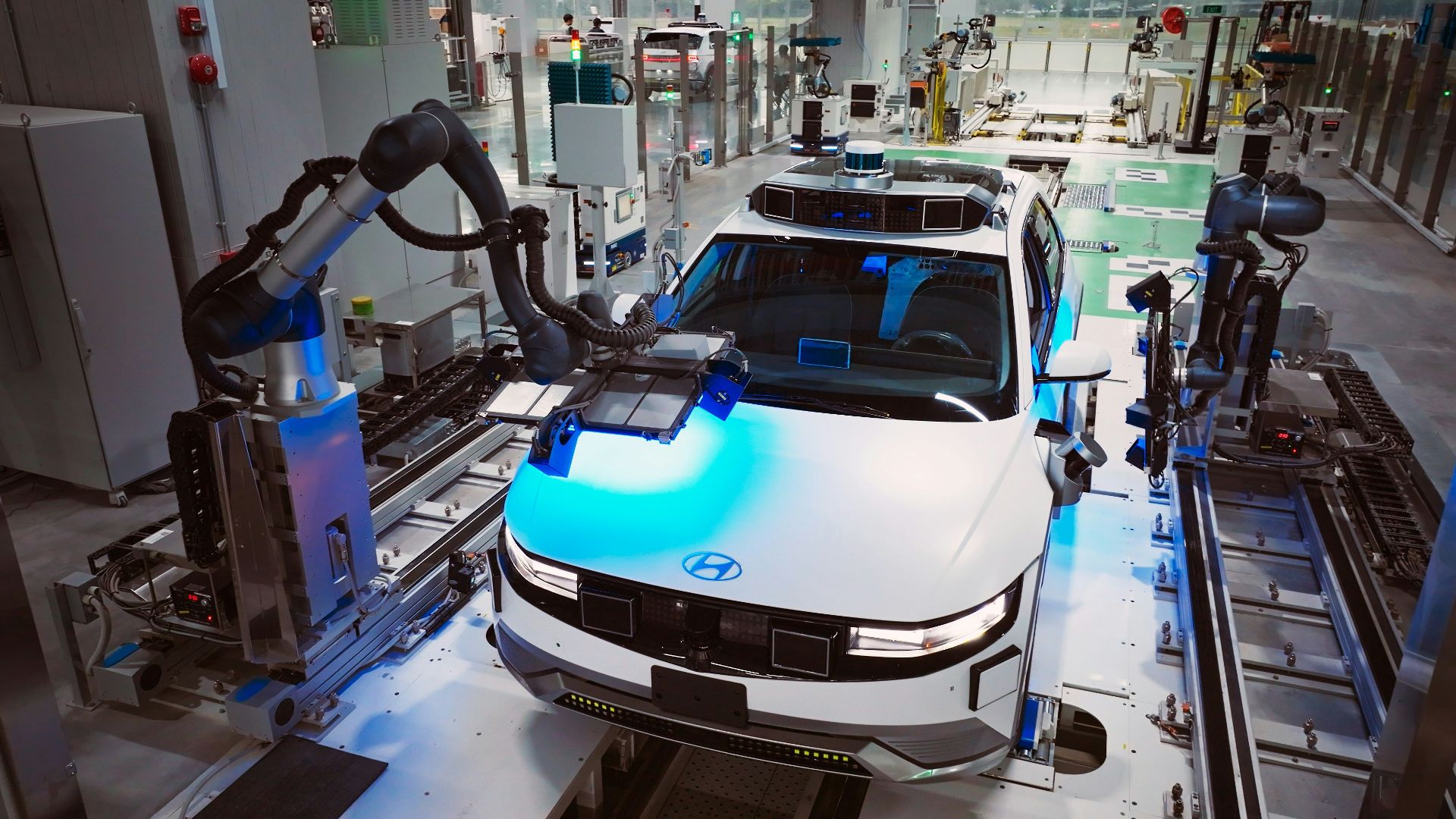
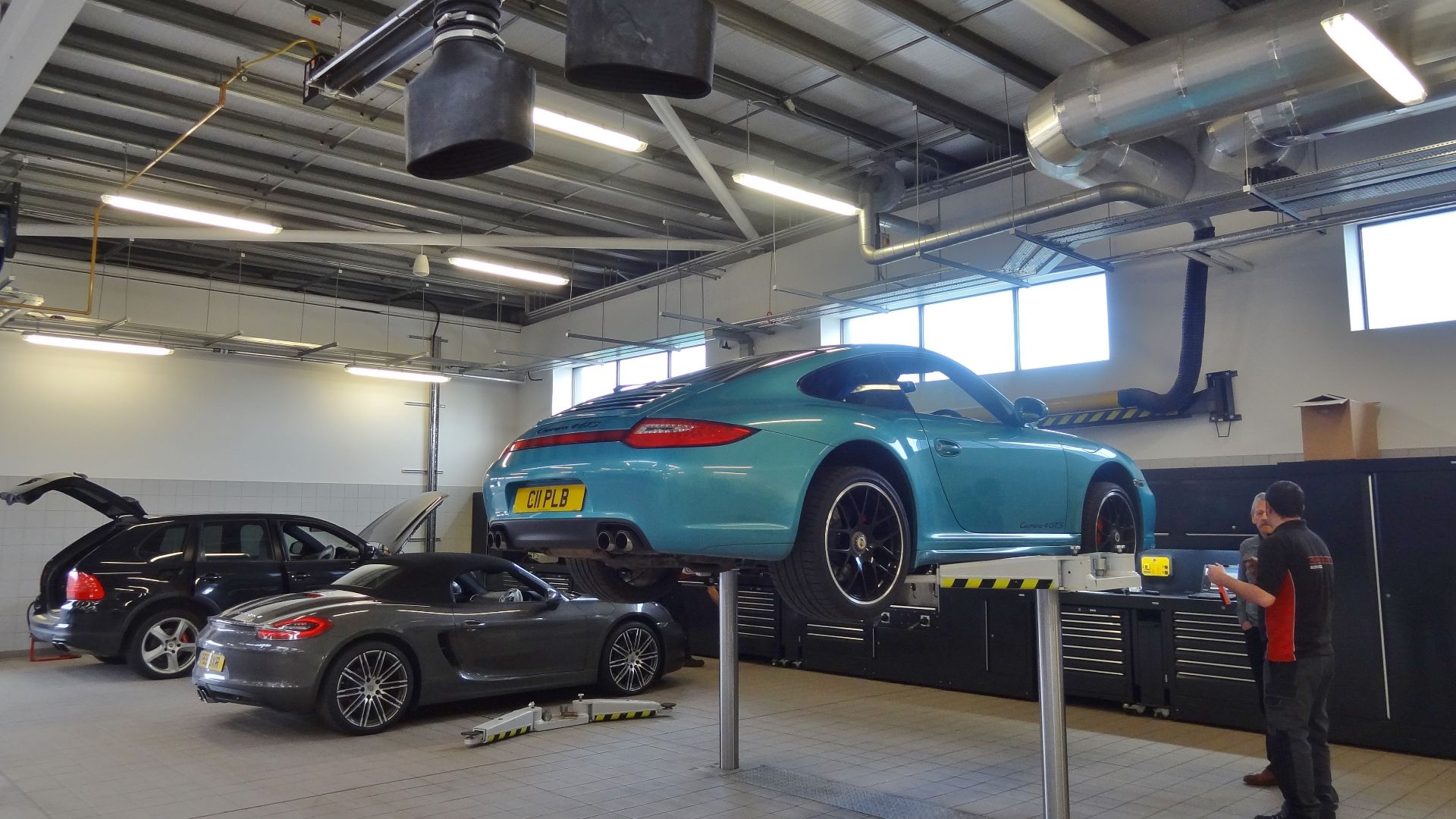
Many rental companies now use automated imaging systems to inspect vehicles before and after rentals. These systems can identify scratches, dents, and other damage far more quickly than traditional walk around inspections, allowing vehicles to be processed within minutes.
Hidden Areas Matter
Unlike a typical visual inspection, some newer systems can document areas that renters rarely examine, including portions of the undercarriage. That means damage completely invisible during pickup or return could become part of a damage claim after the vehicle is scanned.
Invisible Damage Exists
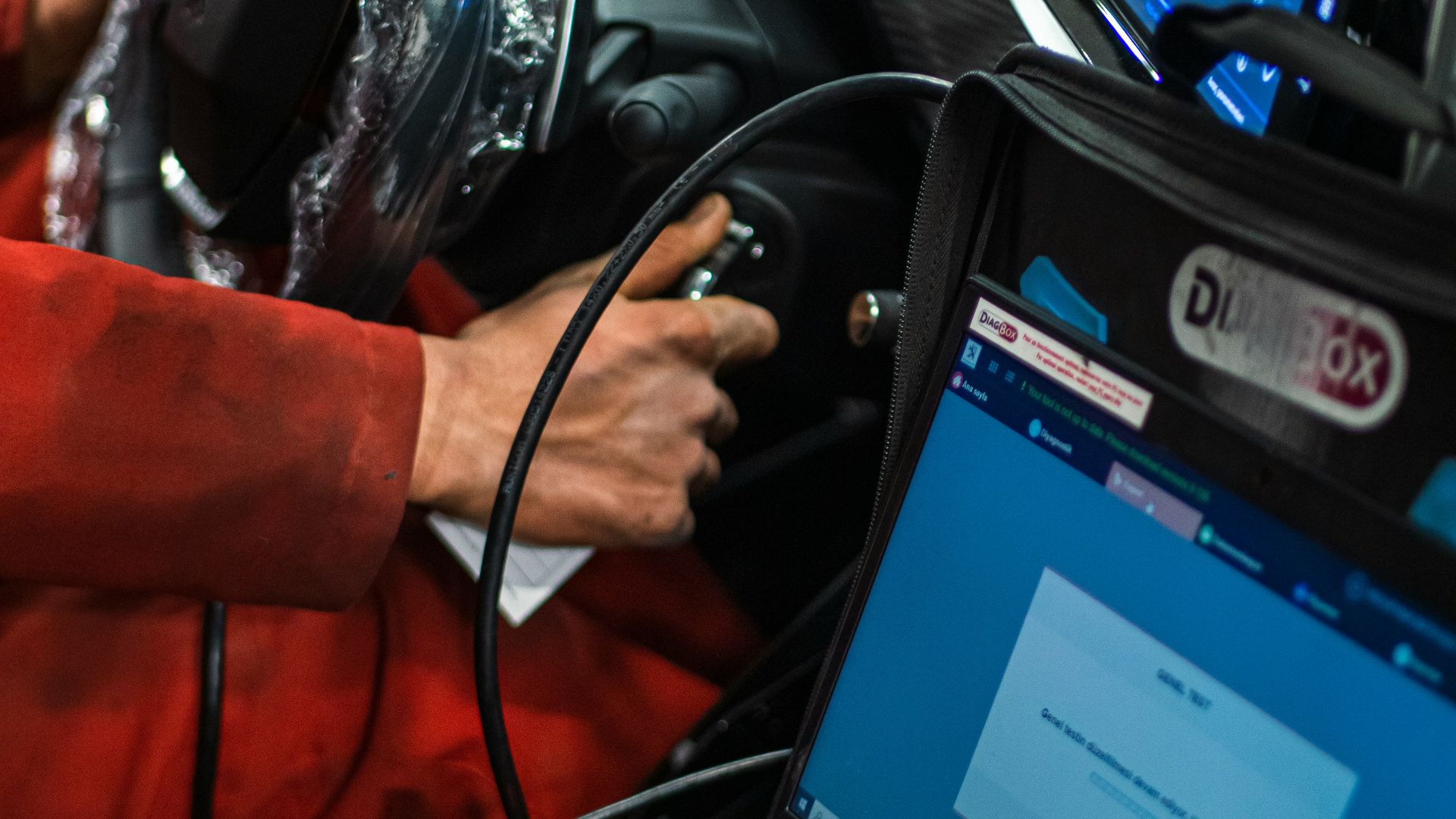
Undercarriage damage can result from curbs, road debris, steep driveways, potholes, or previous renters. Because these components sit below eye level, drivers often have no idea minor scrapes or bent panels even exist until someone performs a detailed inspection.
Human Eyes Miss Things
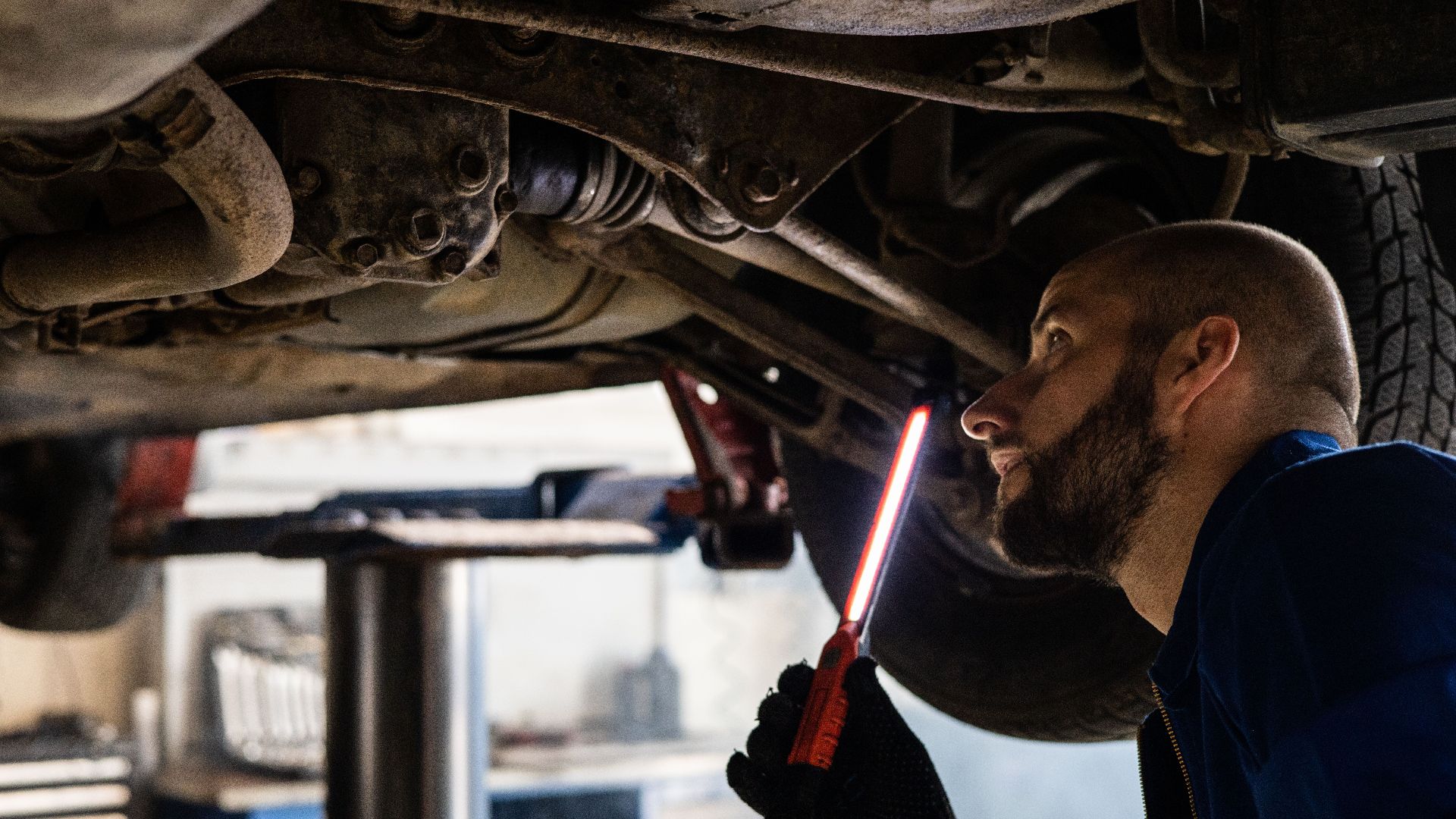
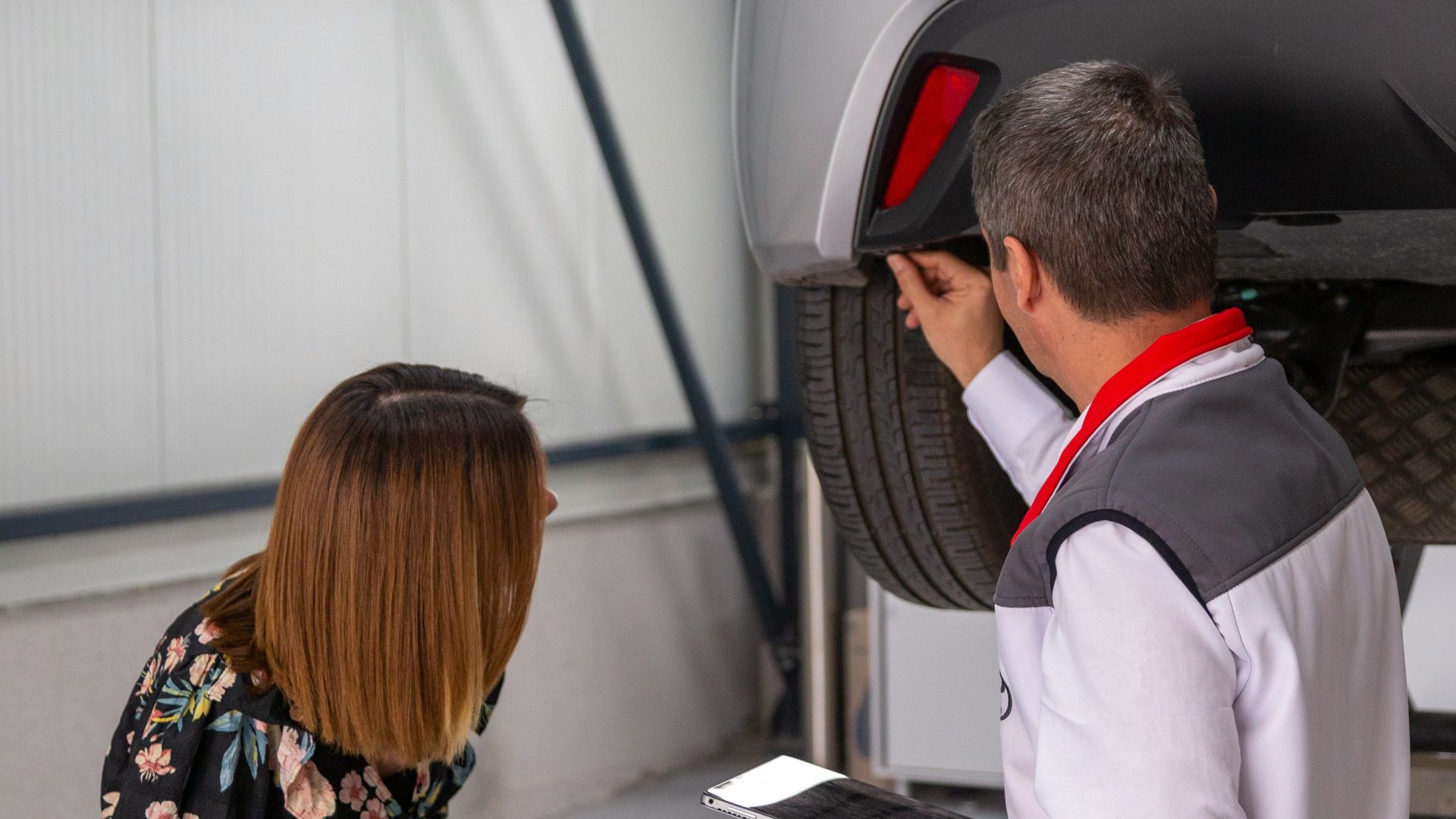
Traditional rental inspections rely on employees and customers walking around the vehicle together. Most people never crawl underneath a rental car before driving away, making it unrealistic to expect customers to discover existing underbody damage on their own.
AI Sees Differently
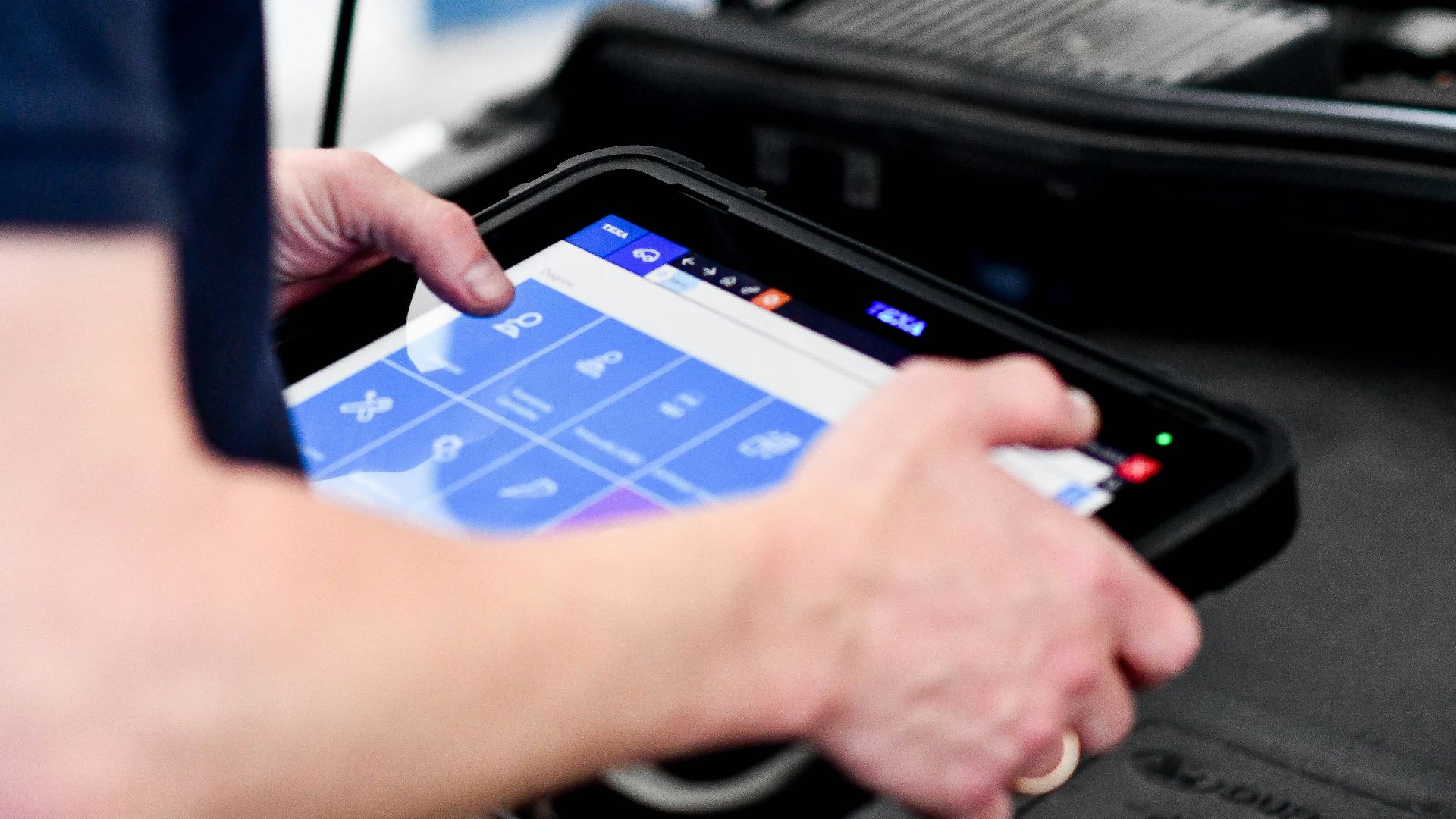
Artificial intelligence compares images against previous records and looks for changes that suggest damage. It may recognize subtle differences far beyond what employees notice, but its conclusions still depend on image quality, calibration, and accurate comparison data.
Technology Is Imperfect
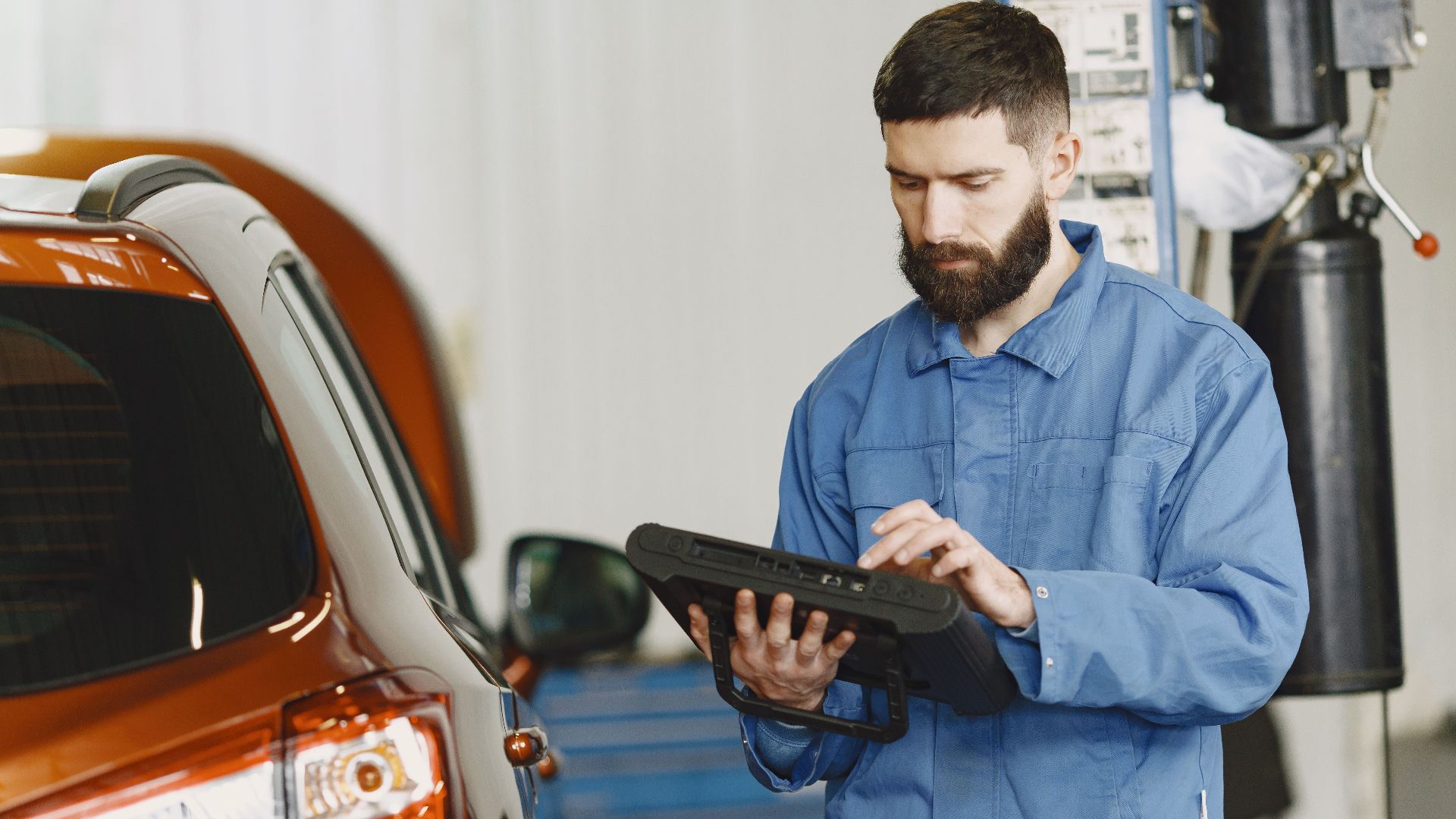
AI systems are powerful, but they are not infallible. Shadows, dirt, unusual lighting, camera angles, or software interpretation errors can sometimes produce questionable results that deserve review before financial responsibility is assigned to a customer.
Context Still Matters
Finding damage is not the same as proving when it occurred. Even if an AI scan accurately identifies scraped metal or bent components, it does not automatically establish that the current renter caused the problem.
Missing Baseline Evidence
One of the biggest concerns arises when the pickup location never scanned the vehicle's undercarriage. Without comparable before images, proving the damage appeared during your rental period becomes much more difficult for either side.
Different Branch Problems
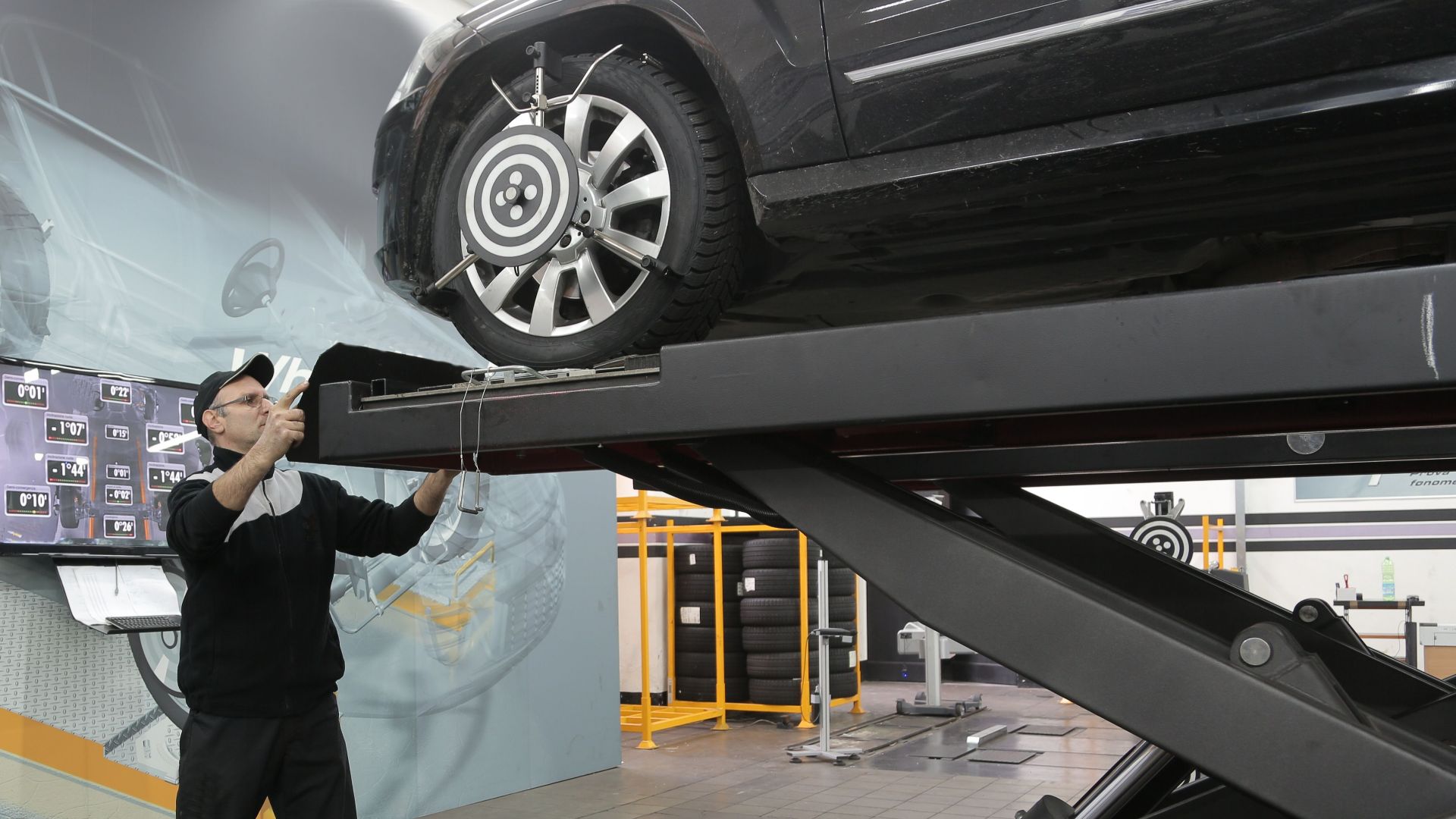
Many rentals begin at one location and end at another. If only the return branch performs a detailed AI inspection, questions naturally arise about whether the damage happened during your trip or before you ever received the vehicle.
Burden Of Proof
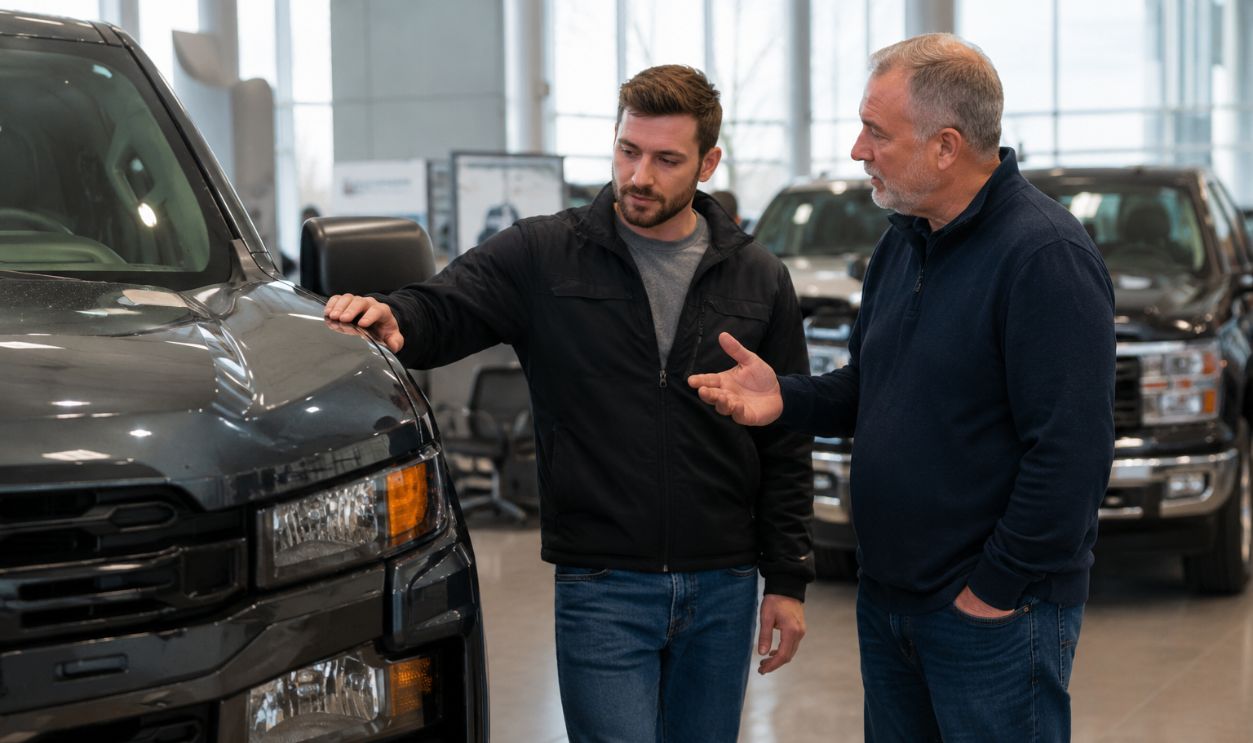
In the United States, rental companies generally need evidence supporting their claim before collecting repair costs. Good documentation becomes especially important when damage involves areas that customers cannot reasonably inspect during pickup.
 f.t.Photographer, Shutterstock
Request Every Record
If you receive a damage claim, ask for every photograph, scan, timestamp, inspection report, and repair estimate. Seeing exactly what the AI detected allows you to evaluate whether the evidence actually supports the company's conclusions.
Compare Inspection Reports
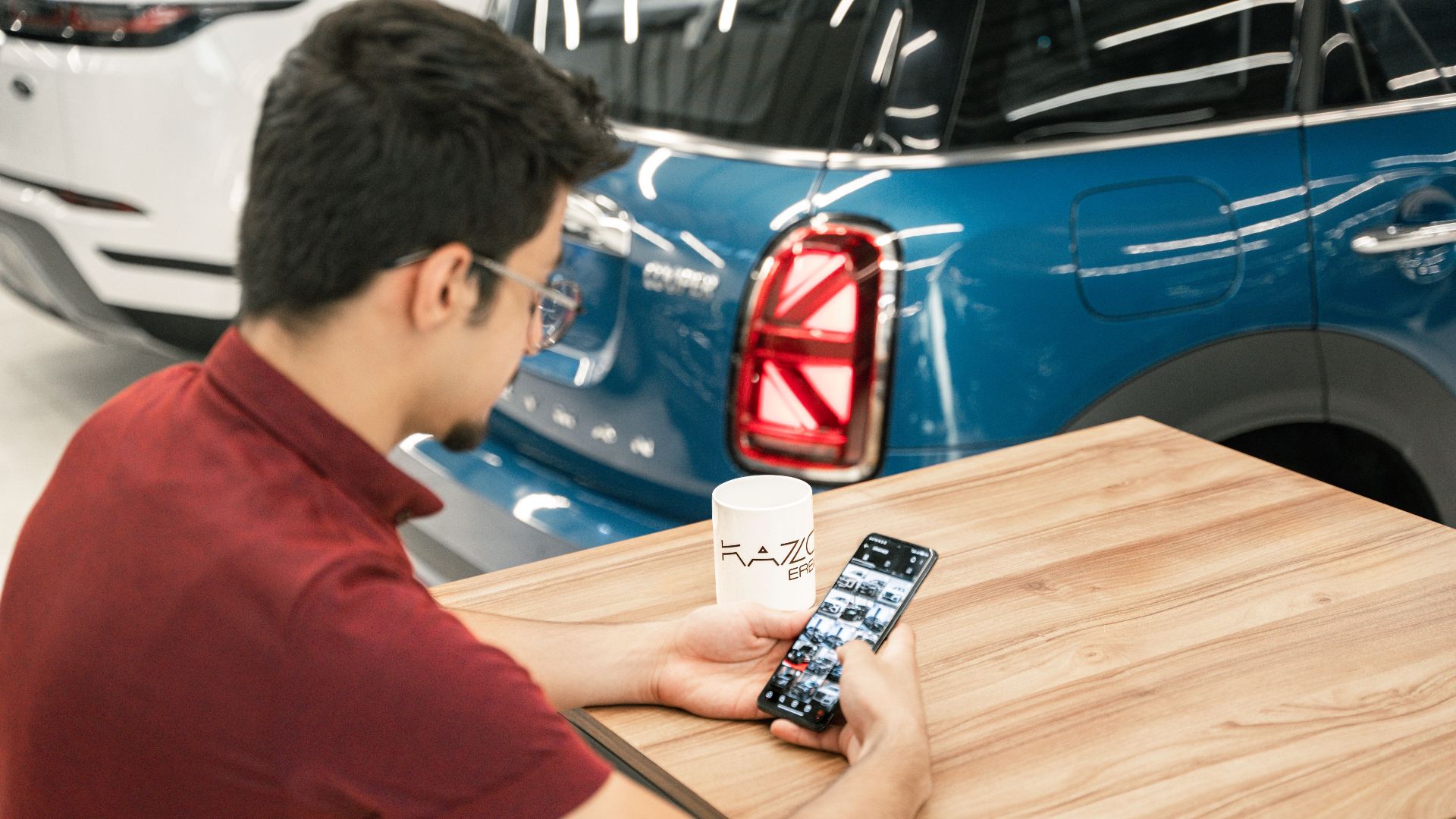
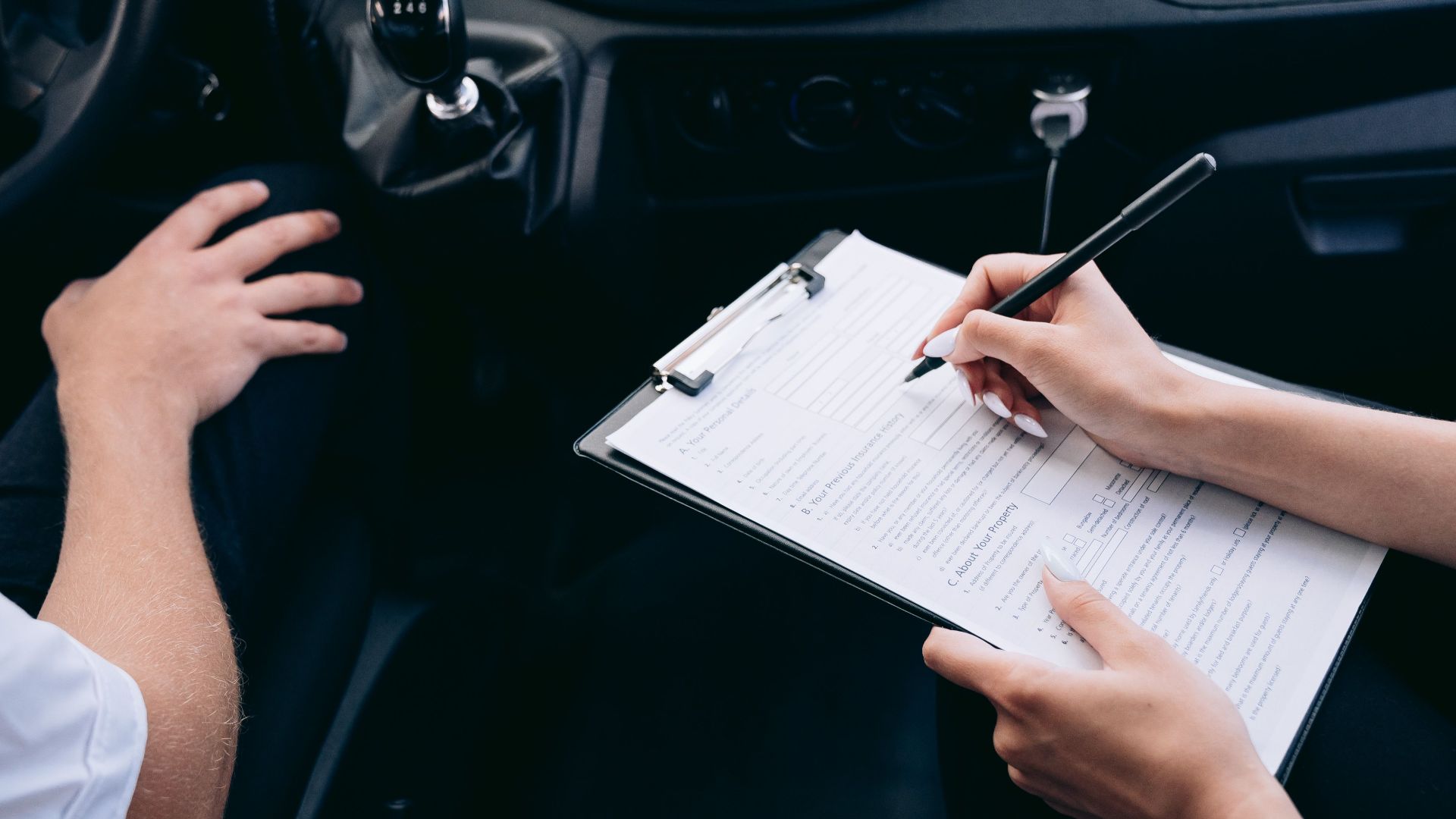
Review both the pickup and return inspection documents carefully. If the original paperwork contains little information about the vehicle's underside, that missing documentation may become an important part of your response to the damage claim.
Ask About Procedures
Politely ask whether the rental company routinely scans every vehicle's undercarriage at both pickup and return. If inspections differ between locations, understanding those procedures may clarify whether important evidence was never collected.

Review Your Photos
Many experienced travelers photograph rental cars before leaving the lot. While most pictures focus on exterior panels, any photos showing ride height, bumpers, or lower body areas could still help establish the vehicle's earlier condition.

Consider Road Conditions
Think honestly about your trip. Did you strike a large pothole, drive over road debris, scrape a parking barrier, or travel on rough roads? Your own recollection may help determine whether the claim seems plausible.

Repair Costs Matter
Do not automatically assume every damage bill reflects actual repair expenses. Request itemized estimates and understand exactly what components supposedly require replacement, repair, or labor before agreeing to pay significant charges.

Insurance May Help
Your personal auto policy, travel insurance, or credit card rental coverage may provide protection if you are ultimately responsible. Review policy terms carefully because coverage varies widely depending on the provider and rental agreement.

Dispute Professionally
If you believe the evidence is incomplete or inaccurate, respond calmly and in writing. Explain why you dispute the claim, reference missing inspection documentation, and request additional evidence instead of relying on emotional arguments.

Escalation Is Possible
If discussions stall, ask for review by a supervisor or claims department. Keeping organized records of emails, photographs, contracts, and inspection reports often strengthens your position during the dispute process.

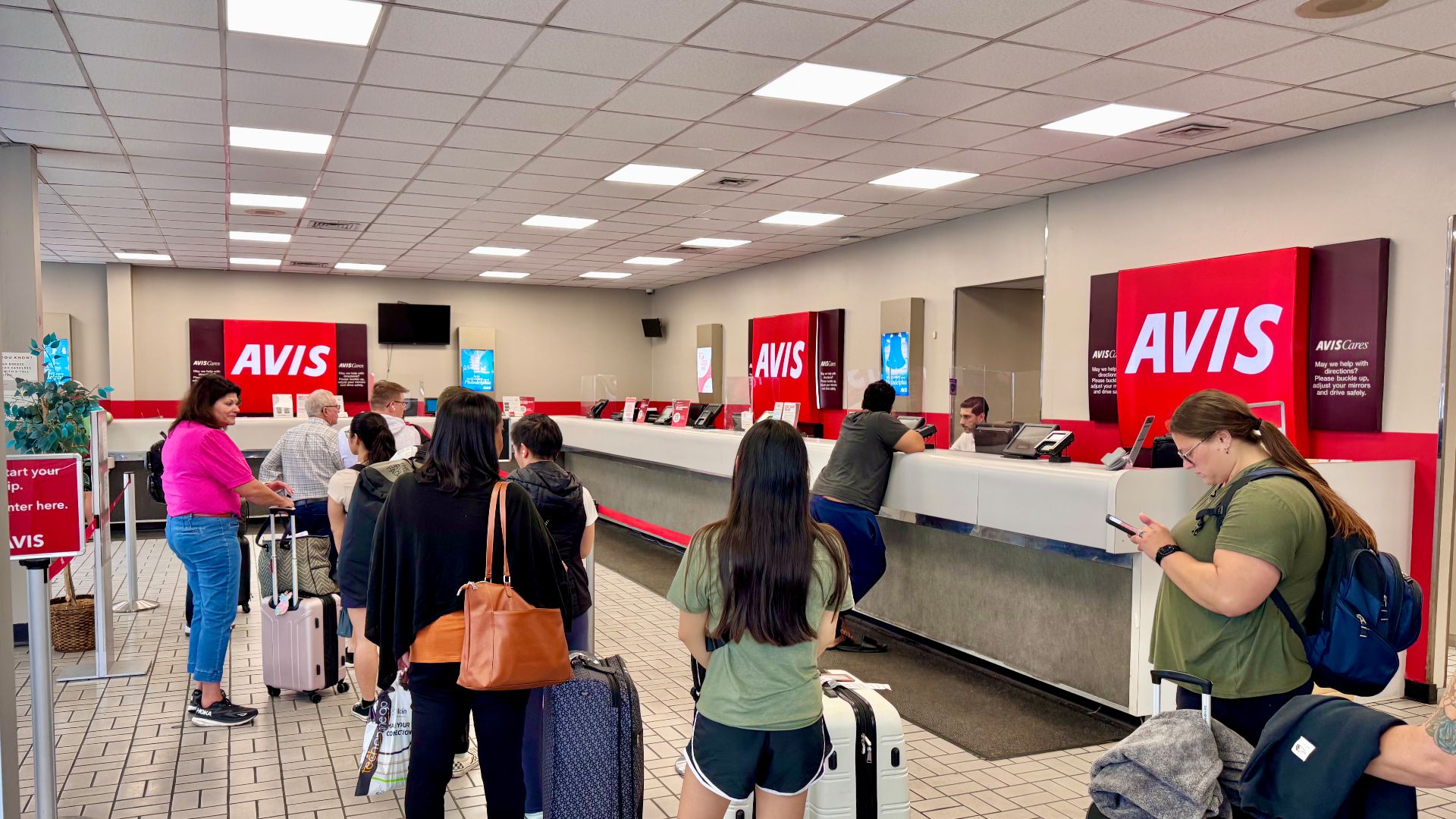
Court Is Rare
Most rental damage disputes are resolved before reaching court. However, if substantial money is involved and both sides remain convinced they are correct, legal action or arbitration may become an option under the rental agreement.
 Harrison Keely, Wikimedia Commons
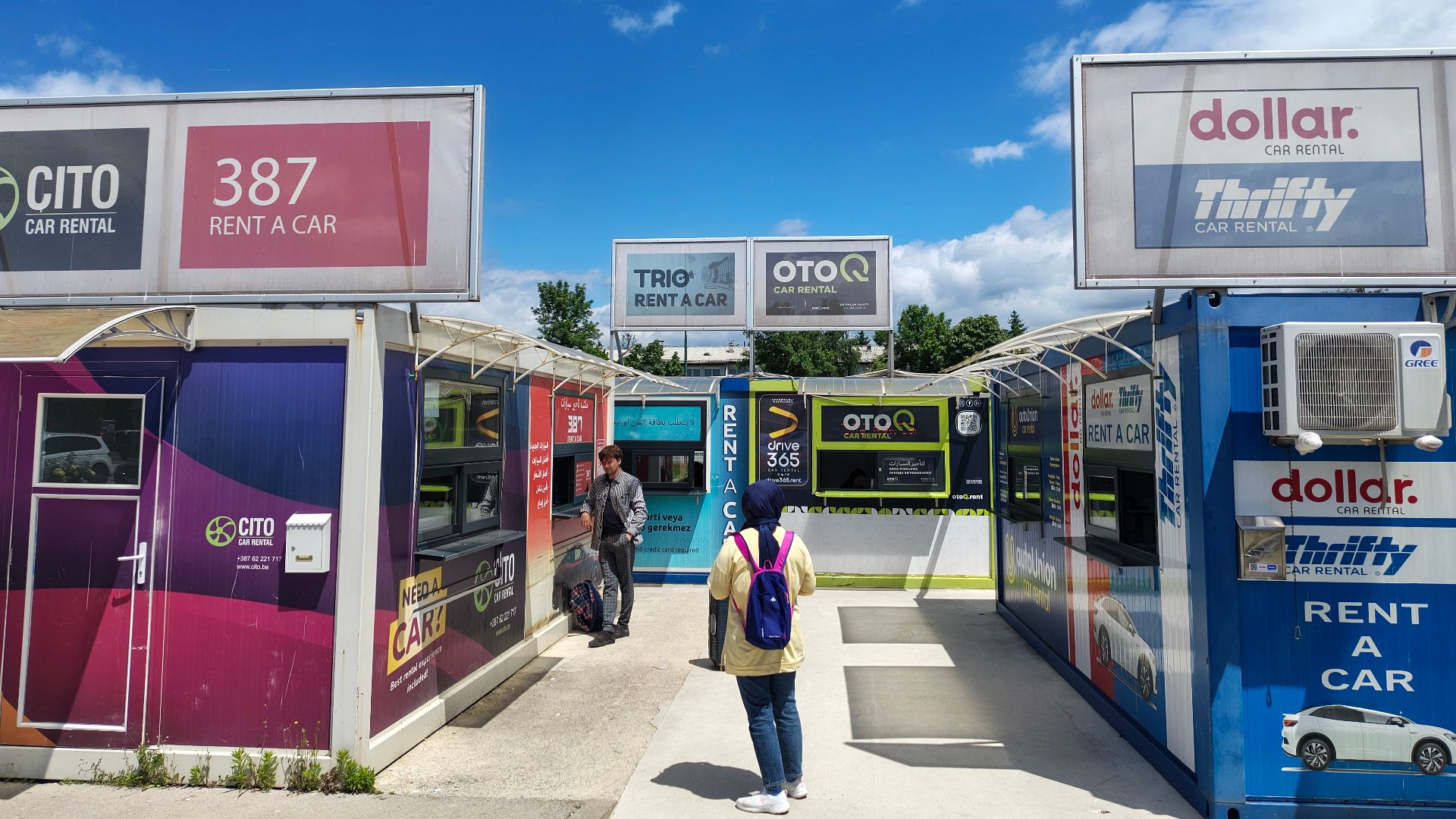
Future Rentals Differ
As AI inspection systems become more common, renters may need to adjust their habits. Taking thorough photographs and carefully reviewing inspection reports could become just as routine as checking fuel levels before leaving the lot.
 Modular science, Wikimedia Commons
Better Systems Ahead
The fairest inspection process would document every vehicle at both pickup and return using identical technology. Consistent scans create a complete record that protects both honest customers and rental companies from questionable claims.
 Iain Cameron from Ellon, Scotland, Wikimedia Commons
Balance Technology Fairly
AI can improve accuracy, reduce fraud, and speed inspections, but technology should support good evidence rather than replace it. Human review remains valuable whenever software identifies damage that carries significant financial consequences.
 Iain Cameron from Ellon, Scotland, Wikimedia Commons
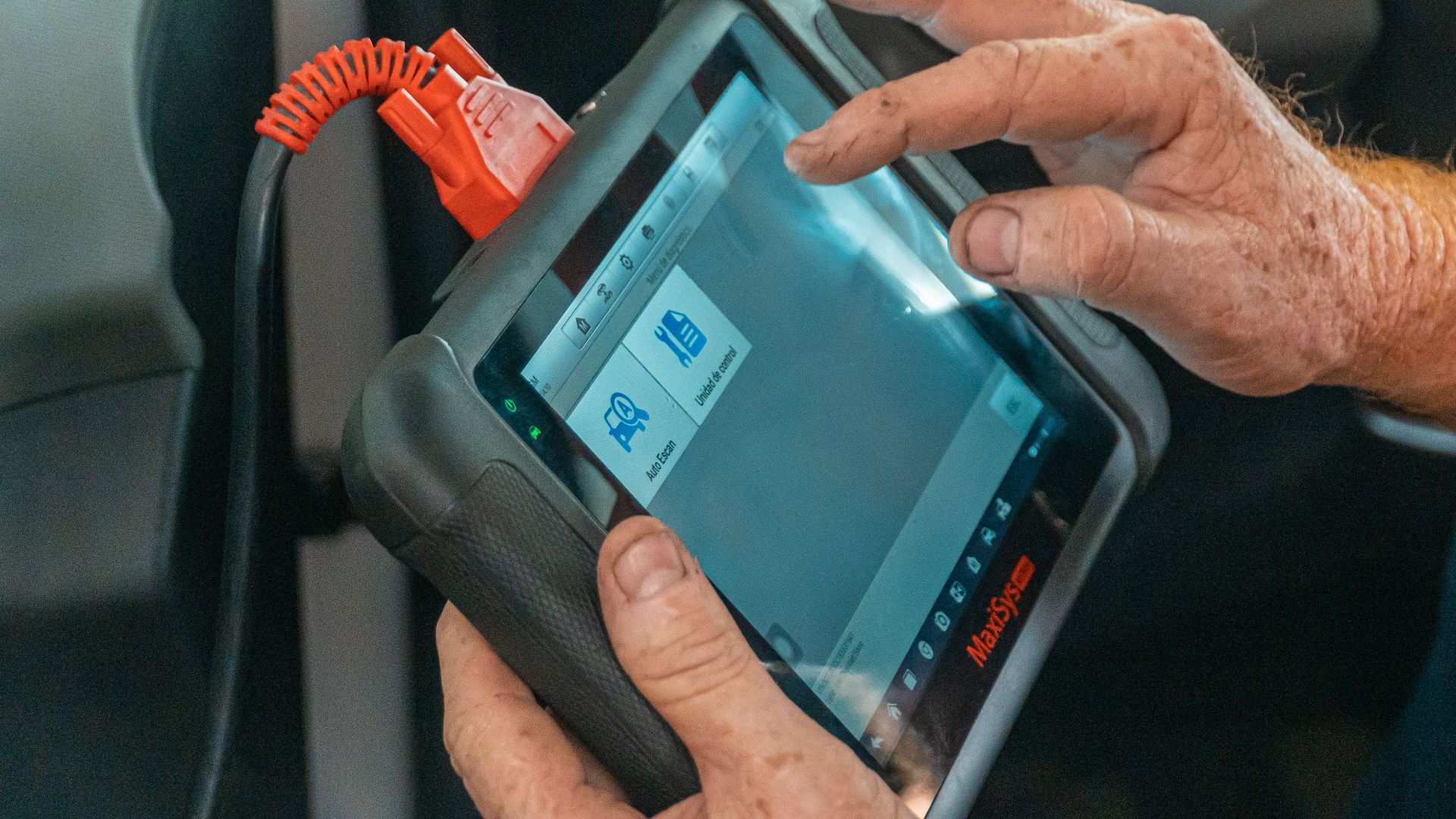
Stand Your Ground
You should not ignore an AI damage claim, but you also should not assume it is automatically correct. Review the evidence carefully, request missing documentation, understand your insurance options, and challenge charges whenever the available facts fail to prove you caused the damage.
 Jose Ricardo Barraza Morachis, Pexels
You May Also Like:
I Was Charged Extra Because My Rental Car Crossed A County Line. How Is That Possible?