
The Mystery Fee That Followed Me Home
You expect rental-car surprises to involve mystery scratches, gas gauges, or a toll road you swear you never saw. You do not expect the villain to be a county line. Yet some travelers return a car, check the receipt, and find an extra charge tied to where the car went.

Wait, A County Line Can Cost Money?
It sounds ridiculous at first. Counties do not have border guards waving rental sedans into inspection lanes. But rental companies can track where a car travels through toll records, telematics, mileage patterns, roadside assistance calls, or return-location data. If your agreement limits travel zones, a county line can matter.
It Usually Starts With The Contract
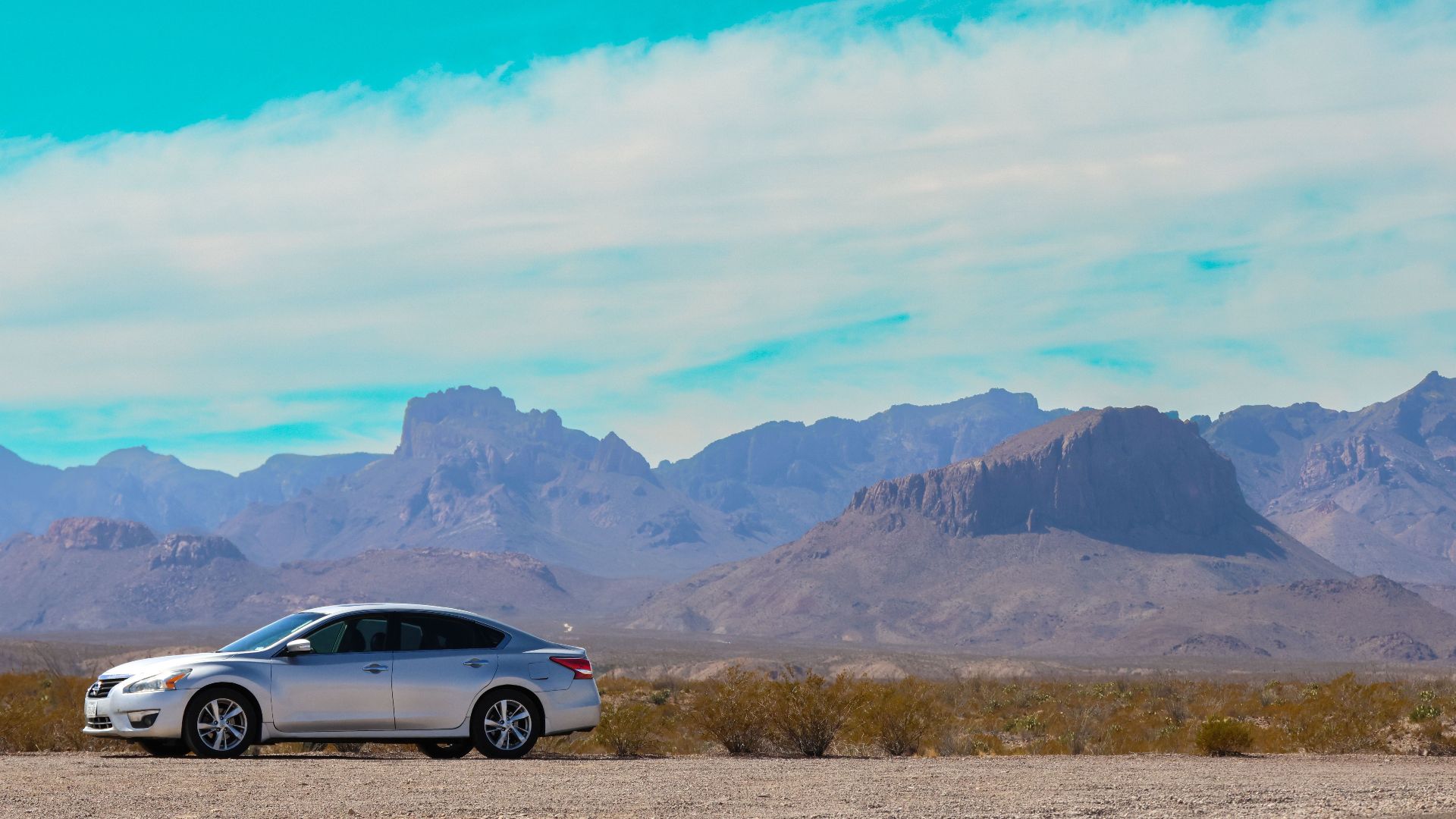
The key is not the painted county sign on the highway. It is the rental agreement. Buried in that tiny-print document may be a “geographic restriction,” “local use only,” “authorized area,” or “travel zone” rule. Once you sign, those rules become part of the deal.

Big Chains Are Usually More Flexible
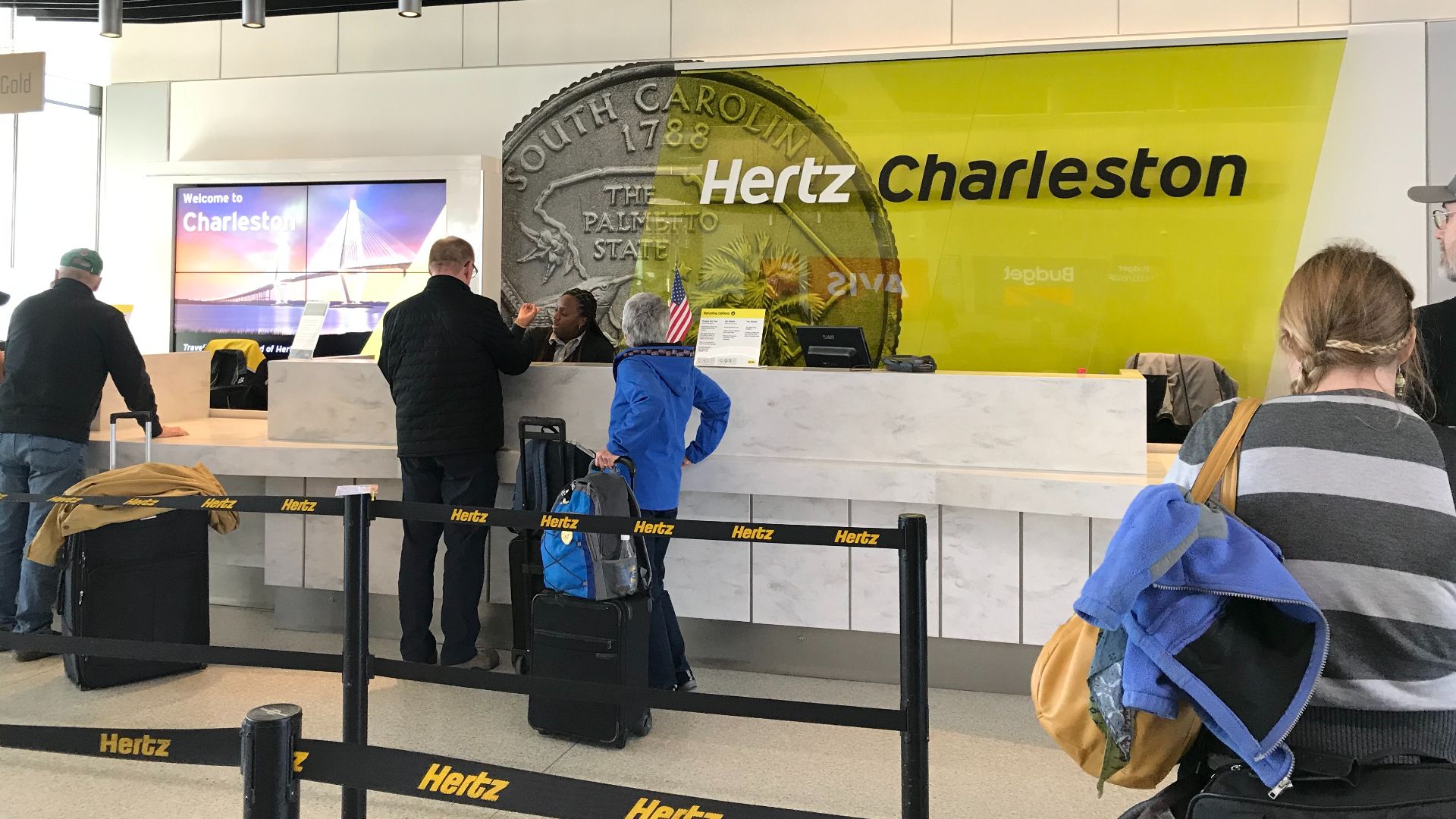
Most big national rental companies are fairly relaxed about state-to-state travel, especially from airports. A family road trip from Georgia to Tennessee usually will not set off alarms. But “usually” is doing a lot of work here, because policies can change by location, vehicle class, and branch.
 AutoRentals, Wikimedia Commons
Smaller Locations Can Be Stricter
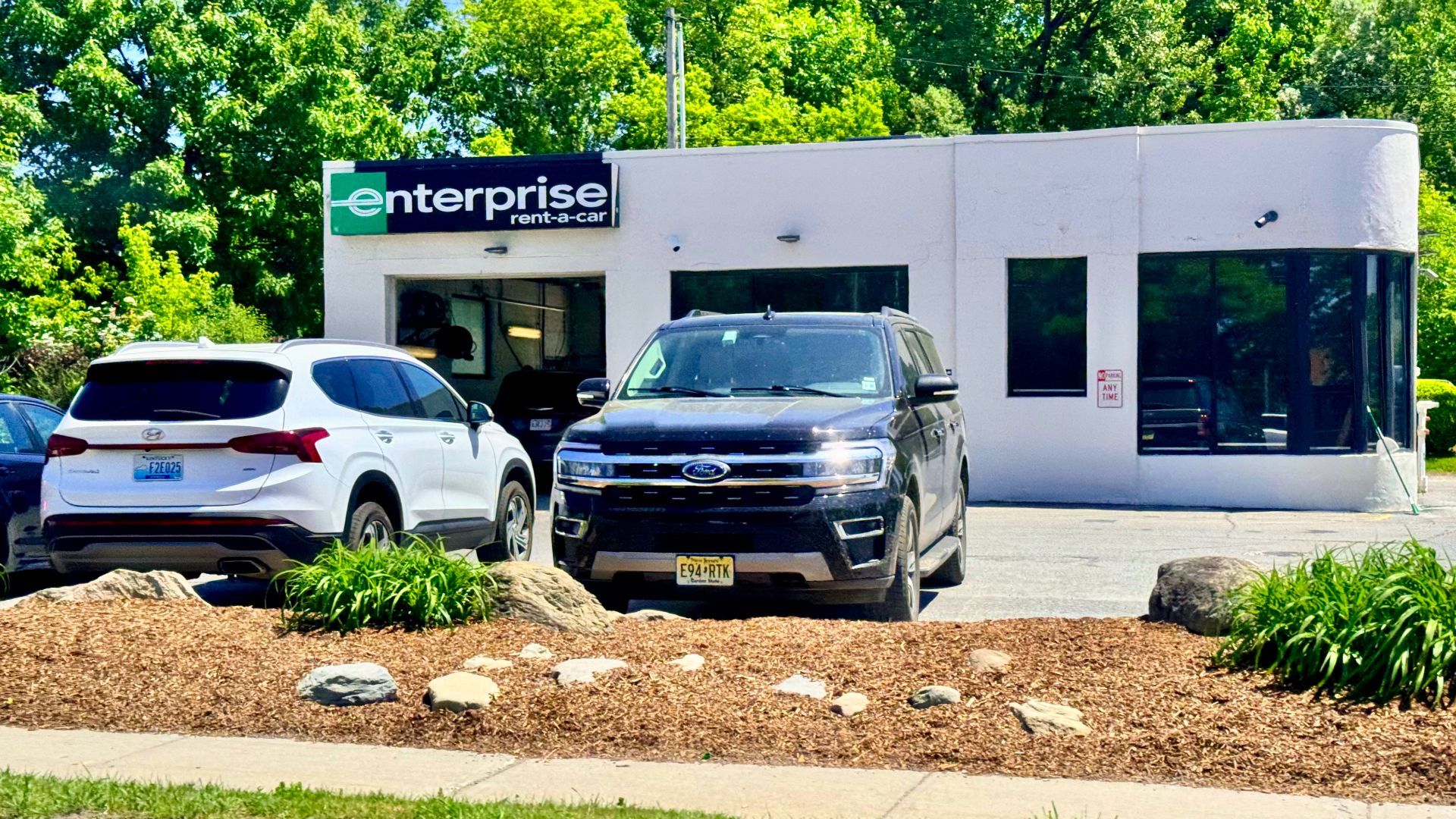
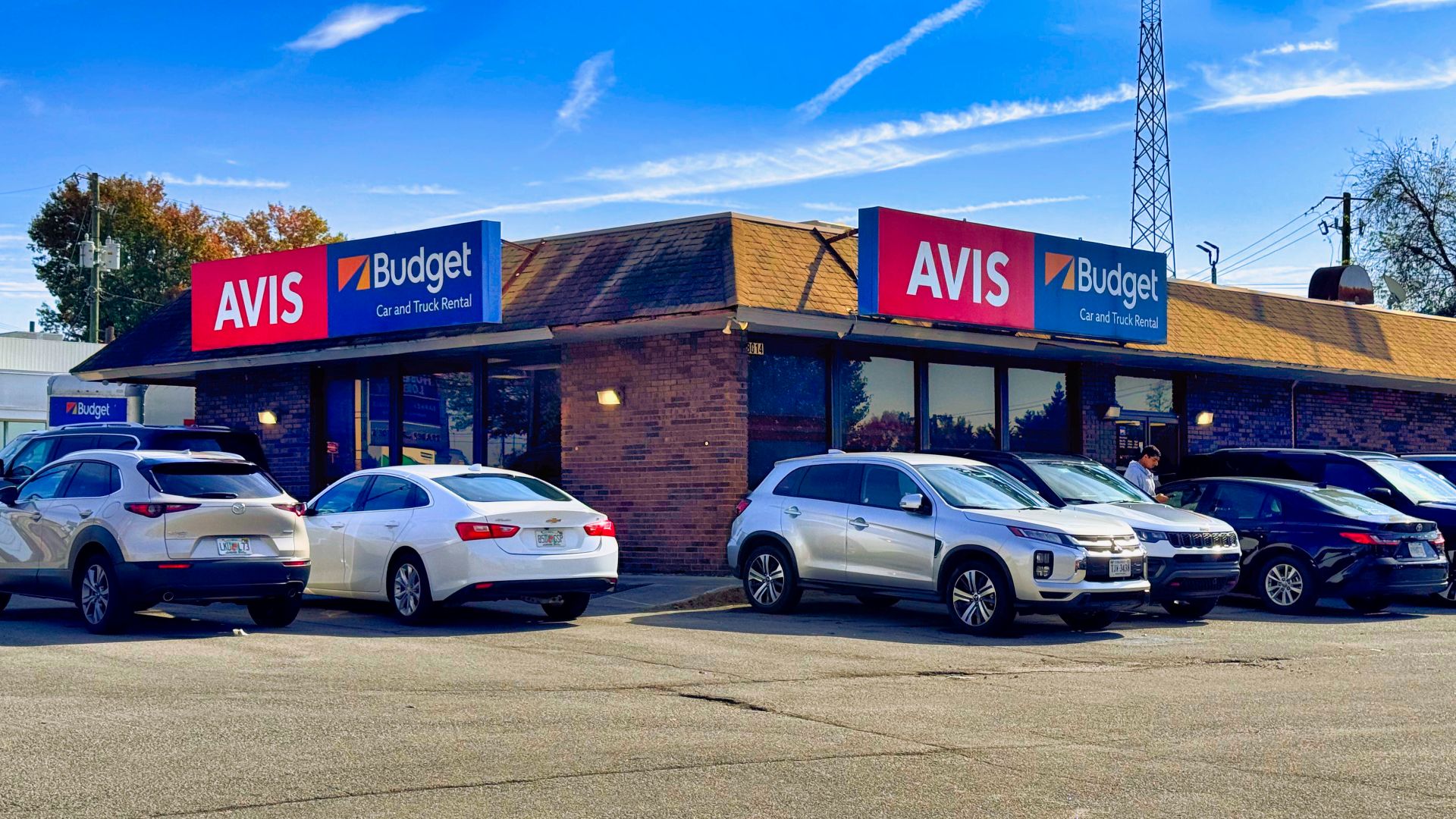
Neighborhood rental offices often operate differently from airport counters. Some rely on local fleets meant for local customers. If a car is supposed to stay nearby for quick turnover, sending it two counties away may violate the branch’s rules, even if the same brand allows wider travel elsewhere.
 Harrison Keely, Wikimedia Commons
Insurance Replacements Are A Common Trap
The county-line shock often happens with insurance-replacement rentals. Your own car is in the shop, an insurer arranges a rental, and the rate is negotiated for local use. Drive it beyond the approved area, and the renter may be billed extra for mileage, coverage, or unauthorized travel.

Cheap Weekend Rates May Have Strings
That amazing $29-a-day neighborhood special may not be built for a three-state barbecue pilgrimage. Discounted local rates can come with limited mileage or geographic limits. The lower the price looks, the more carefully you should read what kind of driving that price actually buys.

Limited Mileage Can Look Like A Border Fee
Sometimes the fee is not really for crossing the county line. It is for the miles needed to do it. If your rental includes only 100 miles per day, a quick “just over the county line” lunch run can become expensive once the odometer tells its side of the story.
One-Way Rentals Are Their Own Beast
Taking a car from one county to another is one thing. Returning it there is another. Drop-off fees exist because the company has to rebalance its fleet. A county-line charge may actually be a one-way or wrong-location fee wearing a very confusing name tag.
 Harrison Keely, Wikimedia Commons
Taxes Can Change By Place
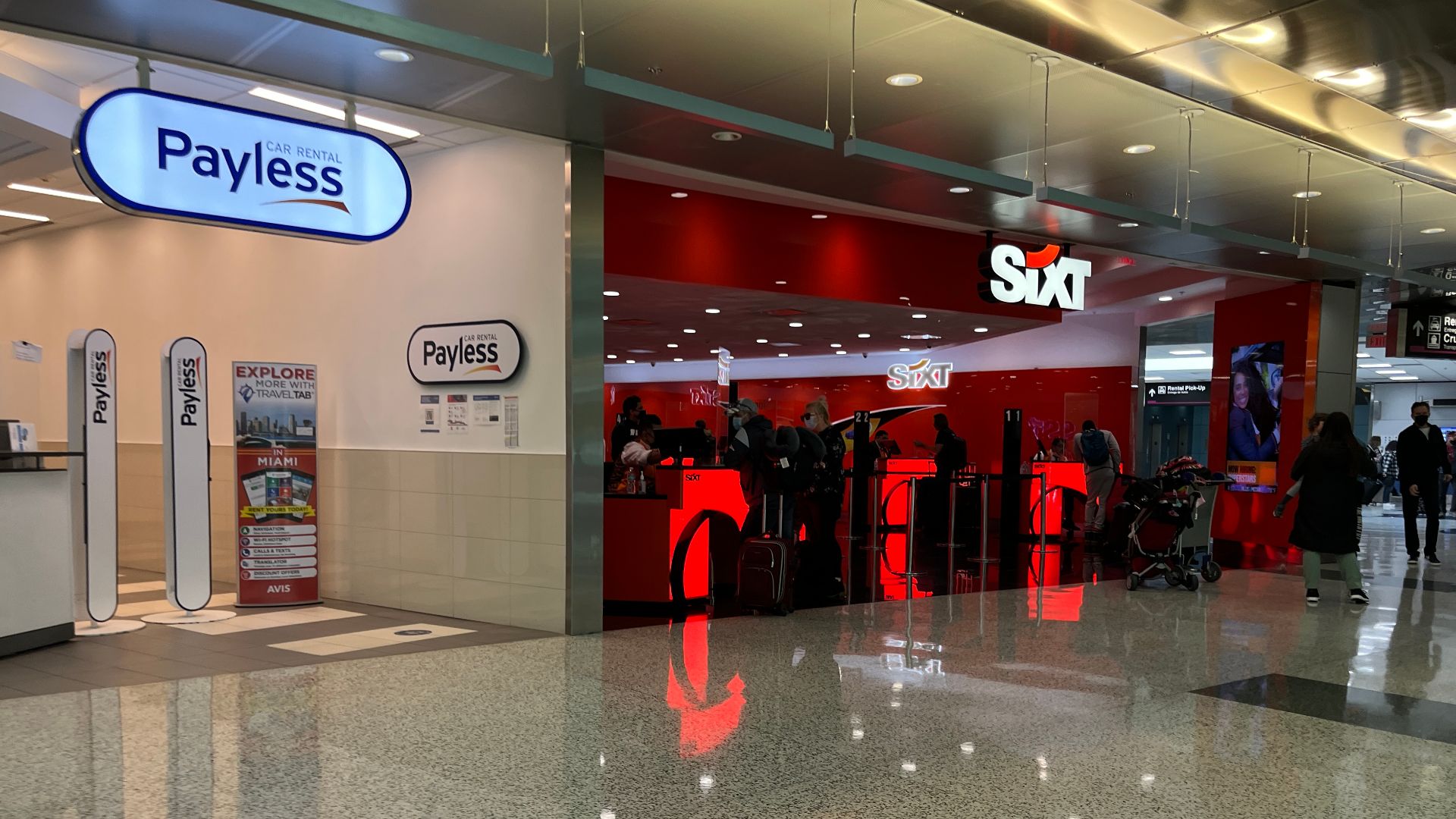
Rental-car bills are tax lasagna. Airports, cities, counties, stadium authorities, tourism districts, and transit agencies may all want a slice. If a rental begins, ends, or is processed in a different jurisdiction, the final bill can include local charges you never considered while cruising toward lunch.
 Benoit Prieur, Wikimedia Commons
Tolls Make Everything Messier
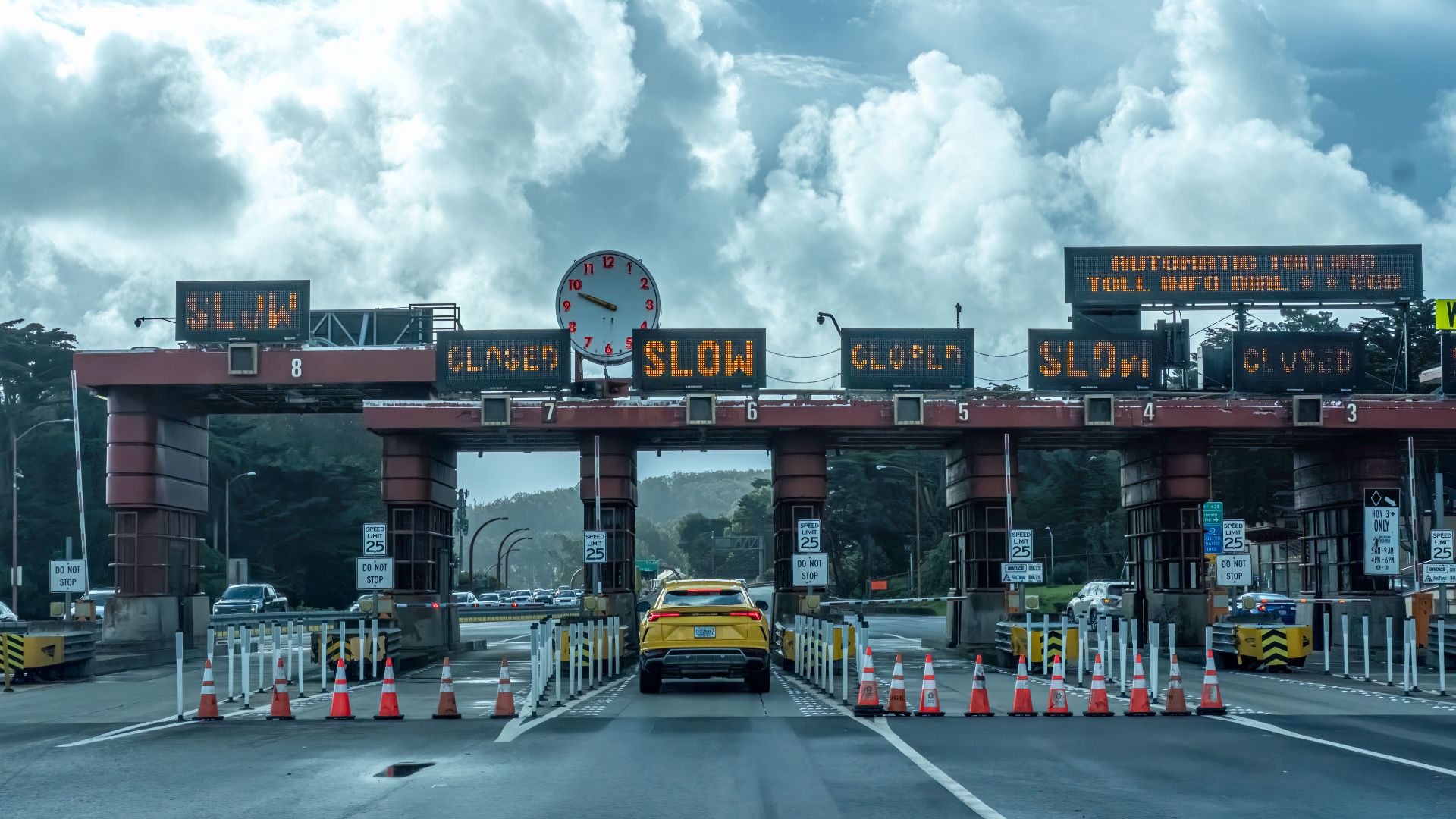
Many toll systems are cashless, which means cameras read the plate and bill the rental company later. The company then bills you, often with an administrative fee. A driver may blame the county line, when the real trigger was a toll bridge, express lane, or bypass road.
The Car May Be Geofenced
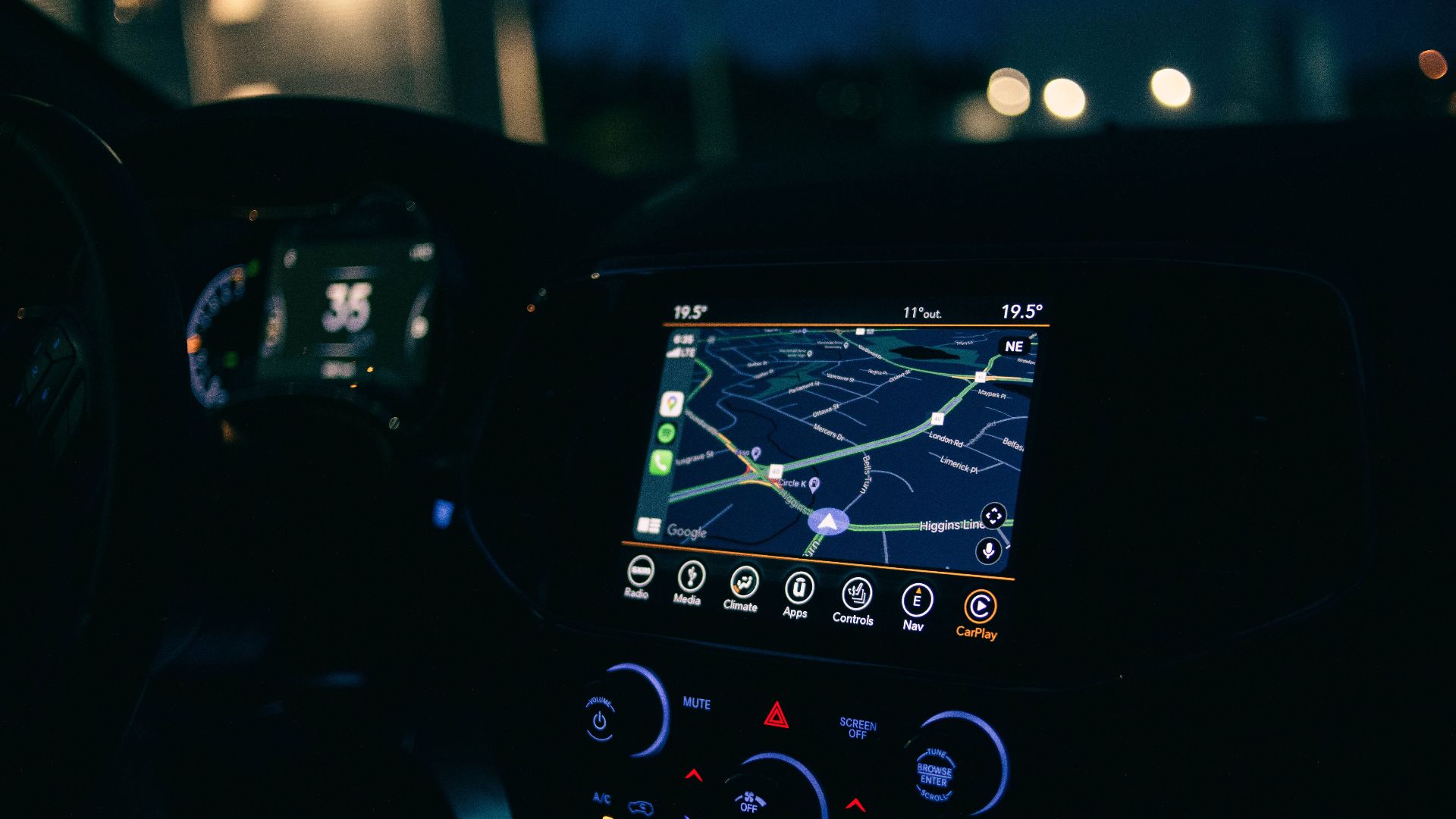
Some rental fleets use telematics, especially for specialty cars, peer-to-peer rentals, commercial vans, or subscription-style vehicles. That technology can flag travel outside a permitted zone. The charge is not magical. The car simply told on you, like a very expensive hall monitor.
Specialty Vehicles Get Special Rules
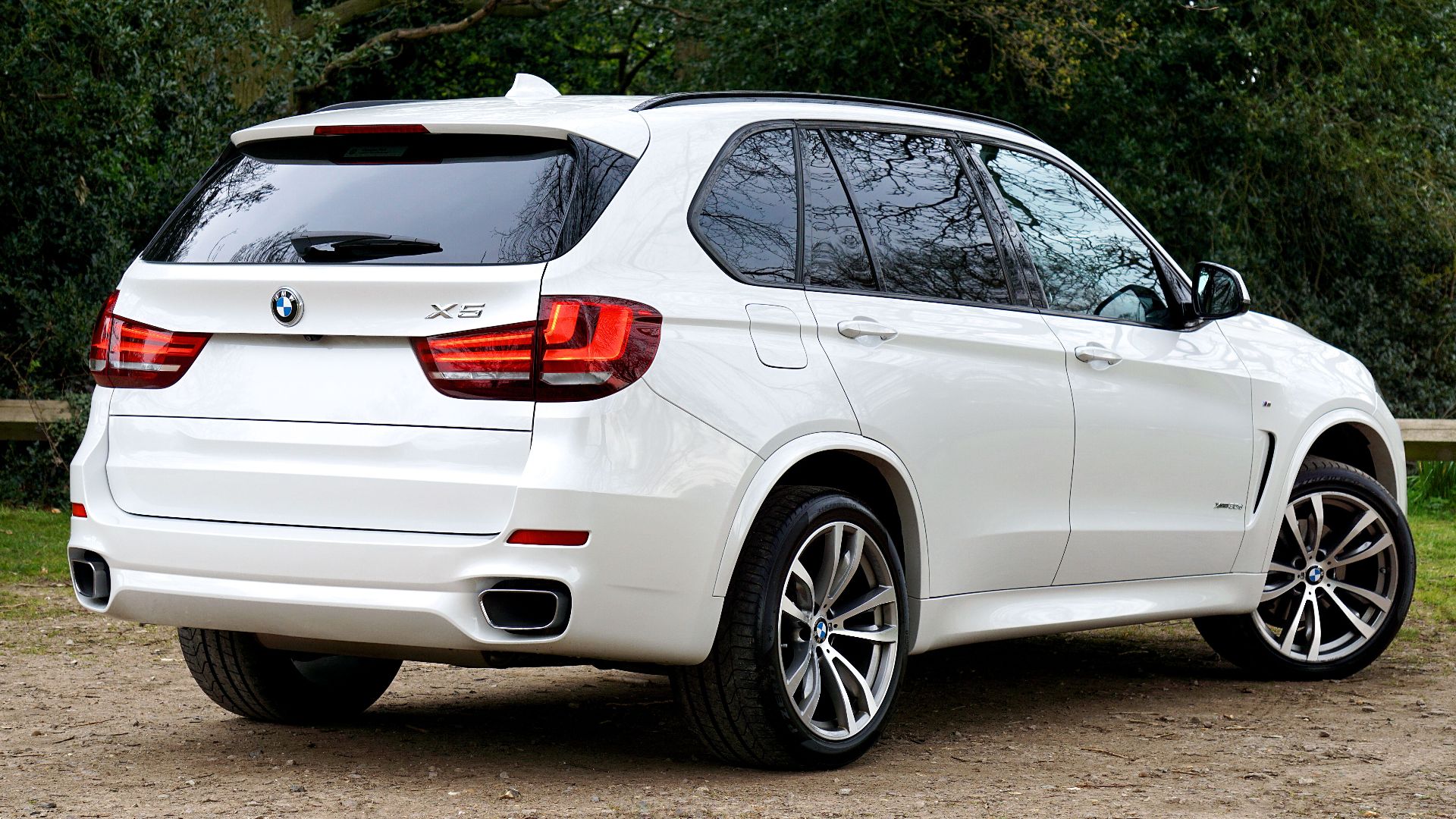
A compact sedan may be allowed to roam freely, while a luxury SUV, cargo van, pickup, or electric vehicle has tighter limits. Why? Repairs, recovery, charging access, and resale concerns. The more expensive or specialized the vehicle, the more nervous the rental company may be.
Electric Rentals Add Another Twist
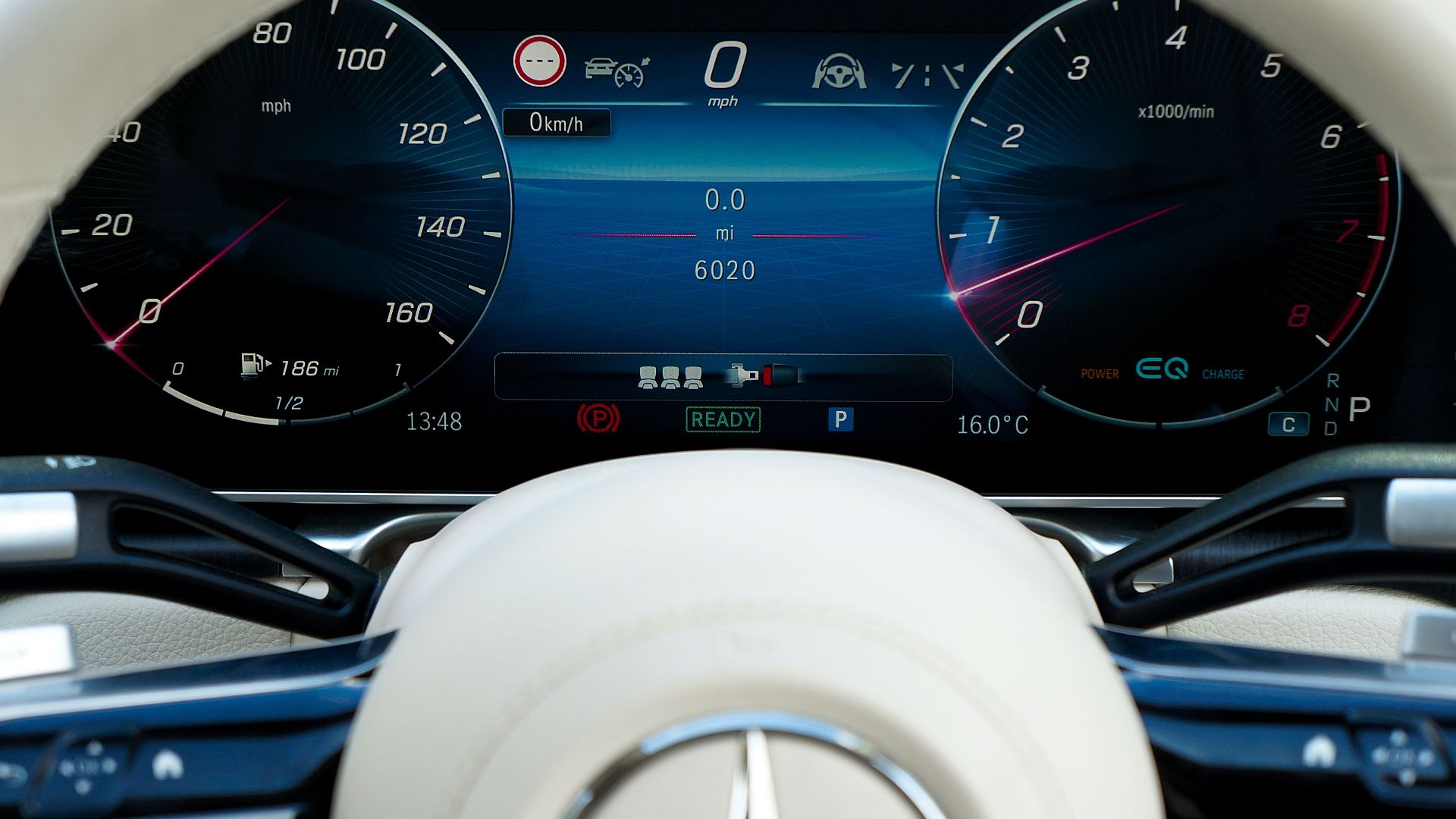
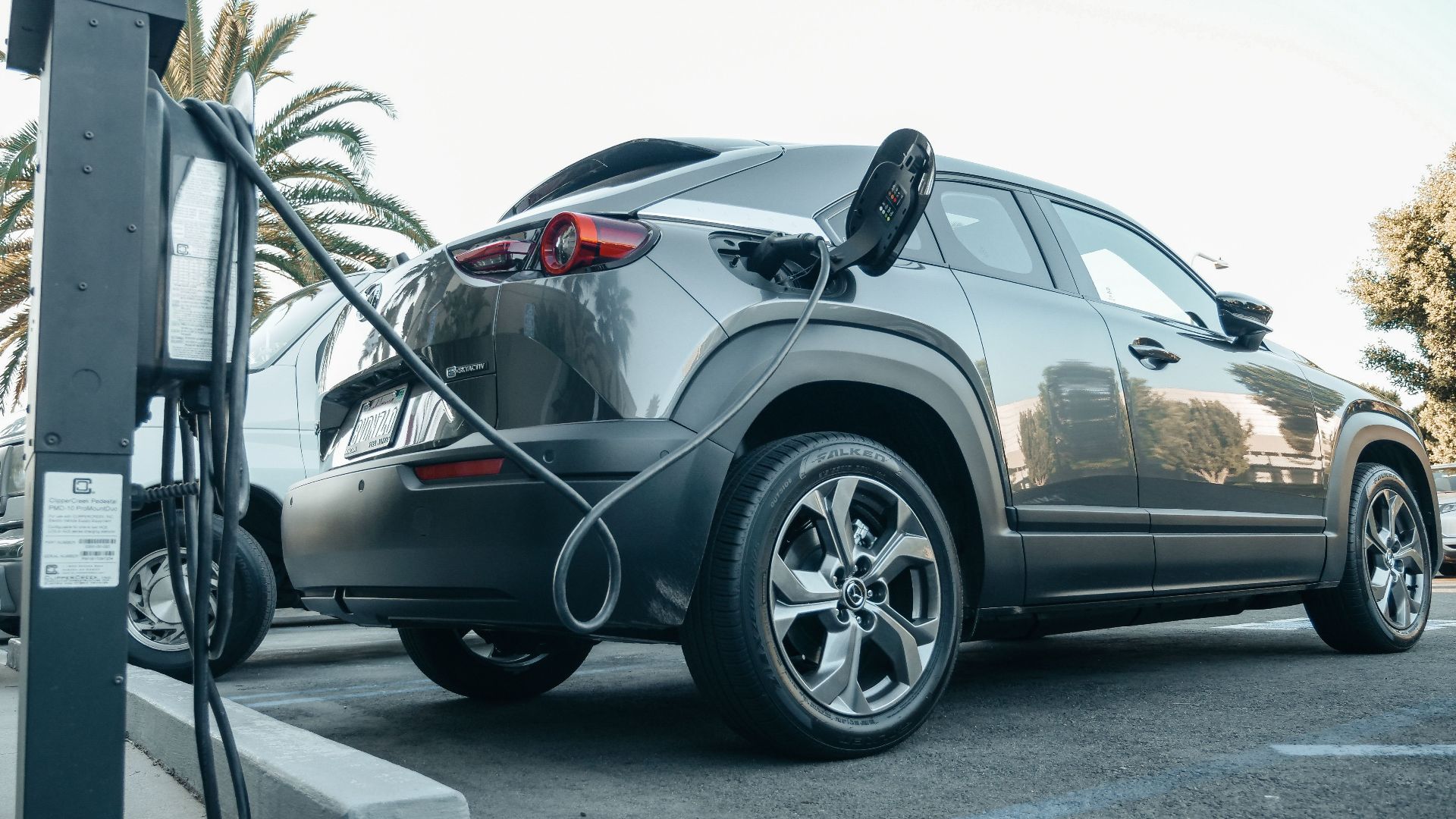
With EV rentals, location rules can involve charging networks and roadside support. A company may not want its EV stranded far from approved chargers or service partners. Crossing a county line into a rural charging desert might not be forbidden everywhere, but it can matter in certain agreements.
Local Franchise Rules Can Surprise You
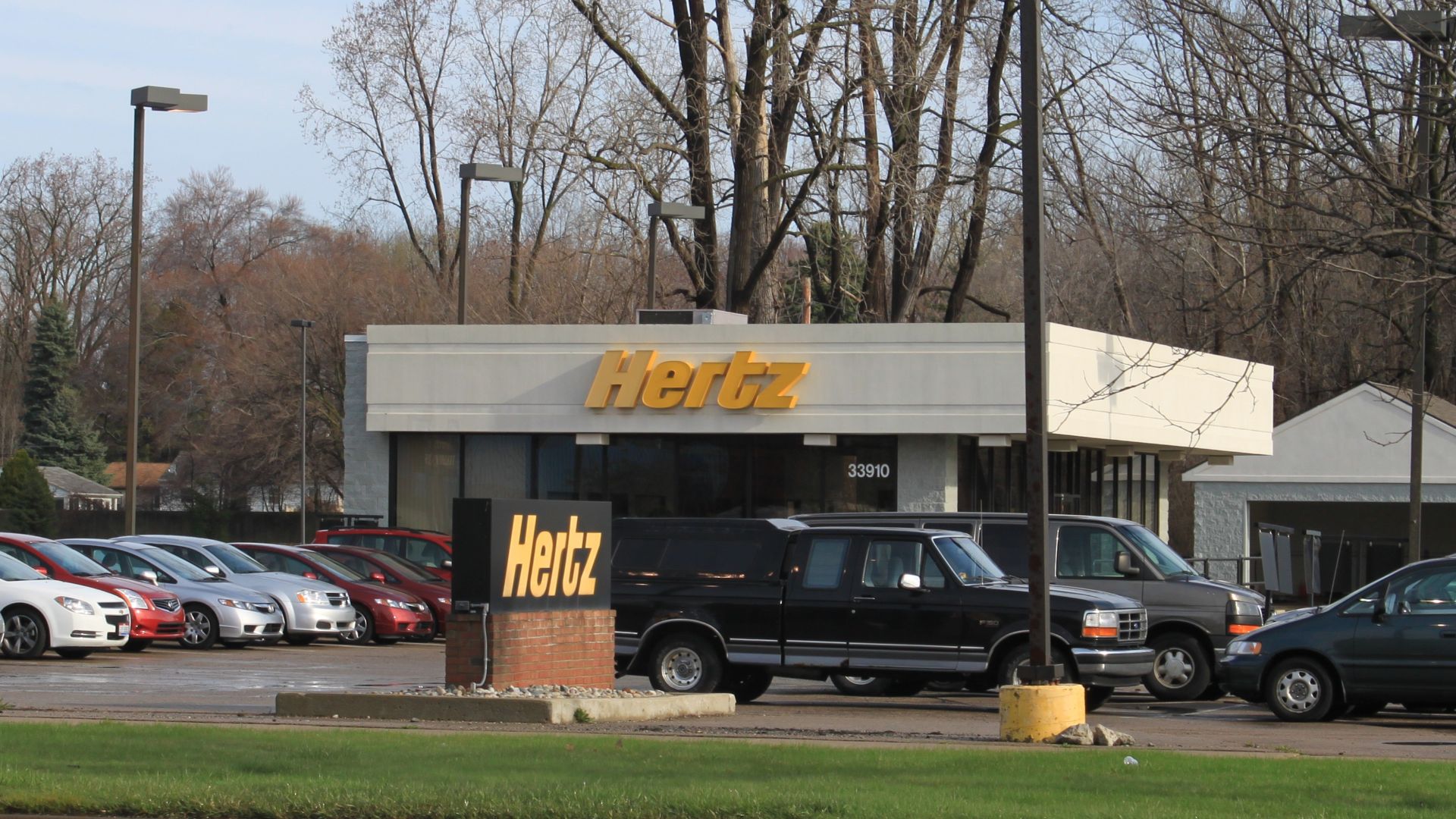
Not every counter under a familiar logo plays by identical rules. Some locations are corporate-owned, while others may operate with local policies. That is why a friend can say, “I drove mine across five states,” while your receipt says, “Congratulations, you owe us more money.”
 Dwight Burdette, Wikimedia Commons
The Counter Agent May Not Be Enough
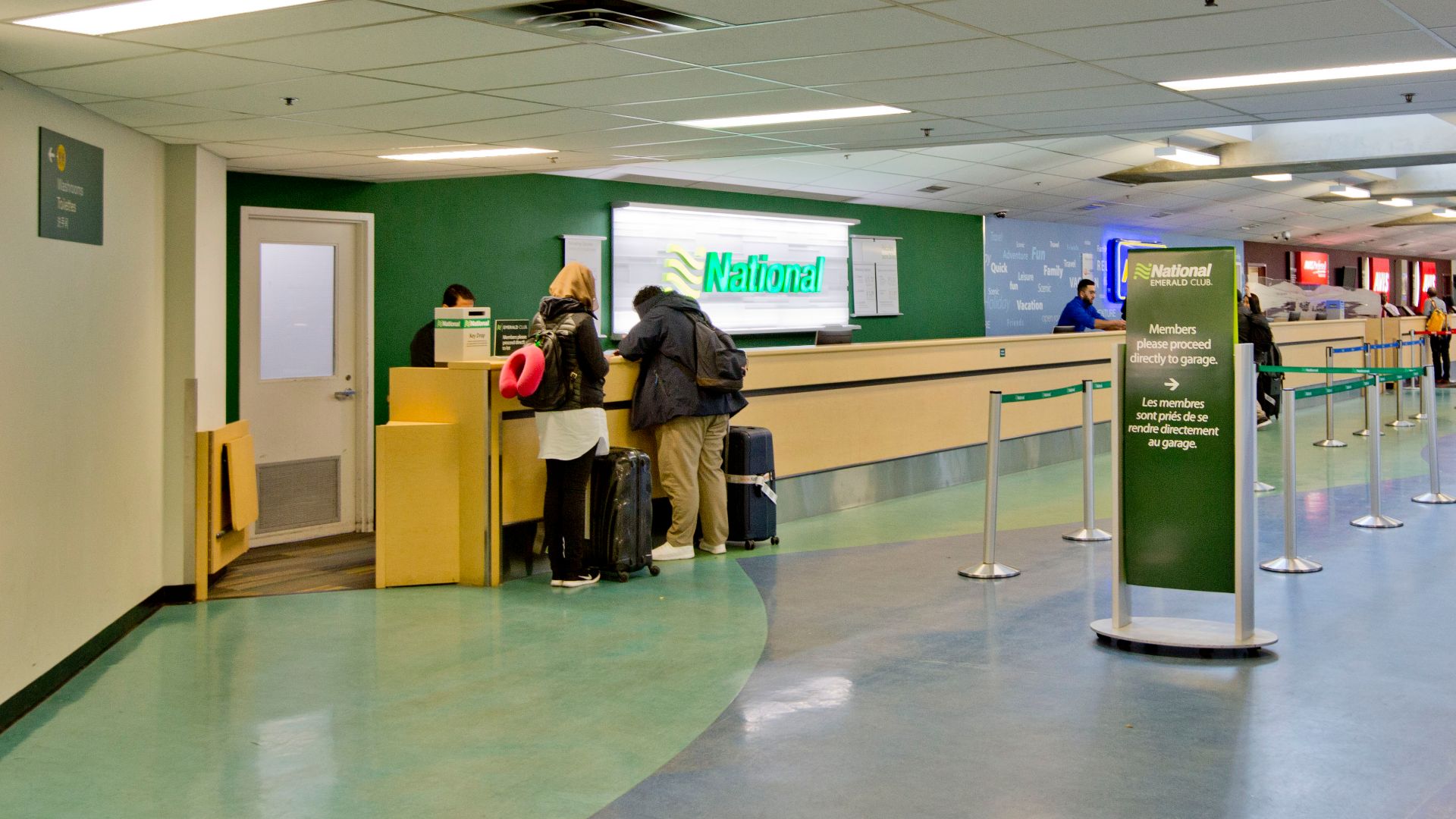
A friendly agent saying “you should be fine” is comforting, but the printed agreement usually wins. Ask specific questions: Can I drive into this county? This state? This national park? This toll road? Then get the answer in writing, even if that means an email or notation.
 GoToVan from Vancouver, Canada, Wikimedia Commons
Ask About The Authorized Driving Area
Before leaving the lot, use the phrase “authorized driving area.” It sounds formal because it is. Ask the branch to show you where the car is allowed to go. If the answer is vague, that is your cue to slow down before your road trip speeds up.
Check The Pickup Location Page
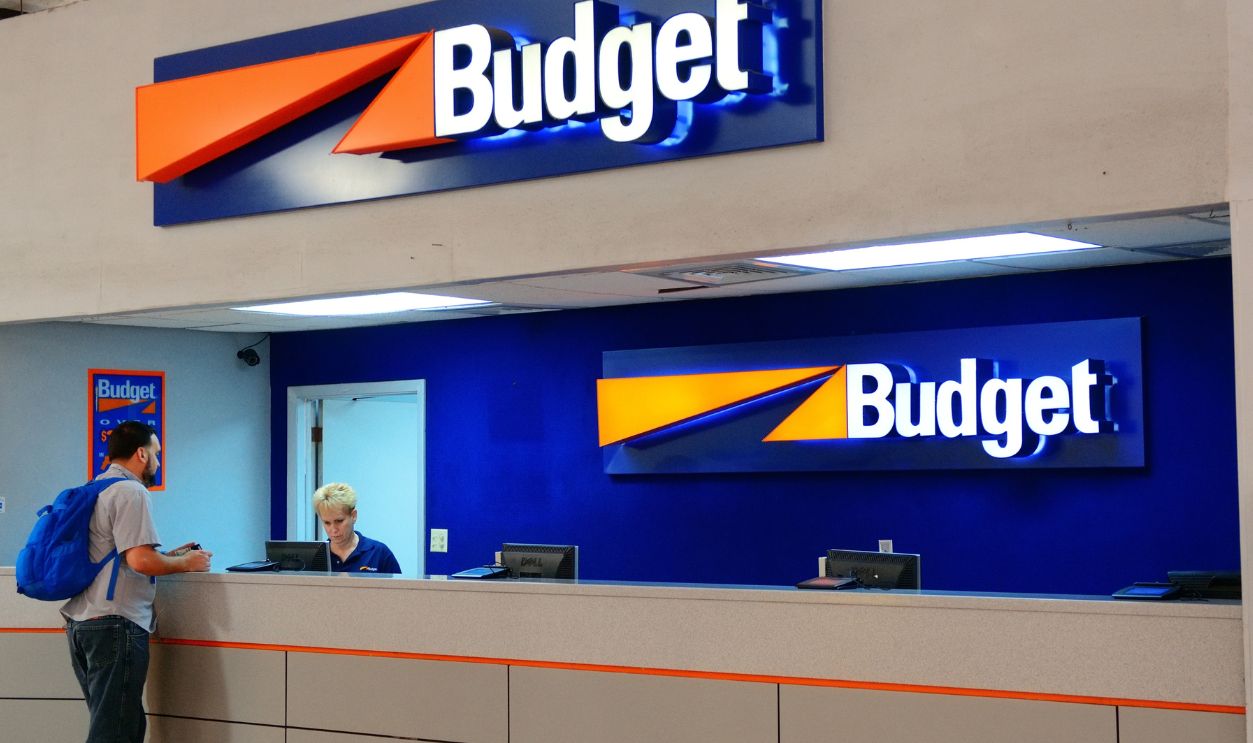
Many companies post location-specific terms online. Look for sections about “travel into other states,” “driving restrictions,” “mileage,” “one-way rentals,” or “local renters.” The national FAQ may say one thing, while the exact branch you booked has a smaller sandbox.

Watch For Local Renter Rules
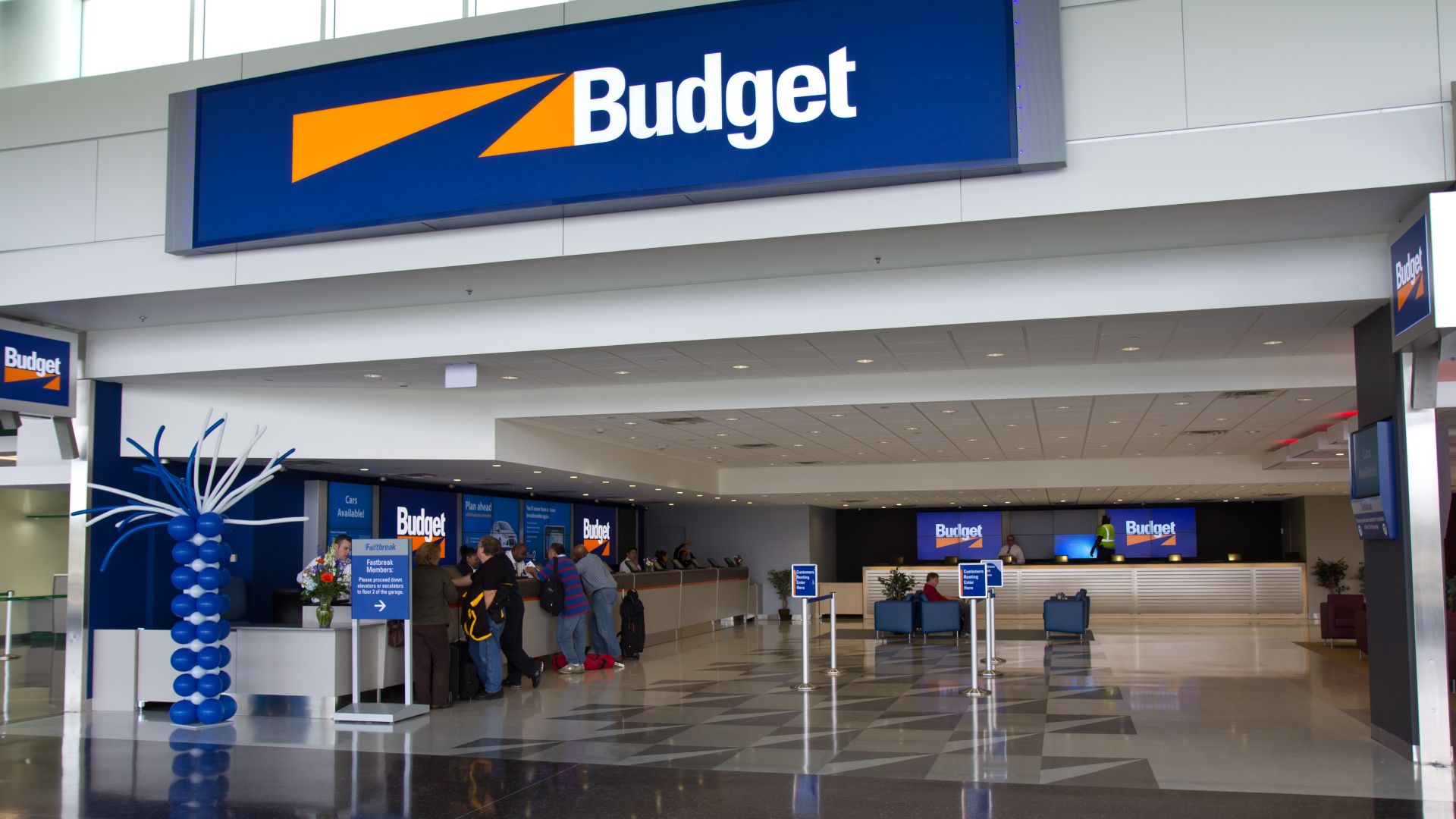
Some companies treat local renters differently from airport travelers. A renter using a debit card, local address, insurance claim, or special discount may face extra limits. The same car, from the same lot, can come with different rules depending on how the reservation was made.
 Atomic Taco from Seattle, WA, USA, Wikimedia Commons
Don’t Ignore The Word Unauthorized
If the agreement says travel outside an area is unauthorized, the consequences may go beyond a fee. It could affect roadside help, damage coverage, loss damage waiver protection, or your responsibility for recovery costs. That little word can carry a very large tow-truck-shaped shadow.

How To Fight The Charge
Start politely and ask for the exact contract clause that supports the fee. Then request a line-item explanation. Was it mileage, tolls, taxes, one-way return, unauthorized travel, or a geographic surcharge? Once the charge has a name, it becomes much easier to challenge.
 Atomic Taco from Seattle, WA, USA, Wikimedia Commons
Bring Your Paper Trail
Useful evidence includes your reservation, rental agreement, pickup photos, return receipt, emails, chat transcripts, and screenshots of the location’s posted terms on the day you rented. If a staffer approved the trip, include that too. Calm documentation beats angry guesswork almost every time.

Escalate Without Going Nuclear
If the branch will not help, contact corporate customer service. If that fails, try your credit card dispute process for unsupported charges. Keep the tone boring and factual. “Please show where I agreed to this fee” works better than “your company ruined my vacation.”

How To Avoid It Next Time
Book with unlimited mileage when possible. Avoid mysterious ultra-cheap local rates for long drives. Tell the branch your route before pickup. Confirm out-of-area travel in writing. If you are crossing counties, states, toll roads, bridges, or borders, assume the rental company wants to know.
Road Trips Still Belong To You
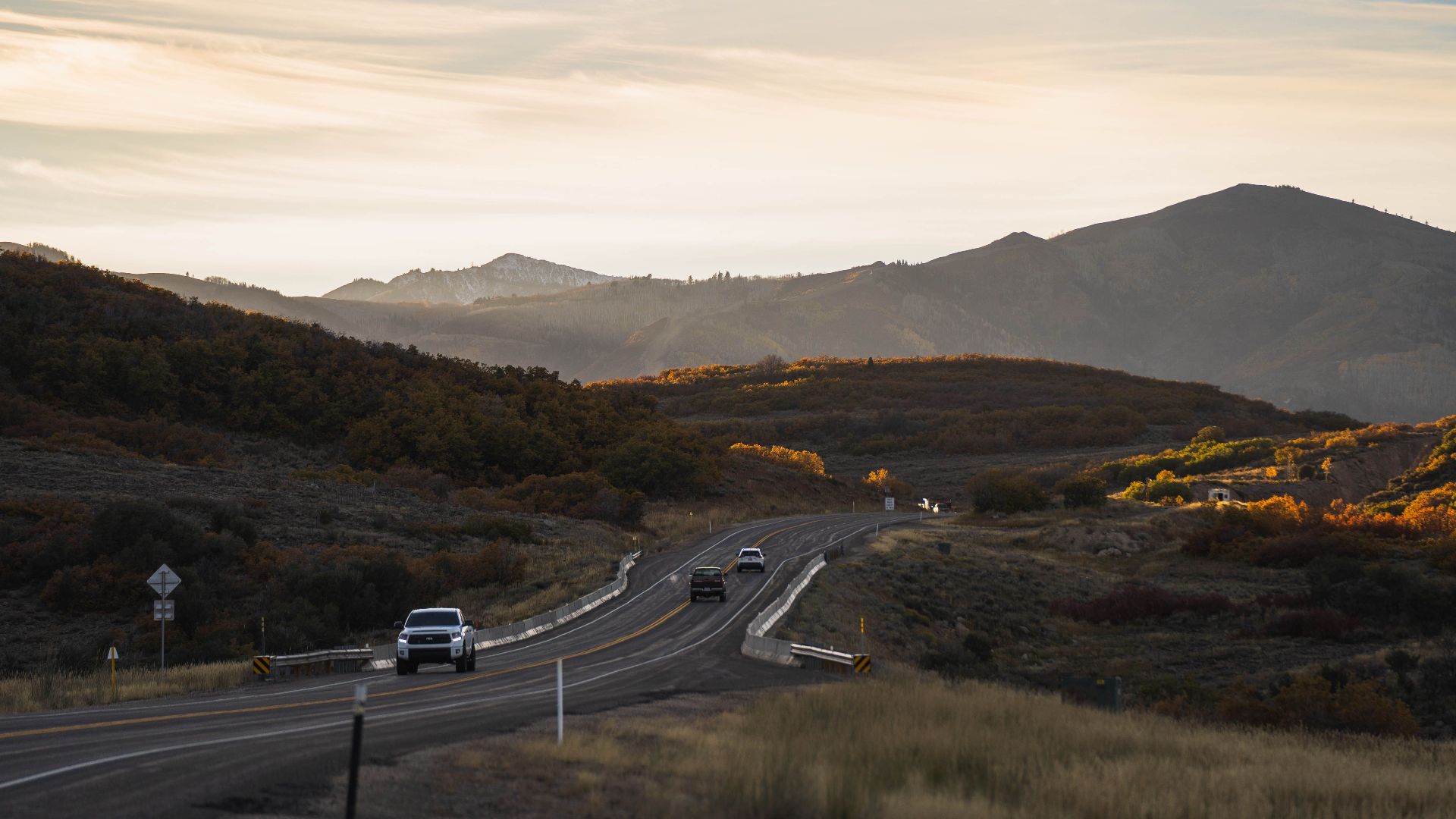
None of this means rental cars are bad for travel. They are still one of the best ways to explore the United States, from desert highways to coastal towns. The trick is making sure your rental agreement is invited on the trip, not waiting at home with surprises.

The Bottom Line
Yes, a county-line charge can happen, but it is usually not because counties are magical toll kingdoms. It is usually a contract issue, mileage issue, toll issue, tax issue, or local-use restriction. Read the terms, ask direct questions, and make the fine print take the passenger seat.
You May Also Like: