The Pool Was The Reason You Booked
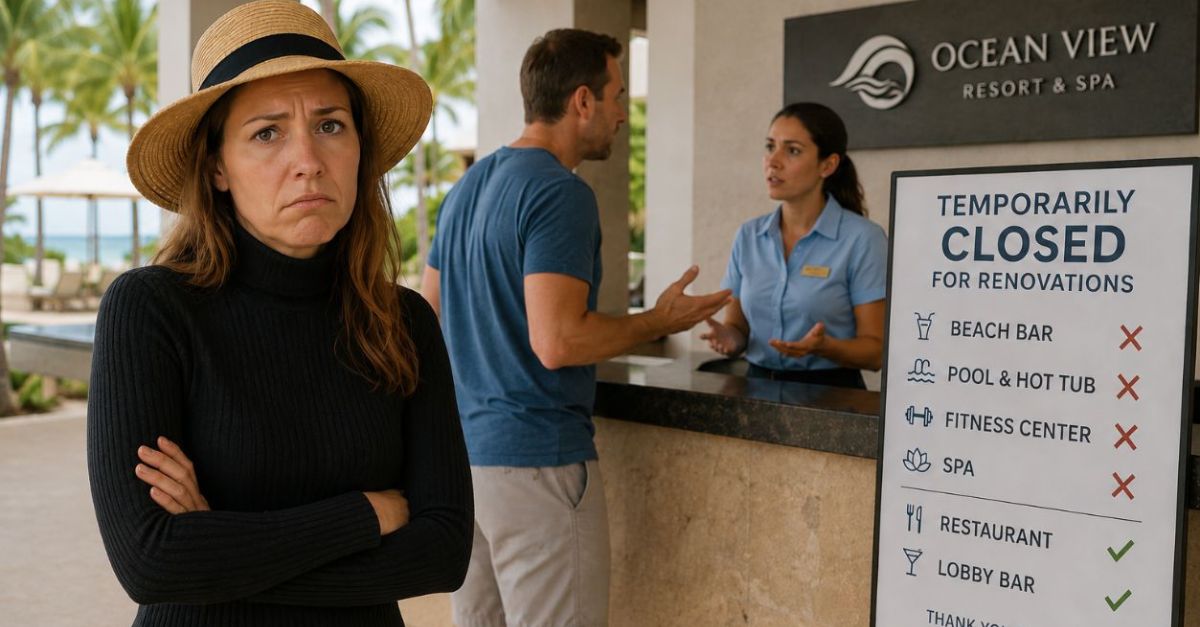
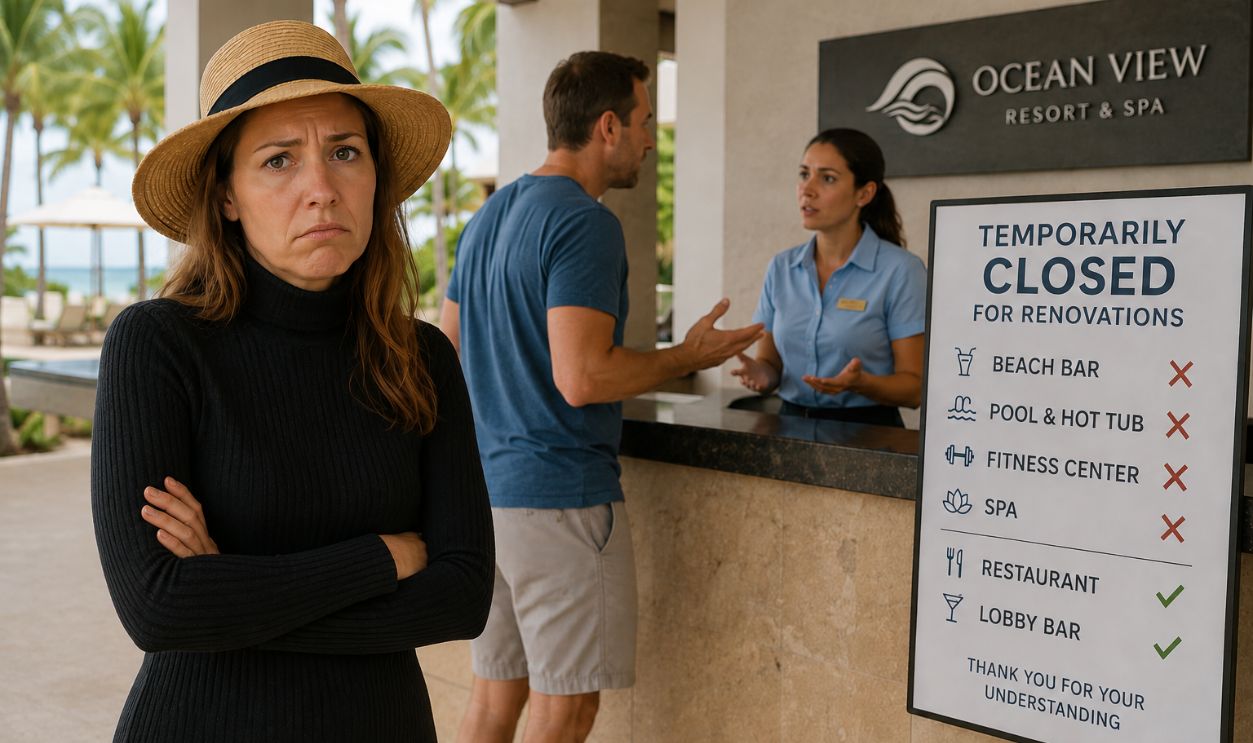
You arrive ready for a long-awaited break, only to find the main pool drained, the spa closed, and the signature restaurant hidden behind scaffolding. You're starting to think that you wasted your money on this trip. But the big question is whether this surprise is just bad luck, or something that could actually justify a refund.
The Short Answer
This genuinely can be grounds for a refund, but not automatically. The strongest cases usually involve amenities that were heavily advertised, a closure the resort knew about before arrival, and little or no warning before booking or check-in. Your odds get better if the missing facilities clearly changed the value of the trip.
Why Disclosure Matters So Much
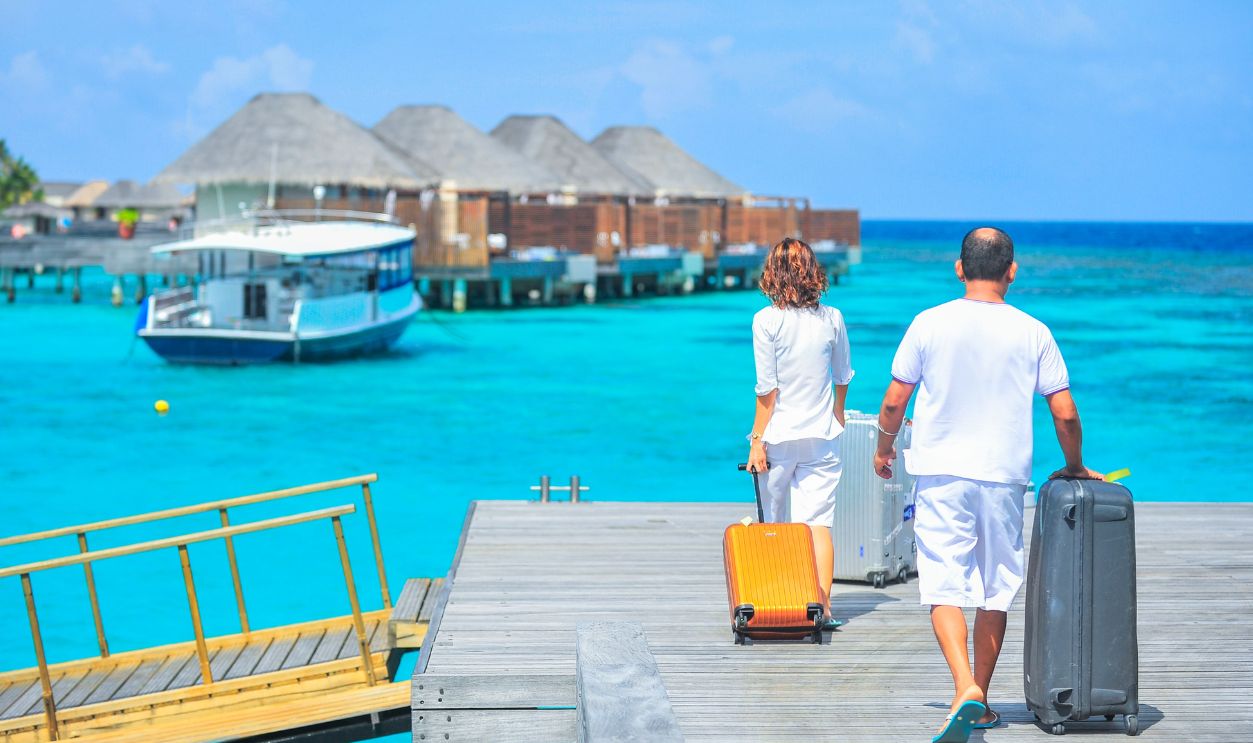
Hotels do not have to promise perfection, but they generally should not market features they know will be unavailable without clearly telling guests. That is the heart of many travel disputes. If a resort sold itself on its beach club, adults-only pool, or wellness complex and those were closed for planned renovations, disclosure becomes the key issue.

What Regulators Look For
In the United States, the Federal Trade Commission says advertising must be truthful, not misleading, and backed by evidence when needed. That does not create an automatic refund rule for every hotel dispute, but it does set the standard for how businesses should present what they are selling. If the marketing created a false picture of the stay, that matters.

The Fine Print Can Cut Both Ways
Many resorts include terms saying amenities may change, be unavailable, or close for maintenance without notice. Those clauses can make it harder to get a full refund. Still, broad boilerplate language does not always erase a specific misleading promise, especially if a resort kept promoting a closed attraction as if it were open.
 David L. Espina Rincon, Unsplash
Planned Renovations Are Different From Surprise Breakdowns
A broken elevator or a weather-related closure is not the same as a renovation scheduled weeks or months in advance. Planned work is easier for a hotel to disclose because management usually knows the timeline. If the resort knew before your arrival that half its amenities would be unavailable, that helps your case.

What Counts As A Material Loss
Not every closed amenity carries the same weight. A closed gift shop is very different from losing the main pool, kids club, spa, beach access, or only on-site restaurant. The more central the closure was to the property’s appeal and your decision to book, the stronger your refund argument becomes.

Photos And Listings Matter
Start with the resort’s own website, your booking confirmation, and the listing on the platform where you made the reservation. If those pages highlighted amenities that were unavailable, save screenshots right away. Marketing language, photos, and amenity lists can become key evidence if the property later claims nothing important was promised.

Timing Is Everything
One of the most important facts is when the resort learned about the renovations and when you were told. If the closure was already underway before you checked in and you got no warning by email, phone, or booking page, the complaint gets much stronger. Dates often make the difference between a hassle and a misrepresentation claim.

The First Move To Make At Check-In
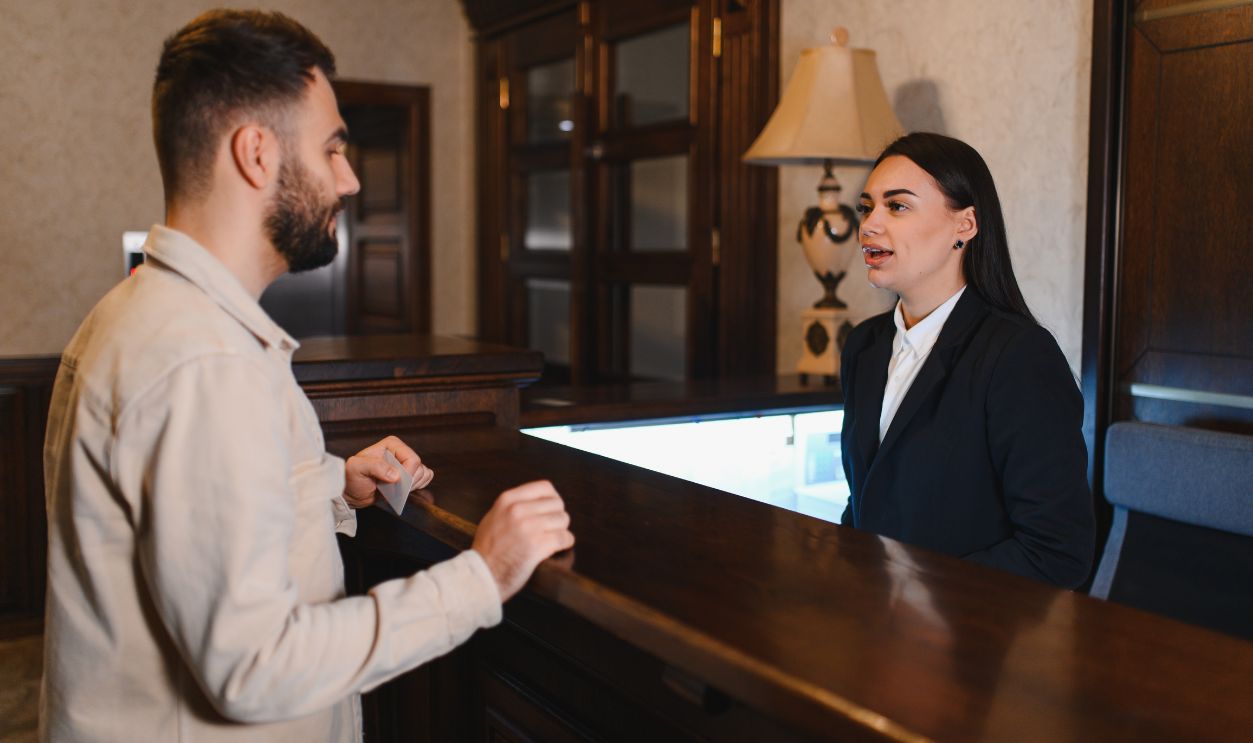
Do not wait until you get home if you discover major closures at arrival. Ask to speak with a manager and calmly explain that you were not told in advance. Request a fix on the spot, such as a partial refund, a reduced nightly rate, resort credit, or cancellation without penalty.

Ask One Precise Question
The most useful question is simple: when did the resort first know those amenities would be closed? You may not always get a direct answer, but if staff confirm the renovation had been scheduled, that can support your claim later.
 LightField Studios, Shutterstock
Get The Closure In Writing
Documentation can turn a weak complaint into a strong one. Ask the hotel to email you a summary of the unavailable amenities or note them on your folio. If staff refuse, take dated photos and keep records of who told you what and when.
 Hryshchyshen Serhii, Shutterstock
What A Reasonable Refund Looks Like
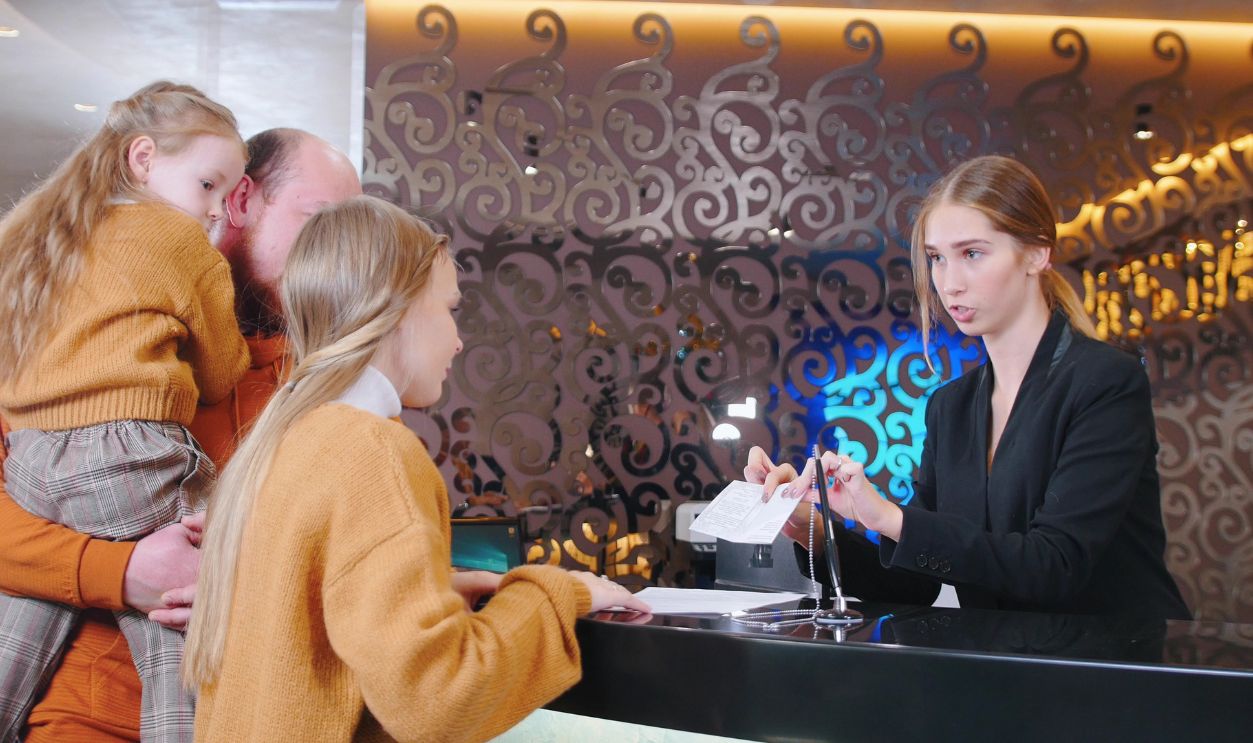
A full refund is more likely if the closures were so extensive that the stay no longer looked like what was sold, or if you left shortly after arrival. A partial refund is more common when you stayed but lost access to major features. In practice, compensation often matches the size of the disruption.

Do Not Overlook The Booking Channel
If you booked through an online travel agency, contact that platform as well as the resort. Companies like Expedia and Booking.com have customer service channels and terms that may help when a property is materially different from what was advertised. Third-party platforms sometimes push hotels to settle disputes faster than a guest can on their own.

Credit Card Protection Can Help
If the hotel refuses a fair adjustment, a credit card dispute may be worth considering. The Consumer Financial Protection Bureau advises consumers to dispute billing errors and unauthorized or misrepresented charges quickly with the card issuer. A chargeback is not guaranteed, but strong documentation can make a big difference.

Package Holidays Come With Extra Leverage
Travelers who booked a package may have stronger rights than travelers who booked only a hotel. In the United Kingdom, the Competition and Markets Authority has said businesses should not mislead consumers about their rights, including when services are not provided as agreed. If a major part of the package was missing, the organizer may owe a price reduction or another remedy depending on the booking terms and local law.

Europe Has Clearer Consumer Language
The European Consumer Centres Network says travelers should complain without undue delay if travel services are not provided as promised and should keep evidence. That advice is especially useful for resort renovation disputes. The core issue is whether the accommodation delivered what the contract and advertising led you to expect.

What Hotels Often Offer First
Expect the first offer to be smaller than what feels fair. Resorts often start with drink vouchers, spa credits for a spa that is somehow still partly closed, or a modest room discount. If the missing amenities were central to the stay, it is reasonable to ask for more.

How To Phrase Your Complaint
Keep it specific and unemotional. State which amenities were unavailable, that you were not informed before arrival, where those amenities were advertised, and what resolution you want. A short, clear paper trail usually works better than a long angry message.

When A Refund Claim Is Weak
Your case is weaker if the closure was clearly disclosed before booking or in a pre-arrival notice that you missed. It is also weaker if the unavailable amenities were minor or if similar facilities remained open. Honest disclosure does not erase disappointment, but it can reduce your leverage.

When A Refund Claim Is Strong
Your case is strongest when the renovations were planned, extensive, and hidden until arrival. It also helps if the resort kept using photos and descriptions that gave a false picture of the current guest experience. That mix can make a partial refund, rebooking, or cancellation waiver much more realistic.
 KONSTANTIN_SHISHKIN, Shutterstock
Social Media Should Be A Last Resort
Posting publicly can get attention, but it should come after you have tried direct channels. Public complaints tend to work best when they are factual, brief, and backed by photos. Resorts are more likely to respond when the issue is clear and credible, not dramatic.

Small Claims Court Is Sometimes An Option
If the amount is significant and the resort will not engage, small claims court may be worth looking into depending on where the property is located and what your contract says. This route takes time and organization, but it can work well for clear, document-heavy disputes. Check whether the booking terms require arbitration or name a specific venue.

Travel Insurance Usually Has Limits
Standard travel insurance often focuses on cancellations, medical issues, and delays, not disappointment over resort amenities. Some policies may help if the closure causes trip interruption or another covered disruption, but many will not. Read the policy language carefully before assuming insurance will solve the problem.

The Smartest Move Is Prevention
Before booking, search the resort name with terms like renovation, construction, closed pool, and advisory. Check recent reviews and the property’s own news or alert pages. A five-minute search can uncover the kind of problem glossy marketing tends to hide.

Always Confirm Before A Special Trip
If you are traveling for a honeymoon, family holiday, or wellness retreat, call or email the property a few days before arrival. Ask whether all major amenities are open, including pools, restaurants, beach access, spa facilities, and kids clubs. Written confirmation can be invaluable if the answer turns out to be wrong.

The Practical Bottom Line
Yes, a resort that closed half its amenities for renovations without telling you in advance may owe you a refund or other compensation. The key facts are what was promised, what was closed, when the resort knew, and whether you can show the missing features mattered to your booking decision. In travel disputes, the guests who document everything usually have the best shot at getting money back.