
A Cabin Swap Can Sour A Cruise Fast
It's hard to enjoy a cruise when pounding music right above you keeps awake every night—especially if you're not even in the room you booked. "Unfair" is the word most people would use. But allowed? The short answer is yes, cruise lines usually can change your cabin, but what exactly they owe you depends on the contract and the situation.

The Fine Print Usually Favors The Cruise Line
Most major cruise contracts give the line wide power to assign, reassign, or substitute cabins. So the cabin number you see at booking is not always locked in through sailing. The wording is usually clear, which is why experienced cruisers read the passenger ticket contract before making final payment.

Carnival Says It Can Move You To Another Cabin
Carnival’s ticket contract says it may assign a passenger to another cabin, whether or not it is in the same class of service. It also says Carnival’s responsibility is limited to the difference, if any, between the original and substituted accommodations. In plain terms, that means a move to a louder room may still be allowed even if it feels like a downgrade.

Royal Caribbean Uses Similar Contract Language
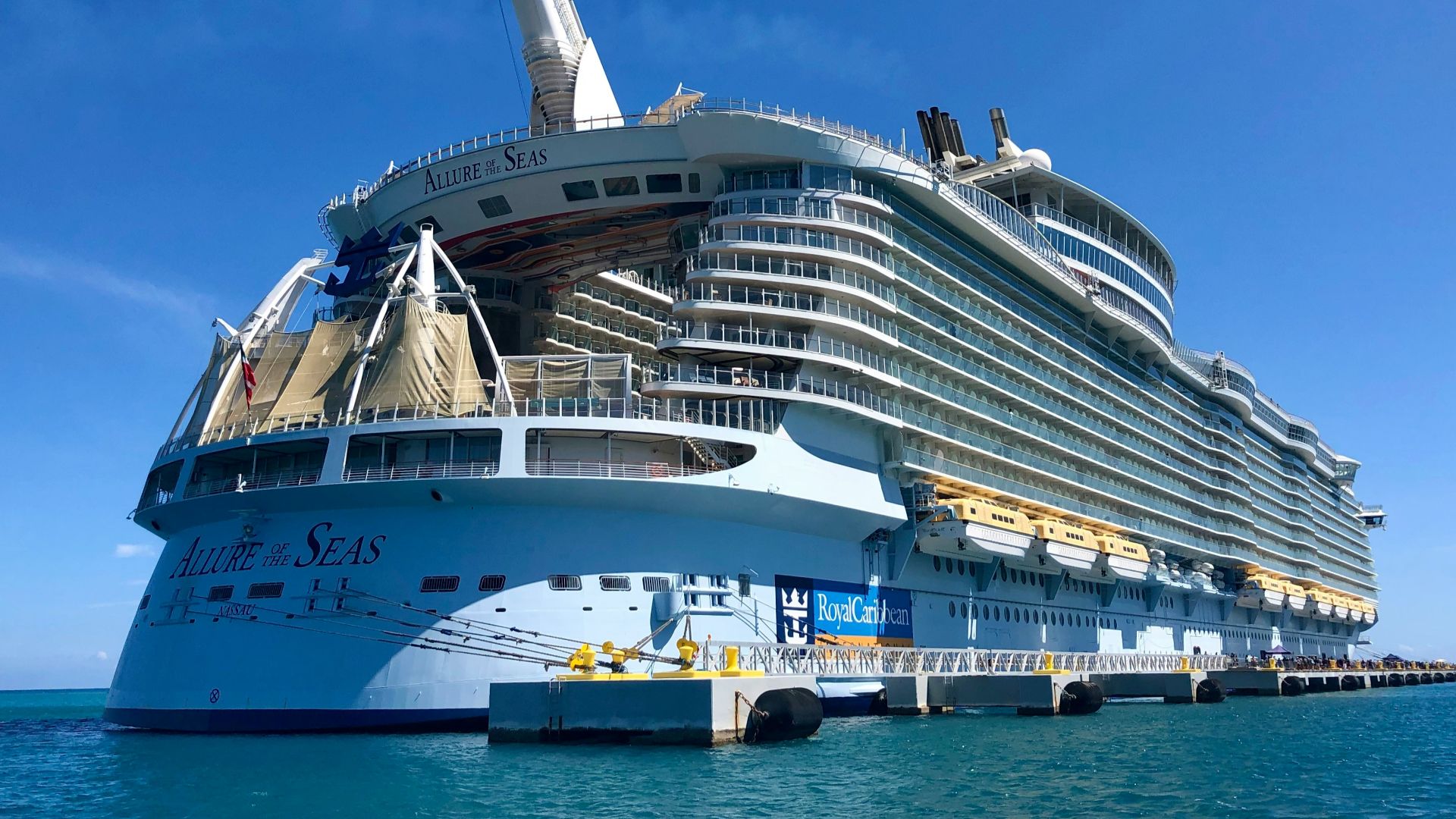
Royal Caribbean’s cruise ticket contract also says stateroom locations are not guaranteed and can be changed by the cruise line. The company reserves the right to substitute another cabin if needed. That does not mean passengers are out of options, but it shows how much control the operator keeps in the booking terms.
Norwegian Reserves The Same Right
Norwegian Cruise Line’s guest ticket contract includes similar language allowing the company to move guests to other accommodations. These clauses are common across the industry, not some rare exception. If you are wondering whether cruise lines can do this at all, the answer is usually yes because the contract says they can.

There Is A Big Difference Between Legal And Fair
A cruise line may have the legal right to move you, but that does not mean you should just accept a bad result without saying anything. A cabin under a nightclub can mean pounding music, late hallway traffic, and constant vibration deep into the night. Even if the contract covers the line, decent customer service may still lead to a better room, onboard credit, or some other compensation.
Why Cabin Moves Happen In The First Place
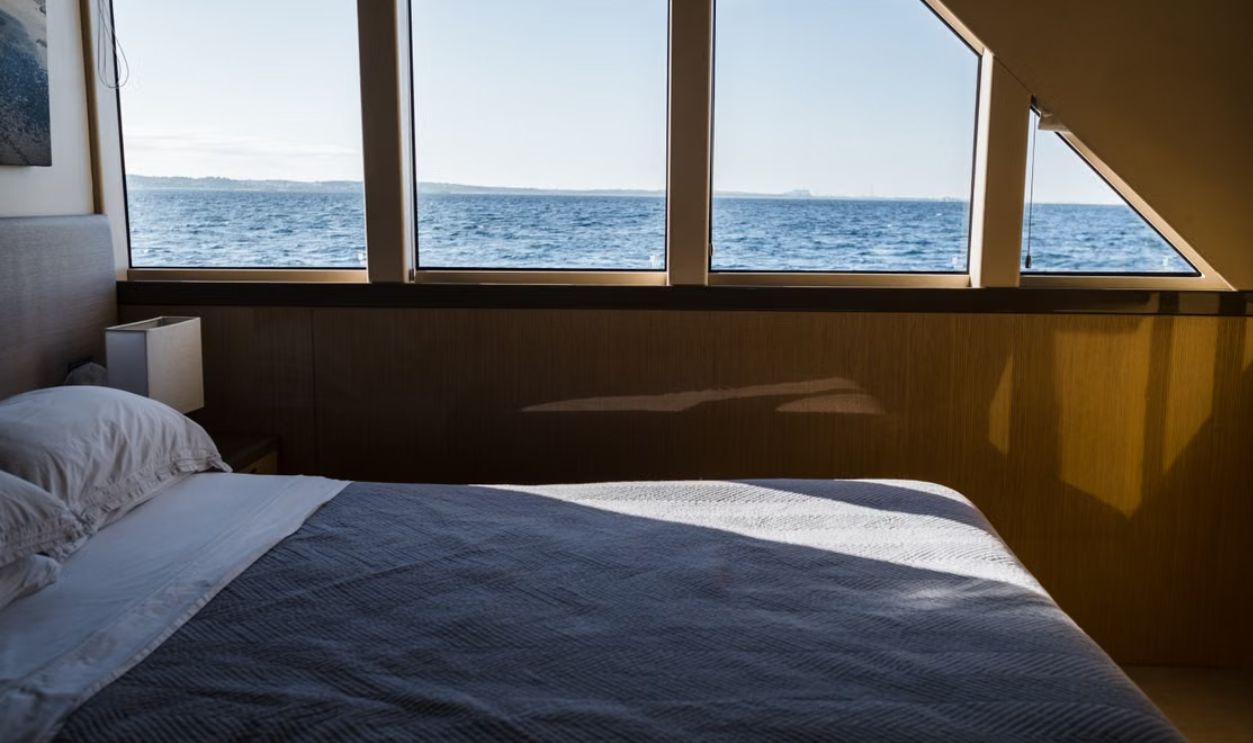
Cabin reassignments can happen for operational reasons, maintenance problems, oversights, or accessibility needs. Sometimes a room has a plumbing or air-conditioning issue that makes it unusable at the last minute. Other times, the line reshuffles inventory before or even after embarkation to fix a problem somewhere else on the ship.

A Guarantee Fare Changes The Picture
If you booked a guarantee cabin, you agreed to let the cruise line choose the specific room within a category or better. That can save money, but it also means less control over location and noise. It is often the riskiest option for travelers who care about staying far from clubs, pool decks, or busy service areas.
Picking Your Room Gives You More Control
If you paid to choose a specific cabin, a change after boarding can feel especially frustrating. Even then, the contract may still let the line move you. The practical difference is that passengers who paid more to choose a location may have a stronger case for compensation if the replacement is clearly less desirable.

Noise Matters More Than Cabin Category
Cruise lines often focus on cabin category, but category does not tell the whole story. Two cabins in the same grade can feel completely different depending on what is above, below, and nearby. A room under a nightclub, theater, pool deck, or galley can be nothing like a quiet cabin in the same price bracket.

Consumer Experts Have Warned About Under-Venue Cabins For Years
Cruise experts regularly tell passengers to study deck plans before booking. Cruise Critic, one of the best-known cruise resources, specifically warns travelers to avoid cabins beneath nightclubs, pool decks, and other noisy public spaces if sleep matters. That advice matters even more if the cruise line moves you after boarding.
The Contract May Limit Refund Rights
Many passenger ticket contracts limit what the line has to pay if your accommodations are changed. Often the stated fix is only the fare difference between the cabin you booked and the one you got. If both rooms are technically in the same category, the cruise line may argue that no refund is owed under the contract.

That Does Not Mean You Should Stay Quiet
Your best move is to report the problem right away, ideally as soon as you notice the first signs of serious noise. Go to guest services, explain that the room is directly under a nightclub, and spell out the impact clearly and calmly. Specific details, like the hours of the noise and whether you can feel vibrations, can help your case.

Ask For A Fix, Not Just Sympathy
The most effective complaint is a practical one. Ask if there is another available cabin, even a temporary one, and ask whether a manager can check inventory after first-night no-shows or upgrades settle out. If no move is possible, ask for compensation such as onboard credit, a partial refund, or a future cruise credit.

Document Everything From The Start
Take photos of the new cabin number and keep any written notice of the reassignment. Write down when the noise starts and stops, and note whether it comes from music, cleaning, or crowd traffic. Documentation can matter later if you seek compensation from the cruise line or through travel protections tied to your credit card.

Do Not Wait Until The Cruise Is Over
Complaining only after disembarkation weakens your position because the line may say it never had the chance to fix the issue onboard. Travel advocates often recommend raising cabin problems while the cruise is still happening. That creates a record showing you gave the company a chance to respond.

The First Night Is Often The Best Time To Push
Inventory can shift quickly once everyone is onboard and guest services sees which cabins remain empty. If your first night is rough, go back the next morning and ask again. Polite persistence can sometimes turn an initial no into a workable cabin switch.
Travel Insurance Usually Will Not Help Much
Standard travel insurance is usually built for cancellations, delays, medical issues, and major interruptions, not for a noisy cabin in the same cruise category. Some premium policies may offer limited trip interruption benefits in unusual cases, but that is not typical. In most cases, your main path to relief is through the cruise line itself.

Credit Card Disputes Can Be Tough
If the cruise line provided transportation and accommodations, even disappointing ones, a chargeback may be hard to win. The company will likely point to the contract language allowing cabin substitutions. Still, if you paid extra for a specific cabin and can show the replacement was materially different from what was promised, it may be worth discussing with your card issuer after you go through the cruise line’s own process.

Accessibility And Safety Can Change The Equation
If the new cabin creates a real accessibility problem or health issue, the matter may need faster escalation. For example, a passenger with a medical need for sleep or a sensitivity to constant vibration should say so right away. Ask to speak with a supervisor and explain why the reassignment is not just annoying but genuinely problematic.

Some Regions Offer More Consumer Protection
Your rights may vary depending on where you booked and which laws govern the contract. Cruises sold to UK consumers, for example, may involve somewhat different consumer expectations and rules than bookings made in the United States. Even so, most cruise ticket contracts still heavily favor the operator when it comes to cabin assignments.

The Strongest Cases Involve Clear Downgrades
You are on firmer ground if the new room is smaller, obstructed when yours was not, lacks a balcony you paid for, or falls into a lower fare category. Those are easier differences to measure than noise alone. A nightclub overhead may feel like a major downgrade, but cruise lines often treat that as a location problem rather than a category change.
How To Lower The Risk Before You Book
Choose a midship cabin surrounded by other cabins above and below if possible. Avoid rooms under clubs, theaters, buffet areas, gyms, and pool decks by checking ship deck plans closely. If sleep is a priority, paying a bit more to choose your exact cabin can be worth it, even though it is still not an absolute guarantee.

Use Cruise Forums And Reviews As A Reality Check
Official deck plans show the layout, but passenger reviews often reveal where the real noise problems are. Cruise Critic forums and cabin review pages can be especially helpful for spotting trouble areas under entertainment venues. A few minutes of research can save you from booking a cabin experienced cruisers already know to avoid.

If The Cruise Line Moved You, Follow Up After The Voyage Too
If guest services does not fix the problem onboard, follow up in writing after the cruise ends. Include your booking number, original cabin, reassigned cabin, sailing dates, and a short timeline of what happened. Clear, factual complaints usually work better than angry ones, especially if you are asking for a goodwill gesture beyond what the contract strictly requires.

So Can They Do That
In most cases, yes. Cruise lines generally reserve the right to change your cabin, even after boarding, and they may owe little or nothing if the substitute is considered equivalent on paper. But if the new room sits under a nightclub and wrecks your trip, it is still worth pushing for a move or compensation because legal rights and fair treatment are not always the same thing.