Not Little Green Men
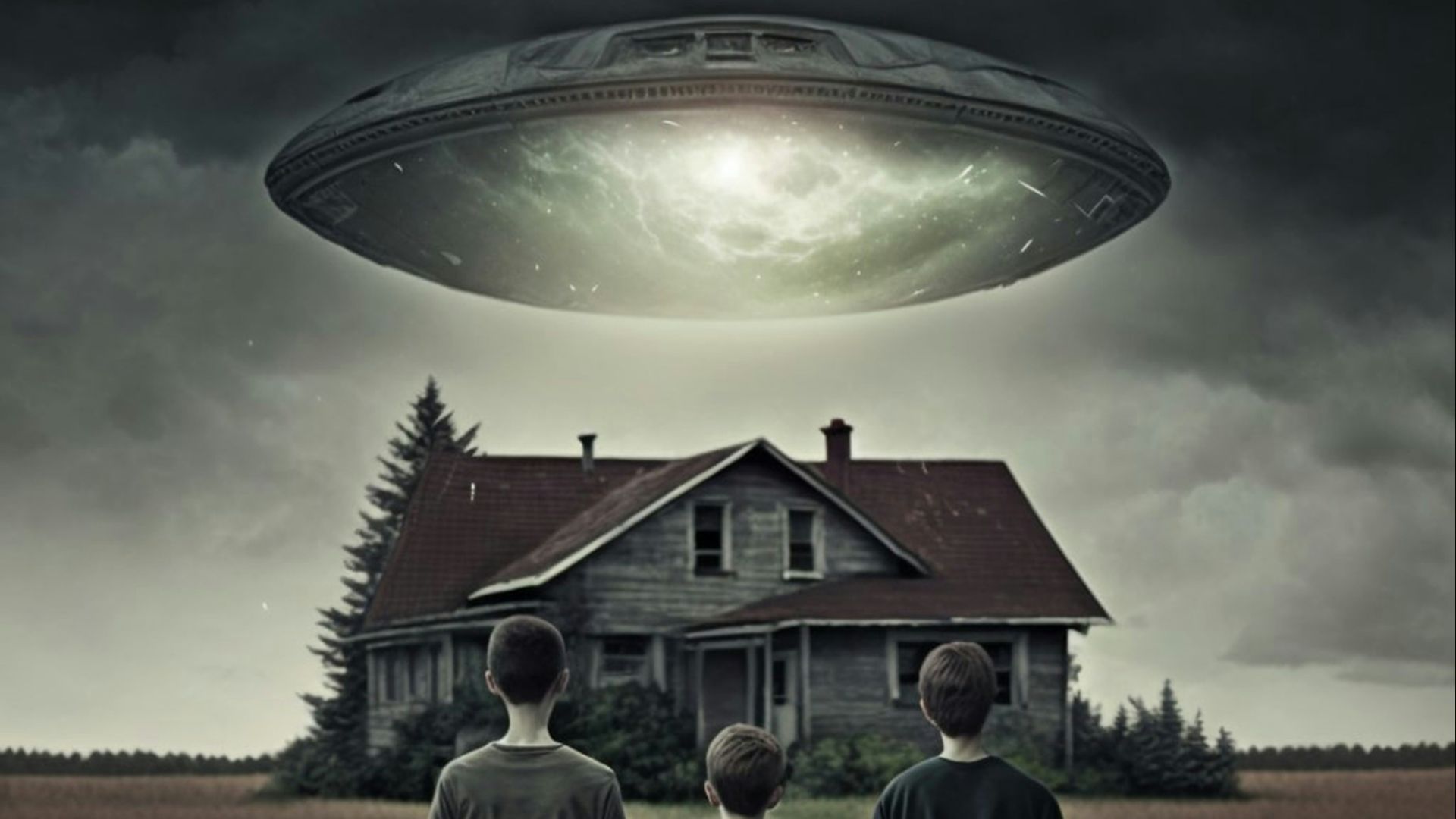
For decades, people have argued about one question: if aliens really exist, what would they actually be like? Scientists look to the stars. Governments investigate mysterious sightings. Hollywood imagines flying saucers and little green men. But one Catholic nun has offered a completely different answer—and it may be the most unsettling one yet.
The Question That Started It All
The discussion began with what sounded like a straightforward question. Does the Catholic Church believe in aliens?
It's a question that has fascinated believers and skeptics alike for years. After all, if intelligent life exists somewhere else in the universe, how would that fit into Christian teaching? The answer turned out to be far more complicated than many people expected.
The Church Doesn't Actually Have An Official Answer
Contrary to what many people assume, the Catholic Church has never officially declared that extraterrestrial life either exists or doesn't exist.
Over the years, Vatican astronomers and theologians have said discovering intelligent life elsewhere in the universe wouldn't automatically contradict Christianity. As of today, the Church has no official doctrine either confirming or denying extraterrestrial life.
Looking To The Stars Isn't New For The Vatican
That surprises a lot of people.
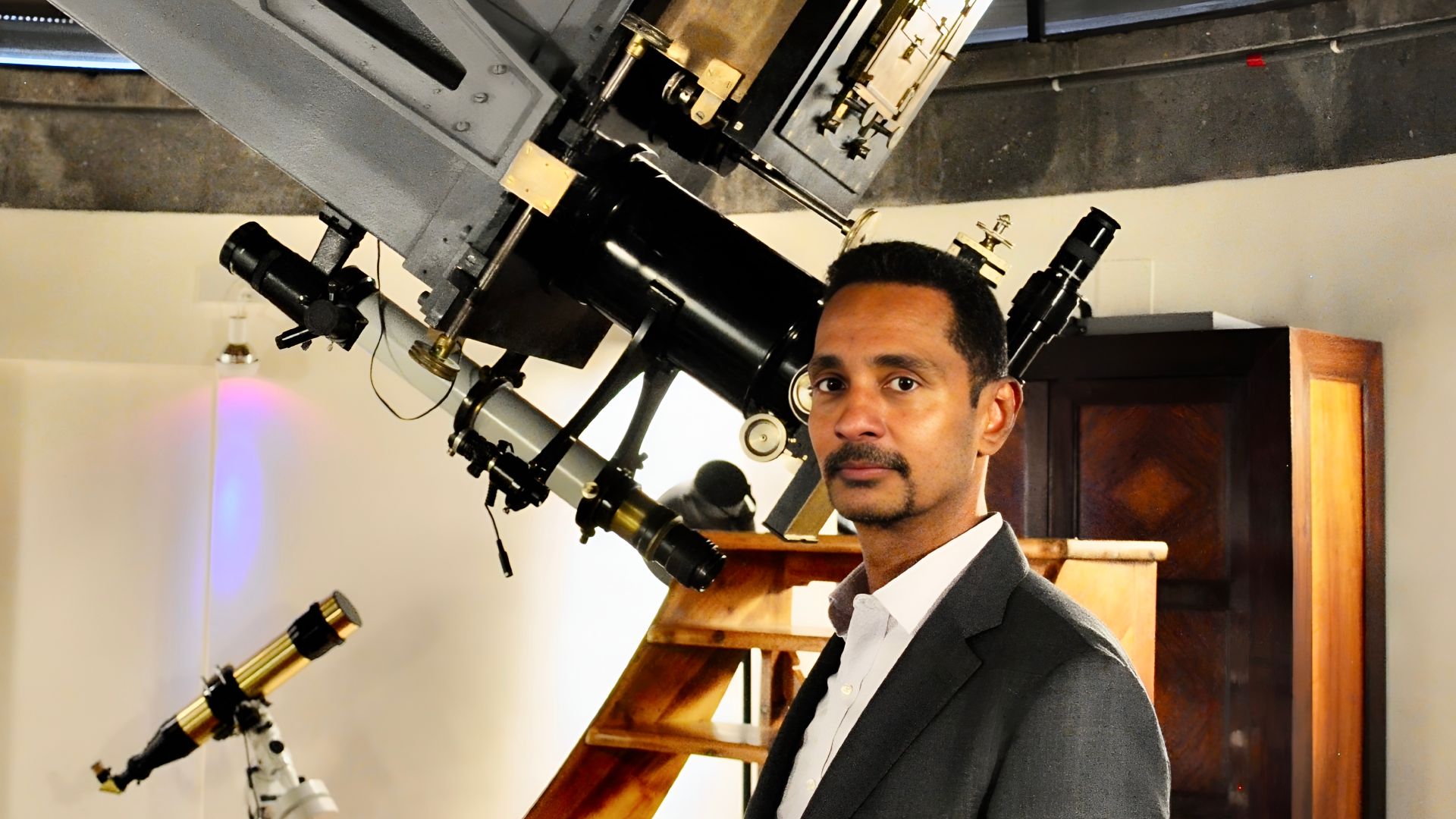
The Catholic Church has been studying the heavens for centuries, and the Vatican Observatory remains one of the world's oldest astronomical research institutions. In other words, asking whether life might exist elsewhere in the universe isn't considered off-limits within Catholicism.
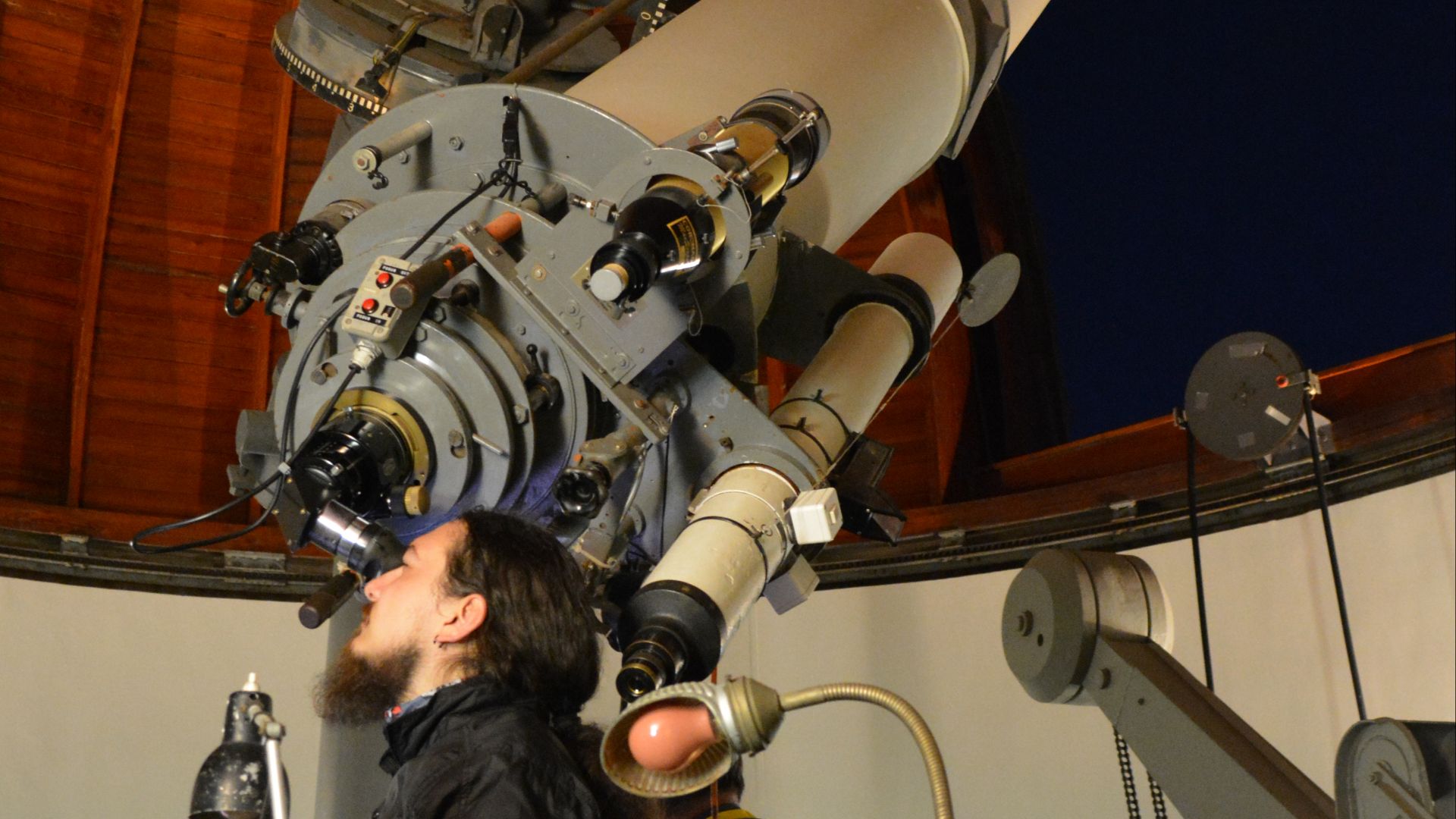 H. Aziz KAYIHAN, Wikimedia Commons
Then Came One Nun's Very Different View
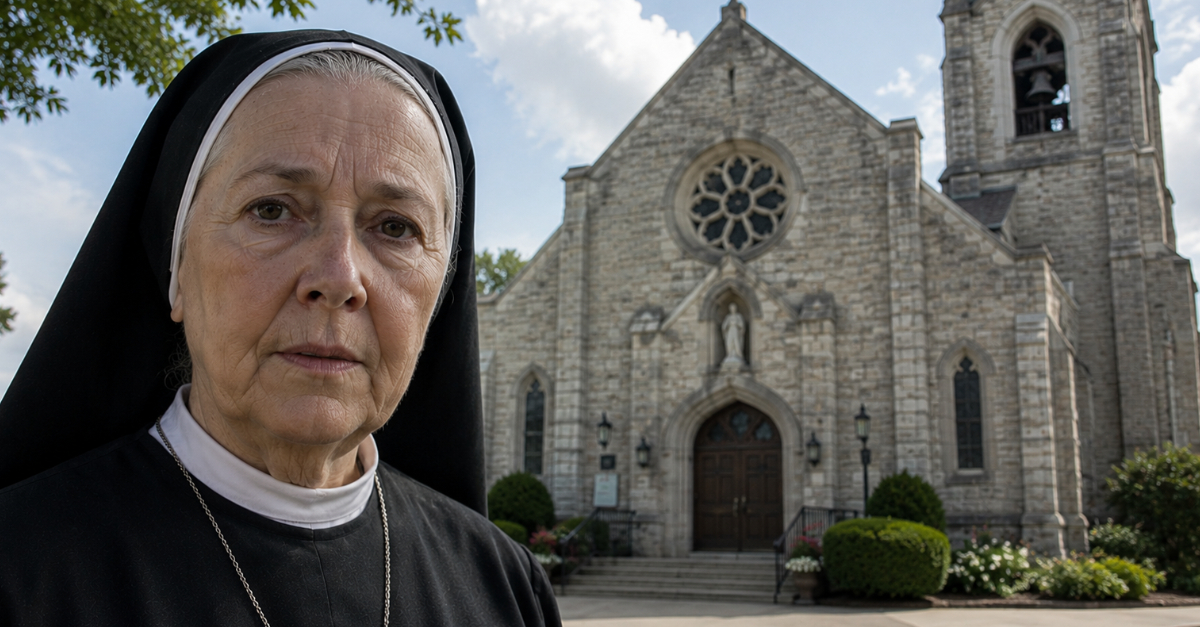
That brings us to Mother Miriam of the Lamb of God, a Catholic nun and radio host.
When asked about aliens, she didn't dismiss the question. Instead, she offered a very different explanation—one rooted not in astronomy or science fiction, but in centuries of Christian theology. And that's where the story takes an unexpected turn.
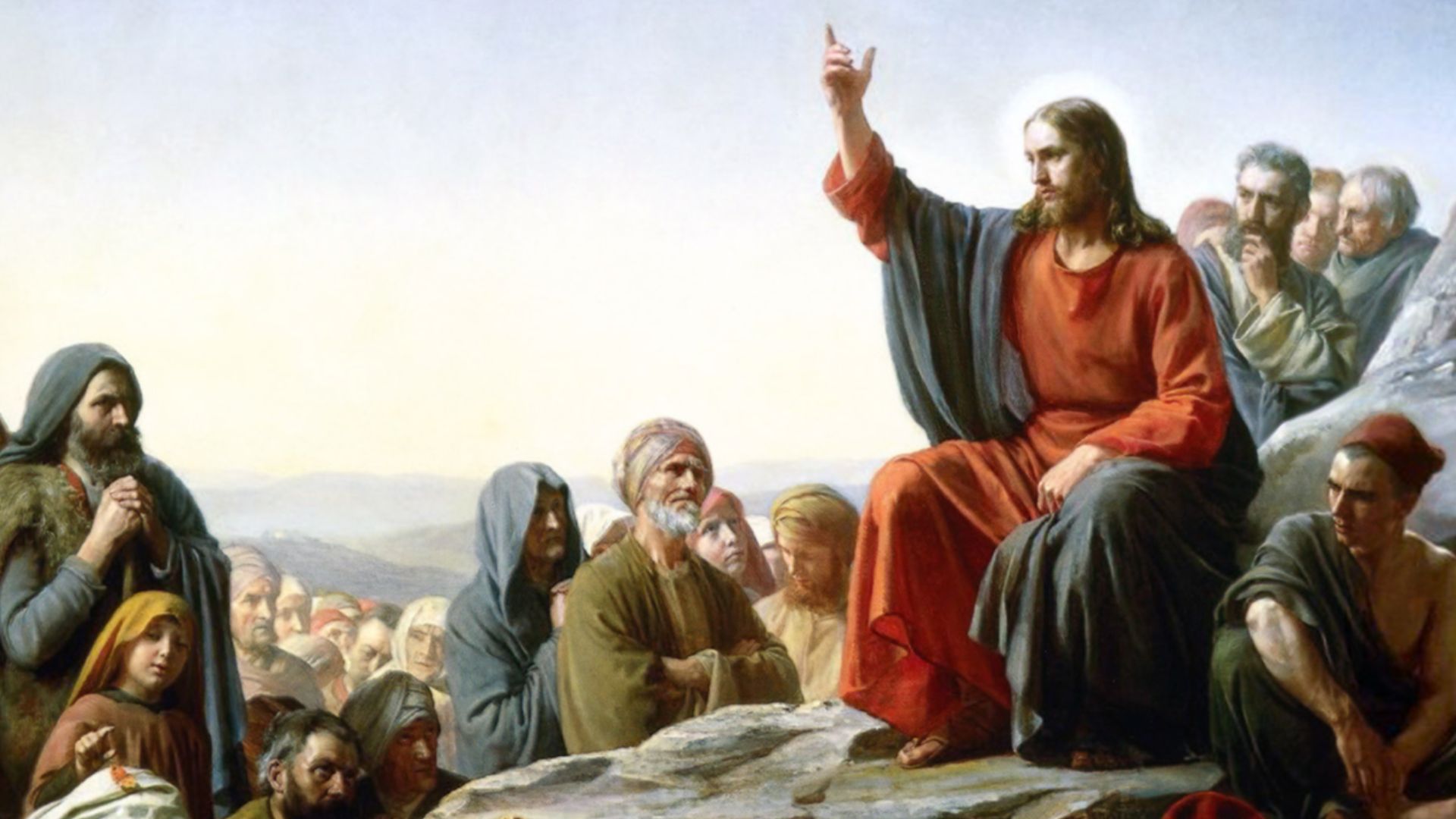 Carl Heinrich Bloch (1834-1890), Wikimedia Commons
Her Answer Wasn't About Space At All
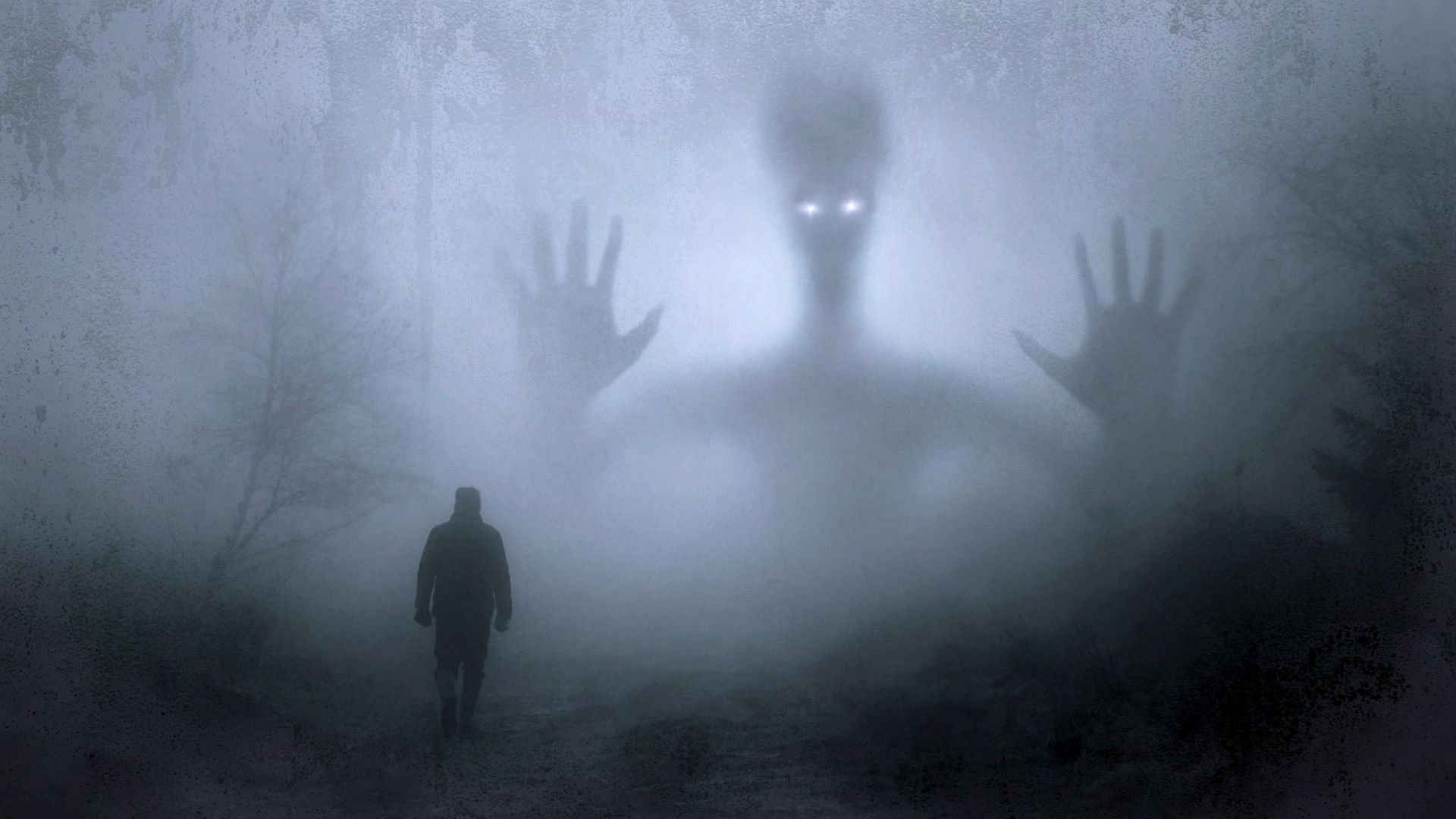
Rather than focusing on distant planets, Mother Miriam suggested that many reported alien encounters may not involve extraterrestrials in the first place.
Instead, she said she believes some experiences commonly attributed to aliens could actually be forms of spiritual deception carried out by fallen angels or demonic forces. In her view, the real explanation isn't physical—it's supernatural.
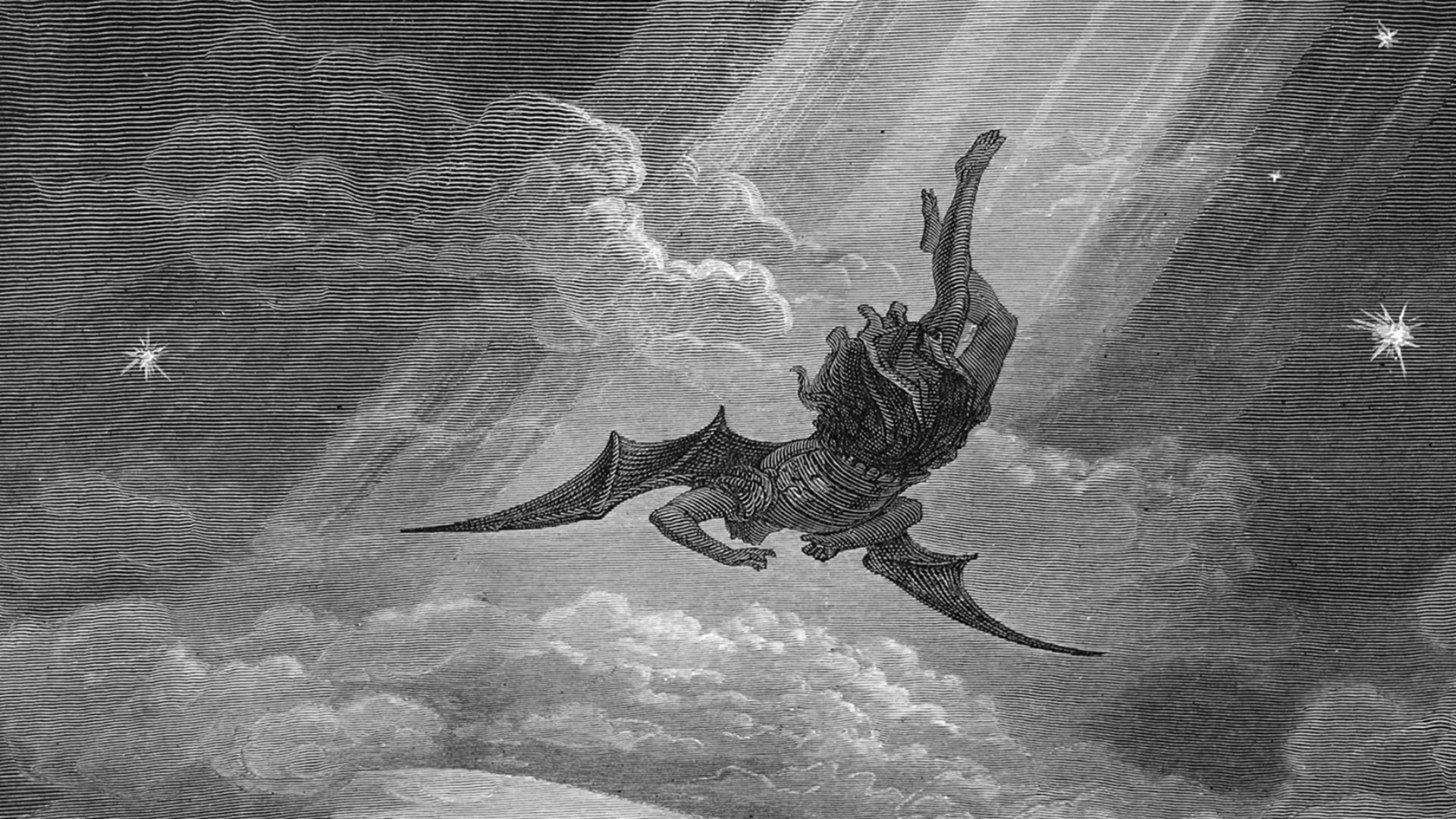 Gustave Doré, Wikimedia Commons
Why Some Christians See It That Way
Mother Miriam's comments didn't come out of nowhere.
Some Christians believe certain biblical passages describe spiritual beings capable of appearing to humans in deceptive ways. Because of that, they argue that at least some alleged UFO encounters could have a spiritual rather than extraterrestrial explanation. It's a theological interpretation, not an established fact.
What She Means By "Spiritual Deception"
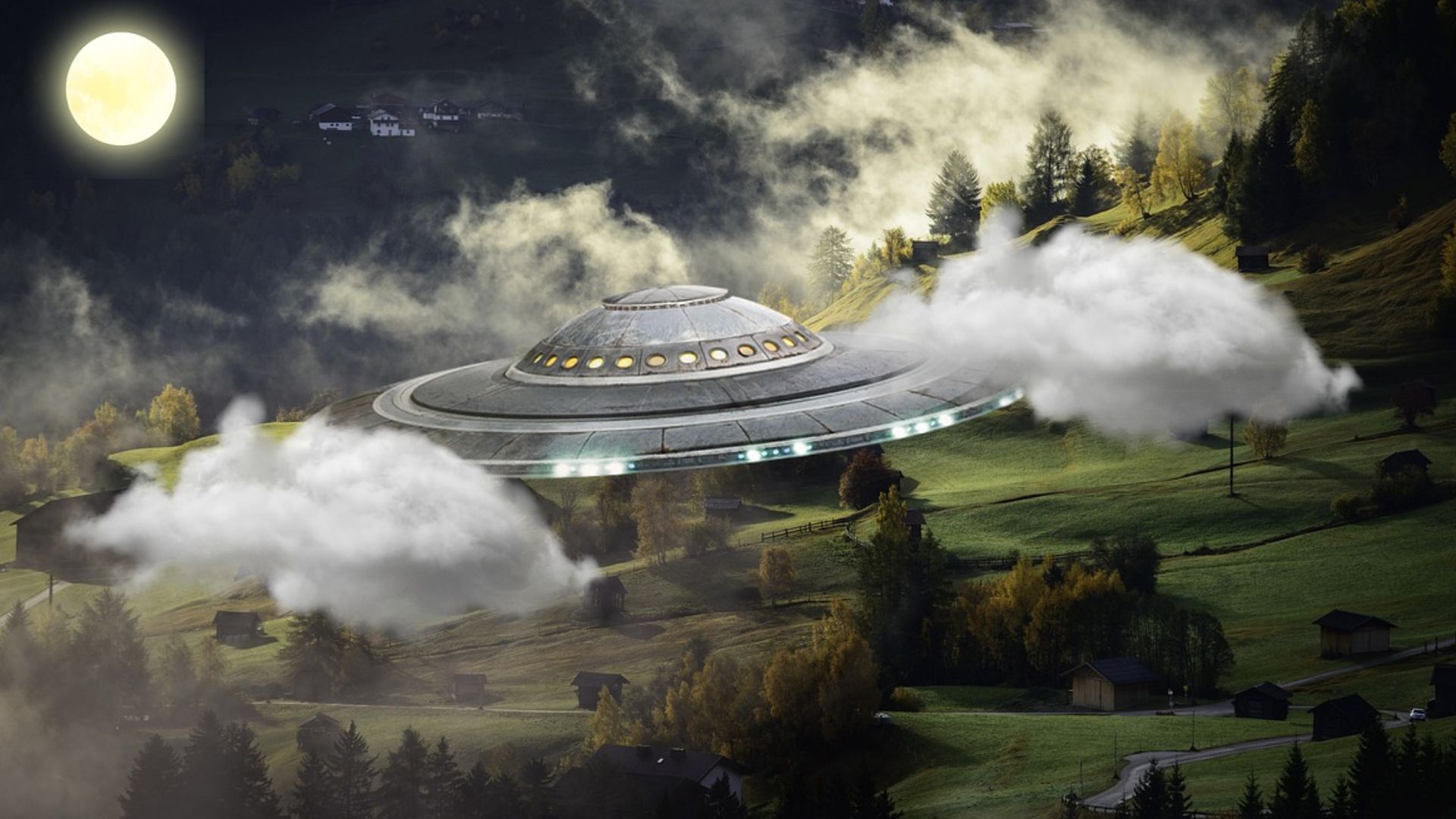
Within traditional Christian teaching, spiritual deception refers to the idea that evil spirits can mislead people by appearing in ways that seem convincing or extraordinary.
Mother Miriam believes that if some unexplained encounters are genuine, they may fit that description better than the idea of visitors traveling across the galaxy. It's an interpretation based on her faith rather than scientific evidence.
Why She Thinks It Matters
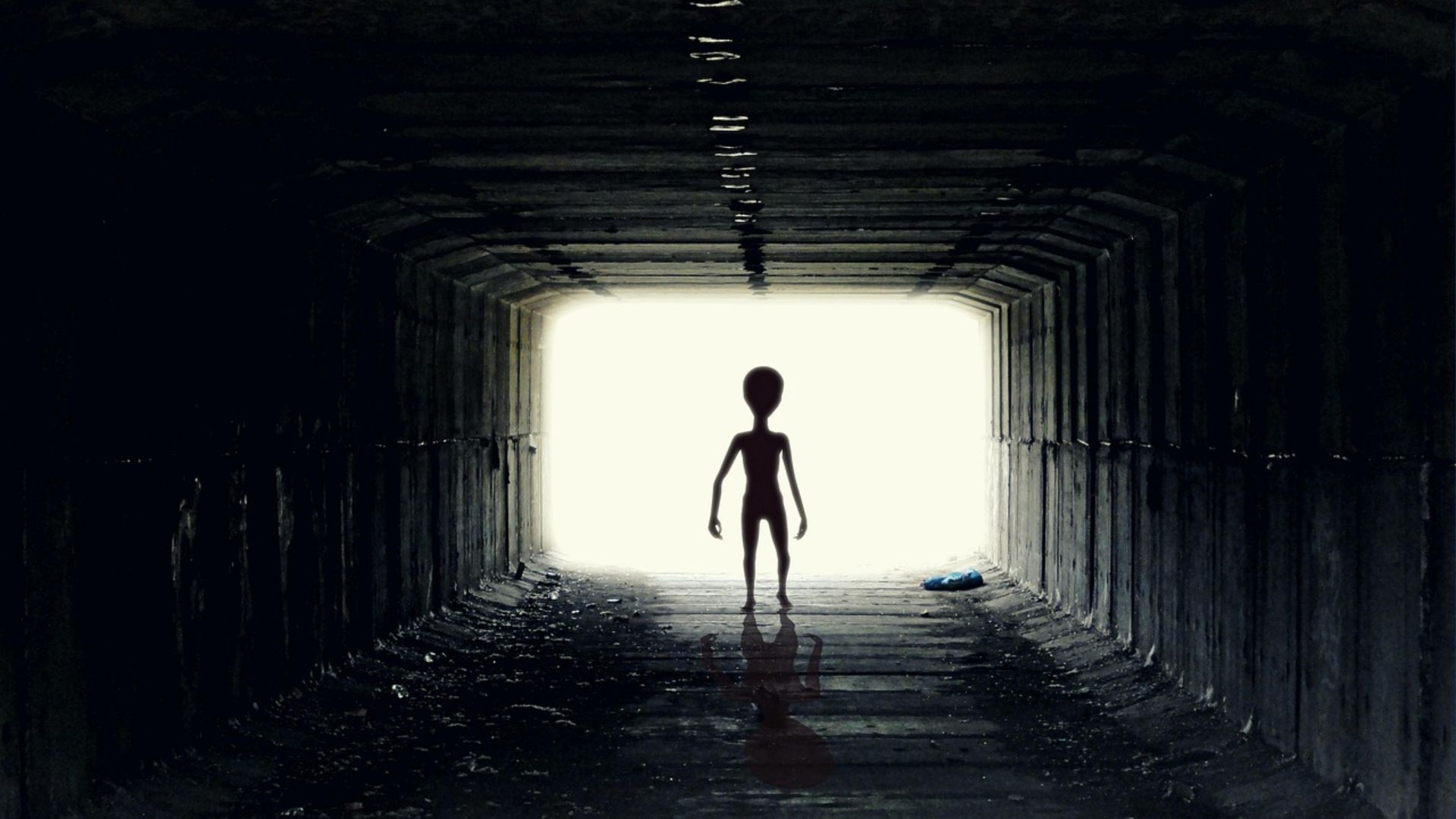
For Mother Miriam, the biggest concern isn't whether UFOs exist.
It's what people choose to believe about them.
She argues that if people become more fascinated by aliens than by questions of faith, they risk being distracted from what she considers the far more important spiritual reality.
She's Not The Only Religious Figure To Raise The Idea
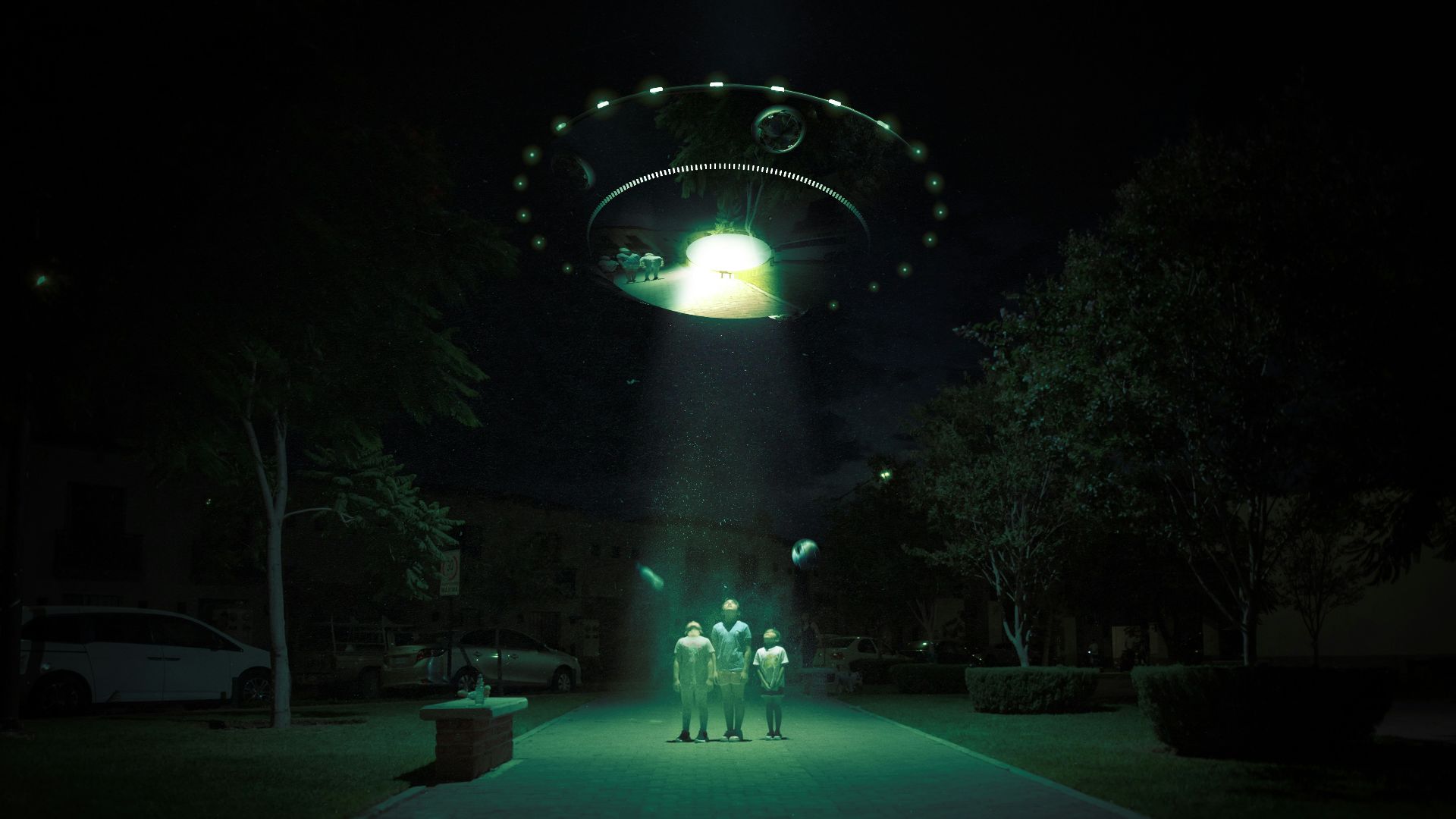
Although her comments attracted attention, Mother Miriam isn't the only Christian voice to suggest this possibility.
For example, Catholic exorcist Msgr. Stephen Rossetti has argued that some alleged UFO encounters may have a spiritual explanation rather than an extraterrestrial one. Similar ideas have also appeared among other Christian writers and clergy over the years.
But Plenty Of Catholics Disagree
That's also an important part of the story.
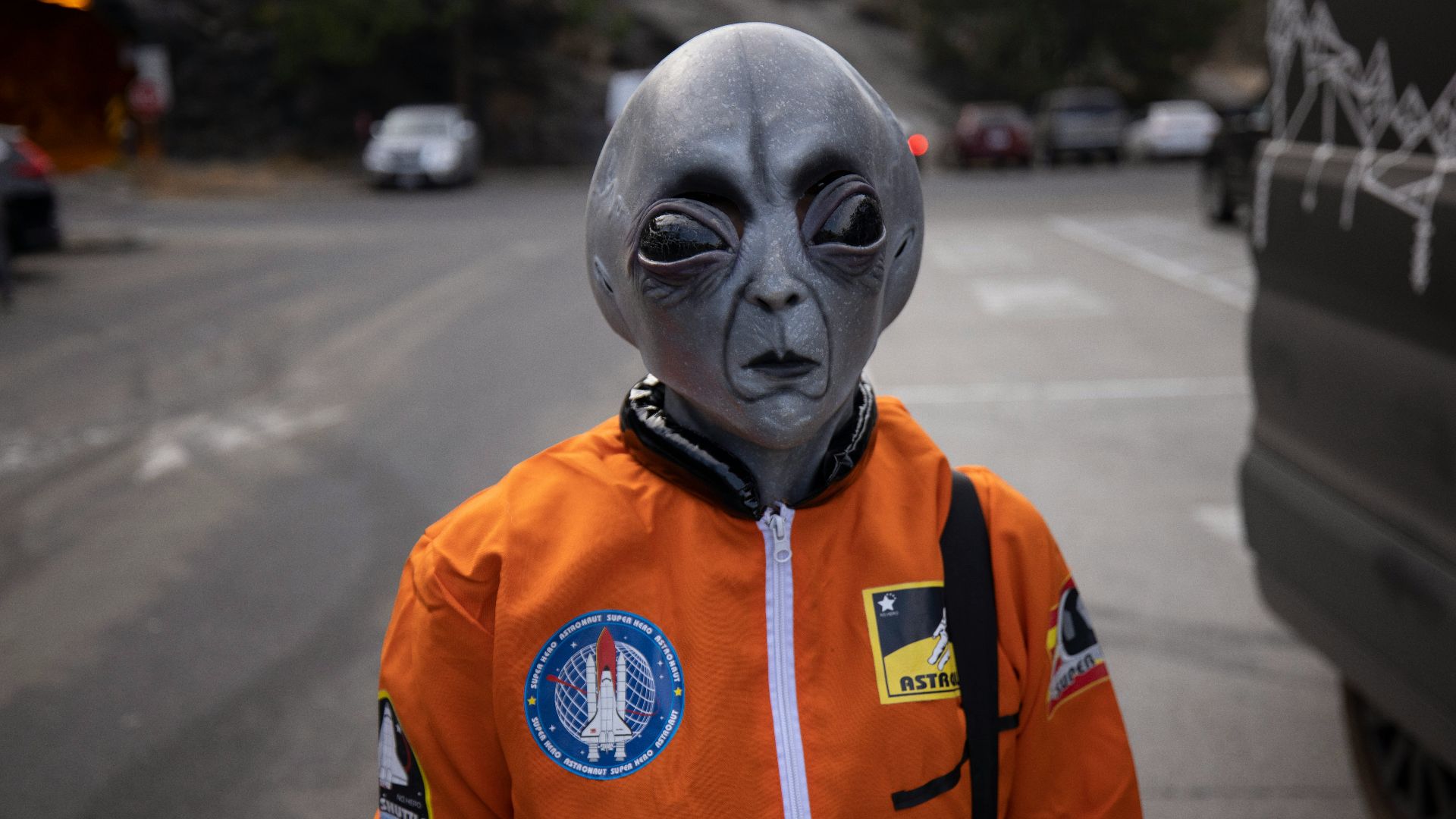
Many Catholic theologians reject the idea that UFO reports should automatically be viewed through a supernatural lens. They argue there's simply not enough evidence to reach that conclusion and caution against treating personal theories as official Church teaching.
Vatican Astronomers See It Very Differently
The Vatican's own astronomers have often taken a much more open approach.
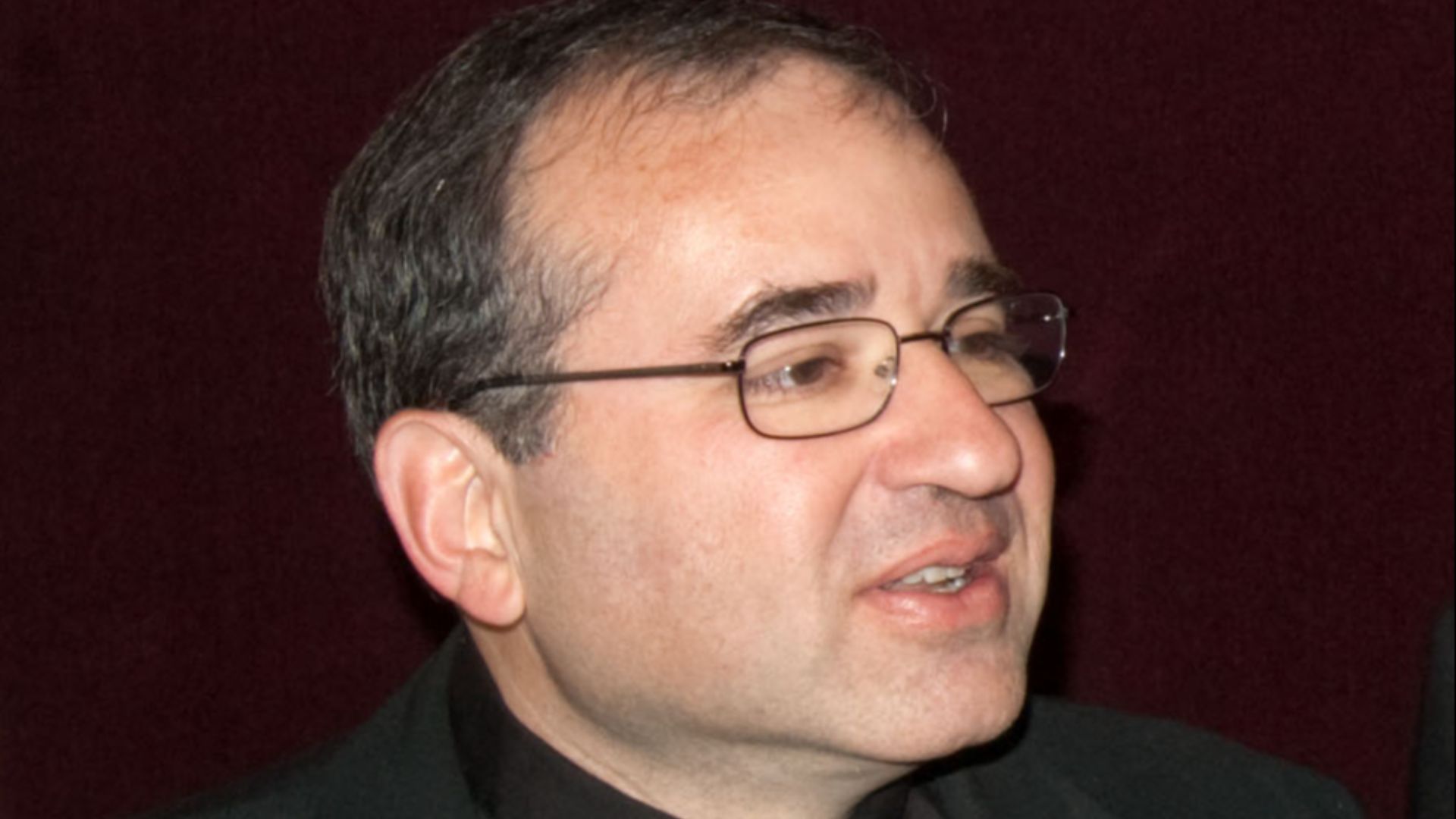
Former Vatican Observatory director Fr. José Gabriel Funes said believing intelligent extraterrestrial life could exist is compatible with Catholic faith. His successor, Brother Guy Consolmagno, has even joked that he would "happily baptize an alien" if one ever asked—his way of saying that faith and the possibility of extraterrestrial life aren't automatically in conflict.
The Church Leaves The Door Open
Officially, the Catholic Church doesn't require believers to accept or reject the possibility of alien civilizations.
Instead, it leaves the question open. If convincing evidence of extraterrestrial life were ever discovered, the Church would consider its theological implications rather than claiming to already have all the answers.
 Leonhard Niederwimmer, Unsplash
Why UFOs And Religion Often Collide
It's not difficult to see why these conversations keep resurfacing.
Both religion and UFOs explore questions that science hasn't fully answered: Who are we? Are we alone? What exists beyond what we can see? That overlap naturally leads different people to interpret the same mystery in very different ways.
Why This Conversation Is Happening Now
Interest in UFOs has exploded over the past several years.
Pentagon videos, congressional hearings, military investigations, and high-profile whistleblower claims have pushed unidentified aerial phenomena back into mainstream headlines. That renewed attention has also revived debates about what these mysterious sightings might actually represent.
What Exactly Is A UAP?
You may have noticed that officials now often use the term UAP, short for unidentified anomalous phenomena.
It's the modern government term for what were traditionally called UFOs. The name changed to better reflect that investigators are studying unexplained observations without assuming they're spacecraft—or even objects at all.
 Italian pilot Marshal Giancarlo Cecconi in June 1979, Wikimedia Commons
That Doesn't Mean Aliens Have Been Proven
This is an important distinction.
Unidentified doesn't automatically mean extraterrestrial.
Many reported sightings eventually receive conventional explanations, while others remain unresolved simply because investigators don't have enough information to determine exactly what was observed.
 maxime raynal from France, Wikimedia Commons
Most Scientists See It Differently
While Mother Miriam approaches the subject through theology, scientists generally approach it through evidence.
Most researchers—and many UFO investigators themselves—don't consider supernatural explanations to be scientifically testable. That doesn't prove they're wrong; it simply means those ideas fall outside the scope of what science can currently evaluate.

Faith Answers Different Questions Than Science
Science asks whether something can be tested, measured, and verified.
Faith asks questions about purpose, morality, and the nature of spiritual reality.
Mother Miriam's comments aren't presented as scientific evidence. They're an expression of how she interprets unexplained phenomena through her religious beliefs.
It's Ultimately A Matter Of Belief
There's currently no scientific evidence demonstrating that alleged alien encounters are actually spiritual beings.
Likewise, there's no confirmed scientific evidence that intelligent extraterrestrials have visited Earth. People often interpret the same unexplained events through very different worldviews depending on their beliefs, experiences, and assumptions.

The Debate Isn't Going Away Anytime Soon
As governments continue investigating unexplained sightings and scientists keep searching the universe for signs of life, discussions like this are likely to continue.
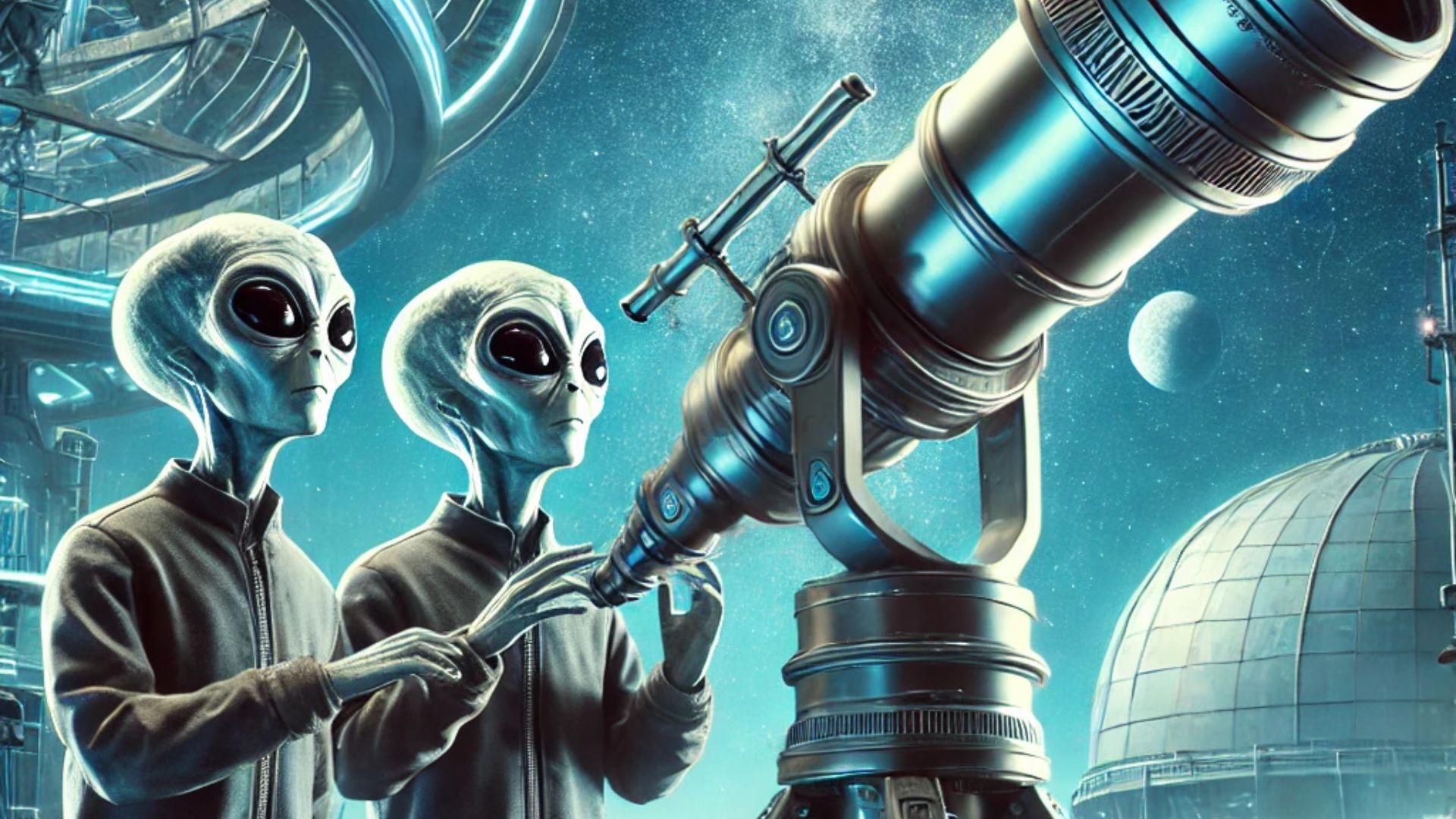
Some people will look through telescopes. Others will look to theology. Both will keep asking many of the same questions—even if they arrive at very different answers.
One Mystery...Two Very Different Explanations
Whether Mother Miriam is right or completely wrong almost isn't the point.
Her comments remind us that one mystery can produce two completely different explanations—one scientific, one spiritual. Until we know what's really behind the world's most puzzling sightings, that debate probably isn't ending anytime soon.
You Might Also Like:
Scientists revealed the strange chemistry of a rare comet from far beyond our solar system.