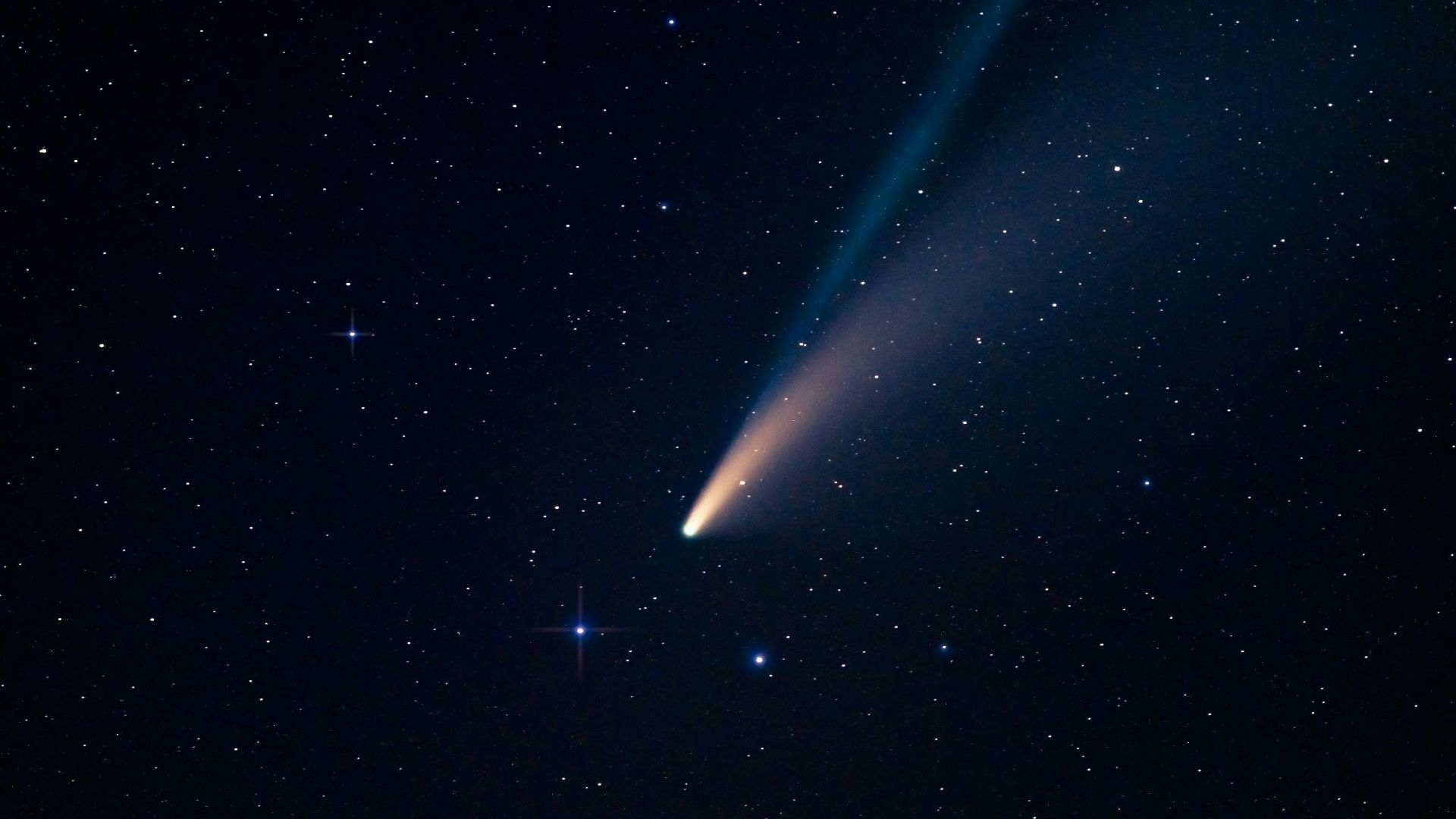
A Visitor From Afar
The discovery of 3I/ATLAS gave astronomers a rare opportunity to study material that formed around another star. As only the third confirmed interstellar object ever observed passing through our Solar System, it quickly became one of the most important astronomical discoveries of 2025 and 2026.
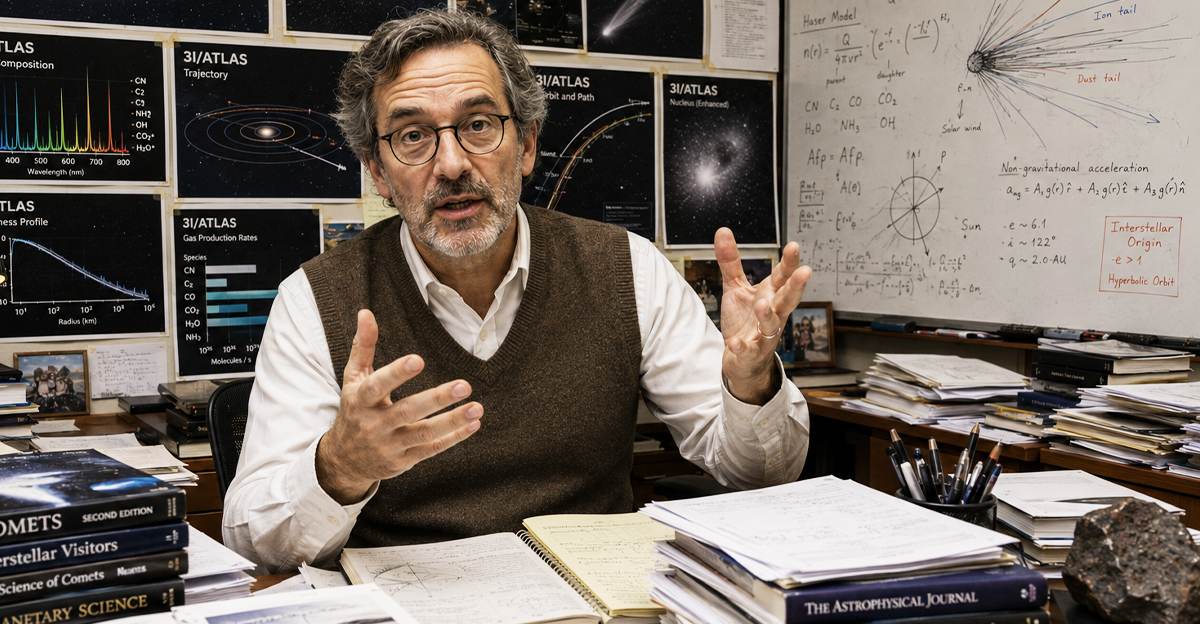
Discovery Of 3I
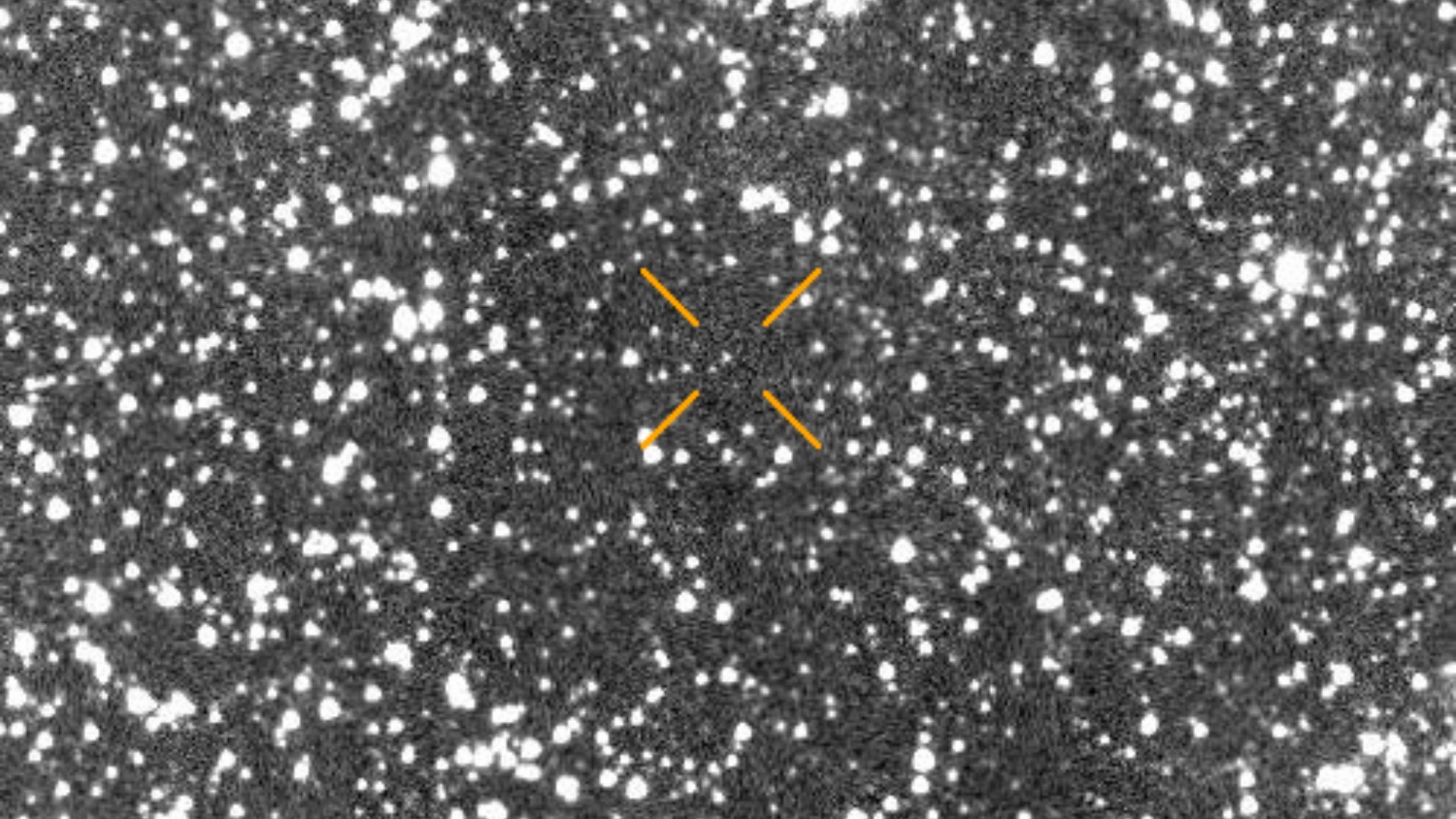
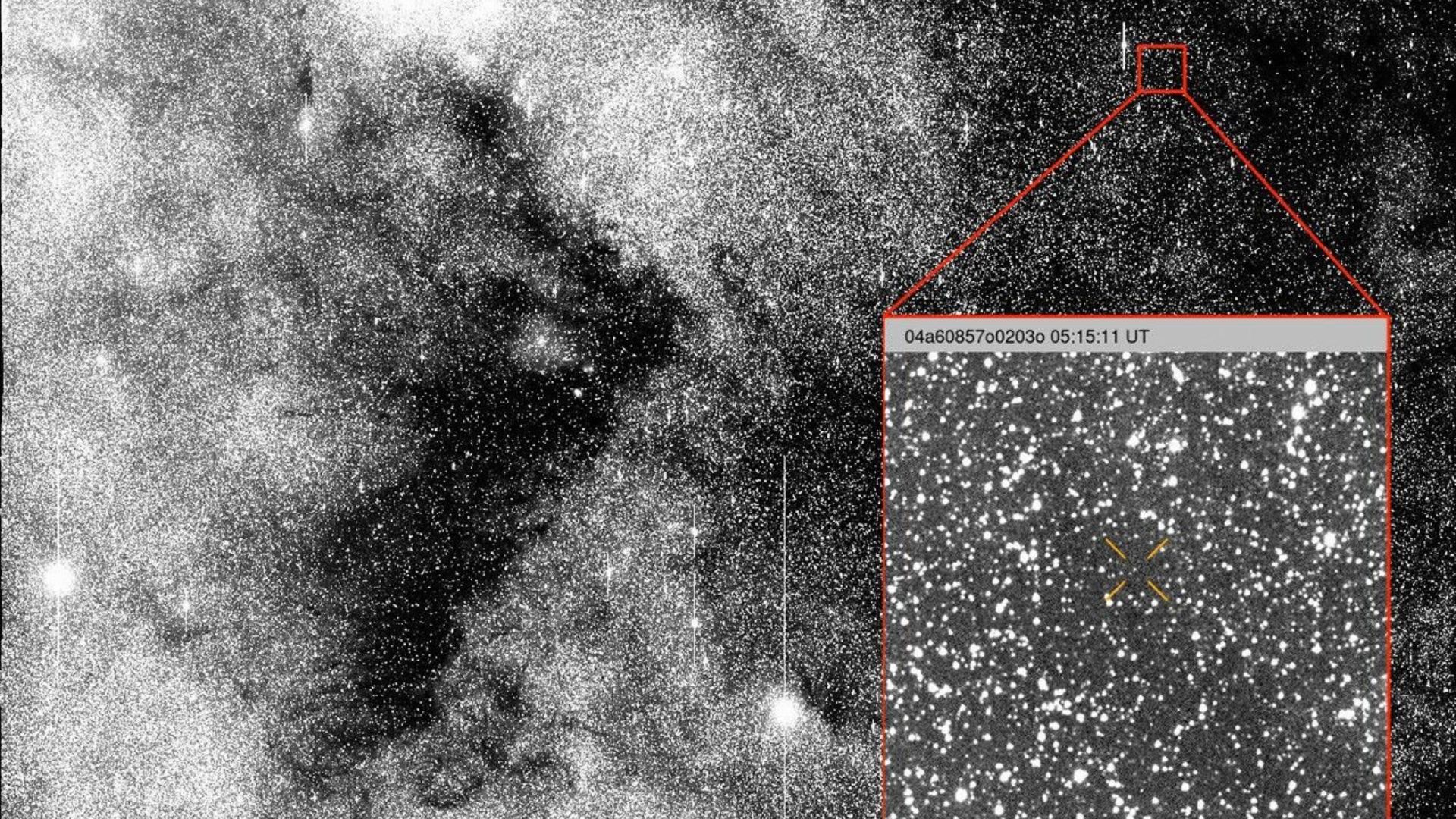
3I/ATLAS was discovered on July 1, 2025, by the Asteroid Terrestrial-impact Last Alert System telescope in Río Hurtado, Chile. It was initially designated A11pl3Z before receiving the official comet designation C/2025 N1 (ATLAS) and later the interstellar designation 3I/ATLAS.
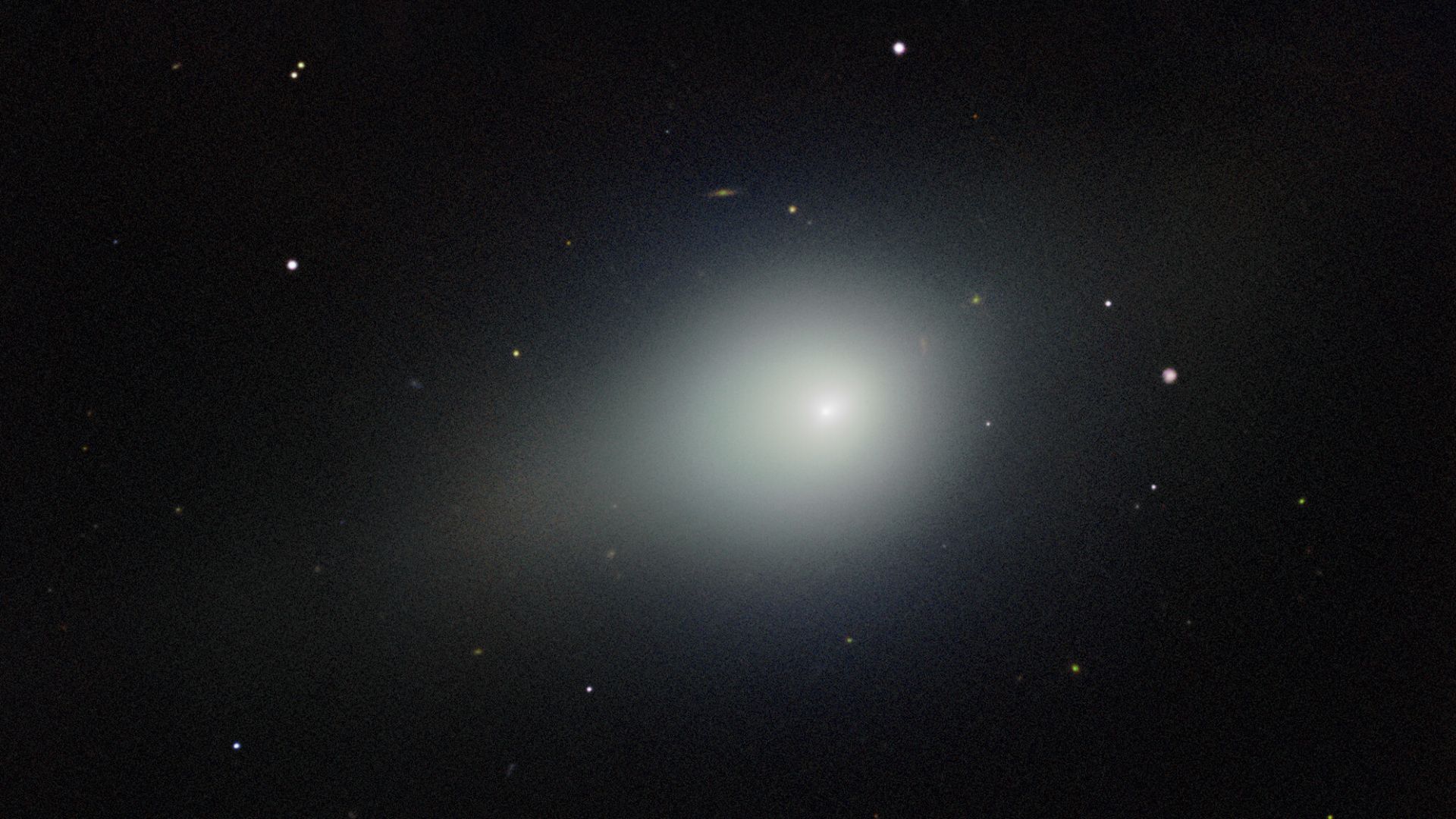
The Third Interstellar Object
The object became the third confirmed interstellar visitor ever detected. It followed the discoveries of 1I/ʻOumuamua in 2017 and 2I/Borisov in 2019, making such detections exceptionally uncommon events in modern astronomy.
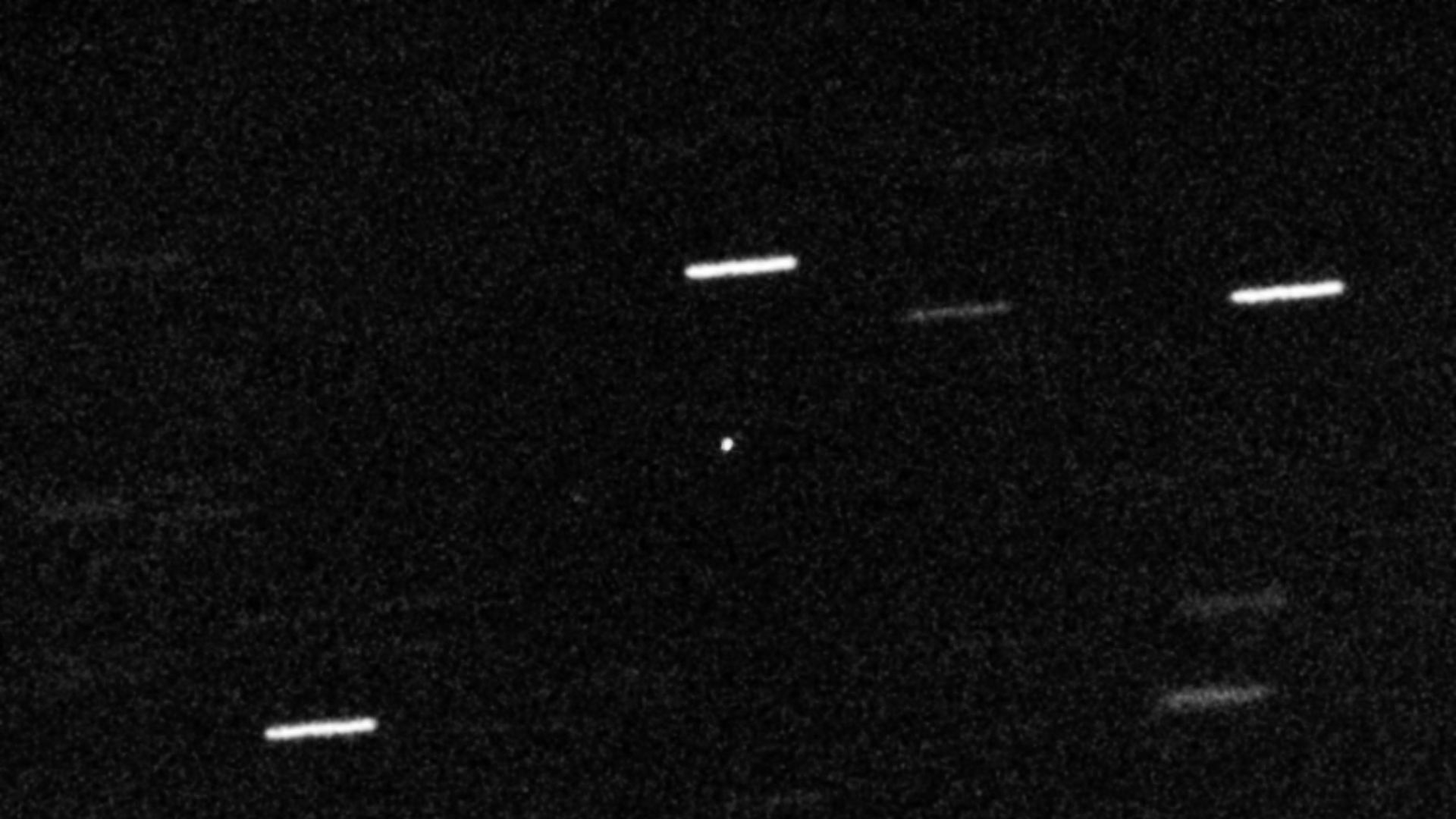
Evidence Of Origin
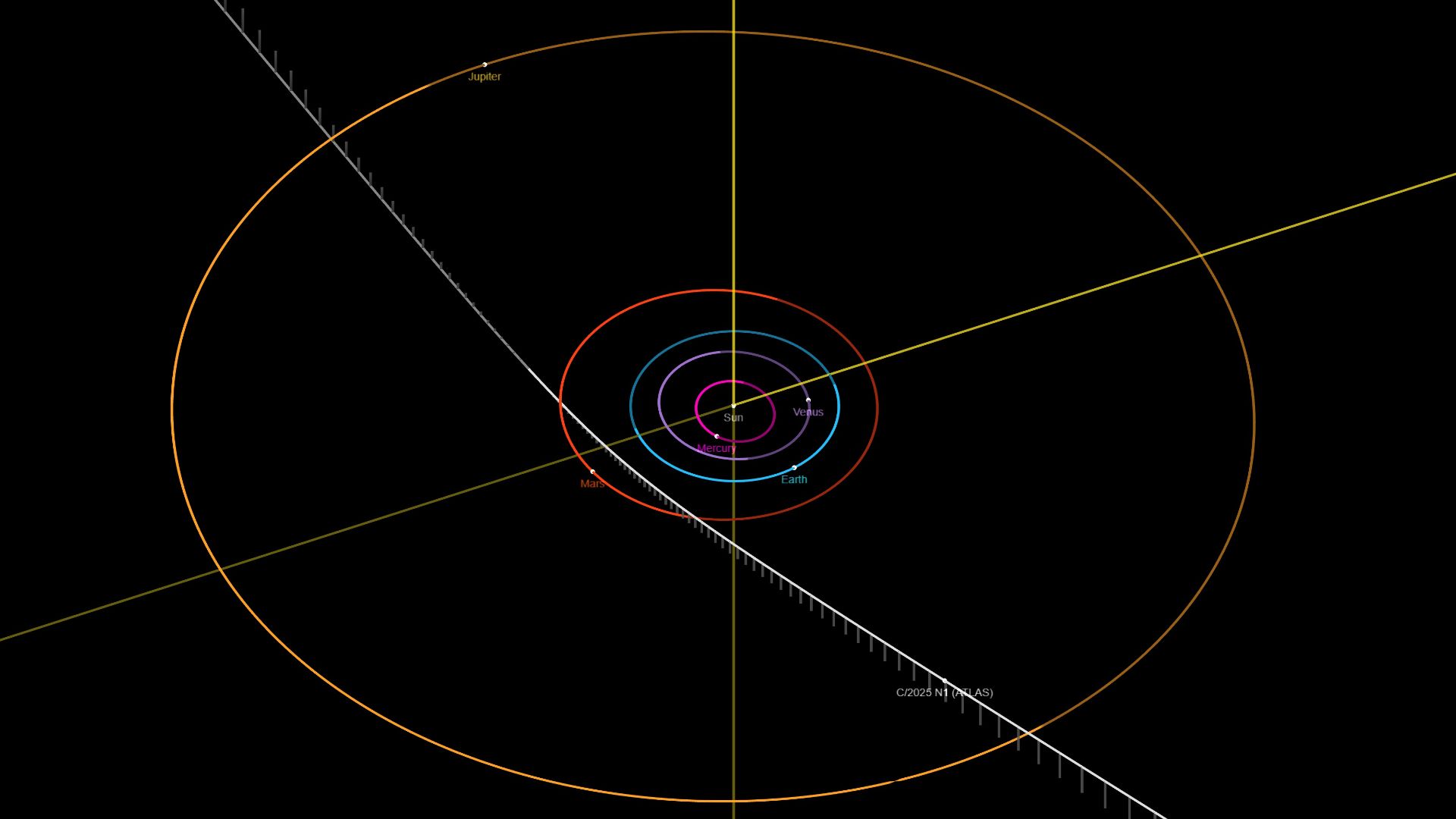
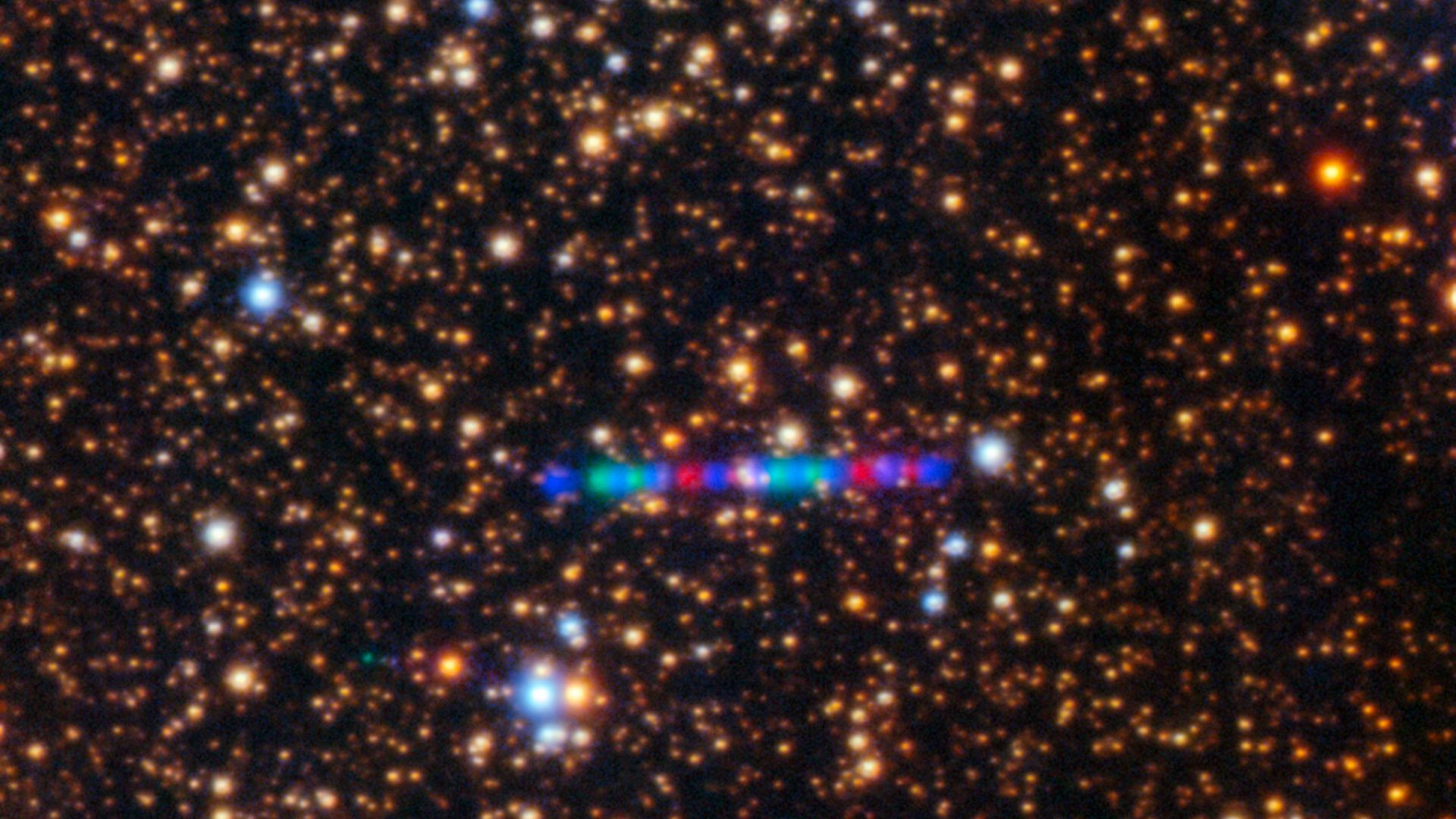
Astronomers quickly realized that 3I/ATLAS was not gravitationally bound to the Sun. Its trajectory showed that it originated from outside the Solar System and would eventually leave again after passing through the inner planetary region.
A Large Comet
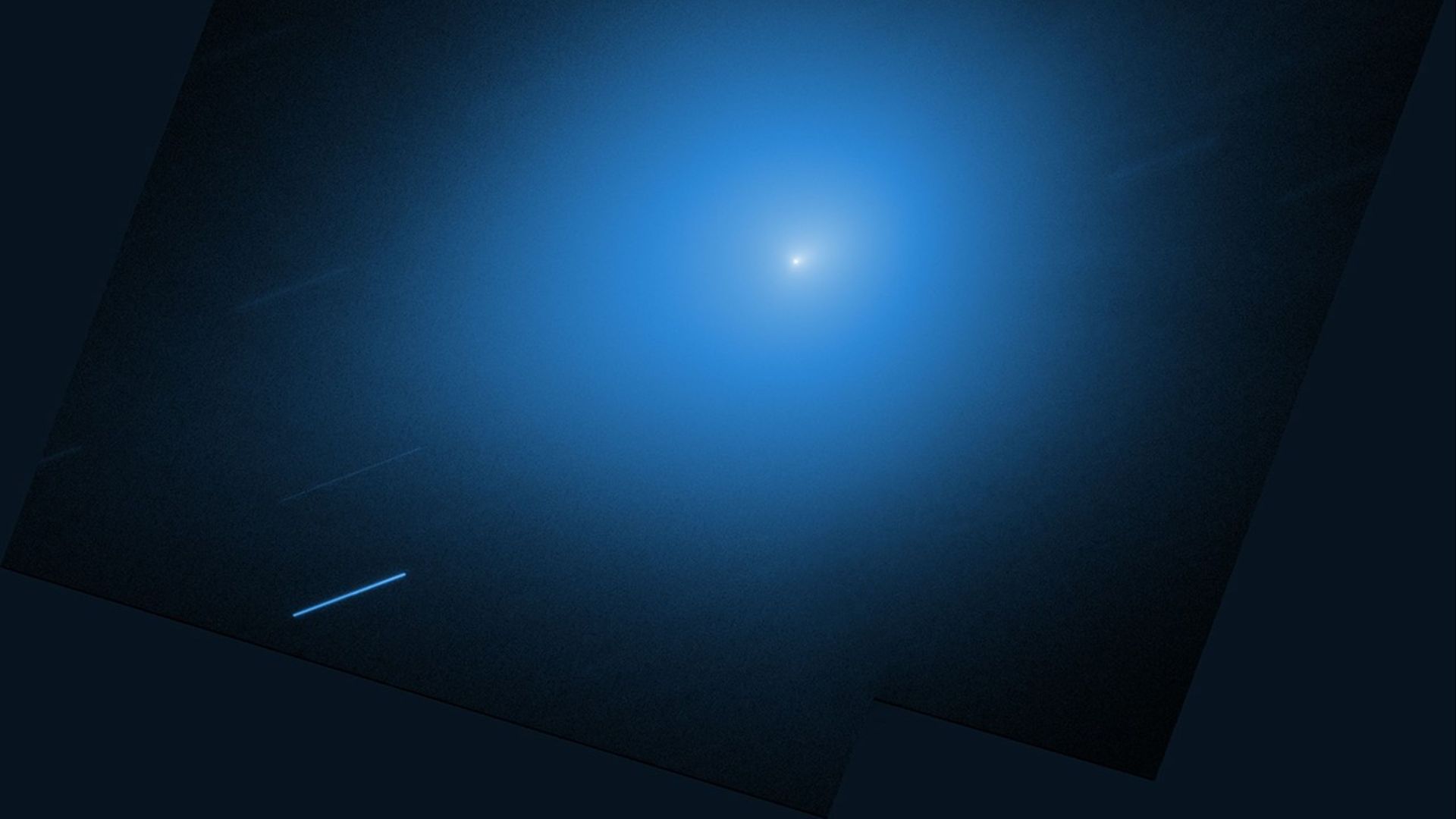
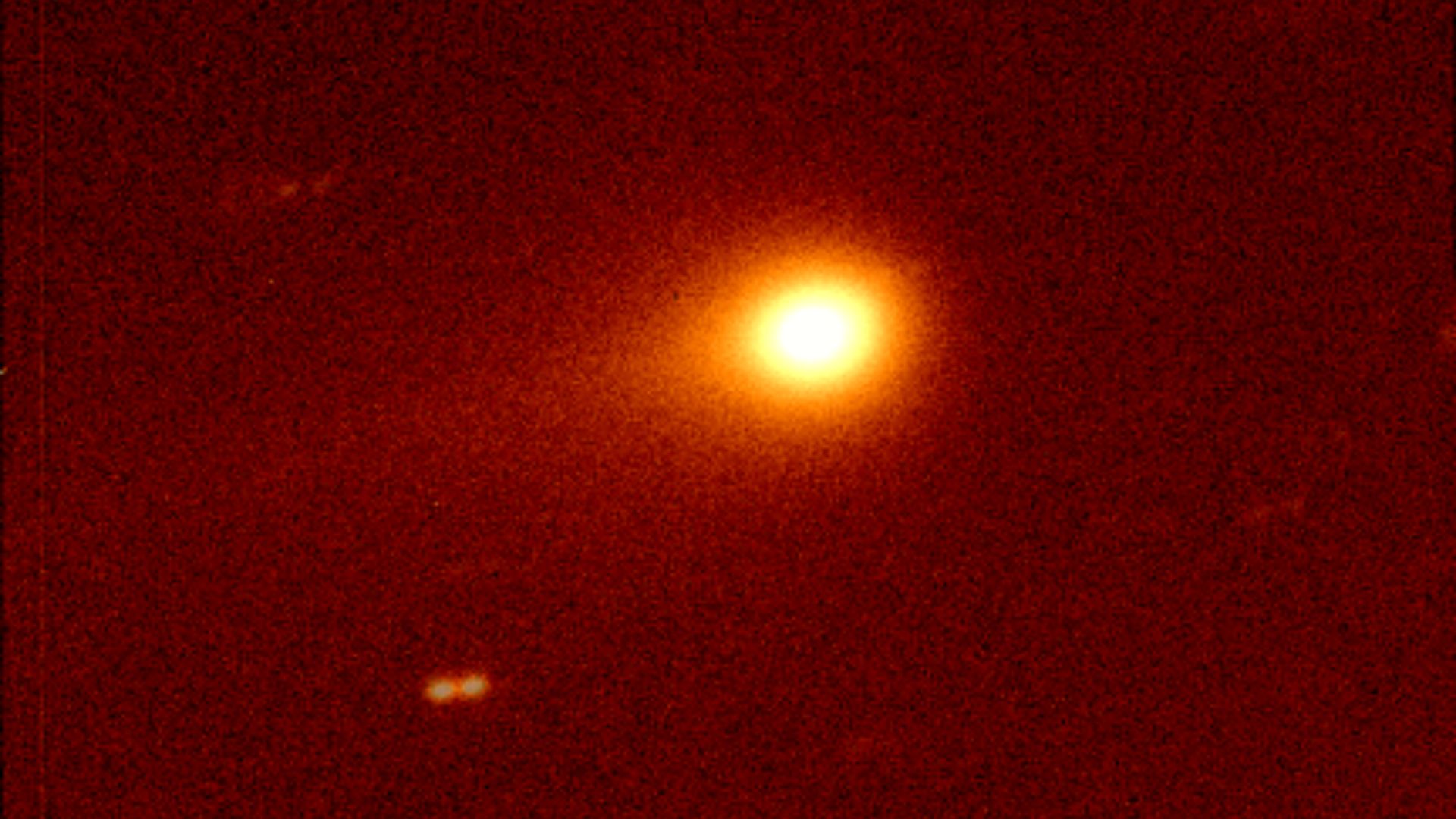
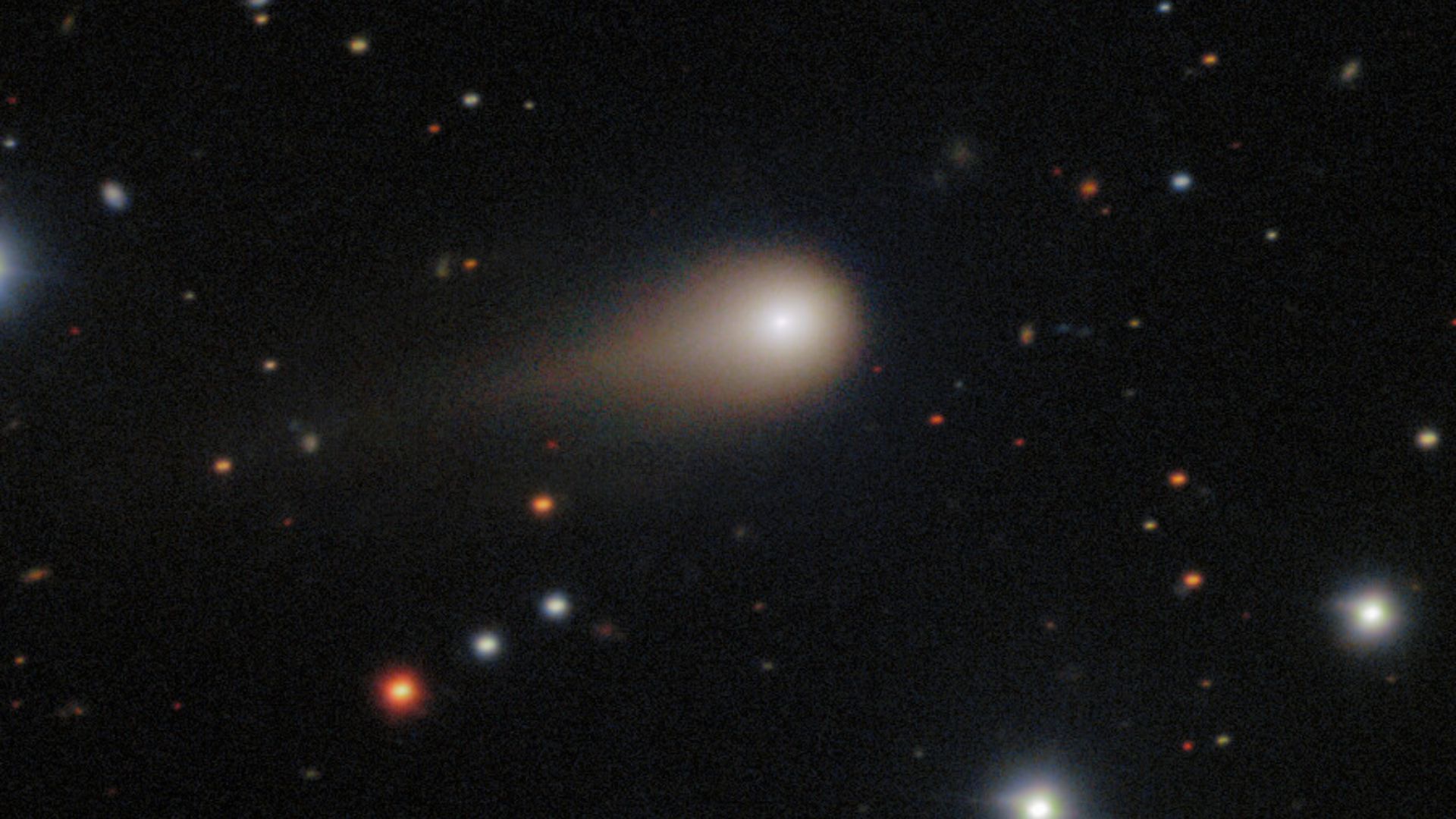
Early observations suggested that 3I/ATLAS was significantly larger than previous interstellar visitors. Estimates indicated a nucleus roughly 20 kilometers across, although later studies suggested the solid core itself could be smaller and obscured by surrounding material.
Extremely Active Appearance
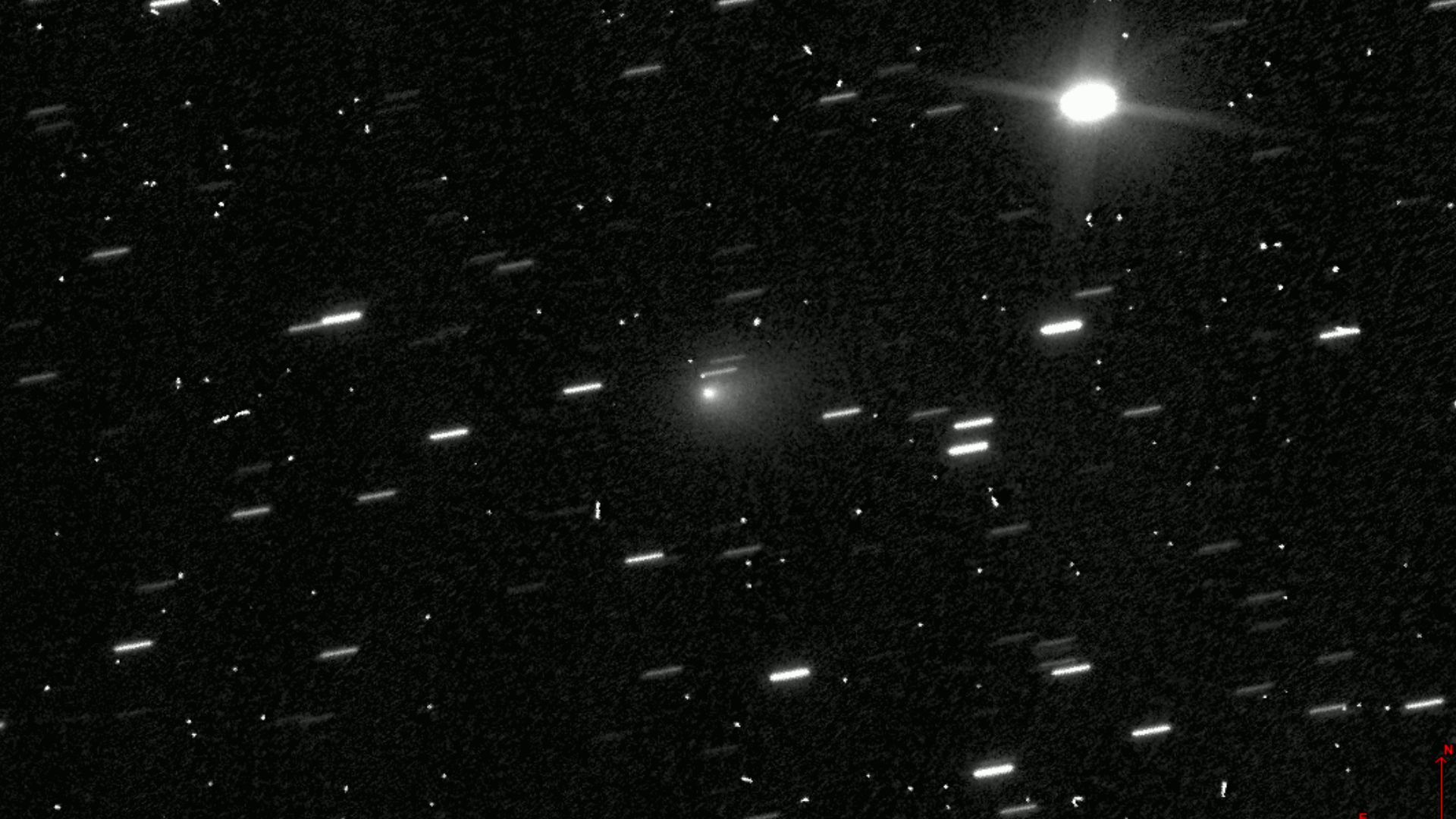
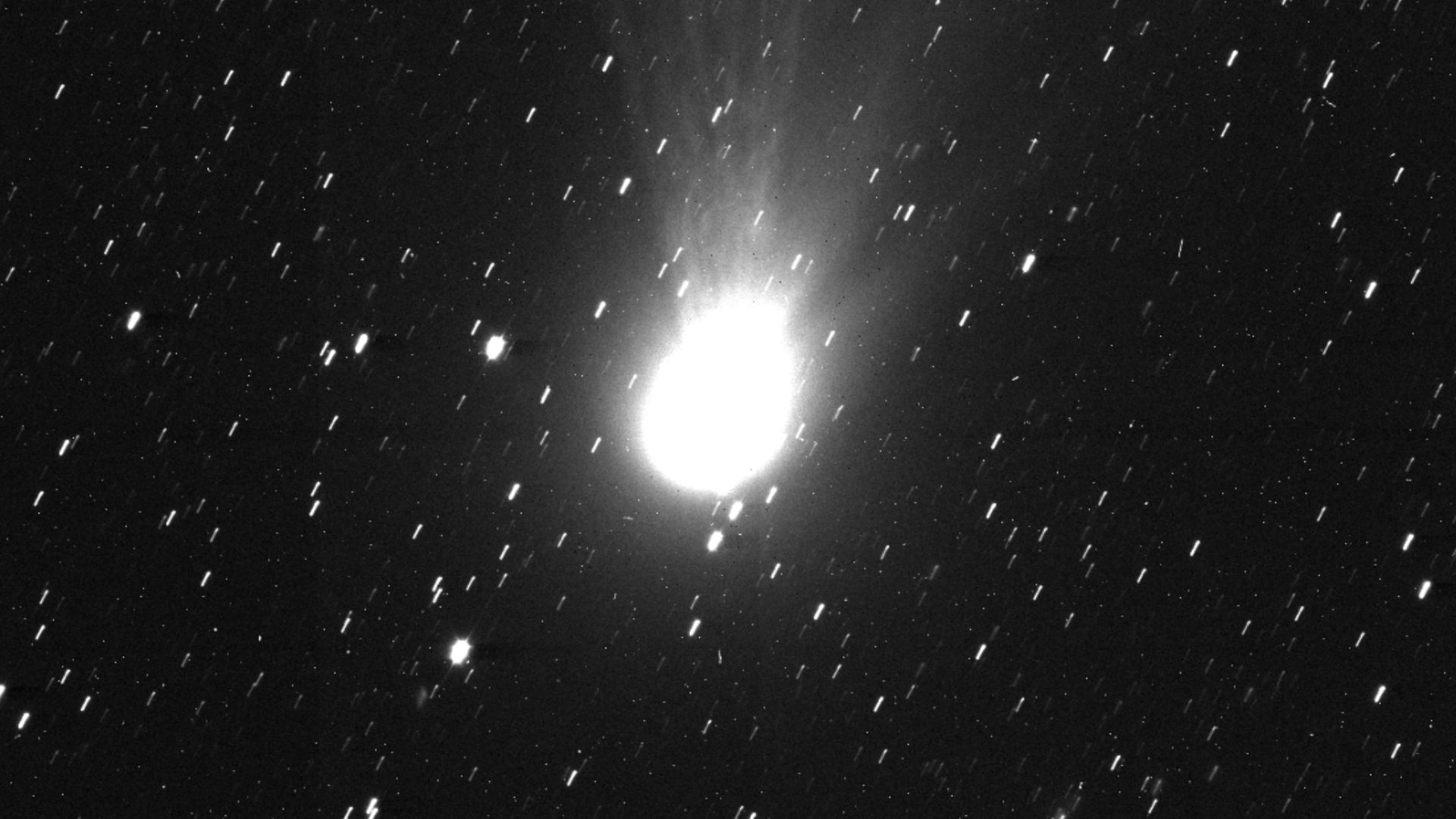
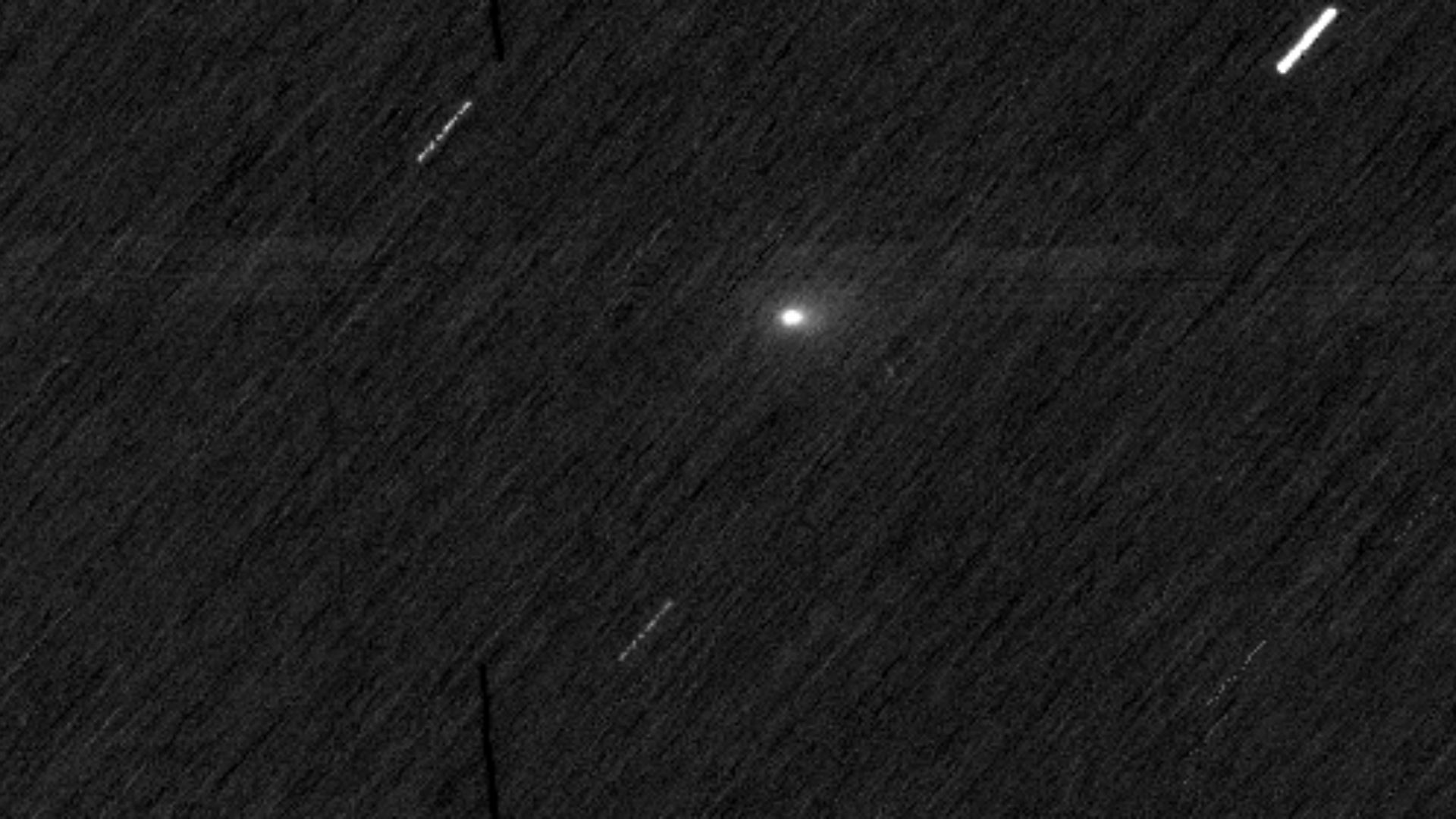
The comet displayed a bright coma (halo around it's head) and tail as it approached the Sun. This activity resulted from volatile materials vaporizing and carrying dust away from the nucleus, creating the spectacular appearance observed by astronomers.
 ESA/Juice/JANUS, Wikimedia Commons
Speed Through Space
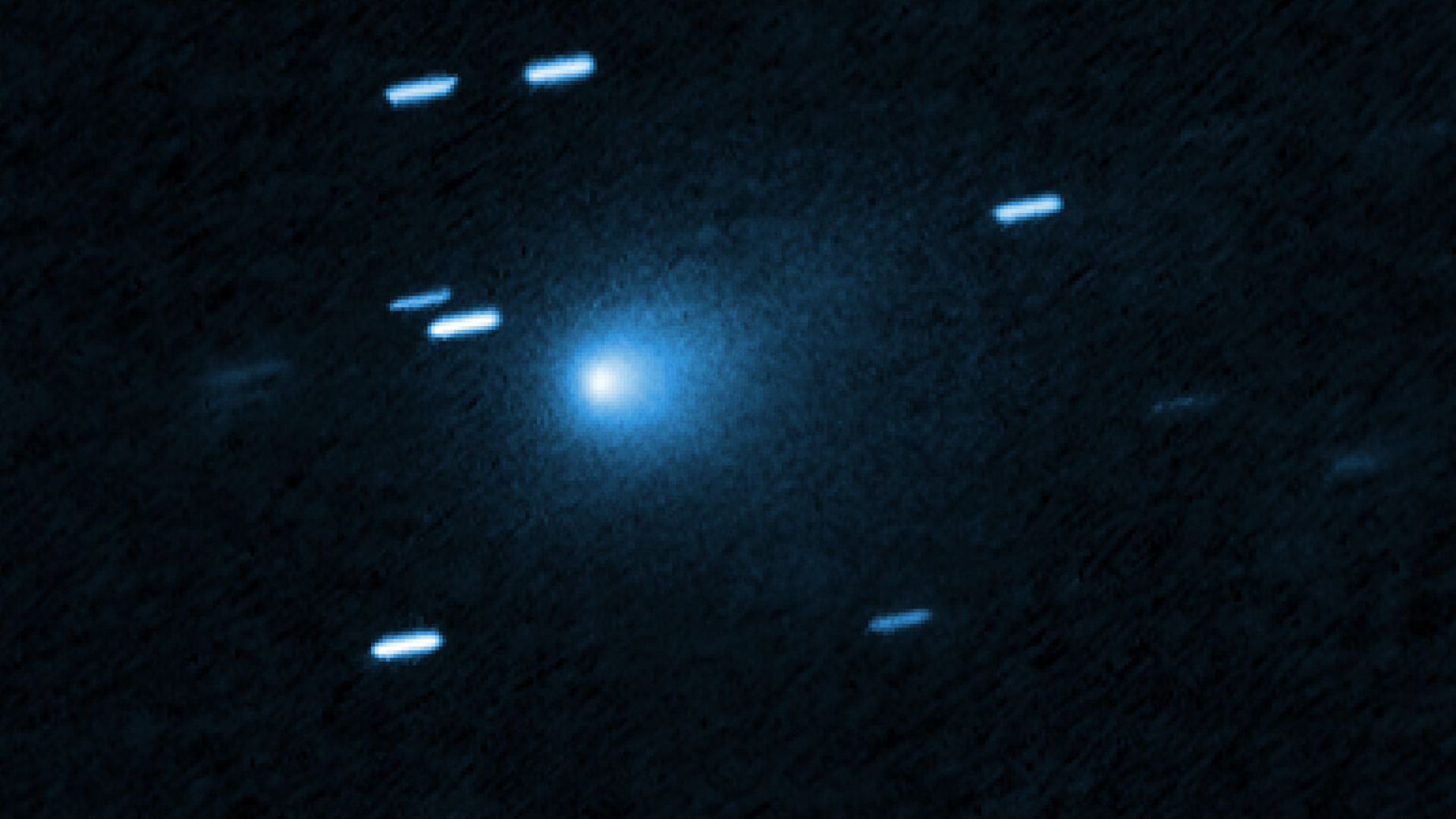
Before entering the Solar System, 3I/ATLAS traveled through interstellar space at approximately 57 kilometers per second relative to the Sun. Its high velocity was one of the clearest indications that it originated around another star.
 NASA, ESA, D. Jewitt (UCLA); Image Processing: J. DePasquale (STScI), Wikimedia Commons
Approaching The Sun
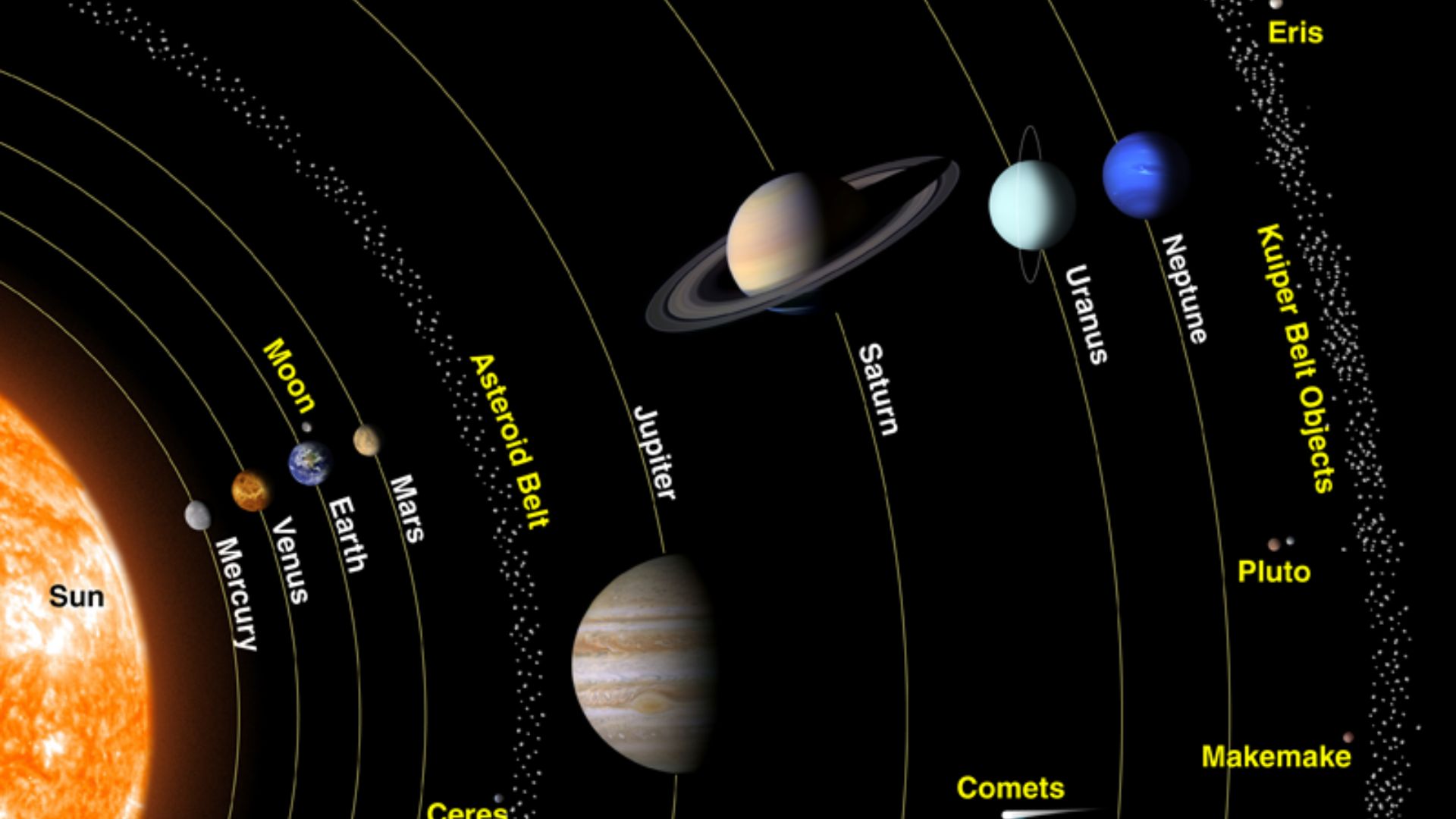
The comet's closest approach to the Sun was predicted to occur on October 29, 2025. At perihelion it would pass inside the orbit of Mars, reaching a distance of about 1.36 astronomical units from the Sun.
Why It Matters
Interstellar objects provide direct samples of material formed around distant stars. Unlike meteorites and comets native to our Solar System, 3I/ATLAS offers a rare opportunity to compare the chemistry of another planetary system with our own.
 NASA/JPL-Caltech, Wikimedia Commons
Webb Takes A Look
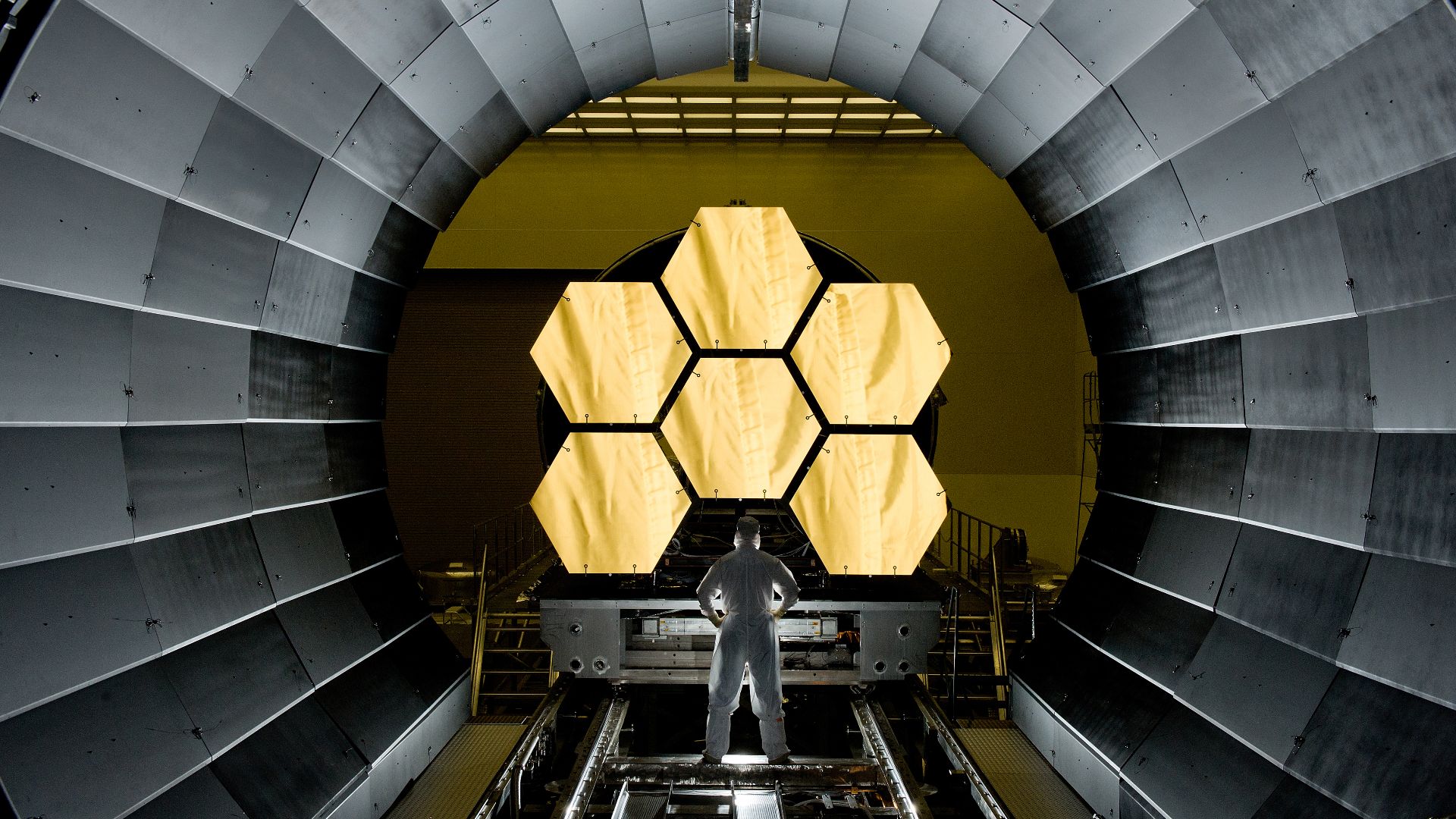
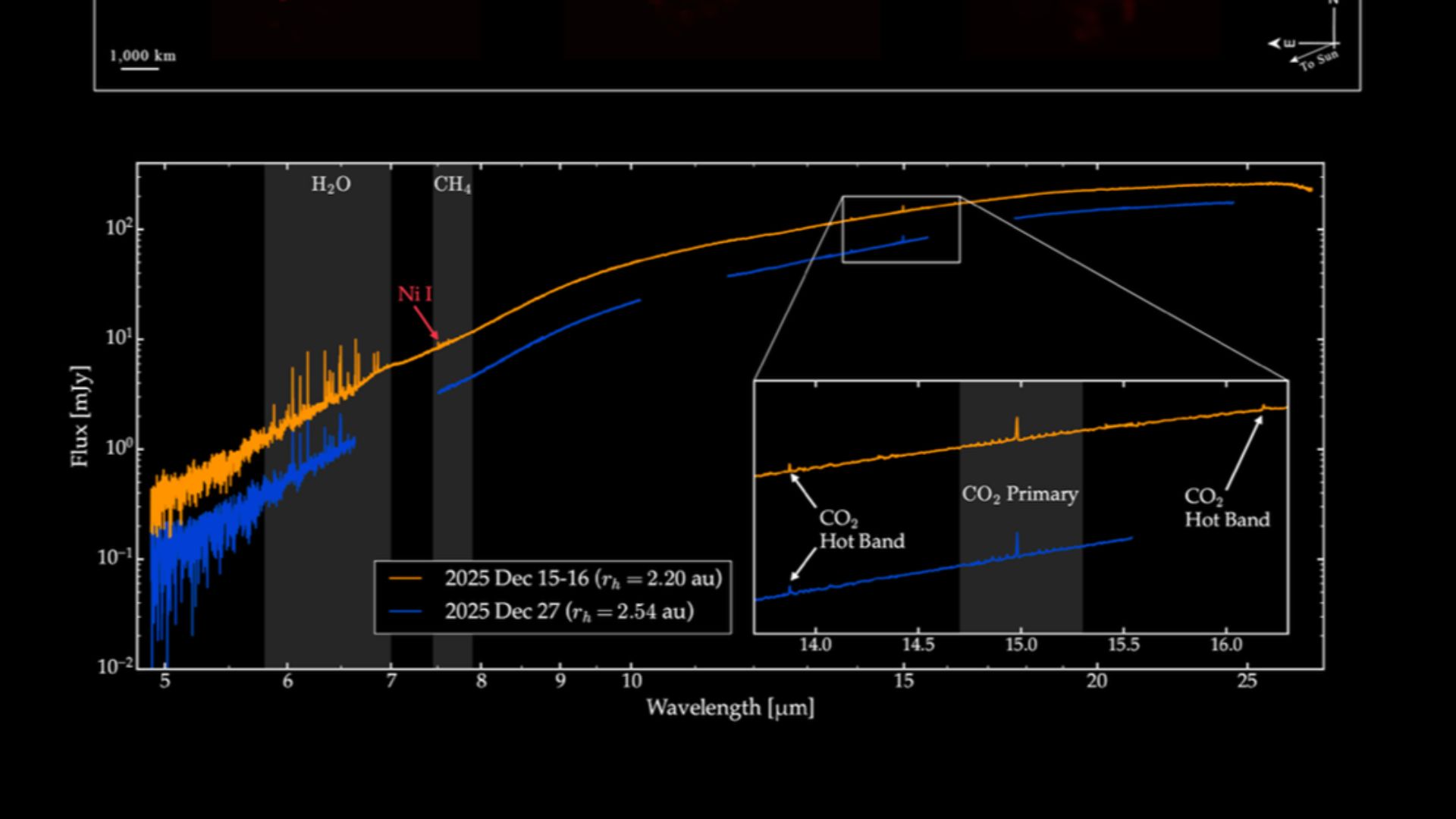
Scientists used NASA's James Webb Space Telescope to investigate the comet's composition. Webb's infrared instruments allowed researchers to identify gases escaping from the comet as sunlight heated its icy surface.
 NASA/MSFC/David Higginbotham/Emmett Given, Wikimedia Commons
Detecting Methane
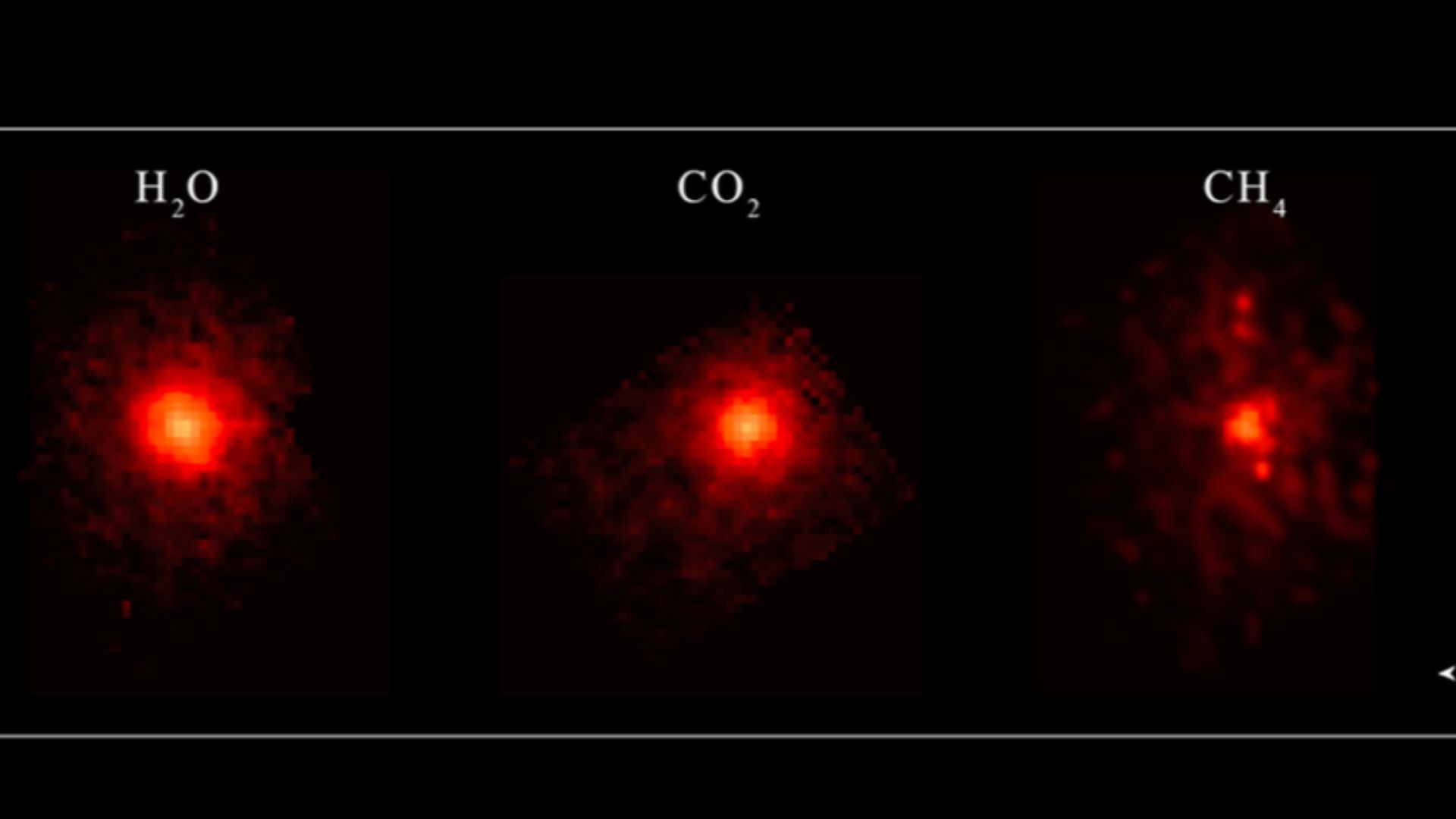
The Webb observations revealed methane gas within 3I/ATLAS. According to the researchers, this was the first clear detection of methane in an interstellar comet, providing an important new clue about its chemical makeup.
 NASA/MSFC/David Higginbotham, Wikimedia Commons
Methane's Importance
Methane is a volatile molecule that forms under specific conditions in protoplanetary disks. Detecting it in 3I/ATLAS gave astronomers a new way to compare the environments where different planetary systems form and evolve.
 Christinelmiller, Wikimedia Commons
Carbon Monoxide Discovery
The Webb team also detected carbon monoxide. Measurements indicated that carbon monoxide was approximately ten times more abundant than methane in the comet's coma, revealing an unusual balance of volatile compounds.
 Aug wiki 1257, Wikimedia Commons
Similar Yet Different
Researchers noted that the methane abundance was similar to levels seen in many Solar System comets. However, the much larger abundance of carbon monoxide distinguished 3I/ATLAS from many familiar comet populations.
An Ancient Survivor
Scientists suggested that the comet likely formed in a cold outer region of its home planetary system. Such environments can preserve volatile compounds for billions of years before objects are eventually ejected into interstellar space.
Michigan Team Investigation
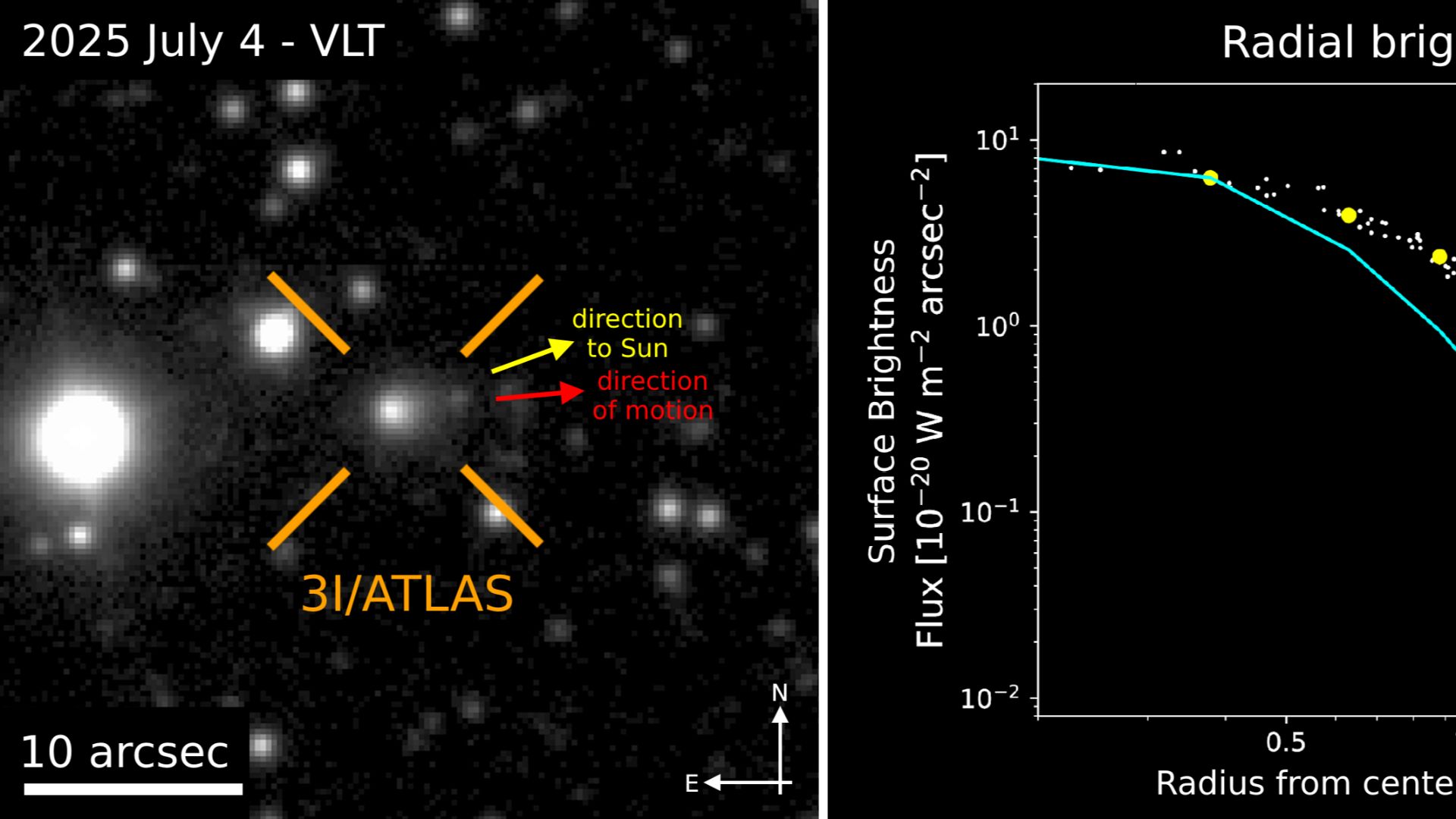
A separate study led by researchers at the University of Michigan examined the comet using spectroscopic observations. Their work focused on measuring the abundance of water and comparing it with other molecules released by the comet.

Strange Water Results
The Michigan team found that water appeared surprisingly scarce compared with the comet's dust production and overall activity. This unusual relationship immediately drew attention because it differed from expectations based on many Solar System comets.
 ATLAS/University of Hawaii/NASA, Wikimedia Commons
Dust Without Water
The researchers reported that the comet was producing substantial amounts of dust while displaying relatively weak evidence of water vapor. This combination suggested that other volatile materials might be driving much of the activity.
 European Space Agency, Wikimedia Commons
Carbon-Rich Chemistry
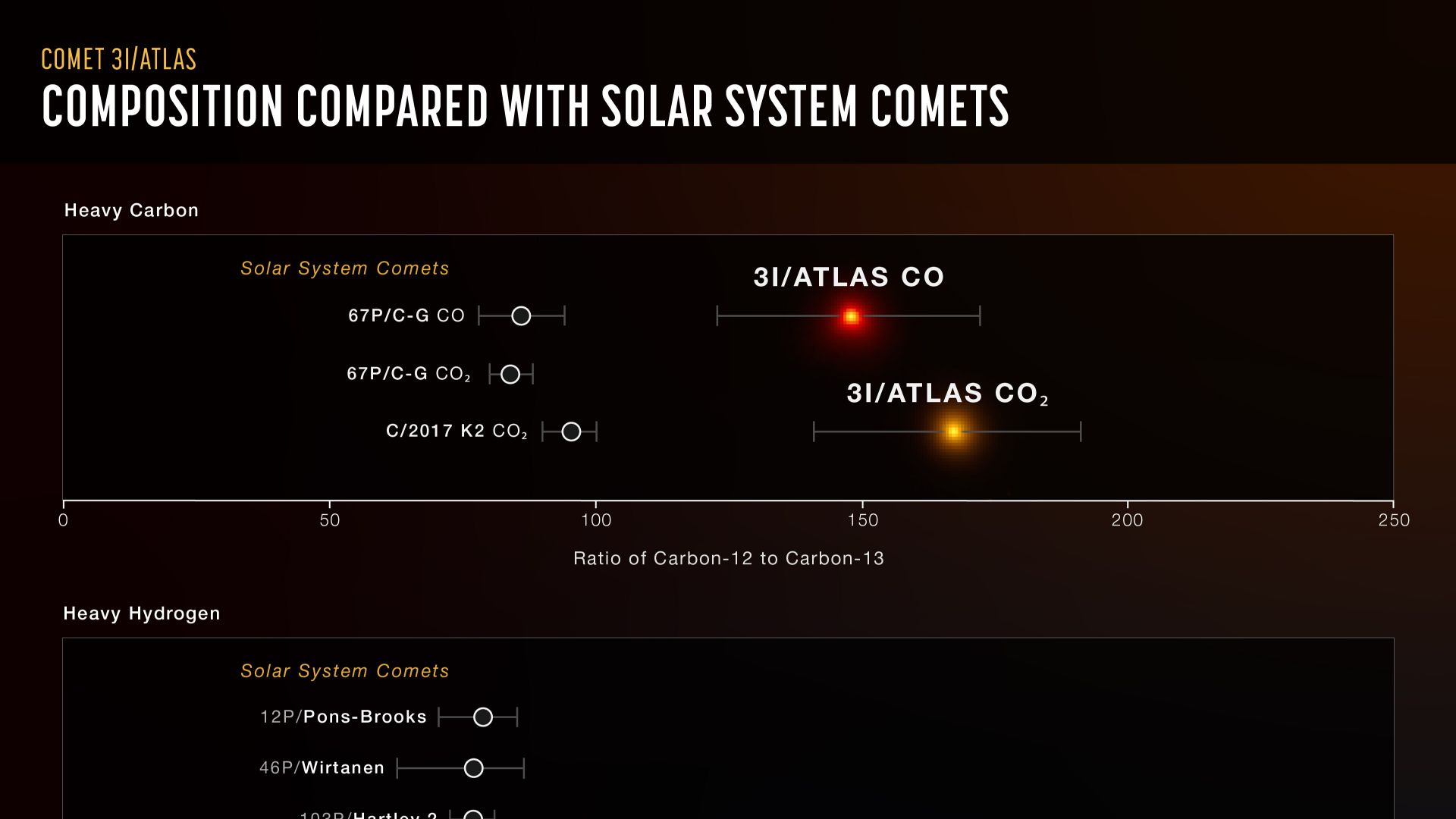
The University of Michigan study found evidence that carbon-bearing molecules played a major role in the comet's behavior. The findings reinforced the idea that 3I/ATLAS differs chemically from many comets formed around the Sun.
 NASA, ESA, CSA, M. Cordiner, L. Hustak (STScI), Wikimedia Commons
A Different Birthplace
According to the researchers, the unusual chemical composition may reflect conditions in the distant planetary system where the comet formed. Those conditions may have favored the preservation of different volatile compounds than those common in Solar System comets.
Two Studies Converge
Although the NASA and University of Michigan teams used different observational approaches, both studies pointed toward a chemically unusual object. Together they painted a picture of a comet rich in carbon-based volatiles and unexpectedly poor in water.
Expanding The Sample
Before 3I/ATLAS, astronomers had only two confirmed interstellar objects available for study. Every new visitor dramatically expands the scientific sample and improves understanding of how planetary systems form across the galaxy.
![Plot of the trajectory of interstellar comet 3I/ATLAS against the stellar background from 2024 to 2026.
Made with Python using packages Starplot [1] and Skyfield [2]. Heliocentric orbital elements are from the MPC.](https://www.factinate.com/storage/app/media/splashtravels/2026/6/30/17827979210250abb79b5271d62b40995b0f9e0d3f560ee3e7.png)
A Natural Messenger
Because it formed around another star, 3I/ATLAS acts as a natural messenger carrying information from a distant planetary system. Its gases, dust, and ice preserve evidence of conditions that astronomers cannot observe directly.
 James Webb Space Telescope, Wikimedia Commons
Lessons From 3I
The methane detected by Webb and the unusual water findings reported by the Michigan team demonstrate that planetary systems can produce comets with chemical signatures different from those commonly seen in our own Solar System.
 James Webb Space Telescope, Wikimedia Commons
A Rare Scientific Opportunity
As 3I/ATLAS continues its journey back into interstellar space, scientists are gathering as much data as possible. The object may not return, making these observations a unique chance to study material formed around another star.
 ATLAS/University of Hawaii/NASA, Wikimedia Commons
You May Also Like:
Scientists revealed the strongest evidence yet that life may have existed on Mars.
NASA researchers detected a mysterious signal from deep space that repeats every 44 minutes.