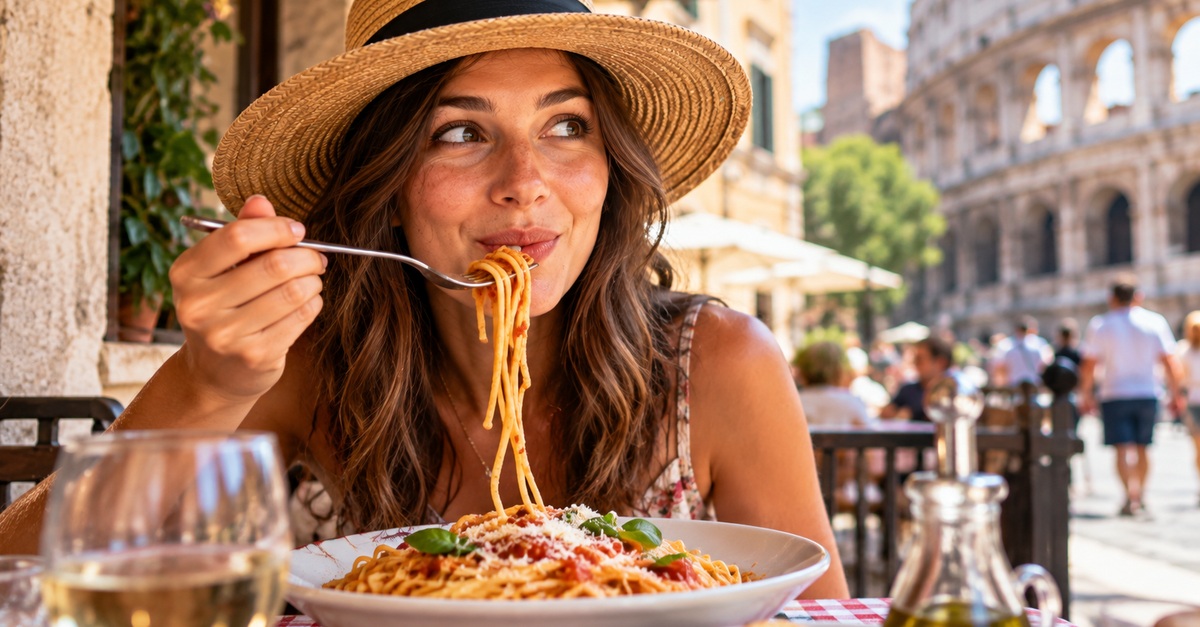
The Tourist Version Isn't Always The Local Version
Travel brochures promise authentic experiences, but what visitors imagine as everyday local culture is sometimes something residents only encounter on special occasions. From traditional costumes to famous meals and elaborate performances, tourism often turns regional traditions into convenient attractions. Many of these experiences are genuinely rooted in history, but that does not mean they reflect how people actually live today. Understanding the difference can make traveling more interesting and help visitors discover experiences beyond the usual tourist circuit.
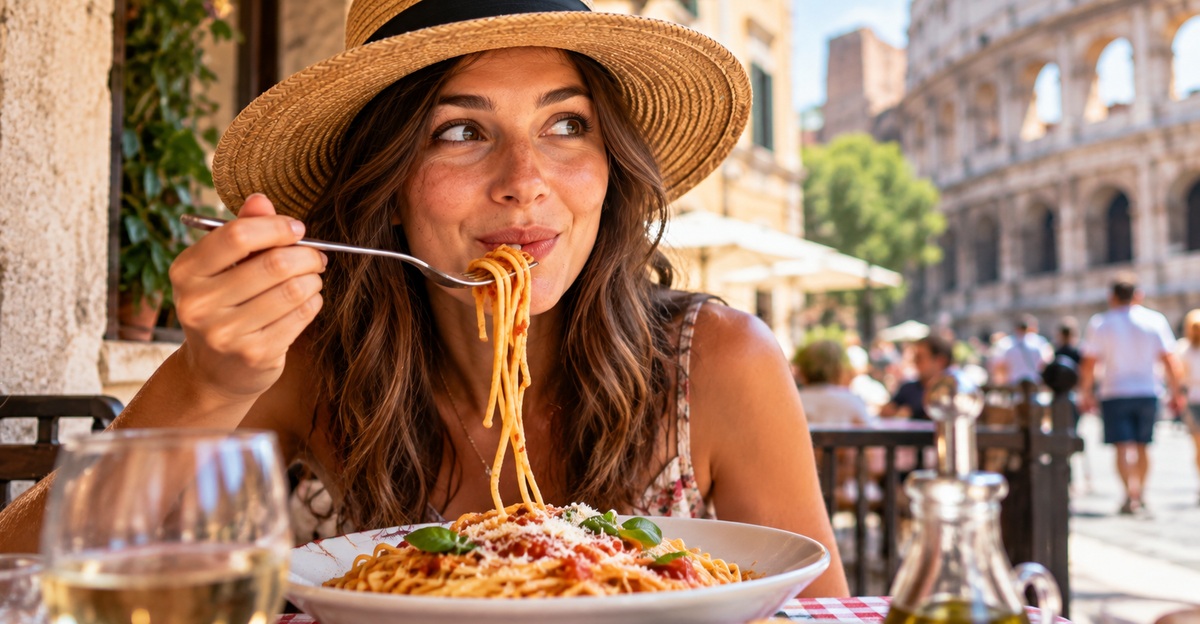
Gondola Rides Through Venice
Few images capture Venice better than a gondolier steering a beautiful wooden boat through a narrow canal. Gondolas are an important part of Venetian history, but the romantic sightseeing rides marketed to visitors are not how most residents commute. Public water buses, known as vaporetti, and walking are far more practical for everyday transportation. A gondola ride can still be memorable, but it is better understood as a traditional experience than a typical Venetian commute.
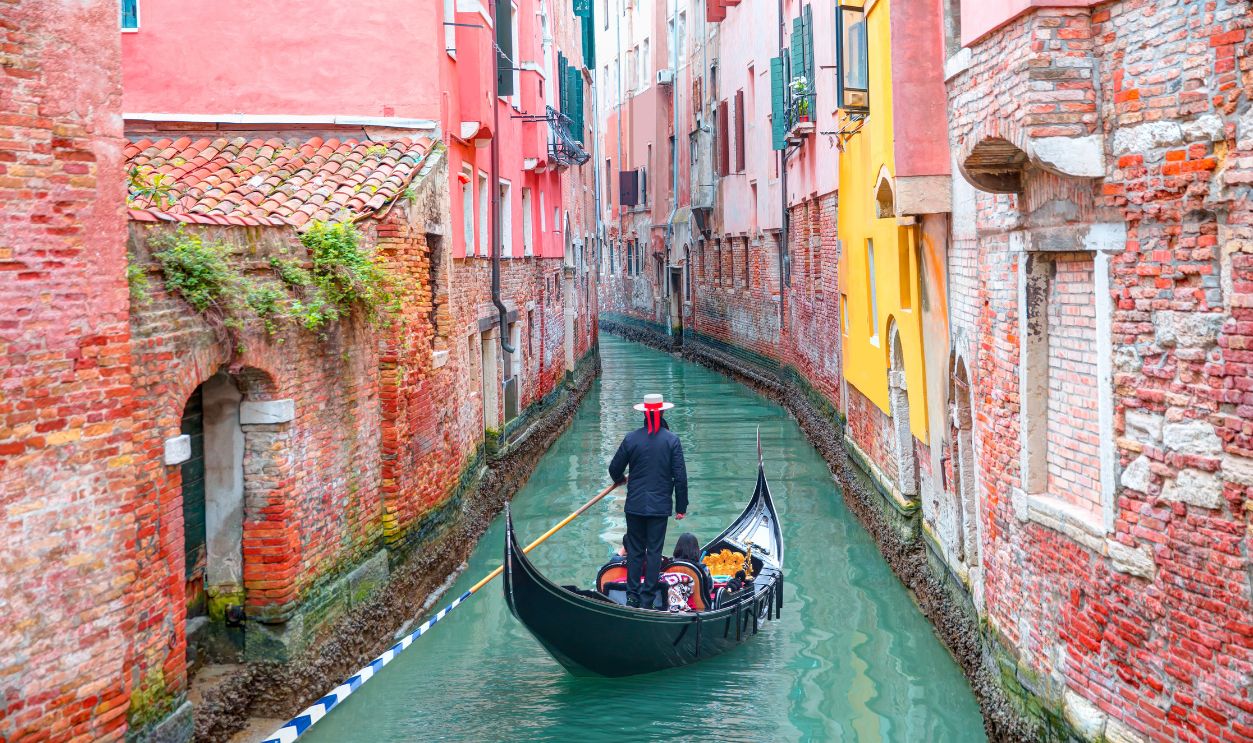
Geisha Encounters In Kyoto
Visitors exploring Kyoto's Gion district sometimes expect to encounter geisha performing traditional arts on every corner. In reality, geiko and apprentice maiko are professional entertainers whose work involves specialized training and scheduled engagements. Kyoto's tourism authorities explicitly warn visitors not to stop, follow, or photograph them without permission. Attending an authorized cultural performance is a more respectful way to appreciate this tradition than treating the neighborhood like an outdoor attraction.
Floating Markets In Thailand
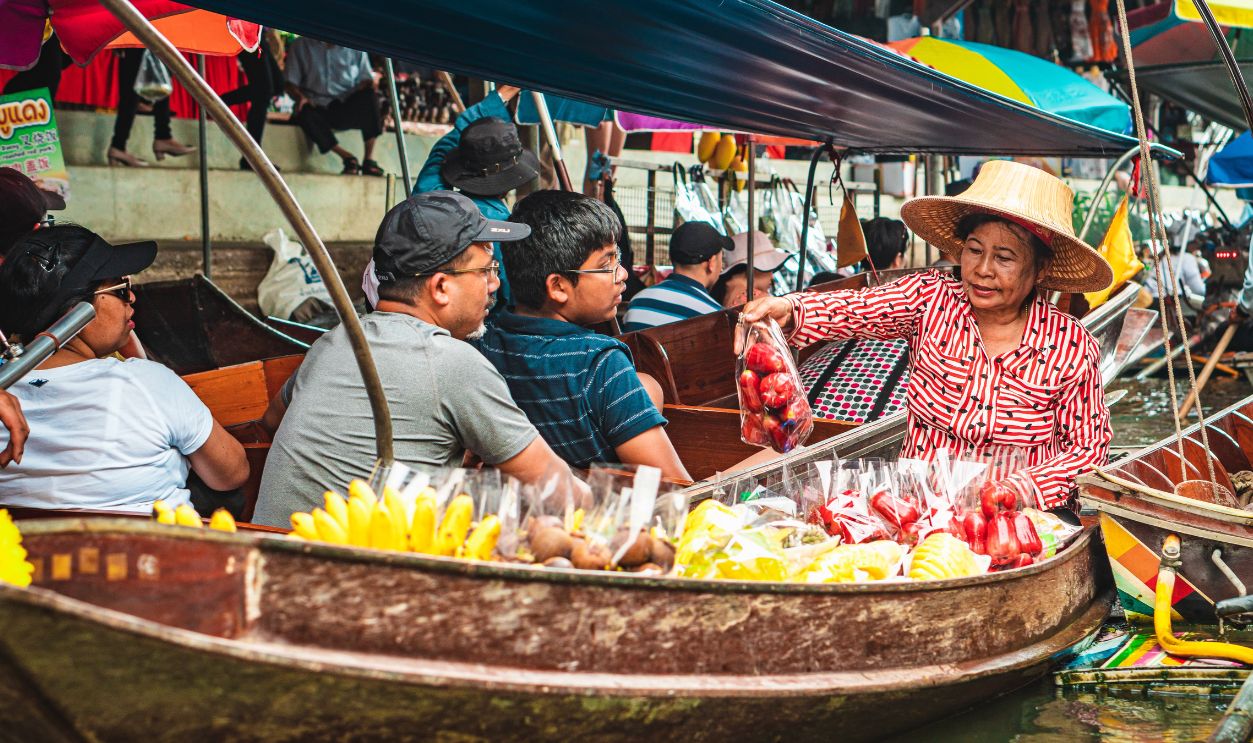
Photographs of vendors selling tropical fruit from wooden boats make Thailand's floating markets look like everyday shopping destinations. These markets have genuine historical roots in the country's canal-based trading networks. However, famous destinations such as Damnoen Saduak now welcome large numbers of tourists looking for boat rides, souvenirs, and photographs. The experience offers a glimpse of traditional commerce, but it should not be mistaken for the way most Thai households purchase groceries today.
Tango Shows In Buenos Aires
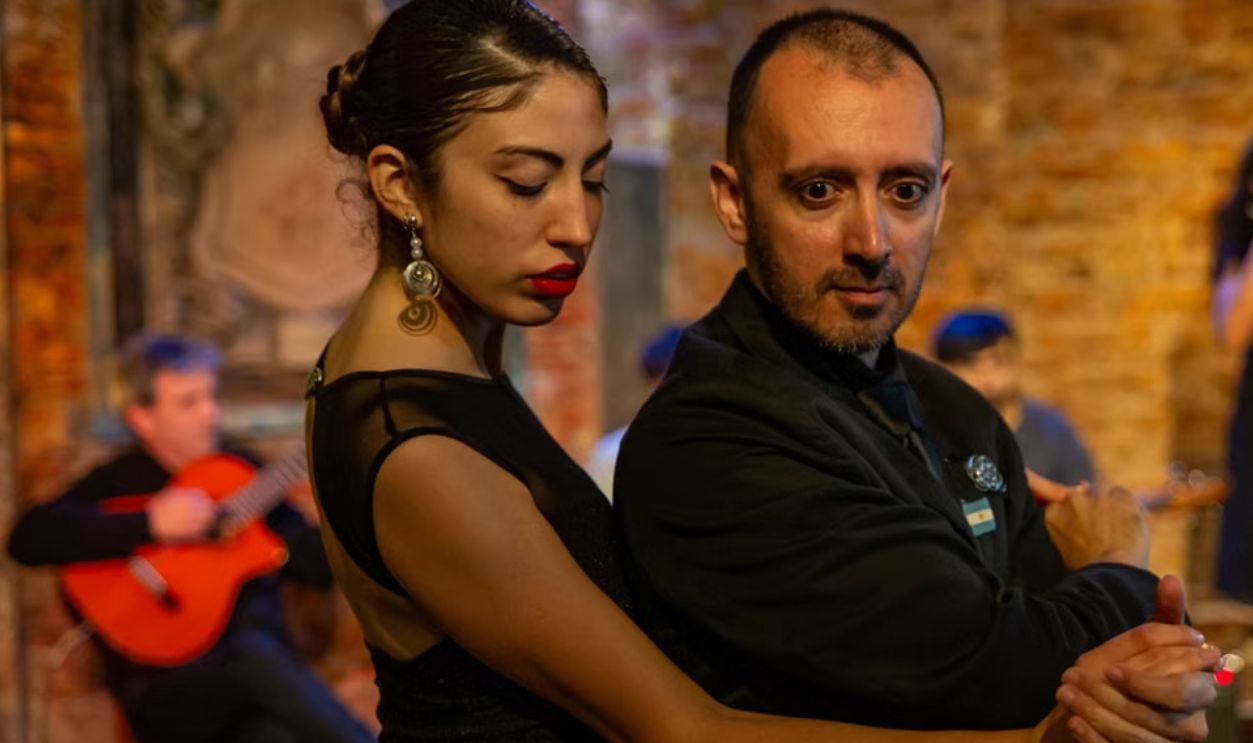
A dramatic tango performance, complete with elegant costumes and elaborate choreography, is a popular way to spend an evening in Buenos Aires. These productions showcase a genuine Argentine cultural tradition, but professional stage performances differ from ordinary social dancing. The city also has an active network of neighborhood milongas, where people gather to dance and sometimes take lessons. Visitors interested in the social side of tango can explore those gatherings rather than relying exclusively on dinner shows.
Wearing Lederhosen Every Day In Germany
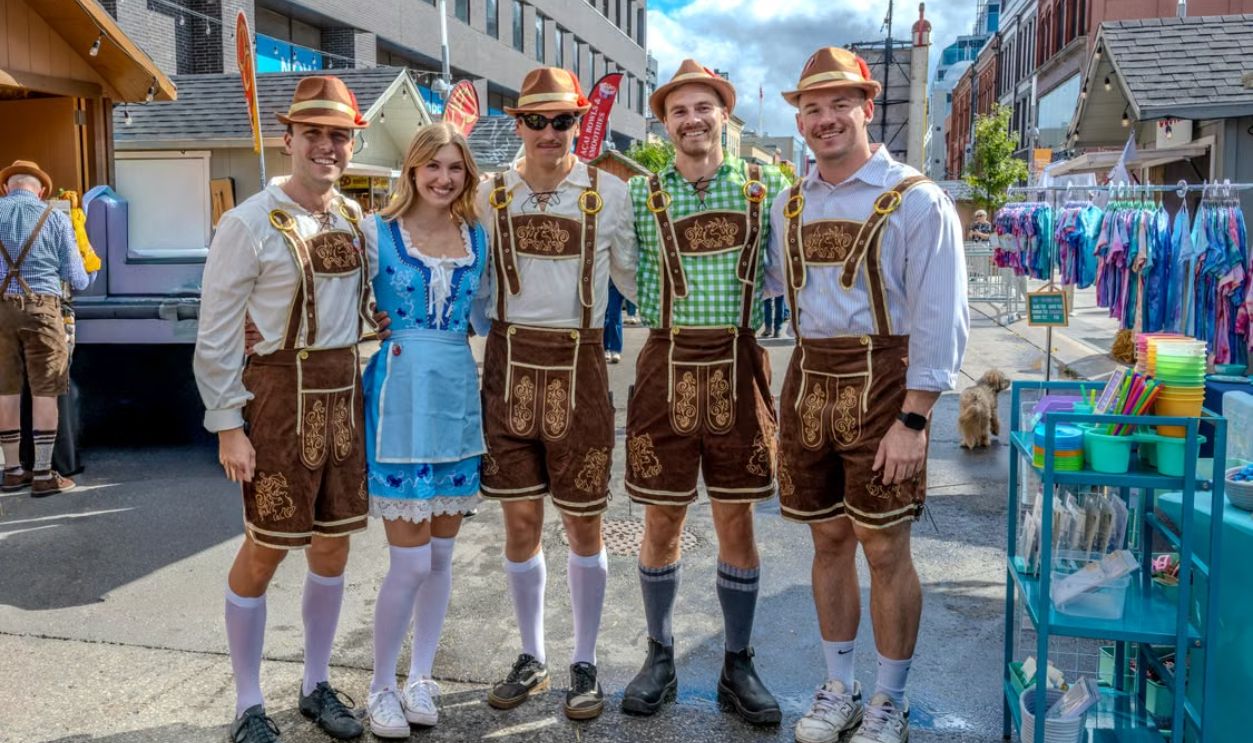
Tourists visiting Munich often picture locals spending their days in lederhosen and colorful dirndls. Traditional Bavarian clothing remains culturally important, especially during Oktoberfest, folk festivals, and other celebrations. However, Munich's official tourism website explains that residents generally wear ordinary modern clothing to work, university, and cafés. Dressing in traditional attire can be a wonderful festival experience, but it is hardly the standard wardrobe for everyday life.
Dressing In A Kimono Around Japan
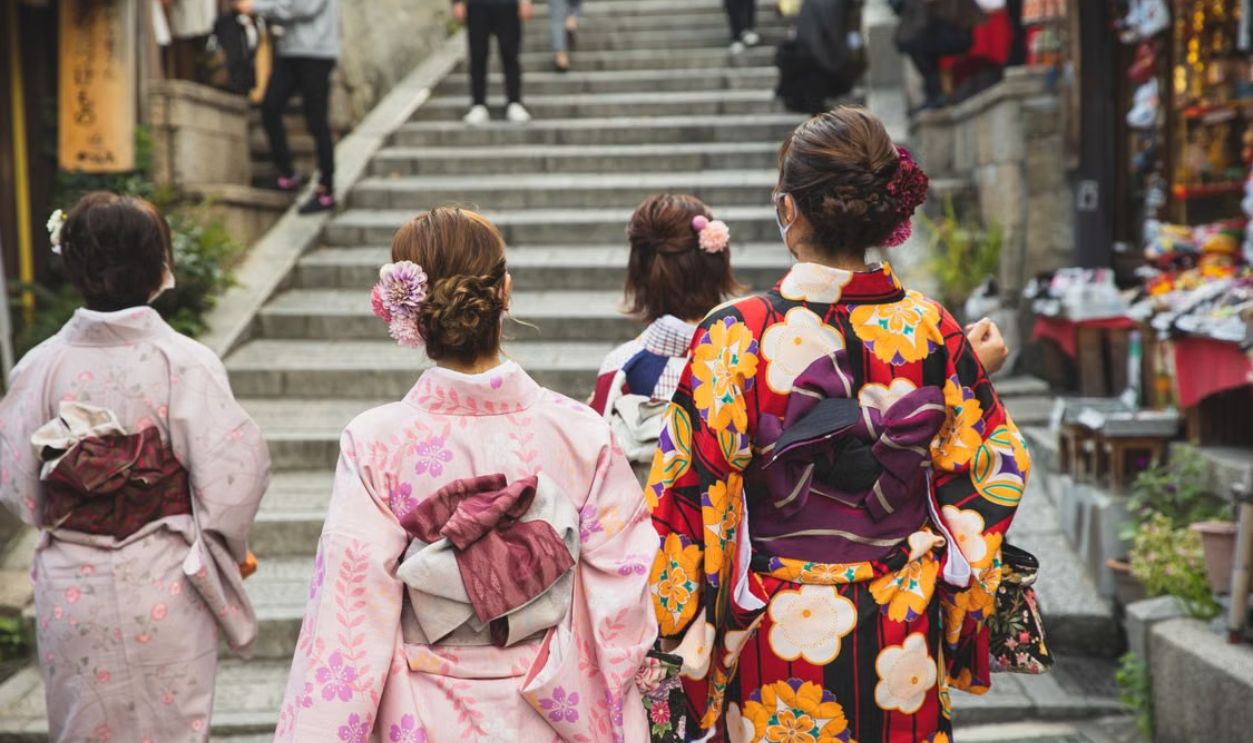
Renting a beautiful kimono and strolling through Kyoto's historic streets has become a popular tourist activity. Traditional Japanese clothing remains significant, but formal kimono are generally reserved for ceremonies, celebrations, and certain cultural activities. Visitors wearing rented outfits may therefore encounter more similarly dressed tourists than residents going about their daily routines. The experience can still be meaningful when approached with respect for the garment's history and appropriate ways of wearing it.
Celebrating Cinco De Mayo In Mexico
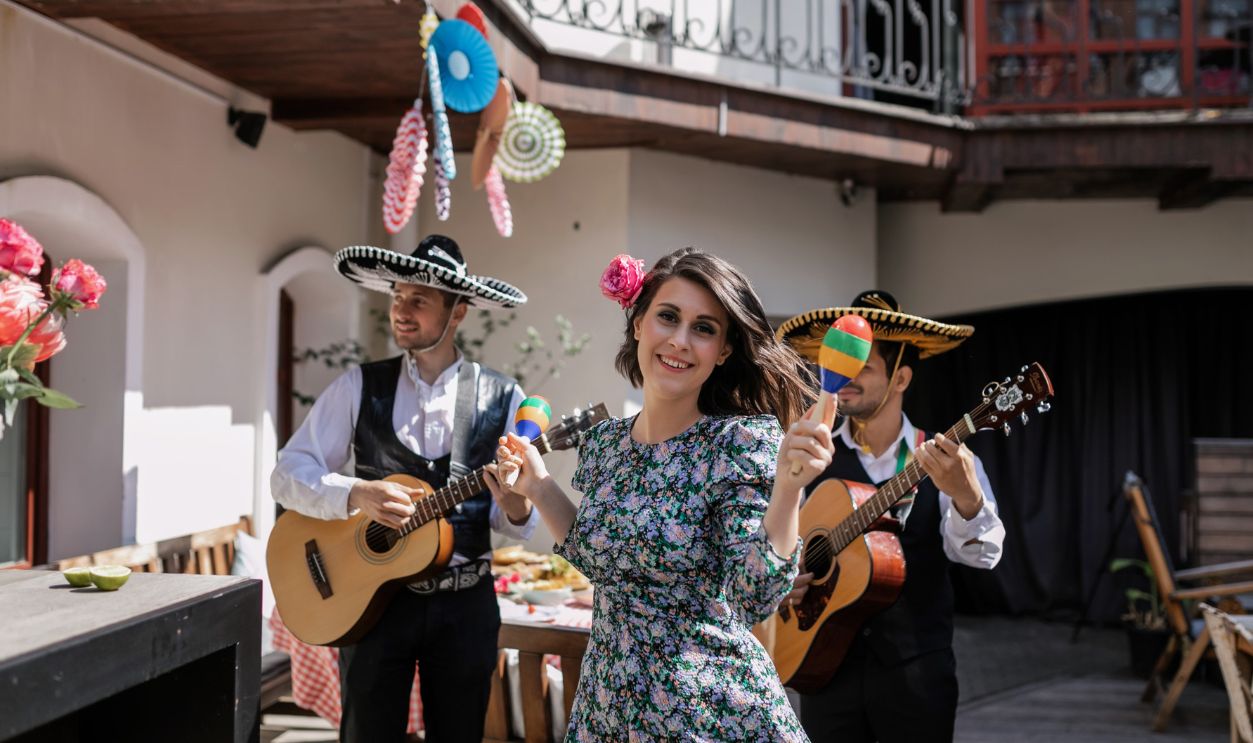
Some travelers assume Cinco de Mayo is Mexico's biggest national celebration, complete with enormous parties and margaritas everywhere. The holiday actually commemorates the Mexican victory over French forces at the Battle of Puebla in 1862. Celebrations are especially associated with Puebla, while the occasion receives much less attention across many other parts of Mexico. Mexican Independence Day, celebrated in September, has far greater nationwide significance.
Wearing Kilts Around Scotland
Scotland's tourism imagery frequently features men wearing tartan kilts against dramatic Highland scenery. Kilts are a genuine expression of Scottish heritage and remain popular for weddings, formal events, and certain cultural celebrations. However, most Scottish residents do not dress this way for ordinary activities like shopping or commuting. Visitors can appreciate the tradition without assuming that traditional Highland dress represents everyday Scottish fashion.

Wearing Berets Around Paris
Movies and souvenir shops have helped create the familiar image of a Parisian wearing a beret while carrying a baguette. The beret has historical associations with France, but it has never been universal everyday headwear across the country. Modern Parisian fashion is considerably more varied than this recognizable tourist stereotype suggests. A beret makes a charming souvenir, although wearing one will not automatically make anyone blend into the local crowd.

Eating Paella For Dinner In Spain
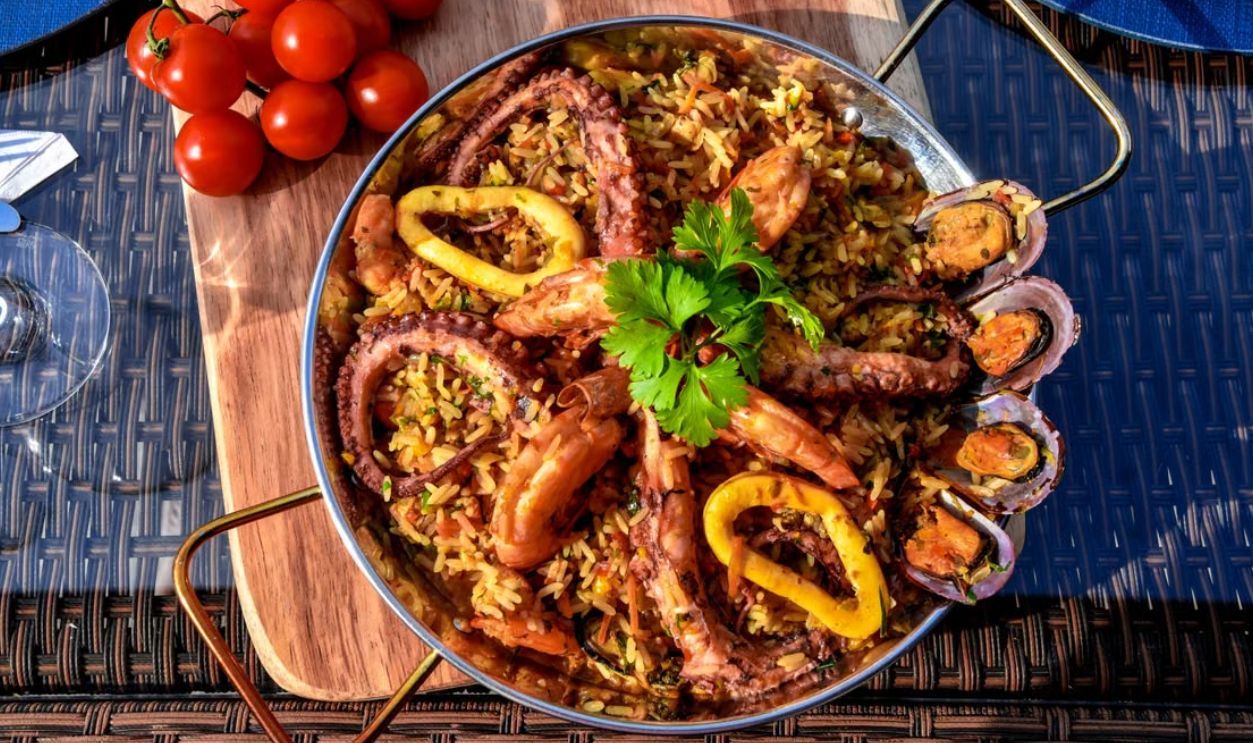
Visitors to Spain often imagine finishing a sightseeing day with a huge pan of paella at a restaurant overlooking a famous square. Paella has deep roots in Valencia, where it developed as a regional rice dish rather than a universal Spanish dinner. Traditionally, it is more closely associated with midday meals and shared gatherings than late-night dining. Travelers hoping to appreciate its culinary heritage should look beyond restaurants that serve identical versions of the dish throughout the day.
Ordering Cappuccino After Every Italian Meal
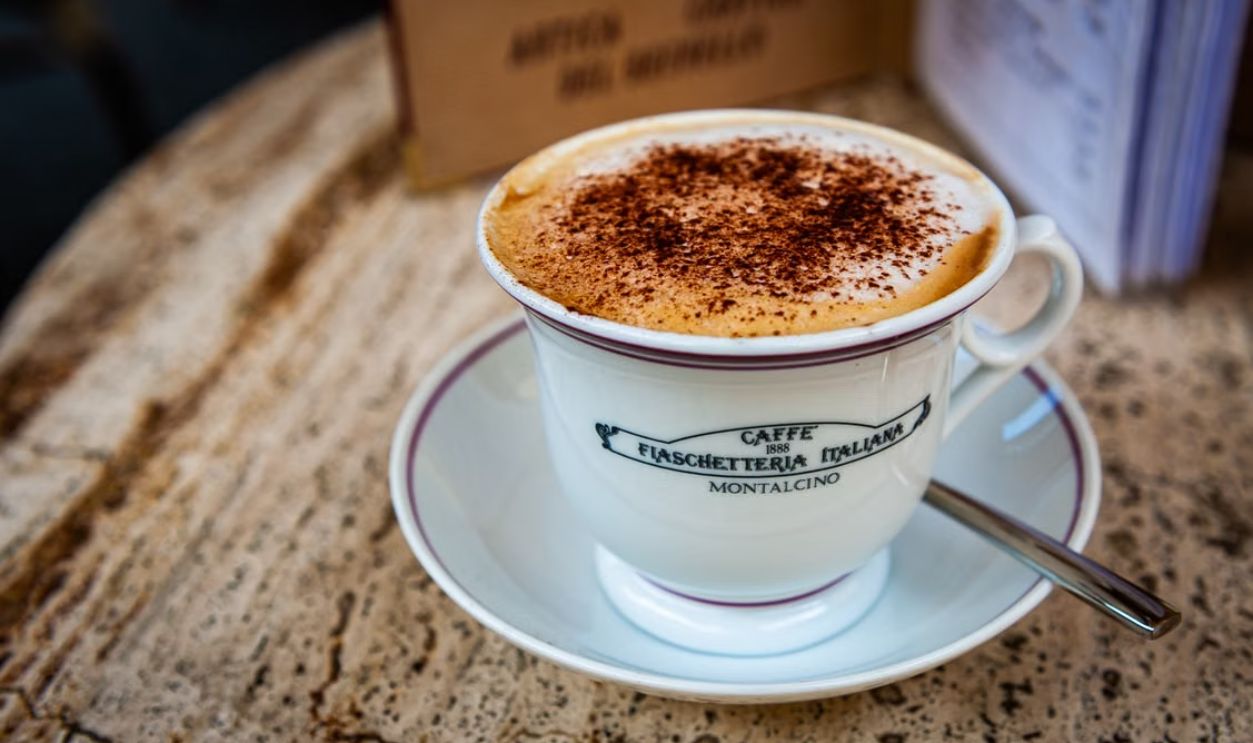
A cappuccino seems like the perfect finishing touch to any Italian restaurant experience. However, Italian coffee customs generally associate cappuccino with breakfast or the morning rather than the end of lunch or dinner. After a meal, a small espresso is a more conventional choice. There is nothing wrong with ordering your favorite coffee whenever you want, but the timing might reveal that you are following a tourist's schedule rather than a local routine.
Traditional Luaus Every Night In Hawaii
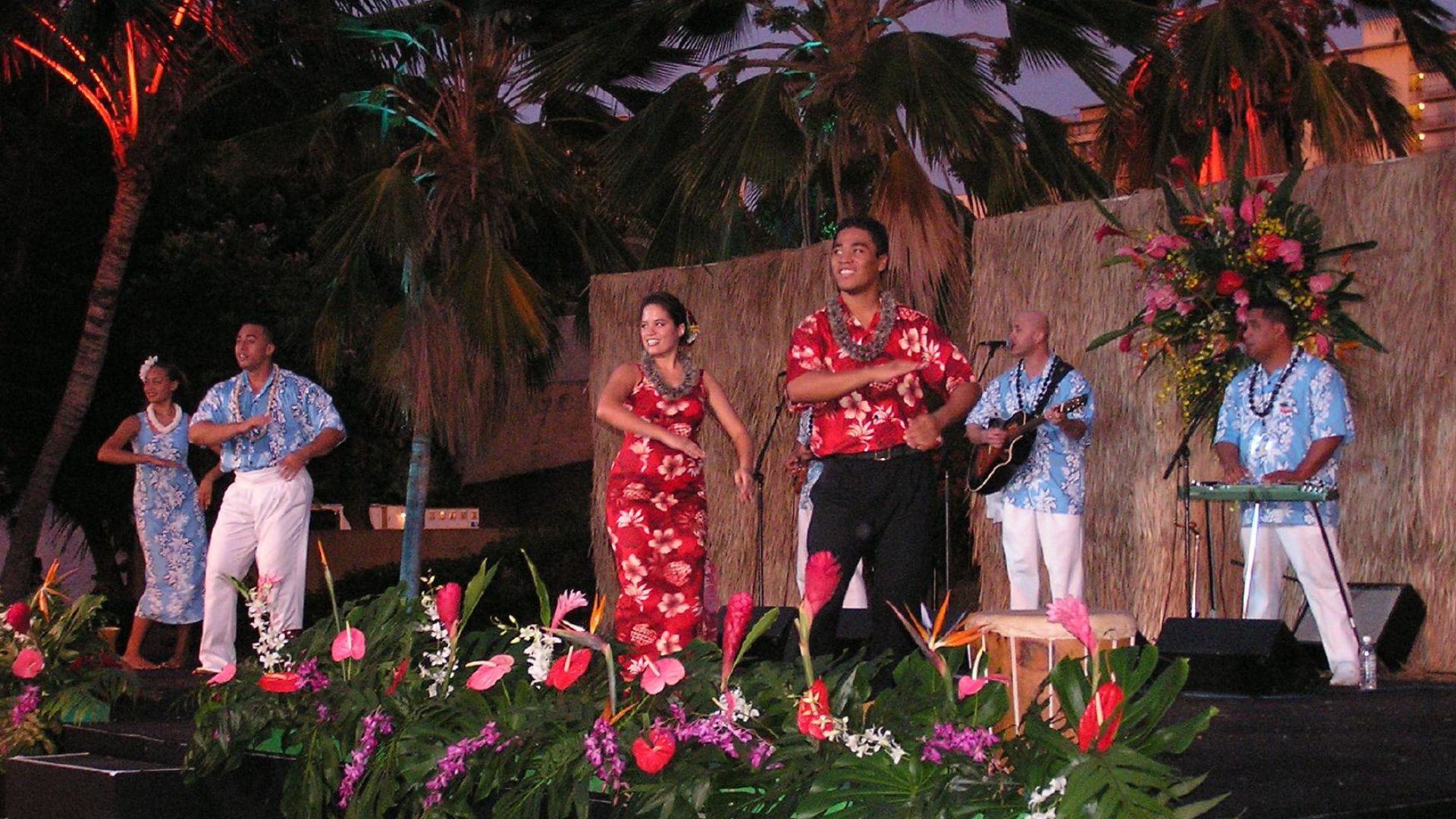
Many Hawaiian resorts advertise elaborate luaus featuring music, dancing, and enormous buffets. These celebrations have genuine cultural roots, although modern commercial productions often combine Hawaiian traditions with performances from elsewhere in Polynesia. Family luaus can also look very different from the choreographed shows arranged for vacationers. The official Hawaii tourism website acknowledges this distinction, making it worth learning about the specific traditions represented in any performance.
 Shawn Lea from Jackson, MS, US, Wikimedia Commons
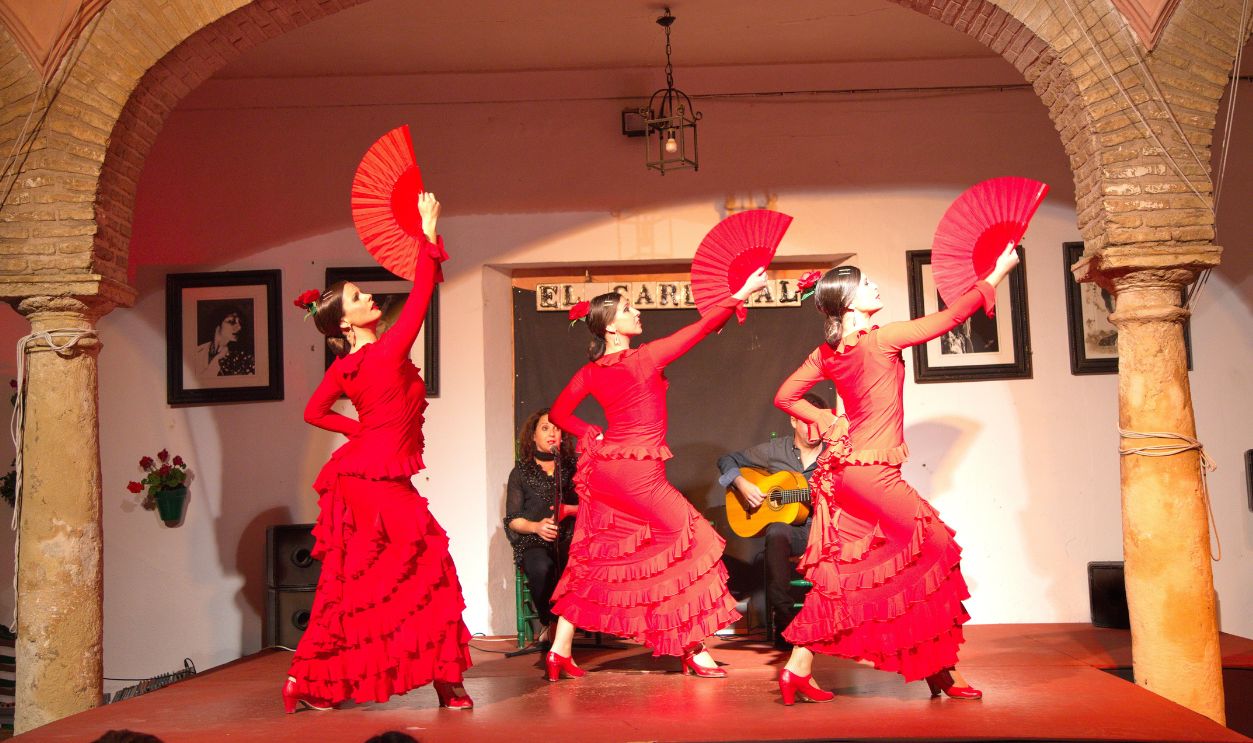
Flamenco Dinner Shows In Spain
A candlelit restaurant filled with passionate flamenco dancers seems like the ultimate Spanish evening. Flamenco is a deeply rooted cultural art form, particularly associated with Andalusia, but ticketed performances are only one way to experience it. Traditional flamenco also exists in cultural associations, specialized venues, and community gatherings. Travelers should remember that Spain has diverse regional identities, and flamenco is not the everyday entertainment of every Spanish household.
Irish Pubs With Performances Every Night
Tourists arriving in Dublin often expect every traditional pub to feature nonstop fiddle music and lively singalongs. Ireland has a rich musical heritage, and genuine traditional sessions remain an important part of that culture. However, scheduled entertainment packages designed for visitors are different from informal gatherings where musicians play together socially. Exploring pubs with established local music communities can reveal a more spontaneous side of Irish musical life.
 Edu Mangas, Shutterstock, Modified
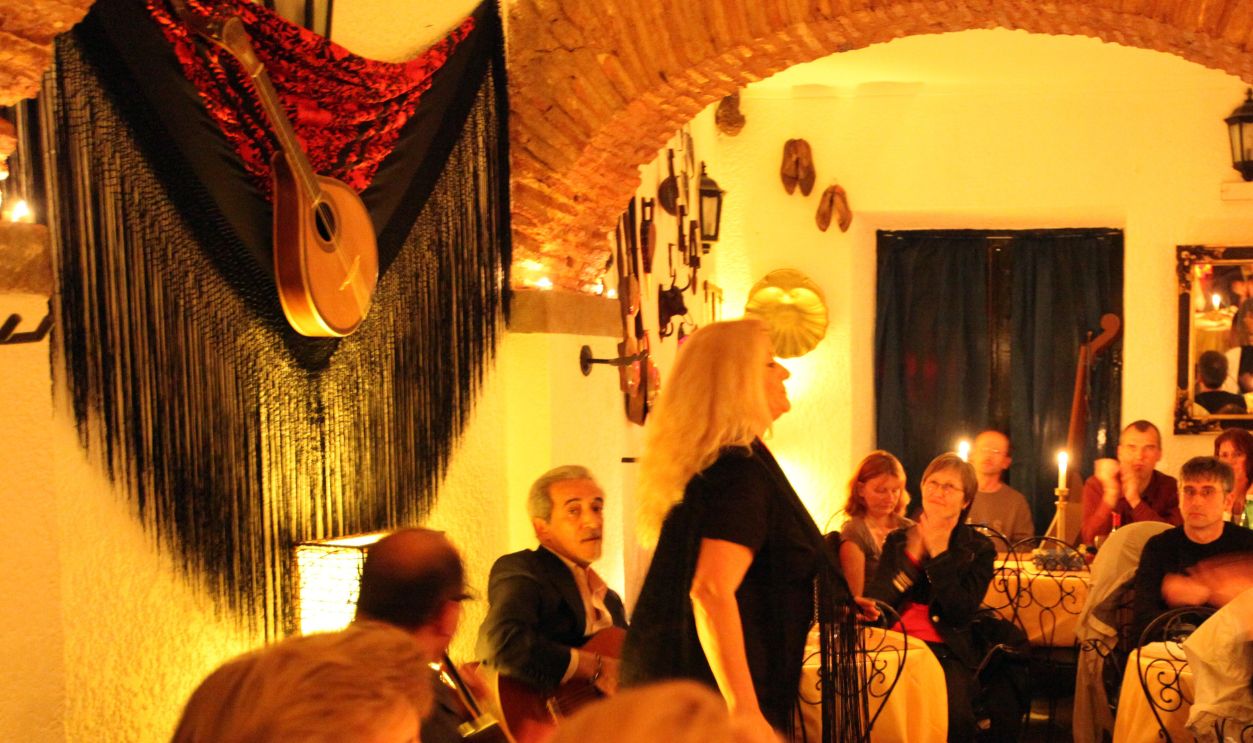
Fado Dinners In Lisbon
Lisbon's fado dinner shows promise an atmospheric evening of traditional Portuguese singing. Fado is a genuine cultural tradition that developed in Lisbon's neighborhoods and remains closely connected to the city's identity. Portugal's cultural heritage authorities distinguish between professional performances in fado houses and amateur singing within community associations. Visitors who want to understand the music more deeply can explore its neighborhood history rather than experiencing it only as restaurant entertainment.
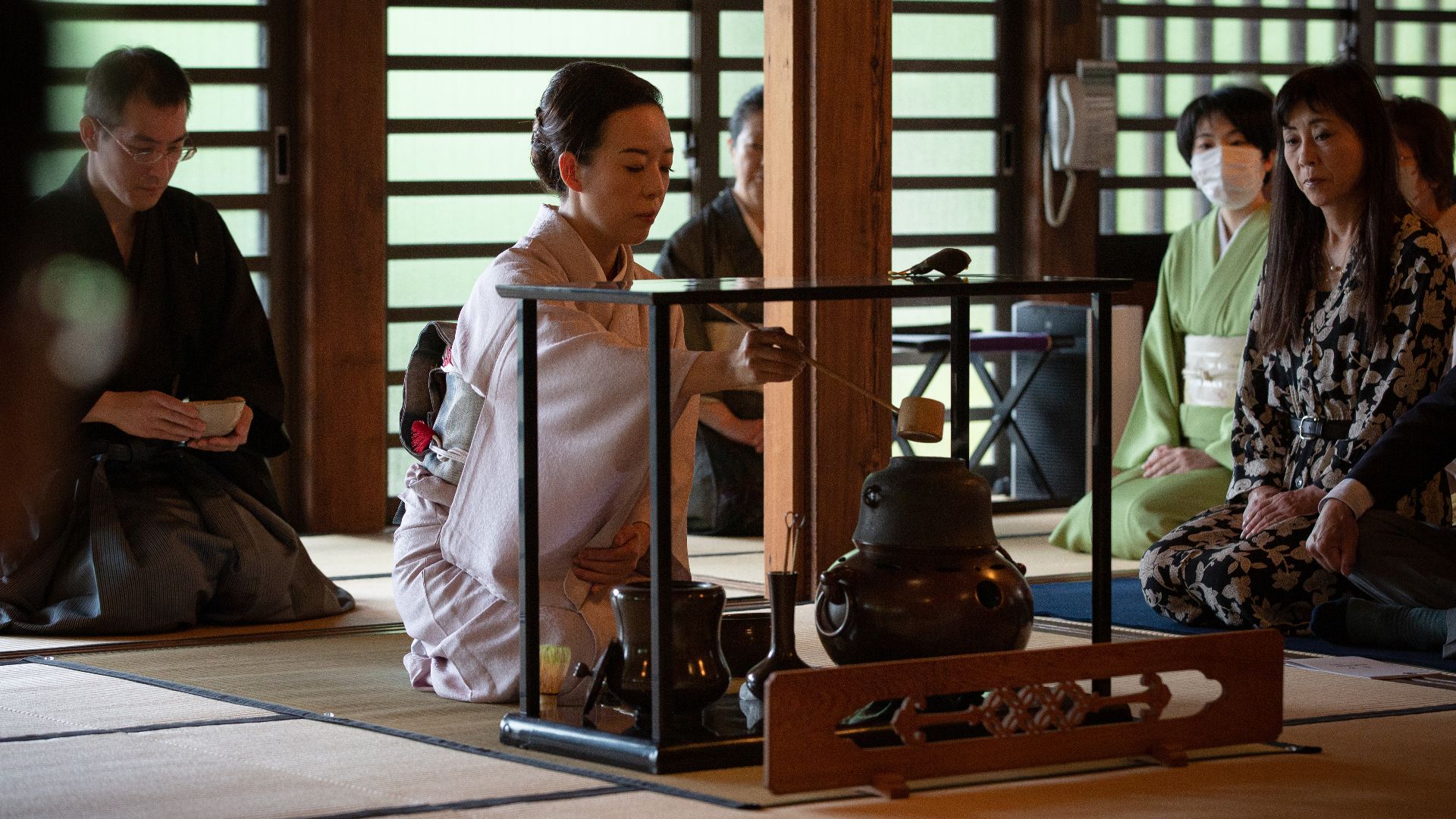
The Perfectly Traditional Japanese Tea Ceremony
A formal tea ceremony is often presented to visitors as an essential experience of Japanese culture. The practice involves specialized preparation, etiquette, and an appreciation of hospitality that goes far beyond simply drinking tea. However, participating in a formal ceremony is different from the ordinary ways Japanese residents enjoy tea at home or during work. Visitors can appreciate the ritual as a traditional art without assuming it represents everyone's daily tea break.
Riding Camels Around The Egyptian Pyramids
Camel rides near the pyramids of Giza offer travelers a dramatic scene that resembles historic desert imagery. Camels have a genuine place in the region's transportation history, but sightseeing rides around famous archaeological monuments are primarily visitor experiences today. Modern Cairo operates through contemporary roads, public transportation, and ordinary urban routines. The ride can provide a memorable view, although it should not be confused with the daily transportation habits of Cairo residents.

Eating At Tourist Restaurants Near Famous Landmarks
Restaurants overlooking major monuments often promise an authentic local dining experience. Their menus may feature recognizable regional dishes, but the location, prices, and service can be shaped heavily by visitor demand. Residents often have different priorities when choosing where to eat, including convenience, familiarity, and value. Exploring neighborhood restaurants away from the busiest sightseeing routes can offer another perspective on a city's food culture.
Shopping For Souvenirs In Historic Markets
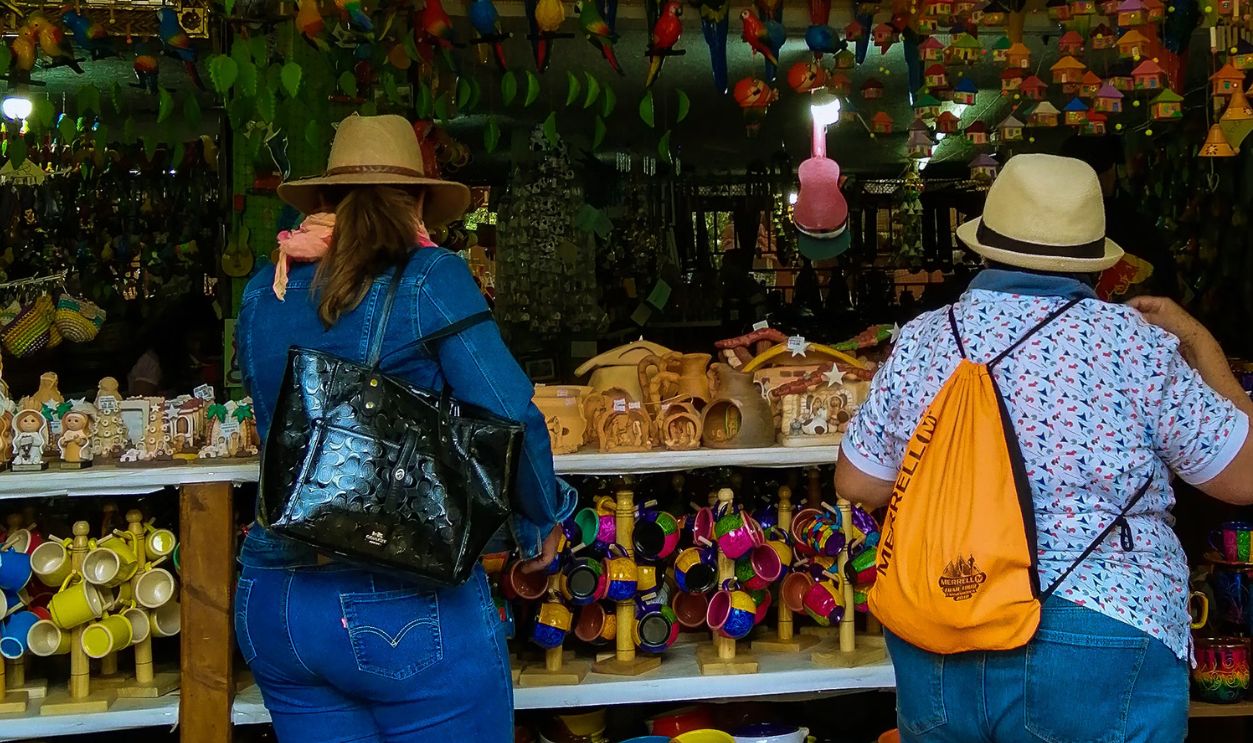
Colorful markets filled with traditional crafts can feel like windows into a destination's everyday commercial life. Some markets genuinely preserve generations of craftsmanship, while others increasingly cater to visitors purchasing decorative objects and souvenirs. The distinction matters because a traditional-looking product is not necessarily something local households regularly use. Travelers interested in contemporary local shopping habits can also visit ordinary food markets and neighborhood retail streets.
Wearing Hanbok Around Seoul
Visitors to Seoul frequently rent traditional Korean hanbok before exploring historic royal palaces. The colorful clothing has genuine cultural significance, but Seoul's official tourism website explains that hanbok is rarely worn in everyday life. Residents generally reserve traditional garments for holidays, weddings, and other special occasions, although modern adaptations also exist. Renting one can be an enjoyable cultural experience without representing how most Seoul residents dress each morning.
 Elizaveta Galitckaia, Shutterstock
Watching Whirling Dervishes In Turkey
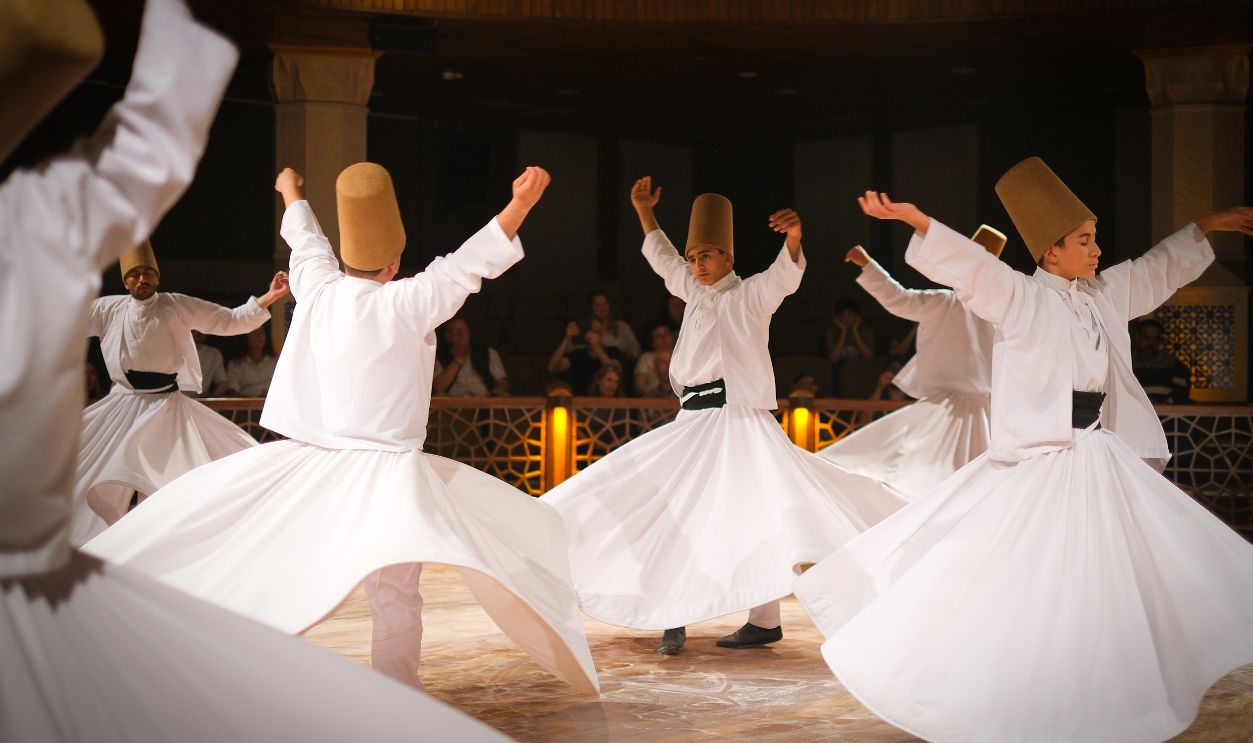
The mesmerizing sight of performers spinning in flowing white garments is often advertised as a Turkish cultural attraction. The Mevlevi Sema ceremony, however, originated as a spiritual practice within a Sufi religious order. UNESCO has documented how some performances have been shortened or adapted for tourist audiences, separating them from their original religious context. Visitors who understand that background can appreciate the ceremony as more than an impressive visual spectacle.
Staying In A Traditional Japanese Ryokan
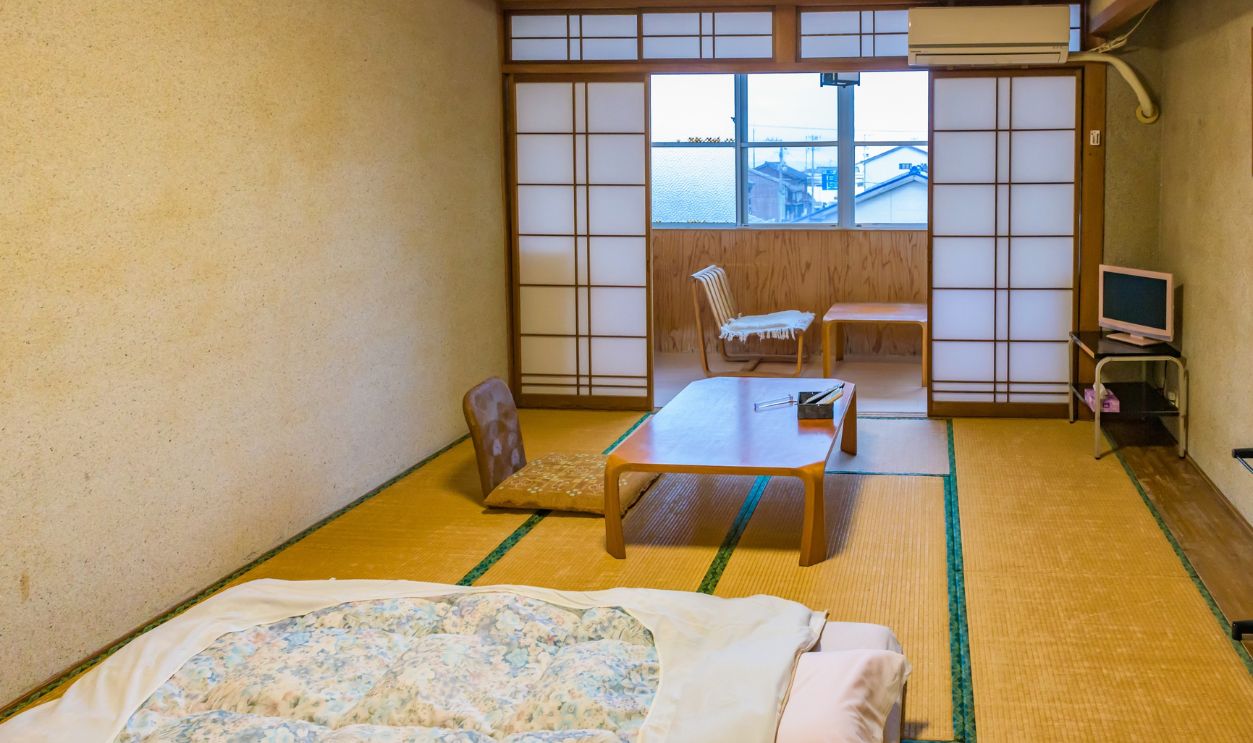
Sleeping on a futon in a tatami room and enjoying an elaborate seasonal dinner can feel like stepping into traditional Japanese domestic life. Ryokan are genuine Japanese inns that preserve important hospitality customs, and they are popular with Japanese travelers as well as international visitors. However, their carefully arranged meals, bathing facilities, and guest services are not equivalent to an ordinary family's nightly routine. A ryokan stay is better understood as a special hospitality experience that highlights selected traditions.
Eating Elaborate Sushi Tasting Menus In Japan
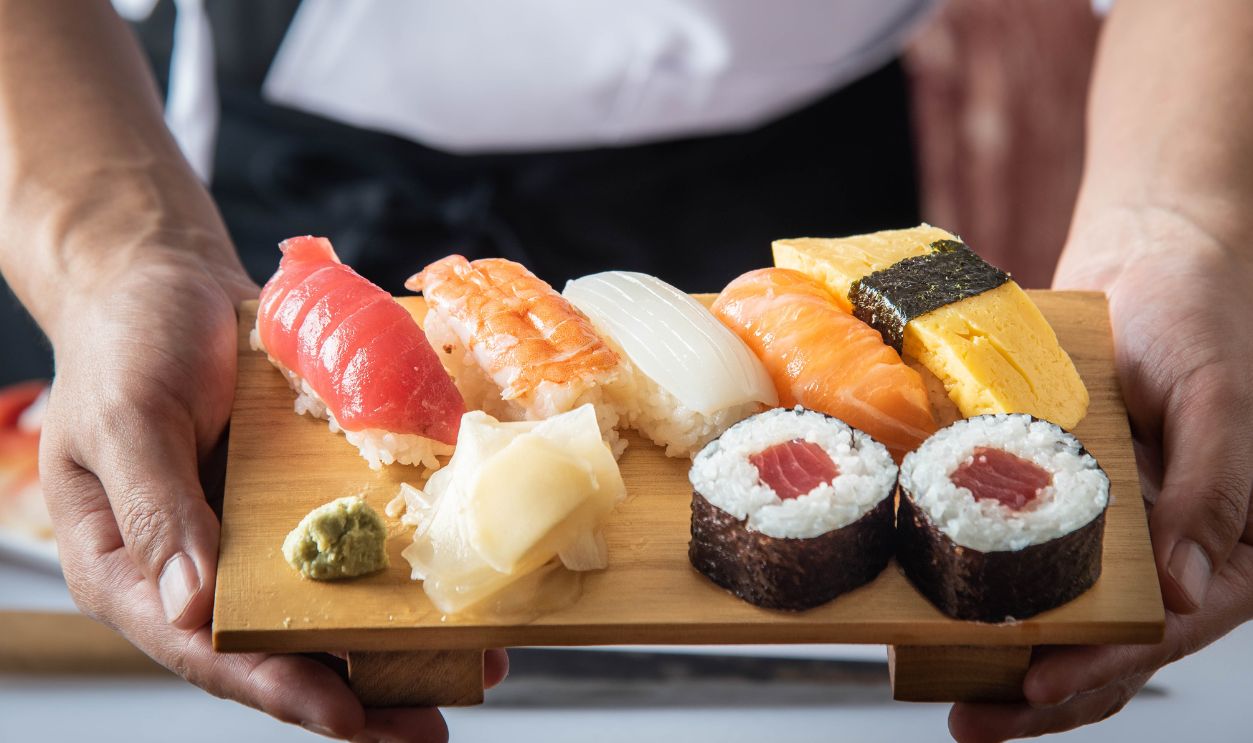
Tourists sometimes imagine that Japanese residents regularly enjoy beautifully presented sushi prepared one piece at a time by an expert chef. High-end sushi counters are a legitimate part of Japanese dining culture, but they represent only one end of a broad culinary spectrum. Japan's national tourism organization also highlights inexpensive conveyor-belt sushi restaurants, supermarkets, and neighborhood establishments. Trying different styles can reveal much more about Japanese food culture than focusing exclusively on luxury dining.
Expecting Every Irish Pub To Look Historic
Dark wooden interiors, antique signs, and traditional furnishings create the familiar image of an Irish pub. Some establishments genuinely preserve historic features, while others emphasize nostalgic styling that appeals to visitors. Ireland's pub culture also includes contemporary neighborhood bars and music venues that do not fit the classic postcard image. The atmosphere of a place can be enjoyable without serving as proof that it represents every aspect of local social life.

Expecting Every Traditional Performance To Be Spontaneous
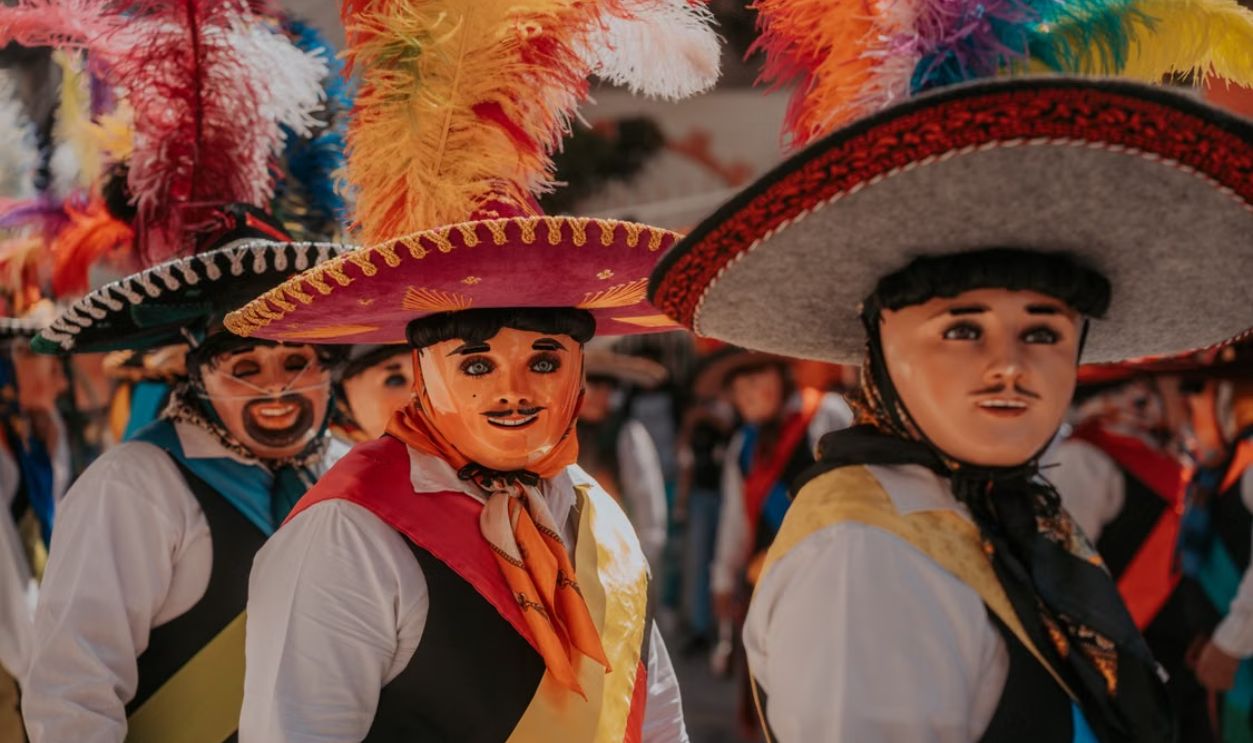
Tourist attractions frequently advertise cultural performances as opportunities to witness living traditions. These presentations may feature highly skilled artists and historically significant music, clothing, or dance. However, scheduled shows with fixed durations and reserved seating are different from the community settings in which many traditions developed. Learning whether a performance is ceremonial, theatrical, educational, or social can help visitors understand what they are actually watching.
Treating Historic Neighborhoods Like Open-Air Museums
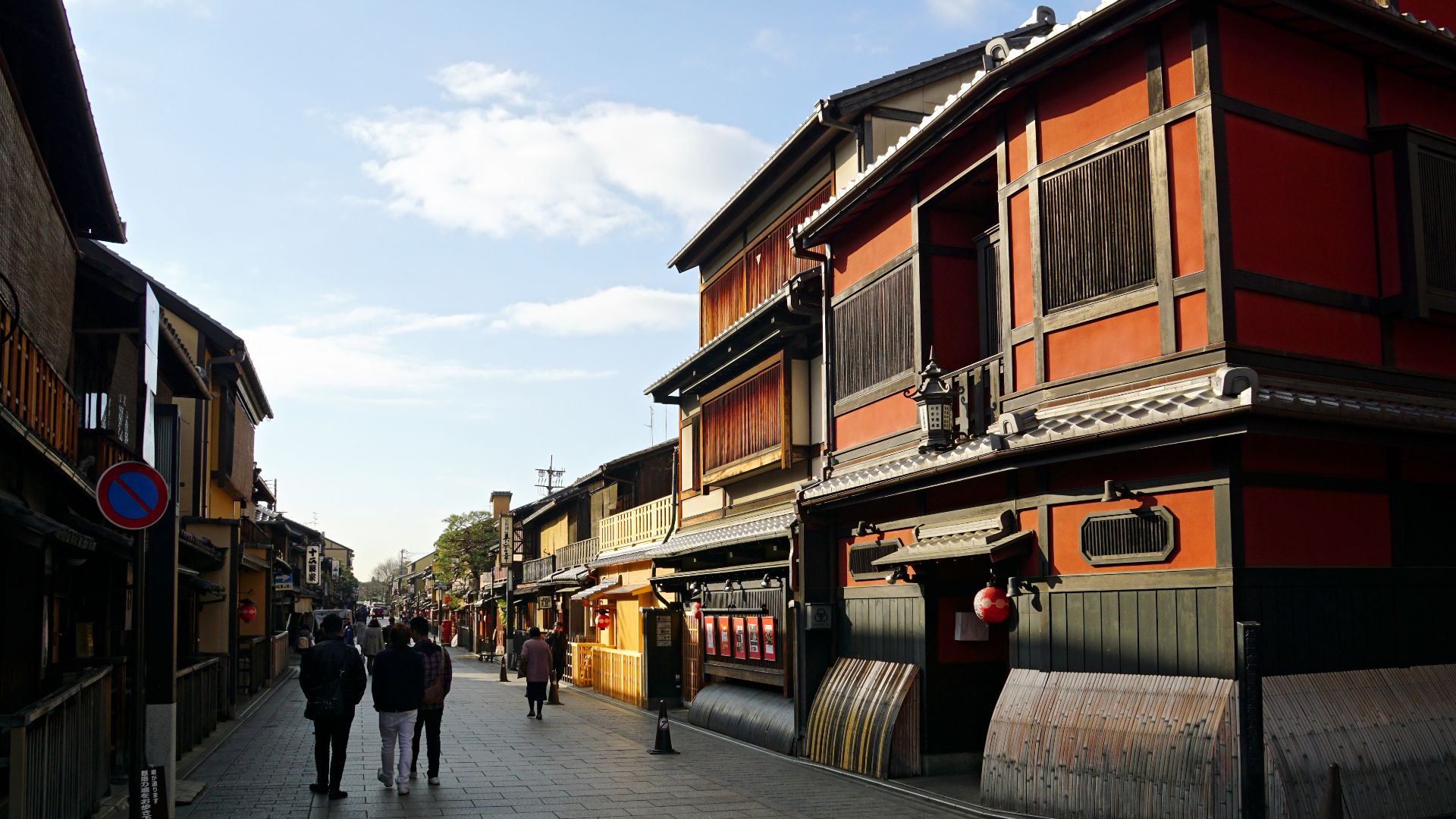
Visitors are naturally drawn to neighborhoods with old buildings, narrow streets, and distinctive architecture. Yet places such as Kyoto's Gion district are not simply preserved sets designed for sightseeing. Kyoto's tourism authorities emphasize that residents live and work in these areas and have introduced rules to discourage disruptive visitor behavior. Respecting private property and local routines is essential when exploring a neighborhood that is both a heritage destination and someone's home.
 663highland, Wikimedia Commons
Assuming Authentic Culture Must Look Old-Fashioned
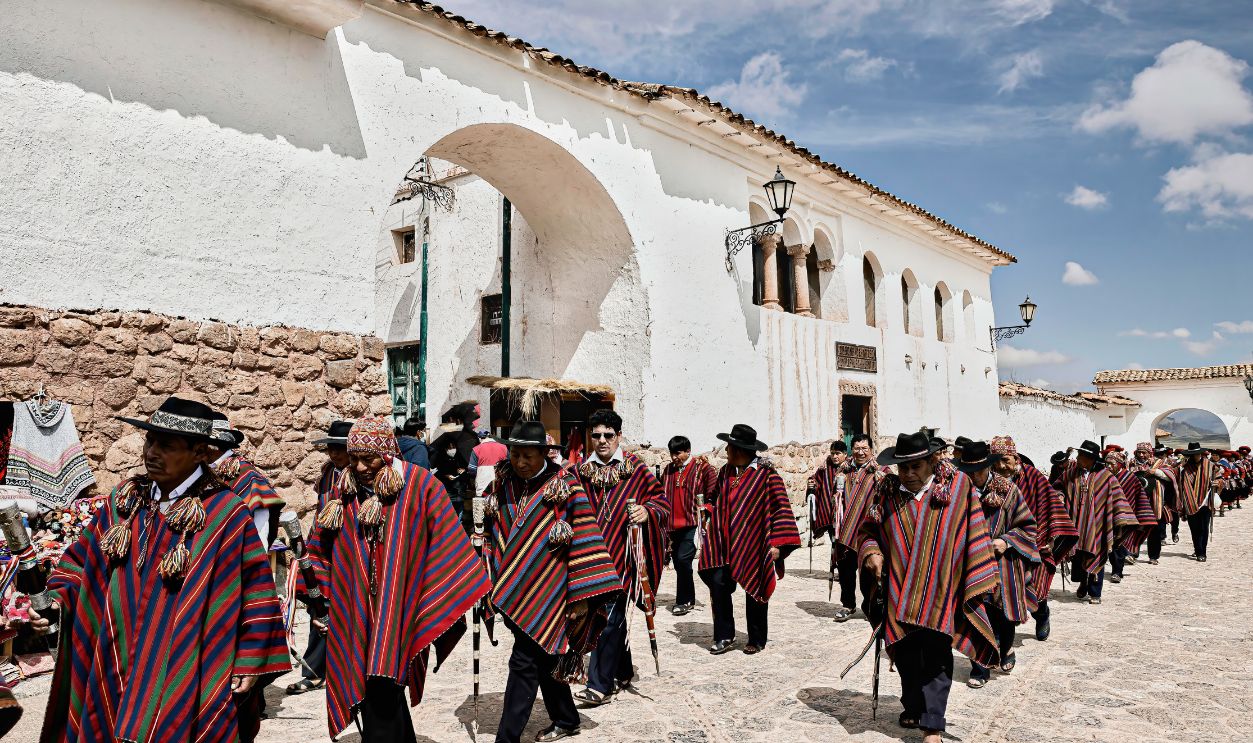
Travel marketing frequently associates authenticity with traditional clothing, historic architecture, and customs that appear unchanged over time. Those traditions can be valuable, but contemporary culture is also shaped by modern workplaces, new restaurants, evolving fashion, and changing social habits. A neighborhood café or ordinary shopping street may reveal something about local life that a carefully staged historical experience cannot. Authenticity is not limited to things that look as though they belong in the past.
Finding The Local Experience Beyond The Tourist Trail
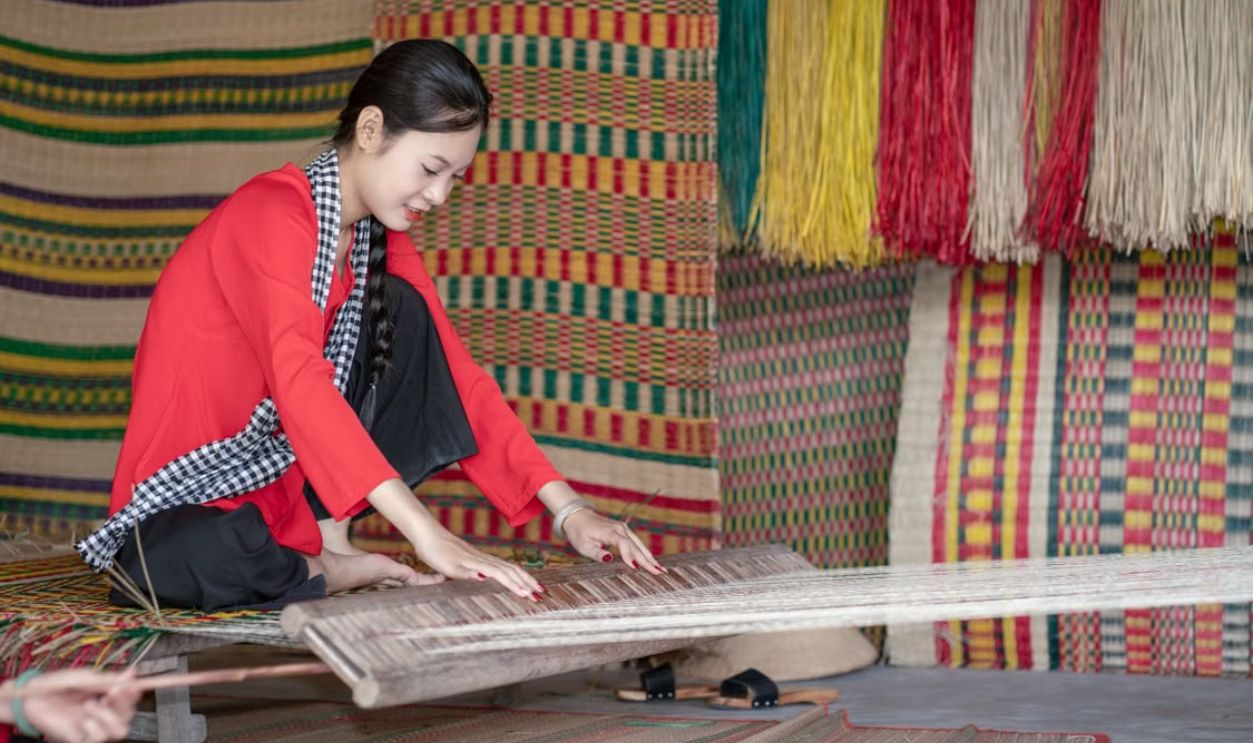
Travelers do not need to abandon famous attractions or traditional performances to have meaningful cultural experiences. The key is understanding whether an activity reflects daily life, preserves a historical tradition, or has been adapted for visitors. Asking thoughtful questions, exploring different neighborhoods, and respecting local customs can make a trip more rewarding. Sometimes the most revealing travel memories come from discovering how people live when nobody is performing for tourists.
You May Also Like:
The American Road Trips That Canadians Are Secretly Jealous Of
Seemingly Normal Things Americans Do That Confuse Visitors From Other Countries