America's Boardwalks Have A Flavor All Their Own
Some American foods are practically inseparable from a day at the beach. From Coney Island hot dogs to Atlantic City's salt water taffy, seaside towns have turned simple snacks into traditions that have lasted generations. Many of the original businesses are still serving vacationers today.
How many of these boardwalk favorites have you tried?
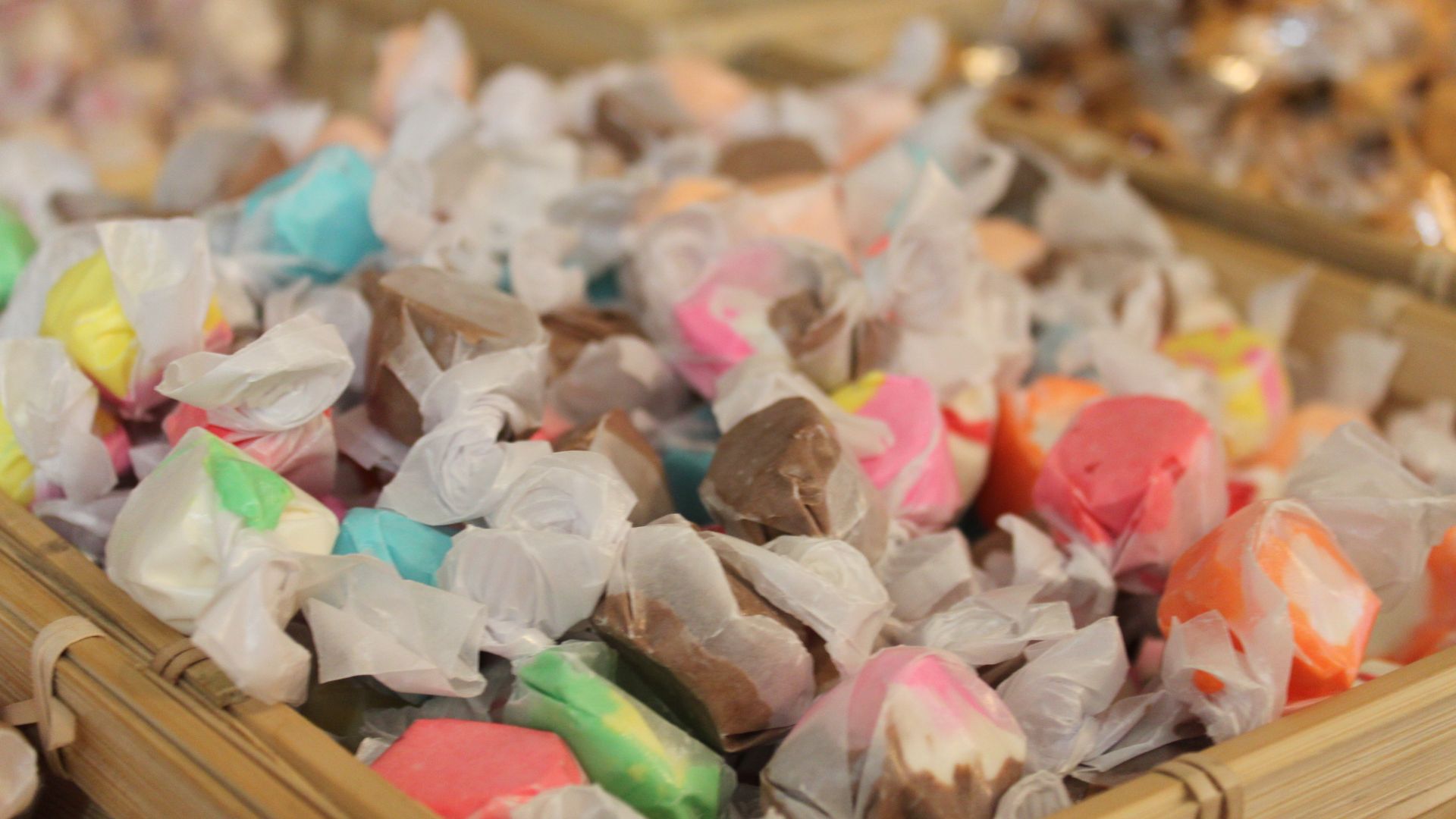
Salt Water Taffy: Atlantic City, New Jersey
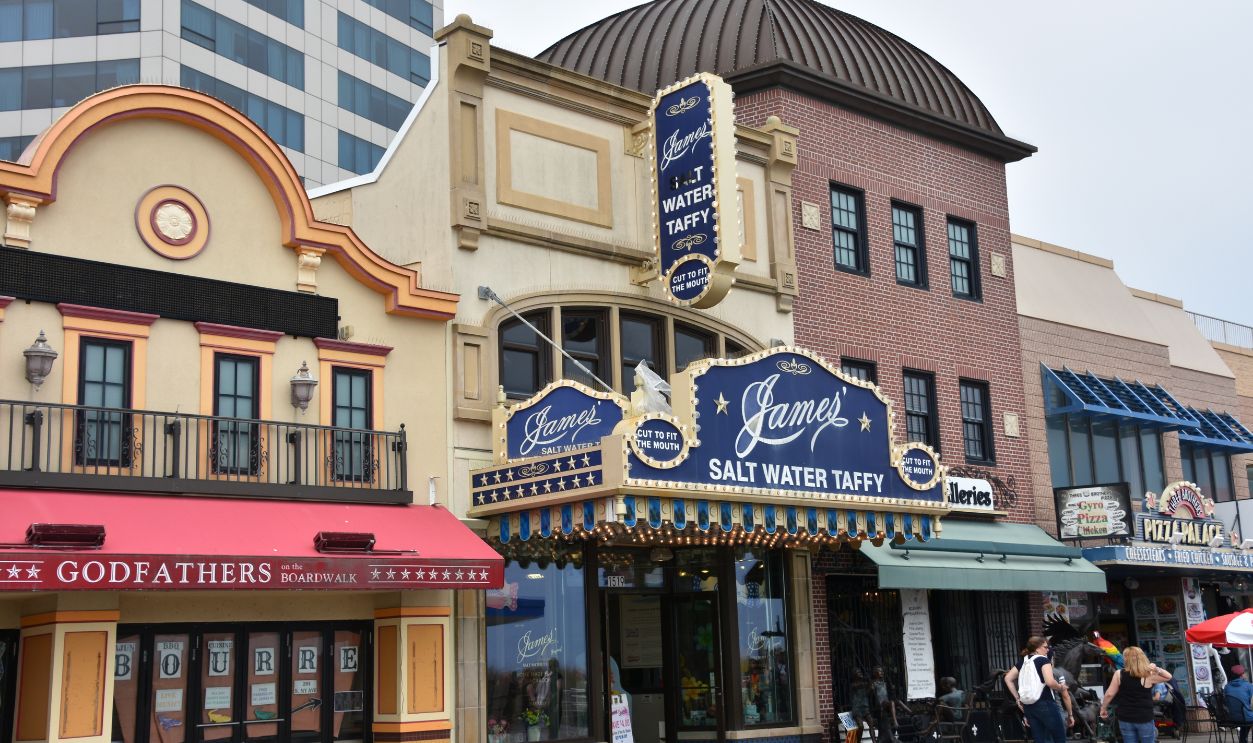
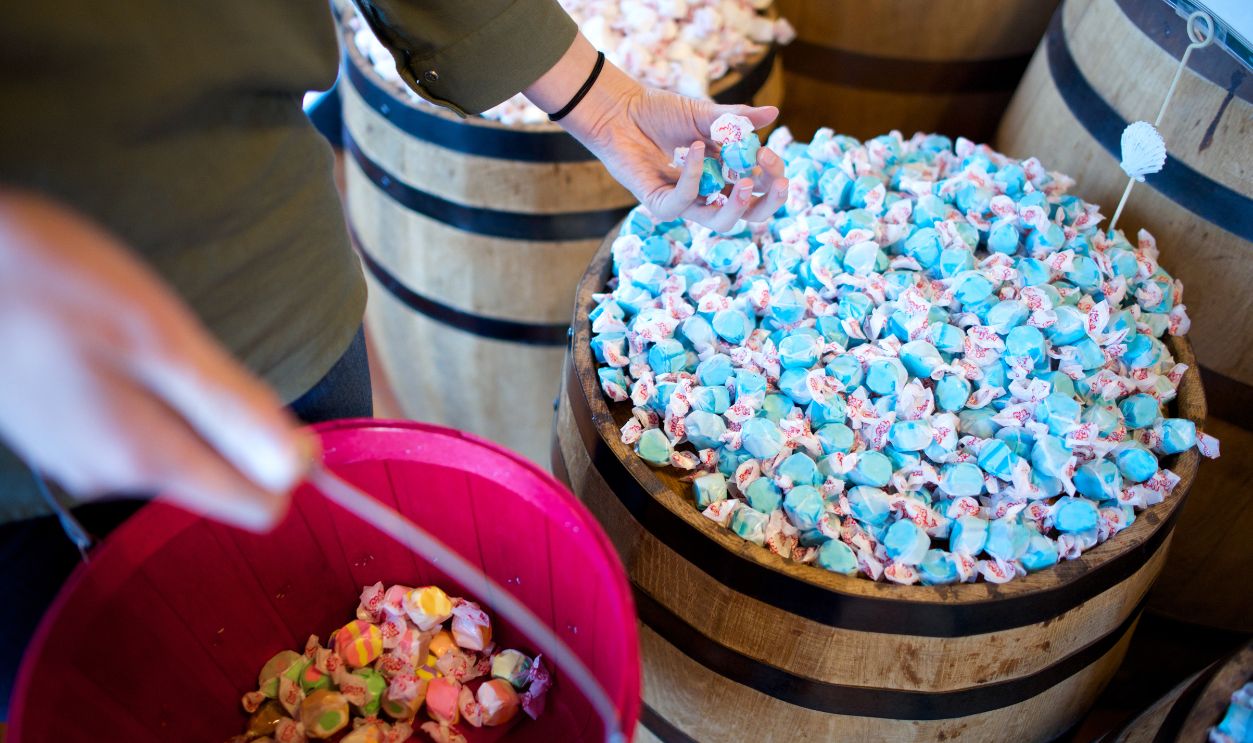
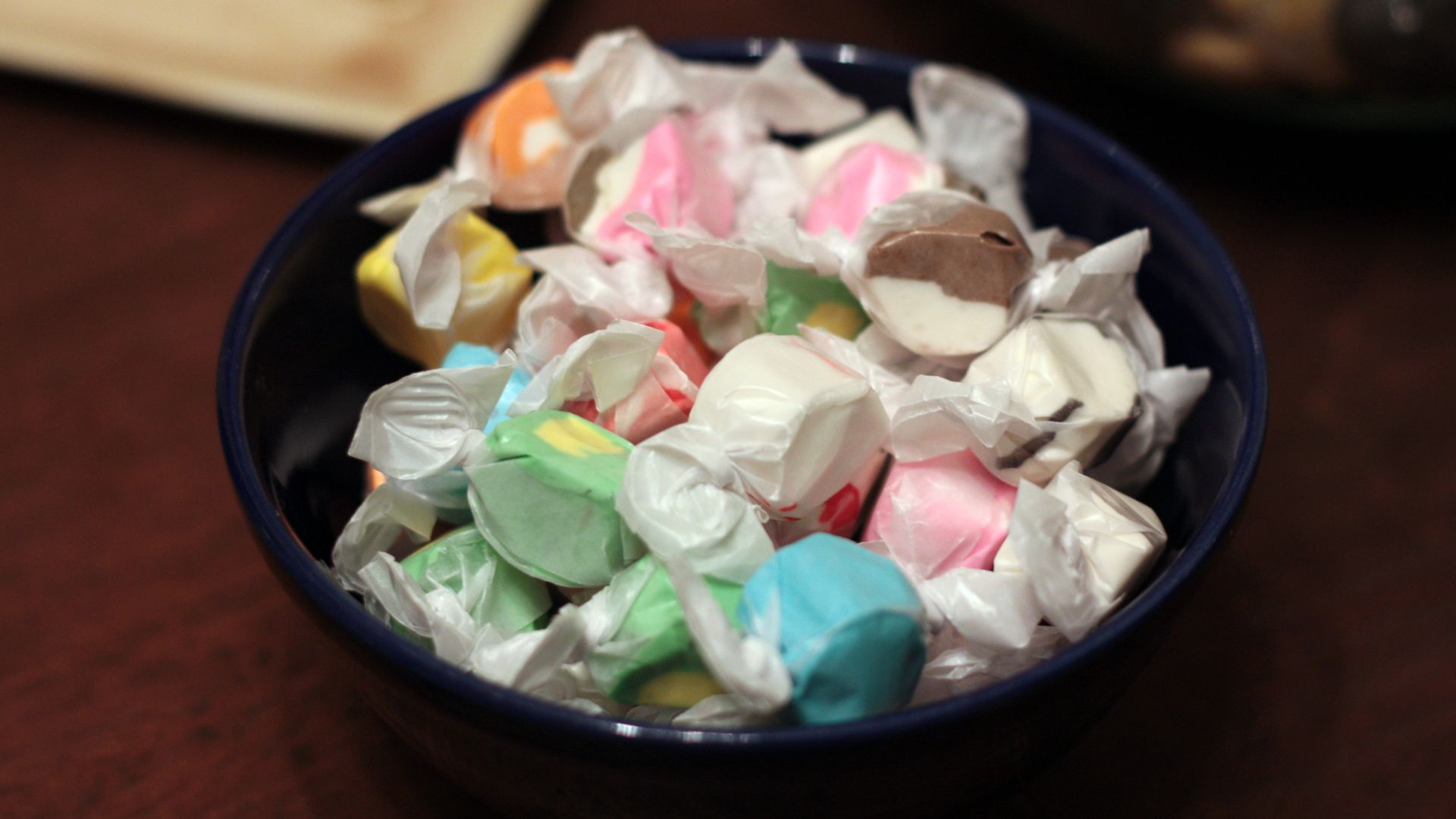
Salt water taffy became an Atlantic City specialty during the 1880s, when the resort's Boardwalk was attracting growing crowds. Candy sellers offered the chewy confection in assorted flavors, creating a popular seaside souvenir. Despite its name, traditional salt water taffy doesn't contain seawater. Its connection to Atlantic City eventually made it famous nationwide.
 Maya83 from Oakland, CA, USA, Wikimedia Commons
The Candy Shop Accident That Became A Legend
According to a popular local legend, candy seller David Bradley accidentally soaked his taffy during a storm in 1883. When a customer visited the following morning, he supposedly joked that he was selling salt water taffy. The story has never been firmly established as fact, but it became part of Atlantic City's folklore. The unusual name helped the candy stand out.
 Ritu Manoj Jethani, Shutterstock
The Sweet That Became A Vacation Souvenir
Atlantic City's first documented taffy sellers included the Ritchie brothers and Windle W. Hollis around 1880. By 1889, Hollis was advertising a business called Original Salt Water Taffy. Other merchants embraced the candy as the resort became increasingly popular. Boxes of taffy offered visitors an easy way to take a little taste of the Boardwalk home.
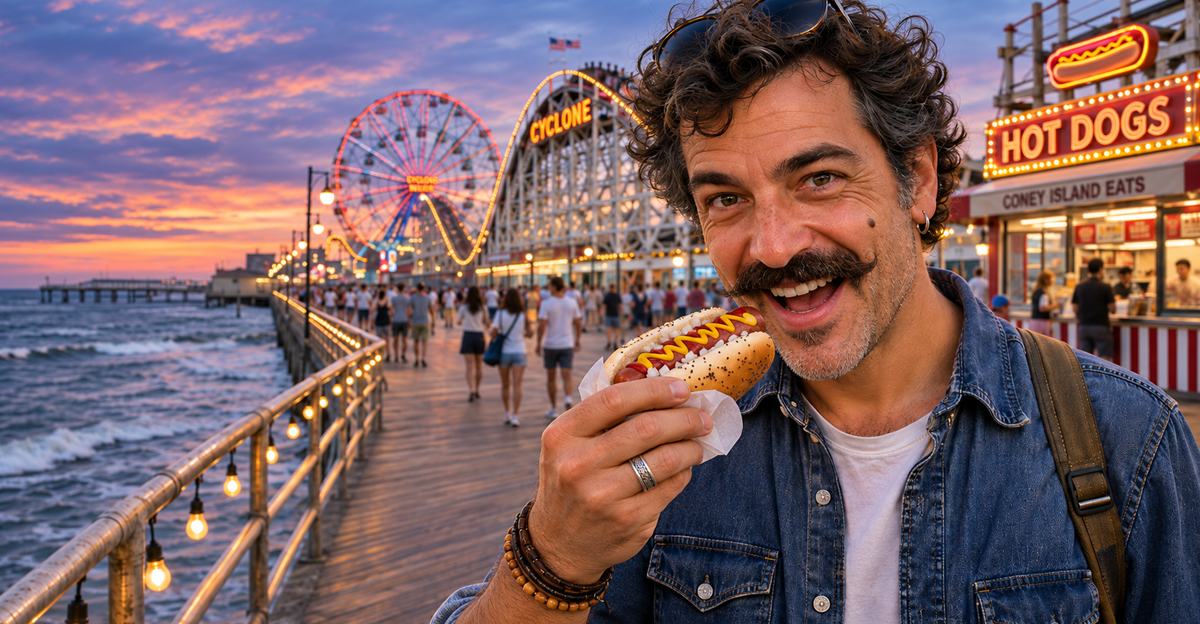
Hot Dogs: Coney Island, New York
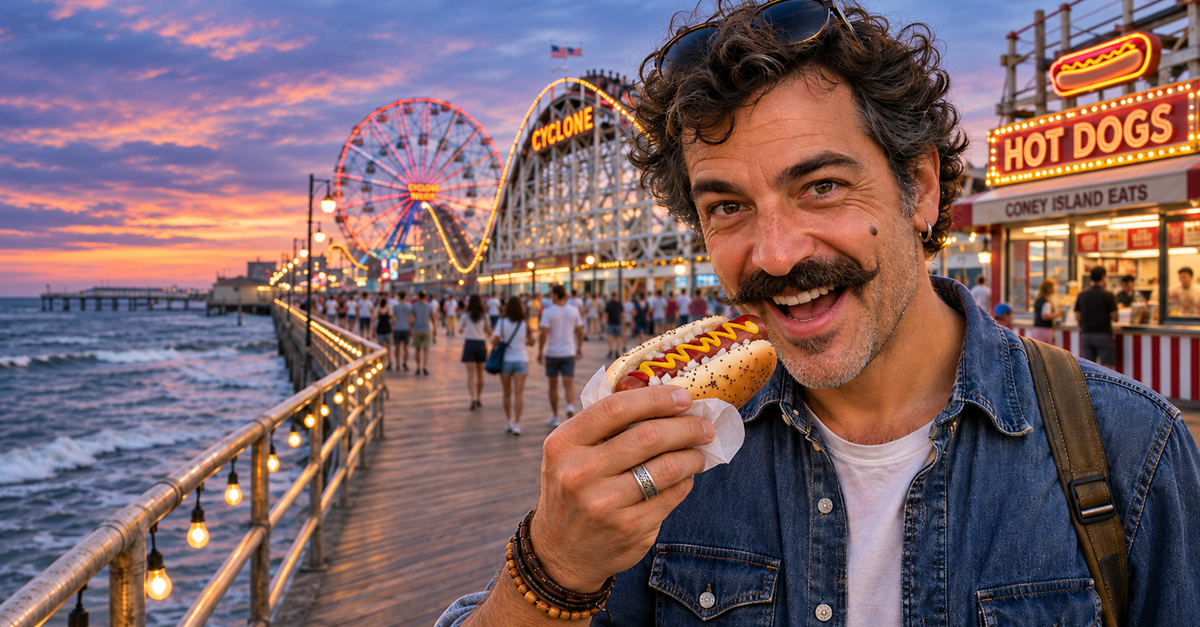
Coney Island helped turn hot dogs into an American seaside staple. German immigrant Charles Feltman began selling food there in 1867 and later built a sprawling restaurant business. He's widely credited with popularizing sausages served in buns. The portable meal was ideal for visitors exploring Brooklyn's busy amusement district.
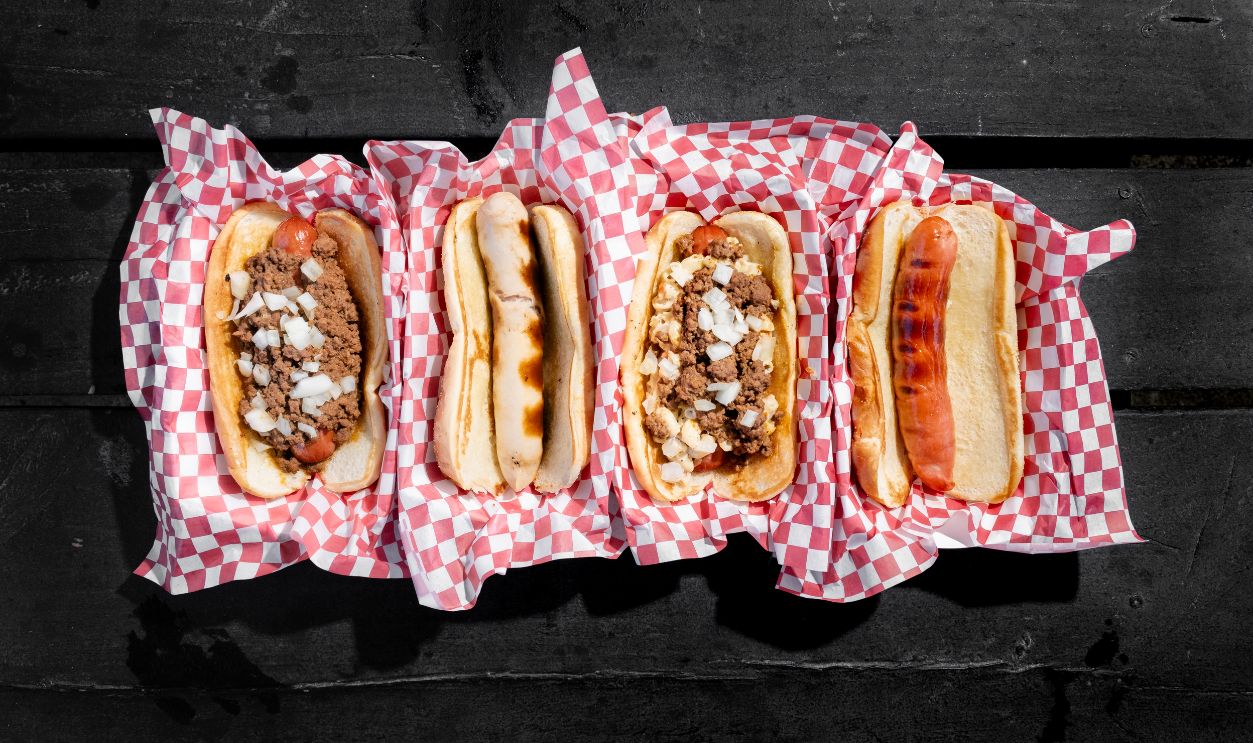 Agave Photo Studio, Shutterstock
The Restaurant That Started A Food Craze
By the early 1900s, Feltman's enormous establishment covered an entire city block. It included multiple restaurants, entertainment venues, and amusement rides, attracting huge crowds. Its success demonstrated just how popular inexpensive seaside dining had become. But a former employee was about to introduce some serious competition.
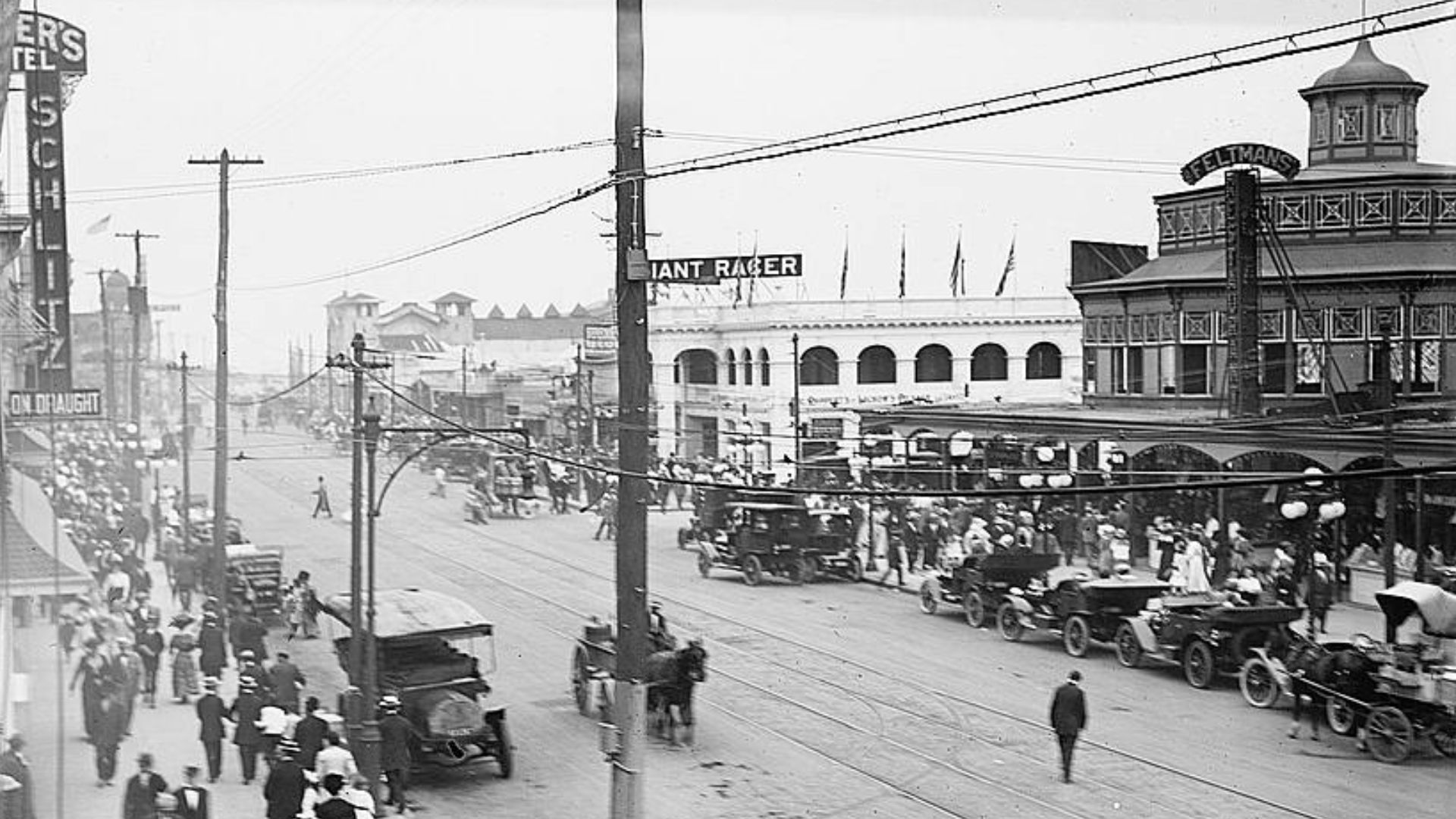 The Library of Congress, Wikimedia Commons
Nathan's Famous Changed Everything
In 1916, former Feltman's employee Nathan Handwerker opened his own Coney Island hot dog stand. He charged just five cents per hot dog, undercutting his former employer and attracting customers. His modest business eventually became Nathan's Famous, one of America's best-known hot dog brands. More than a century later, Coney Island remains synonymous with the classic American hot dog.
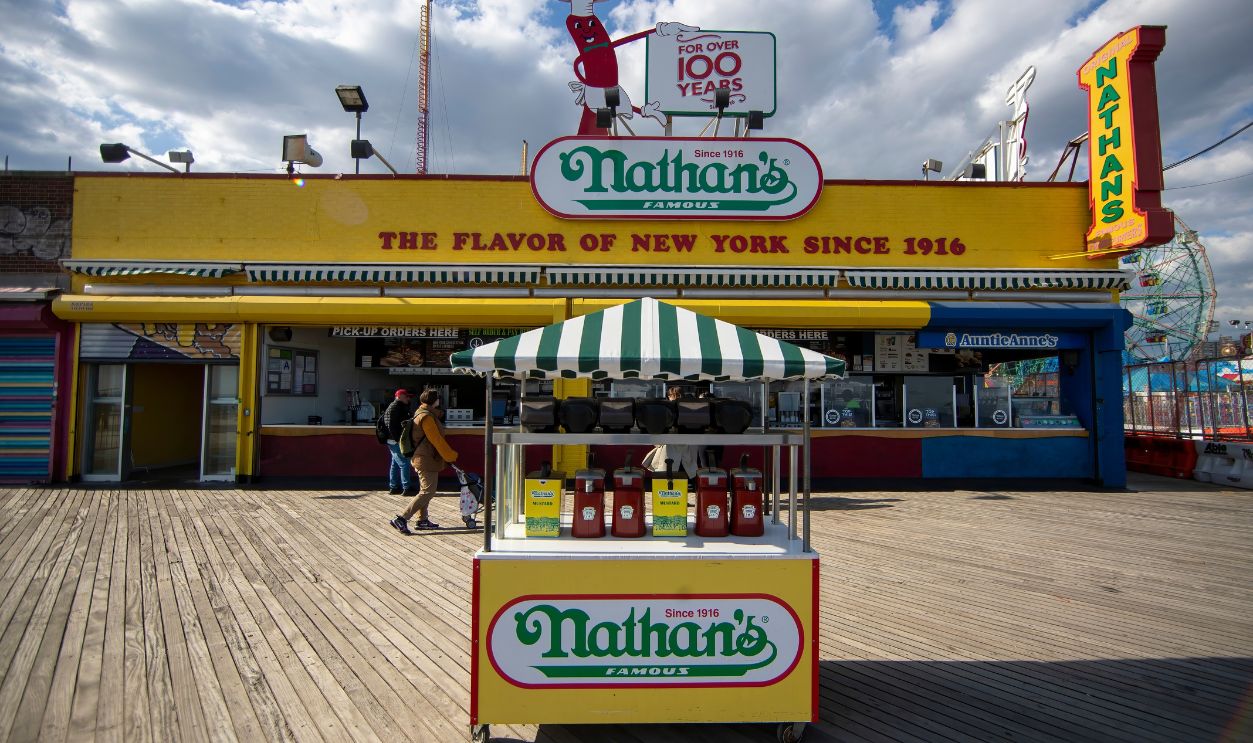 Karolis Kavolelis, Shutterstock
Boardwalk Fries: Ocean City, Maryland
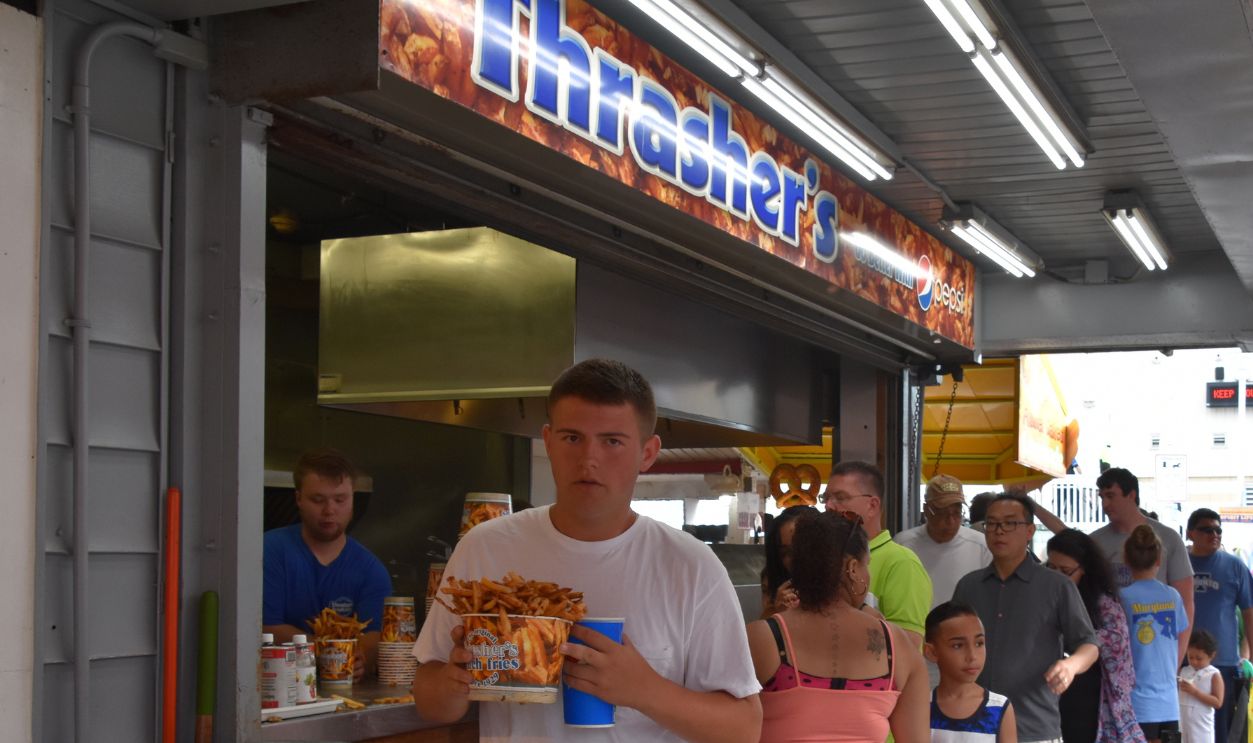
French fries became an Ocean City institution when J.T. Thrasher opened his stand in 1929. His business concept was simple: specialize in one food and make it exceptionally well. Rather than offering a complicated menu, Thrasher's focused entirely on freshly cooked potatoes. The stand eventually became one of Maryland's most recognizable seaside food traditions.
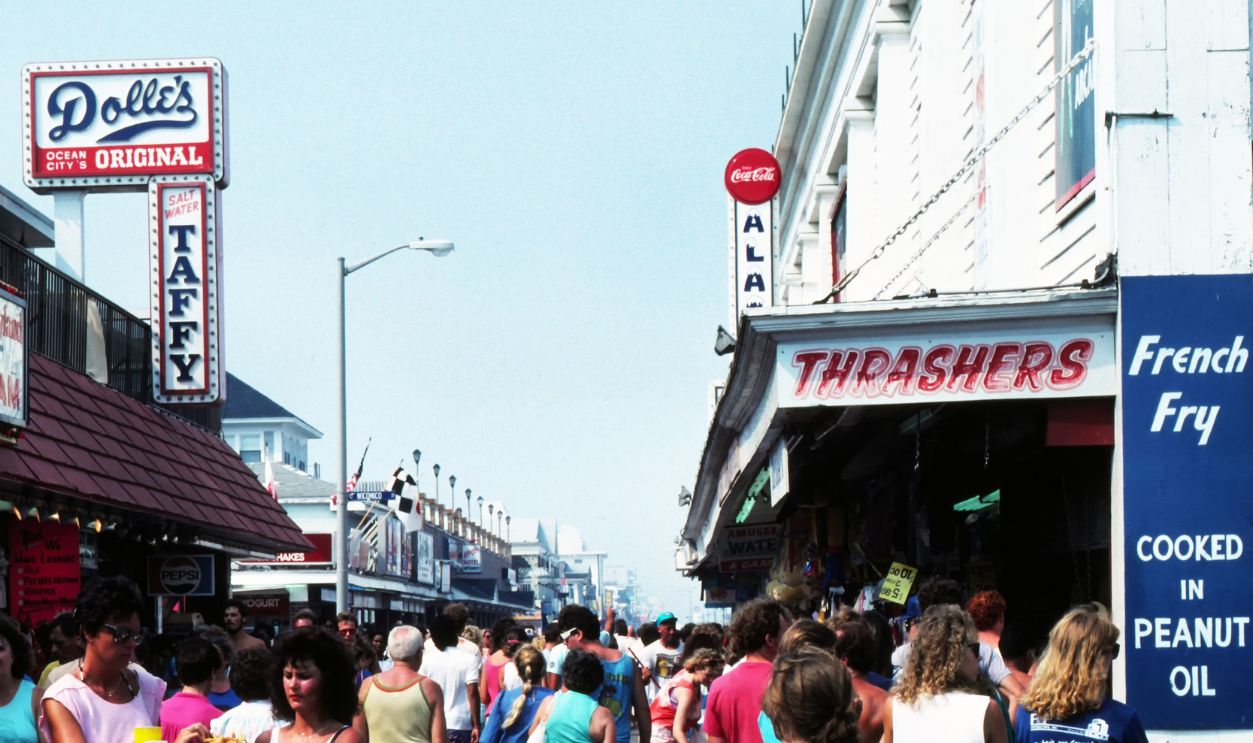
The Fries That Made Vinegar Famous
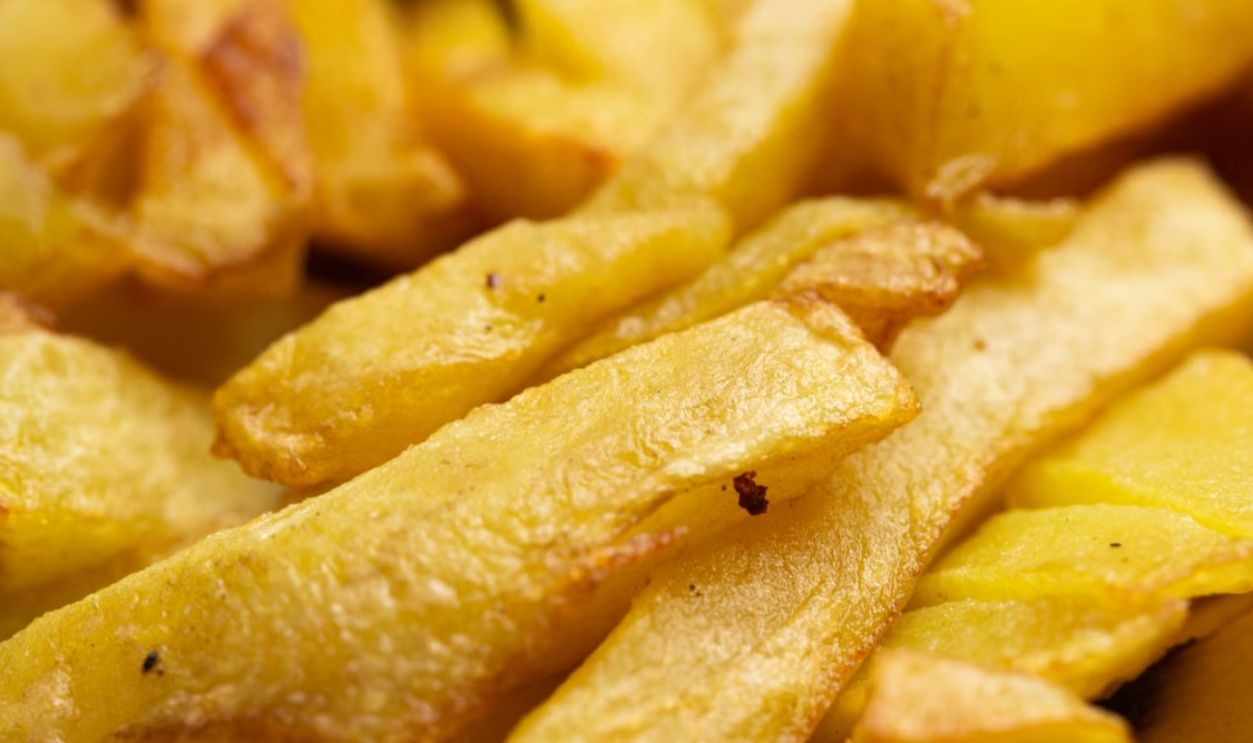
Thrasher's became known for its hot fries seasoned with salt and vinegar instead of ketchup. The tangy vinegar complements the rich potatoes, creating a distinctive flavor that generations of vacationers have enjoyed. The company uses freshly cut potatoes cooked in peanut oil. Its refusal to serve ketchup has become almost as famous as the fries themselves.
 Ritu Manoj Jethani, Shutterstock
A Vacation Tradition Worth Standing In Line For
By the late 20th century, Thrasher's was attracting long lines of returning vacationers. Customers purchased generous cups of fries, often adding vinegar before heading back along the Boardwalk. The business remained focused on its original specialty rather than expanding into burgers and other fast food. For many families, stopping at Thrasher's became as much a part of visiting Ocean City as the beach itself.
Caramel Popcorn: Ocean City, New Jersey
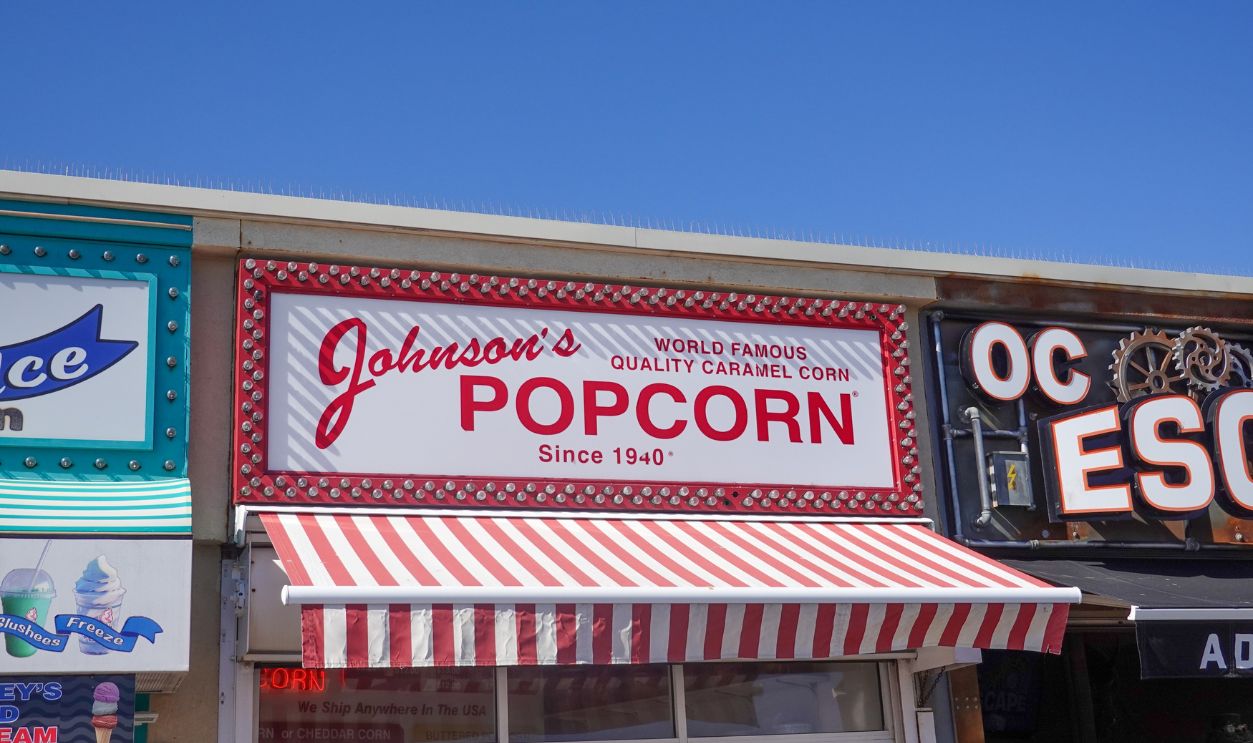
The smell of caramel popcorn has been part of Ocean City's Boardwalk since Johnson's Popcorn opened in 1940. Its signature treat combines popcorn with a sweet, crunchy caramel coating. Prepared using a longstanding family recipe, it became a favorite among beachgoers. The company's familiar tubs are now part of the resort's food culture.
The Popcorn Recipe That Never Changed
Johnson's has continued using the same caramel popcorn recipe since its earliest days. Workers still mix batches by hand, coating the popcorn rather than relying entirely on automated equipment. That traditional preparation method is part of the company's identity. Even as the business expanded, its original caramel popcorn remained a defining product.
 WorldStockStudio, Shutterstock
One Flavor Became A Whole Family Of Treats
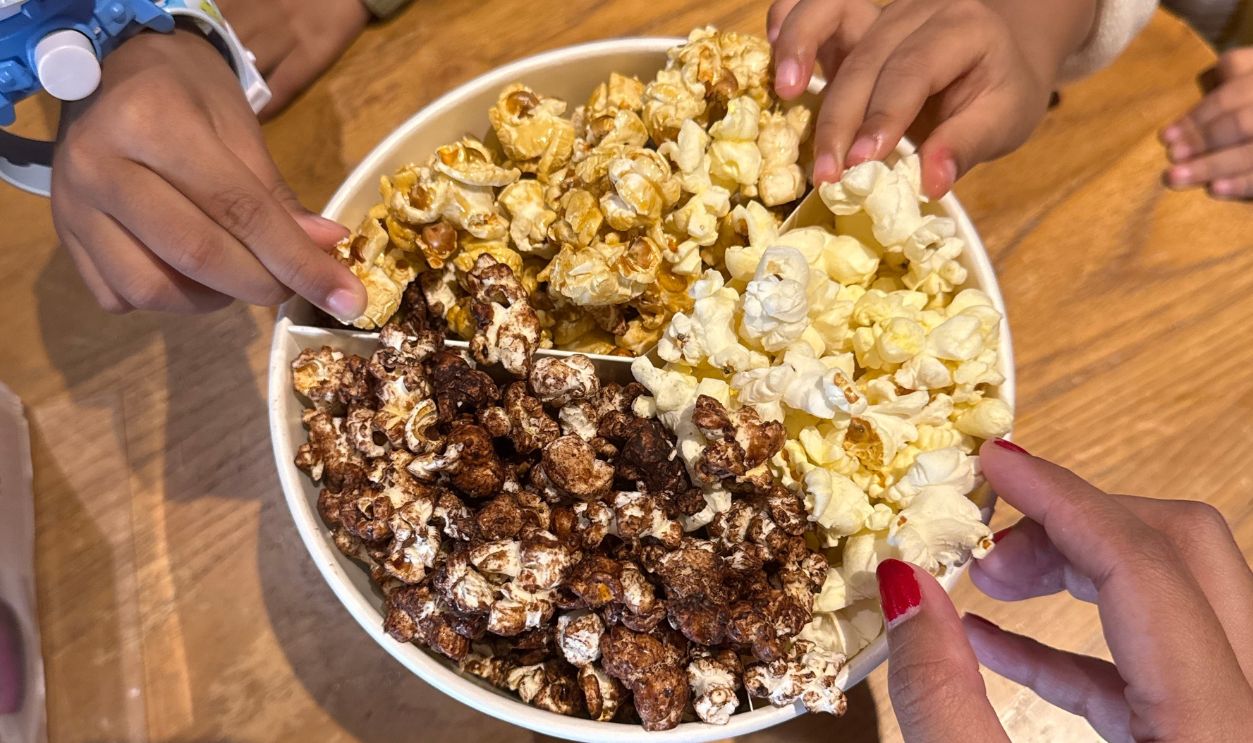
Johnson's eventually expanded beyond its original caramel popcorn. New varieties included peanut crunch, chocolate drizzle, cheddar, and sweet-and-savory combinations. The company also grew to several Boardwalk locations and developed a mail-order business. Visitors could enjoy the same familiar treat long after returning home from vacation.
Pizza With A Swirl: Rehoboth Beach, Delaware
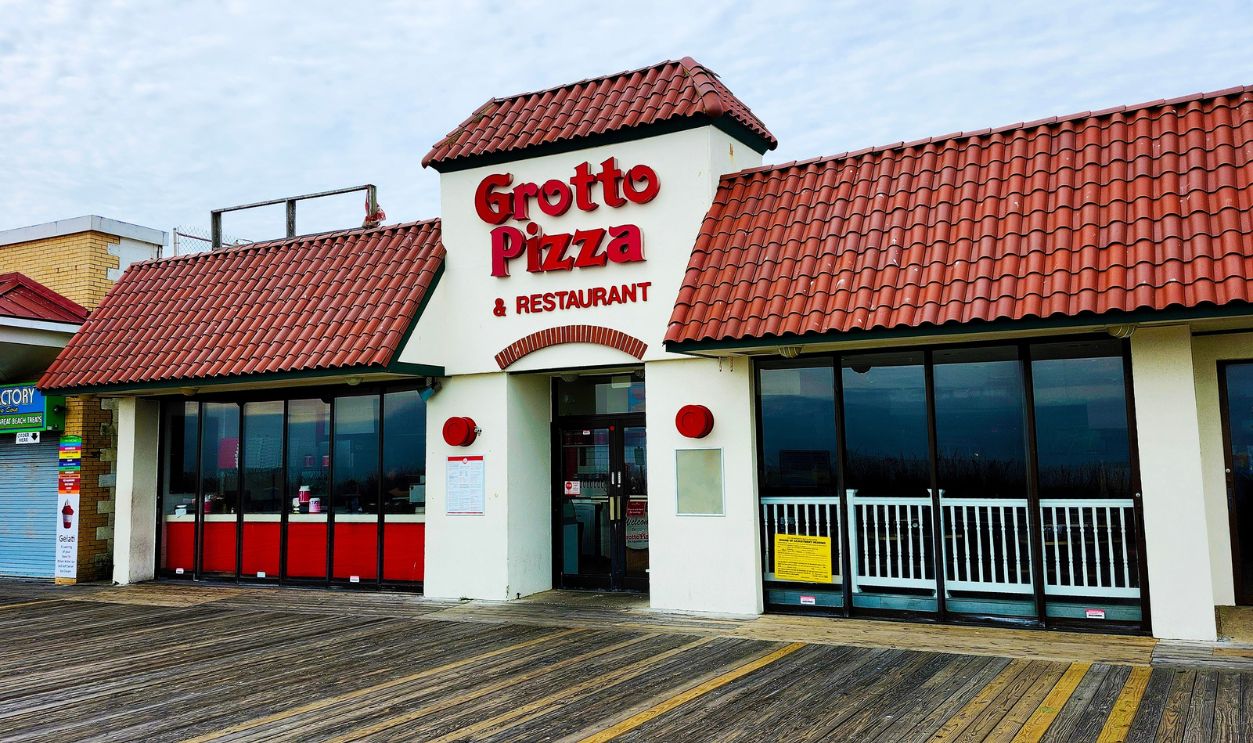
Rehoboth Beach developed a distinctive pizza tradition when Grotto Pizza opened in 1960. Founder Dominick Pulieri started the business with his sister and brother-in-law. Pizza was still unfamiliar to many customers in the area, making the first summer challenging. The family had to convince beachgoers to give it a try.
The Pizza That Once Cost Twenty Cents
During Grotto Pizza's first summer, an individual slice cost just 20 cents. A whole pizza sold for $1.60, offering an affordable meal for families visiting the resort. To attract customers, the owners handed out free samples to passersby. Their persistence helped introduce pizza to a new audience along Delaware's coast.
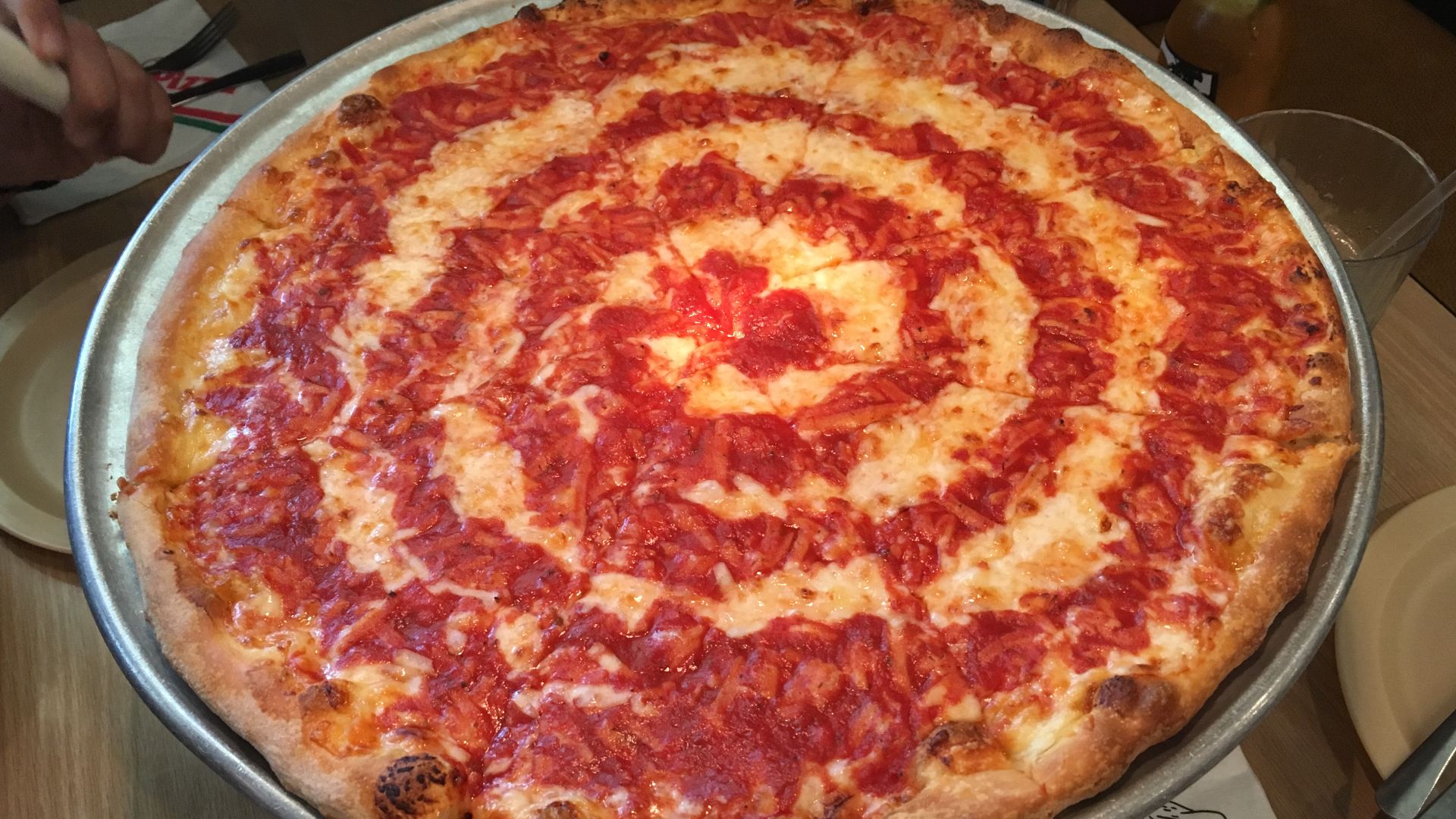
A Sauce Swirl Became A Signature
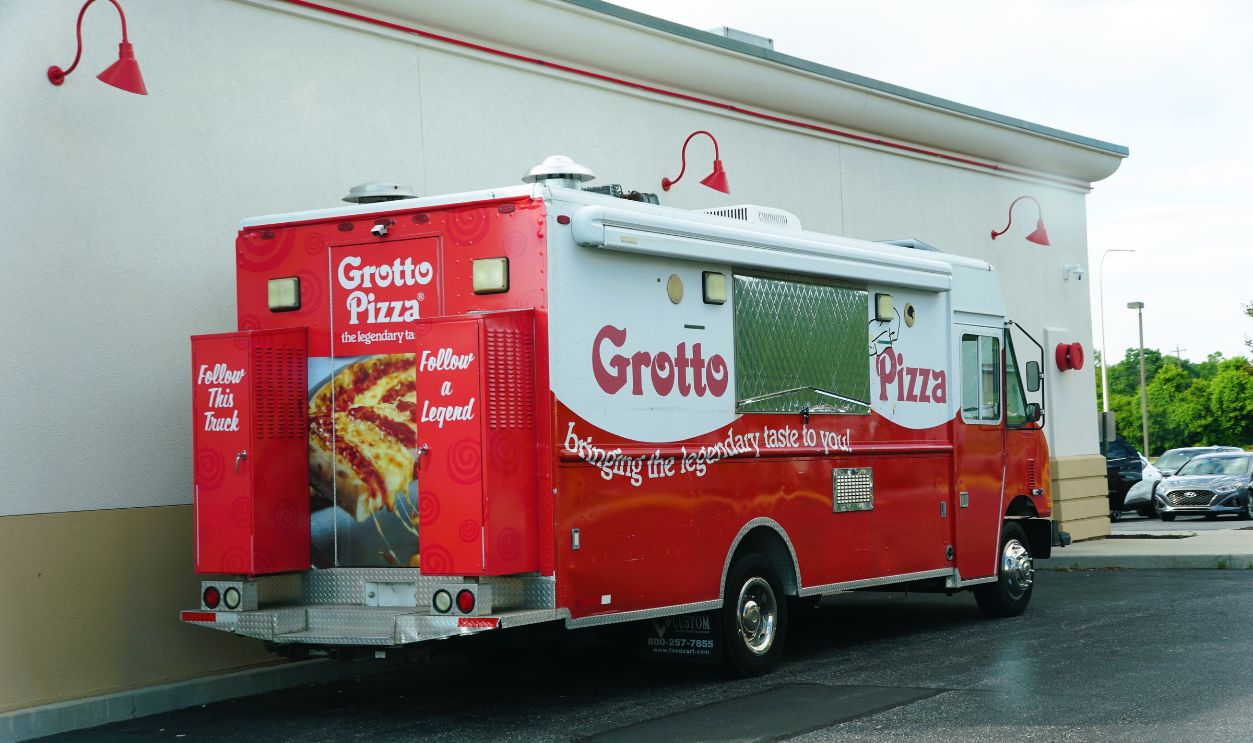
Grotto Pizza eventually became known for its distinctive appearance, with sauce swirled across the melted cheese. Its recognizable style helped distinguish the business from competitors. The company expanded into multiple locations throughout Delaware and neighboring states. What began as a small beachside operation became a regional favorite.
 Khairil Azhar Junos, Shutterstock
Candy Apples: Santa Cruz, California
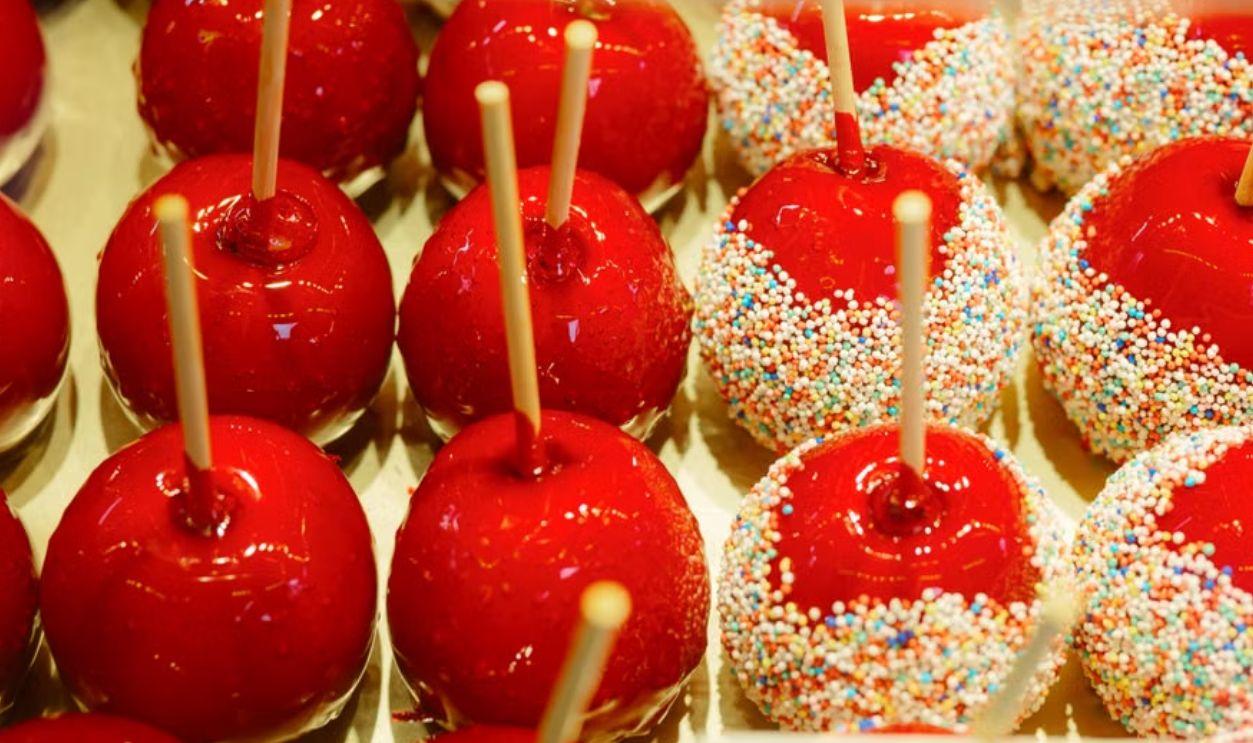
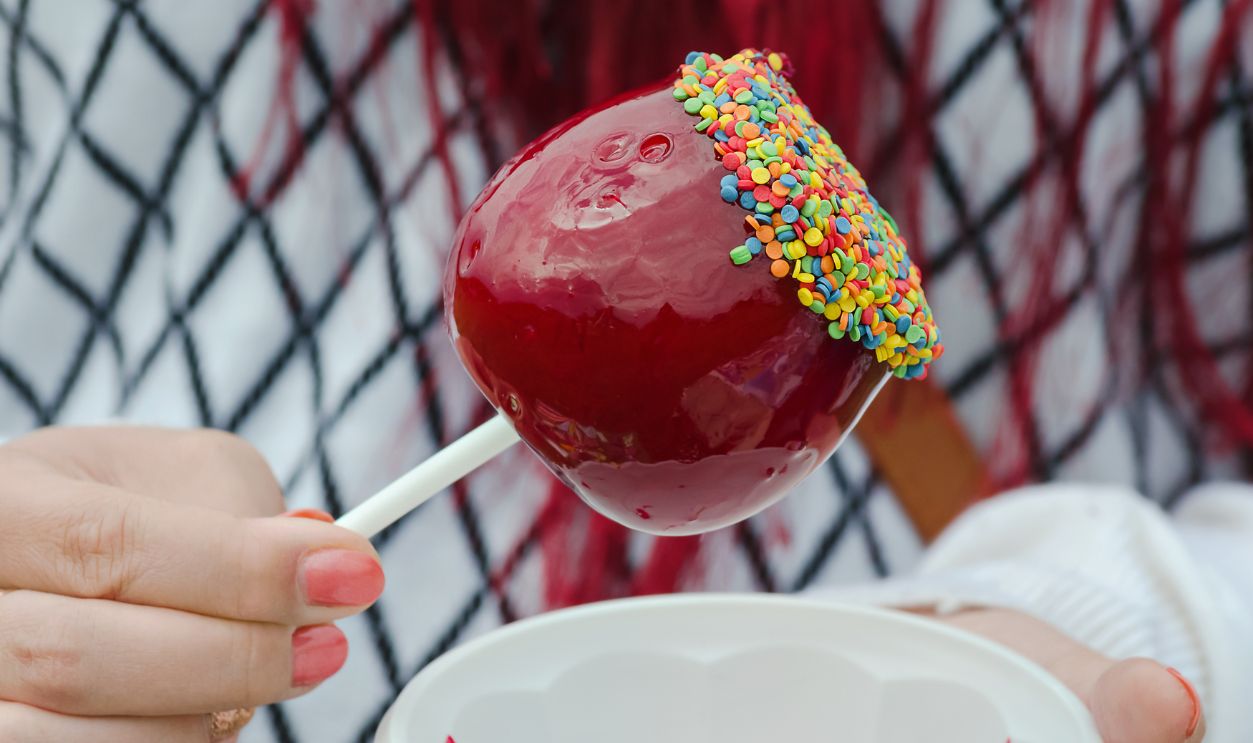
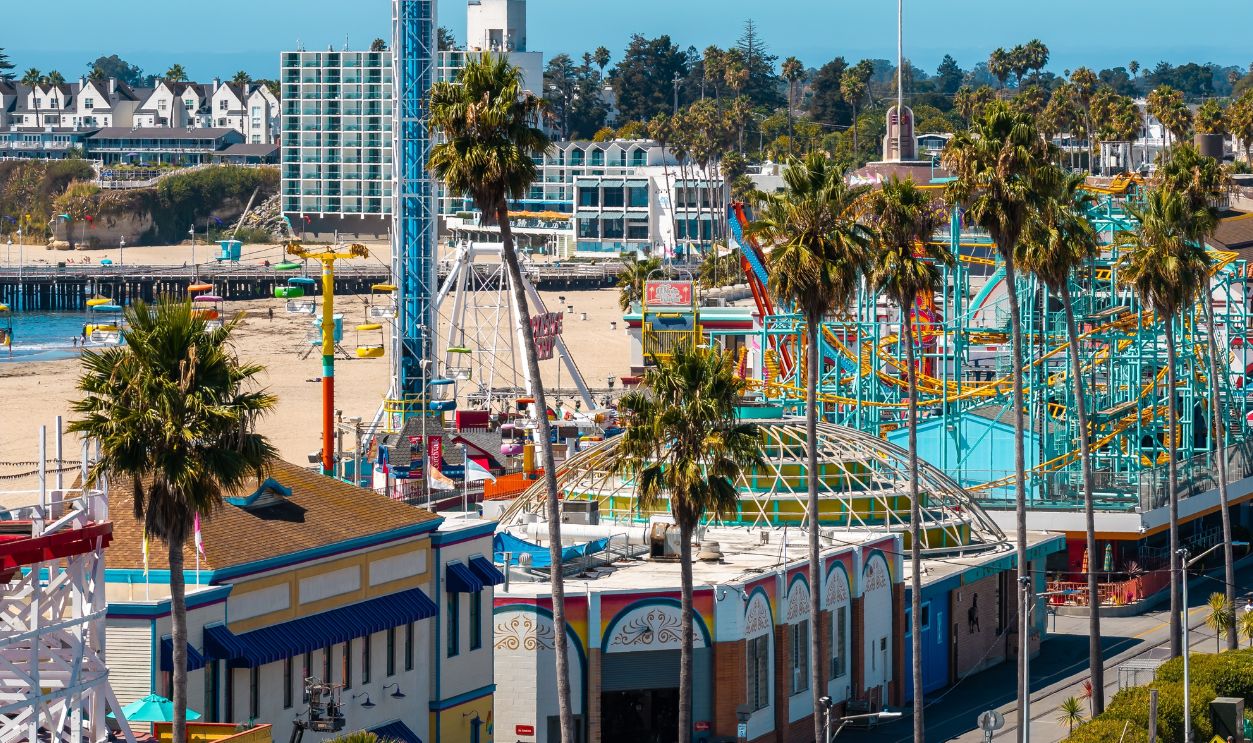
California's Santa Cruz Beach Boardwalk developed its own candy-making tradition through the Marini family. Victor Marini purchased a popcorn stand there in 1915 and gradually expanded into sweets. His specialties included candy apples, caramel corn, and salt water taffy. Among the most eye-catching treats were his brightly colored candy apples.
Candy Apples Became A Boardwalk Favorite
Marini's red candy apples became a familiar sight along the Santa Cruz Beach Boardwalk. Their hard, sugary coating provided a satisfying crunch before giving way to the fresh apple underneath. The colorful treats were easy to carry while exploring the seaside attractions. They helped establish Marini's reputation as a destination for old-fashioned boardwalk sweets.
 Galina Bondarenko, Shutterstock
A Popcorn Stand Became A Candy Institution
As Marini's popularity grew, the modest popcorn stand became a multigenerational family business. Victor's son Joseph began helping his father in 1920, when he was just ten years old. Later generations continued making the family's signature candies, preserving the traditions that had attracted early customers. The business became one of Santa Cruz's enduring seaside food institutions.
Funnel Cakes: Wildwood, New Jersey
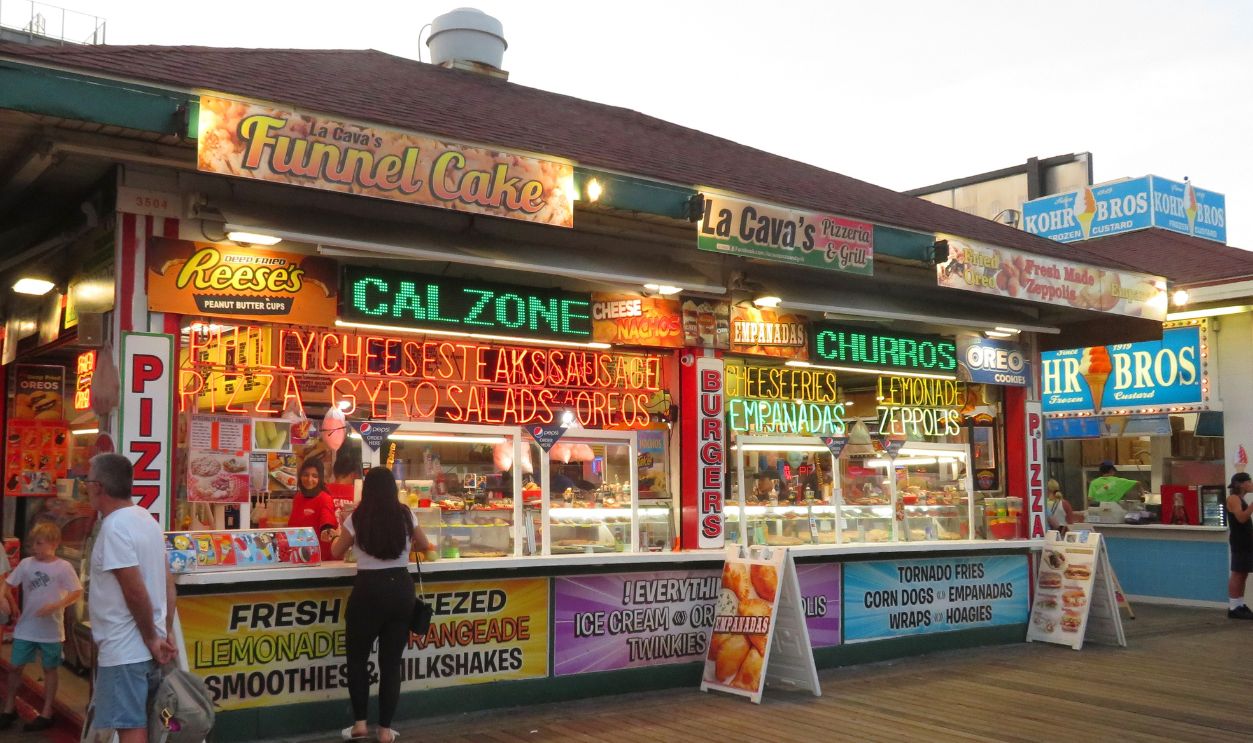
Wildwood's famous Boardwalk offers plenty of classic treats, from Curley's Fries to pizza and frozen custard. But funnel cakes remain one of its most recognizable desserts. These golden, crispy pastries are a favorite among visitors exploring Morey's Piers and its amusement rides. Served hot and dusted with powdered sugar, they're a classic taste of summer at the Jersey Shore.
 Bruce Alan Bennett, Shutterstock
A Sweet Treat With Old-Fashioned Roots
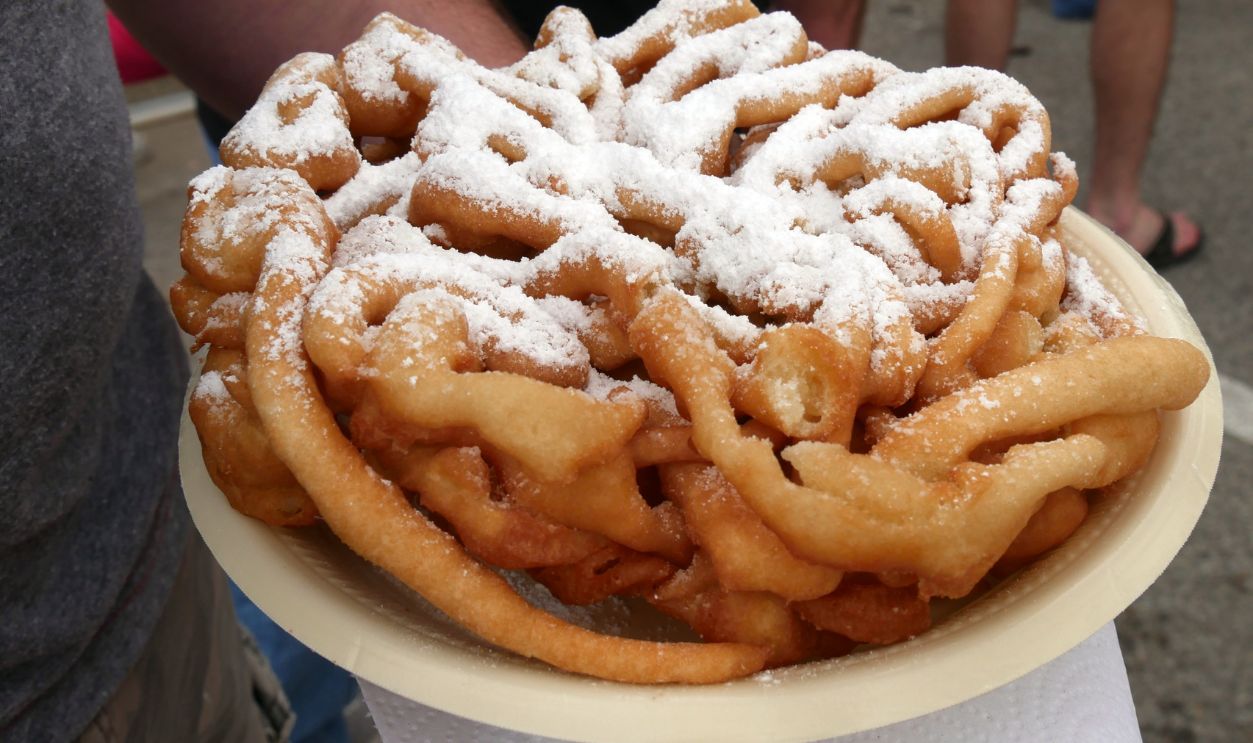
Funnel cakes have roots in Pennsylvania Dutch cooking, long before they became a seaside favorite. They're made by pouring thin batter into hot oil in overlapping loops, creating a crispy, irregular shape. Once golden brown, the pastry is usually covered in powdered sugar. The simple preparation made funnel cakes a natural fit for busy boardwalk food stands.
Wildwood Put Its Own Twist On The Classic
Funnel cakes remain popular at Morey's Piers, where visitors can grab one between rides and attractions. The resort has also offered seasonal variations, including pumpkin funnel cakes during its Oktoberfest celebrations. These autumn versions give the traditional dessert a different flavor without abandoning its familiar appeal. It's another example of how Wildwood keeps classic boardwalk foods interesting.
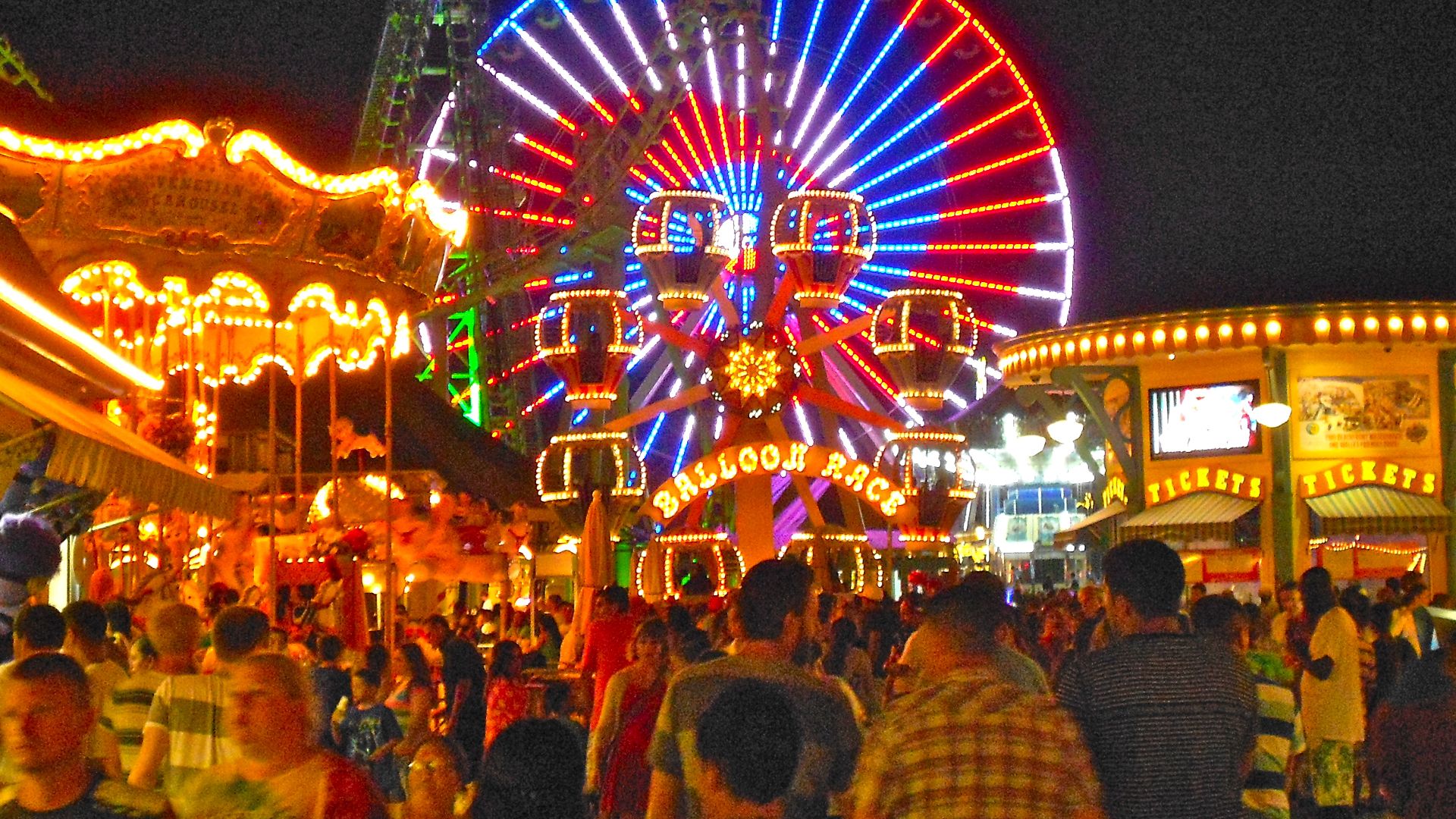
Corn Dogs: Santa Monica, California
Corn dogs may be associated with state fairs, but one of America's best-known versions became famous at the beach. In 1946, Dave Barham opened a small stand near Santa Monica Pier called Party Puffs. Initially, he sold ice cream cones and lemonade to beachgoers. His business soon took a very different direction.
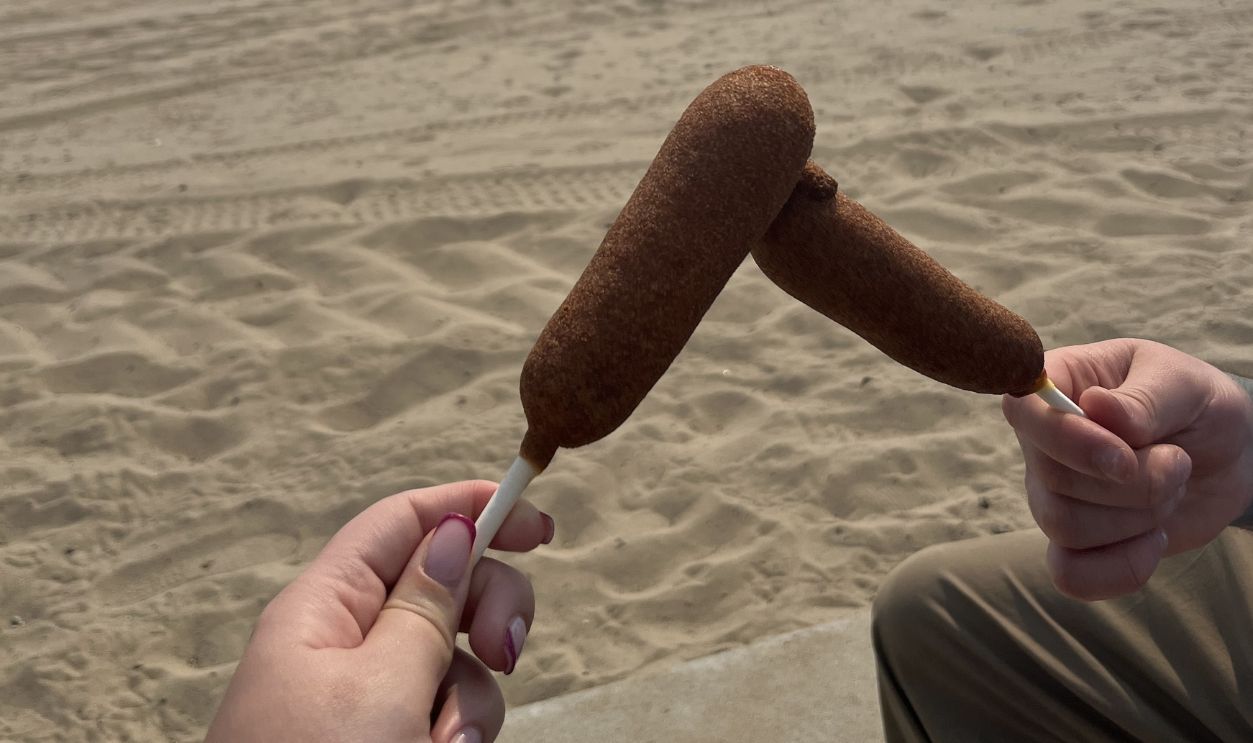
A Family Recipe Changed Everything
Using his mother's cornbread recipe, Barham developed a hot dog coated in batter and deep-fried on a stick. The portable snack was perfect for visitors strolling along Santa Monica Beach. It proved so popular that Barham renamed his business Hot Dog on a Stick in 1948. The bright red stand became a familiar landmark near Muscle Beach.
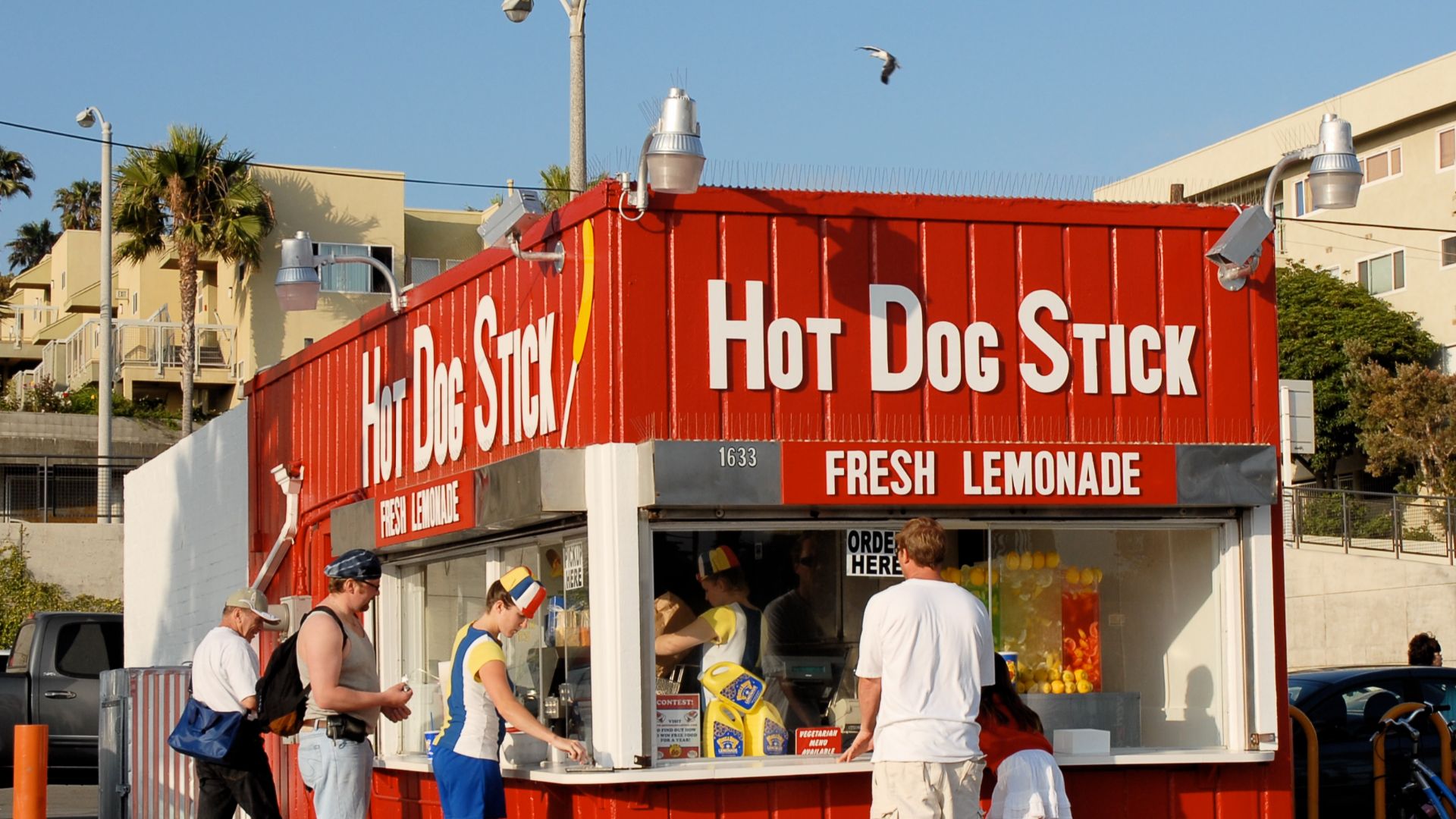 https://www.flickr.com/photos/mpk/, Wikimedia Commons
From Beach Stand To American Institution
Barham soon took his corn dogs to county fairs, reportedly using his Lincoln Continental to power his equipment. The business later expanded into shopping malls across the country, bringing its beachside specialty to a much wider audience. In 2022, the original Santa Monica location reopened in a new building on the same site. It continues serving corn dogs and lemonade, preserving a tradition that began more than 80 years ago.
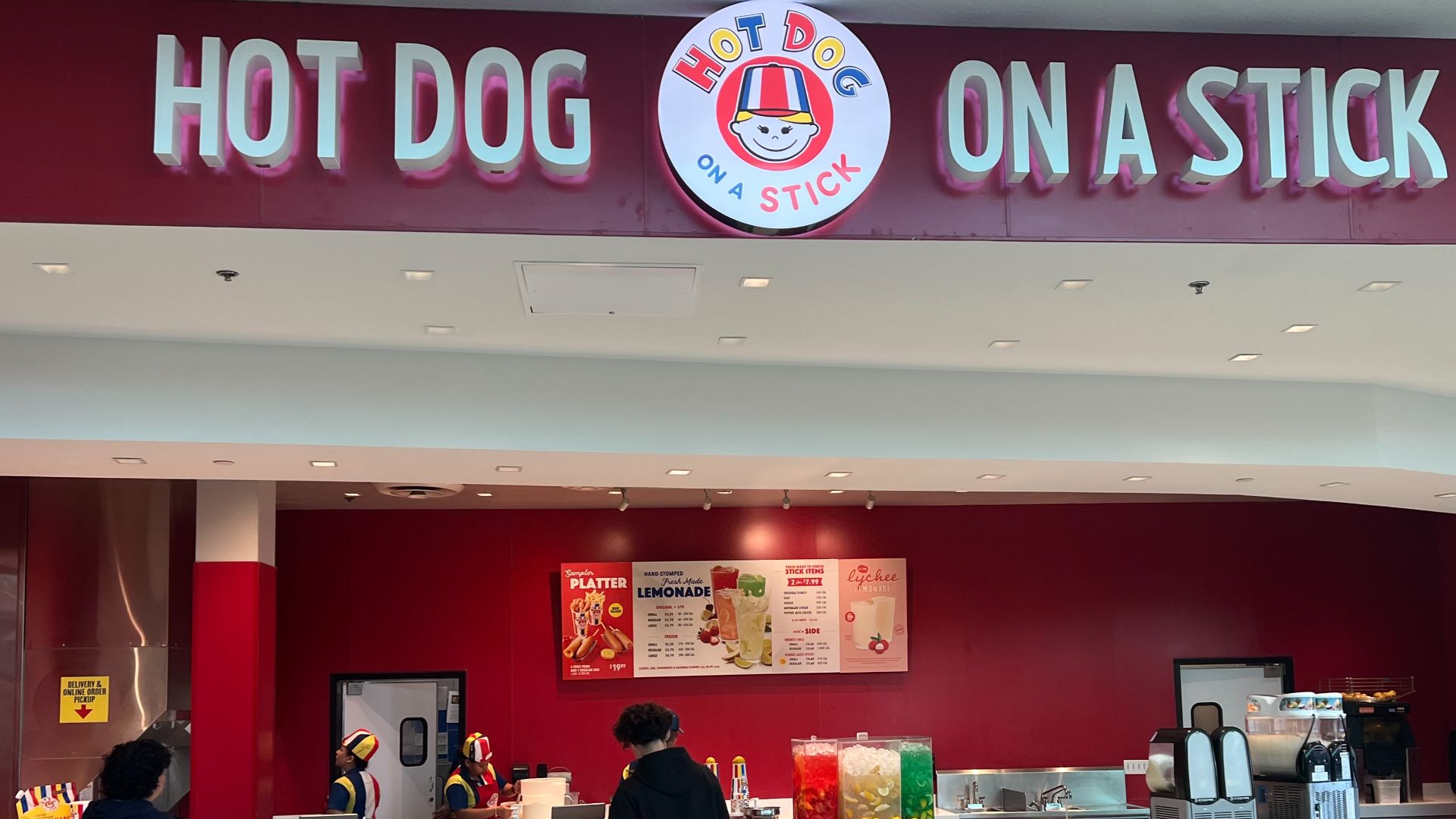 TaurusEmerald, Wikimedia Commons
Caramel Popcorn: Ocean City, Maryland
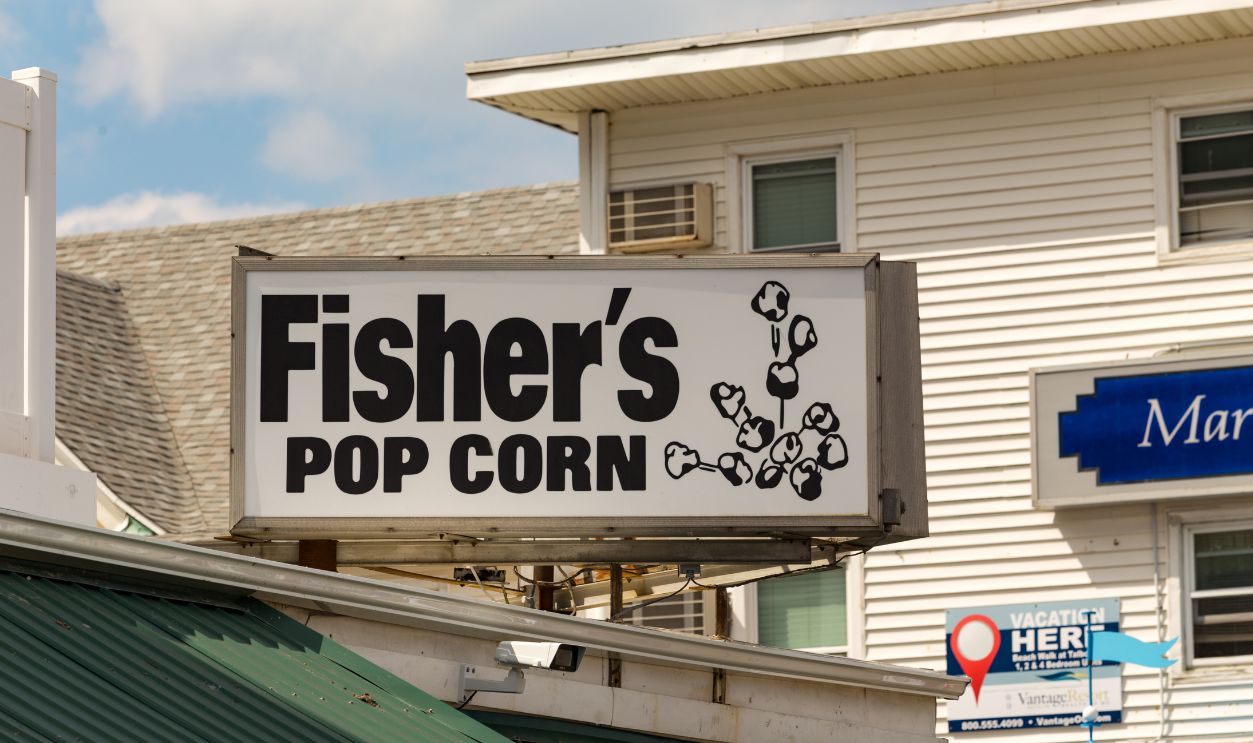
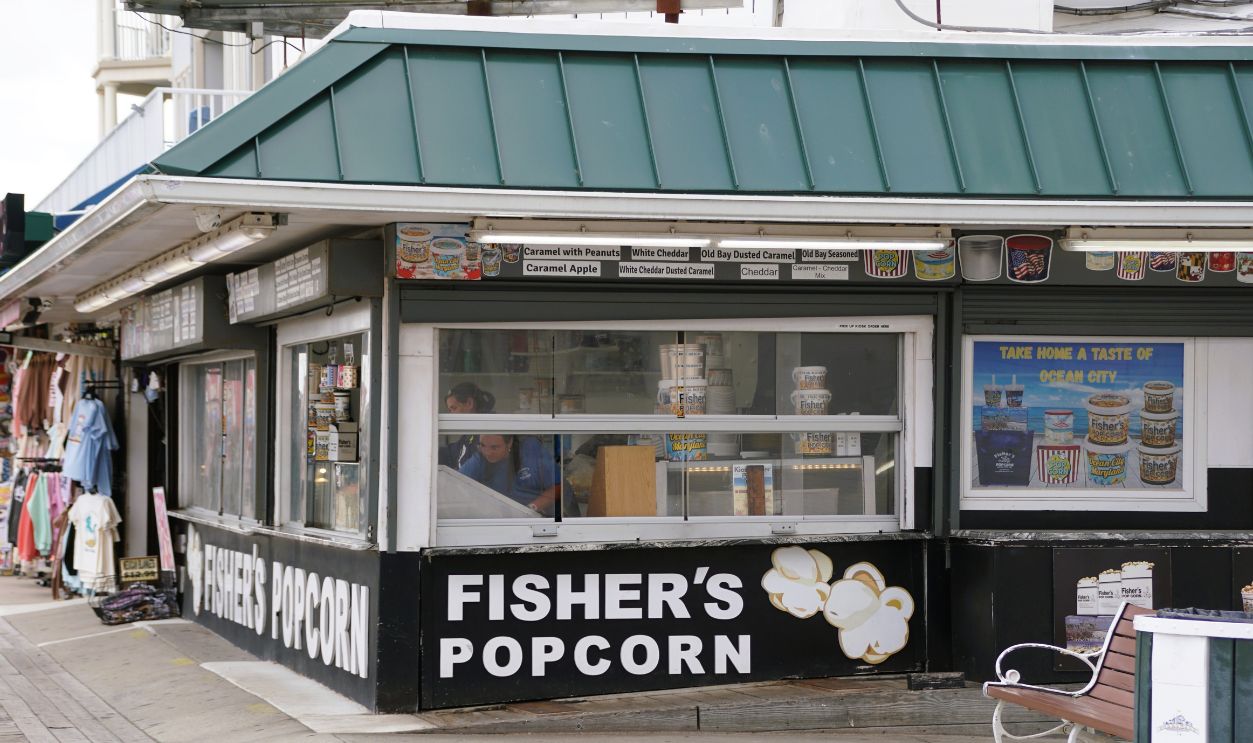
Ocean City's sweet-food history includes Fisher's Popcorn, which traces its beginnings to 1937. Everett Fisher and his cousin Edmund Pusey opened a Boardwalk business called Pixton's Popcorn at Talbot Street. Pusey later left, and Fisher continued selling caramel popcorn under his own name. His original recipe became the foundation of a lasting Maryland beach tradition.
A Family Recipe Survived For Generations
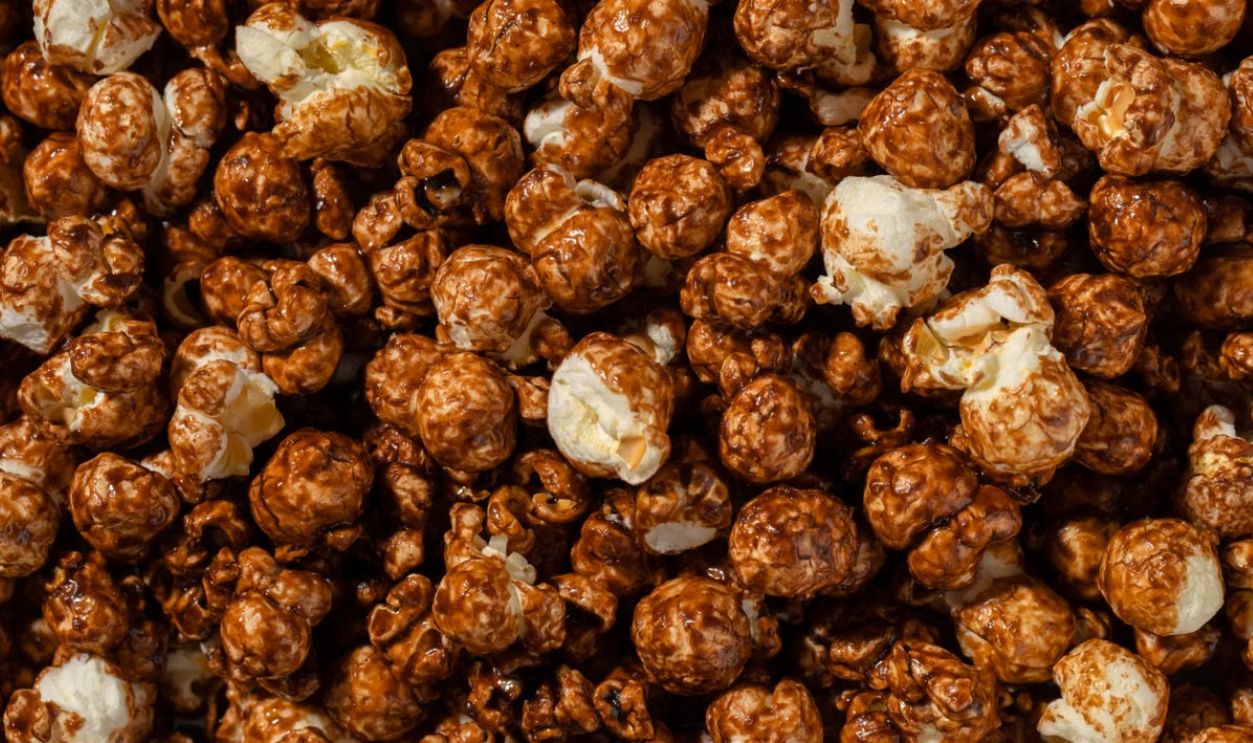
Fisher's continued preparing caramel popcorn using Everett Fisher's original recipe. The company passed through multiple generations while expanding beyond its first Ocean City stand. Its distinctive containers became familiar souvenirs for Maryland vacationers. The business eventually developed a much wider market without abandoning its original caramel popcorn.
Old Bay Gave Popcorn A Maryland Twist
Fisher's eventually introduced flavors beyond its traditional caramel popcorn. One unusual addition combined sweet caramel with Old Bay seasoning, the spice blend closely associated with Chesapeake Bay seafood. The result mixed familiar sweetness with a savory regional flavor. It offered beachgoers a different taste of Maryland's coastal food culture.
 Khairil Azhar Junos, Shutterstock
Why Boardwalk Food Became An American Tradition
America's boardwalk food traditions began with simple treats that could be enjoyed between beach trips and amusement rides. Many became famous because families returned to the same seaside businesses for decades. Their recipes and familiar aromas became part of the vacation experience itself. Whether it's a hot dog, a cup of fries, or a box of taffy, these foods still offer a taste of American seaside history.
 Sean Freese, Wikimedia Commons
You May Also Like:
Regional American Desserts That Sound Completely Made Up—But Locals Have Loved Them For Generations
Things Canadians Notice Immediately When They Visit An American Beach Town