A Theater Rises From The Olive Groves
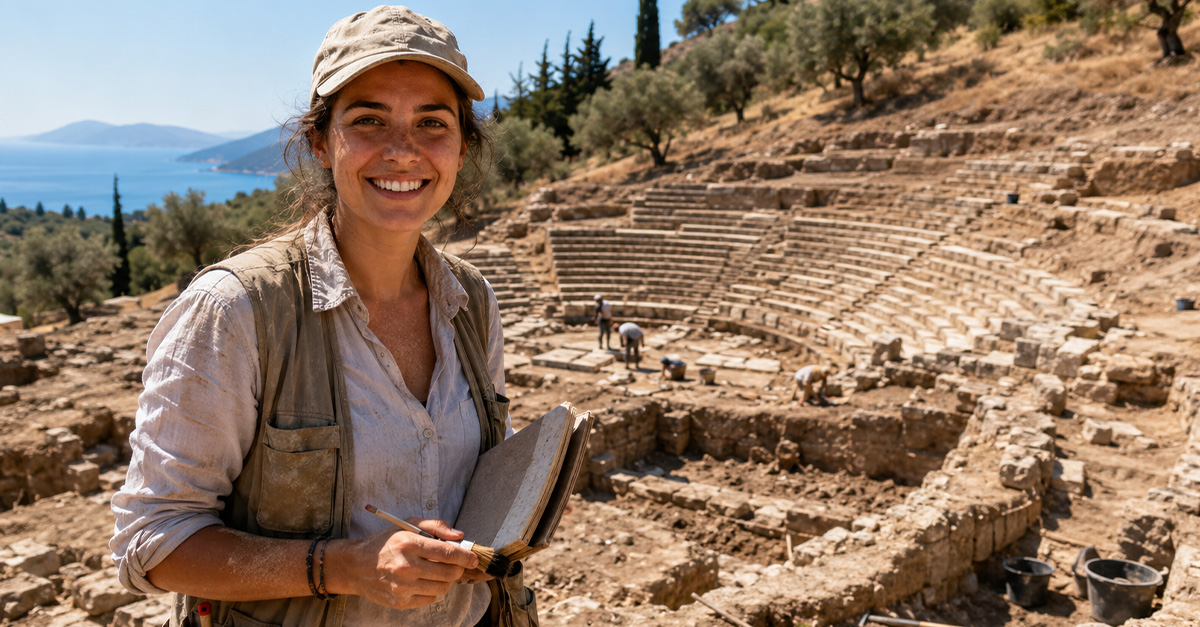
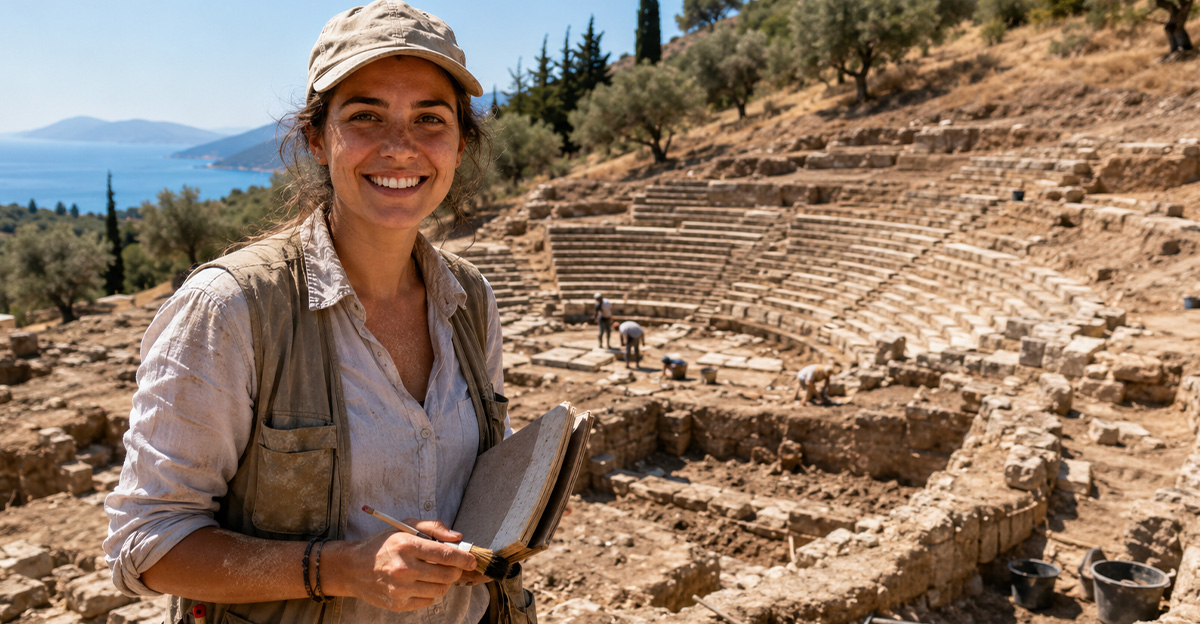
For centuries, the hillside near modern Lefkada town looked like many others in the Ionian Islands: sunlit, green, and quietly stitched with olive trees. Then, little by little, archaeologists began peeling back the soil and the story changed. Beneath the roots and stones was something Greece had never before confirmed in the Ionian Islands: an ancient theater.
The Ionian Islands Get Their First Ancient Stage
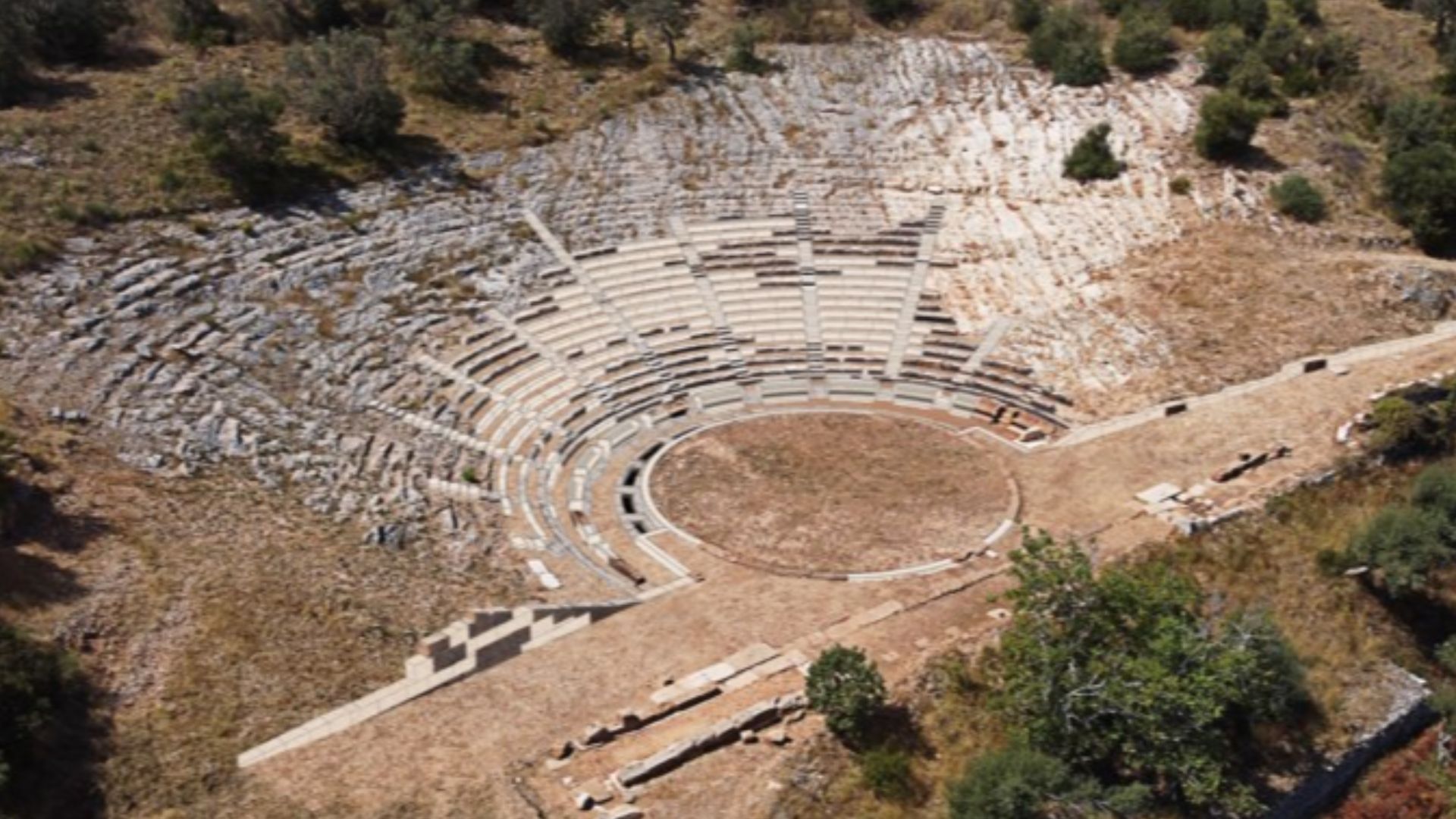
Greece is famously generous with ancient theaters, but most of the best-known examples belong to the mainland and the Aegean world. Lefkada’s newly revealed theater changes that map. It is the first known ancient theater discovered in the Ionian Islands, giving this western Greek island chain a dramatic architectural landmark of its own.
 Unknown authorUnknown author, Wikimedia Commons
Hidden In Plain Sight
The theater was not buried in some remote wilderness, waiting for a movie-style treasure hunter. It stood close to the ancient city of Lefkada, on Koulmos Hill, only a few kilometers south of today’s town. For generations, the site’s significance was obscured by vegetation, later structures, and the ordinary clutter of everyday rural life.
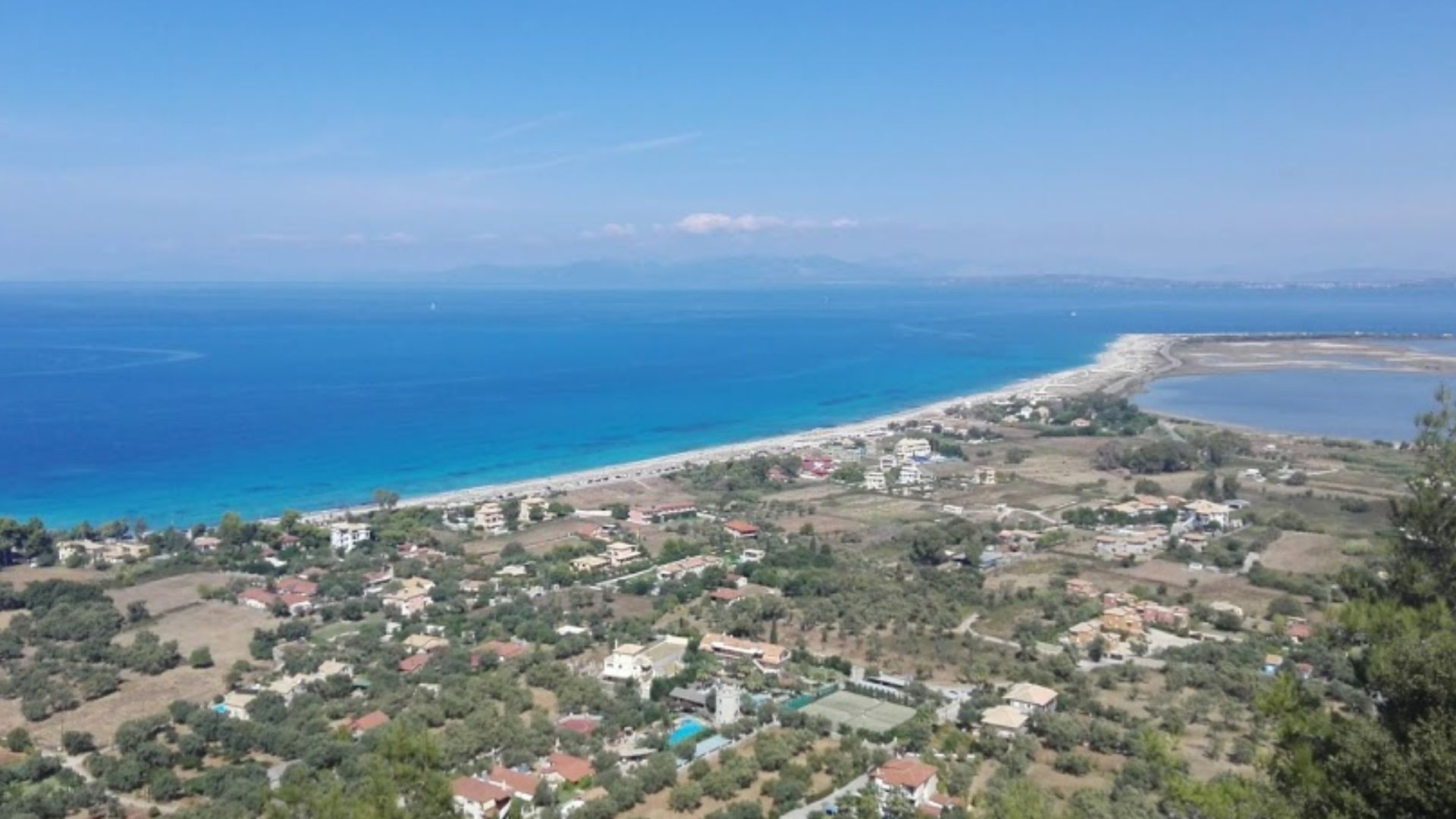 Filosofiki1986, Wikimedia Commons
A Clue From 1901
The plot began more than a century ago, when German archaeologist E. Krüger suggested in 1901 that an ancient theater might exist in the area. But archaeology is not always a lightning bolt. Sometimes it is a slow-burning mystery. The clue was recorded, the landscape kept its secret, and the exact location slipped back into uncertainty.
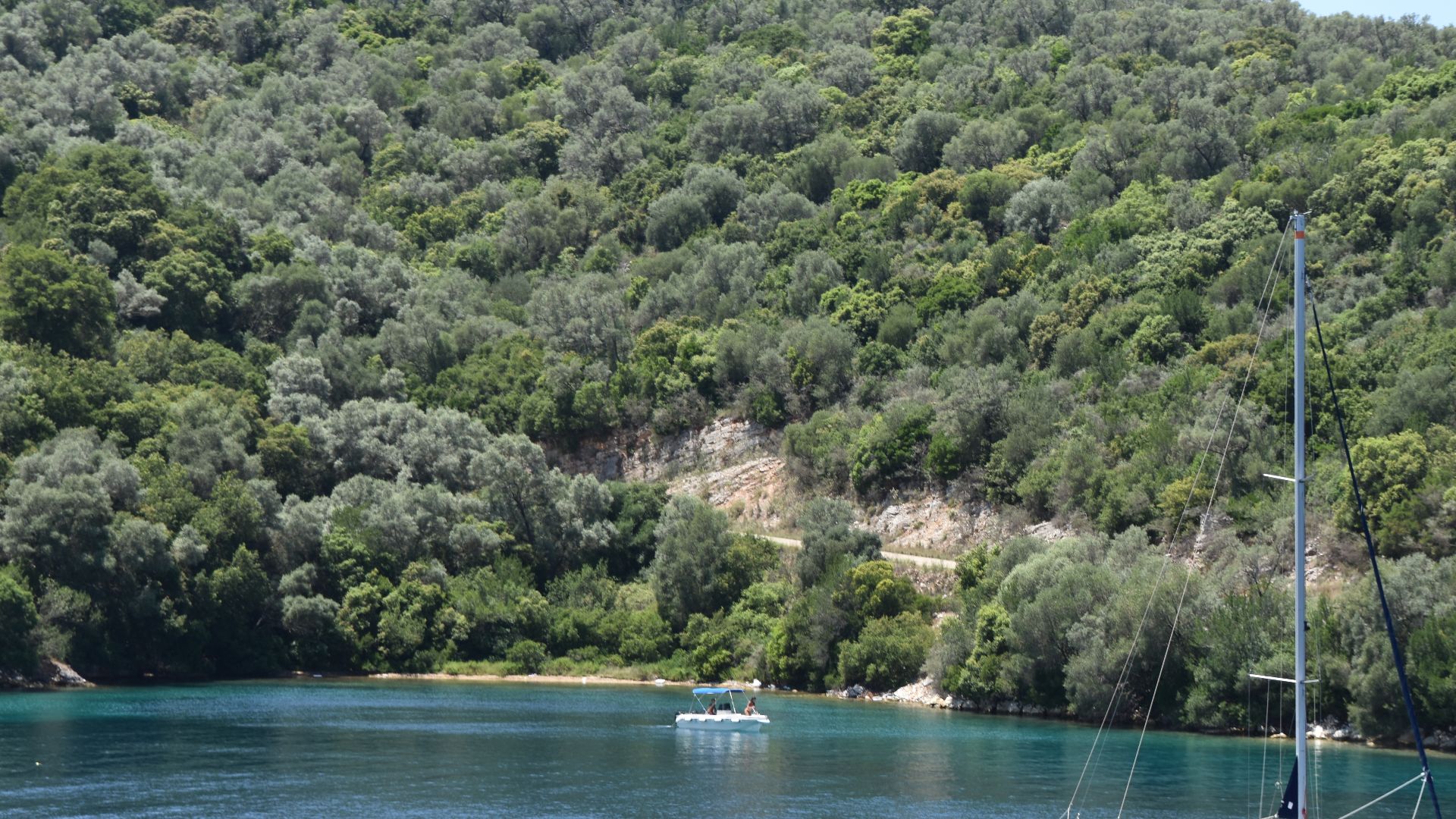 Thomas Dahlstrom Nielsen, Wikimedia Commons
The Rediscovery That Changed Everything
The thread was picked up again in 1997, when local antiquities authorities rediscovered the site. That rediscovery transformed an old scholarly hint into a real archaeological target. Still, knowing where to dig is only the beginning. The theater had to be patiently investigated, mapped, uncovered, and understood without rushing the fragile evidence out of the ground.
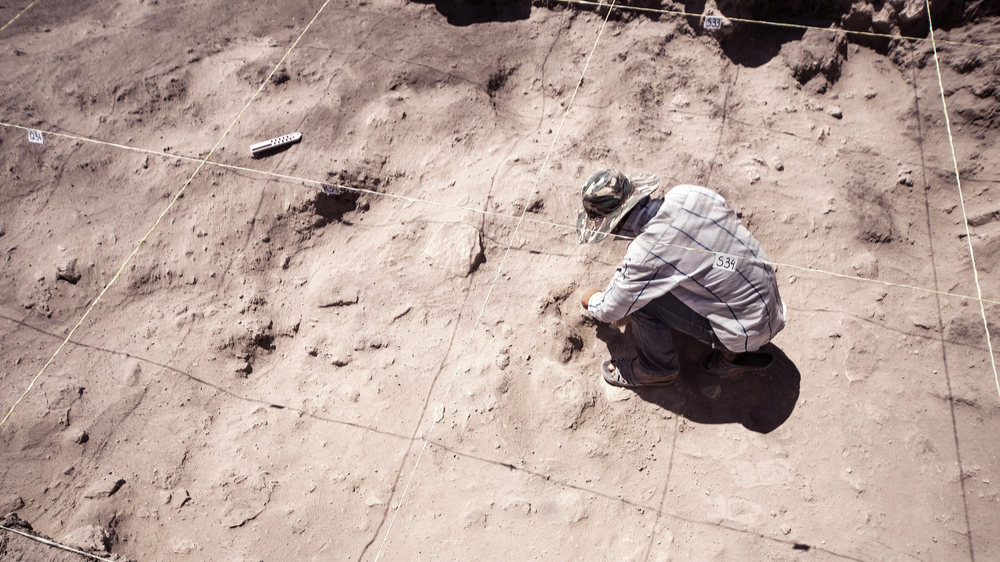
Years Of Careful Excavation
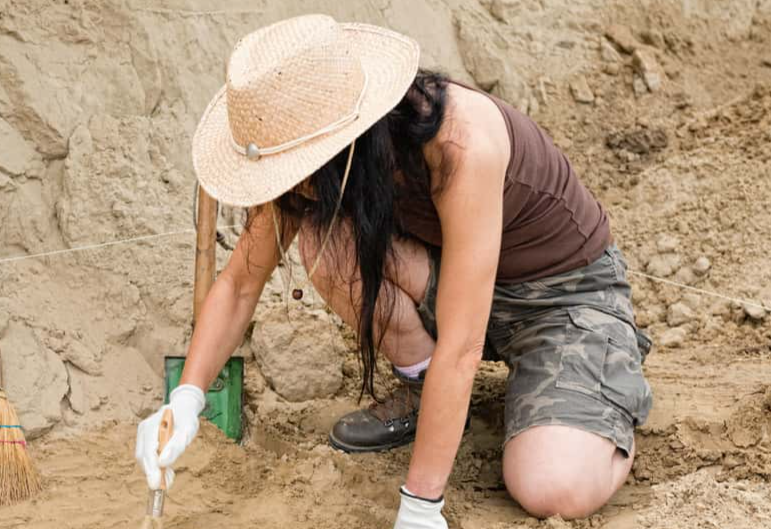
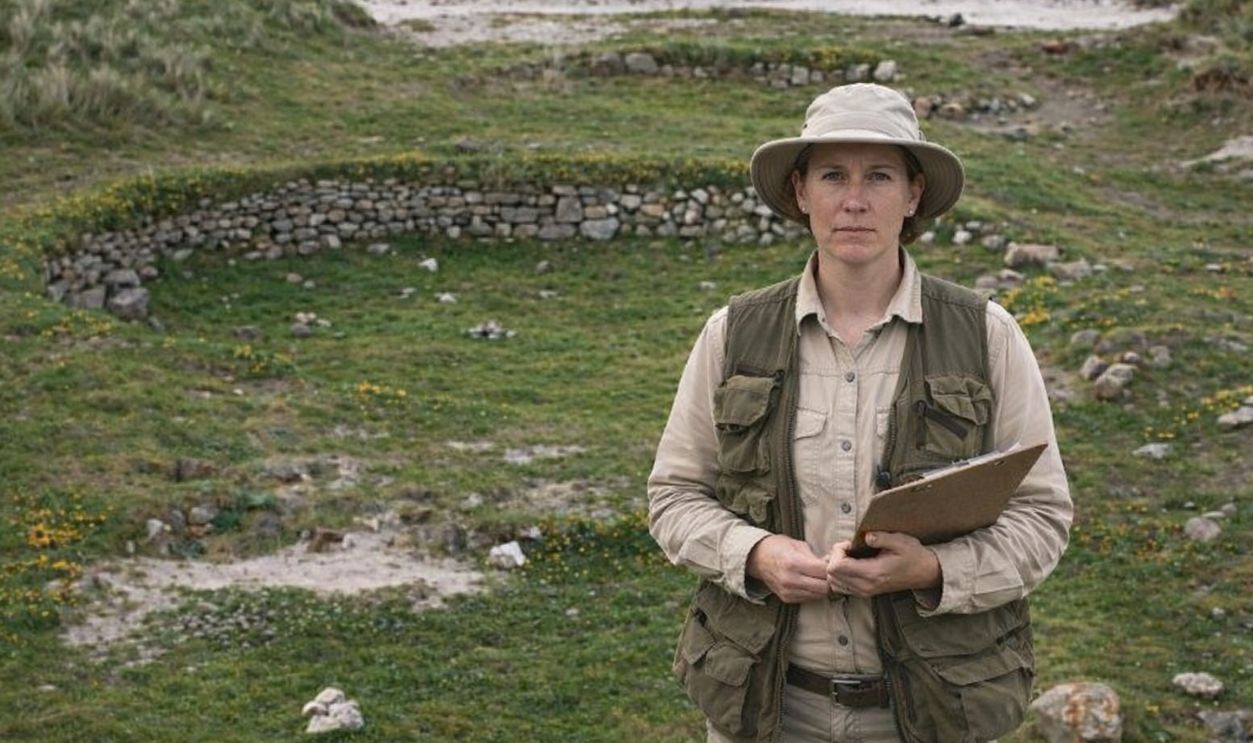
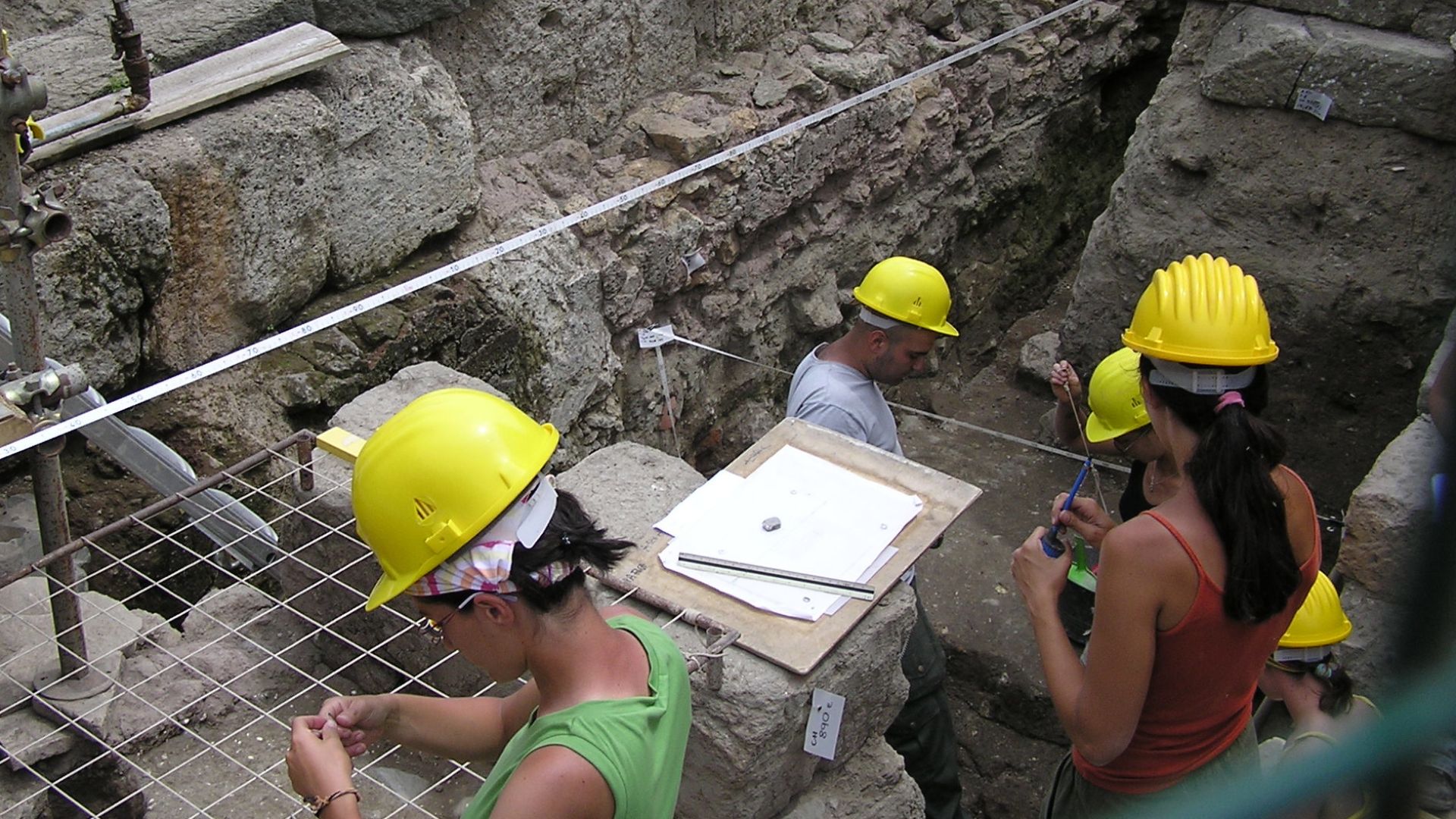
Systematic excavation began in 2017 under the direction of Dr. Olympia Vikatou, and the results have been remarkable. The work was not glamorous in the quick-and-easy sense. It involved clearing, documenting, interpreting, and protecting a monument that had spent centuries under layers of earth, growth, and human reuse.
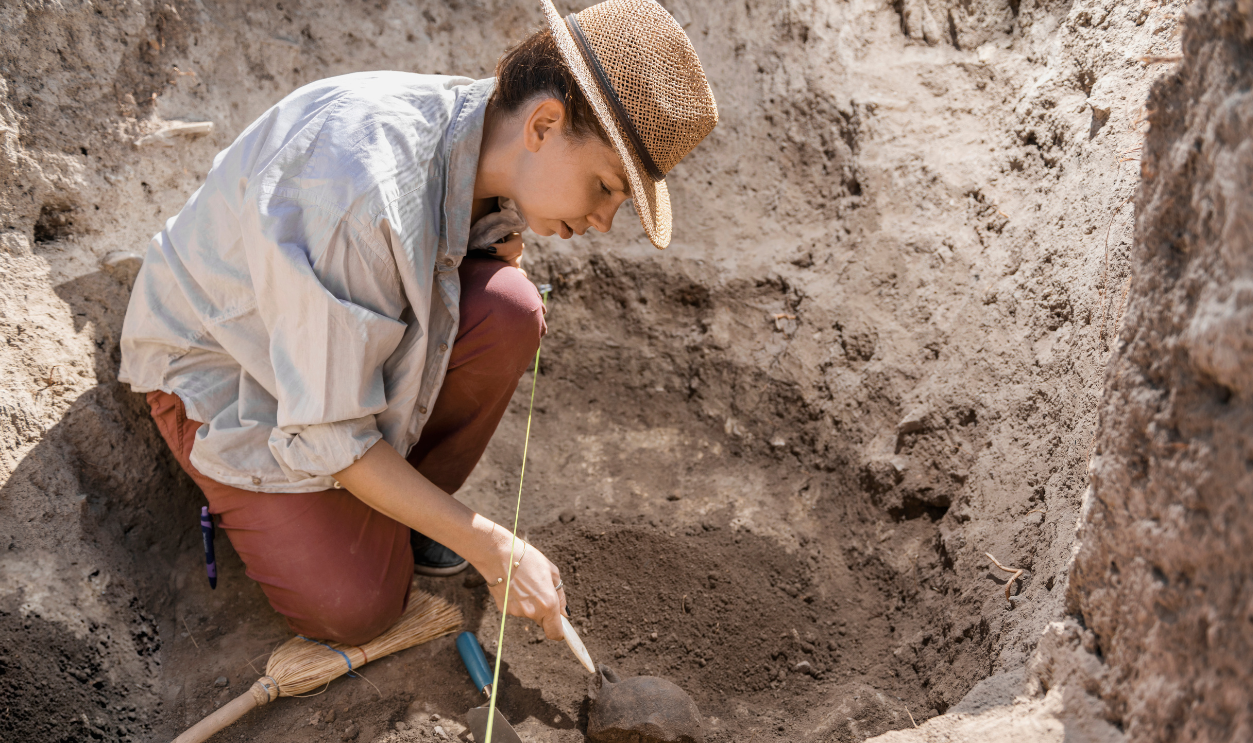
Why Lefkada Matters
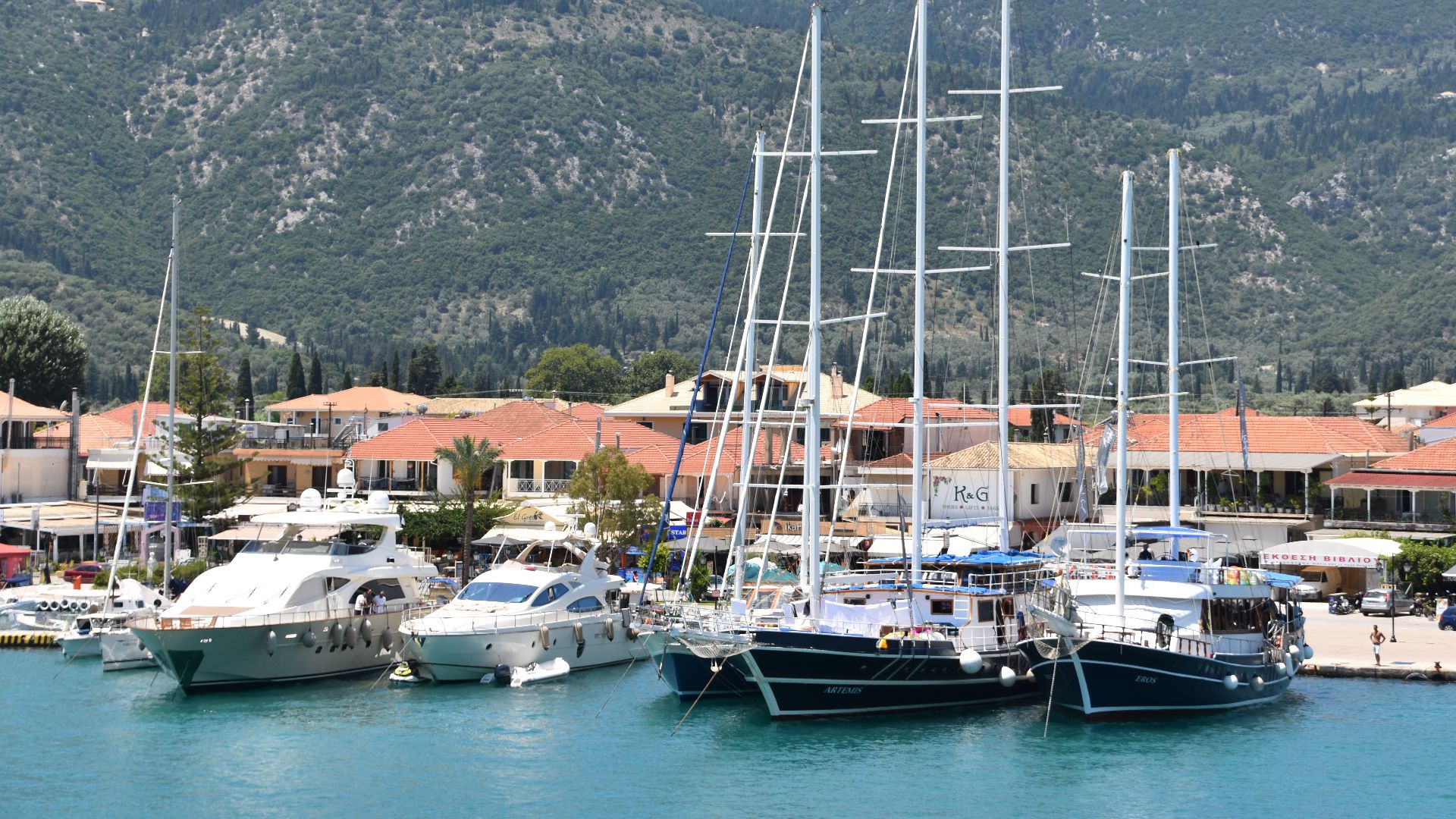
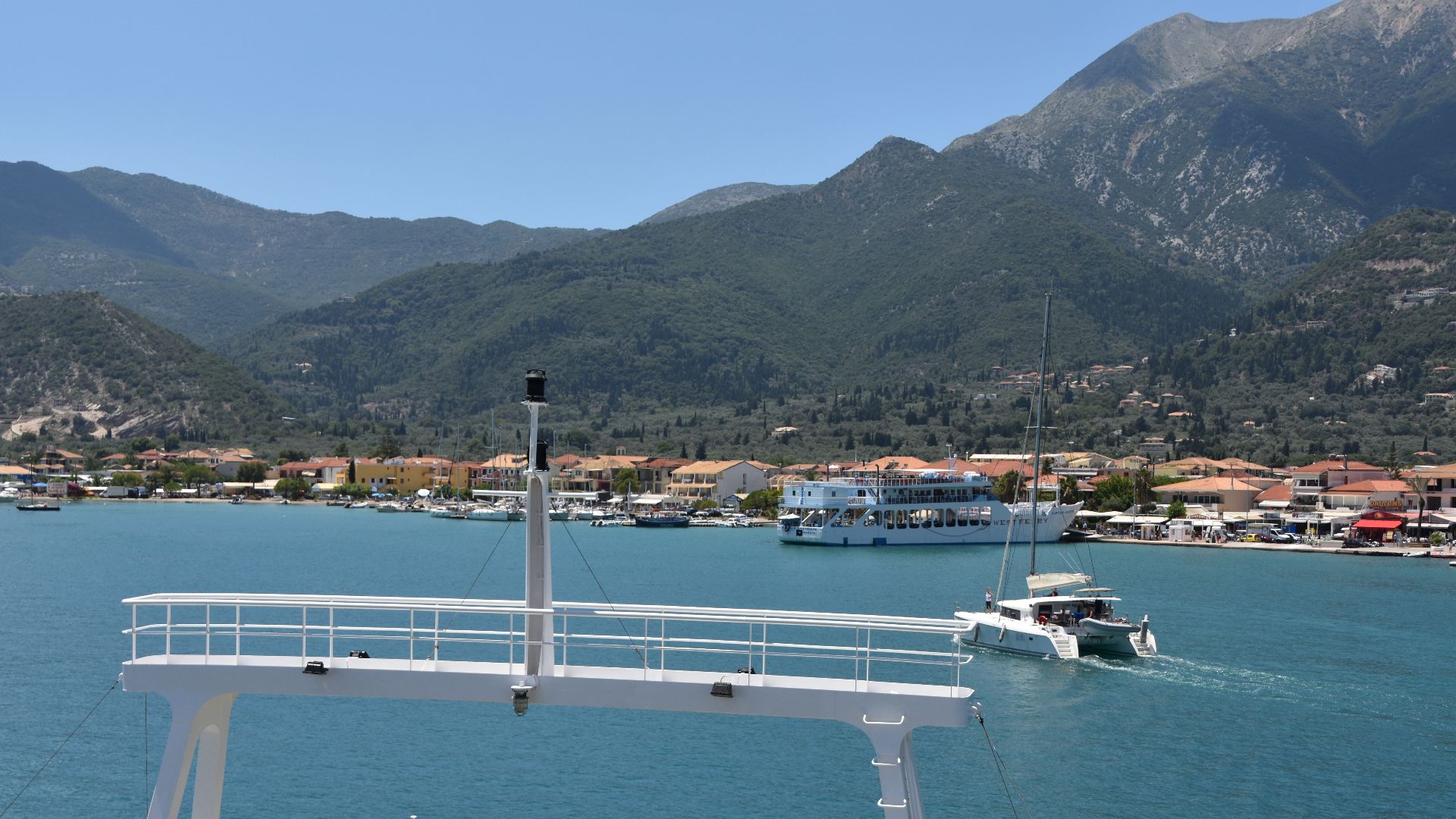
Ancient Lefkada was no sleepy island outpost. Founded by Corinthians before the end of the 7th century BCE, the city occupied a strategic position at the island’s northeastern edge. With access to maritime routes, harbors, and trade networks, Lefkada became an important commercial and economic center in the ancient Greek world.
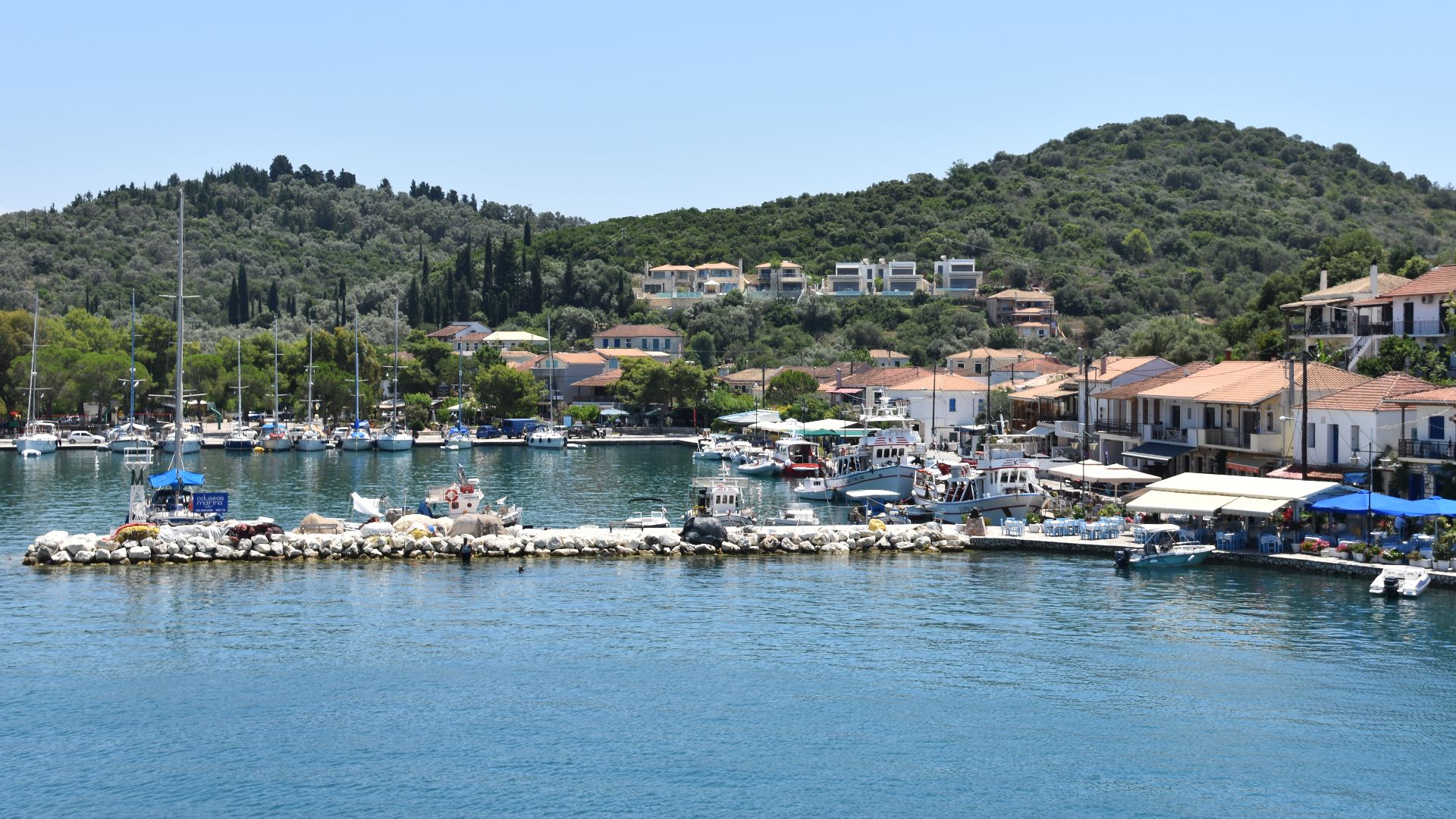 Thomas Dahlstrom Nielsen, Wikimedia Commons
A City With A Cultural Pulse
Where trade goes, ideas usually follow. Lefkada’s theater suggests a city invested not only in ships, markets, and walls, but also in performance, gathering, and civic identity. An ancient theater was never just entertainment architecture. It was a place where people watched stories, heard music, debated values, and saw themselves reflected back as a community.
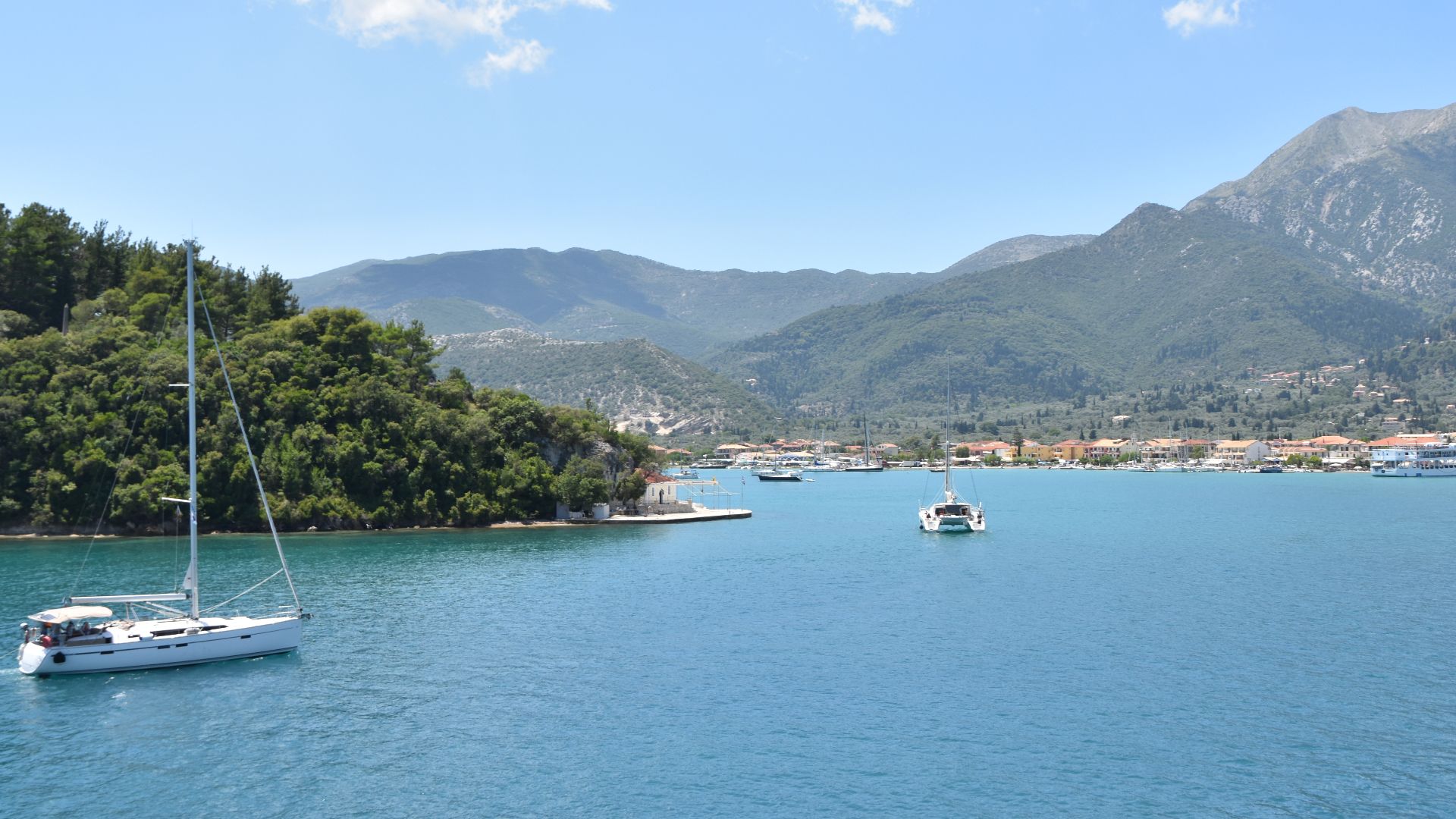 Thomas Dahlstrom Nielsen, Wikimedia Commons
Koulmos Hill Takes Center Stage
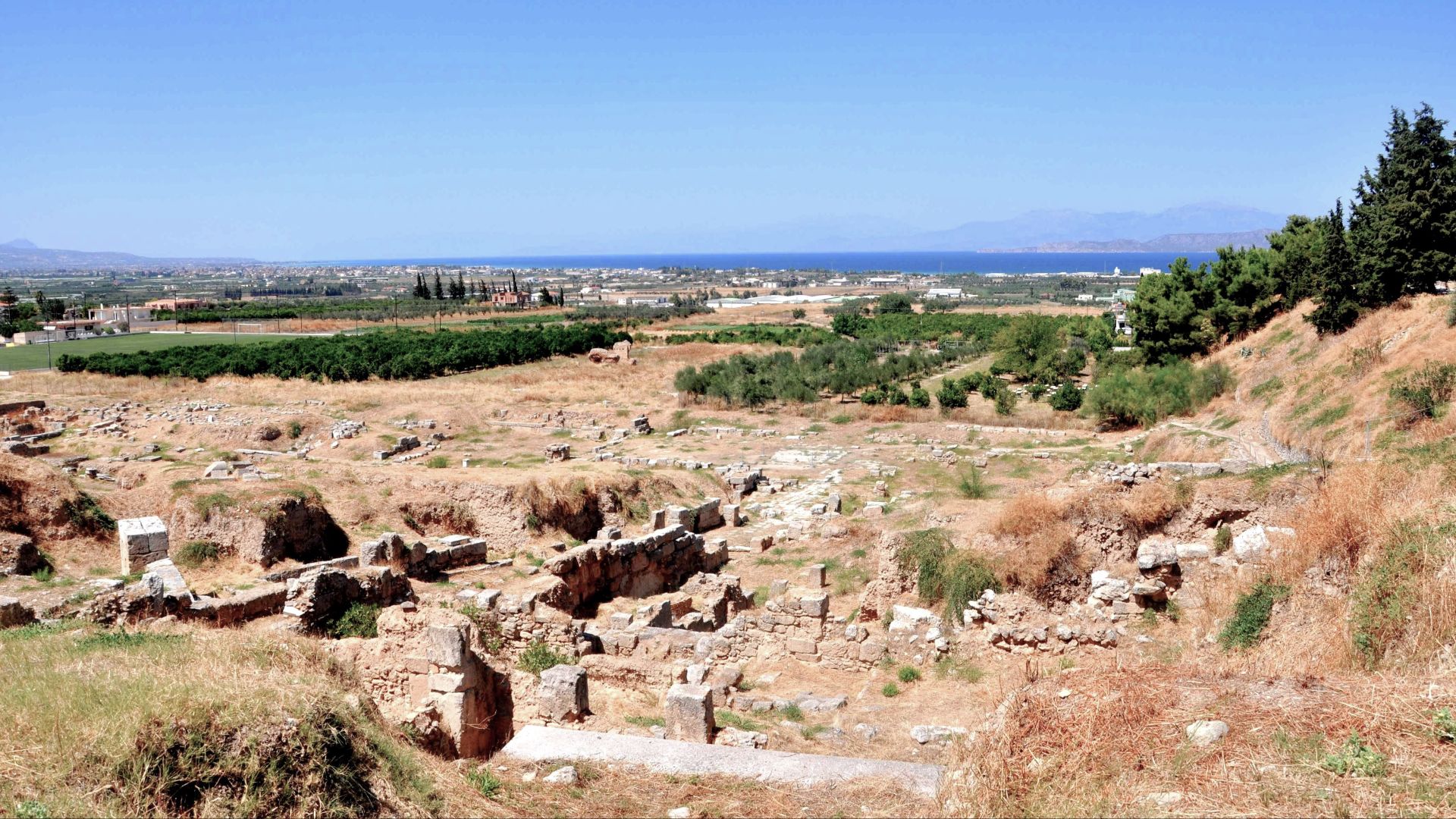
The location is part of the drama. Set on Koulmos Hill, the theater overlooked the ancient city’s landscape, including the channel and coastal plain below. Ancient Greek builders understood that theaters were visual experiences before the actors even appeared. The audience arrived, sat down, and found the city and its surroundings woven into the performance.
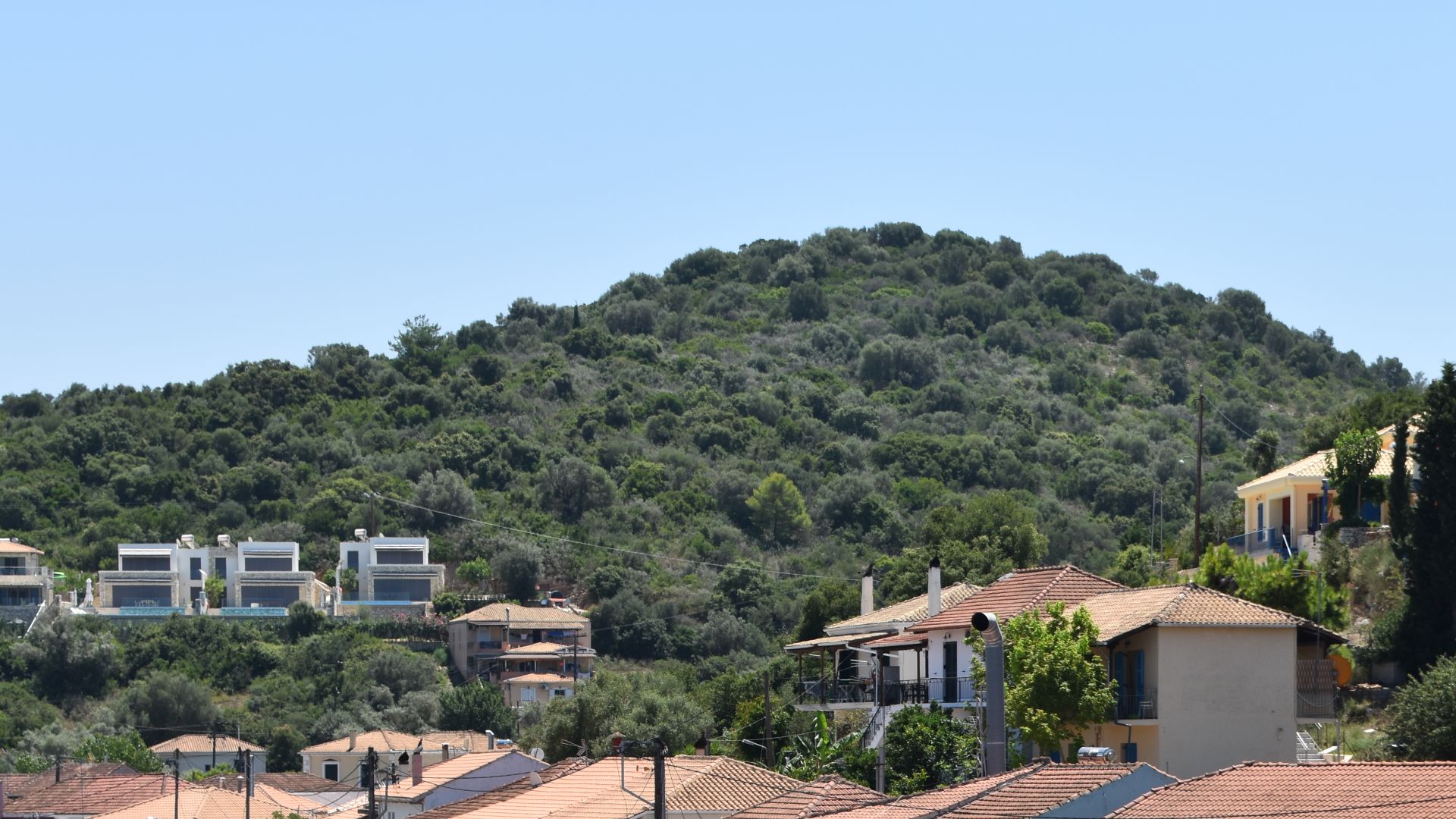 Thomas Dahlstrom Nielsen, Wikimedia Commons
Built Into The Landscape
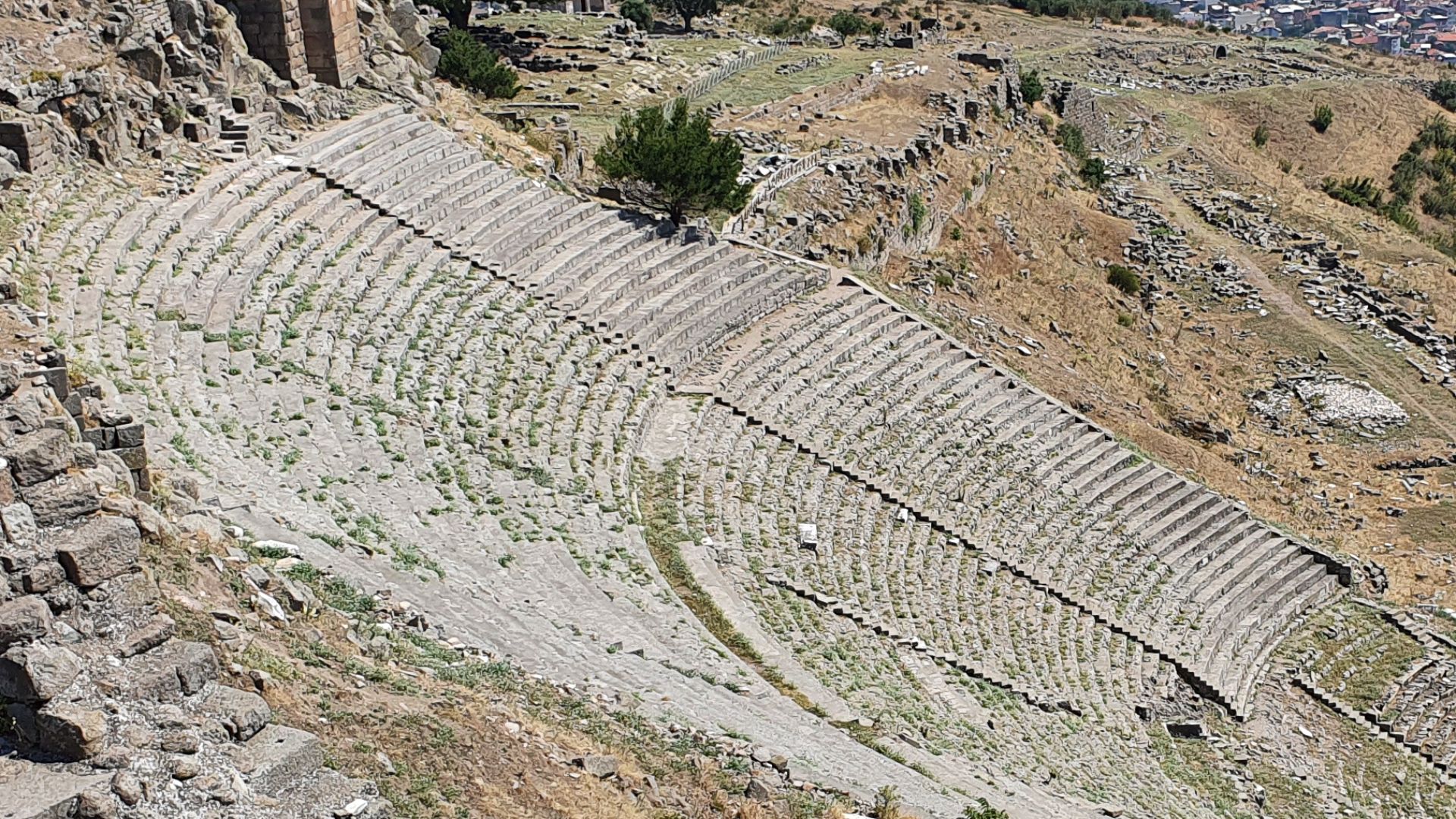
Greek theaters often made brilliant use of natural slopes, and Lefkada follows that tradition. Rather than forcing architecture onto the land, builders worked with the hillside. The result was practical, beautiful, and acoustically sensible. The audience could rise in tiers above the orchestra, with the hill doing some of the heavy lifting.
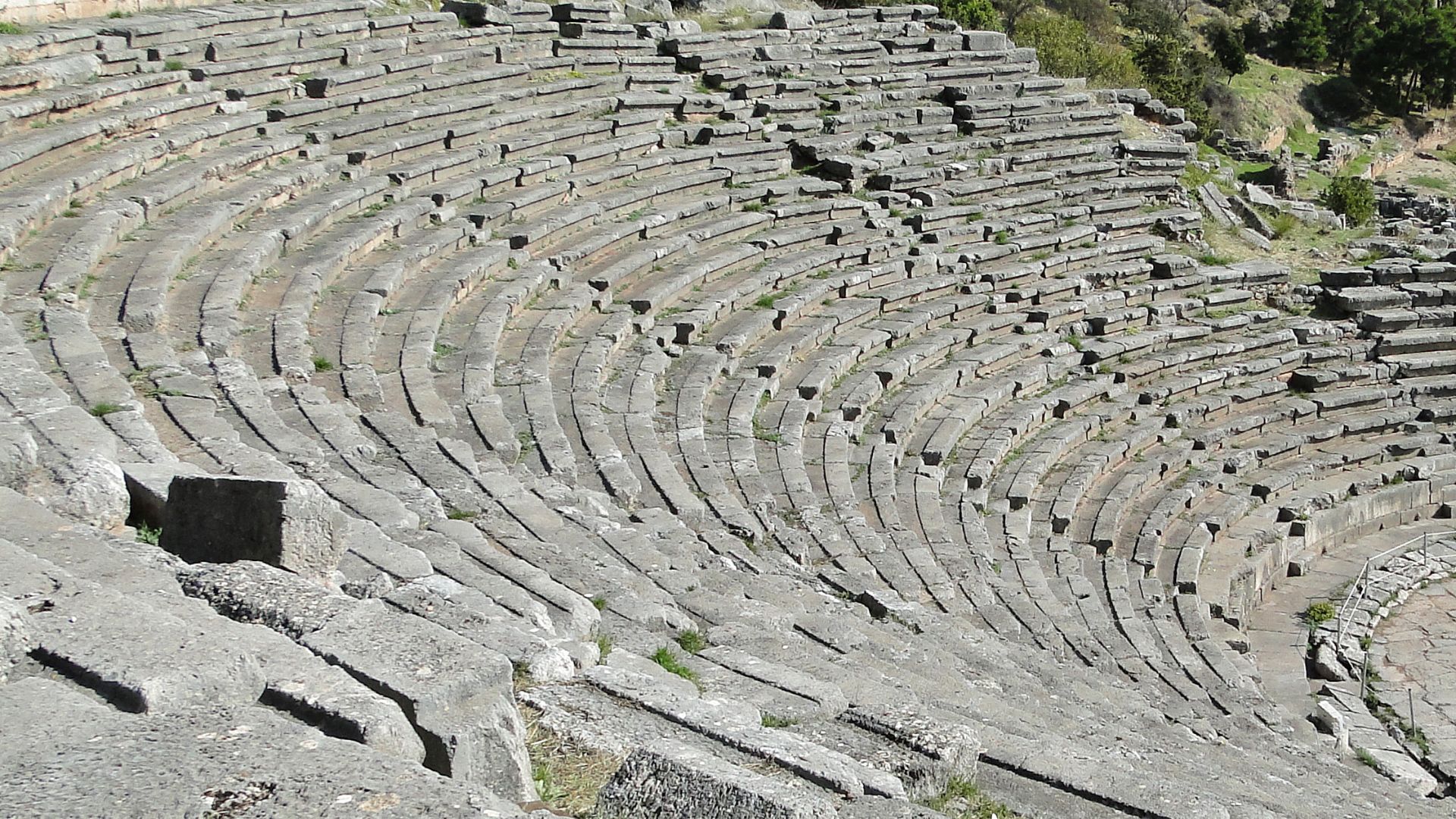 Bernard Gagnon, Wikimedia Commons
More Than A Pretty View
That hillside setting was not only scenic. It helped define the theater’s function. The slope created visibility, the open air carried sound, and the surrounding landscape added grandeur. In a world without electric lights, microphones, or giant screens, architecture itself had to do the work of spectacle.
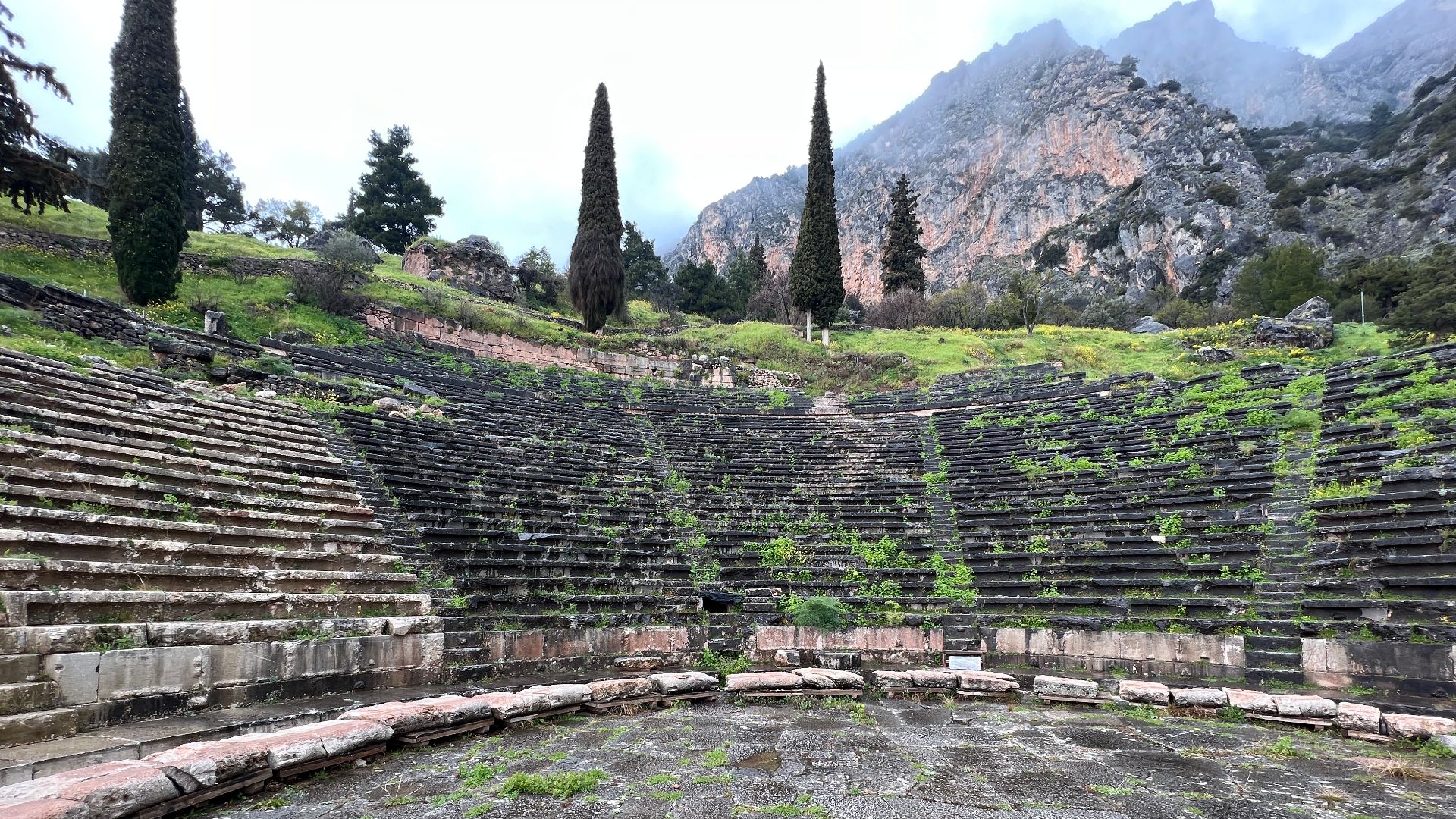
A New Piece In Greece’s Theater Puzzle
The discovery enriches what scholars call the typology of ancient Greek theaters. That simply means it adds another example to the family tree of theater designs. Lefkada’s theater helps researchers compare how communities outside the mainland adapted familiar Greek theatrical forms to local geography, resources, and civic needs.
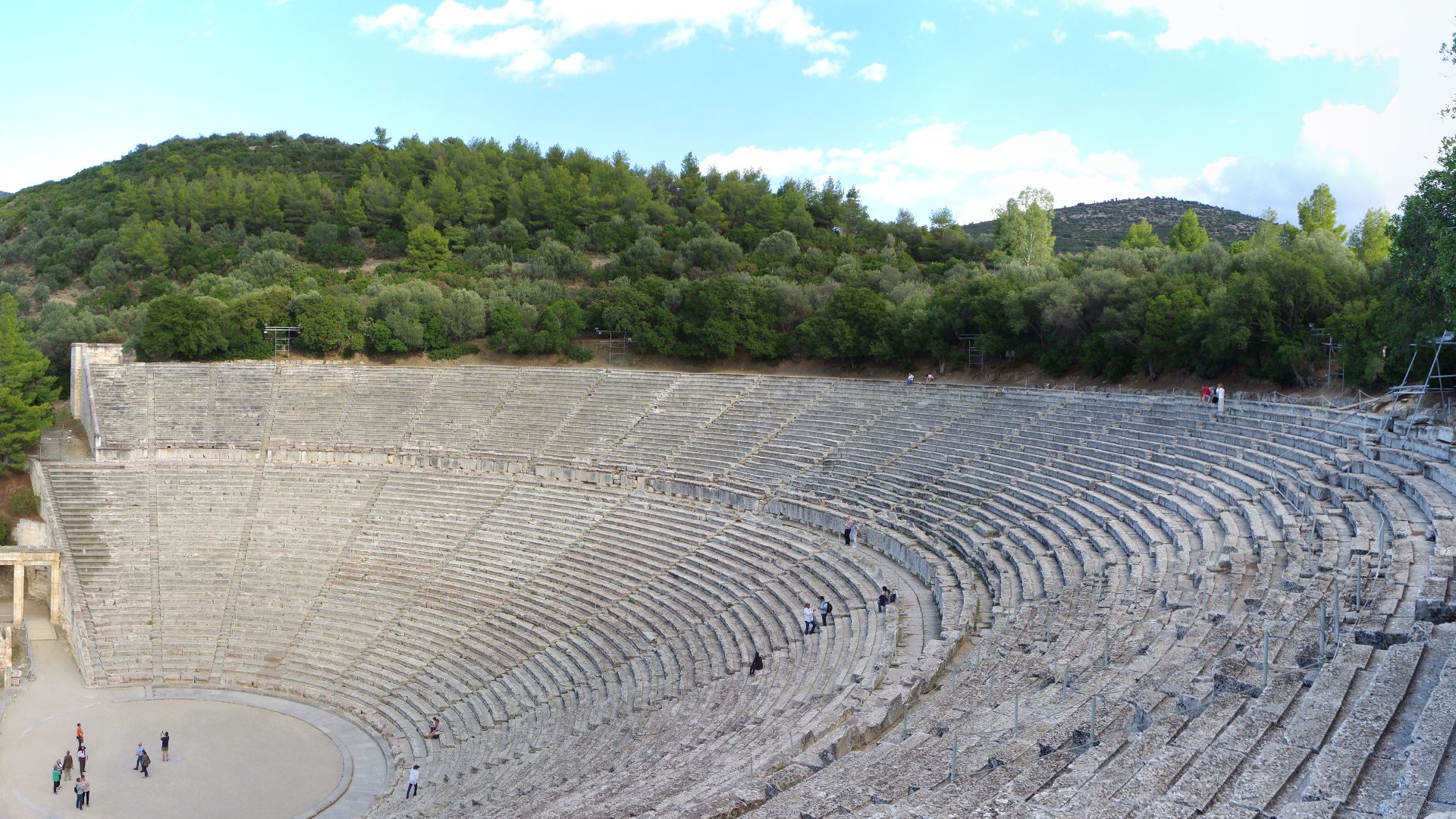 Berthold Werner, Wikimedia Commons
The Mainland No Longer Gets All The Applause
When people imagine ancient Greek theaters, they often think of mainland icons like Epidaurus. Lefkada does not replace those famous monuments; it complicates the picture in the best way. It reminds us that Greek theatrical culture was not confined to a few celebrity sites. It traveled, adapted, and took root across the Greek-speaking world.
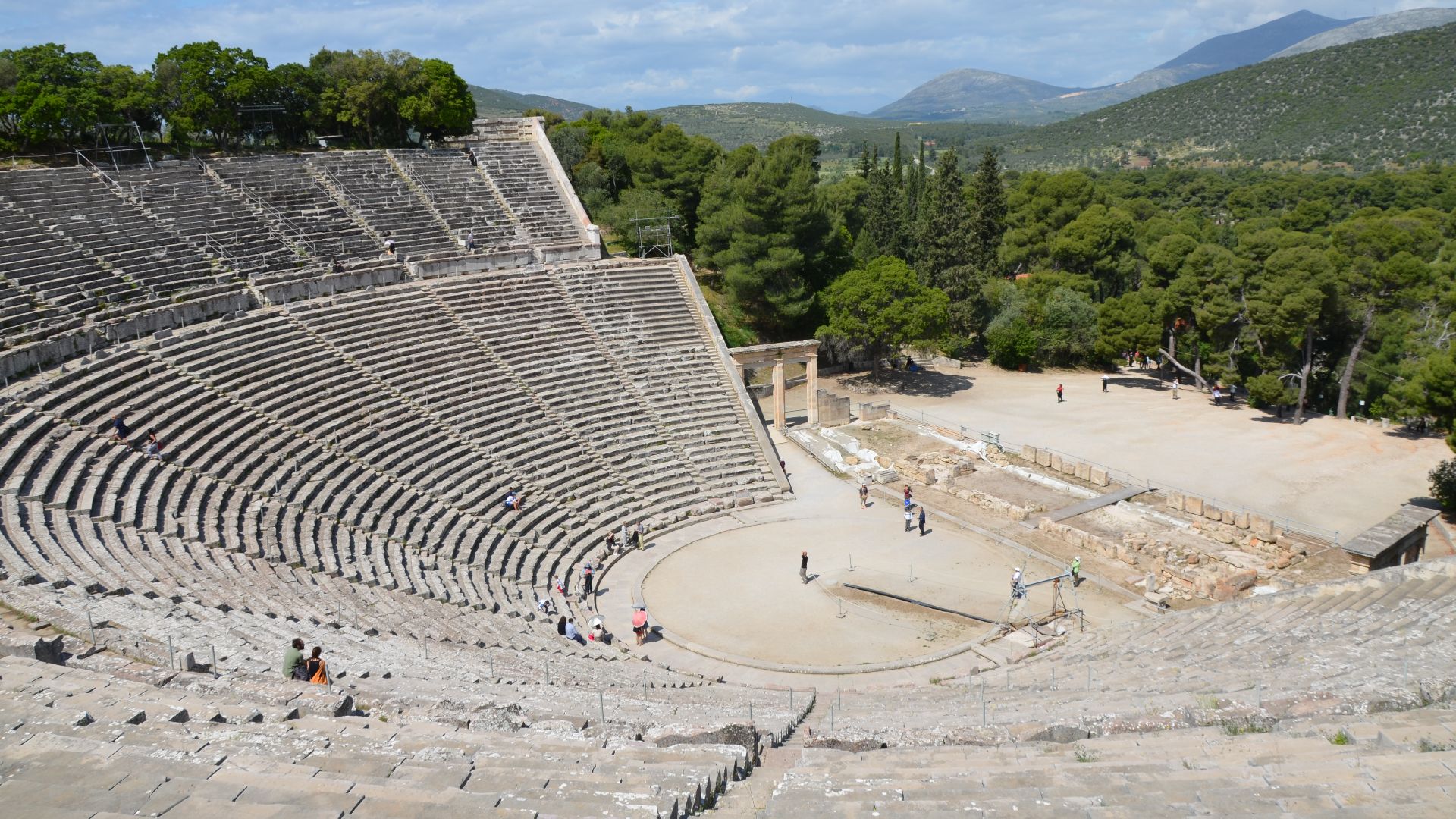 Carole Raddato from FRANKFURT, Germany, Wikimedia Commons
The Ionian Gap Begins To Close
Before this discovery, the Ionian Islands had no known ancient theater of this type. That absence was always intriguing. Were theaters never built there, or had they simply not yet been found? Lefkada’s theater strongly supports the second possibility: the archaeological record still has plenty of surprises hiding under familiar landscapes.
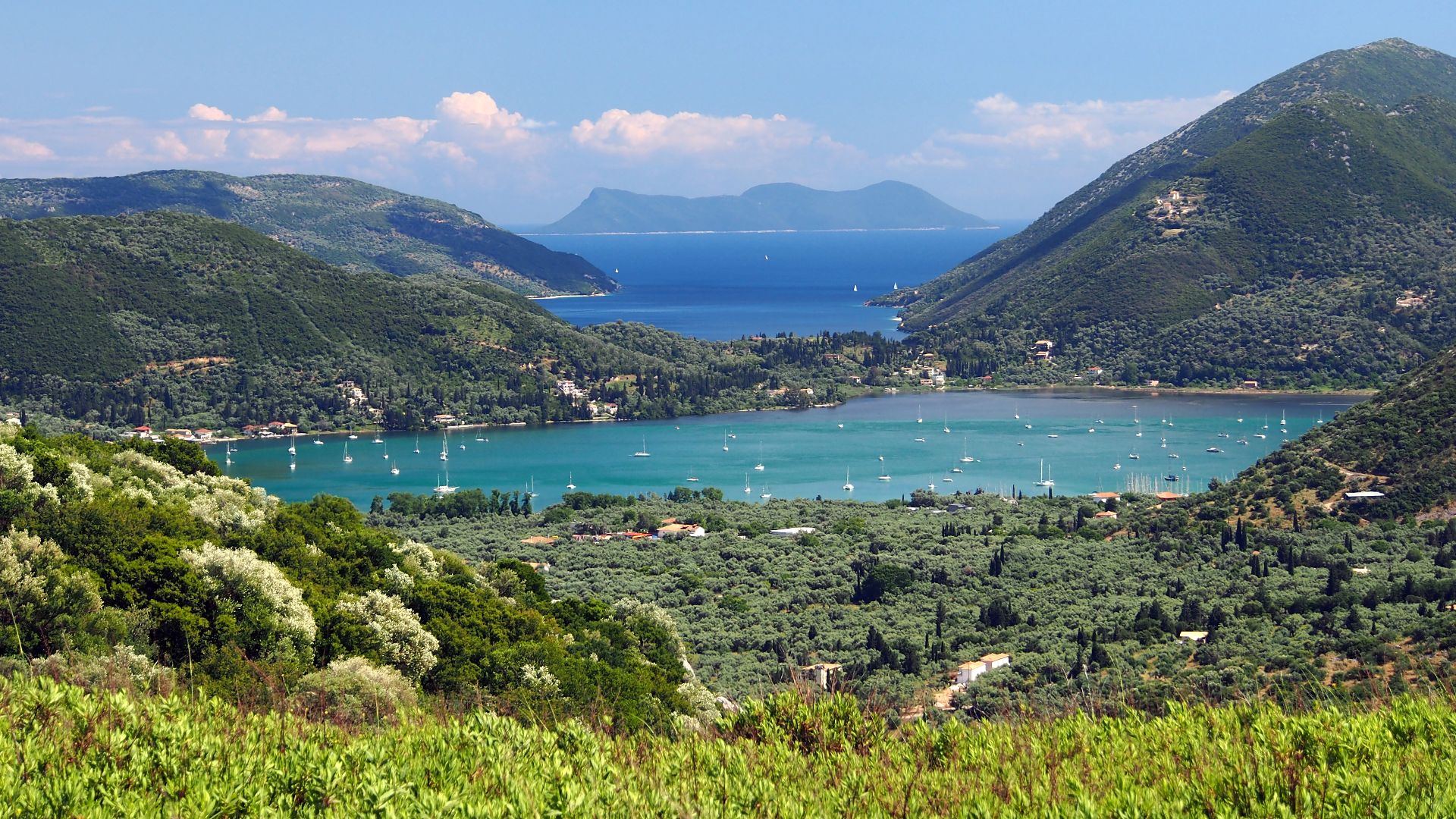 Alf van Beem, Wikimedia Commons
The Silence Of Ancient Sources
One reason the discovery is so exciting is that ancient written sources do not clearly mention Lefkada’s theater. Archaeology, therefore, gets to speak where literature stayed quiet. Stone rows, architectural traces, and carefully recorded excavation data now provide evidence that no surviving ancient author thought to preserve for us.
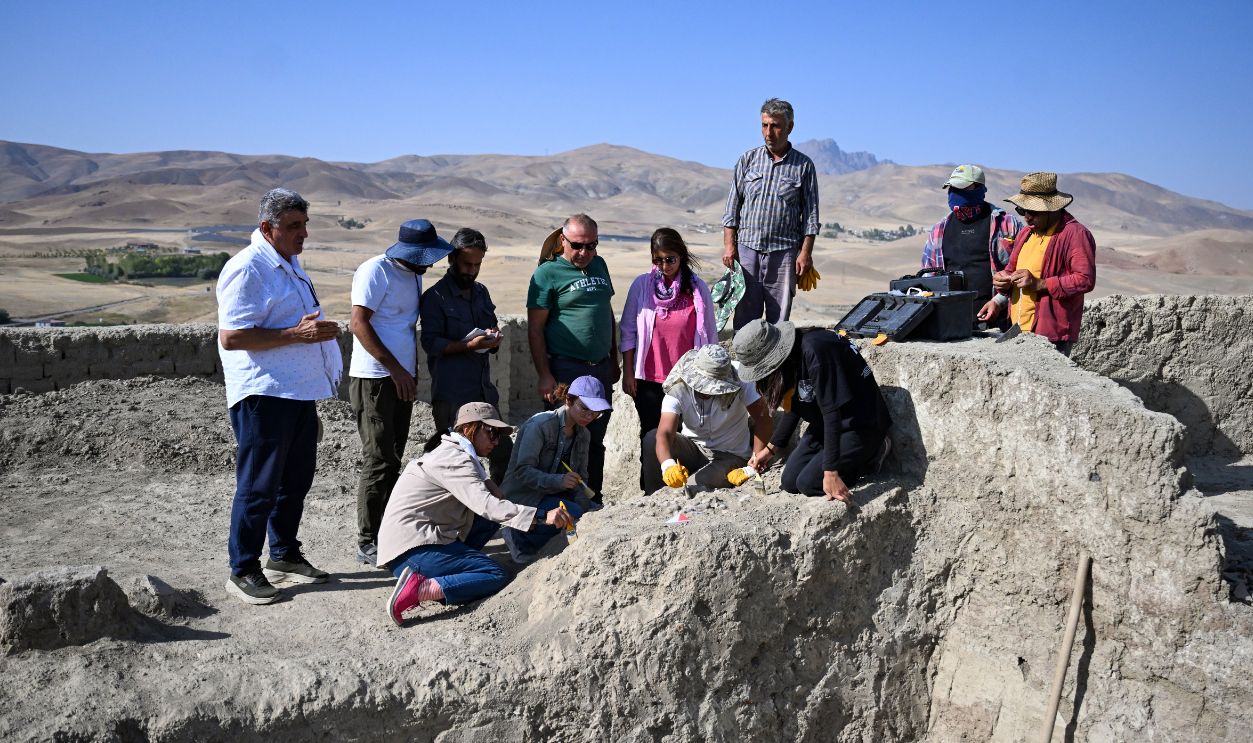
When Stones Do The Talking
Theater archaeology is wonderfully tactile. Seats, retaining walls, pathways, and performance spaces all carry clues. Even when a monument is damaged, robbed, or partly erased, its surviving bones can reveal how people moved, gathered, watched, and listened. At Lefkada, those stones are helping restore a missing chapter of Ionian cultural life.
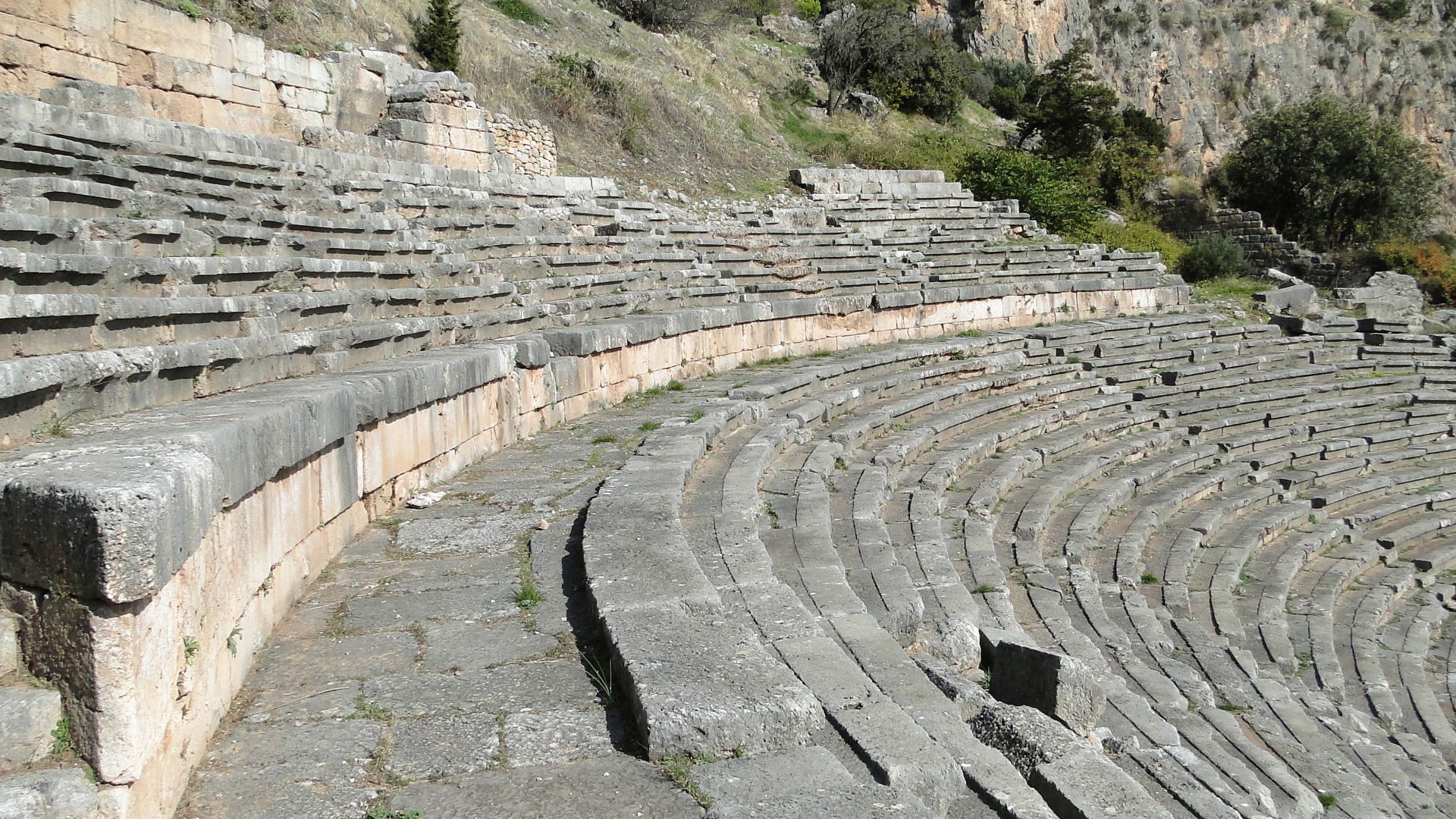 Bernard Gagnon, Wikimedia Commons
A Monument With A Long Afterlife
Like many ancient buildings, the theater did not simply vanish when its first life ended. Over time, stones may have been reused, the site may have been repurposed, and the monument gradually blended into a changing landscape. Ancient theaters often had second, third, and fourth lives long after the applause faded.
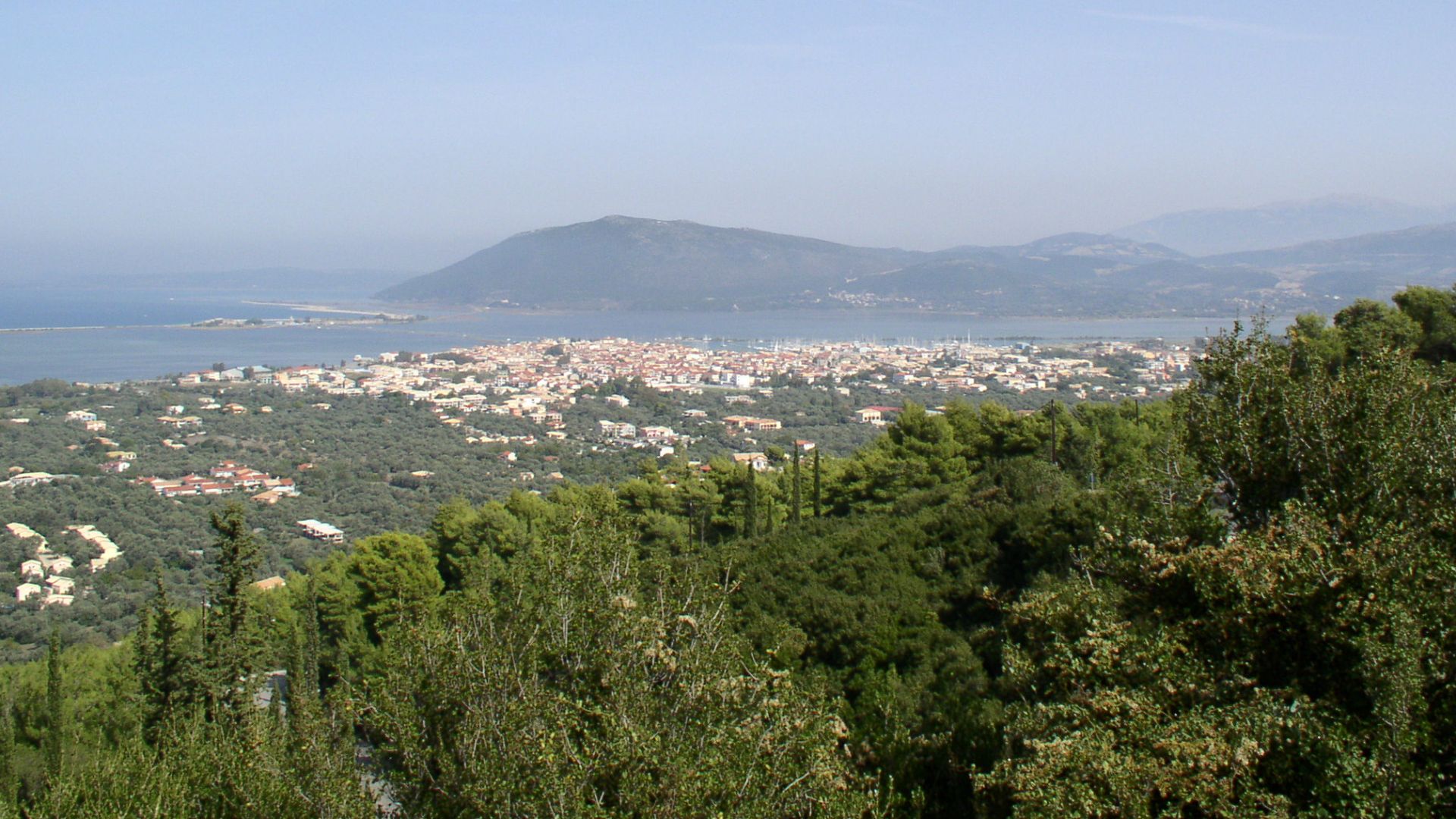
The Nikopolis Connection
Lefkada’s later history was shaped by major regional changes, including the rise of Nikopolis after Octavian’s victory at Actium in 31 BCE. As political and economic gravity shifted, older cities could lose prominence. The theater’s decline may reflect that broader reshuffling of power, population, and prestige in western Greece.
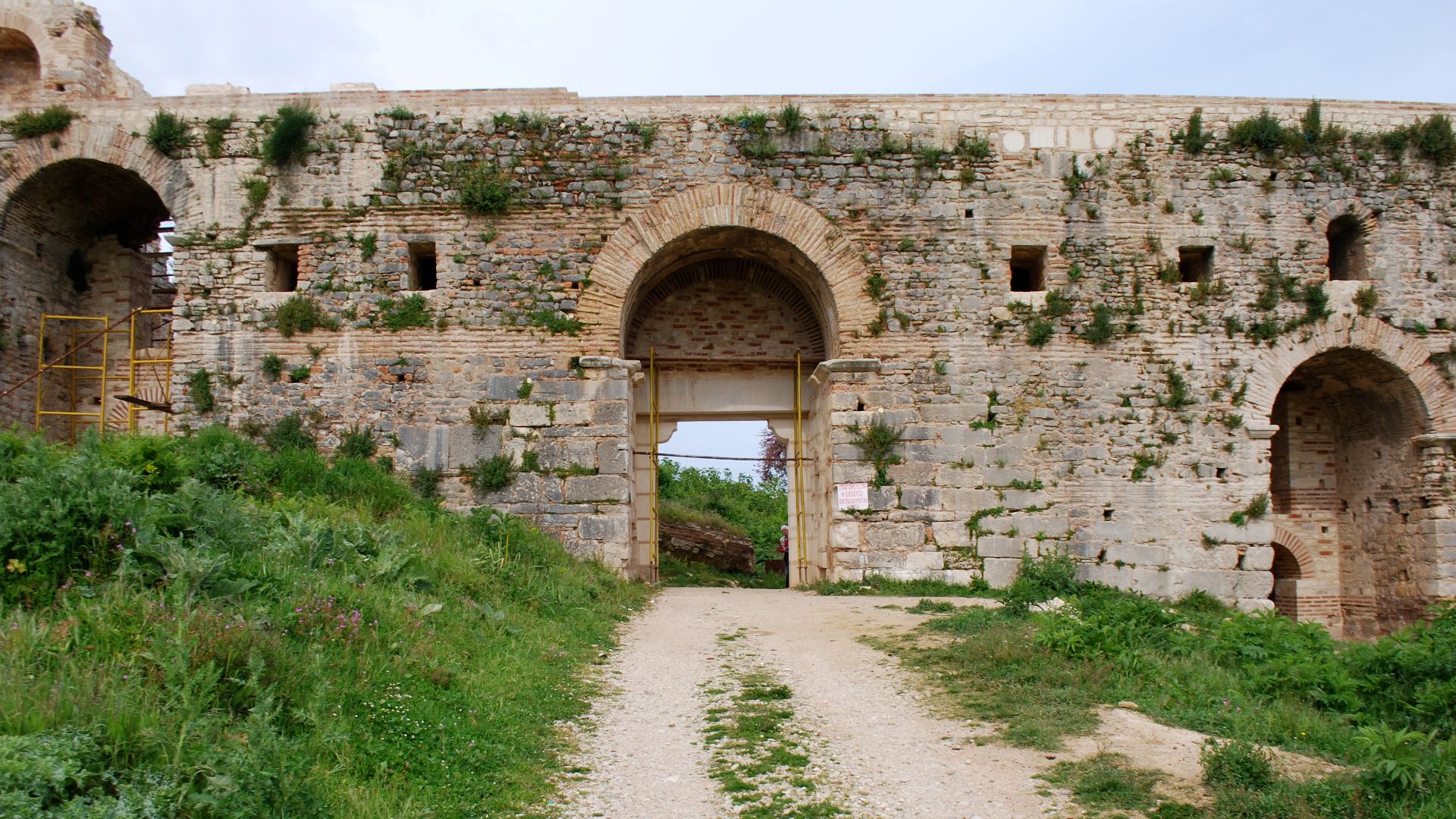 Jean Housen, Wikimedia Commons
A Find With Tourist Star Power
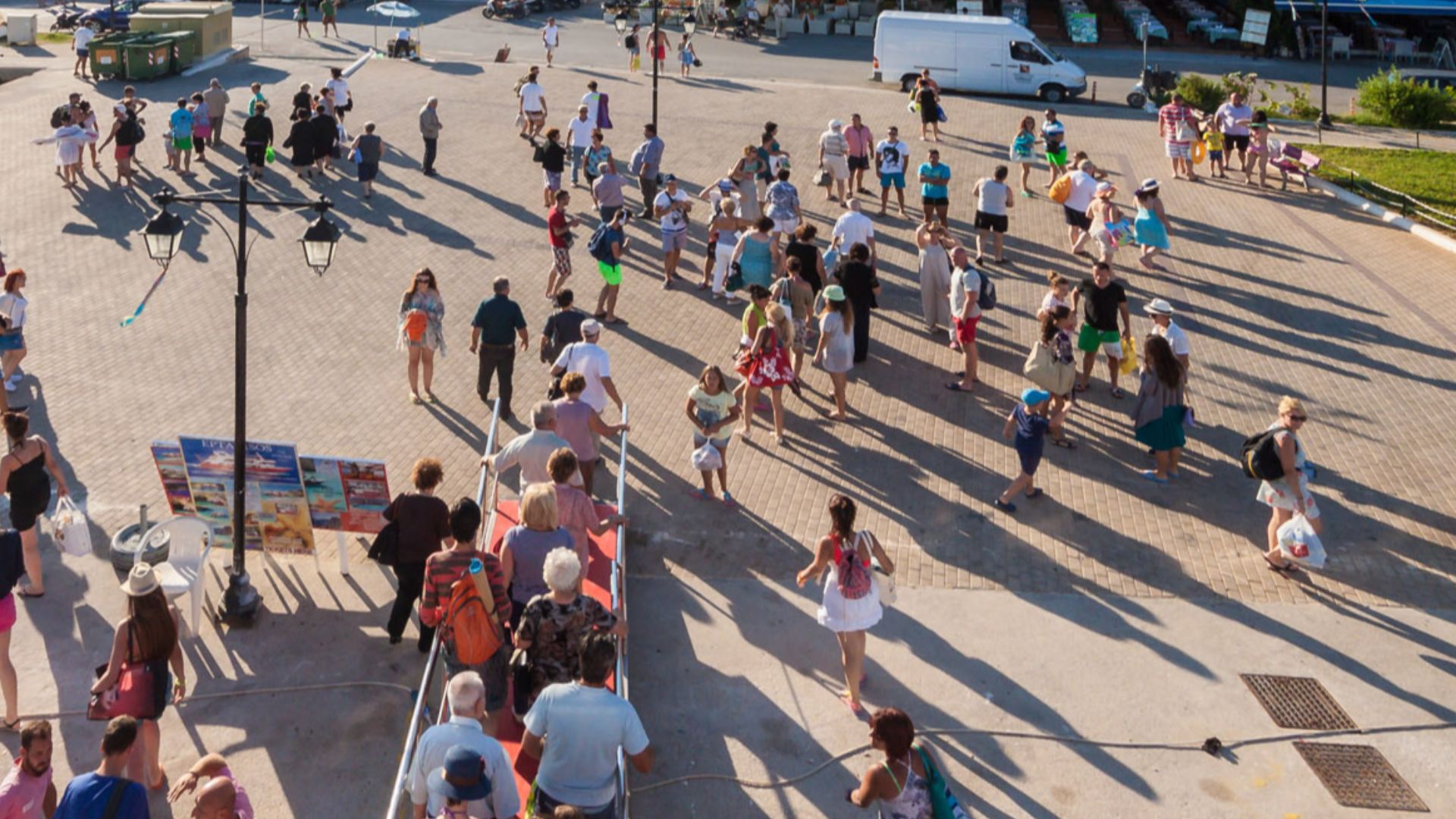
Let’s be honest: ancient theaters are archaeological crowd-pleasers. They are easy to love because visitors instantly understand their purpose. You can stand there and imagine the murmur of spectators, the sweep of costumes, and the first voice carrying across the orchestra. Lefkada now has a cultural landmark with serious visitor appeal.
Restoration Enters The Conversation
As excavation and study continue, restoration plans are part of the theater’s future. That process must balance access with protection. Everyone wants to see the monument, but ancient stones do not benefit from being loved too aggressively. Good conservation lets the public experience the site while keeping it safe for future generations.
The Human Side Of The Discovery
It is tempting to talk only about architecture, but the theater’s real magic lies in people. Thousands of ancient spectators may once have climbed the hill, found their places, greeted neighbors, and settled in for a performance. Archaeology gives those anonymous lives a stage again, even if their names are gone.
 Anne Burgess / Bronze Age Settlement, Wikimedia Commons, Modified
Drama At The Edge Of The Greek World
From a modern map, Lefkada may seem central to Greek tourism, but in antiquity it occupied a fascinating western position. Its theater shows that dramatic culture was not merely a mainland phenomenon exported in one direction. It was part of a wider, connected Greek world shaped by sea routes, colonies, commerce, and ambition.
 Thomas Dahlstrom Nielsen, Wikimedia Commons
Corinthian Roots, Ionian Identity
Because ancient Lefkada was founded by Corinthians, the theater also invites questions about cultural inheritance. Did Corinthian traditions influence its civic architecture? Did local Ionian conditions reshape those traditions? The answers will not come from one dramatic discovery alone, but the theater gives researchers a large and beautiful piece of the puzzle.
 Chris Oxford, Wikimedia Commons
A Win For Patient Archaeology
This discovery is a perfect reminder that archaeology rewards patience. The first clue came in 1901. The site was rediscovered in 1997. Systematic excavation began in 2017. Only after years of careful work did the monument fully emerge. Sometimes the past does not leap from the ground; it negotiates its return.
 Arpingstone, Wikimedia Commons
Why This Theater Feels Different
Lefkada’s theater matters because it is both familiar and unexpected. Familiar, because it belongs to the great Greek theatrical tradition. Unexpected, because it appeared where no comparable Ionian example had been confirmed before. That combination makes the site especially valuable: it confirms a pattern while expanding the map.
The Curtain Rises Again
No one knows exactly what plays, songs, ceremonies, or civic events once animated this theater. But its rediscovery gives Lefkada a new ancient voice. The monument stands as proof that the Ionian Islands were not silent spectators in Greek cultural history. They had their own seats, their own stage, and their own applause.
 Thomas Dahlstrom Nielsen, Wikimedia Commons
A New Act For Ancient Lefkada
The unearthing of Lefkada’s ancient theater is more than a local triumph. It reshapes how archaeologists think about Greek theater beyond the mainland, enriches the typology of ancient performance spaces, and adds a dazzling new landmark to the Ionian Islands. After centuries underground, Lefkada’s stage is finally ready for its encore.
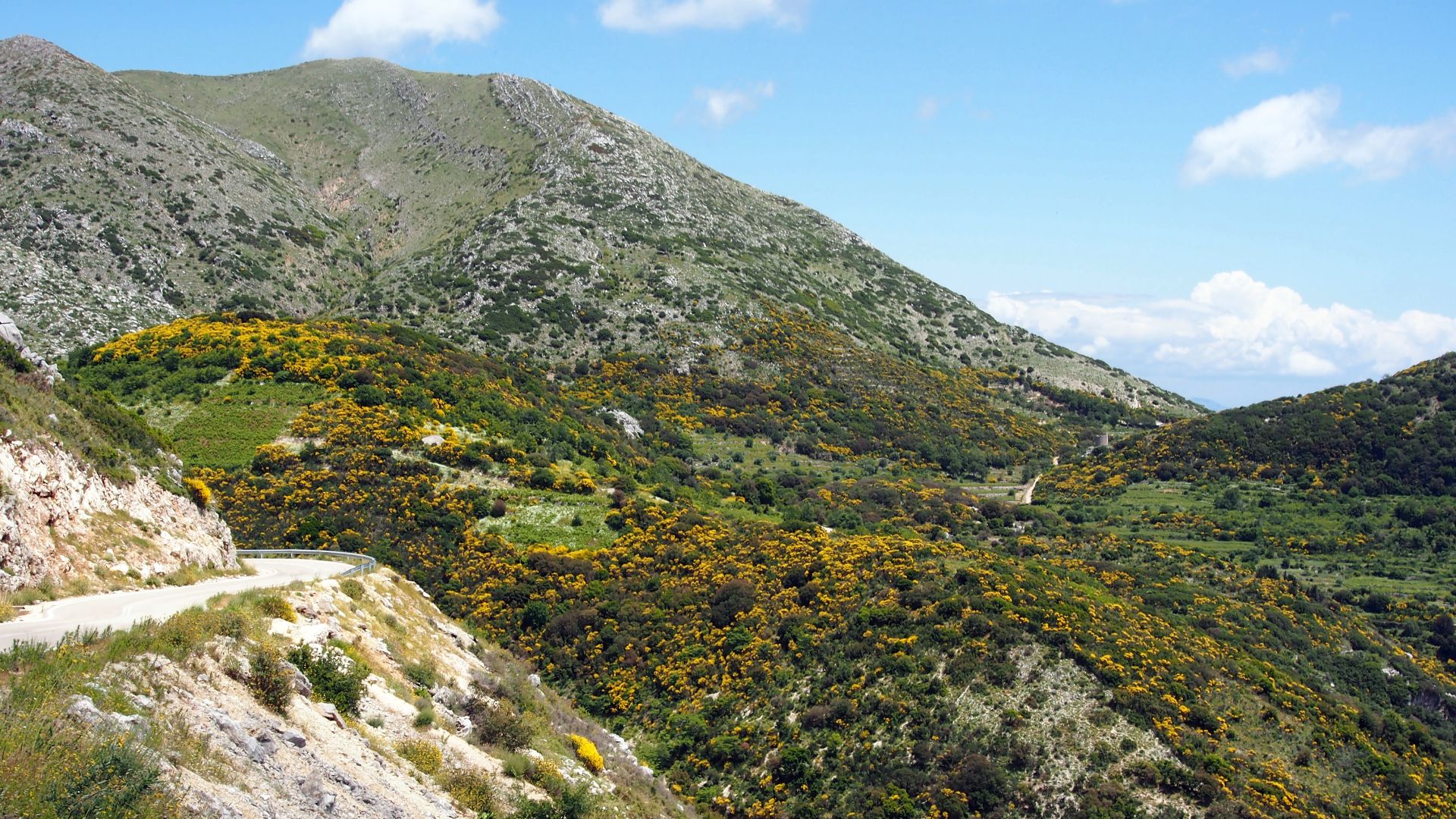 Alf van Beem, Wikimedia Commons
You May Also Like:
My Airbnb host asked us to leave a positive review before we even checked in. Is that a red flag?
The Most Mispronounced Cities In America—How Many Are You Saying Wrong?